


Retro Wall Art
Welcome to our unique collection of retro wall art. Whether you want to add a vintage touch to your living room or brighten your office with classic artworks, you'll find fascinating and charming pieces here. Each painting in our collection is carefully selected for its quality and authenticity, ensuring that every artwork is a true piece of art. Explore our collection and let yourself be carried away by the nostalgia and elegance of retro art.
 Strawberry Lips Wall Art - Retro Edition273,90 €
 Rain of Colors Painting - Abstract Pop Art Edition273,90 €
 Canvas Under Chromatic Downpour - Abstract Pop Art Edition273,90 €
 Lollipop Wall Art - Retro Edition273,90 €
 Painting Woman in a Beige Hat and Cream Dress - Long-Distance Traveler - Vintage Edition273,90 €
 Painting Knitted Cap in Ivory and Blonde near a Window - Light Blue Eyes - Vintage Edition273,90 €
 Painting Young Woman in White and Red Dress - Forgotten Reverie - Vintage Edition273,90 €
 Painting Elegant Woman Black and White Hat - Parisian Mystery - Vintage Edition273,90 €
 Painting Mint Green Coat Hair in the Wind in Front of Vintage Car - Over-the-Shoulder Glance - Vintage Edition273,90 €
 Painting Woman with Black Hat and Red Lace - Glimpse Beneath the Veil - Vintage Edition273,90 €
 Painting Portrait woman hairstyle coral lace - Suspended elegance - Vintage Edition273,90 €
 Traveler Painting Ivory Suit and Terracotta Suitcase - Departure Moment - Vintage Edition273,90 €
 Painting Portrait Brown-haired Woman and Ivory Lace Collar - Light Blue Eyes - Vintage Edition273,90 €
 Black and White Polka Dot Coat Painting - Blurred Urban Showcase - Vintage Edition273,90 €
 Painting Portrait Fur Hat Amber and Black - Feline Gaze - Vintage Edition273,90 €
 Painting Woman in Ivory Dress in Front of Camper Van - Sunset Escape - Vintage Edition273,90 €
 Painting Woman Jacket Grey Leopard Trousers - Confident Walk - Vintage Edition273,90 €
 Painting Woman in Beige Trench Coat and Black Hat - Mysterious Silhouette - Vintage Edition273,90 €
 Painting Woman Jacket White and Navy Blue Checkered - Retro Charm - Vintage Edition273,90 €
 Golden and Orange Eiffel Tower Painting Under Foliage - Man Alone on a Tramway - Vintage Edition273,90 €
 Tango Dancers Painting White and Anthracite - Danced Embrace - Vintage Edition273,90 €
 Painting Young Woman with Beige and White Hat - Silent Reverie - Vintage Edition273,90 €
 Painting Couple Black and White Cap Coat - Comforting Embrace - Vintage Edition273,90 €
 Black and White Traveler Painting under a Snowy Clock - Waiting in the Snow - Vintage Edition273,90 €
Other families
Explore our other worlds
-
 Best Sellers243
artworks
Best Sellers243
artworks
-
 🔥 The Originals 🔥573
artworks
🔥 The Originals 🔥573
artworks
-
 Abstract4182
artworks
Abstract4182
artworks
-
 Africa608
artworks
Africa608
artworks
-
 Love154
artworks
Love154
artworks
-
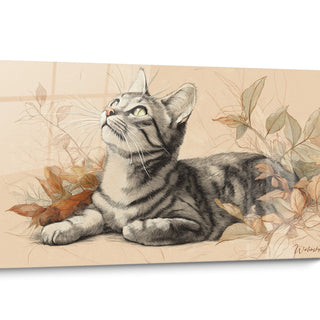 Animals10974
artworks
Animals10974
artworks
-
 Famous Artists ( inspirations )265
artworks
Famous Artists ( inspirations )265
artworks
-
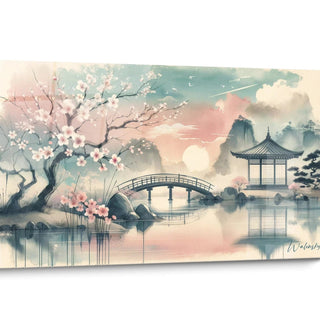 Asia378
artworks
Asia378
artworks
-
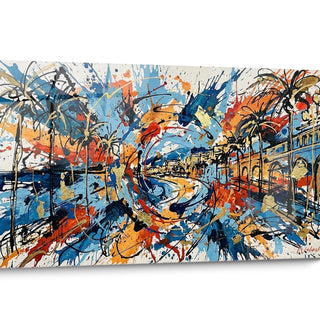 Around the World3980
artworks
Around the World3980
artworks
-
 Kitchen1805
artworks
Kitchen1805
artworks
-
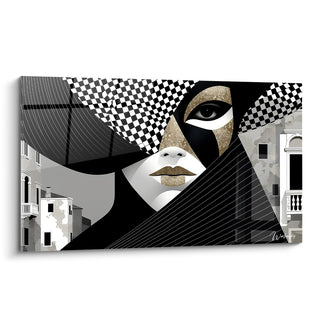 Culture222
artworks
Culture222
artworks
-
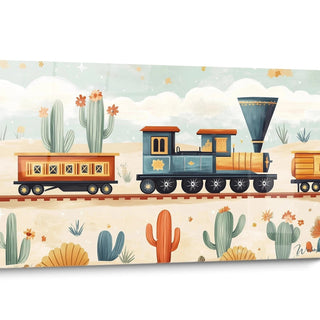 Children54
artworks
Children54
artworks
-
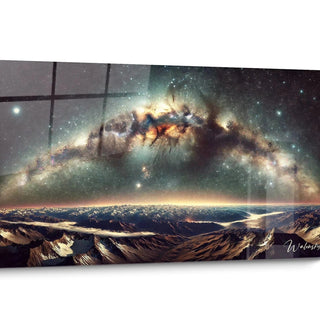 Space514
artworks
Space514
artworks
-
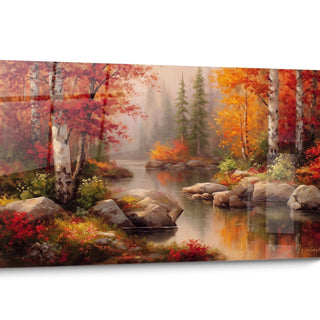 Celebrations & Seasons670
artworks
Celebrations & Seasons670
artworks
-
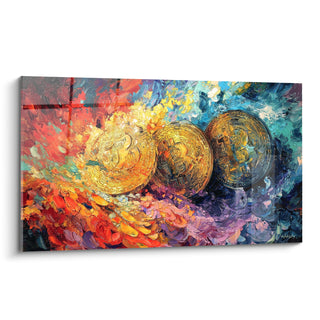 Finance38
artworks
Finance38
artworks
-
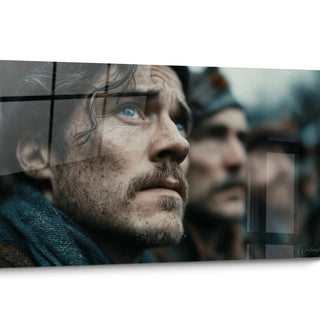 History123
artworks
History123
artworks
-
 Professions235
artworks
Professions235
artworks
-
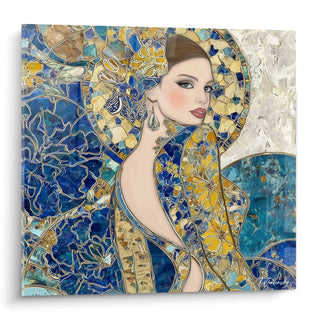 Fashion696
artworks
Fashion696
artworks
-
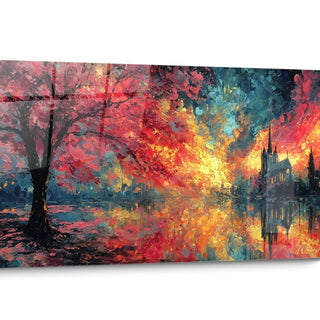 Artistic Movements793
artworks
Artistic Movements793
artworks
-
 Music653
artworks
Music653
artworks
-
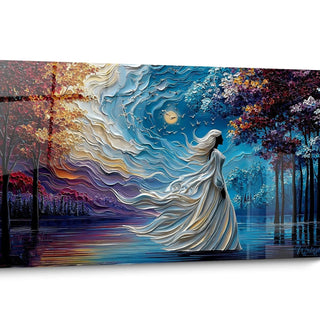 Myth and Legends332
artworks
Myth and Legends332
artworks
-
 Nature5000
artworks
Nature5000
artworks
-
 Black and white445
artworks
Black and white445
artworks
-
 Landscapes1531
artworks
Landscapes1531
artworks
-
 Science and Mathematics122
artworks
Science and Mathematics122
artworks
-
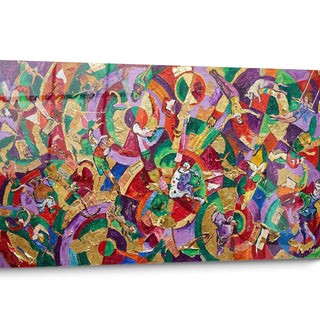 Sports & Leisure2470
artworks
Sports & Leisure2470
artworks
-
 Street Art167
artworks
Street Art167
artworks
-
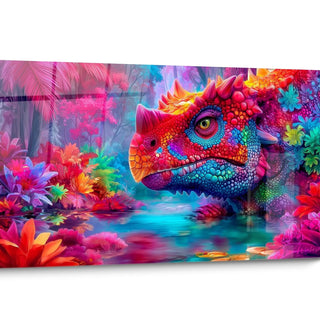 Primordial Lands150
artworks
Primordial Lands150
artworks
-
 Transportation15
artworks
Transportation15
artworks
-
 Zen2161
artworks
Zen2161
artworks
-
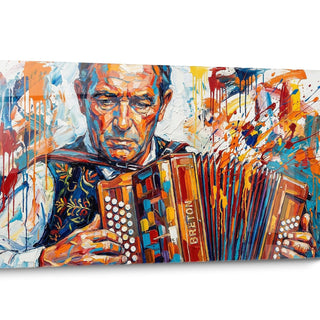 Browse all our wall art25001
artworks
Browse all our wall art25001
artworks
-
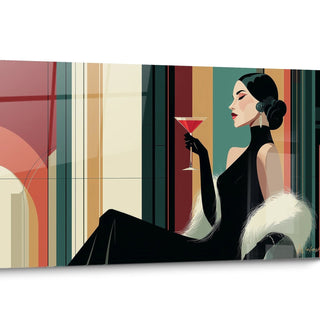 Places150
artworks
Places150
artworks
-
 Professionnels101
artworks
Professionnels101
artworks


All about Retro Wall Art
- Vintage Artwork Presentation
- Vintage Artwork Authenticity
- Vintage Artwork Integration
- Vintage Artwork Value
Discover the fascinating universe of vintage artworks, these works of art that transcend time to bring character and history to your interior. An authentic vintage artwork stands out through its natural patina, period-specific artistic techniques and its ability to tell a unique visual story. Unlike modern reproductions, these exceptional pieces bear the imprint of past decades, offering a depth and authenticity impossible to replicate.
Vintage artworks are far more than simple decorative elements – they represent genuine testimonies of bygone eras, capturing the aesthetic and cultural essence of specific historical periods. Whether still lifes from the 1950s, impressionist landscapes from the early century or Art Deco portraits, each vintage artwork possesses a distinctive stylistic signature that instantly enriches the ambiance of your space.
Explore our detailed sections to discover how to authenticate these precious works, integrate them harmoniously into your contemporary décor, and understand their value both aesthetic and economic in today's art market.
Authenticity and Distinctive Characteristics of Vintage Artwork
Authenticity represents the cornerstone of a vintage artwork's value. Unlike simple old reproductions, a genuine vintage piece possesses period markers impossible to reproduce artificially. The first distinctive characteristic manifests through the natural patina of time – this subtle alteration of the pictorial surface that testifies to decades of exposure to light, air and temperature variations. This authentic patina gives the vintage artwork an inimitable chromatic depth that even the most sophisticated artificial aging techniques cannot match.
How to recognize authentic vintage artwork?
Identifying authentic vintage artwork relies on several specific indicators. The first is found on the back of the work, where time's marks are naturally inscribed. A period frame will display wear signs consistent with its presumed age – small scratches, slight discoloration in places, and sometimes dust residues embedded in corners. These rarely falsified elements constitute precious witnesses to authenticity.
The signature is also a crucial authentication element. Legitimate vintage artworks often present signatures with specific characteristics: the ink may have slightly penetrated the support fibers or faded in a particular way. Under magnification, one can sometimes distinguish the typical micro-cracks of a work that has traversed the ages. These cracks, called "age cracks", form specific networks depending on the creation period – artworks from the 1950s present different patterns than those from the 1920s, for example.
Artistic techniques of the period in vintage artworks
The pictorial techniques employed constitute a precious temporal signature for authenticating a vintage artwork. Each artistic period privileges certain paint application methods, certain chromatic mixtures and certain finishes. The 1930s-1940s are distinguished for example by the frequent use of specific pigments now replaced by modern alternatives. Spectroscopic analysis can reveal the presence of these historical pigments, confirming the authenticity of the work.
Surface texture constitutes another determining indicator. Vintage artworks often present characteristic impastos – these reliefs created by generous paint application – which have undergone the effect of time. These impastos take on a distinctive appearance after several decades, with specific micro-fissures impossible to recreate artificially. Similarly, brush traces fossilized in the pictorial matter tell the technical story of the era.
Provenance: crucial element of valuable vintage artwork
Historical documentation accompanying authentic vintage artwork considerably authenticates its value. Period exhibition certificates, original invoices, mentions in old gallery catalogs or historical photographs showing the work constitute valuable proofs. These provenance documents build the work's biography and guarantee its journey through time.
Labels on the back deserve special attention. A vintage artwork that participated in period exhibitions, passed through prestigious galleries or belonged to recognized collections will often bear specific labels or stamps. These institutional markers, difficult to falsify with precision, allow the reconstruction of the work's historical itinerary and confirm its authenticity.
Historical materials specific to vintage artworks
The supports used in vintage artworks differ significantly from contemporary materials. The textile fibers employed for artworks from the 1920s-1960s present particular weaving characteristics, identifiable under microscope. The evolution of industrial manufacturing processes has progressively modified the very nature of supports, making approximate dating possible through simple structural analysis.
Period varnishes constitute another valuable authenticity marker. The chemical formulations of varnishes have evolved considerably over the decades. The natural varnishes used until the 1960s yellow and crack according to specific patterns impossible to reproduce artificially. This characteristic amber patina testifies to the authentic passage of time on the work.
Period frames often accompanying vintage artworks also allow confirmation of their authenticity. Framing techniques, materials used for mats, fixing methods and ornamental styles follow well-documented historical trends. A frame truly contemporary with the work will present characteristics consistent with its creation period.
The authenticity of a vintage artwork therefore relies on the meticulous analysis of multiple complementary factors. Beyond subjective aesthetic appreciation, these technical elements constitute an objective reading grid allowing certain establishment of the historical and artistic value of these pictorial testimonies of bygone eras.
Harmonious Integration of Vintage Artwork in Contemporary Space
Integrating a vintage artwork into a contemporary interior creates a fascinating dialogue between eras and styles. Unlike modern works that harmonize naturally with current spaces, the vintage artwork introduces a temporal depth requiring a thoughtful integration approach. Its characteristic patina, its tonalities often softened by time and its period aesthetic constitute so many assets for creating striking stylistic contrasts in minimalist modern environments.
Principles of visual integration of vintage artwork
Showcasing a vintage artwork relies on creating balance between its historical character and the surrounding contemporary aesthetic. The focal point principle proves particularly effective – position the work in a space where it will naturally capture attention, such as facing a room's entrance or above a significant piece of furniture. Unlike contemporary works often presented in series, the vintage artwork benefits from being isolated to allow appreciation of its historical and stylistic singularity.
Temporal contrast constitutes a particularly effective strategy. The association of a vintage artwork with the streamlined architectural lines of a contemporary interior creates sophisticated visual tension. A 1930s Art Deco portrait takes on new dimension when it dialogues with the minimalism of a modern living room. This temporal juxtaposition transforms the vintage work into a genuine decorative statement, simultaneously emphasizing its historical character and its timeless aesthetic relevance.
What colors to specifically pair with vintage artwork?
The surrounding color palette plays a determining role in the harmonious integration of a vintage artwork. Works from the 1950s-1960s often present tonalities slightly yellowed by natural aging of varnishes. To showcase this characteristic amber patina, favor walls in cool neutral tones – pearl gray, off-white or very pale blue. This thermal contrast between the natural warmth of the vintage artwork and the coolness of the contemporary environment amplifies the work's visual presence while emphasizing its temporal authenticity.
Vintage artworks possessing a sepia dominance or terracotta tones harmonize remarkably with current shades like sage green, teal blue or certain plum nuances. These contemporary color associations reactivate historical pigments while creating aesthetic bridges between different eras. However, avoid environments too heavy in bright colors that might diminish the visual impact of the vintage artwork's authentic patina.
Strategic positioning in architectural space
The optimal placement of a vintage artwork in contemporary architecture deserves specific consideration. Unlike modern works often presented at standard height, vintage artworks benefit from slightly lower positioning – approximately 10 cm below current norms. This subtle adaptation respects historical hanging conventions and allows integration of the work into living space rather than relegating it to simple wall decoration status.
Transitional spaces such as staircase landings, vestibules or hallways offer particularly favorable contexts for vintage artworks. These intermediate zones, symbolically situated between different functional spaces, echo the intermediate temporal position of the vintage work – simultaneously historical and contemporary by its present presence. This conceptual resonance enriches the overall spatial experience of the interior.
Specific lighting to preserve and enhance vintage artwork
Illuminating a vintage artwork requires an approach distinct from that employed for contemporary works. The potential fragility of historical pigments and the delicacy of period varnishes require special attention to light radiation. Favor LED lighting systems equipped with UV filters, positioned at optimal distance to minimize thermal impact while maximizing revelation of chromatic subtleties.
Variations in light intensity allow modulation of the vintage artwork's perception according to times of day or occasions. Dimmed evening lighting accentuates the characteristic amber patina of old varnishes, revealing nuances imperceptible in more direct light. This adaptability transforms the visual experience of the work, conferring dynamic presence within the contemporary space.
Complementary furniture and accessories
The furniture environment plays an essential role in cohesive integration of a vintage artwork. Creating subtle aesthetic connections between the work and certain contemporary elements fosters overall visual unity. A contemporary armchair whose shade discreetly recalls a color present in the artwork, or a modern vase whose form echoes certain compositional elements of the work, establishes visual correspondences that naturally anchor the vintage artwork in current space.
Thoughtful juxtaposition of objects from different eras around the vintage artwork creates enriching temporal depth. However, avoid accumulation of nostalgic elements that might transform the space into a historical pastiche. The vintage artwork should dialogue with strong contemporary pieces to fully express its timeless rather than simply nostalgic dimension.
Successful integration of a vintage artwork in contemporary space ultimately relies on this delicate balance – allowing the work to express its historical identity while actively participating in the current aesthetic language of the interior. This conversation between eras, when orchestrated with sensitivity, transforms the vintage artwork into a genuine emotional and aesthetic anchor point of the inhabited space.
Value and Appreciation of Vintage Artwork in Today's Market
The vintage artwork market is currently experiencing significant appreciation, distinct from dynamics observed in contemporary art or classic antiques. The singularity of this segment lies in its intermediate position – these works possess sufficient historicity to present authentic patina while remaining accessible compared to pre-20th century pieces. This dual characteristic explains the growing appeal for collectors of vintage artworks, particularly those dating from 1920-1970 periods.
Value-determining factors specific to vintage artworks
Evaluating a vintage artwork obeys criteria distinct from those applied to contemporary works. The signature naturally constitutes a primary element, but unlike the contemporary art market where current artist notoriety predominates, the vintage artwork can acquire substantial value even when its creator did not achieve major recognition during their lifetime. Certain regional artists from the 1950s-1960s, little considered in their era, are today subject to historical reevaluation that considerably enhances their works' value.
The depicted theme significantly influences market valuation. Urban scenes from the 1930s-1940s documenting now-transformed landscapes, representations of disappeared cultural practices or artworks illustrating obsolete technologies benefit from substantial nostalgic premium. This historical documentary value adds to the aesthetic dimension to constitute an increasingly sought-after memorial capital by contemporary collectors.
How does vintage artwork value evolve compared to other investments?
The financial appreciation trajectory of vintage artworks presents distinctive characteristics. Unlike sometimes erratic contemporary art market fluctuations, vintage artworks generally demonstrate a more stable and progressive appreciation curve. Analysis of specialized auction sales data reveals average annual appreciation of 7-12% for significant pieces, regularly surpassing returns from traditional financial investments over ten-year periods.
This stability is partially explained by the dual value inherent in vintage artwork – its aesthetic dimension and intrinsic historical value. Even during art market corrections, the heritage component preserves minimal valuation foundation. Economic turbulence periods often see strengthened appeal for these works perceived as tangible safe-haven values, combining daily aesthetic pleasure with heritage security.
Current trends in the vintage artwork market
The specialized vintage artwork market is currently experiencing several marked trends. The first concerns growing interest in regionalist works – these artworks documenting specific landscapes, traditions or local scenes. Long considered minor compared to international artistic movements, these works benefit today from substantial revaluation, particularly among buyers seeking identity connections with specific territories.
Vintage representations of post-war modernity constitute a second segment in strong growth. Artworks from the 1950s-1960s illustrating technological optimism, emergence of consumer society or urban transformations of this period experience remarkable appreciation. This contemporary fascination with pictorial representation of our modernity's beginnings testifies to retrospective regard on this pivotal era's promises.
Optimal preservation to maintain vintage artwork value
Preserving a vintage artwork's value requires specific precautions, distinct from contemporary works' conservation practices. Exposure to ultraviolet rays constitutes the first degradation factor to control rigorously. Unlike current pigments formulated to resist UV, historical chromatic components present particular vulnerability. Installation of UV-filtering window films and use of specific museum-grade glazing allows preservation of color integrity without compromising work exposure.
Hygrometric variations represent a second major challenge. Vintage artwork supports, whether textile or wood, react to humidity fluctuations through potentially harmful dimensional movements. Maintaining environmental stability – ideally between 45% and 55% relative humidity – prevents cracks, deformations and separations that would irredeemably compromise the work's market value.
Certificates and documentation: their impacts on valuation
Documented authenticity of a vintage artwork considerably influences its market valuation. Meticulous reconstruction of ownership history – provenance – can significantly increase a work's value. Original purchase invoices, period exhibition catalogs mentioning the work, old photographs showing it in different historical contexts constitute valuable documentary elements that secure investment and justify substantial valuation premium.
Professional expertise by recognized specialists of the concerned period brings crucial validation. Unlike contemporary works for which artist certification is often possible, vintage artworks require this expert mediation. A detailed expertise report analyzing techniques, materials and specific stylistic characteristics constitutes an indispensable value passport, particularly during transactions between collectors or on the secondary market.
Frequently asked questions about vintage artworks
How to clean a vintage artwork without altering its value?
Cleaning a vintage artwork must imperatively be entrusted to a professional conservator. Domestic methods, even gentle ones, risk irredeemably damaging authentic patina or negatively interacting with old varnishes. Simple dusting with a very soft brush remains the only recommended intervention for routine maintenance.
Can a vintage artwork be restored without losing its authenticity?
Professional restoration respecting period techniques and materials preserves authenticity while stabilizing conservation condition. Minimal intervention – fundamental principle in contemporary restoration – privileges consolidation of fragile elements rather than replacement, thus maintaining the historical integrity essential to vintage artwork's value. To enrich your interior decoration, also consider our complete selection of wall creations offering works in complementary styles.
What is the best time to acquire a vintage artwork?
Most advantageous acquisitions typically occur outside major seasonal sales periods. January-February and July-August months statistically present lower buyer pressure, allowing more favorable negotiations. Specialized thematic sales also offer interesting opportunities for vintage artworks not exactly matching the main theme of the sale.
Further reading
Our articles on this topic
- Create a Vintage Atmosphere with Retro and Nostalgic Wall Art
- Vintage Cat Painting: The Retro Poster That Transforms Your Wall Decor
- Vintage Living Room Decor: The Complete Guide to a Retro Chic Interior
- Do Vintage Romantic Paintings Have More Charm?
- Vintage fashion illustration painting: the chic touch that transforms your living room
- Why Are Retro-Style Illustrations Experiencing a Resurgence?
L'art qui suscite l'envie
Maison belge d'art mural grand format
14 jourspour changer d'avis*
Protection Walenskyincluse
Fabriquéen Italie
FormatXXL
Kit de fixationtoujours fourni
* Hors tableaux personnalisés et tailles personnalisées


