


Spain Wall Art
Discover our Spain City Wall Art collection, an invitation to explore the vibrant streets and sun-drenched landscapes of this dynamic country. Each Spain City Wall Art piece captures the authenticity of Spanish cities, from Barcelona's colorful mosaics to Madrid's historic squares. With warm tones and elegant details, these artworks bring a Mediterranean and artistic touch to your space. Let yourself be captivated by Spain's cultural richness and timeless charm through this exceptional collection.
 Flamenco Dancer Painting Red and Petrol Blue - Passionate Flight - Spanish Dance Edition233,90 €
 Painting Dancer black dress and red hat with roses - Bouquets at the wrists - Spanish Dance Edition233,90 €
 Red and Blue Dancer Painting with Geometric Spirals - Cubist Abstract Composition - Spanish Dance Edition233,90 €
 Painting Red Dress Mermaid Bare Back - Nocturnal Grace - Spanish Dance Edition233,90 €
 Red and Gold Dancer Painting - Frenzied Whirlwind - Spanish Dance Edition233,90 €
 Painting Dancer red and gold dress - hands on hips - Golden hoop earring - Spanish Dance Edition233,90 €
 Painting Dancer Red Dress Backless Sculpted Flaps - Blond Bun and Patches - Spanish Dance Edition233,90 €
 Amber and Red Stained Glass Artwork with Geometric Facets - Silhouette in Backlight - Spanish Dance Edition233,90 €
 Dance Dancer Red and Gold Stained Glass Painting - Flamenco Flight - Spanish Dance Edition233,90 €
 Flamenco Dancer Painting Red and Gold Dress - Whirlwind of Flame - Spanish Dance Edition233,90 €
 Red and Orange Dancer Painting with Striped Flaps - Long Flowing Train - Spanish Dance Edition233,90 €
 Red and Orange Dancer Painting with Long Unfurled Filaments - Clean White Background - Spanish Dance Edition233,90 €
 Black Dancer with Red Fan on Turquoise Pop Background - Concentric Circles and Gold Dots - Spanish Dance Edition233,90 €
 Painting Dancer red and black dress swirling sculpted - Hands posed on hips - Spanish Dance Edition233,90 €
 Black and Red Dancer Painting - Whirlwind of Passion - Spanish Dance Edition233,90 €
 Red and Yellow Dancer Painting - Scattered Solar Circles - Spanish Dance Edition233,90 €
 Painting Dancer red and black dress golden stacked bracelets orange flowers in hair Spanish dance edition233,90 €
 Painting Ballerina Black Dress Bare Back Double Scarlet Rose - Arm Extended Frozen - Spanish Dance Edition233,90 €
 Flamenco Dancer Dress Black Skirts Red - Facing the Bull - Spanish Dance Edition233,90 €
 Painting of a Dancer in a Black and Red Dress - Andalusian Pride - Spanish Dance Edition233,90 €
 Red and Gold Dancer Painting Before Giant Moon - Petals Blown by the Wind - Spanish Dance Edition233,90 €
 Red Silhouette on a Winding Beige Path - Silent Walk - Spanish Dance Edition233,90 €
 Painting Dancer red and blue dress geometric scarlet flower - Concentric colored circles - Spanish Dance Edition233,90 €
 Painting Dancer red and black dress - Breath of movement - Spanish Dance Edition233,90 €
In the same family
Also explore the theme Around the World
-
 View all1011
artworks
View all1011
artworks
-
 Alsace32
artworks
Alsace32
artworks
-
 England6
artworks
England6
artworks
-
 Bali38
artworks
Bali38
artworks
-
 Brittany32
artworks
Brittany32
artworks
-
 Camargue34
artworks
Camargue34
artworks
-
 World Map6
artworks
World Map6
artworks
-
 Corsica26
artworks
Corsica26
artworks
-
 Côte d'Azur19
artworks
Côte d'Azur19
artworks
-
 France18
artworks
France18
artworks
-
 Verdon Gorges14
artworks
Verdon Gorges14
artworks
-
 Italy8
artworks
Italy8
artworks
-
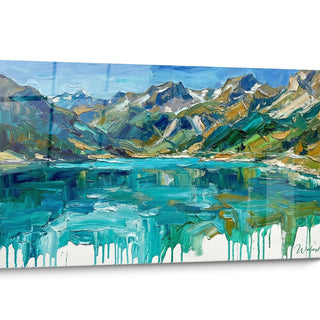 Savoy18
artworks
Savoy18
artworks
-
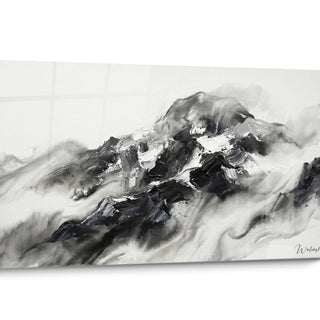 Mont Blanc15
artworks
Mont Blanc15
artworks
-
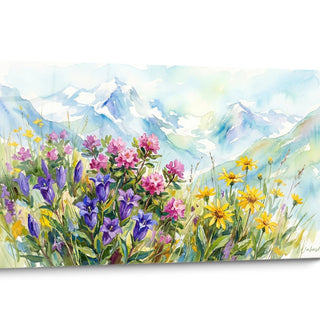 The Alps21
artworks
The Alps21
artworks
-
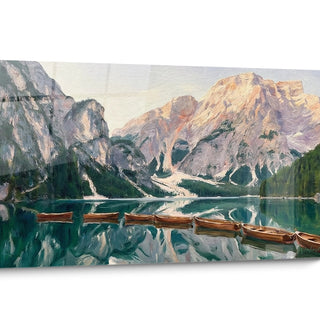 The Dolomites24
artworks
The Dolomites24
artworks
-
 New York128
artworks
New York128
artworks
-
 Normandy32
artworks
Normandy32
artworks
-
 Paris32
artworks
Paris32
artworks
-
 Basque Country5
artworks
Basque Country5
artworks
-
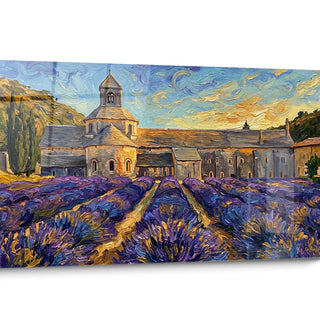 Provence24
artworks
Provence24
artworks
-
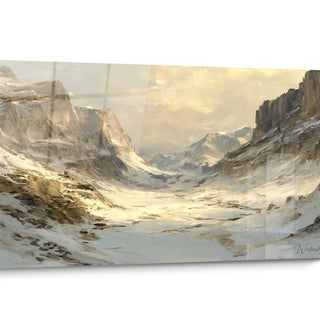 Pyrenees20
artworks
Pyrenees20
artworks
-
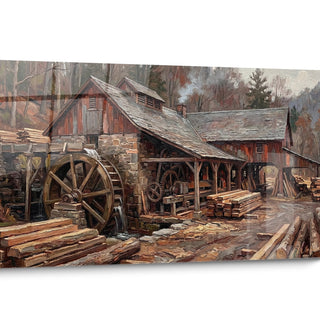 Vosges21
artworks
Vosges21
artworks
All about Spain Wall Art
- Spain Wall Art Presentation
- Spain Wall Art Cultural Authenticity
- Spain Wall Art Mediterranean Brilliance
- Spain Wall Art Thematic Decoration
Discover our exclusive collection of Spain wall art that instantly transports the vibrant soul of the Iberian Peninsula into your home. These wall art pieces capture the very essence of Spain - its sun-drenched landscapes, distinctive architecture, colorful traditions and rich cultural heritage. Each Spain wall art offers a window into the wonders of this fascinating Mediterranean country, allowing you to enrich your decor with authentic scenes that evoke warmth, passion and history. To explore more inspiration from around the world, visit our complete collection of thematic wall art.
Spain Wall Art: Iberian Cultural Authenticity as a Decorative Element
Wall art depicting Spain is far more than simple wall decoration - it tells stories deeply rooted in a thousand-year tradition and reflects the soul of a country with multiple cultural facets. Let's explore together what makes Spain wall art so distinctive and why it deserves a special place in your home.
Which Spanish regions are most represented in contemporary wall art?
Each region of Spain possesses its own visual identity beautifully reflected in wall art. Andalusia, with its flowered patios of Córdoba and the Alhambra of Granada, offers compositions with Moorish influences where arabesques and earthy colors dominate. Catalonia inspires more modern works, often influenced by Gaudí and his organic architecture characteristic of Barcelona. The arid landscapes of Castile evoke deep Spain, while the Mediterranean coast brings luminosity and azure palette to the wall art representing it.
These regional representations transform Spain wall art into a true cultural passport, allowing visual travel through the diverse atmospheres of the Iberian Peninsula. Unlike simple monument reproductions, these works capture the very essence of Spanish terroir.
Iconic symbols of Spain reinterpreted in wall art
Contemporary Spain wall art often reinterprets the country's most emblematic symbols with modern artistic sensitivity. The majestic arenas of Seville or Madrid are no longer simply reproduced literally, but suggested by interplays of shadows and perspectives. The fan, a traditional Spanish accessory, becomes an elegant graphic motif structuring the composition. Flamenco dancers appear in expressive postures, captured in fleeting movement rather than frozen in a stereotyped pose.
These modern representations avoid clichés while honoring Spanish cultural heritage. They bring to your interior not only decorative appeal, but also narrative depth that invites contemplation and conversation.
The influence of Spanish masters on contemporary wall art
The Spanish artistic heritage, with masters like Velázquez, Goya, Dalí or Picasso, deeply permeates contemporary creations. A modern Spain wall art may present cubist influences recalling Picasso, surrealist touches evoking Dalí, or chiaroscuro play inspired by Goya.
This artistic lineage gives Spain wall art unequaled cultural depth. Beyond their decorative value, they fit into a historical continuity that gives them legitimacy and particular resonance. Your wall is adorned not simply with an image, but with a reinterpreted fragment of a major artistic tradition.
How to integrate the Spanish color palette into your decor?
The color palette of Spain wall art is immediately recognizable and possesses internal coherence that facilitates integration into your decor. Ochres and terracotta reminiscent of Andalusian façades pair perfectly with intense Mediterranean blues. The passionate reds of flamenco elegantly contrast with green olive groves.
This chromatic richness allows Spain wall art to play the role of color pivot in a room. It can either harmonize existing elements or introduce dynamic contrast to an interior with neutral tones. Unlike other themes, the Spanish palette offers this rare ability to be both vibrant and sophisticated, avoiding the harsh effect that some colorful works can have.
- Saffron yellows recall the Mediterranean sun and bring warmth and luminosity
- Azulejo blues create visual freshness evoking traditional ceramics
- Pomegranate reds introduce a passionate touch that energizes the space
A large-format Spain wall art can radically transform a room's atmosphere, instantly giving it a welcoming and warm Mediterranean personality. Its visual impact is amplified by the internal coherence of its composition, where each element contributes to telling Spain's story.
Unlike generic reproductions, these works invite motionless travel and stimulate imagination. They are far more than simple decoration - they are a permanent invitation to experience Spain's spirit, its joy of living and its thousand-year cultural richness, directly from your living room.
Spain Wall Art: Capturing Mediterranean Brilliance on Your Walls
The unique appeal of Spain wall art lies in its ability to capture and transmit the particular light of the Iberian Peninsula. This Mediterranean luminosity, which artists from around the world have sought to capture for centuries, transforms any interior space by infusing it with characteristic warmth and vitality.
How does Spanish light transform your interior's ambiance?
The quality of light represented in Spain wall art possesses this rare particularity of modifying the very perception of the space where it hangs. The golden rays of Andalusian sun, the silvery reflections on the Mediterranean, or the crystalline luminosity of the central Altiplano - all these light effects create visual depth that seems to expand the room.
This characteristic luminosity produces a demonstrated psychological effect: spaces adorned with Spain wall art appear more spacious, more welcoming and warmer. Unlike works in cold tones that can create distance, these paintings establish immediate and emotional connection with the observer.
In regions where natural light is scarce, particularly during winter months, Spain wall art brings this extra luminosity that effectively combats seasonal gloom. It becomes thus not only a decorative element, but a true antidote to lack of light.
Spain's emblematic landscapes as a decorative window
Spain wall art representing the country's iconic landscapes functions as a true window open onto a sun-drenched elsewhere. White villages clinging to Andalusian hillsides, the jagged coastlines of Catalonia, the endless plains of Castile - each creates a visual escape that radically transforms perception of interior space.
This "decorative window" function is particularly valuable in constrained urban spaces or rooms without attractive exterior views. Spain wall art creates an imaginary opening that expands perceived space and allows a form of daily escape without leaving your home.
The distant perspectives often represented in these paintings - infinite marine horizons, mountainous panoramas, paths winding through olive groves - create visual depth that effectively counterbalances the sometimes suffocating effect of contemporary spaces with straight lines and flat surfaces.
The impact of Mediterranean textures on domestic atmosphere
The textural richness of Spain wall art constitutes one of its major assets in a decorative context. The roughcast walls of white villages, the irregular cobblestones of ancient alleyways, the gnarled bark of centuries-old olive trees - all these textures bring tactile dimension that harmoniously contrasts with the flatness of modern interiors.
This sensory dimension considerably enriches decorative experience. Spain wall art is not merely admired, it almost invites touch, thus stimulating multiple senses simultaneously. This multisensory richness explains the particular ability of these works to create an immersive and enveloping ambiance.
The represented textures - whether rough like Andalusian façades, smooth like traditional ceramics, or organic like Mediterranean vegetation - introduce visual variety that animates the space and avoids the monotony too often present in contemporary interiors.
- Mineral textures evoke traditional architecture and anchor the space in reassuring temporality
- Organic patterns inspired by Mediterranean flora bring vitality and movement
- Representations of water - sea, rivers, fountains - create visual freshness sensation
Climatic harmony between your interior and Spanish atmosphere
A fascinating phenomenon is observed with large-format Spain wall art: it seems to modify the very perception of interior climate. Scenes of Mediterranean beaches, shaded patios or sun-drenched sierras create a subjective impression of warmth or coolness that influences our sense of space.
This characteristic makes Spain wall art a particularly adaptive decorative element to seasonal variations. In winter, representations of sun-drenched landscapes bring welcome psychological warmth. In summer, scenes of shaded patios or refreshing fountains create impression of coolness.
Unlike other artistic themes that may seem disconnected from our daily experience, Spain wall art establishes permanent dialogue with our immediate environment, creating bridges between interior space and the imagination of Iberian landscapes. This connection explains why these works never tire the eye and retain their evocative power year after year.
Quality Spain wall art thus transcends its purely decorative function to become a true atmosphere modifier. It does not merely adorn a wall, it transforms the overall experience of space, influencing our perception of light, temperature, and even our spatial dimensions.
Spain Wall Art: Creating an Immersive Thematic Decoration
Integrating Spain wall art into your interior can become the starting point for genuine decorative narrative, transforming your space into an immersive experience evoking the multiple facets of Iberian culture. This thematic approach far exceeds simple ornamentation to create a coherent environment that stimulates imagination and the senses.
How to create Spanish thematic zones in different rooms?
The art of thematic decoration with Spain wall art rests on creating distinct yet harmonious spaces, each evoking a particular region or aspect of Spanish culture. In the living room, a panorama of Seville's rooftops can establish a sophisticated Andalusian atmosphere, while the dining room could draw inspiration from Catalonia with its more contemporary Mediterranean influences.
This thematic segmentation allows exploration of Spanish cultural richness without creating visual dissonance. Each room thus becomes a different exploration territory, offering renewed experience as you move through the house. Spain wall art serves as an anchor point from which the decorative identity of each space unfolds.
This approach by thematic zones has the major advantage of avoiding "clutter" effect that can occur when multiplying references to the same culture in a single space. It allows deepening of different aspects of Spain while maintaining overall coherence in your decoration.
Strategic association of Spain wall art with architectural elements
Spain wall art takes on particular dimension when it dialogues with certain architectural elements in your interior. Placed near an arch or opening, it visually extends space and creates continuity between real architecture and represented space. Near a staircase, it accentuates impression of movement and transition.
Alcoves and niches constitute privileged locations for wall art representing intimate scenes, such as Córdoban patios or narrow alleyways of Toledo. This mise en abyme - one space contained within another - reinforces the immersion effect and creates striking visual depth.
The orientation of natural light also plays a crucial role in highlighting Spain wall art. A work representing a sun-drenched landscape gains in intensity when itself lit naturally, creating a luminous resonance effect between real space and represented space.
Which chromatic associations should be prioritized with Spain wall art?
Spain wall art fits into a well-defined chromatic scheme that facilitates associations with surrounding decorative elements. The traditional Mediterranean palette - terracotta, ochre, cerulean blue, lime white - offers an ideal starting point for developing a chromatically coherent environment.
For a contemporary approach, neutral tones such as light grays and beiges create a sober backdrop that highlights the vibrancy of Spanish colors without visual competition. This strategy of controlled contrast allows the wall art to assert itself as space's focal point.
Conversely, an immersive approach consists of extending the dominant tones of the wall art into surrounding decorative elements - textiles, small furniture, decorative objects. This chromatic continuity blurs boundaries between the work and its environment, creating an enveloping visual experience.
- Shades of Mediterranean blues harmonize perfectly with ceramic elements and natural textiles
- Earth and saffron tones pair elegantly with dark wood and patinated metals
- Bright whites typical of Andalusian villages create a luminous foundation enhanced with colored accents
Seasonal evolution of your decoration around Spain wall art
One of the underappreciated assets of quality Spain wall art is its ability to adapt to seasonal variations in your decoration. In winter, associated with warm textiles in deep tones, it evokes interior Spain and its age-old traditions. In summer, surrounded by lighter and more luminous elements, it celebrates Mediterranean Spain and its joy of living.
This seasonal adaptability allows the wall art to remain perpetually relevant in your decoration, avoiding the weariness effect that can occur with decorative elements too specifically associated with a particular season. It thus becomes a durable decorative investment that traverses seasons by continuously reinventing itself.
Unlike ephemeral decorations, large-format Spain wall art constitutes a permanent visual anchor around which your decoration can evolve with seasons and years, offering perfect balance between continuity and renewal.
FAQ on Spain Wall Art
What is the ideal size for Spain wall art in a standard living room?
For a living room of average dimensions (20-25m²), Spain wall art of 100x70cm minimum will be necessary to create real visual impact. In larger spaces, prioritize panoramic formats of 150cm width or more that allow capturing the breadth of Spanish landscapes. The important thing is that the wall art occupies at least one-third of the wall's width to assert itself as a structuring decorative element.
How to integrate Spain wall art into a minimalist contemporary decoration?
In minimalist interior, choose Spain wall art with clean lines, prioritizing modern architectural representations of Barcelona or Valencia rather than traditional folk scenes. Opt for a work with pronounced contrasts, with white dominance enhanced by one or two vivid colors. The framing must remain discreet, ideally in the same tone as the wall to create perfect visual integration.
Are Spain wall art pieces suitable for professional spaces?
Absolutely, Spain wall art brings a sophisticated cultural dimension particularly appreciated in professional spaces receiving public. For these environments, prioritize works evoking Spain's world-recognized architectural heritage or streamlined landscapes. Avoid representations too festive or folkloric that could seem out of place in a professional context. Large horizontal formats work particularly well in waiting areas and reception spaces.
How to effectively maintain large-format Spain wall art?
Maintenance of quality Spain wall art is limited to regular dusting with a feather or very soft microfiber cloth. Absolutely avoid any liquid product, even on surfaces that appear protected. For wall art particularly exposed to light, six-month 180° rotation will balance light exposure and preserve the vividness of Mediterranean colors so characteristic of these works.


