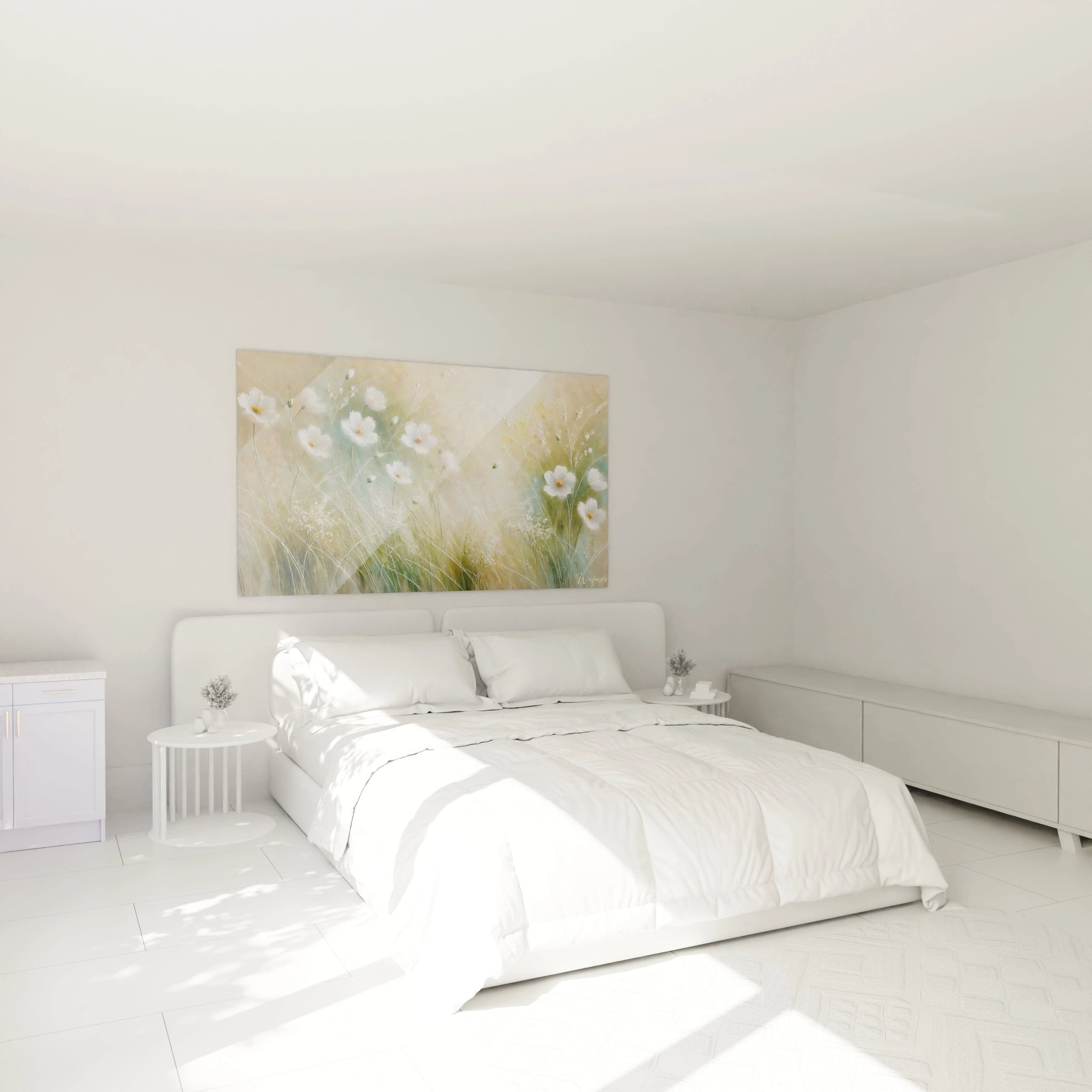
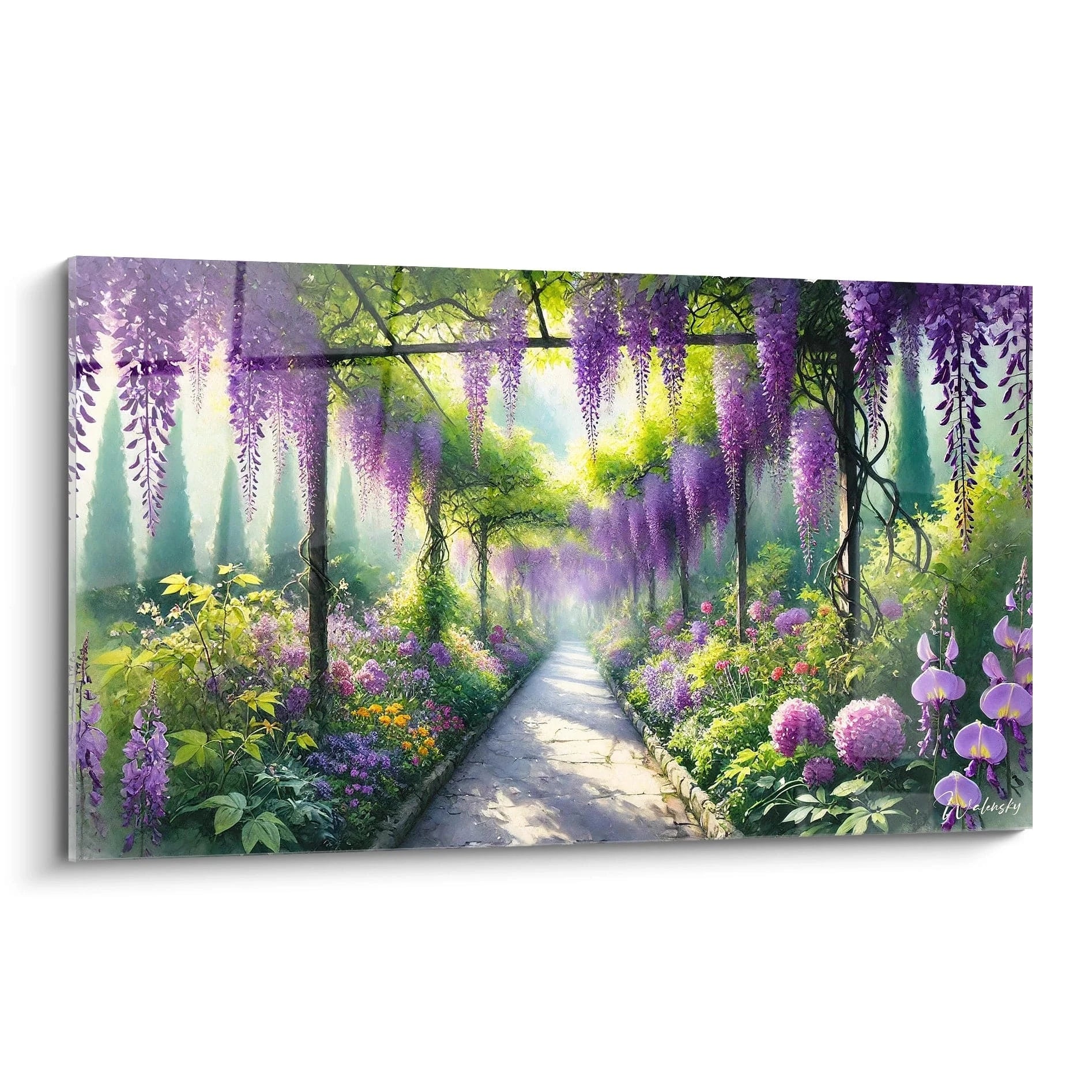
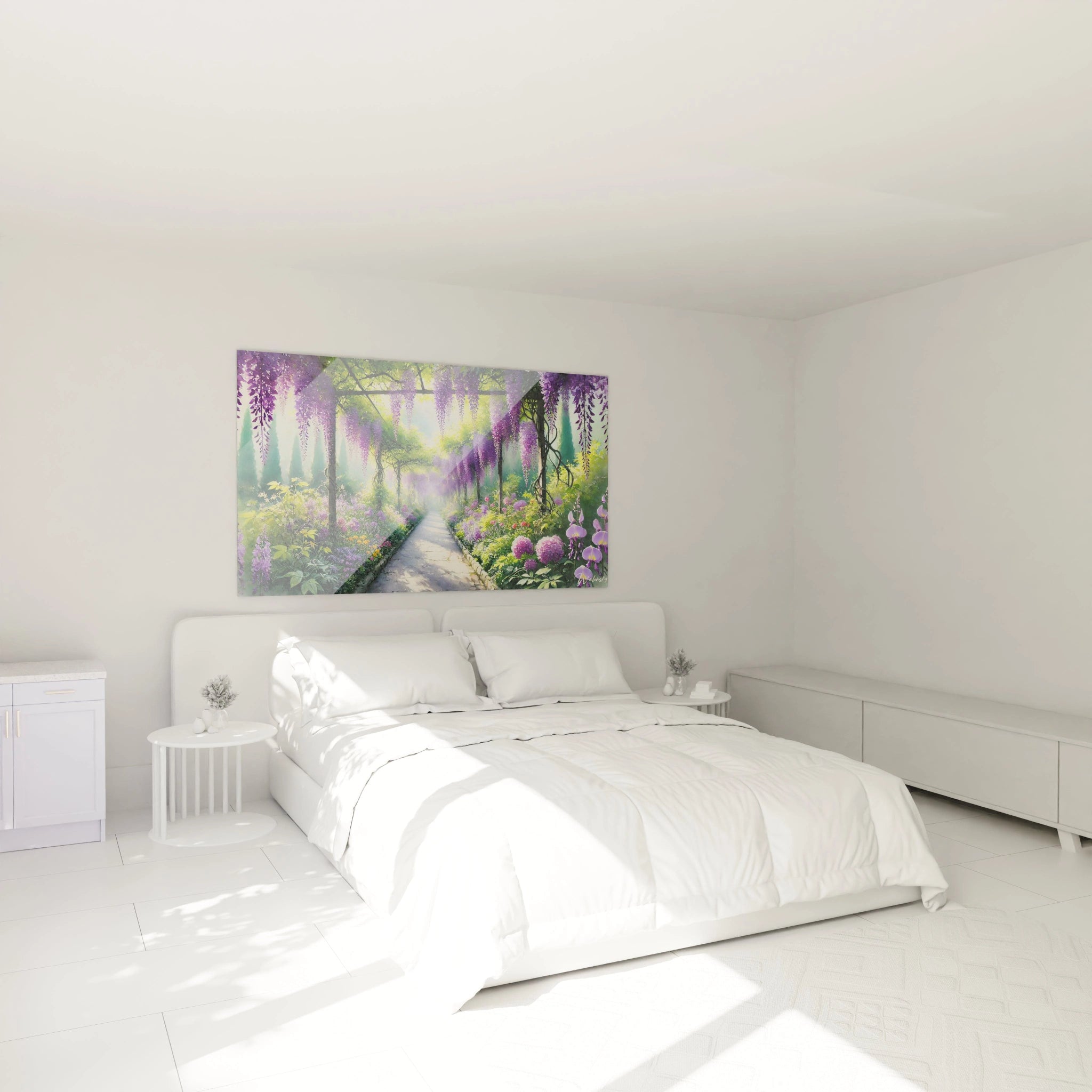
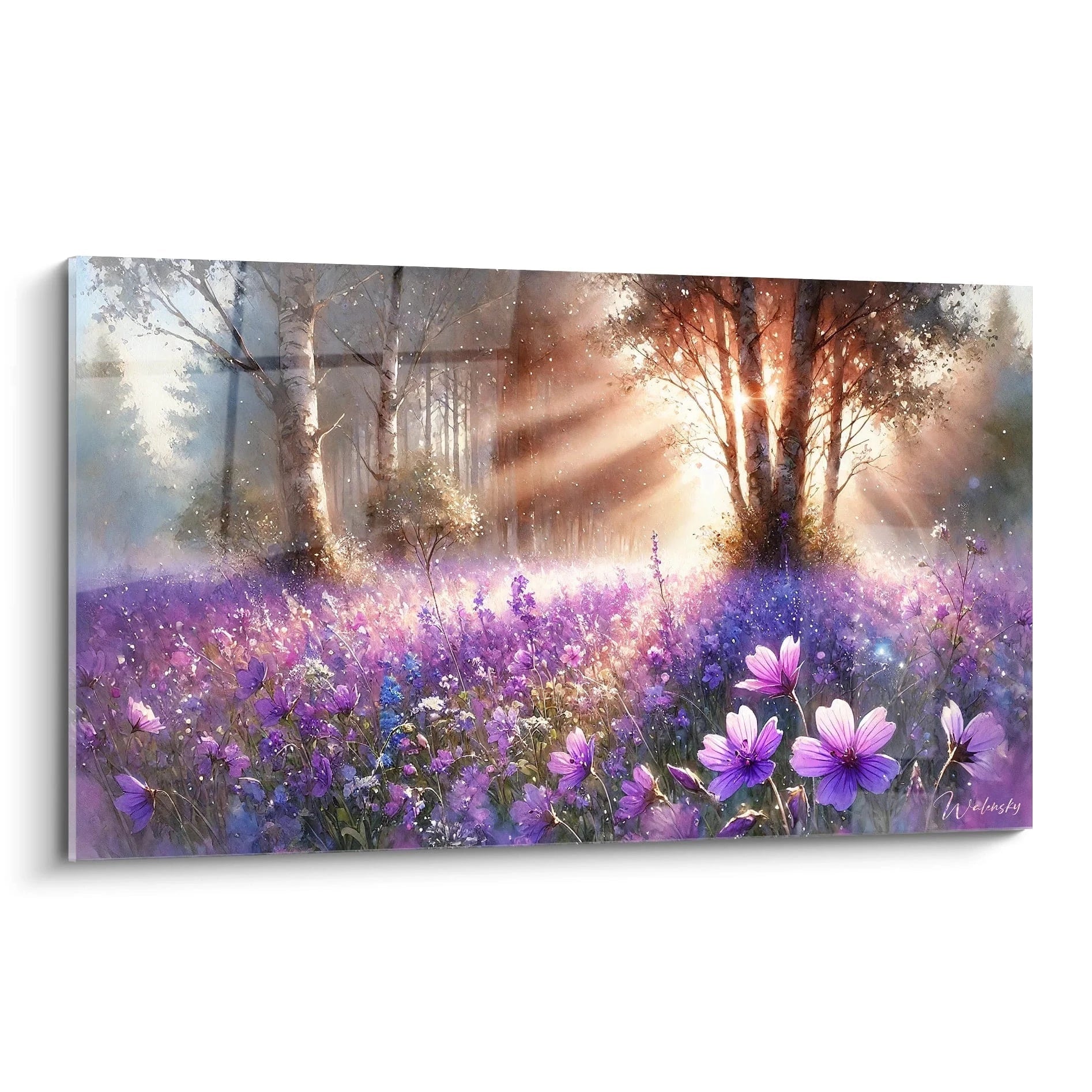
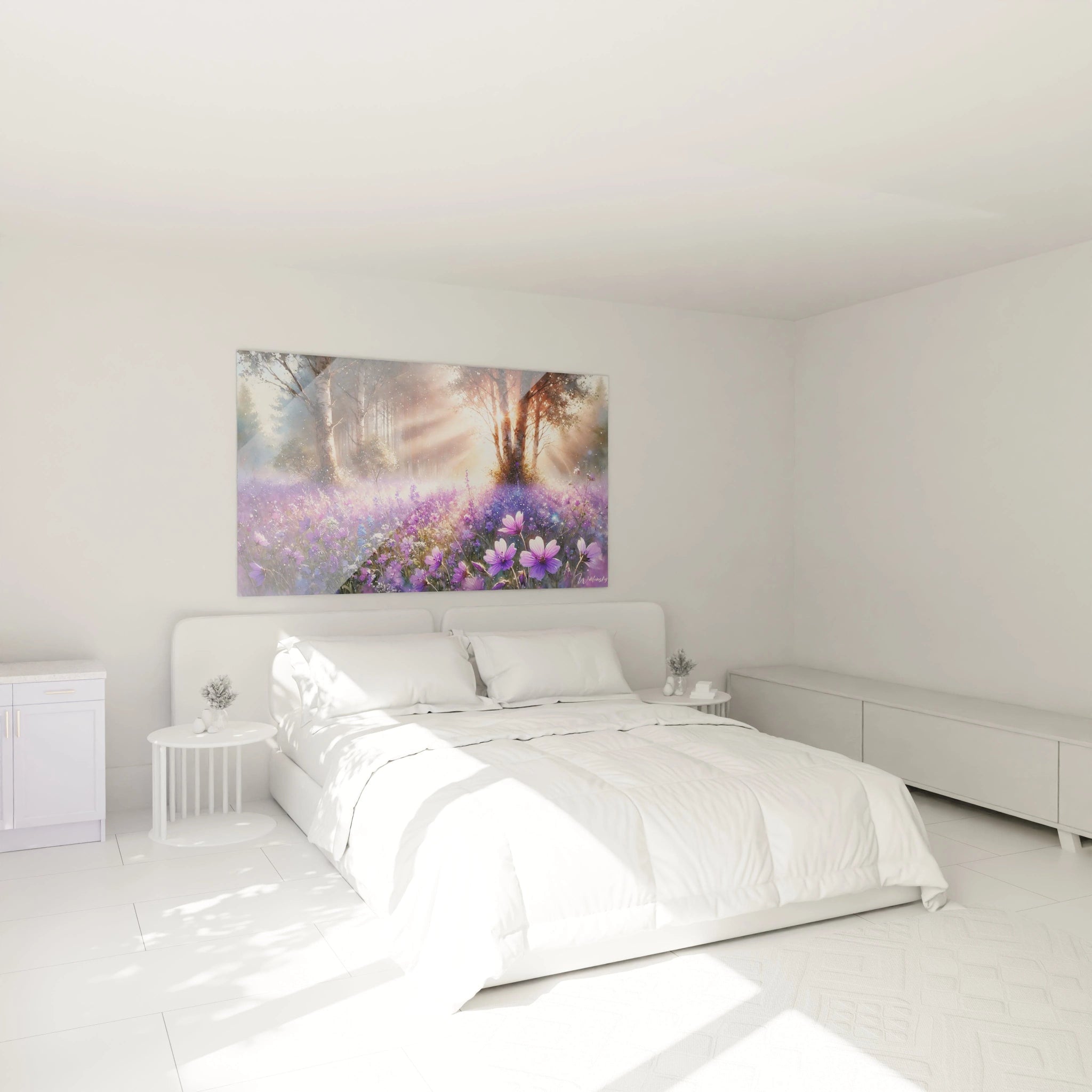
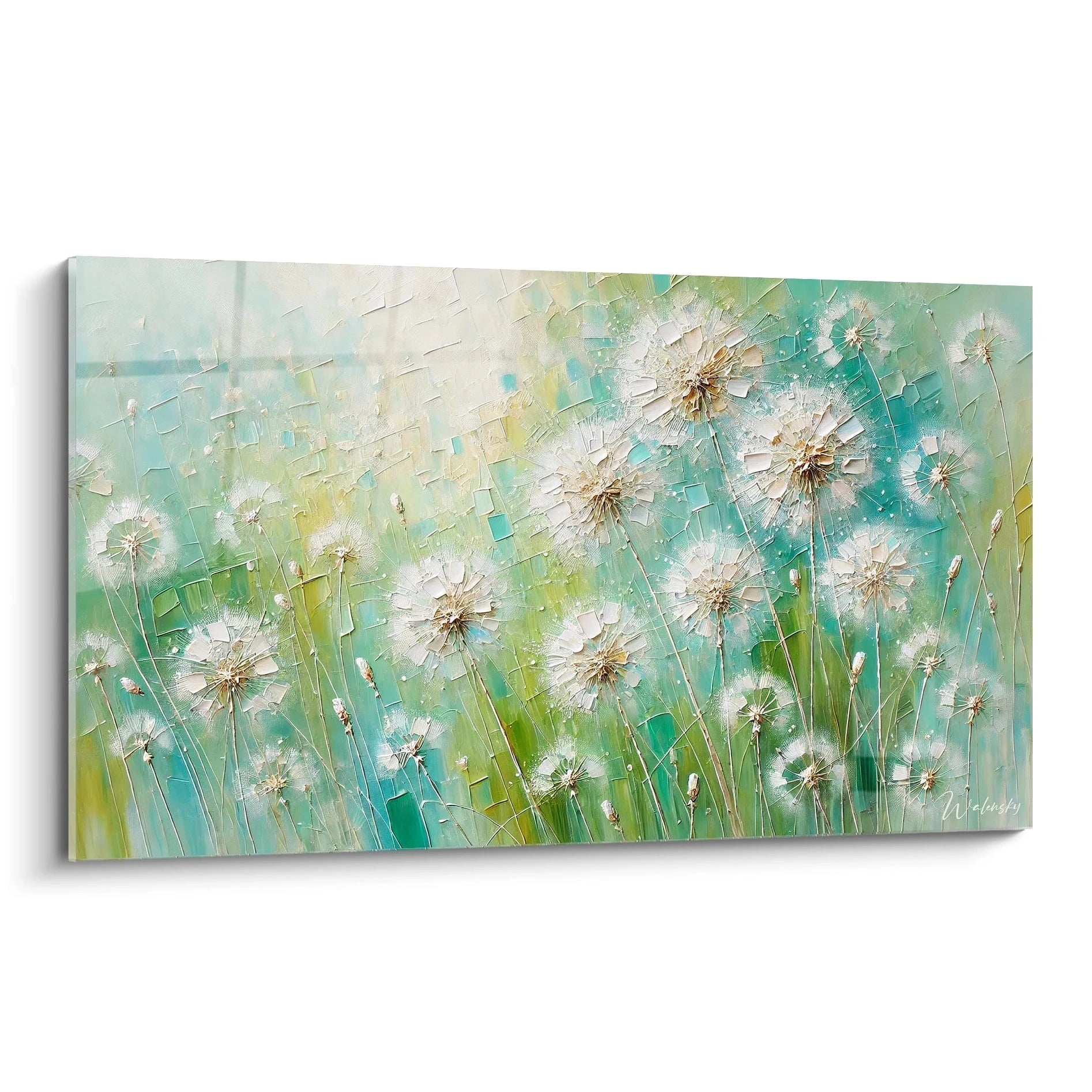
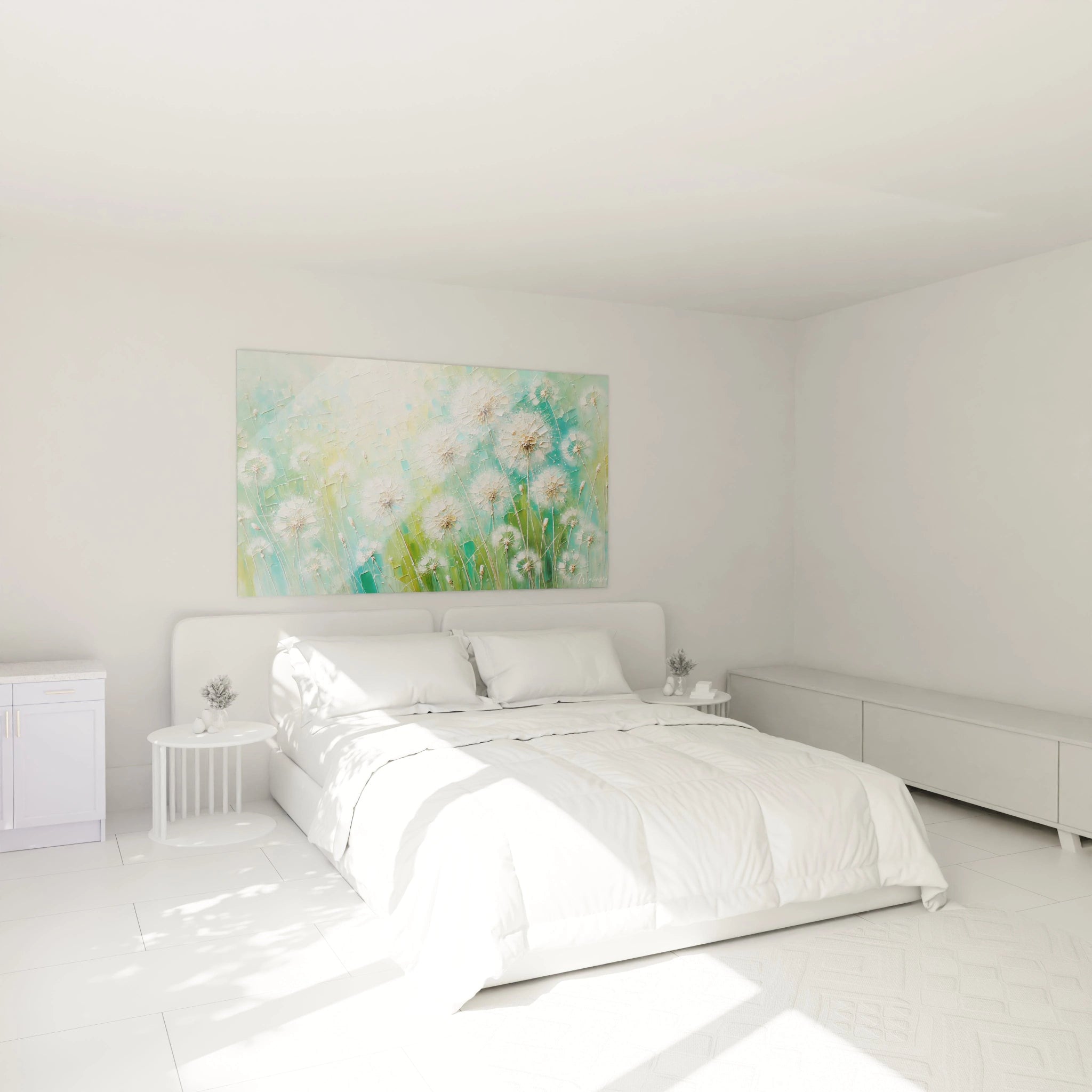
- Spring Landscape Painting Presentation
- Spring Landscape Painting to Enhance Your Interior
- Spring Landscape Painting and Seasonal Atmosphere
- Spring Landscape Painting and Decorative Composition
Looking for a work of art that will transform your interior with the freshness and rebirth characteristic of the beautiful season? A spring landscape painting offers that touch of renewal and energy your interior decoration needs. These artistic representations capture the essence of spring - that period when nature awakens in an explosion of colors and life.
Unlike winter or autumn representations, a spring landscape painting brings natural luminosity and a revitalizing atmosphere to any space. The vibrant energy of emerging green tones, blooming flowers, and azure skies creates a visual atmosphere that instantly transforms the perception of your living space.
Spring landscape paintings are distinguished by their unique color palette – from tender greens to delicate pinks, passing through sunny yellows that perfectly evoke this season of rebirth. These works are not mere decorative elements, but true windows to idyllic landscapes that invite contemplation and well-being.
Whether you're looking to create a focal point in your living room, to energize a work space, or to radically transform the atmosphere of a room, a painting representing a spring landscape constitutes a decorative investment with multiple and lasting benefits. Discover how these artistic pieces can metamorphose your daily environment while reflecting your aesthetic sensitivity.
Spring Landscape Painting: Enhance Your Interior with Scenes of Natural Rebirth
The spring landscape painting represents much more than a simple wall decoration - it embodies a genuine change of atmosphere for your interior. This season of renewal, captured on a large-format artistic creation, brings a transformative dimension to your living space that few other decorative elements can match.
Why does a spring landscape painting radically transform the ambiance of a room?
Unlike representations of other seasons, a spring landscape introduces a specific color palette that directly influences our spatial perception and mood. The fresh and luminous tones characteristic of spring – tender greens, delicate pinks, soft yellows, and clear blues – create an effect of visual enlargement and space lightening. This season of vegetative rebirth, when represented artistically, stimulates positive emotions linked to renewal and optimism.
A recent study on the chromatic influence of decorative elements reveals that spring representations significantly increase the sensation of well-being in an interior space. The visual presence of natural elements in bloom activates brain areas associated with relaxation and creativity – a phenomenon particularly relevant for living or work spaces.
Strategic Placement for Maximizing the Impact of a Spring Landscape Painting
The ideal orientation for a spring landscape painting differs considerably from other seasonal representations. To optimize its transformative effect, prioritize positioning facing an indirect natural light source. This configuration allows spring colors to fully reveal themselves throughout the day, creating a fascinating dialogue between the real light and that represented in the artwork.
• Wall opposite main windows to create an effect of spring depth
• Space of transition between rooms to visually fluidity environments
• Relaxation zone to maximize the soothing effect of spring natural scenes
• Focal wall in a dining space to stimulate convivial conversations
Large formats of spring paintings work particularly well in spaces where contemplation time is prolonged – living rooms, dining rooms, or creative work areas. A large-format spring landscape painting creates a true "visual escape point" that transforms the perception of inhabited space.
How do spring scenes influence our daily sensory perception?
A fascinating phenomenon occurs when a spring landscape painting is integrated into a living space: multi-sensory stimulation through association. Contemporary neuroscience demonstrates that our brain reacts to visual representations of spring landscapes by also activating brain areas linked to other senses – we almost "smell" floral fragrances and "hear" the rustling of young foliage.
This sensory immersion by proxy explains why a spring landscape painting transforms so profoundly our feeling in a room. Scenes of natural rebirth activate our emotional memory linked to experienced spring experiences, generating a measurable physiological response: stress reduction, mood improvement, and cognitive stimulation.
To maximize this transformative effect, choose spring representations featuring:
• Detailed foregrounds with blooming flowers for the immersive effect
• Middle grounds with water elements reflecting luminosity
• Backgrounds with open horizons for the spatial opening effect
A spring landscape painting thus becomes much more than decoration – it constitutes a true sensory window capable of profoundly modifying our daily experience of inhabited space.Spring Landscape Painting and Seasonal Synchronization: An Evolving Decorative Asset
The spring landscape painting distinguishes itself fundamentally from other seasonal representations by its unique ability to create a contrast or temporal harmony with the actual external environment. This seasonal duality offers exceptional decorative possibilities that only this spring theme can provide.
How does the spring landscape painting interact with the actual seasons of your interior?
Contrary to common misconceptions, a painting representing a spring landscape does not find its optimal expression only in spring. Its presence creates a fascinating dialogue with each season traversed:
In winter, it becomes a powerful psychological counterpoint by introducing a visual promise of renewal at the heart of the darkest period. This seasonal opposition generates a stimulating visual tension that energizes the interior space when it is most confronted with winter chromatic monotony.
In autumn, it acts as a memorial anchor, reminding us of the perpetual cycle of seasons and creating a positive temporal projection. Research in environmental psychology demonstrates that this "visual anticipation" of spring contributes significantly to maintaining emotional balance during declining months.
In summer, it establishes a chromatic continuity while offering welcome visual freshness. The tender greens and delicate luminosities characteristic of spring scenes bring a sensation of moderated temperature by contrast with summer heat.
This unique seasonal versatility makes the spring landscape painting a particularly judicious decorative investment, offering a visual experience that naturally renews itself throughout the actual seasons.
The Visual Microclimates Created by Spring Landscape Representations
A remarkable decorative phenomenon of large-format spring landscape paintings is their ability to generate what interior designers call "visual microclimates" – specific zones where atmospheric perception differs from the rest of the space.
• Temporal escape zone: a space where the gaze can escape toward another seasonal temporality
• Visual breathing point: an anchor that lightens the perceptive density of a charged interior
• Spatial expansion frame: an illusory opening that pushes back the physical boundaries of the room
• Chromatic focal point: a center of radiation of spring tones that influences the entire surrounding color spectrum
These visual microclimates explain why a spring landscape painting transforms the experience of a room so profoundly, far beyond its simple aesthetic impact. It literally modifies our spatial and temporal perception of the interior environment.
The Specific Luminosity Effects of Spring Scenes
The luminosity represented in a spring landscape painting possesses unique characteristics that distinguish it from other seasonal representations. This specific light – neither too intense as in summer, nor too oblique as in autumn – creates particular interactions with the real lighting of your interior.
Paintings capturing spring luminosity generally present a quality of diffuse light characteristic, often accompanied by reflections on emerging vegetation elements or water surfaces. This particular luminous representation acts as an amplifier for the natural or artificial lighting of your space.
To maximize this effect, position your spring landscape painting so it can "dialogue" with your main light sources:
• Facing a window to capture natural light variations throughout the day
• Near indirect lighting to accentuate the depths and reliefs of the spring scene
• In a luminous transition space to create a continuity effect between different lighting zones
This unique luminous interaction makes the spring landscape painting a true instrument of atmospheric modulation, capable of subtly influencing the overall perception of your interior space through actual seasonal variations.Spring Landscape Painting: Ideal Composition for Evolving Interior Decoration
The spring landscape painting presents a fundamental decorative singularity that distinguishes it from other natural representations: its unique ability to serve as an evolving chromatic pivot in an interior space. This particularity makes it a central element for articulating a decoration that transforms harmoniously throughout seasons and years.
How to integrate a spring landscape painting into a strategic wall composition?
Unlike representations of other seasons, a spring landscape offers an exceptionally versatile color palette that allows multiple decorative associations. This chromatic adaptability is explained by the very nature of spring – a season of transition and metamorphosis – whose characteristic tones (tender greens, pale yellows, delicate pinks) constitute ideal bases for evolving compositions.
To fully exploit this versatility, consider the spring landscape painting as the heart of a dynamic wall composition:
• Central position in an asymmetrical configuration to create balanced visual tension
• Integration as a dominant element of a wall composition with variable geometry
• Use as chromatic counterpoint in a set of artworks with contrasting tones
• Visual anchor for a collection of interchangeable seasonal decorative elements
This strategic positioning transforms your spring landscape painting into a true "chromatic conductor" of your space, allowing decorative recompositions without requiring the replacement of the main artwork.
The Unique Chromatic Dialogues between a Spring Painting and Surrounding Materials
A fascinating phenomenon occurs when a spring landscape painting interacts with different materials present in your interior. Spring tones – particularly emerging greens and floral hues – establish complex visual relationships with surrounding materials, creating what designers call "textural conversations".
These interactions are particularly remarkable with:
• Light wood surfaces, whose natural veins resonate with representations of spring vegetative growth
• Textiles with varied textures that amplify the tactile sensation suggested by young foliage and blooms
• Metallic elements that, by contrast, accentuate the softness and organicity of spring natural scenes
• Mineral surfaces that create a dialogue between permanence and seasonal renewal
To intensify these material dialogues, position your spring landscape painting near materials presenting contrasting tactile qualities. This juxtaposition generates a perceptual richness that transforms the overall sensory experience of your interior space.
What are the ideal configurations to enhance the depth of a spring landscape?
The depth characteristic of a spring landscape painting – with its successive planes of emerging vegetation and luminous horizons – requires a specific spatial environment to fully express itself. Unlike still lifes or portraits, these spring landscape representations require a contemplation space adapted to their immersive dimension.
To optimize this depth experience:
• Prioritize a minimum visual distance equivalent to 2.5 times the width of the artwork
• Create an uncluttered zone in front of the painting to allow unobstructed contemplation
• Establish gradual lighting that guides the gaze toward the artwork without creating disturbing reflections
• Minimize visually competitive elements in the direct axis of painting visualization
These spatial considerations transform your spring landscape painting into a true "visual portal", maximizing its ability to create a perceptual extension of your interior space toward the represented landscapes.
What are the best rooms for a large-format spring landscape painting?
A large-format spring landscape painting finds its optimal expression in spaces where contemplation time is naturally prolonged. Main living rooms like the living room or dining room allow daily visual immersion that maximizes the transformative impact of these representations.
How to harmonize the colors of a spring landscape painting with a contemporary interior?
Spring tones integrate remarkably into contemporary interiors by bringing welcome organicity to clean lines. Extract the secondary tones from the painting (often tender greens or clear blues) to subtly reproduce them in a few decorative accessories, thus creating chromatic coherence without visual overload.
Can a spring landscape painting work in a professional space?
Absolutely! Ergonomic studies demonstrate that representations of spring landscapes in professional environments significantly reduce perceived stress and improve concentration. For a work space, prioritize spring scenes with balanced compositions and open perspectives that promote mental clarity.
How to anticipate the evolution of your decoration around a spring landscape painting?
The chromatic versatility of spring paintings allows you to confidently envision future decorative evolutions. Begin by identifying transition tones present in the artwork (often light ochres or colored grays) that can serve as bridges toward new decorative palettes without creating visual rupture.