


Rectangular Format Wall Art
Explore our exceptional collection of rectangular format pieces that celebrate the harmonious proportions of classical art. These works with traditional dimensions offer remarkable versatility for all your living spaces. Each creation reveals a balanced composition that adapts perfectly to your interior walls. The essence of this collection lies in its ability to create striking focal points while maintaining a timeless elegance that transcends contemporary artistic trends.
 Color Explosion Painting - Dynamic Splatter - Abstract Colorful Edition233,90 €
 Man Painting, Bare Torso, Black Open Shirt, Golden Light - Intense Seduction - Beauty Masculine Edition233,90 €
 Torii silhouette black sun golden misty autumn - Mystical serenity - Torii edition233,90 €
 Abstract Whirlwind Artwork Beige and White with Fluid Movements - Earthly Harmony - Feng shui Earth Center Edition233,90 €
 Industrial Urban Landscape Painting Gray and White with Water Reflections - Metallic Harmony - Feng Shui West Metal Edition233,90 €
 Blue Nuances and Fluid Golden Veins Painting - Mystical Ocean - Abstract Marble Edition233,90 €
 Majestic Antelope Wall Art in Golden and Ochre Tones - Wild Gaze - Antelope Edition233,90 €
 Majestic Tree with Golden and Beige Tones on Luminous Background - Golden Serenity - Tree of Life Edition233,90 €
 Red Parrot with Outstretched Wings Painting - Majestic Flight - Parrot Edition233,90 €
 White Greyhound with Golden Halo on Dark Blue Background Painting - Sacred Grace - Whippet Greyhound Edition233,90 €
 White Birman Cat Painting with Blue Porcelain - Feline Elegance - Birman Cat Edition233,90 €
 Honfleur Harbor Artwork - Colorful Reflections on the Old Basin - Normandy Edition233,90 €
 Pink Flamingos Painting - Flight in Camargue - Camargue Edition233,90 €
 Rocky Mediterranean Coast Painting - Calanques at Sunset - Corsican Edition233,90 €
 Bonifacio Cliffs Painting - Citadel at Sunset - Corsican Edition233,90 €
 Woman Portrait Sunglasses Wall Art - Modern Vision - Art Deco Edition233,90 €
 African Woman Silhouette Painting - Golden Elegance - African Culture Edition233,90 €
 African Woman Painting Autumn - Goddess with Golden Leaves - African Face Edition233,90 €
 MMA Combat Painting - Ground and Pound - MMA Edition233,90 €
 Vintage Motorsport Painting - Speed and Passion - Formula 1 Edition233,90 €
 Billiard Ball 8 in Motion Painting - Aquatic Impact - Billiards Edition233,90 €
 Expressionist Pool Table Painting - Color Explosion - Billiards Edition233,90 €
 Mediterranean Cove Painting - Turquoise Waters Between Golden Rocks - Seaside Edition233,90 €
 Cosmic Tree Painting - Starry Night with Golden Branches - Other Landscapes Edition233,90 €
Explore further
In Rectangular Format Wall Art
-
 Rectangular Black and White Wall Art21
artworks
Rectangular Black and White Wall Art21
artworks
-
 Abstract Rectangular Canvas Art24
artworks
Abstract Rectangular Canvas Art24
artworks
-
 Gold Rectangular Wall Art24
artworks
Gold Rectangular Wall Art24
artworks
-
 Multicolored Rectangular Format Wall Art21
artworks
Multicolored Rectangular Format Wall Art21
artworks
-
 Rectangular Format Tree Wall Art24
artworks
Rectangular Format Tree Wall Art24
artworks
-
 Rectangular Wildlife Art Canvas24
artworks
Rectangular Wildlife Art Canvas24
artworks
-
 African Rectangular Wall Art24
artworks
African Rectangular Wall Art24
artworks
-
 Landscape Rectangular Format Wall Art20
artworks
Landscape Rectangular Format Wall Art20
artworks
-
 Rectangular Format Wall Art Architecture18
artworks
Rectangular Format Wall Art Architecture18
artworks
-
 Rectangular Format Geometric Wall Art16
artworks
Rectangular Format Geometric Wall Art16
artworks
-
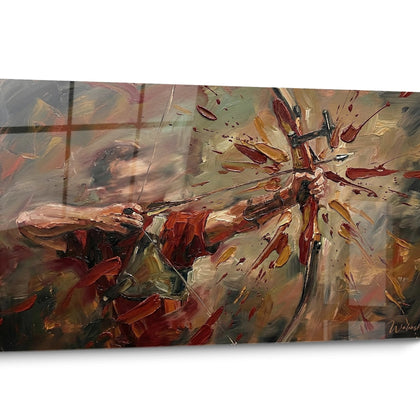 Rectangular Format Sports Wall Art14
artworks
Rectangular Format Sports Wall Art14
artworks
-
 Rectangular Fluid Format Wall Art13
artworks
Rectangular Fluid Format Wall Art13
artworks
-
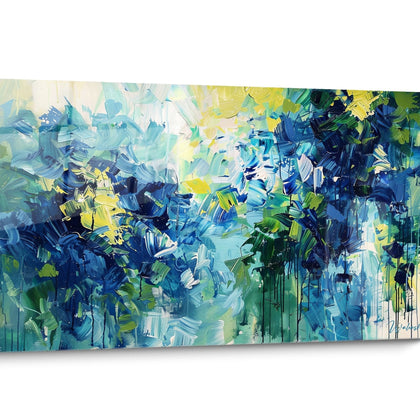 Rectangular Expressionist Wall Art11
artworks
Rectangular Expressionist Wall Art11
artworks
-
 Rectangular Portrait Format Canvas9
artworks
Rectangular Portrait Format Canvas9
artworks


All about Rectangular Format Wall Art
- Rectangular Format Painting Presentation
- Rectangular Format Painting - Proportions and Spatial Impact
- Rectangular Format Painting - Modern Architectural Adaptation
- Rectangular Format Painting - Decorative Psychology
The rectangular format painting represents the perfect alliance between contemporary aesthetics and decorative functionality. These works with elongated proportions radically transform the perception of your spaces by creating visual effects impossible to achieve with traditional square formats. Unlike classical artistic representations, the rectangular format painting exploits elongated geometry to generate unique visual dynamism, particularly suited to modern architectures and contemporary spatial constraints. This dimensional specificity allows harmonious integration into environments where rectangular proportions dominate, thus offering optimal decorative coherence for current interiors. To complement your search, feel free to explore all our painting collections to discover compositions with varied themes.
Mastering the Spatial Impact of Rectangular Format Painting
The rectangular format painting revolutionizes spatial perception through proportions specifically designed to maximize decorative effect. This elongated geometry creates a directional visual dynamism that naturally guides the eye and modifies the perception of your room's volumes.
How do rectangular proportions transform your space?
The horizontal orientation of a rectangular format painting generates a visual widening effect particularly sought after in restricted spaces. This unique characteristic allows compensation for architectural defects by creating an illusion of space impossible to reproduce with other formats. Rectangular representations exploit this optical phenomenon to visually extend wall width, thereby transforming the overall perception of your interior.
Vertically elongated dimensions produce the opposite effect by visually enhancing low ceilings. This specificity of the rectangular format painting proves particularly valuable in contemporary apartments where ceiling heights are often reduced. The eye naturally follows the vertical trajectory, creating an elevation sensation that compensates for modern architectural constraints.
Optimization of rectangular panoramic effect
The rectangular format painting excels at creating panoramic effects that transform a simple wall into a virtual window. This unique capability results directly from elongated proportions that naturally reproduce human field of vision. Rectangular creations exploit this biological correspondence to generate maximum visual immersion.
• Spatial opening effect : Rectangular proportions imitate natural architectural openings
• Visual continuity : Elongated geometry creates fluid connection between different decorative elements
• Artificial depth : Rectangular dimensions generate accentuated three-dimensional perspective
• Proportional balance : Rectangular harmony adapts to contemporary furnishings and structures
This panoramic optimization fundamentally distinguishes the rectangular format painting from other artistic configurations, offering exclusive decorative possibilities impossible to reproduce with traditional formats.
Which rectangular orientation to choose based on your wall configuration?
Selection of rectangular format painting orientation depends directly on your space's geometry and desired effect. Narrow and tall walls benefit from horizontal orientations that visually compensate for proportional imbalance, while wide and low surfaces leverage vertical orientations to recover harmonious balance.
Circulation flow analysis also reveals specific orientational preferences. Corridors and passages favor horizontal formats that accompany movement, creating decorative dynamism in perfect concordance with spatial function. This synergy between rectangular format and architectural use maximizes decorative impact while respecting functional space logic.
Furniture constraints also influence rectangular format painting orientational choice. Above sofas, dressers and other elongated furniture, horizontal orientation creates formal continuity that strengthens decorative coherence. This proportional correspondence prevents visual breaks and maintains overall arrangement harmony.
Adaptation of Rectangular Format Painting to Contemporary Architectures
Modern architecture favors clean lines and rectangular proportions, creating an environment perfectly suited to rectangular format painting. This formal convergence is not fortuitous: it responds to contemporary aesthetic codes that value pure geometry and harmonious proportional relationships.
Integration in modern open spaces
Contemporary lofts and open spaces present specific decorative challenges that rectangular format painting solves effectively. The large bare wall surfaces of renovated industrial architectures require works with proportioned dimensions to avoid the frequent "postage stamp" effect with traditional formats.
The rectangular format painting naturally asserts itself in these configurations through its capacity to visually structure large volumes. Elongated proportions create decorative reference points that organize space without partitioning it, thus preserving the fluidity characteristic of open interiors while providing necessary visual richness.
• Volume structuring : Rectangular proportions visually delineate functional zones
• Height compensation : Elongated formats balance elevated industrial ceilings
• Decorative continuity : Rectangular geometry unifies different zones of an open space
• Architectural enhancement : Rectangular lines emphasize existing structural elements
How does rectangular format harmonize with contemporary openings?
Panoramic bay windows and horizontal openings characteristic of modern architecture find in rectangular format painting the perfect decorative echo. This formal correspondence creates visual coherence that unifies architectural and decorative elements, reinforcing the aesthetic identity of the whole.
The horizontal orientation of rectangular format painting naturally dialogues with sight lines of contemporary openings, creating visual rhythm that animates interior facades. This interaction between architecture and decorative art generates exclusive spatial dynamism to rectangular formats, impossible to reproduce with square or circular configurations.
Adaptation to constraints of new living modes
Contemporary apartments, characterized by optimized surfaces and spatial constraints, find in rectangular format painting a decorative solution perfectly adapted. Elongated proportions allow maximizing visual impact while respecting dimensional limitations of modern dwellings.
Remote work and new domestic uses create specific decorative needs that rectangular format painting satisfies effectively. Home work spaces benefit from the structuring effect of rectangular proportions that visually delineate professional zones without resorting to physical partitioning.
This functional versatility of rectangular format painting extends to contemporary multifunctional spaces where the same room cumulates multiple uses. Rectangular proportions adapt to daily spatial transformations, maintaining their decorative efficiency regardless of use configurations.
Decorative Psychology and Emotional Impact of Rectangular Format Painting
Rectangular geometry exerts specific psychological influence on spatial perception and occupant well-being. This behavioral dimension of rectangular format painting transcends simple decorative function to directly impact lived experience and sensations provided by the domestic environment.
Why do rectangular proportions generate a sense of serenity?
Environmental psychology research demonstrates that rectangular forms activate neurological responses associated with stability and security. Rectangular format painting exploits these cognitive mechanisms to create a soothing visual environment, particularly sought after in relaxation and recovery spaces.
The horizontal orientation of rectangular format painting reproduces natural horizon lines, triggering mental associations with open landscapes and spaces of freedom. This subconscious connection generates a sensation of psychological expansion that compensates for spatial constraints of contemporary urban interiors.
• Visual anchoring effect : Rectangular proportions create stable and reassuring reference points
• Reduction of visual stress : Refined geometry limits environmental cognitive overload
• Improved concentration : Rectangular lines promote mental focus
• Emotional harmonization : Balanced proportions regulate spatial mood variations
The impact of rectangular orientations on behavioral dynamics
Vertical orientation of rectangular format painting stimulates different behavioral responses than horizontal orientation, subtly influencing activities and interactions in the space. This psychological specificity allows adapting decorative effect to desired spatial functions.
Vertical formats encourage contemplative behaviors and introspective reflection, particularly appreciated in reading and meditation spaces. This behavioral influence of vertical rectangular format painting creates zones conducive to concentration and personal rejuvenation.
Conversely, horizontal orientations favor social interactions and collective activities. Horizontal rectangular format painting generates inclusive spatial dynamism that encourages exchanges and strengthens reception space conviviality.
What psychological effects do different rectangular proportions produce?
Specific proportional relationships of rectangular format painting trigger varied emotional responses depending on configuration. Proportions close to the golden ratio generate a natural harmony sensation particularly sought after in everyday living spaces.
Very elongated formats create a dramatic effect that stimulates imagination and creativity, particularly suited to artistic work spaces and creative environments. This capacity of rectangular format painting to modulate psychological ambiance according to its proportions offers an extended emotional palette for personalizing spatial atmosphere.


