


Constructivism Wall Art
Our constructivist wall art embodies revolutionary art in our avant-garde collection. Each artwork captures the social utopia of Russian artists, transforming art into a tool for collective transformation. Pure geometry, primary colors, industrial dynamism: these creations revolutionize aesthetics to serve the communist ideal. Art merges with life in a total synthesis that still influences contemporary art through its visionary and creative radicality.
 Circular Urban Perspective Painting - Architectural Vision - Constructivism Edition228,90 €
 Geometric Explosion Painting - Urban Burst Dynamic - Constructivism Edition273,90 €
 Airplane Speed Mechanics Wall Art - Constructivism Edition273,90 €
 Chromatic Intersection Geometric Composition Wall Art - Constructivism Edition273,90 €
 Geometric Rhythm Constructive Wall Art - Constructivism Edition273,90 €
 Geometric Composition Artwork Creative Tension - Constructivism Edition273,90 €
 Dynamic Geometry Fragments Wall Art - Constructivism Edition273,90 €
 Geometric Shapes Asymmetric Balance Wall Painting - Constructivism Edition273,90 €
 Geometric Composition Wall Art Utopian Vision - Constructivism Edition273,90 €
 Geometric Shapes Functional Contrast Wall Art - Constructivism Edition273,90 €
 Geometric Shapes Rhythmic Ascending Wall Art - Constructivism Edition273,90 €
 Geometric Wall Art Centrifugal Force - Constructivism Edition273,90 €
 Geometric Synthesis Utopian Wall Art - Constructivism Edition273,90 €
 Geometric Shapes Wall Art Spatial Balance - Constructivism Edition273,90 €
 Geometric Composition Wall Art Rational Order - Constructivism Edition273,90 €
 Geometric Utilitarian Synthesis Painting - Constructivism Edition273,90 €
 Geometric Technical Progress Painting - Constructivism Edition273,90 €
 Geometric Prism Azure Painting - Constructivism Edition273,90 €
 Geometric Art Force Architectural - Constructivism Edition273,90 €
 Geometric Composition Painting Contrasting Textures - Constructivism Edition273,90 €
 Colorful Abstraction Painting Progressive Movement - Constructivism Edition273,90 €
 Portrait Facial Architecture Wall Art - Constructivism Edition273,90 €
 Geometric Shapes Wall Art Central Geometric Rhythm - Constructivism Edition273,90 €
 Geometric Revolution Portrait Artwork - Constructivism Edition273,90 €


In the same family
Also explore the theme Artistic Movements
-
 View all793
artworks
View all793
artworks
-
 Acrylic (style)10
artworks
Acrylic (style)10
artworks
-
 Art Deco164
artworks
Art Deco164
artworks
-
 Islamic Art9
artworks
Islamic Art9
artworks
-
 Art Nouveau39
artworks
Art Nouveau39
artworks
-
 Comic Strip16
artworks
Comic Strip16
artworks
-
 Baroque22
artworks
Baroque22
artworks
-
 Bauhaus31
artworks
Bauhaus31
artworks
-
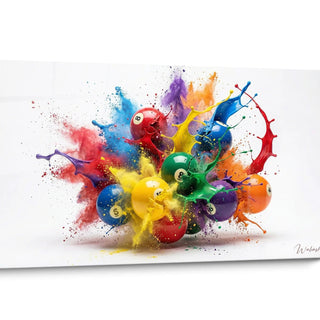 Billiards19
artworks
Billiards19
artworks
-
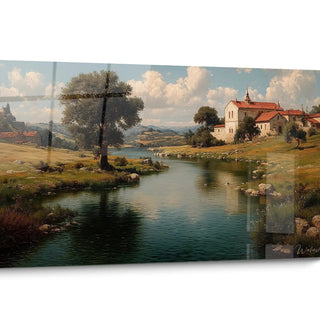 Classicism16
artworks
Classicism16
artworks
-
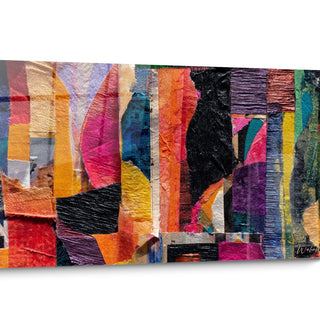 Collage14
artworks
Collage14
artworks
-
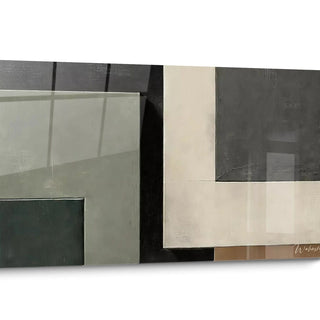 Cubism91
artworks
Cubism91
artworks
-
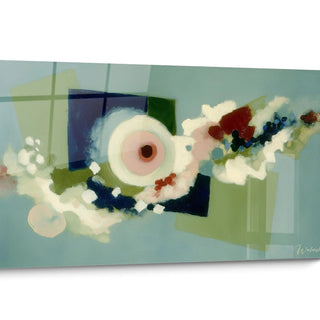 Dadaism33
artworks
Dadaism33
artworks
-
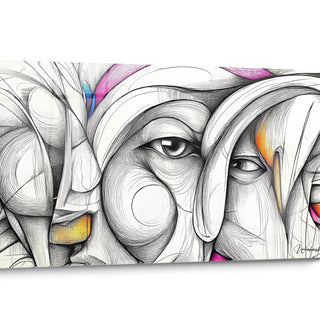 Drawing20
artworks
Drawing20
artworks
-
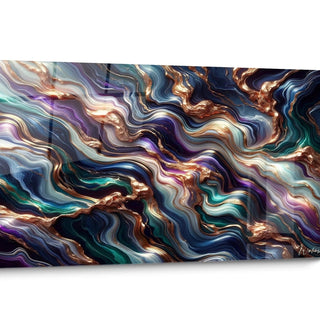 Expressionist95
artworks
Expressionist95
artworks
-
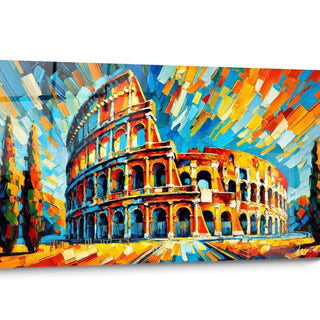 Abstract Fauvism10
artworks
Abstract Fauvism10
artworks
-
 Abstract Futurism25
artworks
Abstract Futurism25
artworks
-
 Gothic29
artworks
Gothic29
artworks
-
 Hyperrealism28
artworks
Hyperrealism28
artworks
-
 Impressionism23
artworks
Impressionism23
artworks
-
 Japandi13
artworks
Japandi13
artworks
-
 Light painting3
artworks
Light painting3
artworks
-
 Minimalist35
artworks
Minimalist35
artworks
-
 Neo-classical15
artworks
Neo-classical15
artworks
-
 Op Art20
artworks
Op Art20
artworks
-
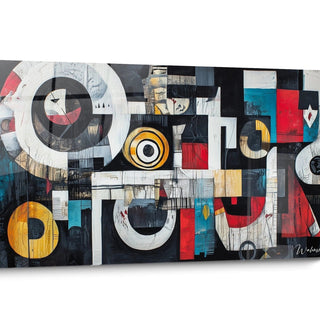 Abstract Contemporary Painting48
artworks
Abstract Contemporary Painting48
artworks
-
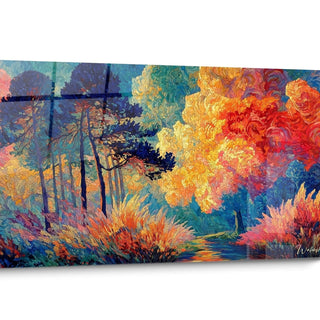 Pointillism59
artworks
Pointillism59
artworks
-
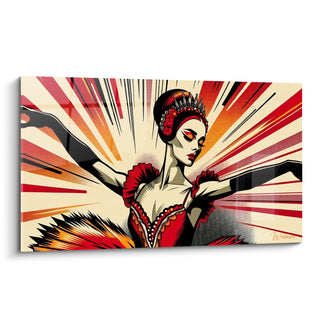 Abstract Pop Art18
artworks
Abstract Pop Art18
artworks
-
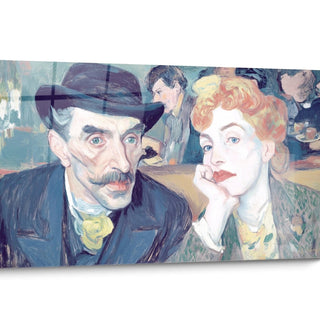 Post-Impressionism15
artworks
Post-Impressionism15
artworks
-
 Pre-Raphaelitism11
artworks
Pre-Raphaelitism11
artworks
-
 Realism10
artworks
Realism10
artworks
-
 Renaissance13
artworks
Renaissance13
artworks
-
 Italian Renaissance12
artworks
Italian Renaissance12
artworks
-
 Rococo5
artworks
Rococo5
artworks
-
 Romantic12
artworks
Romantic12
artworks
-
 Romanticism17
artworks
Romanticism17
artworks
-
 Abstract Surrealism34
artworks
Abstract Surrealism34
artworks
-
 Symbolist26
artworks
Symbolist26
artworks
-
 Vanity21
artworks
Vanity21
artworks
All about Constructivism Wall Art
- Presentation Constructivism Painting
- Constructivism Painting - Architectural Impact
- Constructivism Painting - Revolutionary Geometry
- Constructivism Painting - Industrial Symbolism
The constructivism painting represents the essence of a revolutionary artistic movement born in Russia at the beginning of the 20th century. This wall art radically transforms the living space by bringing a unique intellectual and aesthetic dimension, perfectly suited to contemporary interiors seeking avant-garde decoration. Acquiring a constructivism painting is a major decorative investment for lovers of modern art who wish to affirm their taste for artistic innovation and pure geometry.
Architectural Influence of the Constructivism Painting in Modern Design
The constructivism painting revolutionizes the spatial perception of contemporary interiors thanks to its bold architectural lines and rigorous geometric compositions. This wall art creates a constant dialogue between pictorial art and the surrounding architecture, transforming each wall into an aesthetic manifesto.
Integrating a constructivism painting into a residential or professional environment generates an exceptional visual dynamic. The geometric compositions characteristic of the movement - asymmetrical triangles, perfect circles, guiding lines - establish a direct correspondence with the structural elements of modern architecture. This stylistic symbiosis creates a remarkable decorative coherence, particularly appreciated in industrial lofts and minimalist spaces.
How does the constructivism painting transform architectural perception?
The transformative power of the constructivism painting lies in its ability to redefine spatial proportions. Large-scale works characteristic of this movement create visual vanishing points that alter the perception of volumes. Primary colors - revolutionary red, graphic black, pure white - interact with natural light to generate striking architectural contrasts.
Constructivist creations excel at enhancing converted industrial spaces. The mechanistic aesthetics and industrial geometry of the movement resonate perfectly with the raw architectural elements: exposed metal beams, concrete walls, workshop skylights. This stylistic harmony allows the constructivism painting to sublimate the architectural authenticity without denaturing it.
Adapting to contemporary structural constraints
Installing a constructivism painting requires a precise analysis of the specific architectural constraints. Large-format works require load-bearing walls capable of supporting their considerable weight, while offering optimal visibility from different angles. Placement planning should consider traffic flows and natural contemplation areas.
Contemporary open spaces - open spaces, lofts, reception halls - constitute the ideal environment for enhancing a constructivism painting. The pure geometry of the movement thrives in these generous volumes, creating structuring visual landmarks that naturally organize the space. Compositional lines of force guide the eye and define distinct functional zones.
Architectural lighting plays a decisive role in highlighting a constructivism painting. The alternation between direct and indirect lighting reveals the complexity of geometric superimpositions and accentuates the material effects. Track lighting systems allow you to adapt the light intensity according to the time of day, thus preserving the optimal visual impact of the work.
Contemporary construction materials – brushed steel, tempered glass, polished concrete – create the perfect setting for a constructivist wall art. This material convergence reinforces the overall aesthetic coherence and mutually enhances both the architecture and the artwork. The durability of this decorative alliance guarantees lasting aesthetic added value for the architectural environment.
The Revolutionary Geometry of the Wall Art: Analysis of Pure Compositions
The geometric specificity of the painting constructivism rests on a revolutionary mathematical approach to artistic composition. This creation method, inherited from the theories of Kandinsky and Malevitch, transforms wall art into a laboratory of visual experimentation where each geometric form possesses a precise conceptual meaning.
Constructivist compositions favor dynamic asymmetry over classical balance. This approach generates constant visual tension that maintains the viewer's attention and creates a decorative effect particularly suited to contemporary living spaces. The constructivist painting thus becomes a generator of permanent visual energy.
What are the exclusive geometric characteristics of constructivism?
The analysis of geometric forms reveals the conceptual sophistication of the constructivist painting. Asymmetrical triangles symbolize revolutionary dynamism, perfect circles represent the communal ideal, while straight lines embody industrial rationality. This geometric coding fundamentally distinguishes constructivism from other geometric artistic movements.
Superimposed forms create illusory depth effects that defy the laws of traditional perspective. The constructivist painting exploits these visual ambiguities to generate a unique perceptual dynamic. Geometric intersections create zones of visual tension that capture and direct the gaze according to a predetermined reading path.
The constructivist color palette – proletarian red, industrial black, revolutionary white – amplifies the impact of geometric forms. These ideological colors are never neutral but carry a symbolic charge that enriches the reading of the work. An authentic constructivist painting exploits this chromatic dimension to reinforce its aesthetic and conceptual message.
Innovation in geometric composition techniques
The constructivist creative process revolutionizes traditional pictorial composition methods. The use of precision instruments – rulers, compasses, set squares – guarantees the geometric rigor characteristic of the movement. This technical approach gives the constructivist painting a quasi-architectural precision that distinguishes it from gestural or expressive art.
Mathematical proportions govern the compositional construction according to precise geometric ratios. The golden ratio, arithmetic progressions and Fibonacci sequences subtly influence the spatial organization of the elements. This invisible mathematical sophistication reinforces the visual harmony intuitively perceived by the viewer.
The interaction between full forms and empty spaces constitutes a determining element of the visual effectiveness of the constructivist painting. Breathing zones allow the eye to circulate freely between the geometric elements, avoiding visual saturation. This management of negative space reveals the compositional mastery of constructivist artists.
The effects of repetition and geometric variation create complex visual rhythms that significantly enrich the reading of the artwork. A mature constructivism painting exploits these rhythmic phenomena to maintain visual interest over the long term. This perceptual richness guarantees renewed aesthetic satisfaction with each contemplation, justifying the investment in a work of this artistic quality.
Industrial Symbolism in Constructivist Art: Deciphering Visual Codes
The constructivism painting conveys a complex industrial symbolism that transcends simple wall decoration to become an aesthetic manifesto of modernity. This symbolic dimension, deeply rooted in the revolutionary ideology of the early 20th century, gives each work a remarkable conceptual depth that considerably enriches the decorative environment.
The iconography of constructivism draws directly from the universe of industrial production and mechanization. Stylized gears, abstract metal structures, and industrial architectural elements constitute the specific visual vocabulary of this artistic movement. An authentic constructivism painting integrates these references in a subtle and sophisticated manner.
How to interpret the industrial symbols of constructivism?
The symbolic reading of a constructivism painting reveals the ideological complexity of the movement. Mechanical forms represent the technological optimism of the time, while dynamic compositions symbolize the revolutionary momentum and social progress. This symbolic charge transforms the artwork into a vector of modernity for the space that welcomes it.
References to industrial architecture - metal frameworks, bridge structures, machine elements - create a permanent dialogue between art and technology. This conceptual fusion positions the constructivism painting as the perfect artistic expression of the industrial era, particularly suitable for enhancing contemporary interiors with an industrial feel.
Constructivist typography, often integrated into pictorial compositions, reinforces the communicative dimension of the work. Geometric characters and revolutionary slogans transform the constructivism painting into an artistic medium carrying aesthetic and ideological messages. This multifunctionality considerably enriches the decorative impact of the work.
The evolution of industrial symbolism in contemporary art
The contemporary adaptation of constructivist symbolism reveals the conceptual permanence of the movement. Current creations reinterpret the original industrial codes by adapting them to modern technological realities. A contemporary constructivism painting can thus integrate references to computer science, robotics, or new production technologies.
The resonance between historical industrial symbolism and the aesthetics of contemporary workspaces explains the decorative success of the constructivism painting in professional environments. Open spaces, design offices, and coworking spaces find in this industrial aesthetic a perfect coherence with their function and atmosphere.
The influence of constructivism on modern industrial design creates a fascinating referential circularity. Contemporary design objects are inspired by the constructivist aesthetic, which itself drew from the industrial world. This cultural loop positions the constructivism painting as a timeless decorative element, capable of dialoguing with future stylistic evolutions.


