


Abstract Relief Wall Art
Explore the captivating world of our abstract relief collection, where art takes on a new visual dimension. Each relief artwork stands out through its depth effects and volumes that seem to emerge from the flat surface. Our artists masterfully command the interplay of shadows and light to create abstract works that create the illusion of relief and movement. This collection is designed for contemporary art lovers seeking visually dynamic pieces that transform your space. Geometric or organic compositions distinguish themselves through their ability to capture the eye and offer different perspectives depending on the viewing angle.
 The Silk of Whispers Wall Art - Abstract Relief Edition273,90 €
 Strata Painting - Abstract Relief Edition273,90 €
 Blood of the Earth Canvas - Abstract Relief Edition273,90 €
 Consciousness Nests Canvas - Abstract Relief Edition273,90 €
 Wall Art The Folds of the Ocean - Abstract Relief Edition273,90 €
 The Passage White Painting - Abstract Relief Edition273,90 €
 The Foam of Breaths Wall Art - Abstract Relief Edition273,90 €
 The Awakening of the Soul Canvas - Abstract Relief Edition273,90 €
 Atlas of the Depths Canvas - Abstract Relief Edition273,90 €
 Quantum Intimacy Artwork - Abstract Relief Edition228,90 €
Explore further
In Abstract Relief Wall Art


In the same family
Also explore the theme 🔥 The Originals 🔥
-
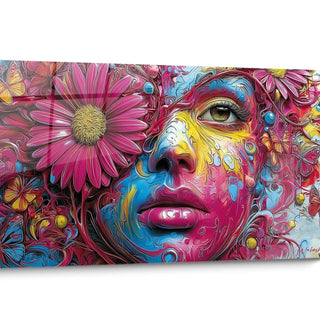 View all573
artworks
View all573
artworks
-
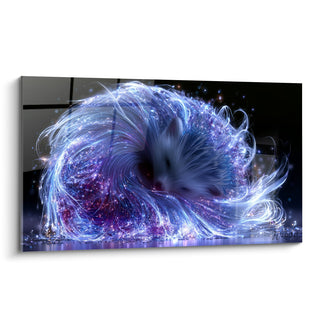 Spectral Animals33
artworks
Spectral Animals33
artworks
-
 Colors Gone Wild31
artworks
Colors Gone Wild31
artworks
-
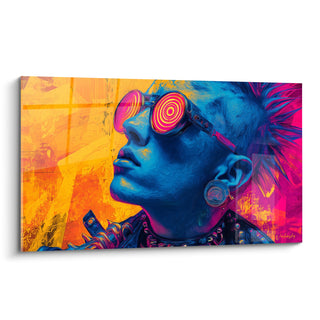 Cyberpunk111
artworks
Cyberpunk111
artworks
-
 Epoxy (Style)47
artworks
Epoxy (Style)47
artworks
-
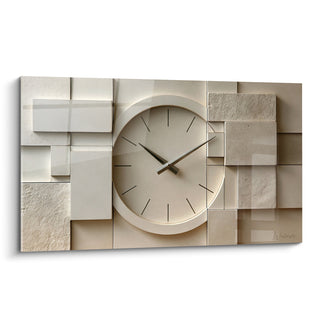 Clock21
artworks
Clock21
artworks
-
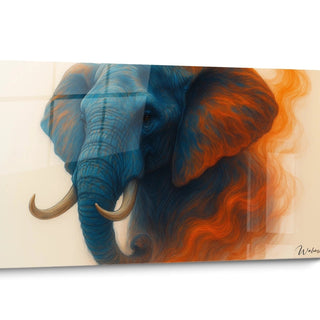 Fluid Mythoscene10
artworks
Fluid Mythoscene10
artworks
-
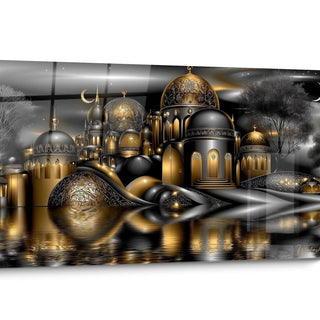 Originals Black Gold14
artworks
Originals Black Gold14
artworks
-
 Statue169
artworks
Statue169
artworks
-
 Crochet Style25
artworks
Crochet Style25
artworks
-
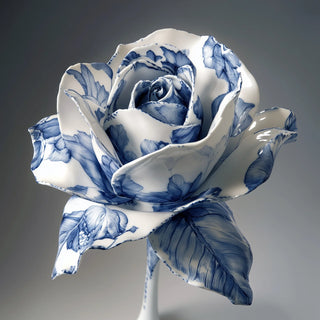 Porcelain Style8
artworks
Porcelain Style8
artworks
-
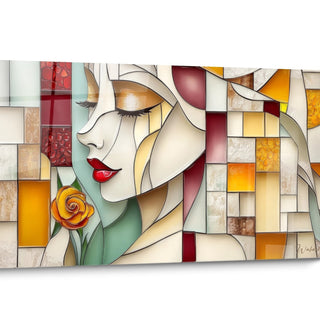 Stained Glass Style31
artworks
Stained Glass Style31
artworks
-
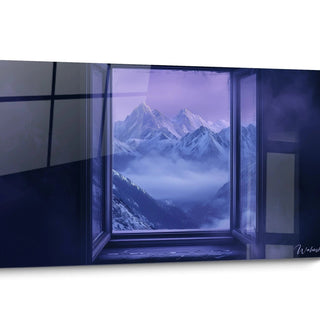 Trompe-l'oeil8
artworks
Trompe-l'oeil8
artworks


All about Abstract Relief Wall Art
- Wall Art Presentation Abstract Relief
- Shadow Choreography in Relief Abstract Pieces
- Material Layering Strategies for Abstract Relief Depth
- Spatial Perspective Shifts When Viewing Relief Abstract Art
Discover the fascinating world of abstract relief wall art, an art form that transcends the traditional boundaries of painting by incorporating a tactile dimension to visual expression. Unlike conventional pictorial works, abstract relief wall art distinguishes itself through its three-dimensional texture that emerges from the surface, creating a unique dialogue between shadow and light.
This form of contemporary art offers a complete sensory experience, inviting the viewer to appreciate not only the visual composition but also the physical depth and palpable textures. Abstract reliefs transform your interior space into a dynamic gallery where each viewing angle reveals a new perspective of the artwork.
Abstract relief wall art represents an ideal choice for collectors and art lovers seeking a masterpiece that captures attention and stimulates conversation. Whether drawn to minimalist compositions with subtle reliefs or bolder expressions with pronounced textures, these works add an extra dimension to your interior decoration.
Explore our different sections to discover how shadow play, material layering strategies, and spatial perspective shifts make abstract relief wall art an exceptional acquisition for your art collection.
The Choreography of Shadows in Abstract Relief Wall Art
How do abstract reliefs create a unique dance of shadows on your walls?
Abstract relief wall art fundamentally distinguishes itself from other forms of wall art through its ability to orchestrate a genuine choreography of shadows. Unlike flat paintings or traditional prints, each relief creates a distinctive topography that intercepts light and projects dynamic shadows, constantly transforming the appearance of the artwork throughout the day.
This kinetic dimension, exclusive to abstract reliefs, offers a visual experience in perpetual evolution. Where a conventional painting remains static, the relief artwork becomes alive, breathing with the ambient light that moves through your living space. This phenomenon transforms your wall into a stage where a unique artistic performance unfolds daily.
Light Intensity and the Metamorphosis of Relief Wall Art
One of the most captivating characteristics of abstract relief wall art lies in its metamorphosis under different light intensities. Under bright, direct light, shadows become sharp and dramatic, accentuating structural contrasts and revealing the architectural complexity of the artwork. This sculptural quality allows full appreciation of the intentional depth created by the artist.
Conversely, under soft or diffuse lighting, the same abstract reliefs adopt a more mysterious and subtle presence. Shadows lengthen and blend delicately, creating a contemplative atmosphere that invites introspection. This duality of expression is exclusive to relief wall art and constitutes a major asset for collectors seeking an evolving piece of art.
Strategic Placement to Maximize Shadow-Relief Effect
Positioning abstract relief wall art requires particular consideration that two-dimensional works do not demand. Orientation relative to natural and artificial light sources directly determines the intensity of the shadow performance. Placement facing a window allows sunlight rays to create dramatic projections whose angle and length will vary throughout the hours.
For residential or professional spaces with large bay windows, abstract relief wall art becomes particularly relevant. These environments bathed in changing natural light allow full exploitation of the kinetic potential of the relief artwork. Shadow projections evolve not only during the day but also according to seasons, offering a constantly renewed artistic experience.
Specific Textures and Their Impact on Shadow Projection
The specific material composition of abstract relief wall art significantly influences the quality of projected shadows. Reliefs with sharp edges create clear demarcations between light and darkness, producing a pronounced graphic effect. Conversely, surfaces with undulating or rounded contours generate gradual transitions and subtle gradations between illuminated and shaded areas.
This textural diversity allows large-format abstract relief wall art to play multiple roles simultaneously in your interior: visual artwork, wall sculpture, and lighting ambiance generator. This functional versatility fundamentally distinguishes abstract reliefs from other wall art categories that remain confined to their purely visual dimension.
Which light sources should you prioritize to enhance abstract relief wall art?
Directional lighting, such as adjustable spotlights or light rails, particularly reveals abstract reliefs by accentuating contrasts and dramatizing shadow projections. These lighting solutions also allow angle adjustment to modify the appearance of the artwork according to occasions or seasons.
For discerning collectors, installing a variable-intensity lighting system represents a judicious investment to fully exploit the expressive potential of abstract relief wall art. This flexibility allows adaptation of the lighting ambiance according to times of day or social events, transforming the artwork into a dynamic element of your interior decoration.
- Pronounced textures capture more light and project more dramatic shadows
- Abstract reliefs in reflective materials multiply the interplay of shadows and light
- The distance between the wall art and light source directly influences projection intensity
Minimalist spaces benefit particularly from the presence of abstract relief wall art whose shadow projections add a layer of visual complexity without physically cluttering the environment. This characteristic makes it a preferred choice for contemporary interiors where each decorative element must justify its presence through substantial aesthetic contribution.
Ultimately, acquiring abstract relief wall art represents far more than a simple decorative purchase; it is the introduction of a living architectural element that transforms your space through its unique and perpetually renewed choreography of shadows.
Material Layering Strategies for Depth in Abstract Relief Wall Art
The exceptional dimension of abstract relief wall art lies in its stratified construction that transcends the limitations of traditional pictorial works. Unlike conventional paintings where depth is suggested through visual techniques, abstract reliefs construct real physical depth through the methodical superposition of varied materials. This material architecture creates a sensory experience impossible to reproduce with other forms of wall art.
Which materials create the most striking relief effects?
Contemporary abstract relief wall art exploits a diversity of materials specifically selected for their textural properties. Transparent epoxy resins allow creation of superimposed strata that trap pigments and textured elements, generating visual depth coupled with physical texture. This technique, exclusive to relief pieces, creates a suspension effect that immediately captivates the eye and invites tactile exploration.
Compositions incorporating variable-density materials generate dynamic reliefs particularly suited to large wall spaces. Lightweight materials such as natural fibers contrast with denser elements to create topographic variations that react differently to atmospheric pressure and humidity conditions, conferring on the artwork a living dimension that subtly evolves with its environment.
- Translucent resins create stratified depth effects impossible to achieve with flat paint
- Contrasting-texture materials increase the visual and tactile impact of relief works
- Integrated metallic components add reflective focal points that energize the composition
The interaction between opaque and translucent materials constitutes a distinctive signature of superior-quality abstract relief wall art. This juxtaposition permits creation of zones where light partially penetrates the layers, revealing interior details that remain invisible from certain angles. This exclusive characteristic encourages viewers to shift position to progressively discover all aspects of the artwork.
Dimensional Layering Techniques in Abstract Relief Art
Progressive stratification of materials in abstract relief wall art often follows precise architectural logic. Specialized artists typically begin by establishing solid structural foundation upon which successive layers of increasing complexity are then applied. This constructive approach creates a visual hierarchy that naturally guides the viewer's gaze through different levels of interpretation.
Segmented layering techniques, where different areas of the wall art present distinct stratifications, allow creation of textural "territories" that stimulate visual exploration. This method, specific to relief works, permits incorporation of smooth or abrupt transitions between different relief heights, creating an abstract landscape that invites tactile exploration.
For contemporary interiors with large wall surfaces, panoramic-format abstract relief wall art offers a unique immersive experience. Their successive-layer construction allows integration of elements at different distances from the wall, creating a forced-perspective effect that visually amplifies the spatial depth of the surrounding environment.
Durability and Preservation of Complex Reliefs
The multilayer construction of abstract relief wall art requires particular attention to long-term structural stability. Superior-quality works incorporate specific anchoring techniques that guarantee permanent adhesion of relief elements, even in environments subject to temperature and humidity variations.
This technical consideration directly influences the longevity of the artistic investment and distinguishes professional creations from lower-quality alternatives. Knowledgeable collectors recognize this fundamental difference that ensures preservation of the dimensional integrity of the artwork over years.
Spatial Impact of Relief Structures in Different Environments
The physical presence effect generated by abstract relief wall art varies considerably according to the architectural dimensions of the exhibition space. In environments with high ceilings, deep reliefs create a sculptural presence that vertically activates wall space, establishing dialogue with surrounding volumes that flat artworks cannot initiate.
Conversely, in spaces with more intimate dimensions, abstract relief wall art with subtle variations provides visual and textural complexity without compromising the sensation of spatial openness. This contextual adaptability represents a significant advantage for buyers facing specific architectural constraints.
High-end professional environments benefit particularly from integration of abstract relief wall art whose imposing presence implicitly communicates values of sophistication and attention to detail. This symbolic dimension far exceeds simple decorative function and actively contributes to construction of the space's visual identity.
In conclusion, material stratification of abstract relief wall art constitutes a multidimensional artistic approach that transcends the possibilities of conventional flat works. This physical-depth construction offers an evolving aesthetic experience that fully justifies investment in this distinctive art form for ambitious contemporary spaces.
Spatial Perspective Shifts in Appreciating Abstract Relief Wall Art
Abstract relief wall art fundamentally revolutionizes the experience of wall art by introducing a unique kinesthetic dimension in artistic appreciation. Unlike two-dimensional works that offer an essentially static experience, abstract relief art demands and rewards viewer movement, transforming the act of observation into active, multisensory exploration.
How does spectator movement transform abstract relief wall art?
The fundamental particularity of abstract relief wall art lies in its ability to present radically different compositions according to observer position. By moving laterally before the artwork, the spectator discovers alignments and juxtapositions of textured elements that continuously recompose, virtually creating multiple distinct works within a single piece.
This constant metamorphosis categorically distinguishes abstract relief wall art from conventional mural creations. It introduces a temporal dimension into the aesthetic experience that encourages prolonged and repeated interaction with the artwork, significantly increasing its experiential value for collectors and art lovers.
Vertical movements by the spectator also reveal unique aspects of abstract reliefs. By observing the artwork from different heights, elements previously hidden by relief projections can suddenly become visible, unveiling secondary compositions deliberately integrated by the artist to reward multidimensional exploration.
Observation Distance and Perception of Relief Textures
The relationship between observation distance and perception of abstract relief wall art merits particular attention during selection and installation. At close proximity, the eye perceives mainly textural details, tactile materiality, and microstructures composing the relief. This intimate reading reveals execution quality and richness of employed materials.
Progressive distancing produces a fascinating transformation: individual relief elements begin visually merging to reveal macroscopic compositions often imperceptible at close range. This dual reading, exclusive to relief works, allows integration of complex visual narratives that progressively unveil according to adopted distance.
- At close distance (less than one meter): predominance of tactile experience and textural details
- At medium distance (1-3 meters): optimal balance between relief perception and overall composition
- At long distance (more than 3 meters): emergence of patterns and structures invisible at proximity
This perceptual stratification makes abstract relief wall art particularly suited to large-scale spaces where different observation distances are naturally practicable. Residences with open-plan layouts or spacious professional environments allow full exploitation of this multiple-reading potential.
Angular Perspectives and Revelation of Hidden Structures
Observing abstract relief wall art from extreme lateral angles unveils aspects of the composition intentionally concealed during frontal visualization. Artists mastering this art form often integrate elements appearing only when the spectator adopts a specific lateral position, creating "conditional revelations" that reward exhaustive exploration.
This discovery-progression dimension fundamentally distinguishes abstract relief wall art from flat works where entire visual content is immediately accessible upon first viewing. The experience becomes comparable to exploring a three-dimensional landscape rather than simply observing an image.
For collectors desiring to acquire artistic pieces offering prolonged and evolving experience, this characteristic represents substantial advantage. Abstract relief wall art continues revealing new visual aspects long after acquisition, preserving its fascination power intact over years.
Implications for Installation in Circulation Spaces
The kinetic nature of abstract relief wall art experience makes it particularly pertinent for transition zones and circulation areas. Corridors, entry halls, or staircase landings become dynamic galleries where natural occupant movement continuously activates different artwork readings without intentional effort.
This functional characteristic distinguishes abstract relief wall art as superior choice for these specific locations, compared to conventional works that remain static and may rapidly become visually familiar to the point of perceptual invisibility. Relief artwork maintains its active presence in regular occupants' spatial awareness.
High-end professional environments strategically exploit this quality by positioning abstract relief wall art along customer pathways to create memorable visual experiences that reinforce brand identity and subtly communicate attention to detail and multidimensional sophistication.
Seasonal Interaction with Natural Light
Annual variation in solar incidence angle profoundly transforms the appearance of abstract relief wall art exposed to natural light. During summer months, zenith light accentuates horizontal textures while winter months, with their rasant light, reveal more vertical relief projections.
This seasonal evolution offers owners of relief works a renewed experience four times yearly, transforming the artwork into a visual calendar that subtly marks time passage. This extended temporal dimension represents considerable added value for lasting artistic investments.
FAQ About Abstract Relief Wall Art
What is the ideal maintenance for abstract relief wall art?
Maintenance of abstract relief wall art primarily requires gentle dusting using a soft brush or low-power vacuum equipped with adapted brush. Unlike flat works, it is essential to avoid cloths that could catch relief elements or deposit fibers in textural interstices.
Are abstract relief wall art pieces suitable for humid spaces?
High-quality contemporary abstract relief wall art generally incorporates water-repellent treatments that render them compatible with moderately humid environments such as spacious bathrooms or private spas. This specific resistance adds installation versatility that traditional works cannot offer.
How do you choose optimal lighting for abstract relief wall art?
Ideal lighting for abstract relief wall art combines a primary directional source that projects defined shadows with softer ambient lighting that reveals details in shaded areas. Rail lighting systems allow angle adjustment to maximize three-dimensional effect according to personal preferences and existing light conditions.
Further reading
Our articles on this topic
- Monumental abstract art: murals and wall installations
- Spatial abstract art: weightless creation
- Dive into the World of Abstract Art: An Emotional Exploration
- Large abstract movement painting: how to transform a blank wall
- Why do colorful alluvial deposits inspire contemporary geological abstracts?
- Abstract Painting: Explore the World of Limitless Art
L'art qui suscite l'envie
Maison belge d'art mural grand format
14 jourspour changer d'avis*
Protection Walenskyincluse
Fabriquéen Italie
FormatXXL
Kit de fixationtoujours fourni
* Hors tableaux personnalisés et tailles personnalisées


