


Chameleon Wall Art
Discover our Chameleon Wall Art collection, a series of wall paintings inspired by this animal's unique ability to adapt to its environment. Each artwork embodies the versatility and vibrancy of colors, playing with nuances to harmonize perfectly with any interior style. The Chameleon Art collection is ideal for those seeking to personalize their space with visually captivating pieces, while adding a touch of elegance and subtle transformation. Bring life and movement to your walls with this unique collection!
 Camouflaged Blue Painting - Chameleon Edition Animals273,90 €
 Chameleon Wall Art Tone Alchemist - chameleon edition242,90 €
 Colorful Chameleon Wall Art on Geometric Background - Reptilian Fusion - Chameleon Edition228,90 €
 Chameleon Emerald Scales Wall Art - Chameleon Edition273,90 €
 Chameleon Wall Art Shimmer of the Unseen - chameleon edition242,90 €
 Chameleon Canvas Holographic Guardians - Chameleon Edition242,90 €
 Chameleon Canvas Masters of Camouflage - Chameleon Edition242,90 €
 Chameleon Mosaic of Souls Painting - Chameleon Edition273,90 €
 Mystical Chameleon Wall Art with Thousand Faces - chameleon edition273,90 €
 Chameleon Jungle Prism Wall Art - chameleon edition273,90 €
 Chameleon Canvas Sage of the Branches - Chameleon Edition242,90 €
 Scarlet Guardian Wall Art - Chameleon Animals Edition273,90 €
 Iguana Dreamer of the Dawn Wall Art - Chameleon Edition273,90 €
 Perfect Invisibility Wall Art - Chameleon Animals Edition273,90 €
 The Art of Discretion Wall Art - Chameleon Animals Edition273,90 €
 The Chameleon's Eye Wall Art - Chameleon Animals Edition273,90 €
 Living Mosaic Canvas - Chameleon Animals Edition273,90 €
 Poetry in Balance Canvas - Chameleon Animals Edition273,90 €
 Hidden Gaze Wall Art - Chameleon Animals Edition273,90 €
 Through the Thread of Time Wall Art - Chameleon Animals Edition273,90 €
In the same family
Also explore the theme Animals
-
 View all12255
artworks
-
 Bee54
artworks
-
 Eagle18
artworks
-
 Alpaca111
artworks
-
 Donkey15
artworks
-
 Savannah Wildlife94
artworks
-
 Antelope5
artworks
-
 Spider8
artworks
-
 Other Animals24
artworks
-
 Ostrich75
artworks
-
 Axolotl47
artworks
-
 Whale89
artworks
-
 Barracuda61
artworks
-
 Snipe32
artworks
-
 Ram321
artworks
-
 Beluga169
artworks
-
 Hermit-Crab12
artworks
-
 Doe10
artworks
-
 Bison8
artworks
-
 Badger59
artworks
-
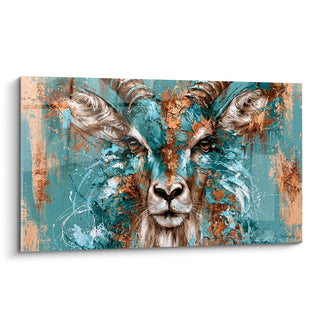 Chamois32
artworks
-
 Buffalo91
artworks
-
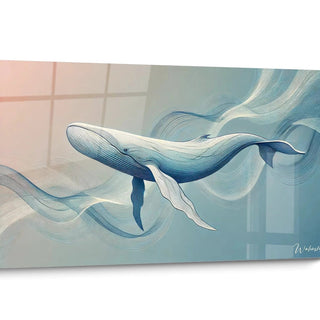 Sperm Whale8
artworks
-
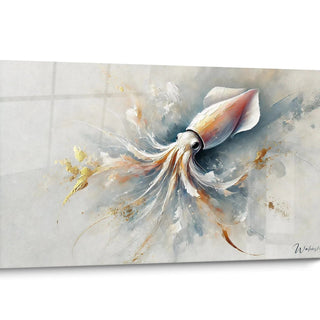 Giant Squid6
artworks
-
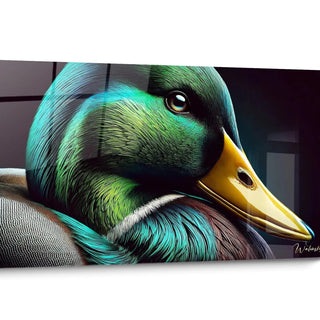 Duck352
artworks
-
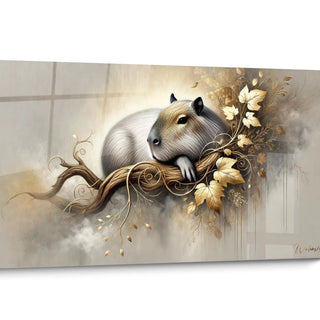 Capybara3
artworks
-
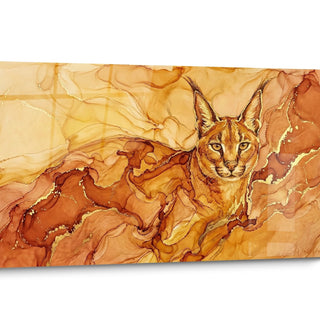 Caracal15
artworks
-
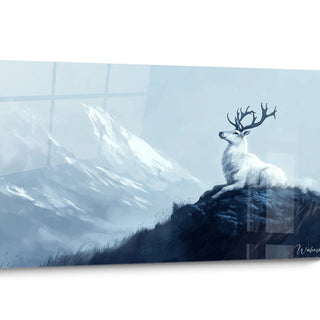 Caribou4
artworks
-
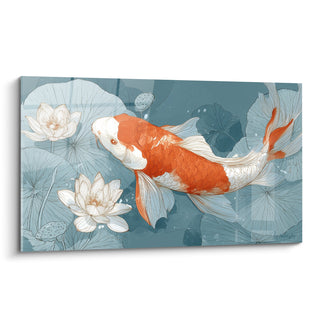 Koi Carp130
artworks
-
 Beaver9
artworks
-
 Deer26
artworks
-
 Camel3
artworks
-
 Cat1218
artworks
-
 Bat10
artworks
-
 Horse1255
artworks
-
 Mountain Goat3
artworks
-
 Dog3055
artworks
-
 Chimpanzee12
artworks
-
 Owl19
artworks
-
 Stork16
artworks
-
 Ladybug7
artworks
-
 Pig8
artworks
-
 Guinea Pig13
artworks
-
 Hummingbird23
artworks
-
 Dove90
artworks
-
 Rooster9
artworks
-
 Seashell6
artworks
-
 Raven9
artworks
-
 Crab5
artworks
-
 Toad8
artworks
-
 Shrimp5
artworks
-
 Crocodile4
artworks
-
 Swan189
artworks
-
 Dolphin11
artworks
-
 Dromedary4
artworks
-
 Squirrel15
artworks
-
 Elan13
artworks
-
 Elephant80
artworks
-
 Snail11
artworks
-
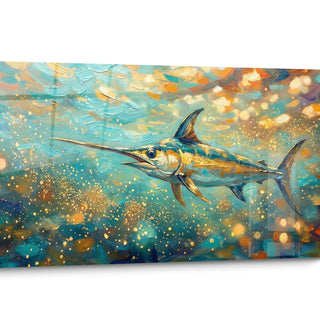 Swordfish4
artworks
-
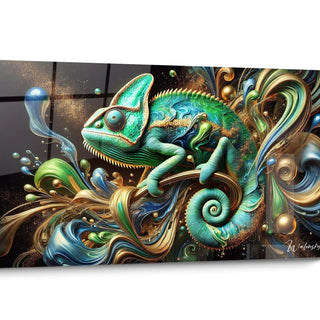 Wild Essence25
artworks
-
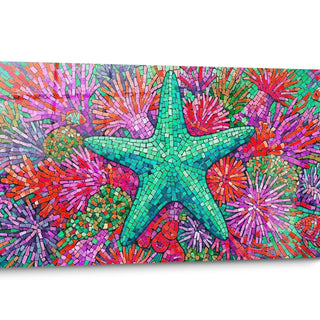 Starfish19
artworks
-
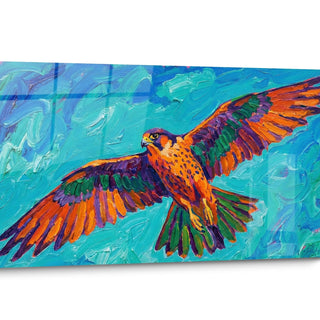 Falcon16
artworks
-
 Fennec256
artworks
-
 Pink Flamingo30
artworks
-
 Ant19
artworks
-
 Ferret17
artworks
-
 Gazelle4
artworks
-
 Giraffe183
artworks
-
 Wildebeest3
artworks
-
 Gorilla15
artworks
-
 Frog65
artworks
-
 Grizzly3
artworks
-
 Crane10
artworks
-
 Cheetah147
artworks
-
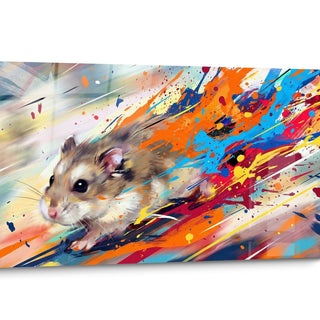 Hamster17
artworks
-
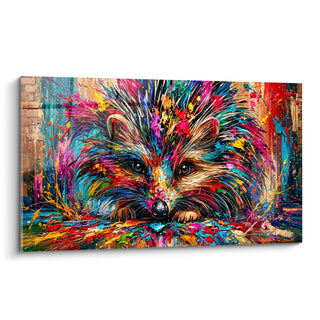 Hedgehog64
artworks
-
 Heron37
artworks
-
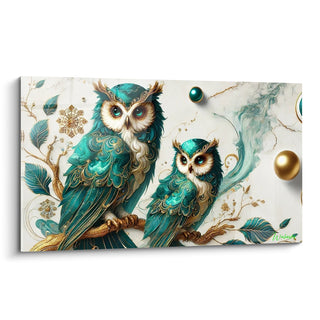 Owl42
artworks
-
 Seahorse34
artworks
-
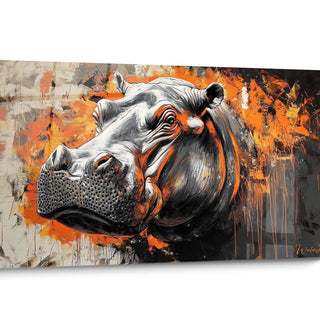 Hippopotamus4
artworks
-
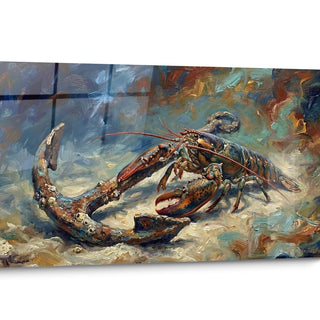 Lobster8
artworks
-
 Hyena14
artworks
-
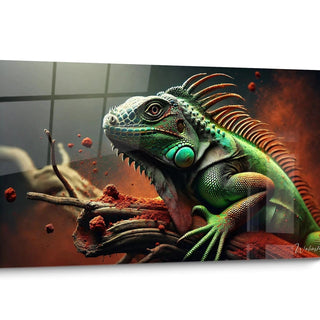 Iguana6
artworks
-
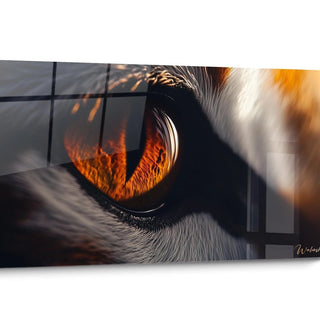 Animal Eye6
artworks
-
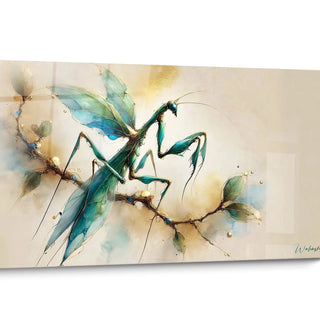 Insect5
artworks
-
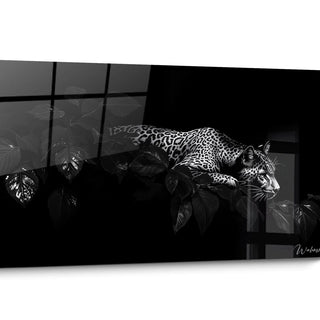 Jaguar6
artworks
-
 Kangaroo100
artworks
-
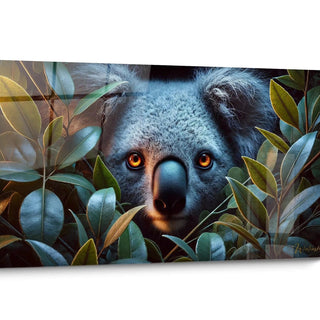 Koala18
artworks
-
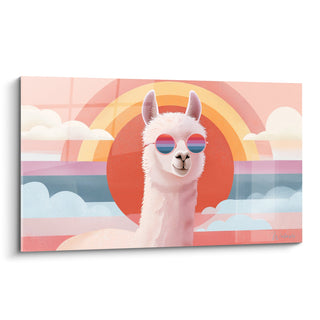 Llama107
artworks
-
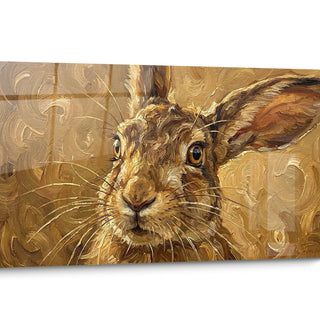 Rabbit15
artworks
-
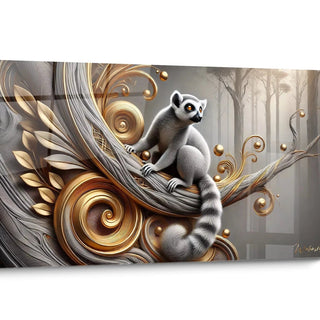 Lemur3
artworks
-
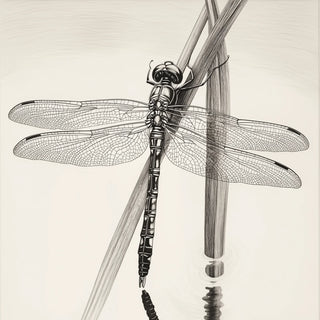 Dragonfly4
artworks
-
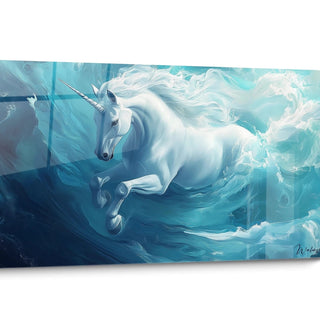 Unicorn62
artworks
-
 Lion199
artworks
-
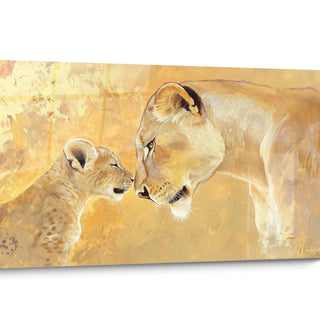 Lion Cub4
artworks
-
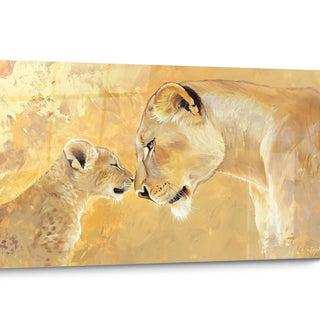 Lioness6
artworks
-
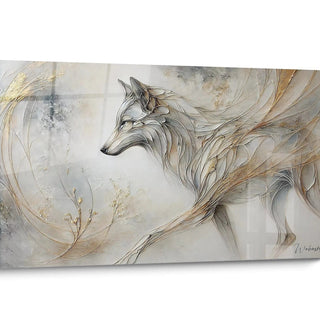 Wolf13
artworks
-
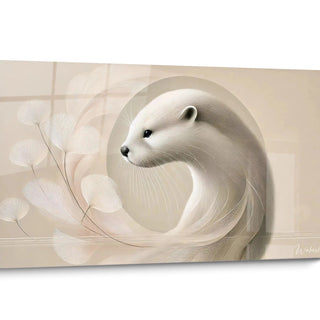 Otter6
artworks
-
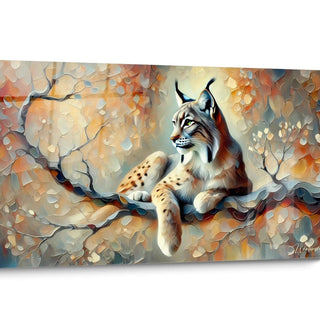 Lynx7
artworks
-
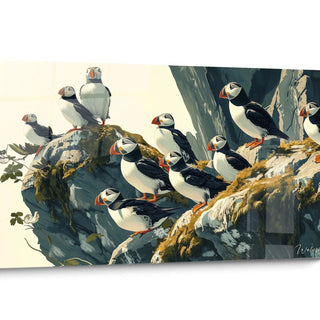 Puffin2
artworks
-
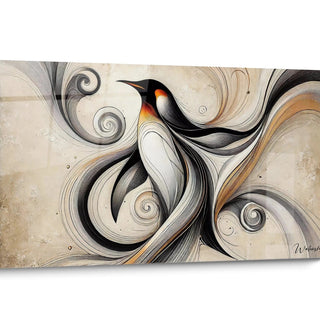 Penguin10
artworks
-
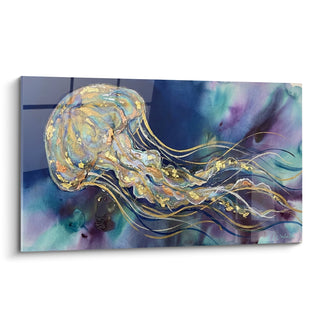 Jellyfish17
artworks
-
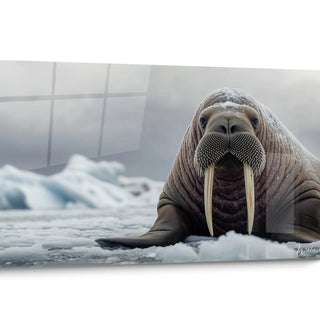 Morse3
artworks
-
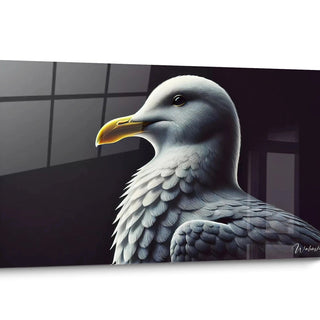 Seagull4
artworks
-
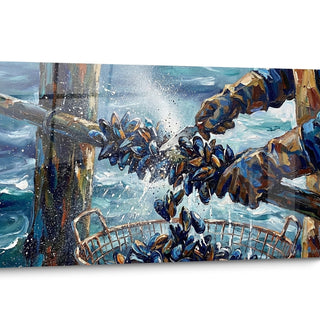 Mold14
artworks
-
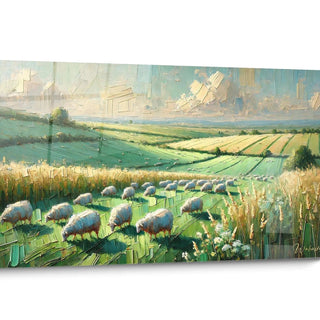 Sheep6
artworks
-
 Narwhal66
artworks
-
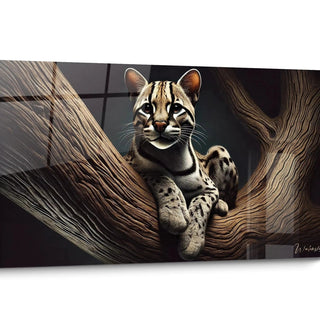 Ocelot3
artworks
-
 Birds15
artworks
-
 Orangutan10
artworks
-
 Orca28
artworks
-
 Brown Bear334
artworks
-
 Polar Bear289
artworks
-
 Sea Urchin9
artworks
-
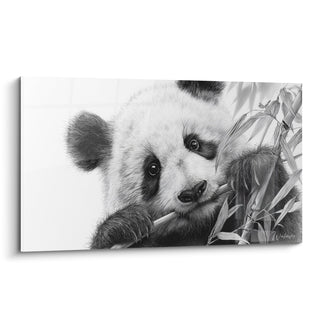 Giant Panda69
artworks
-
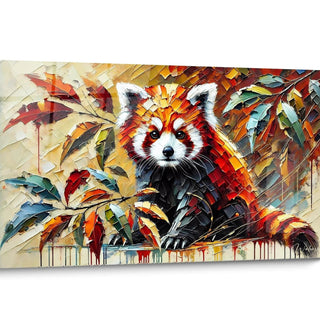 Red Panda11
artworks
-
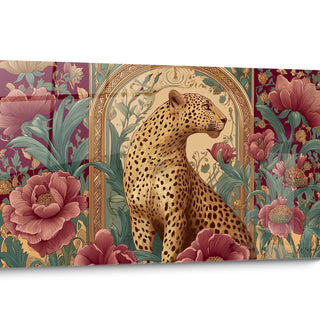 Panther19
artworks
-
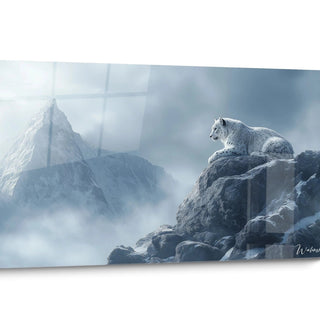 Snow Leopard8
artworks
-
 Black Panther10
artworks
-
 Peacock128
artworks
-
 Butterfly14
artworks
-
 Lazy Sloth3
artworks
-
 Pelican90
artworks
-
 Parrot211
artworks
-
 Parakeet5
artworks
-
 Seal5
artworks
-
 Pigeon10
artworks
-
 Penguin274
artworks
-
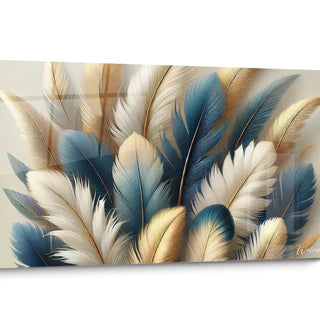 Feather60
artworks
-
 Fish18
artworks
-
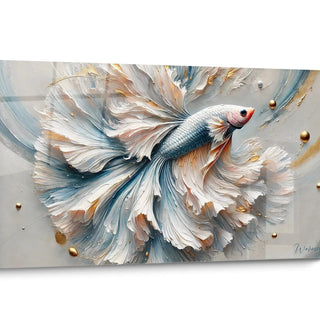 Betta Fish12
artworks
-
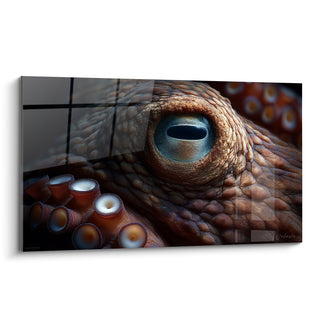 Octopus59
artworks
-
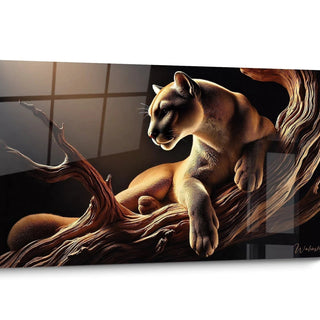 Puma3
artworks
-
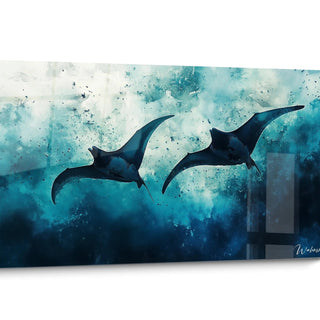 Manta Ray67
artworks
-
 Raccoon2
artworks
-
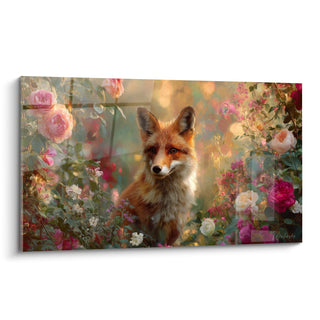 Fox141
artworks
-
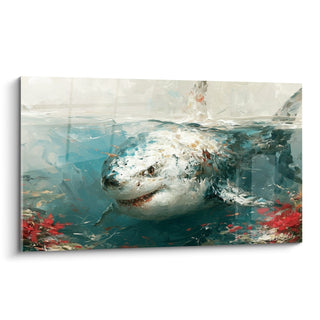 Shark126
artworks
-
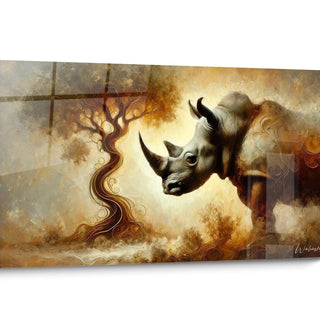 Rhinoceros21
artworks
-
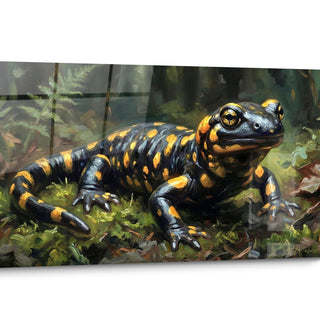 Salamander14
artworks
-
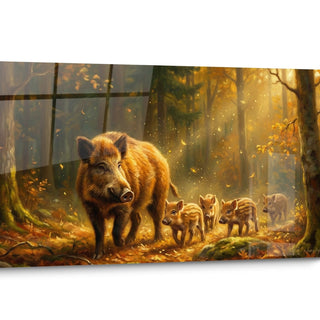 Wild Boar15
artworks
-
 Scarab73
artworks
-
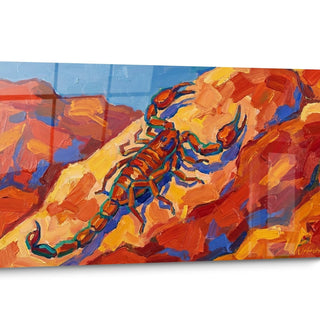 Scorpion9
artworks
-
 Serpent102
artworks
-
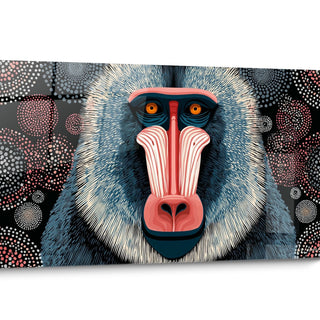 Monkey14
artworks
-
 Meerkat1
artwork
-
 Tapir52
artworks
-
 Armadillo3
artworks
-
 Bull281
artworks
-
 Tiger316
artworks
-
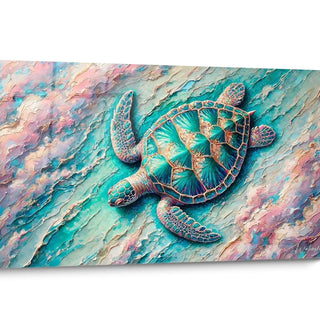 Sea Turtle18
artworks
-
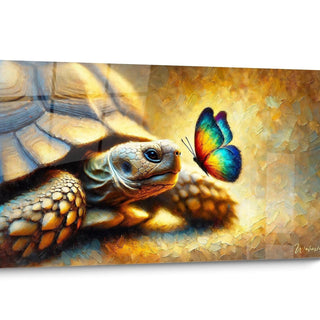 Terrestrial Turtle14
artworks
-
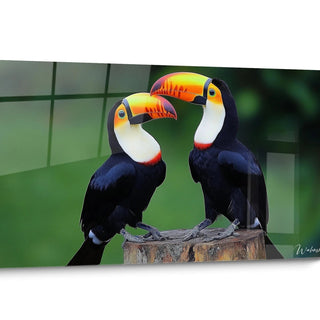 Toucan7
artworks
-
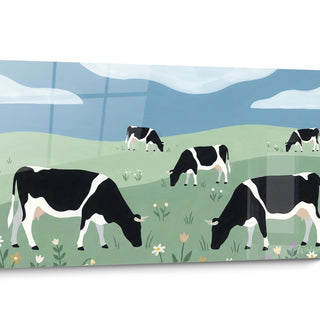 Cow9
artworks
-
 Vulture5
artworks
-
 Zebra49
artworks


All about Chameleon Wall Art
- Caméléon Paintings Presentation
- Caméléon Paintings Chromatic Adaptability
- Caméléon Paintings Evolving Ambiance
- Caméléon Paintings Dynamic Decoration
Caméléon paintings represent a fascinating innovation in the world of wall décor. These exceptional wall artworks are distinguished by their unique ability to change appearance depending on the viewing angle, light, or ambient temperature. True decorative chameleons, caméléon paintings transform your interior into a dynamic gallery where art constantly evolves. Their advanced technology allows for rooms with striking visual effects that naturally adapt to their environment, like animal paintings with changing patterns. Perfect for contemporary spaces where interactive decoration is sought that can surprise, these artistic creations revolutionize our relationship with wall art by introducing the notions of change and adaptation – emblematic characteristics of the chameleon.
Caméléon Paintings: Masters of Chromatic Adaptability
In the world of innovative wall decorations, caméléon paintings stand out for their unique ability to radically transform their appearance. These revolutionary wall artworks integrate advanced chromatic technology enabling spectacular changes that redefine the decorative experience. Unlike classic paintings fixed in a permanent composition, caméléon paintings offer a fascinating interactive dimension.
What makes caméléon paintings technologically unique?
Caméléon paintings use thermochromic or photochromic pigments specially designed to react to environmental variations. This advanced reactive technology allows these large-format artistic creations to transform their color palette based on external stimuli. Thermal reactivity allows for smooth chromatic transitions when the ambient temperature changes, while photosensitive properties create visual metamorphoses in response to variations in light.
This exclusive technical particularity of caméléon paintings is based on a multi-layered pigment composition allowing for different levels of transformation. Reactive microcrystals integrated into the top layer reorganize their molecular structure in real time, thus changing the reflection of light and creating the characteristic changing effect.
The chromatic transition mechanisms of caméléon paintings
The chromatic adaptability of caméléon paintings mainly manifests through four distinct mechanisms:
- Thermochromic transition: color change in response to temperature variations
- Photochromic modulation: visual transformation according to the intensity and quality of light
- Dynamic angular perspective: appearance modification according to the angle of observation
- Programmed temporal reactivity: predefined chromatic evolution over daily cycles
These sophisticated mechanisms allow caméléon paintings to present up to eight distinct visual configurations in the same space, creating a constantly evolving artistic experience. Transitions can be gradual or sudden, depending on the specific composition and environmental parameters.
Integrating caméléon paintings into minimalist spaces
Contemporary minimalist spaces particularly benefit from large-scale chameleon wall art. Their ability to present different appearances allows for the introduction of visual complexity without cluttering the physical or visual space. In a refined interior where every element counts, a chameleon painting can fulfill the function of several successive works of art.
Interior designers recommend installing chameleon paintings on walls facing variable natural light sources, maximizing their transformative potential throughout the day. This strategic orientation transforms the artwork into a central element that visually rhythms the space according to natural light cycles.
How do climatic conditions affect the expression of chameleon paintings?
Chameleon paintings establish a symbiotic relationship with the climatic conditions of their environment. Seasonal variations create cycles of transformation that constantly renew the visual experience. In winter, when indoor heating creates more pronounced thermal gradients, thermosensitive chameleon paintings present more dramatic and frequent transitions.
Ambient humidity also influences the speed and intensity of chromatic transitions, particularly for compositions using hygroscopic pigments. This profound environmental sensitivity makes chameleon paintings truly living works, constantly conversing with their surroundings.
The psychological impact of chameleon paintings on occupants
Research in environmental psychology demonstrates that dynamic visual elements like chameleon paintings stimulate the production of dopamine, associated with the pleasure of discovery. This unique characteristic makes chameleon paintings a potential therapeutic tool in stressful environments such as waiting rooms or high-pressure workspaces.
The unpredictable nature of chromatic transformations engages conscious and subconscious attention, creating moments of beneficial contemplative pause. These micro-attentional interruptions promote cognitive recovery and reduce mental fatigue, transforming the artistic experience into a subtle biophilic intervention.
Chameleon Paintings: Creators of Evolving Atmospheres
Chameleon paintings revolutionize contemporary wall art by introducing a unique evolving dimension into our interiors. These transformable artistic works are distinguished by their unique ability to modify the atmosphere of a room without physical intervention. Unlike conventional wall decorations, chameleon paintings act as autonomous mood modulators that adapt and evolve in harmony with the environment.
Circadian synchronization of chameleon paintings
One of the most remarkable characteristics of chameleon paintings is their ability to naturally synchronize with circadian rhythms. These evolving wall murals use reactive technologies that allow them to harmonize their tones and brightness with the different phases of the day. In the morning, the chameleon painting can reveal energizing and vibrant tones that stimulate awakening, while at dusk, it gradually adopts warmer and more soothing shades.
This integrated biological synchronization transforms chameleon paintings into true mood regulators that accompany occupants through their daily transitions. Neurological design studies suggest that this subtle chromatic evolution can promote melatonin production in the evening and facilitate the transition to sleep, creating a bridge between decoration and physiological well-being.
Programmed seasonal variations in chameleon paintings
Beyond daily cycles, the latest generation chameleon paintings integrate seasonal variation algorithms. This advanced programming allows the artworks to adapt their artistic expressions over the seasons, offering a perpetually renewed aesthetic experience. In autumn, chameleon paintings can adopt amber and earthy palettes, while in spring, they lean towards fresher and more invigorating expressions.
Integrated environmental sensors allow chameleon paintings to detect changes in outside temperature, sunlight, and even atmospheric pressure, adjusting their appearance accordingly. This adaptability makes chameleon paintings visual chroniclers of natural cycles, even in the most detached urban environments.
How do chameleon paintings interact with artificial lighting?
Chameleon paintings establish complex relationships with smart lighting systems. Their reactive surface contains microcrystals that change their orientation depending on light sources, creating visual effects impossible to reproduce with conventional artworks. This interaction allows owners to program complete ambiance sequences where lighting and the artwork evolve in tandem.
Architectural lighting specialists recommend positioning directional spotlights at a precise angle of 35° relative to the surface of chameleon paintings to maximize their transformative potential. This configuration optimizes light reflection on the metametric particles and amplifies the characteristic three-dimensional depth effect of these artworks.
- Interaction with LED lighting: instantaneous transformations according to color temperature
- Response to intensity variations: visible structural modifications during light transitions
- Activation by light spectrum: certain zones react only to specific frequencies
- Cumulative light memory: development of unique patterns based on exposure history
The transformative acoustics of chameleon paintings
A often-overlooked dimension of chameleon paintings concerns their evolving acoustic properties. The reactive materials that compose these artworks not only modify their visual appearance but also their sound absorption and diffusion characteristics. This dual adaptation creates an integrated sensory experience where the visual and acoustic ambiance evolves harmoniously.
In spaces with high ceilings and reflective surfaces, chameleon paintings can adopt a configuration that increases the absorption of mid-range frequencies, improving the intelligibility of conversations. In the evening, when the atmosphere calls for more intimacy, the surface structure can evolve to favor a softer and more enveloping acoustics.
Chameleon paintings and home automation interfaces
The integration of chameleon paintings into home automation systems represents an innovative frontier in domestic interactive art. These artworks can now connect to smart assistants and react to voice commands or programmed scenarios. A painting can thus become the visual pivot of an ambiance "evening", "concentration" or "relaxation" activated by a simple command.
This interconnectivity transforms chameleon paintings into true artistic interfaces that visualize the overall ambiance changes of the habitat. Some advanced models can even visually reflect environmental data such as air quality, energy consumption, or humidity, merging information, technology, and artistic expression.
Chameleon Paintings: Revolution of Dynamic Decoration
Chameleon paintings represent the avant-garde of wall decor, offering an artistic experience that transcends the limitations of traditional static artworks. These innovative wall creations are distinguished by their extraordinary ability to actively transform the atmosphere of a space without physical manipulation. In the realm of high-end interior decoration, chameleon paintings emerge as the ideal solution for those seeking an evolving and personalized artistic expression.
The unique spatial dynamics of chameleon paintings
Chameleon paintings introduce a kinetic dimension into traditionally static spaces. Unlike conventional decorative elements, these transformative artworks create a perception of spatial expansion and contraction through their visual metamorphoses. This characteristic makes chameleon paintings a valuable tool for interior designers working with significant spatial constraints.
In urban apartments with limited dimensions, installing a chameleon painting in panoramic format can create a sense of variable space that adapts to different times of the day. In the morning, bright and expansive configurations give a feeling of openness, while in the evening, transitions to denser and more textured patterns foster a cozy and intimate atmosphere.
- Visual expansion effect: perceived increase in space through chromatic modulation
- Dynamic zoning: temporary definition of functional zones through visual transformation
- Perspective correction: adjustment of perceived proportions in asymmetrical spaces
- Depth modulation: creation of variable three-dimensional effects depending on lighting
How do chameleon paintings interact with evolving furniture?
The harmonious integration of chameleon paintings with the emerging concept of transformable furniture creates entirely adaptable environments. These dynamic decorative ecosystems allow for a complete reconfiguration of the spatial experience without physical modification of the elements. In these arrangements, the chameleon painting acts as a visual conductor that signals and accompanies functional transitions.
Multidynamic space designers recommend synchronizing the transformative cycles of chameleon paintings with the variable usage periods of spaces. For example, in a convertible living space, the painting can adopt an energizing configuration during social activity phases and evolve towards more structured expressions during teleworking periods.
Maintenance and evolution of chameleon paintings over time
Unlike static artworks that can lose their visual impact over time, chameleon paintings are designed to evolve and improve over the years. The integrated reactive technologies develop unique digital patinas based on their environmental history, making each artwork truly unique and personalized to its installation context.
The specific maintenance of chameleon paintings involves periodic regeneration protocols to maintain the maximum amplitude of visual transformations. These reactivation procedures use specific stimuli that realign reactive elements and can introduce new variation possibilities not present at the initial purchase, thus offering an artistic experience that enriches over time.
Chameleon paintings as an evolving decorative investment
The economic analysis of trends in wall art reveals that chameleon paintings represent a new paradigm of decorative investment. Their evolving nature gives them a superior emotional longevity compared to static works, which can suffer from perceptual habituation. The ability of chameleon paintings to present multiple artistic expressions transforms them into decorative investments with high experiential return.
Contemporary collectors particularly value limited edition chameleon paintings integrating proprietary visual transformation algorithms. These works represent a bridge between traditional art and digital expression, creating a new hybrid category particularly sought after in the emerging art market and futuristic interiors.
FAQ on Chameleon Paintings
Do chameleon paintings consume a lot of energy for their transformations?
The latest generation of chameleon paintings uses passive or semi-passive technologies that require very little energy. Thermochromic versions operate entirely without electricity, while programmed transformation models generally use less energy than a standard LED bulb.
Is it possible to interrupt the transformation cycles of chameleon paintings?
Yes, most premium chameleon paintings offer a "fixation" mode that allows maintaining a specific visual configuration when it perfectly matches the desired ambiance. This function preserves the current state until deactivated.
Can chameleon paintings adapt to very specific environments like a spa or a veranda?
Absolutely. There are chameleon paintings specifically designed to withstand high humidity or high UV exposure environments. These specialized models use this intense exposure to create even more spectacular and dynamic transformations.
How to choose the ideal location to maximize the transformations of a chameleon painting?
The optimal location combines several variable environmental factors: partial exposure to natural light, moderate temperature variations, and visibility from different angles. Walls located near transitions between different functional spaces generally offer the ideal conditions.
Further reading
Our articles on this topic
- Chameleon painting for a modern living room: which one to choose?
- Colorful chameleon painting for a child's room: sensory awakening and playful decor
- Gift idea: chameleon painting for a reptile lover
- What is the symbolism of chameleon depictions in Central African mural art?
- What Does the Chameleon Represent in African Decorative Iconography?
- How to Paint Chameleon Camouflage: Chromatic Challenges
L'art qui suscite l'envie
Maison belge d'art mural grand format
14 jourspour changer d'avis*
Protection Walenskyincluse
Fabriquéen Italie
FormatXXL
Kit de fixationtoujours fourni
* Hors tableaux personnalisés et tailles personnalisées


