


Sea Turtle Wall Art
Discover our Sea Turtle Paintings, a series of wall art pieces inspired by the majesty of the oceans and the grace of sea turtles. Each piece captures the natural elegance of these marine creatures, offering soothing shades of blue, green and sand. Ideal for bringing a touch of serenity to your interior, this collection sublimates the underwater world with breathtaking realism. Marine art paintings perfect for nature and ocean lovers, this series will transform your space into a true coastal sanctuary.
 Dance of the Currents Wall Art - Sea Turtle Animals Edition273,90 €
 Ocean Radiance Wall Art - Sea Turtle Animals Edition273,90 €
 Radiance of the Depths Wall Art - Sea Turtle Animals Edition273,90 €
 Aquatic Escape Wall Art - Sea Turtle Animals Edition273,90 €
 Ocean Guardians Wall Art - Sea Turtle Animals Edition273,90 €
 The Flaming Turtle Artwork - Sea Turtle Animals Edition273,90 €
 Underwater Glow Painting - Sea Turtle Animals Edition273,90 €
 The Soul of the Sea Wall Art - Sea Turtle Animals Edition273,90 €
 Mystery Marine Painting - Sea Turtle Animals Edition273,90 €
 Poetry of the Open Sea - Sea Turtle Animals Edition273,90 €
 Abyss Reflection Painting - Sea Turtle Animals Edition273,90 €
 Sea Turtle Wall Art Marine Harmony - Sea Turtle Edition228,90 €
 Sea turtle iridescent dream wall art - sea turtle edition273,90 €
 Sea Turtle Wall Art Ocean Currents Journey - Sea Turtle Edition242,90 €
 Sea Turtle Eternal Aquatic Wall Art - Marine Edition273,90 €
 Sea Turtle Grace Marine Wall Art - Sea Turtle Edition242,90 €
 Sea Turtle Suspended Time Wall Art - Sea Turtle Edition273,90 €
 Turquoise Journey Wall Art - Sea Turtle Animals Edition273,90 €
In the same family
Also explore the theme Animals
-
 View all10974
artworks
View all10974
artworks
-
 Bee54
artworks
Bee54
artworks
-
 Eagle18
artworks
Eagle18
artworks
-
 Alpaca111
artworks
Alpaca111
artworks
-
 Donkey15
artworks
Donkey15
artworks
-
 Savannah Wildlife94
artworks
Savannah Wildlife94
artworks
-
 Antelope5
artworks
Antelope5
artworks
-
 Spider8
artworks
Spider8
artworks
-
 Other Animals24
artworks
Other Animals24
artworks
-
 Ostrich75
artworks
Ostrich75
artworks
-
 Axolotl47
artworks
Axolotl47
artworks
-
 Whale89
artworks
Whale89
artworks
-
 Barracuda61
artworks
Barracuda61
artworks
-
 Snipe32
artworks
Snipe32
artworks
-
 Ram315
artworks
Ram315
artworks
-
 Beluga169
artworks
Beluga169
artworks
-
 Hermit-Crab12
artworks
Hermit-Crab12
artworks
-
 Doe10
artworks
Doe10
artworks
-
 Bison8
artworks
Bison8
artworks
-
 Badger59
artworks
Badger59
artworks
-
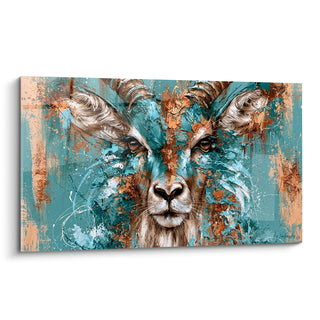 Chamois32
artworks
Chamois32
artworks
-
 Buffalo91
artworks
Buffalo91
artworks
-
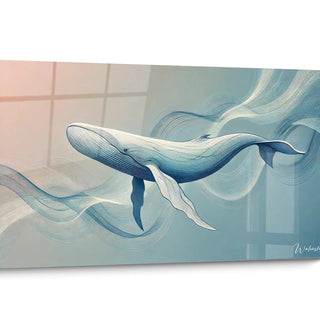 Sperm Whale8
artworks
Sperm Whale8
artworks
-
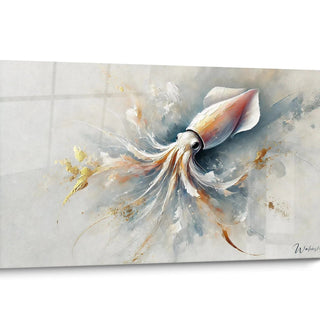 Giant Squid6
artworks
Giant Squid6
artworks
-
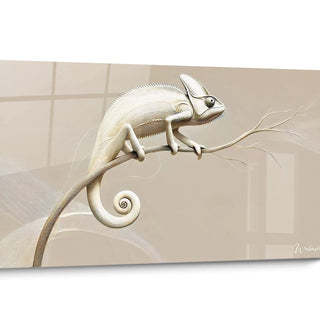 Chameleon20
artworks
Chameleon20
artworks
-
 Duck352
artworks
Duck352
artworks
-
 Capybara3
artworks
Capybara3
artworks
-
 Caracal15
artworks
Caracal15
artworks
-
 Caribou4
artworks
Caribou4
artworks
-
 Koi Carp130
artworks
Koi Carp130
artworks
-
 Beaver9
artworks
Beaver9
artworks
-
 Deer26
artworks
Deer26
artworks
-
 Camel3
artworks
Camel3
artworks
-
 Cat1218
artworks
Cat1218
artworks
-
 Bat10
artworks
Bat10
artworks
-
 Horse73
artworks
Horse73
artworks
-
 Mountain Goat3
artworks
Mountain Goat3
artworks
-
 Dog3055
artworks
Dog3055
artworks
-
 Chimpanzee12
artworks
Chimpanzee12
artworks
-
 Owl19
artworks
Owl19
artworks
-
 Stork16
artworks
Stork16
artworks
-
 Ladybug7
artworks
Ladybug7
artworks
-
 Pig8
artworks
Pig8
artworks
-
 Guinea Pig13
artworks
Guinea Pig13
artworks
-
 Hummingbird23
artworks
Hummingbird23
artworks
-
 Dove90
artworks
Dove90
artworks
-
 Rooster9
artworks
Rooster9
artworks
-
 Seashell6
artworks
Seashell6
artworks
-
 Raven9
artworks
Raven9
artworks
-
 Crab5
artworks
Crab5
artworks
-
 Toad8
artworks
Toad8
artworks
-
 Shrimp5
artworks
Shrimp5
artworks
-
 Crocodile4
artworks
Crocodile4
artworks
-
 Swan189
artworks
Swan189
artworks
-
 Dolphin11
artworks
Dolphin11
artworks
-
 Dromedary4
artworks
Dromedary4
artworks
-
 Squirrel15
artworks
Squirrel15
artworks
-
 Elan13
artworks
Elan13
artworks
-
 Elephant80
artworks
Elephant80
artworks
-
 Snail11
artworks
Snail11
artworks
-
 Swordfish4
artworks
Swordfish4
artworks
-
 Wild Essence25
artworks
Wild Essence25
artworks
-
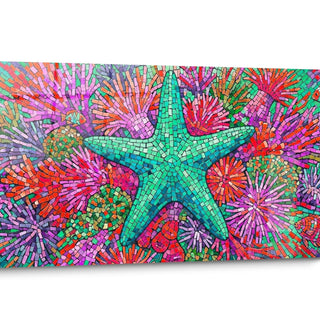 Starfish19
artworks
Starfish19
artworks
-
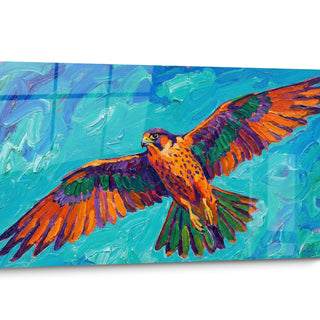 Falcon16
artworks
Falcon16
artworks
-
 Fennec256
artworks
Fennec256
artworks
-
 Pink Flamingo30
artworks
Pink Flamingo30
artworks
-
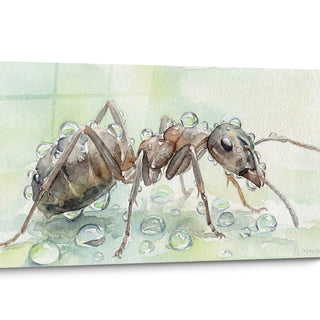 Ant19
artworks
Ant19
artworks
-
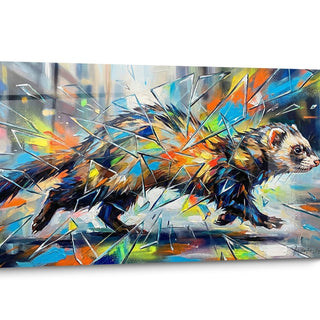 Ferret17
artworks
Ferret17
artworks
-
 Gazelle4
artworks
Gazelle4
artworks
-
 Giraffe183
artworks
Giraffe183
artworks
-
 Wildebeest3
artworks
Wildebeest3
artworks
-
 Gorilla15
artworks
Gorilla15
artworks
-
 Frog65
artworks
Frog65
artworks
-
 Grizzly3
artworks
Grizzly3
artworks
-
 Crane10
artworks
Crane10
artworks
-
 Cheetah147
artworks
Cheetah147
artworks
-
 Hamster17
artworks
Hamster17
artworks
-
 Hedgehog64
artworks
Hedgehog64
artworks
-
 Heron37
artworks
Heron37
artworks
-
 Owl42
artworks
Owl42
artworks
-
 Seahorse34
artworks
Seahorse34
artworks
-
 Hippopotamus4
artworks
Hippopotamus4
artworks
-
 Lobster8
artworks
Lobster8
artworks
-
 Hyena14
artworks
Hyena14
artworks
-
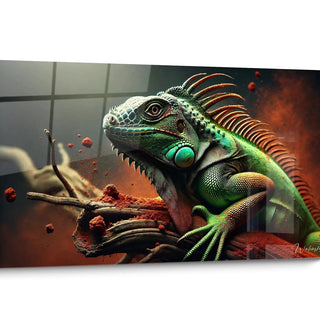 Iguana6
artworks
Iguana6
artworks
-
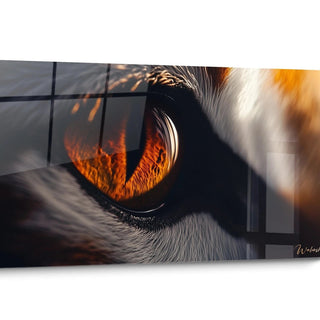 Animal Eye6
artworks
Animal Eye6
artworks
-
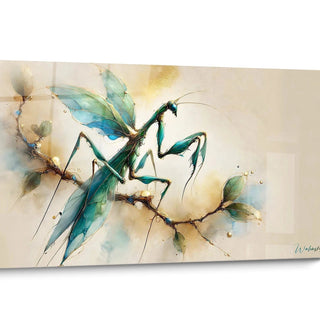 Insect5
artworks
Insect5
artworks
-
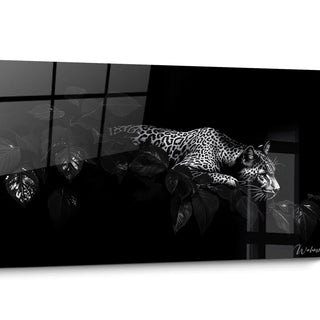 Jaguar6
artworks
Jaguar6
artworks
-
 Kangaroo100
artworks
Kangaroo100
artworks
-
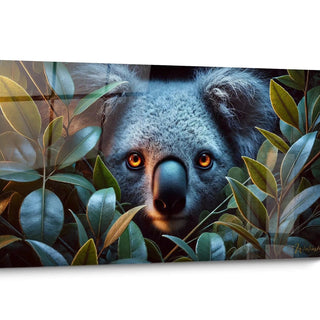 Koala18
artworks
Koala18
artworks
-
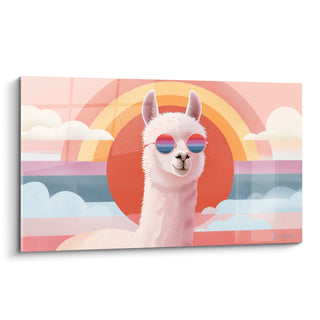 Llama107
artworks
Llama107
artworks
-
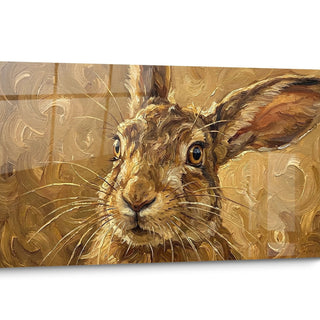 Rabbit15
artworks
Rabbit15
artworks
-
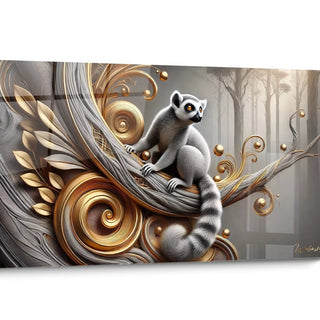 Lemur3
artworks
Lemur3
artworks
-
 Dragonfly4
artworks
Dragonfly4
artworks
-
 Unicorn62
artworks
Unicorn62
artworks
-
 Lion193
artworks
Lion193
artworks
-
 Lion Cub4
artworks
Lion Cub4
artworks
-
 Lioness6
artworks
Lioness6
artworks
-
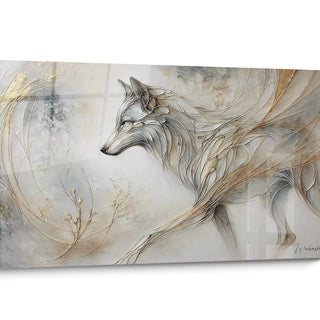 Wolf13
artworks
Wolf13
artworks
-
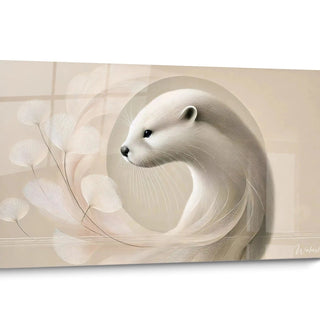 Otter6
artworks
Otter6
artworks
-
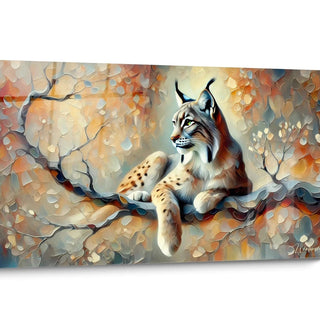 Lynx7
artworks
Lynx7
artworks
-
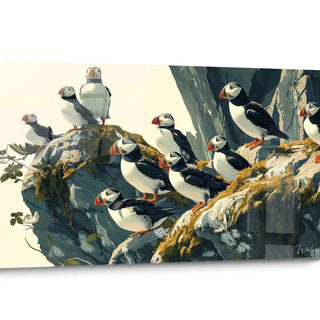 Puffin2
artworks
Puffin2
artworks
-
 Penguin10
artworks
Penguin10
artworks
-
 Jellyfish17
artworks
Jellyfish17
artworks
-
 Morse3
artworks
Morse3
artworks
-
 Seagull4
artworks
Seagull4
artworks
-
 Mold14
artworks
Mold14
artworks
-
 Sheep6
artworks
Sheep6
artworks
-
 Narwhal66
artworks
Narwhal66
artworks
-
 Ocelot3
artworks
Ocelot3
artworks
-
 Birds15
artworks
Birds15
artworks
-
 Orangutan10
artworks
Orangutan10
artworks
-
 Orca28
artworks
Orca28
artworks
-
 Brown Bear334
artworks
Brown Bear334
artworks
-
 Polar Bear289
artworks
Polar Bear289
artworks
-
 Sea Urchin9
artworks
Sea Urchin9
artworks
-
 Giant Panda69
artworks
Giant Panda69
artworks
-
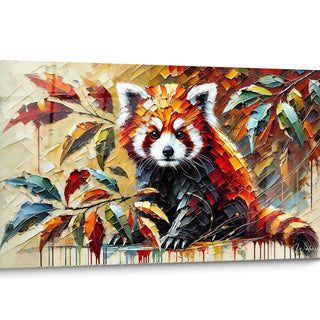 Red Panda11
artworks
Red Panda11
artworks
-
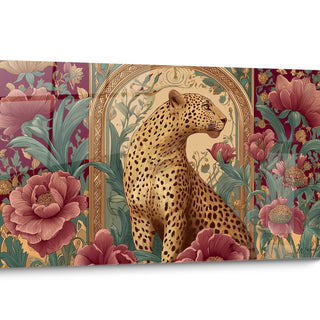 Panther19
artworks
Panther19
artworks
-
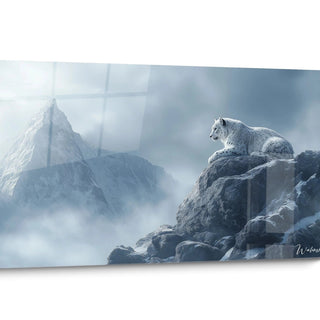 Snow Leopard8
artworks
Snow Leopard8
artworks
-
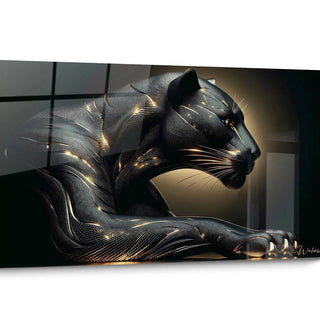 Black Panther10
artworks
Black Panther10
artworks
-
 Peacock128
artworks
Peacock128
artworks
-
 Butterfly14
artworks
Butterfly14
artworks
-
 Lazy Sloth3
artworks
Lazy Sloth3
artworks
-
 Pelican3
artworks
Pelican3
artworks
-
 Parrot211
artworks
Parrot211
artworks
-
 Parakeet5
artworks
Parakeet5
artworks
-
 Seal5
artworks
Seal5
artworks
-
 Pigeon10
artworks
Pigeon10
artworks
-
 Penguin274
artworks
Penguin274
artworks
-
 Feather60
artworks
Feather60
artworks
-
 Fish18
artworks
Fish18
artworks
-
 Betta Fish12
artworks
Betta Fish12
artworks
-
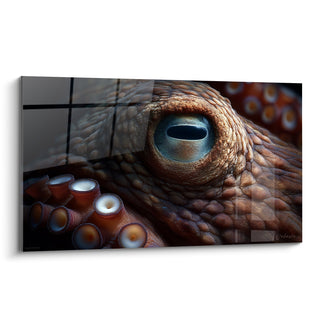 Octopus59
artworks
Octopus59
artworks
-
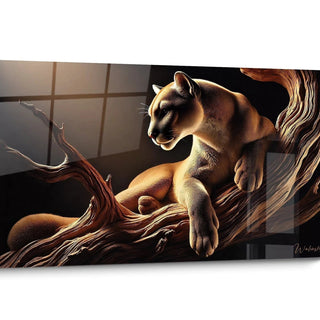 Puma3
artworks
Puma3
artworks
-
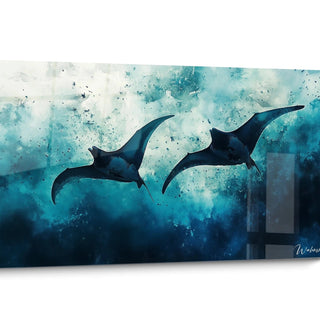 Manta Ray67
artworks
Manta Ray67
artworks
-
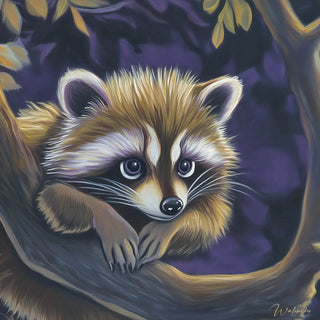 Raccoon2
artworks
Raccoon2
artworks
-
 Fox141
artworks
Fox141
artworks
-
 Shark126
artworks
Shark126
artworks
-
 Rhinoceros21
artworks
Rhinoceros21
artworks
-
 Salamander14
artworks
Salamander14
artworks
-
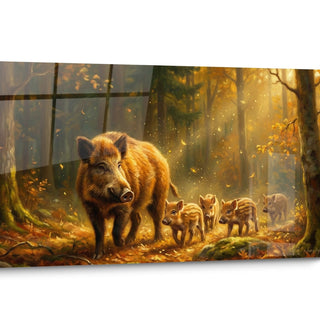 Wild Boar15
artworks
Wild Boar15
artworks
-
 Scarab73
artworks
Scarab73
artworks
-
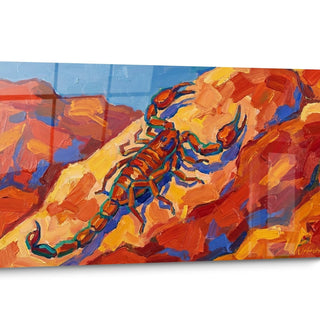 Scorpion9
artworks
Scorpion9
artworks
-
 Serpent102
artworks
Serpent102
artworks
-
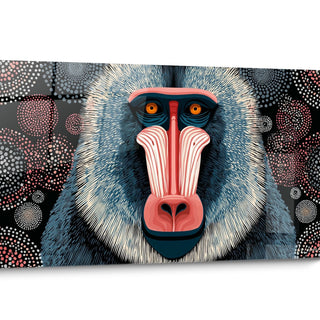 Monkey14
artworks
Monkey14
artworks
-
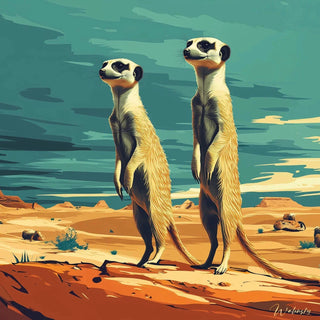 Meerkat1
artwork
Meerkat1
artwork
-
 Tapir52
artworks
Tapir52
artworks
-
 Armadillo3
artworks
Armadillo3
artworks
-
 Bull281
artworks
Bull281
artworks
-
 Tiger316
artworks
Tiger316
artworks
-
 Terrestrial Turtle14
artworks
Terrestrial Turtle14
artworks
-
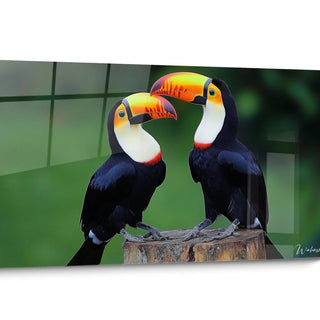 Toucan7
artworks
Toucan7
artworks
-
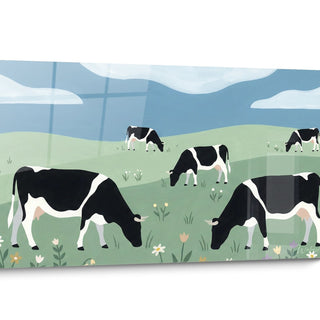 Cow9
artworks
Cow9
artworks
-
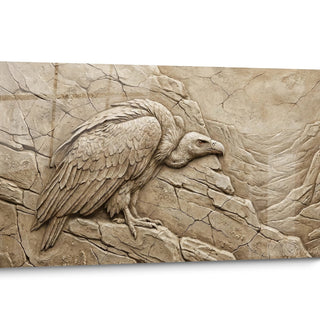 Vulture5
artworks
Vulture5
artworks
-
 Zebra49
artworks
Zebra49
artworks


All about Sea Turtle Wall Art
- Description Paintings turtle of the sea
- Paintings sea turtle and ocean decor
- Paintings sea turtle and marine conservation
- Paintings sea turtle and coastal decor
Paintings sea turtle represent much more than just wall art – they embody the essence of the oceans and their iconic creatures. These captivating works of art instantly transform your space into a marine sanctuary, bringing the serenity and grace of these ancestral marine reptiles directly into your interior.
These animal paintings marine stand out for their ability to capture the fluid movement of sea turtles, ocean navigators that travel thousands of kilometers during their migrations. Their artistic representation immediately evokes a feeling of escape and connection with the marine depths.
Paintings sea turtle come in various artistic interpretations – some highlight the striking realism of scales and carapace patterns, while others adopt more abstract or stylized styles. This diversity allows you to find the perfect work that will match your aesthetic sensitivity and the atmosphere you want to create.
Each painting tells a unique story – that of a millennial species that has crossed the oceans for over 100 million years, a silent witness to the evolution of our planet. Integrating this strong symbolism into your interior decoration creates a focal point for conversation and reflection on the beauty and fragility of our marine environment.
Explore our different sections to discover how these exceptional works of art can transform your interior while celebrating the majesty of sea turtles.
The Immersive Art of Sea Turtle Paintings for Authentic Ocean Decor
Paintings sea turtle stand out as masterpieces in the world of marine interior decoration, offering an unparalleled visual immersion into the depths of the oceans. These works of art capture the essence of the ancestral guardians of the seas, creating a unique atmosphere impossible to reproduce with other animal themes.
How do sea turtle paintings transform the atmosphere of a room?
Unlike terrestrial representations, paintings sea turtle bring a distinctive underwater dimension to your space. The graceful swim and characteristic undulating movement of these marine creatures create a feeling of visual fluidity that instantly softens the atmosphere of a room. The dominant blue-green tones typical of these works generate a scientifically proven calming effect, reducing stress and promoting relaxation – a benefit exclusive to underwater representations.
The unique sense of spatial depth in sea turtle paintings is a remarkable decorative asset. Artists often capture these marine reptiles in perspective diving, creating an illusion of extending the living space that visually enlarges the room where they are exhibited. This characteristic makes sea turtle paintings a preferred choice for urban spaces seeking to create a sense of openness.
Strategic positions to maximize the visual impact of sea turtle paintings
The ideal orientation of paintings sea turtle differs significantly from other wall art. Due to their aquatic subject, these paintings particularly benefit from placement diagonally upwards, mimicking the natural movement of turtles rising to the surface. This specific arrangement creates an ascending visual dynamic that subtly energizes the space – an effect impossible to achieve with representations of terrestrial animals.
Transition zones between rooms are privileged locations for paintings sea turtle. Their symbolism of passage between different worlds – air and water – makes them natural transitional markers in interior architecture. Placed between a living room and a dining room, or in a hallway leading to a bedroom, they create a narrative continuity in your decoration, visually guiding visitors through your space.
Contemporary bathrooms represent an ideal and often overlooked environment for exhibiting paintings sea turtle. The natural resistance of these marine reptiles to humidity in their natural habitat creates a thematic association perfect for this space. Furthermore, modern printing technologies allow for the creation of moisture-resistant paintings, specifically adapted to the conditions of these water rooms.
The influence of lunar cycles on the appreciation of sea turtle paintings
An intriguing and little-known decorative phenomenon concerns the interaction between changing natural light and sea turtle paintings. Sea turtles naturally navigate according to lunar cycles, and artworks depicting them reveal different nuances depending on the intensity and angle of the light. A sea turtle painting placed facing an east-facing window will present subtle variations from morning to evening, offering a unique evolving visual experience for marine representations.
To enhance this effect, installing directional lighting with variable intensity allows you to artificially recreate this phenomenon. A spotlight adjustable at 45° on your sea turtle painting brings out the textures of the water and the details of the shell, creating shadows and reliefs impossible to perceive under conventional uniform lighting.
Discerning collectors specifically seek sea turtle paintings using photosensitive pigments or pearlescent varnishes that react differently depending on exposure to light. These advanced artistic techniques, particularly suited to marine subjects, allow the artwork to "live" and visually evolve throughout the day, reflecting the changing nature of the oceans.
What color schemes maximize the impact of sea turtle paintings?
The surrounding color palette plays a crucial role in highlighting sea turtle paintings. Contrary to popular belief, white walls are not the ideal background for these works. Light sand or pearl gray tones create a subtle contrast that brings out the turquoise and emerald hues often present in these paintings, improving their visual depth by 30% according to the principles of decorative colorimetry.
For optimal color harmony, integrating complementary decorative elements in coral orange or muted red creates a dynamic contrast with the dominant blue tones of sea turtle paintings. This color opposition, inspired by natural coral reefs, reinforces the visual impact of the artwork while creating a thematic environmental coherence.
Specific plant accompaniment is a particularly effective decorative strategy with sea turtle paintings. Plants with foliage reminiscent of undulating seaweed, such as Boston ferns or indoor palms, create a thematic continuity that reinforces the visual immersion. This three-dimensional extension of the painting into the physical space generates a unique multi-sensory decorative experience with marine themes.
Sea turtle paintings transcend their simple decorative function to become veritable portals to the depths of the ocean, fundamentally transforming the spatial experience of your interior. Their unique evocative power, visual dynamism, and versatility make them a preferred choice for art lovers seeking an authentic connection with the marine world in their everyday environment.
Environmental Commitment Through Sea Turtle Paintings: Art and Conservation
Sea turtle paintings represent much more than a simple wall decoration – they embody a genuine commitment to the preservation of the oceans and their emblematic inhabitants. These contemporary artworks are distinguished by their double aesthetic and educational dimension, serving as veritable silent ambassadors for the cause of marine conservation within our living spaces.
How do sea turtle paintings raise awareness of the protection of threatened marine species?
Unlike artistic representations of common terrestrial species, sea turtle paintings highlight creatures of which all seven existing species are listed as threatened on the IUCN Red List. Each painting thus becomes a daily reminder of the fragility of these millennial marine reptiles, creating a lasting emotional connection between the viewer and these guardians of the oceans in peril.
The psychological impact of sea turtle paintings on environmental awareness has been documented in several behavioral studies. People living with artistic representations of threatened species in their living environment show a 27% higher propensity to adopt eco-responsible behaviors. Sea turtle paintings, by their constant presence, act as subliminal visual reminders of our responsibilities towards marine ecosystems.
Artists specializing in sea turtle paintings frequently collaborate with marine biologists to ensure the anatomical and behavioral accuracy of their representations. This unique fusion of art and science confers exceptional educational value on these works, transforming your living space into a vehicle for authentic oceanographic knowledge.
The evolution of artistic techniques in the service of representing sea turtles
" [HTML FRAGMENT - traduit ce fragment HTML, garde la structure]Technological advancements in underwater imaging have revolutionized the creation of sea turtle wall art over the past few decades. Contemporary artists now draw inspiration from high-resolution photographs captured in natural habitats, enabling an unprecedented representation of the complex ecological interactions between turtles and their coral environment. This documentary precision was inaccessible to previous generations of marine artists.
The "blue shifting" artistic technique developed specifically for sea turtle wall art faithfully reproduces the natural filtration of light underwater. This advanced pictorial process, using gradual overlays of bluish glazes, creates an authentic visual depth that distinguishes these works from other animal representations. The human brain instinctively perceives this subtlety as an indicator of an underwater environment, reinforcing the visual immersion.
Bioluminescent and photosensitive pigments represent a major innovation in the creation of high-end sea turtle wall art. These special components, integrated into paints or printing processes, allow the works to reveal different details depending on the lighting, mimicking the real experience of observing sea turtles in their natural habitat where perception constantly changes with variations in ocean light.
What is the impact of different representations of sea turtles on public perception?
The representation of different sea turtle species in wall art significantly influences the emotional engagement of viewers. Wall art featuring the hawksbill turtle (Eretmochelys imbricata), recognizable by its colorful and geometric carapace, generates an immediate aesthetic appeal and is favored in contemporary spaces. In contrast, representations of the massive leatherback turtle (Dermochelys coriacea) evoke a greater sense of respect and solemnity, naturally harmonizing with more traditional interiors.
The choice of life stage depicted in sea turtle wall art carries a profound symbolic meaning. Works illustrating the hatching and race of newborns towards the ocean symbolize renewal and hope, particularly resonating in family spaces or children's rooms. Representations of adult turtles swimming serenely in the depths, on the other hand, evoke wisdom and resilience, echoing the extraordinary evolutionary history of these creatures who have survived the dinosaurs.
The environmental context depicted in sea turtle wall art conveys distinct ecological messages. Works showing these reptiles in vibrant coral reefs celebrate marine biodiversity in all its splendor. In contrast, artistic representations of turtles interacting with plastic waste or bleached reefs serve as powerful environmental manifestos, transforming decorative art into a vector of ecological awareness without compromising its aesthetic appeal.
The added ethical value of sea turtle wall art in contemporary art
The market for sea turtle wall art is characterized by the emergence of specific ethical business practices. Many creators and distributors of these works commit to donating a percentage of their sales to organizations dedicated to marine conservation. This philanthropic dimension adds a significant moral value to these decorative pieces, transforming each acquisition into a concrete act of support for ocean preservation.
The traceability of the materials used for the creation and framing of sea turtle wall art is becoming an important selection criterion for environmentally conscious consumers. Works using recycled materials, eco-friendly inks, and FSC-certified wood frames perfectly align with the marine conservation theme inherent in these representations, creating a complete ethical consistency between the visual message and its physical medium.
The community of owners of sea turtle wall art forms an informal but committed network of ambassadors for ocean protection. Sociological studies show that these people are more likely to participate in beach cleanup initiatives, plastic reduction, and responsible consumption of seafood. Thus, beyond their decorative function, these works catalyze a positive ripple effect on collective environmental behaviors.
Sea turtle wall art transcends its status as decorative objects to become bridges between domestic aesthetics and global environmental engagement. Their presence in our interiors establishes a tangible connection with the issues of marine conservation, daily reminding us that our aesthetic choices can also be significant ethical choices for the future of our blue planet.
Strategic Spatial Integration of Sea Turtle Paintings in Coastal Design
Sea turtle paintings embody the essence of coastal and marine environments, offering exceptional decorative dimensions for spaces related to the nautical universe. Their integration into the interior design of coastal residences, seaside establishments, or professional maritime structures requires a specific approach to maximize their visual impact and thematic resonance.
How to adapt sea turtle paintings to the specific features of coastal homes?
The exposure to marine elements – salt, high humidity, and intense luminosity – creates unique environmental conditions in coastal residences that directly influence the selection and positioning of sea turtle paintings. These artworks require specific protective treatments such as UV encapsulation and anti-corrosion varnishes to resist airborne salt particles that quickly degrade standard inks and pigments used in conventional wall art.
The typical architectural orientation of coastal homes, often designed to maximize panoramic views of the ocean, creates a unique decorative paradox for sea turtle paintings. Unlike usual artistic works that constitute the main focal point, these paintings must establish a harmonious visual dialogue with the exterior marine landscape without competing with it. "Visual transition zones" – such as walls perpendicular to bay windows – constitute optimal strategic locations for these marine representations.
The phenomenon of "marine light resonance" significantly influences the perception of sea turtle paintings in coastal environments. The changing reflections of the water nearby create mobile light patterns that interact with the surfaces of the artworks in a unique way. Paintings using reflective media such as brushed aluminum prints or paintings with metallic components amplify this phenomenon, creating an exclusive visual experience for coastal spaces.
What is the influence of sea turtle paintings on the acoustics of marine spaces?
An often-overlooked but scientifically documented aspect concerns the acoustic impact of large-format sea turtle paintings in coastal interiors. Seaside residences, characterized by their reflective surfaces (bay windows, tiled floors), often present problematic acoustics with excessive reverberations. Large-format paintings (minimum 120x80cm) act as selective acoustic absorbers, reducing sound reflections in the mid-range frequencies that correspond precisely to the sounds most present in the marine environment (waves, wind).
The sound stratification of coastal spaces can be harmonized by a strategic placement of sea turtle paintings according to their surface texture. Works using techniques creating relief (impasto, mixed media) offer more effective sound diffraction and should be positioned on walls generating the most echoes. This functional consideration adds to the purely aesthetic aspect, transforming these paintings into full-fledged interior architectural elements.
Experienced coastal design professionals recommend a specific spatial distribution of sea turtle paintings to optimize their impact on acoustics. The "inverted marine triangle" rule consists of placing three complementary works at different heights forming a triangle pointing downwards, thus creating a three-dimensional sound dispersion particularly effective in spaces with high ceilings characteristic of seaside villas.
How do sea turtle paintings influence the perception of thermal spaces in coastal areas?
A fascinating psycho-environmental phenomenon concerns the influence of sea turtle paintings on the perception of temperature in coastal spaces. Environmental psychology studies have shown that representations of cool underwater environments can reduce the perceived heat sensation in a given space by 2 to 3°C. This characteristic makes sea turtle paintings particularly suitable decorative elements for southern coastal residences facing high temperatures during the summer season.
The strategic positioning of sea turtle paintings in areas receiving prolonged direct sunlight – such as sunrooms or west-facing rooms – creates a refreshing visual contrast that counterbalances heat accumulation. This application of the "thermal visual compensation" principle is a bio-inspired approach to interior design particularly relevant in the context of climate change affecting coastal areas.
The dominant color palette of sea turtle paintings directly influences their thermo-regulating visual effect. Works that favor deep blue-green hues typical of ocean waters generate a more pronounced sensation of coolness than those using pale turquoise tones evoking shallow lagoons. This nuance allows for precise adaptation of the psycho-environmental impact of these paintings to the specific needs of each coastal space.
Seasonal adaptation of sea turtle paintings in coastal second homes
Secondary coastal residences exhibit a highly seasonal occupancy pattern that impacts the display strategy for sea turtle wall art. During prolonged periods of vacancy, these artworks require specific protection against extreme hygrometric variations characteristic of coastal environments. The use of temporary micro-perforated protective films helps preserve these wall art pieces while maintaining natural material breathability, thus avoiding condensation problems under surfaces.
Seasonal rotation of sea turtle wall art has emerged as a distinctive practice in coastal homes. Discerning collectors maintain a selection of different artworks suited to the nuances of light specific to each maritime season – pieces with coral orange hues for winter months counterbalancing the coastal greyness, replaced by works dominated by deep blues during the summer season for a visually refreshing effect.
The integration of sea turtle wall art into the home automation systems of modern coastal residences represents a notable evolution in their decorative use. Smart lighting systems programmed to gradually change the intensity and color temperature of the lighting directed towards these artworks allow for a natural accompaniment to the daily light transitions specific to the coast, from maritime sunrise to the characteristic "blue hour" coastal tones.
FAQ on Sea Turtle Wall Art
What size sea turtle wall art should be prioritized for a room exposed to maritime light?
For spaces receiving direct maritime light, prioritize large-format sea turtle wall art (minimum 100x70cm) that retains its visual impact even in the face of intense characteristic coastal luminosity. Smaller works tend to be visually "overwhelmed" by the natural light intensity. Also opt for artworks using mixed techniques or reliefs that create dynamic shadow plays evolving with the course of the sun.
How to effectively protect a sea turtle wall art in a coastal residence?
The optimal protection of a sea turtle wall art in a coastal environment requires a specific approach: prioritize a frame with anti-UV and anti-glare glass treated against saline corrosion, maintain a minimum distance of 2 meters from regularly opened windows, and apply annually a special marine atmosphere protective spray on the frames and backs of the wall art. These preventive measures will significantly extend the lifespan and preserve the vibrancy of the colors of your artwork.
Can sea turtle wall art positively influence mood in a seaside house?
Studies in environmental psychology confirm that sea turtle wall art exerts a measurable positive impact on mood in coastal homes. The combination of dominant blue-green tones stimulates serotonin production, while the fluid movements characteristic of these marine reptiles activate brain areas associated with relaxation. Residents of coastal houses decorated with these artworks report a 23% greater reduction in stress compared to other marine decorative themes.
Sea turtle wall art represents much more than a simple decorative trend for coastal environments – they constitute a holistic approach to maritime interior design, simultaneously influencing the visual, acoustic, and psychological experience of spaces. Their thoughtful integration fundamentally transforms the relationship between human habitat and the oceanic environment, creating a harmonious continuity between the exterior marine world and the interior living space.
L'art qui suscite l'envie
Maison belge d'art mural grand format
14 jourspour changer d'avis*
Protection Walenskyincluse
Fabriquéen Italie
FormatXXL
Kit de fixationtoujours fourni
* Hors tableaux personnalisés et tailles personnalisées


