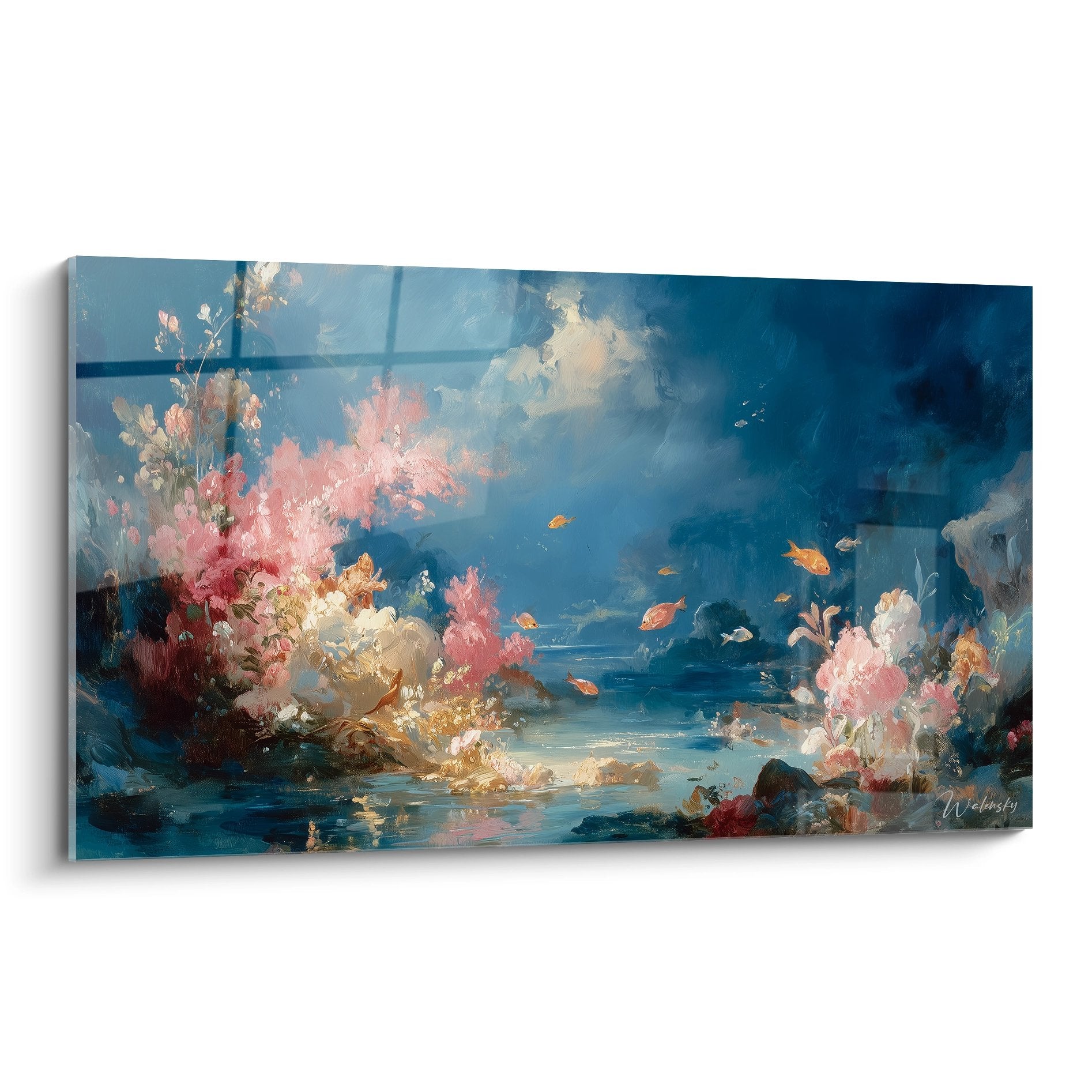
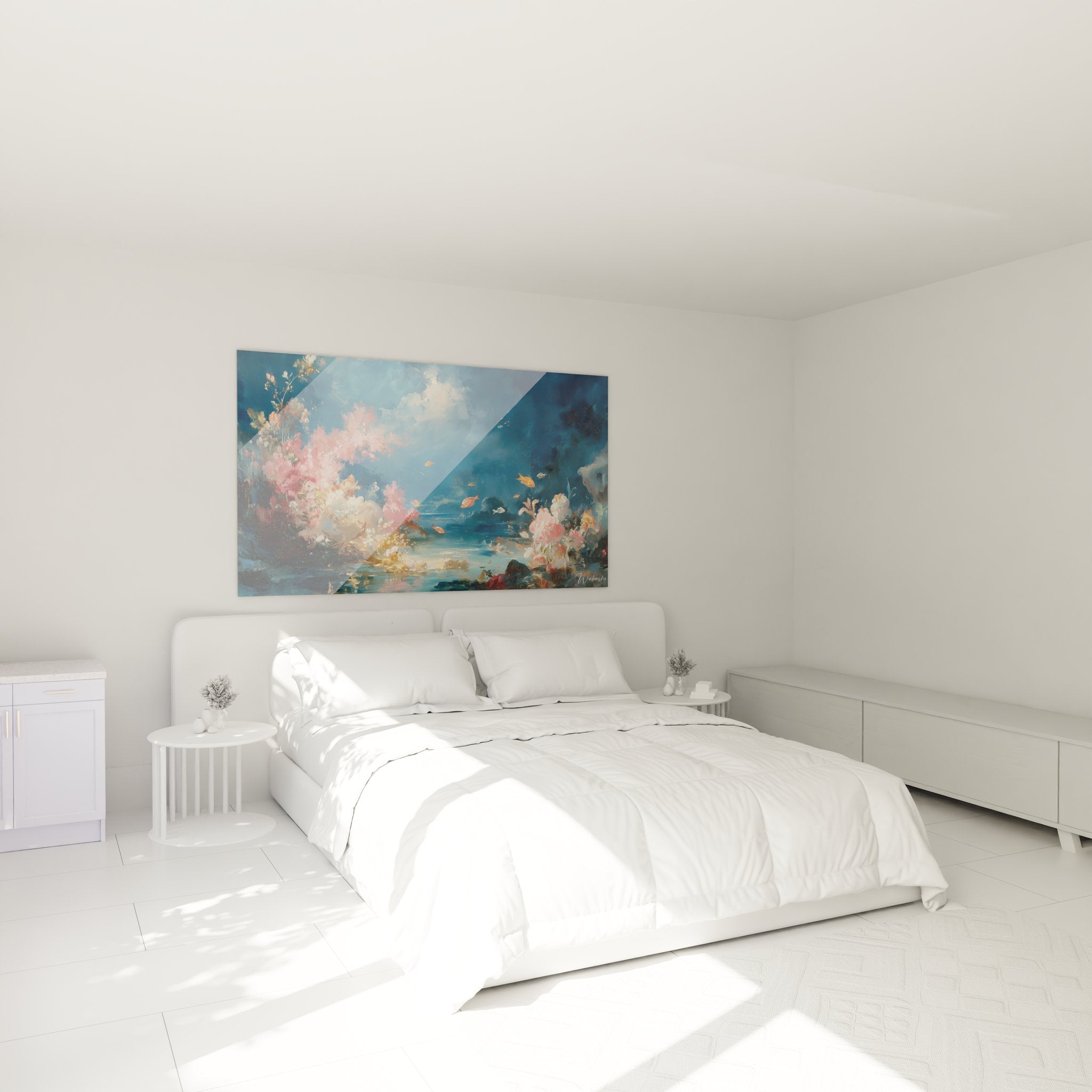
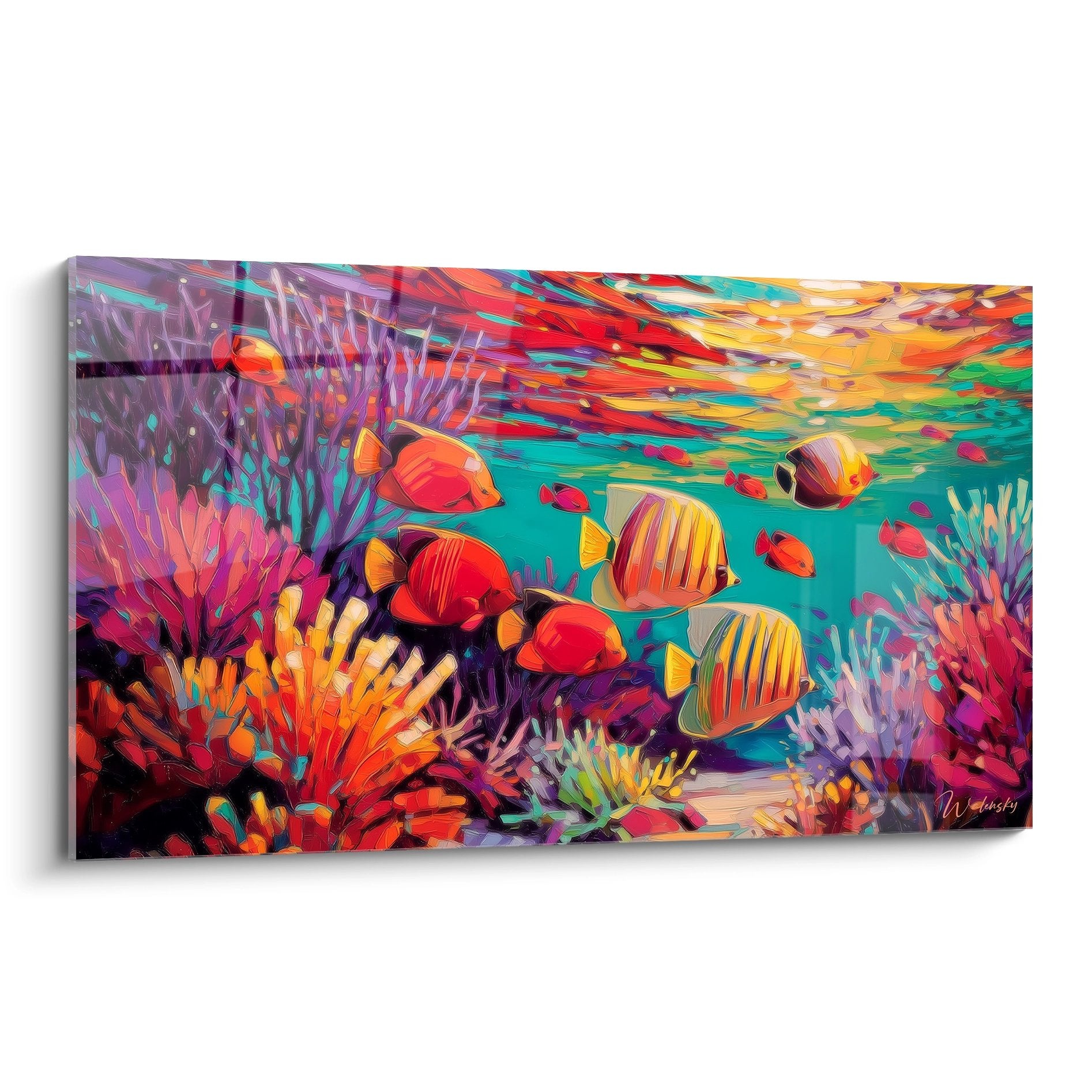
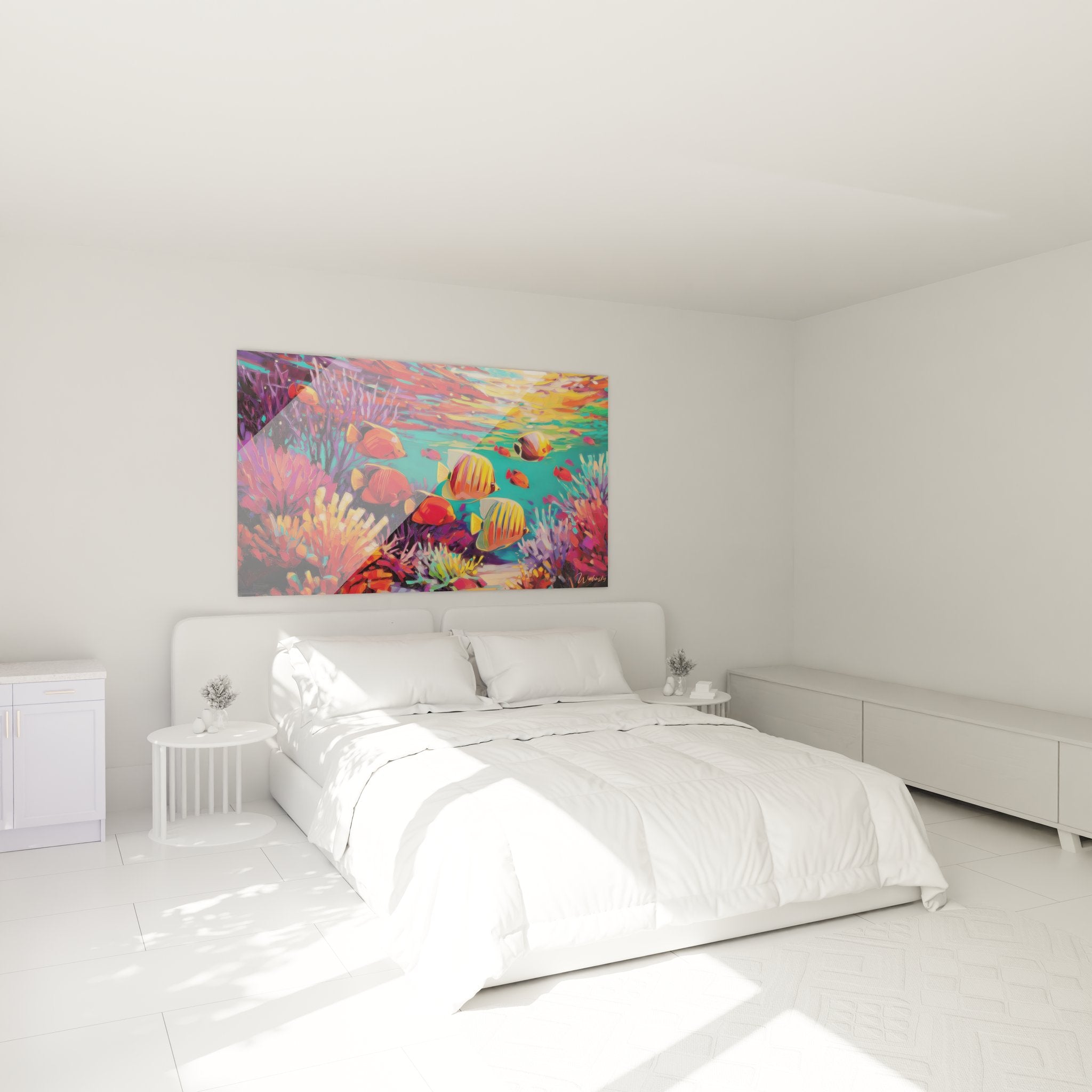
- Seabed Wall Art Presentation
- Exploring Ocean Depths
- Abyssal Biodiversity in Décor
- Immersive Marine Atmosphere
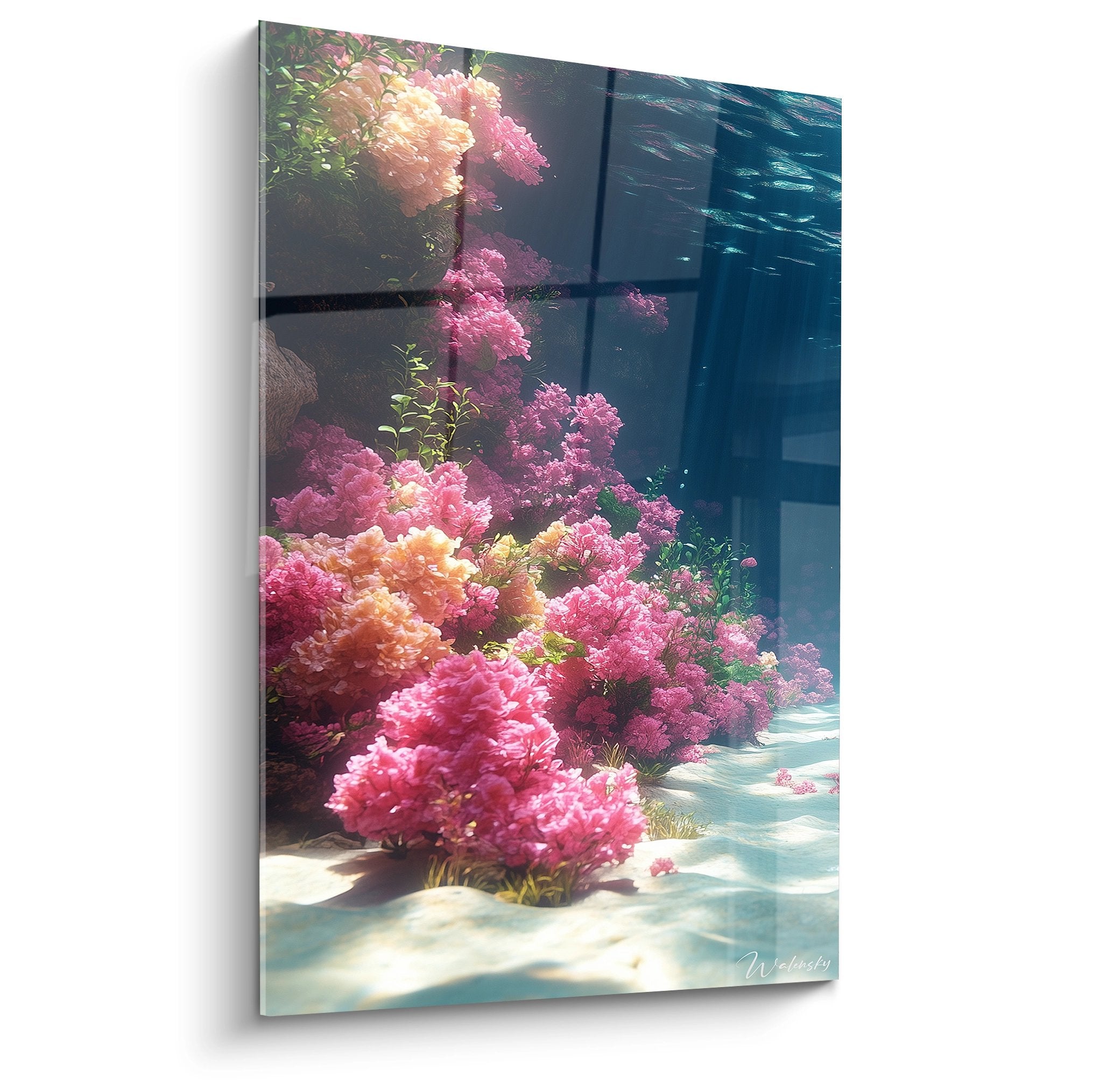
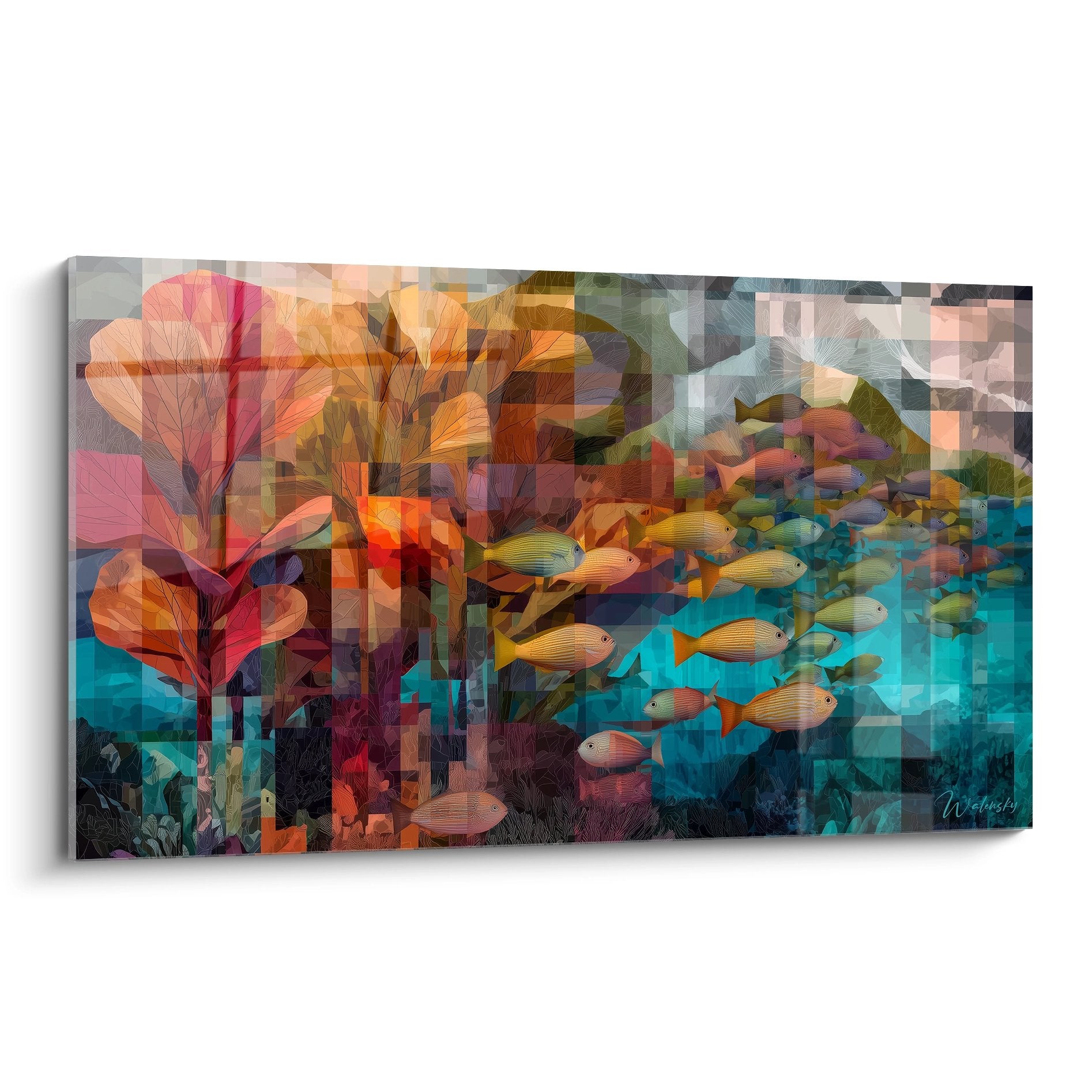
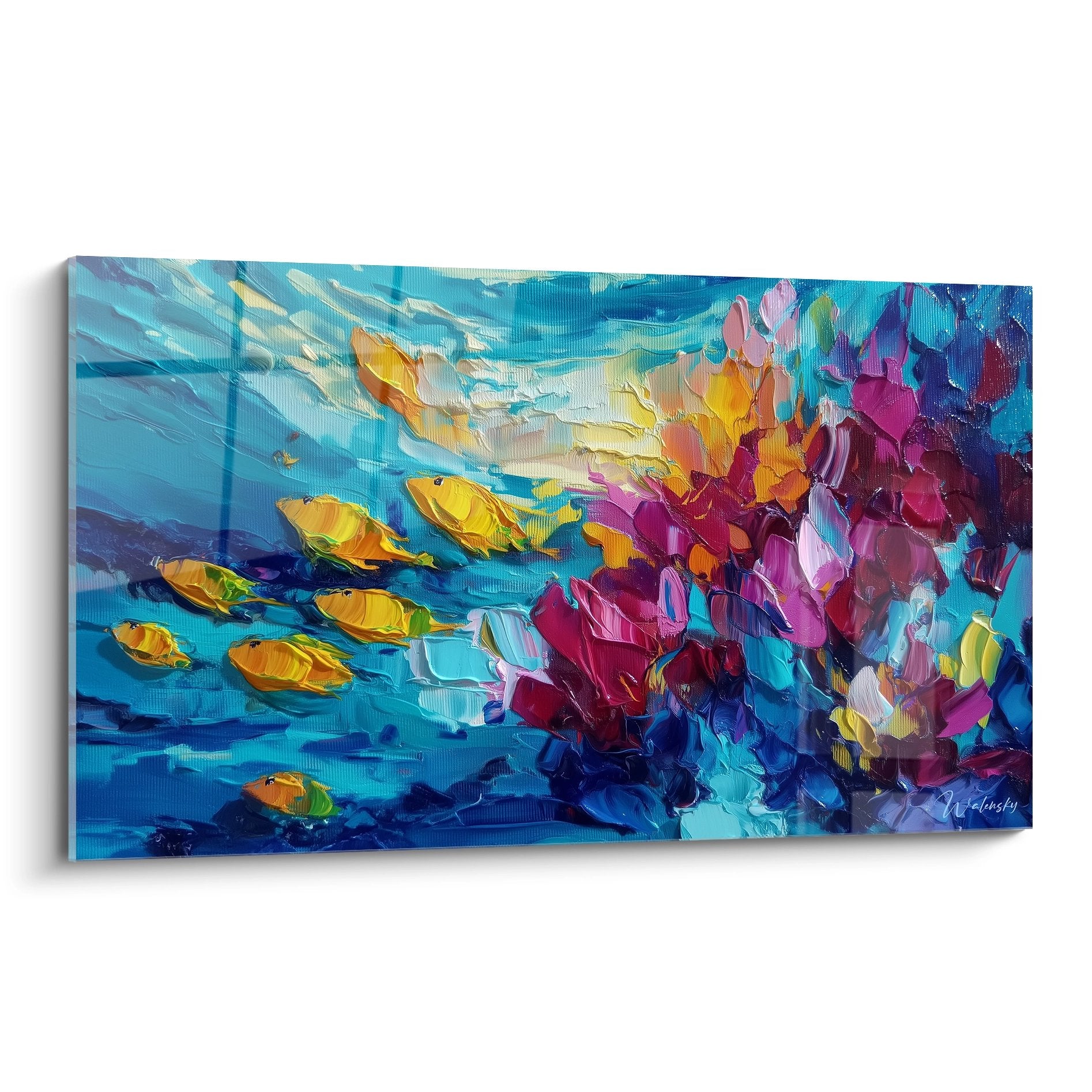
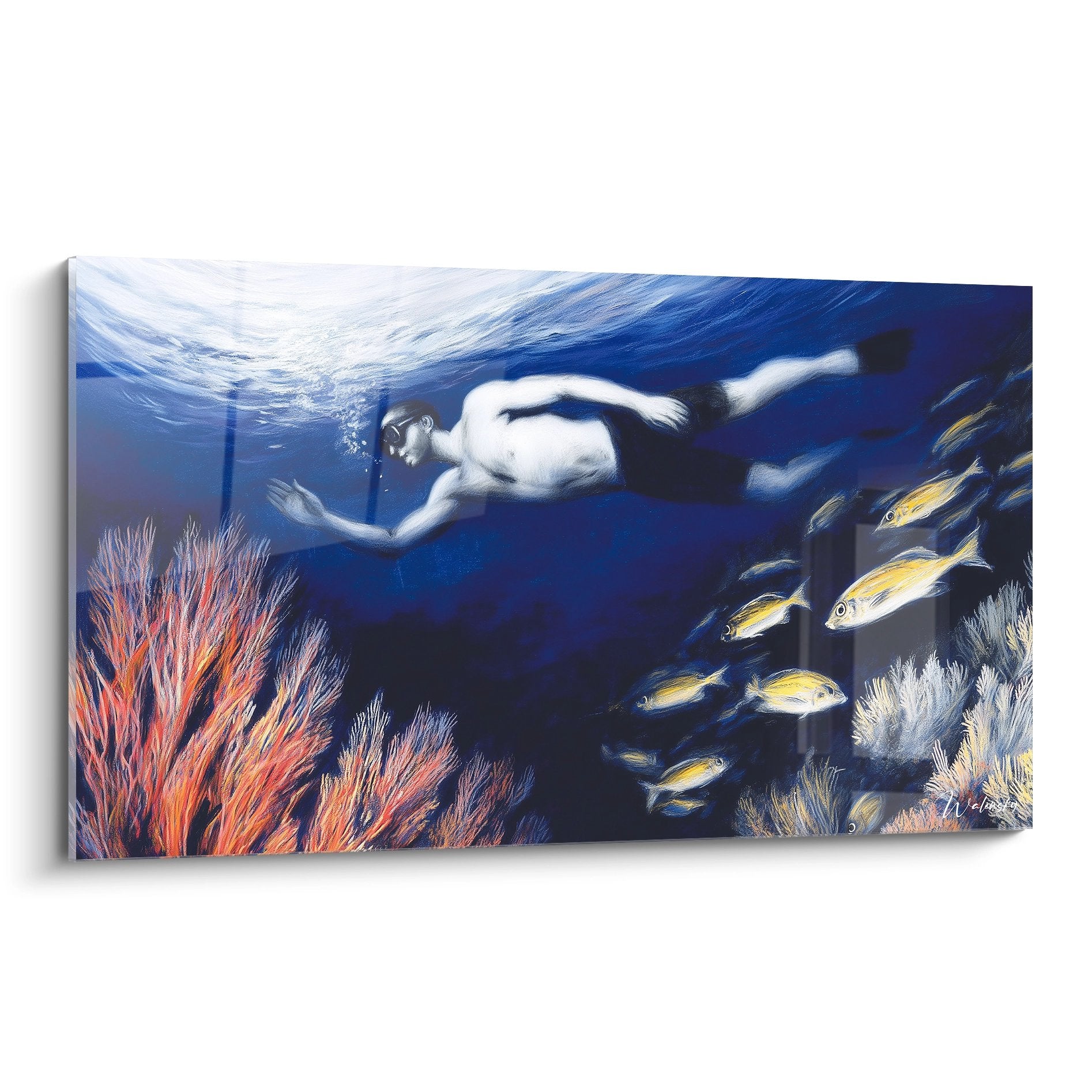
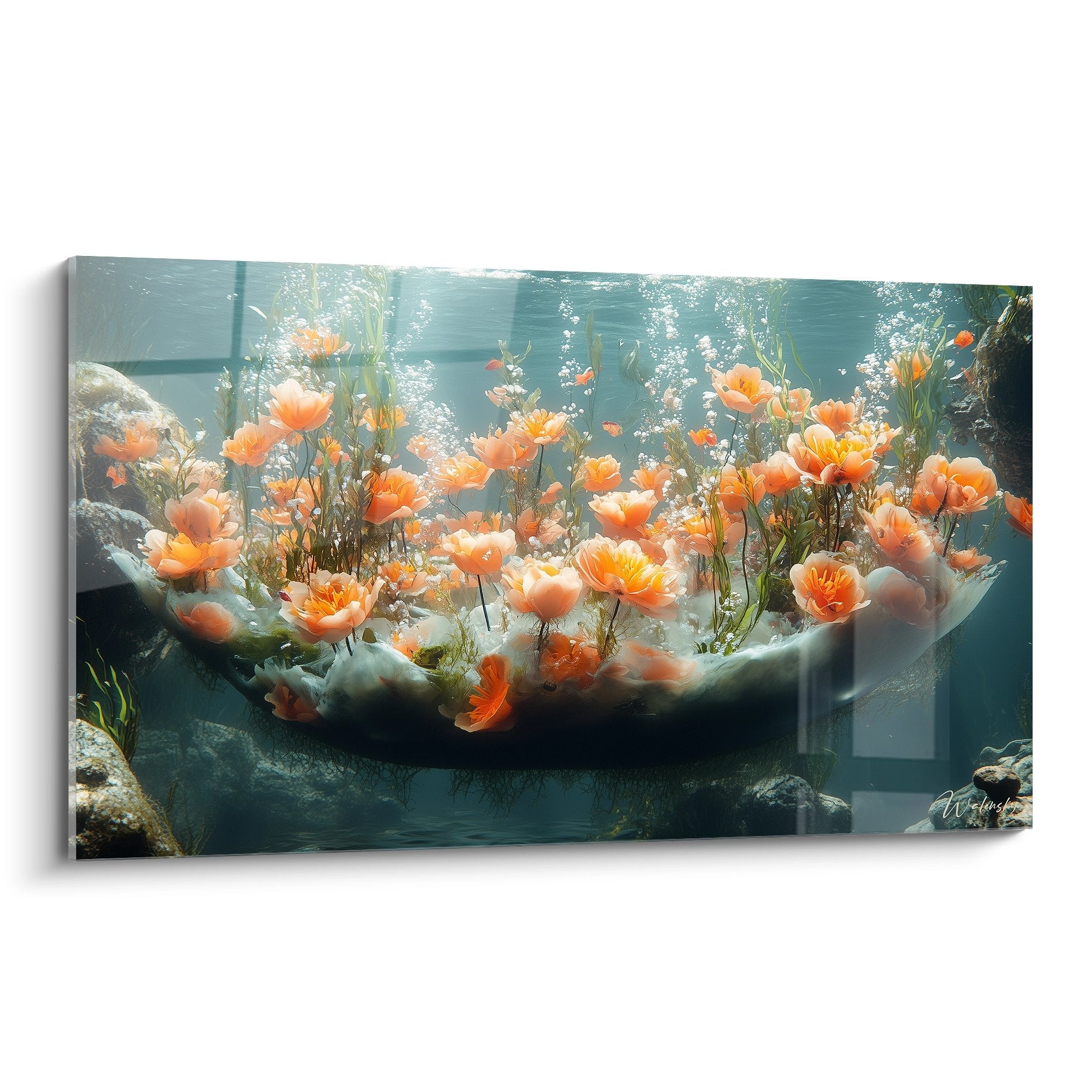
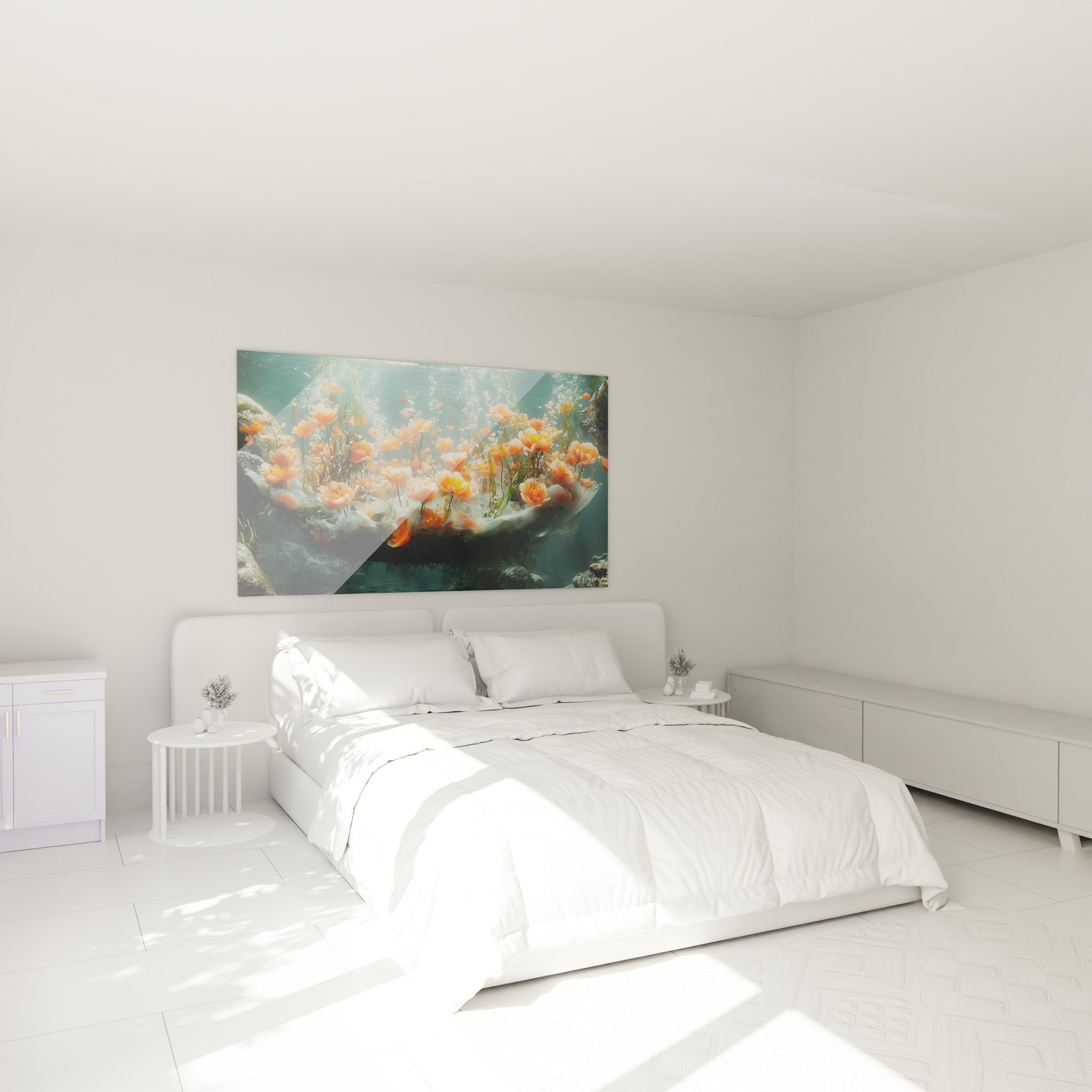
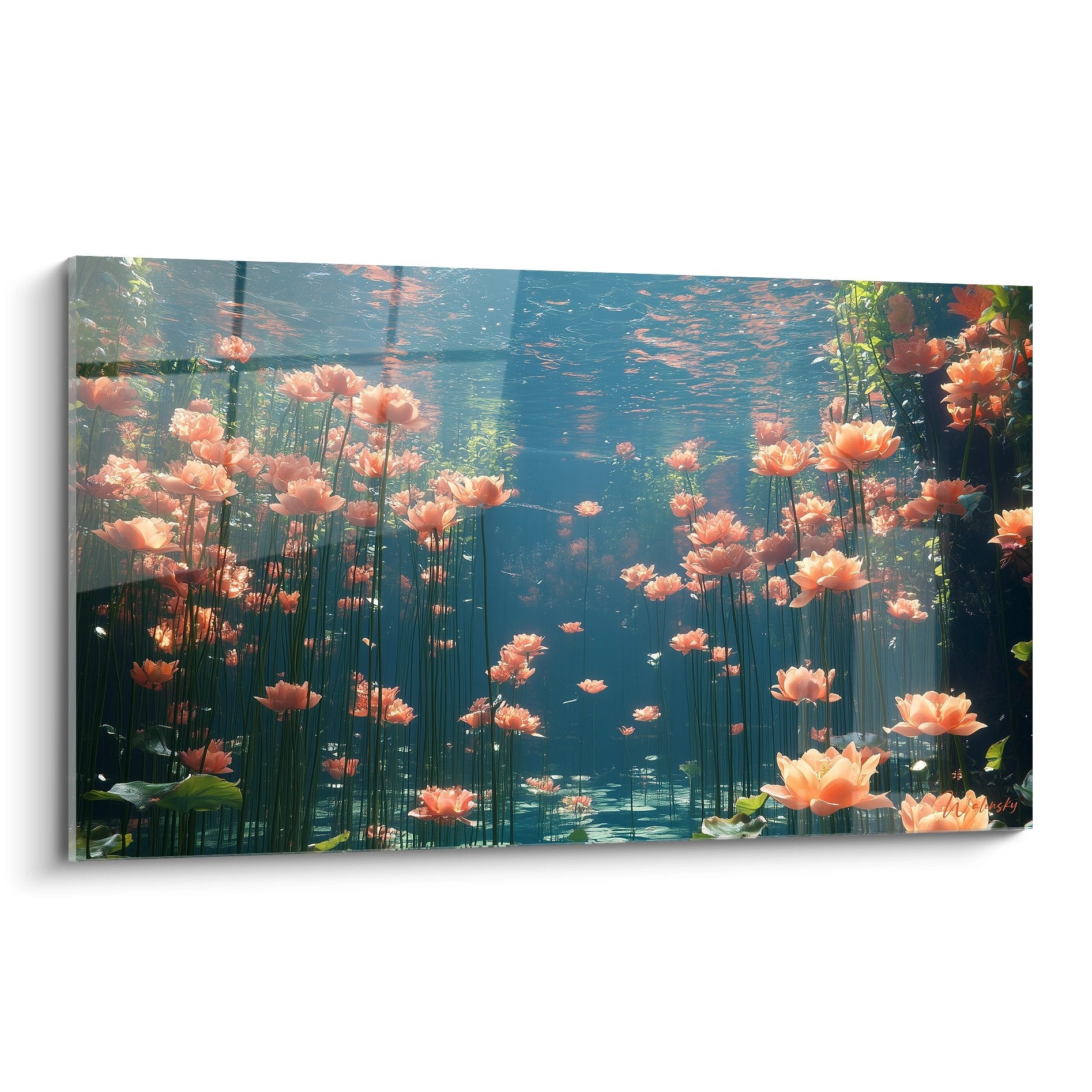
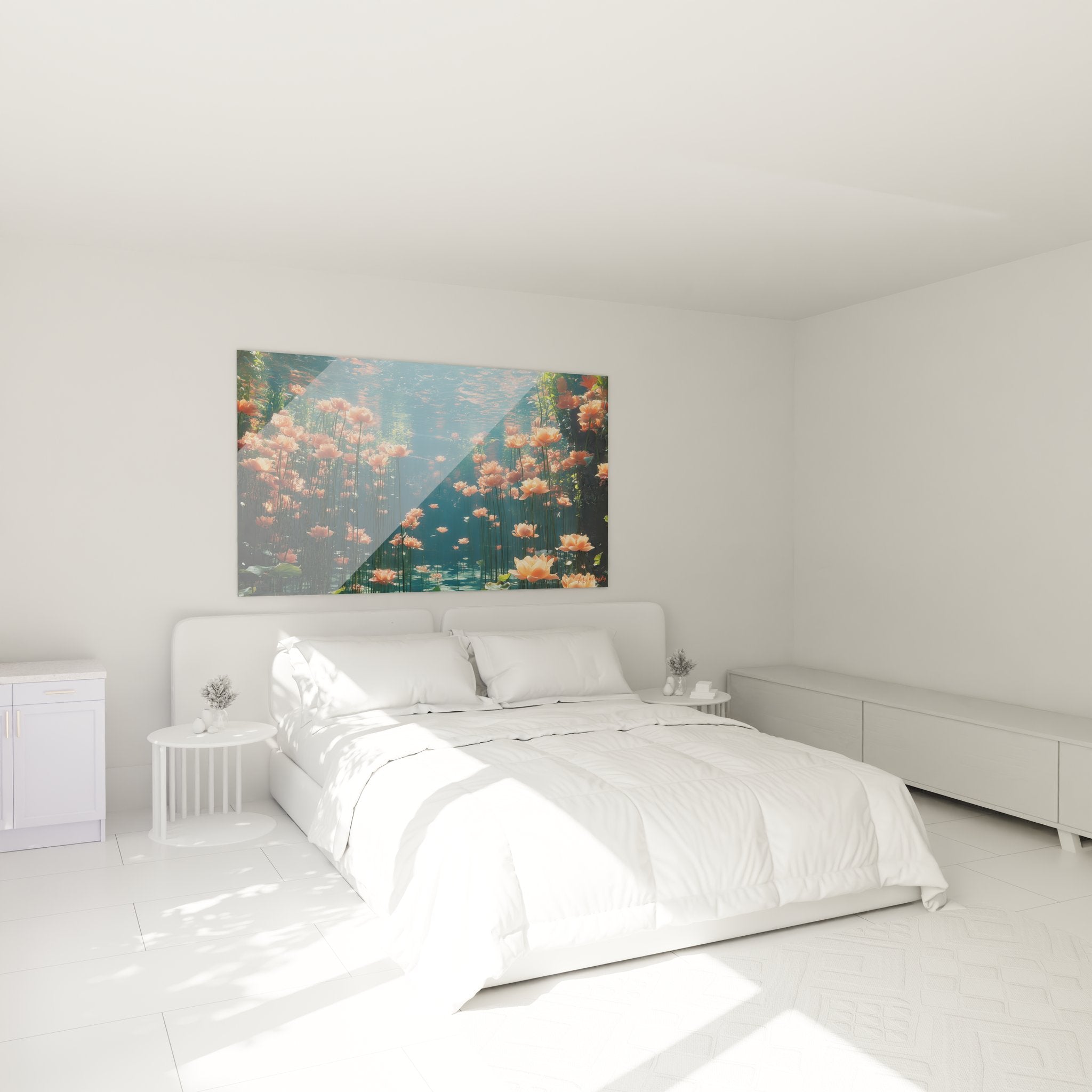
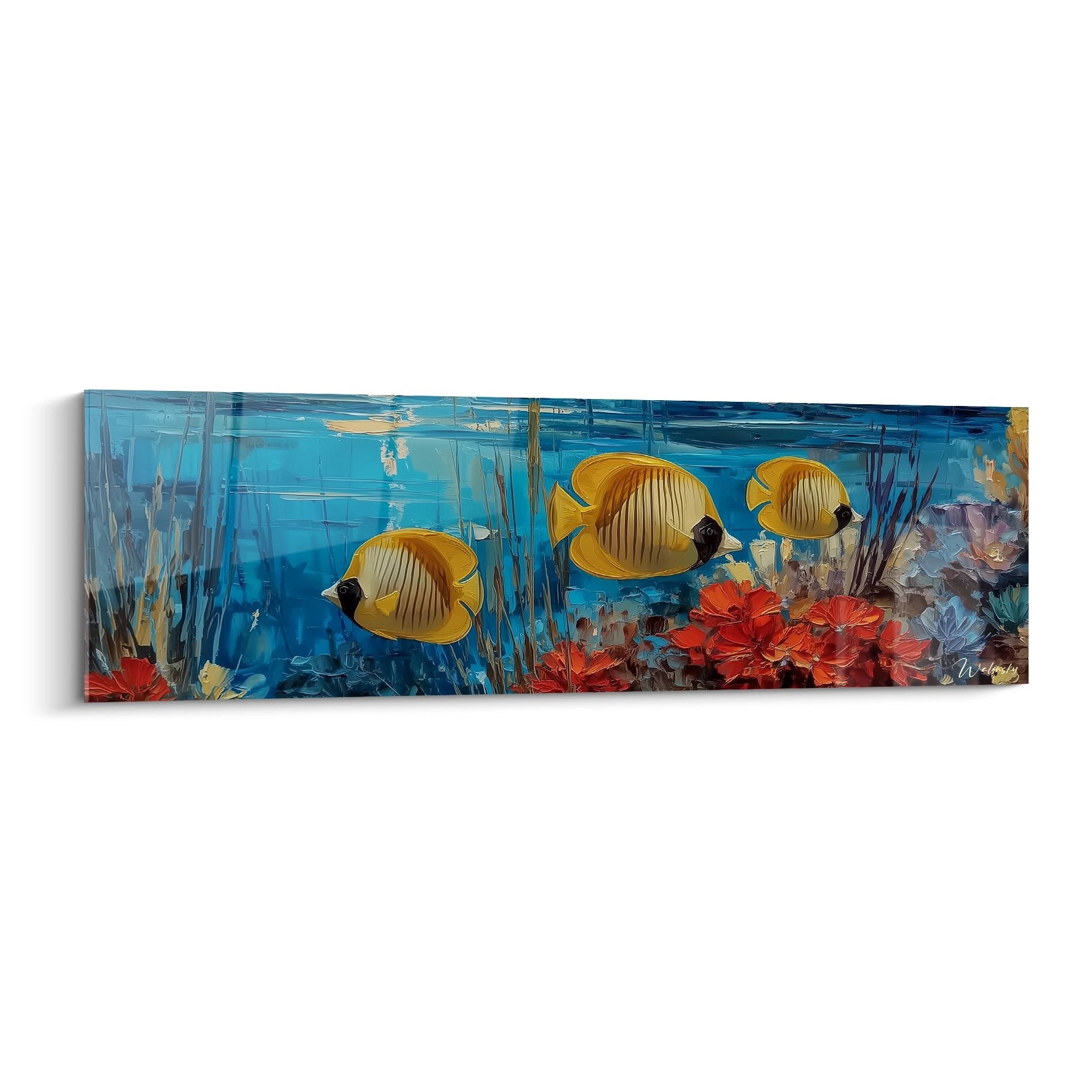
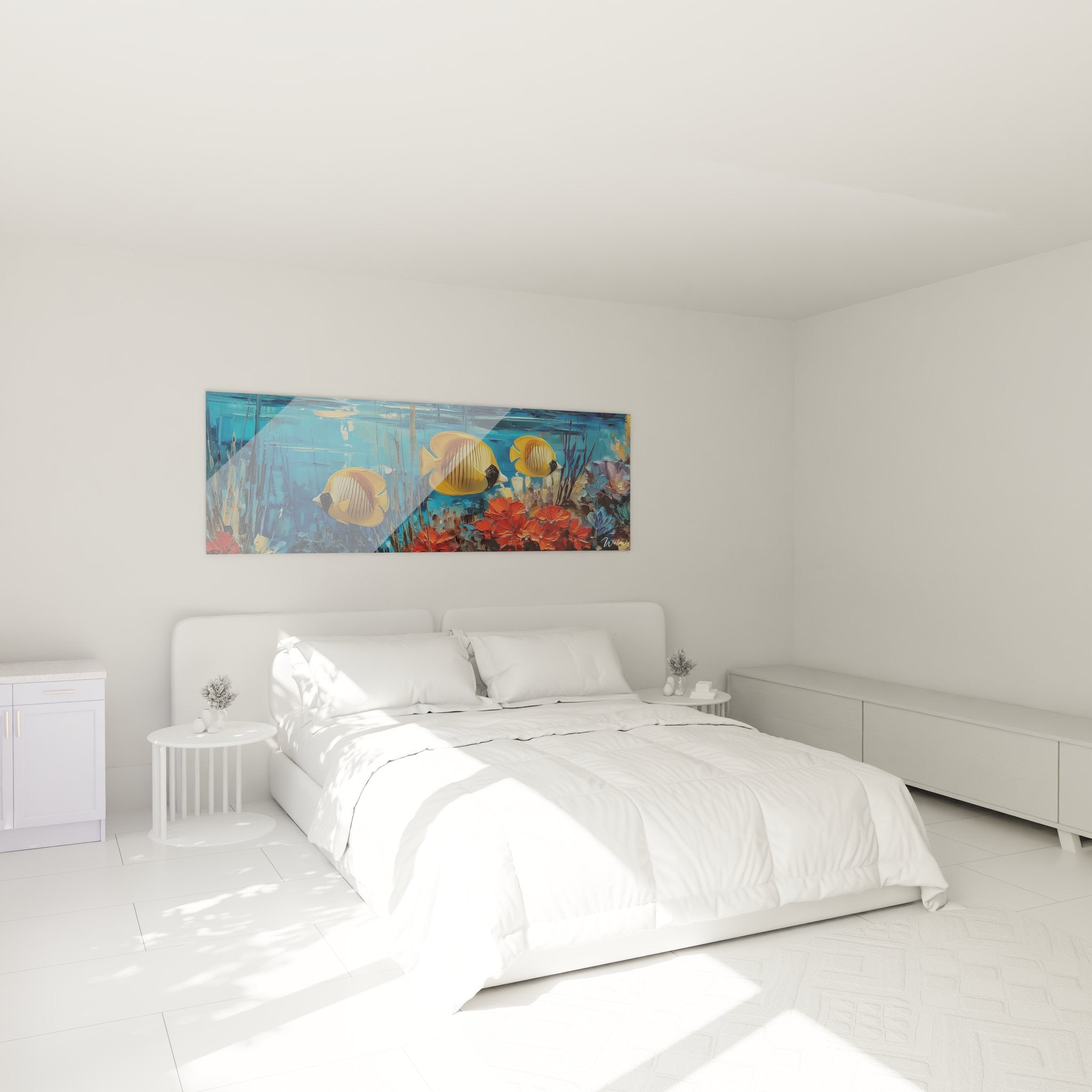
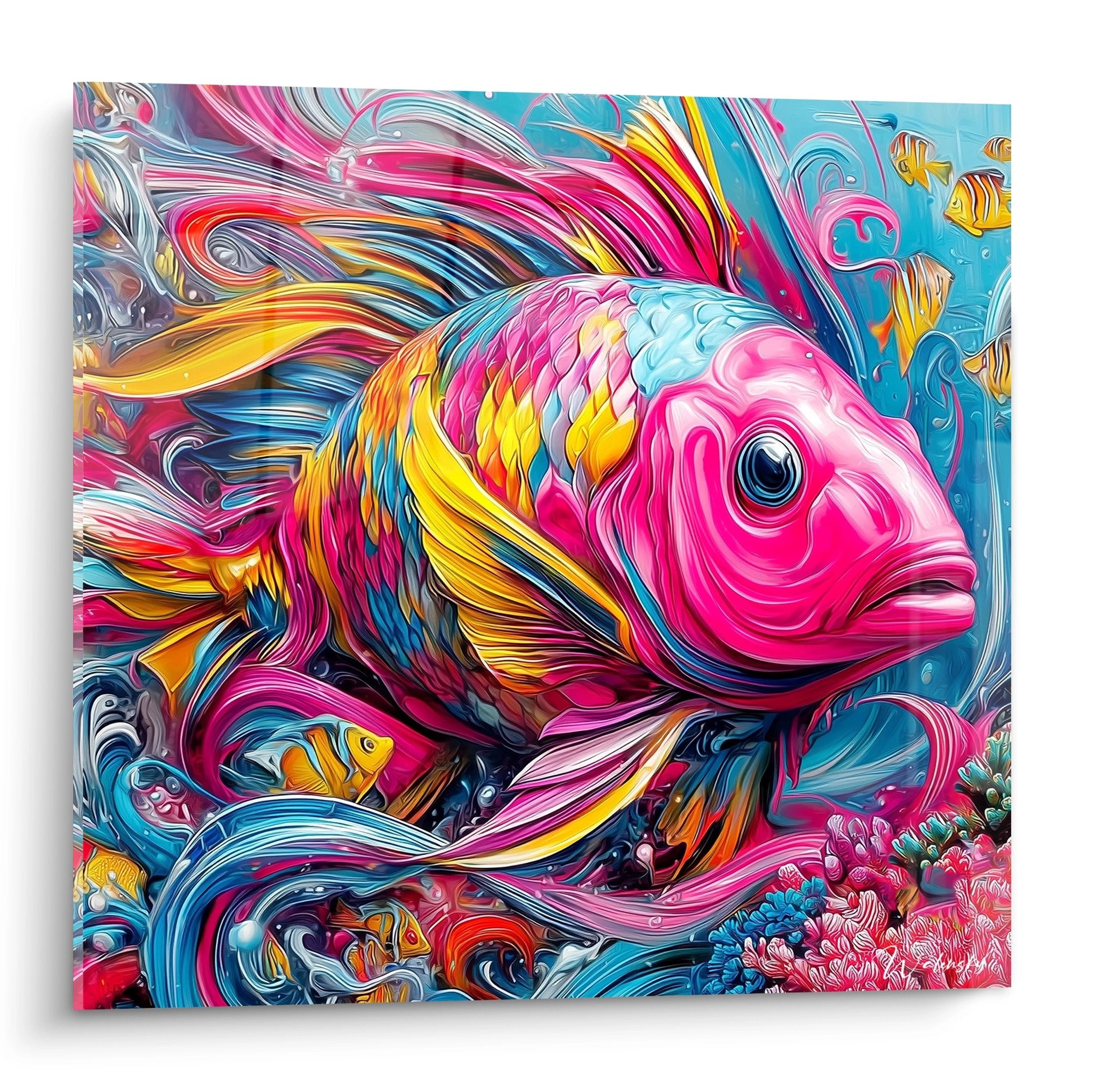
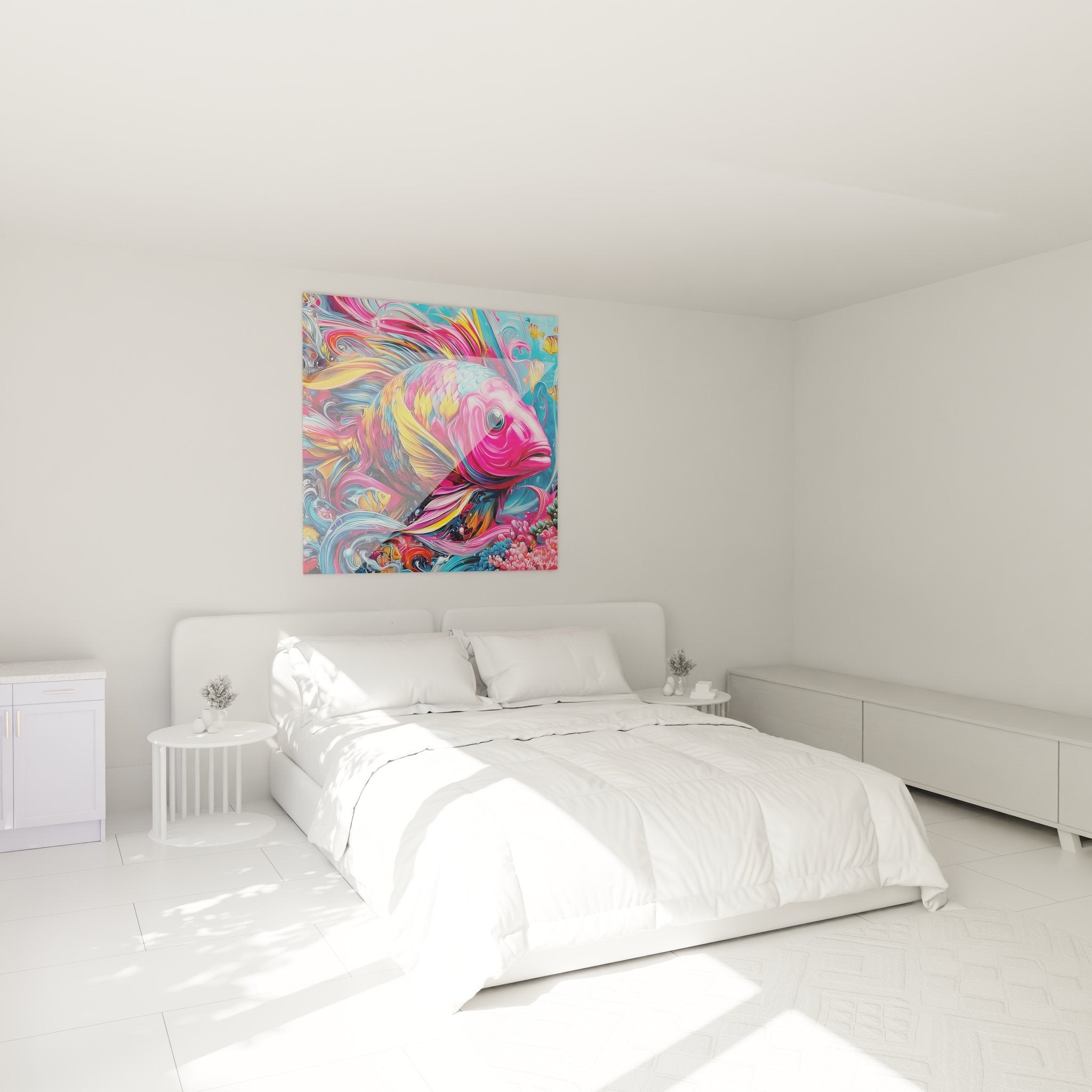
Seabed wall paintings transform your interior into a true window to the ocean depths. These large-scale mural representations capture the mysterious and fascinating essence of aquatic ecosystems, from sunlit coral reefs to unfathomable abysses where near-total darkness reigns. Each wall decoration evoking the underwater universe becomes an invitation to travel, offering a visual escape to a preserved and captivating world. Acquiring a large-format representation of ocean floors allows you to create a striking focal point, radically transforming a room's atmosphere through the characteristic color nuances of the aquatic environment: deep blues, emerald greens, luminous turquoise, and abyssal purples.
Seabed Wall Art: Journey Through Ocean Strata
Seabed wall paintings offer extraordinary visual diversity depending on the marine depth represented. This natural stratification of oceans creates radically different decorative universes, each possessing its own chromatic identity and distinctive atmosphere.
Which marine depth to choose for your aquatic wall décor?
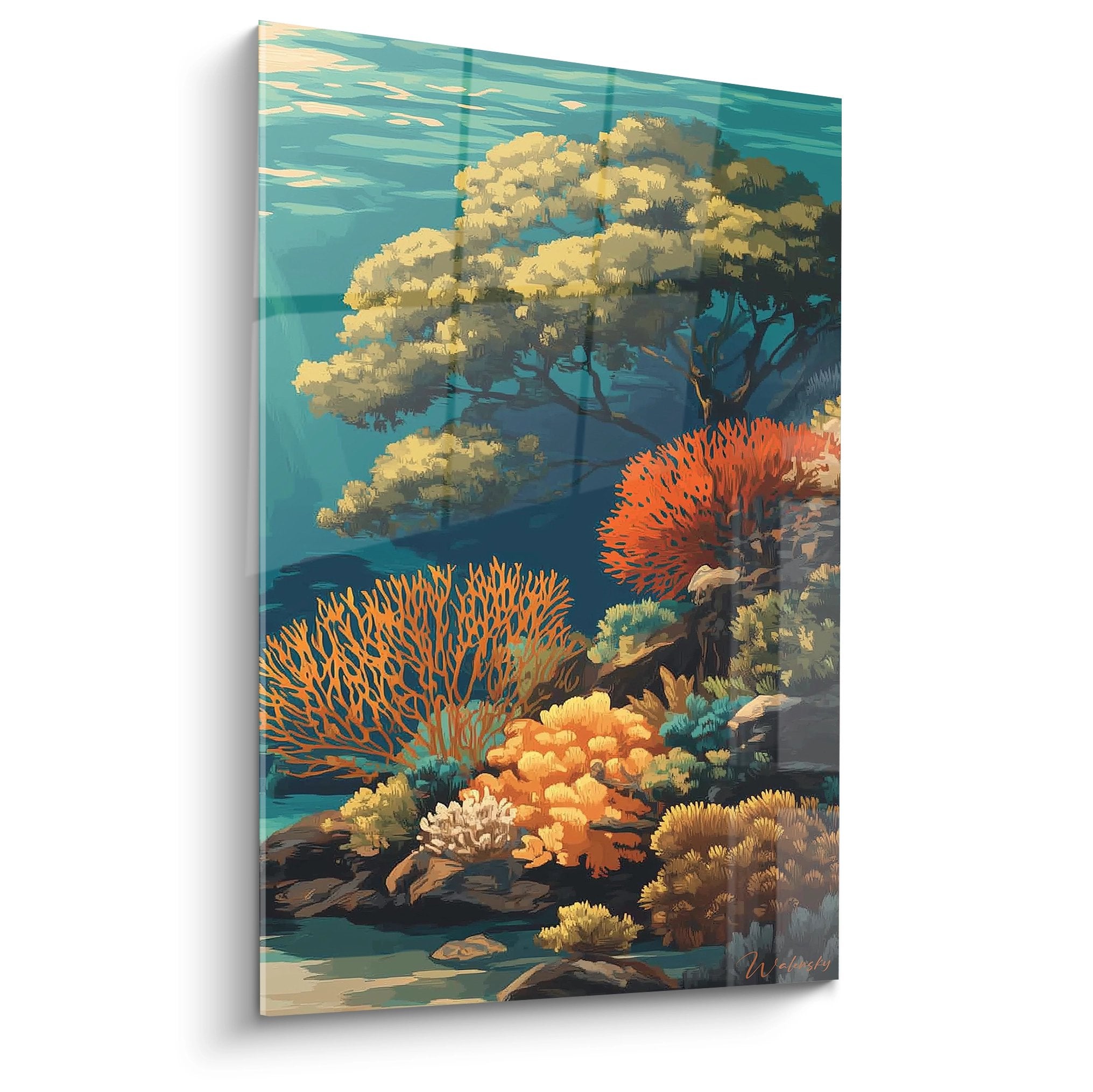
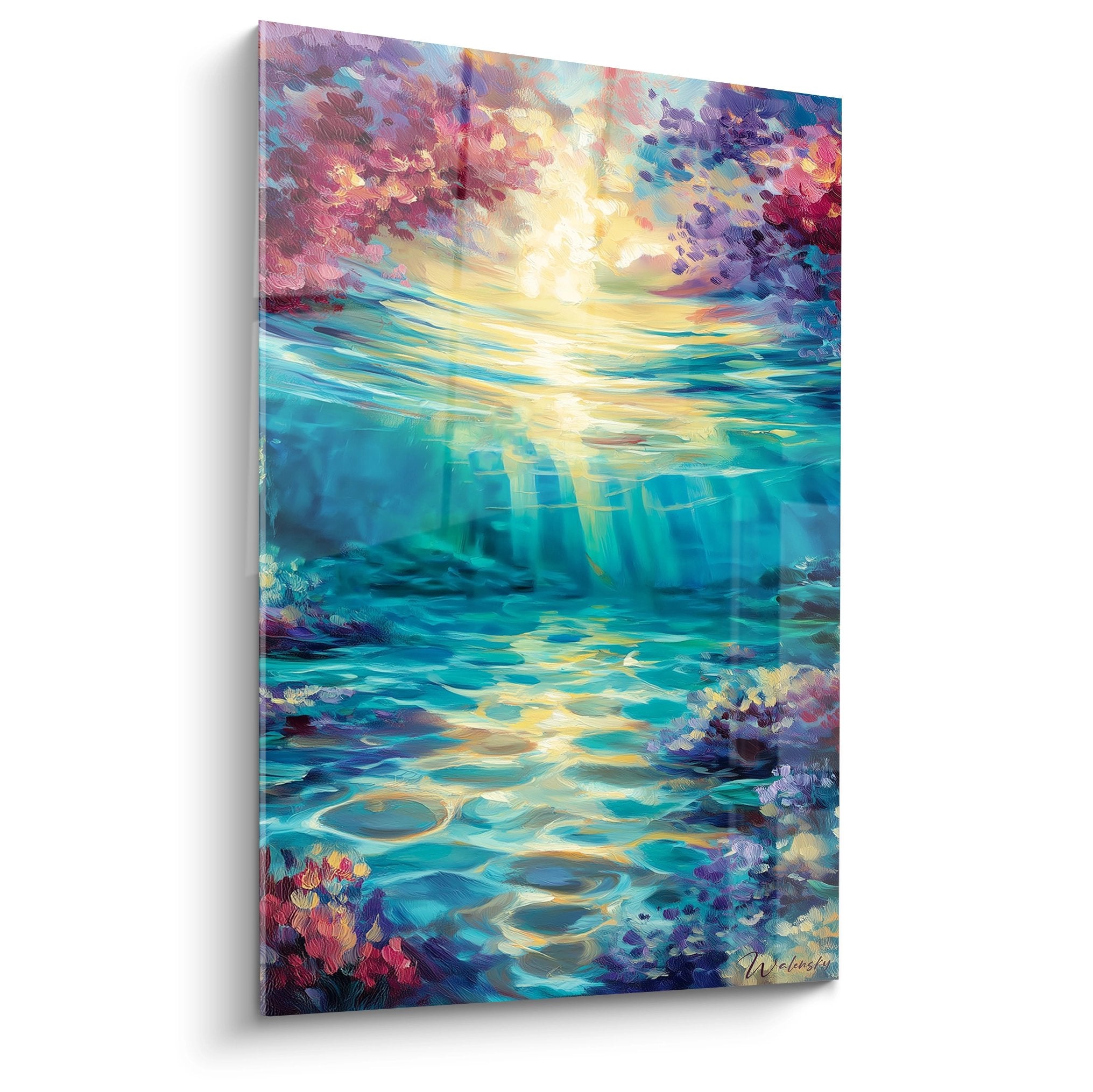
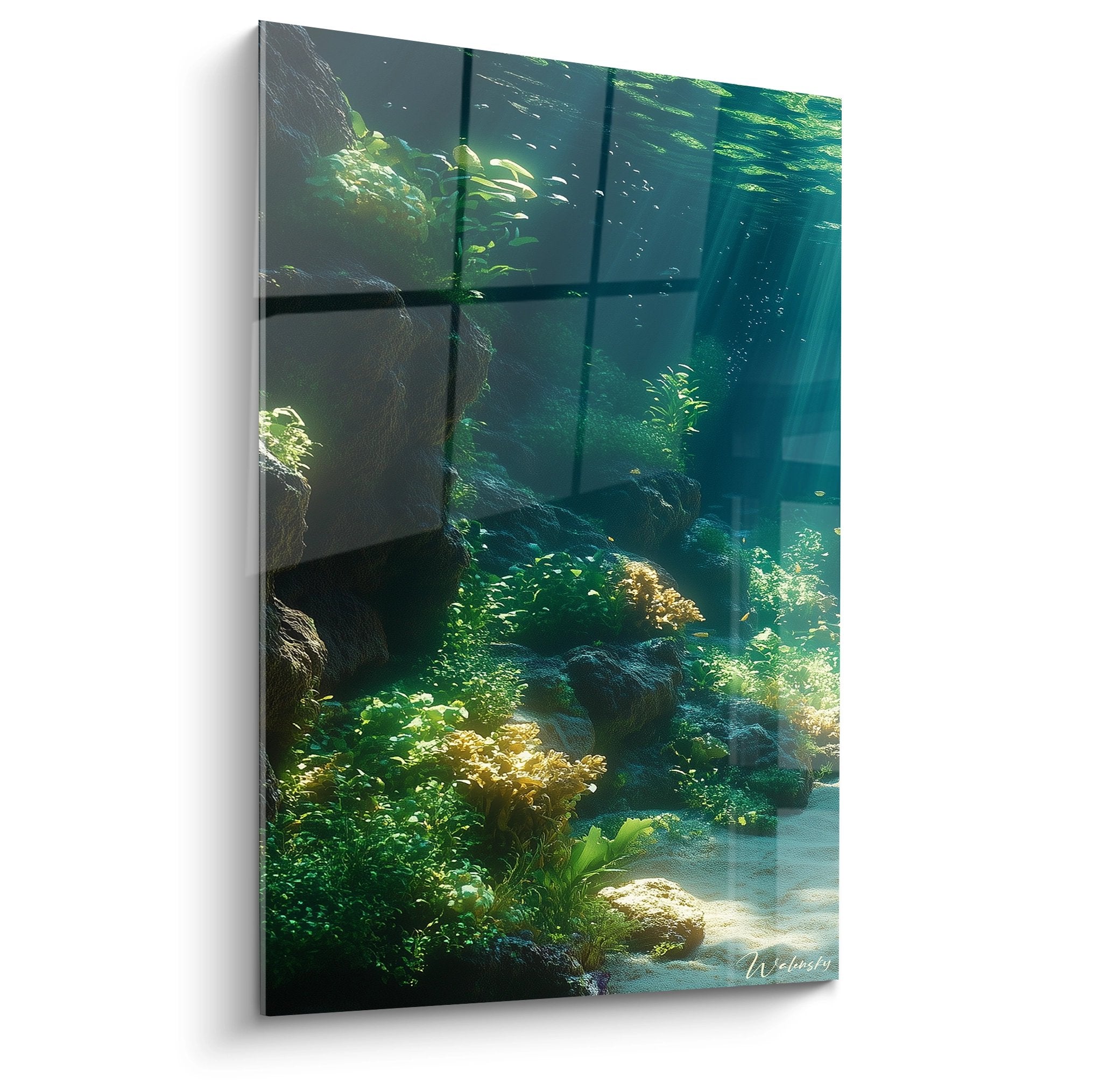
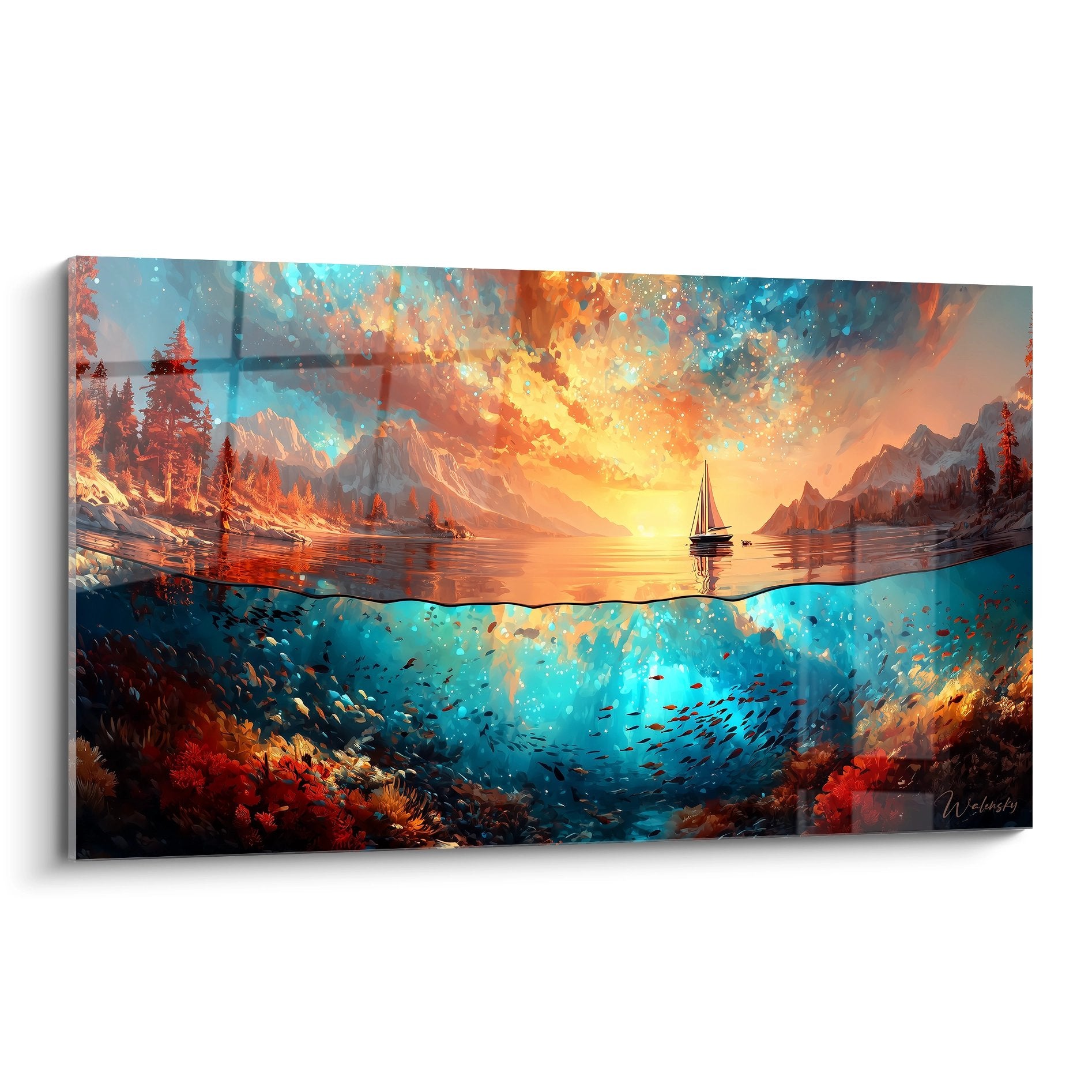
Representations of epipelagic zones, located between the surface and 200 meters deep, bathe in intense natural light. These underwater scenes favor brilliant turquoise and crystalline blues, creating an energizing and invigorating atmosphere. Sunlight penetrating the water generates dynamic lighting effects, ideal for spaces needing stimulating ambiance such as professional offices or home gyms.
Conversely, visualizations of the bathypelagic zone, between 1000 and 4000 meters, plunge the observer into deep navy blue and dark violet tonalities. These representations of great ocean depths are particularly suited to relaxation spaces: master bedrooms, zen living rooms, or therapy offices. The near-total absence of natural light in these strata creates a contemplative and soothing atmosphere, conducive to disconnection and meditation.
Underwater canyons: spectacular geological architecture
Underwater geological formations constitute exceptional subjects for large-scale wall décor. Abyssal canyons, with their dizzying walls plunging several kilometers, offer striking vertical compositions. These natural structures create dramatic perspectives impossible to reproduce in other decorative themes.
Underwater mountains and submerged volcanoes bring monumental dimension to marine mural compositions. These imposing reliefs, often colonized by dense biodiversity, generate powerful visual contrasts between dark rock and colorful marine life clinging to it. For large reception spaces or tall entry halls, these vertical representations remarkably exploit available volumes.
Chromatic stratification according to ocean zones
The color palette of marine ecosystems evolves spectacularly depending on depth. This natural progression can be strategically exploited in interior decoration. A series of multiple aquatic mural representations, arranged in chromatic gradation from light to dark, visually narrates the descent toward the abyss.
Mesopelagic zones, located between 200 and 1000 meters, constitute a fascinating transition. Intermediate blues mixed with grey touches create a mysterious ambiance without falling into total darkness. This specific color range works admirably in spaces like libraries, reading rooms, or study offices, where concentration and serenity are sought without excessive darkening.
Representations of wrecks and submerged structures
Sunken ships and artificial structures colonized by marine life offer unique narrative dimension. These history-laden scenes combine fascination with underwater archaeology and natural beauty of biological and animal reclamation. Wrecks covered in corals and inhabited by schools of fish create complex, stratified compositions.
These particular representations appeal to maritime history enthusiasts and those seeking wall decoration bearing narratives. Contrasts between artificial geometric structures and organic forms of biological colonization generate captivating visual tension, ideal for spaces like home bars, gaming rooms, or creative studios.
Reef zones and coral gardens
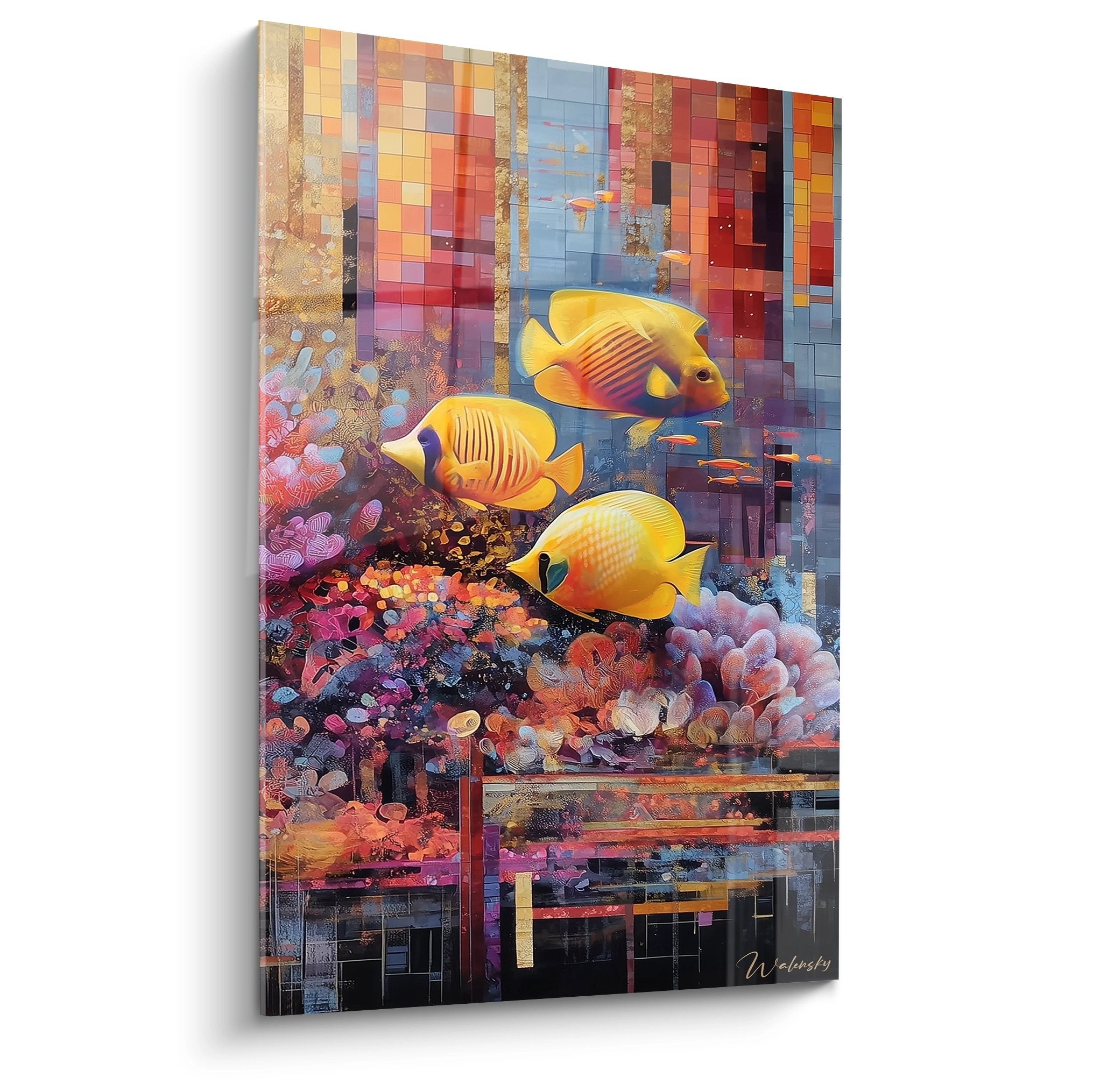
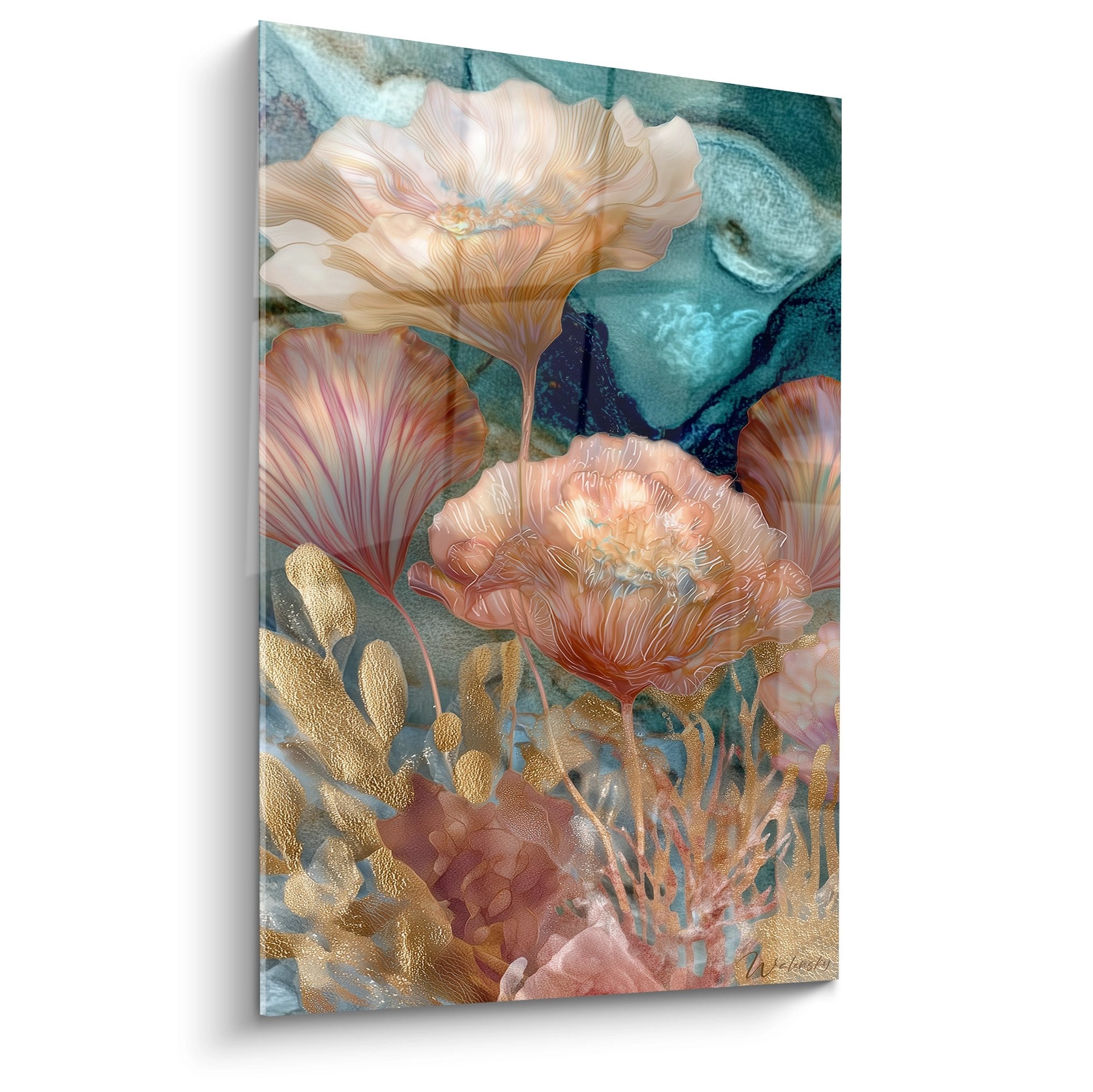
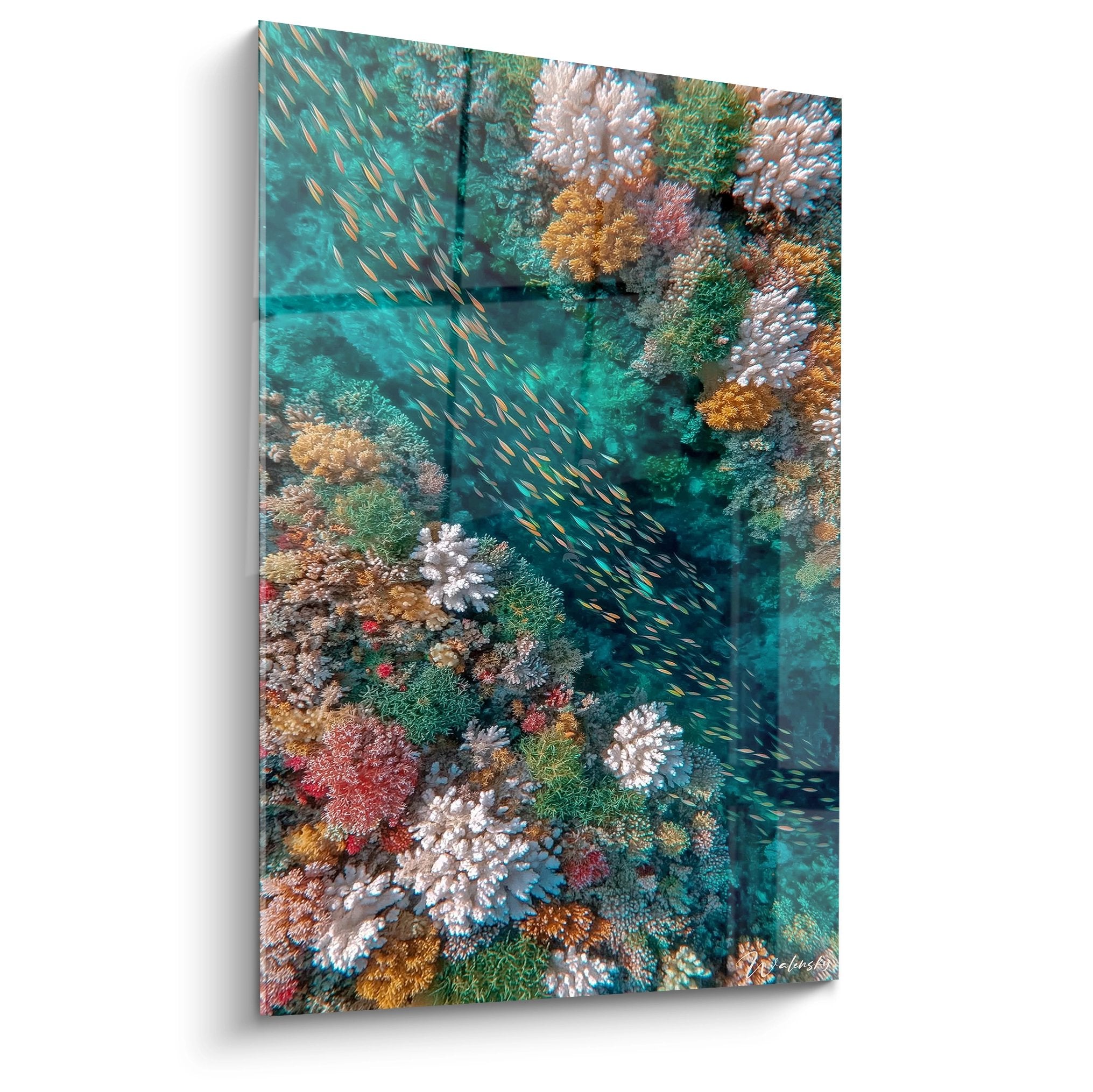
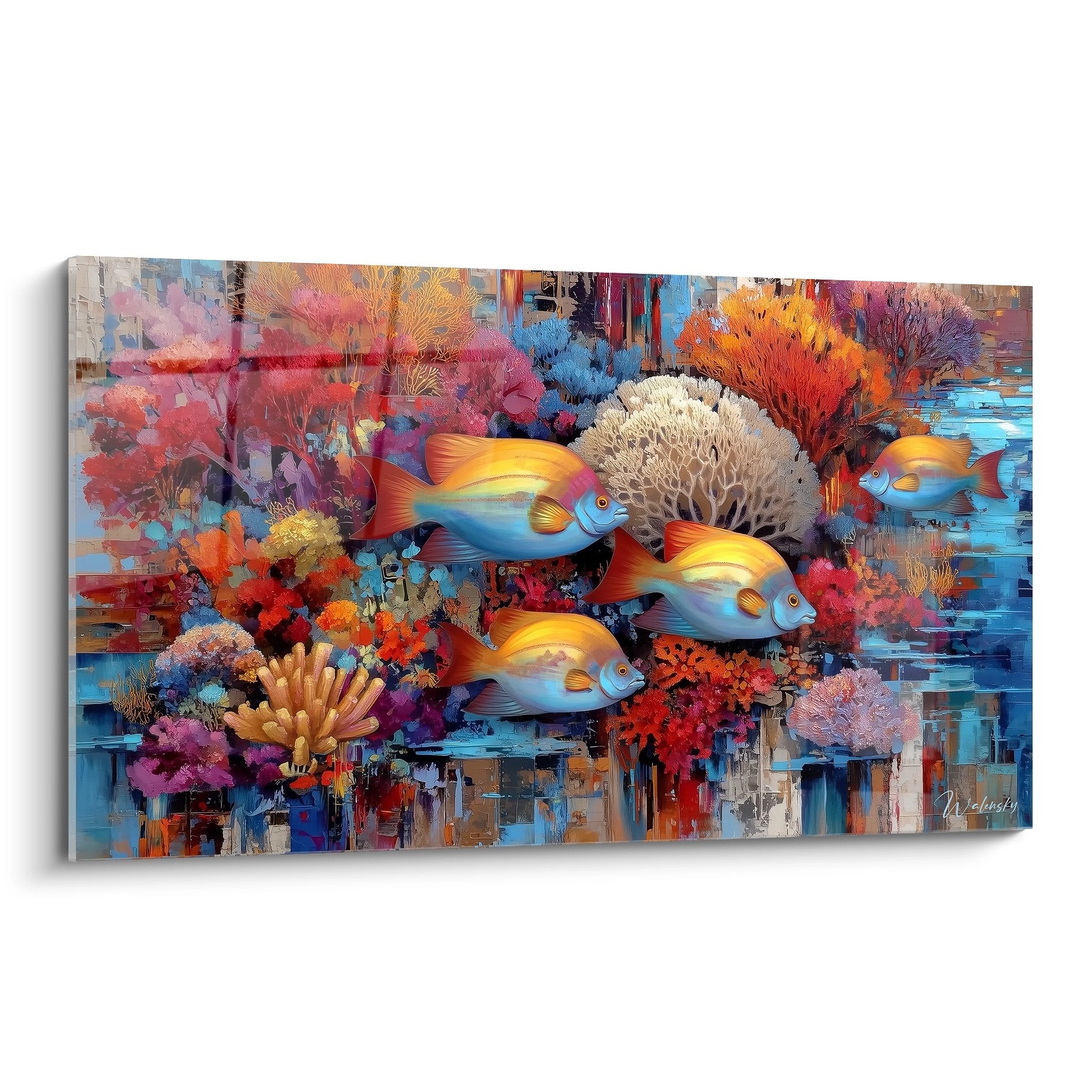
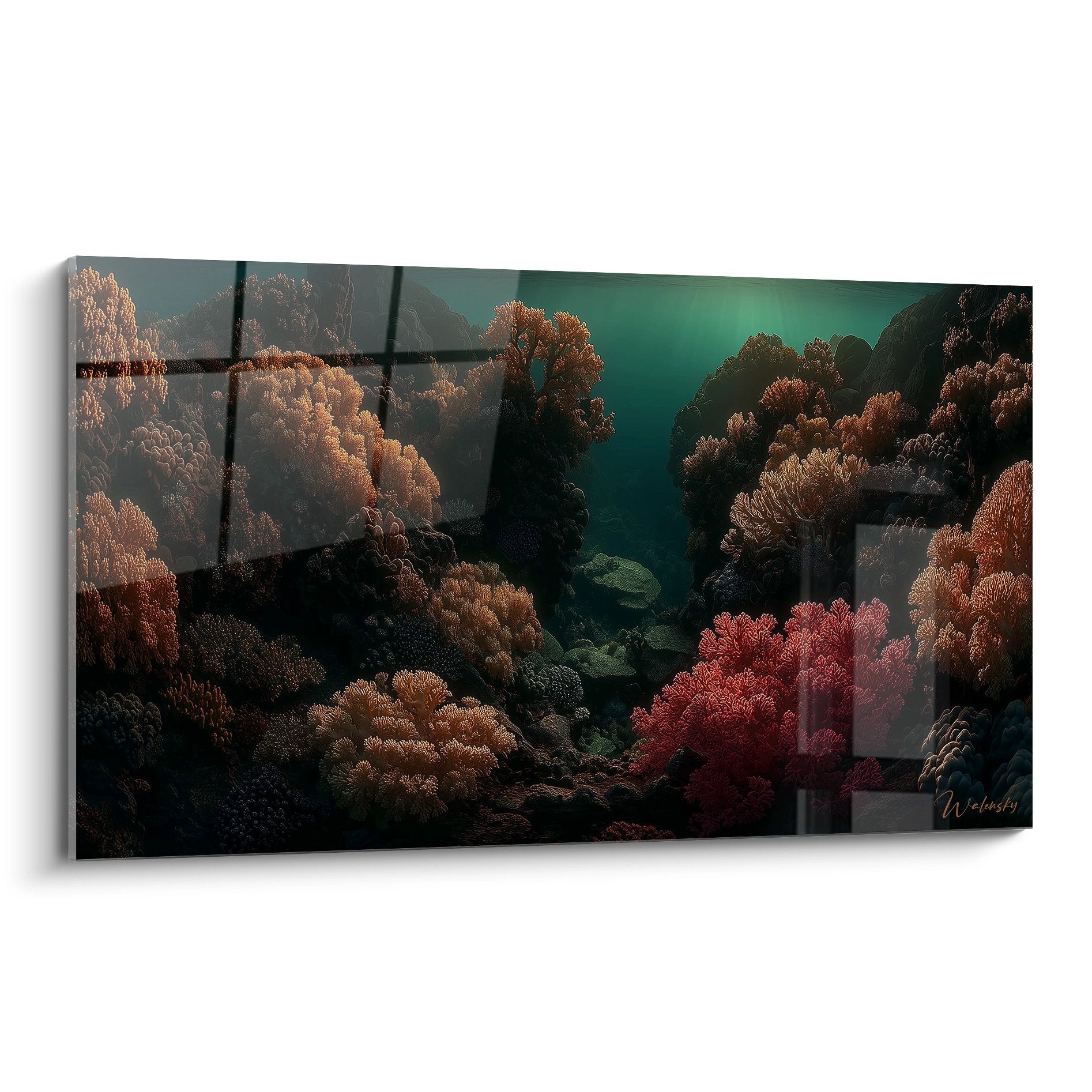
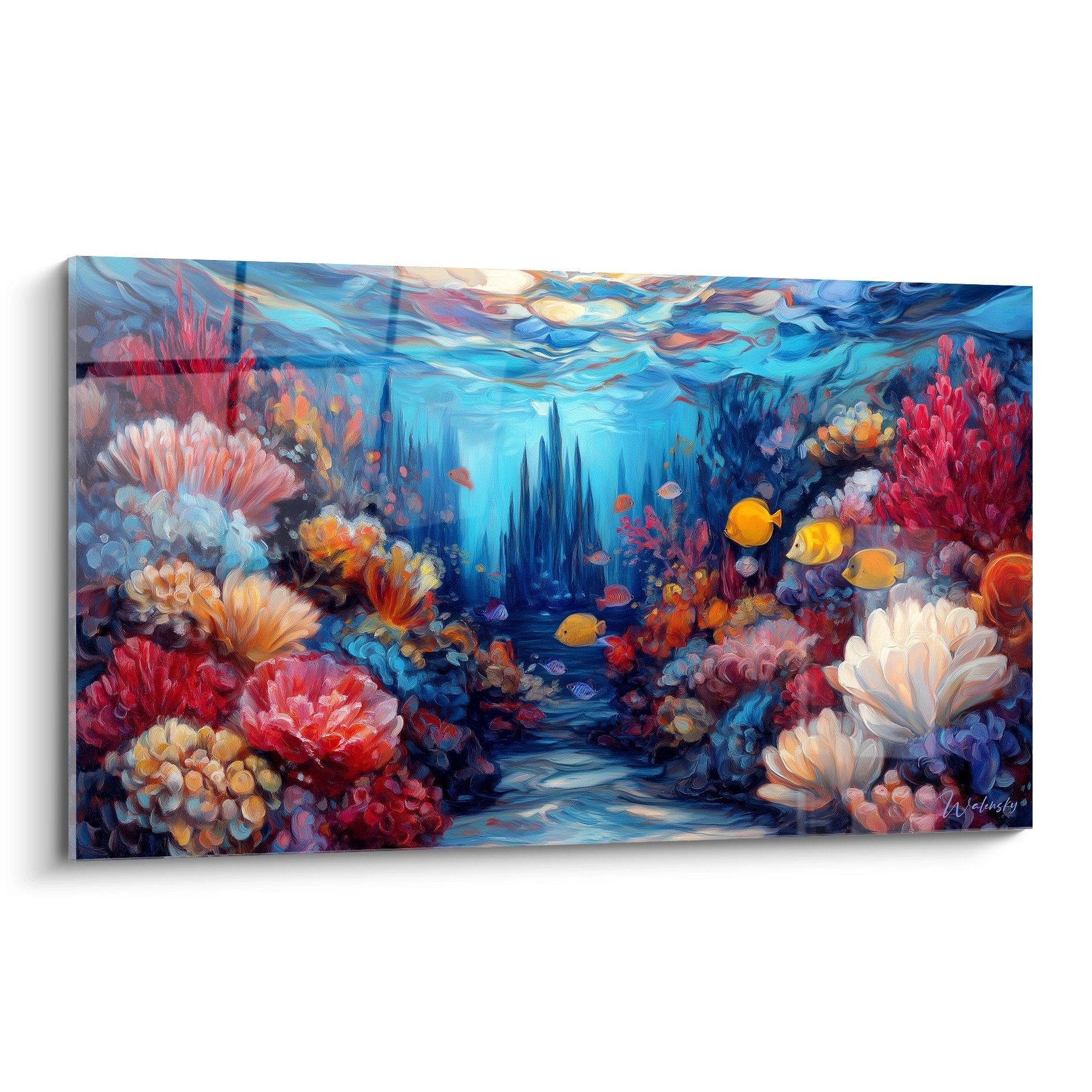
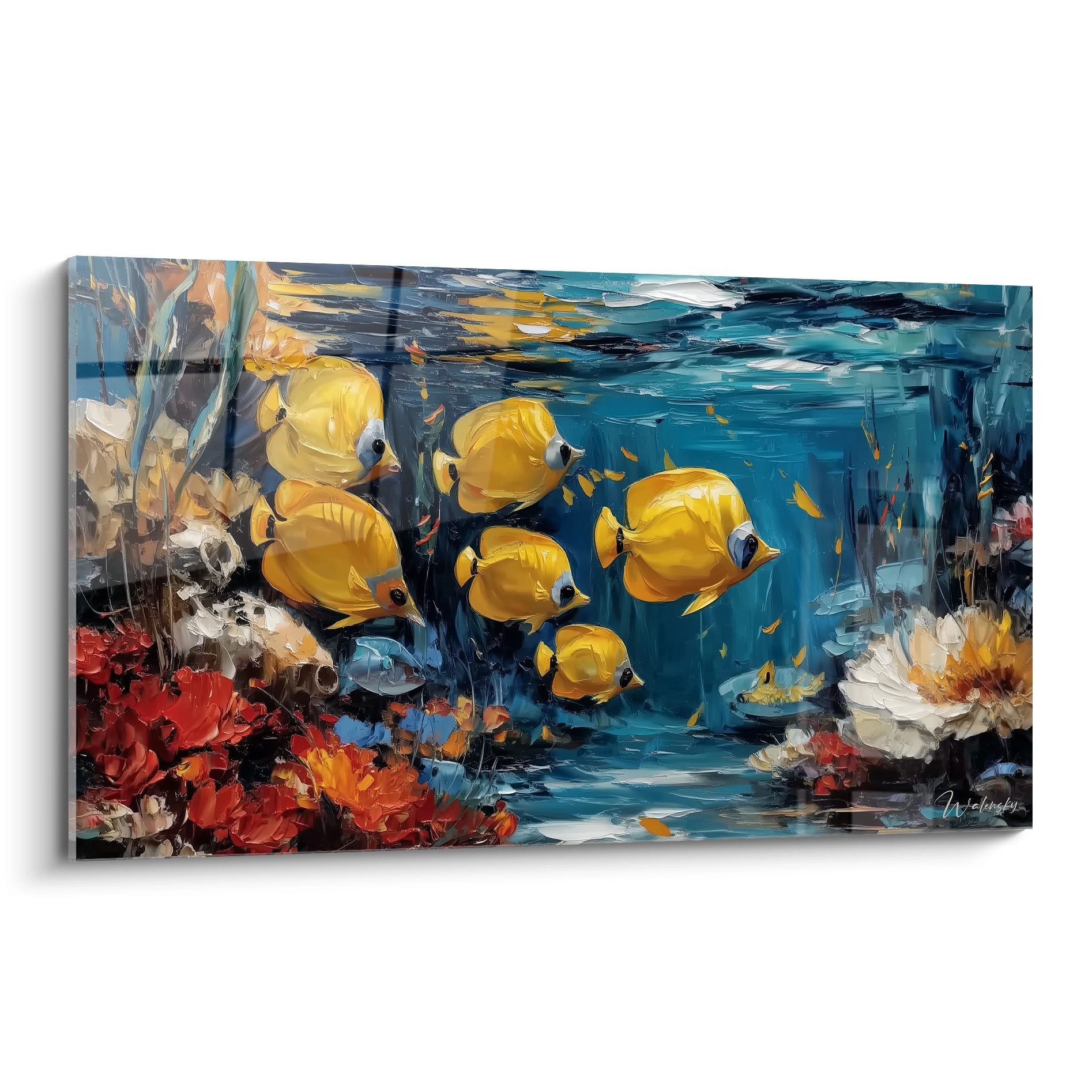
Coral ecosystems represent maximum chromatic exuberance in the marine world. These environments saturated with vivid colors—oranges, pinks, brilliant yellows—contrast radically with representations of great depths. Mural compositions of coral reefs suit family spaces, children's playrooms, or open kitchens, where dynamism and vitality are prioritized.
The visual density of coral gardens, with their profusion of forms and textures, immediately captures attention. These ultra-detailed scenes reward prolonged observation, constantly revealing new details: hidden small fish, colorful nudibranchs, translucent shrimp. This richness makes reef representations decorative works that never tire, ideal for living spaces where you spend daily time.
What visual impact according to the scale of representation chosen?
Monumental dimensions of aquatic mural compositions allow incomparable immersion. A format several meters wide literally transforms a wall into a giant porthole to the depths. This spectacular scale is particularly suitable for large volumes: lofts, reception spaces, seminar rooms, or themed restaurants.
Ultra-wide panoramic formats exploit the horizontal and expansive nature of underwater landscapes. Representing the immensity of a school of fish crossing the ocean, or the expanse of an abyssal plain, requires these exceptional dimensions to faithfully restore the vastness sensation characteristic of the marine environment.
Abyssal Biodiversity: Extraordinary Creatures in Interior Décor
Seabed wall paintings reveal fauna unknown to the general public, offering decorative subjects of incomparable originality. Ocean depths harbor organisms with extraordinary morphologies, often ignored in conventional mural representations.
Giant cephalopods: majesty of the depths
Colossal squid and giant Pacific octopuses constitute fascinating central subjects. These intelligent creatures, with exceptional camouflage capacities and impressive dimensions, generate spectacular mural compositions. Their undulating tentacles create natural directional lines that guide the eye through the entire composition.
Representing cephalopods in hunting situations or interacting with their environment brings rare dynamic dimension to interior decoration. These scenes capture an instant of wild life, a narrative tension that radically distinguishes these marine representations from classic still lifes. For an executive office or conference room, this visual energy stimulates creativity and decision-making.
Which bioluminescent creatures for striking nocturnal effect?
Luminescent organisms in the depths—phosphorescent jellyfish, lanternfish, luminous polychaete worms—offer unique decorative possibilities. These creatures producing their own light create natural light points in abyssal darkness, generating compositions where dark and light zones interact dramatically.
Certain representations exploit special inks or printing techniques allowing subtle luminescence effects. While not actually emitting light, these treatments capture the visual essence of bioluminescence, creating particularly intriguing mural artworks in dimmed settings. These characteristics are ideally suited to bedrooms, nocturnal relaxation spaces, or home cinemas.
Manta rays and pelagic sharks: elegance in motion
Large pelagic animals embody absolute aquatic grace. Manta rays, with wingspans reaching seven meters, lend themselves magnificently to monumental mural formats. Their instantly recognizable silhouette and fluid aquatic flight create harmonious curves that naturally soothe the eye.
Whale sharks, the world's largest fish, offer imposing yet peaceful presence. These gentle filter feeders, often accompanied by pilot fish and remoras, generate multi-level compositions where different species interact. These complex ecological scenes tell stories of symbiosis and balance, themes particularly appreciated in professional spaces related to environment or sustainability.
Unfamiliar abyssal fauna: fascinating strangeness
Deep-sea fish—hatchetfish, abyss dragons, sea devils—possess morphologies so unusual they seem science-fiction born. Their extreme adaptations to life in total darkness and under colossal pressure create astonishing organic forms. These extraordinary creatures particularly appeal to marine biology enthusiasts and curious minds.
Representing these rare species constitutes a natural conversation subject. Unlike omnipresent dolphins or sea turtles, these abyssal organisms intrigue and prompt questions and discussions. For reception spaces or professional offices, this conversational dimension adds social value to the decoration.
Micro-fauna and underwater macro-photography
Representations in extreme close-up of small marine organisms—dwarf seahorses, psychedelic-colored nudibranchs, harlequin shrimp—reveal invisible details to the naked eye. This macroscopic approach transforms tiny creatures into monumental presences, creating surprise and amazement effect.
Extraordinary textures revealed at this observation scale—iridescent scales, translucent tentacles, delicate spines—generate intense visual interest. These detailed compositions reward close observation, constantly revealing new elements. They suit perfectly intimate spaces: bedrooms, dressing rooms, luxury bathrooms.
Why choose representations of schools of fish?
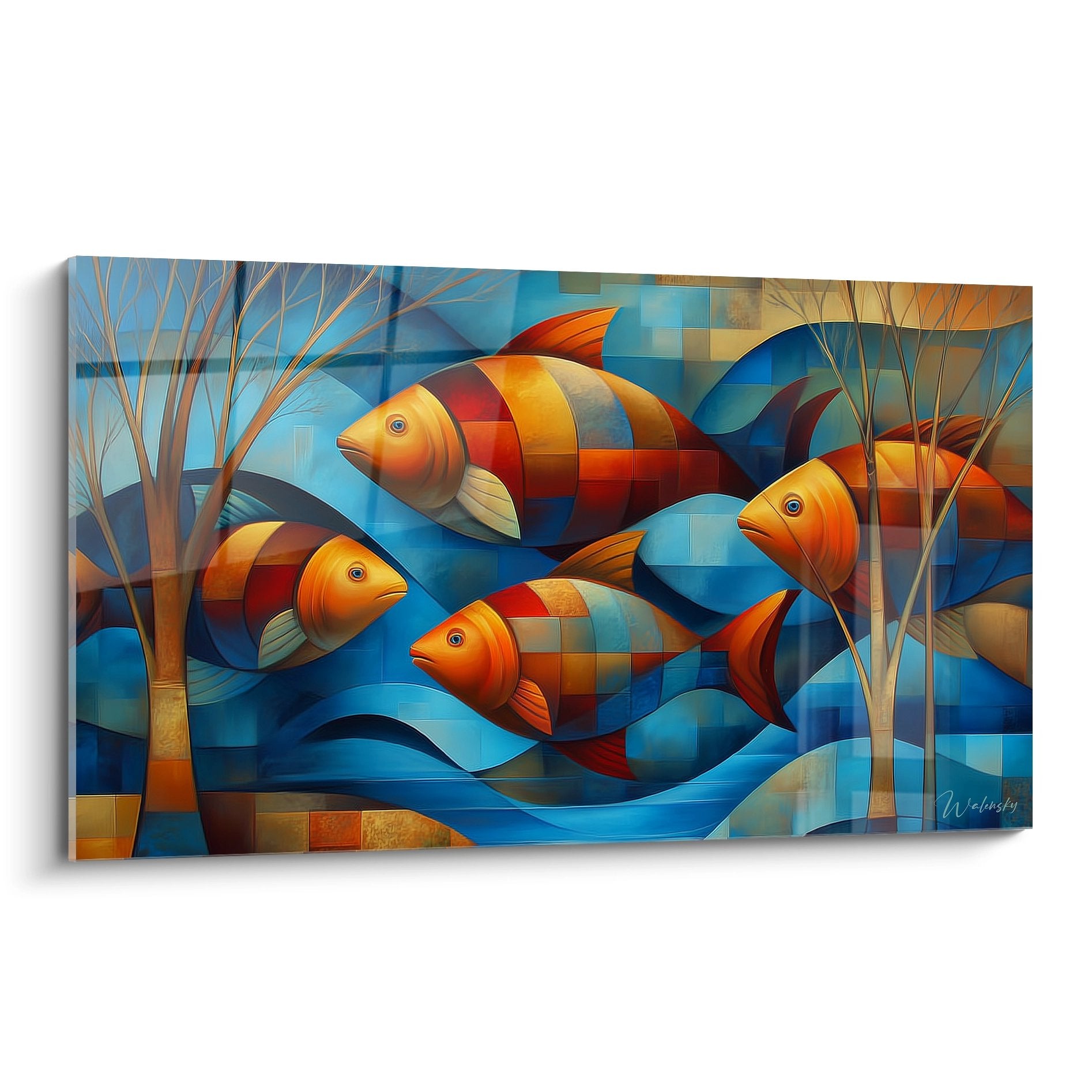
Synchronized formations of thousands of fish create hypnotic visual patterns. These fluid structures, in perpetual apparent movement, generate powerful visual dynamics despite the static support. Spirals, waves, and tornadoes formed by schools of sardines, anchovies, or barracudas constitute natural abstract compositions.
These collective representations illustrate harmony and coordination, conveying values of collaboration and synchronization. In professional environments valuing teamwork—open spaces, training rooms, collaborative spaces—these marine scenes carry subliminal messages aligned with corporate culture.
Marine symbioses and ecological interactions
Symbiotic relationships between species—clownfish in their anemones, cleaner fish caring for larger species, shrimp partners of gobies—tell stories of interdependence. These educational scenes possess strong narrative dimension, illustrating the delicate balance of marine ecosystems.
For educational spaces, veterinary offices, or interiors of biology enthusiasts, these representations combine aesthetics and informational content. They naturally generate discussions about marine ecology and raise awareness of ocean preservation, adding ethical dimension to interior decoration.
Creating Immersive Atmosphere with Aquatic Mural Compositions
Large-dimension seabed wall paintings possess unique transformative power over interior ambiance. Their capacity to generate soothing and contemplative atmosphere rests on several psychological and visual mechanisms specific to the aquatic environment.
How do marine tonalities influence interior well-being?
Characteristic color nuances of ocean depths—deep blues, turquoise, aquatic greens—exercise scientifically documented soothing effect on the nervous system. These cool tonalities naturally slow heart rate and lower blood pressure, creating environment conducive to relaxation and concentration.
In spaces dedicated to well-being—yoga studios, meditation rooms, therapy offices—these aquatic representations function as visual supports facilitating mental calming. Contemplating underwater scenes engages the brain in soft-focus process, naturally distancing anxious thoughts without requiring conscious effort.
Light filtration and authentic aquatic ambiance
The most distinctive optical characteristic of the marine environment lies in the progressive light filtration by water. This particular diffusion generates soft, enveloping luminosity, devoid of aggressive contrasts. Mural representations faithfully capturing this lighting effect recreate naturally restful ambiance for the eyes.
For professional environments where prolonged screen exposure generates eye fatigue—offices, computer workstations, control rooms—these aquatic scenes offer essential visual rest point. The eye can relax there briefly, benefiting from this characteristic filtered light of the depths.
Which elements create fluid movement sensation?
The inherent fluidity of the aquatic environment—surface undulations, algae movement, marine creature swimming—generates soothing visual dynamics. Unlike terrestrial movements, often jerky and angular, underwater displacements follow soft, continuous curves that naturally relax the observer.
Representations capturing these fluid movements—jellyfish dancing in current, giant algae swaying, schools of fish undulating—create implicit animation. Though static, these compositions suggest movement so powerfully that the brain mentally reconstructs the animation, generating hypnotic and meditative effect particularly sought in rest spaces.
Depth of field and infinite perspectives
The ocean offers unique spatial characteristic: apparently limitless visual scope. Unlike terrestrial landscapes structured by horizon and reliefs, underwater scenes can present infinite depth of field, blue progressively fading into distant darkness.
This absence of explicit visual barriers generates sensation of unlimited space particularly precious in confined urban interiors. Aquatic mural compositions of large format exploiting this infinite perspective visually enlarge the space, creating mental escape toward ocean immensity. This quality ideally suits apartments without external views or blind spaces needing artificial visual openness.
Lighting strategies to amplify immersive effect
Interaction between aquatic mural representation and ambient lighting largely determines immersive effect intensity. Indirect lighting, diffusing soft light from ceiling or hidden sources, mimics naturally filtered luminosity of marine depths.
Cool color temperatures—between 4000 and 6000 kelvins—reinforce underwater atmosphere by harmonizing artificial lighting with blue tonalities of the representation. This chromatic coherence between light source and mural composition creates visual continuity that considerably amplifies immersion sensation. For nighttime relaxation spaces, dimmers allowing luminosity adjustment reproduce variations in light depending on marine depth.
Why associate vegetation with marine representations?
Combining lush houseplants—particularly species with elongated, supple leaves like ferns or certain philodendrons—with aquatic mural compositions reinforces immersion in natural environment. This decorative strategy exploits visual continuity between terrestrial and marine vegetation.
Suspended plants create vertical stratification recalling algae descending toward the depths. This multi-level arrangement generates spatial complexity enriching visual environment. In spaces like sun rooms, winter gardens, or nature-oriented living areas, this fusion between real vegetation and marine representation creates coherent and rejuvenating decorative ecosystem.
Which mural disposition maximizes visual impact?
Strategic placement of monumental marine representation determines its transformative effectiveness. The wall directly visible from room entry constitutes privileged location, immediately capturing attention and instantly establishing space ambiance.
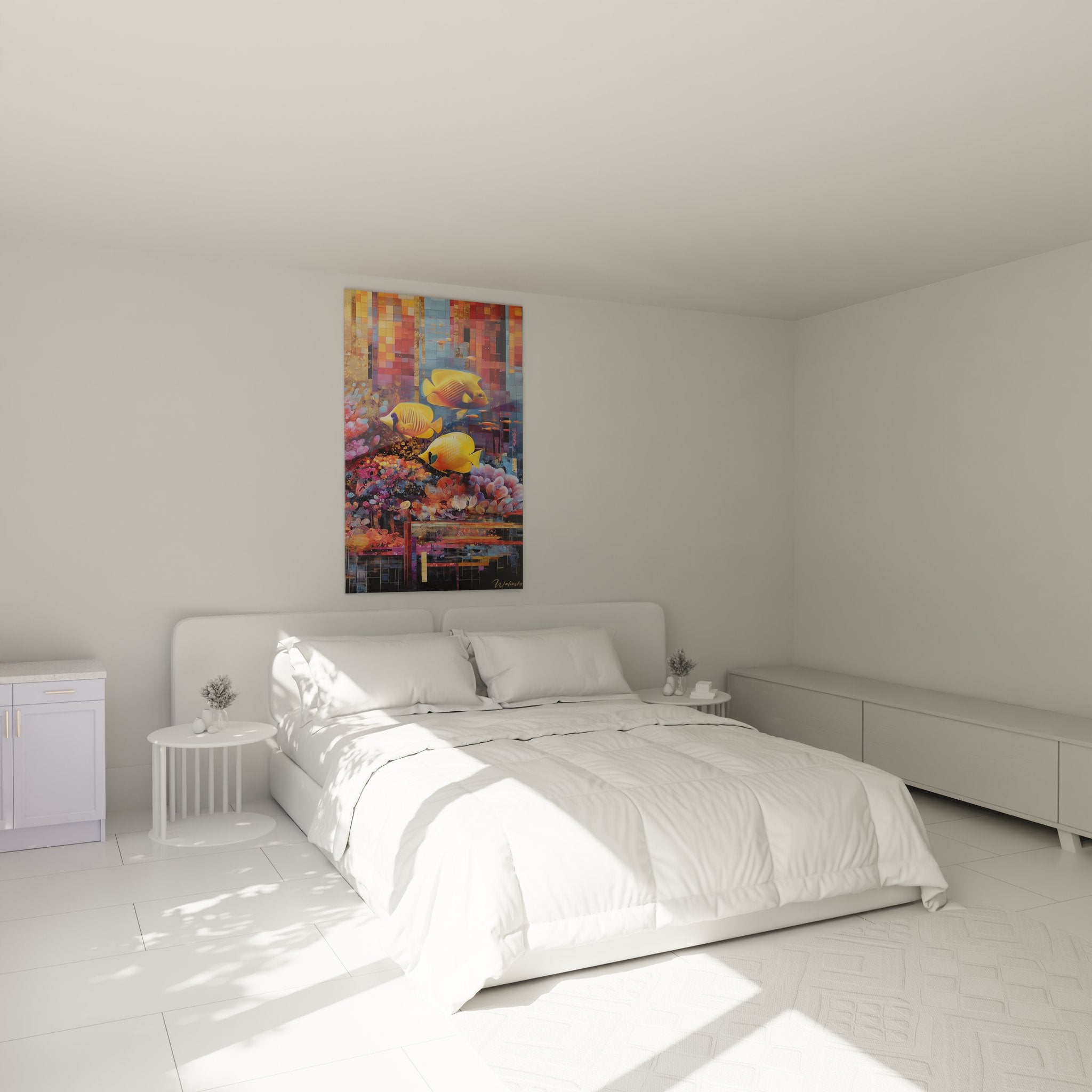
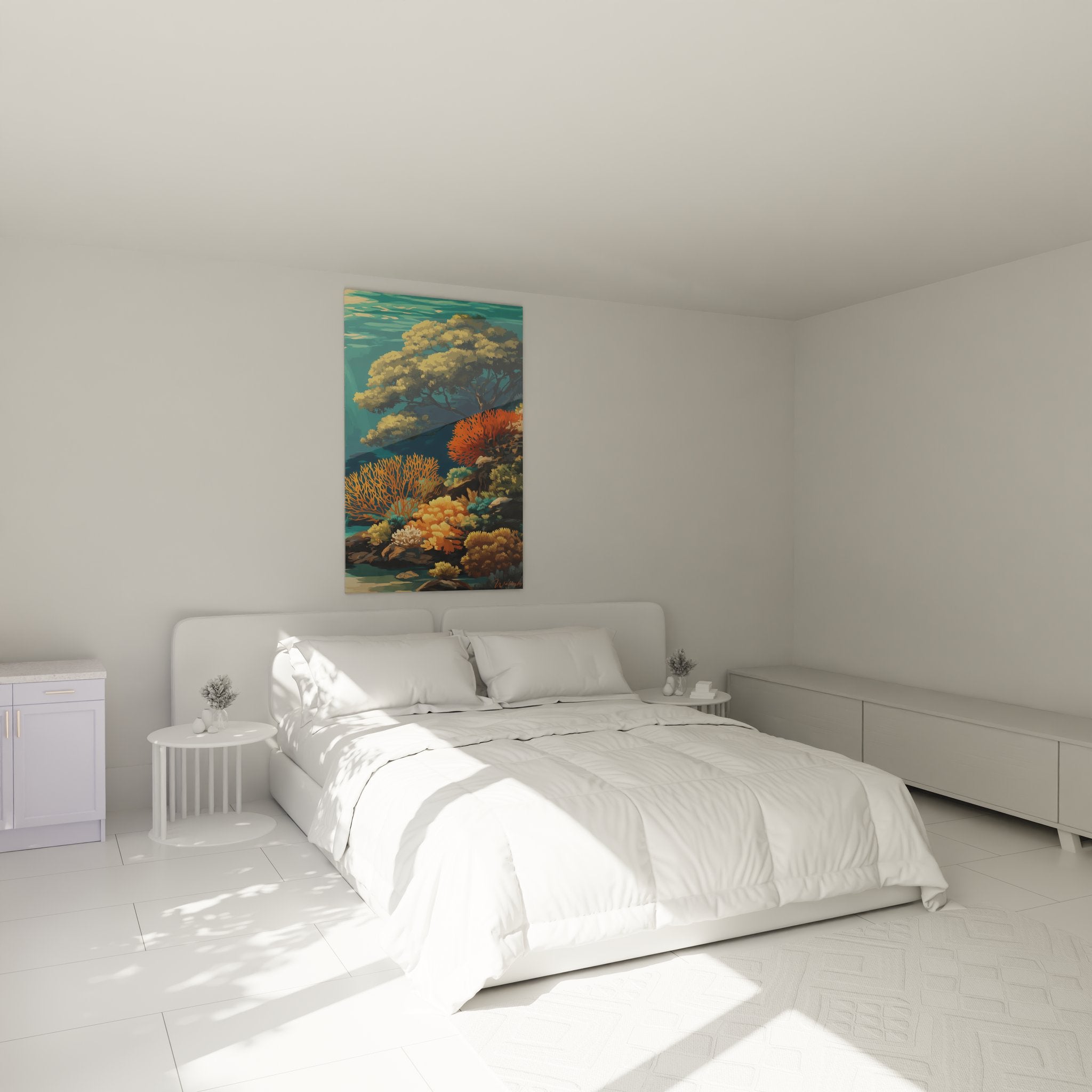
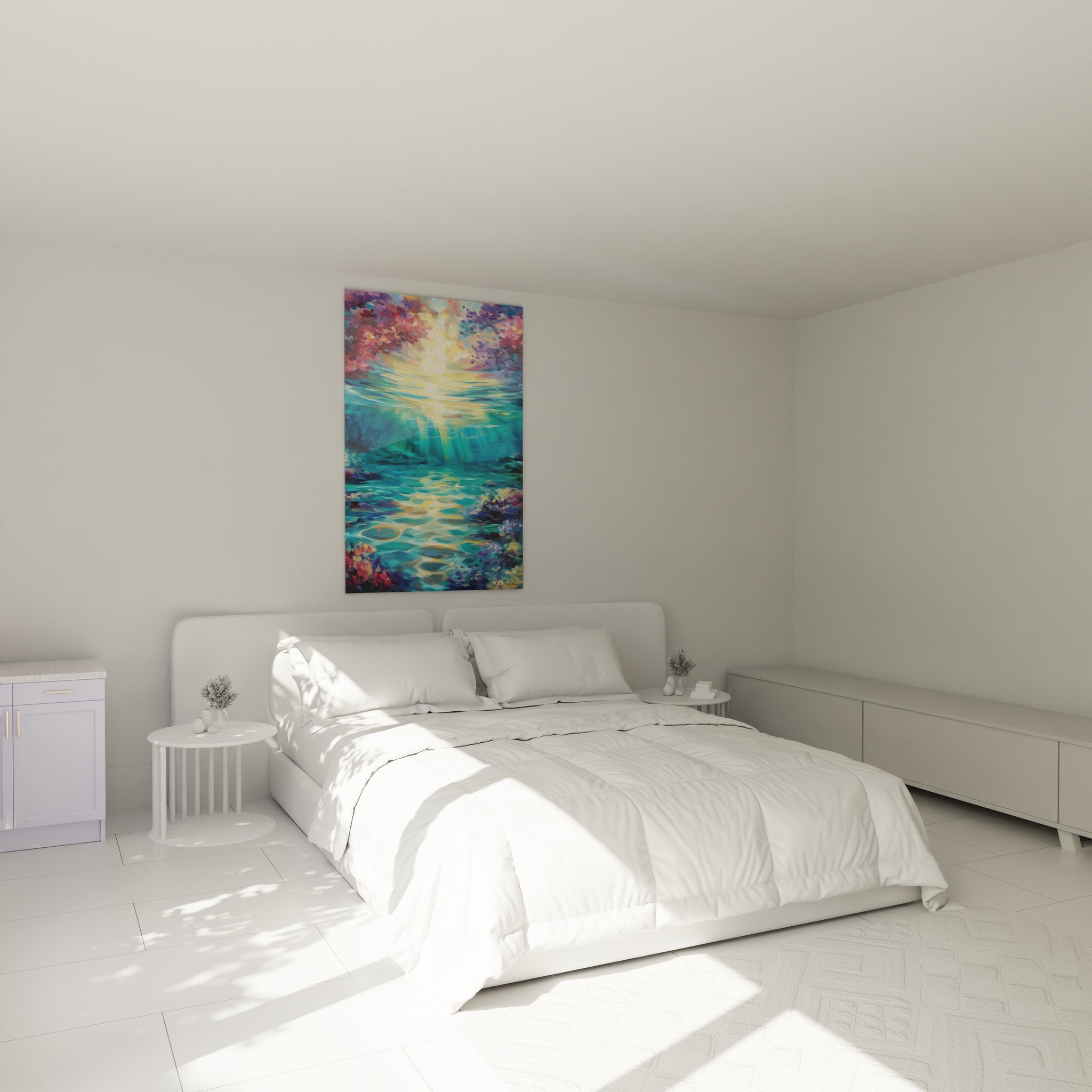
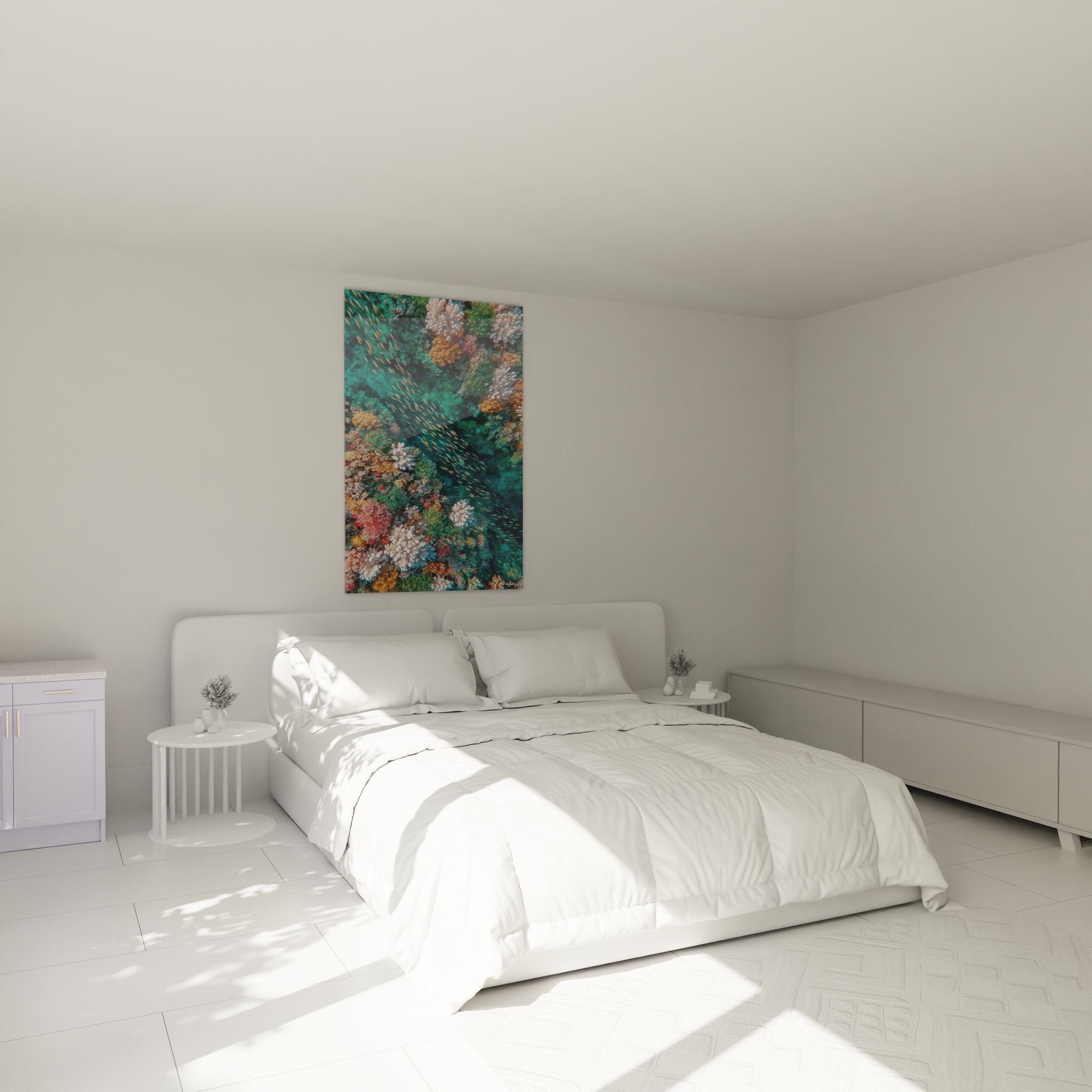
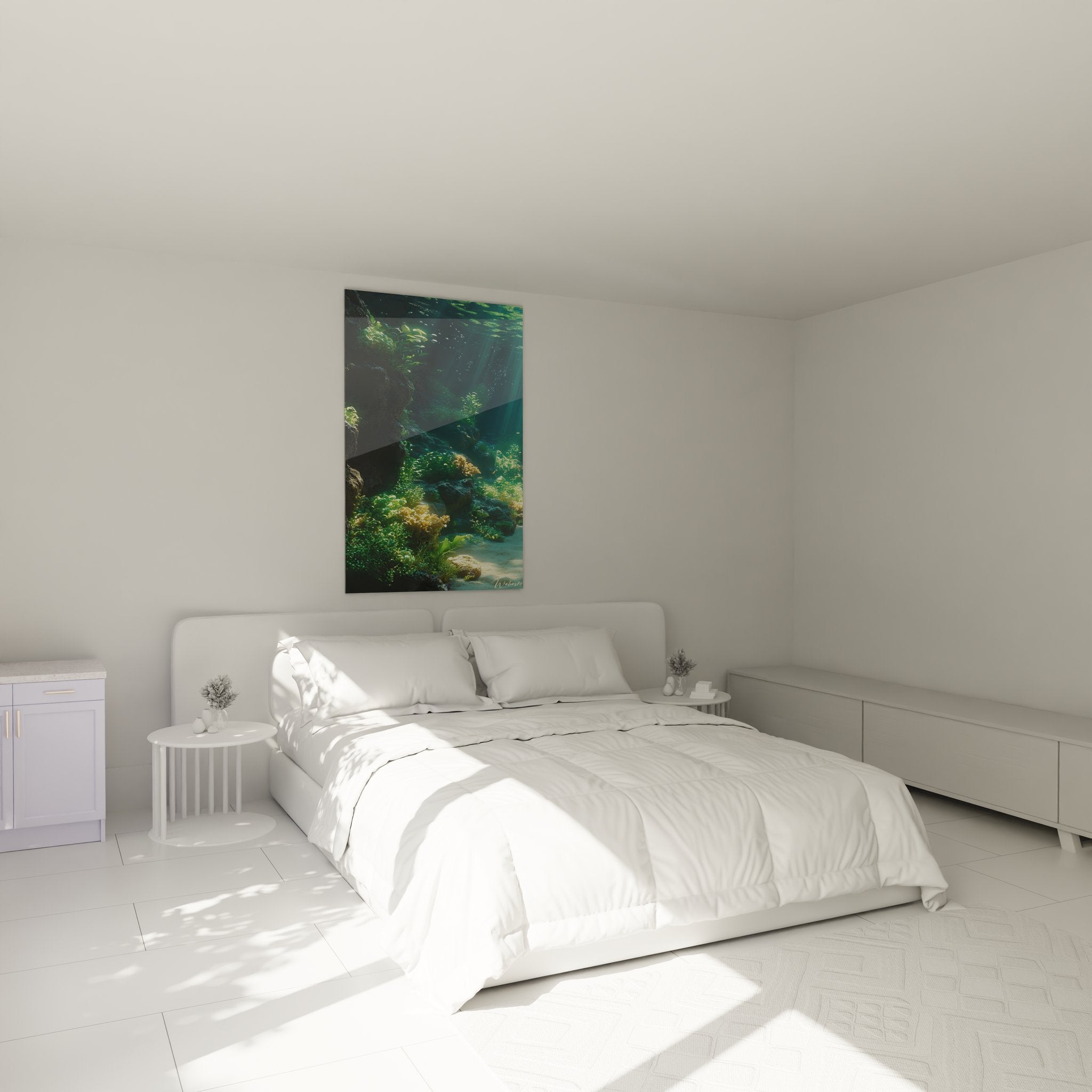
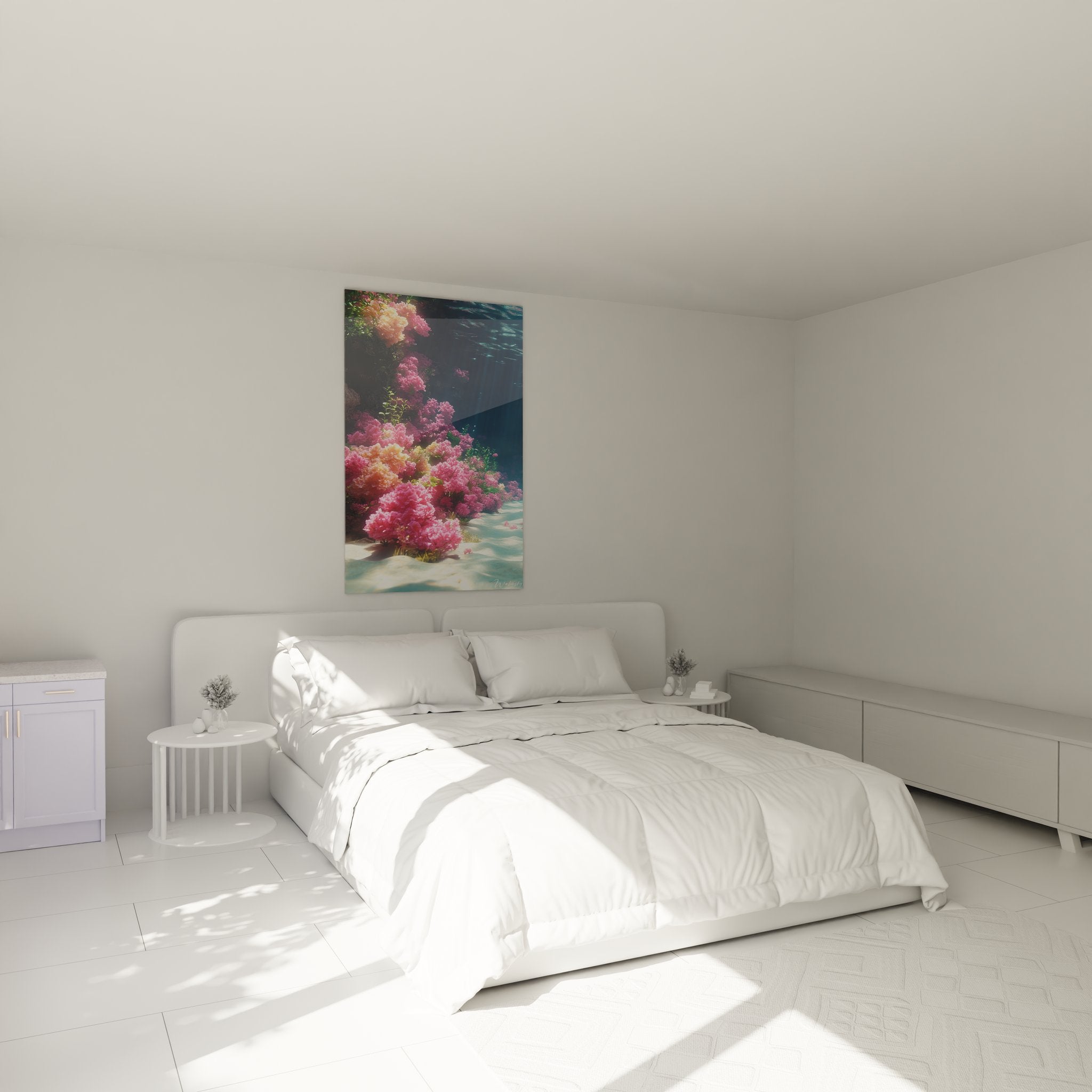
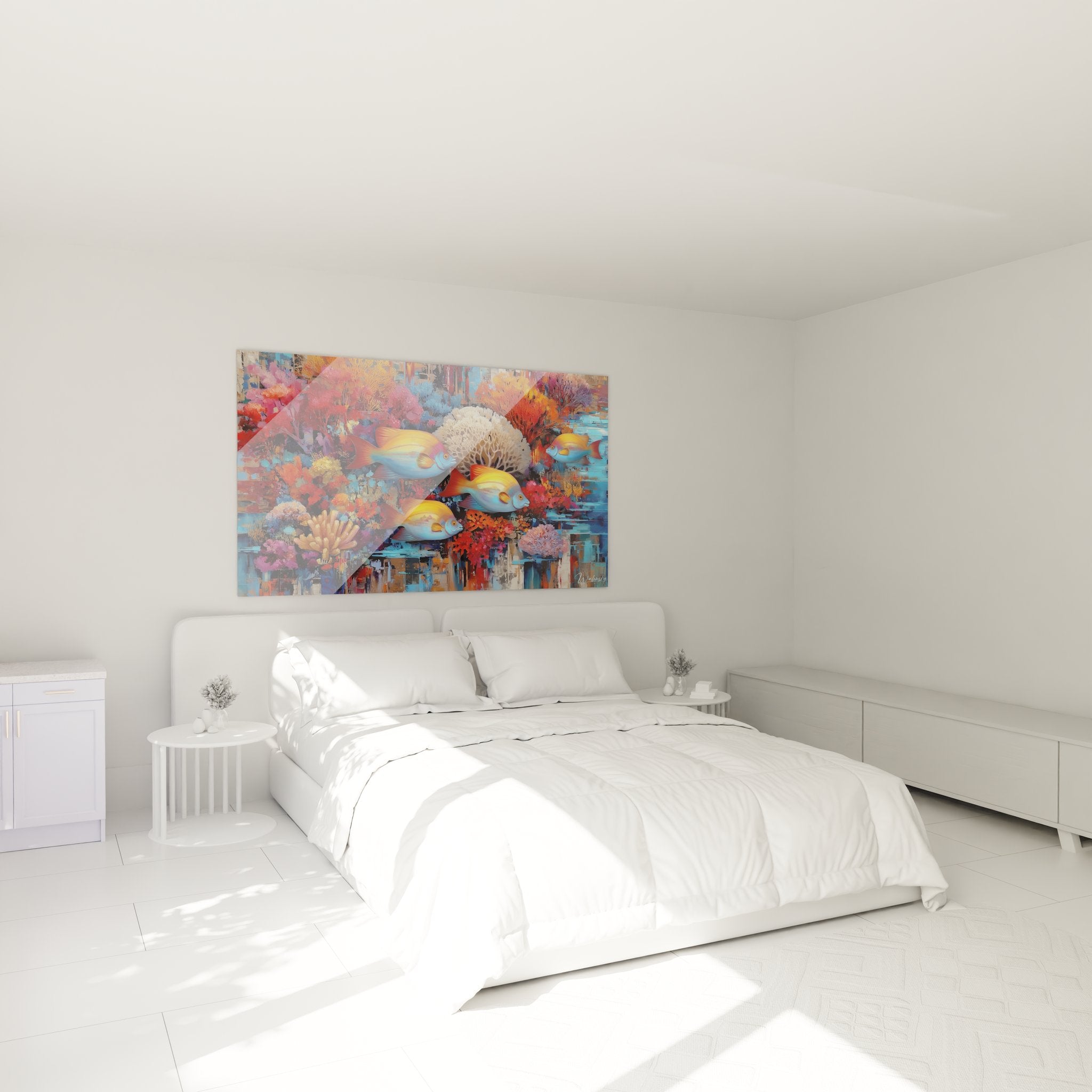
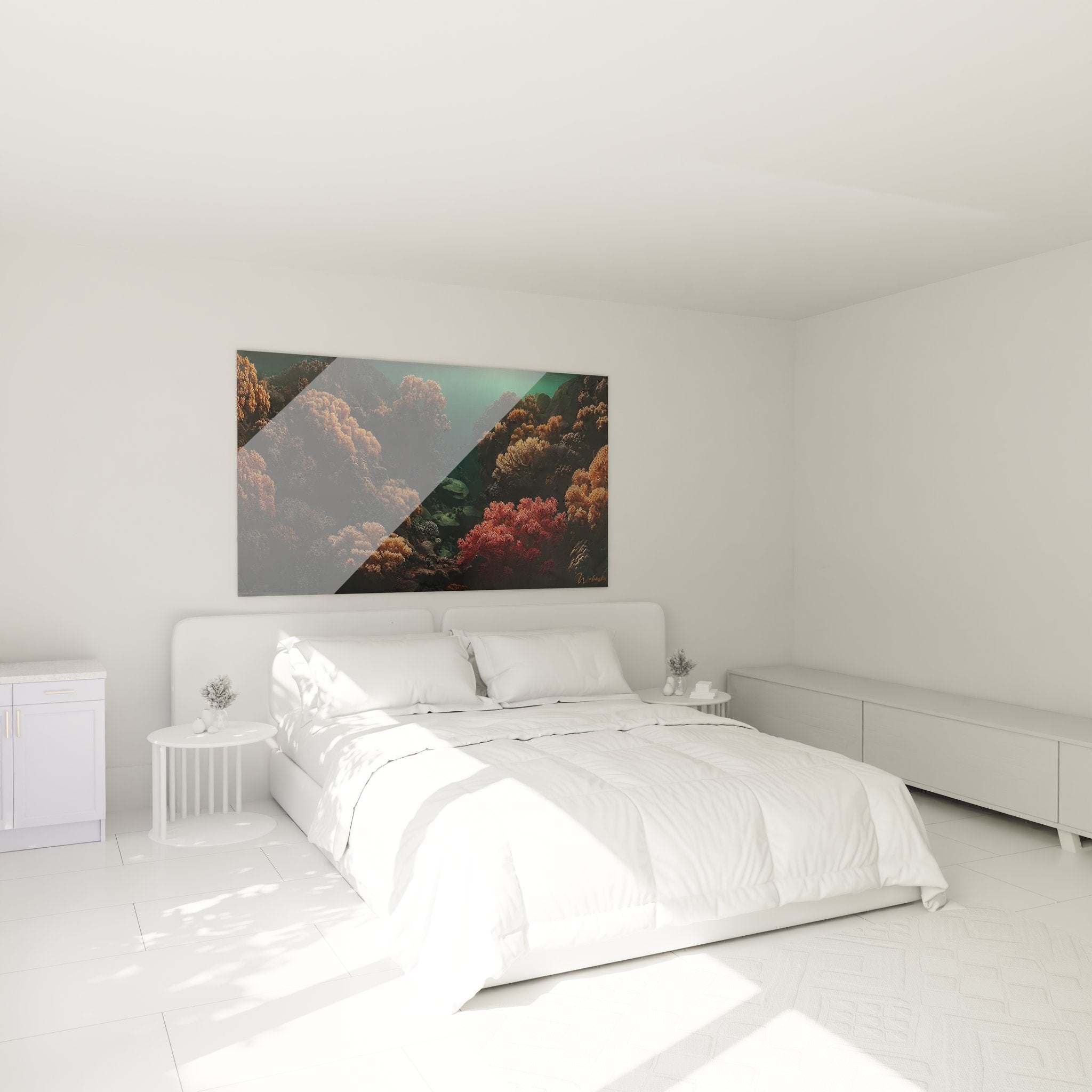
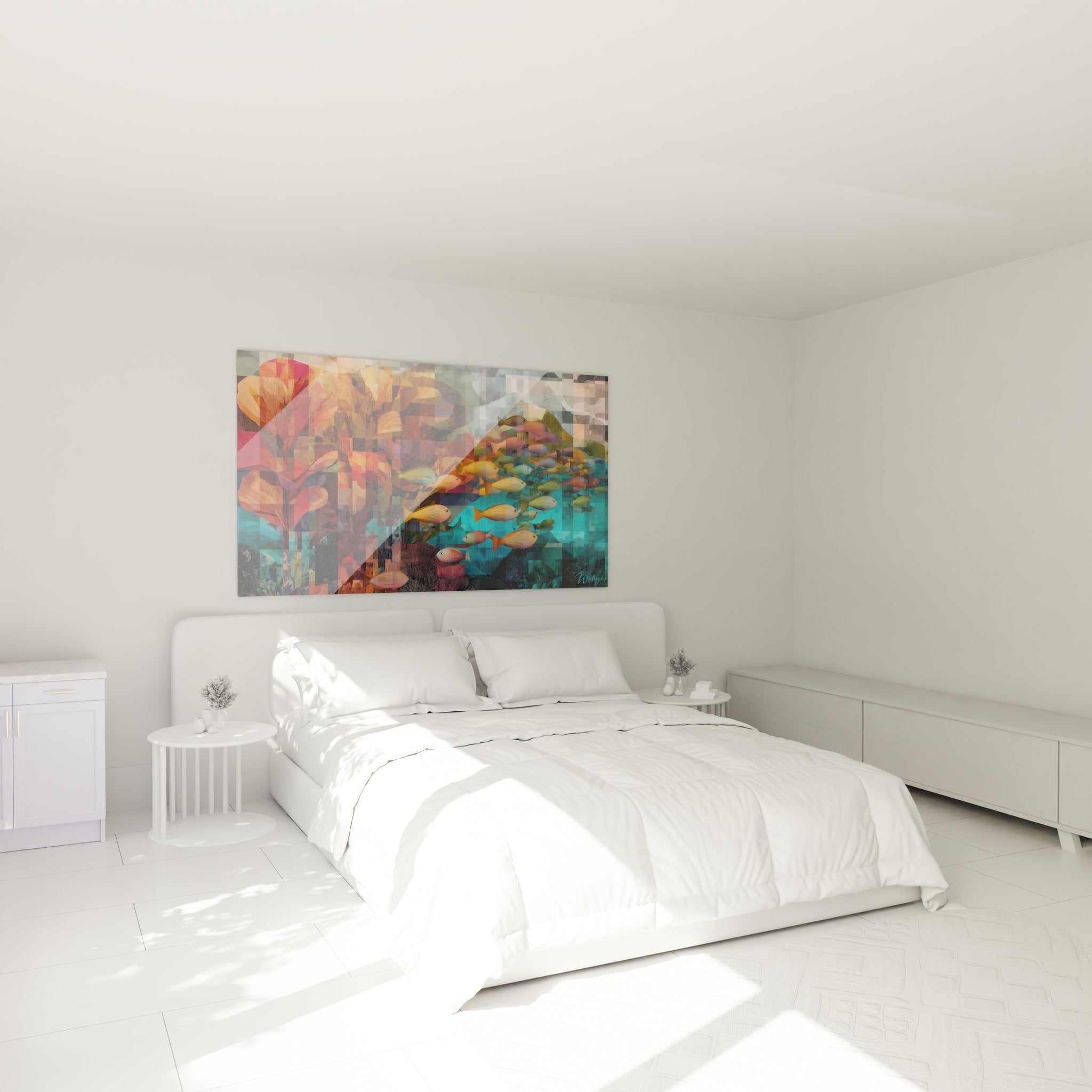
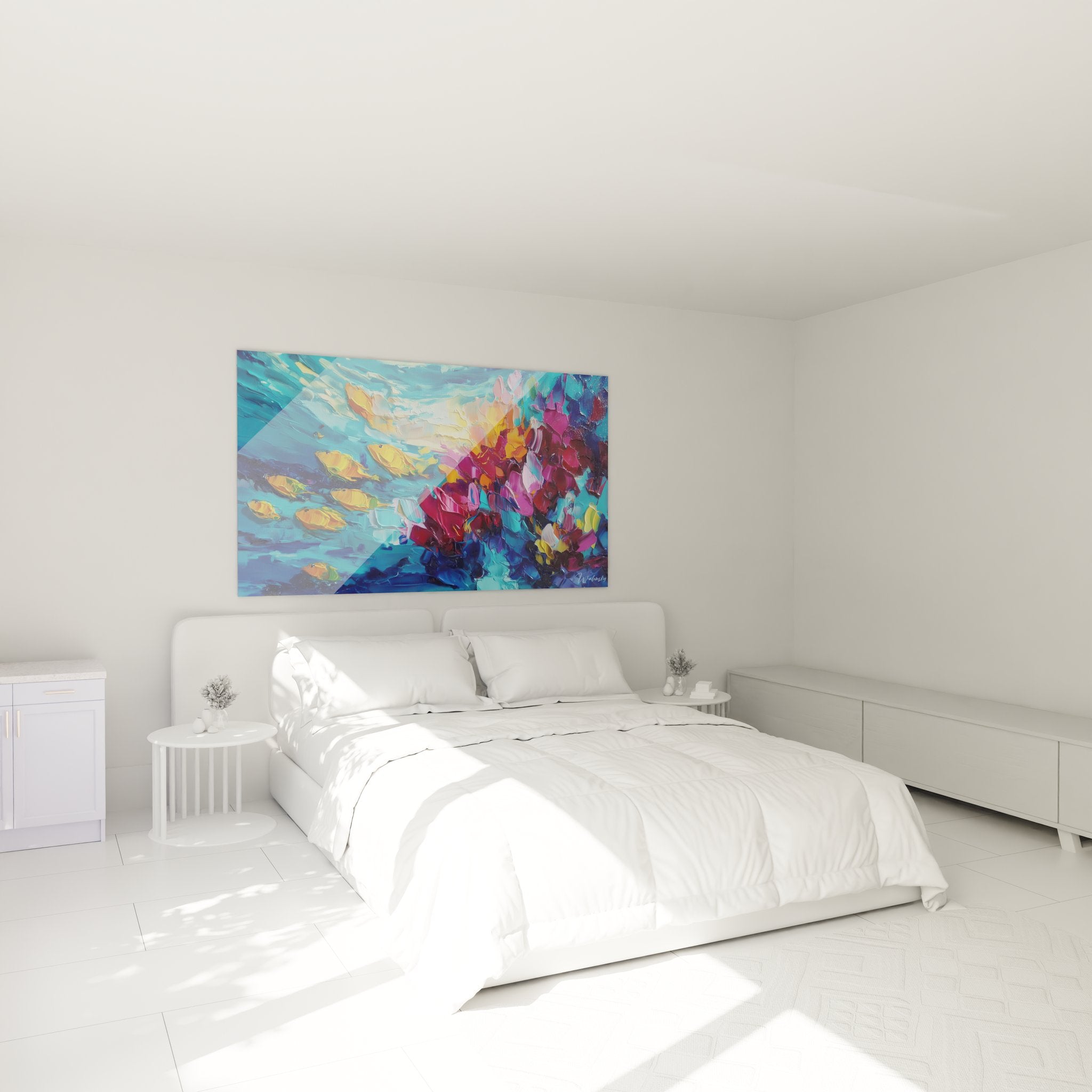
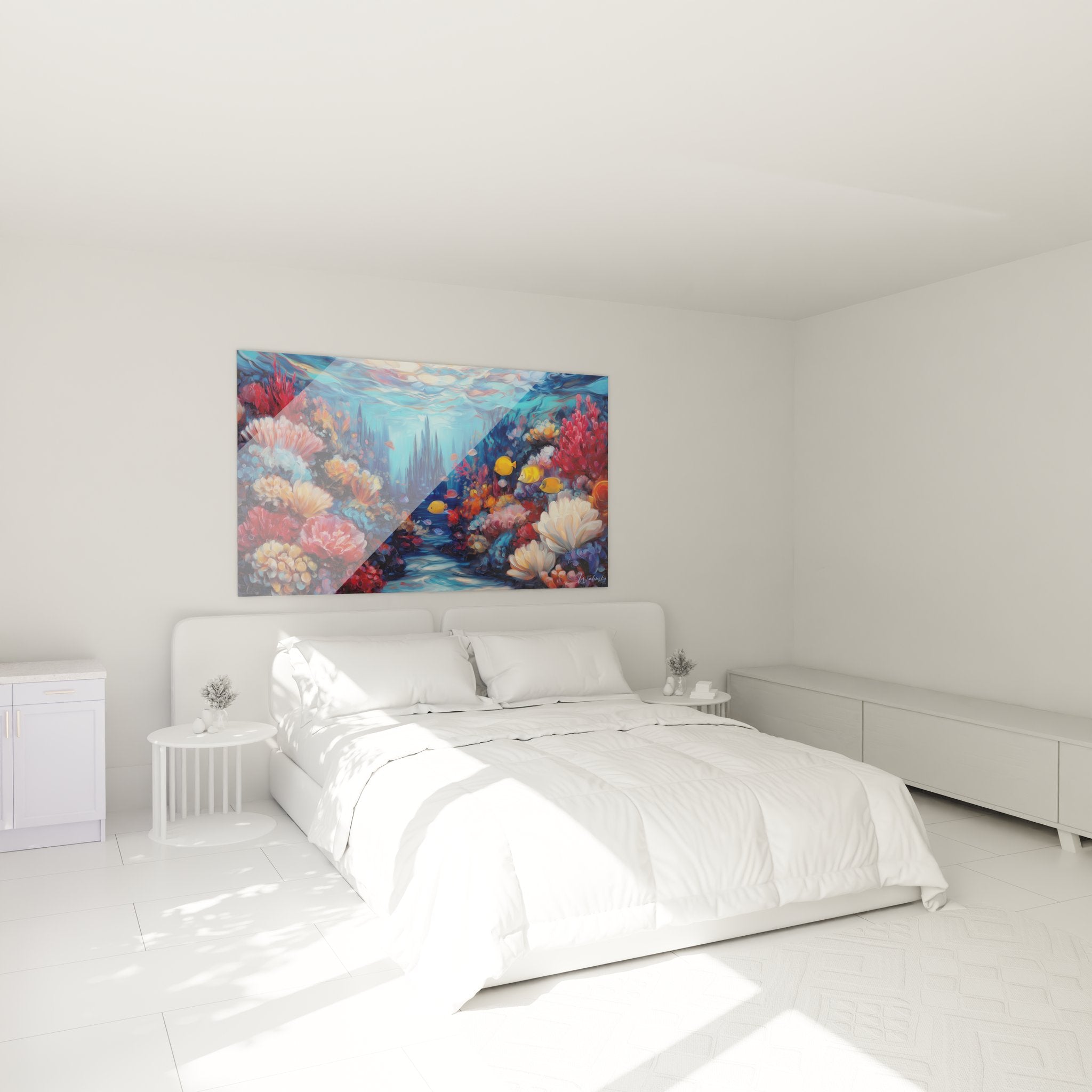
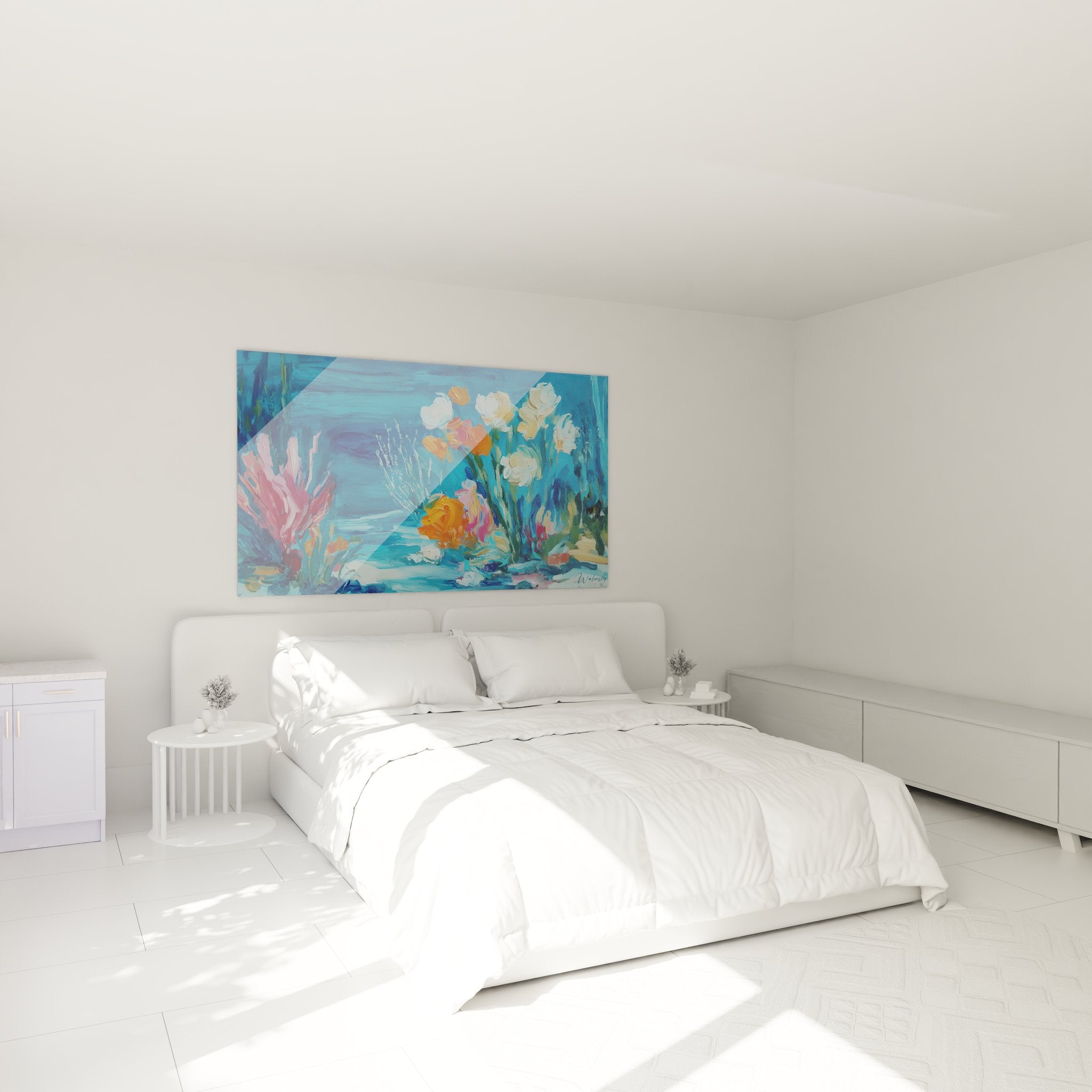
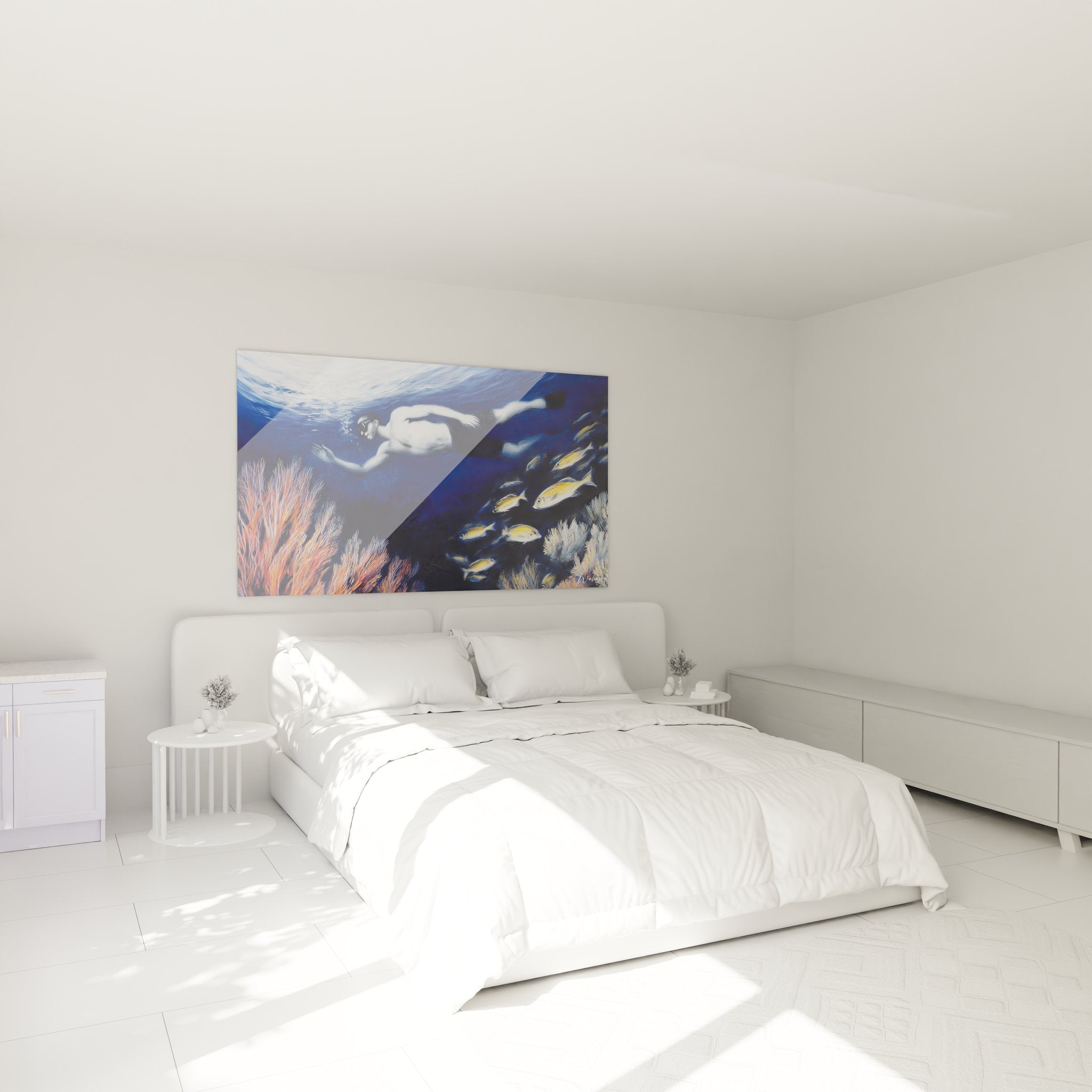
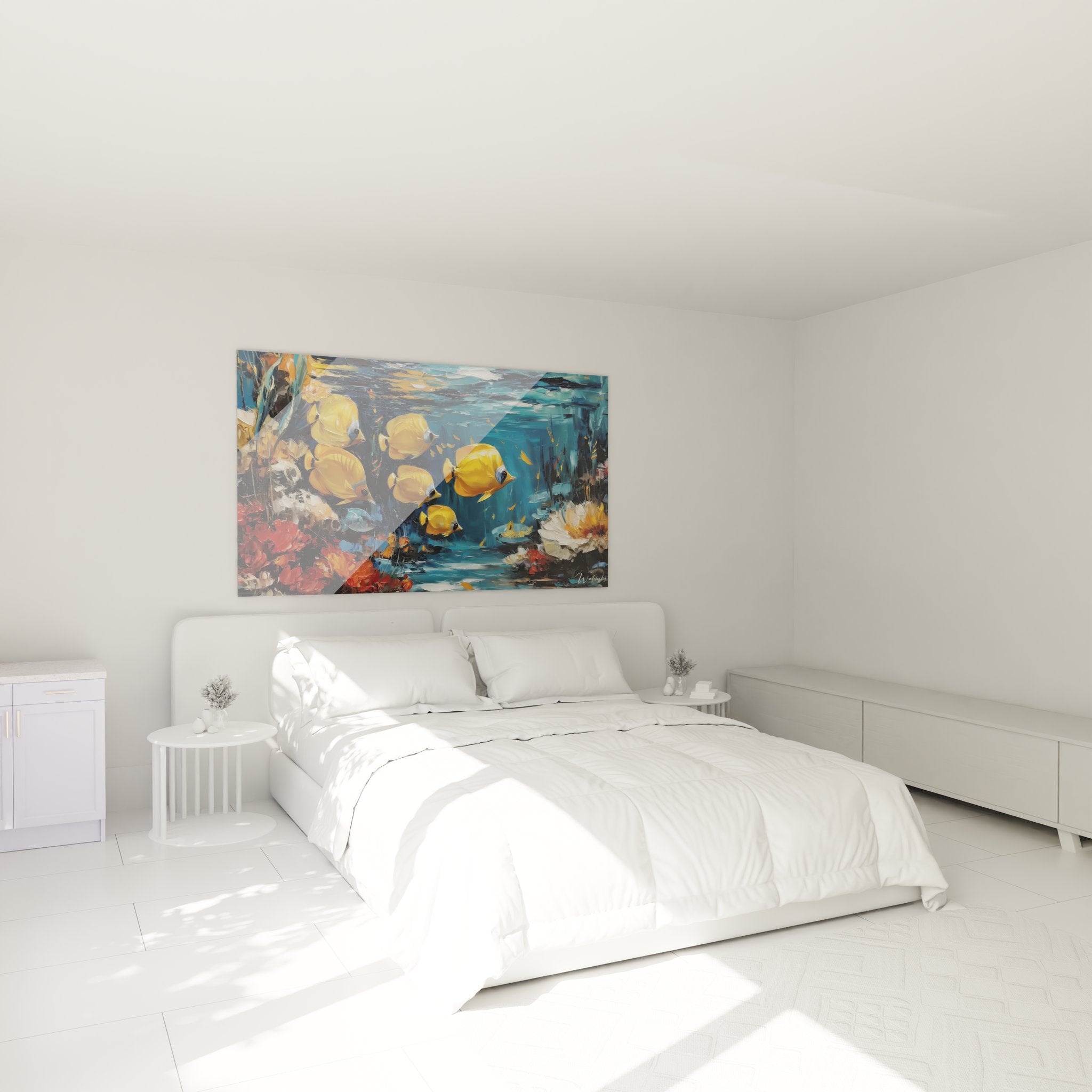
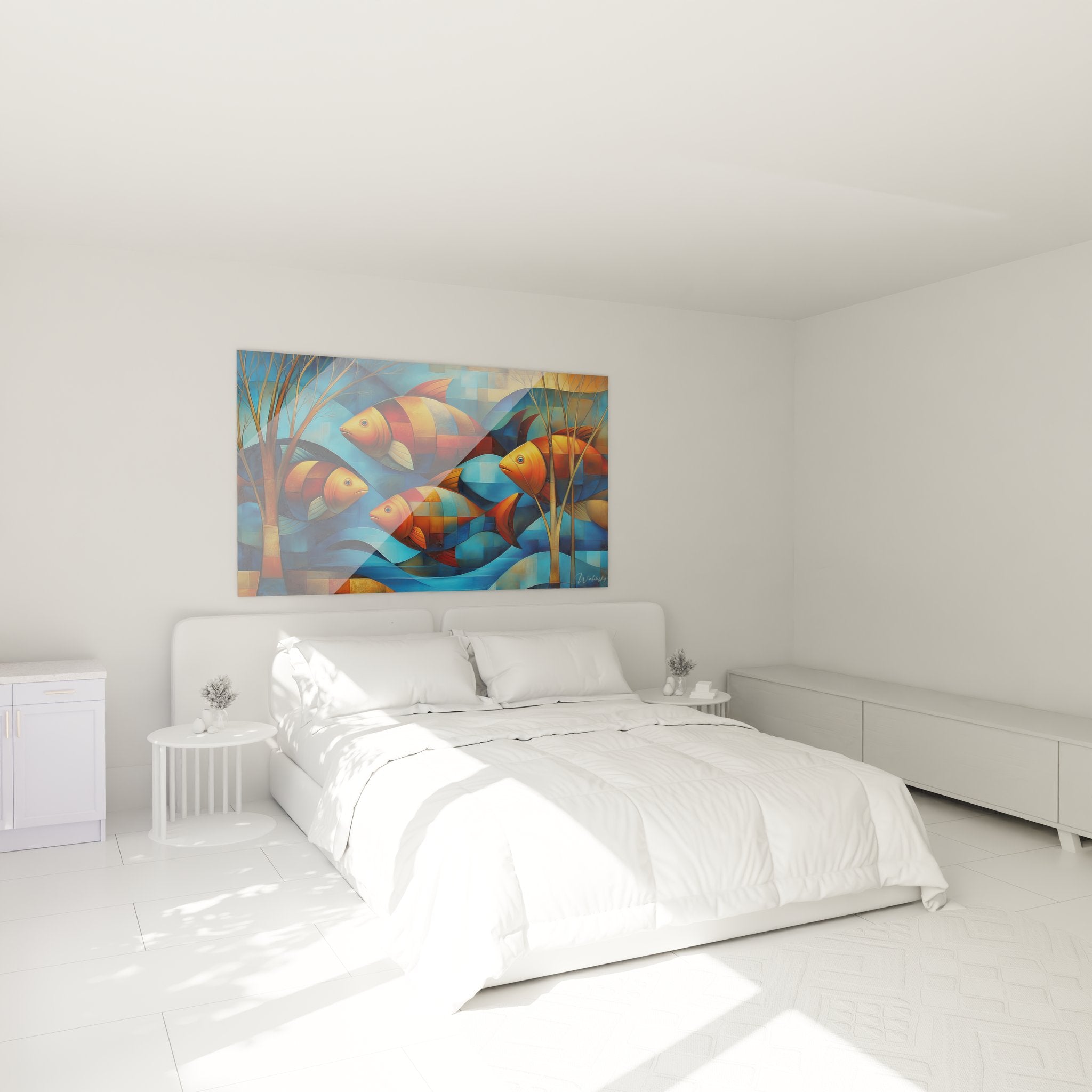
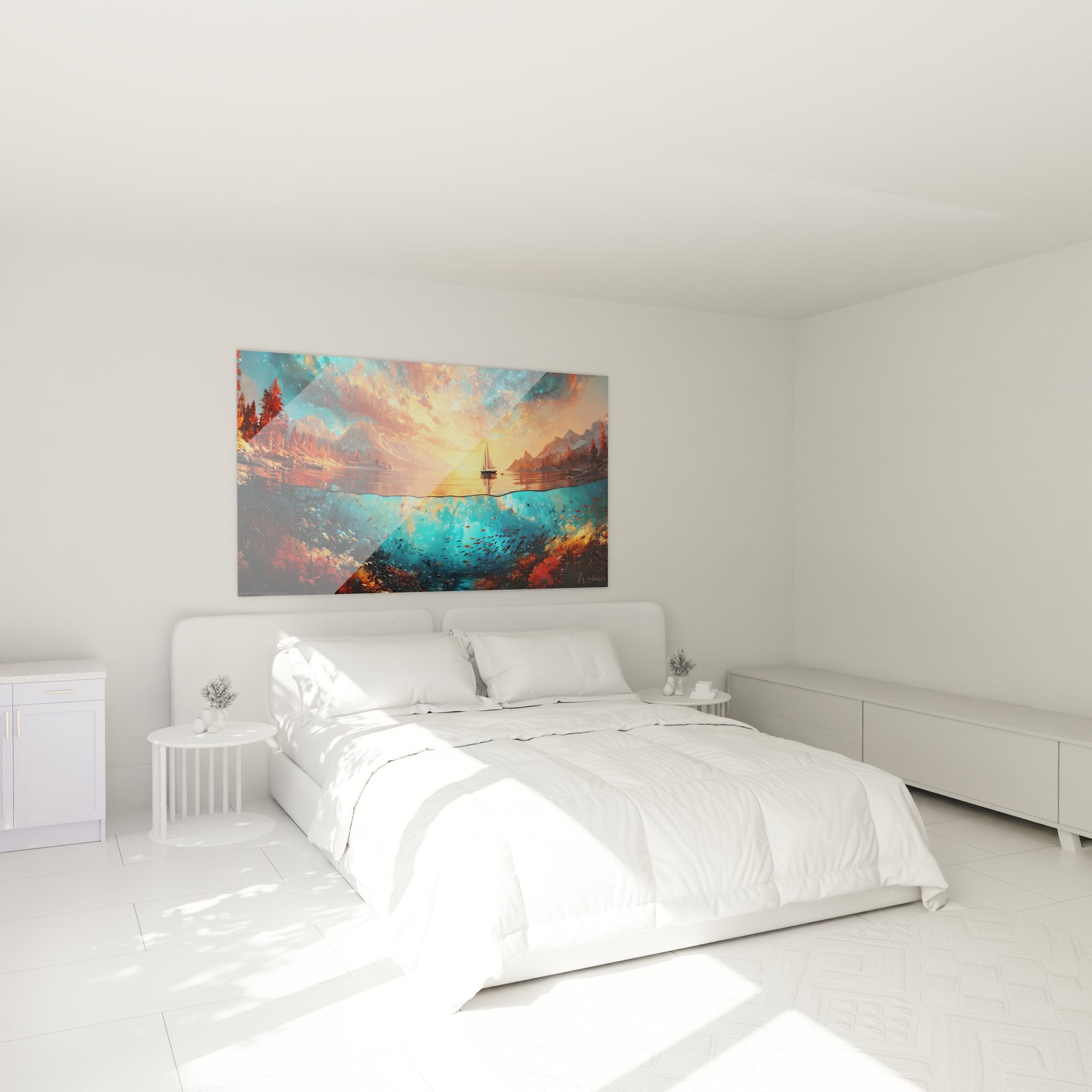
For specific configurations like bedrooms, the wall facing the bed allows prolonged contemplation upon waking and before sleep, maximizing soothing effect. In living rooms, the wall opposite the main seating area creates natural focal point structuring the entire space arrangement around this major aquatic presence.
FAQ: Frequently Asked Questions About Seabed Wall Art
Are seabed wall paintings suitable for humid rooms like bathrooms?
Marine representations naturally integrate into spacious bathrooms, creating obvious thematic coherence. Favor humidity-resistant supports and ensure adequate ventilation to preserve installation longevity. Monumental formats require generous bath spaces to avoid visual overload effect.
How to maintain large-format seabed wall art?
Regular dusting with dry microfiber cloth generally suffices. For larger surfaces, use telescopic feather duster allowing access to entire zone without excessive handling. Avoid aggressive chemicals that could alter characteristic marine colors, particularly blue nuances sensitive to certain solvents.
Can multiple seabed paintings be combined in the same space?
Creating multi-panel mural composition works remarkably with ocean scenes, allowing representation of horizontal continuity characteristic of underwater landscapes. Favor complementary scenes representing different depths or marine zones to create progressive visual narrative. Minimal spacing between panels preserves overall fluidity.
Are seabed wall paintings suitable for professional spaces?
Professional environments considerably benefit from the soothing effect of aquatic representations, particularly in stress-generating sectors: medical offices, physiotherapy centers, reception areas, waiting rooms. Monumental format dimensions suit generous volumes of reception halls and corporate common spaces.