


Manta Ray Wall Art
Dive into the depths with our painting ray manta ray, celebrating these ocean giants with unparalleled grace. Each artwork captures the marine elegance and the hypnotic dance of these majestic creatures from the abyss. These artistic creations enhance the fluid beauty and serenity of the manta ray, creating a window into the mysterious world of the oceans and their extraordinary fauna.
 Manta Ray Stripe Terracotta and Beige Painting with Sculpted Waves - Coiled Tail Spiral - Manta Ray Edition273,90 €
 Ray Manta Stripe Navy Blue and White Painting on Pale Gray Background - Scattered Gold Shimmers - Ray Manta Edition273,90 €
 Vivid Pink and Yellow Ray Manta Painting - Solar Dance - Ray Manta Edition273,90 €
 Ray Manta Pink and Turquoise Geometric Painting - Underwater Awakening - Ray Manta Edition273,90 €
 Ray Painting Blue and White Striped Geometric Fragmented - Vertical Cubist Facets - Ray Stripe Edition273,90 €
 Stylized Ray Manta Painting Turquoise and Red - Tropical Graphic Dance - Ray Manta Edition273,90 €
 Ray Manta Stripe Anthracite with Amber Splashes - Floating Volume - Ray Manta Edition273,90 €
 Ray Manta Stripe Painting in Anthracite and Copper with Ink Splashes - Piercing Feline Gaze - Ray Manta Edition273,90 €
 Ray Painting Ivory and Turquoise on Geometric Shapes - Minimalist Orange Circle - Ray Manta Edition242,90 €
 White and Gold Manta Ray Painting - Textured Impasto with Palette Knife - Manta Ray Edition242,90 €
 Painting Blue and Black Ray with Twirling White Splashes - Curved Tail in a Spiral - Ray Edition242,90 €
 Golden Manta Ray Bursting from the Foam Painting - Sparkling Flight - Manta Ray Edition242,90 €
 Spotted Ray with Blue and White Stripes near Coral - Scattered Orange Fish - Manta Ray Edition242,90 €
 Black and Grey Ray Under Vertical Beam - Column of Light - Ray Manta Edition242,90 €
 Painting Ray Manta Grey and Orange in Motion - Surge of Depths - Ray Manta Edition242,90 €
 Ray Manta Stripe Painting in a Pictorial Explosion - Central Paint Burst - Ray Manta Edition242,90 €
 Painting Black and Beige Ray Manta with Foam Splashes - Sanded Textured Impasto - Ray Manta Edition242,90 €
 Black Manta Ray Painting with Orange and Blue Tones - Flaming Passage - Raie Manta Edition242,90 €
 Spotted Ray Turquoise and Copper Painting Between Rocks - Extended Cephalic Horns - Manta Ray Edition242,90 €
 Spotted Ray Black and Cream Near Rocks Painting - Scattered Red Fish - Manta Ray Edition273,90 €
 Black and Gold Ray Manta Painting with Symmetrical Butterflies - Central Filigree Pattern - Ray Manta Edition273,90 €
 Painting Ray Manta Grey and Brown Splattered with Ink - Pristine White Background - Ray Manta Edition273,90 €
 Ray Manta Stripe Ornamental with Blue and Gold Swirls - Dance of Currents - Ray Manta Edition273,90 €
 Ray Manta Stripe Ivory with Turquoise Wings - Silent Glide - Ray Manta Edition273,90 €
In the same family
Also explore the theme Animals
-
 View all10974
artworks
View all10974
artworks
-
 Bee54
artworks
Bee54
artworks
-
 Eagle18
artworks
Eagle18
artworks
-
 Alpaca111
artworks
Alpaca111
artworks
-
 Donkey15
artworks
Donkey15
artworks
-
 Savannah Wildlife94
artworks
Savannah Wildlife94
artworks
-
 Antelope5
artworks
Antelope5
artworks
-
 Spider8
artworks
Spider8
artworks
-
 Other Animals24
artworks
Other Animals24
artworks
-
 Ostrich75
artworks
Ostrich75
artworks
-
 Axolotl47
artworks
Axolotl47
artworks
-
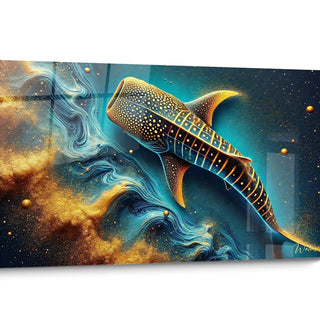 Whale89
artworks
Whale89
artworks
-
 Barracuda61
artworks
Barracuda61
artworks
-
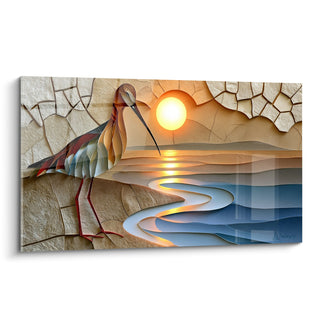 Snipe32
artworks
Snipe32
artworks
-
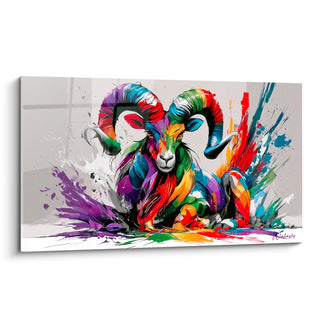 Ram315
artworks
Ram315
artworks
-
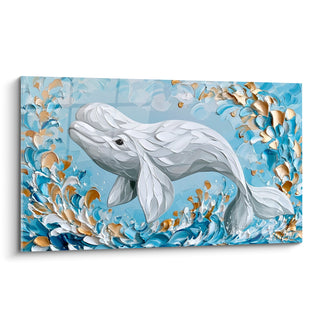 Beluga169
artworks
Beluga169
artworks
-
 Hermit-Crab12
artworks
Hermit-Crab12
artworks
-
 Doe10
artworks
Doe10
artworks
-
 Bison8
artworks
Bison8
artworks
-
 Badger59
artworks
Badger59
artworks
-
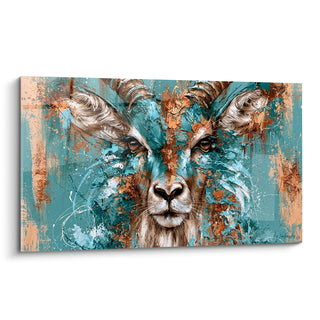 Chamois32
artworks
Chamois32
artworks
-
 Buffalo91
artworks
Buffalo91
artworks
-
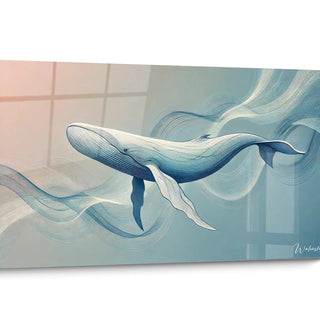 Sperm Whale8
artworks
Sperm Whale8
artworks
-
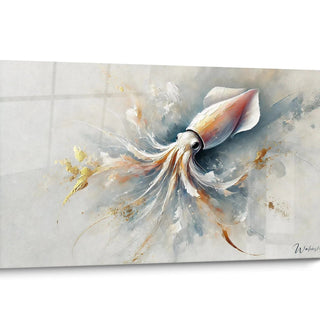 Giant Squid6
artworks
Giant Squid6
artworks
-
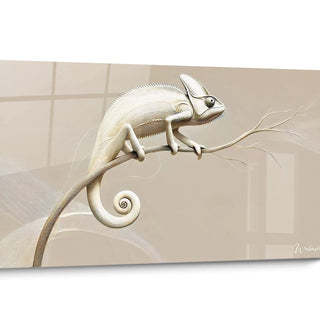 Chameleon20
artworks
Chameleon20
artworks
-
 Duck352
artworks
Duck352
artworks
-
 Capybara3
artworks
Capybara3
artworks
-
 Caracal15
artworks
Caracal15
artworks
-
 Caribou4
artworks
Caribou4
artworks
-
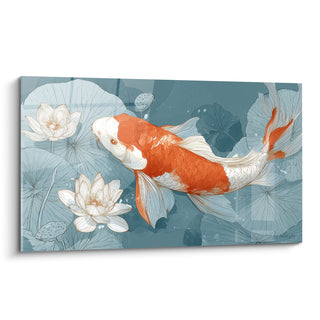 Koi Carp130
artworks
Koi Carp130
artworks
-
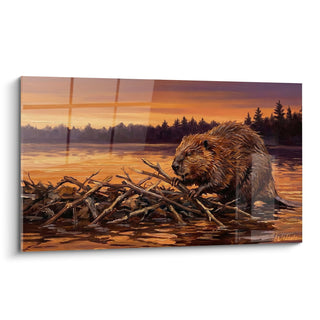 Beaver9
artworks
Beaver9
artworks
-
 Deer26
artworks
Deer26
artworks
-
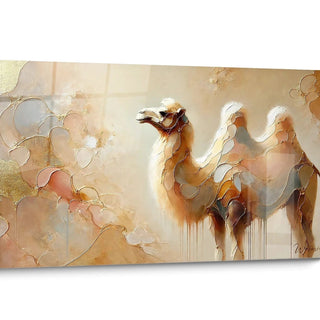 Camel3
artworks
Camel3
artworks
-
 Cat1218
artworks
Cat1218
artworks
-
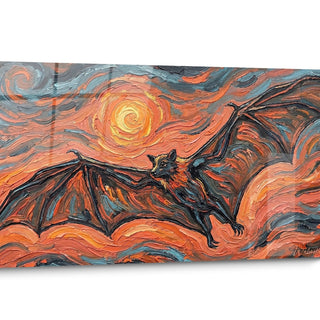 Bat10
artworks
Bat10
artworks
-
 Horse73
artworks
Horse73
artworks
-
 Mountain Goat3
artworks
Mountain Goat3
artworks
-
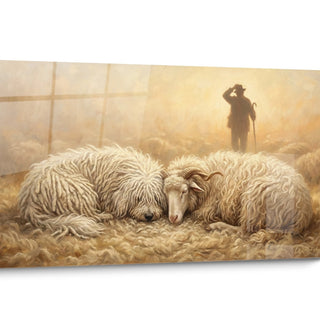 Dog3055
artworks
Dog3055
artworks
-
 Chimpanzee12
artworks
Chimpanzee12
artworks
-
 Owl19
artworks
Owl19
artworks
-
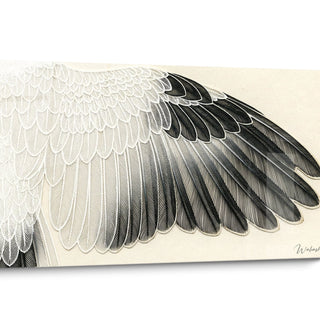 Stork16
artworks
Stork16
artworks
-
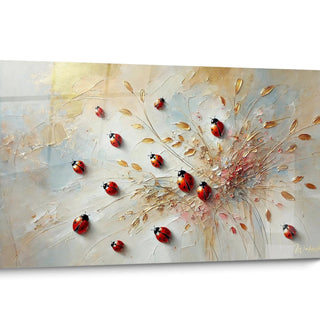 Ladybug7
artworks
Ladybug7
artworks
-
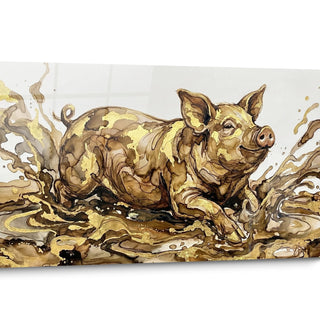 Pig8
artworks
Pig8
artworks
-
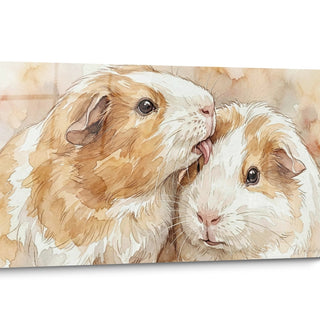 Guinea Pig13
artworks
Guinea Pig13
artworks
-
 Hummingbird23
artworks
Hummingbird23
artworks
-
 Dove90
artworks
Dove90
artworks
-
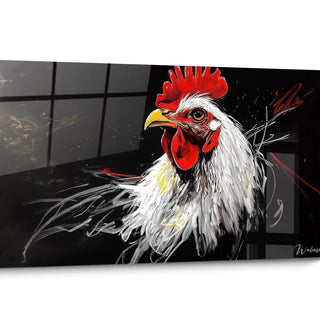 Rooster9
artworks
Rooster9
artworks
-
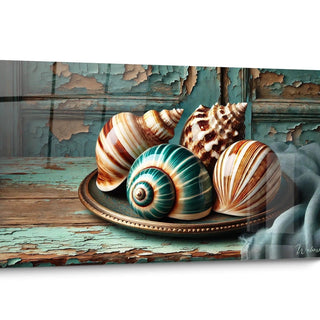 Seashell6
artworks
Seashell6
artworks
-
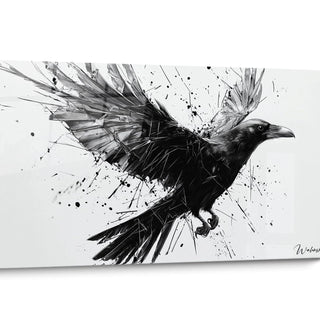 Raven9
artworks
Raven9
artworks
-
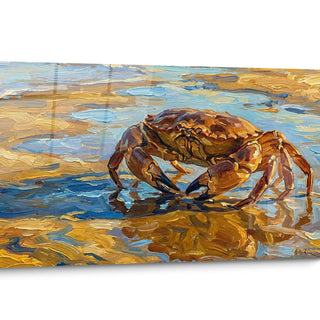 Crab5
artworks
Crab5
artworks
-
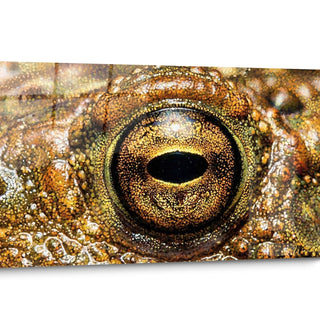 Toad8
artworks
Toad8
artworks
-
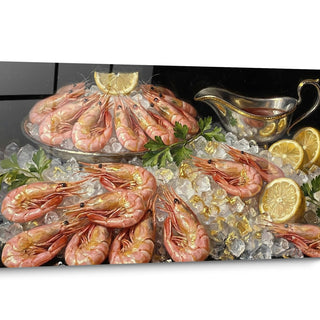 Shrimp5
artworks
Shrimp5
artworks
-
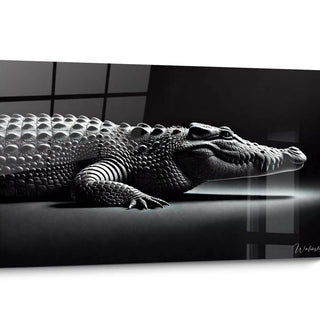 Crocodile4
artworks
Crocodile4
artworks
-
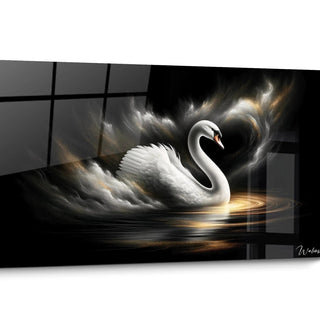 Swan189
artworks
Swan189
artworks
-
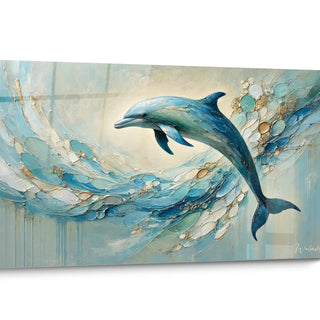 Dolphin11
artworks
Dolphin11
artworks
-
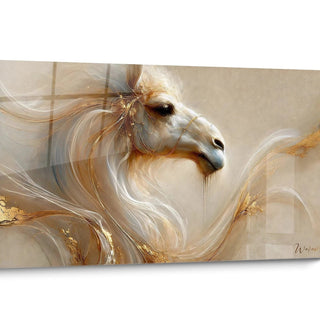 Dromedary4
artworks
Dromedary4
artworks
-
 Squirrel15
artworks
Squirrel15
artworks
-
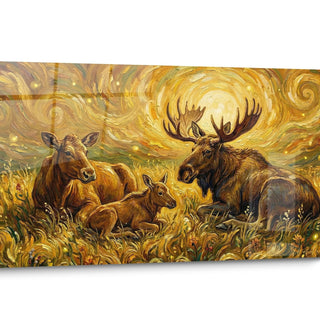 Elan13
artworks
Elan13
artworks
-
 Elephant80
artworks
Elephant80
artworks
-
 Snail11
artworks
Snail11
artworks
-
 Swordfish4
artworks
Swordfish4
artworks
-
 Wild Essence25
artworks
Wild Essence25
artworks
-
 Starfish19
artworks
Starfish19
artworks
-
 Falcon16
artworks
Falcon16
artworks
-
 Fennec256
artworks
Fennec256
artworks
-
 Pink Flamingo30
artworks
Pink Flamingo30
artworks
-
 Ant19
artworks
Ant19
artworks
-
 Ferret17
artworks
Ferret17
artworks
-
 Gazelle4
artworks
Gazelle4
artworks
-
 Giraffe183
artworks
Giraffe183
artworks
-
 Wildebeest3
artworks
Wildebeest3
artworks
-
 Gorilla15
artworks
Gorilla15
artworks
-
 Frog65
artworks
Frog65
artworks
-
 Grizzly3
artworks
Grizzly3
artworks
-
 Crane10
artworks
Crane10
artworks
-
 Cheetah147
artworks
Cheetah147
artworks
-
 Hamster17
artworks
Hamster17
artworks
-
 Hedgehog64
artworks
Hedgehog64
artworks
-
 Heron37
artworks
Heron37
artworks
-
 Owl42
artworks
Owl42
artworks
-
 Seahorse34
artworks
Seahorse34
artworks
-
 Hippopotamus4
artworks
Hippopotamus4
artworks
-
 Lobster8
artworks
Lobster8
artworks
-
 Hyena14
artworks
Hyena14
artworks
-
 Iguana6
artworks
Iguana6
artworks
-
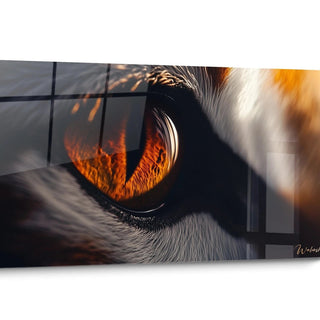 Animal Eye6
artworks
Animal Eye6
artworks
-
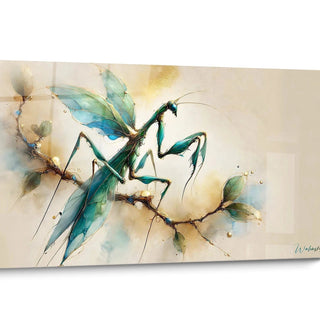 Insect5
artworks
Insect5
artworks
-
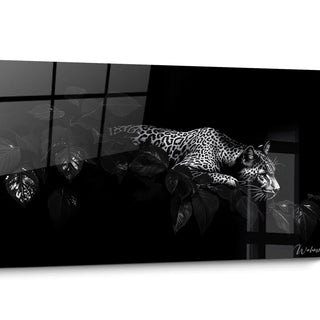 Jaguar6
artworks
Jaguar6
artworks
-
 Kangaroo100
artworks
Kangaroo100
artworks
-
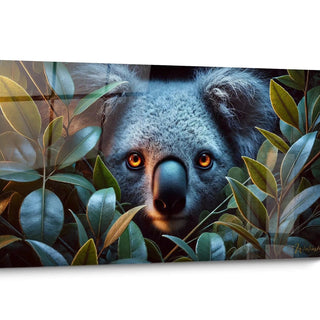 Koala18
artworks
Koala18
artworks
-
 Llama107
artworks
Llama107
artworks
-
 Rabbit15
artworks
Rabbit15
artworks
-
 Lemur3
artworks
Lemur3
artworks
-
 Dragonfly4
artworks
Dragonfly4
artworks
-
 Unicorn62
artworks
Unicorn62
artworks
-
 Lion193
artworks
Lion193
artworks
-
 Lion Cub4
artworks
Lion Cub4
artworks
-
 Lioness6
artworks
Lioness6
artworks
-
 Wolf13
artworks
Wolf13
artworks
-
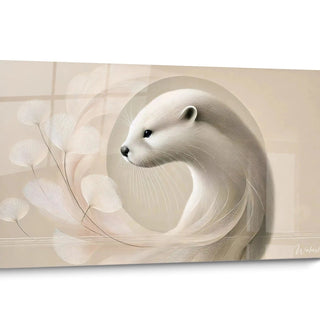 Otter6
artworks
Otter6
artworks
-
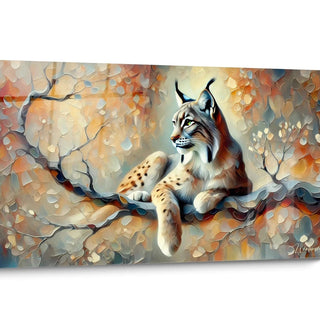 Lynx7
artworks
Lynx7
artworks
-
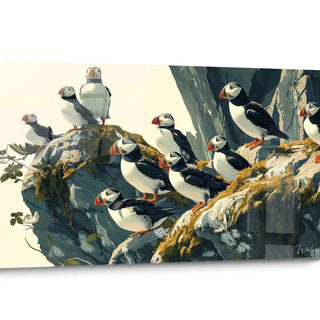 Puffin2
artworks
Puffin2
artworks
-
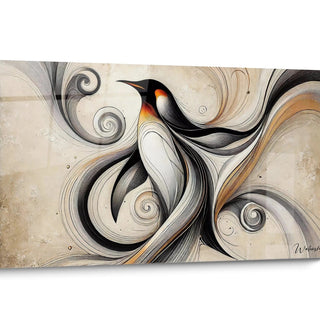 Penguin10
artworks
Penguin10
artworks
-
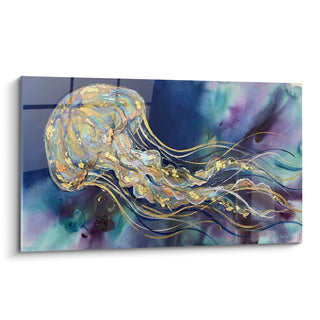 Jellyfish17
artworks
Jellyfish17
artworks
-
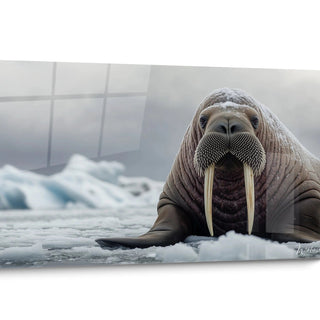 Morse3
artworks
Morse3
artworks
-
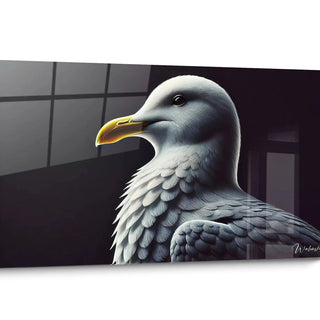 Seagull4
artworks
Seagull4
artworks
-
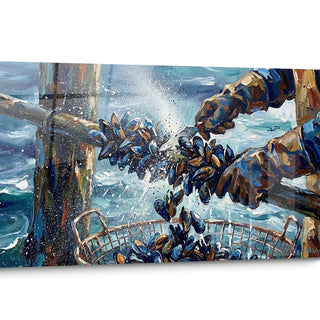 Mold14
artworks
Mold14
artworks
-
 Sheep6
artworks
Sheep6
artworks
-
 Narwhal66
artworks
Narwhal66
artworks
-
 Ocelot3
artworks
Ocelot3
artworks
-
 Birds15
artworks
Birds15
artworks
-
 Orangutan10
artworks
Orangutan10
artworks
-
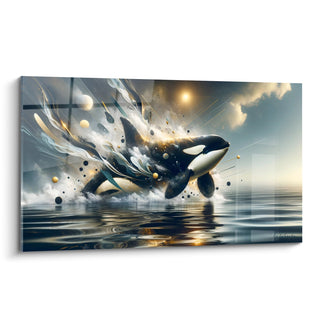 Orca28
artworks
Orca28
artworks
-
 Brown Bear334
artworks
Brown Bear334
artworks
-
 Polar Bear289
artworks
Polar Bear289
artworks
-
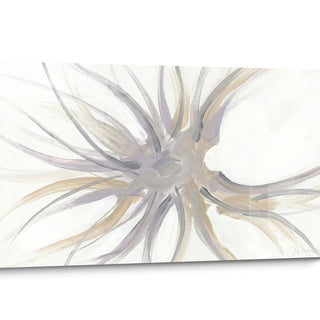 Sea Urchin9
artworks
Sea Urchin9
artworks
-
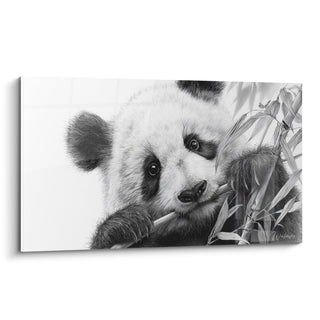 Giant Panda69
artworks
Giant Panda69
artworks
-
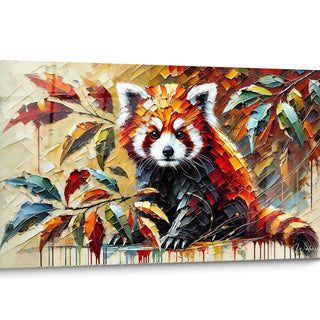 Red Panda11
artworks
Red Panda11
artworks
-
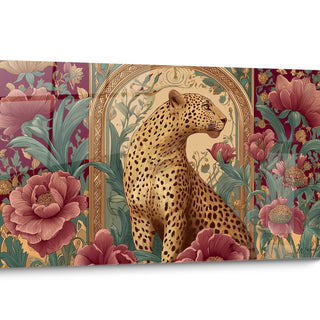 Panther19
artworks
Panther19
artworks
-
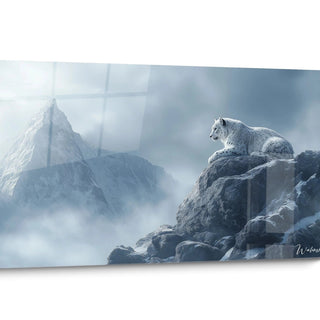 Snow Leopard8
artworks
Snow Leopard8
artworks
-
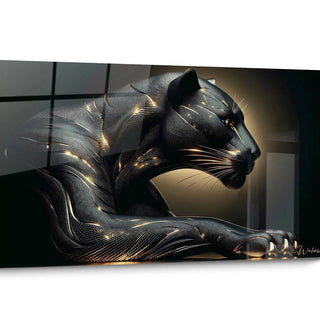 Black Panther10
artworks
Black Panther10
artworks
-
 Peacock128
artworks
Peacock128
artworks
-
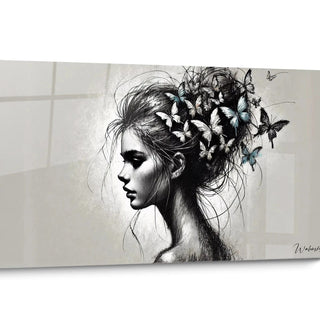 Butterfly14
artworks
Butterfly14
artworks
-
 Lazy Sloth3
artworks
Lazy Sloth3
artworks
-
 Pelican3
artworks
Pelican3
artworks
-
 Parrot211
artworks
Parrot211
artworks
-
 Parakeet5
artworks
Parakeet5
artworks
-
 Seal5
artworks
Seal5
artworks
-
 Pigeon10
artworks
Pigeon10
artworks
-
 Penguin274
artworks
Penguin274
artworks
-
 Feather60
artworks
Feather60
artworks
-
 Fish18
artworks
Fish18
artworks
-
 Betta Fish12
artworks
Betta Fish12
artworks
-
 Octopus59
artworks
Octopus59
artworks
-
 Puma3
artworks
Puma3
artworks
-
 Raccoon2
artworks
Raccoon2
artworks
-
 Fox141
artworks
Fox141
artworks
-
 Shark126
artworks
Shark126
artworks
-
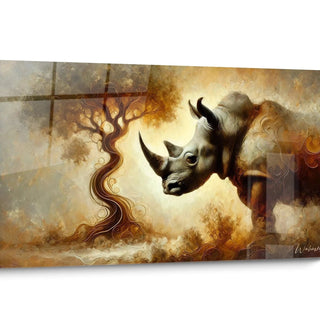 Rhinoceros21
artworks
Rhinoceros21
artworks
-
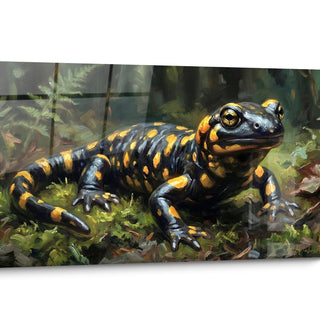 Salamander14
artworks
Salamander14
artworks
-
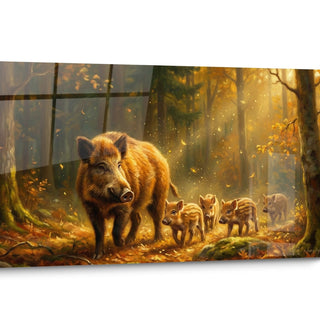 Wild Boar15
artworks
Wild Boar15
artworks
-
 Scarab73
artworks
Scarab73
artworks
-
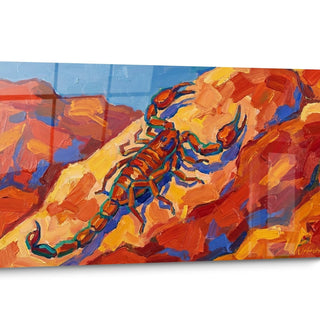 Scorpion9
artworks
Scorpion9
artworks
-
 Serpent102
artworks
Serpent102
artworks
-
 Monkey14
artworks
Monkey14
artworks
-
 Meerkat1
artwork
Meerkat1
artwork
-
 Tapir52
artworks
Tapir52
artworks
-
 Armadillo3
artworks
Armadillo3
artworks
-
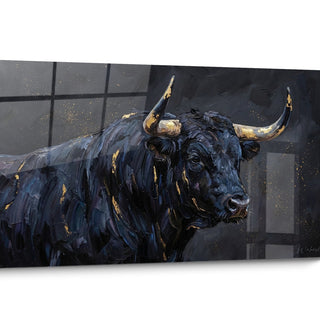 Bull281
artworks
Bull281
artworks
-
 Tiger316
artworks
Tiger316
artworks
-
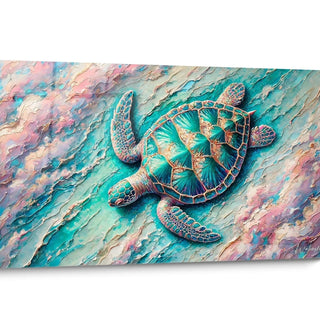 Sea Turtle18
artworks
Sea Turtle18
artworks
-
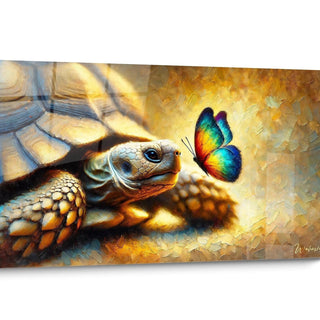 Terrestrial Turtle14
artworks
Terrestrial Turtle14
artworks
-
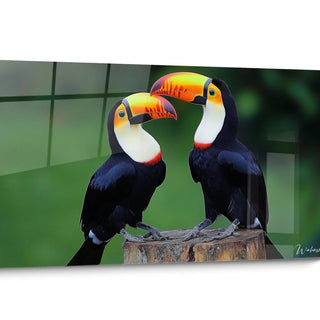 Toucan7
artworks
Toucan7
artworks
-
 Cow9
artworks
Cow9
artworks
-
 Vulture5
artworks
Vulture5
artworks
-
 Zebra49
artworks
Zebra49
artworks


All about Manta Ray Wall Art
- Presentation Painting Ray Manta
- Painting ray manta majestic marine
- Painting ray manta oceanic symbolism
- Painting ray manta movement aquatic
The painting ray manta represents one of the most captivating marine artistic creations to transform your space into an oceanic sanctuary. This wall art captures the majestic essence of the most graceful pelagic creatures, offering a visual immersion into the mysterious depths of the oceans. Our large-scale representations enhance the natural magnificence of these sea giants, creating a striking focal point that instantly evokes the freedom of vast marine spaces and the serenity of the abyssal depths.
The Majestic Decorative Impact of the Ray Manta Painting in Large Spaces
The painting ray manta radically transforms the atmosphere of your living spaces thanks to its unique ability to evoke oceanic grandeur. This marine creature, with a wingspan that can reach eight meters in nature, inspires large-scale artistic representations that immediately capture the eye and create a sense of marine immensity.
Why does the ray manta fascinate so much in wall decoration?
The ray manta possesses unique visual characteristics that make it an exceptional decorative subject. Its pectoral fins spread evoke an aquatic flight of unparalleled elegance, while its streamlined silhouette perfectly embodies the harmony of natural forms. The chromatic nuances of this pelagic creature, oscillating between the dark tones of the back and the immaculate whiteness of the belly, offer a striking contrast that adapts to various decorative palettes.
The impressive wingspan of the ray manta naturally translates into panoramic format artworks that fully exploit the walls of large surfaces. This particularity allows to create spectacular wall compositions that literally transform the perception of space, bringing a three-dimensional dimension and a remarkable visual depth.
Perfect adaptation to contemporary spaces
Wall representations of ray manta particularly integrate well into modern architectures with high ceilings and extended wall surfaces. The natural geometry of this marine creature, with its curved lines and organic shapes, creates a harmonious contrast with the right angles of contemporary interiors, bringing a visual fluidity that softens architectural rigor.
The psychological impact of these marine wall artworks is particularly noticeable in relaxation and contemplation spaces. The representation of the ray manta instantly evokes a feeling of deep calm and connection with the natural elements, transforming your interior into a true soothing refuge.
- Creation of a majestic focal point that structures the decorative space
- Evocation of oceanic immensity in confined interiors
- Harmonization of volumes through the fluidity of natural forms
- Bringing a unique spiritual and contemplative dimension
Technical specifics to maximize the decorative effect
To optimize the visual impact of a large-scale ray manta painting, the location of the wall is crucial. These artworks require a clear surface allowing sufficient distance to appreciate the entire composition. The ideal positioning height corresponds to eye level when standing, allowing optimal immersion in the represented marine scene.
The lighting of these marine representations requires particular attention to reveal the chromatic subtleties and nuances of shadows that characterize the aquatic flight of the manta ray. Indirect and adjustable lighting allows the deep blue tones to vibrate and highlights the silvery reflections characteristic of this creature of the depths.
The Spiritual Symbolism and Oceanic Escape of the Manta Ray Painting
The painting manta ray transcends the simple marine representation to become a true portal to spiritual escape and connection with the primordial forces of the ocean. This iconic creature, revered in many ocean cultures, embodies universal values of grace, freedom, and ancestral wisdom that deeply resonate with our contemporary quest for serenity.
The manta ray, a millennium-old symbol of oceanic wisdom
In Polynesian and Melanesian traditions, the manta ray is considered a spiritual guide of the oceans, a benevolent creature that accompanies souls on their journey to inner peace. This symbolic dimension is naturally reflected in modern artistic representations, where the silent majesty of these pelagic giants evokes a form of active meditation and deep contemplation.
Observing a work representing a manta ray generates a fascinating psychological phenomenon: the viewer instantly feels a sensation of slowing down time and mental appeasement. This reaction is explained by the unconscious association between the creature's fluid movement and the natural rhythms of deep breathing, creating a beneficial synchronization effect for the nervous system.
How does the wall representation influence our well-being?
Neuroscience has demonstrated that contemplating marine images, particularly those representing graceful creatures like the manta ray, activates brain centers associated with relaxation and stress reduction. This phenomenon, called the "blue effect", explains why spaces adorned with these marine works naturally become decompression and replenishment zones.
The large wingspan characteristic of the manta ray, faithfully reproduced in panoramic format works, amplifies this feeling of escape by creating an illusion of total immersion. The viewer's gaze naturally follows the curves of the fins, generating a soothing eye movement that promotes relaxation and concentration.
- Activation of natural relaxation mechanisms through marine contemplation
- Creating a visual sanctuary conducive to daily meditation
- Evoking soothing oceanic natural rhythms
- Symbolic connection with the ancestral wisdom of maritime cultures
The art of creating an oceanic serenity environment
Integrating a manta ray painting into a living space goes beyond a simple decorative approach to become a true philosophy of well-being. These works function as visual anchors that constantly recall the values of fluidity, adaptability, and grace that this exceptional marine creature symbolizes.
The presence of a manta ray representation subtly influences social interactions in the space it occupies. Visitors consistently report a feeling of calm and benevolence, as if the wisdom attributed to this marine creature naturally diffused into the environment. This atmospheric transformation makes the manta ray painting a preferred choice for spaces dedicated to relaxation and contemplation.
What psychological benefits does daily contemplation bring?
Research in environmental psychology reveals that daily exposure to representations of marine nature, particularly those featuring majestic creatures like the manta ray, significantly contributes to anxiety reduction and improved sleep quality. This phenomenon is explained by the activation of sensory memories linked to positive oceanic experiences, even in individuals who have never scuba dived.
The cumulative effect of this regular contemplation translates into better stress management and an increased ability to maintain a serene state of mind when facing contemporary challenges. The manta painting becomes a discreet but effective therapeutic tool, naturally integrated into the daily environment.
The Art of Capturing the Graceful Aquatic Movement of the Manta Ray
The painting of the manta ray represents one of the most fascinating artistic challenges: to translate onto a two-dimensional surface the extraordinary fluidity of the aquatic flight of this exceptional marine creature. The complexity of this movement, unique in the animal kingdom, requires a particular technical mastery to restore the impression of grace and controlled power that characterizes the manta ray's swim.
The unique biomechanics of aquatic flight
The movement of the manta ray fundamentally differs from that of other marine creatures due to its undulating character and hypnotic regularity. Unlike fish, which primarily use their tails for propulsion, the manta ray exploits the entirety of its pectoral fins in a movement comparable to the flight of the most graceful birds, creating waves of undulation that propagate from the front to the back of its body.
This unique biomechanical characteristic inspires artists to develop specific techniques to capture this dynamics. The most successful representations manage to freeze a moment of this aquatic ballet while preserving the sensation of perpetual movement, creating a striking visual paradox that captivates the eye and stimulates the imagination.
How do artists translate this grace into movement?
The artistic representation of the manta ray's movement relies on advanced techniques of kinetic suggestion. The lines of perspective created by the fins in extension generate a visual dynamic that guides the viewer's eye in a fluid path, mentally reproducing the trajectory of the creature. This technical approach transforms the static artwork into an immersive experience.
Shadow and light play a crucial role in this representation of movement. Subtle chromatic variations on the manta ray's body surface, amplified by the effects of aquatic refraction, create a three-dimensional depth that accentuates the impression of movement in the marine space.
- Use of guideline lines to guide the perception of movement
- Exploitation of chromatic contrasts to accentuate the dynamics
- Creation of depth effects through variations in light intensity
- Suggestion of fluidity through progressive tonal transitions
The psychological impact of the represented movement
Contemplation of a representation of a manta ray in motion generates a particular neurological phenomenon: the brain mentally reconstructs the complete sequence of aquatic displacement, creating a sensation of virtual movement that soothes and fascinates simultaneously. This mental reconstruction activates the brain areas associated with relaxation and creativity.
The rhythm suggested by the movement of the manta ray corresponds to the brain frequencies favorable to meditation and concentration. This natural synchronization explains why spaces adorned with these representations instinctively become privileged places for reflection and intellectual renewal.
Why does this movement fascinate the human eye so much?
The attraction exerted by the manta ray's movement is rooted in deep perceptual mechanisms. The regularity of its undulation recalls fundamental natural rhythms: heartbeats, breathing movements, tidal cycles. This resonance with our internal biological rhythms creates a soothing sense of familiarity that explains the universal appeal of these representations.
The perfect geometry of the manta ray's movement, with its harmonious curves and balanced proportions, corresponds to universal aesthetic canons that our brain instinctively recognizes as beautiful and harmonious. This automatic recognition generates an immediate visual satisfaction that lasts long beyond the first observation.
Advanced techniques for representing aquatic movement
The most accomplished representations of manta rays integrate environmental elements that reinforce the sensation of movement: air bubbles, suspended particles, wake effects. These contextual details create a complete visual ecosystem that amplifies the illusion of presence and movement.
The strategic use of negative spaces in the composition allows to suggest the volume of water displaced by the passage of the creature, creating a sense of immersion that transforms the viewer into a privileged witness of this exceptional aquatic ballet.
What is the difference between a manta ray painting and other marine representations?
The manta ray stands out for its unique ability to evoke both power and grace simultaneously, unlike other marine creatures that generally embody one or the other of these qualities.
How does a manta ray painting influence the atmosphere of a room?
Its presence instantly transforms the atmosphere by creating a sense of open space and oceanic serenity, particularly suited to relaxation areas.
Can a manta ray painting be combined with other marine decorative elements?
Absolutely, but its natural majesty often makes it the centerpiece that structures the entire marine decoration of a space.
What size should you choose to maximize the impact of a manta ray painting?
Large panoramic formats respect the natural proportions of the creature and create the most striking visual impact, ideally suited to walls over 3 meters wide.
Further reading
Our articles on this topic
L'art qui suscite l'envie
Maison belge d'art mural grand format
14 jourspour changer d'avis*
Protection Walenskyincluse
Fabriquéen Italie
FormatXXL
Kit de fixationtoujours fourni
* Hors tableaux personnalisés et tailles personnalisées


