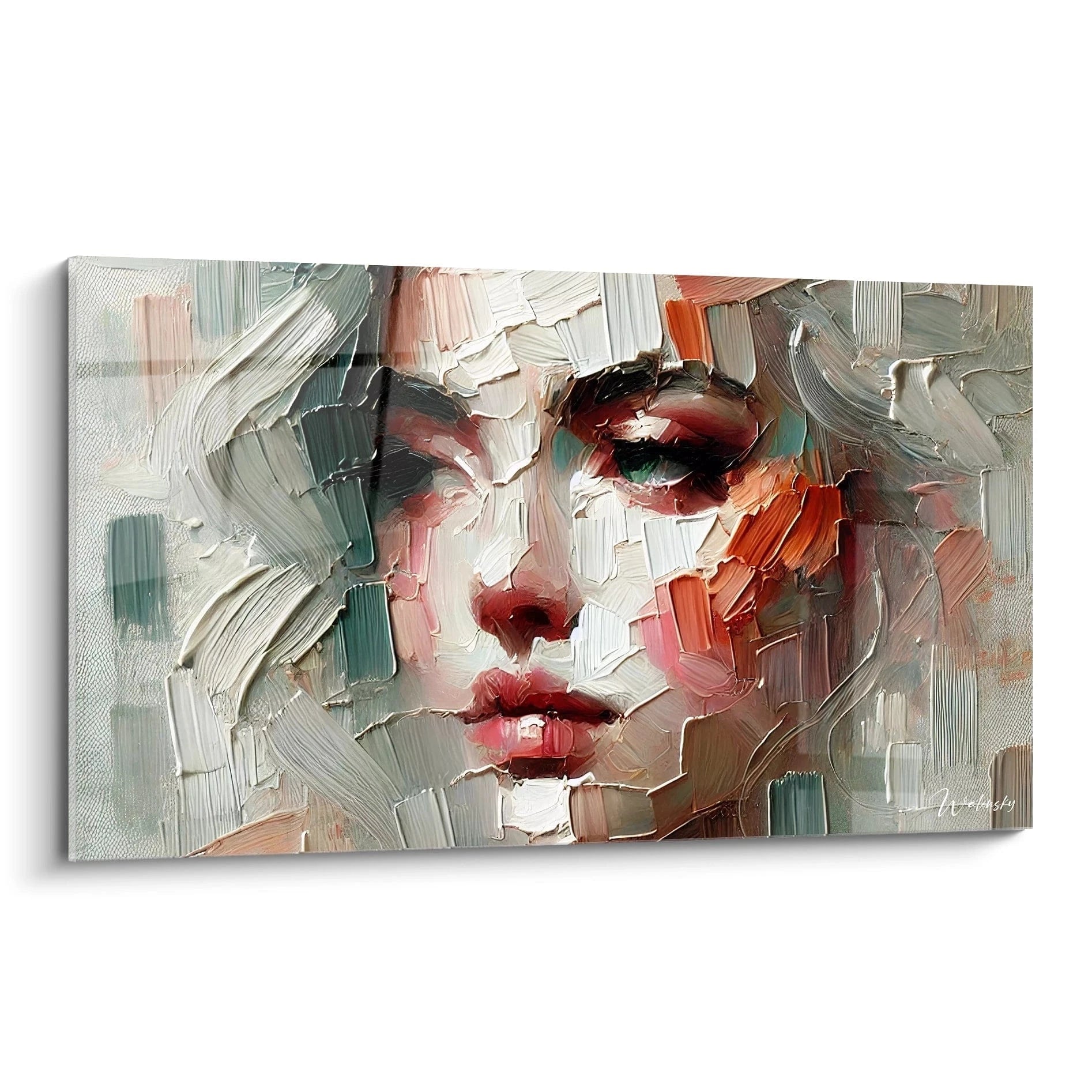
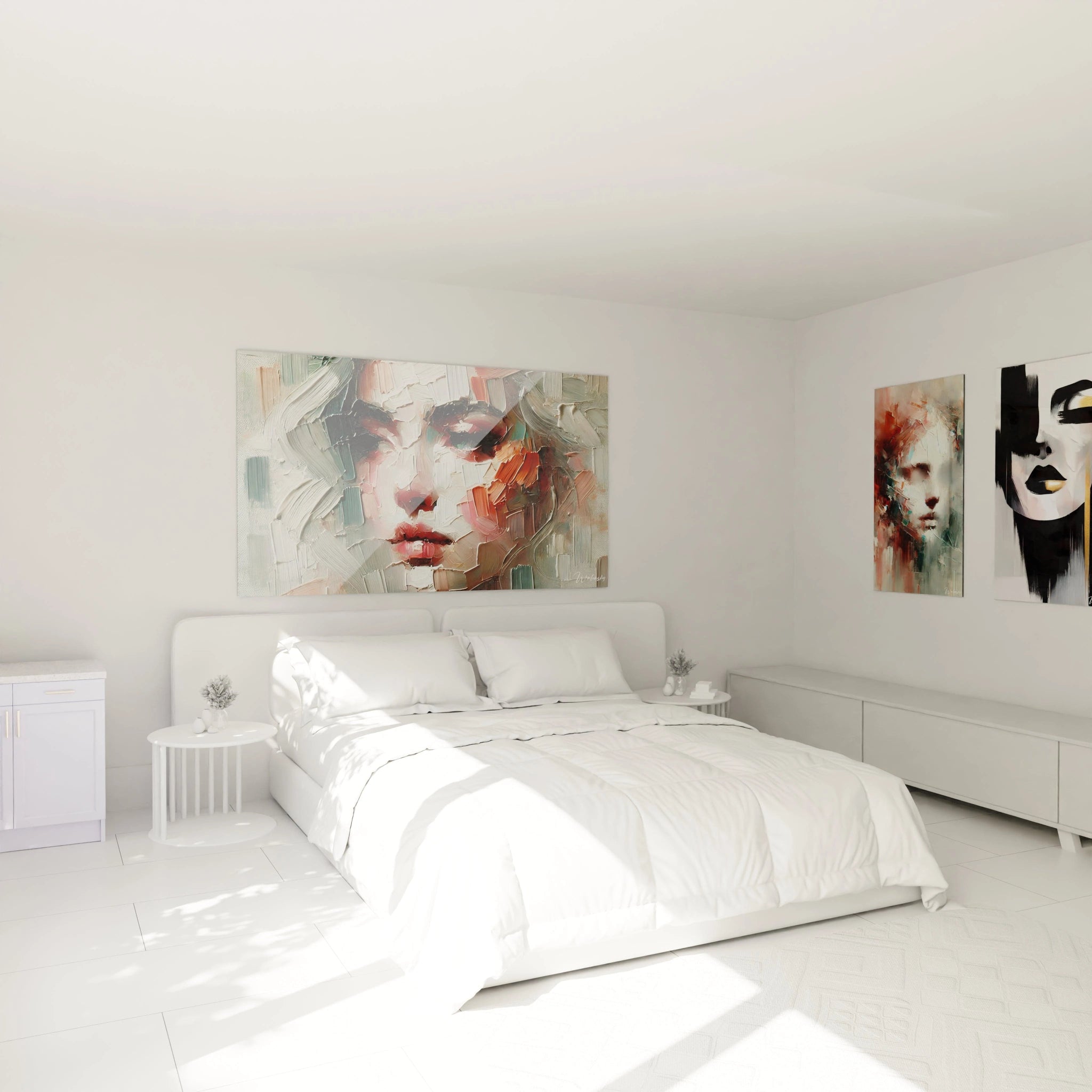
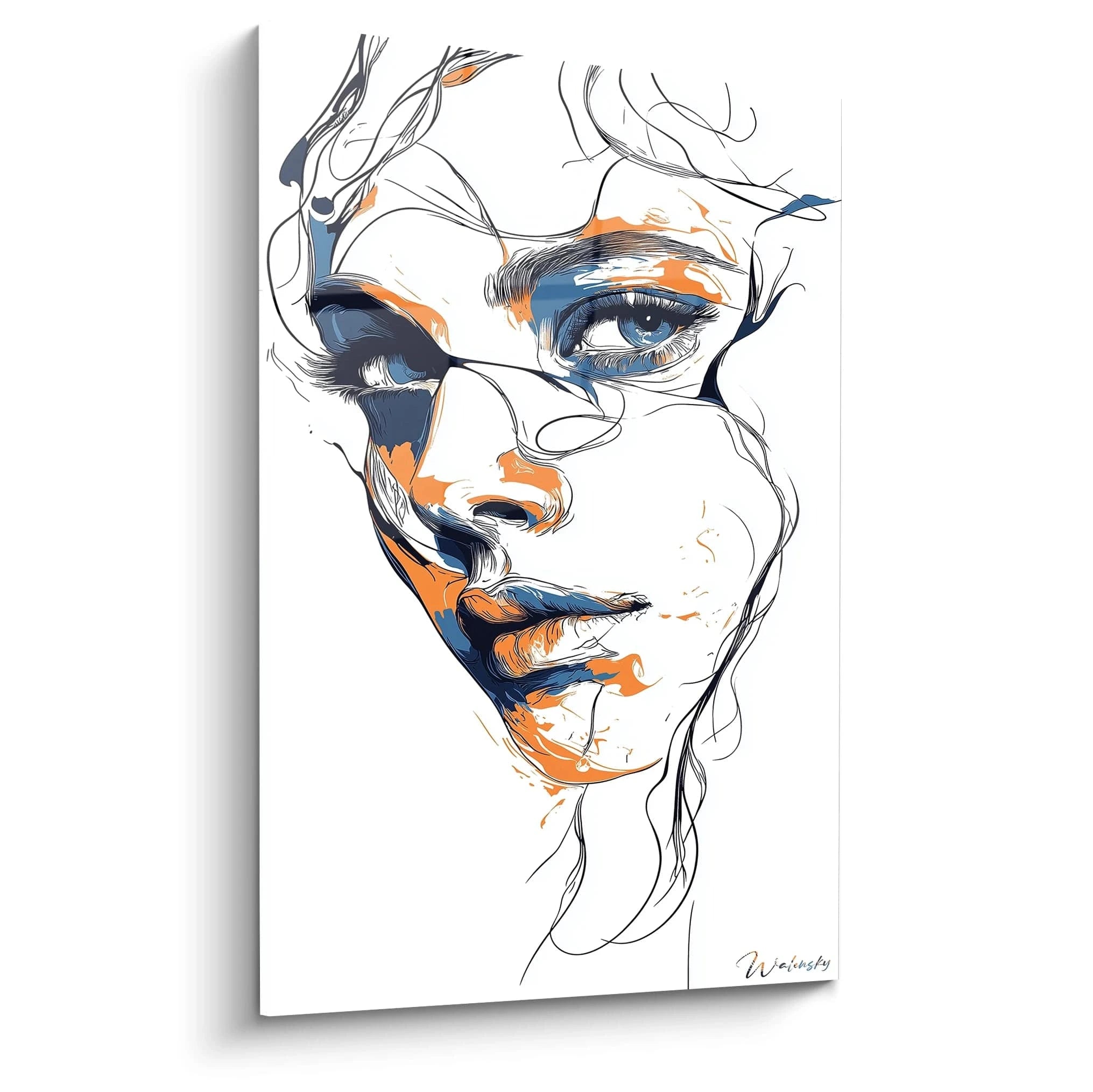
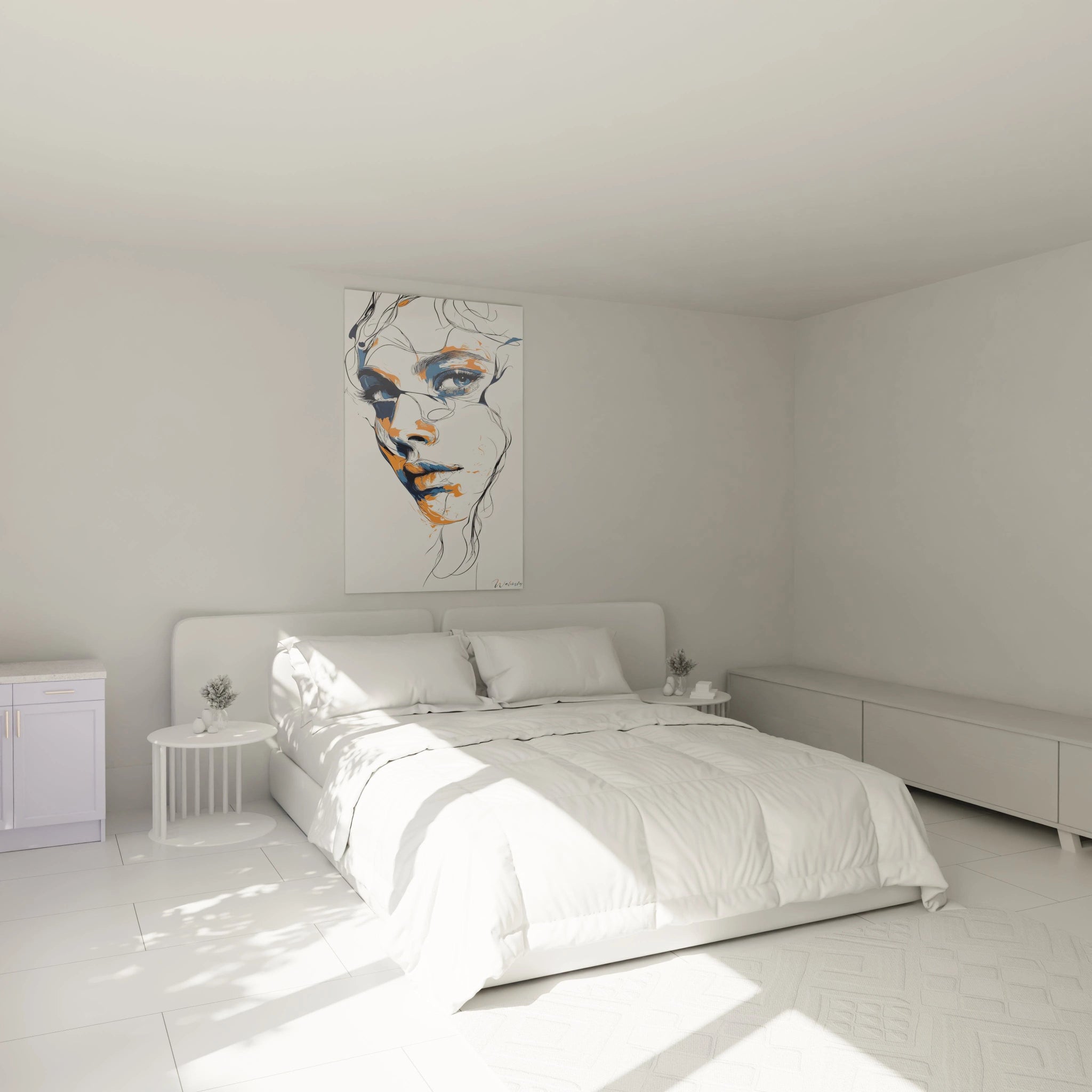
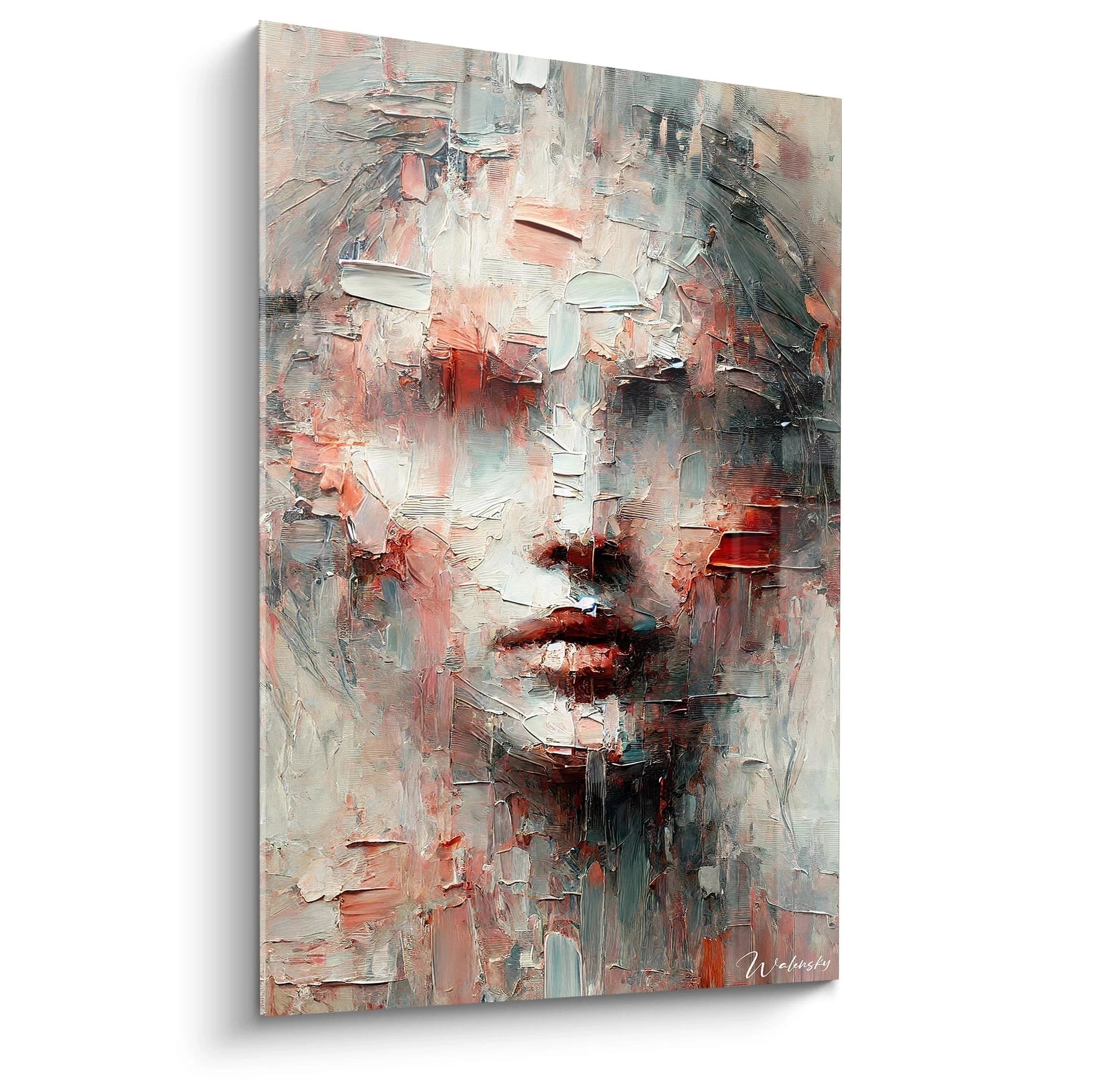
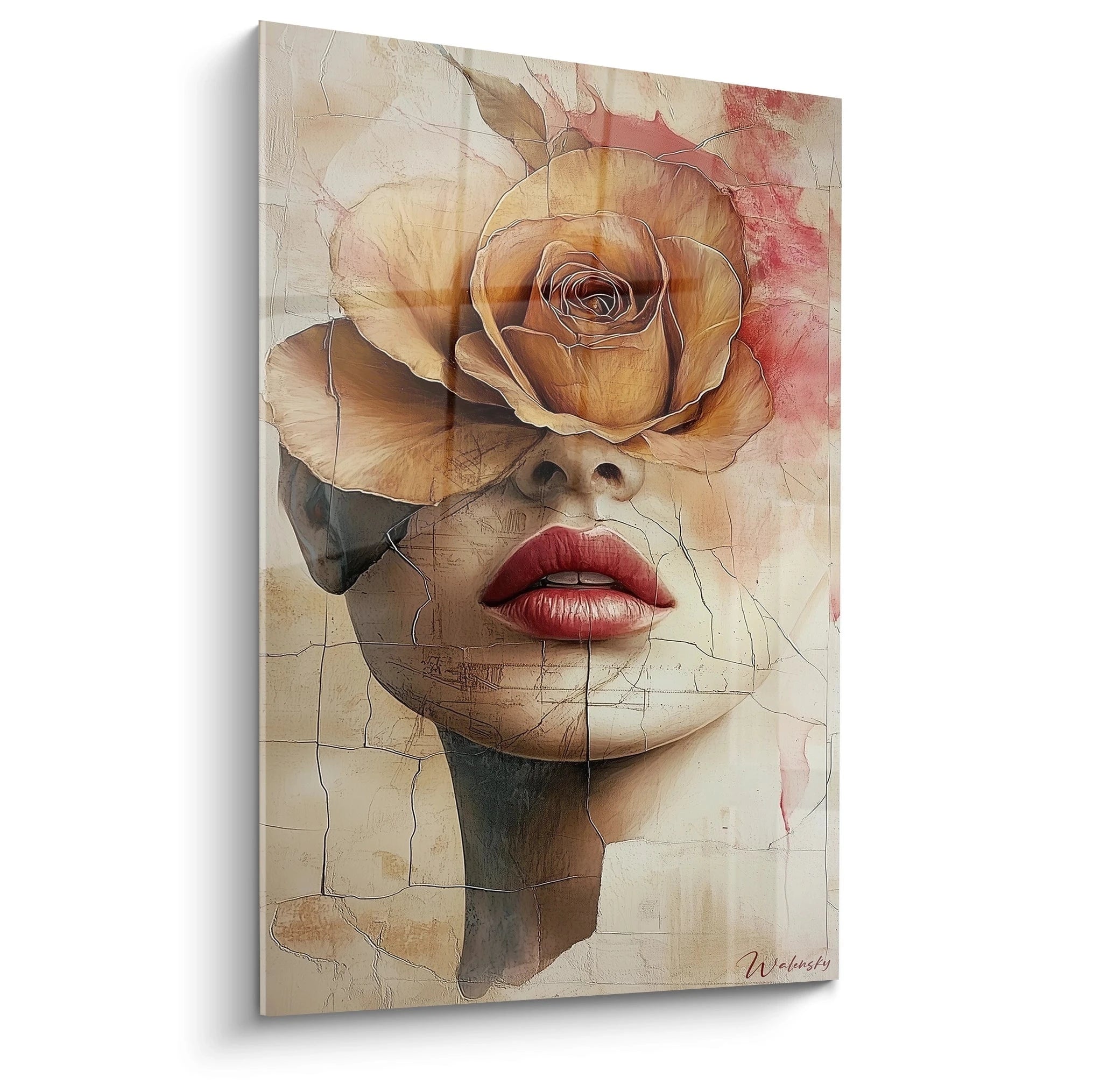
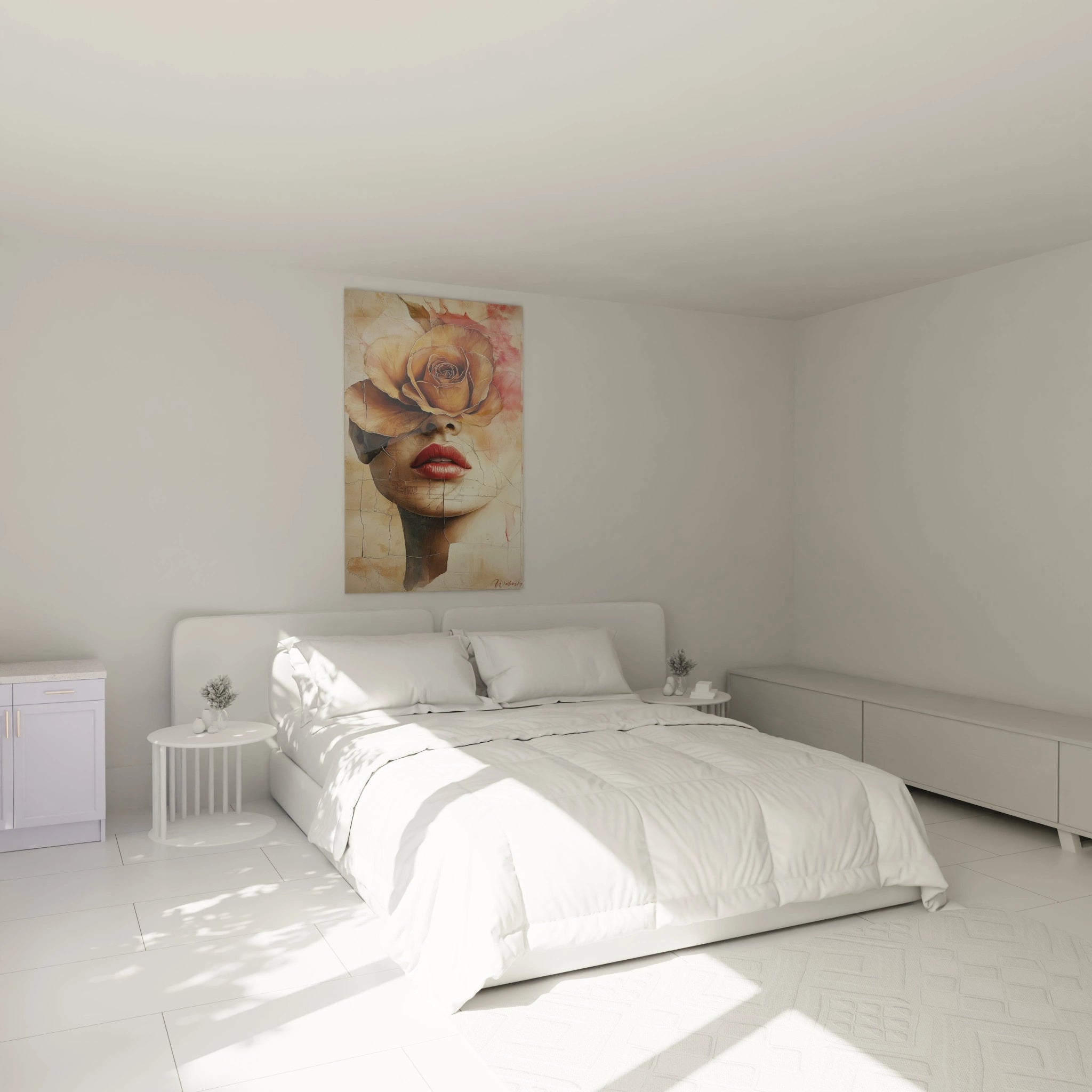
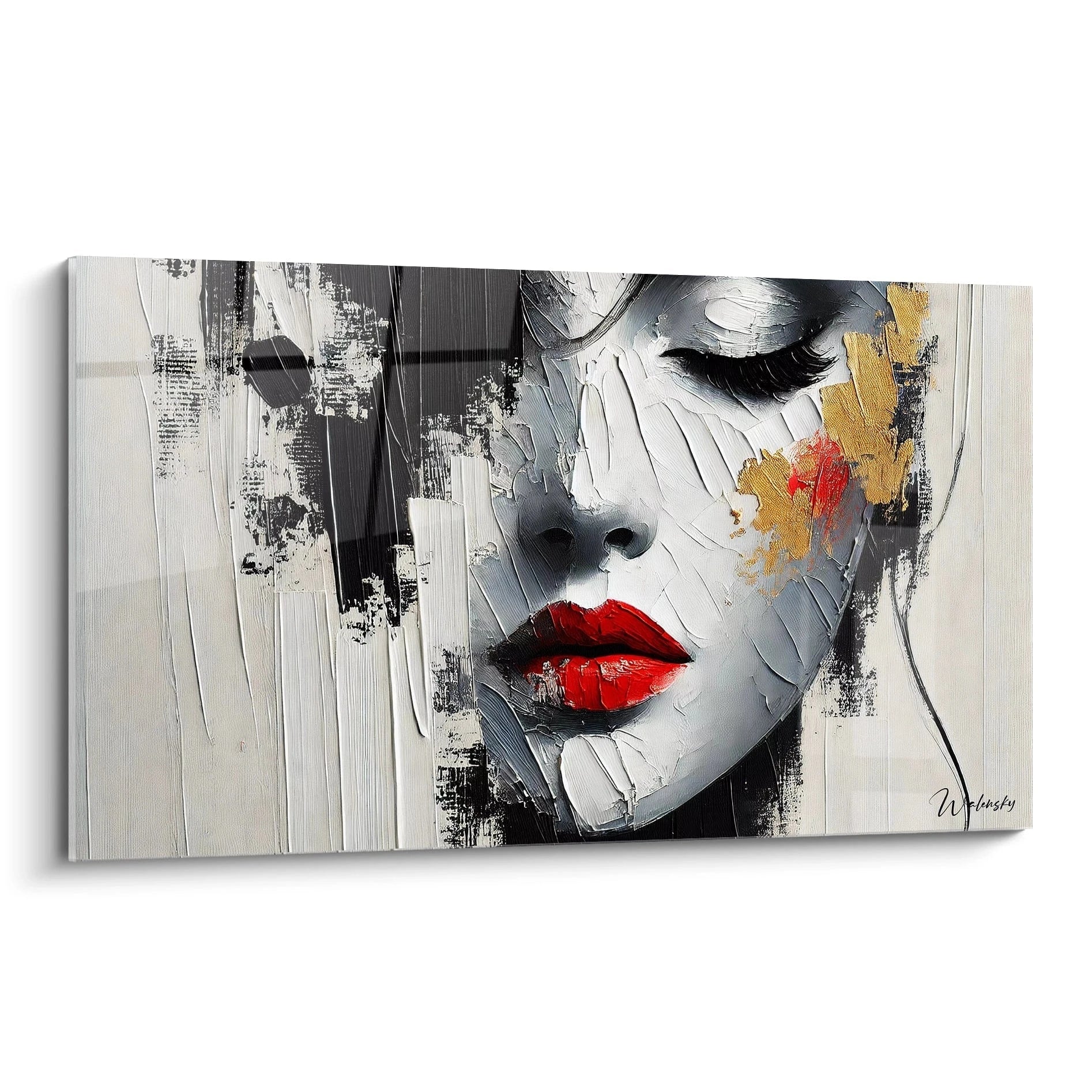
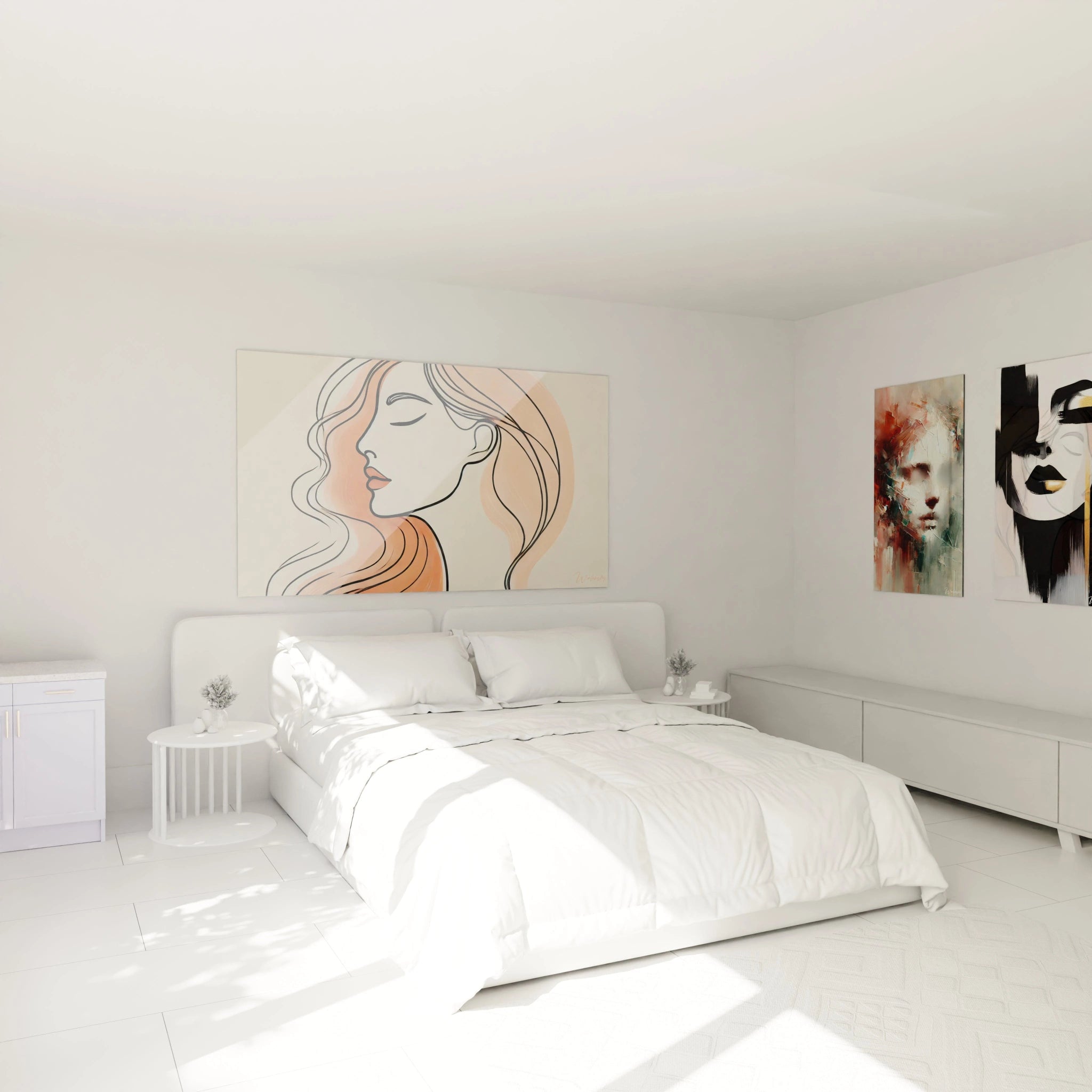
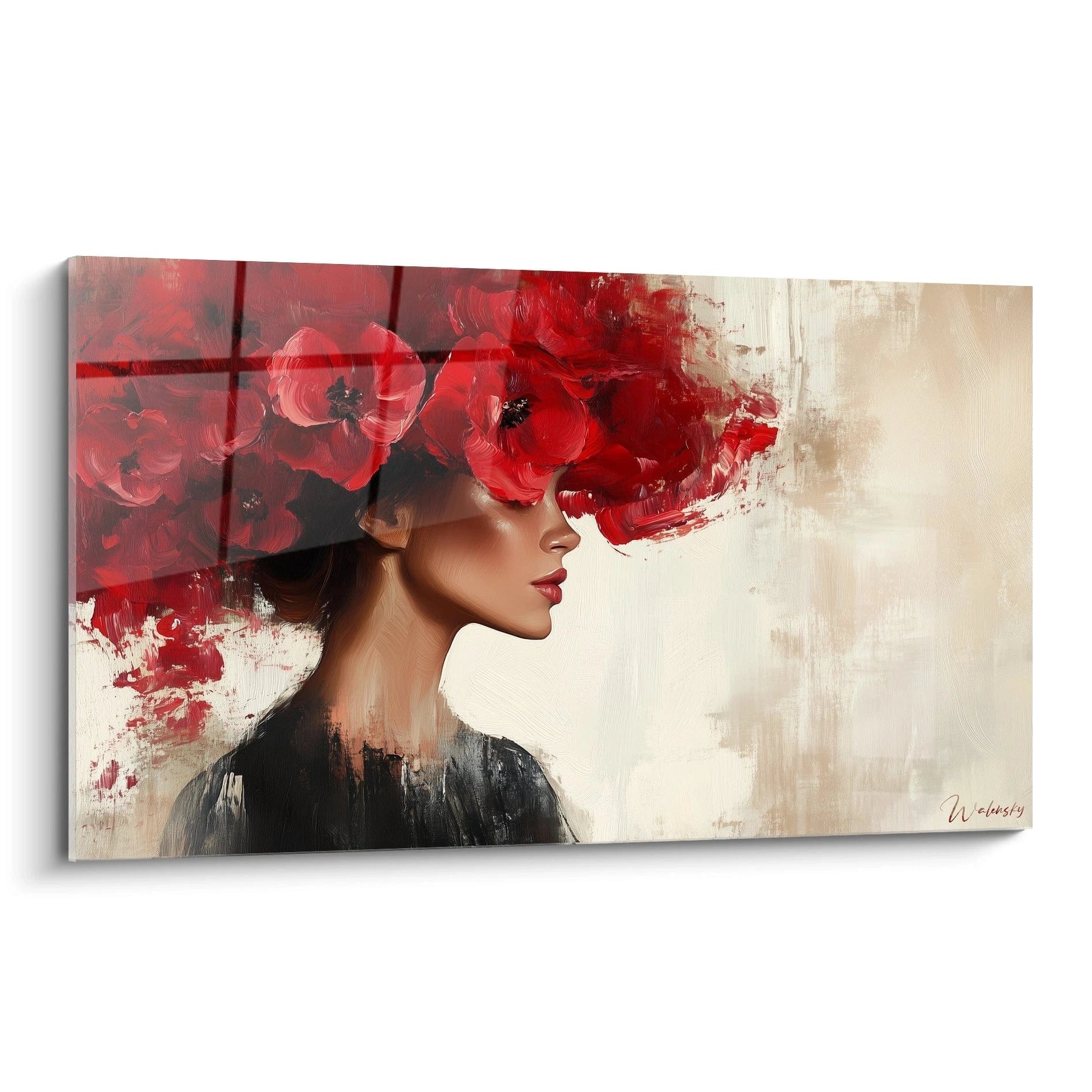
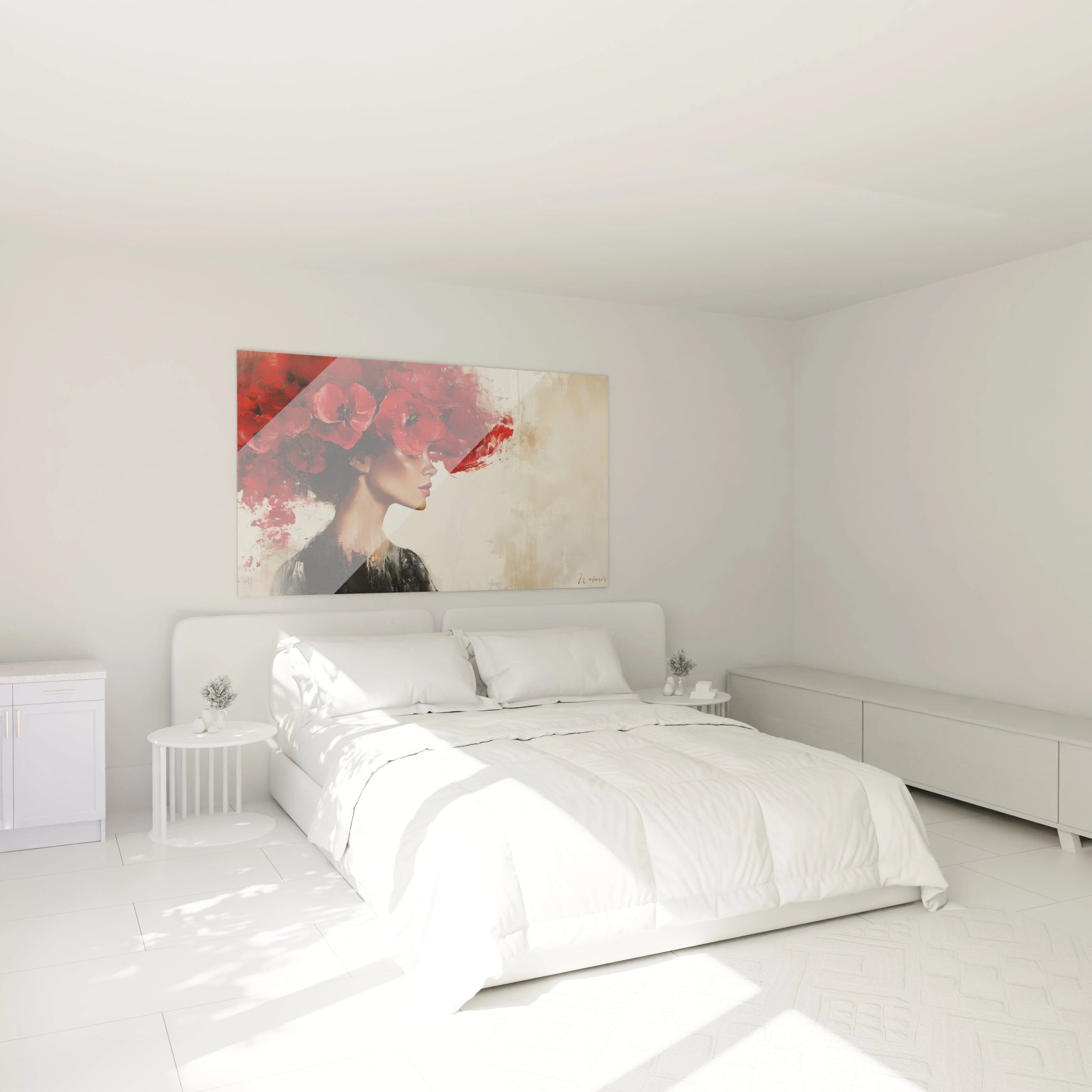
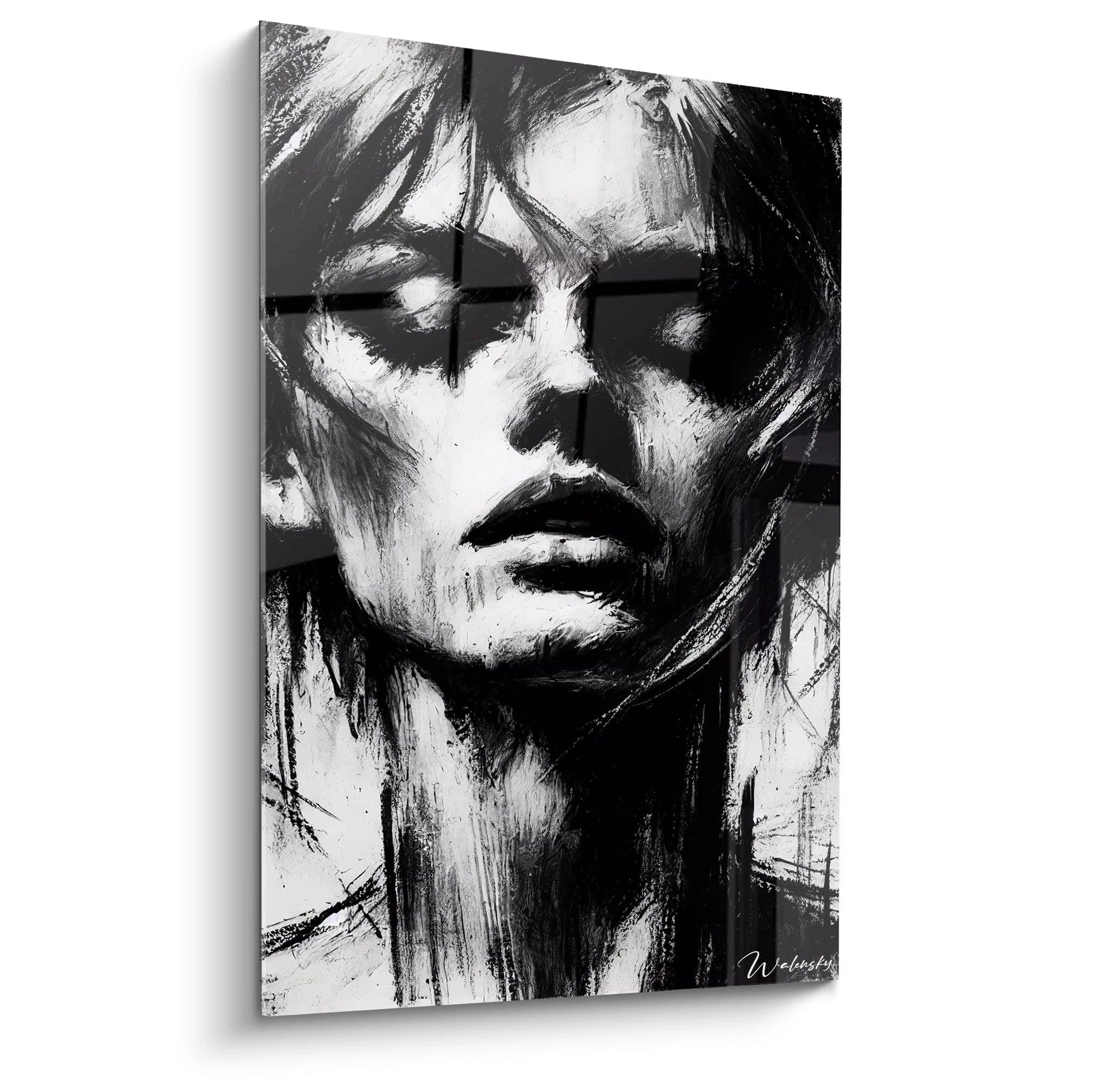
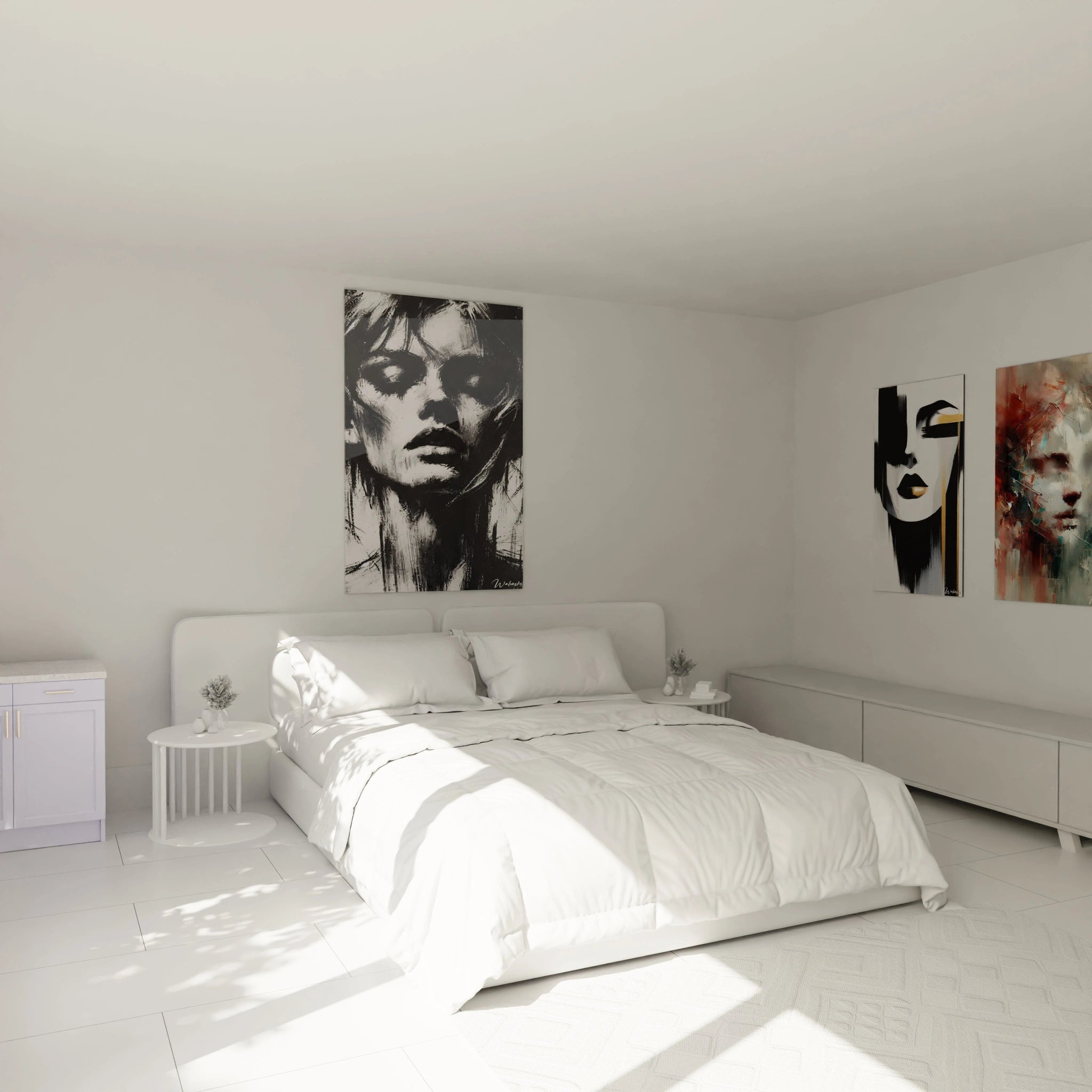
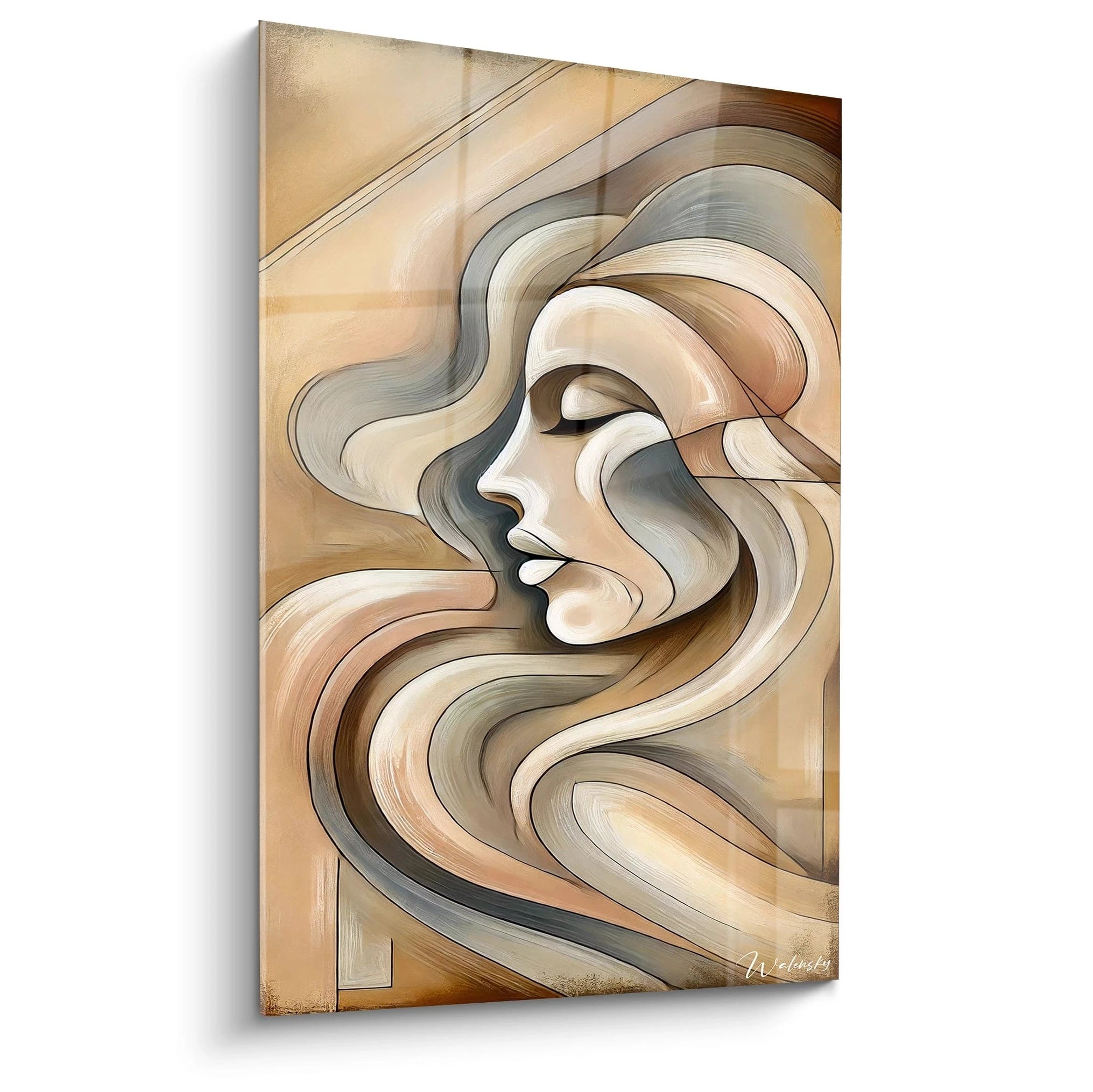
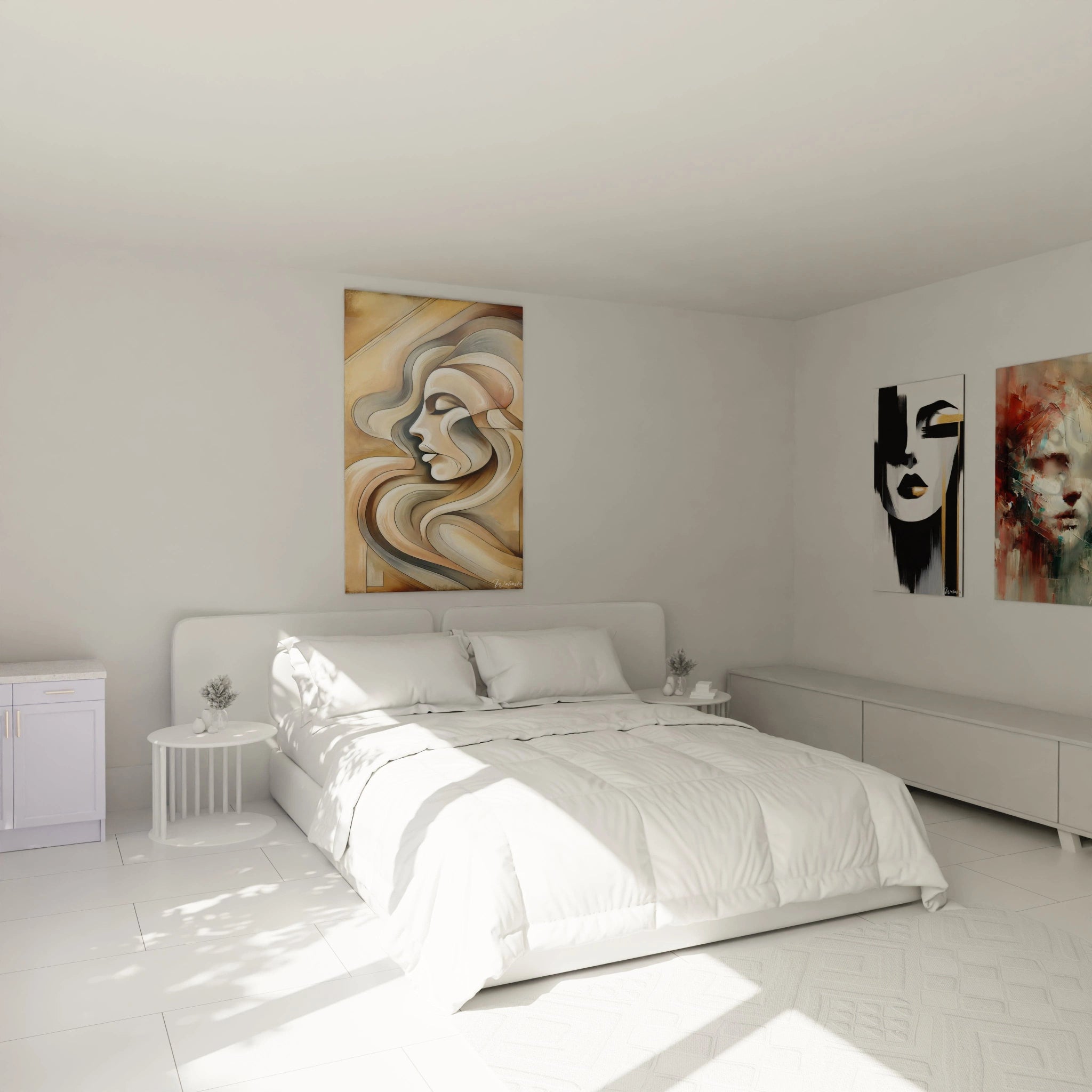
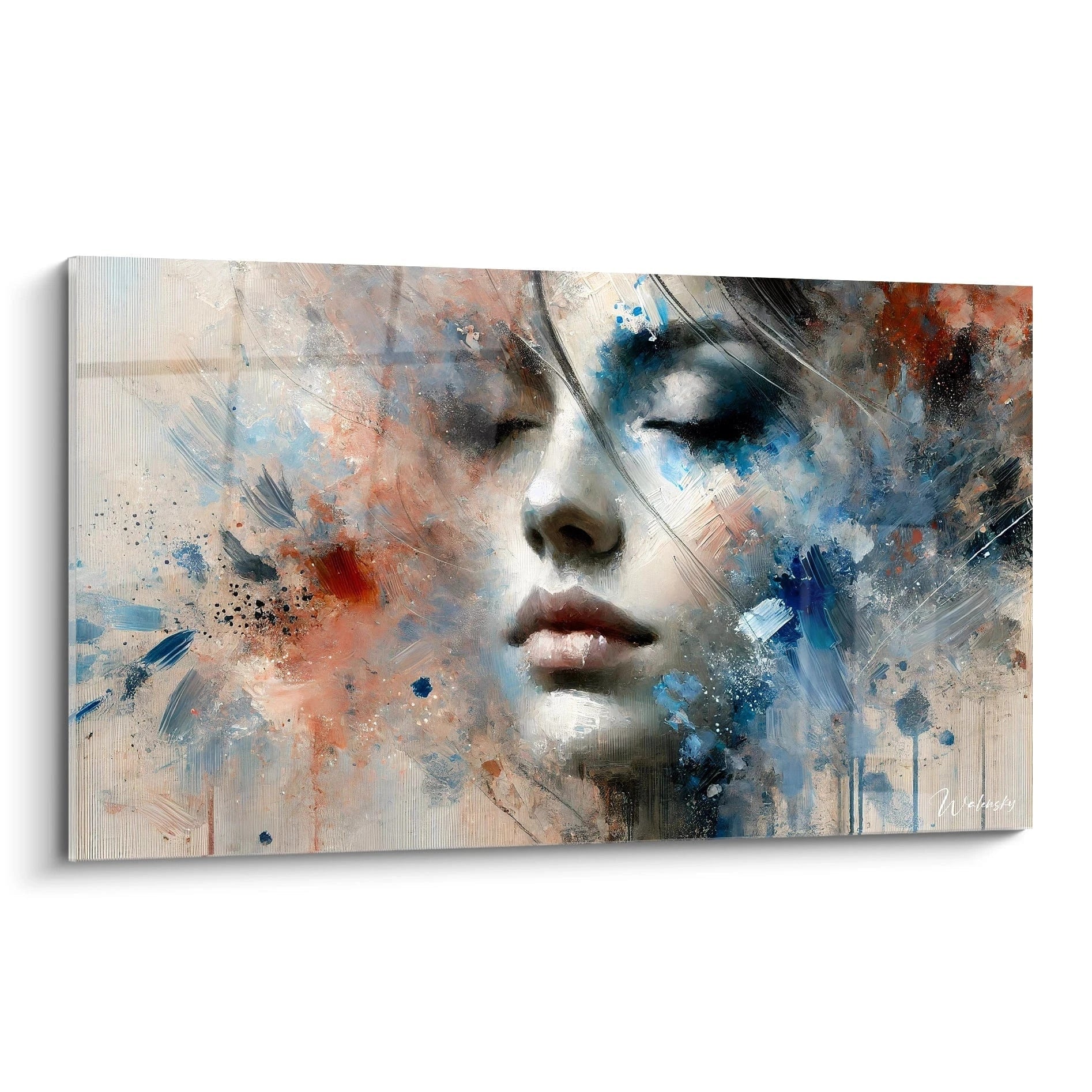
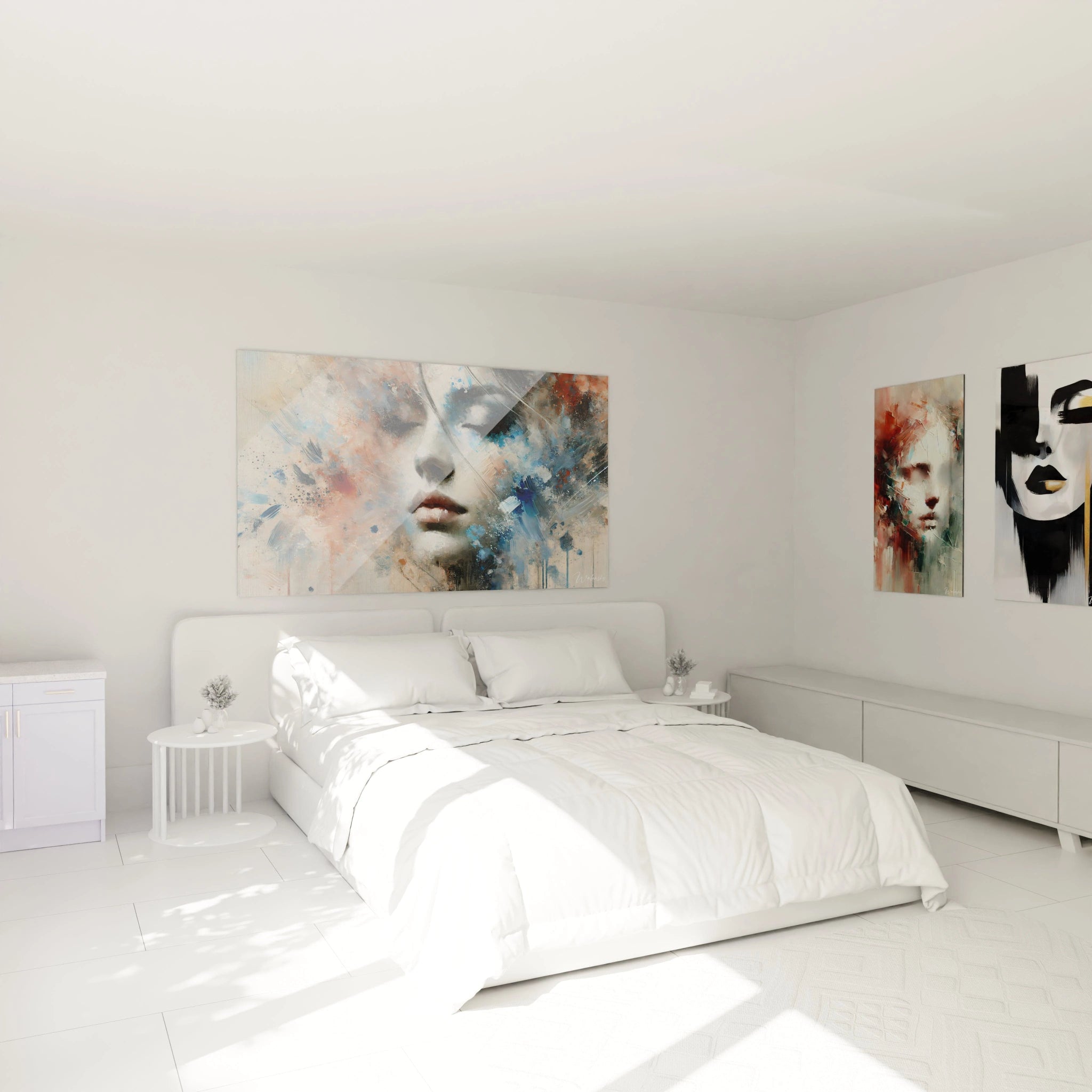
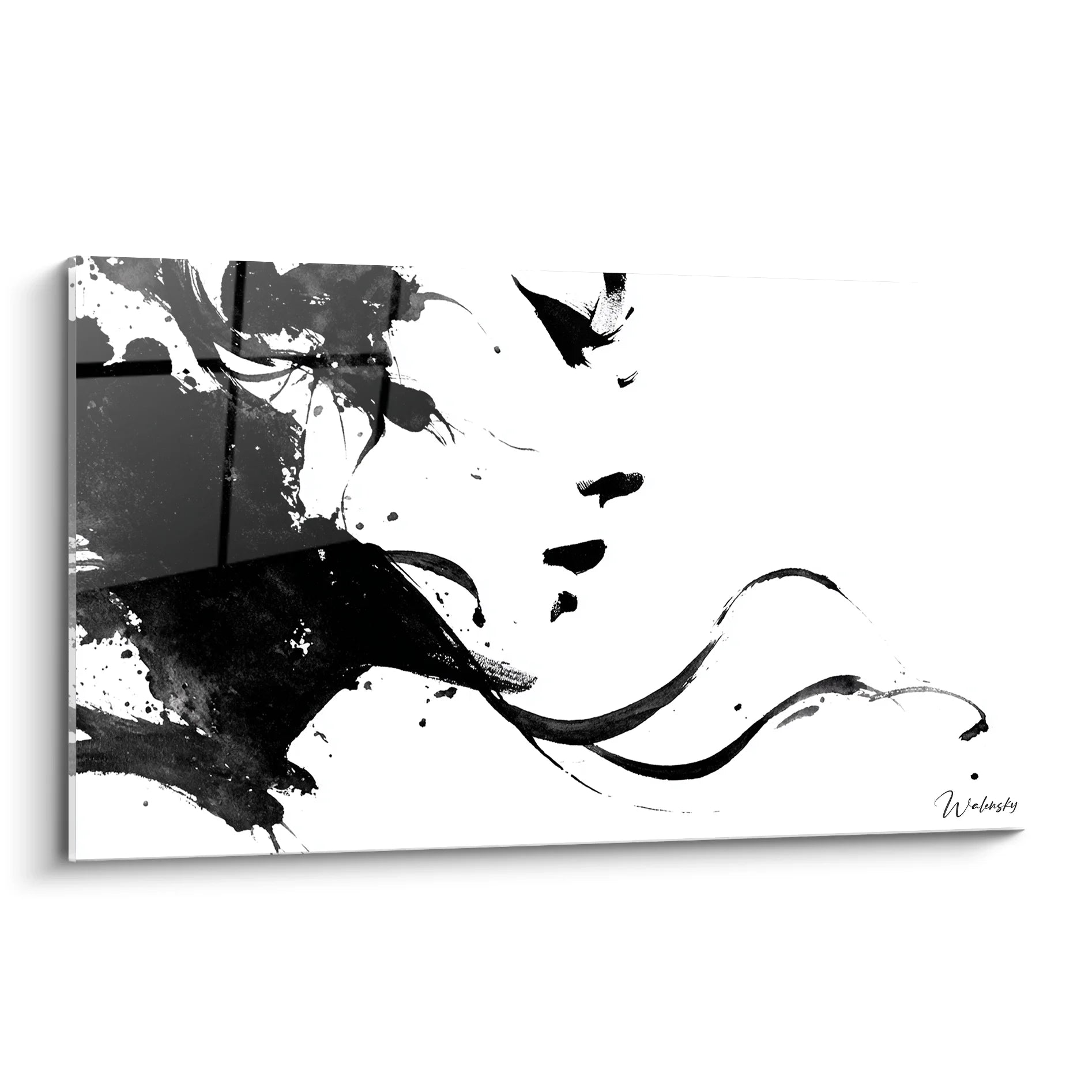
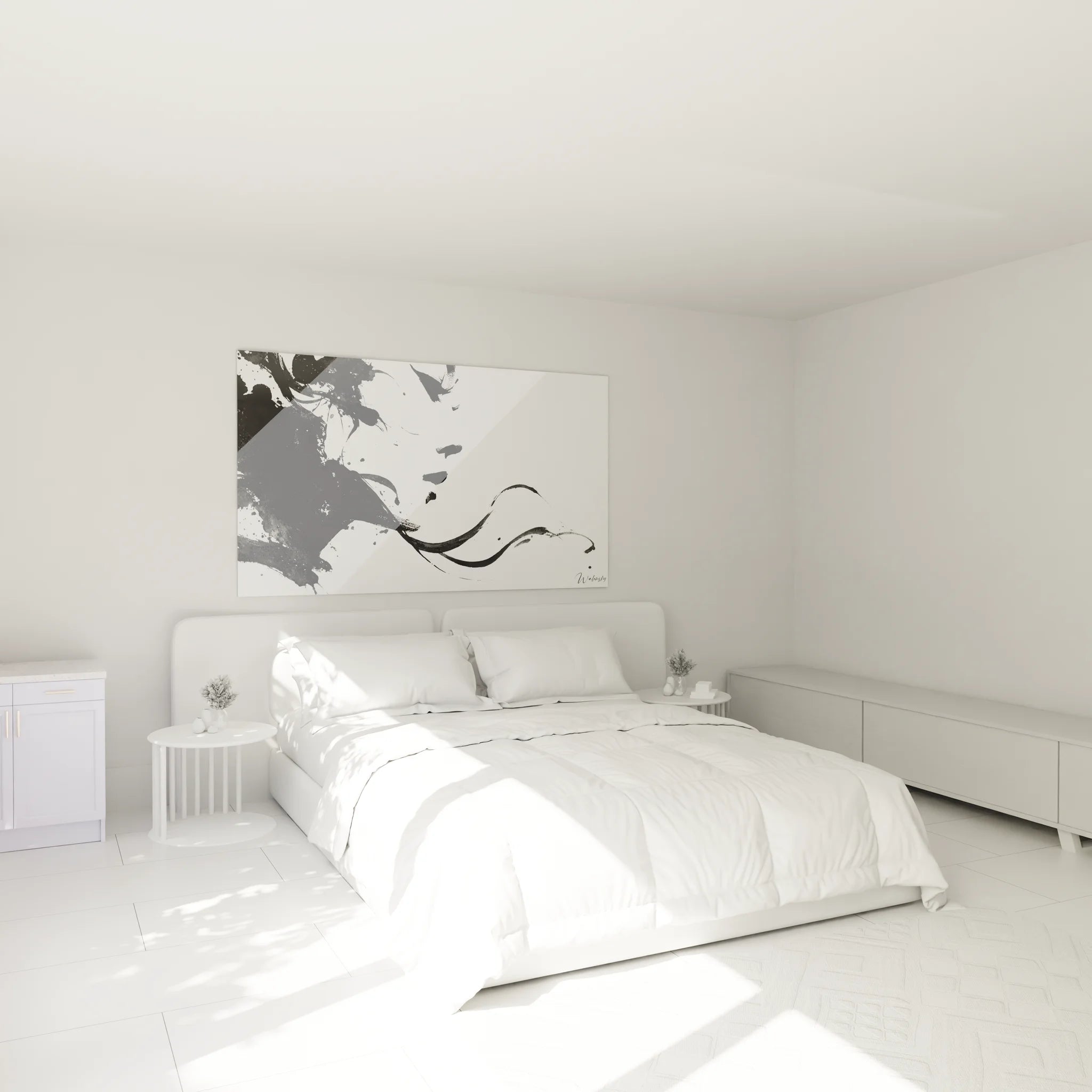
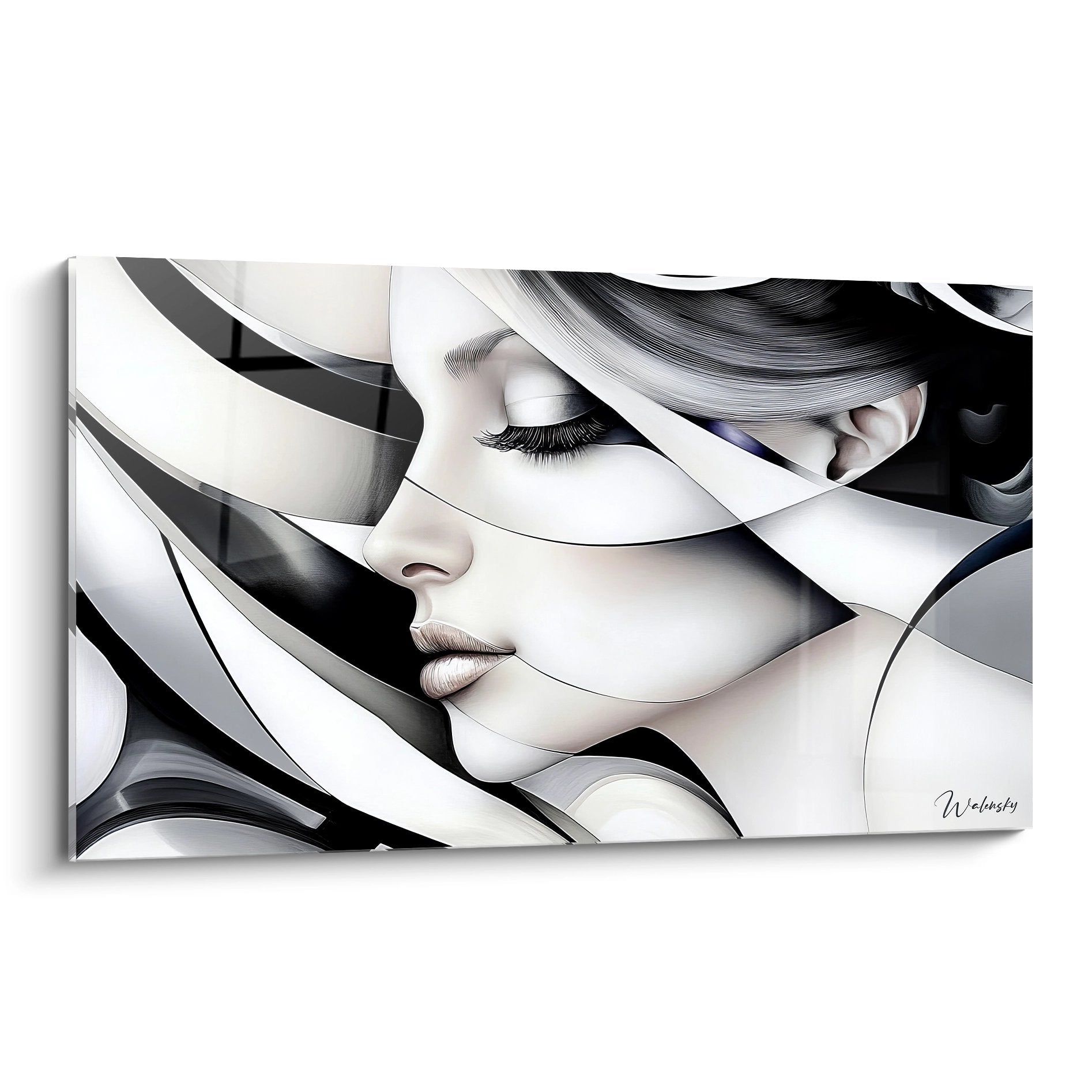
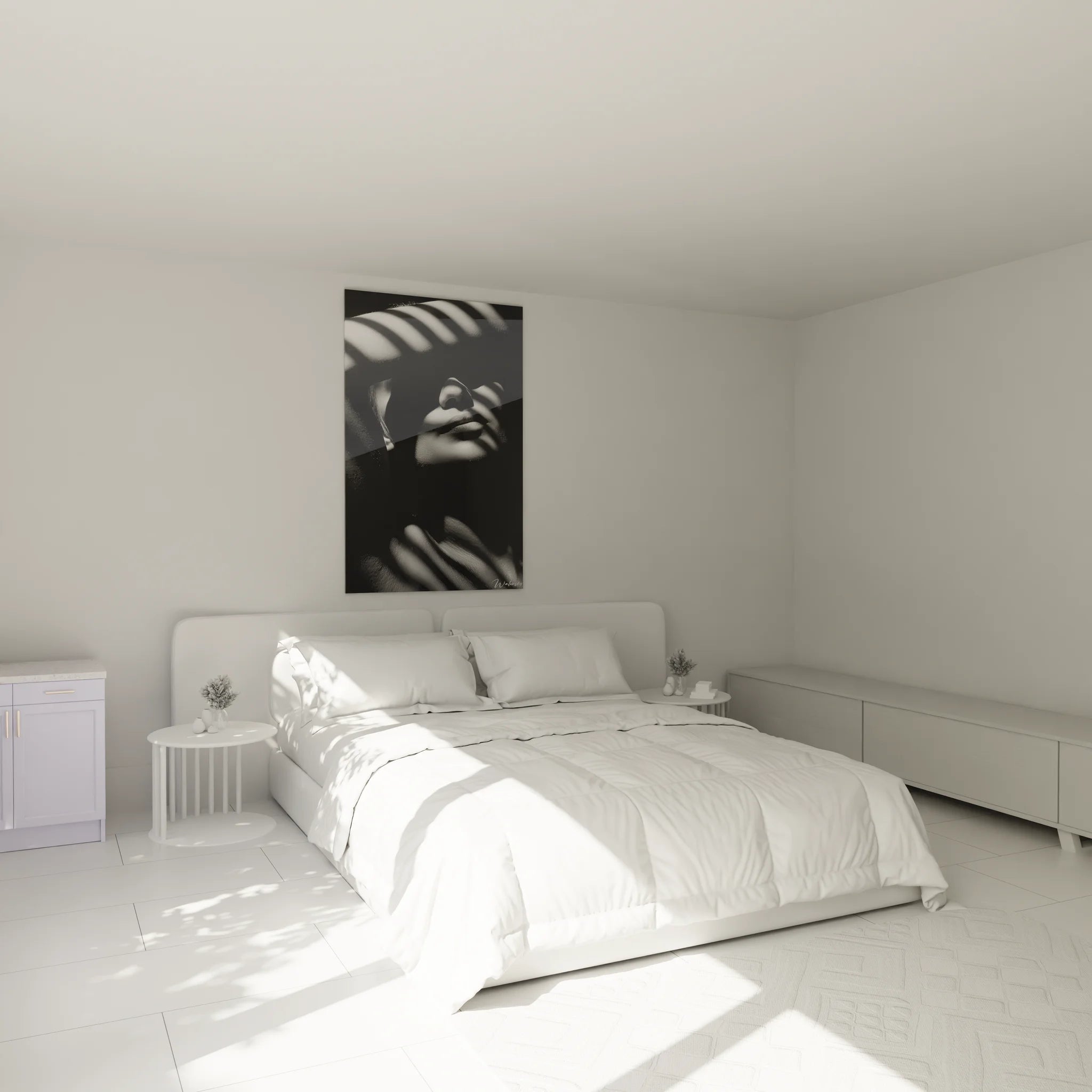
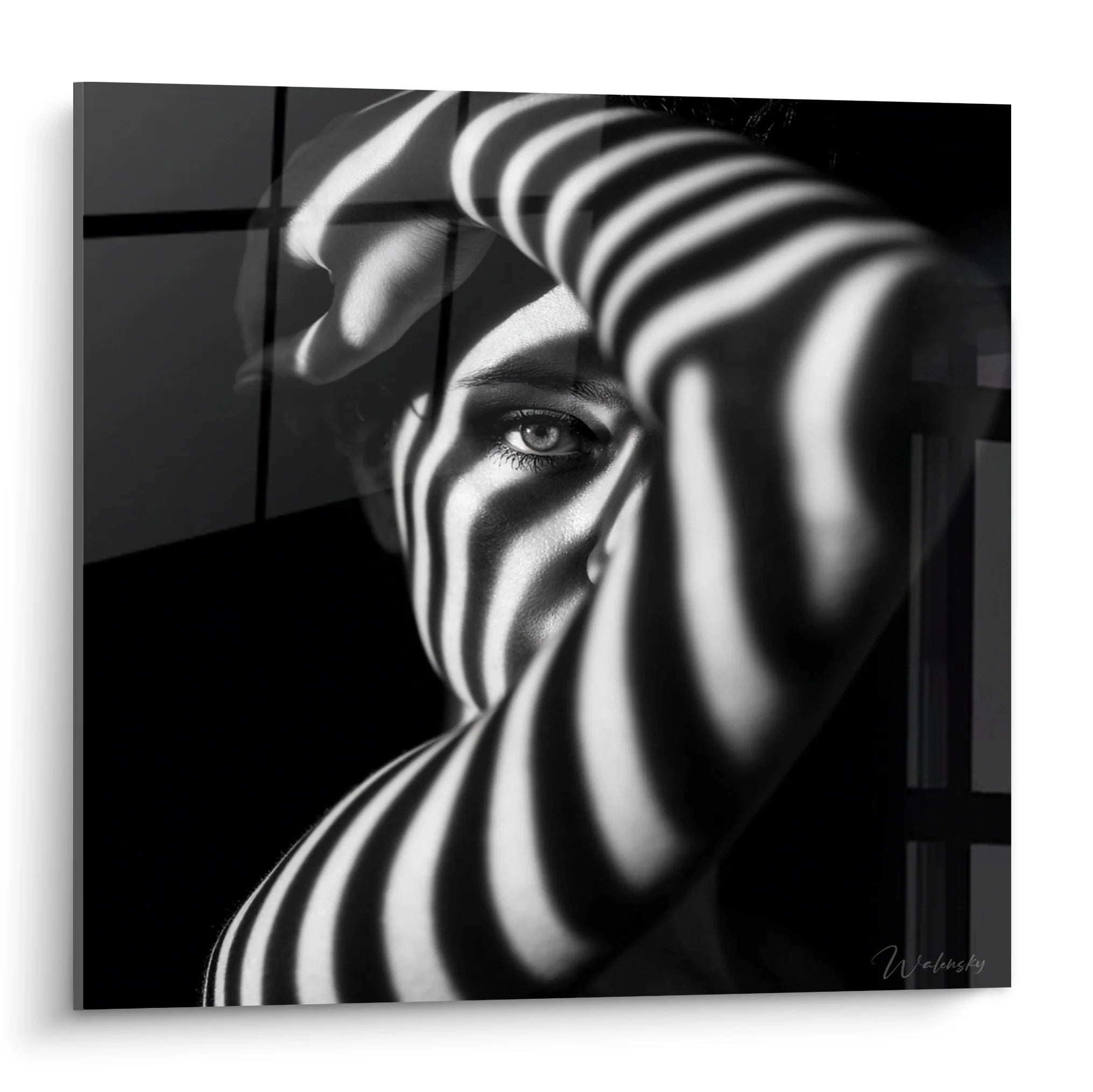
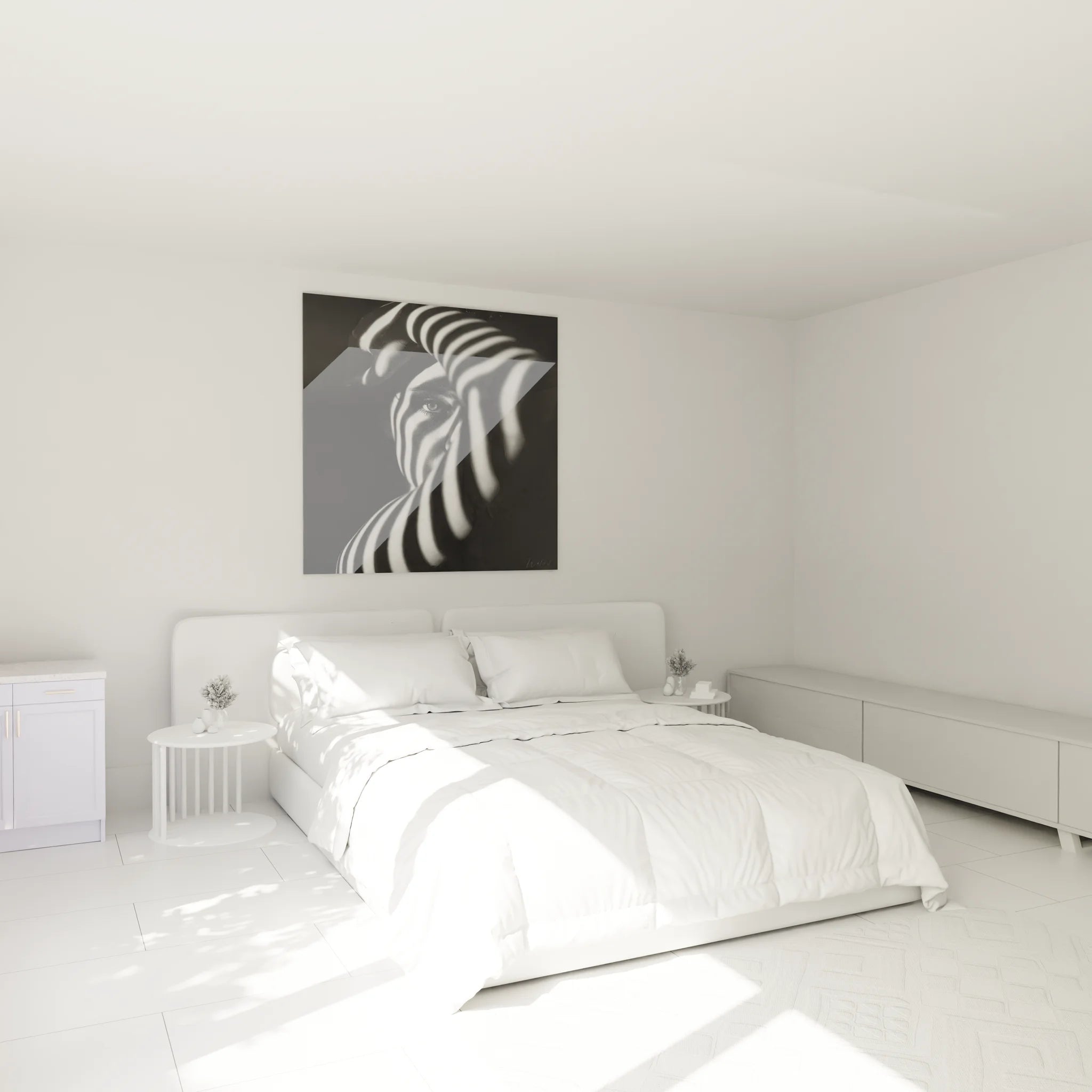
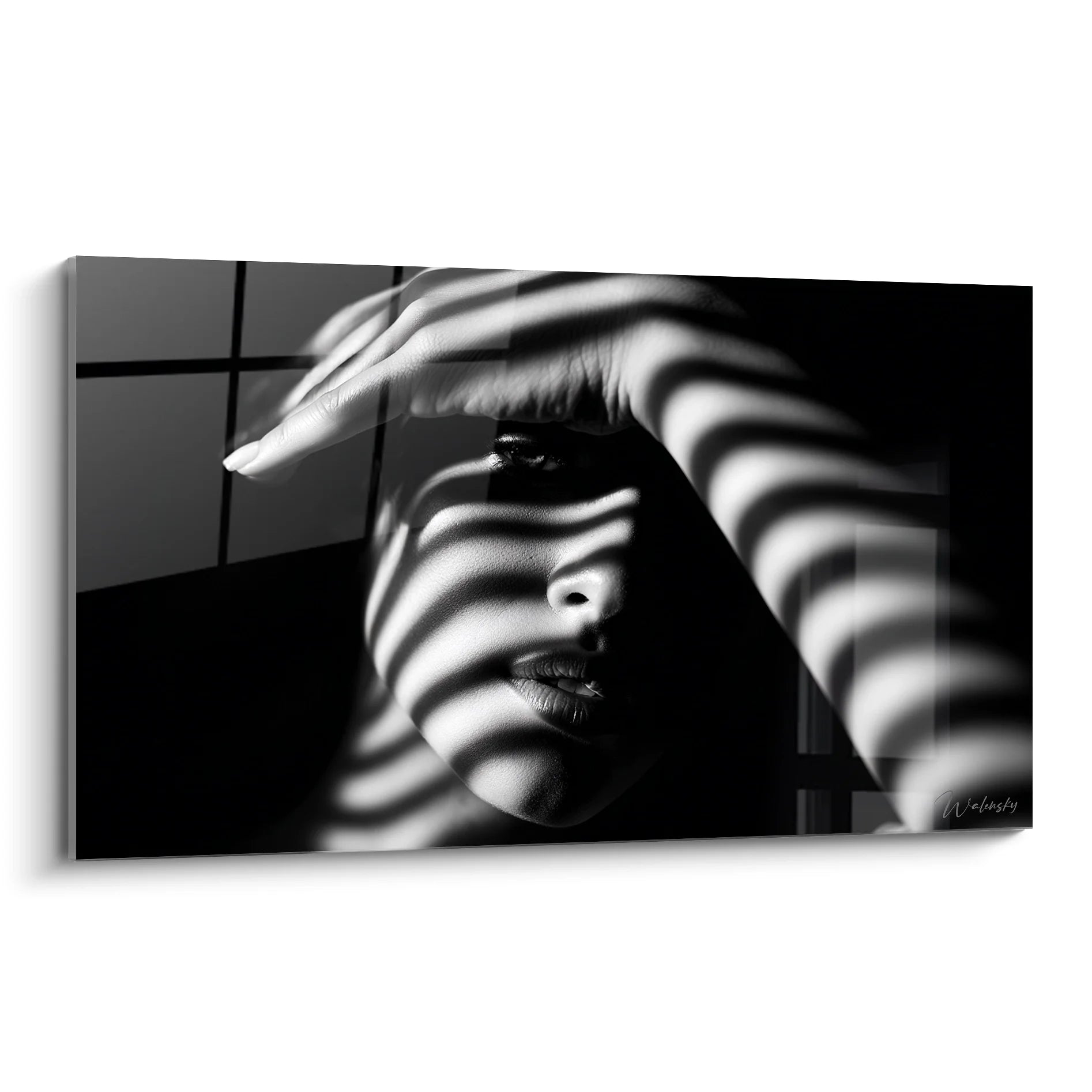
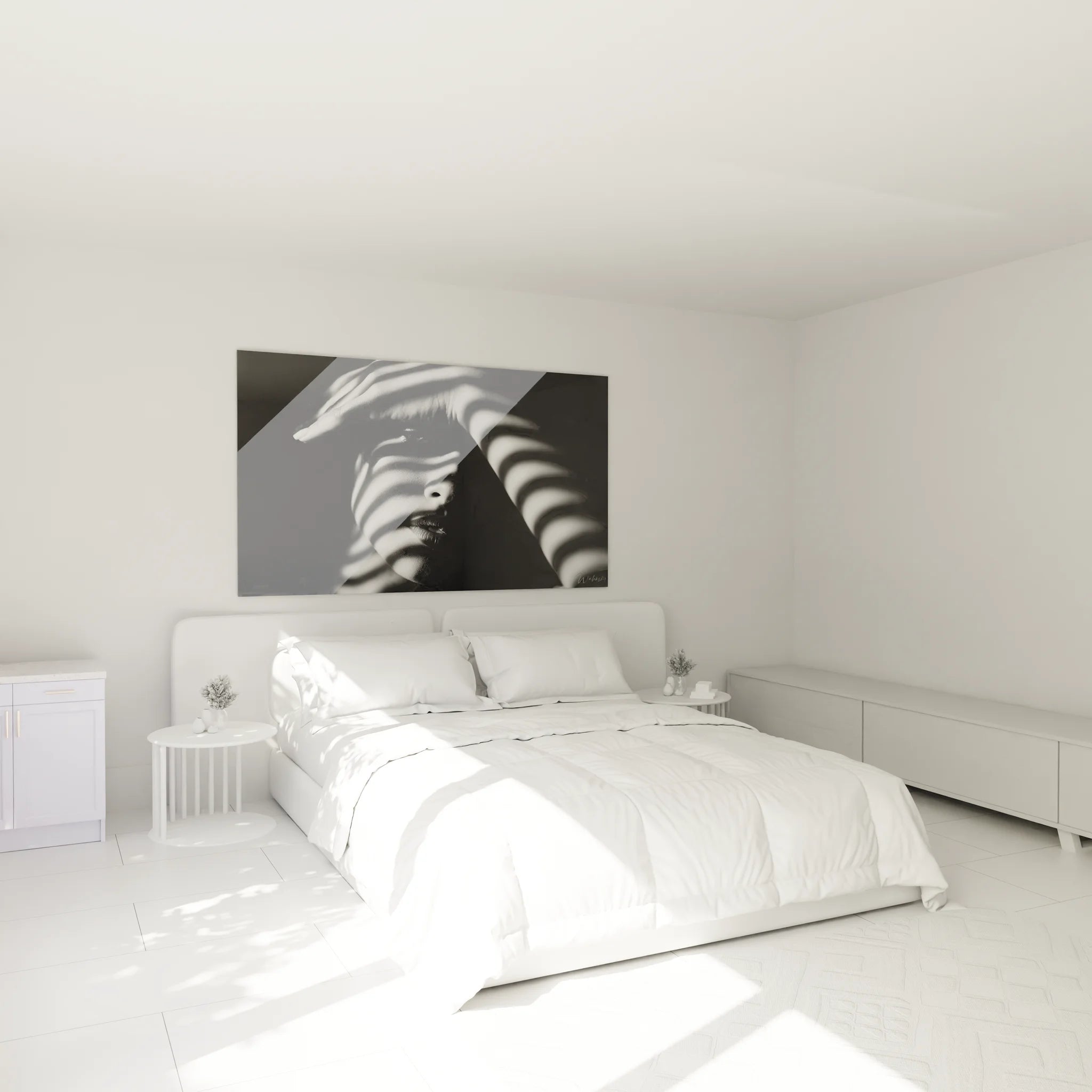
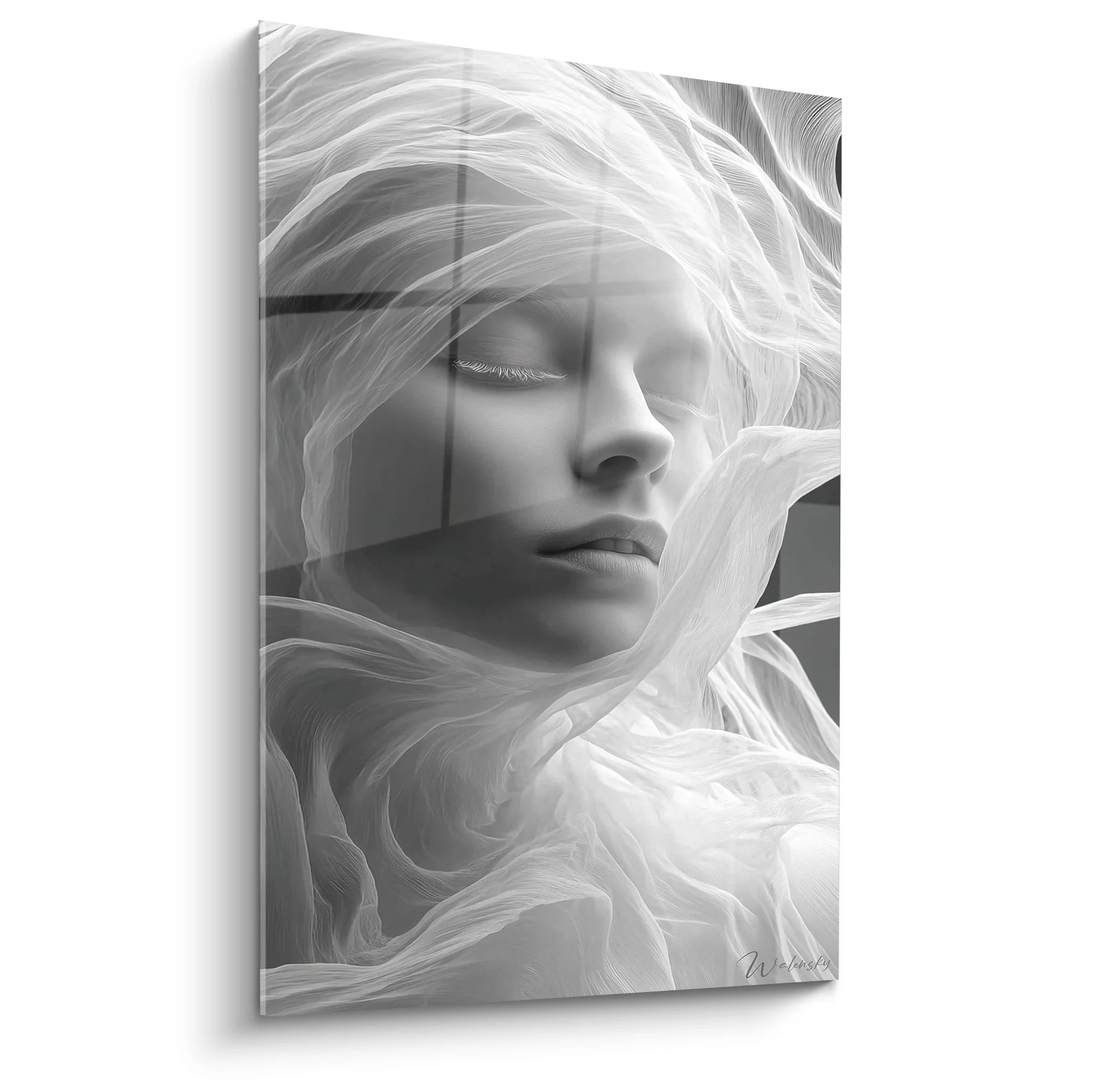
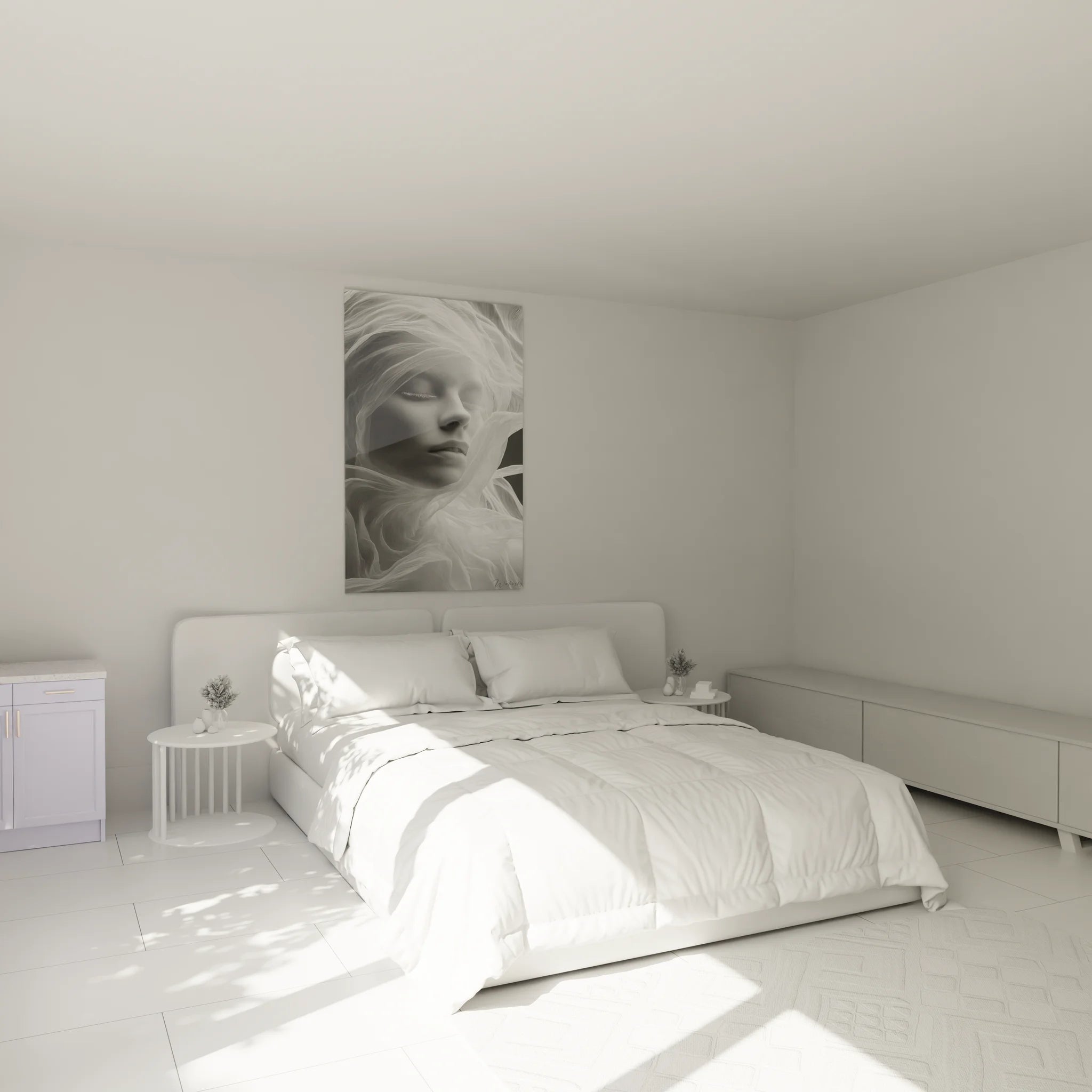
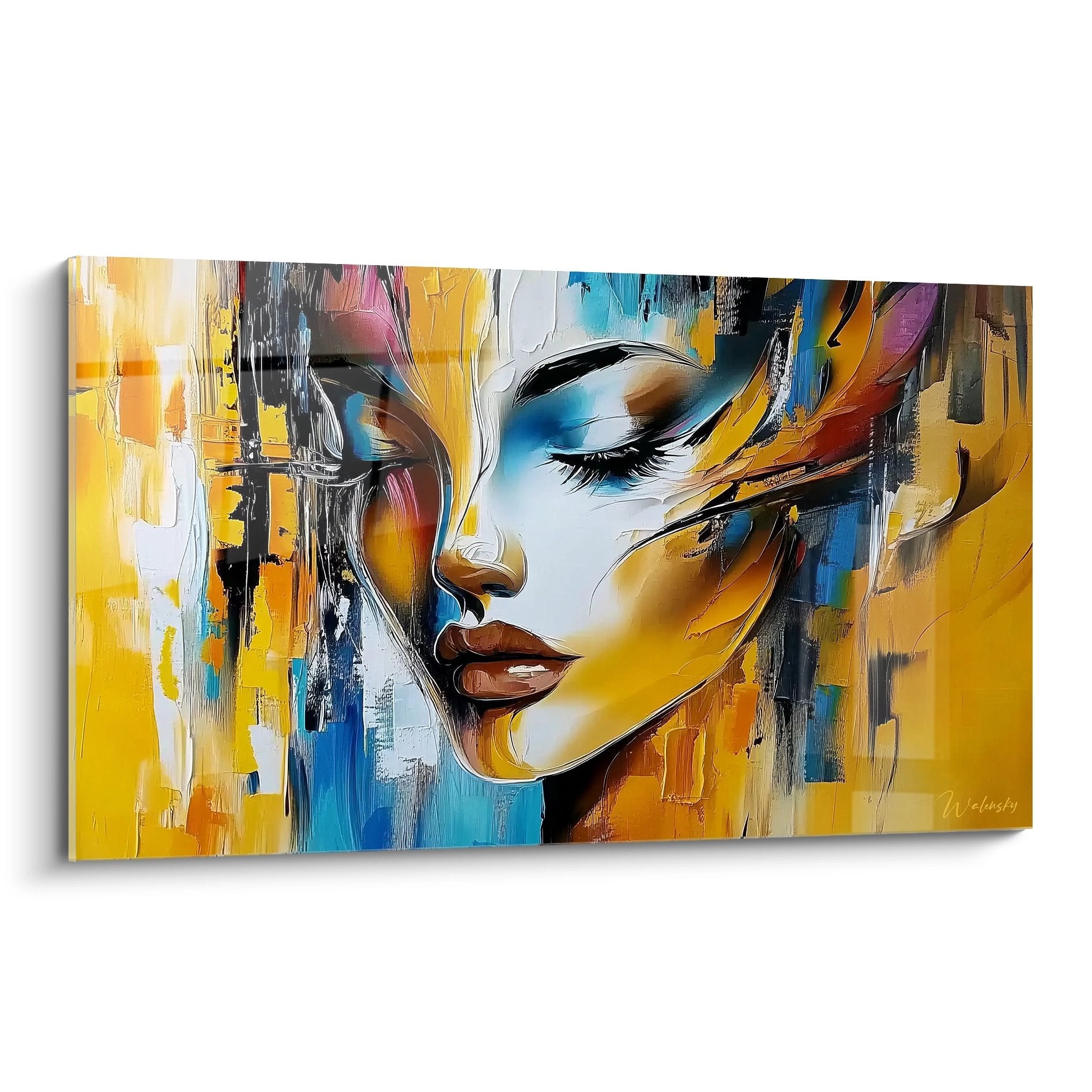
- Abstract Face Painting Presentation
- Abstract Face Painting - Emotional Expression
- Abstract Face Painting - Psychological Impact
- Abstract Face Painting - Visual Interpretation
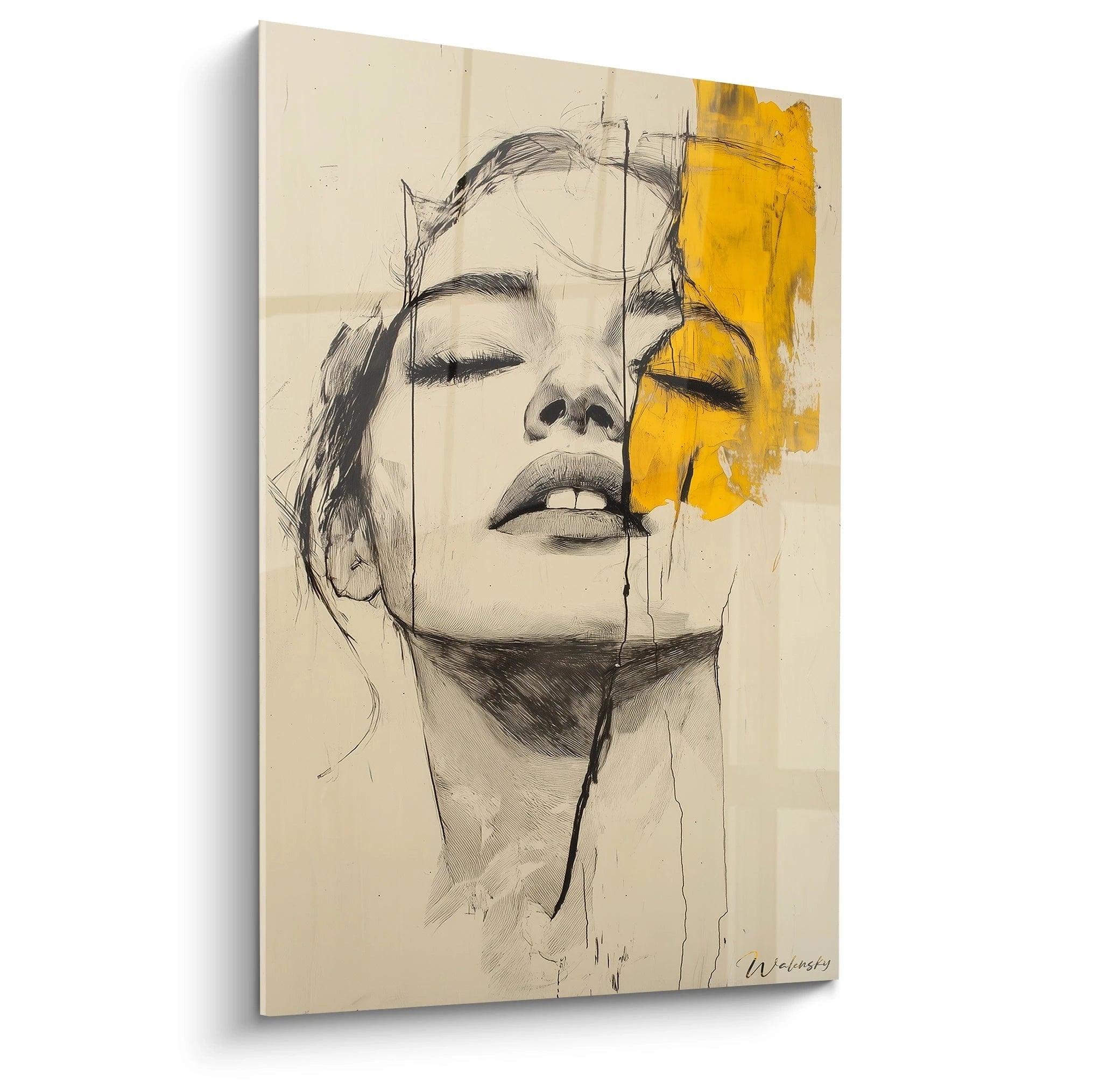
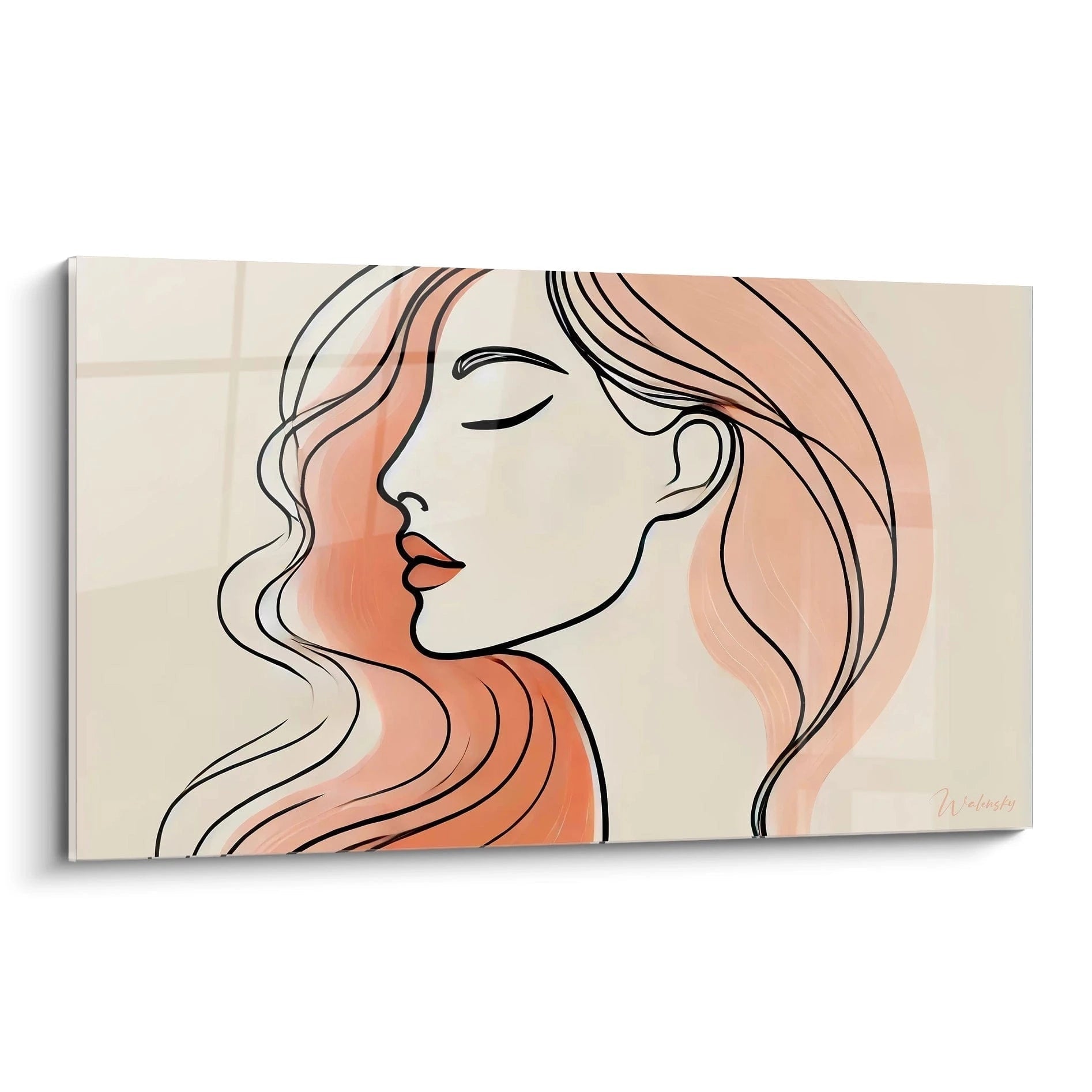
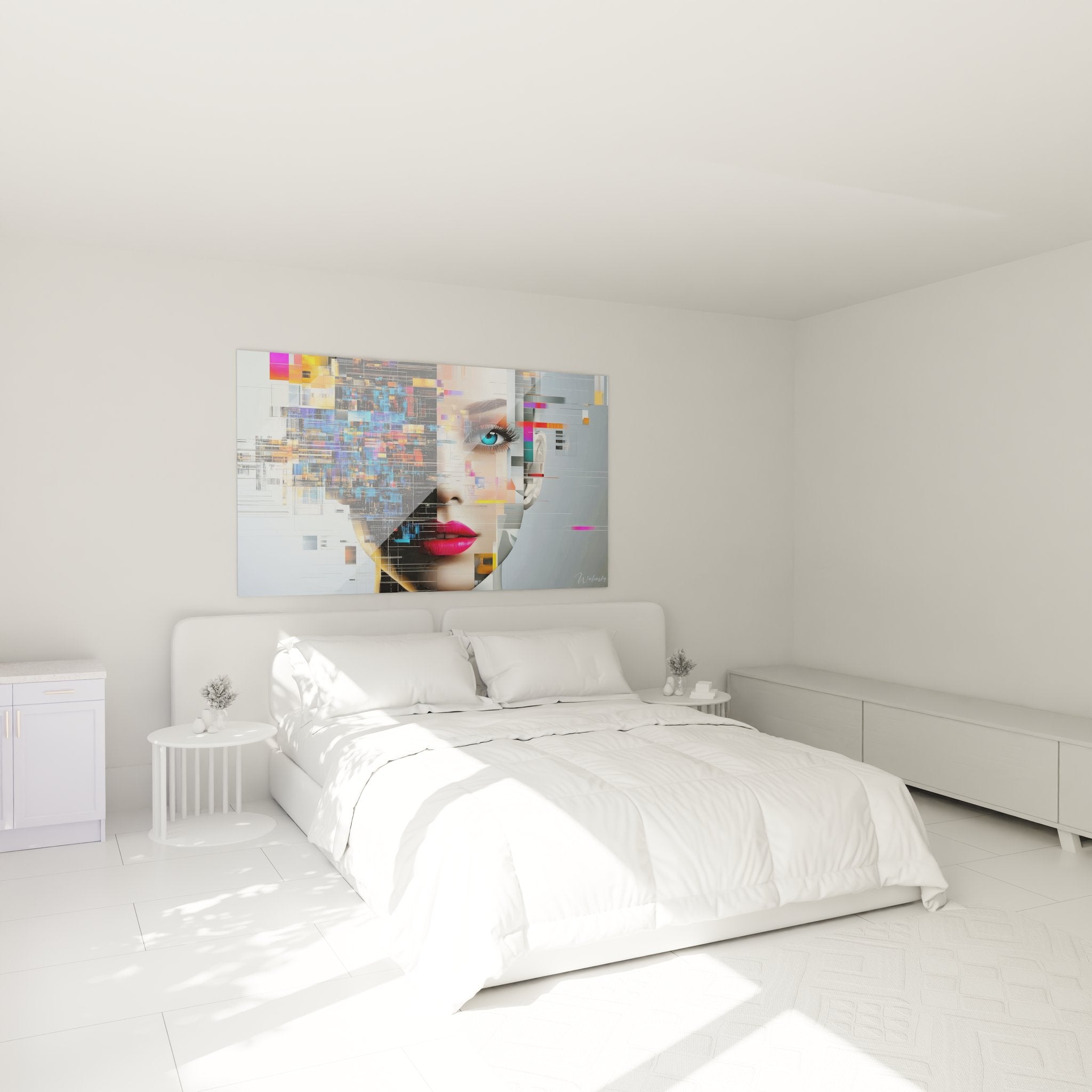
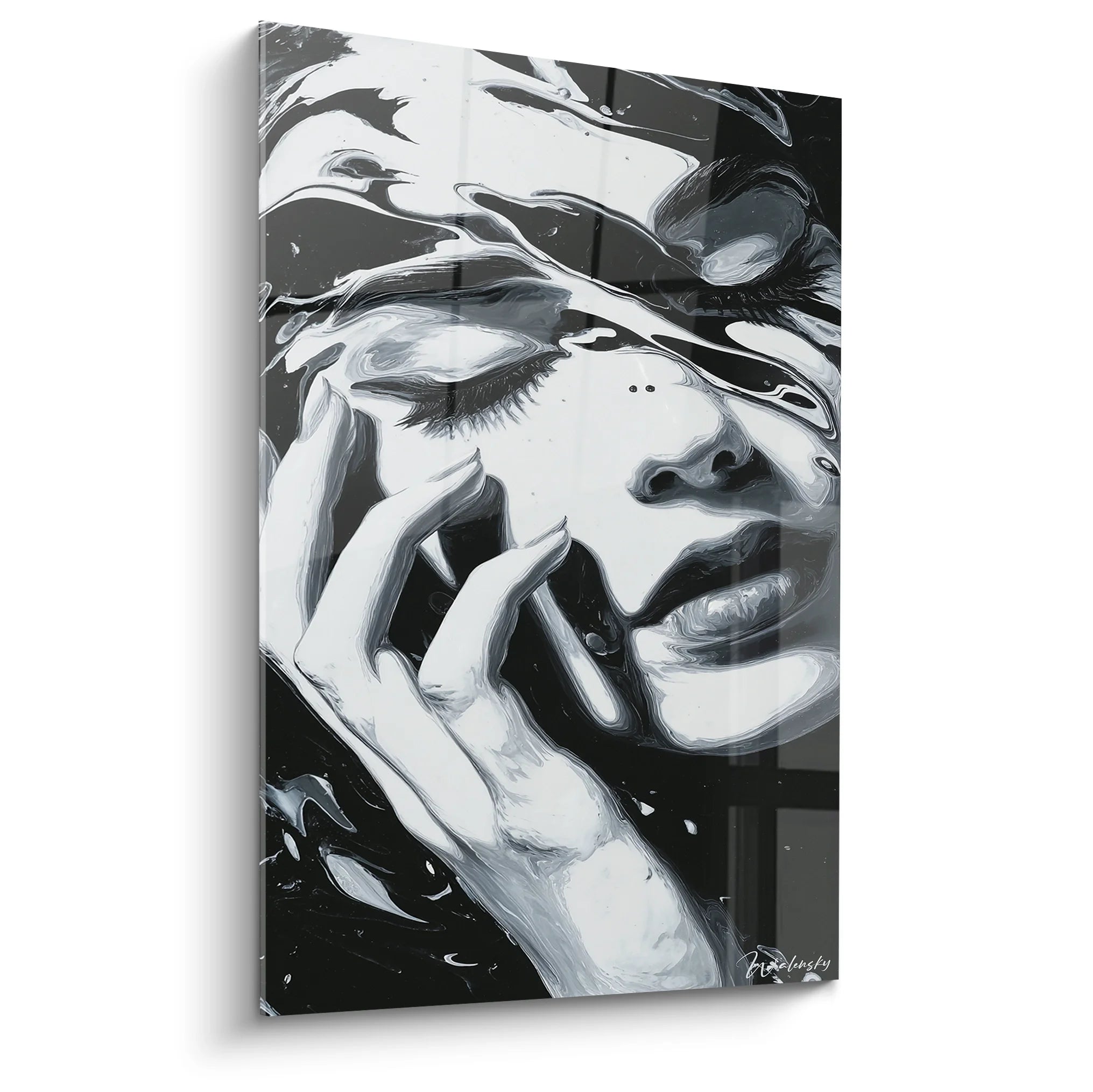
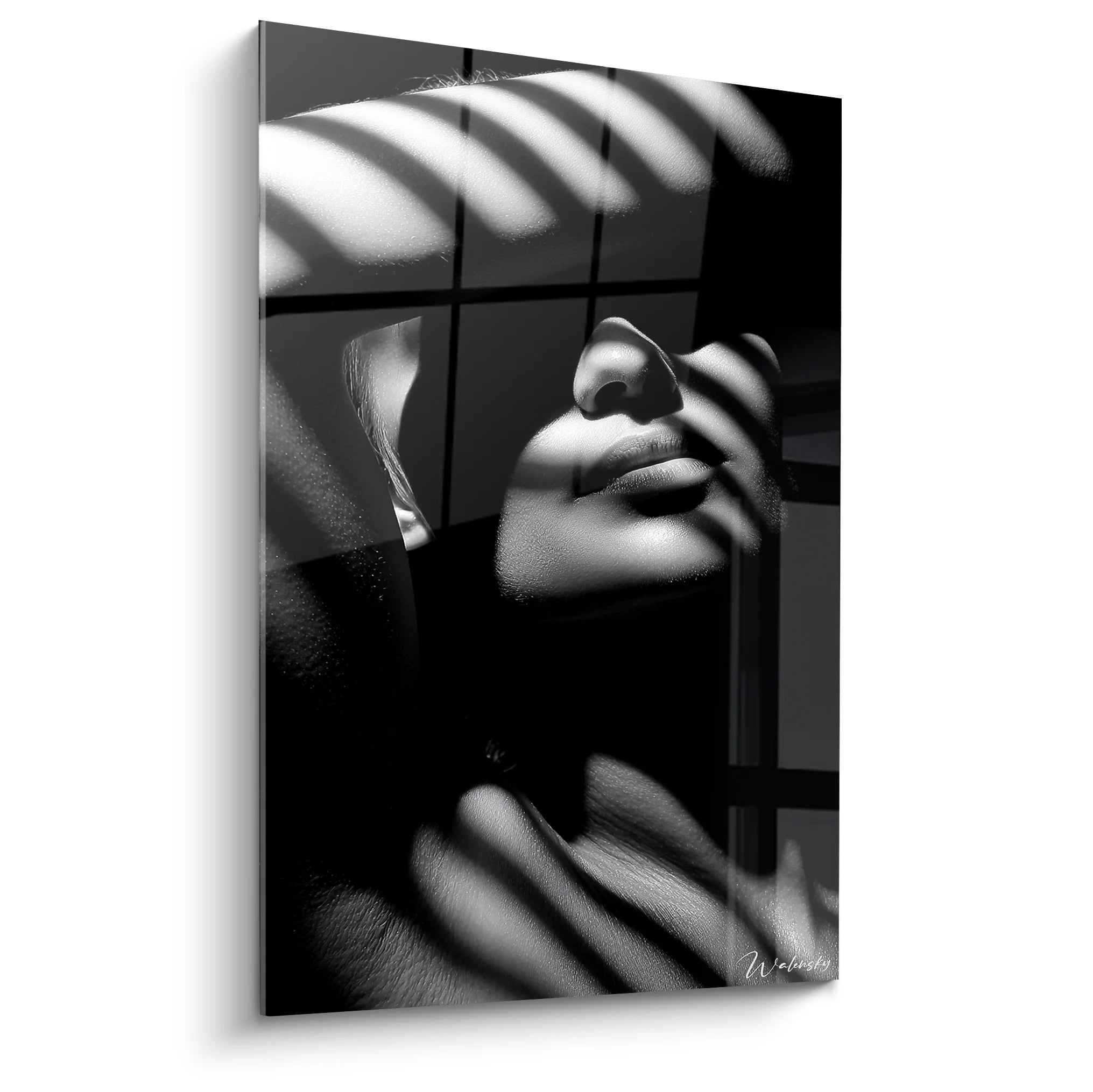
Discover the fascinating world of abstract face painting, a form of artistic expression that transcends traditional representations to capture the very essence of human emotion. Unlike conventional portraits, these contemporary artworks decompose facial features into geometric forms, expressive lines and chromatic explosions that evoke feelings rather than physical resemblance.
The art of abstract faces distinguishes itself through its unique ability to communicate the intangible - emotions, moods and human experiences - through a visual interpretation that invites personal reflection. Each artwork becomes an emotional mirror where the viewer can project themselves and explore their own feelings.
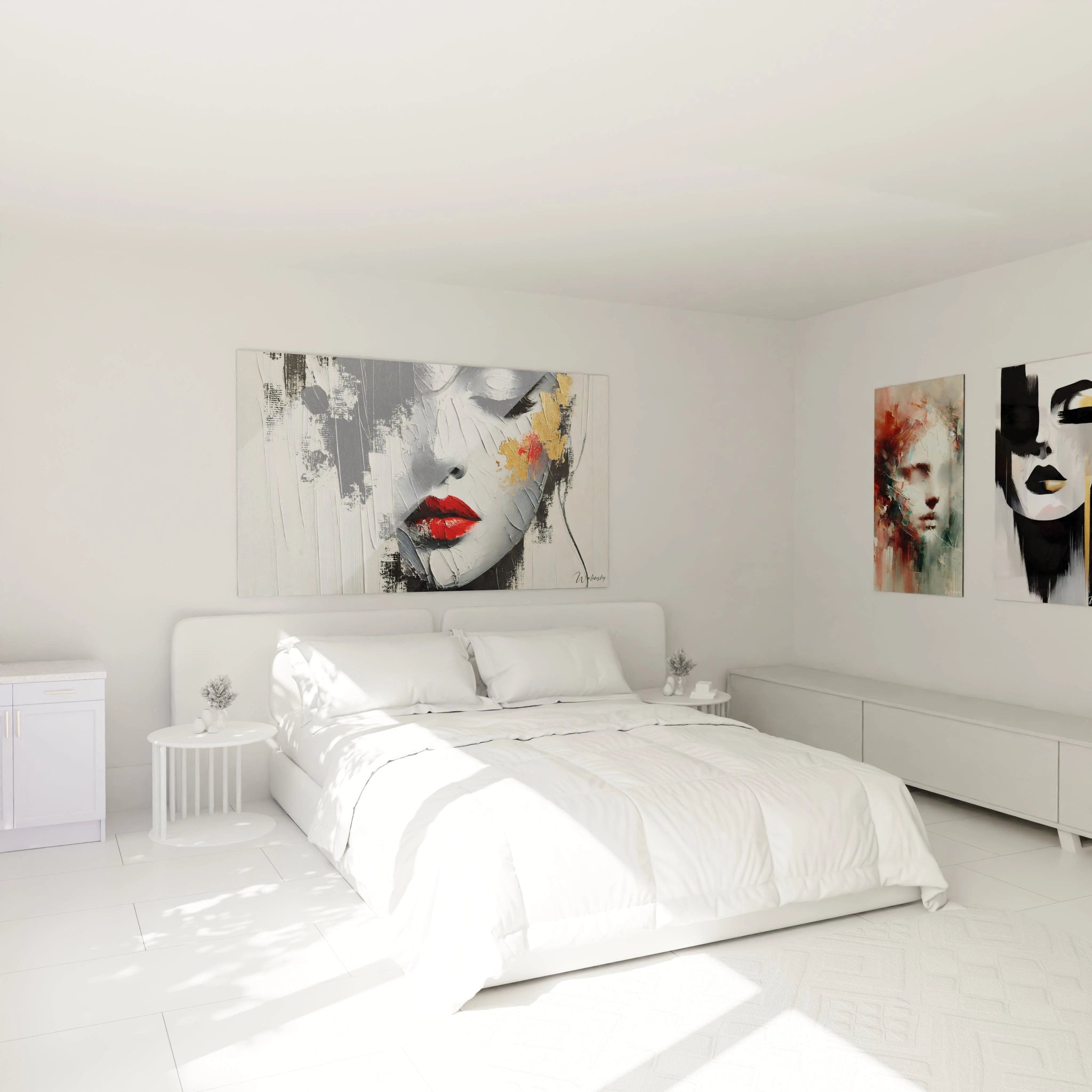
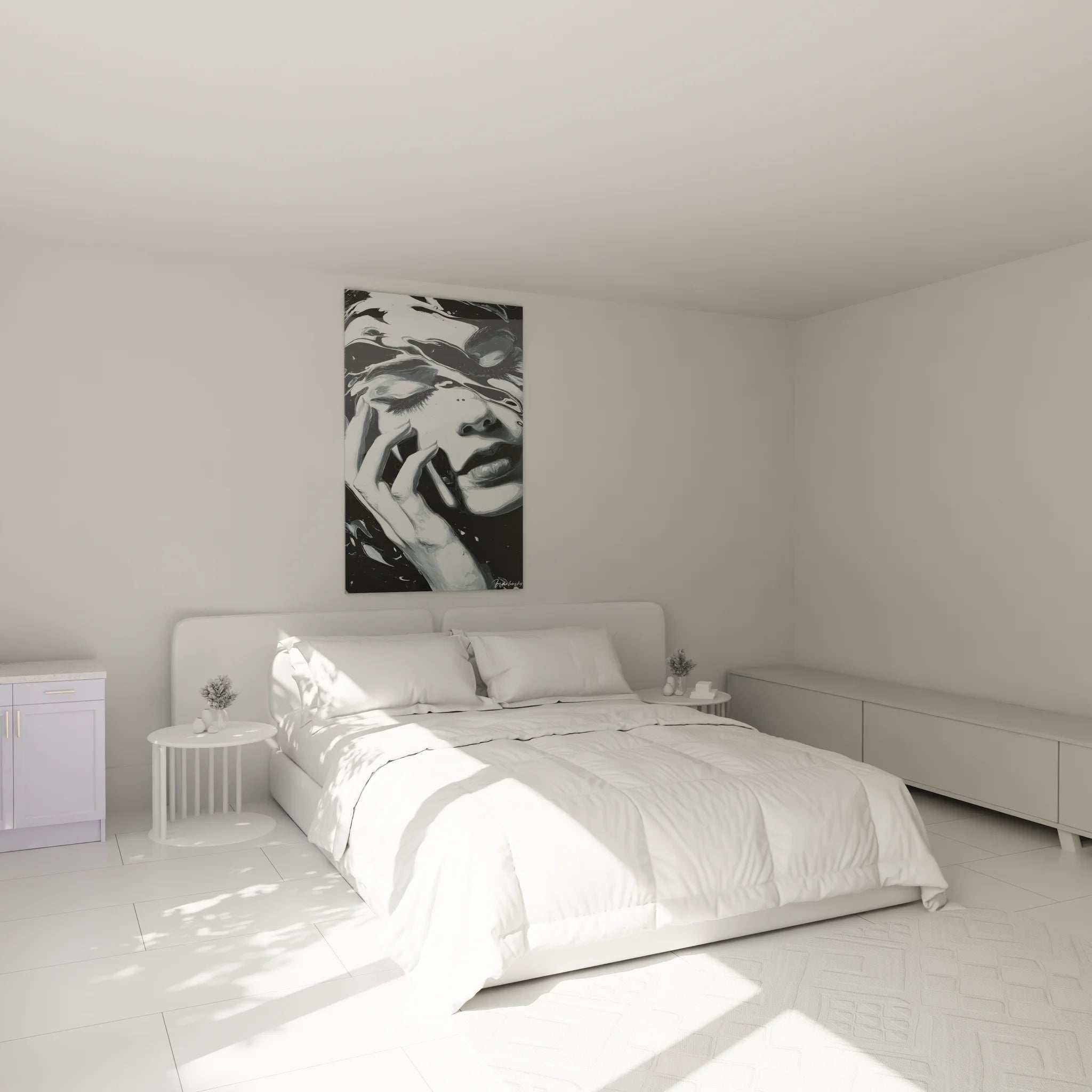
The abstract paintings representing faces radically transform contemporary spaces by creating striking focal points that stimulate conversation and introspection. These large-format pieces quickly become the center of attention in an interior, creating a visual dialogue between the artwork and its environment.
Unlike figurative representations, abstract face painting offers unlimited interpretive freedom. This unique characteristic allows the artwork to evolve in the viewer's perception over time, constantly revealing new emotional and intellectual dimensions according to changes in mood and perspective.
In current interior decoration trends, abstract face painting stands out as a privileged choice for those seeking to infuse psychological depth and artistic sophistication into their living and working spaces. These large-format artworks instantly create an atmosphere of intellectual refinement and openness to emotional expression.
Emotional Expression Through Abstract Face Painting
The abstract face painting fundamentally distinguishes itself from other forms of wall art by its unique ability to visually translate the intensity of human emotions without resorting to realistic representation. Unlike figurative works that capture external appearance, these artistic creations delve into the depths of emotional experience, transforming feelings into striking visual compositions.
How does an abstract face painting capture emotional essence?
The expressive power of abstract face painting lies in its deliberate deconstruction of conventional facial features. The artist intentionally fragments facial elements - eyes, mouth, bone structure - to reconstruct a representation that prioritizes emotional impact over anatomical fidelity. This decomposition paradoxically enables more direct and visceral communication of complex emotions.
Abstract faces employ a psychological color palette where each hue carries a specific emotional charge. Incandescent reds can evoke passion or anger, while deep blues convey melancholy or inner serenity. This chromatic codification transforms the painted surface into a true emotional cartography that viewers intuitively decipher.
- Deliberate distortion of facial proportions to amplify emotional impact
- Use of chromatic contrasts to symbolize emotional duality
- Layering techniques creating multidimensional emotional depth
- Integration of tactile textures enhancing the sensory experience of emotion
What role does artistic gesture play in abstract face painting?
The artist's gesture - energetic brushstrokes, nervous traces or fluid application of material - becomes the direct extension of the emotion represented. These movements imprinted in the painted material translate the intensity and nature of explored feelings, creating an immediate kinesthetic connection with the observer who feels the emotion physically before analyzing it intellectually.
Facial abstraction also enables simultaneous expression of contradictory emotions, thus reflecting human psychological complexity. A single abstract face can merge joy and sadness, serenity and anxiety, creating a more authentic representation of our emotional reality than conventional figurative approaches would permit.
The large formats of abstract face paintings significantly amplify emotional impact through an immersion effect. When an abstract face is represented in substantial dimensions, it creates an enveloping visual field that intensifies the viewer's emotional reaction, transforming the act of contemplation into a complete sensory experience.
This artistic form also offers unique personal projection space. Facing an abstract face painting, each observer unconsciously projects their own emotional experiences, thus creating a highly individualized and evolving interpretation of the artwork that enriches itself through repeated contemplations and changes in the viewer's emotional life.
In contemporary therapeutic environments, abstract face painting is increasingly used as an emotional exploration tool. Psychologists and art therapists integrate these works into their protocols to facilitate expression of feelings difficult to verbalize, creating a visual bridge to deeply buried emotions.
Psychological Impact of Abstract Face Painting in Contemporary Space
The abstract face painting exerts a unique psychological influence that fundamentally distinguishes it from other forms of wall art. Its destructured representation of human features creates an immediate cognitive resonance, activating brain areas dedicated to facial recognition while stimulating them differently through the absence of conventional reference points.
Why is the human brain particularly receptive to abstract face paintings?
Our neurological architecture possesses circuits specifically dedicated to face identification and interpretation - the fusiform face area. When confronted with an abstract face painting, this neural system activates but is simultaneously challenged by abstraction, creating cognitive tension that generates sustained attention and deep mental engagement with the artwork.
Contemporary neuroscience demonstrates that prolonged contemplation of an abstract face painting triggers more complex and nuanced emotional responses than observation of figurative works. The intentional ambiguity of these representations simultaneously activates multiple emotional circuits, creating a unique multidimensional psychological experience specific to this artistic form.
- Stimulation of the right hemisphere responsible for emotional and intuitive perception
- Simultaneous activation of empathy and personal introspection circuits
- Measurable modification of brain waves toward alpha states favoring deep reflection
- Significant increase in neural connectivity between analytical and emotional regions
The presence of a large-dimension abstract face painting in a living space creates what environmental psychologists call an "emotional anchor" - a visual reference point that subtly but profoundly influences the psychological atmosphere of the entire space. This influence extends far beyond immediate aesthetic impact.
How does daily exposure to an abstract face painting transform spatial perception?
The integration of an abstract face painting into a daily environment modifies psychospatial dynamics significantly. Research in environmental psychology demonstrates that these artworks create "cognitive decompression zones" - visual spaces that allow the brain to engage in spontaneous contemplative meditation amid otherwise functional environments.
Large-format abstract face paintings function as environmental mood regulators. Their presence in professional or residential spaces has demonstrated the capacity to modulate the emotional states of occupants, reducing measurable stress levels and increasing subjective well-being feelings through their interpretive openness quality.
In shared environments, these works function as catalysts for interpersonal connection, prompting profound conversations and perspective exchanges that transcend conventional social interactions. Their interpretive ambiguity encourages authentic sharing of subjective perceptions, strengthening social bonds through shared artistic appreciation.
The psychological relationship with an abstract face painting evolves uniquely over time. Unlike figurative works whose perception tends to stabilize, these abstract representations continually reveal new emotional dimensions depending on changes in the viewer's psychological state, creating a dynamic and evolving artistic experience.
Visual and Symbolic Interpretation of Abstract Face Painting
The abstract face painting constitutes a complex visual language that transcends traditional narrative conventions of facial representations. Unlike classical portraits that prioritize resemblance, these works establish a symbolic communication system where each graphic element - line, form, color - becomes carrier of profound psychological significance.
How do you decode visual symbols in abstract face painting?
Interpretation of an abstract face painting relies on a unique visual grammar where fragmentation of facial elements symbolizes the complexity of human identity. Displaced, multiplied or transformed eyes often represent different perspectives of consciousness, while mouth distortion evokes the complexities of emotional expression and communication.
The spatialization of elements on the painted surface reflects a codified emotional cartography. Components placed in the upper portion of the painting generally symbolize intellectual and spiritual aspects, while elements located in lower zones represent more instinctive and primordial emotions, creating a true topography of the human psyche.
- Facial deconstruction as visual metaphor for contemporary identity complexity
- Use of broken lines symbolizing emotional and psychological ruptures
- Overlapping of elements representing the multidimensionality of human experience
- Integration of negative space as expression of the unsaid and unconscious
The large formats characteristic of abstract face painting enable a unique symbolic immersion experience. The imposing scale transforms the act of contemplation into a complete bodily experience, where the viewer is literally enveloped by the artwork's symbolic field, blurring boundaries between observer and observed object.
How does interpretation of an abstract face painting vary according to cultural context?
Symbolic interpretation of an abstract face painting is deeply influenced by the observer's cultural background. Viewers from Western visual traditions tend to decode these works through the lens of individuality and personal expression, while Eastern perspectives often privilege collective and spiritual dimensions of the same representations.
In contemporary architectural environments, these paintings establish a symbolic dialogue with their exhibition space. The geometric lines of modern interiors resonate or intentionally contrast with the organic forms of abstract faces, creating a visual conversation that simultaneously enriches both the artwork and its spatial context.
Contemporary abstract face painting frequently integrates a temporal dimension into its symbolism. The apparent simultaneity of multiple expressions or emotional states on a single face represents the non-linearity of human temporal experience, where past, present and future projection coexist in our consciousness at every moment.
This artistic form also offers privileged visual expression of liminal psychological states - those transitional moments between different states of consciousness or life stages. The fluid and ambiguous nature of facial abstraction enables capture of these intermediate zones of human experience that figurative art struggles to represent authentically.
FAQ on abstract face paintings
How to integrate an abstract face painting into a minimalist interior?
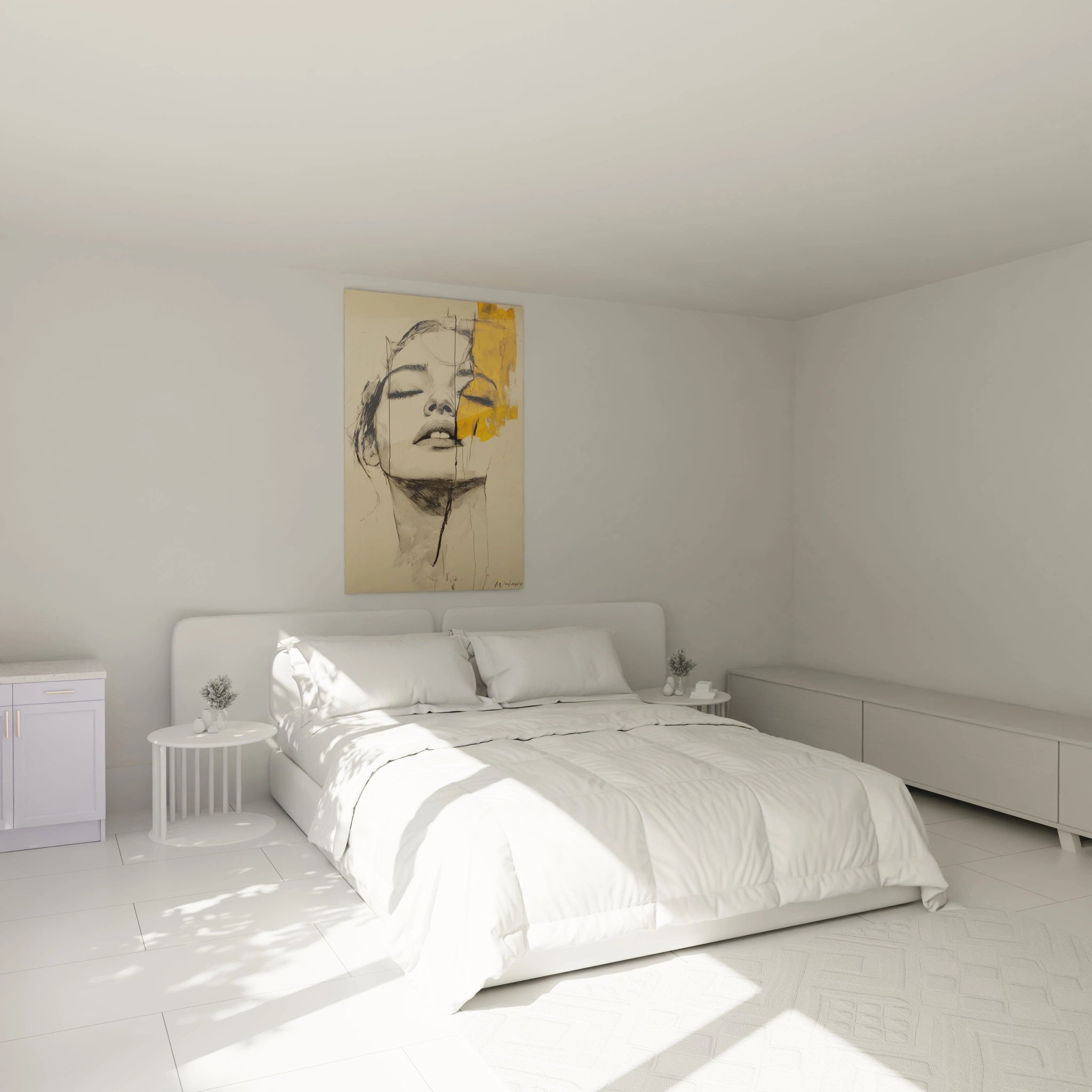
In a minimalist environment, an abstract face painting works ideally as a unique centerpiece on a clear wall, preferably facing the main entrance to create immediate visual impact. Choose a space offering viewing distance of at least twice the artwork's width to enable optimal contemplation of details and overall composition.
Can an abstract face painting influence a room's acoustics?
Indeed, large-format abstract face paintings, particularly those incorporating pronounced textures or reliefs, contribute to improved acoustics in contemporary spaces with hard surfaces by diffusing sound waves and reducing reverberation. This functional aspect adds to their aesthetic value in open spaces with high ceilings.
What is the emotional lifespan of an abstract face painting?
Unlike decorative works whose impact diminishes over time, a quality abstract face painting experiences "emotional maturation" - its psychological resonance deepens over several years, progressively revealing new interpretive dimensions depending on the viewer's personal evolution and seasonal lighting changes.