


Garden Wall Art
Discover our "Garden Wall Art" collection, a series of works that evoke the floral beauty and serenity of nature. Each garden wall art captures the essence of a lush landscape, offering your space a soothing and harmonious ambiance. These artworks are perfect for bringing a touch of greenery and freshness to your interior decoration. Immerse yourself in a universe where each floral artwork transforms your room into a true natural sanctuary, while creating a relaxing and revitalizing atmosphere. Enhance your walls with this nature-inspired collection.
 Magic Path Wall Art - Garden Landscape Edition273,90 €
 Pond with Water Lilies and Weeping Willows Painting - Impressionist Oasis - Garden Edition273,90 €
 Open Window onto Blooming Garden Painting - Golden Mimosas - Garden Edition228,90 €
 Window on the Garden - Garden Landscape Edition273,90 €
 Romantic Fountain Wall Art - Garden Landscape Edition273,90 €
 Floral Harmony Wall Art - Landscape Garden Edition273,90 €
 Blooming Garden Wall Art from Open Window - Colorful Autumn View - Garden Edition273,90 €
 Impressionist Garden Painting - Willow Reflections by the Water - Garden Edition228,90 €
 Impressionist Garden Painting - Weeping Willows and Blooming Pond - Garden Edition273,90 €
 Vegetable Offering Canvas - Garden Landscape Edition273,90 €
 Paradise in Bloom Canvas - Garden Landscape Edition273,90 €
 Pastel Paradise Wall Art - Garden Edition273,90 €
 Botanical Poetry Painting - Garden Landscape Edition273,90 €
 Dream Bridge Wall Art - Garden Landscape Edition273,90 €
 Bucolic Refuge Wall Art - Garden Landscape Edition273,90 €
 Weeping Willows Painting - Garden with Golden Reflections - Garden Edition273,90 €
 Countryside Table Wall Art - Garden Landscape Edition273,90 €
 Mediterranean Terrace Wall Art - Lunch Under the Pergola - Garden Edition273,90 €
In the same family
Also explore the theme Nature
-
 View all5000
artworks
View all5000
artworks
-
 Aloe vera94
artworks
Aloe vera94
artworks
-
 Tree64
artworks
Tree64
artworks
-
 Tree of Life50
artworks
Tree of Life50
artworks
-
 Azalea106
artworks
Azalea106
artworks
-
 Bamboo241
artworks
Bamboo241
artworks
-
 Nature's Beauties372
artworks
Nature's Beauties372
artworks
-
 Cornflower133
artworks
Cornflower133
artworks
-
 Cactus81
artworks
Cactus81
artworks
-
 Camellia197
artworks
Camellia197
artworks
-
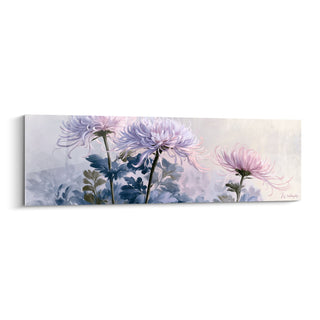 Chrysanthemum225
artworks
Chrysanthemum225
artworks
-
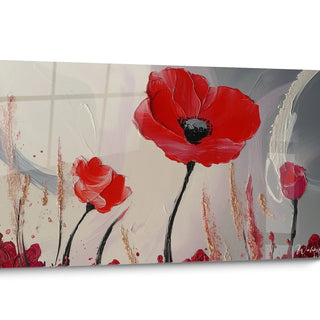 Poppy341
artworks
Poppy341
artworks
-
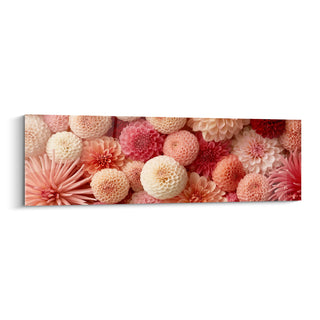 Dahlia161
artworks
Dahlia161
artworks
-
 Eucalyptus119
artworks
Eucalyptus119
artworks
-
 Banana Leaf72
artworks
Banana Leaf72
artworks
-
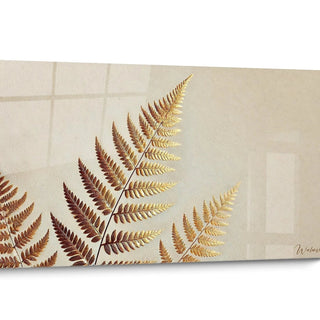 Golden Leaf2
artworks
Golden Leaf2
artworks
-
 Flower276
artworks
Flower276
artworks
-
 Iris Flower179
artworks
Iris Flower179
artworks
-
 Wildflowers5
artworks
Wildflowers5
artworks
-
 Pebbles9
artworks
Pebbles9
artworks
-
 Ginkgo71
artworks
Ginkgo71
artworks
-
 Glycine217
artworks
Glycine217
artworks
-
 Hydrangea140
artworks
Hydrangea140
artworks
-
 Daffodil163
artworks
Daffodil163
artworks
-
 Lavender135
artworks
Lavender135
artworks
-
 Lily135
artworks
Lily135
artworks
-
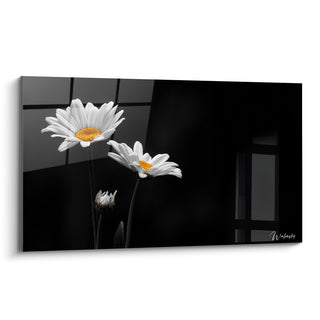 Daisy156
artworks
Daisy156
artworks
-
 Monstera8
artworks
Monstera8
artworks
-
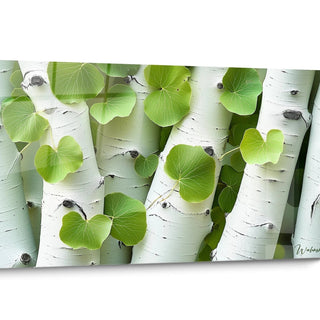 Other Nature80
artworks
Other Nature80
artworks
-
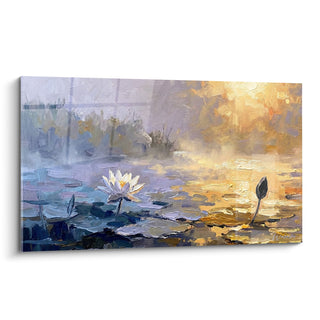 Water Lily105
artworks
Water Lily105
artworks
-
 Olivier321
artworks
Olivier321
artworks
-
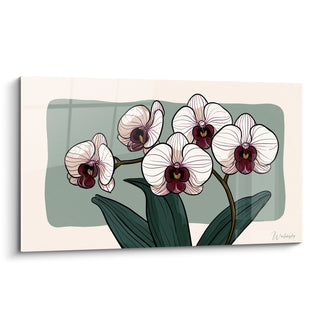 Orchid87
artworks
Orchid87
artworks
-
 Palm Tree375
artworks
Palm Tree375
artworks
-
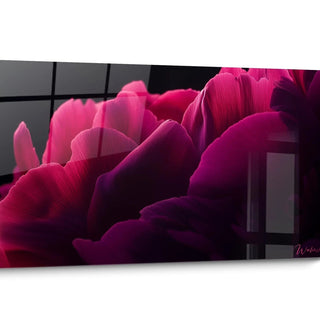 Peony168
artworks
Peony168
artworks
-
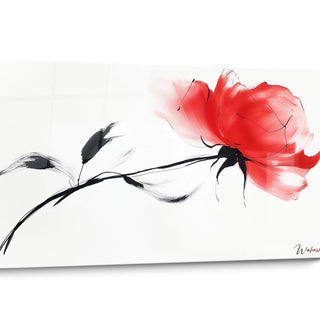 Roses14
artworks
Roses14
artworks
-
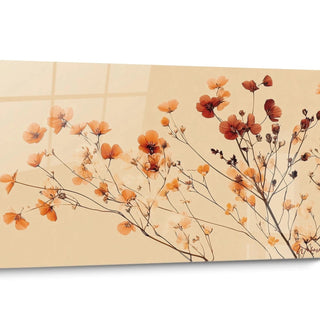 Terracotta436
artworks
Terracotta436
artworks
-
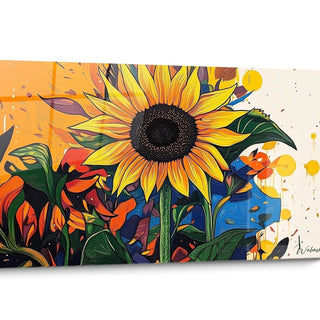 Sunflower152
artworks
Sunflower152
artworks
-
 Tulip542
artworks
Tulip542
artworks


All about Garden Wall Art
- Overview Garden Wall Art
- Garden wall art for outdoor ambiance
- Weather-resistant garden wall art
- Garden wall art and landscape design
Garden wall art represents a distinctive category in mural art, capturing the vibrant essence of outdoor spaces to integrate them harmoniously into your interior décor. These unique artworks allow you to enjoy the serenity of a garden year-round, regardless of seasons and weather conditions. Each garden wall art piece tells a different story, whether it's a perfectly manicured French garden, a romantic and lush English garden, or a calming Japanese zen garden.
Garden wall art is particularly sought after for its ability to radically transform the atmosphere of a room, bringing freshness and vitality to urban and confined spaces. Unlike other types of wall art, these garden representations create a window to the outside, visually expanding the space and establishing a connection with nature, even in environments most removed from it. Discover in our various tabs how to choose, place and showcase these landscape artworks that celebrate the beauty of gardens.
How to integrate garden wall art to create an outdoor ambiance indoors
Garden wall art is far more than simple wall decoration – it represents a true window to nature that radically transforms the atmosphere of your interior space. Unlike marine or urban representations, garden wall art brings a unique sensation of living greenery and open space, particularly valuable in densely populated urban environments.
Why choose garden wall art over other types of natural representation?
Garden wall art distinguishes itself through its unique ability to create a visual extension of your space. Unlike forest wall art that can sometimes provoke a sensation of confinement, or mountain paintings that evoke distant horizons, garden wall art represents a domesticated and accessible natural space, thus creating perfect continuity with your interior.
Representations of flower or vegetable gardens bring a seasonal dimension to your décor. A spring garden bursting with colors can illuminate a dark room during winter months, while an autumn garden with warm tones will visually warm a minimalist contemporary space.
Strategic placements to maximize the spatial extension effect
One of the distinctive advantages of garden wall art is its ability to create an optical illusion that completely transforms the perception of a room. Placed strategically facing the entrance of a narrow room, garden wall art representing a pathway or garden lane immediately creates a sensation of depth and increased space.
For urban apartments with few windows, position your garden wall art near a source of natural light. This proximity between real light and the representation of outdoor nature reinforces the illusion of an opening to a true garden space – a psychological effect particularly sought after in confined metropolitan spaces.
Large-format garden wall art produces considerable visual impact in transition spaces such as hallways or stair landings, transforming these utilitarian zones into enriching visual experiences that evoke a walk through nature.
Specific garden scenes and their psychological effects
Each type of garden representation generates distinct atmosphere and emotions that should be adapted to your specific needs:
• A wall art depicting a minimalist Japanese garden with its pure lines and carefully calculated perspectives brings calm and meditation – ideal for a workspace or bedroom.
• Representations of lush vegetable gardens unconsciously stimulate the senses and appetite, making them particularly judicious choices for energizing a dining room or kitchen.
• English rose gardens or colorful flower beds bring joy and energy, perfect for common spaces like the living room where social stimulation is sought.
• Nocturnal gardens illuminated by lanterns or moonlight create an intimate and mysterious ambiance, ideal for spaces dedicated to evening relaxation.
How garden wall art influences your complete sensory perception
The impact of garden wall art extends far beyond the visual realm. Research in environmental psychology has demonstrated that simple exposure to representations of lush nature can significantly lower cortisol levels (stress hormone) and improve overall mood.
The phenomenon of "induced olfactory memory" explains why some people report subtly perceiving floral fragrances or freshly cut grass when contemplating realistic garden wall art. This neurological phenomenon, where the brain reconstructs a complete sensory experience from a purely visual stimulus, considerably amplifies the immersive effect of the artwork.
To maximize this effect, choose garden wall art depicting a scene that evokes specific sensory memories for you – the garden of your childhood, a memorable park visited during travel, or a type of garden that particularly fascinates you.
Seasonal harmony and rotation of garden wall art
Unlike classical wall art designed for permanent display, garden wall art perfectly lends itself to seasonal rotation. This innovative practice, adopted by many interior decorators, consists of adapting your wall décor to the rhythm of seasons to maintain a constant connection with the natural cycle outside.
During cold winter months, favor wall art representing vibrant spring or summer gardens to counterbalance the gray exterior. Conversely, during summer heat waves, a representation of a shaded garden with water features will bring a welcome visual sensation of coolness.
This practice of seasonal rotation of garden wall art proves particularly beneficial in regions with extreme climates or for people sensitive to seasonal affective disorder, offering psychological support through simple daily exposure to natural scenes corresponding to the emotional needs of the moment.
Weather-resistant garden wall art: art that defies the elements
In the realm of outdoor decorations, weather-resistant garden wall art represents a remarkable innovation that redefines the possibilities of artistic expression in our green spaces. Unlike traditional artworks confined to interiors, these specially designed creations can withstand the vagaries of weather while magnifying the aesthetics of your landscape designs.
How outdoor garden wall art transforms your green spaces
Exterior walls, fences and garden shed facades often represent neglected surfaces in landscape design. The introduction of weather-resistant garden wall art allows you to transform these empty spaces into artistic focal points that immediately attract attention and visually structure your outdoor space.
Unlike statues or fountains that occupy ground space, garden wall art optimizes vertical surfaces, a particularly valuable solution in urban gardens with limited dimensions. Their presence instantly creates different "themed zones" in your garden, visually delimiting distinct functional areas without requiring physical separations.
The surprise effect generated by discovering unexpected artwork around a garden path contributes significantly to the complete sensory experience that any well-designed outdoor space should offer. These artistic elements encourage exploration and contemplation, transforming a simple stroll through your garden into a genuine aesthetic journey.
What specific materials allow garden wall art to resist the elements?
The exceptional resistance of outdoor garden wall art relies on material innovations specifically developed for exposed environments:
• Enameled ceramic or vitrified mosaic garden wall art offers unparalleled resistance to UV rays, humidity and extreme thermal variations. These materials retain their brilliance for decades, even in permanent outdoor exposure.
• Prints on anodized aluminum sheets with injected mineral inks represent a major technological innovation. These modern garden artworks combine lightness and exceptional durability, resisting even particularly corrosive coastal environments.
• Carved or engraved stone garden wall art encompasses a millennia-old tradition of exterior decoration. Whether limestone, granite or slate, these natural materials age gracefully, developing a patina that harmoniously integrates over the seasons.
• Multilayered tempered glass fused at high temperatures offers unique transparency and light effects. Specially formulated to resist impacts and thermal shocks, these garden artworks create plays of shadow and light that evolve throughout the day.
The singular aesthetic evolution of outdoor garden wall art
Unlike interior artworks that remain unchanged, outdoor garden wall art maintains a dynamic relationship with its environment, evolving visually with the rhythm of seasons and years:
The natural patina phenomenon progressively transforms the appearance of garden wall art in materials such as bronze, copper or certain wood essences. This controlled metamorphosis, far from being degradation, represents an ongoing artistic process that enriches the work by conferring depth and character.
Interaction with surrounding vegetation creates unique scenographic effects. Imagine garden wall art strategically placed to be progressively framed by climbing plants, or positioned so its motif is complemented by the projected shadow of adjacent foliage – these considerations create living compositions in perpetual evolution.
Variations in appearance based on weather conditions constitute one of the most fascinating characteristics of outdoor garden wall art. Materials such as stone or enameled ceramic reveal unsuspected color nuances when wet by rain, thus creating a renewed visual experience after each downpour.
Strategic positioning to maximize visual impact and durability
Exposure to elements, while controlled through special materials, must nevertheless be considered to optimize both aesthetic impact and longevity of your garden wall art:
Orientation relative to the sun determines not only color preservation but also the visual effect at different times of day. Garden wall art positioned to receive the raking light of sunset will see its reliefs and textures magnified by lengthened shadows, creating a captivating daily spectacle.
The relative protection offered by surrounding vegetation can be strategically exploited. Garden wall art partially sheltered by the deciduous foliage of a tree will benefit from natural sun protection in summer, while receiving beneficial light during winter months when the tree loses its leaves.
Consideration of microclimates within your garden allows optimization of the experience. In windy regions, favor relatively sheltered areas for garden wall art including textured elements that might accumulate dust or plant debris. In very humid zones, ensure water can flow freely from the frame and support.
Garden wall art and landscape design: creating striking perspectives
The strategic integration of garden wall art into landscape design represents an innovative approach that transcends simple decoration to become a genuine spatial design tool. Unlike traditional decorative elements, garden wall art possesses this unique ability to create visual perspectives, define ambiances and establish harmonious transitions between different outdoor spaces.
How to use garden wall art as a focal point in landscape design?
The concept of focal point represents a fundamental principle in landscape architecture – an element that naturally attracts the eye and around which the surrounding space organizes itself. Garden wall art, through its artistic nature and distinctive vertical presence, constitutes a particularly effective focal point that can radically transform the perception and organization of your outdoor space.
In minimalist contemporary gardens, a large-scale abstract garden artwork instantly creates visual anchoring that compensates for the surrounding simple vegetation. This approach maintains the purity of lines characteristic of minimalist design while introducing an element of sophisticated visual interest.
For small-sized gardens, garden wall art representing a perspective or landscape scene creates a particularly effective optical illusion. Placed strategically at the end of a pathway or against a terminal wall, it generates a sensation of depth that visually enlarges available space – a technique particularly valuable in constrained urban environments.
Garden wall art as a transition element between different landscape zones
Well-designed gardens typically comprise several "rooms" or distinct thematic zones. The challenge consists of creating harmonious transitions between these spaces, and this is precisely where garden wall art reveals one of its most sophisticated functions in landscape design.
Garden wall art strategically placed at the intersection of two different thematic zones – for example between a structured vegetable garden space and a wild meadow area – can ensure progressive visual transition. By incorporating visual elements from both spaces, it subtly prepares the visitor for the change in ambiance.
The "landscape framing" technique consists of using garden wall art as a visual introduction element to a space that is not immediately visible. Placed at the entrance of a pathway or turning, it offers an artistic preview of the destination, creating anticipation and narrative coherence in the garden experience.
What specific perspectives can garden wall art create in your outdoor design?
The thoughtful integration of garden wall art can fundamentally modify the spatial and directional perception of your outdoor design:
Forced perspective represents a classical technique where garden wall art depicting a scene in depth is placed at the terminus of a progressively narrowing pathway. This optical illusion, masterfully used in historic gardens, creates an impression of considerably increased distance.
The concept of "garden window" consists of framing garden wall art with structured vegetation elements – clipped hedges, climbing plant arches or architectural structures. This staging transforms the artwork into a true opening toward an imaginary space, delightfully blurring the boundary between reality and representation.
Mirror compositions, where garden wall art reflects and intentionally complements an actual design element positioned opposite it, create fascinating visual resonance. This sophisticated technique visually multiplies space and establishes an aesthetic conversation between art and living landscape.
The synergy between landscape lighting and garden wall art
One of the most captivating innovations in using garden wall art concerns its integration with landscape lighting systems, completely transforming its presence and impact after sunset.
Directional lighting techniques allow you to highlight the textures and reliefs of three-dimensional garden wall art. Raking light placed in the lower section reveals details invisible in natural light, while downlighting can create dramatic shadows that metamorphose the artwork.
For garden wall art in translucent materials such as glass or certain resins, backlighting creates a spectacular effect after nightfall. This transformation of the artwork into a true artistic lantern offers a dual identity to the work and considerably extends its impact in landscape design.
Programmable lighting systems allow modification of garden wall art appearance throughout the evening or across seasons. An artwork illuminated by warm light early evening, then progressively by cooler and more directional light late at night, creates an evolving experience that constantly renews visual interest.
FAQ: Frequently asked questions about garden wall art
How do I choose the ideal size of garden wall art for my outdoor space?
The ideal size for garden wall art depends mainly on the typical viewing distance and scale of surrounding elements. For large open spaces, opt for monumental garden wall art at least 120 cm wide to ensure sufficient visual impact even at distance. In more intimate spaces such as patios, favor medium formats between 60 and 90 cm that integrate harmoniously without visually dominating available space.
Can garden wall art really withstand rigorous winter conditions?
Garden wall art specifically designed for outdoors can indeed withstand rigorous winters thanks to special materials and treatments. Versions in enameled ceramic, treated aluminum composite or multilayered tempered glass are specifically formulated to support freeze-thaw cycles without degradation. For optimal protection in regions with particularly severe winters, favor artworks with marine-grade stainless steel frames and verify manufacturer specifications concerning resistance to extreme negative temperatures.
How do I harmoniously integrate garden wall art into existing landscape design?
Harmonious integration of garden wall art into an already designed space relies on identifying a "visual void" – typically an underutilized wall, fence or transition zone. Seek the existing lines of force in your garden (pathways, privileged views, circulation axes) and position your garden wall art to complement and reinforce these visual structures. Progressively surround the artwork with vegetation elements that will create an organic link with existing design, such as light climbing plants or ornamental grasses that will soften the transition between art and landscape.
Further reading


