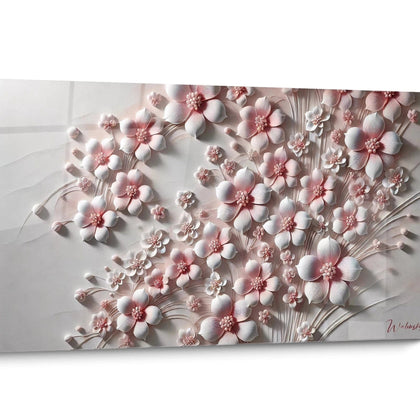
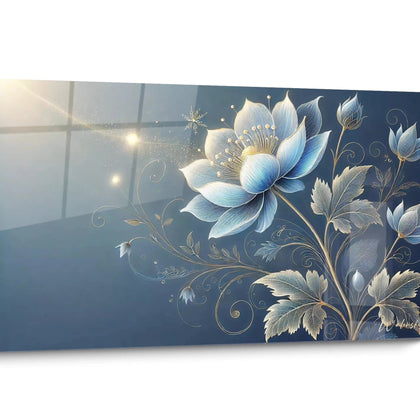
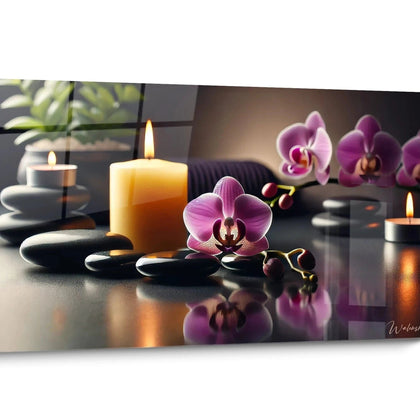
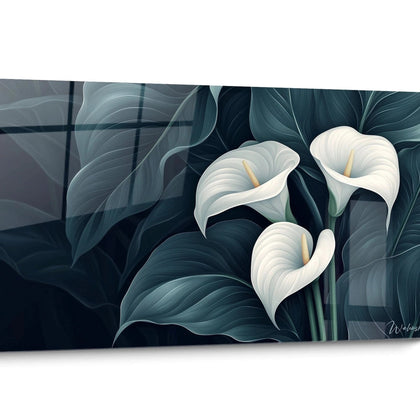
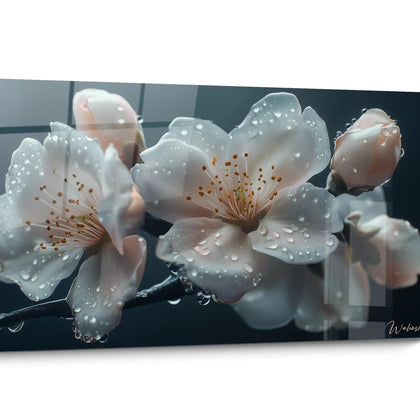
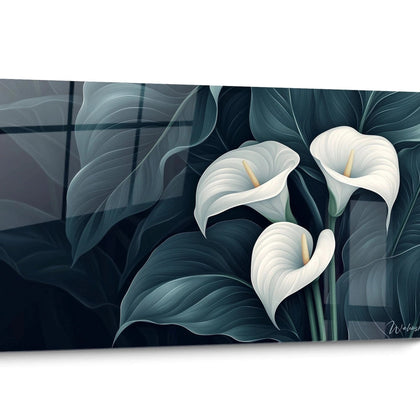
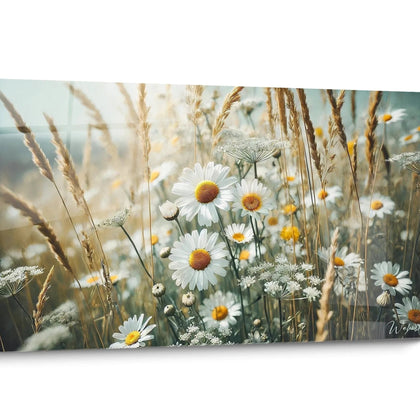
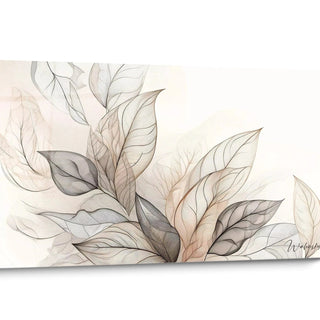
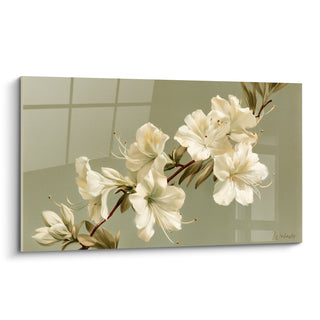
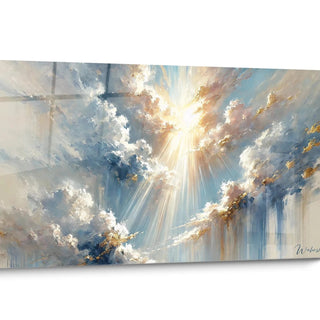
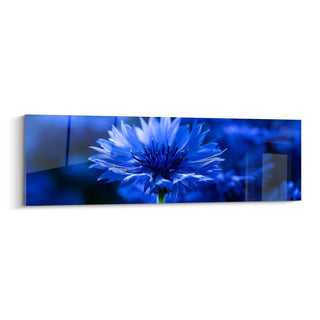
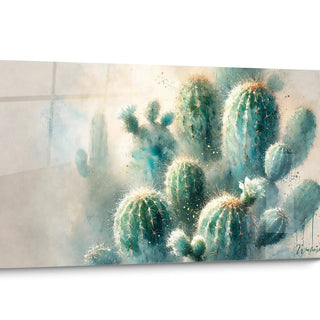
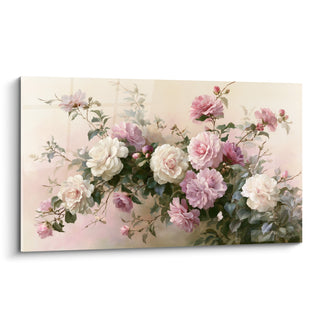
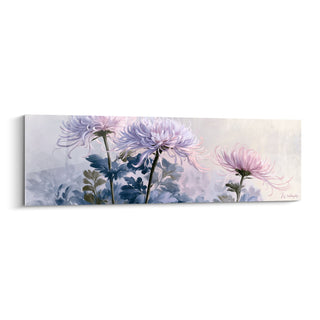
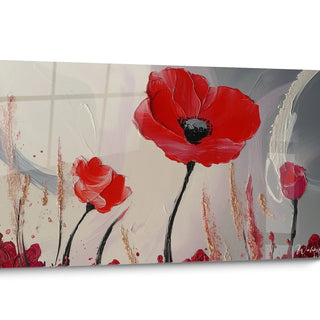
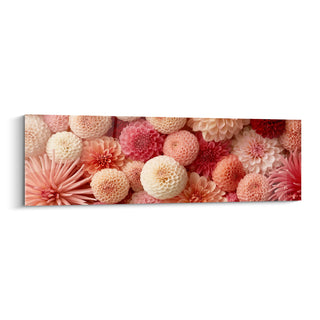
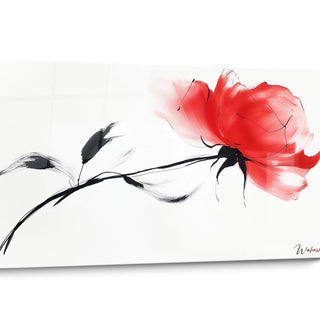
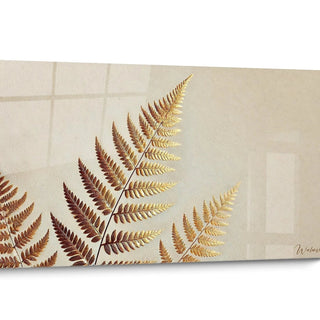
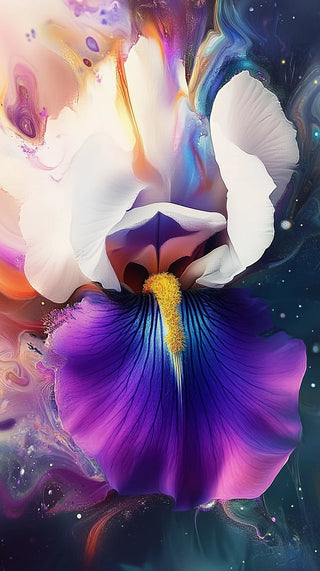
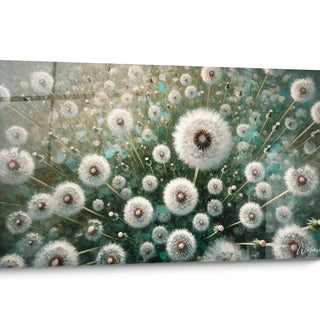
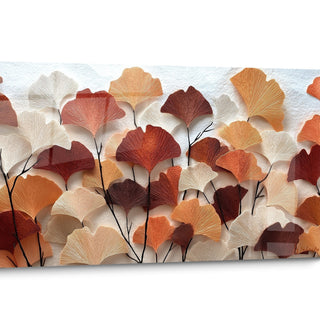
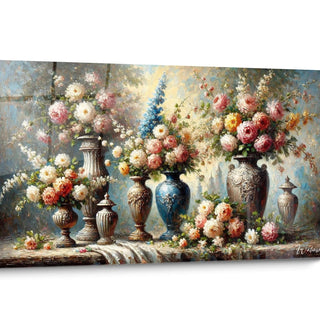
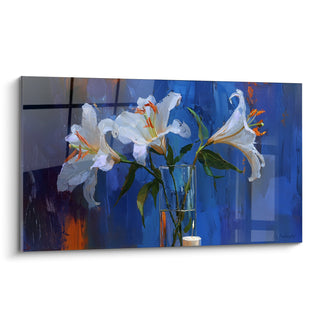
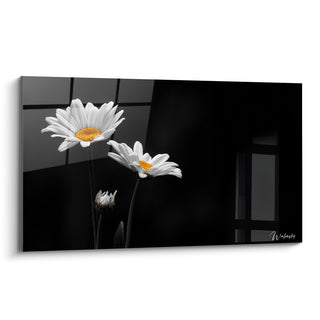
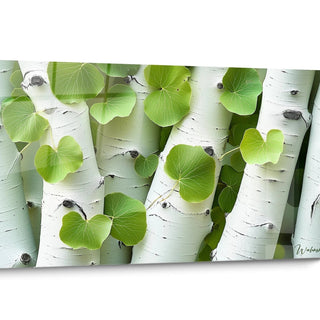
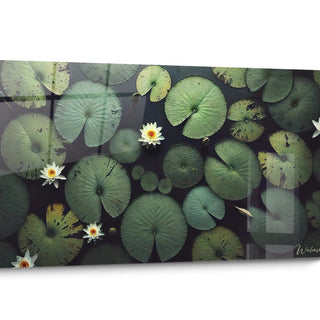
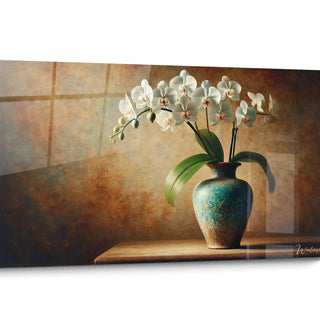
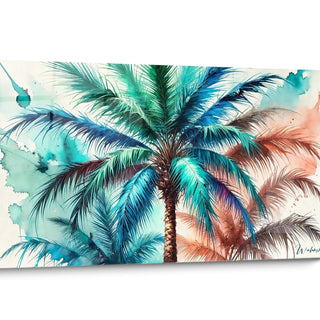
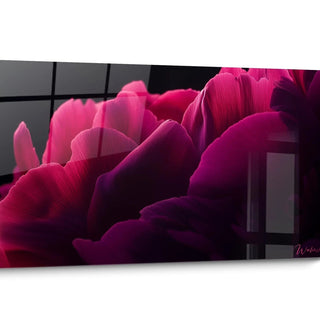
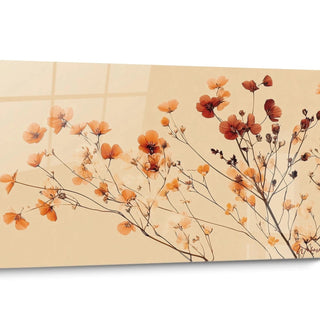
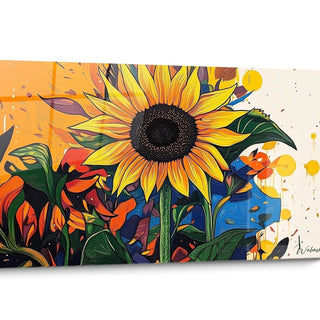
Flower wall art represents a perfect fusion between art and nature, bringing a touch of vitality and elegance to any interior space. Unlike other types of wall decorations, floral wall art captures the ephemeral essence of flowers while offering a permanence that fresh bouquets cannot match. These works transcend seasons and allow you to appreciate floral beauty throughout the year.
These artistic floral representations instantly transform the ambiance of a room, creating a focal point that naturally draws the eye. Whether you prefer detailed realistic compositions or bold abstract interpretations, a nature wall art featuring flowers can become the centerpiece of your interior decoration.
Floral wall art is distinguished by its unique ability to evoke specific emotions depending on the varieties represented - from romantic roses to energetic sunflowers to sophisticated orchids. This emotional and symbolic dimension adds significant depth to your decoration that other thematic wall art cannot offer.
Explore our selection of large format floral wall art to create maximum visual impact, discover the elegance of minimalist floral representations for contemporary interiors, or opt for seasonal flower wall art that allows you to celebrate the changing beauty of nature throughout the year.
Large Format Flower Wall Art: Visual Impact for Large Spaces
Large format floral wall art radically transforms the atmosphere of a spacious room by creating a spectacular visual anchor point. Unlike small works that easily get lost in large spaces, these imposing floral representations instantly capture attention and visually structure the environment.
How does oversized flower wall art influence the spatial perception of a room?
Large format floral works possess the unique capacity to modify the very perception of the surrounding space. When a floral composition extends over a substantial wall surface, it creates an immersive effect that visually brings the walls closer in very large rooms, bringing an impression of warmth and intimacy to spaces that might otherwise seem cold or impersonal.
This sensory immersion is particularly effective with floral representations which, unlike landscapes or geometric abstractions, establish an immediate emotional connection. Flowers naturally evoke feelings of well-being, renewal and vitality, transforming the ambiance of a room at an almost subliminal level.
The panoramic effect of extended floral compositions
A panoramic format flower wall art creates a completely different visual experience from standard formats. When a floral composition stretches horizontally, it naturally guides the eye across the space, creating fluid visual movement impossible to achieve with more conventional formats.
These elongated formats also allow for more narrative floral scenes - a flower meadow extending as far as the eye can see, a field of lavender swaying in the breeze, or a successive seasonal flowering. This narrative dimension fundamentally distinguishes large format floral works from simple enlargements of standard compositions.
Why do large format flower wall art pieces create unique sensory immersion?
The imposing size of a large
flower wall art piece allows detailed reproduction of floral textures - the delicate velvet of petals, the transparency of leaves backlit, subtle color variations within a single flower. These details, impossible to appreciate in small formats, create an almost tactile experience that engages the senses far beyond mere vision.
This sensory richness explains why large floral wall art pieces are particularly prized in wellness spaces like spas, yoga centers or health facilities. The massive visual presence of floral patterns triggers a measurable soothing physiological response, evidenced by decreased heart rate and blood pressure.
The amplified chromatic impact of oversized floral compositions
The effect of floral colors intensifies exponentially with wall art size. A large format allows appreciation of subtle chromatic gradations present in flowers - from the bright center to the often paler outer petals. This richness of nuances creates a vibrant chromatic effect impossible to reproduce with other motifs.
Large format flower wall art can thus become genuine color therapy tools in living spaces, particularly in regions where natural light is limited during certain seasons. The constant visual presence of bright floral colors compensates for lack of external chromatic stimulation, acting as a genuine antidote to winter greyness.
Architectural integration techniques for monumental floral compositions
Large format floral compositions can be strategically positioned to correct certain architectural flaws in a room. In a low-ceiling space, a vertical flower wall art piece visually extends the room's height, while a panoramic format can visually widen a narrow space.
For rooms with problematic acoustics, large flower wall art on specific supports also contributes to improving sound absorption, reducing unpleasant reverberation while providing major decorative presence - a dual benefit impossible to achieve with standard size works.
Large format flower wall art thus represents far more than a simple enlargement of a decorative motif. They represent a distinct category of artwork which, through their imposing scale, creates a transformative visual and sensory experience in large interior spaces.


 Ephemeral Beauty Artwork - Floral Nature Edition233,90 €
 Spring Beauty Painting - Wildflower Landscape Edition233,90 €
 Midnight Blue Painting - Abstract Flower Edition233,90 €
 Tenderness Bouquet Painting - Nature Flower Edition233,90 €
 Pastel Cactus Wall Art - Nature Flower Edition204,90 €
 Summer Song Artwork - Fleur Nature Edition233,90 €
 Meadow Song Canvas - Abstract Flower Edition233,90 €
 Poppy Painting No. 1 - Nature Edition233,90 €
 Red Poppy Painting No. 2 - Nature Edition233,90 €
 Poppy Flower Wall Art No. 3 - Nature Edition233,90 €
 Poppy Painting No. 4 - Nature Edition233,90 €
 Poppy Painting No. 5 - Nature Edition233,90 €
 Poppy Painting No.6 - Nature Edition233,90 €
 Poppy Painting No.7 - Nature Edition233,90 €
 Poppy Wall Art No.8 - Nature Edition233,90 €
 Tropical Dance Painting - Fleur Nature Edition233,90 €
 Evening Softness Wall Art - Orchid Nature Edition233,90 €
 Natural Softness Wall Art - Flower Nature Edition233,90 €
 Dual Florals Wall Art - Flowers Edition242,90 €
 Duality Petals Canvas - Flower Edition213,90 €
 Blue Bloom Wall Art - Orchid Nature Edition233,90 €
 Pure Blooming Painting - Fleur Nature Edition233,90 €
 Golden Touch Wall Art - Abstract Flower Edition233,90 €
 Outdoor Painting - Flower Nature Edition233,90 €