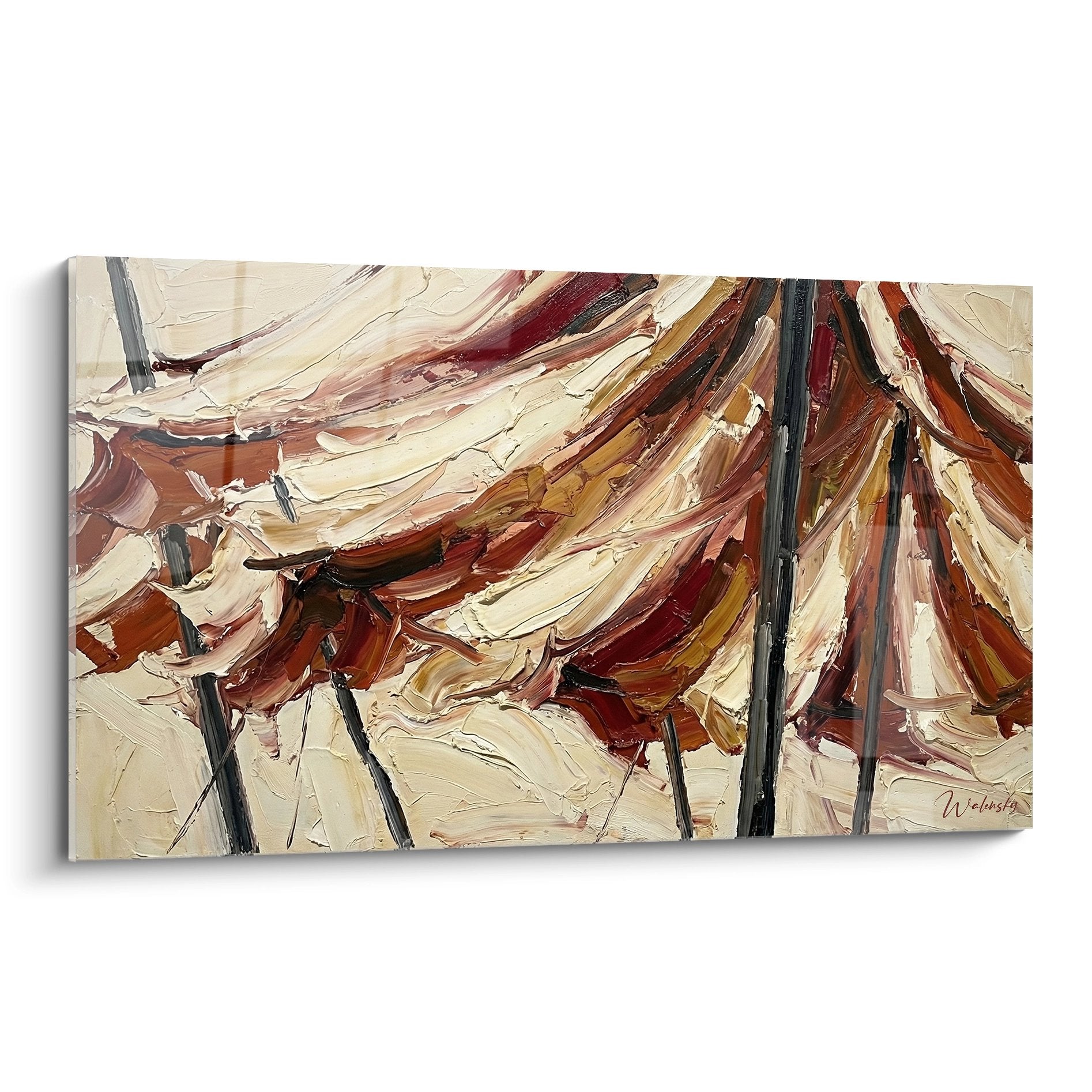
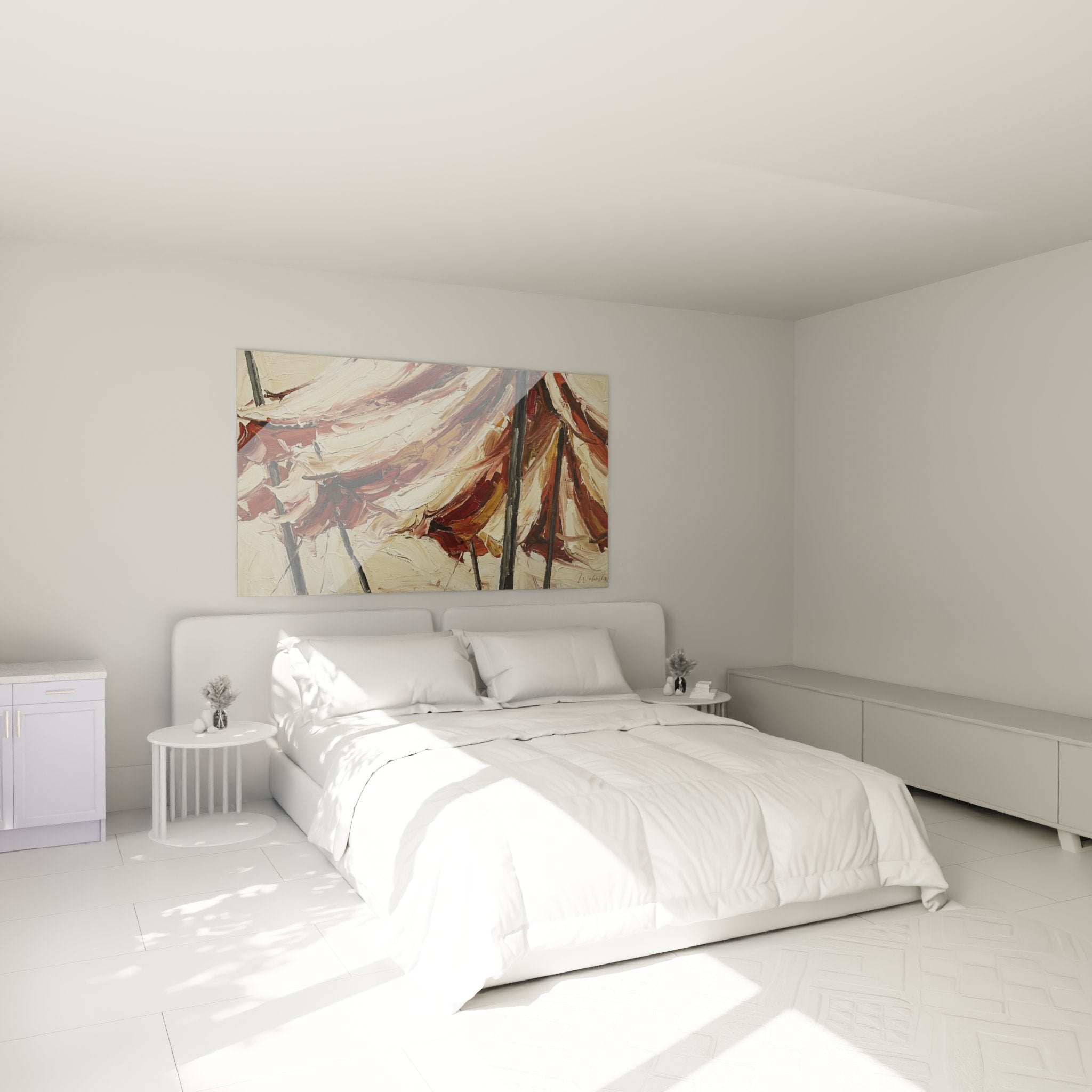
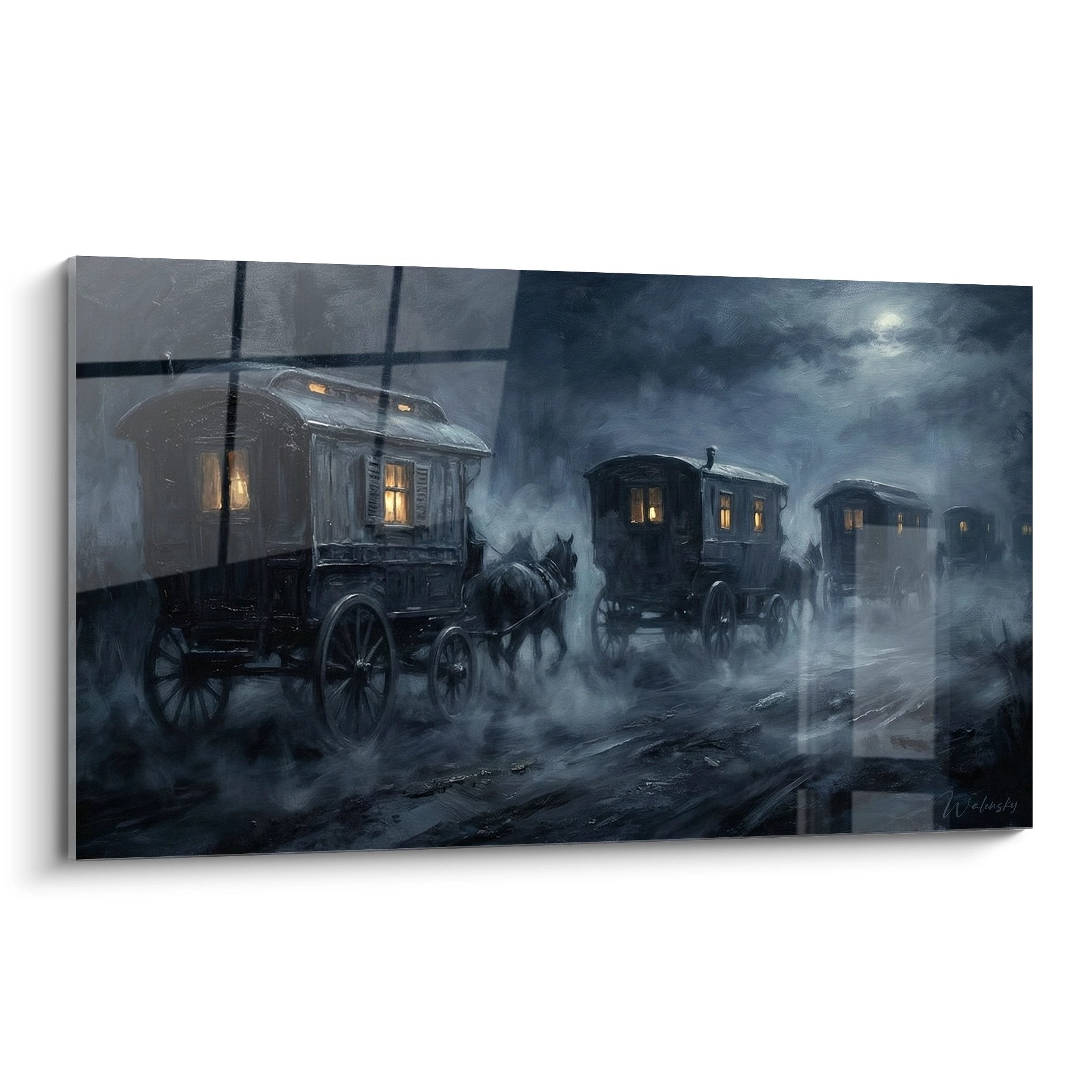
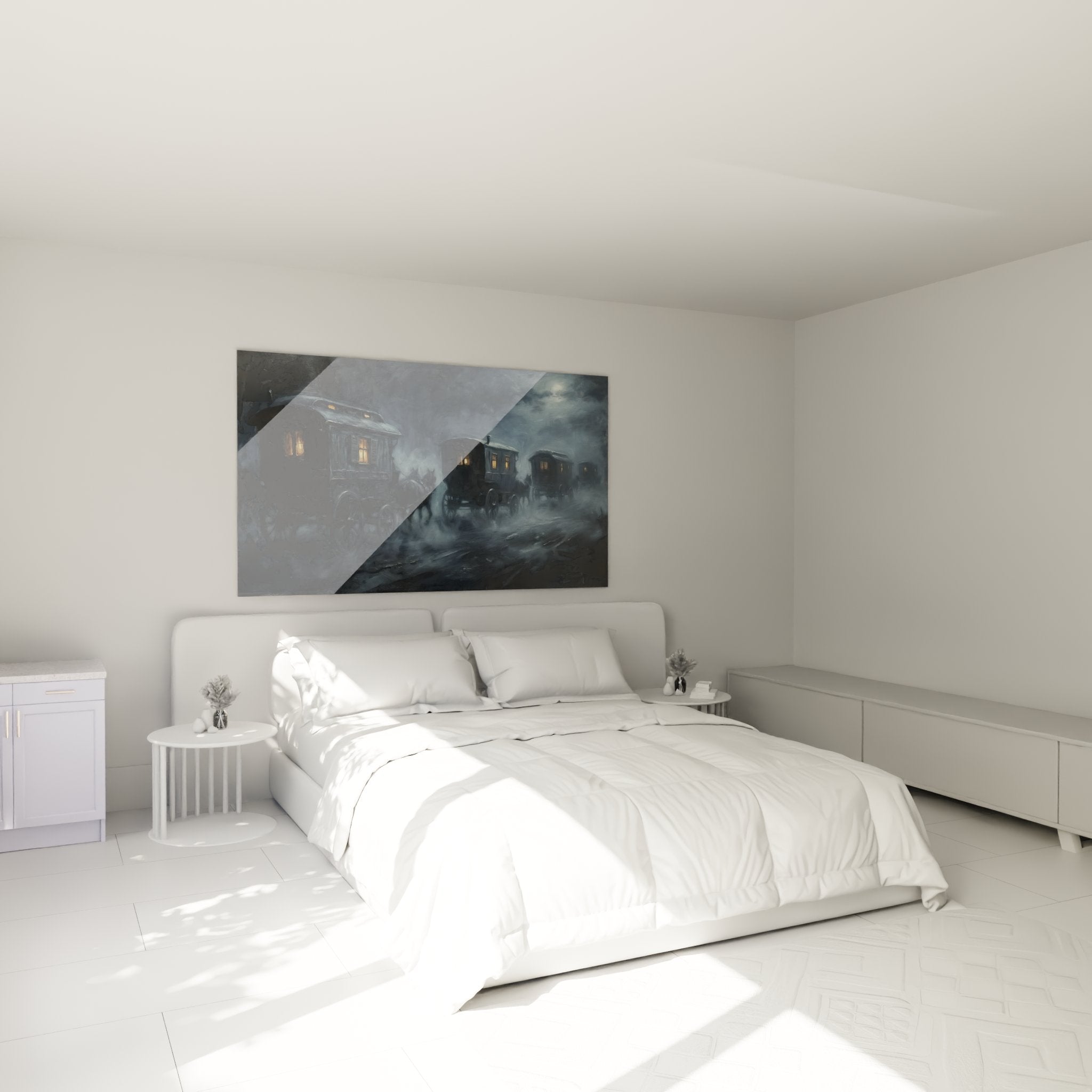
- Circus Artwork Presentation
- Circus Artwork: Symbolism and Visual Universe
- Circus Artwork: Interior Scenography
- Circus Artwork: Figures and Artistic Motifs
The circus artwork captures the essence of a universe where prowess, poetry and enchantment intertwine. This unique decorative theme transforms your walls into a permanent stage, inviting wonder to the heart of your interior. Discover how this singular imagery can metamorphose your living space.
Large-Format Circus Artwork: Capturing the Magic of the Big Top on Your Walls
The circus artwork embodies a form of wall art that draws from the most powerful of collective imaginaries. This decorative theme does not merely adorn a wall: it instantly conjures a universe of impossible feats, sparkling lights and intense emotions. Choosing a large-format circus representation means installing a permanent window to the extraordinary in your home.
Why does the circus fascinate so much in decorative art?
The allure of the circus in wall decoration stems from its unique ability to condense multiple emotional registers. The star-spangled ring evokes simultaneously the nostalgia of an enchanted childhood and admiration for artists defying the laws of physics. A piece depicting this universe thus becomes a concentration of sensations: the thrill of the trapeze, the brilliance of sequins, the mystery of the red curtain opening.
The great masters of painting have extensively explored this theme. From Toulouse-Lautrec to Chagall, passing through Picasso and Seurat, the circus world inspired major works. This artistic tradition grants circus artwork cultural legitimacy that transcends mere decoration to touch the history of art itself.
Circus chromaticity: an immediately recognizable visual language
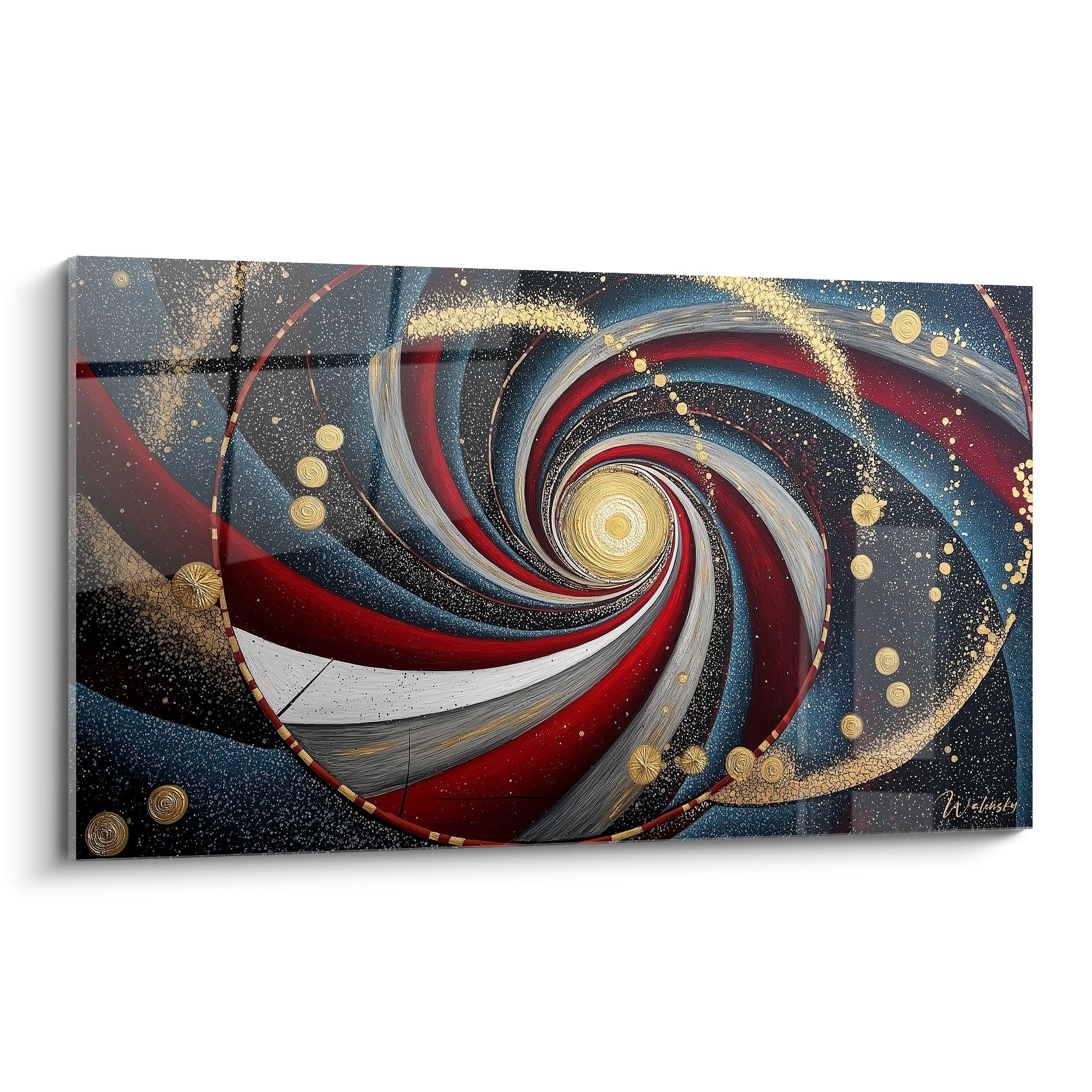
The universe of the big top possesses its own chromatic codes, immediately identifiable. The deep red of curtains, the gold of ornaments, the brilliant white of spotlights and the mysterious black of the backstage compose a distinctive palette. These saturated and contrasted hues allow a circus artwork to assert itself visually in any space, creating a striking focal point.
Geometric patterns associated with the circus reinforce this strong visual identity. The characteristic stripes of the big top, the omnipresent stars, the circles of the central ring create a graphic vocabulary that the eye decodes instantly. On a large format support like acrylic glass or Dibond aluminum, these visual elements gain impact and depth.
What emotions does a circus artwork transmit to your interior?
Installing a monumental circus representation in your living space is making a conscious choice for daily wonder. Unlike more neutral decorative themes, the circus imposes an atmosphere of permanent celebration. It transforms a living room into an intimate theater, a bedroom into awakened reverie.
This intense emotional charge suits particularly those personalities assuming their taste for elegant eccentricity. Circus artwork speaks of artistic courage, spectacular tradition and accessible magic. It tells a story with each glance, inviting inhabitants and visitors to momentarily suspend disbelief.
- Immediate evocation of childhood and primordial wonder
- Visual tension between danger and grace of represented artists
- Festive and theatrical atmosphere infused into daily space
- Dialogue between popular tradition and artistic recognition
Large format: amplifying the spectacular dimension
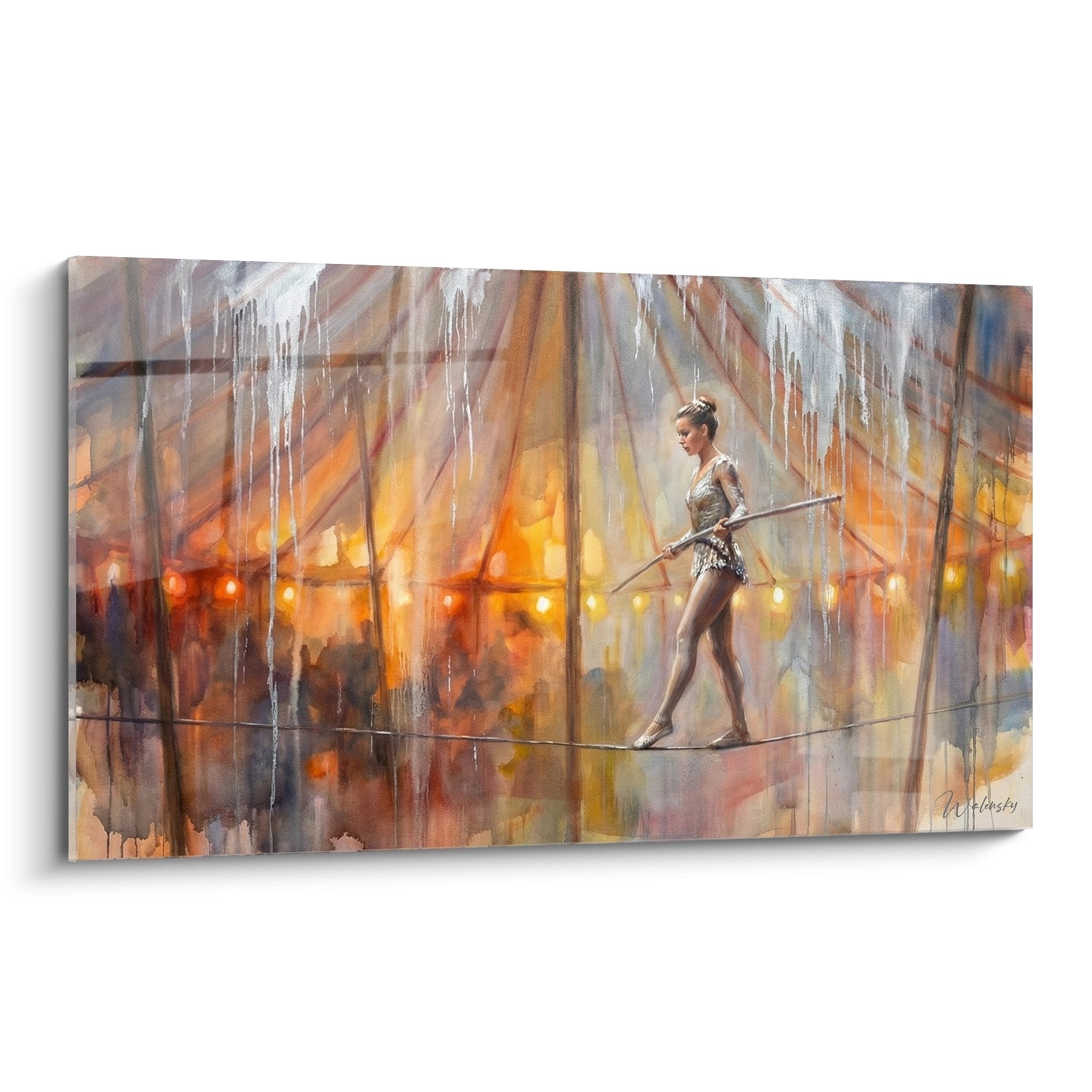
A circus artwork reaches its full expression when it occupies a substantial wall surface. XXL dimensions, between 120 and 240 centimeters, allow appreciation of every detail of a complex scene: the concentrated expression of the tightrope walker, reflections on sequined costumes, the tension of a perilous act. This monumental scale reproduces the effect of visual submersion felt under a real big top.
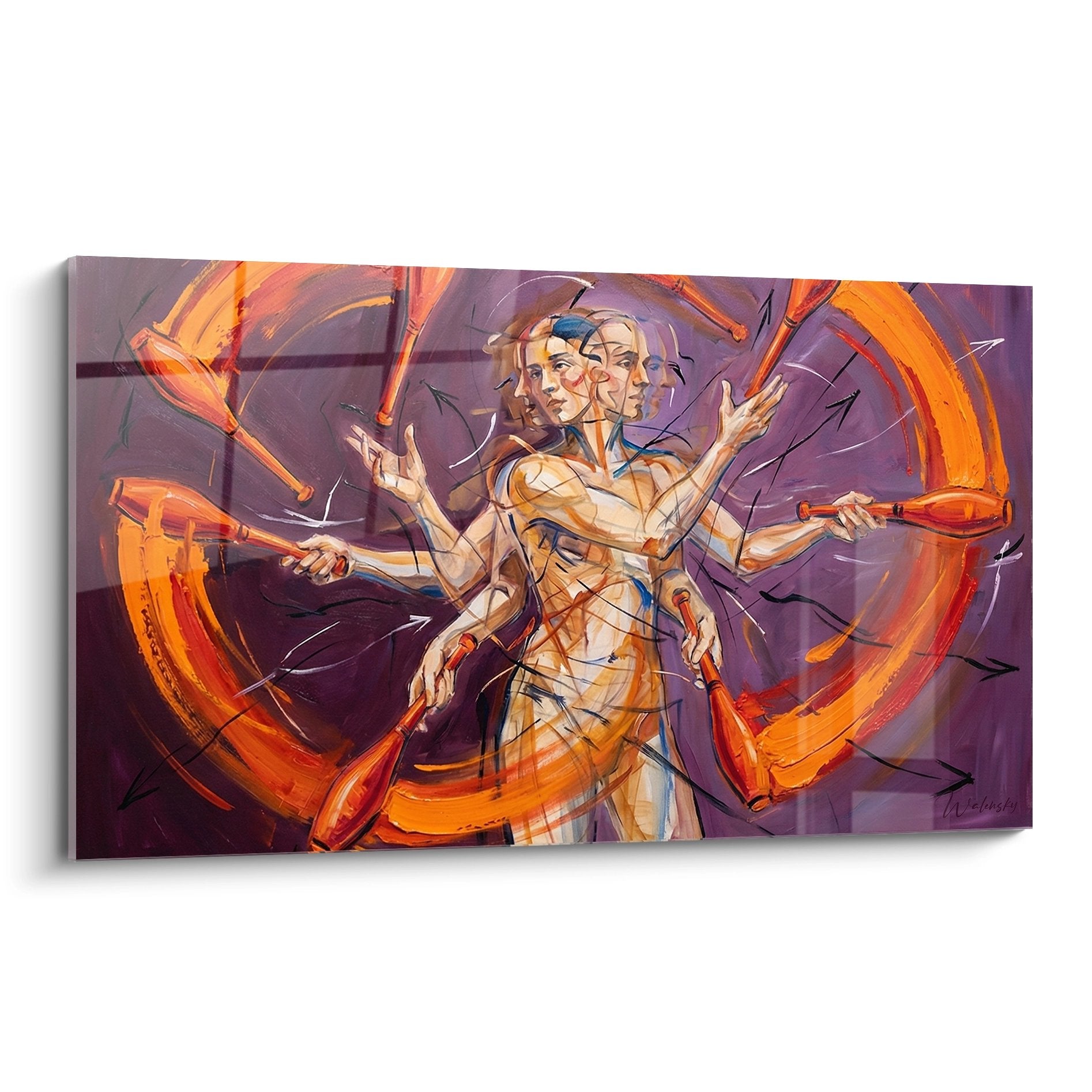
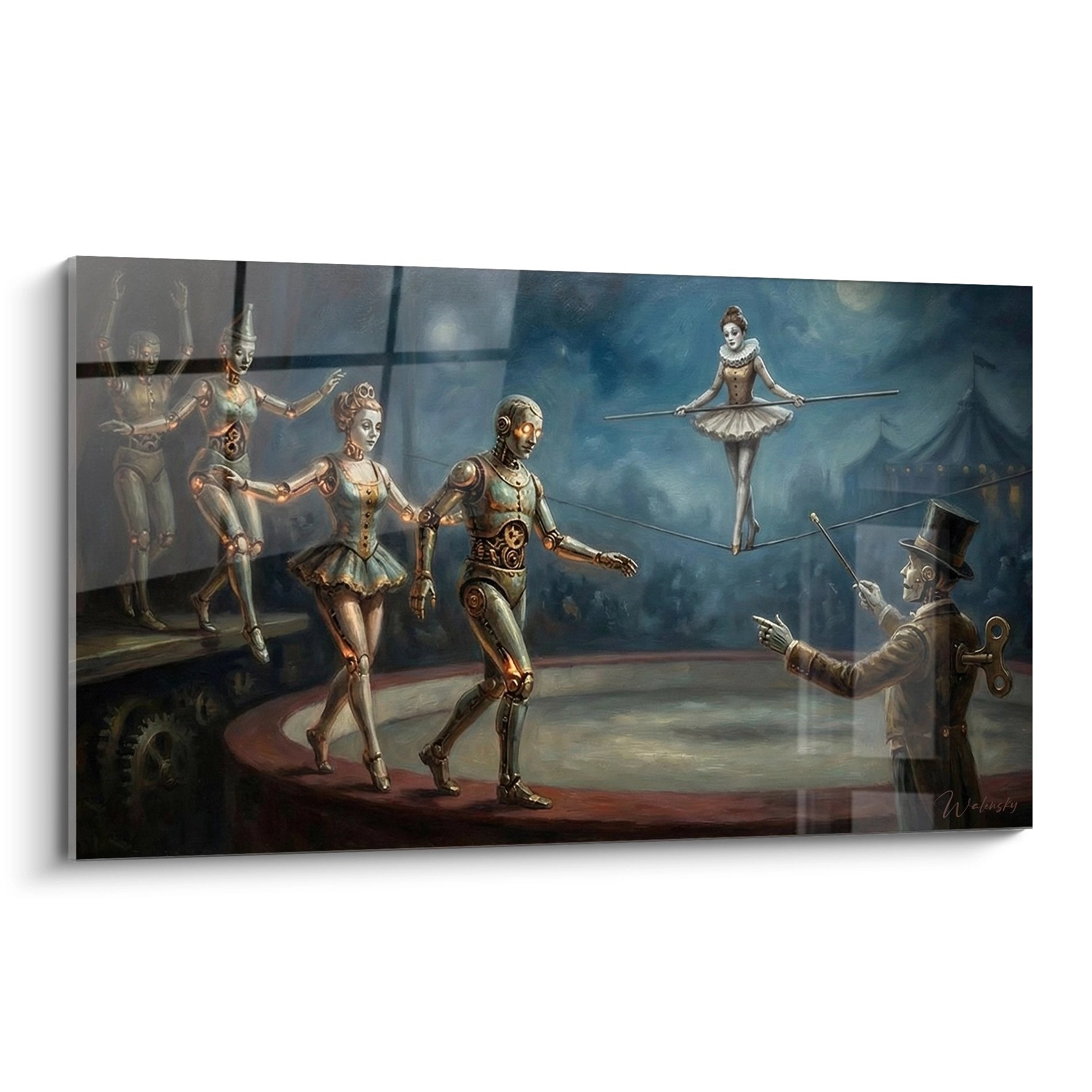
Contemporary materials like acrylic glass particularly sublimate circus representations. The brilliance of the support echoes the luminous brilliance of the spectacle, while the depth achieved reinforces the illusion of volume. A trapezist seems truly suspended in mid-air, a juggler appears to animate their accessories beyond the flat surface.
How to choose the ideal circus representation?
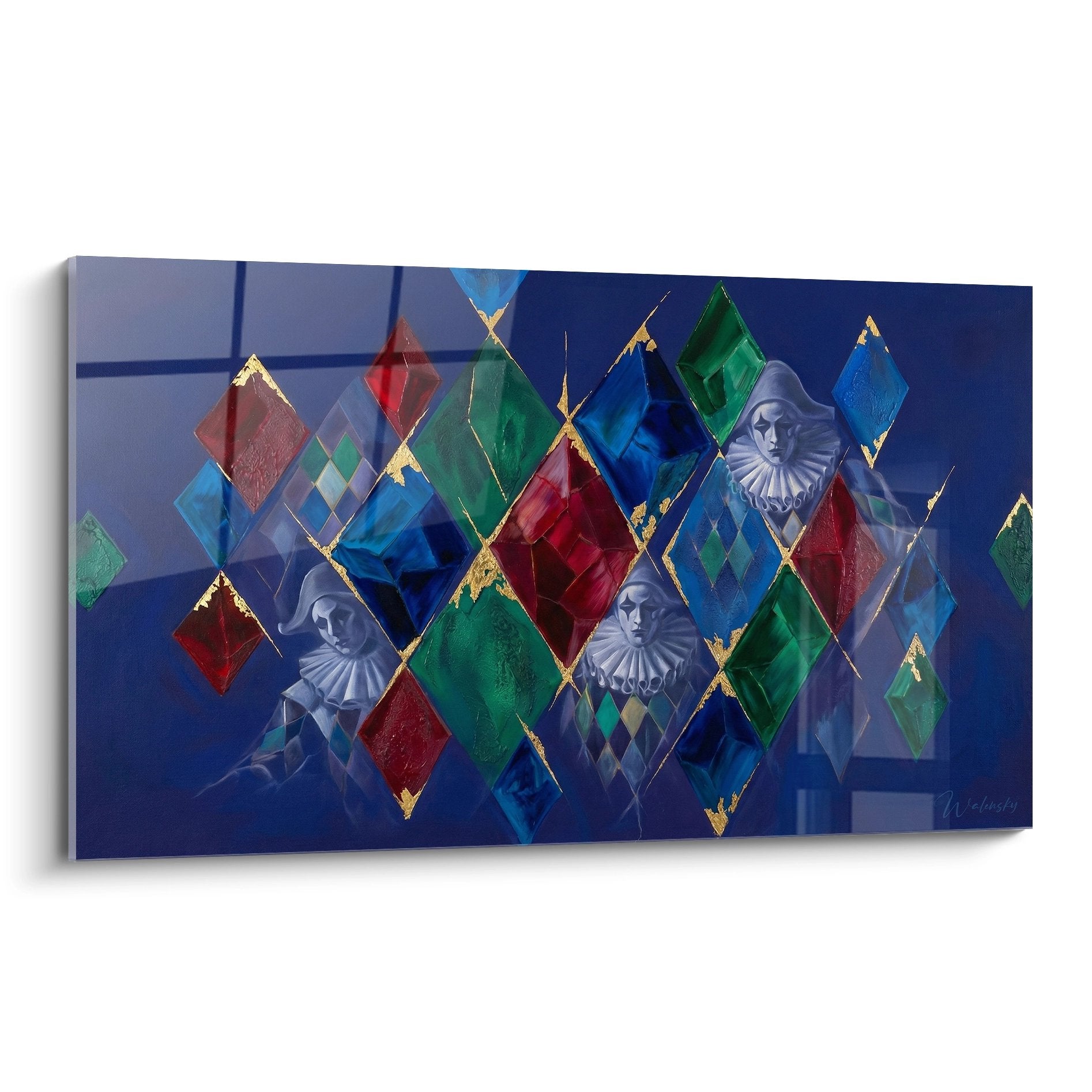
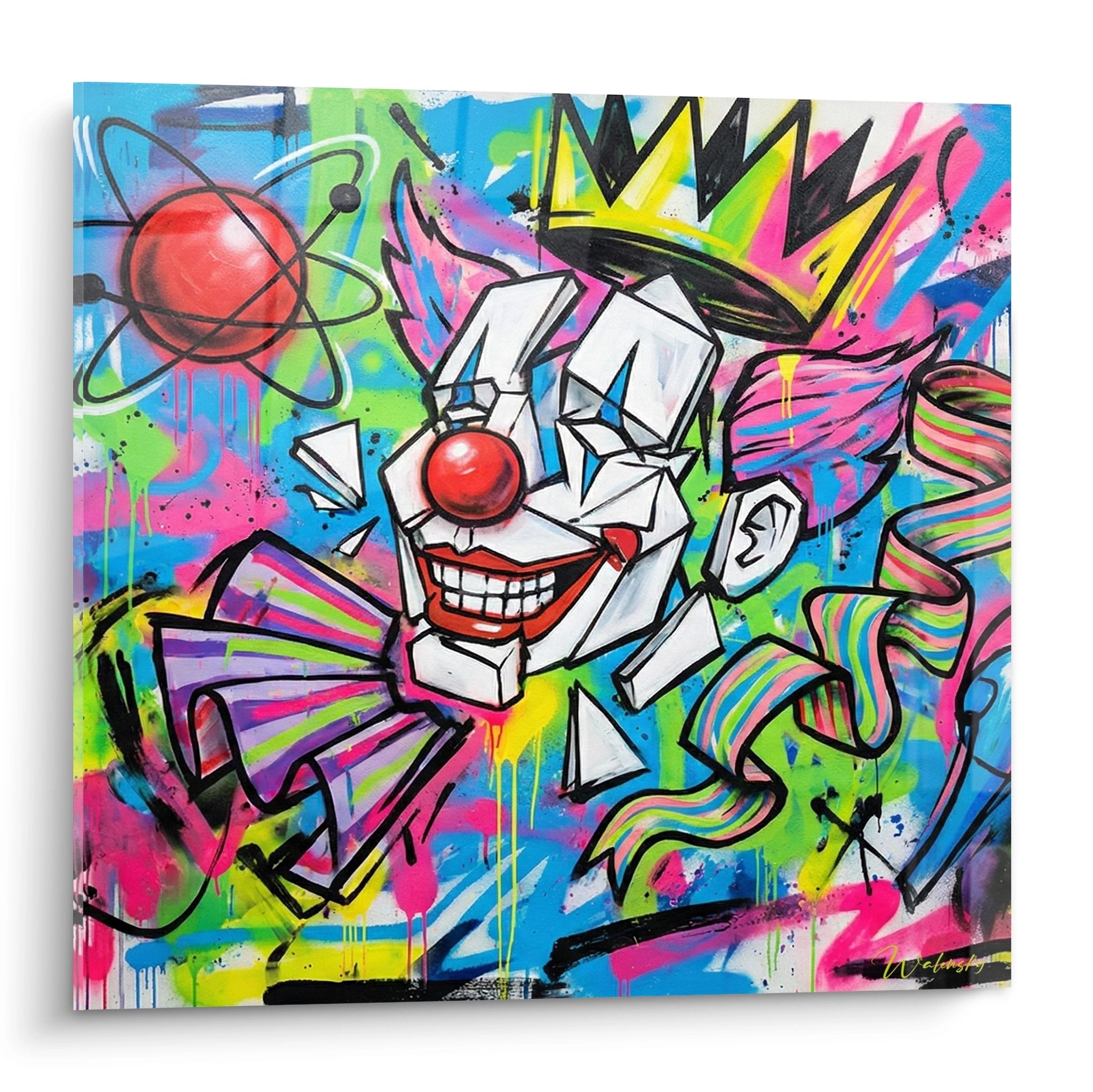
The selection of a circus artwork depends largely on the atmosphere sought. A representation of sports and acrobatic spectacle will suit lovers of visual dynamism. Clown or mime scenes will seduce those privileging the poetic and melancholic dimension of the circus.
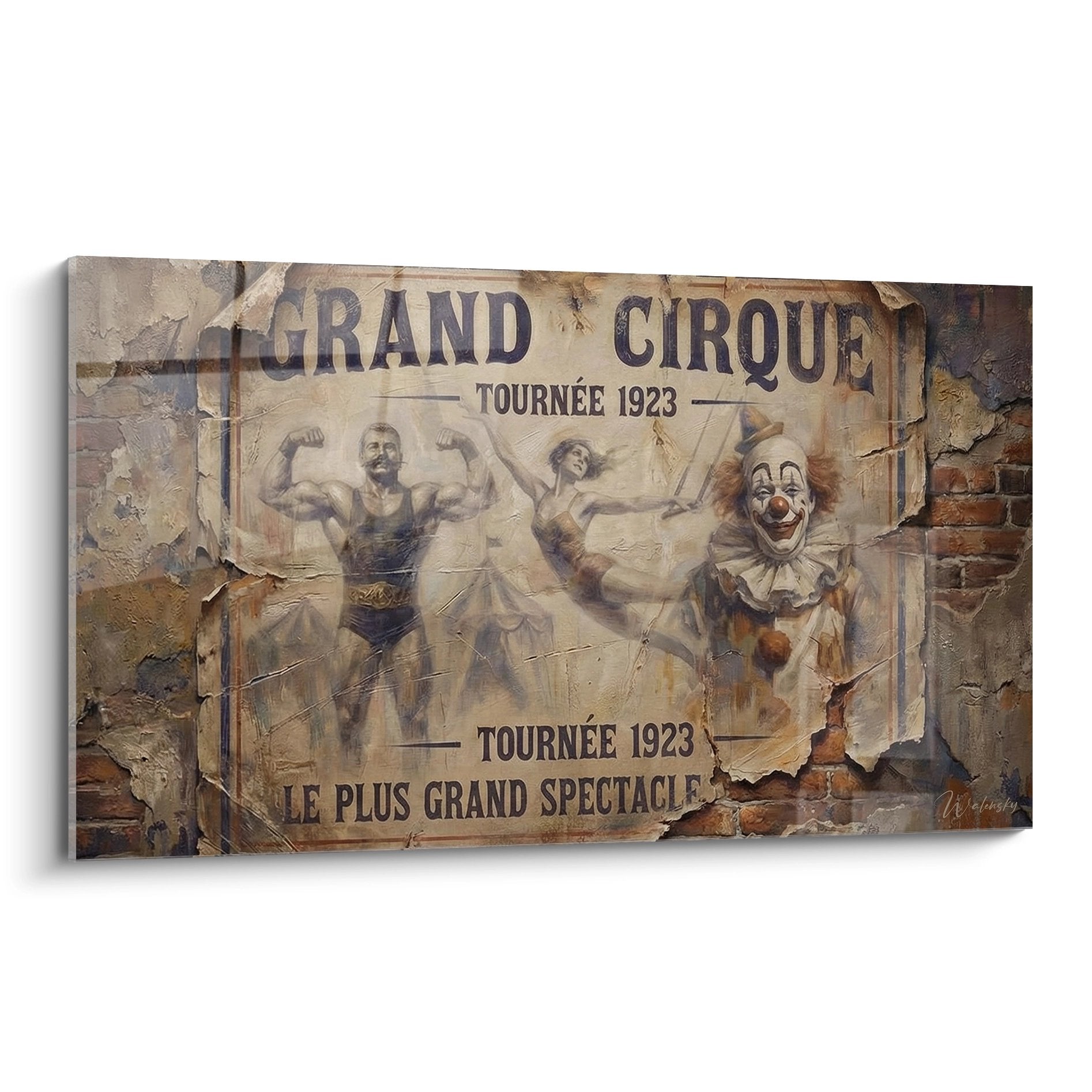
Artistic style also strongly influences the final rendering. A realistic interpretation will capture texture of costumes and intensity of gazes. A more graphic or contemporary approach will play on stylized silhouettes and color blocks. Vintage-inspired representations will evoke the golden age of great circus dynasties, while modern visions reflect the contemporary circus and its refined aesthetic codes.
Integrating Circus Artwork Into Your Décor: The Art of Domestic Staging
Welcoming a large-format circus artwork into your home requires particular scenographic reflection. This powerful theme does not fade into the décor: it transforms it, theatricalizes it, reinvents it. Understanding how to orchestrate this strong visual presence allows creating truly spectacular spaces without falling into clutter.
The eclectic living room: ideal terrain for circus artwork
Interiors assuming their eclectic or maximalist character naturally welcome circus representations. In these spaces where vintage furniture and contemporary pieces already coexist, salvaged objects and bold design, a circus artwork finds its place as a masterpiece. It becomes the visual thread giving meaning to apparent accumulation.
Association with Art Deco furniture works particularly well. The geometric forms and noble materials of this period (brass, velvet, lacquered wood) dialogue harmoniously with the circus aesthetic of the Roaring Twenties. A garnet velvet sofa beneath a piece depicting acrobats instantly creates a private theater loge atmosphere.
Which wall to choose to sublimate a monumental circus artwork?
The spectacular dimension of a circus artwork demands a location worthy of its visual impact. A clear wall panel, visible upon entering the room, allows the work to express itself fully. Avoid placements where the gaze would be constantly diverted by other competing decorative elements.
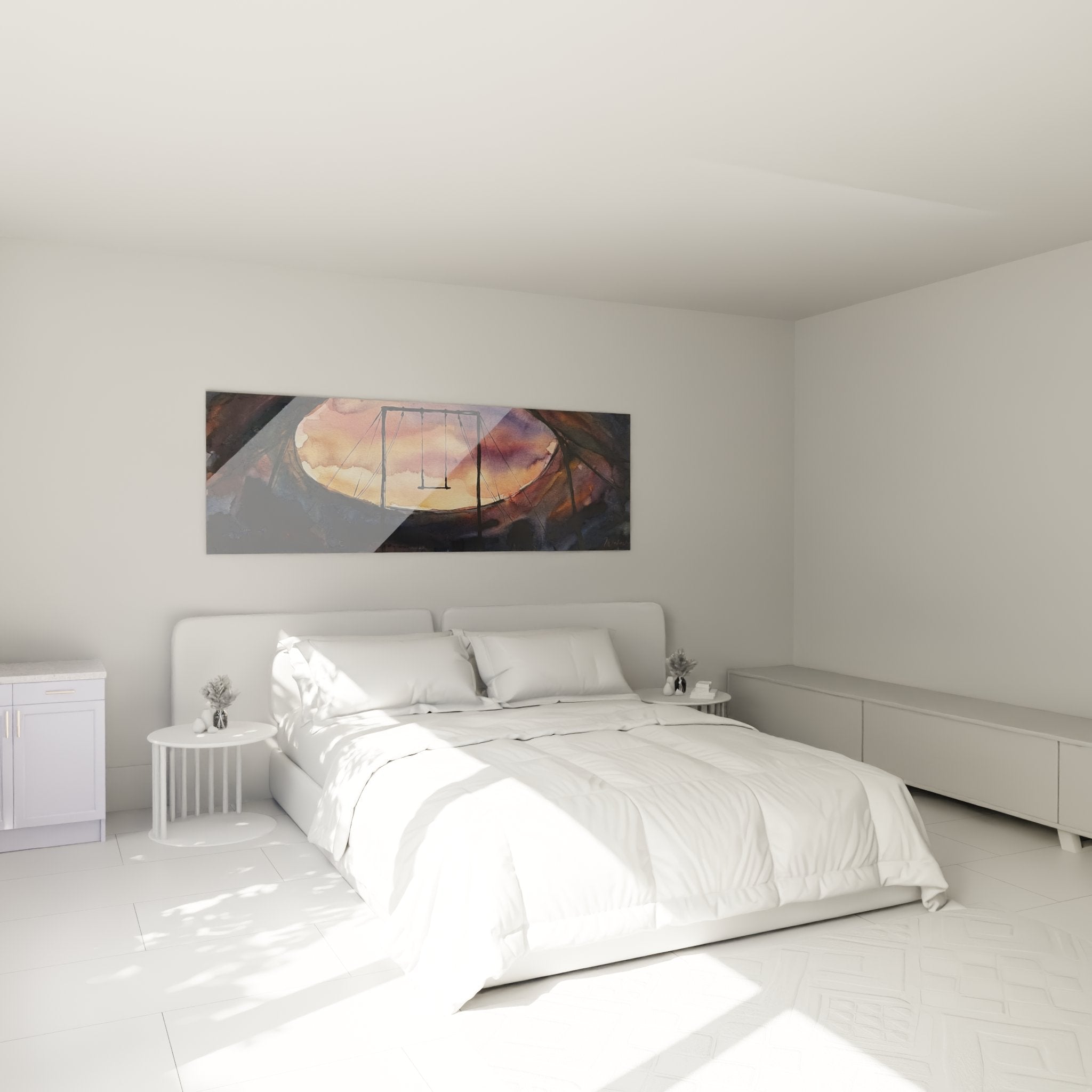
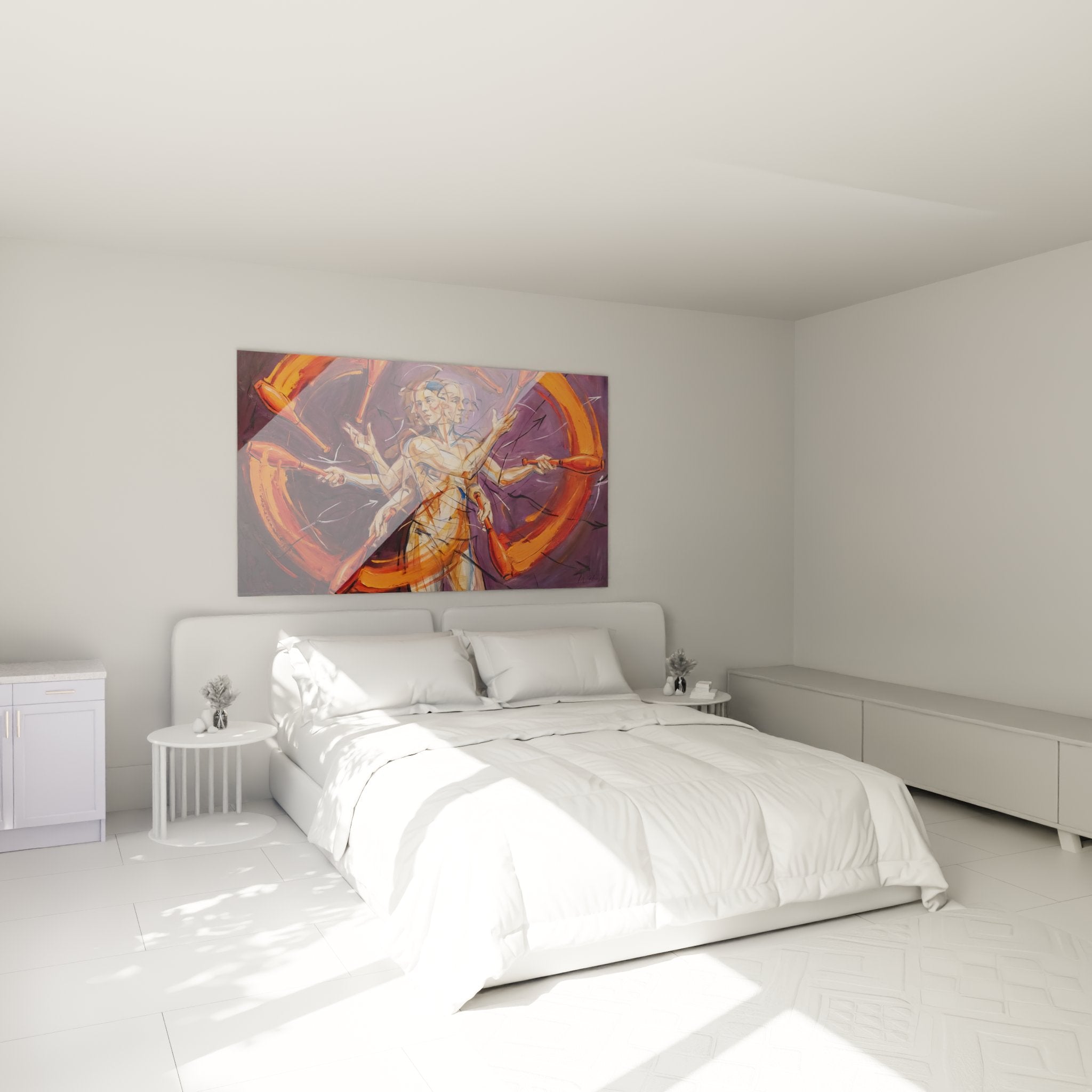
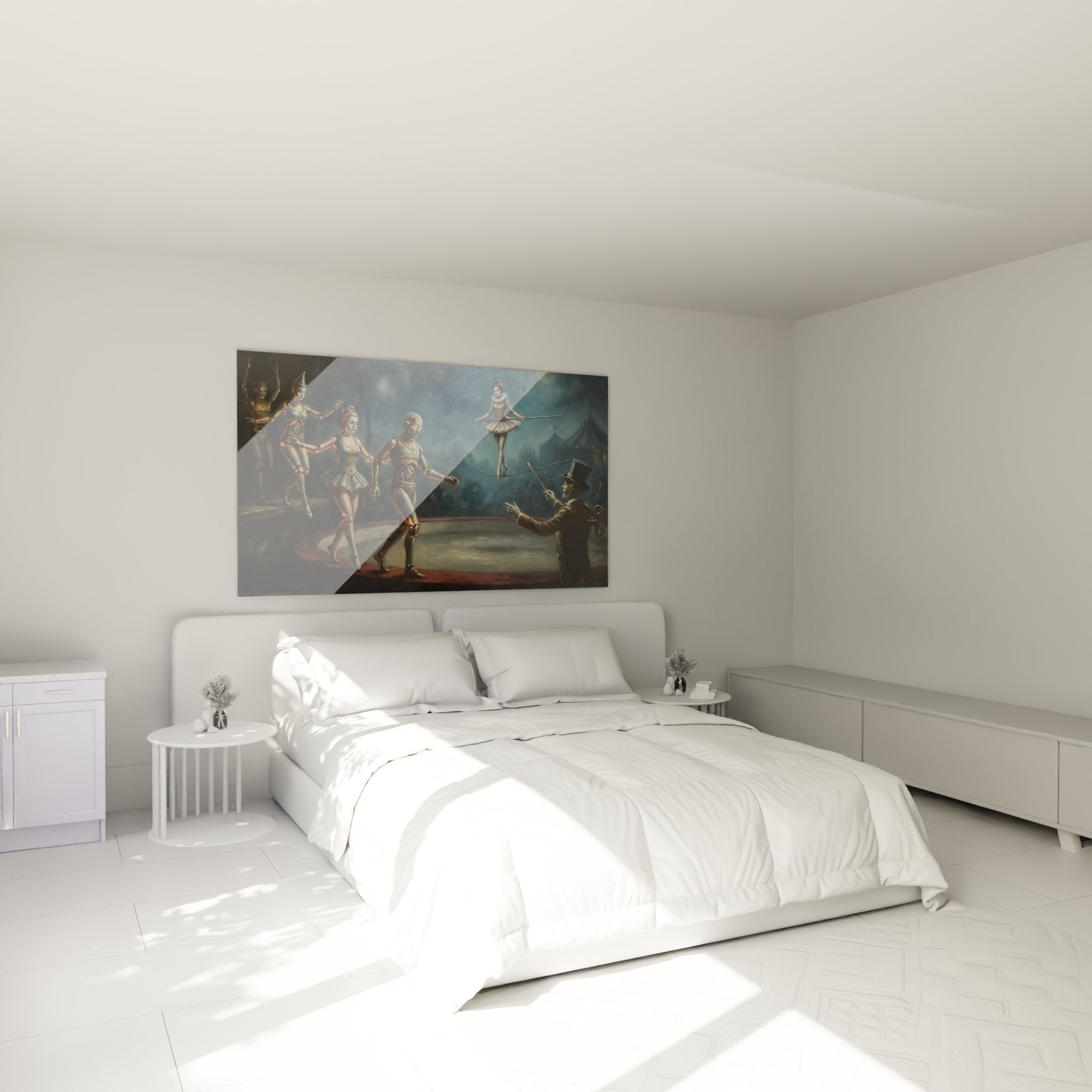
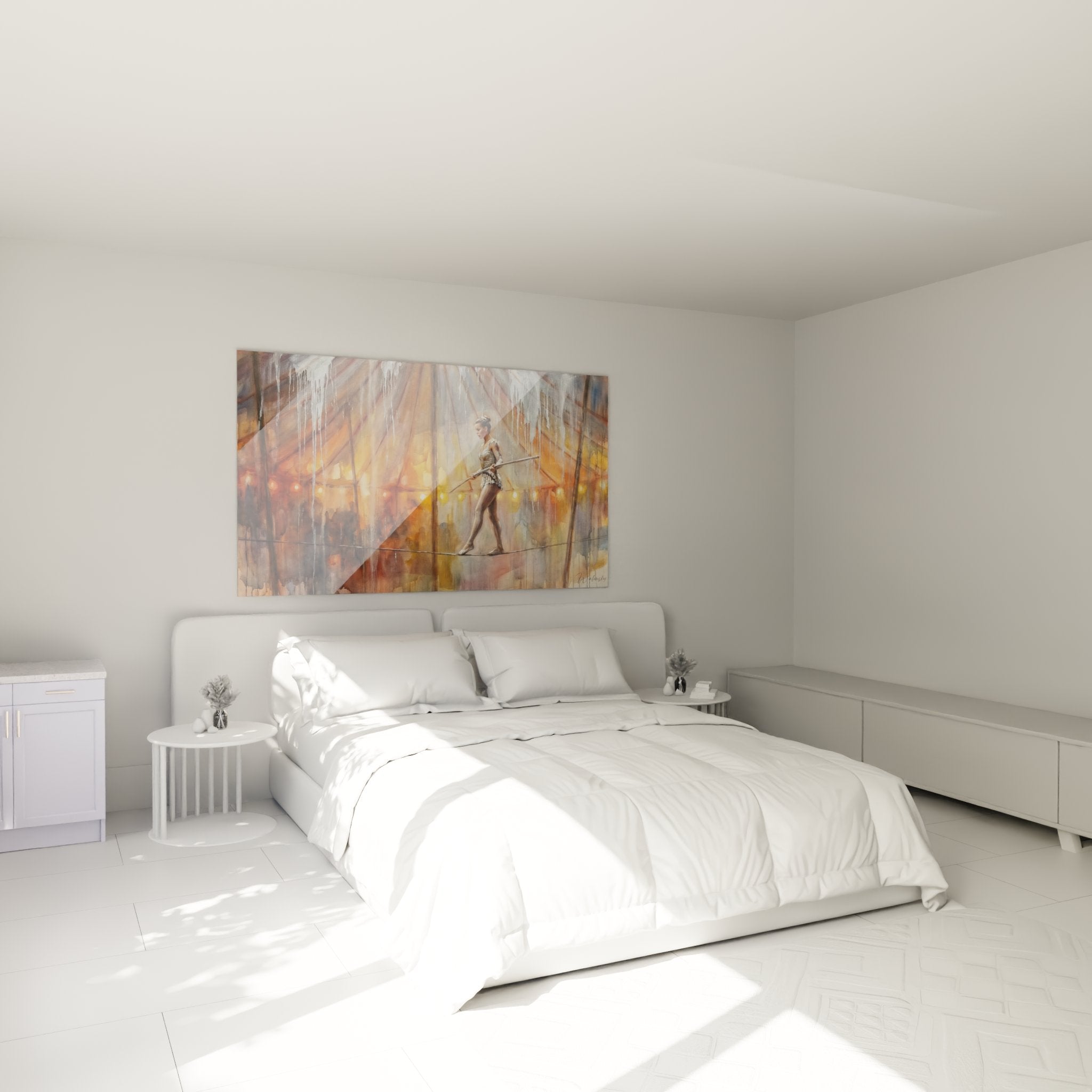
Large contemporary open spaces, with their generous volumes and extended walls, constitute ideal settings. A 200-centimeter-wide circus artwork, placed above a low console in an industrial loft, creates a striking contrast between architectural sobriety and the exuberance of the represented subject.
The child's bedroom transformed into an enchanted universe
Circus imagination possesses a natural affinity with the child's universe. A monumental circus artwork in a child's bedroom transcends mere decoration to become a tool for awakening imagination. Depicted characters become silent companions, sources of invented stories and endless reveries.
For this use, privilege joyful and luminous representations rather than melancholic or dark circus interpretations. Stylized circus animals, smiling acrobats or colorful jugglers create a stimulating atmosphere without being oppressive. The generous size of the piece allows children to continuously discover new details as they grow.
- Dedicated play area where the child immerses in the spectacle universe
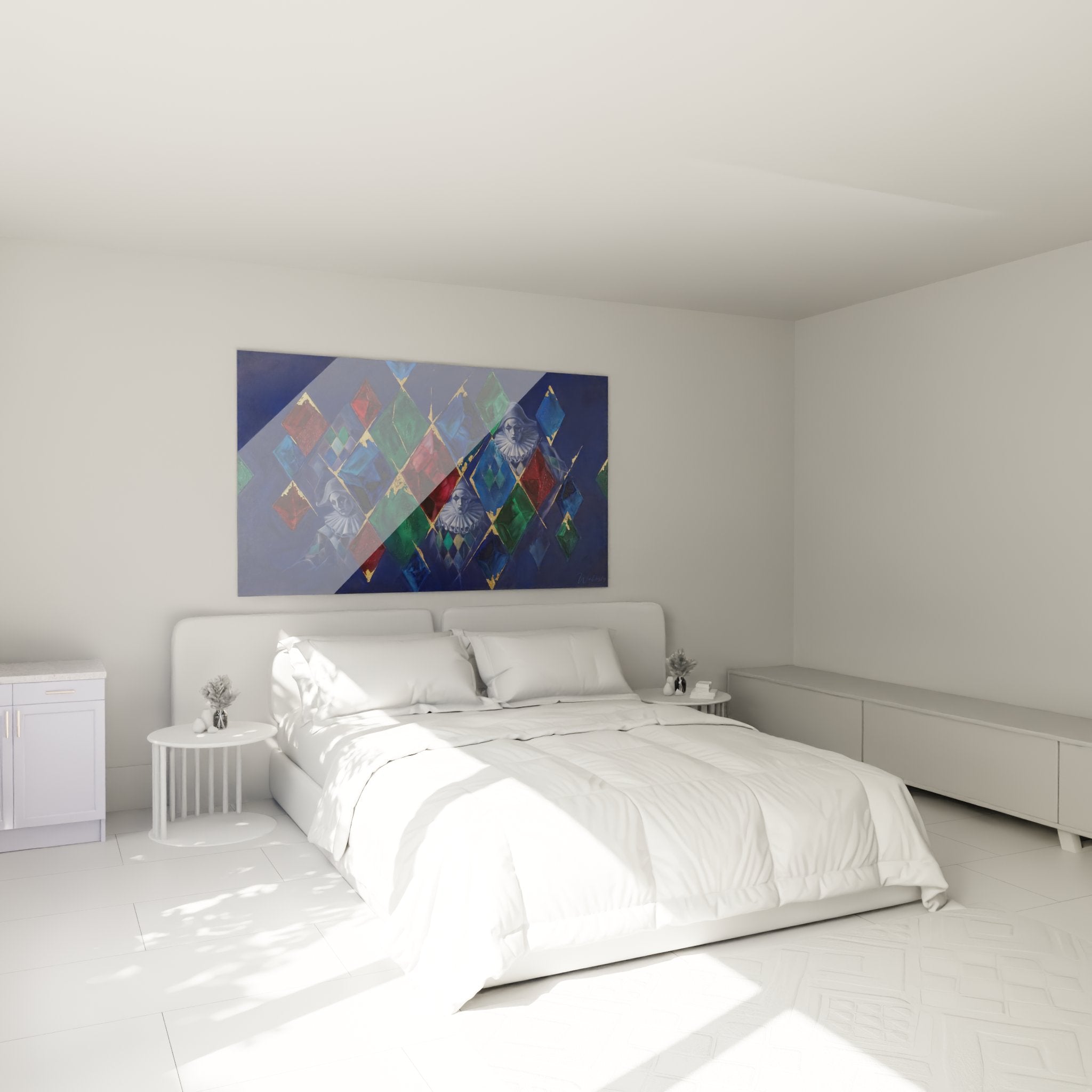
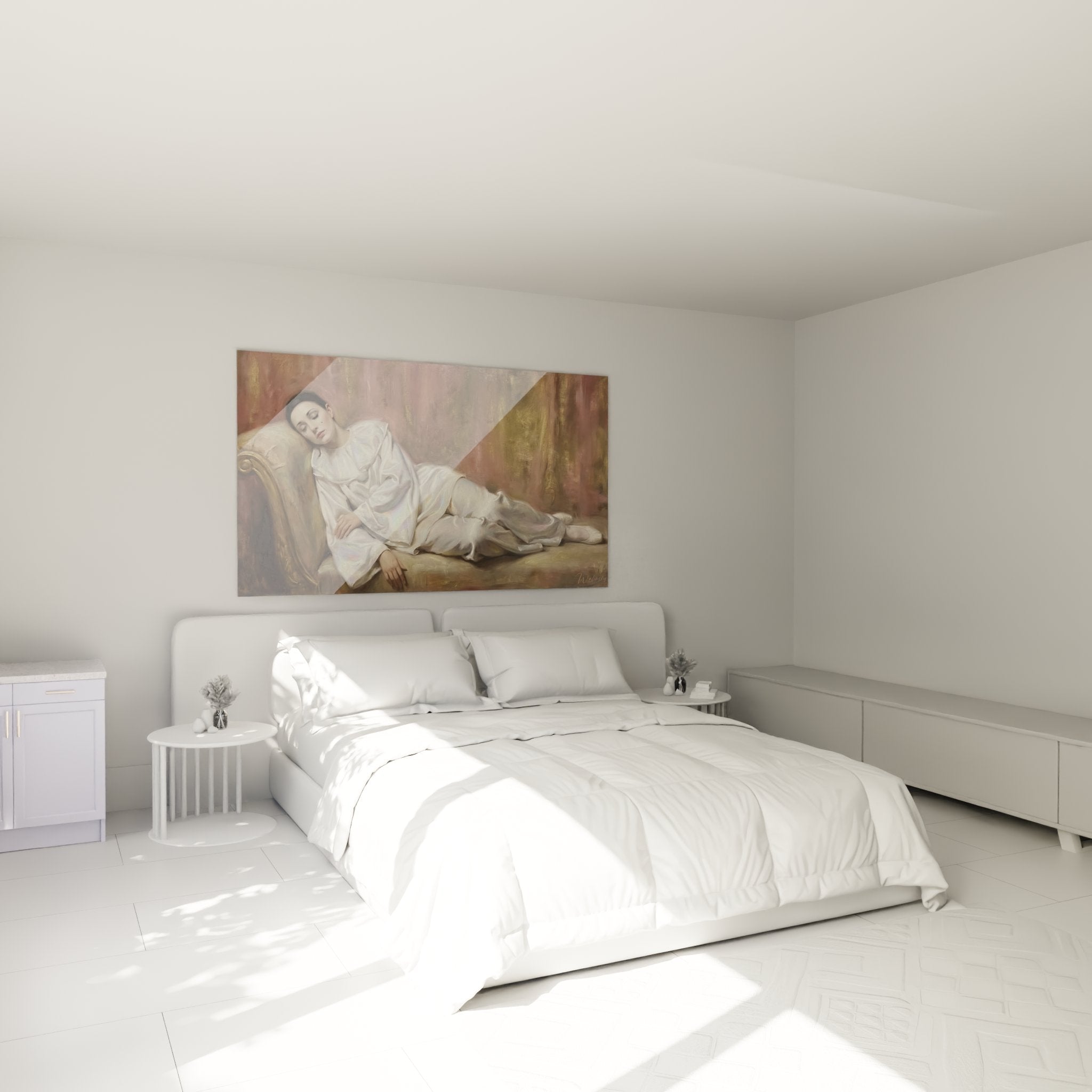
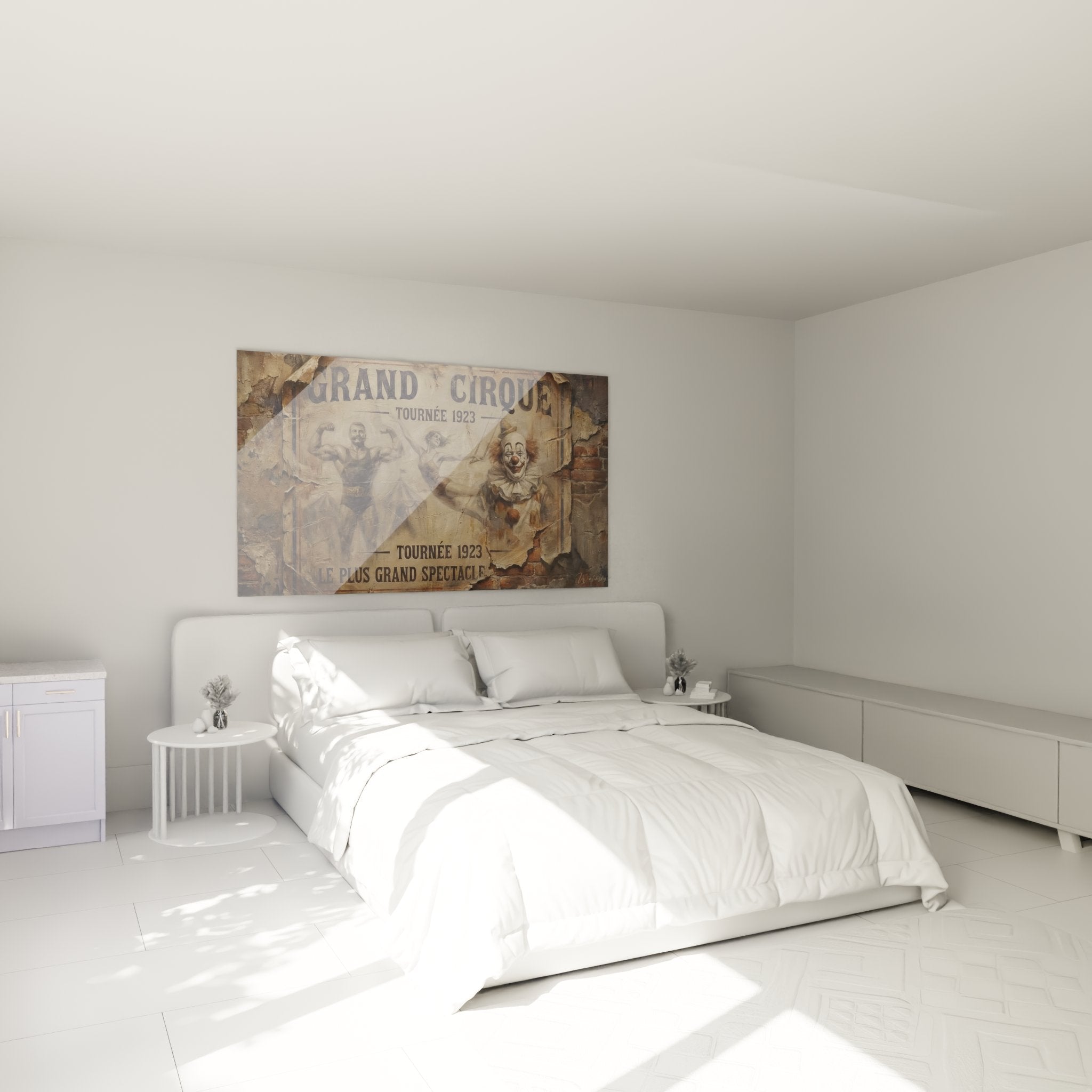
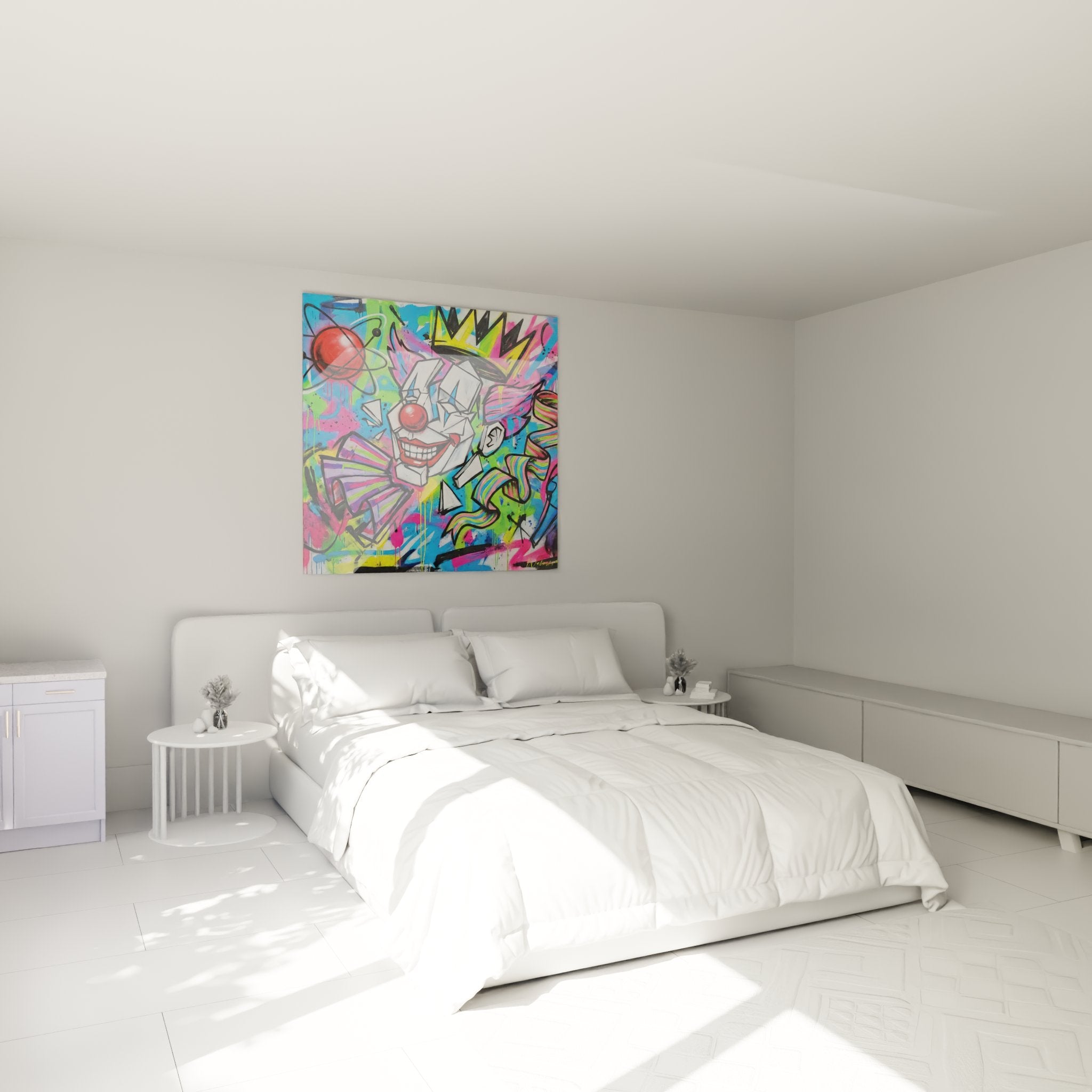
- Wall behind the bed transforming sleep into a dreamlike journey
- Reading space theatricalized by the presence of artists frozen mid-performance
- Creative corner inspired by vivid colors and dynamic forms
Creating a contemporary cabinet of curiosities
Lovers of singular interiors can conceive around a circus artwork a true modern cabinet of curiosities. This decorative approach fully assumes the extraordinary character of the subject by surrounding it with equally remarkable objects: vintage globes, naturalized animals, period scientific instruments, historical show posters.
In this configuration, the circus artwork acts as visual anchor for a heterogeneous but coherent collection. It sets the tone for the whole: that of a universe where the marvelous neighbors reality, where the boundary between possible and impossible blurs. A large-format circus artwork buyer often seeks precisely this capacity to create a strong narrative environment.
How do premium materials magnify the circus subject?
The choice of printing support considerably influences the final perception of a circus artwork. Acrylic glass, with its shiny surface and characteristic depth, amplifies the luminous brilliance inherent to the spectacle universe. Spotlights seem truly radiating, sequins appear to sparkle depending on viewing angle.
Dibond aluminum offers a more matte yet equally valorizing alternative. Its perfect rigidity and lightness allow frameless installation reinforcing the contemporary aspect of the representation. For modern circus scenes or graphic interpretations, this material constitutes a particularly judicious choice. Italian manufacturing of these supports guarantees chromatic fidelity essential for restoring the saturated hues of the circus world.
Are there spaces where this theme should be avoided?
Despite its versatility, circus artwork doesn't suit all environments. Very minimalist interiors, built on sobriety and simplicity, risk creating uncomfortable visual dissonance. Similarly, formal professional spaces will benefit from privileging more neutral themes.
Very small spaces struggle with the visual intensity of a monumental circus representation. The sought-after submersion effect transforms into a sense of suffocation. In such cases, opt instead for an intermediate format or a representation with airier composition.
Circus Figures and Motifs: Choosing Your Ideal Circus Artwork
The circus artwork universe declines into a multitude of subjects, each bearing distinct symbolism and atmosphere. From the solitary trapezist to the complete parade, from the melancholic clown to the majestic elephant, each representation tells a different story. Understanding these nuances allows selecting the work that will truly resonate with your sensibility and space.
The acrobat and trapezist: figures of grace and transcendence
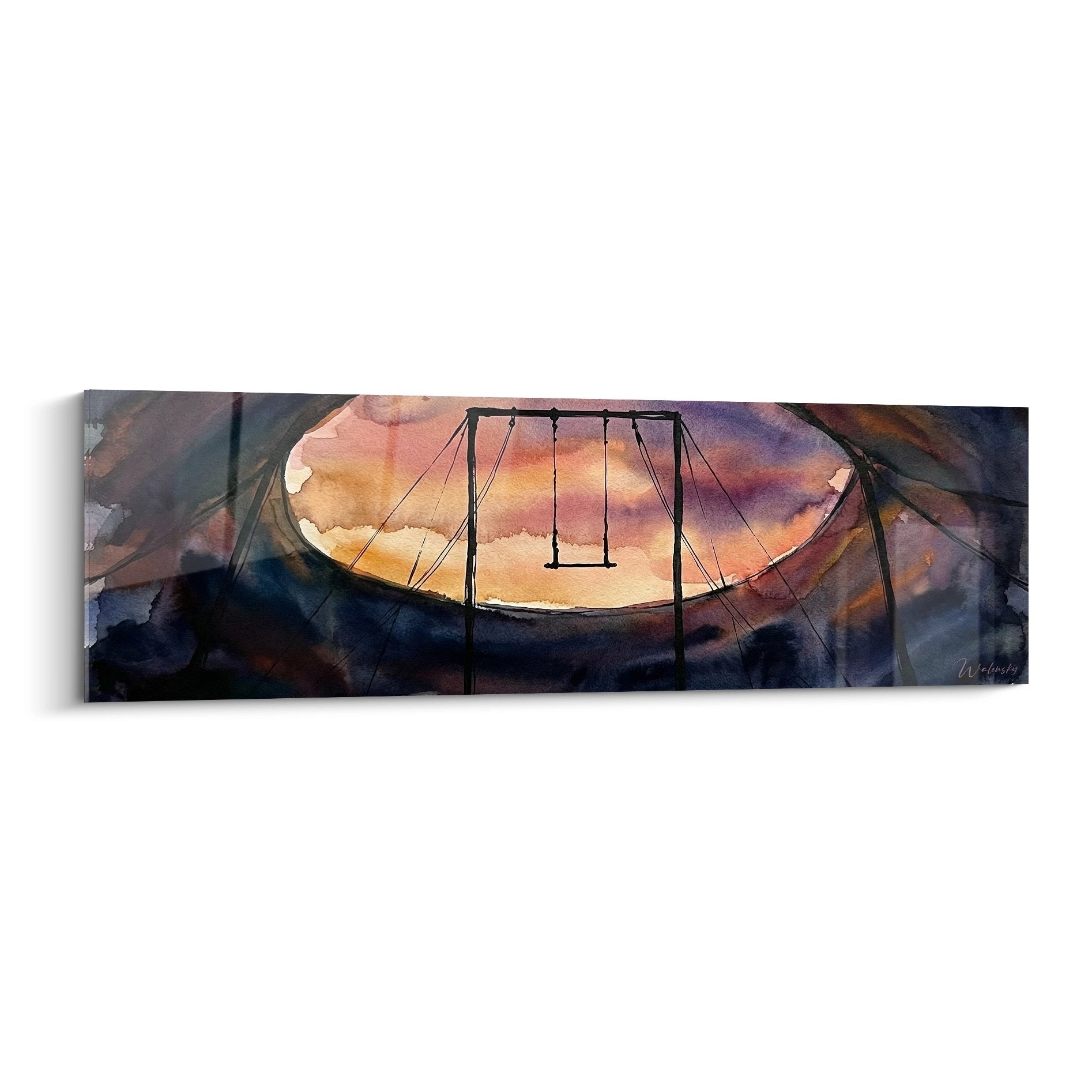
Aerial artists probably constitute the most emblematic subjects of circus iconography. A piece depicting a trapezist in full flight captures an instant of perfect suspension, between flight and fall, between absolute mastery and permanent risk. This visual tension fascinates and invites prolonged contemplation.
Contortionists and equilibrists offer equally striking compositions. Their bodies defying ordinary anatomy create unique graphic forms, particularly expressive at monumental scale. These representations speak of discipline, technical perfection and beauty forged through effort.
Why does the clown remain a major artistic figure?
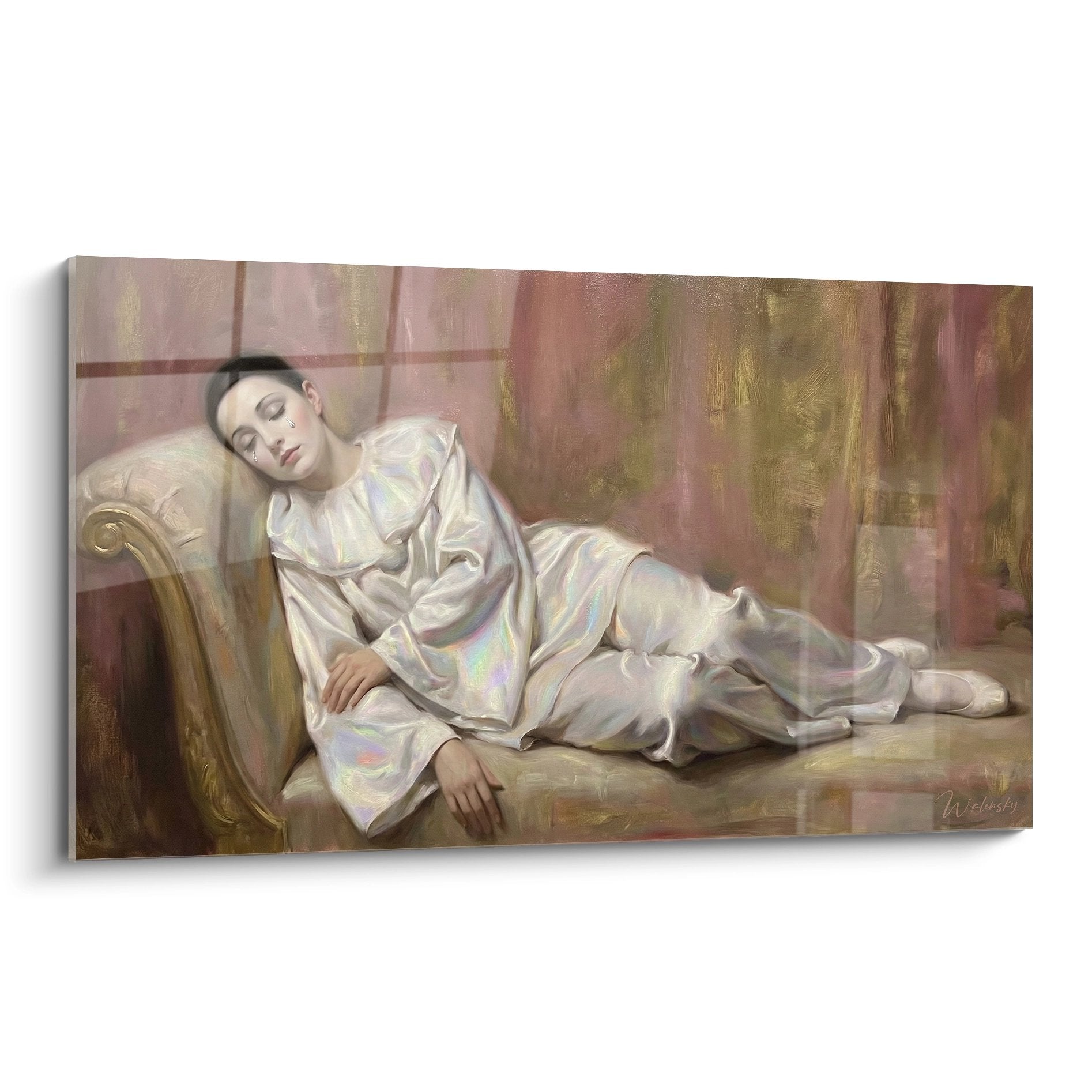
The clown transcends its entertainment function to embody a profoundly ambivalent figure. Behind makeup and grimaces often hides a melancholy that the greatest artists have captured. From Picasso to Rouault, the clown became synonymous with the human condition itself: laughter and sadness indissolubly intertwined.
A circus artwork depicting an auguste or white clown brings philosophical dimension to your decoration. These works suit particularly cultivated interiors where visitors will appreciate artistic references and symbolic depth of the subject. The emotional intensity of these representations accommodates large formats well, allowing grasping each nuance of expression.
Circus animals: between nostalgia and contemporary reinterpretation
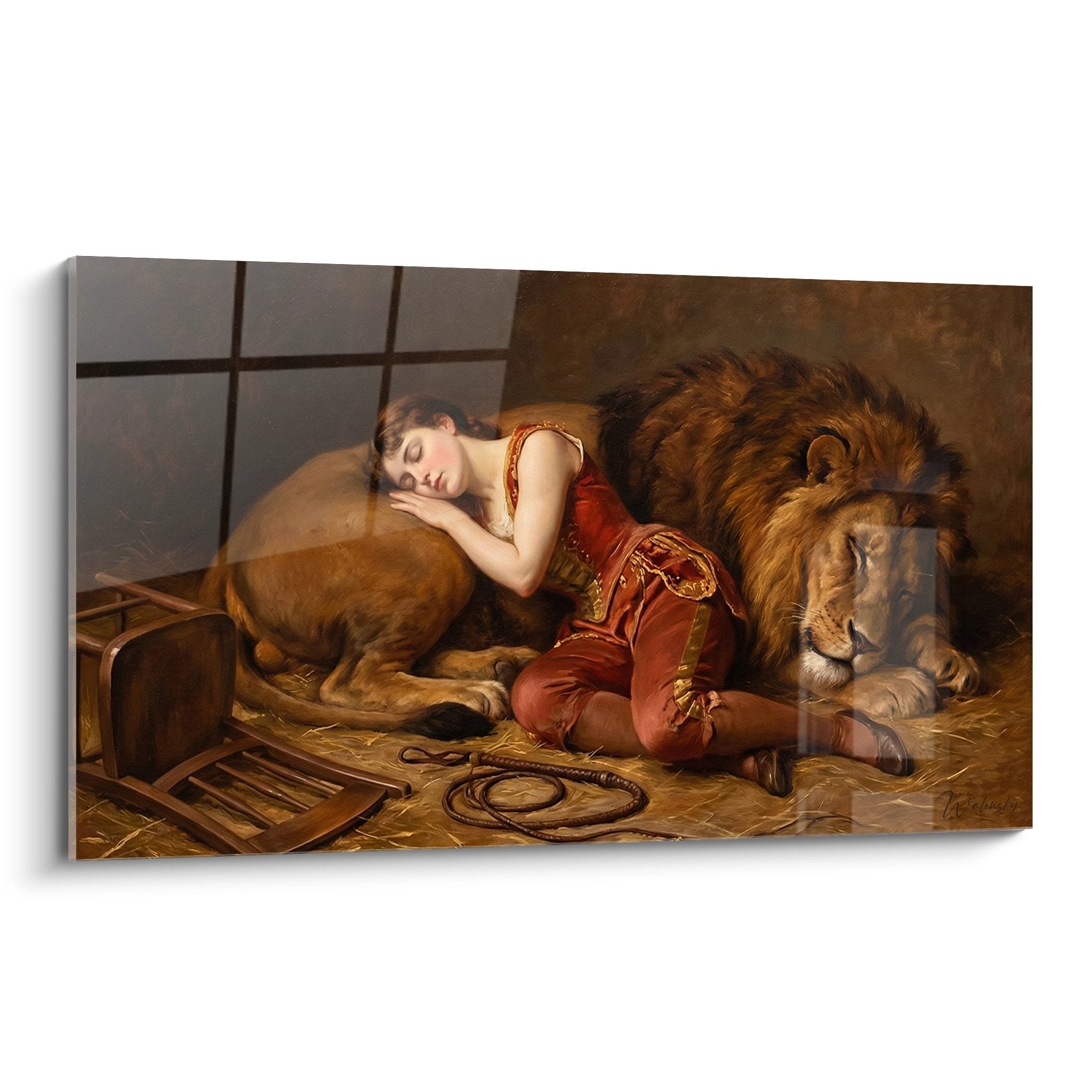
Elephants adorned with golden harnesses, royal lions on their pedestals, dancing horses at liberty: animals long constituted the main attraction of traditional circus. In contemporary wall art, these figures are often reinterpreted with new sensitivity, celebrating their majesty while questioning their historical place under the big top.
Stylized or dreamlike representations of circus animals allow evoking this powerful imaginary without direct reference to abandoned practices. A fantastical-colored elephant, a lion treated as heraldic figure or horses in abstract movement offer visually rich and ethically comfortable alternatives.
- Majestic elephant: symbol of memory, wisdom and quiet strength
- Heraldic lion: evocation of courage and ancestral nobility
- Horse at liberty: incarnation of movement and natural elegance
- Trained bear: endearing figure of tamed strength
The big top as architectural subject
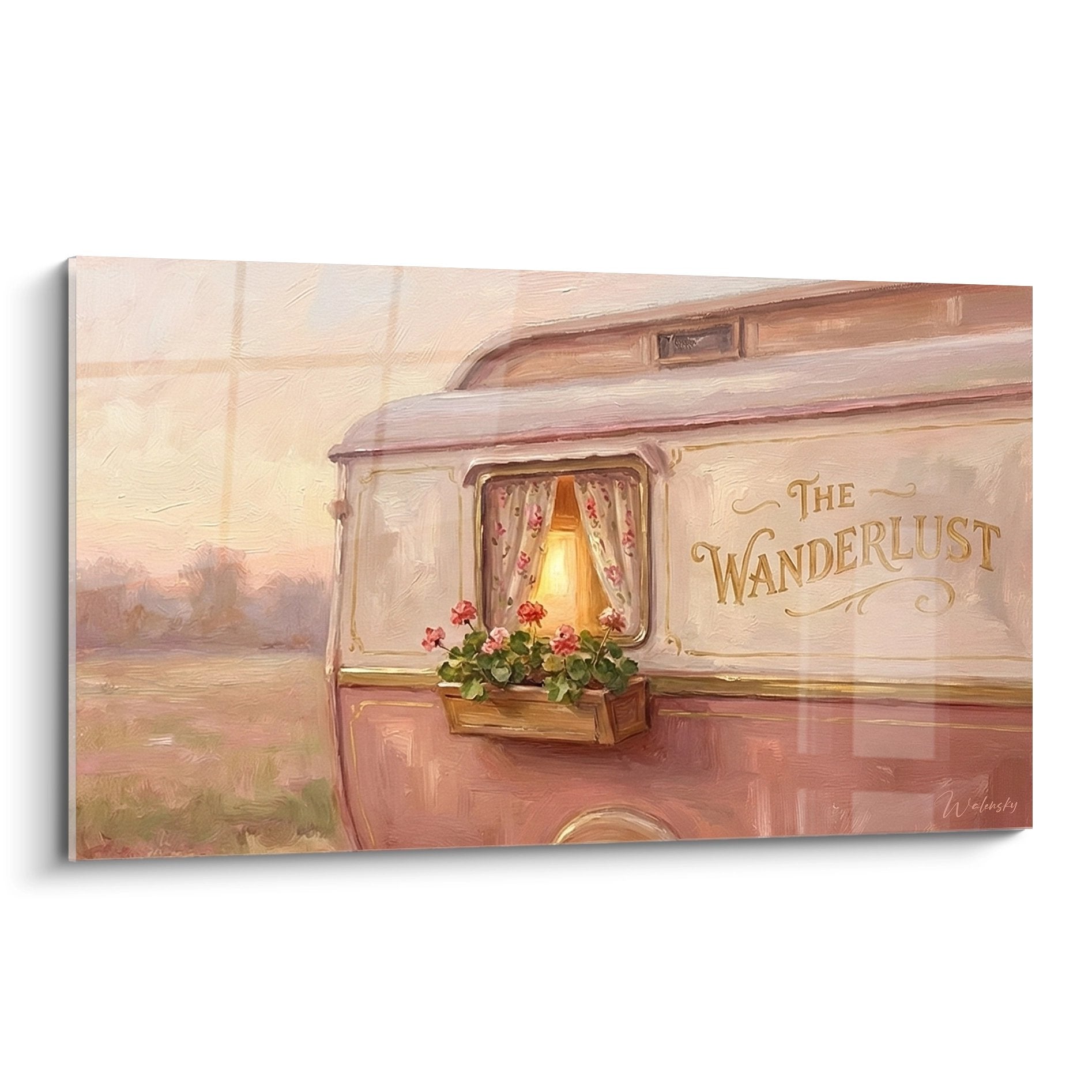
The circus structure itself, with its masts, stretched canvas and luminous garlands, constitutes an autonomous decorative subject. The big top represents the very idea of spectacle: a temporary space dedicated to the extraordinary, an architecture of the ephemeral and dream. A circus artwork centered on this structure evokes travel, mystery and the promise of wonder.
Exterior views of big tops, often nocturnal and illuminated, create particularly enchanting atmospheres. Interior views reveal the vertiginous architecture of ropes and canvas, the concentric space of the ring and bleachers rising into darkness. These architectural perspectives suit lovers of strong geometric compositions.
Traditional circus or contemporary circus: which aesthetic to privilege?
Classical circus, with its flamboyant costumes, gilding and assumed pageantry, offers incomparable visual richness. Representations inspired by this tradition bathe in an atmosphere of popular celebration and accessible wonderment. They suit warm interiors seeking a touch of assumed fantasy.
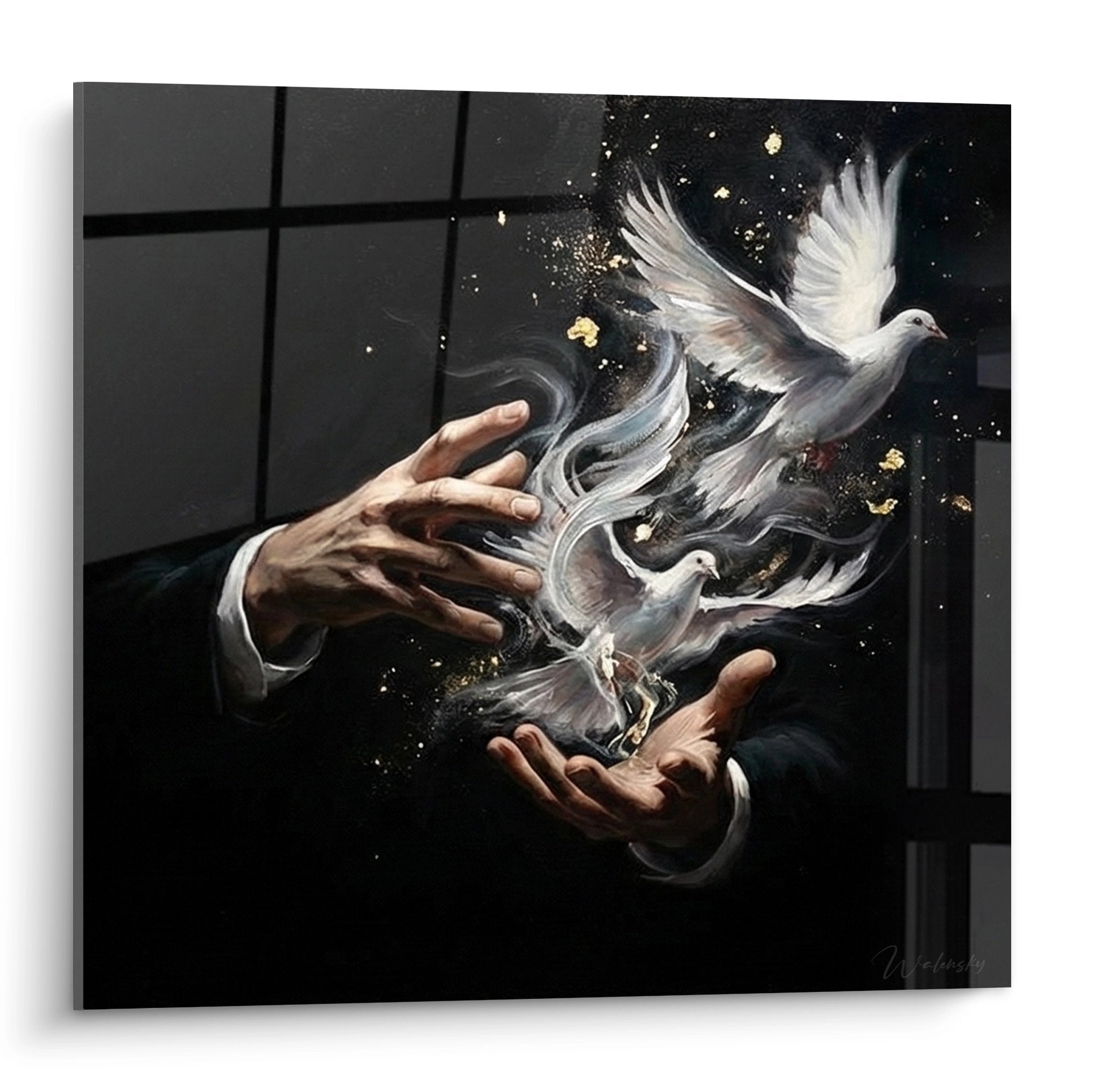
Contemporary circus, born in the 1970s, proposes a radically different aesthetic: refined, poetic, often monochrome. Artists are represented in their vulnerable humanity rather than stage costume. A piece inspired by this movement brings assertive artistic and contemplative dimension, naturally dialoguing with contemporary interiors.
How to order a circus artwork adapted to your expectations?
Before finalizing your purchase, precisely evaluate the desired effect. Do you want a conversational piece that will spark visitors' comments? Then privilege a narrative subject rich in details. Are you seeking rather a strong visual presence but calming? Orient yourself toward more graphic compositions and harmonious color palettes.
Material durability also deserves attention. Prints on acrylic glass or Italian-made Dibond aluminum guarantee UV resistance and color stability over several decades. Your circus artwork will thus traverse the years without alteration, permanent testimony to your taste for the extraordinary.
FAQ
How to clean and maintain a large-format circus artwork?
Premium supports like acrylic glass or Dibond aluminum require minimal maintenance. A slightly damp microfiber cloth suffices to eliminate dust without scratch risk. Avoid abrasive products and solvents that could alter the surface. This ease of maintenance makes circus artwork particularly suited to family living spaces.
Does circus artwork suit all interior decoration styles?
This theme integrates remarkably into eclectic, bohemian, Art Deco or maximalist interiors. It can create interesting contrast in a refined industrial or contemporary space. Conversely, strictly minimalist or traditional Scandinavian decorations can create stylistic dissonance with circus exuberance.
What size circus artwork to privilege for a standard living room?
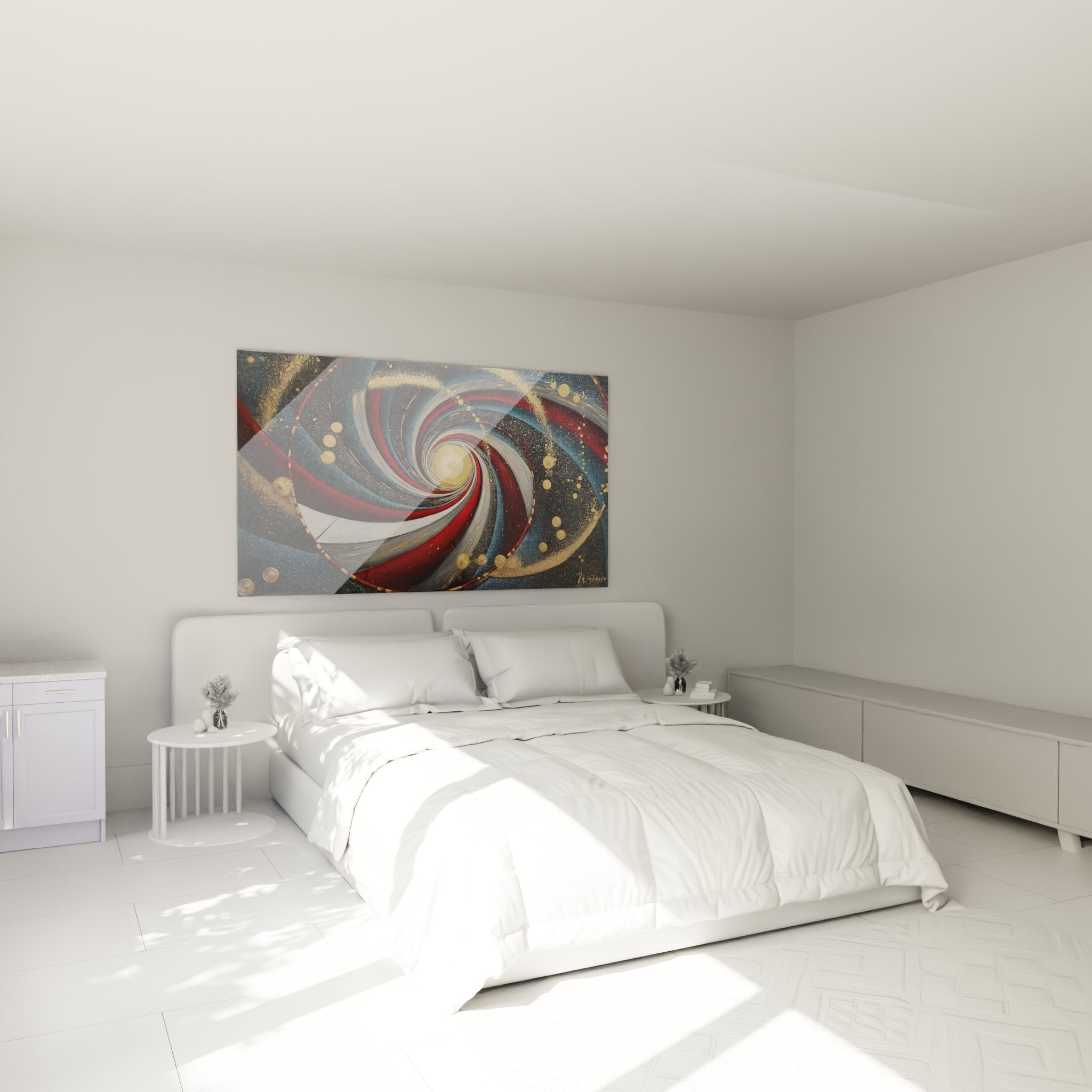
For medium-sized living rooms, formats between 150 and 200 centimeters wide offer optimal visual impact without saturating space. Measure your available wall and plan for the piece to occupy about two-thirds of this surface for harmonious balance. Very large formats exceeding 200 centimeters suit open spaces or walls with generous ceiling height.
Can circus artwork integrate an adult bedroom?
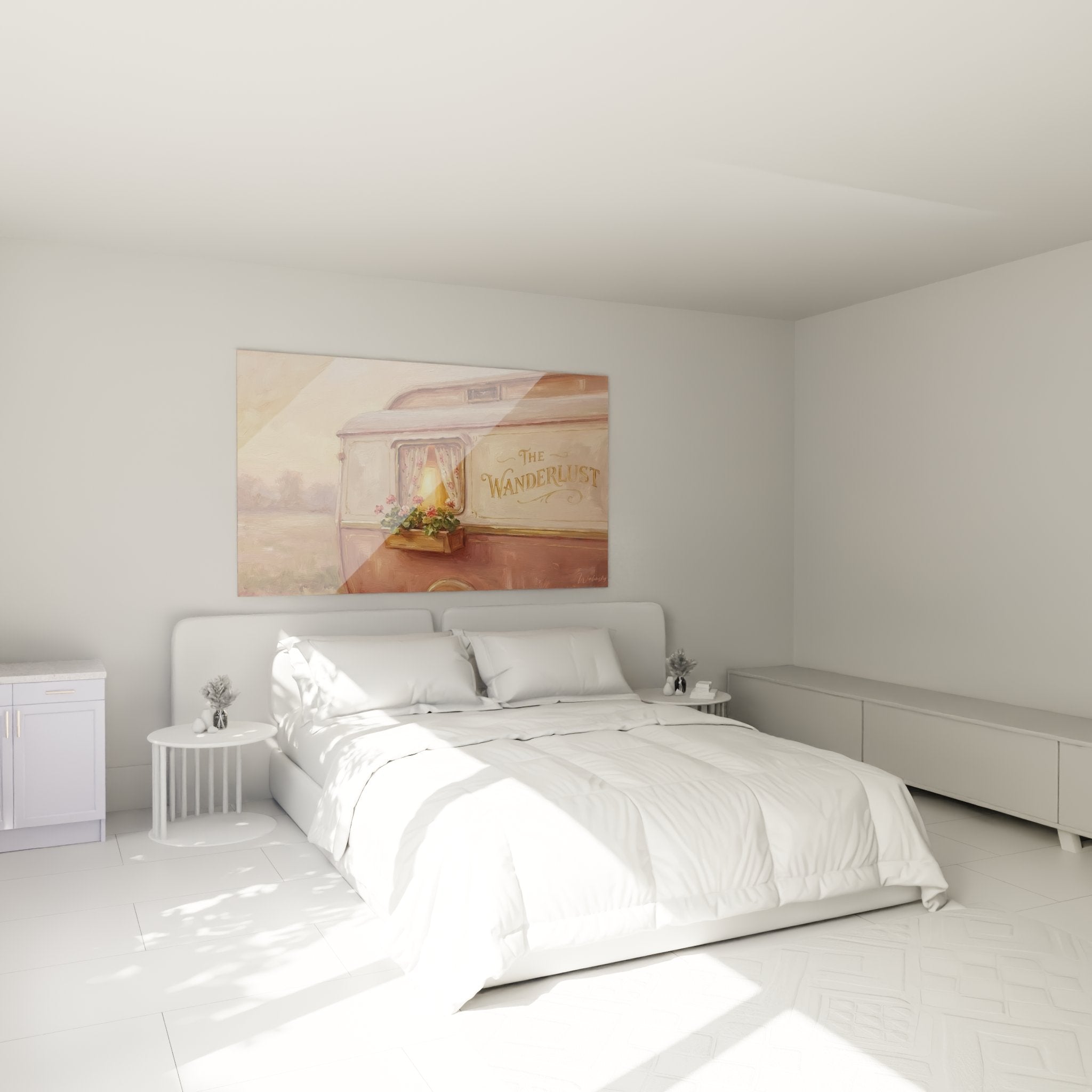
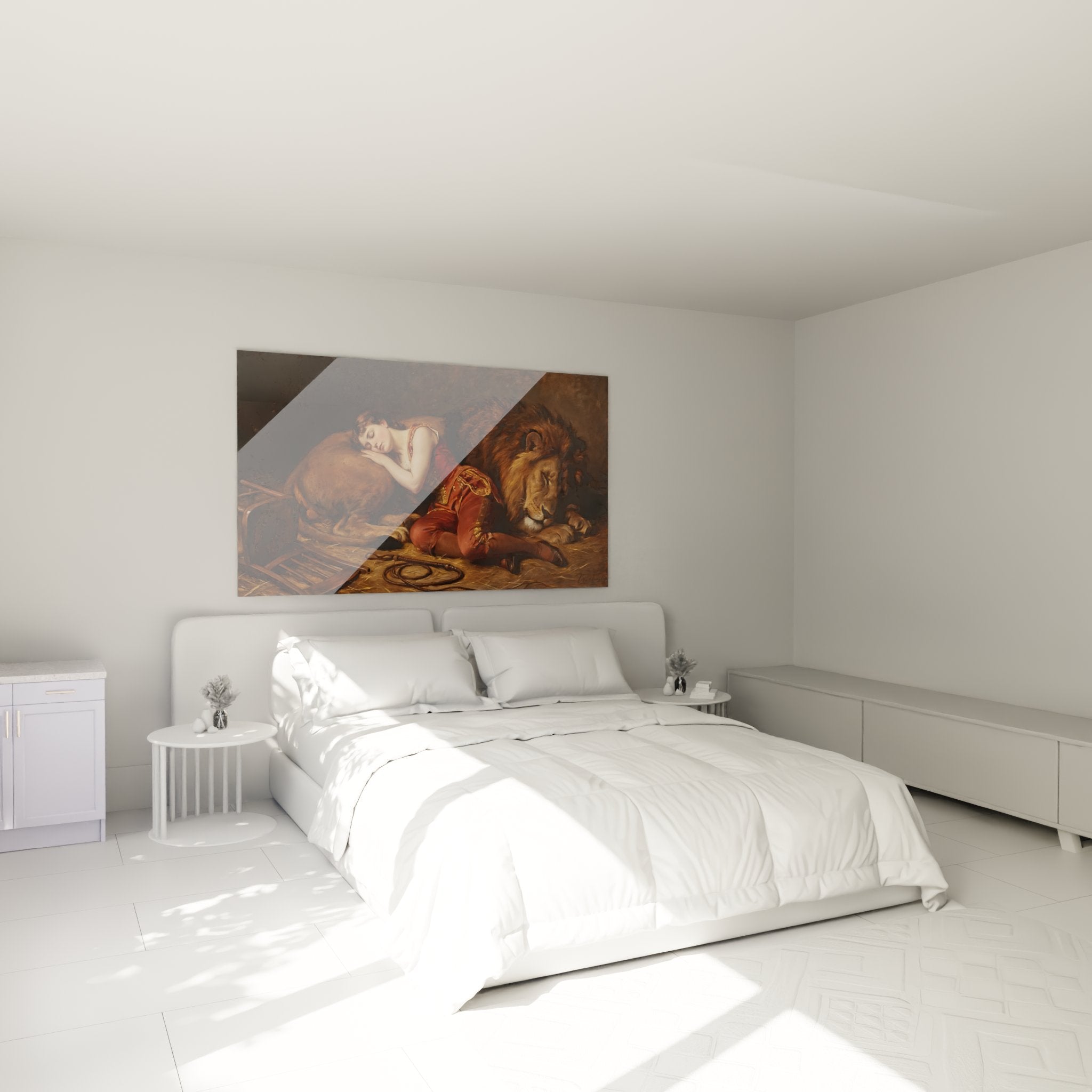
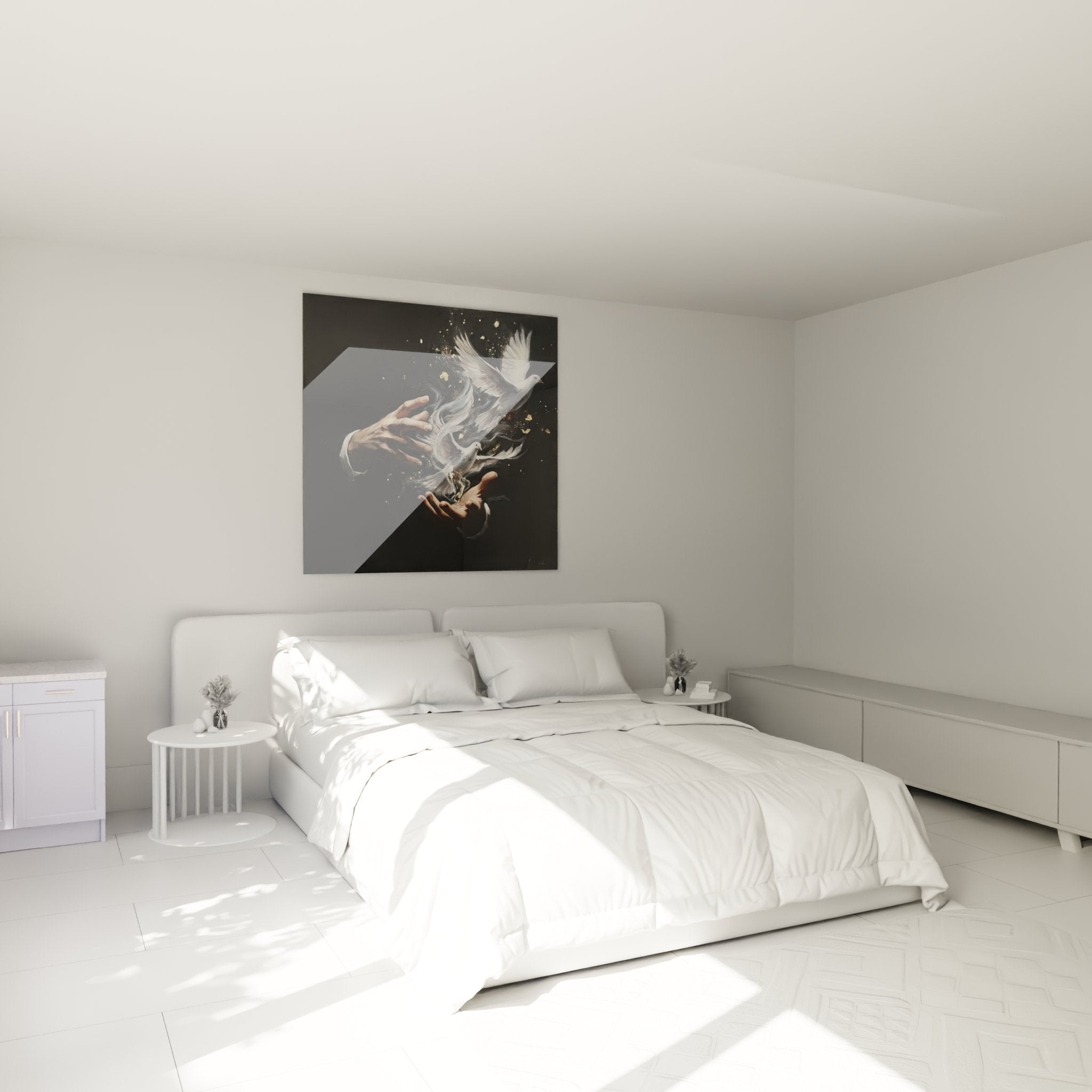
Absolutely. Sophisticated circus representations, notably artistic interpretations of melancholic clowns or elegant aerial scenes, suit adult bedrooms perfectly. Privilege soft color palettes or monochrome compositions to maintain an atmosphere conducive to rest while benefiting from the rich symbolism of the subject.