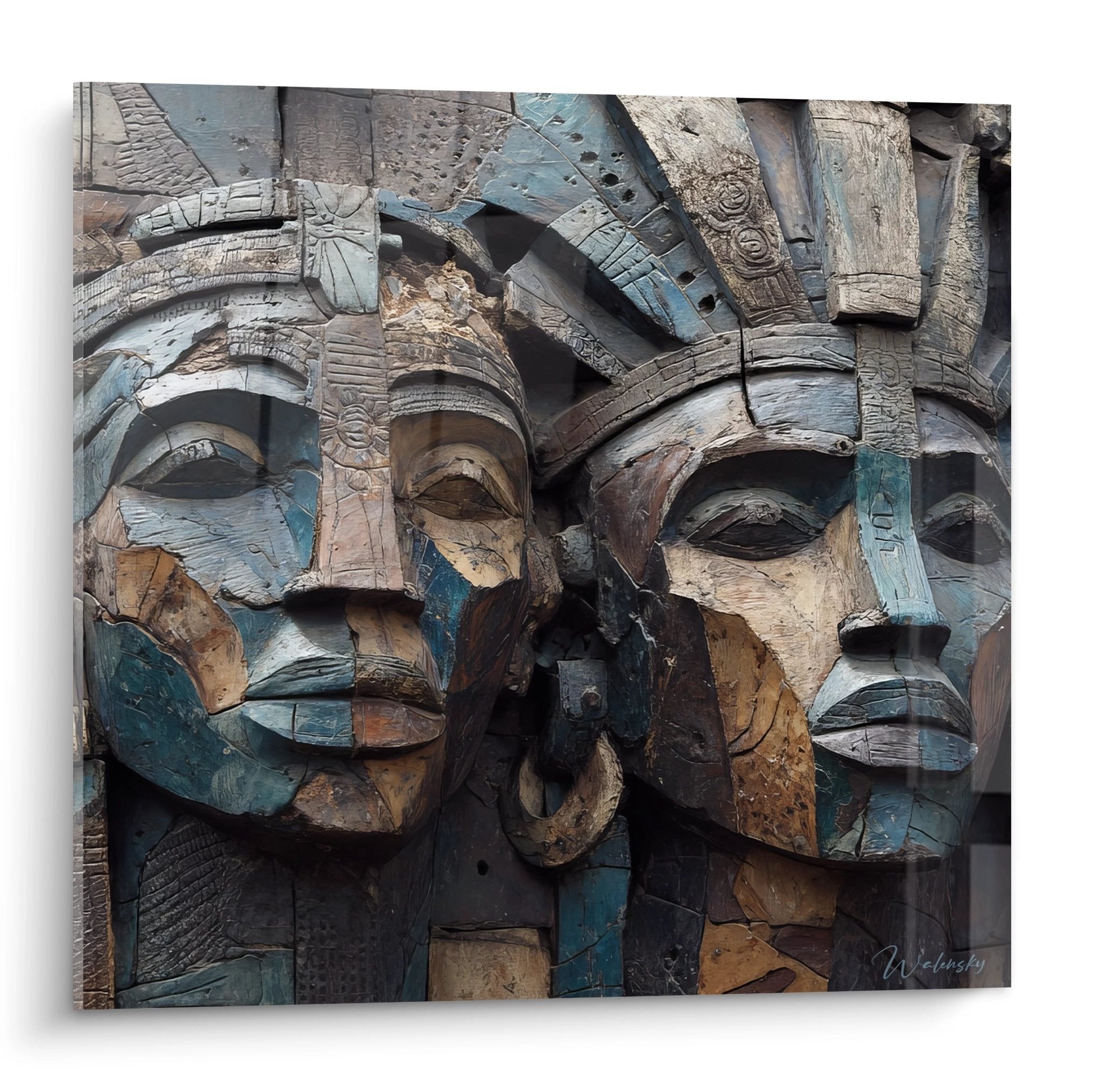
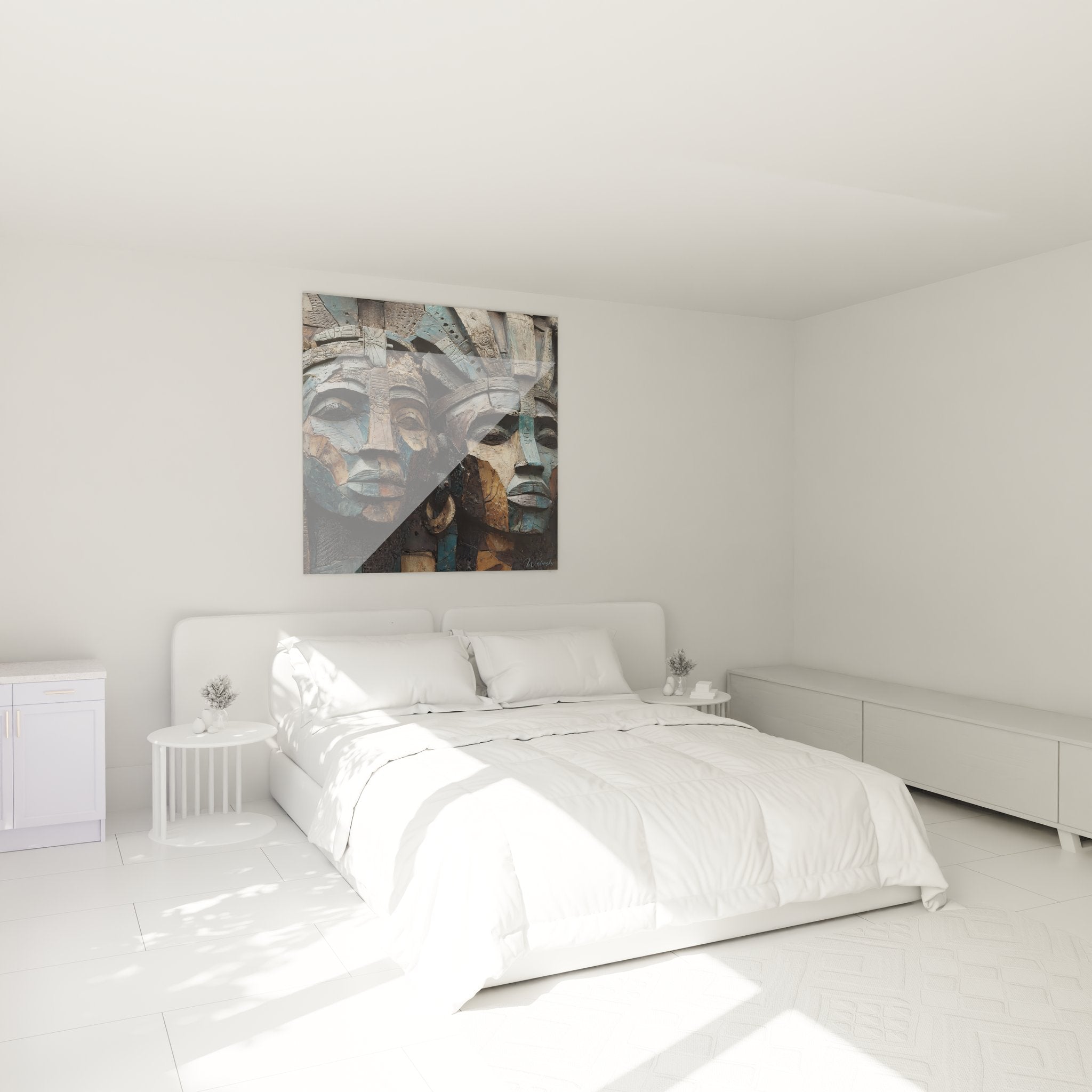
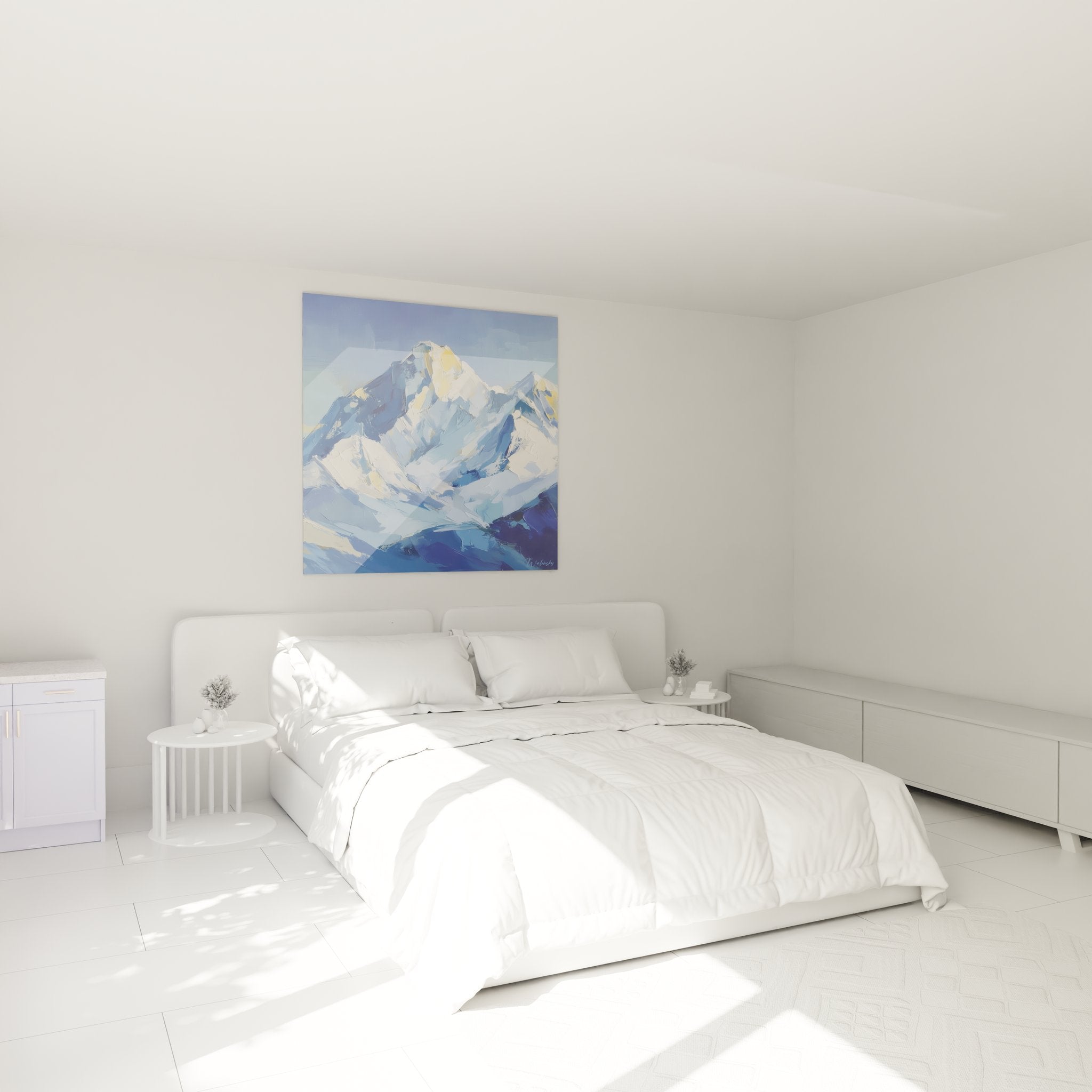
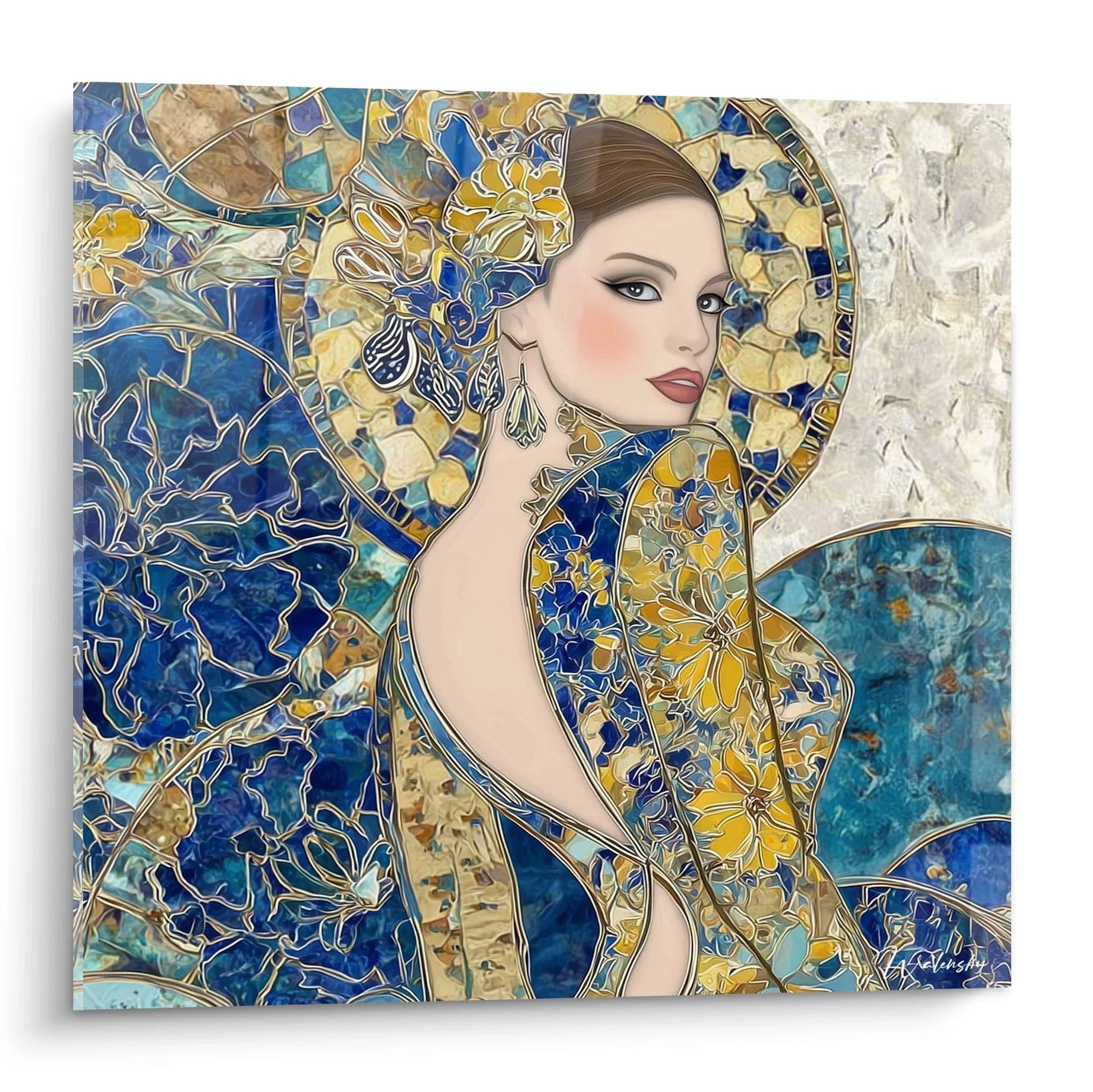
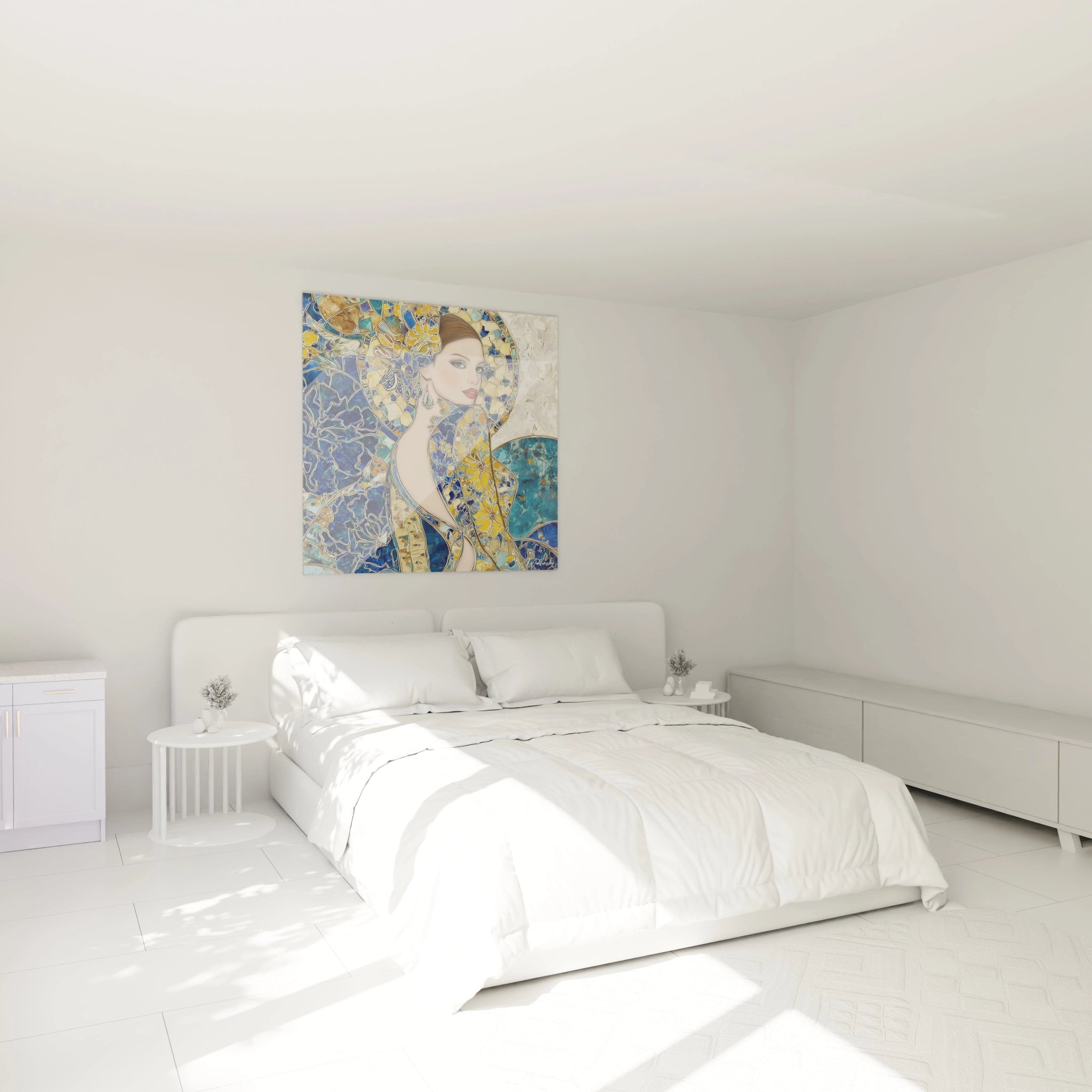
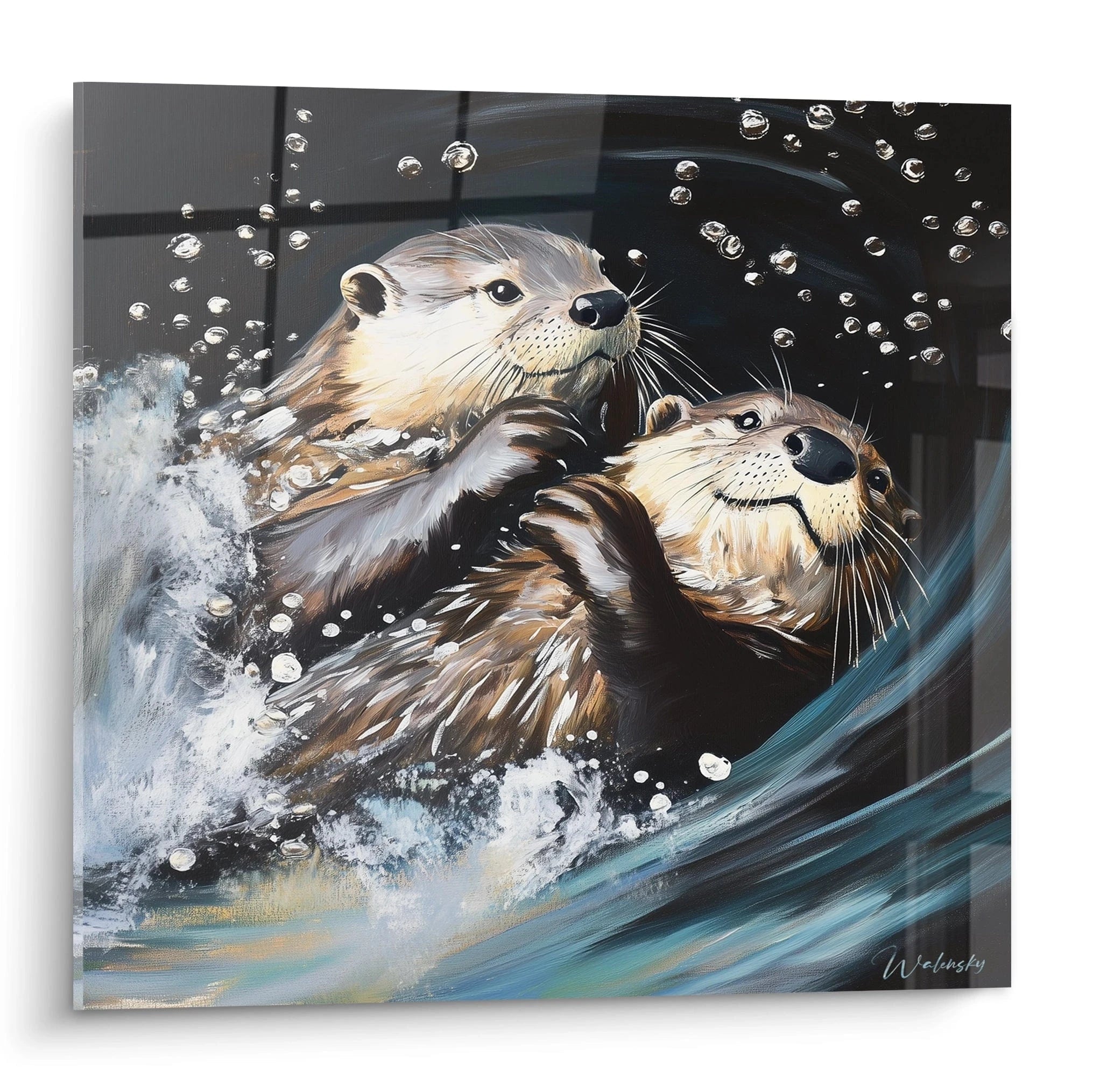
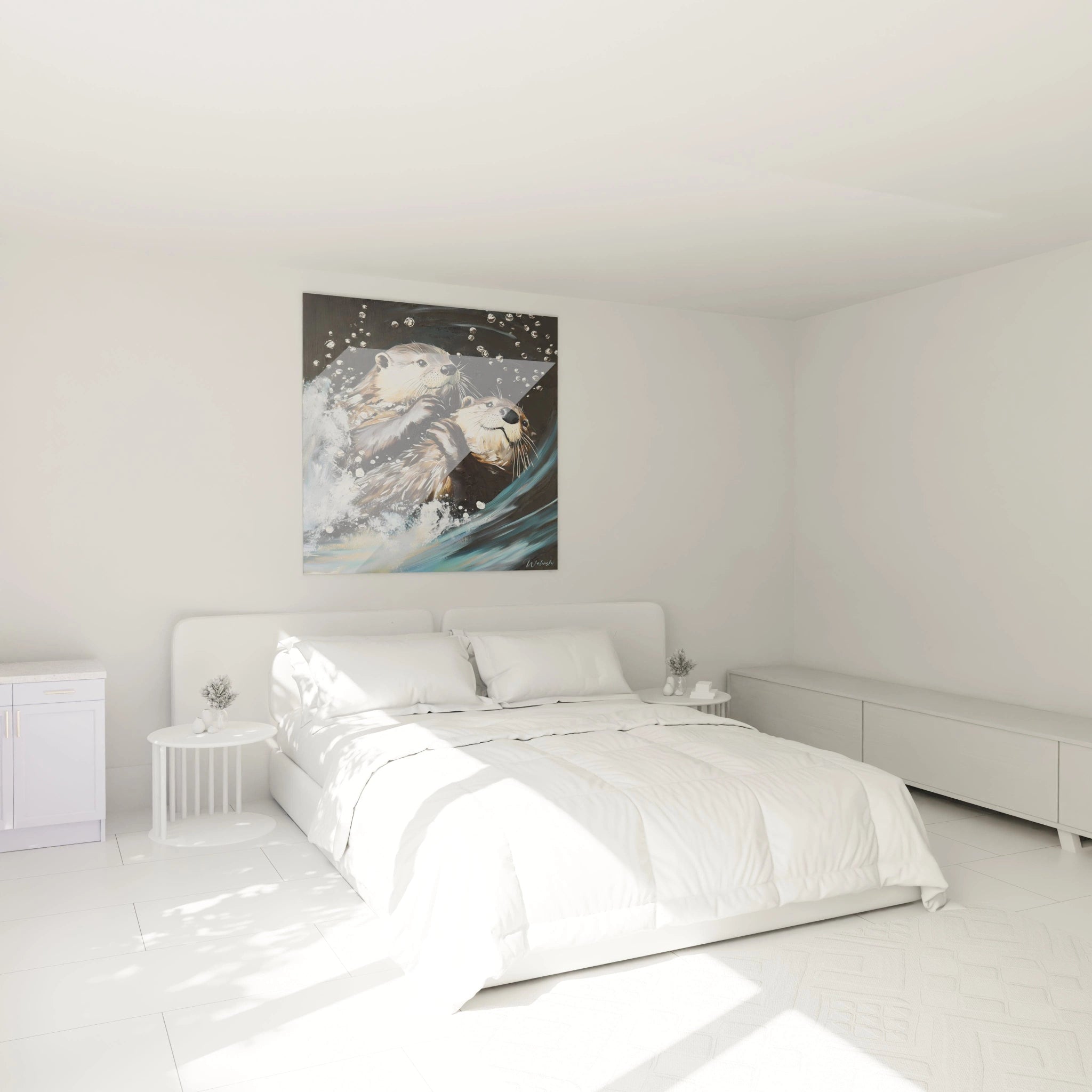
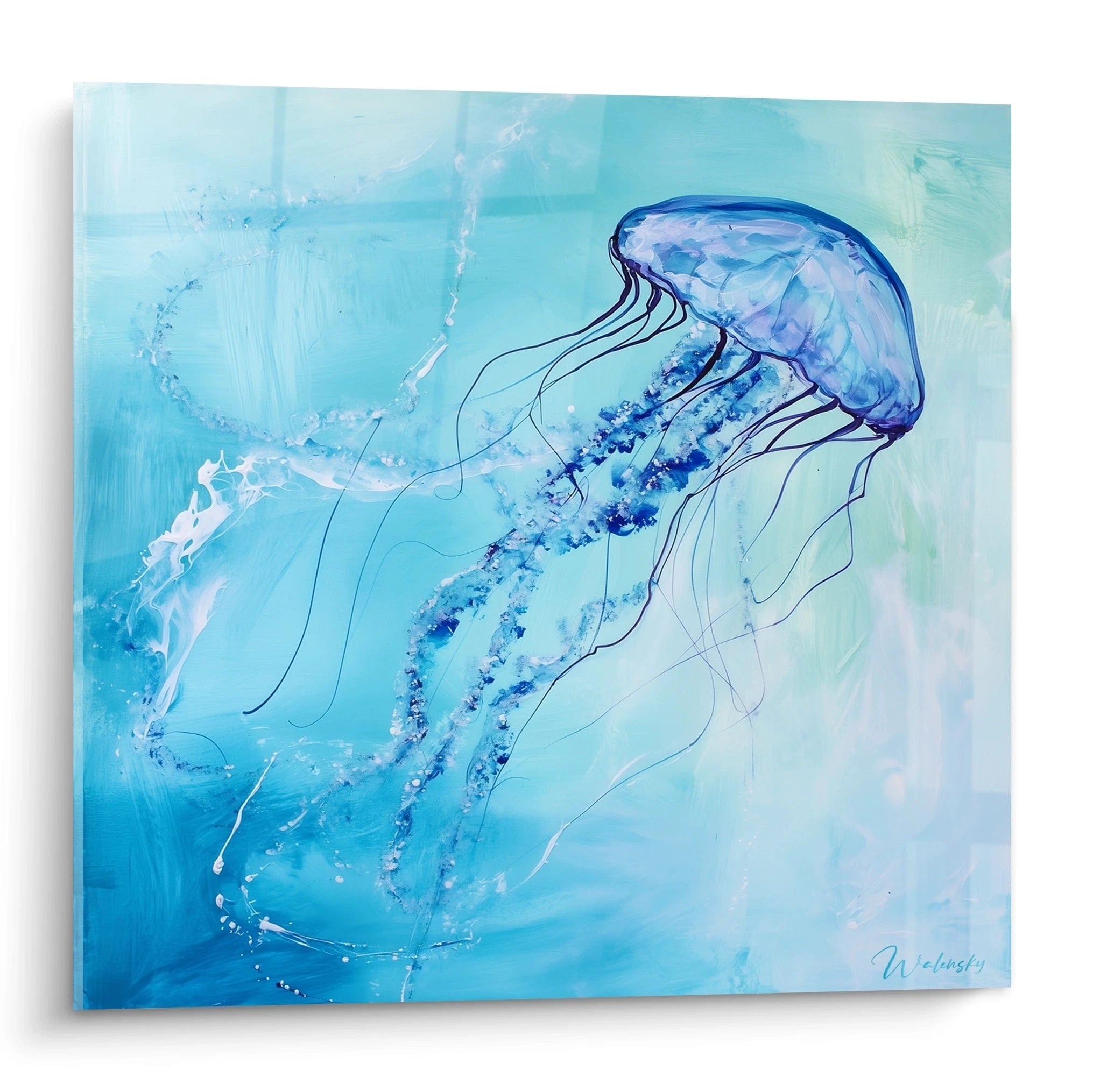
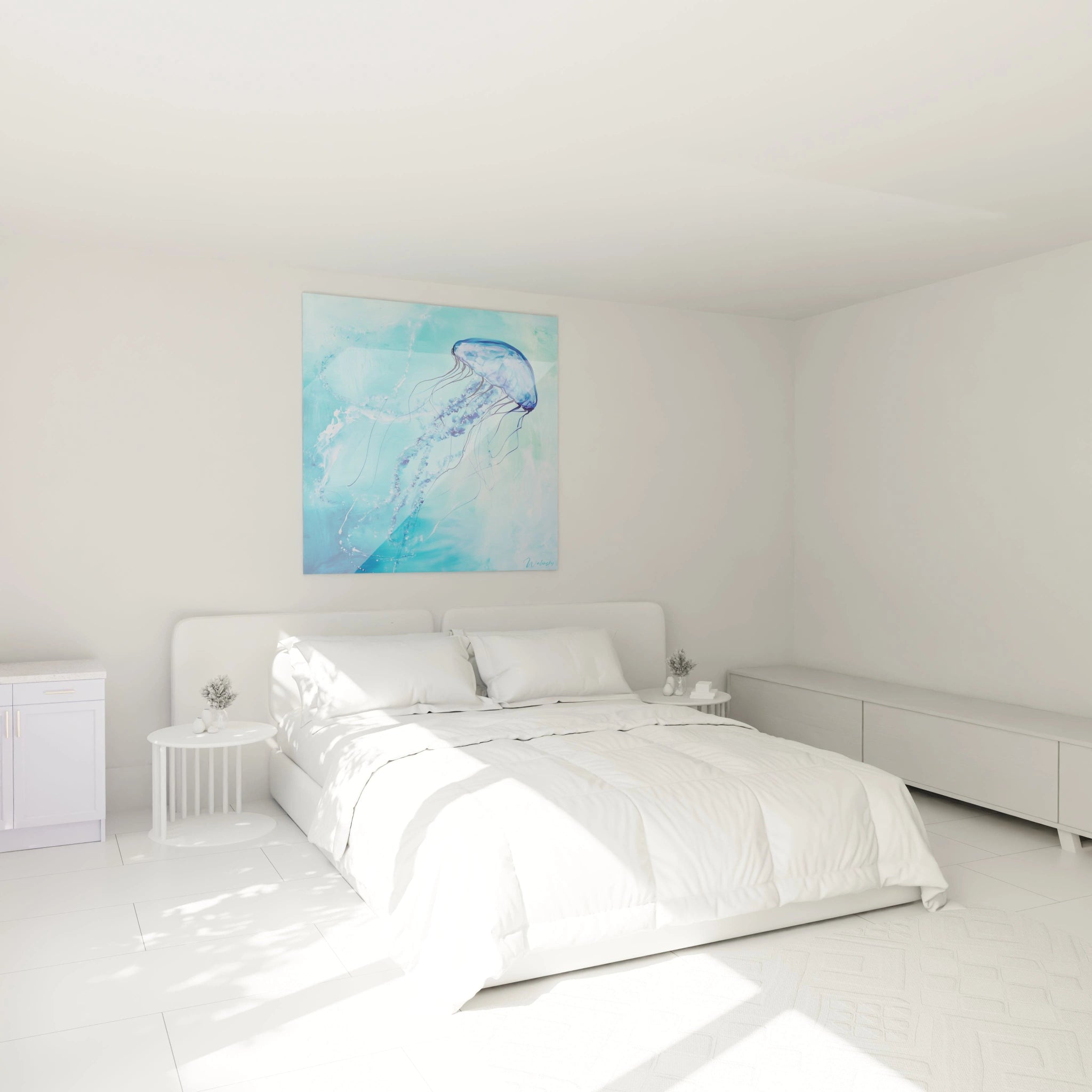
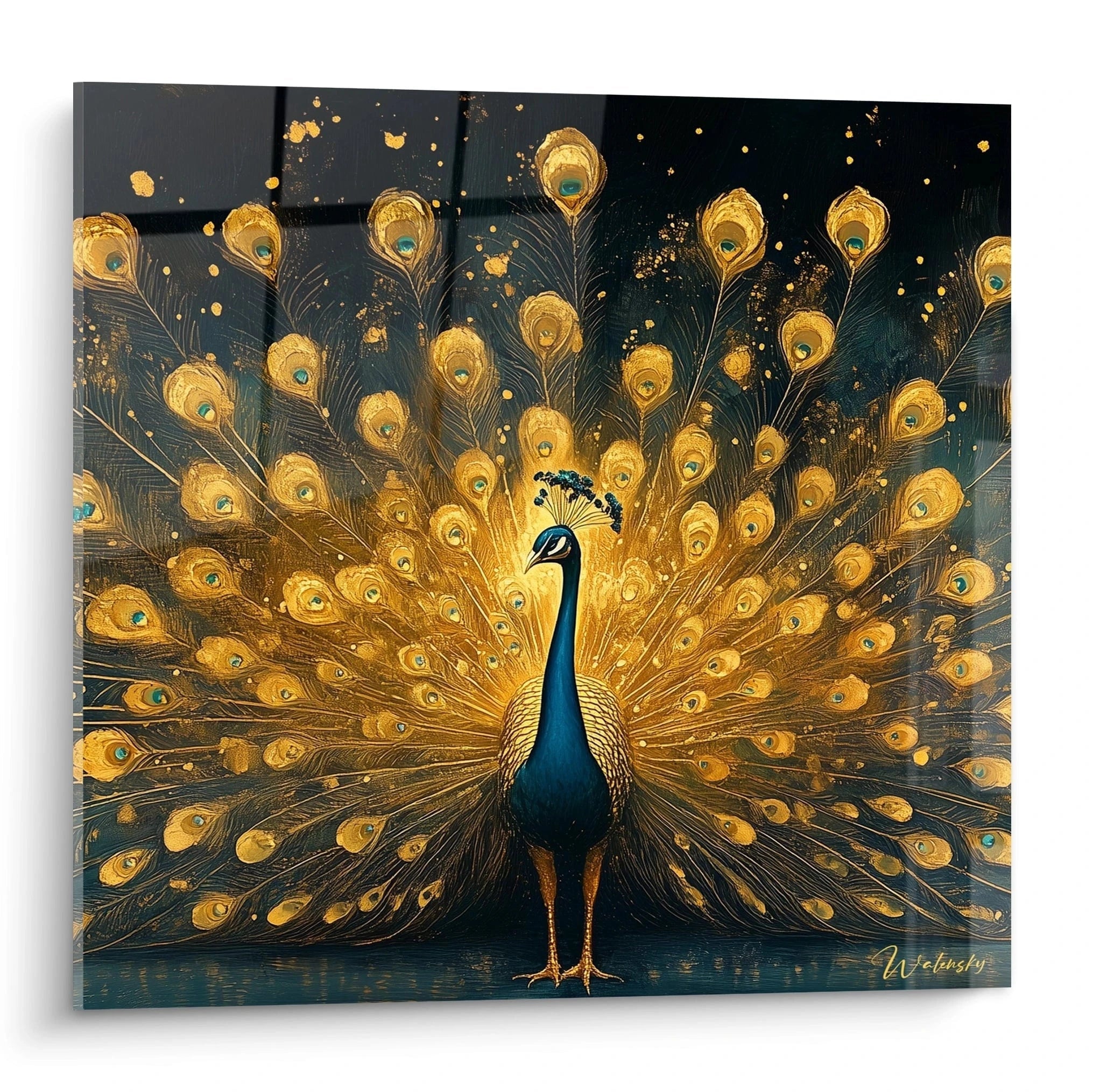
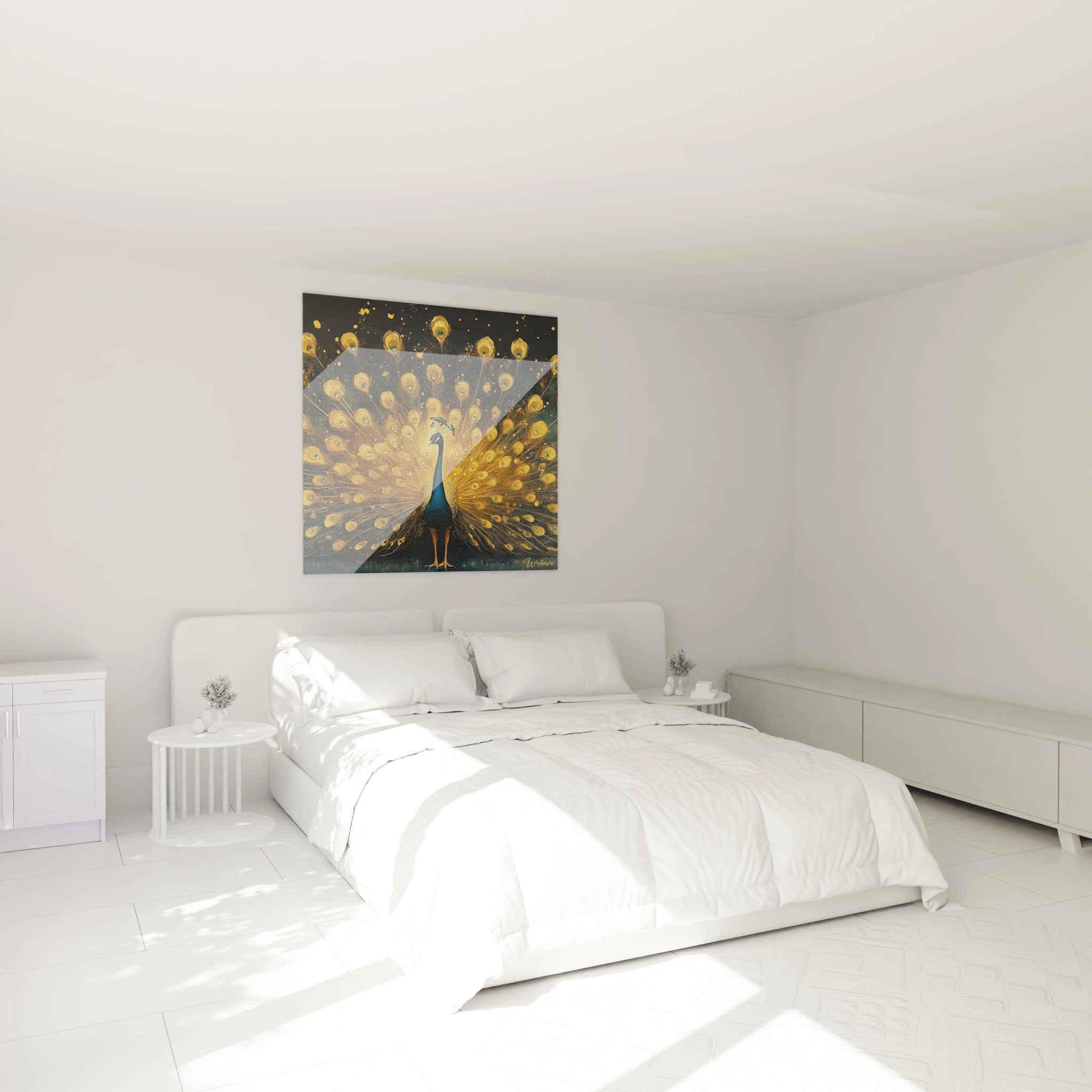
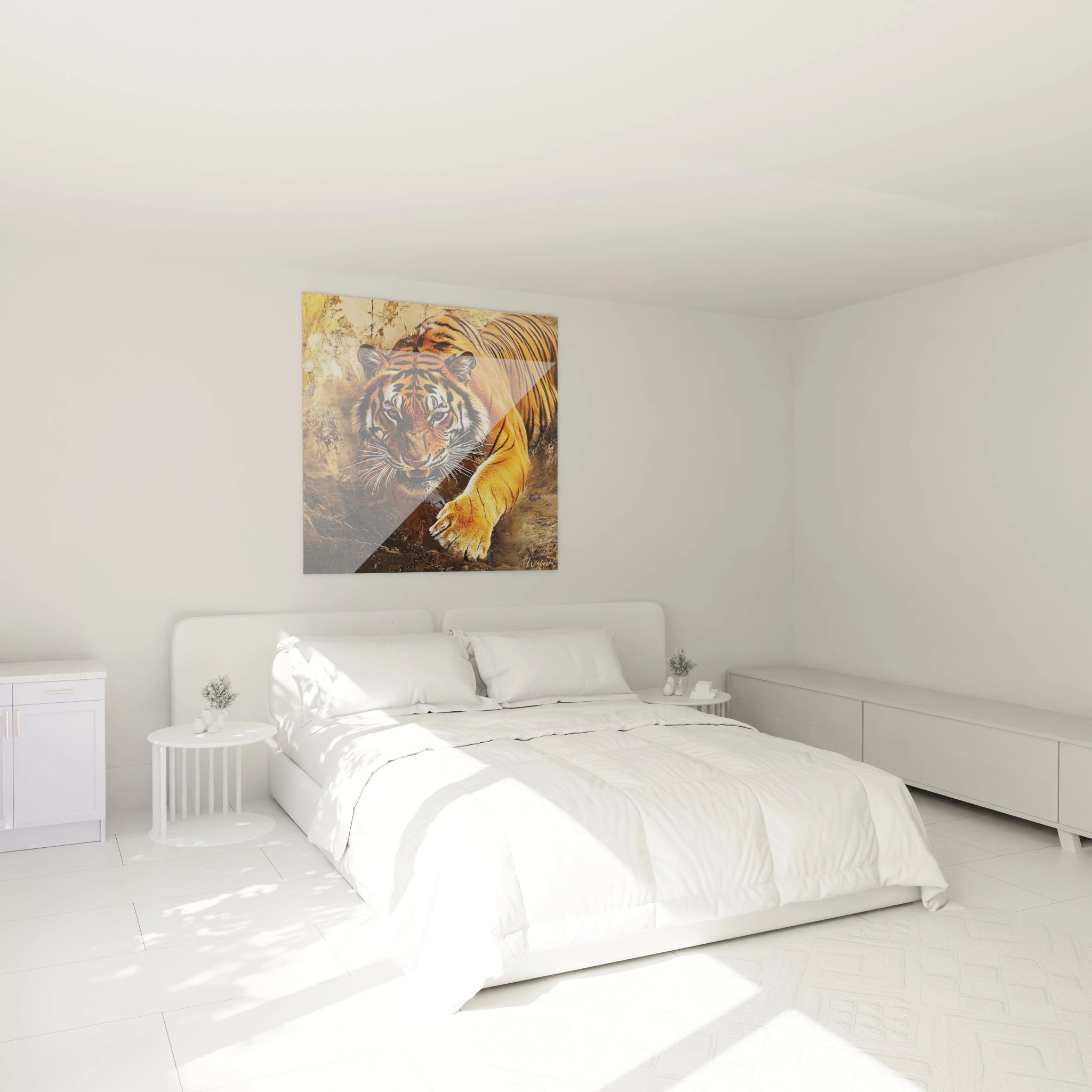
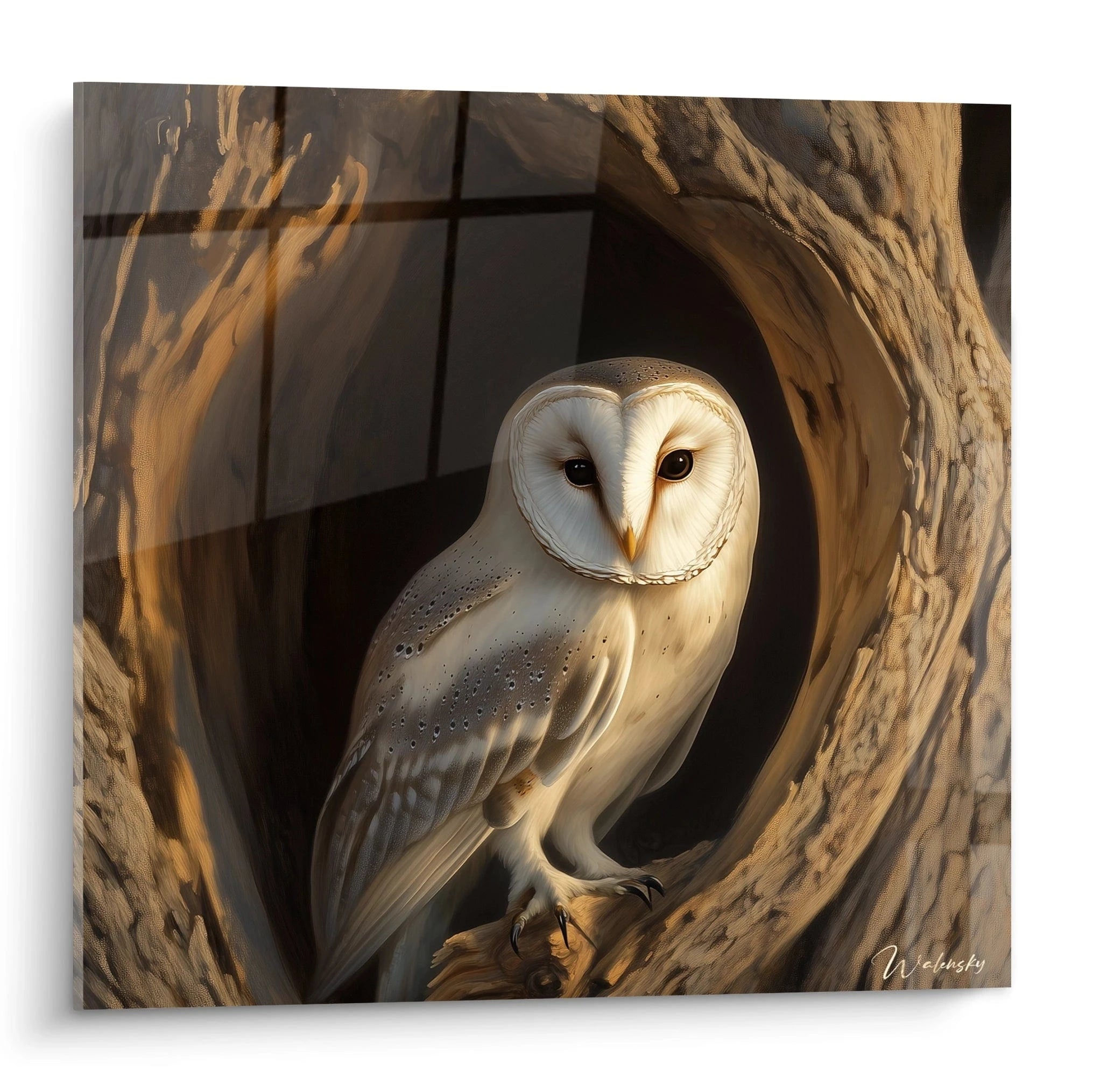
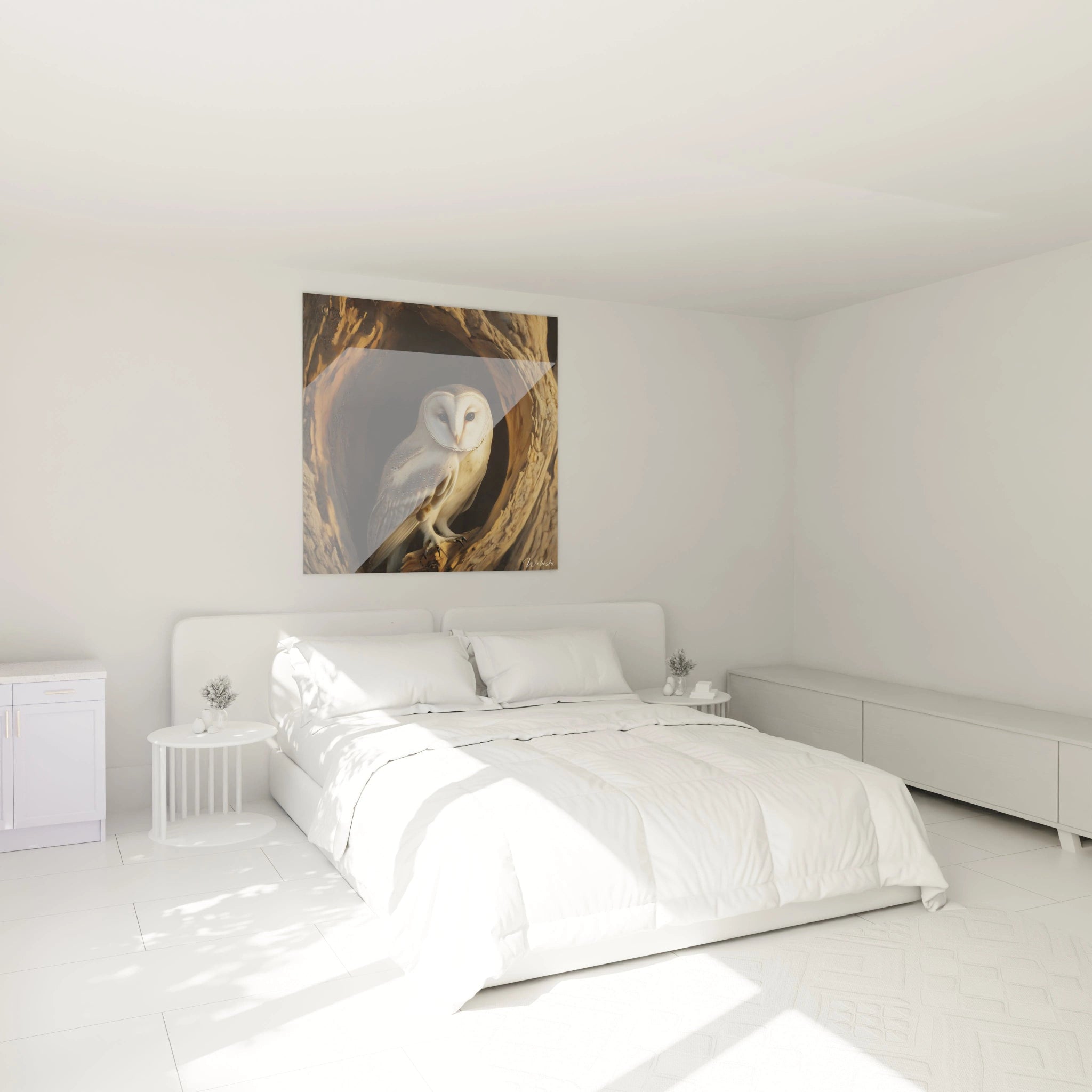
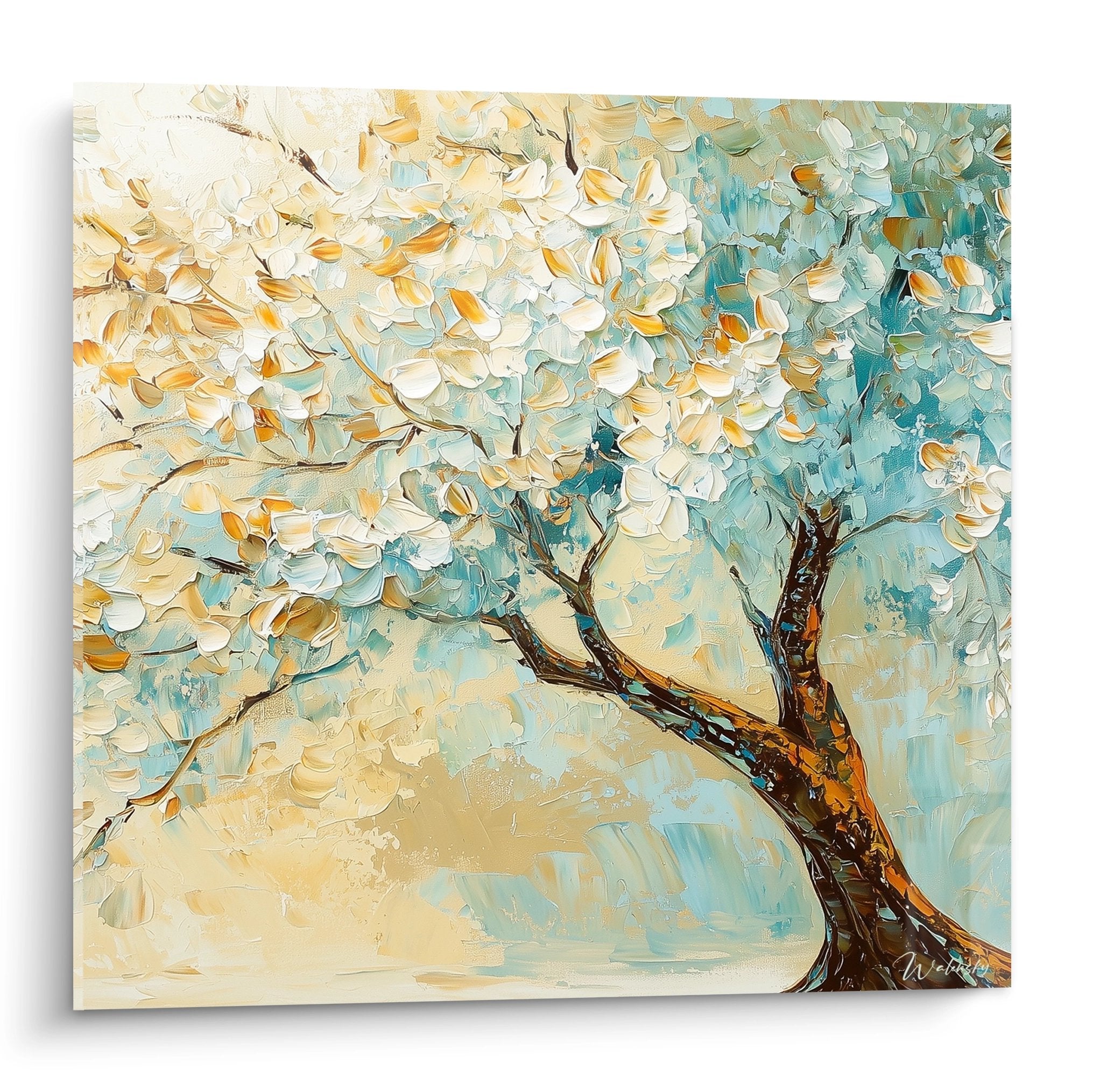
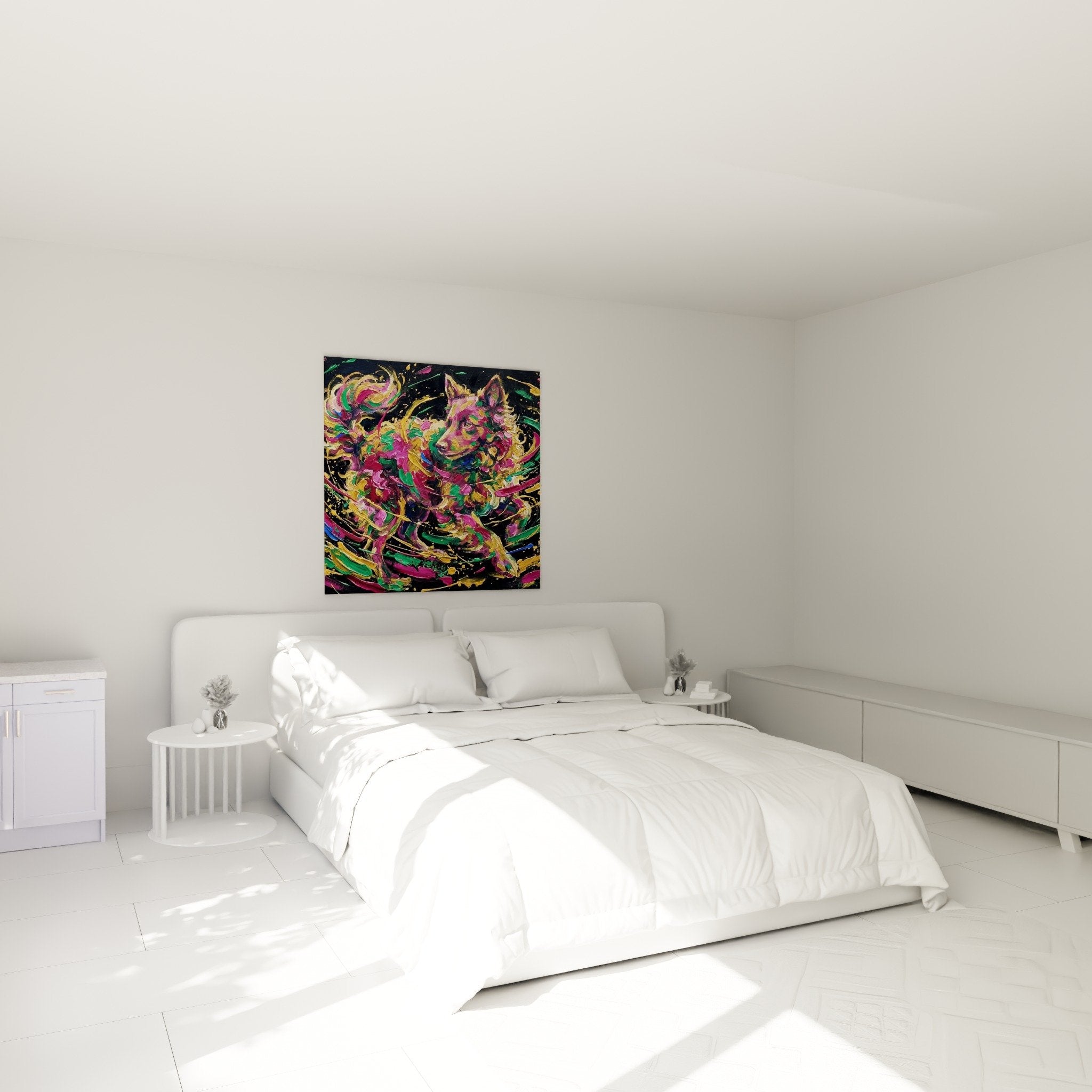
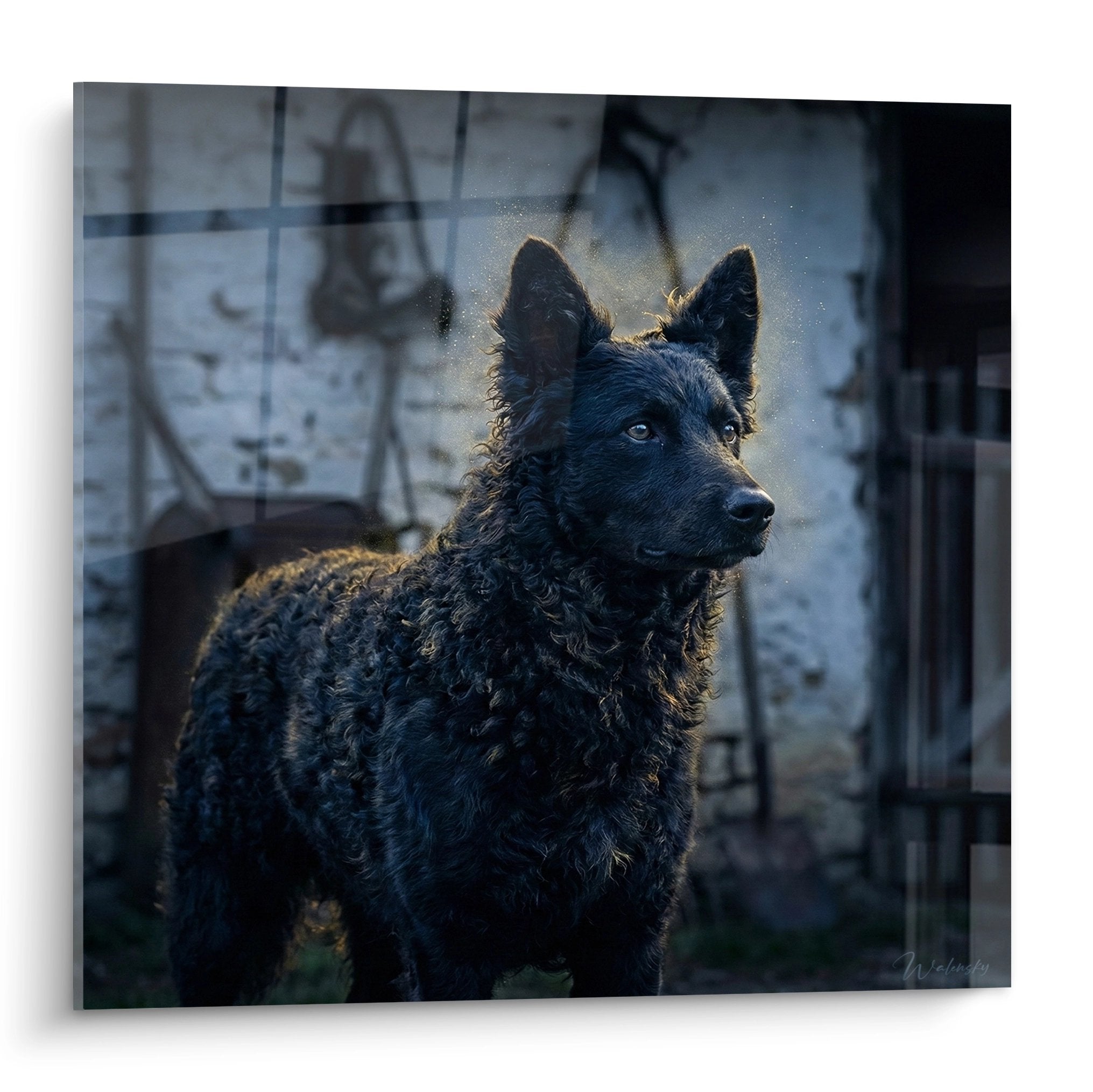
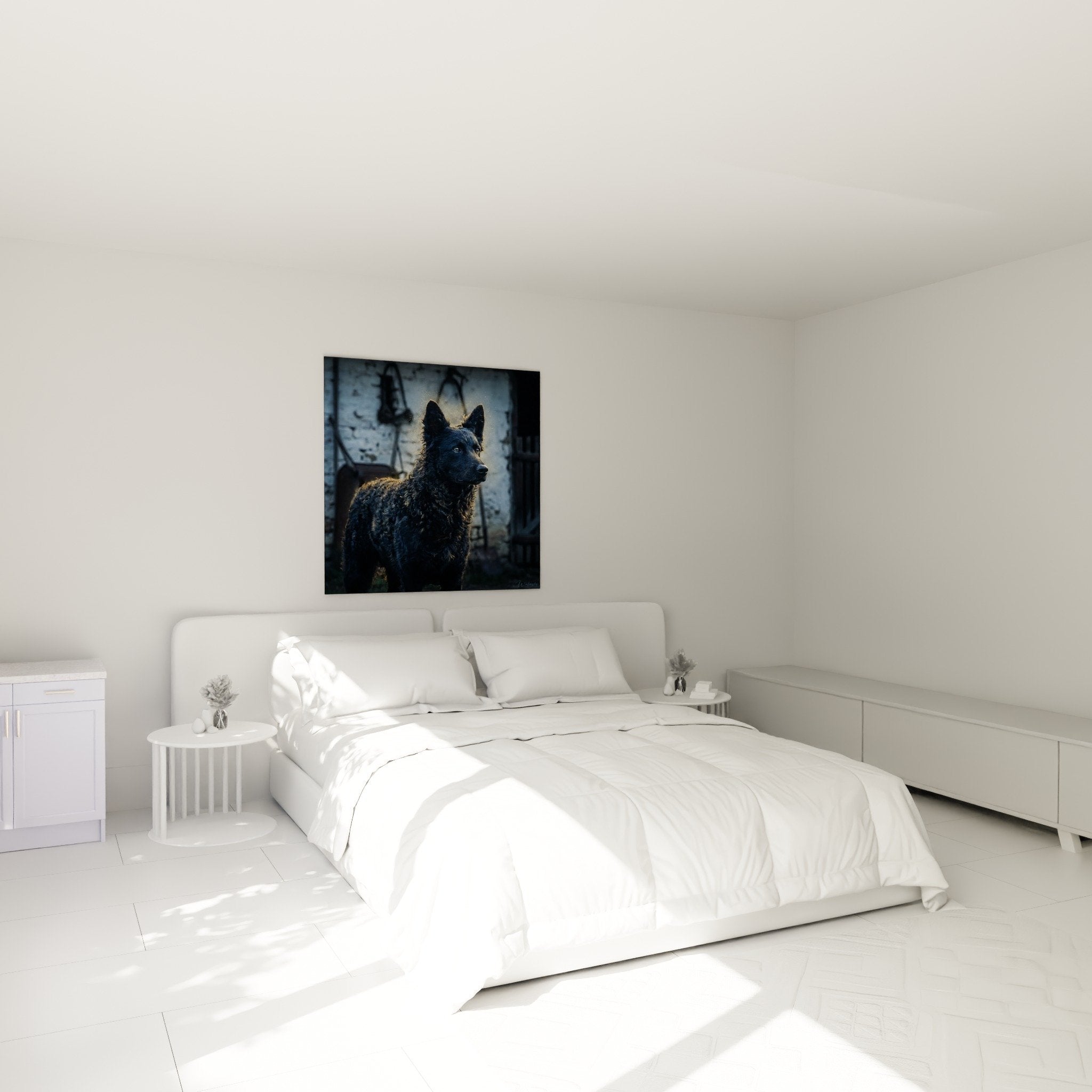
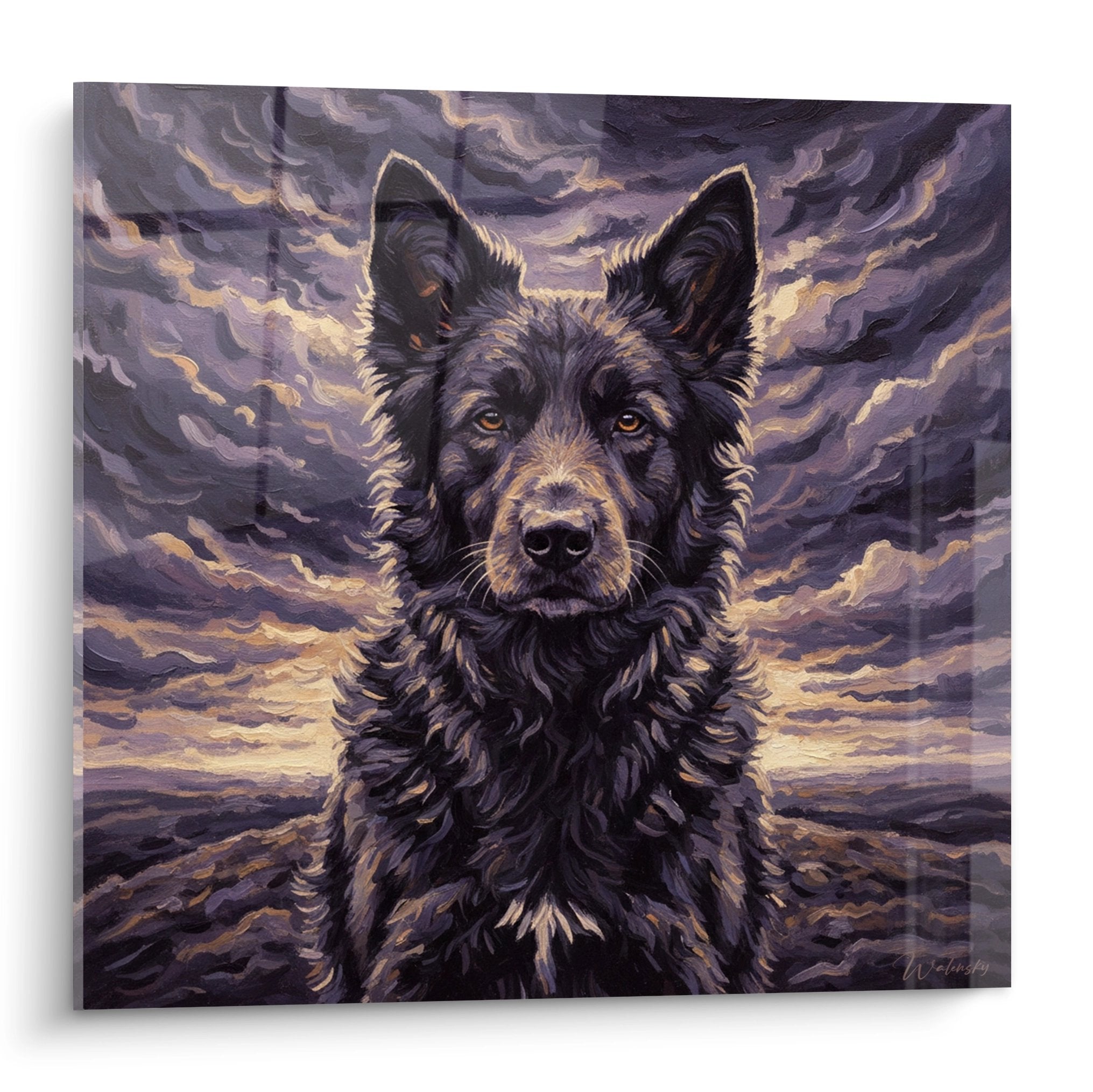
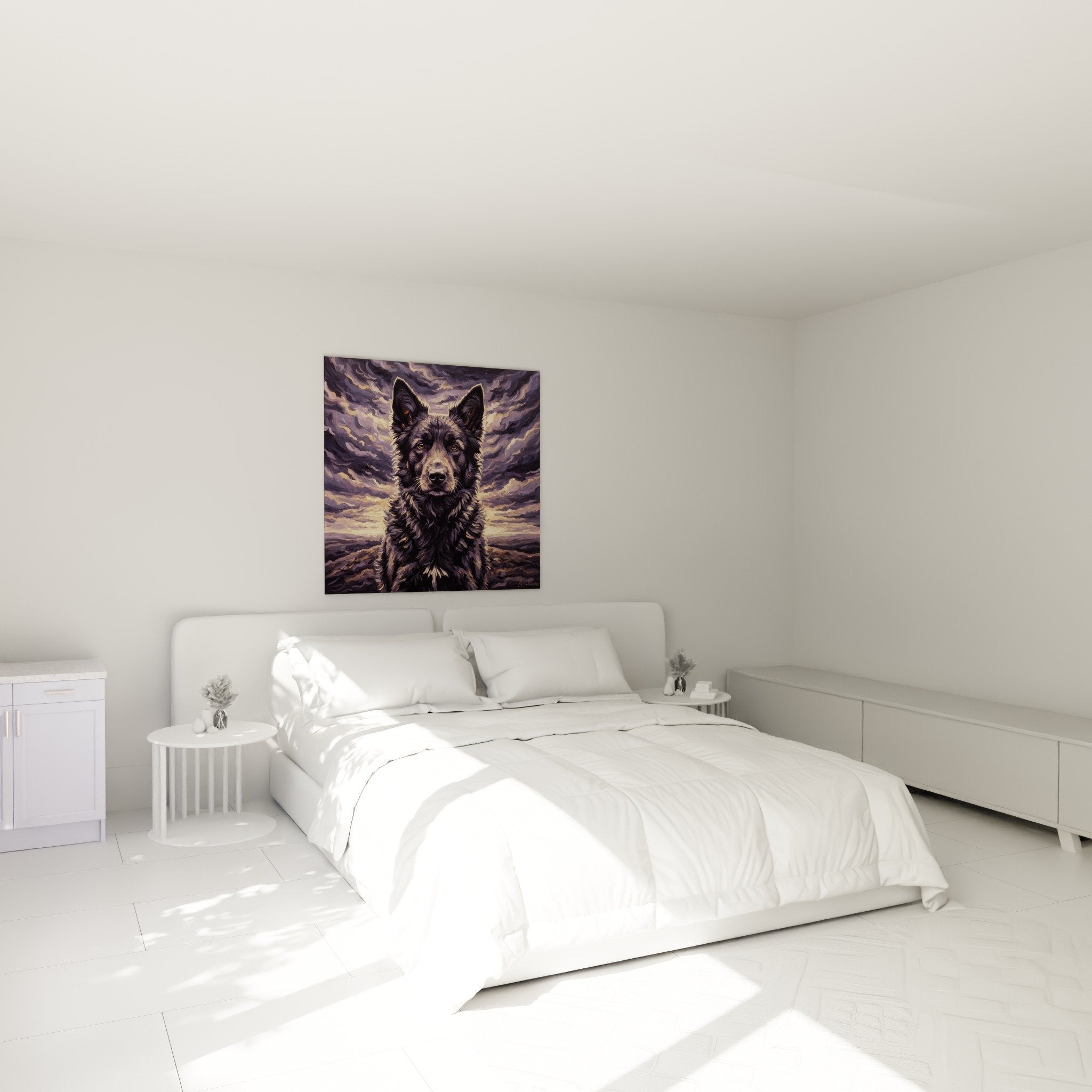
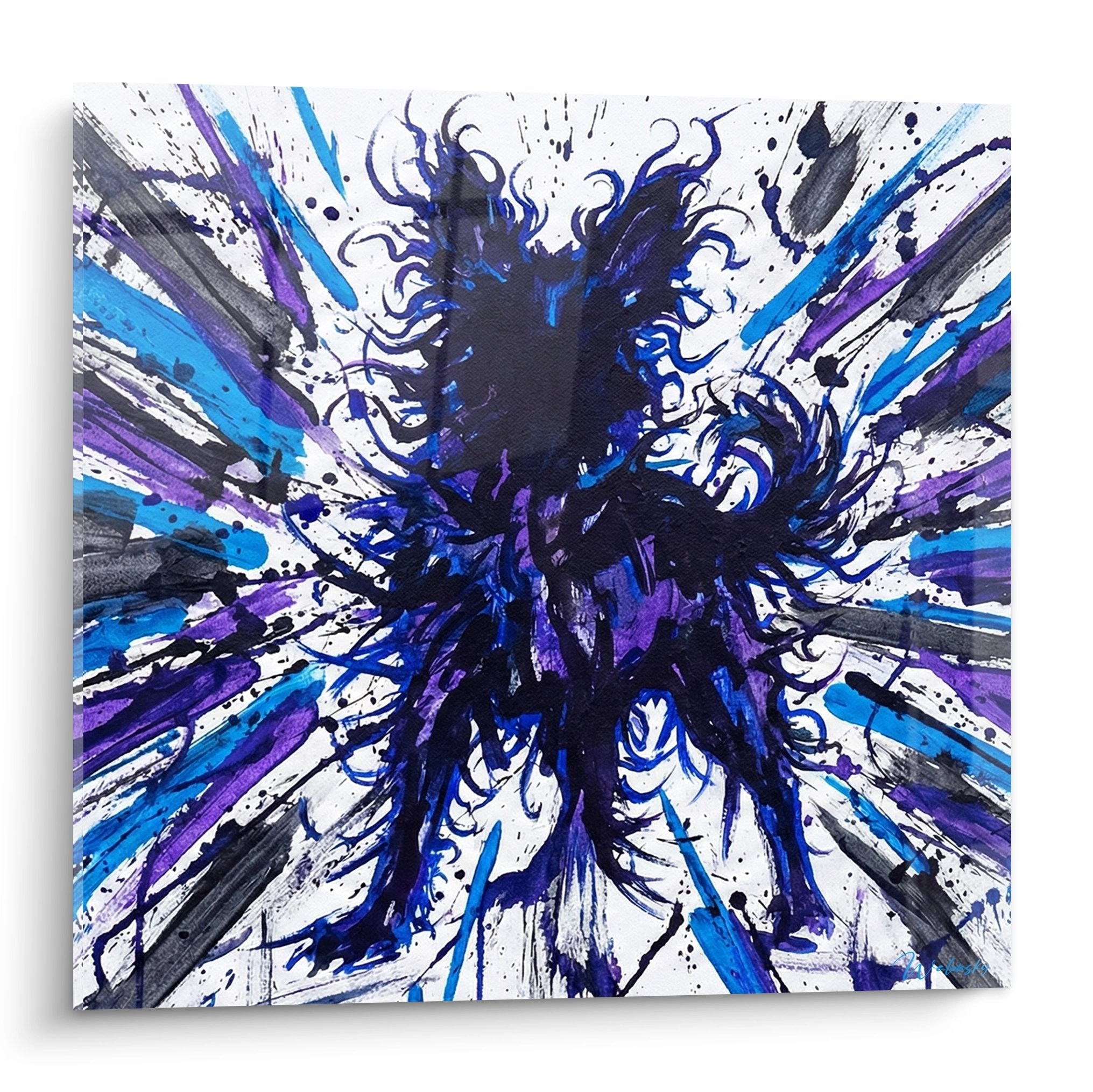
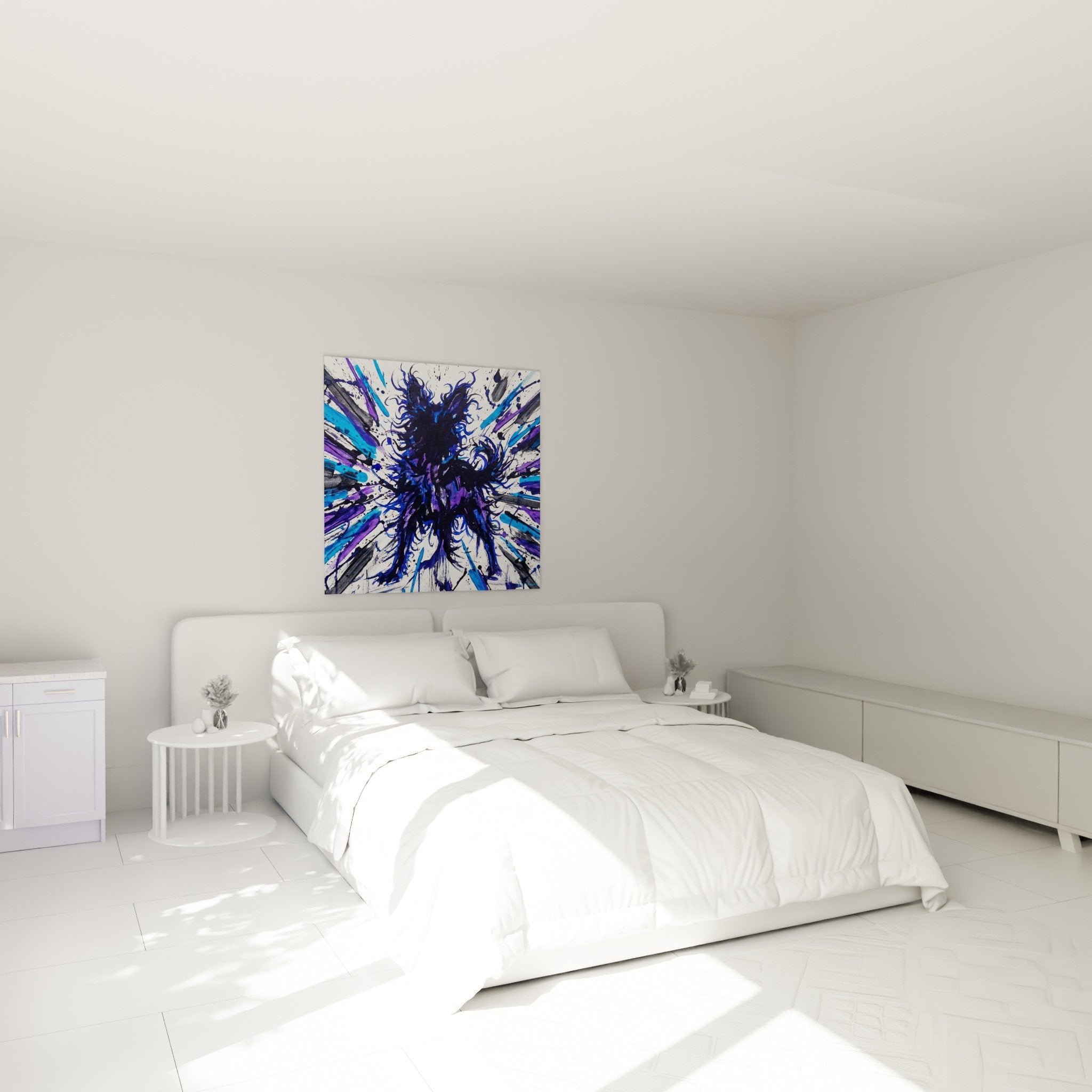
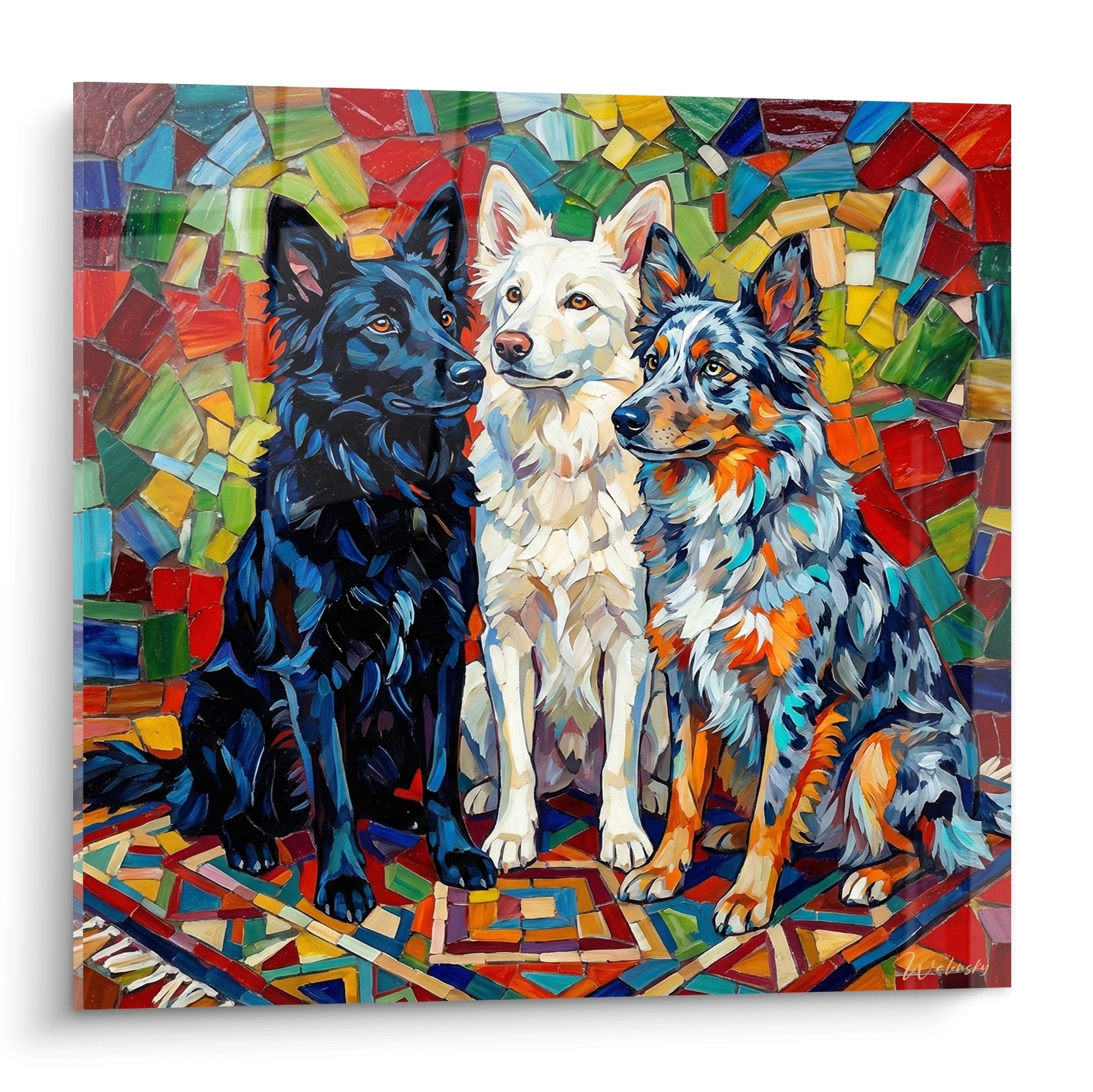
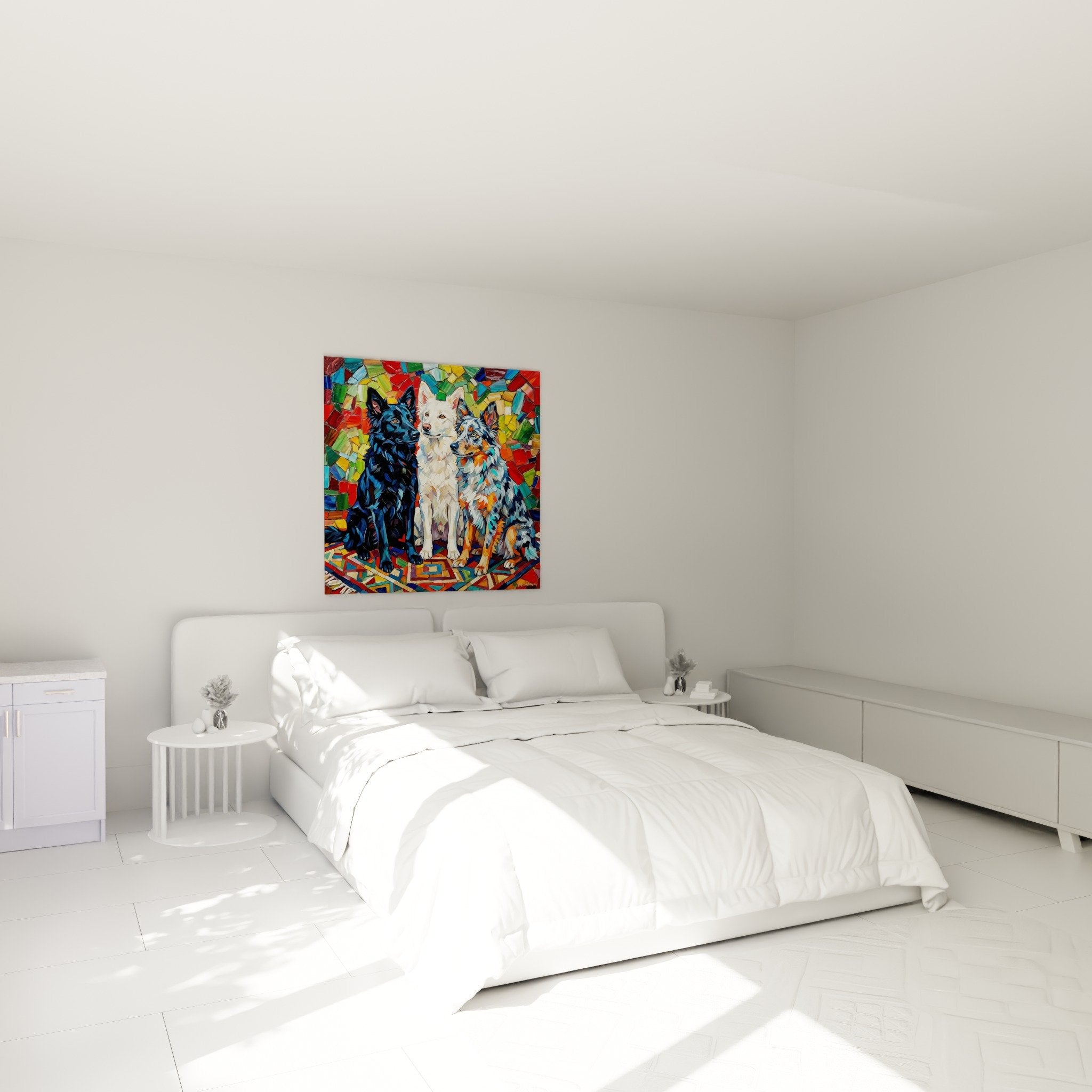
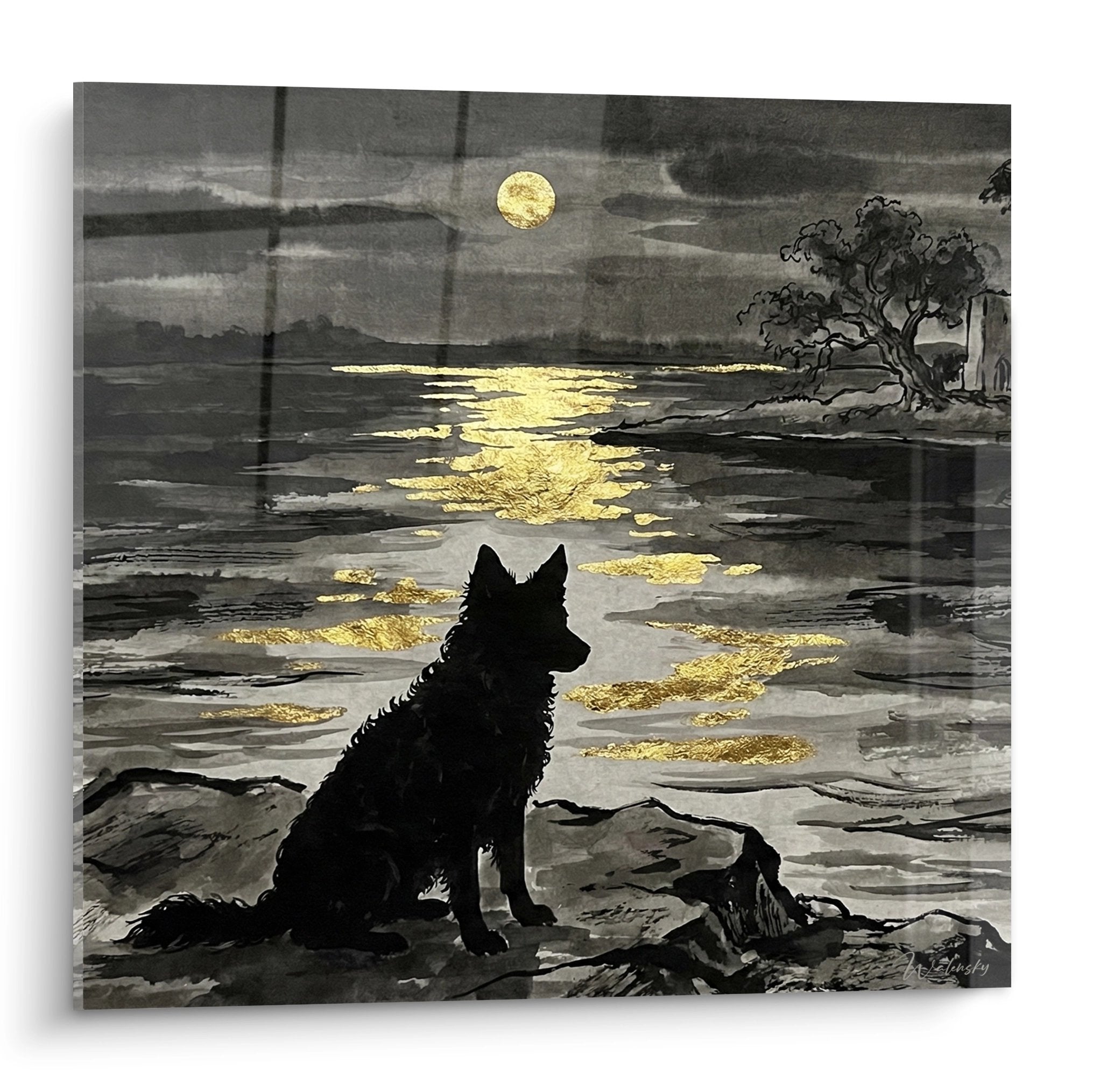
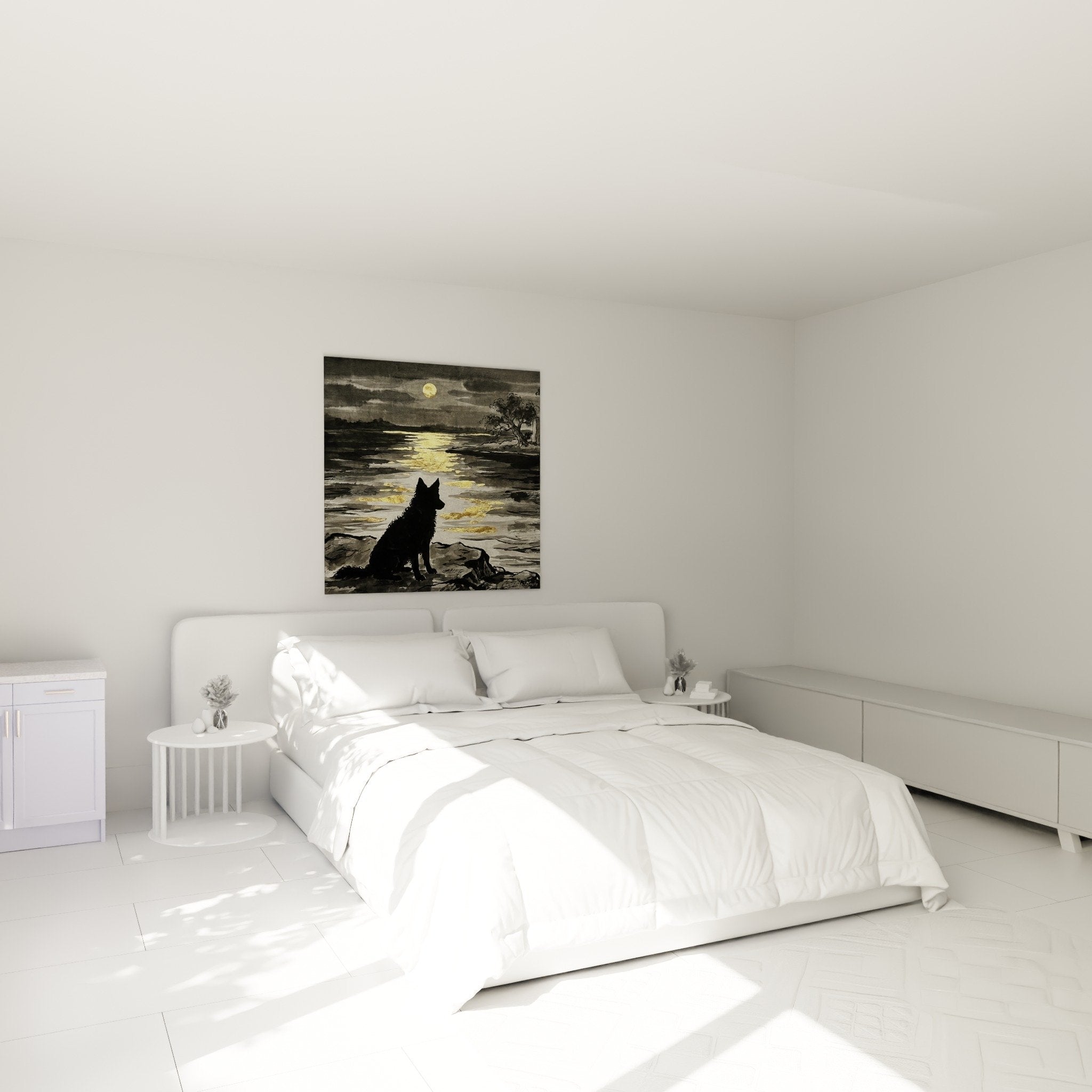
- Square Format Painting Presentation
- Square format painting - Perfect symmetry
- Square format painting - Centered composition
- Square format painting - Geometric impact
The square format painting revolutionizes contemporary decorative approach through its perfect geometry and unique visual balance. This specific configuration transforms each artwork into a magnetic focal point, creating dimensional harmony impossible to reproduce with other proportions. Square representations exploit absolute symmetry to maximize aesthetic impact while adapting to modern architectural constraints.
Square Format Painting: The Perfection of Absolute Symmetry
The square format painting embodies excellence in visual balance through its perfectly symmetrical geometry. This unique configuration exploits the mathematical properties of the square to create decorative impact of remarkable intensity, particularly effective in contemporary spaces where dimensional harmony takes precedence over traditional approaches.
Why choose a square format painting to optimize visual balance?
Square artworks naturally generate a **central convergence point** that instantly guides the eye toward the heart of the composition. This unique geometric property allows artists to design works where each element gravitates around a central axis, creating **balanced visual tension** impossible to reproduce with rectangular or panoramic formats.
In modern interiors, the square format painting establishes itself as the optimal decorative solution for **walls with restricted dimensions** where spatial efficiency becomes crucial. Its geometry allows harmonious integration even in constrained spaces, maximizing decorative impact while respecting architectural proportions.
The art of centralized composition in square paintings
The square structure imposes a **centripetal compositional logic** where all visual elements converge toward the geometric center of the work. This unique characteristic allows creators to develop spiral, cross, or star compositions, fully exploiting the **multiple axes of symmetry** inherent to square format.
**Complex geometric patterns** find in square format their most accomplished expression. Mandalas, rosettes, fractal structures, and kaleidoscopic compositions benefit from this geometry to deploy their visual richness according to schemes of repetition and symmetry of mathematical precision.
Optimization of chromatic impact in square format
The square format painting reveals specific chromatic properties linked to its balanced geometry. **Radial gradients** from center to edges create unique depth effects, while **diagonal contrasts** exploit axes of symmetry to generate color tensions of remarkable intensity.
Techniques of **concentric chromatic layering** allow artists to construct compositions where colors organize themselves in successive layers from the central point, creating effects of radiation and visual pulsation impossible to reproduce in other formats.
• **Visual convergence**: Magnetic central focal point
• **Quadruple symmetry**: Four axes of perfect balance
• **Spatial integration**: Optimal adaptation to wall constraints
• **Geometric tension**: Unique compositional dynamics
• **Thematic versatility**: Compatible with all artistic styles
Square Format Painting: Master of Centered Composition
**Centered composition** finds in square format painting its privileged terrain of expression, exploiting balanced geometry to create works of exceptional visual power. This specific compositional approach transforms each creation into a **decorative mandala** where spatial organization obeys the laws of perfect symmetry.
How does square format revolutionize visual organization?
The square format painting imposes a **centripetal logic** where all compositional elements gravitate around a unique focal point. This configuration naturally generates **radiating compositions** where forms, colors, and textures organize themselves according to geometric schemes of mathematical precision, creating visual impact of remarkable intensity.
**Concentric structures** find in square format their most accomplished expression. Circles, hexagons, octagons, and complex polygons fit perfectly into this geometry, allowing artists to develop compositions where **dimensional progression** from center to edges creates unique effects of depth and movement.
The exploitation of diagonals in square paintings
Square geometry offers **perfectly balanced diagonals** that serve as major compositional axes for structuring the work. These lines of force allow creation of X compositions, St. Andrew's cross, or star formations, exploiting **diagonal tension** to generate visual dynamism impossible to reproduce in rectangular formats.
**Diagonal intersections** at the center of the painting create a convergence point of exceptional power, transforming this zone into a **visual epicenter** where the most important composition elements concentrate. This unique geometric property allows creators to hierarchize visual information with remarkable precision.
Optimized filling strategies for square format
The square format painting requires **specific filling strategies** that respect the balance inherent to its geometry. **All-over compositions** where elements distribute uniformly across the entire surface fully exploit the quadruple symmetry of the format, creating effects of **controlled visual saturation**.
**Geometric zoning techniques** allow dividing square space into balanced sectors: quadrants, crossed bands, or radial sectors. Each zone can then develop its own theme while maintaining global coherence thanks to the **unifying geometric structure** of square format.
What is the influence of square format on temporal perception?
The square format painting generates a **circular temporal perception** where the eye performs reading paths without definitive beginning or end. This unique property creates **prolonged contemplation time**, ideal for meditative or conceptual works requiring in-depth observation.
• **Magnetic centralization**: Visual attraction toward focal point
• **Four-directional balance**: Optimal compositional stability
• **Thematic flexibility**: Adaptation to all artistic concepts
• **Proportional harmony**: Respect for universal aesthetic ratios
• **Controlled dynamism**: Mastered and balanced visual movement
Square Format Painting: The Absolute Geometric Impact
The **geometric impact** of square format painting transcends conventional decorative approaches by exploiting pure mathematical properties of this configuration. This perfect geometry generates **visual resonances** of exceptional intensity, transforming each work into a **spatial energy generator** capable of restructuring the atmosphere of an entire environment.
How does square format amplify architectural presence?
The square format painting develops unique **spatial authority** through its self-referential geometry that directly dialogues with surrounding architecture. Its form generates **geometric echoes** with the rectangular structures of walls, windows, and furniture, creating a system of **dimensional resonances** that unifies decorative space.
This particular configuration allows **balanced spatial projection** in all directions, avoiding the visual imbalances characteristic of rectangular formats. The square format painting functions as a **geometric amplifier** that multiplies its decorative impact far beyond its actual physical dimensions.
Sacred geometry in square format paintings
Square format constitutes the foundation of numerous **sacred geometric configurations**: the magic square, the Pythagorean tetraktys, or Tibetan mandalas find in this geometry their privileged medium of expression. These works exploit the **metaphysical properties** traditionally attributed to the square to create compositions of intense **symbolic charge**.
**Harmonic ratios** such as the golden ratio, divine proportion, or Fibonacci sequences naturally inscribe themselves in square structure, allowing artists to develop compositions where **mathematics and aesthetics** merge to generate works of objectively measurable beauty.
Visual multiplication techniques in square format
The square format painting offers unique possibilities of **visual multiplication** through its modular geometry. Compositions in **geometric tiling**, regular tessellations, or repetitive patterns exploit square structure to create effects of **infinite extension** where the work seems to overflow beyond its physical limits.
**Internal reflection systems** allow creating compositions where each quadrant reflects or completes the others, generating **kaleidoscopic effects** of remarkable visual complexity. This approach transforms square format painting into a **pattern generator** capable of creating the illusion of a continuously expanding decorative space.
What role does square format play in minimal and conceptual art?
Minimal art finds in square format painting its most refined medium of expression, exploiting the **geometric neutrality** of this configuration to allow the very essence of artistic creation to emerge. This geometry allows **concentrating attention** on essential compositional elements without distraction related to proportions.
**Conceptual installations** often use square format as a **basic module** to create complex compositional systems where repetition and variation generate sophisticated aesthetic discourses on perception, space, and time.
Frequently asked questions about square format paintings
What optimal size should you choose for a square format painting in a living room?
For a standard living room, a square format painting of 80x80 cm to 120x120 cm offers optimal visual impact. This dimension allows **affirmed decorative presence** without overcrowding the space, while fully exploiting the geometric properties of the format to create a balanced focal point.
How to associate multiple square format paintings on the same wall?
Associating square format paintings requires respecting **rigorous geometric spacing**. A gap equivalent to one-third of each work's width creates **harmonious visual rhythm** that respects the geometric integrity of each piece while generating coherent ensemble effect.
What is the difference in impact between square and rectangular format painting?
The square format painting generates a **centripetal attraction** that concentrates attention toward its geometric center, while rectangular formats create **directional dynamics** that guide the eye according to their main axes. This fundamental difference directly influences the **compositional strategy** and final decorative impact.
• **Geometric authority**: Maximized spatial presence
• **Proportional neutrality**: Perfect visual balance
• **Compositional modularity**: Adaptability to complex systems
• **Focal intensity**: Optimized attention concentration
• **Stylistic versatility**: Universal compatibility with all artistic movements