


Insect Wall Art
Discover our Insect Wall Art collection, a captivating series of wall paintings that celebrate the beauty and diversity of the insect world. Each artwork captures with precision the natural grace and fascinating details of these unique creatures, offering a touch of nature and elegance to your interior. Ideal for wildlife and design enthusiasts, this wall art collection inspires a perfect balance between delicacy and modernity. Transform your spaces with pieces that tell a vibrant visual story.
 Caterpillar Dance Wall Art - Insect Animals Edition273,90 €
 Mantis Dance Wall Art - Insect Animal Edition273,90 €
 Foliage Warrior Wall Art - Insect Animal Edition273,90 €
 The Green Queen Wall Art - Insect Animal Edition273,90 €
 The Wings of Dreams Artwork - Insect Animal Edition273,90 €
In the same family
Also explore the theme Animals
-
 View all10974
artworks
View all10974
artworks
-
 Bee54
artworks
Bee54
artworks
-
 Eagle18
artworks
Eagle18
artworks
-
 Alpaca111
artworks
Alpaca111
artworks
-
 Donkey15
artworks
Donkey15
artworks
-
 Savannah Wildlife94
artworks
Savannah Wildlife94
artworks
-
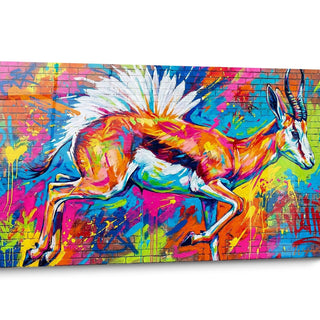 Antelope5
artworks
Antelope5
artworks
-
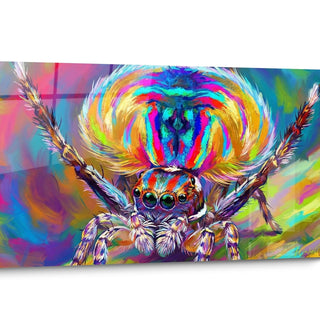 Spider8
artworks
Spider8
artworks
-
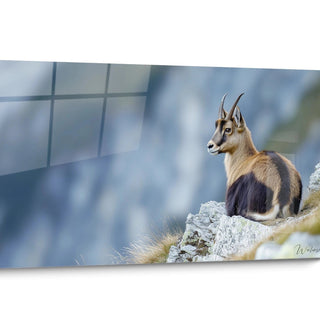 Other Animals24
artworks
Other Animals24
artworks
-
 Ostrich75
artworks
Ostrich75
artworks
-
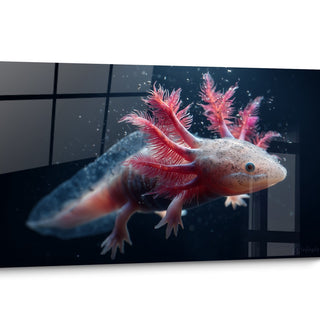 Axolotl47
artworks
Axolotl47
artworks
-
 Whale89
artworks
Whale89
artworks
-
 Barracuda61
artworks
Barracuda61
artworks
-
 Snipe32
artworks
Snipe32
artworks
-
 Ram315
artworks
Ram315
artworks
-
 Beluga169
artworks
Beluga169
artworks
-
 Hermit-Crab12
artworks
Hermit-Crab12
artworks
-
 Doe10
artworks
Doe10
artworks
-
 Bison8
artworks
Bison8
artworks
-
 Badger59
artworks
Badger59
artworks
-
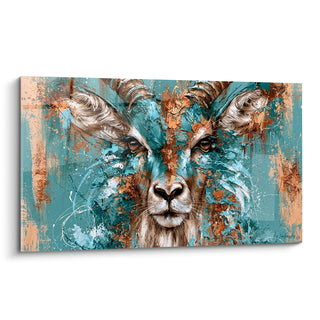 Chamois32
artworks
Chamois32
artworks
-
 Buffalo91
artworks
Buffalo91
artworks
-
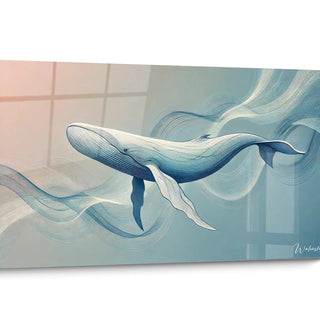 Sperm Whale8
artworks
Sperm Whale8
artworks
-
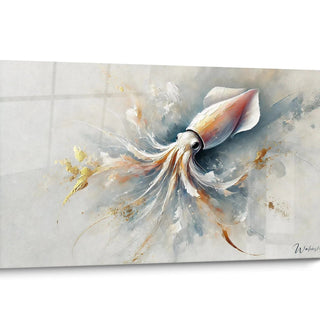 Giant Squid6
artworks
Giant Squid6
artworks
-
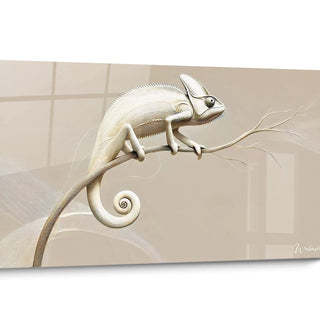 Chameleon20
artworks
Chameleon20
artworks
-
 Duck352
artworks
Duck352
artworks
-
 Capybara3
artworks
Capybara3
artworks
-
 Caracal15
artworks
Caracal15
artworks
-
 Caribou4
artworks
Caribou4
artworks
-
 Koi Carp130
artworks
Koi Carp130
artworks
-
 Beaver9
artworks
Beaver9
artworks
-
 Deer26
artworks
Deer26
artworks
-
 Camel3
artworks
Camel3
artworks
-
 Cat1218
artworks
Cat1218
artworks
-
 Bat10
artworks
Bat10
artworks
-
 Horse73
artworks
Horse73
artworks
-
 Mountain Goat3
artworks
Mountain Goat3
artworks
-
 Dog3055
artworks
Dog3055
artworks
-
 Chimpanzee12
artworks
Chimpanzee12
artworks
-
 Owl19
artworks
Owl19
artworks
-
 Stork16
artworks
Stork16
artworks
-
 Ladybug7
artworks
Ladybug7
artworks
-
 Pig8
artworks
Pig8
artworks
-
 Guinea Pig13
artworks
Guinea Pig13
artworks
-
 Hummingbird23
artworks
Hummingbird23
artworks
-
 Dove90
artworks
Dove90
artworks
-
 Rooster9
artworks
Rooster9
artworks
-
 Seashell6
artworks
Seashell6
artworks
-
 Raven9
artworks
Raven9
artworks
-
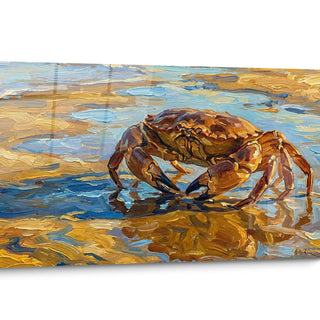 Crab5
artworks
Crab5
artworks
-
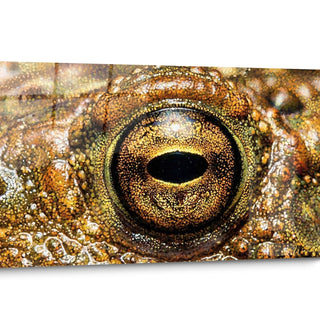 Toad8
artworks
Toad8
artworks
-
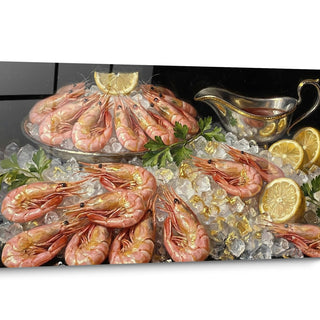 Shrimp5
artworks
Shrimp5
artworks
-
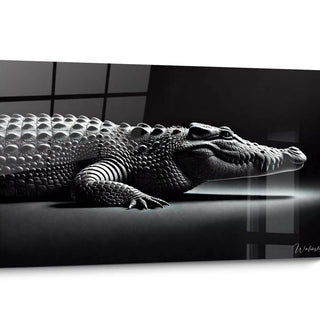 Crocodile4
artworks
Crocodile4
artworks
-
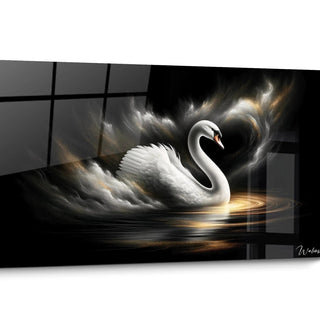 Swan189
artworks
Swan189
artworks
-
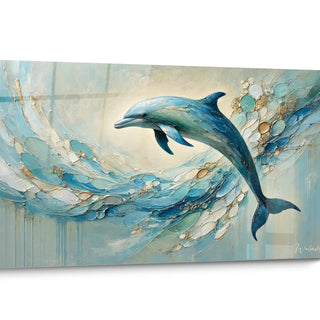 Dolphin11
artworks
Dolphin11
artworks
-
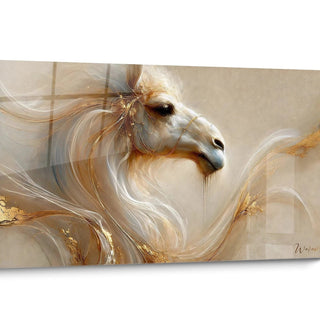 Dromedary4
artworks
Dromedary4
artworks
-
 Squirrel15
artworks
Squirrel15
artworks
-
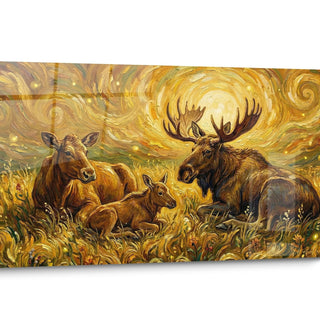 Elan13
artworks
Elan13
artworks
-
 Elephant80
artworks
Elephant80
artworks
-
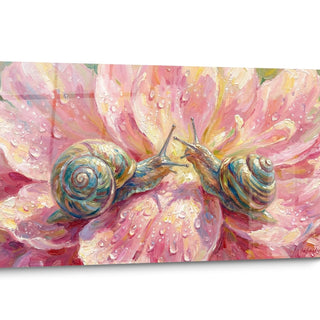 Snail11
artworks
Snail11
artworks
-
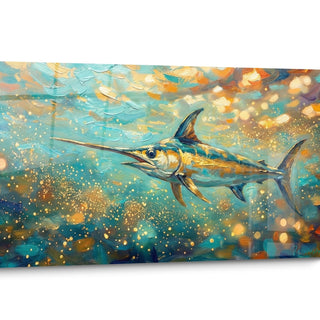 Swordfish4
artworks
Swordfish4
artworks
-
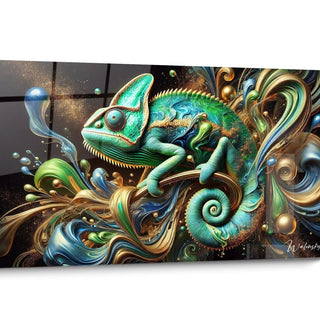 Wild Essence25
artworks
Wild Essence25
artworks
-
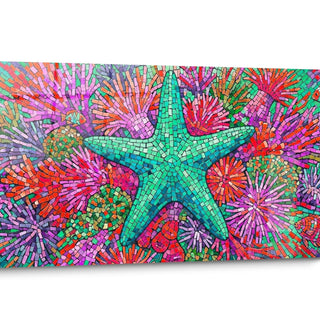 Starfish19
artworks
Starfish19
artworks
-
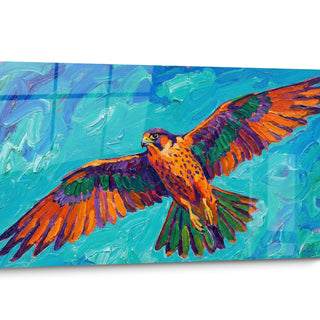 Falcon16
artworks
Falcon16
artworks
-
 Fennec256
artworks
Fennec256
artworks
-
 Pink Flamingo30
artworks
Pink Flamingo30
artworks
-
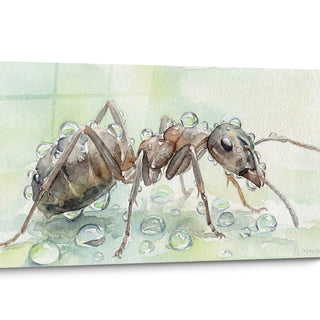 Ant19
artworks
Ant19
artworks
-
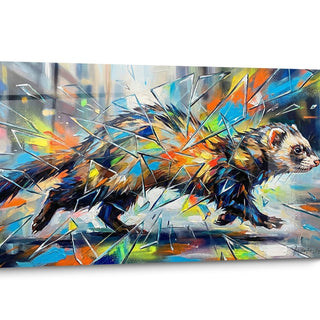 Ferret17
artworks
Ferret17
artworks
-
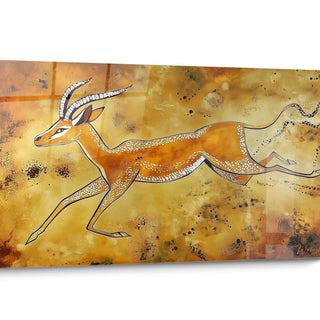 Gazelle4
artworks
Gazelle4
artworks
-
 Giraffe183
artworks
Giraffe183
artworks
-
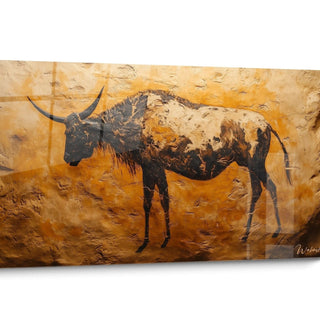 Wildebeest3
artworks
Wildebeest3
artworks
-
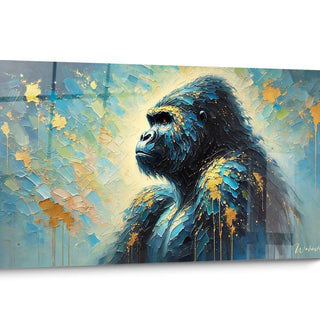 Gorilla15
artworks
Gorilla15
artworks
-
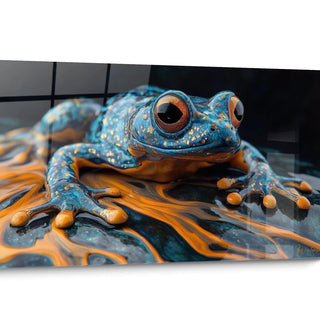 Frog65
artworks
Frog65
artworks
-
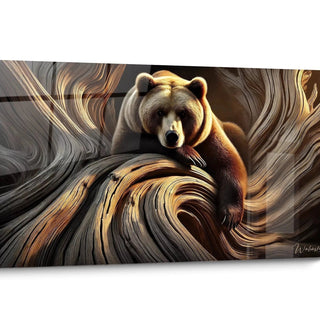 Grizzly3
artworks
Grizzly3
artworks
-
 Crane10
artworks
Crane10
artworks
-
 Cheetah147
artworks
Cheetah147
artworks
-
 Hamster17
artworks
Hamster17
artworks
-
 Hedgehog64
artworks
Hedgehog64
artworks
-
 Heron37
artworks
Heron37
artworks
-
 Owl42
artworks
Owl42
artworks
-
 Seahorse34
artworks
Seahorse34
artworks
-
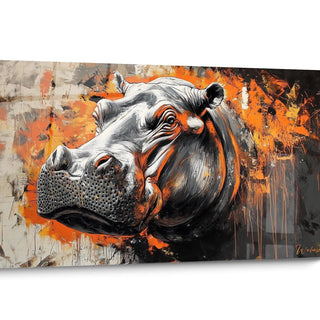 Hippopotamus4
artworks
Hippopotamus4
artworks
-
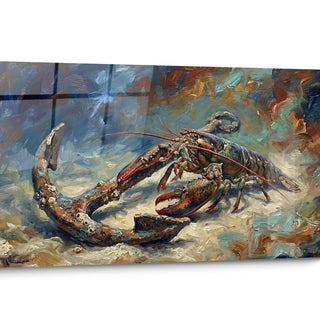 Lobster8
artworks
Lobster8
artworks
-
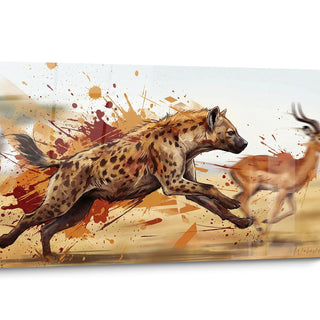 Hyena14
artworks
Hyena14
artworks
-
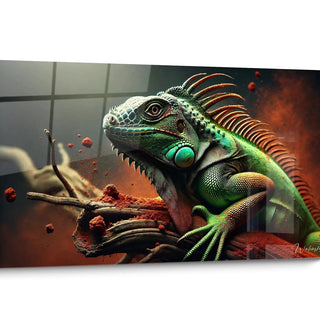 Iguana6
artworks
Iguana6
artworks
-
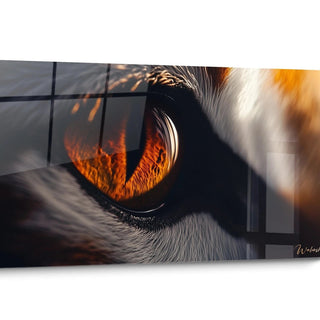 Animal Eye6
artworks
Animal Eye6
artworks
-
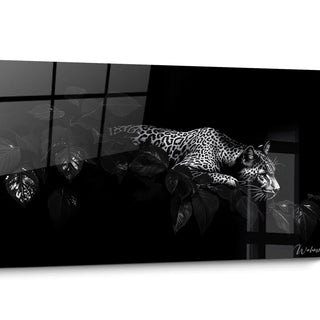 Jaguar6
artworks
Jaguar6
artworks
-
 Kangaroo100
artworks
Kangaroo100
artworks
-
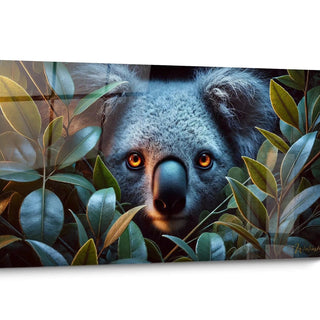 Koala18
artworks
Koala18
artworks
-
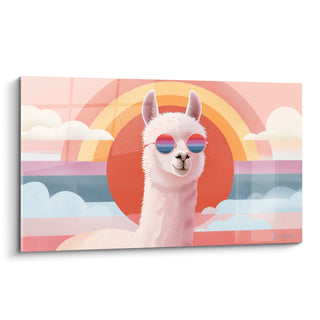 Llama107
artworks
Llama107
artworks
-
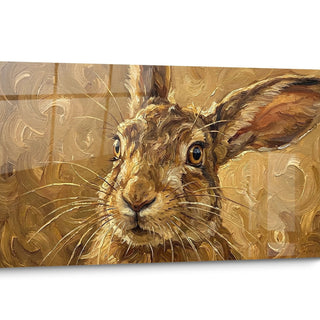 Rabbit15
artworks
Rabbit15
artworks
-
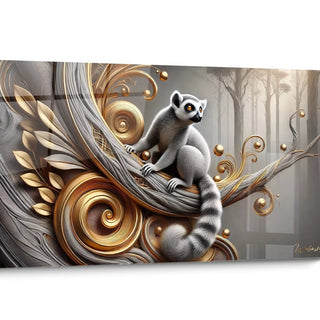 Lemur3
artworks
Lemur3
artworks
-
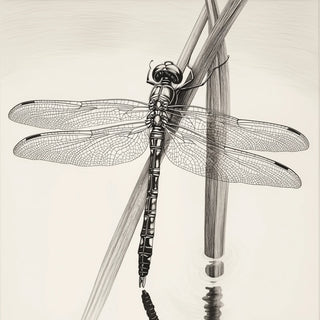 Dragonfly4
artworks
Dragonfly4
artworks
-
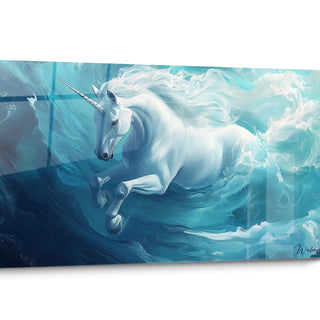 Unicorn62
artworks
Unicorn62
artworks
-
 Lion193
artworks
Lion193
artworks
-
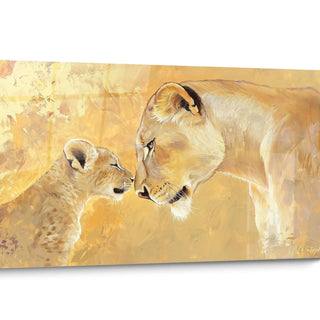 Lion Cub4
artworks
Lion Cub4
artworks
-
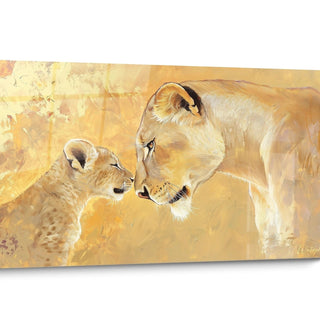 Lioness6
artworks
Lioness6
artworks
-
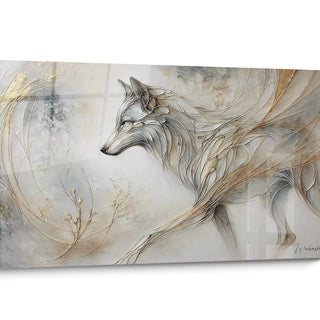 Wolf13
artworks
Wolf13
artworks
-
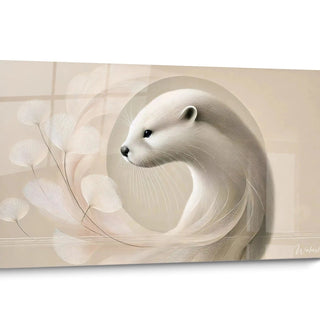 Otter6
artworks
Otter6
artworks
-
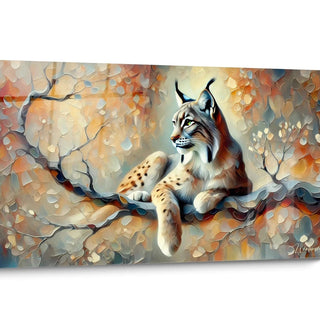 Lynx7
artworks
Lynx7
artworks
-
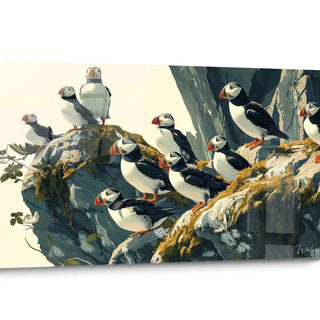 Puffin2
artworks
Puffin2
artworks
-
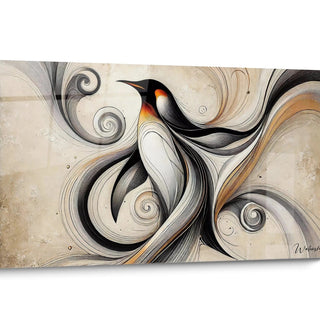 Penguin10
artworks
Penguin10
artworks
-
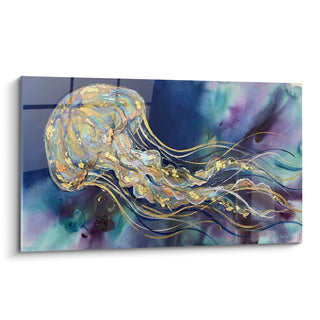 Jellyfish17
artworks
Jellyfish17
artworks
-
 Morse3
artworks
Morse3
artworks
-
 Seagull4
artworks
Seagull4
artworks
-
 Mold14
artworks
Mold14
artworks
-
 Sheep6
artworks
Sheep6
artworks
-
 Narwhal66
artworks
Narwhal66
artworks
-
 Ocelot3
artworks
Ocelot3
artworks
-
 Birds15
artworks
Birds15
artworks
-
 Orangutan10
artworks
Orangutan10
artworks
-
 Orca28
artworks
Orca28
artworks
-
 Brown Bear334
artworks
Brown Bear334
artworks
-
 Polar Bear289
artworks
Polar Bear289
artworks
-
 Sea Urchin9
artworks
Sea Urchin9
artworks
-
 Giant Panda69
artworks
Giant Panda69
artworks
-
 Red Panda11
artworks
Red Panda11
artworks
-
 Panther19
artworks
Panther19
artworks
-
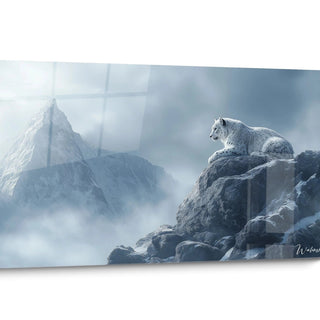 Snow Leopard8
artworks
Snow Leopard8
artworks
-
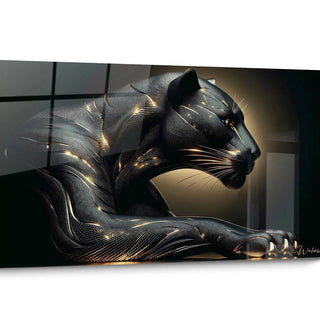 Black Panther10
artworks
Black Panther10
artworks
-
 Peacock128
artworks
Peacock128
artworks
-
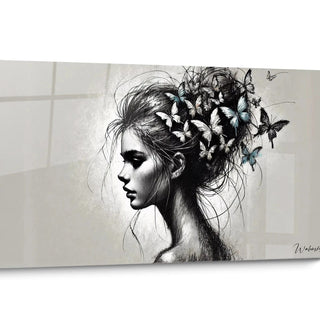 Butterfly14
artworks
Butterfly14
artworks
-
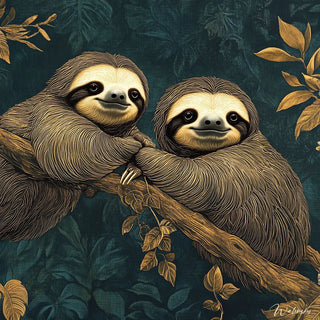 Lazy Sloth3
artworks
Lazy Sloth3
artworks
-
 Pelican3
artworks
Pelican3
artworks
-
 Parrot211
artworks
Parrot211
artworks
-
 Parakeet5
artworks
Parakeet5
artworks
-
 Seal5
artworks
Seal5
artworks
-
 Pigeon10
artworks
Pigeon10
artworks
-
 Penguin274
artworks
Penguin274
artworks
-
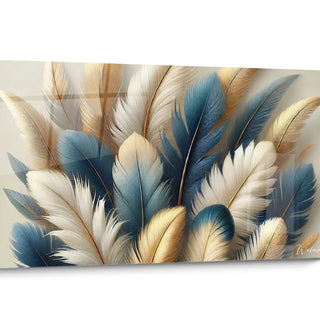 Feather60
artworks
Feather60
artworks
-
 Fish18
artworks
Fish18
artworks
-
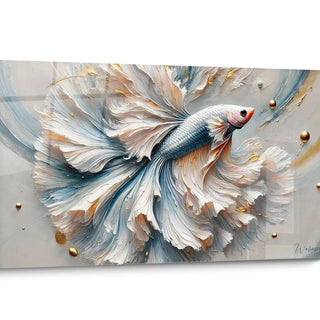 Betta Fish12
artworks
Betta Fish12
artworks
-
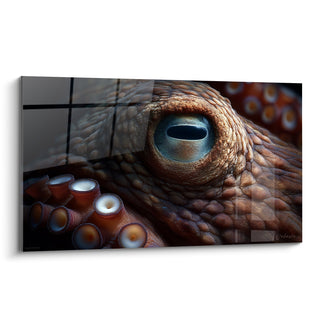 Octopus59
artworks
Octopus59
artworks
-
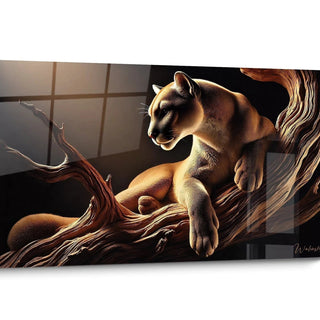 Puma3
artworks
Puma3
artworks
-
 Manta Ray67
artworks
Manta Ray67
artworks
-
 Raccoon2
artworks
Raccoon2
artworks
-
 Fox141
artworks
Fox141
artworks
-
 Shark126
artworks
Shark126
artworks
-
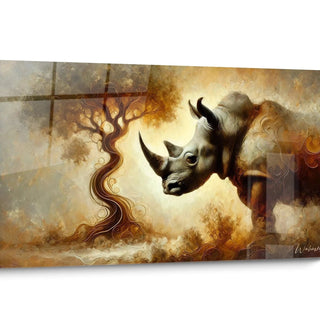 Rhinoceros21
artworks
Rhinoceros21
artworks
-
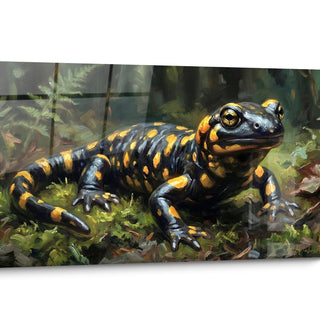 Salamander14
artworks
Salamander14
artworks
-
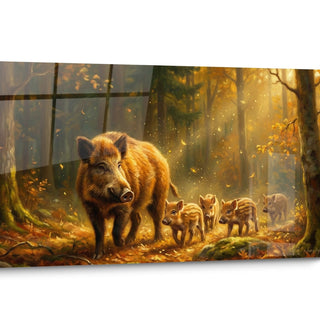 Wild Boar15
artworks
Wild Boar15
artworks
-
 Scarab73
artworks
Scarab73
artworks
-
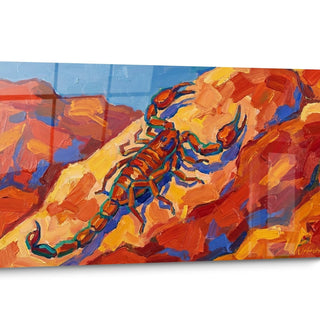 Scorpion9
artworks
Scorpion9
artworks
-
 Serpent102
artworks
Serpent102
artworks
-
 Monkey14
artworks
Monkey14
artworks
-
 Meerkat1
artwork
Meerkat1
artwork
-
 Tapir52
artworks
Tapir52
artworks
-
 Armadillo3
artworks
Armadillo3
artworks
-
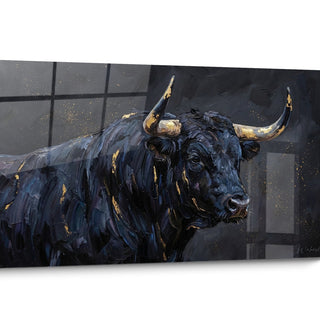 Bull281
artworks
Bull281
artworks
-
 Tiger316
artworks
Tiger316
artworks
-
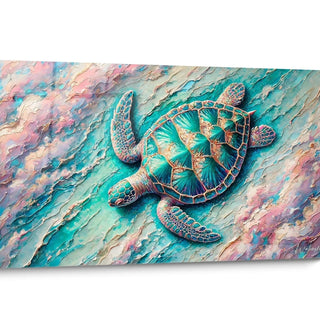 Sea Turtle18
artworks
Sea Turtle18
artworks
-
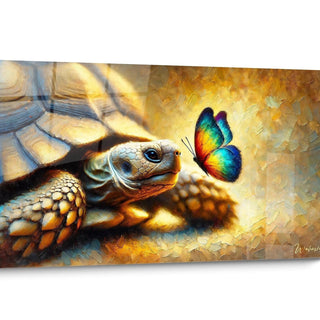 Terrestrial Turtle14
artworks
Terrestrial Turtle14
artworks
-
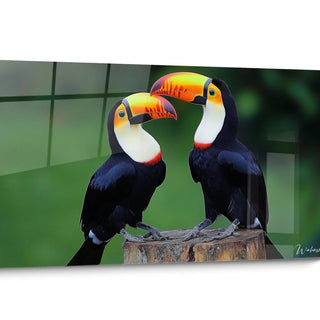 Toucan7
artworks
Toucan7
artworks
-
 Cow9
artworks
Cow9
artworks
-
 Vulture5
artworks
Vulture5
artworks
-
 Zebra49
artworks
Zebra49
artworks


All about Insect Wall Art
- Insect Wall Art Presentation
- Insect Wall Art for Naturalistic Decoration
- Insect Wall Art Modern Trends
- Insect Wall Art and Biophilia
Insect wall art represents a fascinating category of mural art that celebrates the extraordinary beauty and diversity of the entomological world. These captivating works transform creatures often overlooked in our environment into genuine decorative jewels for our interiors. At the intersection of art and natural science, animal wall art featuring insects offers a unique perspective on these beings with complex anatomies and striking colors.
These decorative pieces stand out for their ability to magnify microscopic details - from the diaphanous wings of a dragonfly to the iridescent elytra of a scarab beetle - and present them in an accessible artistic format. Whether you're passionate about entomology, a lover of naturalistic art, or simply seeking original wall decor, insect wall art represents a decorative option that truly stands apart.
Explore our detailed content selection to discover how these artistic creations can bring a touch of originality and natural fascination to your interior. We will address different aesthetic approaches, enhancement techniques, and ideal environments for these entomological representations that transform the minuscule into the majestic.
Insect Wall Art: Naturalistic Elegance for Refined Interiors
Insect wall art constitutes a distinct artistic category that transforms our living spaces into true contemporary cabinets of curiosities. These mural artworks celebrate the often-unknown beauty of six-legged creatures, revealing their fascinating natural architecture in a large-format decorative style. Far more than a simple entomological representation, these artworks bring a sophisticated naturalistic dimension to modern interiors.
Unlike classical animal representations, insect wall art stands out for its ability to magnify the infinitely small and reveal details invisible to the naked eye. Artistic entomological illustrations transform these small creatures into veritable monumental works of art, completely changing our perception of beings often feared or neglected.
How do insect wall art pieces create a unique naturalistic atmosphere?
Artistic compositions of insects possess this extraordinary faculty of instantly transforming a room's atmosphere. Their mural presence immediately evokes the spirit of great naturalistic expeditions and scientific discoveries of past centuries. These works establish a visual dialogue between nature and culture, between science and art.
In a contemporary living room, a large-format artwork depicting a morpho butterfly with iridescent blue wings creates a striking focal point. Its imposing presence captivates the eye and immediately generates conversations about the unsuspected beauty of the natural world. Artistic entomological representations function as windows into a fascinating microcosm.
Insect illustrations in mural format pair particularly well with interiors of diverse influences:
- In minimalist decor, where their natural geometric structure echoes clean lines
- In bohemian interiors, where they perfectly complement natural elements
- In creative work spaces, where they stimulate imagination and lateral thinking
What are the unique characteristics of large-format insect wall art?
What fundamentally distinguishes insect wall art from other mural representations is its ability to transform the scale of depicted subjects. An insect measuring a few millimeters suddenly becomes a major artistic presence occupying an entire wall section. This scale inversion creates an incomparable visual impact and a unique aesthetic experience.
Large-format entomological representations present several distinctive characteristics:
1. Microscopic hyperrealism - The finest insect wall art reveals anatomical details normally invisible: wing veins, compound eye facets, exoskeleton textures.
2. Distinctive color palette - These works exploit the extraordinary colors of the insect world: metallic greens of beetles, vibrant oranges of monarch butterflies, complex iridescence of tropical beetles.
3. Artistic scientific composition - Quality insect wall art often respects anatomical precision while proposing captivating aesthetic arrangements, creating a fascinating tension between entomological rigor and artistic freedom.
Modern entomological mural decorations can adopt different stylistic approaches: some prioritize scientific accuracy with detailed representations worthy of naturalistic study plates, others adopt more abstract or stylized interpretations, transforming insect silhouettes into contemporary graphic patterns.
Why do insect wall art pieces create unique emotional impact?
The psychological effect of entomological mural illustrations is particularly interesting. These works often generate complex emotional reactions in the observer: fascination mixed with strangeness, admiration tinged with surprise. This emotional ambivalence is precisely what makes these artworks so captivating as decorative elements.
Artistic representations of insects in large format possess this unique capacity to transform our relationship with creatures often perceived as insignificant or disturbing. By elevating them to the status of artworks, these pieces invite us to reconsider our perception of the natural world surrounding us.
The contrast between the intrinsic fragility of depicted subjects and their imposing visual presence creates a particularly effective aesthetic tension in a decorative context. A beetle with metallic reflections majestically occupying an entire wall defies our visual and conceptual expectations.
How to integrate insect wall art into different environments?
Integrating entomological mural decorations into contemporary interior architecture offers fascinating possibilities. These works function particularly well in:
- Transitional spaces like hallways or landings, where their unexpected presence creates a moment of discovery
- Reception areas where their conversational potential enriches social experience
- Creative work environments where they stimulate innovative thinking
- Children's rooms for nature enthusiasts, where they awaken scientific interest
Large-format entomological illustrations create a fascinating dialogue with surrounding architecture. Their organic lines contrast with the right angles of modern construction, introducing an element of visual biomimicry into our living spaces. This juxtaposition between natural and constructed structures generates dynamic and enriching visual tension.
The capacity of insect wall art to completely transform a room's atmosphere makes them particularly powerful decorative tools. They constitute lasting aesthetic investments, transcending passing trends to offer enduring fascination rooted in our fundamental attraction to the wonders of the natural world.
Insect Wall Art: Contemporary Trends and New Artistic Expressions
In the universe of contemporary interior decoration, insect wall art emerges as an artistic category in full evolution, reinterpreting the fascinating world of arthropods from resolutely modern angles. These mural creations no longer merely faithfully reproduce hexapod creatures – they transform them into true aesthetic manifestos that redefine our relationship with artistic entomology.
How is contemporary art reinventing insect representations?
Recent evolution of insect wall art testifies to profound creative renewal. Contemporary artists free themselves from conventions of traditional naturalistic illustration to explore unprecedented visual territories. Modern entomological representations deliberately play with scales, textures, and techniques to create works at the boundaries of multiple artistic universes.
The fusion between ultra-precise macro photography and manual pictorial interventions constitutes one of the most striking trends. These hybrid artworks reveal the microscopic structures of insects – such as the infinitesimal facets of a dragonfly's compound eyes or microscopic scales of butterfly wings – while magnifying them through bold chromatic treatments or offset compositions.
The use of advanced digital technologies is also transforming the genre. Enhanced entomological illustrations now integrate:
- Scientific imaging techniques such as electron microscopy or tomography
- Biological data overlays revealing internal structures
- Digital interventions transforming insect morphology into abstract geometric patterns
These visual innovations completely redefine the aesthetic experience offered by insect wall art, propelling them beyond simple naturalistic documents to become conceptually rich and visually striking works.
What innovative materials transform the experience of insect wall art?
Innovation in insect wall art is not limited to representation techniques – it extends to materials used as well. Contemporary entomological mural creations explore supports that amplify the visual and sensory impact of these works.
Prints on translucent or backlit materials constitute a particularly remarkable advance. These illuminated entomological artworks create a dynamic visual experience that evolves with changing ambient lighting. An artwork depicting a group of fireflies can literally illuminate in darkness, artistically reproducing the natural phenomenon of bioluminescence.
The use of variable texture surfaces introduces a tactile dimension to the insect wall art experience. These works incorporate:
1. Relief surfaces reproducing exoskeleton texture
2. Metallic finishes imitating natural carapace iridescence
3. Holographic elements recalling the shifting reflections of certain butterfly wings
These material innovations fundamentally transform the insect wall art experience, becoming complex sensorial objects rather than simple two-dimensional representations. Their presence in an architectural space acquires an almost sculptural dimension, creating fascinating interactions with natural and artificial light.
How do insect wall art pieces reflect contemporary ecological concerns?
The recent surge of insect wall art in contemporary art coincides significantly with growing ecological awareness. These works transcend their purely decorative dimension to become visual commentaries on our relationship with the natural world and its fragility.
Artistic representations of pollinating insects – bees, butterflies, bumblebees – take on particular resonance when these populations experience alarming decline. These engaged entomological artworks subtly raise awareness of the fundamental ecological importance of these often-neglected yet essential creatures to our ecosystems.
Certain contemporary artists specializing in insect wall art explicitly adopt a conservation approach, dedicating a portion of their revenues to natural habitat protection programs. Acquiring such a work becomes an act transcending simple aesthetic transaction to inscribe itself in a conscious ecological initiative.
Thematic collections highlight endangered or emblematic species of fragile ecosystems. These series of entomological artworks constitute veritable galleries of portraits of biodiversity in peril, transforming our walls into spaces of ecological awareness and contemplation.
How do contemporary creators reinterpret insect symmetry?
The fascinating natural geometry of insects – their bilateral symmetry, fractal structures, mathematical proportions – deeply inspires creators of contemporary entomological wall art. These artists exploit these morphological characteristics to develop distinctive visual language at the boundary between art and science.
Kaleidoscope compositions transform insect silhouettes into complex geometric patterns evoking simultaneously traditional Islamic art and contemporary digital design. An artwork presenting a mandala of beetle morphologies thus creates a hypnotic effect transcending simple naturalistic representation.
The exploration of microstructures reveals hidden geometries that the human eye cannot normally perceive. Artworks presenting the cellular arrangements of dragonfly wings or hexagonal architectures of compound eyes transform these microscopic details into monumental abstract compositions of surprising modernity.
This geometric reinterpretation of entomological forms allows contemporary insect wall art to integrate perfectly into minimalist or futuristic architectural environments. Their structured organic complexity establishes a fascinating dialogue with clean lines of modern architecture, creating stimulating visual tension.
Contemporary insect wall art thus transcends traditional categories to become hybrid works at the intersection of multiple influences: scientific naturalism, geometric abstraction, ecological sensitivity, and technological innovations. Their presence in our interiors testifies to new appreciation for the complexity and beauty of the entomological world, magnified by the transformative gaze of contemporary art.
Insect Wall Art and Biophilia: Artistic Entomology for Interior Well-being
The presence of insect wall art in our living spaces inscribes itself in a broader movement of reconnection with nature – biophilia – which recognizes our fundamental need for contact with living things for our psychological balance. These mural works depicting hexapod creatures play a surprising therapeutic role, transforming our perceptions of arthropods while enriching our daily experience of interior spaces.
How do insect wall art pieces participate in contemporary biophilic design?
Biophilic design, an architectural approach that deliberately integrates natural elements into our constructed environments, finds particularly effective allies in insect wall art. These entomological mural works constitute a distinct category of biophilic elements that enrich our spaces in multiple ways:
Unlike botanical representations or landscapes, large-format entomological illustrations connect us to an often-inaccessible dimension of nature – that of the arthropod microcosm. This connection with a less obvious yet fascinating aspect of the natural world considerably broadens our biophilic experience.
Artistic entomological compositions introduce complex natural structures into our daily environments. Fractal patterns of butterfly wings, hexagonal geometries of compound eyes, or articulated architectures of exoskeletons constitute biomorphic forms that resonate unconsciously with our innate cognitive patterns.
In an urban environment where direct contact with wild nature becomes rare, these insect wall art pieces function as "natural portals" maintaining visual connection with biodiversity. Their mural presence creates daily moments of contemplating living things that nourish our ecological sensitivity.
Research in environmental psychology confirms that regular exposure to detailed representations of natural elements, even in artistic form, produces measurable effects on our well-being:
- Measurable reduction of stress and anxiety
- Improved concentration and creativity
- Increased sense of vitality and emotional balance
What unique psychological effects do insect wall art pieces produce?
The psychological impact of artistic entomological representations presents fascinating characteristics distinguishing them from other forms of naturalistic art. Insect wall art confronts us with creatures that normally generate ambivalent reactions, transforming this emotional tension into enriching aesthetic experience.
The "distant fascination" effect constitutes one of the psychological signatures of quality insect wall art. These works allow us to closely observe creatures we would avoid in real life, creating a unique cognitive experience where natural curiosity can express itself without activating instinctive aversion reactions.
This phenomenon is particularly evident with artworks depicting insects typically perceived as unsettling – such as praying mantises or certain imposing beetles. Transformed into monumental artistic subjects, these arthropods become objects of aesthetic contemplation rather than anxiety triggers.
Entomological mural illustrations also promote a particular mental state that psychologists call "restorative attention" - a form of relaxed concentration allowing the brain to recover from attentional fatigue. The complex natural structures of depicted insects capture our attention without exhausting it, creating a regenerative visual experience.
This capacity to transform our perception of insects may represent the most valuable psychological contribution of entomological wall art. By inviting us to see beauty and complexity in beings often neglected or feared, these works broaden our ecological consciousness and appreciation of biodiversity.
How do concentration-focused spaces benefit from insect wall art?
Contemporary professional and creative environments are rediscovering the importance of natural visual stimulation for optimizing cognitive performance. In this context, insect wall art emerges as a particularly effective element for spaces dedicated to concentration, reflection, and creativity.
The controlled structural complexity of artistic entomological representations provides optimal cognitive stimulation. Neuroscience studies confirm that visual environments neither too simple (boring) nor too chaotic (distracting) favor intellectual performance – a perfect balance embodied by quality insect wall art.
Creative offices, design studios, and innovation laboratories now strategically integrate large-format entomological illustrations in their work spaces. These artworks function as "biophilic anchors" that significantly improve:
1. Analogical thinking - Natural insect structures stimulate interdisciplinary connections
2. Creative problem-solving - Observation of evolutionary adaptations inspires innovative approaches
3. Sustained concentration - Peripheral contemplation of natural details reduces mental fatigue
Artworks depicting social insects such as bees or ants prove particularly relevant in collaborative environments, where they function as subtle visual metaphors for collective coordination and distributed intelligence.
What unique interactions emerge between architecture, light, and insect wall art?
Architectural integration of large-format insect wall art creates fascinating spatial dynamics that transform our perception of interior environments. These entomological works establish complex visual dialogues with structural and luminous elements of contemporary spaces.
The relationship between insect representations and natural lighting presents particular interest. Artworks depicting creatures with reflective surfaces – such as beetles with iridescent carapaces or butterflies with interference scales – interact dynamically with changing daylight, creating evolving visual experiences throughout the day.
Interior architects deliberately exploit this kinetic potential by strategically positioning entomological wall art:
- Facing east-oriented openings to capture early morning's golden light
- In areas receiving zenith light to maximize shadow and reflection play
- In dialogue with aquatic elements that amplify the reflective qualities of works
These positioning considerations transform insect wall art into true light instruments enriching the sensory experience of architectural spaces.
FAQ on Insect Wall Art
What is the ideal size for an insect wall art piece in a large living room?
For a spacious living room, prioritize large-format insect wall art, ideally between 100 and 150 cm wide. These dimensions allow full appreciation of entomological details while creating significant visual impact. A format too small would lose its presence in large spaces, while oversized representation transforms insect microscopic anatomy into veritable monumental artistic statement.
How to maintain insect wall art to preserve its vibrant colors?
Insect wall art requires protection from prolonged UV ray exposure that could alter its brilliant colors. Position it ideally away from direct sunlight and use a soft duster for regular cleaning. For particularly precious artworks, consider UV-protective glass that will preserve the intensity of the iridescent and metallic hues characteristic of entomological representations.
Is insect wall art suitable for a child's bedroom?
Absolutely! Insect wall art constitutes excellent decorative elements for nature-curious children's rooms. It stimulates interest in natural sciences and develops observation skills. Favor colorful representations of butterflies, ladybugs, or dragonflies for younger children, and progressively introduce more diverse species to nourish their fascination with the natural world while creating a visually stimulating environment.
Further reading
Our articles on this topic
L'art qui suscite l'envie
Maison belge d'art mural grand format
14 jourspour changer d'avis*
Protection Walenskyincluse
Fabriquéen Italie
FormatXXL
Kit de fixationtoujours fourni
* Hors tableaux personnalisés et tailles personnalisées


