


Crochet style wall art
Our collection of crochet style wall art invites you to rediscover this ancestral craft in a contemporary and decorative form. Each crocheted artwork is meticulously created, transforming simple threads into striking artistic compositions. The interlaced patterns and unique texture of these creations bring an exceptional tactile dimension to your interior decoration. These textile compositions harmoniously blend traditional craftsmanship with modern artistic expression, creating timeless and warm pieces. Let yourself be captivated by these artworks that tell a story through every stitch and every loop, and discover how the art of crochet can enhance your living spaces with elegance and originality.
 Wild Roar Wall Art - Crochet Style Edition273,90 €
 Ethereal Reverie Wall Art - crochet style edition273,90 €
 Wool Flowers Canvas - crochet style edition273,90 €
 Textile Wonders Canvas - crochet style edition273,90 €
 Textile Roses Wall Art - crochet style edition273,90 €
 Woolly Current Wall Art - crochet style edition273,90 €
 Sovereign Eagle Wall Art - crochet style edition273,90 €
 Autumn Path Painting - Crochet Style Edition273,90 €
 Rhythmic Patchwork Wall Art - Crochet Style Edition273,90 €
 Rest Textile Wall Art - Crochet Style Edition273,90 €
 Odyssey Textile Wall Art - crochet style edition273,90 €
 Northern Lights Textile Wall Art - Crochet Style Edition273,90 €
 Knitted Gardens Wall Art - Crochet Style Edition273,90 €
 Miniature Island Wall Art - crochet style edition273,90 €
 Knitted Roses Canvas - Crochet Style Edition273,90 €
 Woven Jungle Canvas - Crochet Style Edition273,90 €
 Sanded Waves Wall Art - crochet style edition273,90 €
 Embroidered Peaks Wall Art - crochet style edition273,90 €
 Silky Abysses Wall Art - Crochet Style Edition273,90 €
 Sakura Textile Wall Art - crochet style edition273,90 €
 Woolly Tide Wall Art - Crochet Style Edition273,90 €
 Spring Renaissance Wall Art - Crochet Style Edition273,90 €
 Lepidoptera Symphony Wall Art - crochet style edition273,90 €
 Vertical City Wall Art - crochet style edition273,90 €
Explore further
In Crochet style wall art


In the same family
Also explore the theme 🔥 The Originals 🔥
-
 View all573
artworks
View all573
artworks
-
 Spectral Animals33
artworks
Spectral Animals33
artworks
-
 Colors Gone Wild31
artworks
Colors Gone Wild31
artworks
-
 Cyberpunk111
artworks
Cyberpunk111
artworks
-
 Epoxy (Style)47
artworks
Epoxy (Style)47
artworks
-
 Clock21
artworks
Clock21
artworks
-
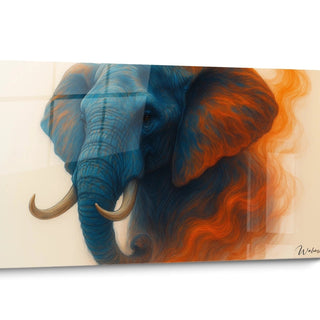 Fluid Mythoscene10
artworks
Fluid Mythoscene10
artworks
-
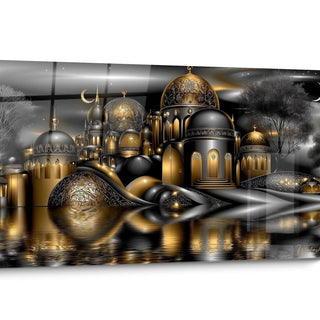 Originals Black Gold14
artworks
Originals Black Gold14
artworks
-
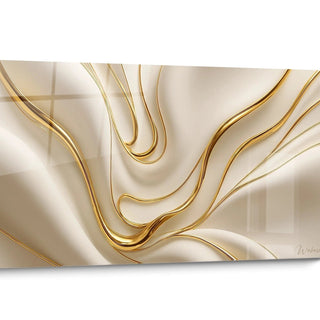 Abstract Relief10
artworks
Abstract Relief10
artworks
-
 Statue169
artworks
Statue169
artworks
-
 Porcelain Style8
artworks
Porcelain Style8
artworks
-
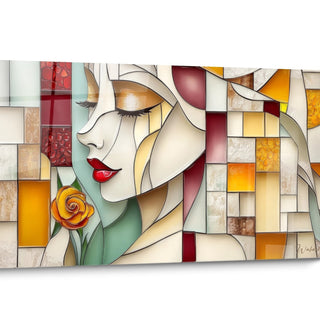 Stained Glass Style31
artworks
Stained Glass Style31
artworks
-
 Trompe-l'oeil8
artworks
Trompe-l'oeil8
artworks


All about Crochet style wall art
- Description Painting Crochet
- Painting crochet innovative
- Painting crochet decorative
- Painting special hook for large rooms
The crochet painting represents a unique artistic fusion between traditional wall art and the crochet technique to create distinctive decorative pieces. Unlike simple wall hooks used to hang frames, a crochet painting is a standalone textile artwork that transforms any space into a personalized gallery. Made with specific knotting techniques, the crochet painting is distinguished by its three-dimensional texture, its ability to create complex patterns, and its adaptability to large wall spaces.
These wall artworks bring an incomparable tactile dimension to your interior decoration. Crochet paintings are particularly appreciated for their ability to create a powerful visual focal point while offering excellent sound insulation. Their airy structure also allows you to play with light, creating shadows and reflections that evolve throughout the day.
Whether it features bold geometric patterns for a contemporary space or more organic motifs for a bohemian atmosphere, the crochet painting adapts to all decorative styles. Its versatility makes it a popular choice for interior designers and decoration enthusiasts looking for unique pieces capable of radically transforming the atmosphere of a room without requiring major renovations.
Explore our different sections to discover how to integrate, maintain, and enhance these exceptional textile artworks in your interior.
The Art of Crochet Painting: Textile Innovation for Large Spaces
The crochet painting represents a remarkable innovation in the world of wall decoration, radically distinguishing itself from other types of paintings by its three-dimensional textile dimension. Unlike classic painted works, the crochet painting offers a unique tactile depth that literally transforms the acoustics and atmosphere of your living space.
Why does the crochet painting outperform other wall decorations for large surfaces?
The main characteristic that differentiates the crochet painting from other decorative options is its exceptional ability to dress large, empty walls without creating an oppressive effect. Thanks to its airy and lightweight structure, a piece of large size (180x200 cm or more) brings a significant presence while maintaining a sense of space. This quality is particularly sought after in lofts, spacious entrance halls, or cathedral ceilings where traditional artworks may seem disproportionate or insufficient against the scale of the walls.
The multidimensional textures of the crochet painting create a play of shadows and reliefs that evolves according to the viewing angle and lighting, offering a dynamic visual experience impossible to reproduce with other mediums. This unique characteristic transforms your wall decoration into an interactive art installation that renews itself every hour of the day.
Transformed acoustics: a unique advantage of the crochet painting
An often-overlooked but fundamental aspect of the crochet painting is its acoustic absorption capacity. In spaces with high ceilings or numerous hard surfaces (bay windows, tiled floors), sound reverberation can become problematic. The crochet painting acts as a natural acoustic absorber, significantly improving sound comfort without requiring the installation of unsightly technical panels.
Architectural acoustics studies have shown that a large piece (150x200 cm) can reduce reverberation in an open living space by up to 30%. This characteristic makes the crochet painting a particularly judicious choice for owners of lofts or open spaces seeking to simultaneously improve the aesthetics and acoustic comfort of their interior.
Unparalleled personalization potential for demanding collectors
The crochet painting also stands out for its virtually unlimited potential for customization. Unlike printed or painted works, each piece can be custom-designed in terms of dimensions, density, patterns, and color palette. Contemporary art collectors particularly appreciate this flexibility, which allows for the creation of works perfectly suited to a specific space. For contemporary art enthusiasts, the crochet painting also represents an investment in a form of artistic expression that is increasingly recognized by institutions. Several contemporary art museums have recently integrated monumental textile works into their permanent collections, highlighting the growing importance of this art form in the current art landscape.
What technical innovations distinguish the modern crochet painting?
Recent advances in crochet painting techniques now include the integration of naturally dyed fibers with UV-resistant eco-friendly pigments, allowing for installation in very bright spaces without color degradation. This technical innovation addresses the concerns of collectors installing works in rooms bathed in natural light. Contemporary creators are also exploring the integration of reflective or phosphorescent materials into their compositions, creating crochet paintings that literally transform between day and night. These avant-garde pieces offer an evolving visual experience, transforming the work according to the ambient lighting conditions. The latest generation of crochet paintings for collectors integrates discreet smart technologies: some high-end pieces now incorporate conductive fibers allowing for the integration of a variable intensity LED lighting system, transforming the work into a true programmable light installation via mobile application. This fusion of traditional craftsmanship and contemporary technologies opens up unprecedented creative possibilities for prestigious residential spaces. In conclusion, the crochet painting transcends simple wall decoration to become a true multisensory artistic installation, offering both visual impact, acoustic improvement, and absolute personalization. Its adaptability to large spaces makes it a particularly relevant decorative solution for contemporary interiors where the balance between artistic presence and spatial harmony represents a constant challenge.Crochet Painting: Signature Textile Creation for Exceptional Spaces
The crochet painting stands out as a monumental textile work capable of radically transforming the atmosphere of a space. Unlike simple wall decorations, these three-dimensional textile creations offer a sculptural presence that instantly captures attention and visually structures large architectural volumes.How does the crochet painting transform the acoustics of a high-ceilinged space?
One of the exclusive advantages of the crochet painting lies in its exceptional acoustic properties, particularly valuable in environments with complex sound issues. Contemporary spaces with reflective surfaces (concrete, glass, metal) often generate excessive reverberation that impairs auditory comfort. The crochet painting acts as a natural acoustic absorber, its alveolar and multi-layered structure capturing sound waves and significantly reducing echo. Acoustic measurements taken in exhibition spaces have shown that a large-format crochet painting installation (minimum 2m²) can reduce reverberation time by up to 40% in a room with bare walls. This acoustic improvement is particularly valuable in lofts, converted workshops, or cathedral-ceilinged living rooms where sound comfort represents a major challenge. This dual aesthetic and technical function positions the crochet painting as a particularly relevant decorative solution for contemporary architectural spaces where acoustic quality directly influences the well-being of occupants.Shadow play and light interactions: the exclusivity of the crochet painting
The unique three-dimensional structure of the crocheted wall art creates a fascinating dialogue with light, generating impossible-to-reproduce shadow plays with other decorative mediums. Unlike flat artworks that remain static regardless of the time of day, the crocheted wall art continuously transforms with variations in light.
This characteristic transforms the artwork into a dynamic installation that evolves organically: under a low morning light, the reliefs and textures are magnified, creating dramatic shadows; in zenithal light, it is the chromatic variations and transparencies that express themselves; in directional artificial lighting, the artwork reveals other aspects of its structural complexity.
Interior designers deliberately exploit this quality by strategically positioning crocheted wall art facing natural light sources or by accompanying them with dedicated directional lighting, transforming the artwork into a true evolving luminous installation that constantly renews the visual experience of the space.
Chromatic adaptability to complex architectural spaces
An often-overlooked characteristic of the crocheted wall art is its unique ability to harmonize spaces with complex or discordant color palettes. In contemporary interiors where different materials, textures, and colors coexist, creating visual coherence represents a major challenge.
The crocheted wall art, due to its multi-layered textile structure, allows for the subtle incorporation of gradual or contrasting chromatic variations that visually create transitions between different areas of a space. This quality is particularly appreciated in open spaces where the crocheted wall art can serve as a "chromatic bridge" between different functional zones (living room/dining room, workspace/relaxation area).
Interior designers strategically integrate these textile artworks to solve complex chromatic problems without resorting to major architectural interventions, positioning the crocheted wall art as a technically sophisticated decorative solution beyond its purely aesthetic dimension.
What specific wall preparation is required for a monumental crocheted wall art?
The optimal installation of a large-scale crocheted wall art requires specific technical preparation that is often overlooked. Unlike lightweight artworks, these monumental textile creations can weigh a significant amount (15-25kg for the most ambitious pieces), requiring a suitable hanging system.
To ensure a secure and durable installation, the walls intended to receive these artworks must be evaluated for load-bearing capacity. Standard plaster surfaces generally require the prior installation of structural reinforcements or the use of hanging systems that distribute the load over multiple anchor points.
Rail mounting systems generally represent the optimal solution, allowing not only for even weight distribution but also for precise positioning adjustments after installation. This often-overlooked technical consideration is crucial for preserving the structural integrity of both the artwork and the wall support.
In conclusion, the crocheted wall art goes far beyond simple decorative function to become a fully-fledged architectural element, capable of profoundly influencing both acoustics and visual and luminous dynamics of a space. This technical versatility, combined with its exceptional aesthetic impact, makes it a particularly relevant decorative solution for contemporary spaces with multiple requirements.
Crocheted Wall Art: Textile Excellence for Contemporary Collections
The crocheted wall art stands out as a unique artistic proposition in the world of contemporary textile arts. More than just a wall decoration, these monumental artworks represent a growing patrimonial investment for discerning collectors and exceptional architectural spaces.
How does the therapeutic dimension influence the value of a crocheted wall art?
An often-overlooked aspect of the crocheted wall art concerns its biophilic and therapeutic properties. Recent studies in environmental psychology have demonstrated that the organic textures and non-repetitive patterns of complex textile artworks have a significant effect on stress levels and psychological well-being of people in these spaces.
This therapeutic dimension is particularly valued in high-end professional settings (corporate headquarters, law firms, reception areas) where creating an environment that promotes concentration and well-being represents a strategic investment. Environmental design neuroscientists confirm that the complex but organic textures of the crocheted wall art moderately stimulate visual attention without causing cognitive overload, creating an optimal balance for spaces of reflection and creativity.
Companies pioneering workplace well-being now integrate these scientific considerations into their decorative choices, positioning the crocheted wall art as a strategic element for improving productivity and reducing professional stress, far beyond its aesthetic value.
Patrimonial valuation: the emergence of a secondary market for exceptional crocheted wall art
A recent phenomenon deserves the attention of investors and collectors: the emergence of a dynamic secondary market for signed crochet paintings. Unlike traditional textile works considered decorative crafts, some contemporary creations signed by recognized textile artists are experiencing significant appreciation in the art market.
Specialized auction houses report an average increase of 25-30% in the value of monumental pieces (over 2m²) over a five-year period, particularly for works incorporating mixed techniques or innovative materials. This trend positions certain exceptional crochet paintings as true heritage assets, similar to other categories of contemporary art.
For collectors, this heritage dimension adds a strategic consideration beyond the immediate aesthetic impact, transforming the acquisition of a signed piece into a potentially appreciating investment over the long term.
What specific climatic considerations apply to monumental crochet paintings?
The optimal preservation of a large-scale crochet painting requires particular attention to environmental conditions, an aspect often overlooked during acquisition. Unlike works on traditional supports, monumental textile creations are particularly sensitive to variations in humidity and extreme light exposure.
A stable humidity rate between 40-55% is optimal for preserving structural tension and chromatic integrity. Spaces with significant humidity variations (proximity to bathrooms, poorly insulated windows) generally require the installation of dedicated regulation systems to protect the artistic investment.
Regarding light exposure, the natural fibers used in high-end creations require protection from direct UV rays, which can gradually alter color intensity. Installing UV filters on adjacent window surfaces is an essential precaution for collectors concerned about preserving the value of their acquisition over the long term.
Architectural integration: the crochet painting as a structuring spatial element
Beyond its purely decorative dimension, the monumental crochet painting is emerging as a structural architectural element in contemporary design projects. Interior architects strategically use it to solve various complex spatial problems.
In spaces with unbalanced proportions, installing a crochet painting of a specific size can visually recreate harmonious proportions without massive structural intervention. Its three-dimensional texture creates a focal point that restructures the overall perception of the space.
Even more subtly, it is used as a transition element between different functional zones in open-plan layouts. Strategically positioned, the crochet painting acts as an immaterial visual separator, defining different usage areas without creating a physical barrier, preserving fluidity and brightness while establishing a clearly perceptible spatial organization.
FAQ: Frequently Asked Questions about Crochet Paintings
How can I effectively clean a crochet painting without damaging it?
Optimal cleaning of a crochet painting requires an approach specific to its complex textile structure. For regular maintenance, simply use a vacuum cleaner on a low setting with a soft brush, keeping a distance of approximately 5cm to remove dust and particles without distorting the fibers. For crochet paintings made of natural fibers, absolutely avoid chemical cleaners that could alter the dyes or degrade the structure.
Are crochet paintings suitable for high-traffic professional spaces?
Crochet paintings specifically designed for professional environments now incorporate antimicrobial and flame-retardant treatments that meet safety standards for public spaces. These specific treatments preserve the aesthetic of the work while ensuring its compliance with strict regulations for collective spaces. For areas with very high traffic, prioritize creations made of high-strength synthetic fibers that will maintain their structural integrity despite prolonged exposure to air movement and environmental variations.
What is the average lifespan of a high-quality crochet painting?
A crochet painting made with premium materials and properly maintained can retain its aesthetic integrity for a minimum of 25-30 years. The determining factors include the quality of the fibers used, the knotting technique, and the environmental exposure conditions. High-end contemporary creations now incorporate UV and anti-oxidation treated fibers, which significantly extend their longevity, making these works true heritage investments that can be passed down through generations.
Further reading
Our articles on this topic
- Crochet-style painting for a boho chic living room: the staging guide
- Crochet-style painting: the heartfelt gift that will move grandma
- How to Choose a Crochet-Style Painting for a Cozy Bedroom
- Off-white crochet painting: the texture that warms up Scandinavian decor
- Pastel crochet-style painting for a baby's room: creating a soft, timeless nursery
- Embroidery and Textile Art: Materials, Threads, and Textures Serving Emotion
L'art qui suscite l'envie
Maison belge d'art mural grand format
14 jourspour changer d'avis*
Protection Walenskyincluse
Fabriquéen Italie
FormatXXL
Kit de fixationtoujours fourni
* Hors tableaux personnalisés et tailles personnalisées


