


Textured Abstract Wall Art
Our textured abstract wall art offers a unique visual and tactile experience. Each piece plays with layers of textures and contrasting nuances, creating a captivating depth effect. Perfect for contemporary décor, these artworks transform your walls into true works of art. Explore relief abstraction, artistic materials, and visual depth.
 Golden Rivers Wall Art - Textured Abstract Edition273,90 €
 Geometric sphere painting - Architectural balance - abstract texture edition273,90 €
 Undulating fluid forms painting - Colored waves - abstract texture edition273,90 €
 Urban collage painting - Creative Fusion - abstract texture edition273,90 €
 Organic forms painting - Sensual Curves - abstract texture edition273,90 €
 Fluid waves painting - Abstract Ocean - abstract texture edition273,90 €
 Colored geological layers painting - Rainbow Strata - abstract texture edition273,90 €
 Fluid fabric painting orange and blue - Modern Undulation - abstract texture edition273,90 €
 Female body painting - Sensual Fusion - abstract texture edition228,90 €
 Blue and beige abstract painting - Oceanic Fusion - abstract texture edition242,90 €
 Abstract Clouds Painting - Oceanic Fusion - abstract texture edition273,90 €
 Abstract Sphere Painting - Geometric Harmony - abstract texture edition228,90 €
 Blue Waves and Wood Painting - Marine Fusion - abstract texture edition242,90 €
 Cosmic Swirls Painting - Celestial Spirals - abstract texture edition273,90 €
 Abstract Ocean Painting - Golden Waves - abstract texture edition228,90 €
 Ocean Waves Painting - Fusion of Elements - abstract texture edition242,90 €
 Marine storm painting - Ocean whirlwinds - abstract texture edition273,90 €
 Golden and turquoise fluid waves painting - Marine Symphony - abstract texture edition228,90 €
 Blue abstract texture painting - Mystic Ocean - abstract texture edition242,90 €
 Ocean Dunes Blue Wall Art - textured abstract edition242,90 €
 Warm Currents Orange Painting - Textured Abstract Edition242,90 €
 Copper Geological Waves Painting - Textured Abstract Edition242,90 €
 Sensual Folds Honey Wall Art - Textured Abstract Edition242,90 €
 Vaporous Caress Rose Painting - Abstract Textured Edition242,90 €

In the same family
Also explore the theme Abstract
-
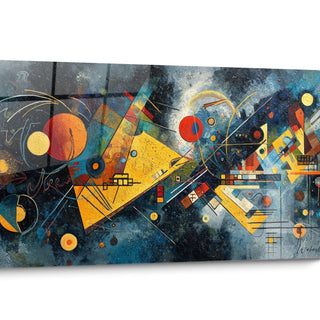 View all4182
artworks
View all4182
artworks
-
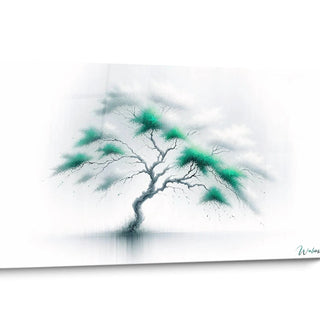 Abstract123
artworks
Abstract123
artworks
-
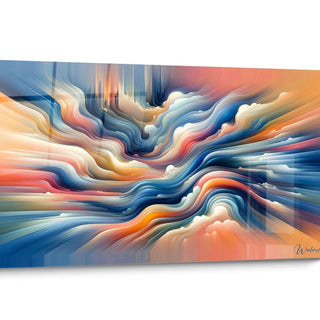 Colorful Abstract153
artworks
Colorful Abstract153
artworks
-
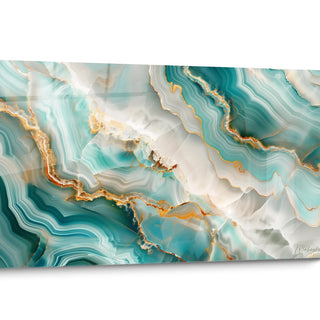 Blue marble abstract7
artworks
Blue marble abstract7
artworks
-
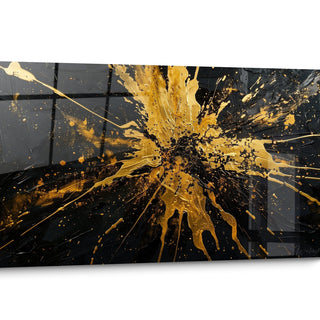 Black and Gold Abstract10
artworks
Black and Gold Abstract10
artworks
-
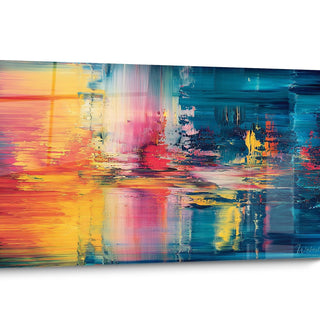 Abstract Scraped Style9
artworks
Abstract Scraped Style9
artworks
-
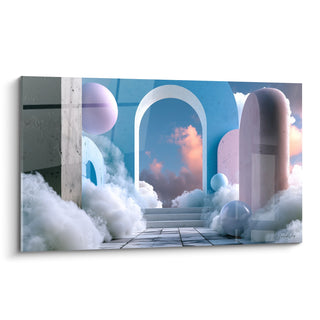 Abstract Architecture517
artworks
Abstract Architecture517
artworks
-
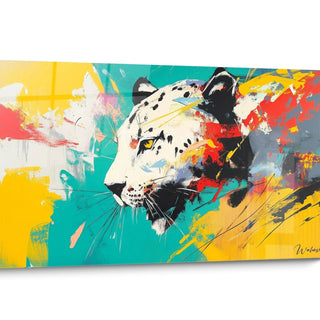 Abstract Artistic319
artworks
Abstract Artistic319
artworks
-
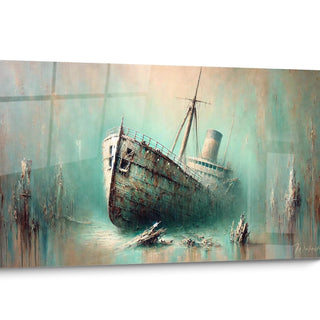 Abstract Boat228
artworks
Abstract Boat228
artworks
-
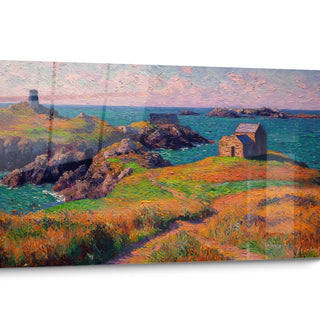 Abstract Seaside39
artworks
Abstract Seaside39
artworks
-
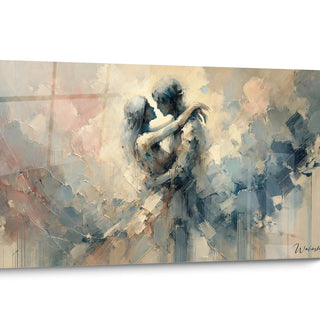 Abstract Body73
artworks
Abstract Body73
artworks
-
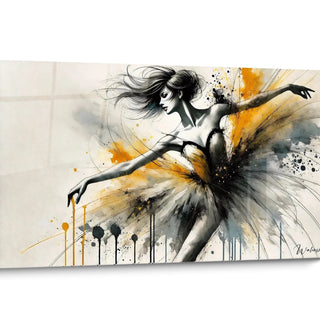 Abstract Dancer305
artworks
Abstract Dancer305
artworks
-
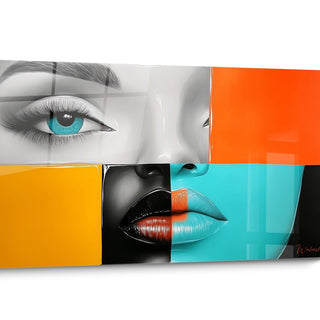 Abstract Figurative23
artworks
Abstract Figurative23
artworks
-
 Abstract Flower90
artworks
Abstract Flower90
artworks
-
 Geometric392
artworks
Geometric392
artworks
-
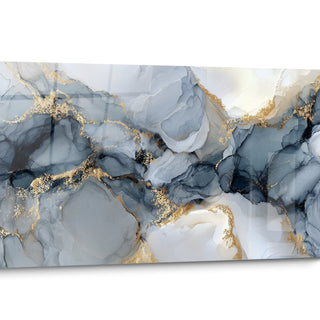 Abstract Marble169
artworks
Abstract Marble169
artworks
-
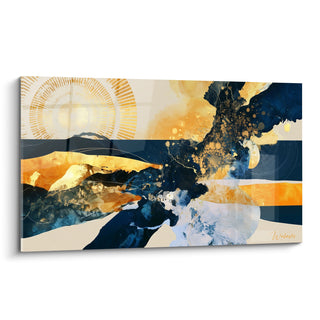 Modern Abstract106
artworks
Modern Abstract106
artworks
-
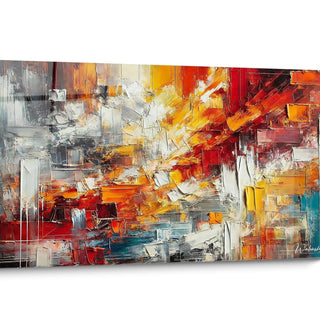 Contemporary Multicolour36
artworks
Contemporary Multicolour36
artworks
-
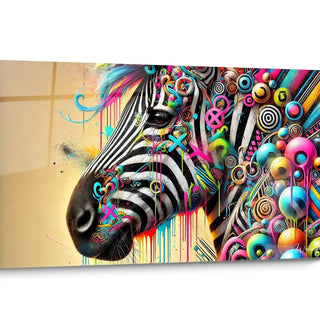 Multicolor Abstract224
artworks
Multicolor Abstract224
artworks
-
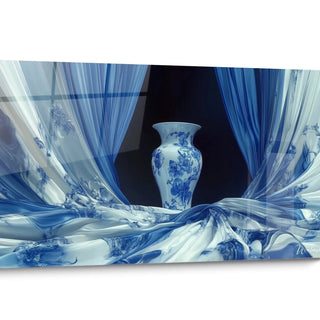 Abstract Still Life9
artworks
Abstract Still Life9
artworks
-
 Painting (style)638
artworks
Painting (style)638
artworks
-
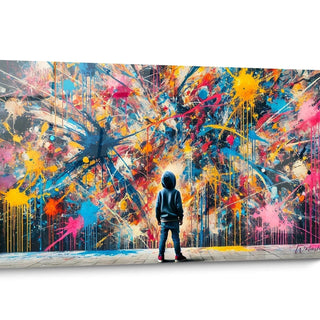 Abstract Pop Art5
artworks
Abstract Pop Art5
artworks
-
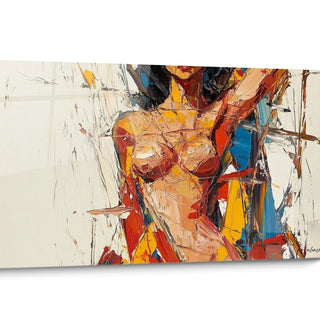 Sensual Abstract16
artworks
Sensual Abstract16
artworks
-
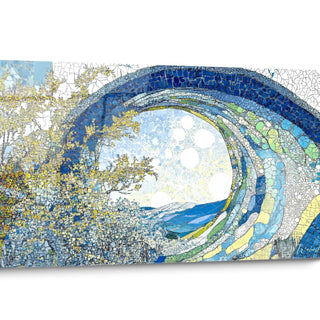 Abstract Spirals141
artworks
Abstract Spirals141
artworks
-
 Abstract Face508
artworks
Abstract Face508
artworks


All about Textured Abstract Wall Art
- Textured Abstract Wall Art Textured Abstract
- Textured Abstract Wall Art Light Play
- Textured Abstract Wall Art Spatial Perception
- Textured Abstract Wall Art Innovative Materials
Textured abstract wall art represents a distinctive category of contemporary wall decoration characterized by its tactile dimension and non-representational design. These unique artworks combine relief, depth, and abstraction to create a multisensory decorative experience. Unlike traditional wall art, these artistic pieces exploit surface variations to capture and diffuse light dynamically, transforming your living space.
These contemporary artistic creations offer a strong visual presence while adding a tactile dimension often absent from classical wall art. Texture becomes a fully expressive element in itself, creating plays of shadow and relief that evolve according to viewing angle and ambient lighting. Discover how these abstract wall art pieces with textured surfaces can radically metamorphose your interior through their unique and contemporary presence.
Explore our different sections to understand how these textured abstract artworks can integrate into your interior design, transform the perception of your spaces, and create unique atmospheres through their distinctive characteristics.
Textured Abstract Wall Art: A Symphony of Light and Relief
Textured abstract wall art radically transforms light interaction in your interior space, creating a visual experience that evolves throughout the day. Unlike flat artworks, these artistic creations capture and reflect light in complex ways thanks to their multidimensional surfaces.
This unique characteristic is impossible to reproduce with other types of wall art, as it requires the physical presence of relief and abstract design that maximizes shadow and light play.
How does texture transform the visual experience of abstract wall art?
Texture in abstract art creates constant dialogue with surrounding light. The irregularities, ridges, and depressions on the surface capture light at different angles, producing a dynamic visual spectacle. At sunrise, the reliefs cast elongated shadows that accentuate the artwork's depth, while at midday, more direct lighting reveals chromatic subtleties and height variations.
The textured surfaces of large-format abstract wall art possess this unique capacity to metamorphose a room's ambiance without any external intervention. The simple rotation of the sun continuously transforms the artwork's appearance, offering a renewed artistic experience at every moment of the day.
Seasonal light effects on your textured wall art
A feature exclusive to textured abstract wall art lies in its capacity to adapt to seasonal variations in light. In summer, intense luminosity brings out contrasts and accentuates relief definition, creating a more assertive visual presence. In winter, softer and more oblique light generates subtle shadows that visually warm the space.
To maximize these light effects, position your textured wall art abstraction on a wall receiving changing light throughout the day. This placement strategy allows you to fully exploit the artwork's kinetic potential and transforms your wall decoration into a living artistic installation.
Owners of contemporary spaces with large bay windows particularly notice this phenomenon, where their textured abstract wall art seems to literally come alive under natural light variations. This dynamic interaction represents a major decorative advantage over flat artworks that remain visually static.
Which light source should you prioritize to enhance reliefs?
Directional lighting represents the perfect companion to textured abstract wall art. Adjustable spotlights or lighting rails allow you to precisely direct light to accentuate reliefs and create dramatic shadow play. Unlike diffused lighting that flattens volumes, directional light reveals the full tactile richness of these artworks.
For optimal evening enhancement, opt for light sources directed at approximately 30 degrees relative to the artwork's surface. This ideal angle highlights textures without creating glare and preserves perception of chromatic nuances. Adjustable color temperature bulbs (between 2700K and 4000K) also allow you to adapt the lighting ambiance according to seasons and times of day.
Installing a programmable smart lighting system represents a judicious investment for collectors of large-format textured abstract wall art. These devices allow you to gradually modify lighting intensity and angle, revealing different facets of the artwork according to your preferences or during gatherings.
Textured abstract wall art thus offers a multidimensional decorative experience that flat artworks cannot match. Their transformative presence in an interior space fully justifies the investment for contemporary art enthusiasts seeking an evolving masterpiece for their decoration.
Textured Abstract Wall Art: Redefining Spatial Perception
Textured abstract wall art possesses the unique ability to radically transform volume perception in an interior space. Unlike flat artworks, these three-dimensional artistic creations function as architectural extensions that subtly modify our apprehension of spatial boundaries.
This distinctive characteristic is impossible to reproduce with classical wall art, as it relies on the physical interaction between textured reliefs, abstract form, and our cognitive perception of space.
The optical illusion created by textured reliefs
The textured surfaces of abstract wall art generate a fascinating perceptual phenomenon: depending on the observation angle, certain areas seem to advance toward the viewer while others appear to recede. This interplay of apparent depths creates an additional dimension that far exceeds the artwork's physical frame.
Neuroscientists explain that our brain interprets these relief variations as spatial cues, triggering the same cognitive mechanisms we use to evaluate distances in our daily environment. Thus, a judiciously placed textured abstract artwork can visually push back a wall, creating the illusion of a more spacious area.
How do textured artworks modify the perception of a room's proportions?
A textured abstract artwork with stretched horizontal patterns placed on a narrow wall creates remarkable spatial expansion illusion. Conversely, compositions with vertical elements and pronounced reliefs visually increase ceiling height. These psychovisual effects literally transform perceived space proportions without any structural modification.
Professional interior designers frequently exploit this characteristic to visually correct architectural imbalances. In contemporary apartments with low ceilings, strategic installation of large-format textured abstract wall art with vertical dominance immediately creates a sensation of elevation and grandeur.
Transition spaces like narrow hallways particularly benefit from textured abstract wall art installation. Their reliefs, interacting with the lateral lighting typical of these areas, generate visual depth that considerably attenuates the sensation of confinement.
The influence of textures on spatial acoustics
Beyond visual impact, textured abstract wall art contributes significantly to improving a space's sound environment. The irregular reliefs characteristic of these artworks diffuse sound waves in multiple directions, reducing unpleasant reverberation often present in contemporary interiors with hard surfaces.
Modern apartments with large glass surfaces and mineral flooring frequently suffer from reverberant acoustics that impair music listening quality and amplify ambient noise. Installing large-format textured abstract wall art offers a decorative solution that simultaneously enhances aesthetics and acoustic comfort without resorting to inesthetic phenolic panels.
This acoustic characteristic represents a substantial advantage for music enthusiasts and audiophiles seeking to optimize their listening environment while preserving minimalist and contemporary aesthetics. Some collectors even report strategically placing their textured abstract wall art near audio systems to benefit from this diffusing effect.
Textured abstract wall art thus constitutes multifunctional decorative elements that transcend mere aesthetic function to become genuine space modulators. This versatility fully justifies their privileged place in contemporary interiors where each element must contribute to overall harmony while offering tangible functionality.
Textured Abstract Wall Art: Material Innovation and Durability
Contemporary textured abstract wall art distinguishes itself through the use of innovative materials that redefine the expressive possibilities of wall art. This exclusive characteristic cannot apply to classical two-dimensional artworks, as it relies entirely on the interaction between abstract composition and physical properties of relief materials.
The tactile dimension of these artistic creations represents a fundamental departure from traditional wall art, offering an enriched sensory experience impossible to reproduce with other decoration types.
Textured metal alloys: beyond conventional painting
The major innovation in textured abstract wall art resides in the use of metal alloys specifically formulated for wall art. These exclusive compositions integrate metal particles that react differently depending on observation angle and lighting. Unlike classical metallic paints, these materials possess three-dimensional light reactivity linked to their physical structure.
These textured alloys are applied in successive layers of variable densities, creating reliefs that capture and reflect light in complex ways. Controlled oxidation of certain areas produces subtle chromatic variations that naturally evolve over time, making each artwork truly unique and living.
Discerning collectors particularly appreciate this evolutionary characteristic that grants textured abstract wall art a temporal dimension absent from traditional figurative works. This progressive patina enriches the artwork over the years, unlike reproductions that degrade without gaining character.
Which textured materials best resist time?
The exceptional durability of contemporary textured abstract wall art results from rigorous selection of materials specifically developed to withstand domestic conditions for several decades. The stabilized mineral composites used in these creations maintain their structural integrity and visual expressiveness even after prolonged exposure to natural light.
Unlike traditional pigments that degrade under UV rays, textured mineral materials maintain their original chromatic intensity. This stability represents a considerable advantage for artworks destined for luminous spaces like living rooms with large bay windows or professional offices.
The incorporation of ceramic nanoparticles in certain textured compositions also offers exceptional resistance to hygrometric variations. This technical characteristic permits installation of these textured abstract artworks in usually hostile environments for wall art such as open kitchens or spacious bathrooms, considerably broadening their decorative application scope.
Tactile interaction with abstract textures
A fundamentally distinctive characteristic of textured abstract wall art resides in its haptic dimension—the natural invitation to touch it suscites. Unlike traditional artworks that lose their integrity upon contact, these contemporary creations are designed to resist occasional tactile interaction through their high-resistance finishes.
This structural robustness permits an enriched artistic experience, particularly appreciated in dynamic living spaces such as family residences or creative professional environments. Textures then become not only a visual element but also an interactive component of the overall artistic experience.
For families with children, this characteristic represents a significant advantage over fragile traditional artworks that require constant precautions. Textured abstract wall art permits harmonious coexistence between sophisticated artistic expression and relaxed daily life.
FAQ - Textured Abstract Wall Art
How to effectively clean textured abstract wall art without damaging it?
Cleaning textured abstract wall art requires a specific approach adapted to its characteristic reliefs. Simply use a soft-bristled duster to remove accumulated dust in crevices. For more thorough cleaning, a light mist of demineralized water applied at distance and then dried with a microfiber cloth is generally sufficient. Absolutely avoid chemical products that could alter finishes and textures.
Can textured abstract wall art improve a room's acoustics?
Textured abstract wall art effectively contributes to acoustic improvement of contemporary living spaces. Its irregular surfaces diffuse sound waves and reduce unpleasant reverberation typical of modern interiors with hard, reflective surfaces. The effect is particularly notable in spacious rooms with high ceilings, where strategic installation of large-format textured wall art can significantly reduce reverberation time without resorting to less aesthetic technical acoustic solutions.
What is the difference between textured abstract wall art and a wall sculpture?
The distinction between textured abstract wall art and wall sculptures primarily resides in their design and space interaction. Textured abstract wall art generally maintains a rectangular format and moderate depth (usually 3 to 8 cm) that permits harmonious integration into classical interior arrangement. It privileges two-dimensional expression enriched by relief elements. Wall sculptures, conversely, transcend format constraints, present greater depths, and function as autonomous architectural elements rather than decorative complements.
Further reading
Our articles on this topic
L'art qui suscite l'envie
Maison belge d'art mural grand format
14 jourspour changer d'avis*
Protection Walenskyincluse
Fabriquéen Italie
FormatXXL
Kit de fixationtoujours fourni
* Hors tableaux personnalisés et tailles personnalisées


