


Impressionism Painting
Discover our impressionist paintings capturing natural light in our iconic collection. Each artwork seizes the fleeting moment cherished by plein air painters, revolutionizing modern artistic perception. Free brushstrokes, pure colors, atmospheric effects: these creations transform painting into visual poetry. Art leaves the studio to celebrate the beauty of everyday life, creating a fresh aesthetic that continues to captivate with its timeless vitality.
 Beautiful Spontaneous Portrait Painting - Impressionism Edition273,90 €
 Woman Sea Breeze Painting - Impressionism Edition273,90 €
 Portrait Intensity Humanity Painting - Impressionism Edition273,90 €
 Boat Serenity Harbor Painting - Impressionism Edition273,90 €
 Floral Landscape Contemplation Watercolor Painting - Impressionism Edition273,90 €
 Floral Bouquet Explosion Painting - Impressionism Edition273,90 €
 Mountain Painting Icy Aurora - Impressionism Edition273,90 €
 Vibrant Countryside Landscape Painting - Impressionism Edition273,90 €
 Crystal Clear Lake Painting - Impressionism Edition273,90 €
 Colorful Houses Stairway Vibrant Painting - Impressionism Edition273,90 €
 Female Portrait Emerald Gaze Painting - Impressionism Edition273,90 €
 Summer Rest Terrace Painting - Impressionism Edition273,90 €
 River Serenity Countryside Painting - Impressionism Edition273,90 €
 Weeping Willow Painting Riverside Contemplation - Impressionism Edition273,90 €
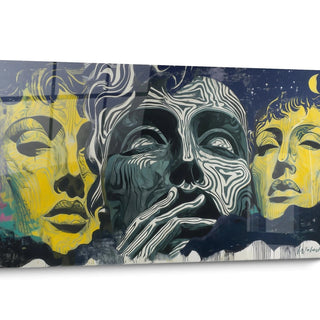
 Portrait Painting Shimmering Soul - Impressionism Edition273,90 €
 Flowers Painting Violet Brilliance - Impressionism Edition273,90 €
 Terrace Painting Summer Conviviality - Impressionism Edition273,90 €
 Boats Painting Mediterranean Warmth - Impressionism Edition273,90 €
 Coastal Landscape Wall Art Fleeting Moment - impressionism edition273,90 €
 Sailboats Sea Foam Solar Light - impressionism edition273,90 €
 Mediterranean Landscape Painting Summer Provencal - impressionism edition273,90 €
 Portrait Artwork Captivating Gaze - impressionism edition220,90 €
 Landscape Painting Morning Light - Impressionism Edition220,90 €


In the same family
Also explore the theme Artistic Movements
-
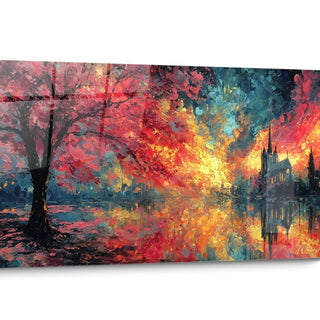 View all793
artworks
View all793
artworks
-
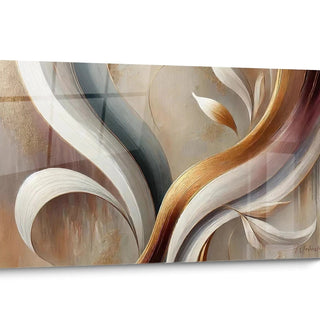 Acrylic (style)10
artworks
Acrylic (style)10
artworks
-
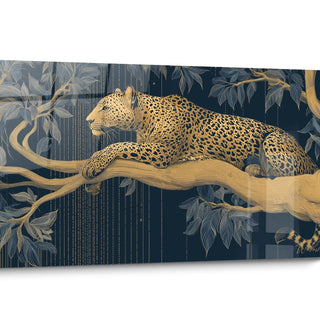 Art Deco164
artworks
Art Deco164
artworks
-
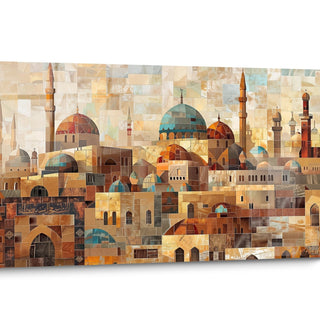 Islamic Art9
artworks
Islamic Art9
artworks
-
 Art Nouveau39
artworks
Art Nouveau39
artworks
-
 Comic Strip16
artworks
Comic Strip16
artworks
-
 Baroque22
artworks
Baroque22
artworks
-
 Bauhaus31
artworks
Bauhaus31
artworks
-
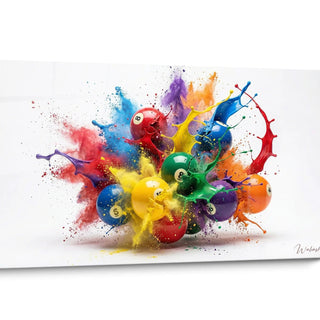 Billiards19
artworks
Billiards19
artworks
-
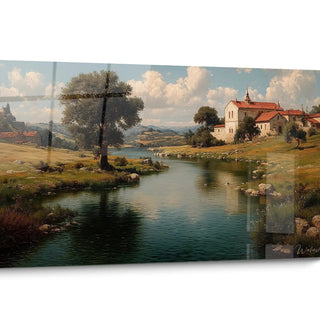 Classicism16
artworks
Classicism16
artworks
-
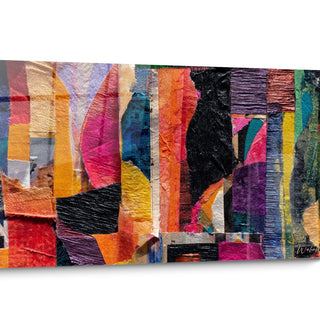 Collage14
artworks
Collage14
artworks
-
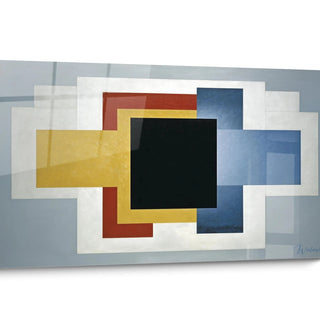 Constructivism31
artworks
Constructivism31
artworks
-
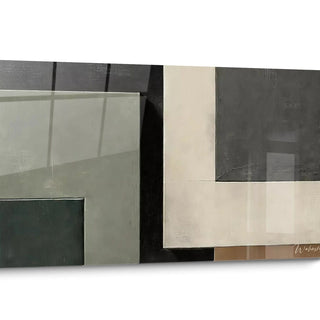 Cubism91
artworks
Cubism91
artworks
-
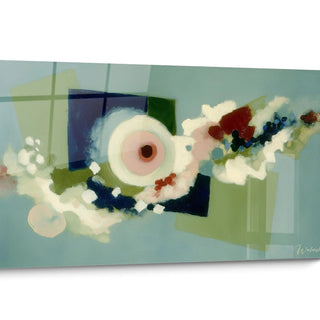 Dadaism33
artworks
Dadaism33
artworks
-
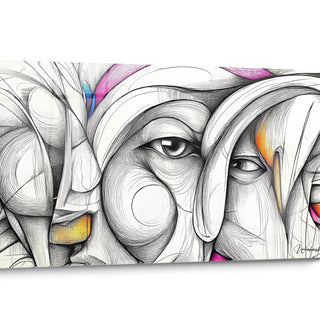 Drawing20
artworks
Drawing20
artworks
-
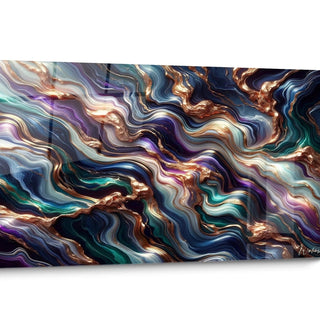 Expressionist95
artworks
Expressionist95
artworks
-
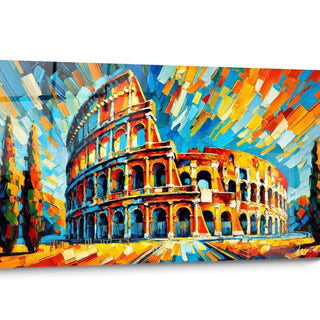 Abstract Fauvism10
artworks
Abstract Fauvism10
artworks
-
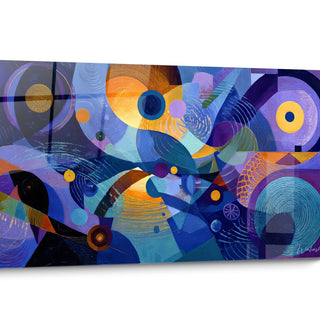 Abstract Futurism25
artworks
Abstract Futurism25
artworks
-
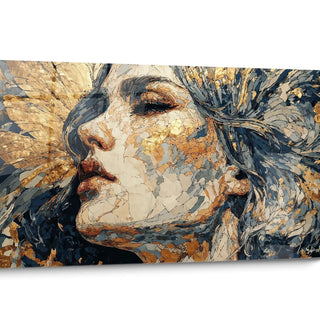 Gothic29
artworks
Gothic29
artworks
-
 Hyperrealism28
artworks
Hyperrealism28
artworks
-
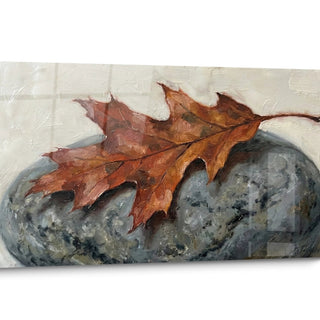 Japandi13
artworks
Japandi13
artworks
-
 Light painting3
artworks
Light painting3
artworks
-
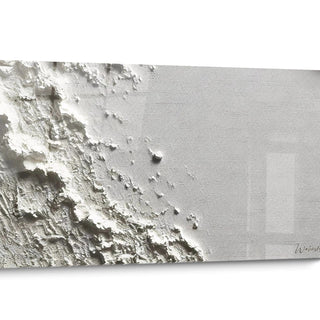 Minimalist35
artworks
Minimalist35
artworks
-
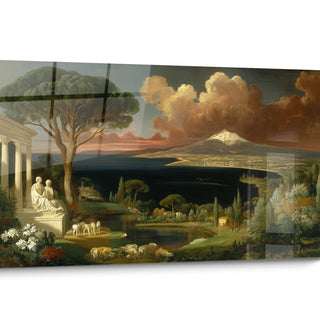 Neo-classical15
artworks
Neo-classical15
artworks
-
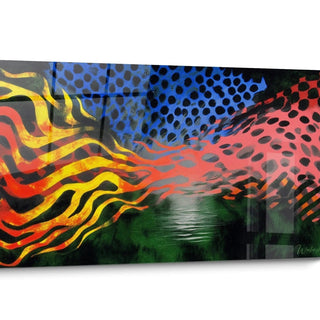 Op Art20
artworks
Op Art20
artworks
-
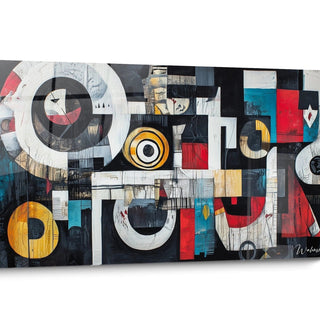 Abstract Contemporary Painting48
artworks
Abstract Contemporary Painting48
artworks
-
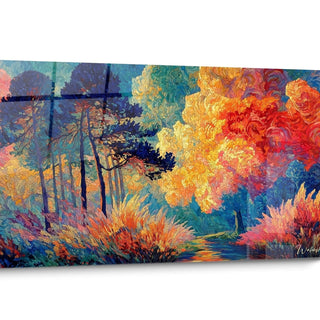 Pointillism59
artworks
Pointillism59
artworks
-
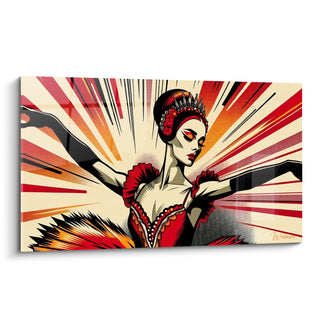 Abstract Pop Art18
artworks
Abstract Pop Art18
artworks
-
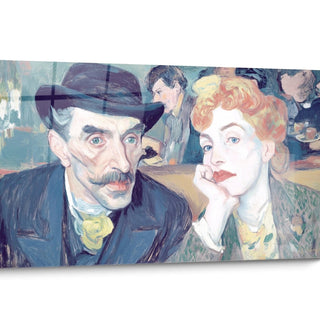 Post-Impressionism15
artworks
Post-Impressionism15
artworks
-
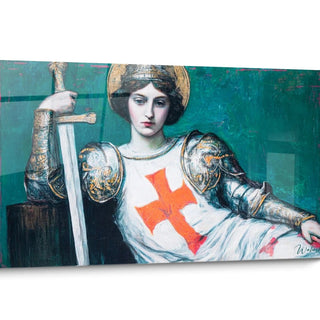 Pre-Raphaelitism11
artworks
Pre-Raphaelitism11
artworks
-
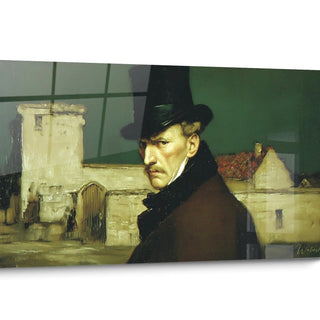 Realism10
artworks
Realism10
artworks
-
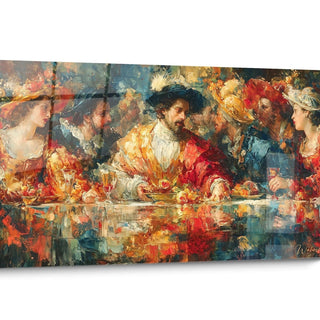 Renaissance13
artworks
Renaissance13
artworks
-
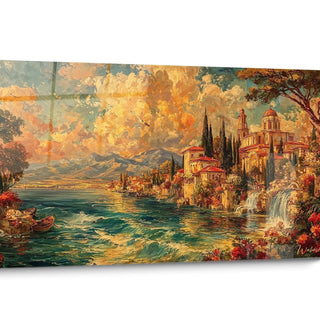 Italian Renaissance12
artworks
Italian Renaissance12
artworks
-
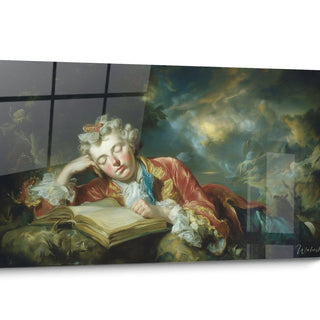 Rococo5
artworks
Rococo5
artworks
-
 Romantic12
artworks
Romantic12
artworks
-
 Romanticism17
artworks
Romanticism17
artworks
-
 Abstract Surrealism34
artworks
Abstract Surrealism34
artworks
-
 Symbolist26
artworks
Symbolist26
artworks
-
 Vanity21
artworks
Vanity21
artworks
All about Impressionism Painting
- Overview Impressionism Wall Art
- Impressionism Wall Art - Masters and Techniques
- Impressionism Wall Art - Ambiance and Decoration
- Impressionism Wall Art - Collection and Styles
Discover our exceptional selection of impressionism wall art in large format, faithfully reproducing the masterpieces of the most revolutionary artistic movement of the 19th century. Our high-definition reproductions capture the very essence of impressionist techniques: play of natural light, divided brushstrokes and subtle color palettes that revolutionized Western art.
Impressionist Art: Revolutionary Techniques and Great Masters
The impressionism wall art is distinguished by technical innovations that radically transform artistic perception. Claude Monet, an emblematic figure of the movement, develops the en plein air painting technique, abandoning the traditional studio to capture natural light variations. This revolutionary approach gives birth to the famous series of Rouen Cathedrals and Water Lilies, where each work explores chromatic metamorphoses according to time and season.
What are the unique technical characteristics of impressionism?
Impressionist artists revolutionize pictorial technique through tone division. Pierre-Auguste Renoir perfects this method by juxtaposing pure colored brushstrokes, creating an optical blend that intensifies luminosity. Edgar Degas, master of movement and the fleeting moment, captures the spontaneous gestures of dancers and Parisian cafés with avant-garde photographic precision.
Camille Pissarro, considered the dean of the group, experiments with atmospheric effects in his rural landscapes of Pontoise. His research on seasonal variations profoundly influences Paul Cézanne and Paul Gauguin. The impressionist revolution lies in this ability to translate visual sensations rather than objective reality, creating an unprecedented pictorial emotion.
The influence of technical innovations on contemporary art
Berthe Morisot, the only woman in the original impressionist group, develops a particularly free gesture in her intimate scenes. Her family portraits reveal striking modernity through their spontaneity. Alfred Sisley, specialist in fluvial landscapes, perfectly masters aquatic reflections and changing skies in the Parisian region.
Impressionist technique durably influences subsequent artistic movements. Henri Matisse's fauvism draws directly from this colorist liberation, while American abstract expressionism is inspired by this emotional gesture. The works of Jackson Pollock and Willem de Kooning still carry today this revolutionary trace initiated by French masters.
- Rapid sketch technique developed by Eugène Boudin
- Innovation of portable paint tube revolutionizing outdoor painting
- Development of artistic series as systematic exploration
- Progressive abandonment of preparatory drawing in favor of direct color
Create an Impressionist Atmosphere in Your Interior
The integration of impressionism wall art instantly transforms the atmosphere of a living space. Impressionist works possess this unique characteristic of modifying the light perception of a room through their sophisticated color palettes. A large format reproducing Monet's Water Lilies brings incomparable aquatic serenity, creating a soothing focal point in a contemporary living room.
Impressionist garden scenes, such as those by Gustave Caillebotte or Mary Cassatt, generate a natural connection with the outdoors. These artistic movement reproductions in large format create visual depth that visually enlarges the space, particularly effective in urban interiors lacking natural greenery.
How do impressionist colors influence our well-being?
Color psychology reveals the therapeutic impact of impressionist palettes. Monet's nuanced blues, particularly in his Haystacks and Poplar series, promote relaxation and reduce visual stress. Research in chromotherapy confirms that these tones soothe the nervous system and improve sleep quality.
Renoir's powder pinks and golden ochres subtly energize a space without creating excessive stimulation. His scenes of lunch on the grass or boating diffuse a communicative joy of life, particularly appreciated in convivial spaces like the dining room or open kitchen.
Harmonizing contemporary style with impressionist art
Impressionist art harmonizes perfectly with contemporary architecture through its precursor modernity. A large painting by Gustave Caillebotte representing new Parisian boulevards naturally dialogues with refined design furniture. This stylistic correspondence creates aesthetic continuity between artistic heritage and contemporary innovation.
Minimalist interiors benefit particularly from this controlled colorist injection. A single impressionism wall art large format suffices to warm a space with strict geometric lines. The effect is even more striking as impressionist spontaneity contrasts with modern architectural rigor, creating perfect visual balance.
- Optimization of natural luminosity through chromatic reflection
- Creation of visual perspective enlarging the space
- Harmonization of furniture colors with impressionist tones
- Valorization of architectural angles through artistic contrast
Build a Collection of Impressionist Reproductions
Building a collection of impressionism wall art requires a thorough understanding of different periods and stylistic evolutions of the movement. The pre-impressionist period (1860-1870) is characterized by the transition between realism and modernity, masterfully illustrated by the early works of Manet and Degas. These foundational pieces establish the basis for a coherent collection.
The classical impressionist period (1870-1880) represents the creative apex with masterpieces by Monet, Renoir and Pissarro. These emblematic works constitute the heart of a quality collection. The post-impressionist period (1880-1900) enriches the collection with innovations by Cézanne, Seurat and Toulouse-Lautrec, prefiguring 20th century avant-gardes.
What criteria determine the value of an impressionist reproduction?
Chromatic fidelity constitutes the primary criterion for a museum-quality reproduction. Giclée printing techniques on premium support perfectly restore the subtlety of original colorist work. Print resolution determines the precision of divided brushstrokes characteristic of impressionist technique, particularly visible in large formats.
Artwork selection should prioritize stylistic representativeness of each artist. A Monet Cathedral better captures impressionist essence than a less characteristic late portrait. Thematic diversity enriches aesthetic experience: landscapes, urban scenes, portraits and still lifes offer a complete panorama of the movement.
Evolution and transmission of impressionist heritage
Impressionist heritage perpetuates through generations of contemporary artists. Current neo-impressionists such as David Hockney or Gerhard Richter draw directly from this revolutionary tradition. Their contemporary works establish permanent dialogue with 19th-century masters.
Private impressionist art collections today constitute recognized patrimonial investment. Growing rarity of original works mechanically increases the value of museum-quality reproductions. This economic dynamic durably supports demand for high-definition large format reproductions.
- Authentication of colorist palettes through spectral analysis
- Certification of durable printing supports without alteration
- Traceability of source artworks in museum collections
- Guarantee of dimensional fidelity respecting original proportions
Which impressionism wall art to choose to start your collection?
To begin, prioritize an emblematic work such as "Impression, Sunrise" by Monet or "Luncheon of the Boating Party" by Renoir, which perfectly synthesize the spirit of the movement.
How to authenticate the quality of a modern impressionism wall art?
Verify chromatic fidelity, fineness of details and quality of the printing support. Professional reproductions use giclée techniques on museum paper or rigid support.
What dimensions to prioritize for impressionism wall art?
Large formats (80x60 cm minimum) better restore the original visual impact and allow you to appreciate the technical subtleties of impressionist masters in your space.
Does impressionism wall art suit all decorative styles?
The aesthetic universality of impressionism adapts remarkably to contemporary, classical or eclectic interiors through its timeless modernity and harmonious palettes.
Further reading


