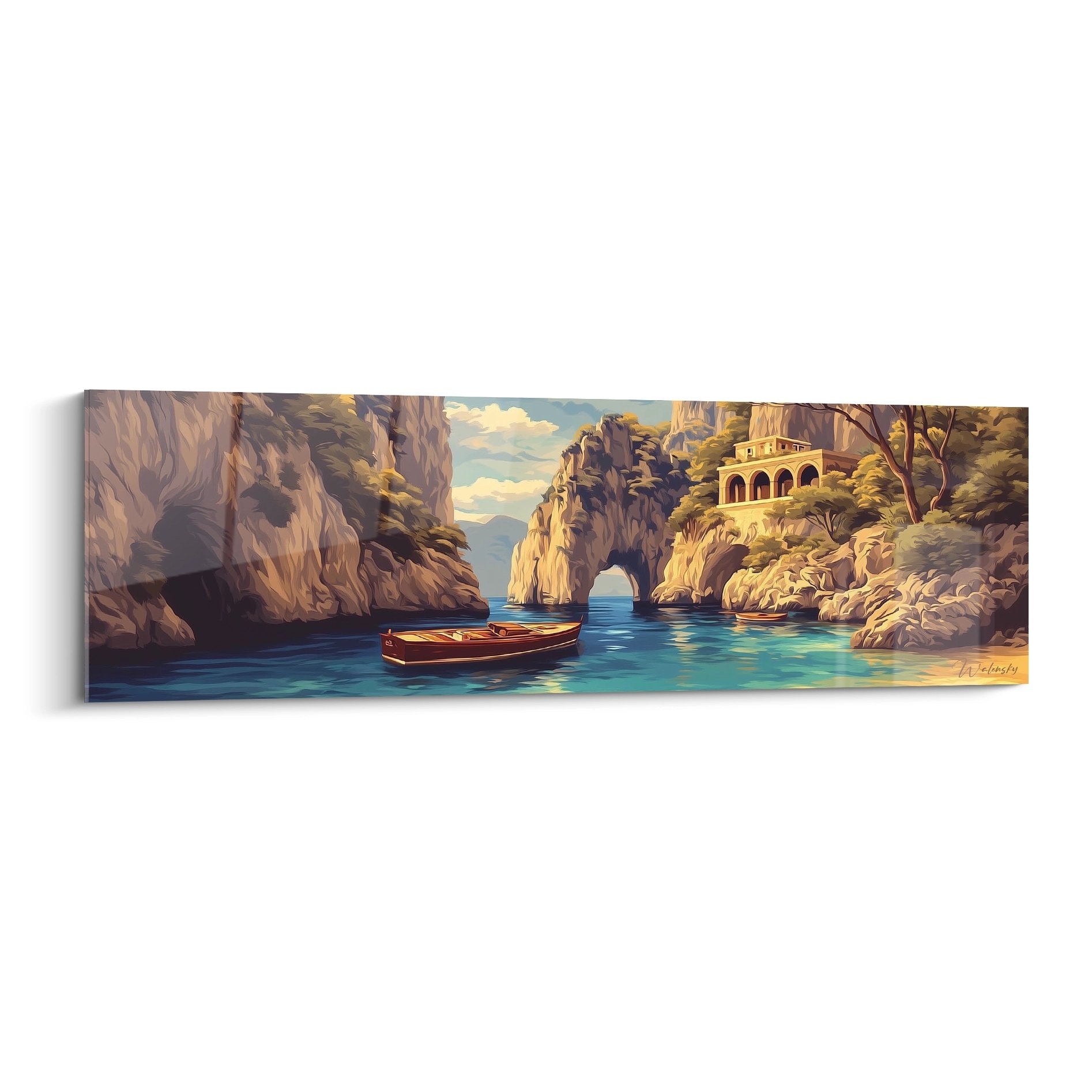
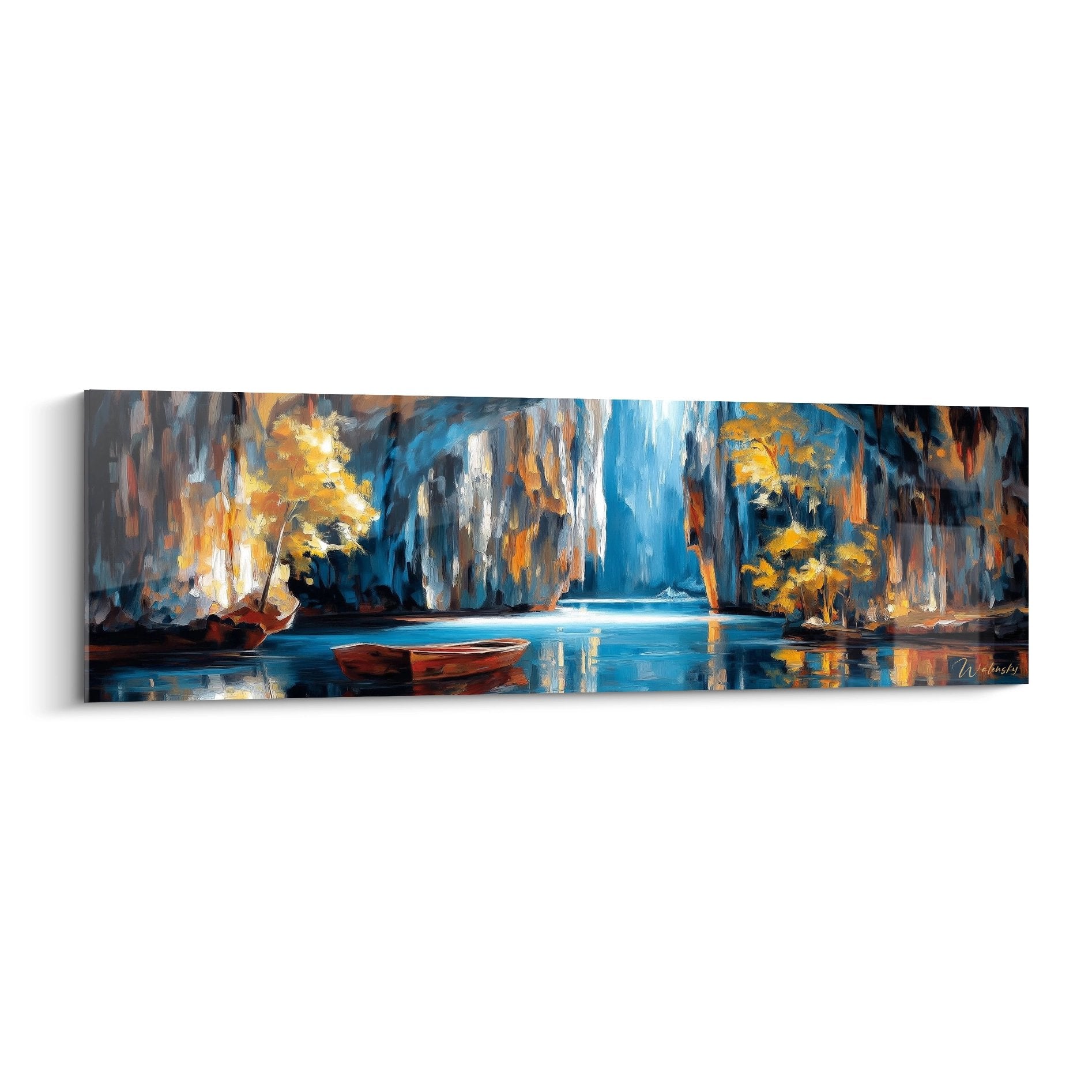
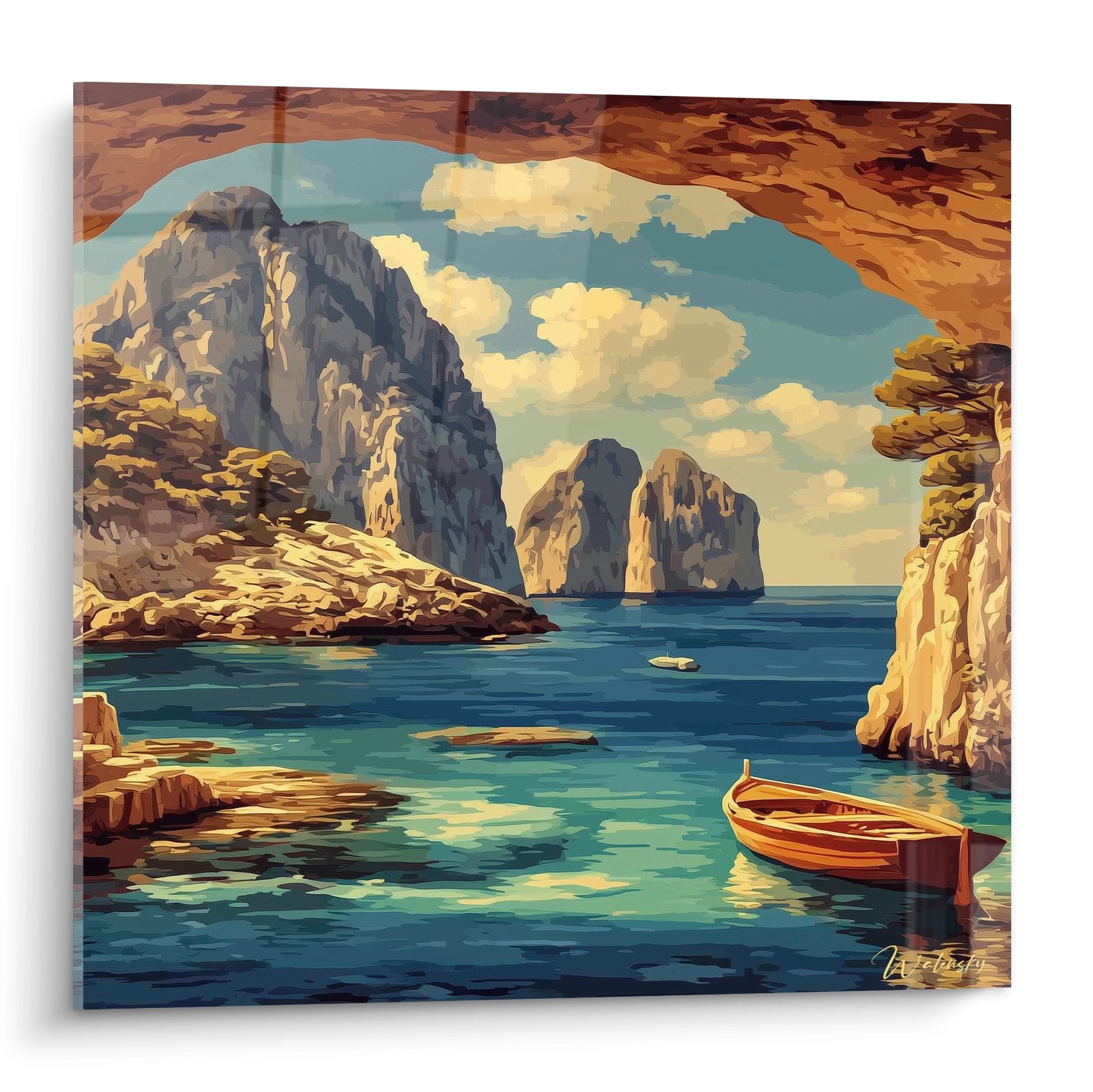
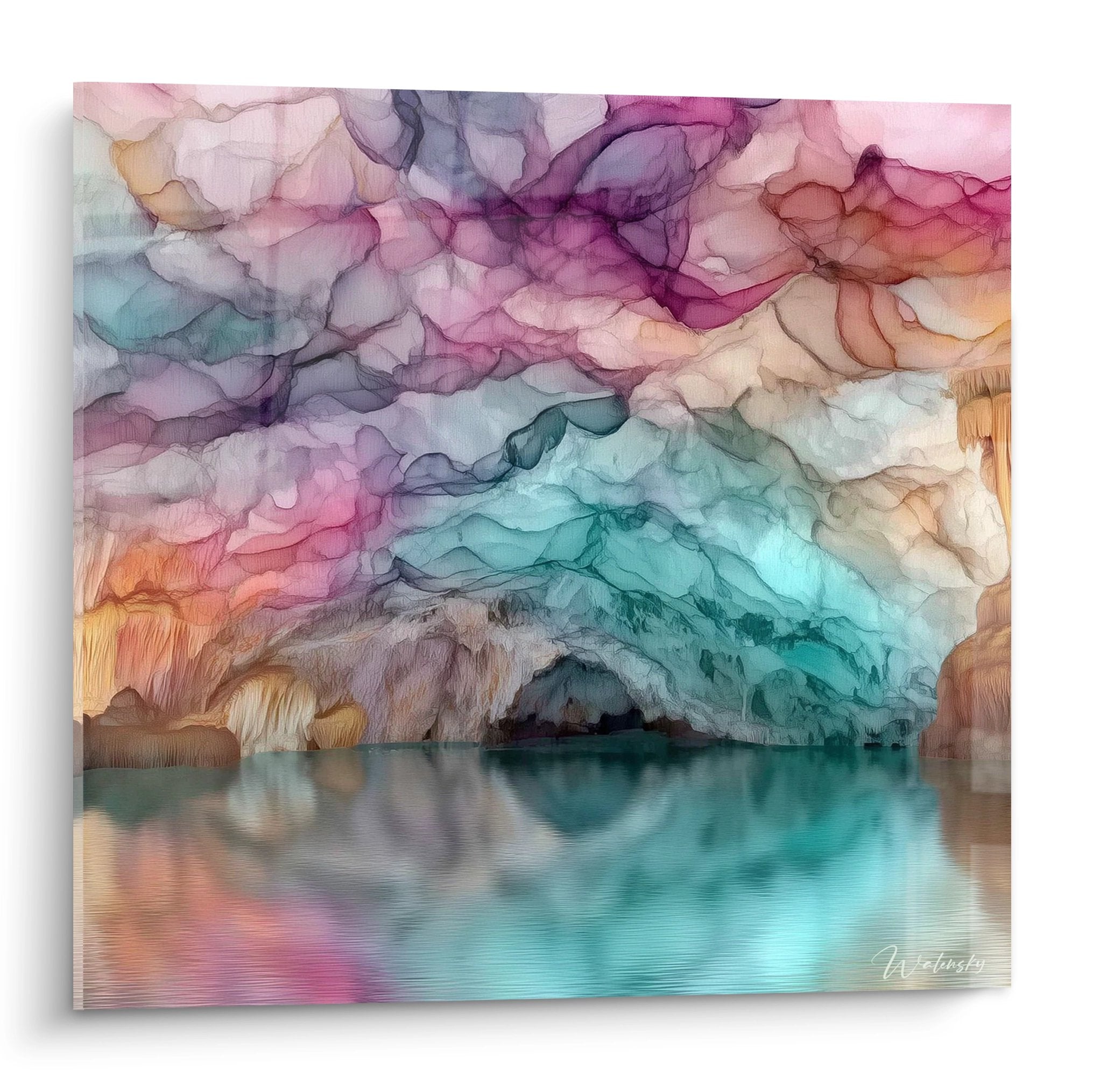
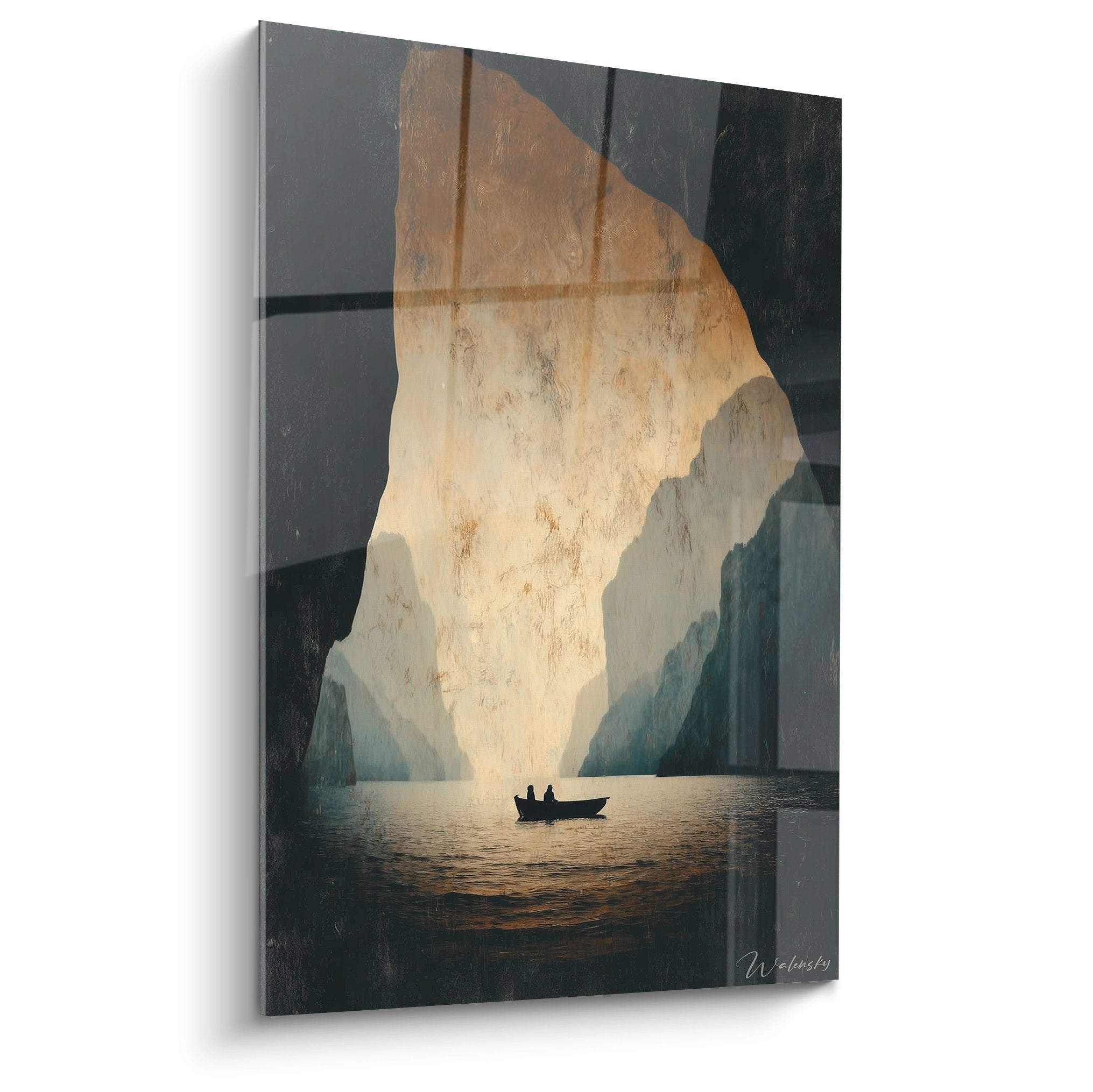
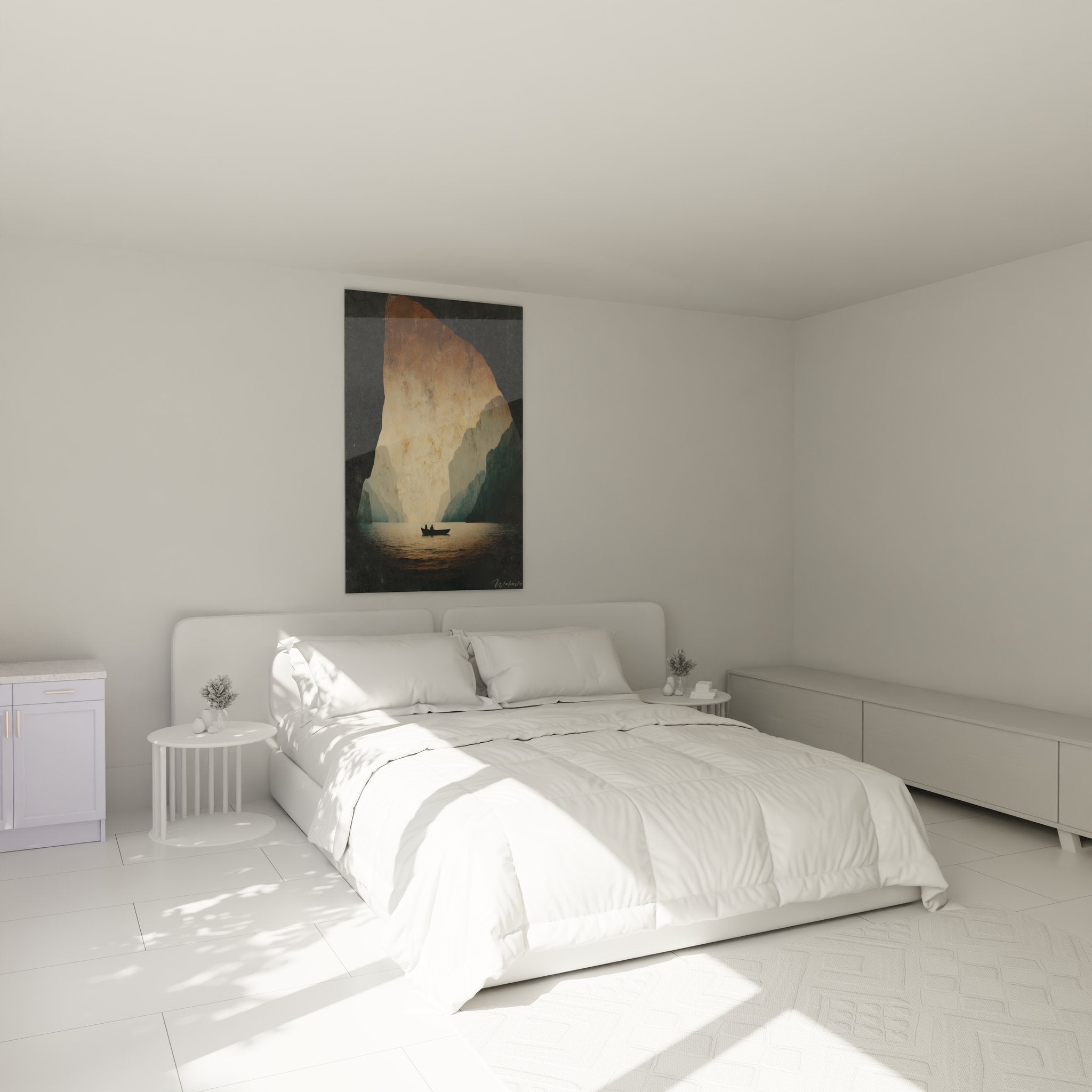
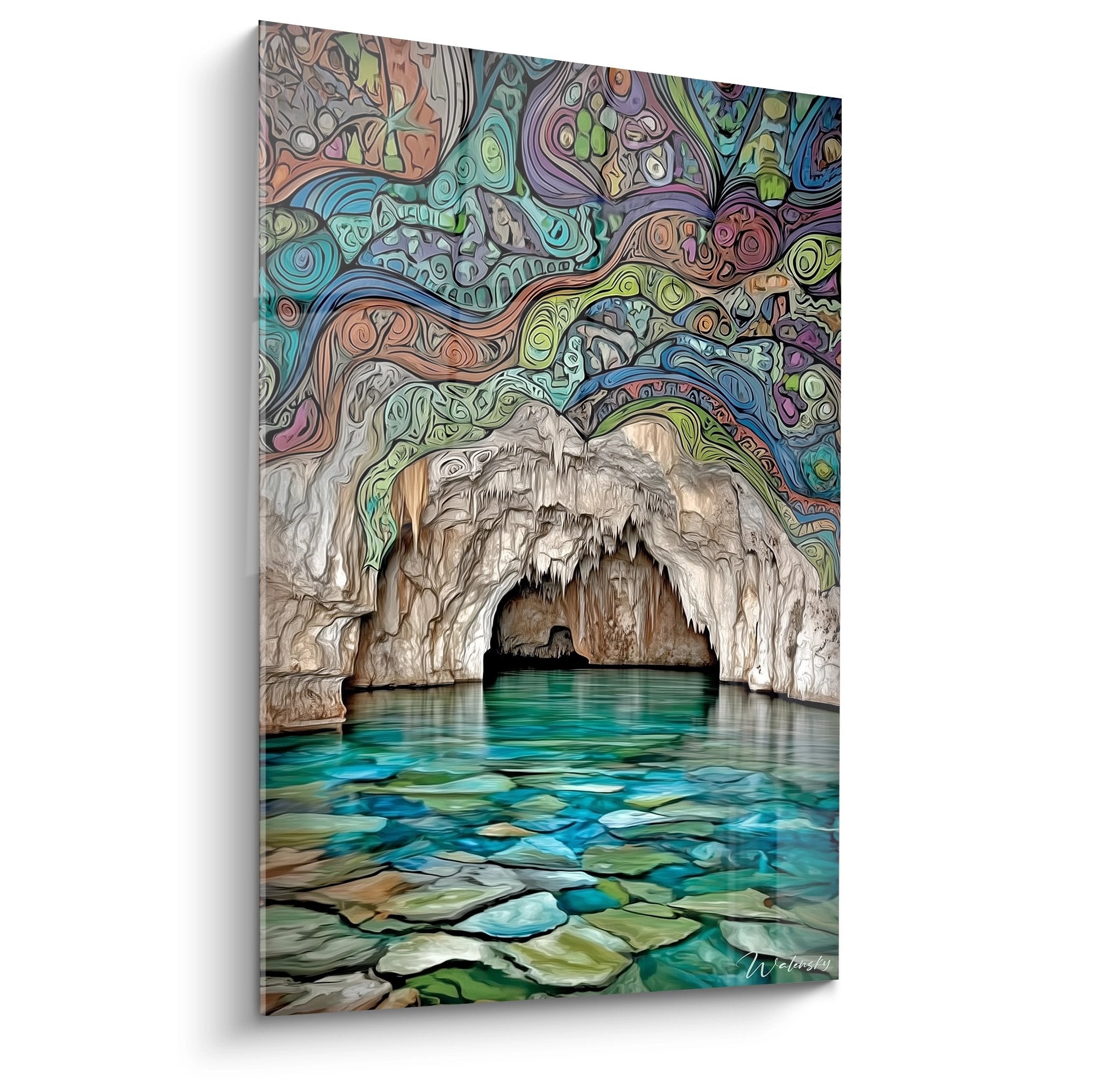
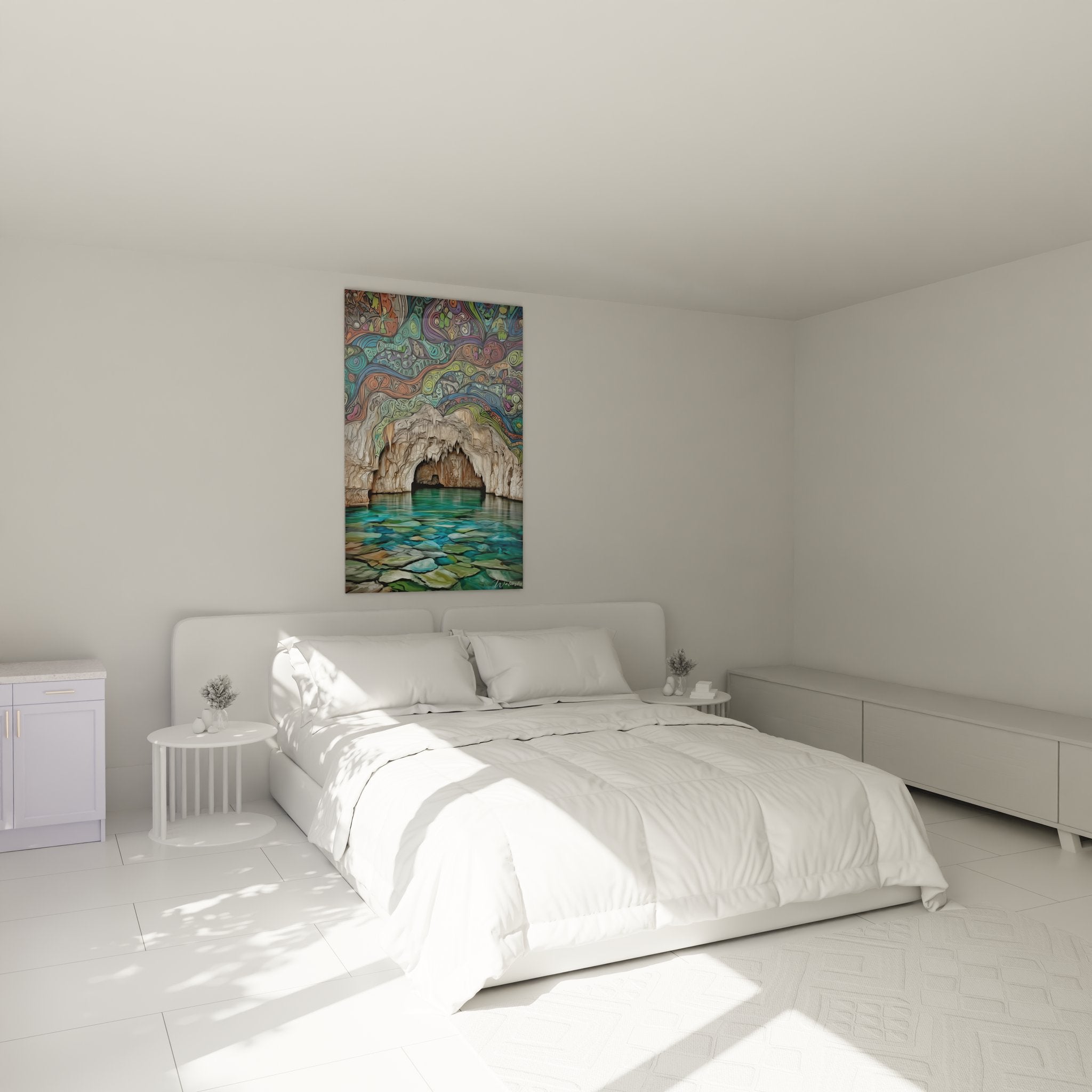
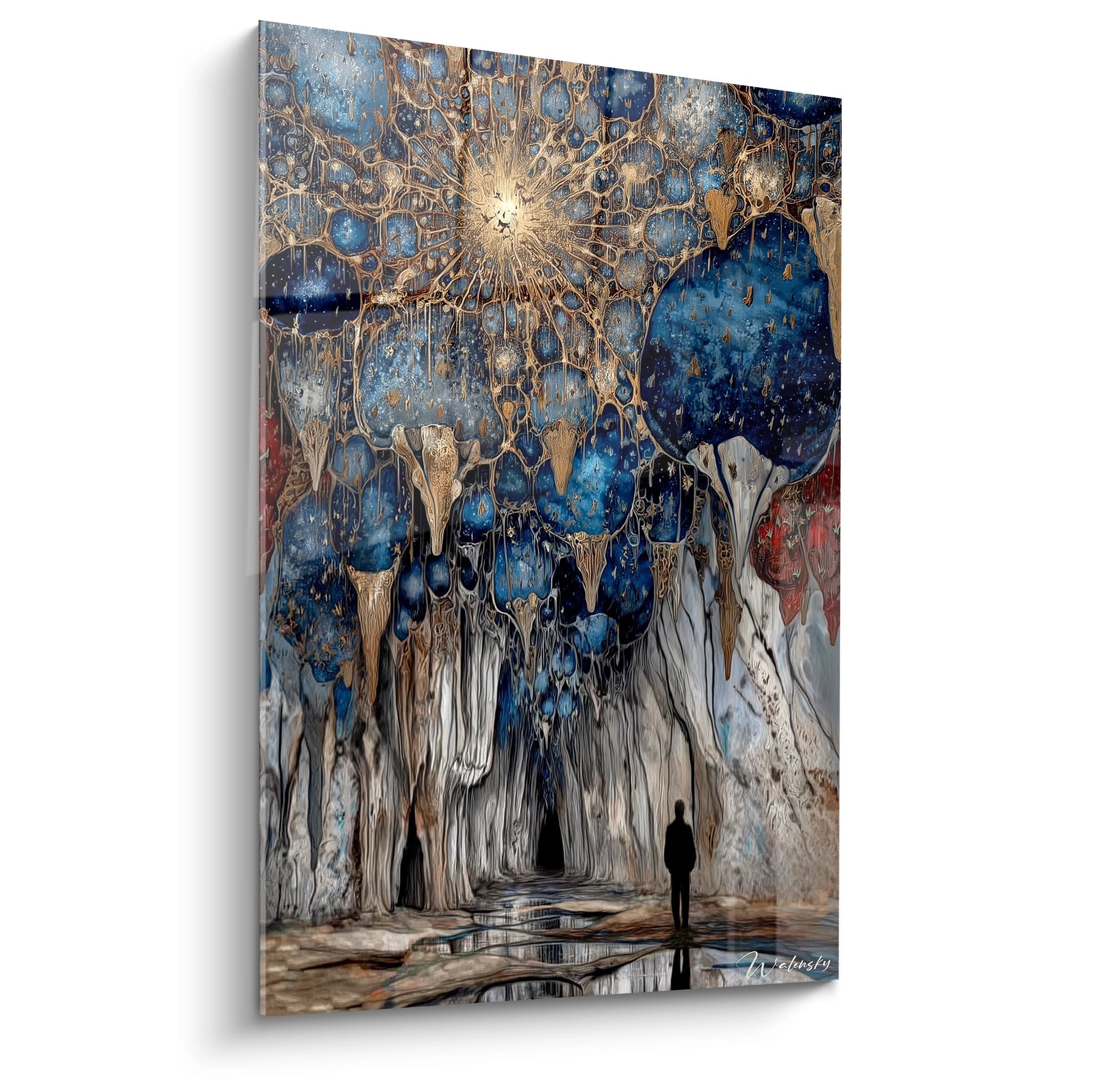
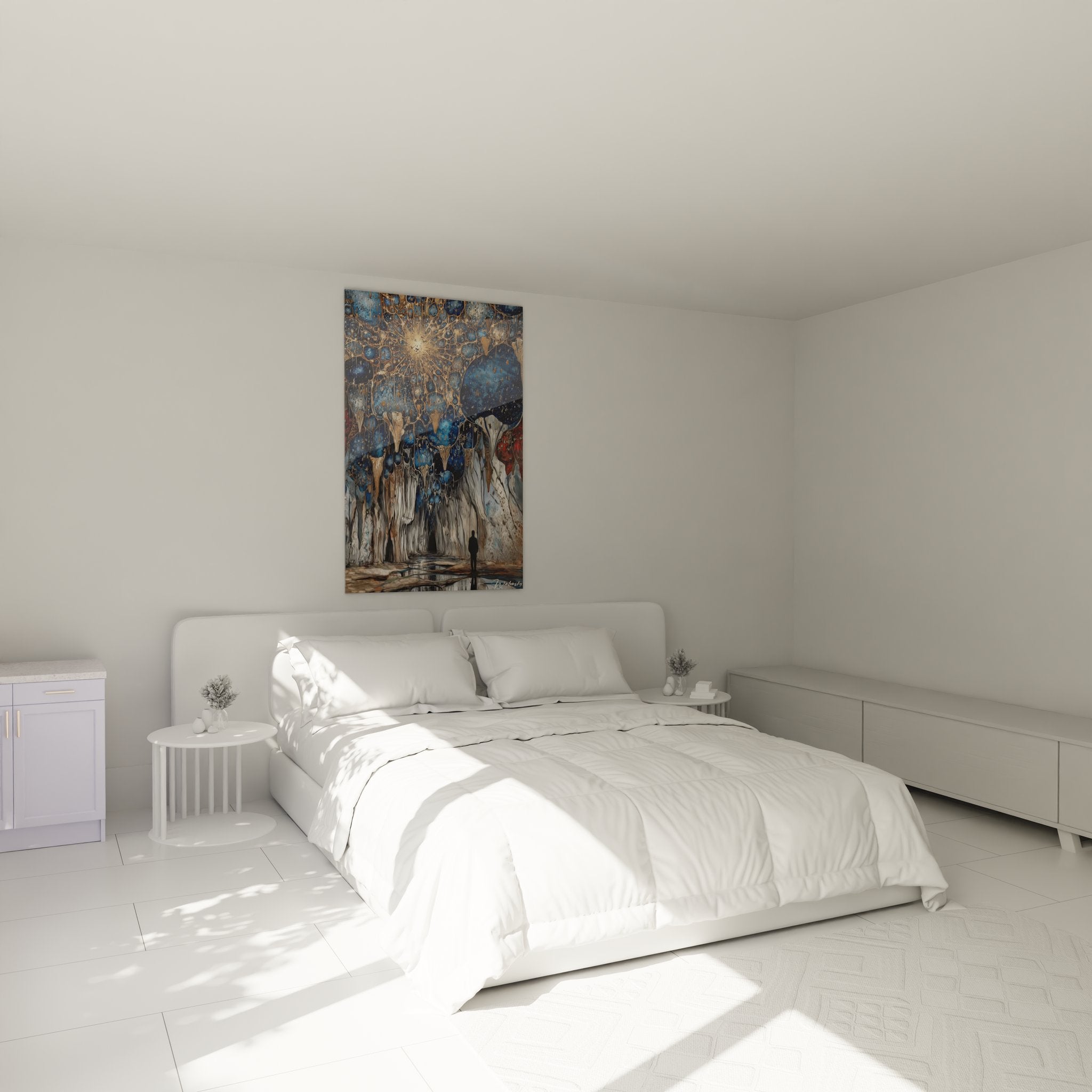
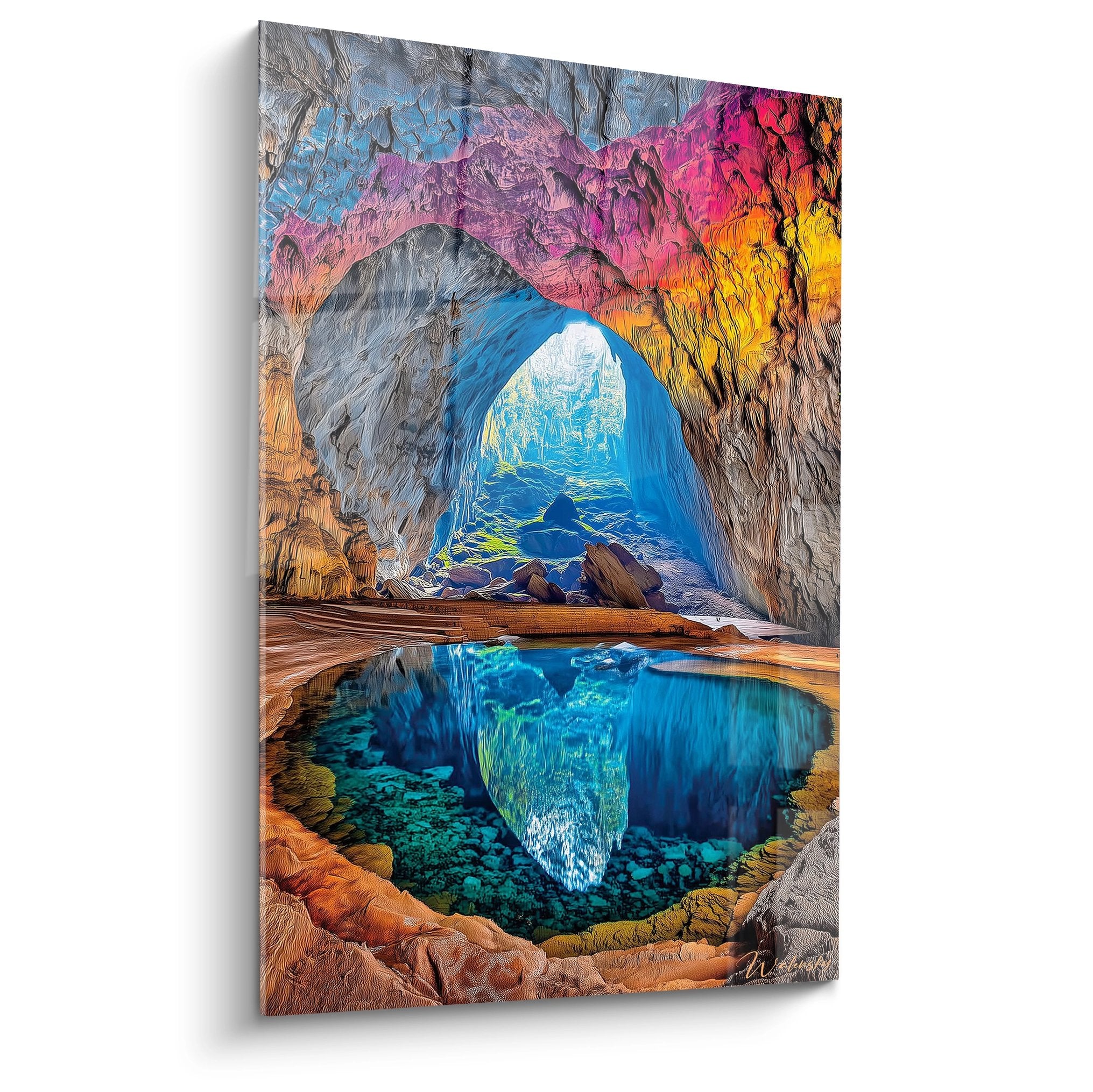
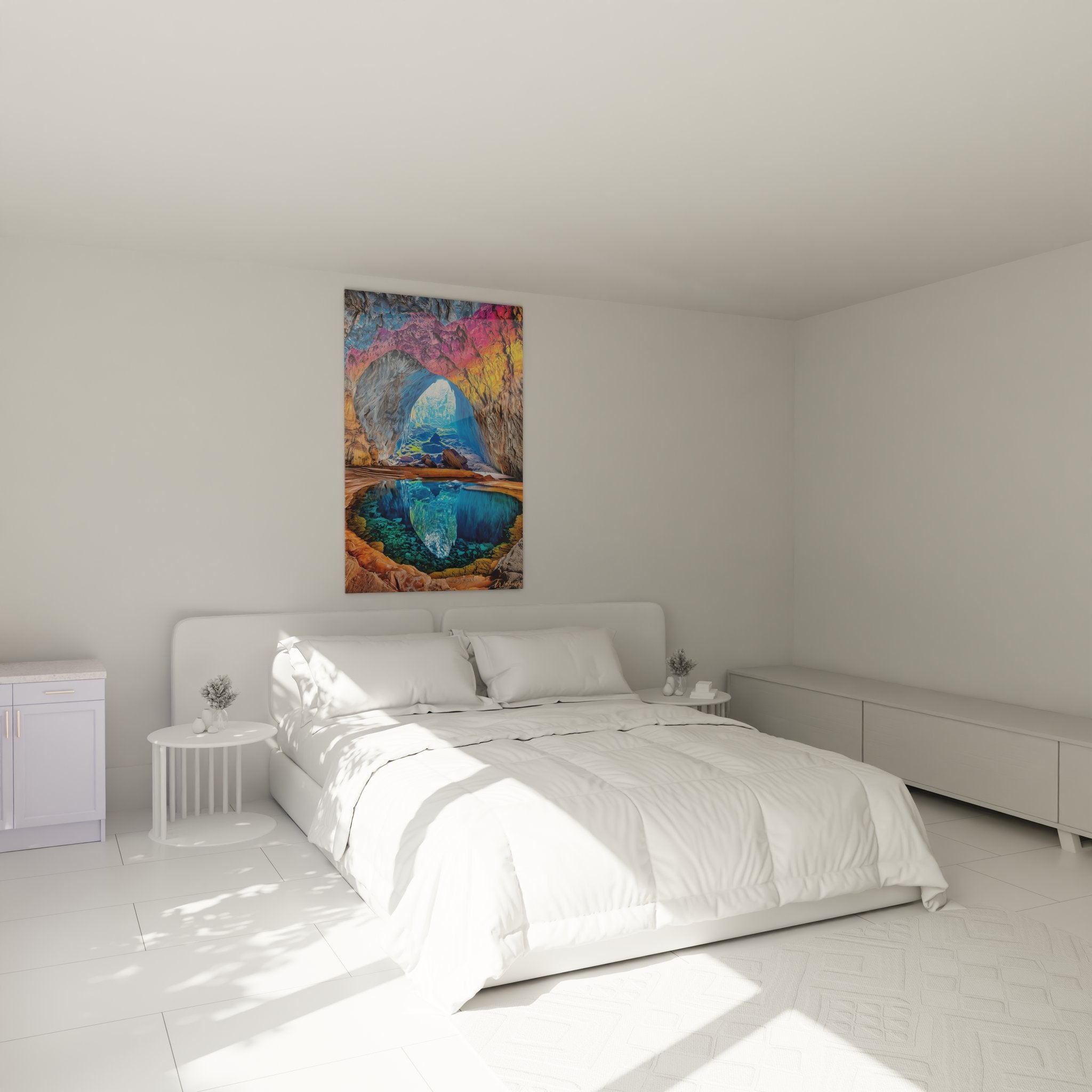
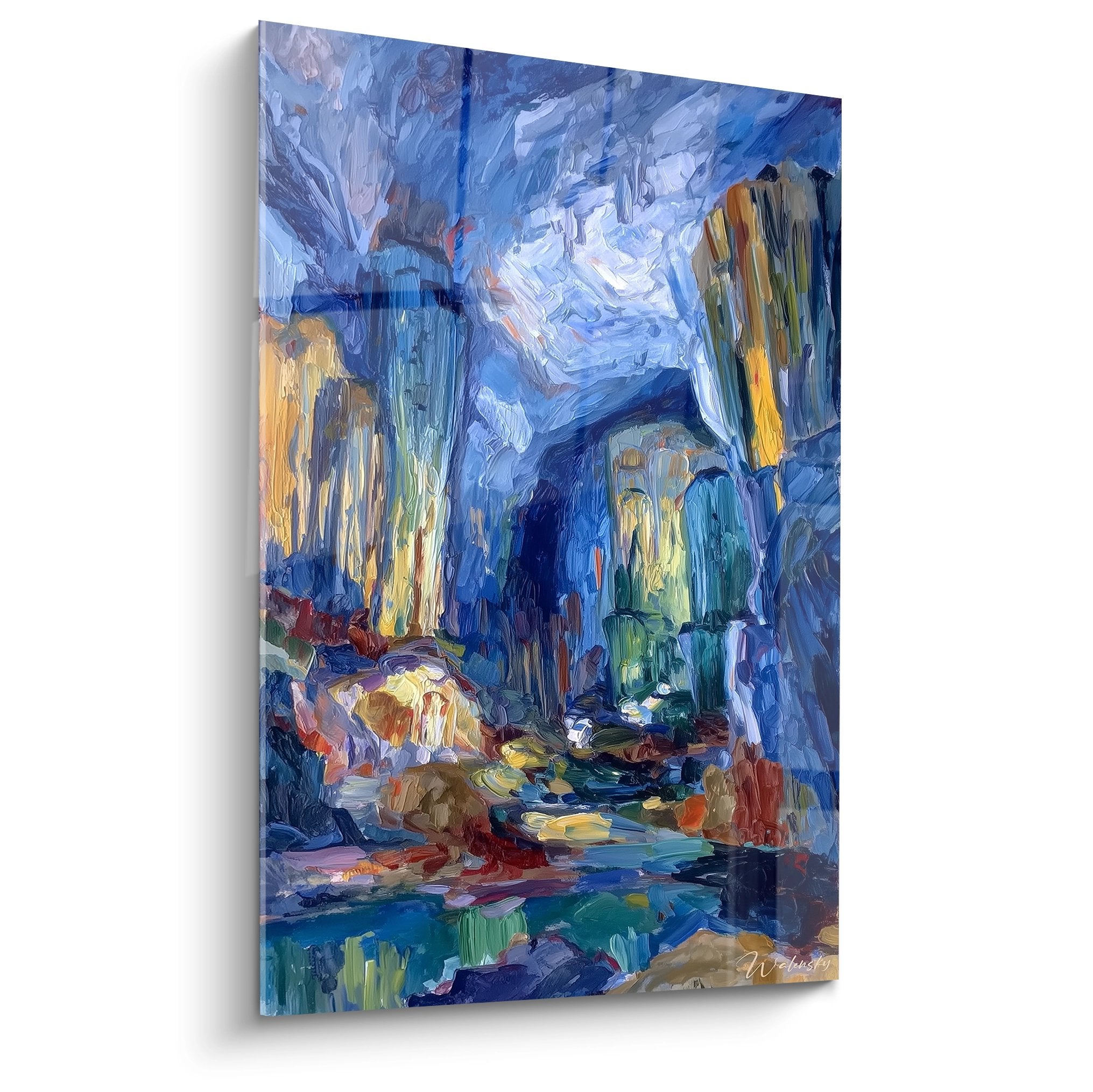
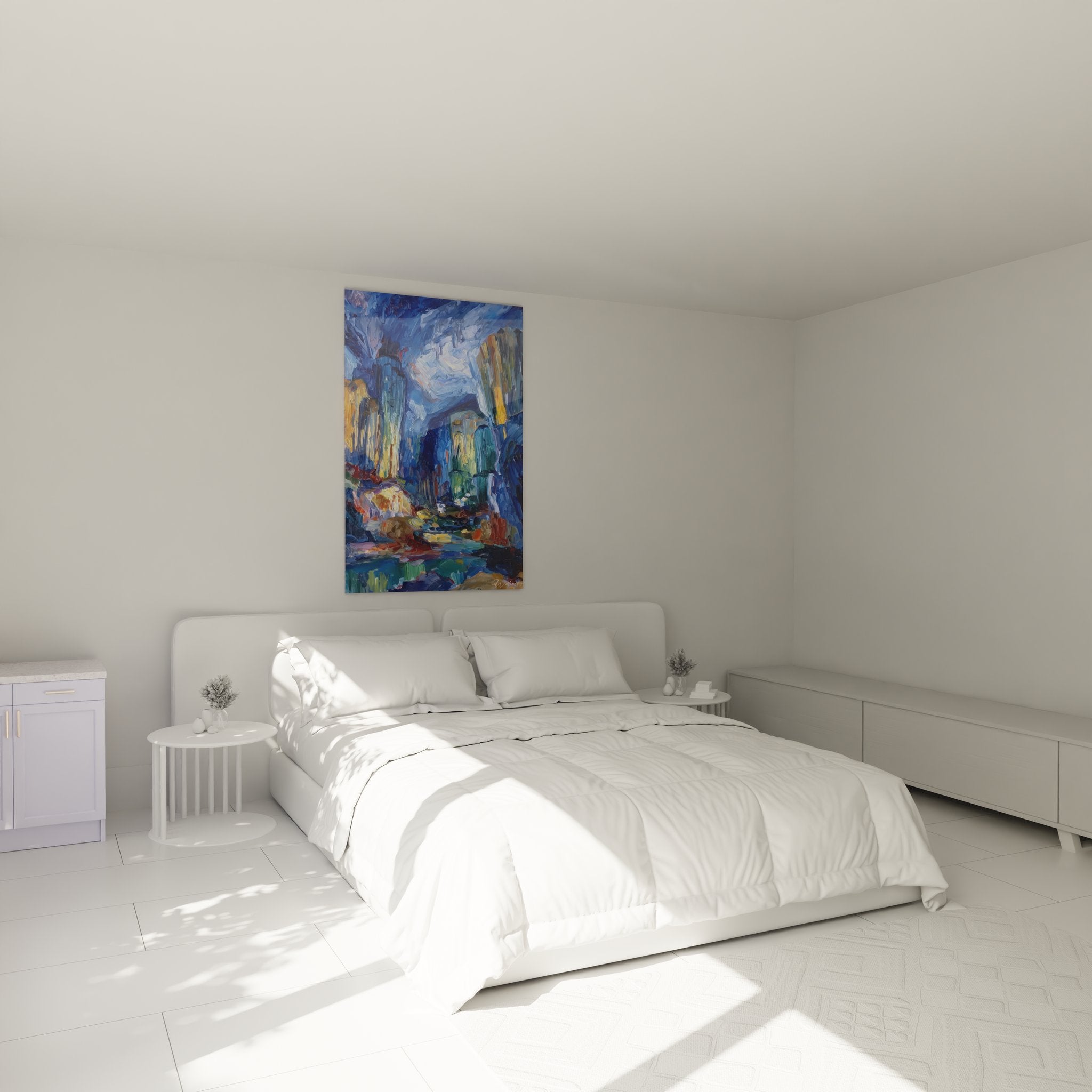
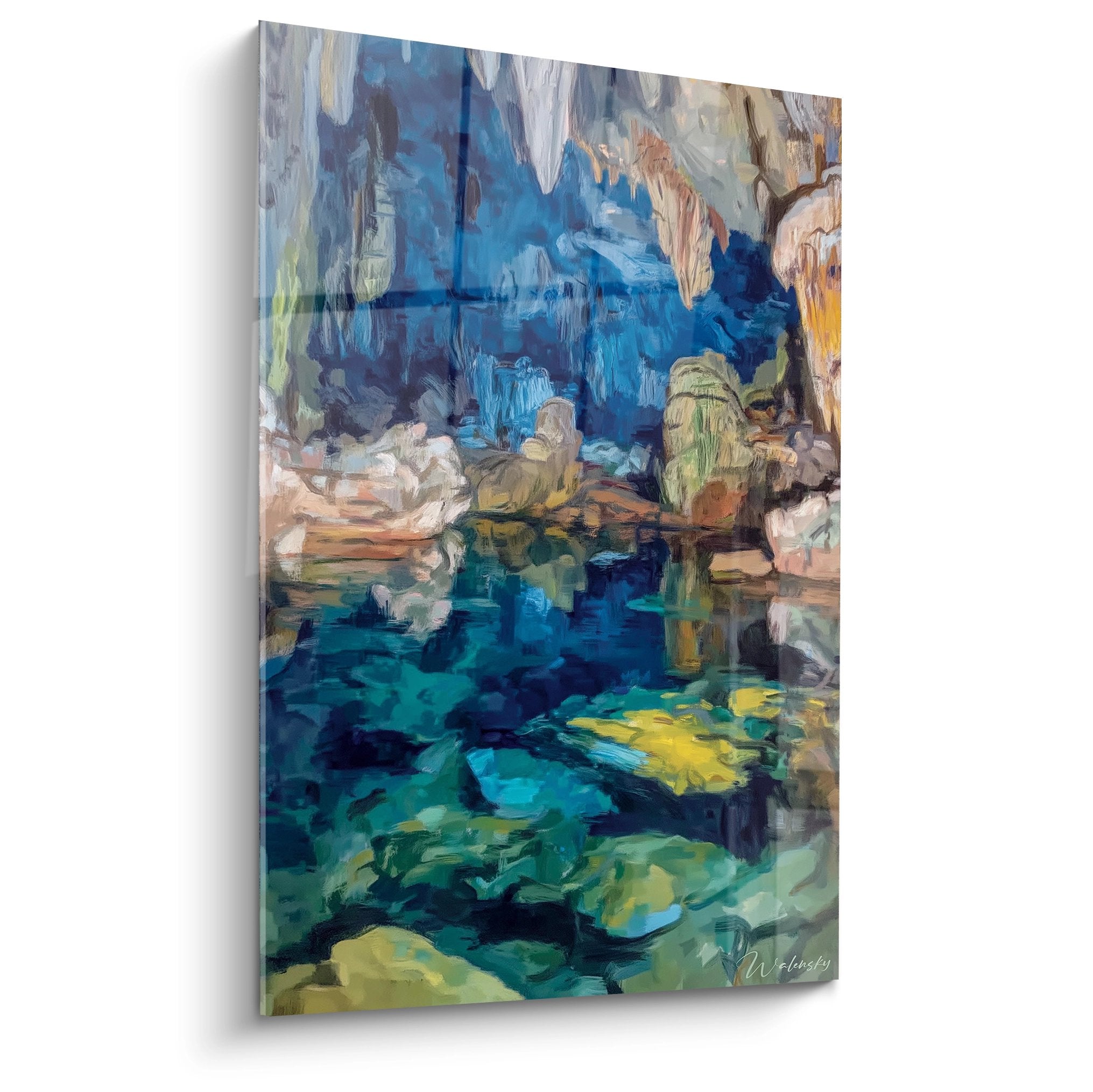
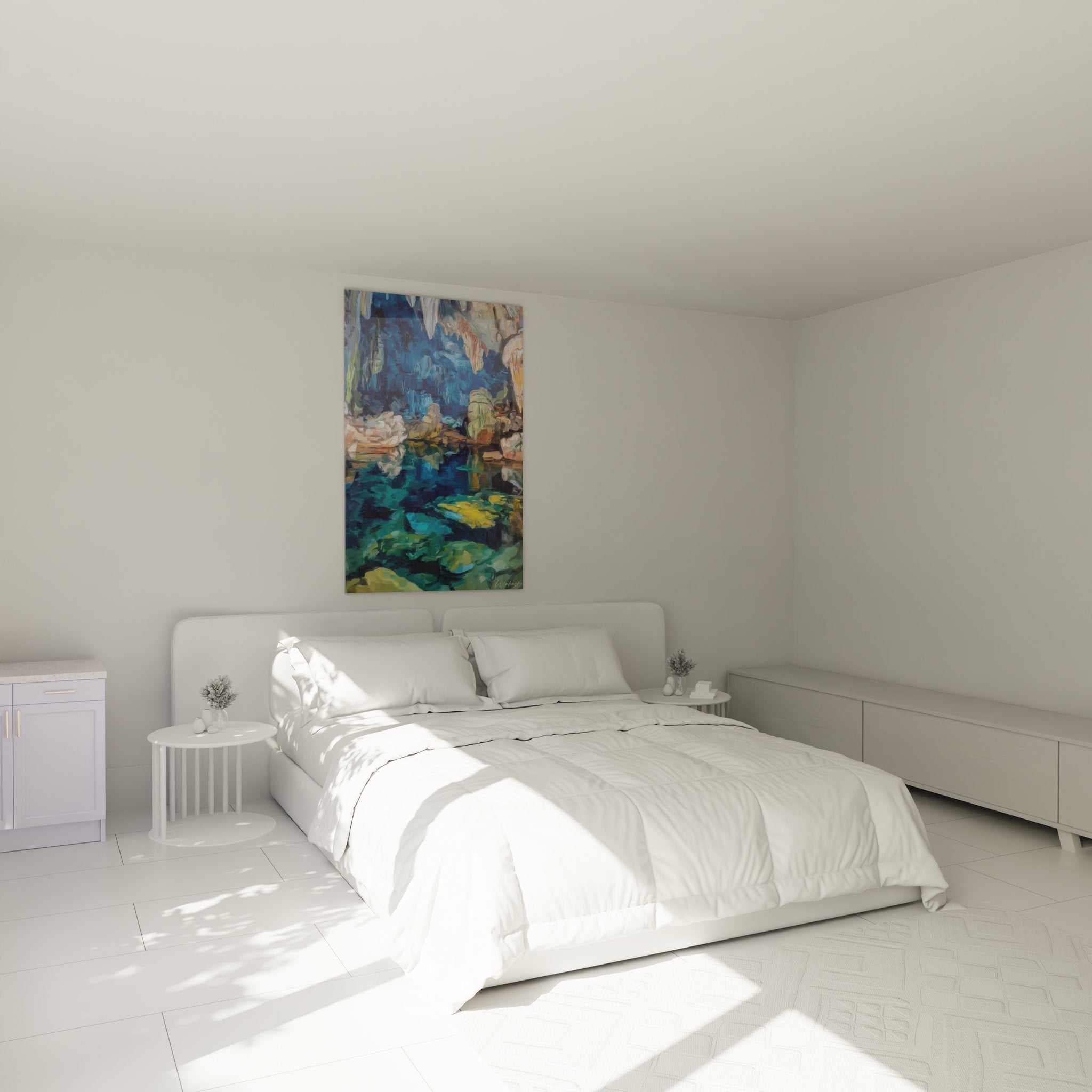
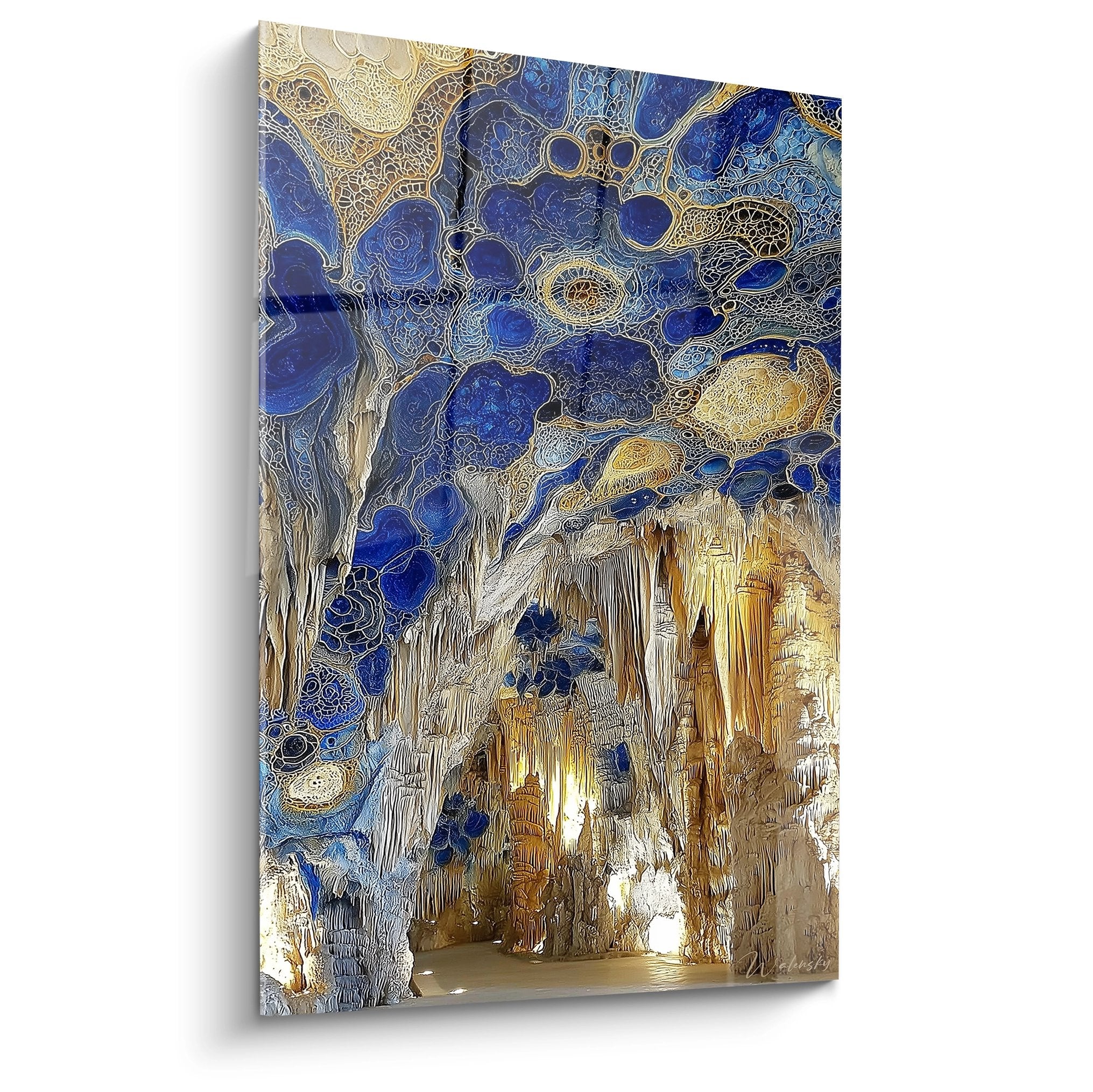
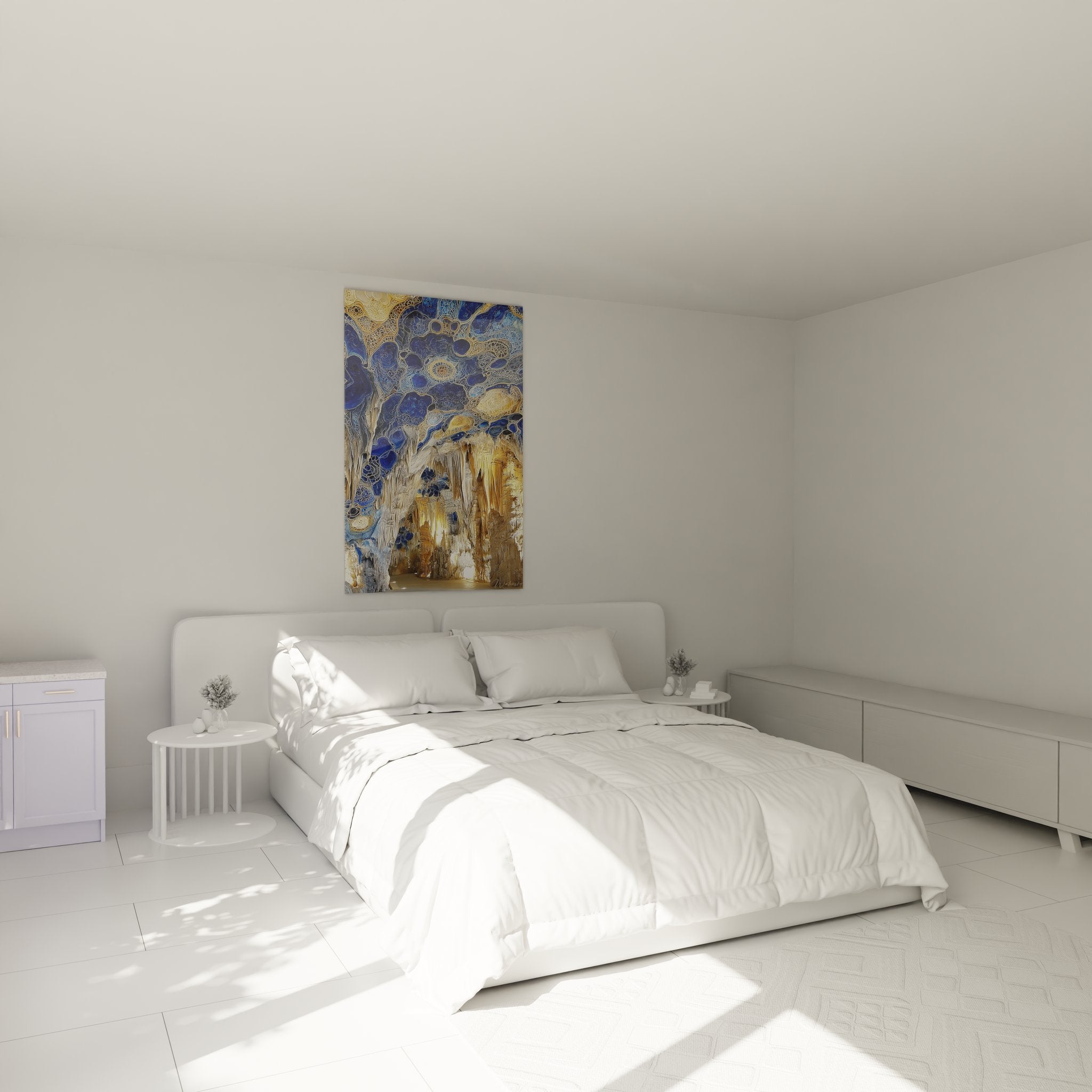
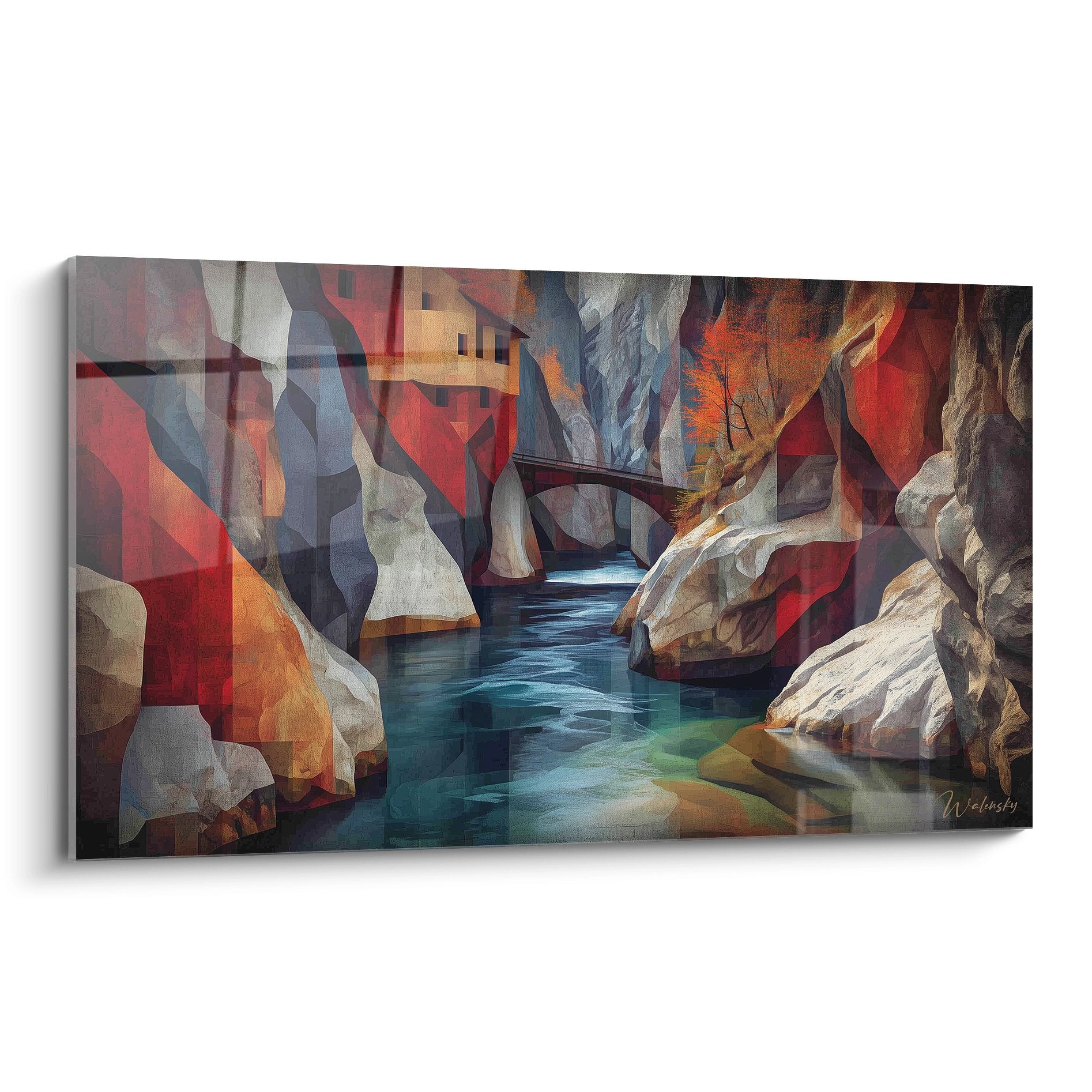
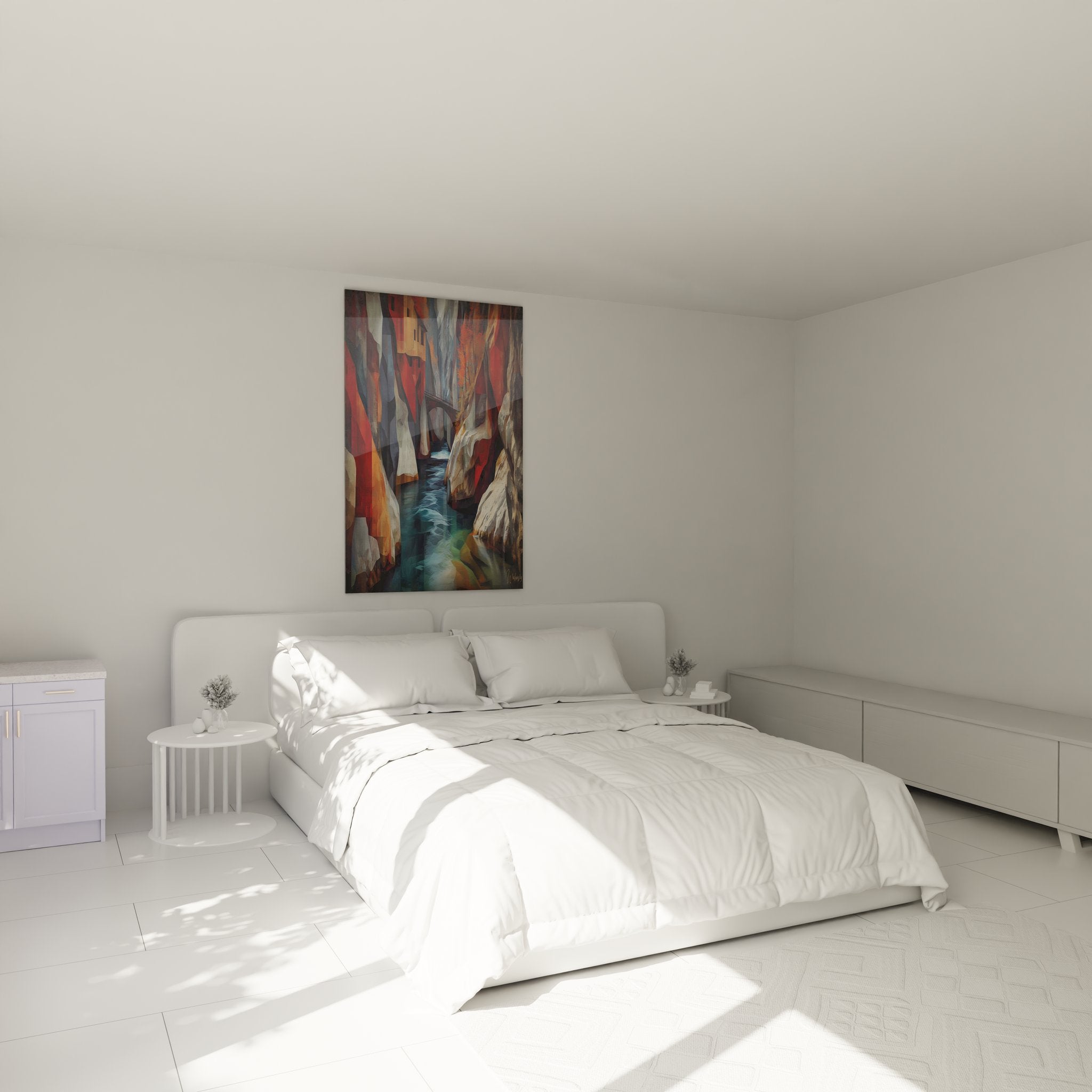
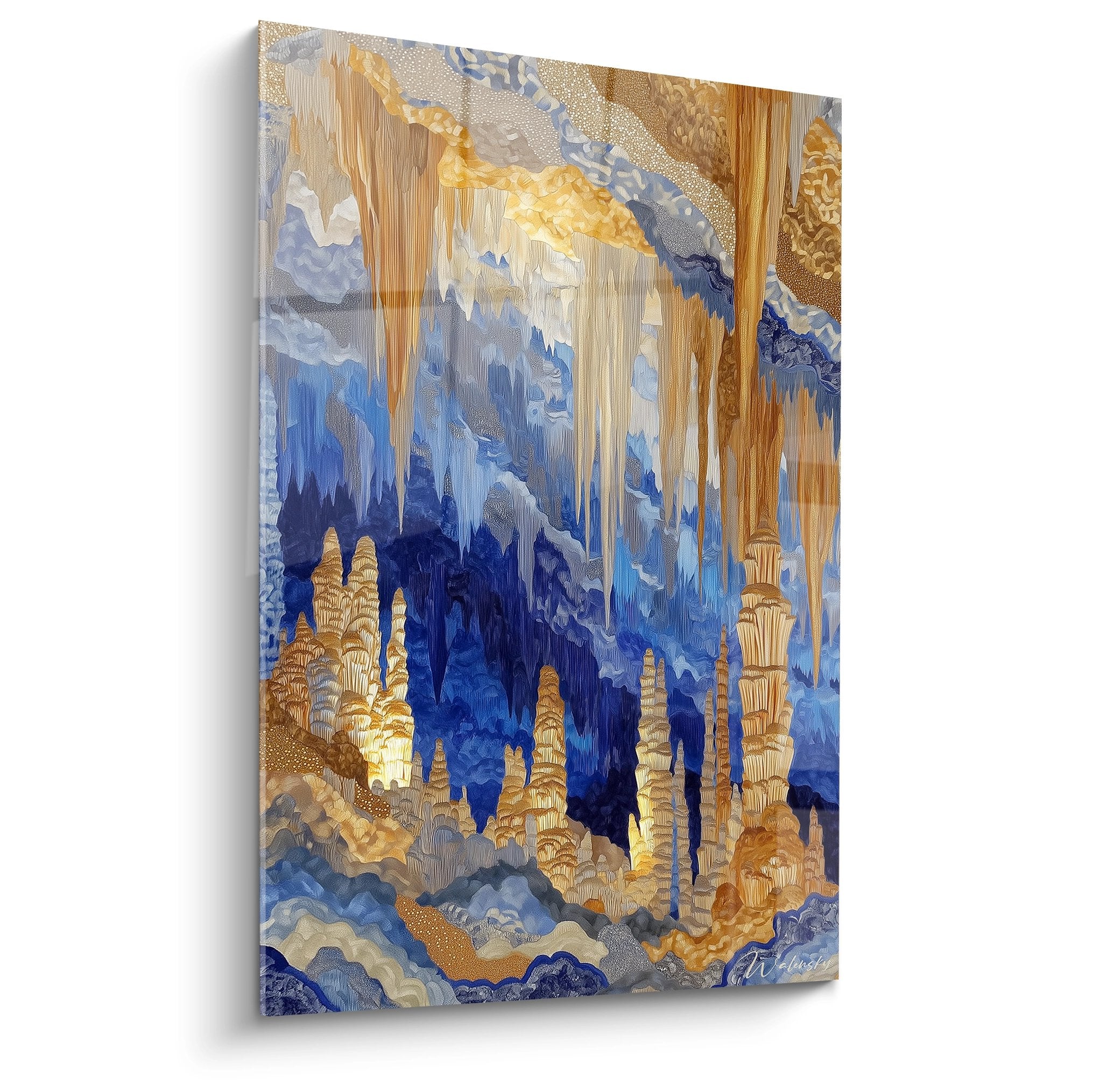
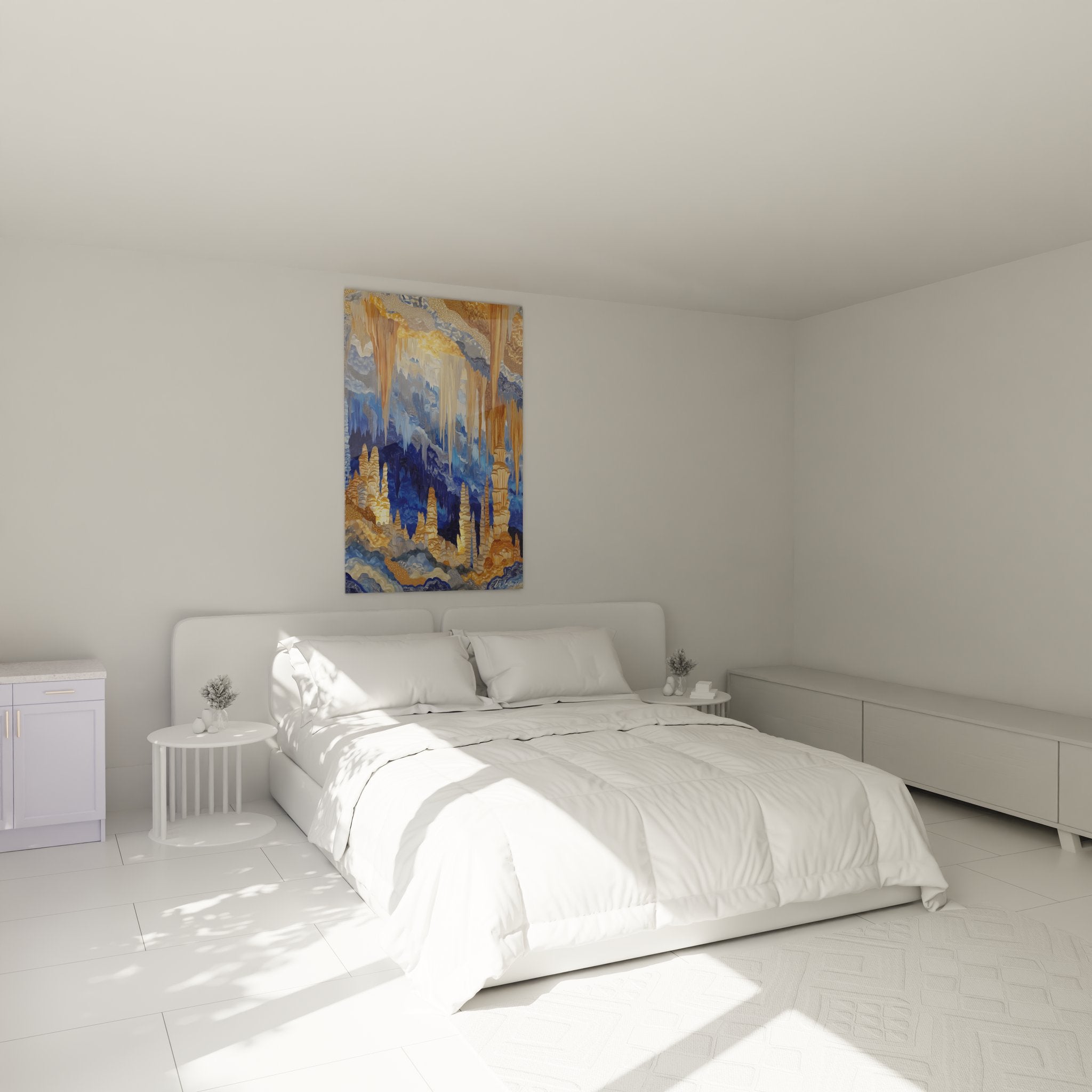
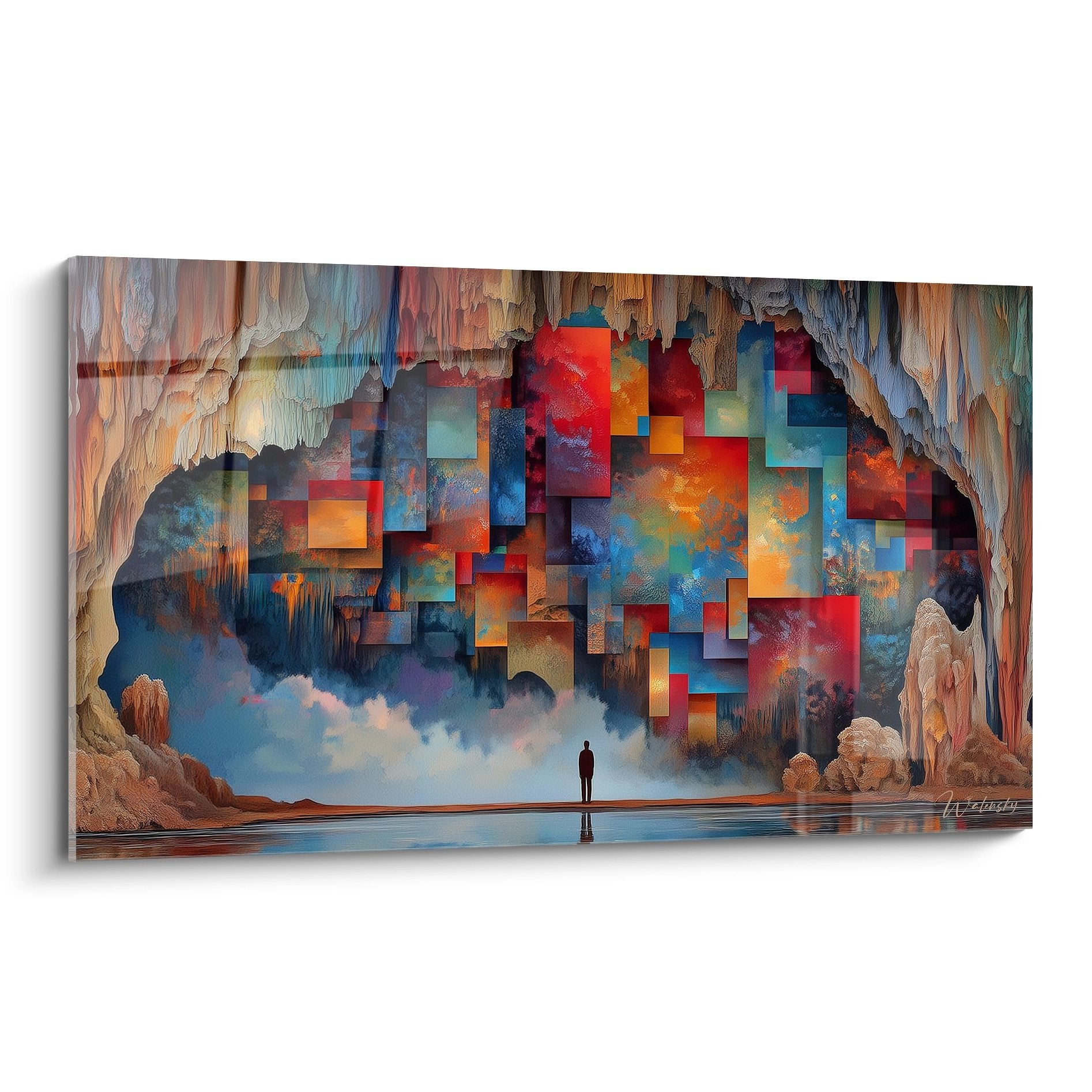
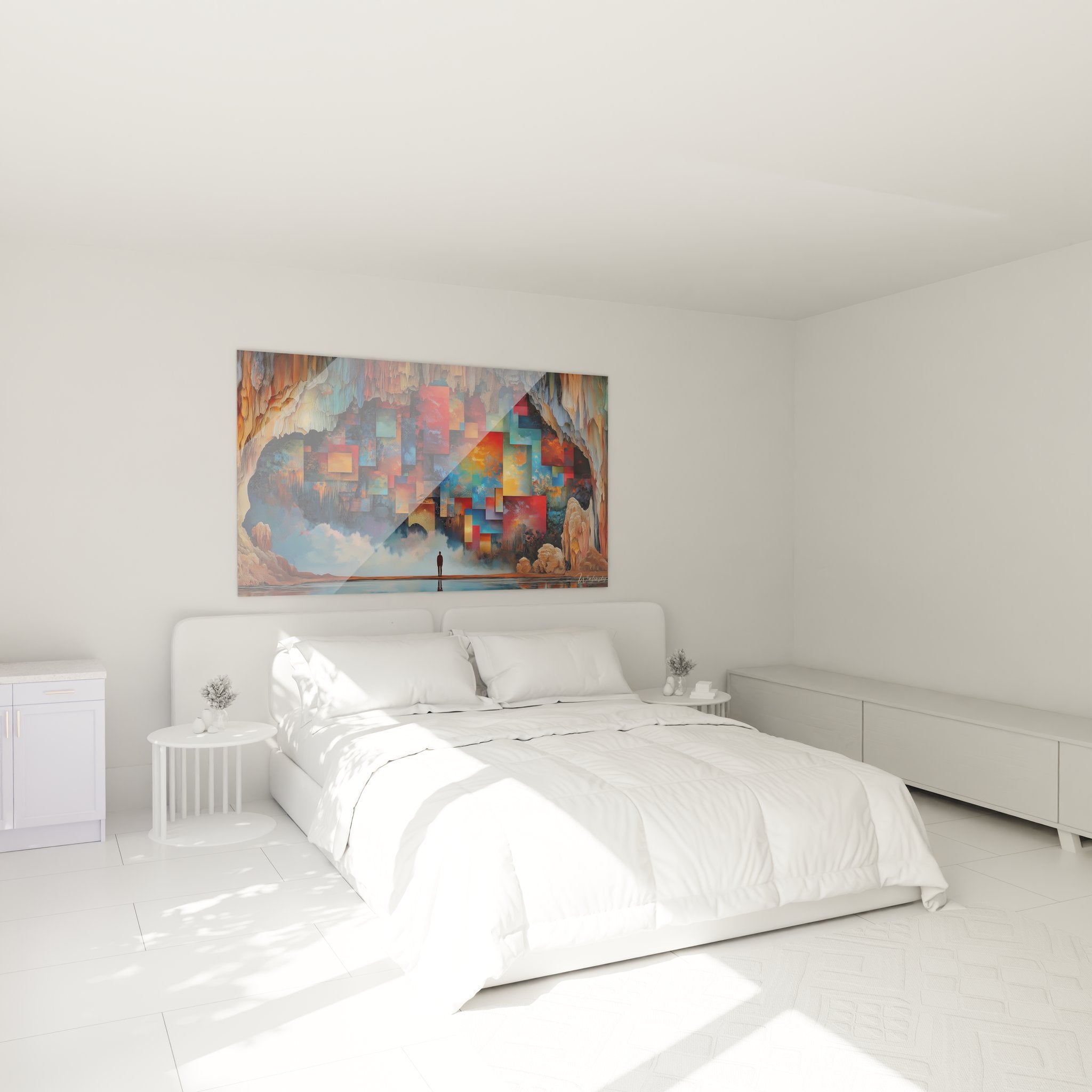
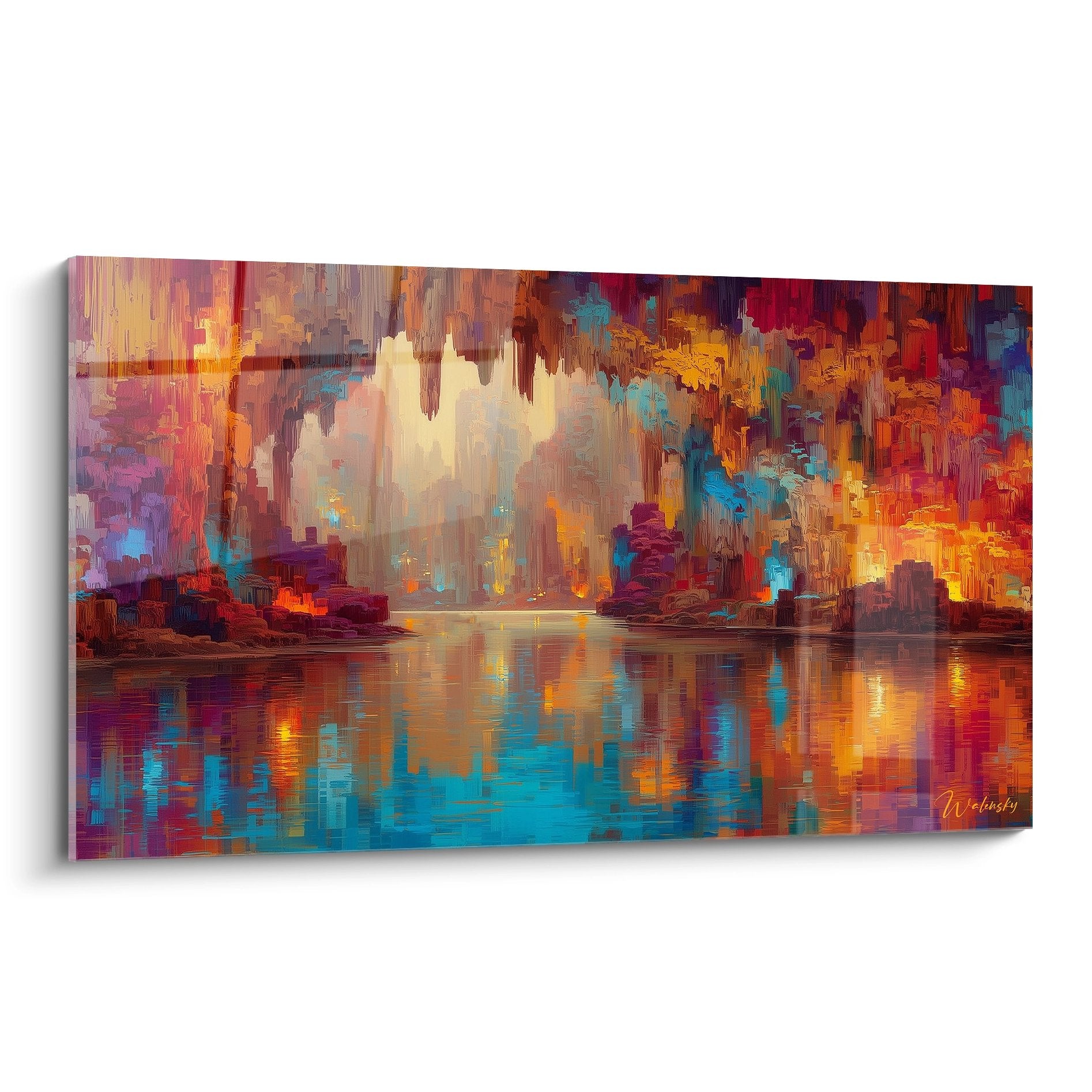
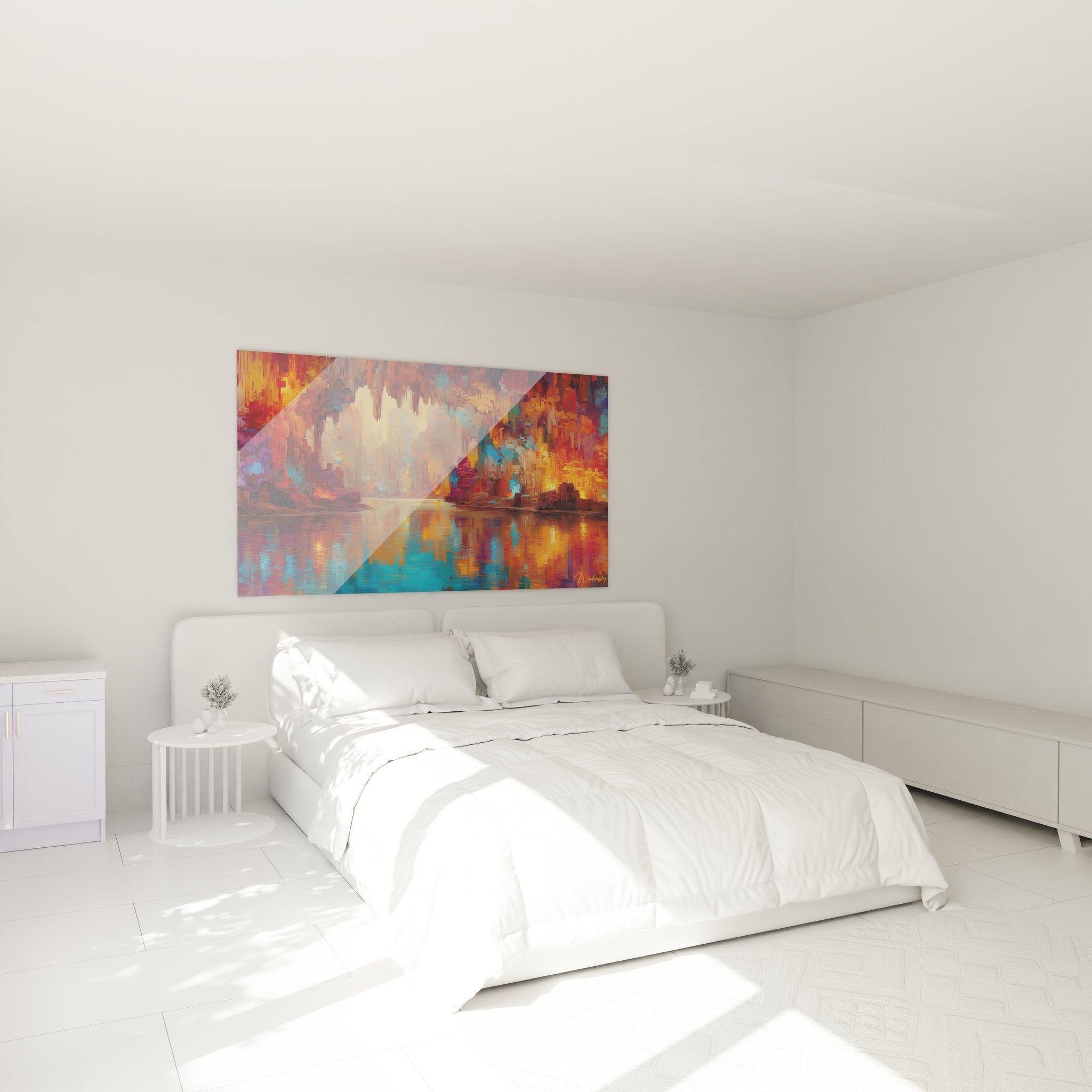
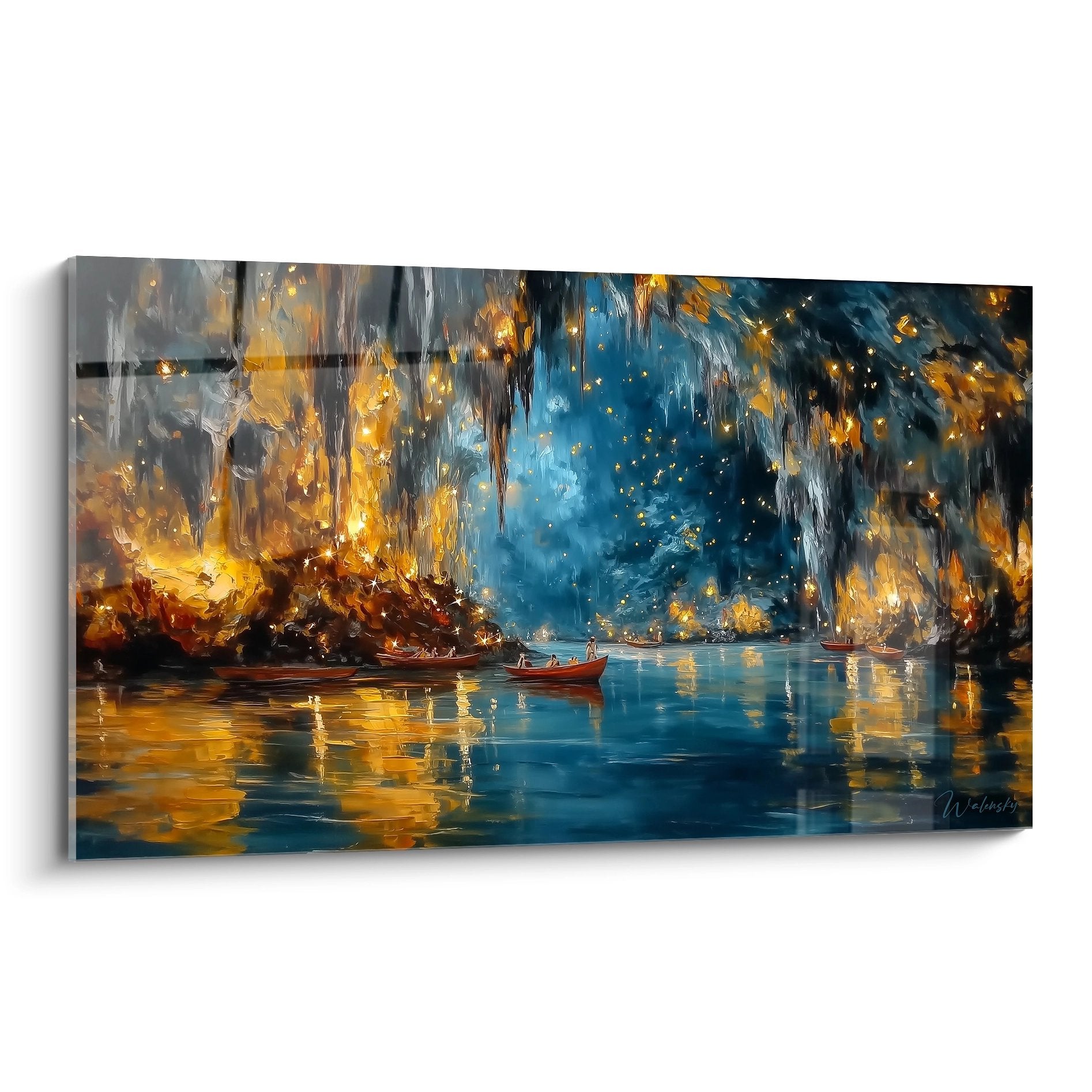
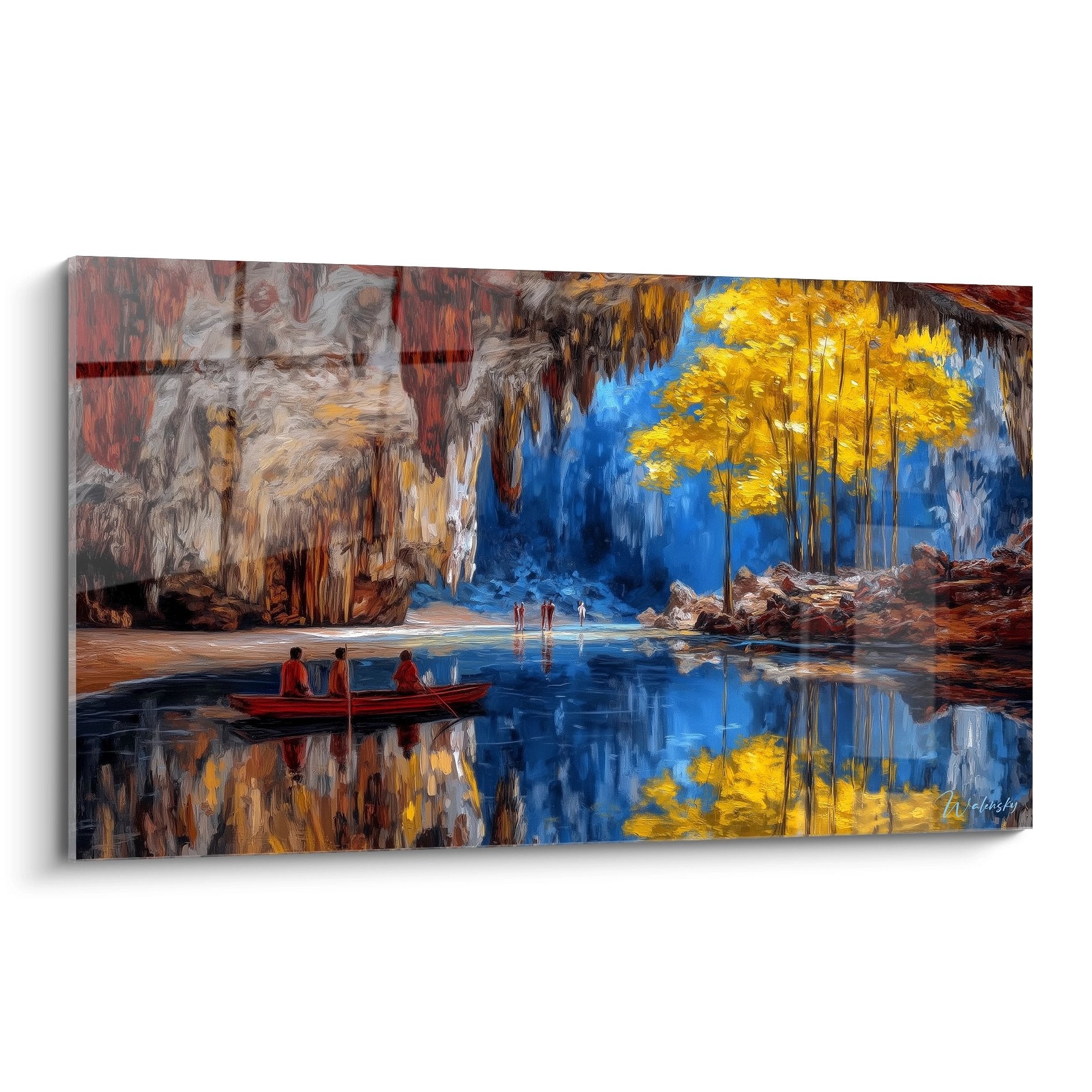
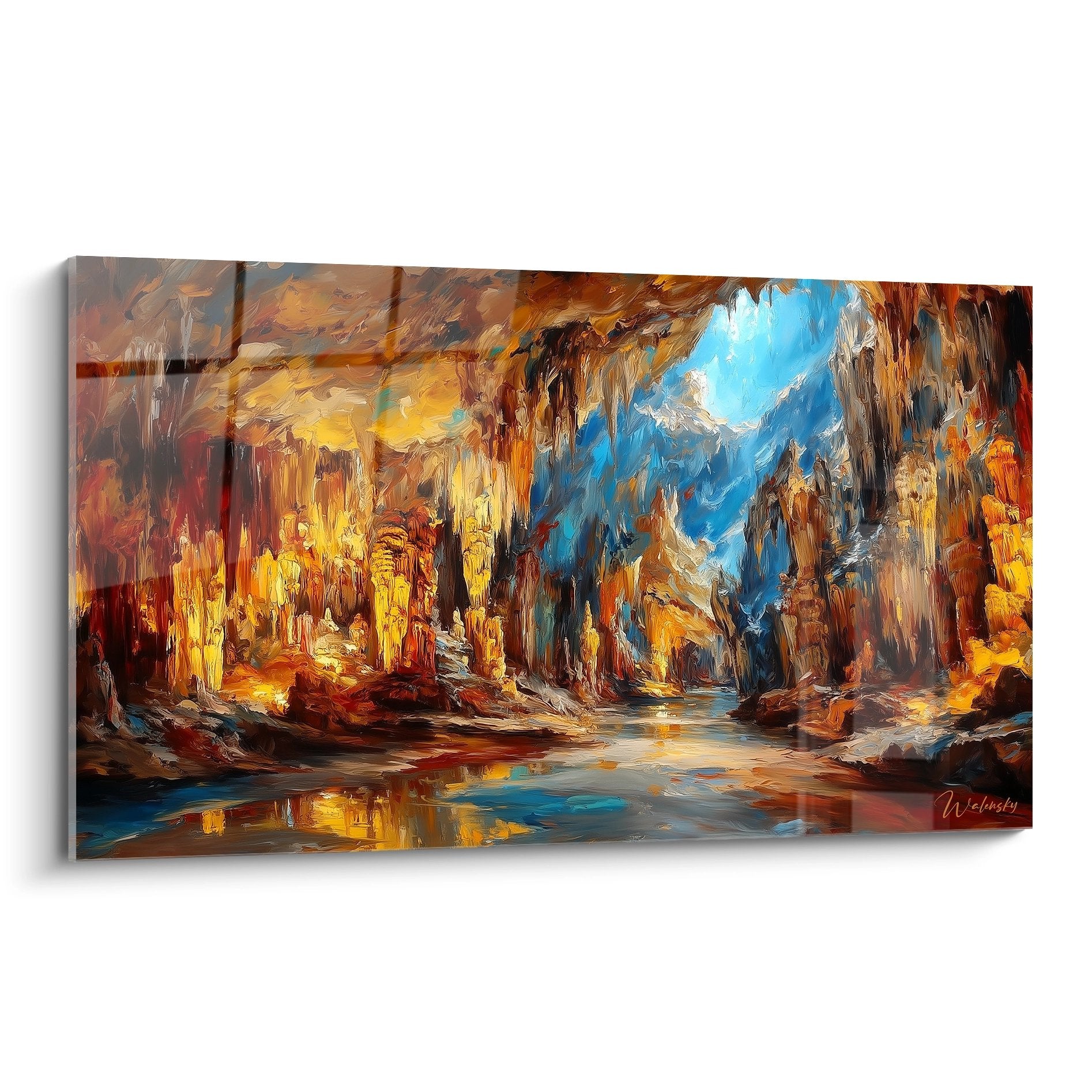
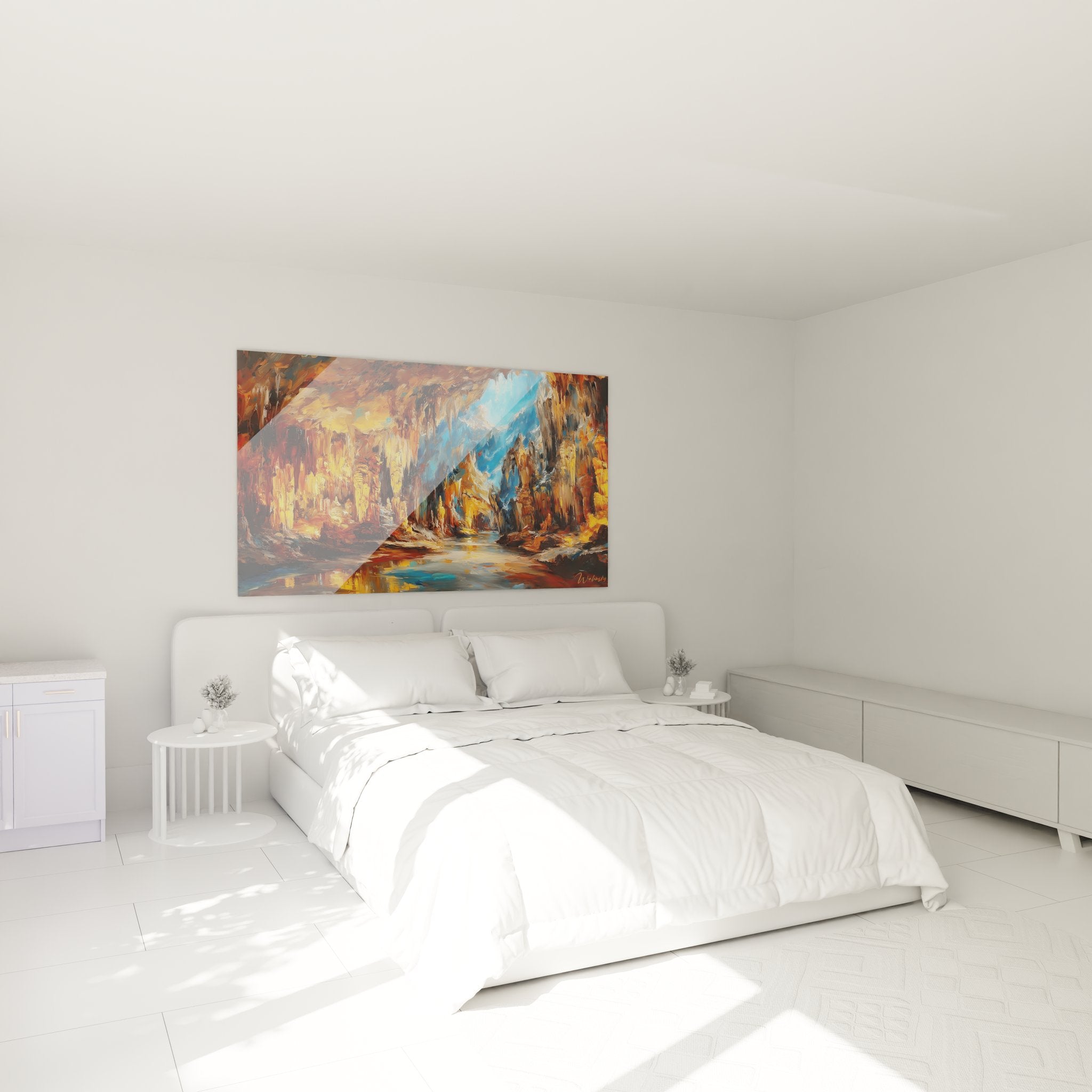
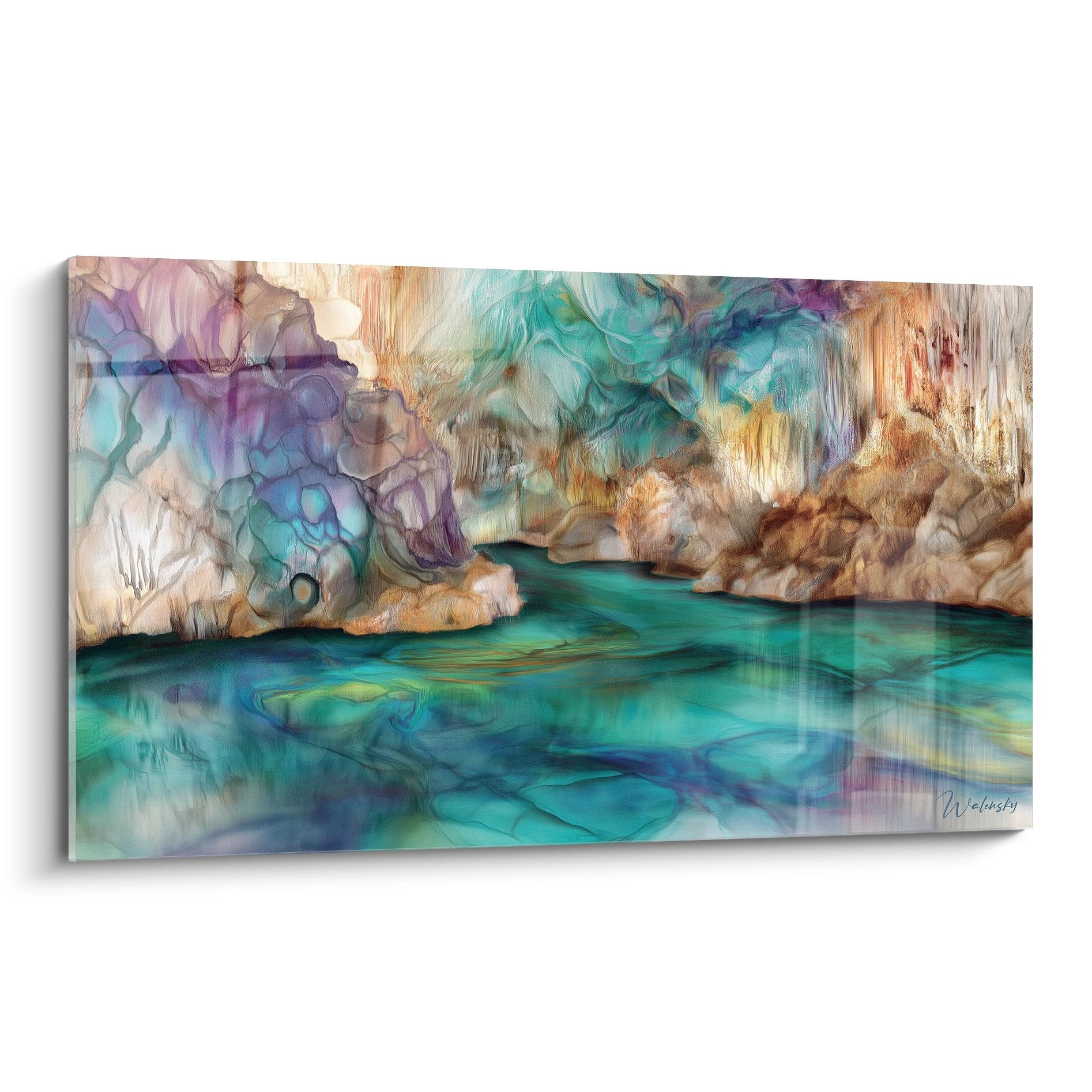
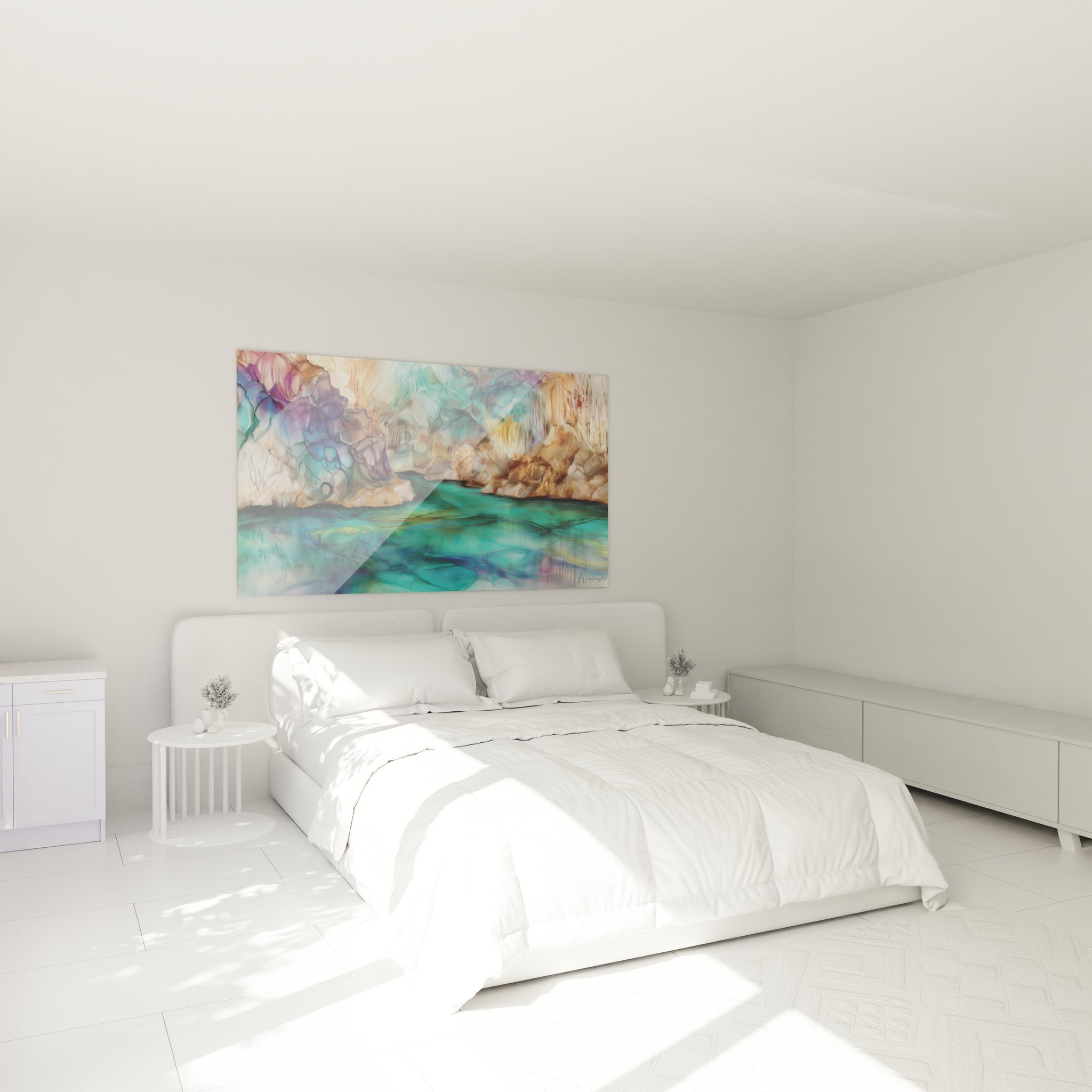
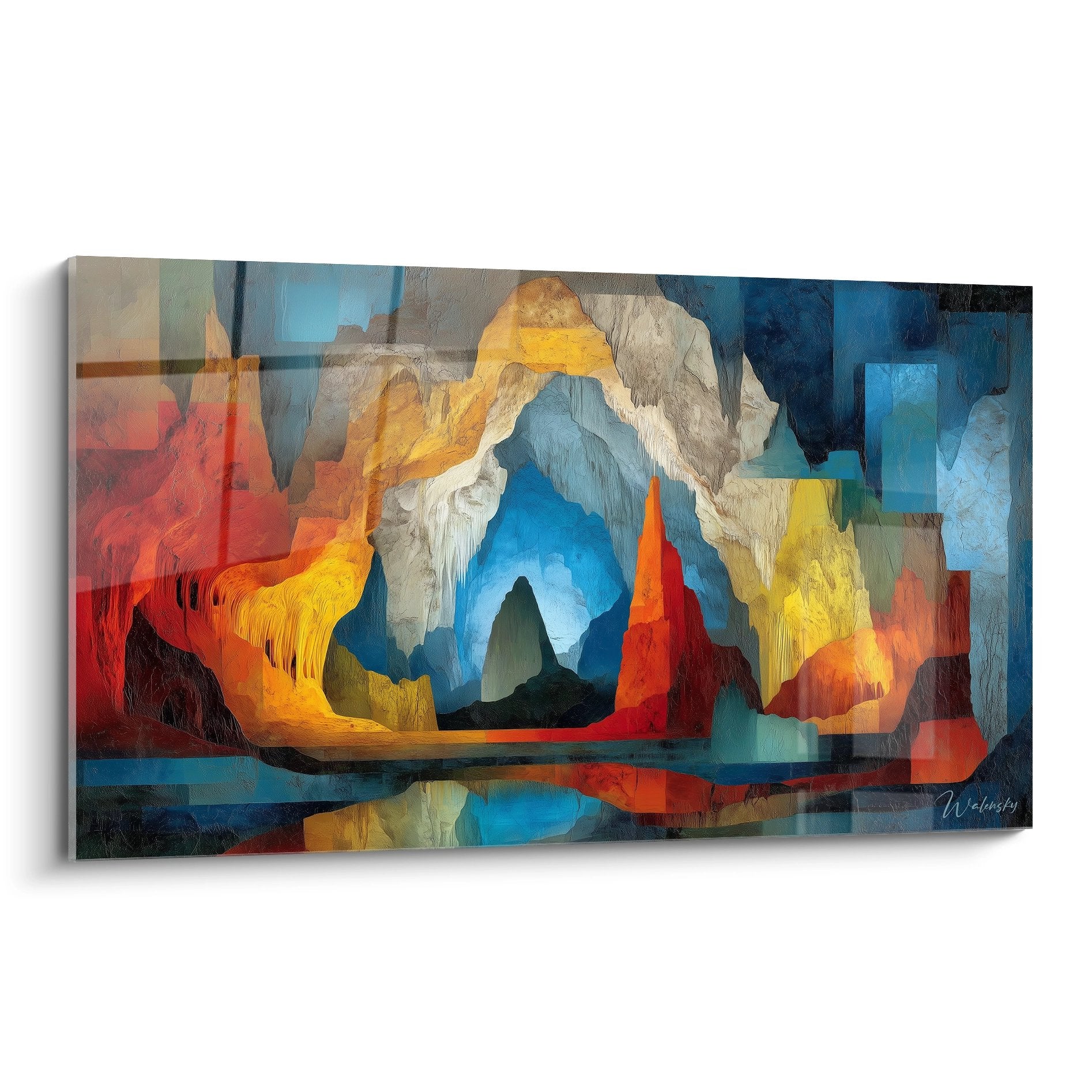
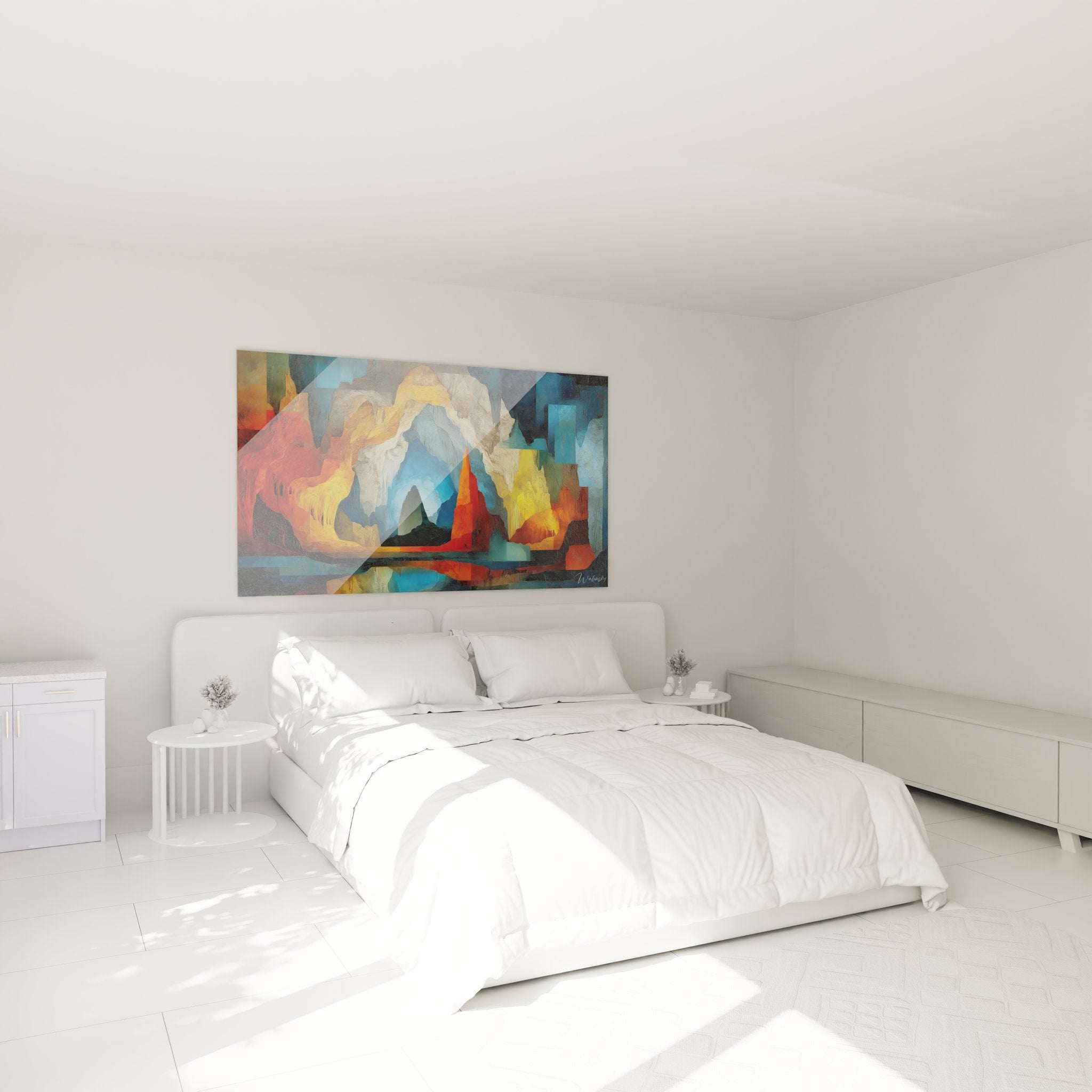
- Natural Cave Wall Art Presentation
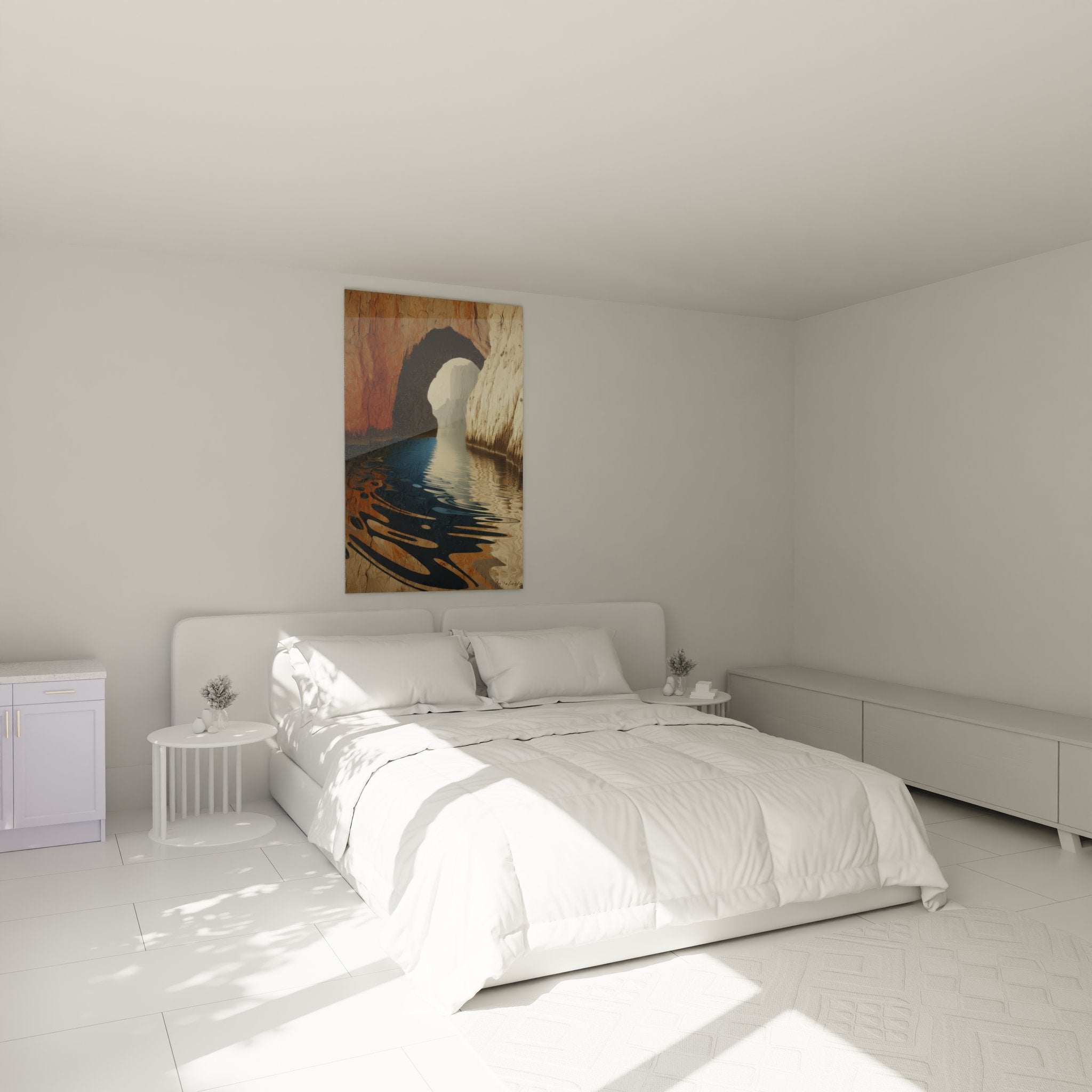
- Natural Cave Wall Art: Underground Atmospheres
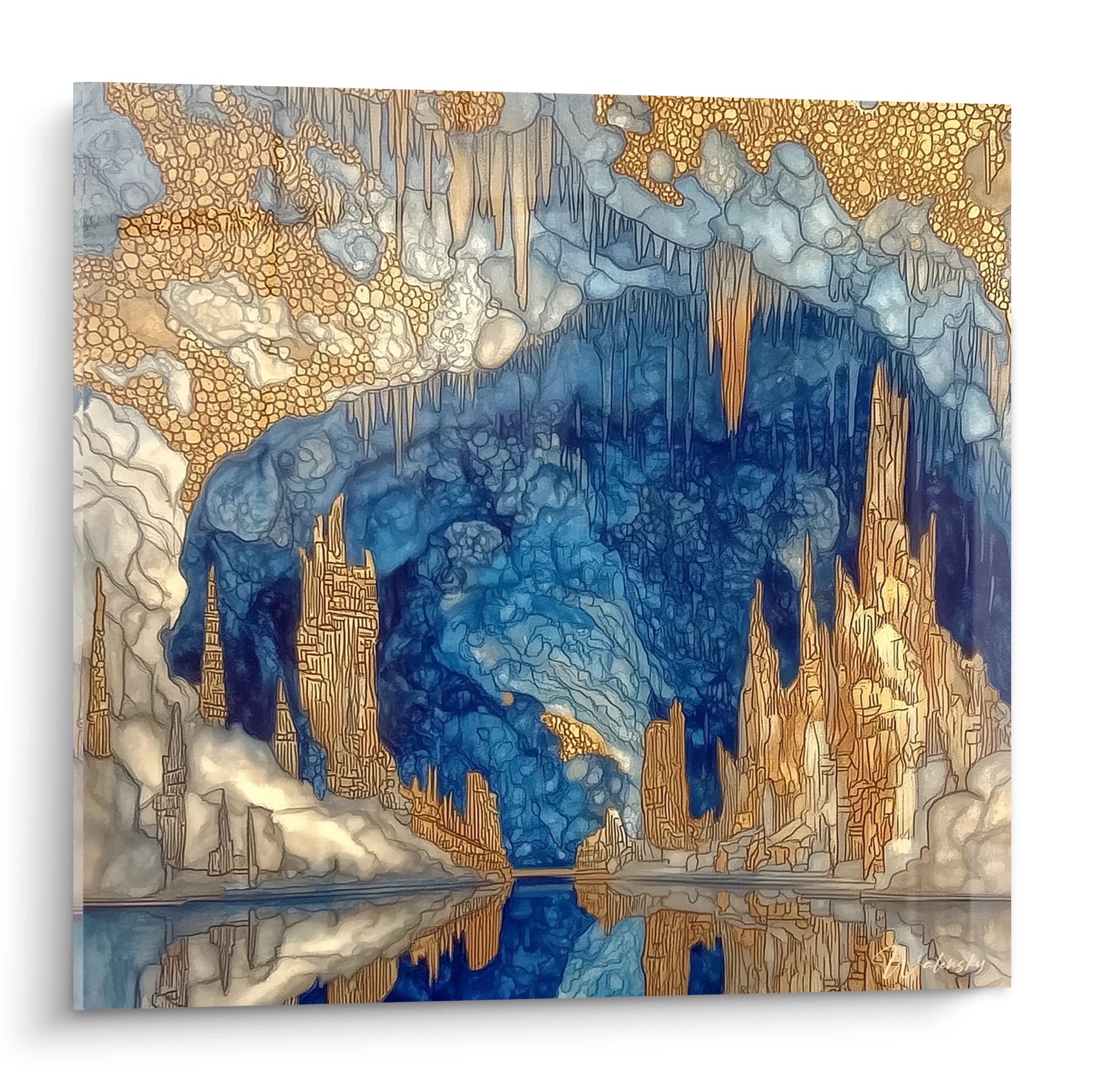
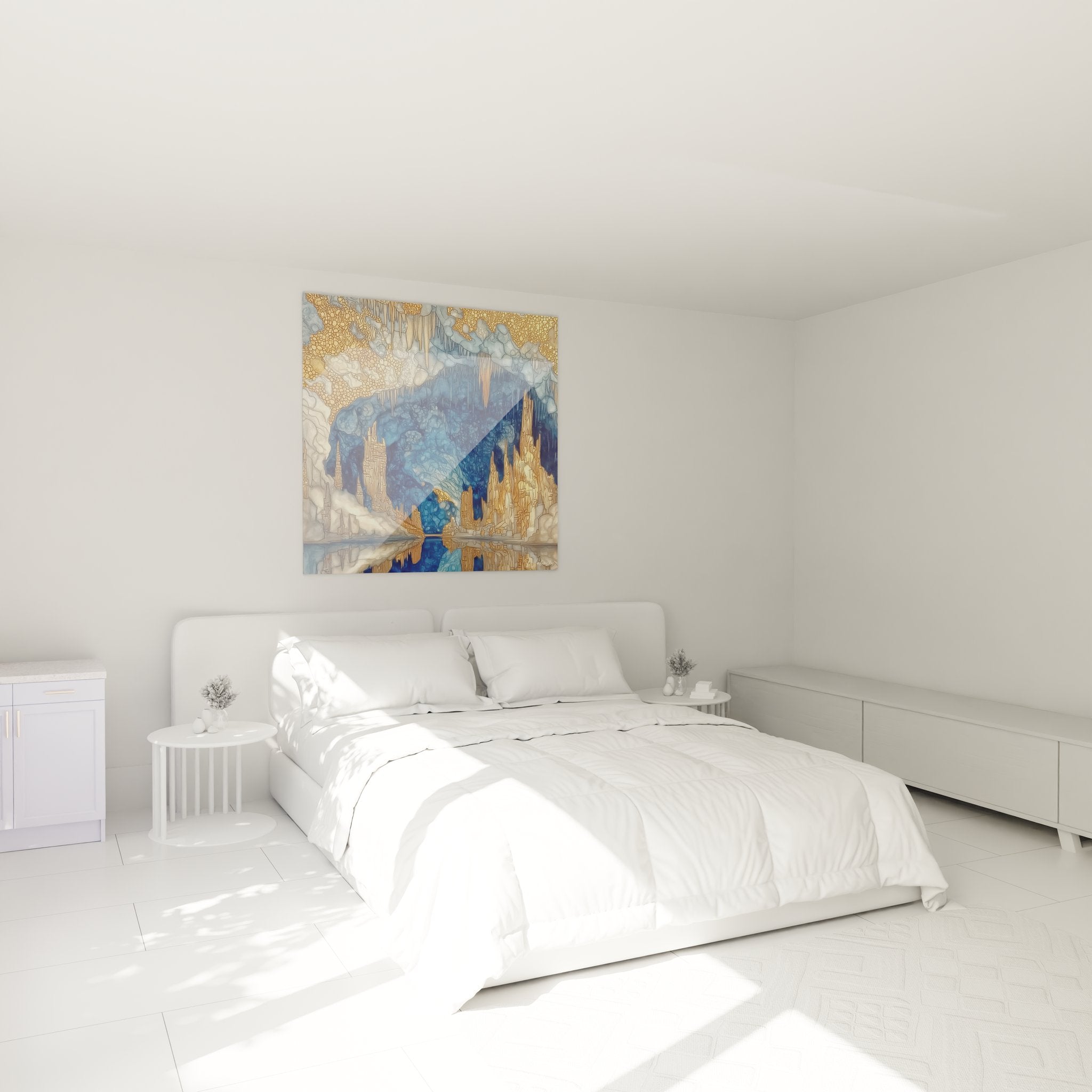
- Natural Cave Wall Art: Mineral Formations
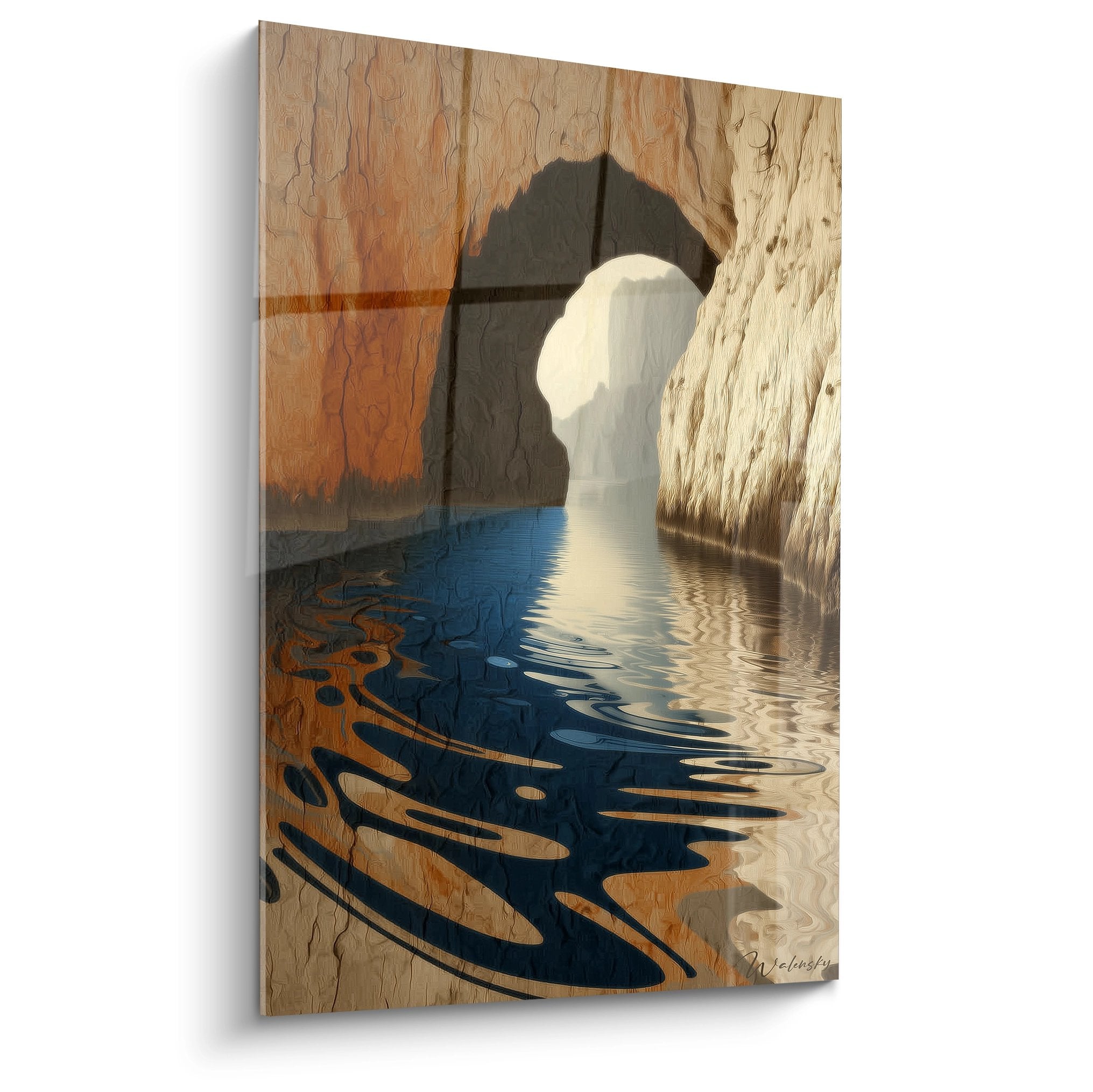
- Natural Cave Wall Art: Cavern Lighting
Immerse yourself in the fascinating world of natural cave wall art, these monumental representations that capture the majesty of underground cathedrals. These large-scale wall creations transport the essence of millennia-old cavities directly into your interior, offering a spectacular window into the mysterious depths of our planet. Each reproduction evokes the authenticity of geological formations, shadows sculpted by time, and the mineral serenity of underground sanctuaries. Discover how these artworks radically transform your spaces by creating a unique connection with the hidden wonders of the cavernous world.
The psychological impact of underground representations in modern homes
Natural cave wall art exerts a profound influence on our psyche by bringing the essence of underground environments into our daily spaces. Unlike conventional landscape representations, these wall creations evoke a sense of primordial protection, recalling humanity's earliest shelters. Installing a monumental cavern representation in a living room or relaxation area instantly creates an atmosphere of introspection and withdrawal from the outside world.
How do natural caves influence interior atmosphere?
Integrating an underground cavity representation in your décor generates a unique visual microclimate. The characteristic mineral hues - anthracite gray, deep ochres, earthy browns - absorb light differently from conventional surfaces, creating a sensation of perpetual coolness. In home offices or libraries, these underground visions promote concentration by visually eliminating distractions, as if you were working in a natural sanctuary isolated from tumult.
The imposing dimensions of these cavern representations amplify the immersive effect. A large-format wall artwork reproducing the gaping entrance of a cave literally transforms how you perceive spatial dimensions in the room, creating an illusion of depth that seems to open your walls toward infinite galleries.
The symbolism of terrestrial depths in contemporary décor
Choosing wall artworks depicting natural caves reflects a desire to connect with the geological origins of our planet. These underground images convey multiple symbolic dimensions rarely explored in conventional wall décor. First, they embody millennial permanence, with each visible stalactite or stalagmite testifying to millions of drops of limestone accumulated over millennia. This profound temporality contrasts powerfully with the ephemeral nature of our urban existences.
Second, natural cavities represent preserved unknown, unexplored territories. In an overexploited world, displaying these underground sanctuaries becomes an act of valorizing the last remaining wild spaces. Artworks showing underground rivers, cavern lakes, or cathedral-dimensioned halls constantly remind us of the existence of these hidden wonders beneath our feet.
Optimal specific environments for cavern artwork display
Strategic placement of a natural cave wall artwork determines its emotional impact. Semi-underground spaces like finished basements find perfect coherence with these underground representations - physical proximity to the terrestrial underground reinforces authenticity of the experience. Private home theater rooms particularly benefit from the natural darkness evoked by caverns, creating thematic continuity between the space and its décor.
North-facing rooms, naturally less luminous, harmonize beautifully with the shadowy atmosphere of caves. The absence of direct light allows subtle nuances of rock formations to express themselves without being overwhelmed by sunlight. Meditation or yoga spaces find in these underground visions an ideal visual support for grounding and introspection, with mineral immobility encouraging mental stability.
Complementary decorative associations with cavernous worlds
Accompanying a cave wall artwork requires coherent decorative approach. Raw materials gain full significance: natural stone, slate, polished granite create material echoes with the underground formations represented. Plants adapted to shaded environments - ferns, stabilized mosses, ivy - reinforce the impression of cave entrance colonized by vegetation.
Indirect lighting becomes crucial for respecting underground atmosphere. Hidden light sources projecting upward mimic speleological lighting used during explorations. Reconstructed stone or oxidized metal light fixtures extend mineral aesthetics. Absolutely avoid shiny, chrome, or reflective elements that would break authenticity of the recreated cavernous universe.
Perceptual evolution of underground representations through seasons
A fascinating aspect of natural cave wall art lies in its visual constancy facing seasonal changes. While surface landscapes transform radically, underground cavities remain immutable, offering permanent visual refuge. In winter, when the outside world darkens, the natural penumbra of caves resonates with the general atmosphere, creating reassuring continuity.
During scorching summers, these cool visions of terrestrial depths provide immediate psychological relief. Simply contemplating these naturally climate-controlled spaces evokes the constant coolness reigning underground, independent of surface heat waves. This symbolic thermal stability makes them particularly appreciated decorative companions in regions with intense summers.
The exploratory dimension and the call of underground adventure
For speleology enthusiasts or exploration lovers, natural cave wall artworks function as memorial windows toward past expeditions or dreams of future adventures. Each detail - a gallery disappearing into darkness, a vertiginous shaft, extraordinary concretions - revives memories of real explorations or nourishes imagination of future incursions.
These monumental representations also capture human scale against geological immensity. A miniature explorer visible in the composition reminds us of our smallness before millennia-old natural cathedrals, creating a philosophical perspective rarely offered by other wall décor types. This confrontation with scale generates daily visual humility, a precious counterpoint to contemporary urban arrogance.
Reproduction of millennial mineral formations and geological temporality
Natural cave wall art distinguishes itself through its unique capacity to capture the extraordinary diversity of limestone concretions shaped over millions of years. Stalactites descending majestically from vaults, stalagmites patiently rising from the floor, draperies undulating like petrified curtains, massive columns born from fusion between underground sky and earth - each formation tells an incomparable geological story. These natural sculptures, reproduced in impressive dimensions, transform your walls into veritable living mineralogical museums.
Different typologies of concretions in cavern representations
Rock richness derives from the multiplicity of crystalline and limestone forms. Gours, these natural terraced basins filled with turquoise water, create exceptional color palettes ranging from milky whites to deep blues. Excentric formations, defying gravity by growing horizontally or upward, bring elements of surprise and visual strangeness impossible to reproduce in other decorative contexts.
Artworks showing halls with giant concretions - some measuring several meters in circumference - evoke nature's infinite patience. Each centimeter of growth represents centuries of mineral accumulation, grain by grain, drop by drop. This extreme temporality contrasts sharply with the immediacy of our digital age, offering soothing temporal grounding.
How do limestone formations create unique visual compositions?
Natural concretion arrangement generates organic compositions impossible to plan artificially. Stalactites grouped in lithic organs create hypnotic vertical rhythms. Limestone flows frozen on walls draw petrified waterfall patterns with inimitable textures. These chaotic yet harmonious arrangements fascinate precisely because they escape all human composition logic.
Mineral color variations greatly enrich the visual palette. Iron oxides tint certain formations in rust reds, copper salts generate spectacular verdigris greens, manganese produces deep blacks. A well-chosen natural cave wall artwork presents this subtle mineral polychrome, avoiding monotony while maintaining earthy color coherence.
Underground water as central element of cavernous compositions
Water's omnipresence in underground environments gives natural cave wall art an essential fluid dimension. Underground rivers snaking between formations, mirror lakes perfectly reflecting concretioned vaults, springs mysteriously gushing from depths - all these aquatic elements bring movement and life to mineral scenes.
Water reflections in caves create fascinating visual doublings. A stalactite reflecting perfectly in an underground lake generates perfect symmetry, a virtual column complementing the real one. These natural mirrors multiply perceived space, making cavities seem even vaster and more mysterious. Reproduced in large format on your walls, these reflection effects considerably amplify spatial depth of your room.
Rock textures and visual relief of cavern walls
Beyond spectacular concretions, cave walls themselves offer exceptional textural wealth. Eroded limestone presents channels, alveoli, and cupules carved by acidified water over millennia. These micro-reliefs, well-captured in quality photographic or artistic reproduction, generate tactile visual depth that few other subjects can equal.
Visible geological strata on wall sections tell local sedimentary history. Alternations between light and dark layers, tectonic folding, faults - each detail constitutes a page in the mineral book. For geology enthusiasts or simply those curious about terrestrial memory, these artworks become supports for scientific contemplation, transforming décor into genuine educational tool.
Underground biodiversity and little-known cavernous ecosystems
Some natural cave wall artworks subtly integrate cavernicole fauna, species adapted to permanent darkness. Bats suspended in colonies, pigmentless blind salamanders, translucent crustaceans from underground rivers - these living presences recall that caves aren't mere mineral deserts but unique functional ecosystems.
This biological dimension considerably enriches reading of a cavern artwork. It transforms the representation from a simple geological space into a complete habitat portrait, with its permanent residents and temporary visitors. For educational spaces or family interiors, this living component offers discussion and learning opportunities about extreme life adaptations.
Preservation and fragility of underground environments represented
Owning natural cave wall art carries an ecological awareness dimension. True cavities are extraordinarily fragile environments where a single footprint can destroy millennial formations. By displaying these underground wonders, you participate in their valorization and, indirectly, in collective consciousness of their necessary protection.
Many spectacular caves remain inaccessible to the public to preserve their integrity. The artworks representing them become the only windows allowing admiration of these hidden treasures. This visual exclusivity adds a privilege dimension to their ownership - you display in your home what the majority will never see in reality, making your wall a gallery of geological rarities.
Underground lighting phenomena and their immersive decorative transposition
One of the most captivating aspects of natural cave wall art lies in its capacity to reproduce extraordinary lighting phenomena characteristic of cavernous environments. Unlike surface landscapes bathed in diffuse light, caves offer dramatic contrasts between absolute darkness and spectacular punctual illuminations. These extreme light gradients, transposed onto your walls in large dimensions, create visual effects impossible to obtain with other wall representation types.
Why do cavernous light contrasts fascinate so much?
In true underground cavities, light becomes an exceptional phenomenon rather than a constant. A sunray penetrating through a natural opening instantly transforms atmosphere, illuminating suspended particles, creating quasi-divine light columns in surrounding darkness. Artworks capturing these rare moments generate an emotional intensity comparable to spiritual cathedral scenes.
The human eye, confronted with these extreme contrasts, experiences particular visual stimulation. Deep shadow zones rest the retina while light points intensely concentrate attention. This dynamic creates a natural focus effect, guiding sight toward key composition elements. In a living room or hallway, this structuring visual guidance subtly organizes perceptual space.
Speleological artificial lighting and exploratory atmospheres
Many natural cave representations integrate artificial light sources - explorers' headlamps, tourism spotlighting - that radically transform perception of underground volumes. These directed illuminations sculpt reliefs, deepen shadows, reveal details invisible in diffuse light.
An artwork showing an explorer illuminating a vast hall with a headlamp tells a story of adventure and discovery. The light beam cuts through darkness like a lance, piercing millennial mystery. This visual narrativity engages the observer differently from conventional static landscapes - one identifies with the discoverer, shares their wonder before revealed unknown.
Specific natural light phenomena unique to underground environments
Some cave artworks capture extraordinarily rare optical phenomena. Glowworms colonizing certain cavern ceilings create underground starry skies of supernatural beauty - thousands of blue-green bioluminescent points twinkling in total darkness. This cosmic inversion - stars underground rather than in sky - generates a fascinating spatial vertigo.
Exceptionally clear underground waters sometimes permit spectacular transparencies, floor formations visible at several meters depth creating illusions of aquatic depth. When a light ray traverses these pure waters, it refracts at unexpected angles, drawing dancing light patterns on walls and ceilings. These crystalline aquatic ballets, frozen photographically, add an almost abstract dimension to cavernous compositions.
How to optimize lighting of a cave artwork in your interior?
Appropriate illumination of an underground representation requires a radically different approach from decorative conventions. Rather than standard uniform lighting, favor directional sources creating shadow projections. A spot grazing from below evokes exploration lamps, accentuating represented reliefs and creating continuity between real and represented lighting.
Programmable intensity variations allow modulating atmosphere according to moments of the day. In evening, toned lighting literally plunges the room into cavernous atmosphere, the artwork becoming almost a window toward a truly underground world. This modulation transforms the work into a dynamic element rather than static décor, constantly renewing visual experience.
Mineral colors revealed through lighting variations
An often-overlooked aspect of natural caves concerns chromatical transformation of formations according to lighting. Some minerals reveal spectacular fluorescences under ultraviolet light, shifting from dull white to electric violet or acid green. A few natural cave artworks capture these color metamorphoses, offering surprising palettes defying conventional expectations.
Metal oxides present in concretions generate subtle iridescence when light strikes them at certain angles. The same limestone wall may appear milky white face-on but reveal golden or rosy nuances in grazing light. This latent chromatic richness makes cave artworks particularly rewarding for extended observation - each natural or artificial lighting variation reveals new details.
Mystical and spiritual atmospheres of illuminated underground sanctuaries
Historically, many cultures considered caves as sacred places, passages to the other world, natural temples. This spiritual dimension appears particularly in representations where light functions as divine revelation. A light beam descending from an upper opening toward an underground hall irresistibly evokes classical religious representations of celestial light.
In meditation, reflection or even creative work spaces, these luminous cavernous compositions facilitate introspection. The alternation between darkness and light revelation metaphorizes the inner discovery process perfectly - some parts remain mysterious while others progressively illuminate. This visual symbolism considerably enriches the contemplative dimension of the space.
Frequently asked questions about natural cave wall art
What is the best room for installing large natural cave wall art?
Semi-underground spaces, projection rooms, dimly lit bedrooms and meditation areas constitute optimal locations. The coherence between the naturally dark ambiance of these rooms and the represented underground atmosphere creates maximum immersion. Open walls allow fully appreciating the monumental dimensions of reproduced cavernous cathedrals.
Does natural cave wall art work in contemporary professional spaces?
Absolutely, particularly in offices seeking atmosphere fostering deep concentration. Cavernous environments naturally evoke calm, beneficial isolation and protection from outside stimuli. Meeting rooms also benefit from these representations encouraging collective reflection without distraction, as if the team gathered in a preserved natural sanctuary.
How to maintain the visual intensity of a natural cave artwork?
Unlike bright landscape representations that may suffer from fading, cavern scenes with dark tones remarkably retain their intensity. Regular dusting generally suffices. Placement away from direct sunlight, naturally appropriate for these underground subjects, automatically prevents any photochemical degradation. Occasional checking of accent lighting ensures dramatic contrasts remain optimal.
Can you display multiple different natural cave artworks in the same space?
This approach works particularly well if representations come from geologically distinct regions - limestone caves, lava caves, ice caves - creating a comparative speleological gallery. Juxtaposition reveals the extraordinary diversity of terrestrial underground environments. Ensure coherence in lighting treatment and represented scale to avoid visual chaos. Generous spacing between works allows each cave to breathe visually.