


Children's Wall Art
Dive into a world of colors and fantasy with our children's wall art! Each piece is designed to spark imagination and bring a joyful atmosphere to their space. Funny animals, enchanted scenes, fascinating heroes or fantastic landscapes, a children's wall art transforms their bedroom into a world of adventure and dreams. Give them inspiring decoration perfectly suited to their universe!
 Children's Drawing Painting N°1 - Children's Edition273,90 €
 Vampire Wall Art N°2 - Kids Edition273,90 €
 Knight Artwork No. 2 - Kids Edition273,90 €
 Vampire Artwork No. 1 - Kids Edition273,90 €
 Train Painting No. 2 - Kids Edition273,90 €
 Train Painting No. 1 - Kids Edition273,90 €
 Witch Painting N°2 - Kids Edition273,90 €
 Witch Wall Art No. 1 - Kids Edition273,90 €
 Princess Wall Art No. 2 - Kids Edition273,90 €
 Princess Wall Art N°1 - Kids Edition273,90 €
 Pirate Painting No.2 - Kids Edition273,90 €
 Pirate Painting No.1 - Kids Edition273,90 €
 Unicorn Wall Art No. 3 - Kids Edition273,90 €
 Unicorn Painting No. 2 - Kids Edition273,90 €
 Unicorn Wall Art No. 1 - Kids Edition273,90 €
 Fairy Wall Art No. 3 - Children's Edition273,90 €
 Magical Fairy Painting No. 2 - Kids Edition273,90 €
 Magical Fairy Painting No. 1 - Kids Edition273,90 €
 Dragon Wall Art No. 2 - Kids Edition273,90 €
 Dragon Wall Art No. 1 - Children's Edition273,90 €
 Children's Wall Art No. 26 - Kids Edition273,90 €
 Children's Wall Art No. 25 - Children's Edition273,90 €
 Children's Wall Art No.24 - Kids Edition273,90 €
 Children's Wall Art No.23 - Kids Edition273,90 €
Explore further
In Children's Wall Art
-
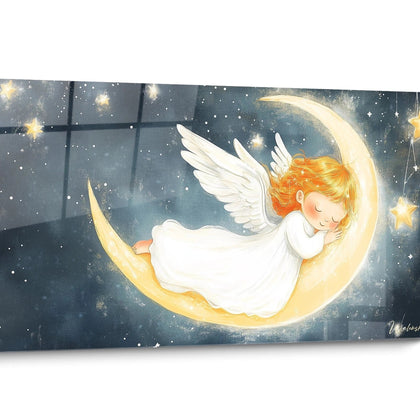 Wall Art for Children's School24
artworks
Wall Art for Children's School24
artworks
-
 Angel Paintings for Children3
artworks
Angel Paintings for Children3
artworks
-
 Dinosaur Wall Art for Kids3
artworks
Dinosaur Wall Art for Kids3
artworks
-
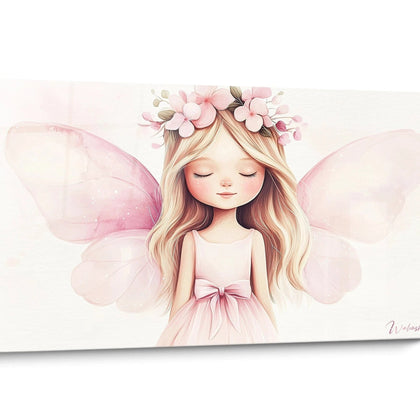 Magical wall art for children3
artworks
Magical wall art for children3
artworks
-
 Unicorn Wall Art for Kids3
artworks
Unicorn Wall Art for Kids3
artworks
-
 Knight Paintings for Children2
artworks
Knight Paintings for Children2
artworks
-
 Children's Drawing Wall Art2
artworks
Children's Drawing Wall Art2
artworks
-
 Dragon wall art for children2
artworks
Dragon wall art for children2
artworks
-
 Pirate wall art for children2
artworks
Pirate wall art for children2
artworks
-
 Princess Wall Art for Children2
artworks
Princess Wall Art for Children2
artworks
-
 Witch paintings for children2
artworks
Witch paintings for children2
artworks
-
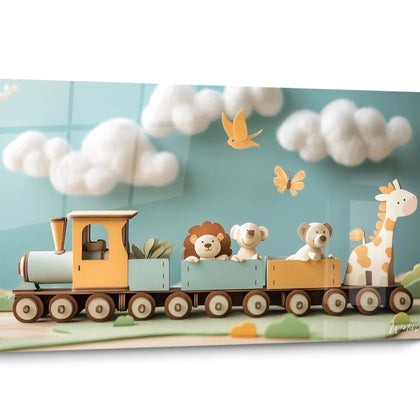 Train Paintings for Children2
artworks
Train Paintings for Children2
artworks
-
 Vampire Paintings for Children2
artworks
Vampire Paintings for Children2
artworks


Other families
Explore our other worlds
-
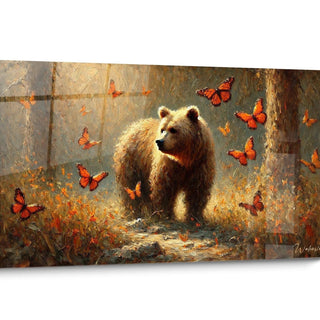 Best Sellers190
artworks
Best Sellers190
artworks
-
 🔥 The Originals 🔥573
artworks
🔥 The Originals 🔥573
artworks
-
 Abstract4182
artworks
Abstract4182
artworks
-
 Africa608
artworks
Africa608
artworks
-
 Love154
artworks
Love154
artworks
-
 Animals10974
artworks
Animals10974
artworks
-
 Famous Artists ( inspirations )265
artworks
Famous Artists ( inspirations )265
artworks
-
 Asia378
artworks
Asia378
artworks
-
 Around the World1065
artworks
Around the World1065
artworks
-
 Kitchen1805
artworks
Kitchen1805
artworks
-
 Culture222
artworks
Culture222
artworks
-
 Space514
artworks
Space514
artworks
-
 Celebrations & Seasons670
artworks
Celebrations & Seasons670
artworks
-
 Finance38
artworks
Finance38
artworks
-
 History123
artworks
History123
artworks
-
 Professions235
artworks
Professions235
artworks
-
 Fashion696
artworks
Fashion696
artworks
-
 Artistic Movements793
artworks
Artistic Movements793
artworks
-
 Music653
artworks
Music653
artworks
-
 Myth and Legends332
artworks
Myth and Legends332
artworks
-
 Nature5000
artworks
Nature5000
artworks
-
 Black and white445
artworks
Black and white445
artworks
-
 Landscapes1531
artworks
Landscapes1531
artworks
-
 Retro298
artworks
Retro298
artworks
-
 Science and Mathematics122
artworks
Science and Mathematics122
artworks
-
 Sports & Leisure2470
artworks
Sports & Leisure2470
artworks
-
 Street Art167
artworks
Street Art167
artworks
-
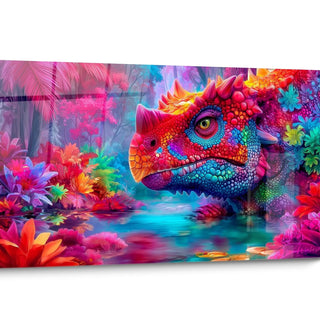 Primordial Lands150
artworks
Primordial Lands150
artworks
-
 Transport15
artworks
Transport15
artworks
-
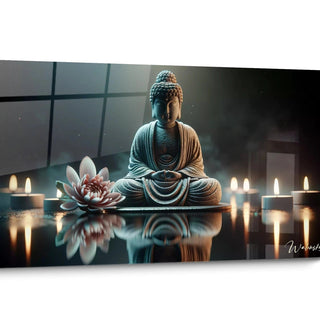 Zen2161
artworks
Zen2161
artworks
-
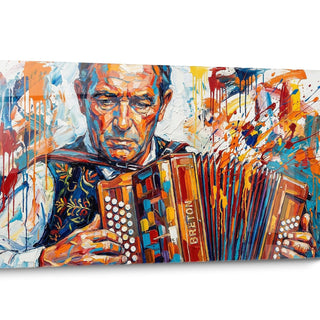 Browse all our wall art25001
artworks
Browse all our wall art25001
artworks
-
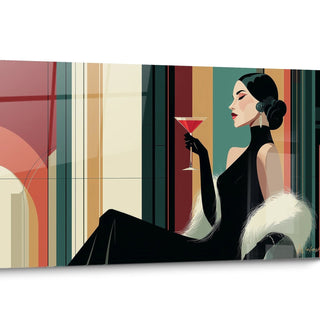 Places150
artworks
Places150
artworks
-
 Professionnels101
artworks
Professionnels101
artworks


All about Children's Wall Art
- Children's wall art presentation
- Buying guide children's wall art
- Decoration kids bedroom
- Children's wall art customization
Children's wall art represents far more than a simple decorative element for your little one's bedroom. It is an object that stimulates imagination, awakens curiosity, and contributes to the cognitive development of the youngest. Whether it's an educational wall art, a colorful illustration, or a personalized creation, children's wall art transforms living space into an inspiring universe. In this comprehensive guide, we explore all aspects of children's wall art, from selection criteria to decorative trends, including customization possibilities. Discover how to choose the perfect wall art that will accompany your child in their growth while beautifying their personal space.
Complete Guide to Choosing the Perfect Children's Wall Art
Purchasing children's wall art may seem simple at first, but there are numerous criteria to consider to make the ideal choice. This guide will walk you through, step by step, in your search for the perfect wall art for your little one's bedroom.
What are the different types of children's wall art available on the market?
The children's wall art market offers an impressive variety of models. Educational wall art allows learning through play with alphabets, numbers, or world maps. Artistic illustrations, on the other hand, feature characters from fairy tales, animals, or fantastical universes that feed the child's imagination.
Simple decorative wall art adds aesthetic appeal with geometric patterns or abstract compositions adapted to younger tastes. For budding young artists, chalkboard wall art or magnetic wall art offer a medium for creative expression that evolves over time.
How do you choose the ideal size for children's wall art?
The size of children's wall art should be proportional to the available space in the bedroom. For a small bedroom, choose compact formats (30x40 cm) that add a decorative touch without cluttering the space. In a more spacious bedroom, a large wall art (60x80 cm or larger) can become the central element of wall decoration.
Also consider the hanging height: the wall art should be placed at the child's eye level so they can fully appreciate it. Some parents opt for a composition of several small children's wall artworks rather than a single large format, creating an evolving personalized gallery.
What materials should you prioritize for safe and durable children's wall art?
Safety must be your absolute priority when choosing wall art for your child's bedroom. Choose frames with rounded corners that eliminate injury risks. Lightweight materials such as aluminum or reinforced plastic reduce dangers in case the wall art falls.
Regarding the printing, prioritize eco-friendly inks without toxic solvents, particularly important for children's bedrooms with sensitivities to allergies. Tempered glass or unbreakable plexiglass provide optimal image protection while ensuring safety. For the youngest, stretched canvas wall art on frames remains the safest option.
How can children's wall art integrate into the evolution of the bedroom?
Your child's tastes evolve quickly with age. Wall art with cute animals perfect for a baby may seem "too babyish" for a 6-year-old. Some parents choose wall art with timeless style representing universal themes that span ages, such as nature, stars, or colorful abstract patterns.
Another approach is to budget for renewing the children's wall art every few years, progressively involving your child in the choice. Easy-to-use hanging systems facilitate this rotation. Some wall art series offer visuals adapted to different age groups while maintaining stylistic consistency.
What is the importance of colors in choosing wall art for a child's bedroom?
The colors of children's wall art influence the atmosphere of the bedroom and can even impact your child's behavior. For a bedroom designed for rest, prioritize wall art with soft, calming tones such as blues, pastel greens, or muted tones that promote relaxation and sleep.
If the wall art is intended for a play space, bright colors like yellow, red, or orange stimulate energy and creativity. For perfect balance, some children's wall art cleverly combines dynamic zones and calming zones. Don't hesitate to consider your child's color preferences, which develop very early for certain colors.
How does children's wall art contribute to cognitive and emotional development?
Beyond its decorative function, well-chosen wall art can become a valuable educational tool. Wall art illustrating narrative scenes encourages storytelling and develops language skills. Visuals rich in details stimulate observation and concentration, essential skills for future learning.
Some children's wall art depicting emotions help young children identify and express their feelings, thus promoting emotional intelligence. Inspiring wall art featuring positive role models (explorers, scientists, athletes) can also nurture your child's aspirations and self-confidence.
Ultimately, choosing the ideal children's wall art requires balancing aesthetics, safety, developmental needs, and scalability. By taking the time to examine these different aspects, you will find the decorative piece that will delight your child while harmoniously contributing to the atmosphere of their bedroom.
Integrating Children's Wall Art into Bedroom Decoration
Furnishing a child's bedroom represents an exciting project where every element matters. Children's wall art, much more than a simple decorative accessory, often constitutes the focal point that sets the tone for the entire room. Let's discover how to perfectly integrate wall art into your little one's universe.
How do you create visual harmony with children's wall art?
To successfully integrate wall art in your child's bedroom, start by defining the general style of the room. Scandinavian décor calls for wall art with clean lines and soft colors, while a more whimsical universe will perfectly accommodate dreamy illustrations with vibrant hues.
Coherence between children's wall art and the room's textiles (curtains, bedding, cushions) creates an immediate sense of harmony. Without necessarily opting for identical patterns, picking up one or two dominant colors from the wall art in textile accessories is enough to create an elegant visual connection.
The placement of wall art also plays a crucial role in the visual balance of the room. Generally, the wall facing the door or the one above the bed is preferred, at the child's eye level so they can fully enjoy their favorite wall art.
What are the current trends in children's bedroom wall art?
Children's wall art following minimalist aesthetics is gaining increasing popularity with simplified illustrations on light backgrounds and positive messages in modern typography. This trend perfectly complements contemporary interiors and the "less is more" approach gaining ground in children's decoration.
Illustrations inspired by nature and animals remain timeless but are renewed with delicate watercolor renderings or stylized botanical compositions. These children's wall art add a touch of serenity while connecting young ones to the natural world, even in urban settings.
Advanced customization represents another strong trend, with wall art incorporating the child's name, birth date, or even their silhouette. These unique creations strengthen the sense of belonging and valorize the identity of young ones in their personal space.
How do you use children's wall art as a focal point of decoration?
Striking children's wall art can become the anchor point of all bedroom decoration. In this approach, choose wall art with bold colors or a distinctive pattern, then describe a color circle around it. Wall colors, furniture, and accessories then complement it, creating a harmonious composition that showcases the central artwork.
To maximize visual impact, consider installing dedicated lighting such as a small wall sconce or decorative string lights framing the children's wall art. This lighting accent transforms the illustration into a true work of art and creates a warm atmosphere for bedtime stories.
Some parents opt for an evolving installation where a large main wall art is surrounded by spaces intended to progressively welcome the child's own creations. This mixed gallery valorizes the child's artistic expression while maintaining controlled aesthetics.
What layout should you choose for multiple wall artworks in a child's bedroom?
Composing multiple children's wall artworks offers interesting decorative flexibility. Symmetrical arrangement, with wall artworks of identical sizes aligned horizontally or vertically, brings structure and order, ideal for children sensitive to visual harmony.
For a more dynamic approach, asymmetrical hanging mixing different formats creates a visually stimulating gallery wall. This freer arrangement particularly suits creative children's rooms or spaces dedicated to play and discovery.
Stair-step installation, where wall artworks follow an ascending or descending diagonal line, elegantly accompanies a staircase or loft bed. This original layout guides the eye and enhances spatial perception in your child's bedroom.
How can children's wall art contribute to creating a coherent decorative theme?
Themed bedrooms exercise particular fascination on children who completely immerse themselves in their favorite universes. Wall art often constitutes the ideal starting point for developing a coherent theme, whether it's an underwater world, an enchanted forest, or a space adventure.
For perfect coherence, choose detailed children's wall art that offers multiple thematic elements to reuse in the bedroom. For example, wall art illustrating a jungle allows you to include elements such as animal-shaped cushions, green plants, and textiles with tropical patterns.
Always keep in mind that the theme should be able to subtly evolve with your child's age. Wall art representing space in an artistic way can be complemented by more mature decorative elements over the years, without requiring a radical change to the overall design.
What are the mistakes to avoid when integrating wall art in a child's bedroom?
Visual overload constitutes the most frequent mistake in decorating a child's bedroom. Brightly colored wall art placed on an already heavily colored or patterned wall creates visual confusion that can disturb rest. Prioritize contrast: colorful wall art on a neutral wall, or soft-toned wall art on a patterned wall.
Improper hanging represents another common pitfall. Children's wall art suspended too high loses its impact and doesn't allow the child to fully enjoy it. Conversely, wall art placed too low risks being damaged or presenting a danger if the child manipulates it regularly.
Finally, neglecting the adaptability of wall art to your child's evolving tastes can lead to future frustration. To avoid this pitfall, prioritize easily modular hanging systems and plan a budget to periodically refresh certain decorative elements, including children's wall art.
By judiciously integrating one or more wall artworks in your child's bedroom, you create not only an aesthetically pleasing environment, but also a personal space that stimulates imagination and harmoniously accompanies their growth.
Customization and Creation of Unique Children's Wall Art
In a standardized world, customizing children's wall art offers a precious opportunity to create a truly unique decorative element that resonates with your little one's personality. Discover the multiple ways to design or customize wall art that will accompany your child in their development while beautifying their bedroom.
What customization options are offered by children's wall art creators?
The market for personalized children's wall art has developed considerably in recent years. Name integration constitutes the most requested option, with various typefaces that harmonize with the main illustration. This simple yet effective customization strengthens the emotional bond your child has with their personal space.
Birth data (date, time, weight, height) transforms simple decorative wall art into a precious birth memory. These carefully crafted creations elegantly integrate this information into a balanced graphic composition that maintains its aesthetic value while celebrating your child's arrival.
Custom illustrations represent the most exclusive option, where an artist creates a unique work incorporating meaningful elements for your family: favorite animals, important places, or even stylized representations of family members. These children's wall artworks become true sentimental treasures passed down through generations.
How do you create a personalized wall art for your child's bedroom yourself?
For creative parents, making handmade children's wall art represents a rewarding project. Mixed media technique allows combining different materials (papers, fabrics, buttons, ribbons) on canvas to create a textured composition that stimulates the tactile sense of the youngest while offering interesting visual relief.
Personal painting, even by an amateur parent, carries unique emotional weight. Don't hesitate to use stencils or simple patterns to compensate for lack of technique. Animal silhouettes, stylized trees, or basic geometric shapes can form minimalist yet elegant children's wall art.
Transformed photography constitutes another accessible option. A meaningful photo can be printed on canvas then embellished manually with acrylic paint touches, collages, or lettering. This hybrid approach combines photographic accuracy with the warmth of handwork.
What innovative materials allow creating interactive children's wall art?
Modern children's wall art often surpasses simple decorative function to offer enriching interactive experiences. Phosphorescent paints allow creating wall art that transforms in darkness, revealing hidden elements at bedtime. These dual-function artworks magically accompany the transition to sleep.
Textured materials such as felt, velvet, or reversible sequin fabrics invite touch and can integrate removable elements secured with velcro. These sensory wall artworks stimulate tactile development while allowing the child to modify their own wall decoration.
Integrated technologies represent the most innovative frontier, with children's wall art incorporating LED light elements, motion sensors, or even sound modules that respond to presence. These hybrid creations between art and technology particularly fascinate older children.
How do you involve the child in creating or choosing their personalized wall art?
Involving the child in the creative process strengthens their attachment to the wall art and develops their aesthetic sense. For toddlers, offer them a choice between a few pre-selected options or ask them to identify their favorite colors or animals that will be integrated into the final creation.
With preschool-age children, organize drawing sessions where they can express their ideas. An artist or graphic designer can then professionally reinterpret these sketches to create children's wall art that retains the essence of the original vision while offering refined finishing.
Older children can actively participate in all stages, from concept to material selection, even in the creation itself with your supervision. This co-creation becomes an educational experience in design principles and a precious opportunity for intergenerational sharing.
What is the emotional value of personalized children's wall art?
Wall art created specifically for your child carries particular symbolic weight in bedroom furnishing. Unlike mass-produced decorative elements, personalized children's wall art testifies to special attention paid to the child's uniqueness, strengthening their sense of being special and valued.
For adopted children or blended families, personalized wall art can play a significant role in identity construction by visually celebrating their legitimate place in the home. These sensitive creations tell a story of belonging that transcends biological ties.
The temporal dimension also adds unique emotional depth to personalized children's wall art. Wall art created for a special occasion (birth, adoption, moving) becomes a permanent visual witness to this pivotal moment, acquiring over time an irreplaceable memorial value.
How do you evolve personalized wall art as your child grows?
Modular systems represent an ingenious solution for children's wall art evolution. Some creations include interchangeable elements fixed by magnets or velcro, allowing progressive modification of the artwork without replacing the entire piece. This economical and eco-friendly approach aligns with sustainable consumption.
Completable wall art is intentionally designed with spaces meant to welcome future additions. For example, illustrated family trees can have their branches filled over the years, or an exploration map can be enriched with new territories symbolizing your child's growth stages.
Creating an evolving series constitutes a more ambitious approach, where multiple children's wall artworks are designed simultaneously but installed successively, following a coherent narrative or aesthetic thread. This anticipatory planning guarantees harmonious transition as your child's tastes and needs transform. To complete your search, don't hesitate to browse our complete collection of wall art to discover compositions with varied themes.
Ultimately, whether it's a fully custom creation or simpler customization, unique children's wall art transcends its decorative function to become a meaningful visual companion in your little one's development. This familiar artistic presence helps build a reassuring and stimulating environment, precisely adapted to your child's unique personality.
Further reading


