


Abstract Spirals Wall Art
Discover our collection of Abstract Spirals Wall Art, where art comes to life through captivating circular patterns. These unique artworks explore perpetual movement and infinity through hypnotic spirals that invite the eye to journey into the heart of dynamic compositions. Each abstract wall art reveals a subtle interplay between vibrant colors and swirling forms, creating a sense of depth and energy. Perfect for bringing a contemporary touch to your interior, these artistic creations evoke both order and chaos, structure and freedom. Let yourself be transported by the evocative power of these works where each spiral tells an endless story.
 Golden Ocean Spiral Painting - Solar Gold Wave - Abstract Spiral Edition273,90 €
 Staircase to Japanese Cherry Blossom Painting - Red Ascension - Abstract Spiral Edition228,90 €
 Cosmic Metamorphosis Painting - Abstract Spiral Edition273,90 €
 Rocky water hole painting - Aquatic Spiral - abstract spiral edition273,90 €
 Golden wave tunnel painting - Spiral Wave Gold - abstract spiral edition273,90 €
 Swirling seascape painting - Ocean spirals - abstract spiral edition273,90 €
 Sunset Spiral Painting - Golden Light Vortex - Abstract Spiral Edition273,90 €
 Hypnotic Golden Spiral Painting - Luminous Vortex - Abstract Spiral Edition273,90 €
 Colorful Golden Spiral Painting - Color Explosion - Abstract Spiral Edition273,90 €
 Luminous Tunnel Couple Painting - Passage to Infinity - Abstract Spiral Edition273,90 €
 Dynamic Orange Spiral Painting - Concentric Vision - Abstract Spiral Edition273,90 €
 Modern Spiral Wave Painting - Dynamic Flow - Abstract Spiral Edition273,90 €
 Dynamic black and blue spiral painting - Metallic vortex - abstract spiral edition273,90 €
 Ocean wave painting - Spiral marine mosaic - abstract spiral edition273,90 €
 Colorful bird spiral painting - Rainbow plumage - abstract spiral edition273,90 €
 Blue and gold cosmic spiral painting - Celestial vortex - abstract spiral edition273,90 €
 Sailboat storm red painting - Navigator of the mists - abstract spiral edition273,90 €
 Cosmic spiral floral painting - Nocturnal galaxy with blue petals - abstract spiral edition273,90 €
 Multicolor Spiral Wall Art - Cosmic Energy - Abstract Spiral Edition273,90 €
 Textured Geometric Spiral Wall Art - Perpetual Movement - Abstract Spiral Edition273,90 €
 House on Spiral Hill Wall Art - Dream Wave - Abstract Spiral Edition273,90 €
 Liquid Spiral Multicolor Wall Art - Torrent of Light - Abstract Spiral Edition273,90 €
 Colorful Spiral Wall Art - Multicolor Artistic Vortex - Abstract Spiral Edition273,90 €
 Metallic Whirlpool Wall Art - Silver Flow - Abstract Spiral Edition273,90 €
Explore further
In Abstract Spirals Wall Art
-
 Multicolor Abstract Spirals Wall Art21
artworks
Multicolor Abstract Spirals Wall Art21
artworks
-
 Cosmic Abstract Spirals Wall Art24
artworks
Cosmic Abstract Spirals Wall Art24
artworks
-
 Abstract Golden Spirals Wall Art20
artworks
Abstract Golden Spirals Wall Art20
artworks
-
 Abstract Spirals Black and White Wall Art12
artworks
Abstract Spirals Black and White Wall Art12
artworks
-
 Abstract Blue Spirals Canvas12
artworks
Abstract Blue Spirals Canvas12
artworks
-
 Abstract Orange Spirals Canvas13
artworks
Abstract Orange Spirals Canvas13
artworks
-
 Abstract Spiral Geometric Wall Art13
artworks
Abstract Spiral Geometric Wall Art13
artworks
-
 Abstract Spiral Tunnel Wall Art12
artworks
Abstract Spiral Tunnel Wall Art12
artworks
-
 Abstract Spiral Vortex Wall Art22
artworks
Abstract Spiral Vortex Wall Art22
artworks
-
 Abstract Spirals Digital Wall Art4
artworks
Abstract Spirals Digital Wall Art4
artworks


In the same family
Also explore the theme Abstract
-
 View all4182
artworks
View all4182
artworks
-
 Abstract123
artworks
Abstract123
artworks
-
 Colorful Abstract153
artworks
Colorful Abstract153
artworks
-
 Blue marble abstract7
artworks
Blue marble abstract7
artworks
-
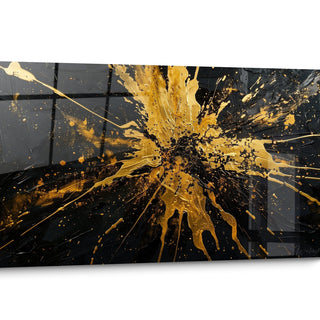 Black and Gold Abstract10
artworks
Black and Gold Abstract10
artworks
-
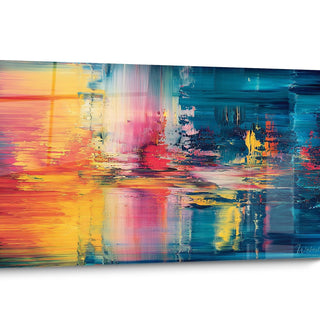 Abstract Scraped Style9
artworks
Abstract Scraped Style9
artworks
-
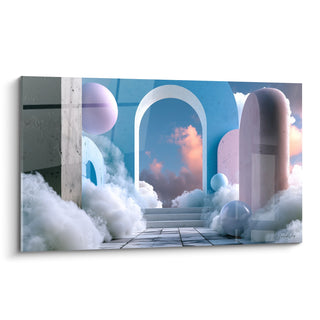 Abstract Architecture517
artworks
Abstract Architecture517
artworks
-
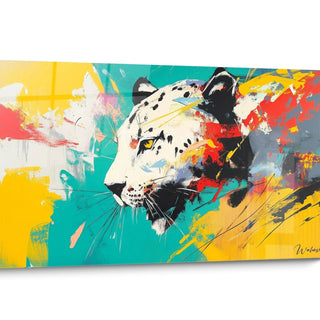 Abstract Artistic319
artworks
Abstract Artistic319
artworks
-
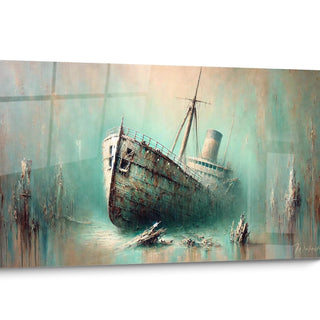 Abstract Boat228
artworks
Abstract Boat228
artworks
-
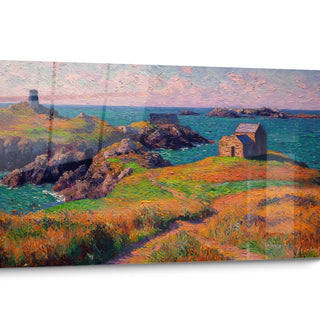 Abstract Seaside39
artworks
Abstract Seaside39
artworks
-
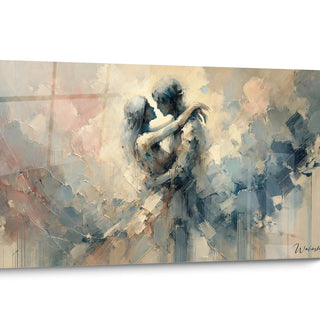 Abstract Body73
artworks
Abstract Body73
artworks
-
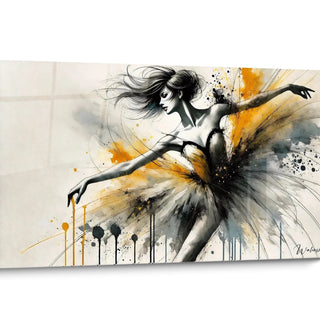 Abstract Dancer305
artworks
Abstract Dancer305
artworks
-
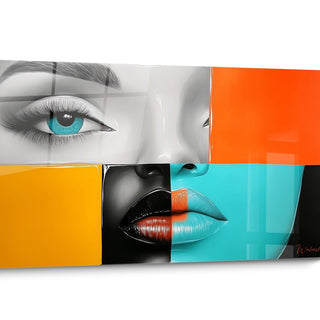 Abstract Figurative23
artworks
Abstract Figurative23
artworks
-
 Abstract Flower90
artworks
Abstract Flower90
artworks
-
 Geometric392
artworks
Geometric392
artworks
-
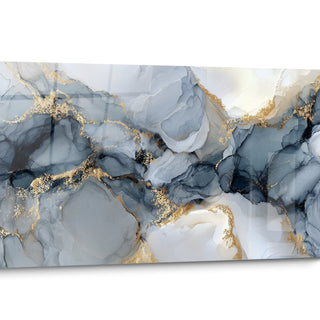 Abstract Marble169
artworks
Abstract Marble169
artworks
-
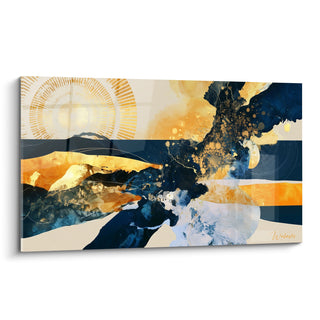 Modern Abstract106
artworks
Modern Abstract106
artworks
-
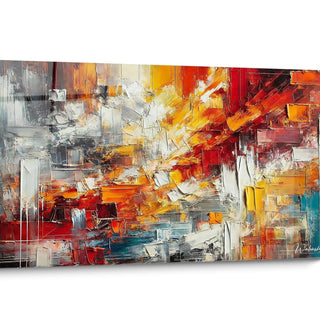 Contemporary Multicolour36
artworks
Contemporary Multicolour36
artworks
-
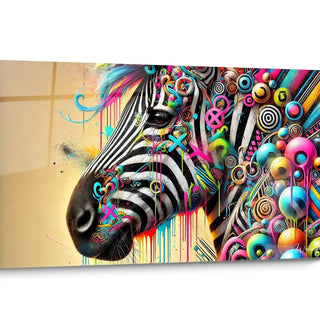 Multicolor Abstract224
artworks
Multicolor Abstract224
artworks
-
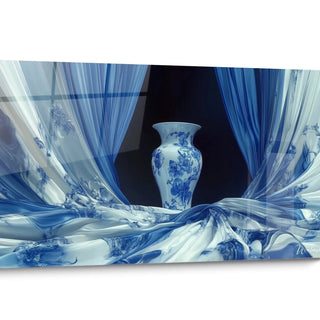 Abstract Still Life9
artworks
Abstract Still Life9
artworks
-
 Painting (style)638
artworks
Painting (style)638
artworks
-
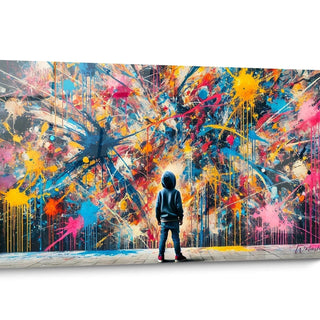 Abstract Pop Art5
artworks
Abstract Pop Art5
artworks
-
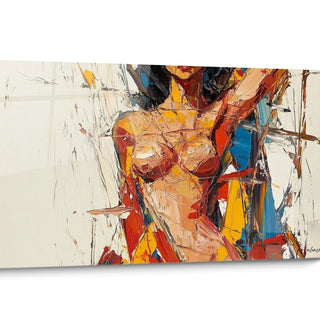 Sensual Abstract16
artworks
Sensual Abstract16
artworks
-
 Textured Abstract39
artworks
Textured Abstract39
artworks
-
 Abstract Face508
artworks
Abstract Face508
artworks


All about Abstract Spirals Wall Art
- Presentation Spiral Wall Art Abstract
- Visual Impact of Abstract Spirals
- Focal Points and Abstract Spirals
- Color Psychology and Spirals
Abstract spiral wall art represents a distinctive artistic category where circular motion and visual dynamics converge to create a unique perceptual experience. Unlike rigid geometric works or figurative compositions, abstract spirals capture the essence of perpetual motion, inviting the eye to follow an infinite path through the composition.
These works distinguish themselves through their ability to radically transform a space's atmosphere via their intrinsic kinetic energy. Abstract spiral patterns create remarkable visual depth, giving the impression that the canvas extends beyond its physical boundaries.
In contemporary interiors, abstract spiral wall art becomes far more than simple decoration – it functions as a masterpiece actively influencing spatial perception. Large formats particularly enhance this characteristic, allowing spiral patterns to deploy their hypnotic visual impact fully.
Collectors and art enthusiasts specifically seek these pieces for their unique ability to create a dynamic visual anchor point that evolves depending on viewing angle. This distinctive quality of spiral compositions grants them an artistic presence that constantly renews itself for the observer.
Whether you seek to establish perpetual motion within your space or create striking contrast with minimalist furnishings, abstract spiral wall art offers an artistic solution transcending ephemeral trends to inscribe itself within a visual tradition both ancestral and resolutely contemporary.
Visual Impact and Spatial Dynamics of Spiral Wall Art Abstract
Abstract spiral wall art exerts unique influence on our spatial perception, radically transforming a room's atmosphere through its inherent visual motion. Unlike static works, these compositions create infinite depth sensation that subtly modifies perception of surrounding space's actual dimensions.
How do abstract spirals transform room perception?
Spiral motifs in abstract art's distinctiveness lies in their ability to generate visual expansion effects. This characteristic exclusive to spiral compositions produces spatial opening impression, even within constrained architectural environments. Large format abstract spiral wall art positioned on a primary wall can visually "push back" a room's apparent boundaries, creating augmented space sensation that other artistic forms cannot reproduce.
Environmental psychology research confirms that circular patterns in motion like those in abstract spirals modify our neurological space perception, activating brain areas associated with movement and spatial orientation. This distinctive visual stimulation explains why these works capture attention irresistibly and naturally become anchor points in interior design.
The unique kinetic effect of spiral compositions
What fundamentally distinguishes abstract spiral wall art from other mural art forms is their intrinsic kinetic quality. Even perfectly still, these works suggest perpetual motion that instantly energizes the environment. This characteristic explains why they're particularly sought to revitalize minimalist or monochromatic architectural spaces otherwise lacking visual energy.
- Progressive depth effect nonexistent in other abstract compositions
- Creation of visual vanishing point naturally attracting the gaze
- Continuous motion sensation animating space without mobile elements
- Multidimensional perspective evolving according to viewing angle
In expansive contemporary spaces characterized by clean lines, abstract spiral wall art introduction creates essential organic counterpoint. Spirals' circular fluidity visually softens rigid architectural right angles, establishing formal dialogue balancing the entire spatial composition.
Strategic positioning maximizing abstract spiral impact
Optimal placement for abstract spiral wall art differs significantly from standard recommendations for other mural works. Due to their unique visual dynamism, these pieces particularly benefit from positioning allowing observation from multiple angles. Unlike static compositions requiring only frontal viewpoint, spiral works reveal new dimensions when observed in motion.
Transition spaces like spacious hallways or stair landings constitute privileged locations for these works, naturally allowing observation while moving. This specific spatial configuration maximizes the kinetic effect inherent to spiral compositions, amplifying their visual impact impossible to reproduce with other artistic styles.
For contemporary interiors with high ceilings, installing large format abstract spiral wall art creates vertical visual anchor that advantageously emphasizes available height. This characteristic exclusive to circular compositions exploits the eye's natural tendency following spiral movement toward center or outward, depending on the work's orientation.
Unique light interaction of abstract spiral wall art
Often neglected yet fundamental aspect of abstract spiral wall art concerns their distinctive light interaction. Circular motif structure creates subtle gradients reacting uniquely to natural or artificial lighting variations. This visual phenomenon exclusive to spiral compositions transforms the work throughout the day, conferring evolving presence impossible to obtain with regular geometric patterns.
Experienced collectors specifically seek this interactive quality making abstract spiral wall art "living" works, constantly evolving according to lighting conditions. To maximize this effect, consider strategic placement relative to natural light sources, allowing rays to progressively sweep the work's surface throughout hours.
In spaces with multiple directional lighting sources, like recessed spotlights or adjustable lamps, abstract spiral wall art reveals full visual potential through subtle shadows cast by surface reliefs and textures. This light-matter interaction constitutes additional artistic dimension exclusive to textured spiral compositions.
Creating Focal Points with Abstract Spiral Wall Art
Abstract spiral wall art possesses unique ability to establish magnetic focal points within interior space. Unlike conventional abstract works, spirals' convergent circular structure naturally guides the gaze toward visual center, instantly creating spatial hierarchy in any environment.
Why do abstract spirals irresistibly captivate attention?
Spiral motifs' neuropsychological distinctiveness lies in their ability to simultaneously activate multiple visual cortex zones. Neuroscience studies confirm that circular forms in apparent motion, like those present in abstract spiral wall art, stimulate same brain circuits involved in detecting actual movement. This distinctive neurological reaction explains the instinctive fascination these compositions exert on observers, independent of artistic sensitivity.
Within contemporary interiors featuring multiple visual solicitations, large format abstract spiral wall art functions as a "perceptual magnet" naturally organizing visual circulation. This characteristic exclusive to spiral compositions fundamentally distinguishes them from other abstract art styles which, while visually complex, don't direct attention with same directional efficiency.
- Activation of neuronal circuits detecting movement even in static observation
- "Attentional capture" phenomenon specific to spiral motifs
- Automatic visual space hierarchy around central point
- "Vortex" effect maintaining visual engagement over extended periods
Design strategies exploiting spirals' visual magnetism
Abstract spiral wall art's unique directional force can be strategically exploited in residential or professional space planning. In environments featuring multiple functional zones, like contemporary open spaces, these works effectively serve as non-invasive visual demarcators, subtly defining different areas without resorting to physical separations.
Even the spiral's orientation within composition directly influences surrounding spatial dynamics. Wall art with spirals developing outward creates expansion sensation ideally complementing spacious reception or entry halls. Conversely, compositions with convergent spirals generate concentration effect particularly suited to areas dedicated to reflection or contemplation.
For professional reception spaces, installing large format abstract spiral wall art behind a reception point immediately establishes visual hierarchy naturally guiding visitors. This specific application of spiral motifs' directional properties represents sophisticated aesthetic solution to spatial orientation functional challenge.
Balancing architectural elements with spiral compositions
Abstract spiral wall art offers unique solution to challenges posed by atypical architectural configurations. In spaces with imbalanced proportions or prominent structural elements, a spiral composition's concentric visual force can effectively counterbalance existing spatial asymmetries.
For interiors presenting great height but limited width, often problematic to design, vertical abstract spiral wall art creates visual anchor harmonizing perceived proportions. The circular energy of composition visually compensates for relative narrowness, creating dimensional balance impression impossible to obtain with linear works.
In architectural environments dominated by pronounced horizontal lines, like certain contemporary designs, abstract spiral wall art introduction generates essential dynamic vertical counterpoint. This formal dialogue between linear architecture and motif circularity creates sophisticated visual tension sought by interior architects for premium projects.
Abstract spiral wall art as visual energy regulators
Beyond aesthetic qualities, abstract spiral wall art functions as genuine perceptual energy modulators within space. This distinctive characteristic of spiral compositions allows their strategic use to subtly influence an environment's emotional atmosphere.
In spaces dedicated to concentration or meditation, abstract spiral wall art with convergent movements creates centripetal effect naturally favoring introspection. Conversely, in zones of collaborative creativity or socialization, expansive spiral composition generates stimulating centrifugal energy encouraging openness and exchange.
Biophilic design consultants frequently integrate abstract spiral wall art in projects for their unique ability evoking natural patterns without literal representation. The spiral form, omnipresent in nature from DNA structure to galaxies, resonates deeply with our biological programming, creating subconscious connection with natural order other abstract forms fail to produce.
Color Psychology in Abstract Spiral Compositions
Abstract spiral wall art distinguishes itself from other works through exceptional ability amplifying colors' psychological impact. The perpetual-motion circular structure inherent to spirals creates unique visual phenomenon where hues interact differently from observations in static or geometric compositions.
How do spirals transform our color perception?
Abstract spiral wall art's fundamental distinctiveness lies in their ability intensifying colors' perceptual vibration through suggested motion. Unlike rectilinear compositions or uniform color fields, spirals' circular progression guides the eye through different chromatic zones, creating cumulative visual experience where each hue influences following ones' perception.
Cognitive psychology research demonstrates spiral motifs substantially modify our neurological color information processing. Apparent motion effect activates additional brain circuits amplifying observed colors' emotional resonance. This neuropsychological characteristic exclusive to spiral structures explains abstract spiral wall art's particularly powerful emotional impact compared to other abstract art styles.
- Color saturation amplification in spiral compositions
- "Chromatic persistence" phenomenon specific to spiral transitions
- Simultaneous activation of brain zones processing color and movement
- Intermediate shade perception optically created by spiral effect
Chromatic harmonies specific to spiral compositions
Abstract spiral wall art permits chromatic combinations visually dissonant in other configurations. Circular progressive structure naturally creates transition zones harmonizing normally contrasting hues. This characteristic unique to spiral compositions authorizes extended chromatic palette usage considerably enriching visual experience.
In contemporary interiors where neutrals often dominate, abstract spiral wall art introduction with vibrant colors creates essential dynamic chromatic counterpoint. Composition's circular energy visually diffuses hues throughout surrounding space without the crushing effect statically structured colorful work would produce.
For professional spaces requiring balance between stimulation and concentration, abstract spiral wall art using cold-to-warm spectrum color progressions offers sophisticated visual solution. These works create visual journey subtly guiding observer's mindset, psychological application impossible to reproduce with other abstract art forms.
The unique effect of chromatic transitions in spirals
Phenomenon exclusive to abstract spiral wall art concerns intermediate color optical creation. Motion suggested by spiral structure provokes adjacent hue perceptual blending, generating shades nonexistent on surface. This distinctive characteristic considerably enriches perceived chromatic complexity, creating evolving visual experience renewing itself with each observation.
In particularly large formats, this abstract spiral wall art property creates immersive chromatic environment transcending simple aesthetic appreciation to actively influence space's emotional atmosphere. Environmental design studies confirm these works' measurable impact on subjective temperature, dimension, and even acoustics perception.
Interior designers specializing in abstract spiral wall art strategically integrate these pieces for their unique ability projecting chromatic influence beyond physical limits. This radiant quality, particularly pronounced in spiral compositions, enables these works functioning as genuine "ambiance emitters" transforming overall sensory experience of an environment.
Abstract spiral wall art and chromatic biodynamics
Sophisticated abstract spiral wall art application concerns integration in environments utilizing biodynamic lighting. Spiral structure reacts particularly expressively to programmed light chromatic variations, progressively revealing composition's different layers according to dominant luminous spectrum at each day moment.
This abstract spiral wall art exclusive characteristic transforms static work into evolving installation accompanying natural circadian rhythms. For contemporary living spaces integrating intelligent lighting systems, this property represents significant added value impossible obtaining with other mural art forms.
Architects specializing in biophilic design privilege abstract spiral wall art utilizing chromatic gradients inspired by natural phenomena like auroras or mineral formations. These subtle references to spiral structures present in nature create subconscious resonance reinforcing well-being sensation in constructed environments.
FAQ: All about abstract spiral wall art
What's the ideal dimension for abstract spiral wall art in a large living room?
For optimal impact in spacious living room, prioritize large format abstract spiral wall art, ideally minimum 120x80cm dimension. In spaces with high ceilings, elongated vertical formats (150x100cm or more) maximize spiral compositions' dynamic effect characteristic while valuing available height.
Does abstract spiral wall art suit minimalist professional spaces?
Abstract spiral wall art integrates perfectly in minimalist professional environments through their unique ability introducing dynamism and depth without visually overloading space. For these contexts, opt for compositions with restricted chromatic palettes maintaining austere aesthetics while creating sophisticated, intellectually stimulating focal point. If this theme inspires you, you'll also appreciate abstract wall art finding creations harmonizing perfectly with these compositions.
How to properly maintain large format abstract spiral wall art?
Abstract spiral wall art maintenance requires particular attention to textural variations often present in these compositions. Exclusively use soft feather duster or soft-bristle brush for regular dusting, gently following spiral movements' direction preserving work's visual integrity. Absolutely avoid liquid products, even for localized stains.
L'art qui suscite l'envie
Maison belge d'art mural grand format
14 jourspour changer d'avis*
Protection Walenskyincluse
Fabriquéen Italie
FormatXXL
Kit de fixationtoujours fourni
* Hors tableaux personnalisés et tailles personnalisées


