


School Wall Art
Enrich your educational institutions with our school wall art collection. These artworks have been designed to stimulate creativity and imagination in educational spaces. Each creation brings an artistic touch that fosters an inspiring and welcoming learning environment. Perfect for classrooms, hallways and common areas, our works accompany students in their educational journey by creating an atmosphere conducive to concentration and intellectual growth.
 Precious Halos Artwork - Signature Edition273,90 €
 Heart of the Breeze Canvas - Abstract Boat Edition273,90 €
 Big Bang Artistic Dazzling Wall Art - Limited Edition🥇273,90 €
 Dawn Over the Bay Wall Art - Abstract Boat Edition273,90 €
 Mechanics of Colors Painting - Abstract Cubism Edition273,90 €
 The Invisible Bonds Wall Art - Contemporary Abstract Painting Edition273,90 €
 Echoes of Ancient Rocks Wall Art - Abstract Edition273,90 €
 Trace Artwork in Gold and Jade - Abstract Painting Edition273,90 €
 Between Us Canvas - Abstract Body Edition273,90 €
 Paint Bursts Canvas - Pop Art Abstract Edition273,90 €
 Reflection in Black and Gold Wall Art - Abstract Face Edition273,90 €
 Modern Muse Canvas - Contemporary Abstract Painting Edition273,90 €
 Blue Floating Hope Canvas - Abstract Multicolor Edition242,90 €
 Color Explosion Painting - Dynamic Splatter - Abstract Colorful Edition273,90 €
 Colorful Geometric Shapes Painting - Modern Abstract Composition - Geometric Abstract Edition N°3273,90 €
 Children's Drawing Painting N°1 - Children's Edition273,90 €
 Radiance Fractal Painting - Abstract Geometric Edition273,90 €
 Multicolor Abstract Birth of a Polychrome Sun - Abstract Edition Wall Art273,90 €
 Stained Glass Splendor - Geometric Abstract Wall Art Edition273,90 €
 Enchanted Cosmos Abstract Wall Art - Exclusive Edition273,90 €
 Urban Fragmentation Painting - Abstract Expressionism Edition273,90 €
 Urban Reflections at Twilight Painting - Abstract Expressionism Edition273,90 €
 Egyptian Mirage Painting - Abstract Edition273,90 €
 Fluid Golden Trees Abstract Painting - Abstract Edition273,90 €
Explore further
In School Wall Art
-
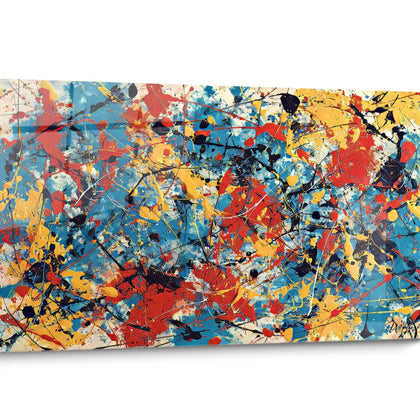 Abstract Wall Art for Schools24
artworks
Abstract Wall Art for Schools24
artworks
-
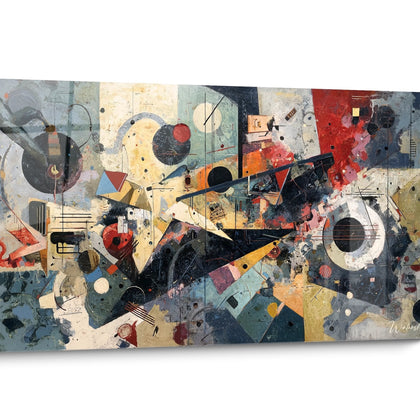 Geometric Educational Wall Art for Schools24
artworks
Geometric Educational Wall Art for Schools24
artworks
-
 Colorful School Wall Art24
artworks
Colorful School Wall Art24
artworks
-
 Wall Art for Children's School24
artworks
Wall Art for Children's School24
artworks
-
 Pop Art Wall Art for Schools6
artworks
Pop Art Wall Art for Schools6
artworks
-
 Futuristic School Wall Art10
artworks
Futuristic School Wall Art10
artworks
-
 Golden School Wall Art14
artworks
Golden School Wall Art14
artworks
-
 Black and White School Wall Art11
artworks
Black and White School Wall Art11
artworks
-
 School Watercolor Art Canvas10
artworks
School Watercolor Art Canvas10
artworks
-
 School Wall Art Animals24
artworks
School Wall Art Animals24
artworks
-
 Wall Art for Music School12
artworks
Wall Art for Music School12
artworks
-
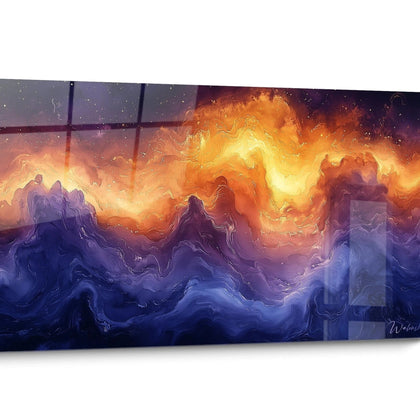 Expressionist School Wall Art8
artworks
Expressionist School Wall Art8
artworks
-
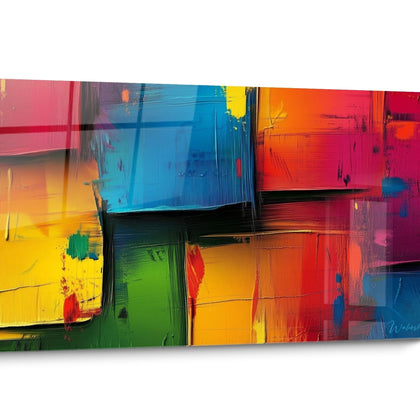 Painting School Wall Art13
artworks
Painting School Wall Art13
artworks
In the same family
Also explore the theme Places
-
 Kitchen150
artworks
Kitchen150
artworks
-
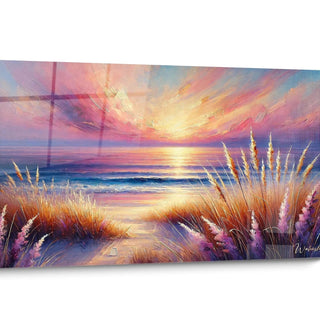 Coworking737
artworks
Coworking737
artworks
-
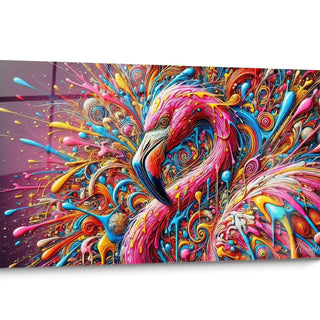 Professional Space737
artworks
Professional Space737
artworks
-
 For Airbnb5368
artworks
For Airbnb5368
artworks
-
 For Apartments899
artworks
For Apartments899
artworks
-
 For Library820
artworks
For Library820
artworks
-
 For Office737
artworks
For Office737
artworks
-
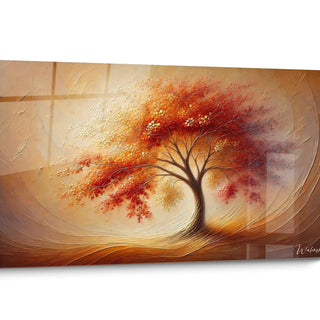 For Bedroom433
artworks
For Bedroom433
artworks
-
 For Hallways899
artworks
For Hallways899
artworks
-
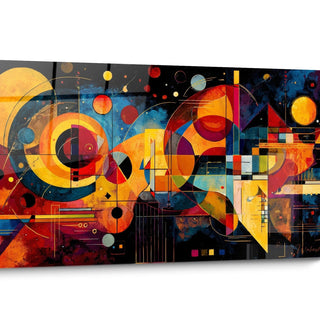 For Senior Residences899
artworks
For Senior Residences899
artworks
-
 For Waiting Rooms372
artworks
For Waiting Rooms372
artworks
-
 For Bathroom85
artworks
For Bathroom85
artworks
-
 For Yoga Room213
artworks
For Yoga Room213
artworks
-
 For Living Rooms634
artworks
For Living Rooms634
artworks
-
 For spas449
artworks
For spas449
artworks
-
 Meeting Room737
artworks
Meeting Room737
artworks


All about School Wall Art
- Presentation Wall Art for Schools
- Wall Art for Schools: Learning Environment
- Wall Art for Schools: Choice by Space
- Wall Art for Schools: Educational Sustainability
A wall art piece for schools is much more than a simple decorative element in an educational institution. These large-format wall displays actively transform learning spaces into stimulating environments that promote learning, concentration, and student well-being. Each institution seeks decorative solutions that meet the specific requirements of the school environment: resistance to heavy use, ease of maintenance, compliance with safety standards, and above all, the ability to create an atmosphere conducive to the intellectual and emotional development of children.
Transforming classrooms into optimized learning spaces
Acquiring a wall art piece for schools is part of a thoughtful pedagogical approach aimed at maximizing the impact of the physical environment on academic success. Research in educational neuroscience demonstrates that appropriate visual stimuli in a classroom directly influence students' ability to concentrate, their intrinsic motivation, and their engagement in learning activities. A large-format wall display then becomes a strategic tool for institutions keen to offer optimal study conditions.
How do wall visuals influence student cognition?
The visual elements present in a classroom act as cognitive anchors that facilitate memorization and create lasting mental associations. When a teacher addresses a unit on natural sciences, for example, the presence of a relevant wall representation in the students' immediate environment reinforces information encoding. The brain establishes connections between the content taught and the constant visual elements of the space, creating powerful memory markers. This strategy is particularly effective for visual learners, who represent a significant proportion of the student body.
Large formats offer a sufficiently imposing visual presence to serve as a focal point without creating excessive distraction. Unlike small decorative elements that fragment attention, a unique and well-chosen wall art piece structures the visual space consistently. This minimalist but impactful approach corresponds to the recommendations of ergonomists specializing in learning environments, who advocate for uncluttered spaces where each element fulfills a specific function.
Thematic adaptation to teaching programs
A school can develop a strategy for rotating wall visuals according to pedagogical cycles. This dynamic approach helps maintain the freshness of the environment while aligning wall decoration with the content taught. For a primary school class exploring the solar system, installing a large-scale spatial representation creates a thematic immersion that enriches the daily learning experience. Students literally evolve in an environment that breathes the subject being studied, which strengthens their emotional connection to the material.
Secondary schools can adopt a more sophisticated approach by selecting visuals that stimulate abstract thought and intellectual curiosity. Representations related to mathematics, classical literature, or historical scientific discoveries transform classrooms into inspiring spaces where students develop a deeper appreciation for academic disciplines. This strategy is part of a holistic vision of education that recognizes the importance of the physical environment in shaping the intellectual identity of young people.
Creation of differentiated pedagogical interest zones
Large-scale wall art can visually delineate different functional zones within a classroom. A reading area can be enhanced with a calming wall representation that invites peace and concentration, while the area dedicated to group activities benefits from a more dynamic and stimulating visual. This visual segmentation helps students intuitively understand the expected behaviors in each space, facilitating classroom management for teachers.
Forward-thinking institutions also leverage this strategy in common areas. A school library equipped with wall representations related to literary discovery and imagination becomes a cultural sanctuary where students naturally develop a positive relationship with reading. Cafeterias adorned with visuals evoking nutrition, culinary diversity, or convivial sharing transform meal times into extensions of the overall educational experience.
What are the selection criteria according to the age of the students?
Visual needs vary considerably depending on age groups. For kindergarten and early elementary classes, colorful representations with identifiable and reassuring elements support the emotional and linguistic development of young children. These visuals often serve as supports for verbalization activities where teachers encourage students to name, describe, and invent stories around the elements represented.
As students progress in their schooling, visual choices can become more complex and sophisticated. Classes in late elementary and middle school benefit from representations that pose questions, evoke abstract concepts, or present visual challenges stimulating critical thinking. This progression in visual complexity accompanies the cognitive development of students and maintains an environment that grows with them.
Measurable impact on classroom climate
School administrators and teachers regularly report tangible improvements in classroom climate following the installation of appropriate wall visuals. Classrooms previously perceived as austere or unwelcoming transform into spaces where students feel valued and inspired. This psychological transformation of the space helps reduce disruptive behaviors, as students develop a sense of belonging and respect for an environment they perceive as cared for and designed for their well-being.
Large-format pieces also communicate an implicit message about the importance the institution places on the quality of the learning environment. This visible investment in the aesthetics and functionality of educational spaces reinforces institutional pride among students and staff, creating a virtuous circle where the physical environment supports a positive school culture.
Strategic selection according to spaces and educational levels
Each space in a school possesses unique characteristics that call for specific decorative choices. A painting for school must be selected taking into account not only the general aesthetics, but also the precise functions of each zone and the daily interactions that take place there. This strategic approach maximizes the impact of the investment while creating visual consistency throughout the institution.
Optimization of classrooms according to disciplines
Classrooms dedicated to natural sciences greatly benefit from wall representations that evoke ecosystems, natural phenomena, or biological discoveries. These visuals serve as constant references during lessons, allowing teachers to point to specific elements during explanations. A large format representing marine biodiversity, for example, becomes a permanent educational support that enriches each lesson on the oceans, the food chain, or environmental adaptations.
Language learning rooms benefit from visuals evoking the cultures associated with the languages taught. This cultural visual immersion complements language learning by creating an authentic context that stimulates students' curiosity about foreign realities. Schools offering multiple languages can even visually differentiate each language room, creating distinct environments that facilitate students' mental transition between different linguistic worlds.
How to enhance circulation and relaxation areas?
Corridors represent often underutilized opportunities in schools. These transition spaces, where students pass several times a day, can be transformed into educational galleries thanks to large-scale wall visuals. A corridor leading to the library can feature representations related to literature and imagination, creating a positive anticipation for the destination. This narrative approach to space transforms daily commutes into meaningful experiences.
Covered playgrounds and interior recreation areas deserve special attention when selecting wall visuals. These decompression zones, where students release energy accumulated during classes, require representations that positively channel this vitality. Visuals evoking movement, exploration, or adventure create a stimulating environment without being overstimulating, a delicate but crucial balance to maintain a healthy recreation climate.
Adaptation to the specific needs of kindergartens
Kindergarten schools require a particularly thoughtful approach to the choice of wall visuals. Young children in a rapid cognitive and emotional development phase benefit from reassuring environments that gently stimulate their curiosity without overwhelming them. Large-scale wall visuals in these contexts should present clearly identifiable elements that children can name and discuss, supporting the development of language and symbolic thinking.
Nap rooms in kindergartens require special attention. Soothing representations with soft tones create an atmosphere conducive to rest, visually signaling to children that this space is dedicated to calm and relaxation. This consistency between the function of the space and its visual identity helps young children integrate daily routines and develop an intuitive understanding of the behavioral expectations associated with each place.
What visuals for administrative and reception areas?
The entrance hall of a school immediately communicates the values and identity of the school to visitors, parents, and new students. An imposing wall visual in this strategic space should reflect the school's educational philosophy while creating a welcoming and professional first impression. Schools focused on cultural openness can opt for representations evoking diversity and inclusion, while those prioritizing academic excellence can choose inspiring visuals related to scientific or literary discovery.
Meeting rooms and administrative offices also benefit from carefully chosen visuals that professionalize the space while maintaining a connection with the school's educational mission. These spaces, where exchanges with parents and external partners take place, gain credibility when every visual detail testifies to the attention paid to the overall quality of the educational environment.
Procurement strategy for gradually equipping the school
Faced with the budgetary constraints common to many schools, a phased approach allows the school to be gradually equipped by prioritizing spaces with a high impact. Starting with classrooms where students spend the most time ensures an immediate return on investment in terms of improving the learning environment. Common areas can be equipped in a second phase, creating a complete transformation of the school over a period of one to two school years.
This progressive strategy also offers the advantage of allowing adjustments based on experience. The initial visuals installed provide valuable lessons on student preferences, actual maintenance constraints, and the measurable impact on the atmosphere of spaces. This information then guides subsequent choices, ensuring continuous improvement of the overall decorative strategy.
Durability and practicality in the intensive school environment
The school environment subjects decorative elements to particularly demanding conditions. A painting for school must withstand the daily wear and tear generated by hundreds of students circulating in the spaces, frequent contacts, temperature and humidity variations, and the intensive maintenance requirements imposed by hygiene standards in an educational setting. Selecting wall visuals for a school therefore requires a rigorous assessment of the technical characteristics that guarantee optimal longevity.
Resistance to manipulation and daily contact
In busy corridors and passageways, wall visuals inevitably undergo regular contact. Students, especially the youngest, tend to touch wall surfaces while moving around. A visual adapted to the school context should therefore have a surface that resists fingerprints, friction, and minor impacts without visible deterioration. This technical robustness preserves the appearance of the establishment for several consecutive school years, avoiding premature and costly replacements.
Areas particularly exposed, such as walls adjacent to classroom doors or corridors leading to playgrounds, require visuals offering superior mechanical resistance. Large formats have the advantage of being able to be installed at a height partially protected from the most intense contacts, while maintaining a strong visual presence. This thoughtful installation strategy maximizes durability while preserving the desired aesthetic impact.
Ease of maintenance for maintenance personnel
Schools operate with strict maintenance protocols that include regular cleaning of all surfaces. A wall visual that is practical in this context should allow for simple and quick cleaning without requiring specialized products or complex techniques. Maintenance personnel, often subject to significant time constraints, prefer surfaces that clean effectively with the standard products used daily in the establishment.
Resistance to cleaning agents commonly used in schools is a crucial technical criterion. Some disinfectants used to maintain hygiene standards can gradually degrade surfaces not designed to withstand repeated exposure. An adapted visual maintains its visual quality even after hundreds of cleaning cycles, thus ensuring a consistently professional appearance that reflects the care taken in the general maintenance of the establishment.
What guarantees to look for in a durable investment?
Acquiring wall visuals for a school represents a significant investment that should be amortized over several years. Informed school administrators seek explicit guarantees covering color stability, resistance to deformation, and overall material durability. These guarantees offer financial protection but also testify to the manufacturer's confidence in the quality of their products, a reliable indicator of the actual expected durability.
Color stability when exposed to natural or artificial light is a particularly critical aspect. Classrooms facing south or equipped with large windows expose wall visuals to significant levels of light during teaching hours. A quality visual maintains its color vibrancy even after several years of continuous exposure, avoiding the faded appearance that would give an impression of neglect and reduce the initial aesthetic impact.
Compliance with Safety Standards in Educational Settings
Schools are subject to strict regulations regarding the materials present in spaces frequented by children. An appropriate wall visual complies with the fire reaction standards applicable to public buildings, thus ensuring the safety of occupants in the event of an incident. This regulatory compliance is non-negotiable and must be systematically verified before any purchase, particularly for public institutions subject to regular safety audits.
Beyond fire reaction, the materials used must also be free from toxic substances or harmful emissions. Young children, whose respiratory systems are still developing, are particularly vulnerable to volatile organic compounds that can be emitted by certain decorative materials. Responsible institutions systematically prioritize visuals certified for use in educational settings, thus ensuring the long-term health of occupants.
Simplified Installation and Replacement
Installation flexibility represents a considerable practical advantage in the school context. Schools experience periods of closure during school holidays, which are ideal times to carry out renovation and improvement work. An installation system that allows for quick implementation maximizes the efficiency of these limited maintenance windows, enabling the transformation of several spaces during a single holiday period.
The possibility of replacing or repositioning visuals without damaging walls also offers valuable flexibility for institutions that wish to evolve their visual environment over the years. This adaptability allows for the continuous alignment of the physical environment with pedagogical developments and new institutional orientations, maintaining the relevance and freshness of the educational environment over the long term.
Cost-Effectiveness Over the Duration of Use
The actual cost assessment of a wall visual must integrate its effective lifespan under school conditions. An initial investment in a product offering exceptional durability often proves more economical than a less expensive purchase requiring frequent replacements. This total cost of ownership analysis guides purchasing decisions for institution managers concerned with optimizing the allocation of limited budgets.
Large-format visuals generally offer a better cost-impact ratio than the accumulation of multiple small decorative elements. A single imposing format radically transforms a space with a concentrated investment, while the cumulative effect of several small elements often requires a comparable budget for a lesser visual impact. This economic efficiency adds to the aesthetic and practical advantages of large formats in educational environments.
FAQ - Frequently Asked Questions about Wall Art for Schools
Is a wall art suitable for spaces with very intense student traffic?
Absolutely. Wall visuals designed for educational environments are specifically treated to withstand the intensive usage conditions characteristic of schools. Their design anticipates frequent contact and daily wear, ensuring optimal appearance maintenance for several years of continuous use in highly frequented corridors, halls or classrooms.
How to integrate a wall art into a coherent pedagogical strategy?
Successful integration begins with identifying the priority pedagogical themes of the institution and the specific needs of each space. Teachers can participate in the selection of visuals for their respective classrooms, ensuring consistency between the content taught and the visual environment. This collaborative approach maximizes the pedagogical exploitation of the installed visuals.
What renewal frequency to anticipate for a wall art for school?
Wall visuals of quality adapted to school environments maintain their aesthetic impact and physical integrity for 5 to 10 years depending on usage and maintenance conditions. This longevity allows amortization of the investment over several budget cycles while offering the possibility of gradually refreshing the visual environment according to a planned renewal strategy. To further explore your understanding, we invite you to browse all our wall art which offers a complementary perspective on this artistic universe.
Do large-format wall art offer specific advantages compared to standard formats?
Generous dimensions offer a significantly more impactful visual presence that authentically transforms the atmosphere of an educational space. A large format creates a coherent focal point that visually structures the room without fragmenting attention, unlike the accumulation of small elements. This minimalist but impactful approach corresponds to the recommendations of ergonomics specialists in learning environments.
Further reading
Our articles on this topic
L'art qui suscite l'envie
Maison belge d'art mural grand format
14 jourspour changer d'avis*
Protection Walenskyincluse
Fabriquéen Italie
FormatXXL
Kit de fixationtoujours fourni
* Hors tableaux personnalisés et tailles personnalisées


