


Renaissance Painting
The Renaissance expresses its triumphant humanism through our remarkable collection. Each painting embodies the artistic renewal of this pivotal era, where man becomes the measure of all things. Technical innovation, rediscovery of antiquity, mastered perspective: these works mark a major aesthetic revolution. Art is reborn from its medieval ashes to reach unmatched heights of beauty and expression.
 Woman Beauty Introspective Painting - Renaissance Edition273,90 €
 Philosopher Divine Nectar Painting - renaissance edition273,90 €
 Banquet Feast Opulent Painting - renaissance edition273,90 €
 Mysterious Sfumato Portrait Painting - renaissance edition273,90 €
 Orange Flowers Symphony Wall Art - renaissance edition273,90 €
 Banquet Warm Conviviality Painting - Renaissance Edition273,90 €
 Male Portrait Painting Muse of the Arts - Renaissance Edition273,90 €
 Master Contemplator Portrait Painting - renaissance edition273,90 €
 Woman with Flowers Passion Incarnate Painting - renaissance edition273,90 €
 Noble Lord Autumn Warmth Painting - renaissance edition228,90 €
 Exuberant Nature Floral Painting - renaissance edition228,90 €
 Face Reverie Ochre Painting - renaissance edition228,90 €
 Woman Refinement Pictorial Painting - renaissance edition228,90 €
Explore further
In Renaissance Painting


In the same family
Also explore the theme Artistic Movements
-
 View all793
artworks
View all793
artworks
-
 Acrylic (style)10
artworks
Acrylic (style)10
artworks
-
 Art Deco164
artworks
Art Deco164
artworks
-
 Islamic Art9
artworks
Islamic Art9
artworks
-
 Art Nouveau39
artworks
Art Nouveau39
artworks
-
 Comic Strip16
artworks
Comic Strip16
artworks
-
 Baroque22
artworks
Baroque22
artworks
-
 Bauhaus31
artworks
Bauhaus31
artworks
-
 Billiards19
artworks
Billiards19
artworks
-
 Classicism16
artworks
Classicism16
artworks
-
 Collage14
artworks
Collage14
artworks
-
 Constructivism31
artworks
Constructivism31
artworks
-
 Cubism91
artworks
Cubism91
artworks
-
 Dadaism33
artworks
Dadaism33
artworks
-
 Drawing20
artworks
Drawing20
artworks
-
 Expressionist95
artworks
Expressionist95
artworks
-
 Abstract Fauvism10
artworks
Abstract Fauvism10
artworks
-
 Abstract Futurism25
artworks
Abstract Futurism25
artworks
-
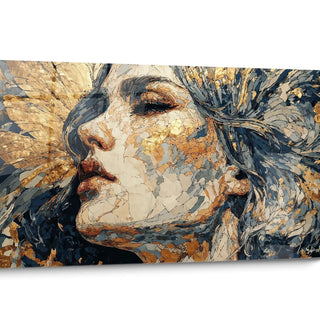 Gothic29
artworks
Gothic29
artworks
-
 Hyperrealism28
artworks
Hyperrealism28
artworks
-
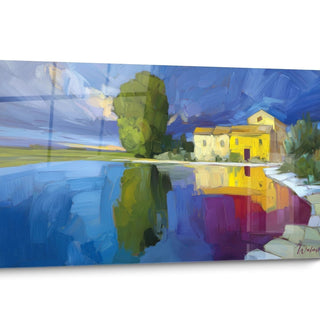 Impressionism23
artworks
Impressionism23
artworks
-
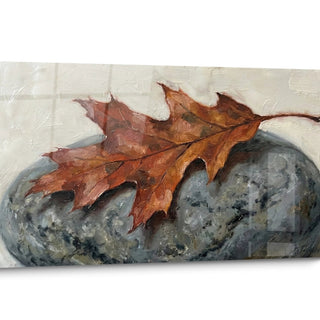 Japandi13
artworks
Japandi13
artworks
-
 Light painting3
artworks
Light painting3
artworks
-
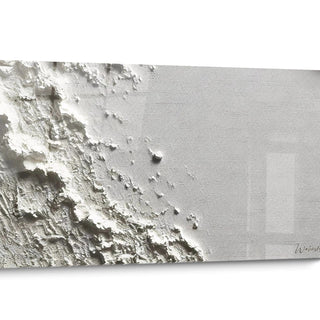 Minimalist35
artworks
Minimalist35
artworks
-
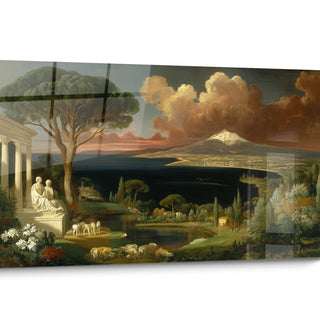 Neo-classical15
artworks
Neo-classical15
artworks
-
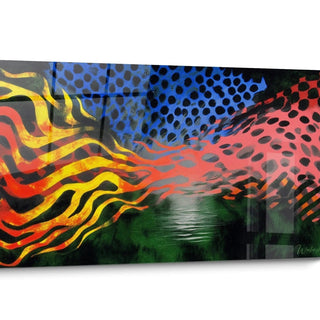 Op Art20
artworks
Op Art20
artworks
-
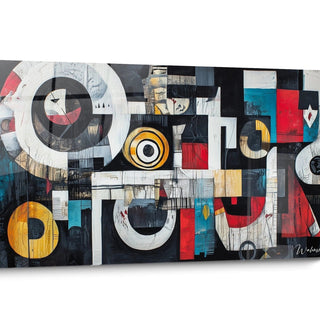 Abstract Contemporary Painting48
artworks
Abstract Contemporary Painting48
artworks
-
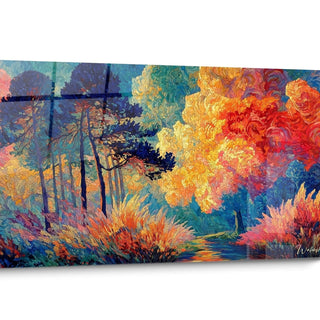 Pointillism59
artworks
Pointillism59
artworks
-
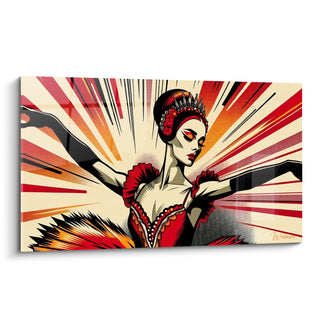 Abstract Pop Art18
artworks
Abstract Pop Art18
artworks
-
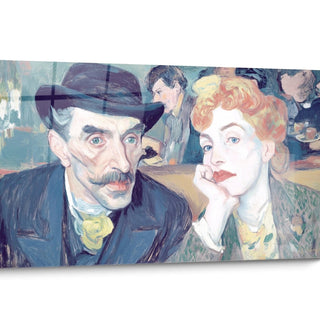 Post-Impressionism15
artworks
Post-Impressionism15
artworks
-
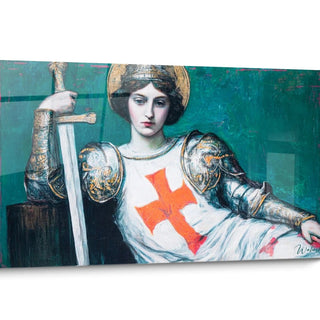 Pre-Raphaelitism11
artworks
Pre-Raphaelitism11
artworks
-
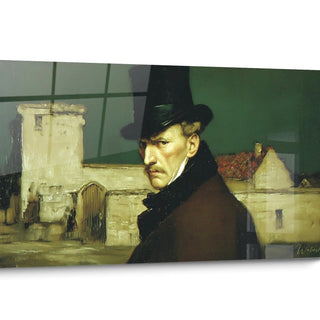 Realism10
artworks
Realism10
artworks
-
 Italian Renaissance12
artworks
Italian Renaissance12
artworks
-
 Rococo5
artworks
Rococo5
artworks
-
 Romantic12
artworks
Romantic12
artworks
-
 Romanticism17
artworks
Romanticism17
artworks
-
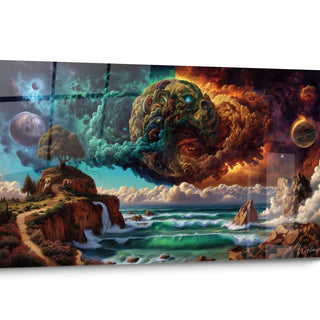 Abstract Surrealism34
artworks
Abstract Surrealism34
artworks
-
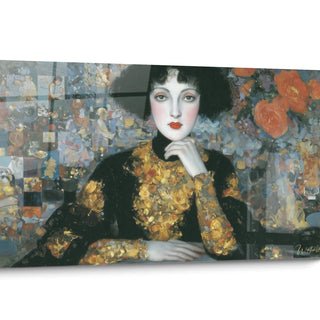 Symbolist26
artworks
Symbolist26
artworks
-
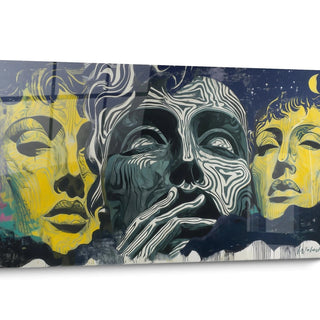 Vanity21
artworks
Vanity21
artworks
All about Renaissance Painting
- Overview Renaissance Painting
- Renaissance Painting: Masters and Decorative Prestige
- Renaissance Painting: Symbolism and Artistic Messages
- Renaissance Painting: Pictorial Techniques in Large Format
Discover our exceptional collection of Renaissance paintings that will transform your interior into a true historical art gallery. These high-quality reproductions of masterpieces from the Italian Renaissance and European Renaissance bring unparalleled cultural and aesthetic dimension to your living spaces. Each Renaissance painting in our selection captures the essence of the masterful techniques developed between the 15th and 16th centuries, an unprecedented period of artistic flourishing. Our large-format reproductions reveal the full sophistication of Renaissance masters, from Leonardo da Vinci to Michelangelo, through Raphael and Botticelli. Renaissance art is distinguished by its pursuit of aesthetic perfection, its revolutionary technical innovations, and its profound humanism that continues to inspire contemporary art enthusiasts. Investing in a Renaissance painting means choosing a timeless artistic heritage that sustainably enhances your interior decoration.
The Art of Renaissance Masters: Transform Your Interior into a Gallery of Prestige
The acquisition of a Renaissance painting represents much more than a simple decorative purchase: it is the appropriation of an age-old artistic heritage that confers upon your interior an aura of exceptional cultural sophistication. Works by Florentine masters such as Leonardo da Vinci, with his "Mona Lisa" or "The Last Supper", instantly transform a living room into a reception room worthy of the greatest historical residences.
Reproductions of Michelangelo, particularly his frescoes of the Sistine Chapel or his sculpted portraits transposed into painting, create focal points of incomparable visual power in reception spaces. These monumental works, adapted in large wall format, retain their emotional impact while integrating perfectly into the most demanding contemporary architectures.
### Raphael and Renaissance Decorative Elegance Raphael's works, a master of balance and harmony, bring a particular aristocratic serenity well-suited to executive offices and private libraries. His "Madonnas" and portraits of Renaissance high society create an atmosphere of intellectual refinement that enhances workspaces and reflection areas.
The collection of paintings from artistic movements offers faithful reproductions that restore the chromatic subtlety and fine details characteristic of the Roman School. These works are particularly suited to classical and neo-classical interiors where they reveal all their decorative nobility.
### The Venetian School and Its Colorist Masters Titian, Veronese, and Tintoretto revolutionized the art of color during the Venetian Renaissance, creating works of exceptional chromatic richness. Their Renaissance paintings transform living spaces into true jewels of light, particularly well-suited to living rooms and dining rooms where conviviality reigns supreme.
Titian's mythological scenes, such as "Venus of Urbino" or his "Bacchantes", bring refined sensuality that elevates contemporary interiors without ever descending into vulgarity. These works create warm and sophisticated atmospheres, ideal for relaxation and private reception spaces.
### Botticelli and Decorative Symbolism "The Birth of Venus" and "Primavera" by Botticelli represent the pinnacle of Renaissance decorative art. These allegorical compositions transform master bedrooms and living rooms into aesthetic sanctuaries where every detail reveals profound symbolism.
The integration of these masterpieces into modern interiors creates a fascinating dialogue between European cultural heritage and contemporary decorative codes. Each Renaissance painting becomes an investment in cultural patrimony that sustainably enhances your property while affirming your enlightened artistic taste.
Decoding Renaissance Symbolism: Artistic Messages and Decorative Impact
Each Renaissance painting conveys a complex symbolic language that considerably enriches the decorative experience of your interior. Unlike contemporary works often abstract in nature, Renaissance art offers narrative compositions rich in meaning that stimulate contemplation and intellectual reflection.
Religious allegories, omnipresent in Renaissance art, transform private spaces into places of aesthetic meditation. Fra Angelico's "Annunciations" or Piero della Francesca's "Madonnas" create an atmosphere of recollection conducive to libraries and study offices, where concentration and serenity are essential.
### Greco-Roman Mythology in Renaissance Art Renaissance masters drew abundantly from ancient mythology to create works of exceptional iconographic richness. These Renaissance mythological paintings, such as Botticelli's "Mars and Venus" or Raphael's "School of Athens", transform reception rooms into veritable artistic academies.
These allegorical compositions excel in representation spaces where they demonstrate the classical culture of the property owners. Each mythological character, each decorative attribute tells a story that enriches conversations and testifies to a certain intellectual refinement.
### Renaissance Portraits and Social Affirmation Renaissance portraits, an artistic genre particularly developed during this period, create incomparable aristocratic atmospheres in contemporary interiors. Bellini's "Portraits of Doges" or effigies of the Medici family transform entrance halls and staircases into galleries of illustrious figures.
These portrayed works convey social and aesthetic codes that adapt perfectly to contemporary prestige interiors. The psychology of the characters, rendered with remarkable finesse, creates artistic presences that subtly animate daily living spaces.
### Architectural Symbolism and Renaissance Perspective The architecture depicted in Renaissance paintings testifies to the revolutionary technical mastery of this era. The perfect perspectives of Brunelleschi, transposed into pictorial works, create depth effects that visually enlarge interior spaces.
### What symbolic elements distinguish Renaissance paintings? Renaissance symbols are characterized by their iconographic sophistication: lilies symbolize purity, roses represent divine love, cypresses evoke eternity, and classical architectures affirm triumphant humanism.
### How to interpret Renaissance allegories in modern decoration? Renaissance allegories integrate naturally into contemporary interiors by creating points of intellectual contemplation that enrich the daily decorative experience. Each symbol becomes an element of reflection that enhances the inhabited space.
Renaissance still lifes, often overlooked, reveal symbolism particularly suited to modern kitchens and dining rooms. Fruits, vegetables, and everyday objects represented with startling realism create aesthetic continuity between historical art and contemporary life. These compositions develop a philosophy of abundance and culinary refinement that elevates private gastronomic spaces.
Renaissance Technical Mastery: Pictorial Revolution in Large Wall Format
The technical revolution that occurred during the Renaissance radically transforms the decorative impact of Renaissance paintings in contemporary interiors. The invention of linear perspective by Brunelleschi and its pictorial application by Masaccio create works of revolutionary spatial depth that adapt perfectly to the requirements of large wall formats.
The "sfumato" technique developed by Leonardo da Vinci, which consists of imperceptible color transitions, produces modeling effects of extraordinary subtlety. This technical innovation, particularly visible in large-format reproductions, creates luminous atmospheres that transform the ambiance of the most demanding reception rooms.
### Chiaroscuro and Decorative Drama Renaissance masters perfected the art of chiaroscuro, a technique that consists of playing with light contrasts to create striking dramatic effects. These Renaissance paintings use light as a genuine sculptural tool that reveals volumes and intensifies artistic emotion.
Caravaggio, though slightly later, perfects this technique by creating works of exceptional luminous intensity. His religious compositions, adapted in wall format, transform interiors into veritable theaters of light where each light source reveals new artistic details.
### Chromatic Innovation and Decorative Richness The Venetian School revolutionizes the art of color through the technical innovations of Titian and Veronese. These masters develop chromatic ranges of unequaled richness that adapt perfectly to contemporary decorative requirements. Their Renaissance paintings create sophisticated color harmonies that integrate naturally into modern decorative palettes.
The Venetian "coloritura" technique, which superimposes transparent color glazes, produces chromatic depth effects particularly spectacular in large format. These innovations reveal their full splendor in high-definition reproductions that preserve the subtlety of original nuances.
### Renaissance Anatomy and Artistic Realism The in-depth anatomical study conducted by Renaissance artists, particularly Michelangelo and Leonardo da Vinci, revolutionizes the representation of the human body in Western art. This technical mastery produces works of striking realism that naturally impose themselves in prestige interiors.
### What is the technical specificity of Renaissance paintings? Renaissance techniques are characterized by perfect mastery of perspective, chromatic innovation, in-depth anatomical study, and the development of sculptural modeling that create works of incomparable technical sophistication.
### How do Renaissance innovations adapt to modern wall format? Renaissance technical innovations, designed for the large original wall compositions, adapt perfectly to contemporary decorative formats while preserving their visual impact and wealth of details that resist enlargement superbly.
Renaissance frescoes, the quintessential wall technique, find new life in contemporary high-definition reproductions. The compositions of Villa Farnese or the Palazzo del Te reveal all their decorative monumentality when adapted to modern interiors, creating artistic environments of exceptional sophistication.
The egg tempera technique, perfected during the Renaissance, produces colors of remarkable purity and durability. This technical innovation, faithfully reproduced in our collections, guarantees exceptional decorative longevity that preserves artistic investment over the long term. Renaissance paintings thus become lasting heritage elements that continually enhance your interior decoration.
### FAQ - Renaissance Painting
What are the most suitable Renaissance painting formats for modern interiors?
Panoramic formats and monumental vertical compositions integrate perfectly into contemporary architectures. Works of 120x80 cm minimum reveal the full technical sophistication of Renaissance masters while preserving the readability of artistic details.How to choose a Renaissance painting based on decoration style?
Classical interiors favor portraits and religious scenes, while contemporary settings are enriched by mythological compositions and still lifes. The Venetian School suits warm atmospheres, the Florentine School more formal spaces.What is the decorative durability of a high-quality Renaissance painting?
Professional reproductions use pigments and museum-quality supports that guarantee chromatic stability over several decades. Investment in a quality Renaissance painting constitutes durable and valuable decorative heritage.Can you combine multiple Renaissance paintings in the same space?
Renaissance art lends itself perfectly to multiple wall compositions, provided stylistic and thematic harmony is respected. Works from the same artistic school or period create cohesive and sophisticated decorative ensembles.Further reading
Our articles on this topic
- Christopher Columbus Renaissance-Style Painting for the Living Room: The Aesthetic Codes to Know
- How to Choose a Renaissance Painting to Decorate Your Dining Room
- Renaissance portrait painting: the original gift that speaks to art lovers
- Renaissance Italian painting for a classic living room: a harmonization guide
L'art qui suscite l'envie
Maison belge d'art mural grand format
14 jourspour changer d'avis*
Protection Walenskyincluse
Fabriquéen Italie
FormatXXL
Kit de fixationtoujours fourni
* Hors tableaux personnalisés et tailles personnalisées


