


Egypt Wall Art
Explore our exceptional collection of paintings Egypt that captures all the majesty of ancient Egyptian art. These works sublimate the pharaonic mysteries through striking representations of pyramids, sphinxes, deities and sacred hieroglyphs. Each creation transports you to the enchanting universe of Ancient Egypt, revealing the cultural and spiritual richness of this millennial civilization. Perfect for creating a mystical and sophisticated atmosphere, these wall artworks transform your interior into a true sanctuary dedicated to the treasures of the Nile and the eternal heritage of the pharaohs.
 Eye of Horus Breath Wall Art - Egypt Edition273,90 €
 Nefertiti Grace of the Pyramids Wall Art - Egypt Edition273,90 €
 Pharaoh Charcoal and Midnight Blue Sculpted Artwork - Immobile Guardian - Egypt Edition273,90 €
 Egyptian Face Painting Blue and Gold with White Flowers - Flowered Headdress Ornamented - Egypt Edition273,90 €
 Golden Face with Pale Blue Eyelids - Hand Under Chin - Egypt Edition273,90 €
 Pink and Blue Pharaohs Graphic Style Painting - Pharaonic Ritual - Egypt Edition273,90 €
 Palm Trees red and ochre on reflected water - Twilight along the water - Egypt edition273,90 €
 Golden Skyline over the Nile with Sailboat - Sunset Edition Egypt273,90 €
 Golden and Red Cobra Pharaoh Painting - Serene Closed Eyelids - Egypt Edition273,90 €
 Golden Pharaoh Painting with Temple Columns - Golden Eternity - Egypt Edition273,90 €
 Golden and Turquoise Egyptian Queen Painting with Blue Bird - Pearled Earrings Edition Egypt273,90 €
 Purple and Blue Sphinx Painting with Crinkled Textures - Golden Pyramids on the Horizon - Egypt Edition273,90 €
 Pharaoh Blue and Orange Checkerboard Textured Painting - Mosaic Fragments - Egypt Edition273,90 €
 Egyptian Face Painting Ochre and Navy Blue Solar Headdress - Divine Silence - Egypt Edition273,90 €
 Golden and Coral Egyptian Queen Painting with White Veil - Cobra Earrings - Egypt Edition273,90 €
 Golden and Blue Pharaoh Face Painting - Silhouettes Below - Egypt Edition273,90 €
 Golden and Red Faces Artwork - Close-up with Closed Eyes - Ornate Headdresses - Egypt Edition273,90 €
 Pharaonic Queen Painting in Blue and Orange Tones - Sacred Silence - Egypt Edition273,90 €
 Egyptian Queen Turquoise and Yellow Painting with Golden Cobra - Closed Pink Lips - Egypt Edition273,90 €
 Black Palm Tree Sun Coral Turquoise Painting - Urban Twilight - Egypt Edition273,90 €
 Golden and Turquoise Pharaoh with Reflected Palm Tree - Overlapping Ghost City - Egypt Edition273,90 €
 Pharaoh in Pink and Gold with Painted Face - Immortal Sovereign - Egypt Edition273,90 €
 Golden Egyptian Queen Painting Holding a Falcon - Ornate Headdress and Rose - Egypt Edition273,90 €
 Pharaoh Portrait Gold and Blue Mosaic - Colorful Geometric Fragments - Egypt Edition273,90 €


In the same family
Also explore the theme History
-
 View all123
artworks
View all123
artworks
-
 Alexander the Great5
artworks
Alexander the Great5
artworks
-
 Charlemagne5
artworks
Charlemagne5
artworks
-
 Christopher Columbus13
artworks
Christopher Columbus13
artworks
-
 Louis XIV11
artworks
Louis XIV11
artworks
-
 Louis XVI8
artworks
Louis XVI8
artworks
-
 Marie-Antoinette3
artworks
Marie-Antoinette3
artworks
-
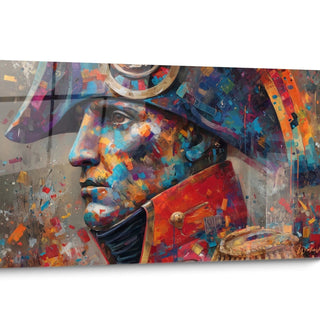 Napoleon8
artworks
Napoleon8
artworks
-
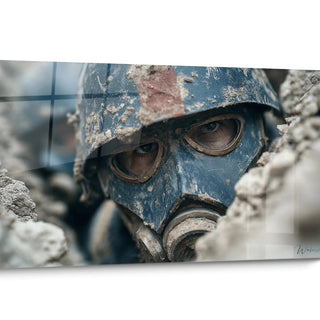 First World War16
artworks
First World War16
artworks
-
 French Revolution17
artworks
French Revolution17
artworks
-
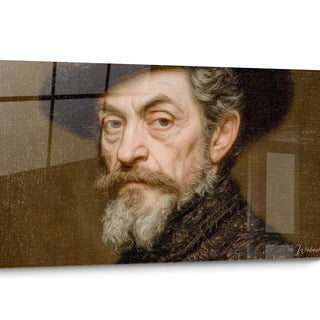 Richelieu5
artworks
Richelieu5
artworks
-
 World War II17
artworks
World War II17
artworks
-
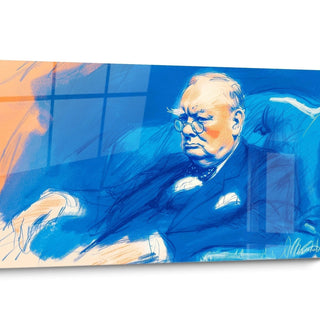 Winston Churchill16
artworks
Winston Churchill16
artworks


All about Egypt Wall Art
- Presentation Egypt Painting
- Egypt Painting Spiritual Symbolism
- Egypt Painting Pharaoh Prestige
- Egypt Painting Historical Authenticity
Discover our exclusive collection of Egypt paintings in large dimensions, true portals to the fascinating world of pharaohs. These exceptional wall art pieces instantly transform your living space into a mystical sanctuary, combining decorative prestige and spiritual depth. Each Egyptian representation tells a millennial story, captivating the eye with its authentic archaeological details and emblematic colors of the desert and pharaonic gold.
Egypt Painting: Spiritual Power and Energetic Symbolism
An Egypt painting transcends simple wall decoration to become a true energy catalyst in your interior. Representations of Egyptian deities such as Anubis, guardian of the dead, or Horus, celestial protector, diffuse a mystical aura particularly sought after by lovers of esotericism and ancient spirituality.
The hieroglyphs integrated into these wall compositions are never chosen at random. Each symbol carries a precise meaning: the ankh for eternal life, the Eye of Horus for divine protection, or the sacred scarab representing perpetual rebirth. This symbolic richness gives your space a unique sacred dimension, impossible to reproduce with other decorative themes.
What is the energetic influence of a painting representing ancient Egypt ?
The energetic impact of an Egyptian representation is explained by the sacred geometry integrated into pharaonic art. The proportions used in temples and monuments follow the golden number, creating a visual harmony that soothes the mind and promotes meditation. The dominant colors - ochre, turquoise and gold - correspond to the chakras of earthly grounding and spiritual elevation.Representations of the Nile, sacred river, bring a dimension of fluidity and constant renewal. The pyramids, symbols of cosmic stability, reinforce the feeling of serenity and balance in the habitat. This unique combination makes the Egypt painting a preferred choice for relaxation areas, consulting rooms or rooms dedicated to reflection.
How to choose Egyptian deities according to the use of the room?
Thoth, god of wisdom, is perfect for libraries and study areas. Bastet, goddess protector of the home, finds its place in family living rooms. Isis, incarnation of feminine magic, flourishes in bedrooms or wellness spaces. This functional specificity radically distinguishes Egyptian art from other general decorative themes.The papyrus reproduced on these wall art pieces often contain excerpts from the Book of the Dead, a spiritual guide to the afterlife. These sacred texts, even undecipherable by the modern viewer, maintain a subconscious connection with the millennial Egyptian wisdom. The psychological effect is immediate: contemplation, respect, and elevation of the soul.
Personalized pharaonic cartouches allow you to anchor the work in your personal space. Some collectors have their name reproduced in hieroglyphs, creating an intimate connection with this fascinating civilization. This personalization is impossible with other types of wall art and reinforces the emotional attachment to the work.
Egypt Painting Large Format: Prestige and Decorative Refinement
Acquiring a large-scale painting Egypt is an exceptional decorative investment, demonstrating a refined taste for historical art and ancient culture. These imposing murals, often created in panoramic formats, instantly transform any wall into a private gallery worthy of the most prestigious Egyptological museums.
Scenes of pharaonic coronations, reproduced with striking realism, bring an incomparable royal dimension to your interior. The details of ceremonial headdresses, massive gold jewelry, and precious fabrics create a visual spectacle of unparalleled richness. This decorative opulence immediately positions your space in the category of exceptional interiors.
Why are panoramic formats particularly suitable for Egyptian themes?
Egyptian architecture is characterized by its monumental perspectives: avenues of sphinxes, endless colonnades, murals extending for dozens of meters. A panoramic format respects this original grandeur and allows you to appreciate the majesty of pharaonic constructions in their authentic dimension.Religious processions, a recurring theme in Egyptian art, require a considerable width to display their narrative splendor. Priests, bearers of offerings, musicians, and sacred dancers form colorful processions that captivate the eye along the entire length of the wall. This visual continuity creates a unique immersive effect, literally transporting the viewer to the temples of Luxor or Karnak.
Representations of the funerary journey to the afterlife, illustrating the passage of the soul through the different worlds, gain emotional impact thanks to the succession of scenes. This progressive narrative, impossible to render on a standard format, is one of the major assets of large-format paintings Egypt .
How do Egyptian colors harmonize with contemporary interiors?
The Egyptian chromatic palette - lapis lazuli blue, pure gold, cinnabar red, malachite green - naturally integrates into high-end modern decorations. These mineral colors, extracted from precious stones, impart a depth and richness impossible to achieve with conventional synthetic pigments.Pharaonic gold, omnipresent in Egyptian art, enhances contemporary LED lighting and creates sophisticated reflections depending on the time of day. This interaction between modern artificial light and ancient noble materials produces a decorative effect of striking modernity.
Egyptian geometric motifs - lozenges, spirals, intertwines - perfectly match current minimalist aesthetics. This stylistic compatibility allows a painting Egypt to be integrated into design interiors without a visual break, while bringing the cultural depth that is often lacking in standardized contemporary decorations.
Painting Egypt: Archaeological Authenticity and Historical Accuracy
Historical authenticity is the primary criterion in choosing a museum-quality painting Egypt . Faithful reproductions of the frescoes discovered in the tombs of the Valley of the Kings offer an authentic cultural immersion, far from fanciful interpretations that distort the pharaonic heritage.
Reproduction techniques scrupulously respect the original pictorial methods: superposition of colors in the traditional order, respect for the canonical proportions established by the master scribes, fidelity to the clothing codes and divine attributes specific to each deity. This archaeological rigor guarantees the educational and cultural value of the work.
How to recognize the historical authenticity of an Egyptian representation?
Authentic Egyptian reproductions respect the artistic canon established under the Old Kingdom: profile head with frontal eye, front torso with profile legs, hierarchy of sizes according to the social importance of the characters. These conventions, sometimes confusing to the modern eye, constitute the authentic signature of pharaonic art.The accuracy of the hieroglyphs represents an infallible indicator of quality. Each sign must correspond exactly to Egyptological dictionaries, with the correct orientation and proportions respected. The texts reproduced come from documented sources: Book of the Dead, Pyramid Texts, or inscriptions recorded by international archaeological missions.
Divine attributes require absolute accuracy: Anubis must invariably wear the black jackal head, Sobek the crocodile head, Thoth the sacred ibis head. No artistic fantasy is tolerated in these sacred representations, under penalty of betraying the spiritual essence of the original work.
What are the most represented historical periods in Egyptian mural art?
The New Kingdom (1550-1070 BC) provides the most spectacular models for paintings of contemporary Egypt. This prosperous period, marked by the reigns of Thutmose III, Amenhotep III and Ramses II, produced the most beautiful funerary frescoes and the most refined court scenes.The Theban tombs of this era reveal scenes of aristocratic banquets, hunts in the Nile marshes, and religious ceremonies of incomparable iconographic richness. These narrative compositions, perfectly suited to contemporary wall formats, maintain their visual impact after more than three millennia.
The Ptolemaic period (332-30 BC) offers a fascinating synthesis between pharaonic traditions and Hellenistic influences. These hybrid works, discovered notably in Alexandria, present a style more accessible to modern sensibilities while preserving the Egyptian spiritual essence.
Recent discoveries, such as those of Tutankhamun's tomb or the royal mummies of Deir el-Bahari, continually enrich the available iconographic repertoire. This archaeological news maintains the freshness and interest of the reproductions, unlike artistic themes frozen in time.
What Egypt painting should I choose for authentic decoration?
Prioritize reproductions from documented archaeological sites, accompanied by certificates detailing the historical provenance and original creation period.Do the hieroglyphs on an Egypt painting have a real meaning?
High-quality reproductions use exclusively authentic hieroglyphic texts, translated and verified by professional Egyptologists.How to maintain a large-scale Egypt painting?
The mineral pigments used in faithful reproductions naturally resist time, requiring only delicate dusting and protection from excessive humidity.Is an Egypt painting suitable for all interior styles?
The timelessness of pharaonic art remarkably adapts to classic, contemporary or ethnic decorations, always bringing a culturally enriching dimension.Further reading
Our articles on this topic
- Egyptian portrait painting with hieroglyphs: symbolic language serving an authentic ethnic decor
- Modern Egypt Painting: The Original Gift for a History Lover
- Golden Pharaoh Portrait Egypt Painting: Bring Majesty to Your Living Room
- Egypt Painting for an Elegant Professional Office: The Art of Discreet Prestige
- Egyptian Ancient Painting and Hieroglyphs: How to Integrate It into a Modern Living Room
- Egyptian portrait painting for an adult bedroom: matching night ambiance and decor
L'art qui suscite l'envie
Maison belge d'art mural grand format
14 jourspour changer d'avis*
Protection Walenskyincluse
Fabriquéen Italie
FormatXXL
Kit de fixationtoujours fourni
* Hors tableaux personnalisés et tailles personnalisées


