

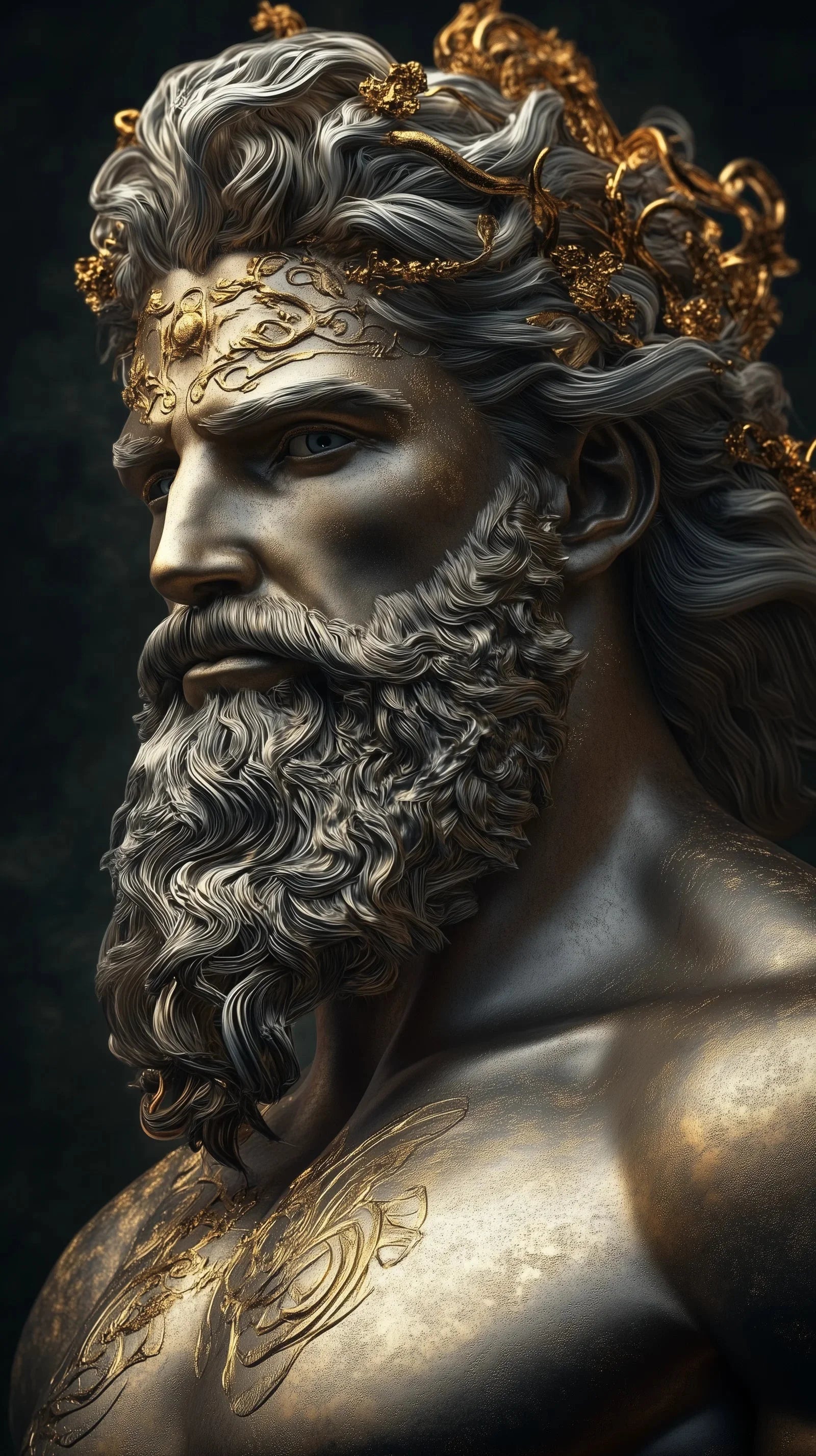
Zeus Wall Art
Immerse yourself in the majestic universe of our Zeus Wall Art collection, where the king of the Greek gods comes to life through striking artistic works. Each Zeus depicted embodies the divine power and commanding presence of this emblematic mythological figure. Our artists capture the very essence of the master of Olympus, between blazing thunderbolts and sovereign presence. These artworks bring mythological dimension and narrative depth to your interior décor, while testifying to your sensitivity for classical art revisited with modernity.
 Zeus Wall Art No. 1 - Myths and Legends Edition273,90 €
In the same family
Also explore the theme Myth and Legends
-
 View all332
artworks
View all332
artworks
-
 Apollo2
artworks
Apollo2
artworks
-
 Other Myths and Legends14
artworks
Other Myths and Legends14
artworks
-
 Banshee2
artworks
Banshee2
artworks
-
 Bigfoot2
artworks
Bigfoot2
artworks
-
 Chupacabra2
artworks
Chupacabra2
artworks
-
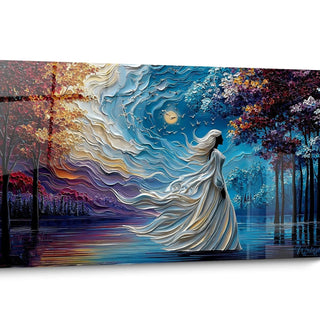
 White Lady2
artworks
White Lady2
artworks
-
 Dragon142
artworks
Dragon142
artworks
-
 Icarus1
artwork
Icarus1
artwork
-
 Kraken3
artworks
Kraken3
artworks
-
 Lilith1
artwork
Lilith1
artwork
-
 Mokele-Mbembe3
artworks
Mokele-Mbembe3
artworks
-
 Narcissus5
artworks
Narcissus5
artworks
-
 Pegasus27
artworks
Pegasus27
artworks
-
 Shiva62
artworks
Shiva62
artworks
-
 Ulysses1
artwork
Ulysses1
artwork
-
 Wendigo1
artwork
Wendigo1
artwork
-
 Yeti2
artworks
Yeti2
artworks


All about Zeus Wall Art
- Zeus Wall Art Presentation
- Zeus Wall Art Symbolism
- Zeus Wall Art Home Decor
- Zeus Wall Art Collection
The Zeus wall art represents one of the most emblematic figures of Greek mythology, capturing all the power and majesty of the king of the gods. These large-format mural artworks instantly transform any space into a sanctuary dedicated to Olympus. Discover how a mythological wall art depicting Zeus can become the focal point of your interior while telling a millennia-old story.
The Deep Symbolism of Zeus Wall Art in Contemporary Art
Zeus wall art embodies far more than a simple decorative representation - it constitutes a true portal into the Greek mythological universe where divine power meets modern artistic expression. As the undisputed king of the gods of Olympus, Zeus symbolizes authority, justice, and cosmic force, values that transcend time and still resonate deeply in our contemporary society.
Why does Zeus wall art fascinate art collectors so much?
The fascination with Zeus representations is explained by the quasi-archetypal dimension of this divinity in our collective unconscious. Unlike other mythological representations, a Zeus wall art brings an imposing and majestic presence, capable of radically transforming a room's atmosphere. The figure of the master of lightning, often depicted with his emblematic attributes - the thunderbolt, the eagle, and the celestial throne - creates a striking focal point that instantly captivates visitors' attention.
Mythology art enthusiasts particularly seek out Zeus wall art for their unique ability to simultaneously embody multiple symbolic dimensions: primordial power, divine wisdom, and sovereign authority. This narrative richness far exceeds that of other mythological paintings, offering continuously renewed interpretive depth.
The different representations of Zeus in wall art
The iconography of Zeus in contemporary wall art draws from a rich artistic tradition while reinventing it. Several distinctive approaches can be distinguished:
• Olympian Zeus: majestic on his throne, with a full beard and piercing eyes, embodying wisdom and authority
• Thunderbolt-wielding Zeus: captured in dynamic movement, brandishing his lightning, symbolizing power and divine action
• Metamorphic Zeus: depicted in his legendary transformations (swan, bull, shower of gold), evoking divine multiplicity
• Celestial Zeus: surrounded by clouds and cosmic elements, reminding us of his dominion over the skies and meteorological phenomena
Each type of representation brings a distinct energy to the space where the wall art is displayed. Majestic and static versions are perfectly suited to formal environments such as offices or reception halls, while more dynamic representations can energize contemporary living spaces.
How does Zeus wall art influence a room's atmosphere?
The introduction of a Zeus wall art into a living space creates an immediate and transformative effect that no other mythological artwork can match. This powerful visual presence influences the psychological atmosphere uniquely:
First, the Zeus wall art naturally establishes a visual hierarchy in the space, becoming the culmination of attention and structuring the arrangement of other decorative elements. Its presence commands respect and visually organizes the environment.
Second, the chromatic tones generally associated with Zeus representations - celestial blues, stormy grays, Olympian golds - create a specific emotional palette that inspires grandeur and contemplation. These hues can be strategically exploited to balance or accentuate the existing color scheme of the room.
Finally, the narrative dimension of a Zeus wall art opens a space for intellectual dialogue in the domestic environment, inviting reflection on universal themes such as power, justice, and cosmic order - a thematic depth rarely achieved by other decorative subjects.
The evolution of Zeus representations in contemporary art
The aesthetics of Zeus wall art have evolved considerably to adapt to modern artistic sensibilities while preserving their fundamental mythological essence. Contemporary interpretations now explore:
• Minimalist compositions capturing the essence of Zeus through a few emblematic features
• Abstract representations playing with associated symbols (stylized lightning, silhouettes) rather than anthropomorphic figures
• Digital interpretations combining traditional techniques and digital art for spectacular renderings
• Multicultural perspectives establishing parallels between Zeus and other supreme deities from world pantheons
This stylistic evolution allows Zeus wall art to integrate harmoniously into ultra-modern interiors while retaining their symbolic depth and characteristic visual impact.
Large-format Zeus wall art constitutes a particularly sought-after category, allowing complete immersion in divine presence. These monumental works truly transform an ordinary space into a contemporary sanctuary, creating a complete sensory experience that transcends simple aesthetic appreciation.
Zeus Wall Art: How to Create an Olympian Sanctuary in Your Home
Integrating a Zeus wall art into your interior decor represents much more than a simple aesthetic choice – it is an approach that fundamentally transforms the atmosphere and energy of your living space. The imposing presence of the king of the gods brings a mythological dimension and symbolic depth unmatched by other decorative works.
What strategic location should you choose for your Zeus wall art?
Positioning a Zeus wall art requires particular reflection to maximize its visual impact and symbolic resonance in the space. Unlike conventional paintings that can adapt to various locations, a representation of the master of Olympus demands certain specific considerations:
In a living room, the Zeus wall art finds its ideal place on the main wall facing the entrance, immediately creating an impression of grandeur for anyone entering the room. This dominant position perfectly reflects Zeus's status as a figure of supreme authority.
For an office or workspace, installation above or facing the main desk can inspire leadership and decision-making - qualities intrinsically associated with Zeus in his role as sovereign and judge.
In a dining room, the wall art can preside above the table, subtly reminding of the importance of shared meals and hospitality, sacred aspects in Greek mythology and particularly associated with Olympian values.
For large spaces like entrance halls or monumental staircases, a panoramic-format Zeus wall art can create a spectacular focal point that immediately captures attention and establishes a majestic ambiance.
Association with other decorative elements: creating Olympian harmony
Harmoniously integrating a Zeus wall art into your interior requires a coherent approach with other decorative elements, thus creating balanced visual dialogue:
• Color environment: Celestial hues (deep blues, stormy grays) and metallic accents (gold, bronze) naturally complement Zeus wall art and can be repeated in strategically placed decorative accessories
• Complementary furniture: Pieces with refined lines and majesty, evoking classical Greek architecture, create subtle thematic continuity without falling into literal historical recreation
• Dramatic lighting: A directional lighting system that highlights contrasts and details of the Zeus wall art can significantly accentuate its presence and create shadow effects evoking the mystical atmosphere of ancient temples
• Natural elements: The introduction of Mediterranean plants (olive, laurel) or natural stone establishes a subtle connection with the original environment of Olympian myths
Balance consists of creating an environment that resonates with mythology without becoming thematic or excessive, allowing the Zeus wall art to radiate as a masterpiece while integrating organically into the space.
How does Zeus wall art influence spatial psychology?
Introducing a Zeus wall art into a lived space produces specific psychological effects that should be consciously explored and exploited:
The visual presence of an authority figure like Zeus tends to unconsciously structure spatial organization, naturally creating hierarchical zones in the room. This effect can be particularly beneficial in multifunctional spaces requiring clear visual delineation.
Representations of Zeus, particularly those capturing his celestial nature, tend to elevate the gaze and create a sensation of increased vertical space – a considerable asset for low ceilings or modestly dimensioned rooms.
The symbolism of cosmic order embodied by Zeus promotes an atmosphere of mental clarity and concentration, making spaces adorned with these wall artworks environments conducive to reflection and decision-making.
Adapting Zeus wall art to different interior styles
The aesthetic versatility of contemporary Zeus wall art allows their integration into varied decorative styles, beyond solely classical or neoclassical interiors:
• Minimalist interior: A refined and geometric representation of Zeus or his attributes (stylized lightning, abstract silhouette) can perfectly complement spaces with sober and modern lines
• Industrial decoration: Zeus wall art with metallic tones and raw textures resonate harmoniously with raw materials and untreated surfaces characteristic of this style
• Scandinavian aesthetic: Light and airy interpretations, playing with celestial blues and cloudy whites, can integrate into these bright and refined interiors
• Contemporary fusion: Representations mixing traditional techniques and artistic innovations allow establishing a fascinating visual dialogue between the ancient and the modern
The key lies in selecting a Zeus wall art whose stylistic treatment resonates with the general aesthetic of the space while maintaining the characteristic emotional impact and presence of the subject.
Zeus Wall Art Collection: A Complete Guide for Connoisseurs
Building a collection of Zeus wall art represents a particularly enriching artistic endeavor that transcends the simple decorative act. This specific theme offers unmatched narrative and symbolic depth, allowing exploration of the multiple facets of this fundamental divinity through different artistic interpretations.
How do you develop a coherent collection of Zeus wall art?
Creating a significant collection of Zeus wall art requires a structured approach to maintain coherence while exploring the diversity of possible representations:
First, determine a specific thematic thread - you could focus on manifestations of Zeus's power (representations with lightning), his interactions with other deities, or even his legendary metamorphoses during his romantic conquests.
Next, consider a chronological or stylistic progression - from classicism to contemporary art - allowing visualization of the evolution of Zeus representations across different artistic periods and aesthetic sensibilities.
Consider the balance between monumental pieces (large or panoramic format) and more intimate works, creating a visual dynamic that allows appreciation of different aspects of Zeusian iconography depending on exhibition spaces.
For a truly distinctive collection, integrate transcultural interpretations showing parallels between Zeus and other supreme deities from world pantheons (Roman Jupiter, Norse Odin, Vedic Indra), thus enriching the comparative and intellectual dimension of your collection.
The different artistic schools in Zeus representation
The richness of Zeus wall art largely stems from the diversity of stylistic approaches adopted by different artistic movements:
• Neoclassicism: Majestic and anatomically precise representations, often inspired by ancient statuary, emphasizing divine nobility and dignity
• Romanticism: Dramatic interpretations capturing Zeus in all his elemental power, with intensive use of chiaroscuro and tumultuous scenes
• Symbolism: Evocative works favoring suggestion and allusion, representing Zeus through his attributes and influence rather than his physical form
• Contemporary art: Conceptual reinterpretations playing with myth deconstruction, mixed media, and viewer interaction
• Digital art: Creations using digital technologies to produce spectacular visual effects, particularly suited for representing the celestial and meteorological phenomena associated with Zeus
Each approach offers a unique perspective on the divine figure, and a diverse collection allows appreciation of this interpretive richness in its entirety.
Conservation and enhancement of a Zeus wall art collection
Zeus wall art, particularly large-format pieces with special finishes (gilding, textured relief), require specific considerations for optimal preservation and enhancement:
For conservation, prioritize an environment with controlled humidity (ideally between 40-50%) and avoid direct exposure to sunlight which could alter pigments representing the dramatic skies and celestial tones characteristic of Olympian scenes.
Museum-quality directional lighting, with adjustable color temperature LED spots, allows enhancement of the complex details of Zeus representations - such as subtle shadow play in his emblematic beard or lightning luminous effects - while minimizing potential damage.
Consider a seasonal rotation of your collection, adapting displayed wall art to natural light variations of different seasons. Scenes of Zeus thundering can thus take particular resonance during stormy months, while more serene representations of the enthroned god can suit winter periods.
Investment in Zeus wall art: perspectives and considerations
Beyond their aesthetic and cultural value, Zeus wall art also represents an interesting segment of the mythological art market:
The market for Zeus representations experiences steady appreciation, particularly for large-format pieces combining artistic quality with symbolic fidelity to the god's traditional attributes.
Contemporary works establishing innovative dialogue between classical iconography and current preoccupations (ecology, power, justice) constitute particularly promising acquisitions, reflecting the timeless relevance of these myths.
For beginning collectors, limited and numbered editions from emerging artists specializing in mythological art represent an accessible entry point, with significant appreciation potential over the medium term.
Zeus Wall Art FAQ
What is the ideal size for a Zeus wall art in a modern living room?
For a modern living room, a large-format Zeus wall art (120x80 cm minimum) creates the visual impact needed to honor this majestic subject. In particularly spacious environments, panoramic formats (150x100 cm or more) allow capture of the full Olympian grandeur and establish a truly imposing presence that defines the atmosphere of the entire room.
How do you identify a superior quality Zeus wall art?
A superior quality Zeus wall art distinguishes itself through the precision of divine attributes (finely detailed lightning, majestic facial expression), the richness of contrasts between celestial light and dramatic shadows, and the durability of materials used. The finest pieces display visual depth that creates an almost three-dimensional effect, giving the impression that Zeus could emerge from the frame at any moment.
Can Zeus wall art integrate into a family interior?
Absolutely, Zeus wall art can perfectly integrate into a family environment by choosing representations emphasizing the paternal and protective aspects of the god rather than his most terrifying manifestations. These works then become excellent supports for introducing young people to mythology while bringing distinctive artistic presence to the common living space.
Further reading
Our articles on this topic
L'art qui suscite l'envie
Maison belge d'art mural grand format
14 jourspour changer d'avis*
Protection Walenskyincluse
Fabriquéen Italie
FormatXXL
Kit de fixationtoujours fourni
* Hors tableaux personnalisés et tailles personnalisées


