


Abstract Artistic Paintings
Our abstract artistic paintings are the embodiment of pure creativity. Each work, rich in emotions and innovative forms, expresses a unique vision of abstraction. Ideal for any space, they bring an artistic and timeless touch. Explore artistic expression, visual creativity, and timeless abstraction.
 The Break in Time Painting - Abstract Artistic Edition273,90 €
 Sculpted Waves Navy Blue and Ivory Artwork - Flowing, Wavy Layers - Artistic Abstract Edition273,90 €
 Wavy Ribbon White and Navy Blue Artwork - Sculptural Ivory Fold - Artistic Edition Abstract273,90 €
 Amber Bubbles Navy Blue and Orange Cascade Painting - Concentric Splashes - Artistic Abstract Edition273,90 €
 Splashed Orange and White Diagonal - Solar Awakening - Artistic Abstract Edition273,90 €
 Yellow and Navy Splatter Painting with White Droplets - Flowing Arched Lines - Artistic Abstract Edition273,90 €
 Black Circle with Golden Splatters - Gravitational Force - Abstract Artistic Edition273,90 €
 Purple Waves with Golden Shimmers - Mineral Breath - Artistic Abstract Edition273,90 €
 Golden Peaks and Navy Waves Painting - Horizon Line - Abstract Artistic Edition273,90 €
 Purple and Gold Clouds with Vertical Stripes - Rainy Striped Sail - Abstract Artistic Edition273,90 €
 Black Silhouette Painting with Purple and Gold Tones - Fractured Dawn - Artistic Abstract Edition273,90 €
 Golden and Purple Veins Painting with Sparkling Droplets - Sparkling Bubbles Suspended - Artistic Edition Abstract273,90 €
 Golden and Violet River with Frosted Crystals - White Crystalline Cluster - Artistic Edition Abstract273,90 €
 Painting Purple and Gold Volutes with Silky Veins - Fluid Ink Marbling - Artistic Abstract Edition273,90 €
 Golden Waves with Turquoise Swirls - Sparkling Backwash - Artistic Abstract Edition273,90 €
 White and Coral Spiral Painting with Black Strokes - Lateral Safran Rectangle - Artistic Edition Abstract273,90 €
 Black and Orange Circle Painting with Whipped Strokes - Ink Splashes Gestural - Artistic Abstract Edition273,90 €
 Golden and White Foamy Wave on Mountains - Silver Winding River - Artistic Abstract Edition273,90 €
 Red and Yellow Samurai Painting in Sunlight - Return of the Warrior - Abstract Artistic Edition273,90 €
 Golden and Blue Tree Painting with Luminous Roots - Constellation of Sparkling Particles - Artistic Abstract Edition273,90 €
 Black and Gold Wave Painting with Cracked Roots - Silver White Foam - Artistic Abstract Edition273,90 €
 Black and Red Asteroids Explosion Painting - Flying Rock Fragments - Artistic Abstract Edition273,90 €
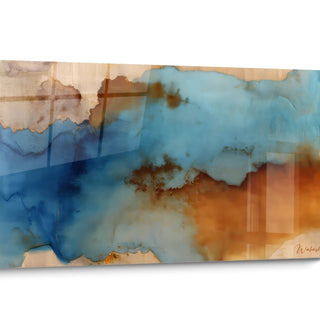
 Explosive Painting Terracotta and Navy Blue - Captured Breath - Artistic Abstract Edition273,90 €
 Turquoise Wave with Frosted Spray - Marine Foam - Abstract Artistic Edition273,90 €
Explore further
In Abstract Artistic Paintings


In the same family
Also explore the theme Abstract
-
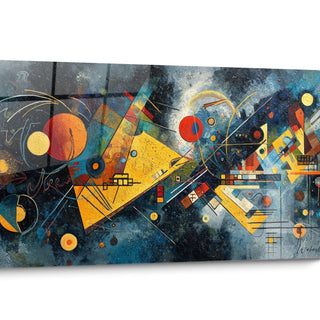 View all4182
artworks
View all4182
artworks
-
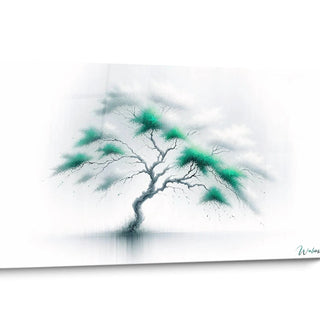 Abstract123
artworks
Abstract123
artworks
-
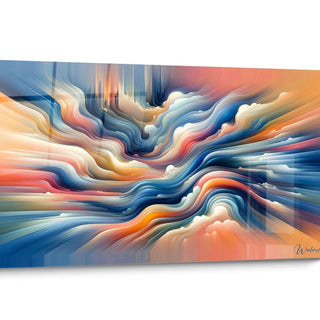 Colorful Abstract153
artworks
Colorful Abstract153
artworks
-
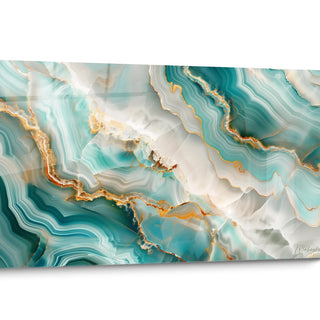 Blue marble abstract7
artworks
Blue marble abstract7
artworks
-
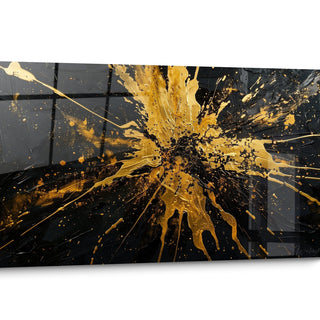 Black and Gold Abstract10
artworks
Black and Gold Abstract10
artworks
-
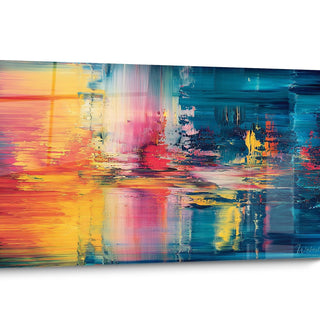 Abstract Scraped Style9
artworks
Abstract Scraped Style9
artworks
-
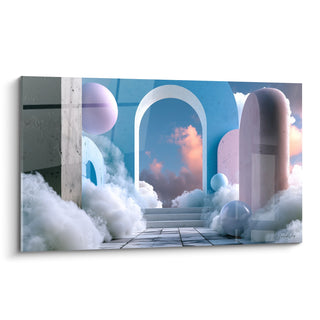 Abstract Architecture517
artworks
Abstract Architecture517
artworks
-
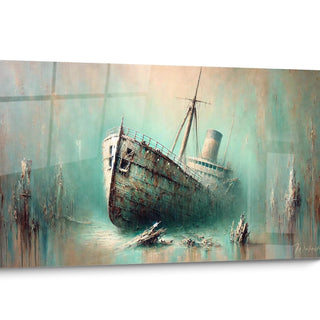 Abstract Boat228
artworks
Abstract Boat228
artworks
-
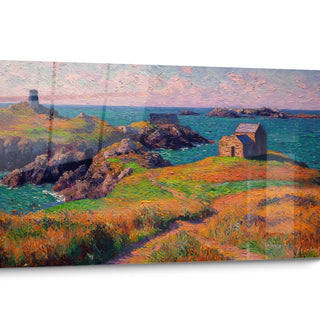 Abstract Seaside39
artworks
Abstract Seaside39
artworks
-
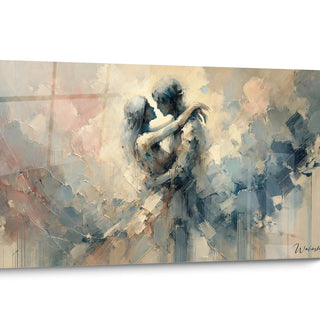 Abstract Body73
artworks
Abstract Body73
artworks
-
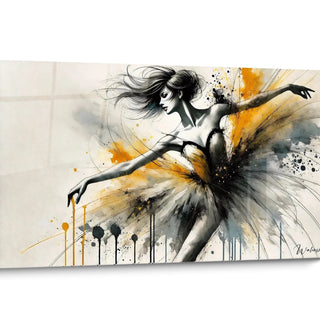 Abstract Dancer305
artworks
Abstract Dancer305
artworks
-
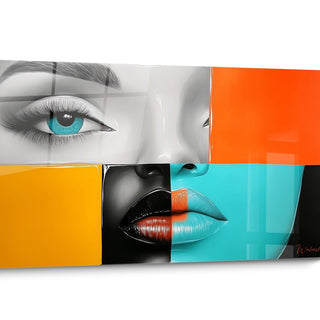 Abstract Figurative23
artworks
Abstract Figurative23
artworks
-
 Abstract Flower90
artworks
Abstract Flower90
artworks
-
 Geometric392
artworks
Geometric392
artworks
-
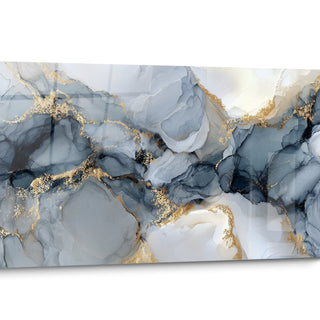 Abstract Marble169
artworks
Abstract Marble169
artworks
-
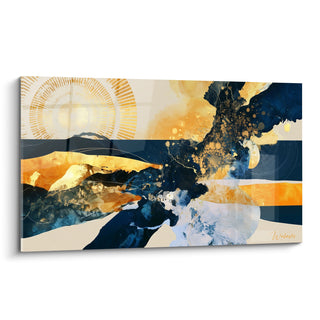 Modern Abstract106
artworks
Modern Abstract106
artworks
-
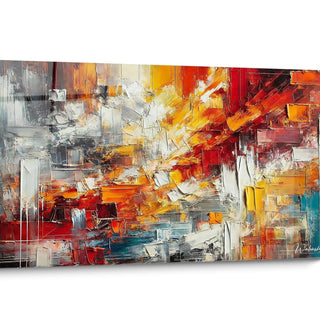 Contemporary Multicolour36
artworks
Contemporary Multicolour36
artworks
-
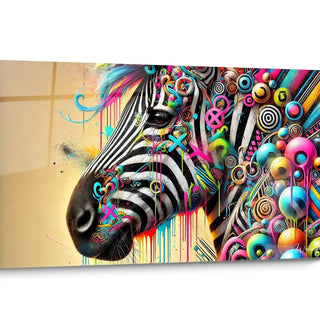 Multicolor Abstract224
artworks
Multicolor Abstract224
artworks
-
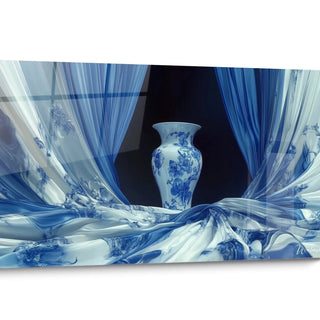 Abstract Still Life9
artworks
Abstract Still Life9
artworks
-
 Painting (style)638
artworks
Painting (style)638
artworks
-
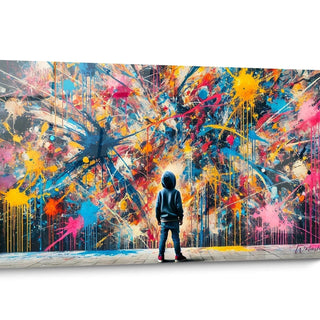 Abstract Pop Art5
artworks
Abstract Pop Art5
artworks
-
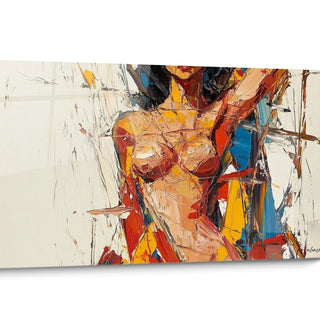 Sensual Abstract16
artworks
Sensual Abstract16
artworks
-
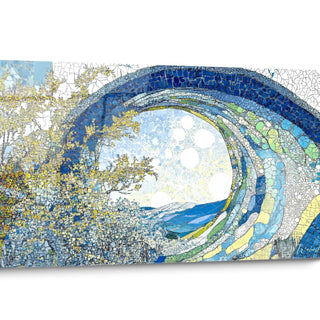 Abstract Spirals141
artworks
Abstract Spirals141
artworks
-
 Textured Abstract39
artworks
Textured Abstract39
artworks
-
 Abstract Face508
artworks
Abstract Face508
artworks


All about Abstract Artistic Paintings
- Artwork Presentation Artistic Abstract
- Artistic Abstract Paintings for Contemporary Interiors
- Artistic Abstract Paintings and Emotional Expression
- Artistic Abstract Paintings as Artistic Investment
Discover the visual power of artistic abstract paintings that radically transform your interior spaces. These unique pictorial creations distinguish themselves through their ability to transcend figurative representations and explore the emotional and conceptual dimensions of art. Unlike classical works, abstract paintings do not seek to reproduce visible reality but rather propose a unique visual language composed of forms, colors and textures that stimulate imagination and invite personal interpretation.
Artistic abstract paintings are characterized by their exceptional decorative versatility, adapting to varied environments while retaining their expressive force. Whether you seek a statement piece for your minimalist living room, a dynamic element for your professional space, or a contemplative work for your meditation area, abstract art offers a sophisticated decorative solution that transcends fleeting trends.
Our large format selections bring a striking presence capable of transforming the acoustics and overall ambiance of your spaces. Explore in the following tabs the different facets of these visually powerful works that revolutionize the contemporary decorative approach.
Artistic Abstract Paintings: Revolutionize Your Contemporary Interiors
Artistic abstract paintings represent far more than simple wall decoration – they constitute a true ambiance catalyst that fundamentally transforms the spatial perception of your interior. Unlike figurative works that impose an explicit subject, these contemporary creations dialogue directly with the surrounding architecture, creating a dynamic interaction between the work and the inhabited space.
How do abstract paintings modify the spatial perception of a room?
One of the distinctive characteristics of large format artistic abstract paintings is their ability to visually redefine space proportions. In apartments with standard ceilings, a vertical abstract composition creates an elevation illusion, while horizontal formats visually broaden narrow walls. This perceptual manipulation constitutes a major decorative asset for interior architects who exploit these works as true spatial optical correction tools.
Abstract compositions with fluid and organic lines perfectly counterbalance environments dominated by rigid and geometric architectural lines. This creative juxtaposition between built structure and artistic fluidity generates sophisticated visual tension particularly sought after in high-end contemporary arrangements.
The overlooked acoustic impact of large abstract works
A rarely discussed but particularly relevant aspect concerns the acoustic properties of large-dimension artistic abstract paintings. Depending on their constitutive materials and thickness, these works significantly contribute to the absorption of mid-range sound frequencies, thus improving acoustic comfort in open spaces with reflective surfaces such as industrial lofts or minimalist interiors dominated by glass and concrete.
Textured relief creations offer superior acoustic performance, transforming a decorative work into a true functional element. This dual aesthetic and practical value explains the growing preference for textured abstract paintings in professional reception spaces and open-plan residences.
What chromatic interactions to create between your abstract paintings and your space?
The chromatic selection of a artistic abstract painting is part of a global arrangement strategy that far exceeds simple color harmony considerations. Design professionals use these works as chromatic anchor points around which the entire seasonal color evolution of an interior is articulated.
Abstract paintings with cool palettes dominated by blues and grays create a perception of spatial expansion, while compositions with warm and earthy tones generate an enveloping atmosphere that visually draws walls closer. This perceptual manipulation allows you to visually adapt room proportions without structural architectural intervention.
Multi-chromatic abstract works offer exceptional decorative flexibility, allowing you to regularly modify secondary textile and decorative elements while maintaining overall visual coherence. This adaptability explains the privileged investment in a major abstract work rather than multiple minor decorative creations.
The unique temporal evolution of abstract paintings in your space
Unlike figurative representations whose visual reading remains relatively constant, artistic abstract paintings are characterized by a fascinating temporal perceptual evolution. The visual experience of an abstract composition transforms radically according to natural and artificial lighting conditions, offering a perpetually renewed work throughout hours and seasons.
Abstract creations with metallic or iridescent finishes maximize this chameleon effect, literally transforming their appearance according to viewing angle and light quality. This perpetual metamorphosis guarantees lasting visual interest that transcends ephemeral trend effects, fully justifying investment in a significant abstract work.
The strategic positioning of your artistic abstract painting must integrate this evolutionary dimension, favoring locations benefiting from variable rather than constant light. Spaces with cross-ventilation exposed to morning and evening lights offer optimal conditions to fully appreciate this visual metamorphosis characteristic of quality contemporary abstract art.
Artistic Abstract Paintings: Catalysts for Emotions and Personal Expression
Artistic abstract paintings fundamentally distinguish themselves from other forms of wall art through their unique ability to function as true emotional interfaces in daily environment. Unlike figurative works that impose precise narration, abstract compositions establish a personal and evolving emotional dialogue with each observer, transforming the decorative experience into subtle psychological exploration.
The specific neuropsychological impact of abstract compositions
Neuroesthetics studies demonstrate that contemplating artistic abstract paintings activates brain areas distinct from those stimulated by figurative art. While the latter primarily mobilizes visual recognition circuits, abstraction simultaneously engages emotional centers and zones associated with conceptual creativity, explaining the profoundly regenerative effect of these works in relaxation and cognitive recovery spaces.
Abstract compositions dominated by cyclic or spiral movements demonstrate particular efficacy in reducing physiological stress markers, with measurable effects on heart rate variability and blood pressure. This therapeutic dimension explains the growing presence of large-format abstracts in high-intensity professional environments such as executive offices or negotiation rooms.
How to select an abstract painting aligned with your emotional imprint?
The process of acquiring a significant artistic abstract painting far transcends conventional aesthetic considerations to anchor in a deep emotional identification approach. Authentic resonance with an abstract work manifests physically through immediate breathing modification and spontaneous attentional focus that signal genuine connection beyond conscious stylistic preferences.
Abstract compositions with gestural dominance generally reflect dynamic personalities valuing action and transformation, while structured geometric works resonate with temperaments privileging order and conceptual clarity. This correspondence between pictorial expressivity and personal psychological structure guarantees lasting satisfaction transcending transitory trend effects.
The relative size of an abstract work directly influences its emotional impact - large formats creating sensory immersion that transforms contemplative experience into true enveloping emotional bath. This immersive dimension explains why contemporary spaces systematically privilege imposing formats to maximize the transformational impact of abstract art.
Abstraction as identity revealer in personal space
Artistic abstract paintings occupy a unique position in the narrative construction of inhabited space identity. Unlike conventional decorative objects that communicate explicit cultural affiliations, abstraction reveals more subtle and fundamental personality dimensions, particularly one's relationship to ambiguity, tolerance for complexity, and capacity for engagement with creative uncertainty.
The integration of a major abstract work in a personal environment constitutes a sophisticated psychological statement that transcends traditional socio-economic markers to express aesthetic maturity and interpretive confidence. This dimension of personal affirmation explains the privileged adoption of abstraction by creative personalities and innovators in their professional and personal spaces.
Multi-interpretive abstract compositions evolve with personal development, offering new readings as individual transformations occur. This unique characteristic makes significant abstract paintings evolutionary life companions rather than simple static decorative elements, fully justifying their consideration as durable identity investments rather than transitory decorative acquisitions.
Artistic Abstract Paintings: An Informed Artistic Investment Strategy
Contemporary artistic abstract paintings represent a particularly strategic artistic investment category, fundamentally distinguished from other art market segments by specific appreciation dynamics. Unlike figurative works whose appreciation often remains linked to thematic trend fluctuations, quality abstract art demonstrates remarkable resilience to fashion cycles, guaranteeing a more stable and progressive appreciation trajectory.
Why does abstraction present a distinctive investment profile?
Quality artistic abstract paintings benefit from dual appreciation dimensions - aesthetic and financial - that reinforce their position as tangible assets in wealth diversification strategy. Their value transcends purely decorative considerations to integrate parameters of creative rarity, technical innovation, and positioning within contemporary art's evolutionary trajectory.
Geometric abstraction and lyrical abstraction currently constitute segments demonstrating most consistent progressions, with average annual appreciation rates of 7-12% for works by established mid-career artists. This remarkable performance notably results from their exceptional adaptability to international contemporary architectural environments, creating structurally growing demand independent of regional economic variations.
Large format abstract works present significant competitive advantage in the secondary market, their monumentality perfectly responding to contemporary space needs characterized by generous volumes and expansive wall surfaces. This architectural adequacy guarantees superior liquidity compared to reduced formats, even for artists of equivalent reputation.
The impact of materials and techniques on investment durability
Material longevity constitutes a determining factor in artistic abstract paintings' appreciation trajectory. Creations employing archival materials and techniques guaranteeing chromatic stability invariably demonstrate superior appreciation progression than works using unproven experimental components regardless of their initial visual impact.
Abstract compositions integrating metallic or mineral elements present exceptional resistance to common environmental degradation like light exposure or hygrometric variations. This material resilience explains their superior long-term appreciation compared to more fragile creations, particularly within institutional acquisitions segments systematically privileging conservatory permanence.
How to evaluate an abstract painting's appreciation potential?
Analyzing an artistic abstract painting's appreciation potential relies on cross-evaluation of distinctive artistic and strategic parameters. Artist production's evolutionary coherence constitutes a major predictive indicator, creators demonstrating clear technical and conceptual progression invariably generating sustained collector interest compared to those presenting erratic stylistic ruptures.
Early institutional presence, even in regional structures, represents a particularly reliable indicator of long-term appreciation potential. Public collection acquisitions, even modest ones, constitute significant qualitative validation that generally precedes commercial market movements, offering savvy collectors appreciation anticipation opportunity.
Composition complexity and chromatic sophistication of abstract works significantly determine their aesthetic durability and therefore appreciation trajectory. Creations presenting multi-layer visual structures offering different reading levels demonstrate remarkable resilience to perceptual habituation, maintaining their visual impact and desirability over extended periods unlike more immediate compositions.
Strategic integration of abstract art in diversified wealth
Contemporary artistic abstract paintings occupy a particular position in balanced wealth allocation strategy, simultaneously offering immediate aesthetic benefits and substantial financial appreciation potential. Unlike many alternative investments, these tangible assets generate daily hedonic dividend while benefiting from advantageous tax treatment in numerous jurisdictions.
Contemporary abstraction presents the decisive advantage of unrestricted international transportability without legal restrictions affecting certain historical figurative artwork categories. This unencumbered mobility constitutes a determining asset for international collectors, guaranteeing superior liquidity and exceptional adaptability to personal or professional geographic relocations.
FAQs on Artistic Abstract Paintings
What is the fundamental difference between an authentic abstract painting and a printed reproduction?
An authentic artistic abstract painting presents tactile dimensionality and visual depth impossible to reproduce through printing processes, even high-end ones. Material stratification, textural variations, and unique light responsiveness constitute distinctive characteristics guaranteeing perpetually renewed visual experience, unlike reproductions whose appearance remains static regardless of environmental conditions.
How to properly maintain a large-dimension abstract painting?
Contemporary artistic abstract paintings require minimal but specific maintenance, primarily centered on protecting against prolonged direct sun exposure and extreme hygrometric fluctuations. Periodic dusting with a soft natural bristle brush generally suffices to maintain their visual integrity, absolutely avoiding any chemical products or moisture that could compromise the work's material qualities.
What lighting should be prioritized to optimize visual impact of abstract paintings?
Ideal artistic abstract paintings illumination combines diffuse ambient lighting with a directional system at adjustable intensity, ideally in LED technology with color rendering index (CRI) above 95. Textured compositions particularly benefit from lateral lighting accentuating reliefs, while works with complex chromatic effects express full potential under slightly off-axis frontal light minimizing reflections while revealing pictorial layer depth.
Further reading
Our articles on this topic
- Simple Abstract Art Trends: Bring Your Walls to Life
- The Art of Abstraction: A Journey Through the History of Abstract Painting
- How to "Read" an Abstract Painting: A Beginner's Interpretation Guide
- Why Abstract Art is the Decor Trend of the Moment
- Abstract Art: Get Inspired with These Innovative Ideas
- Kinetic Abstraction: When Abstract Art Comes to Life
L'art qui suscite l'envie
Maison belge d'art mural grand format
14 jourspour changer d'avis*
Protection Walenskyincluse
Fabriquéen Italie
FormatXXL
Kit de fixationtoujours fourni
* Hors tableaux personnalisés et tailles personnalisées


