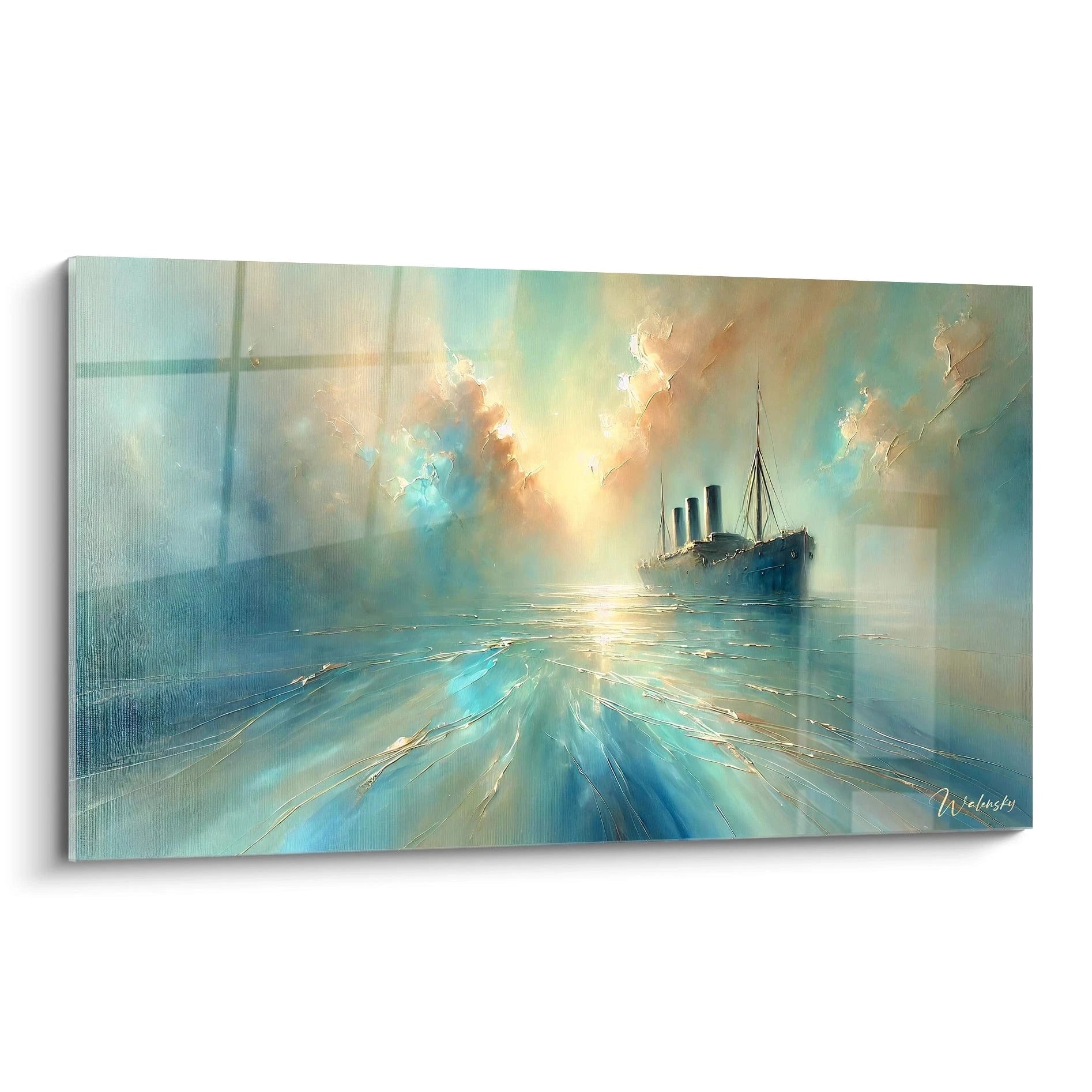
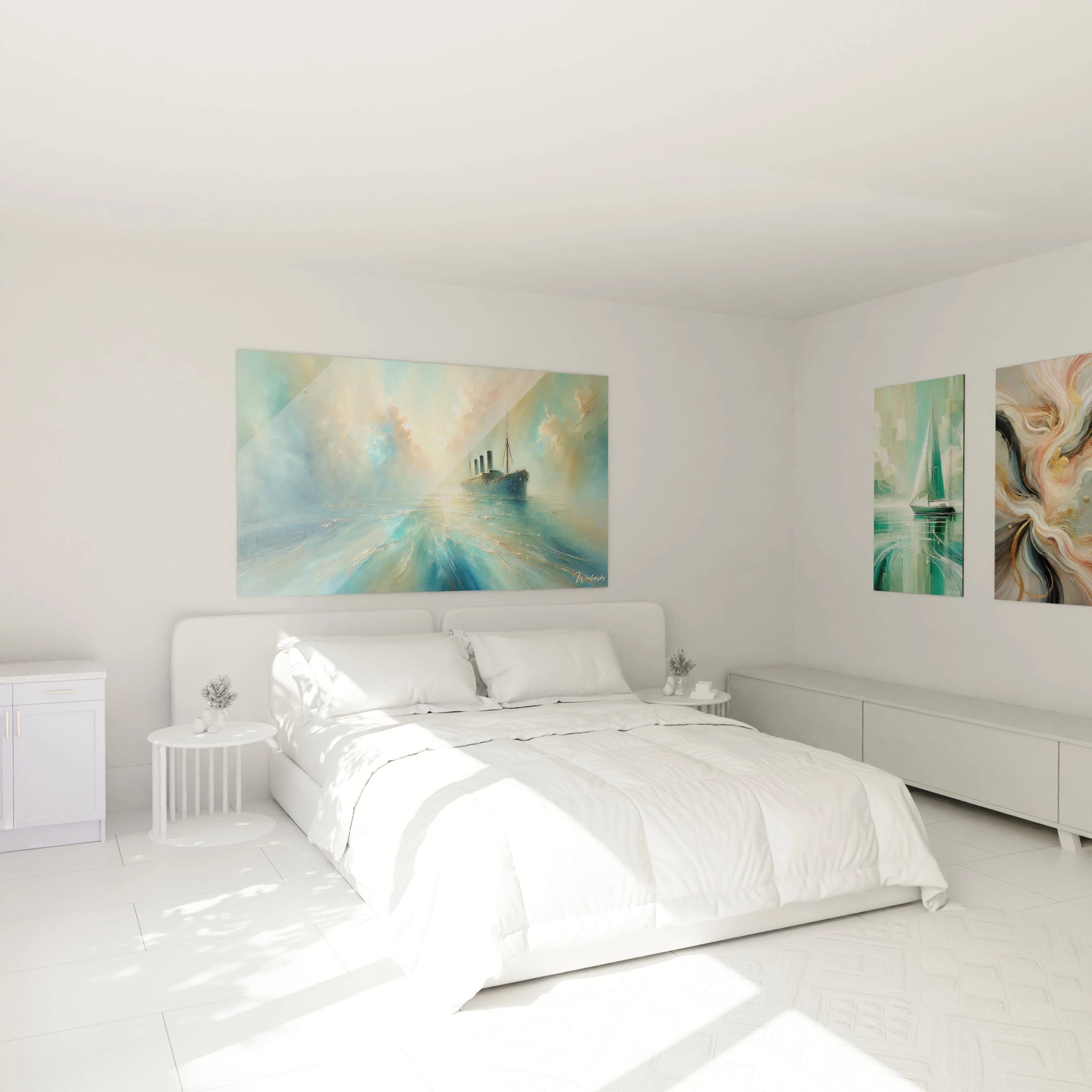
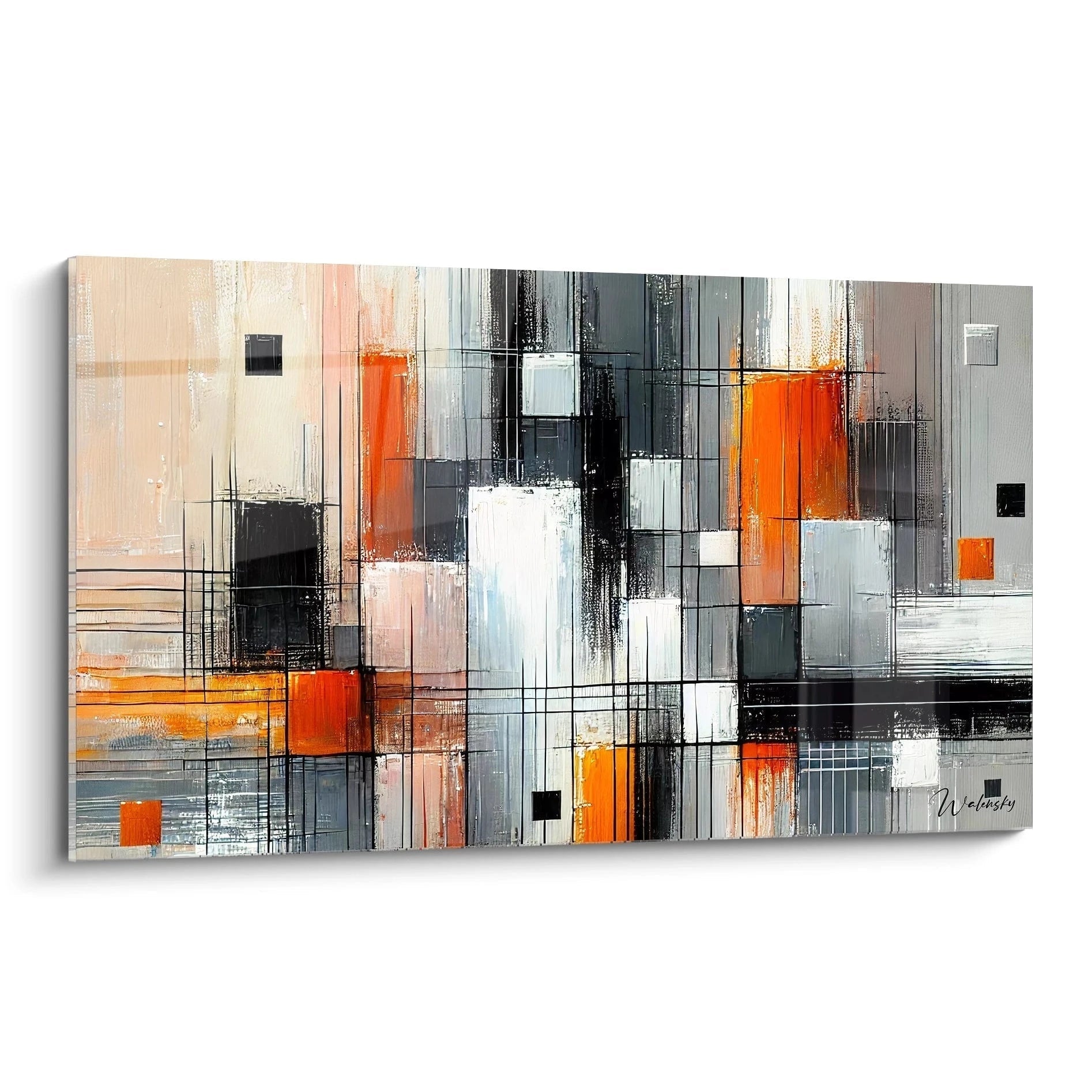
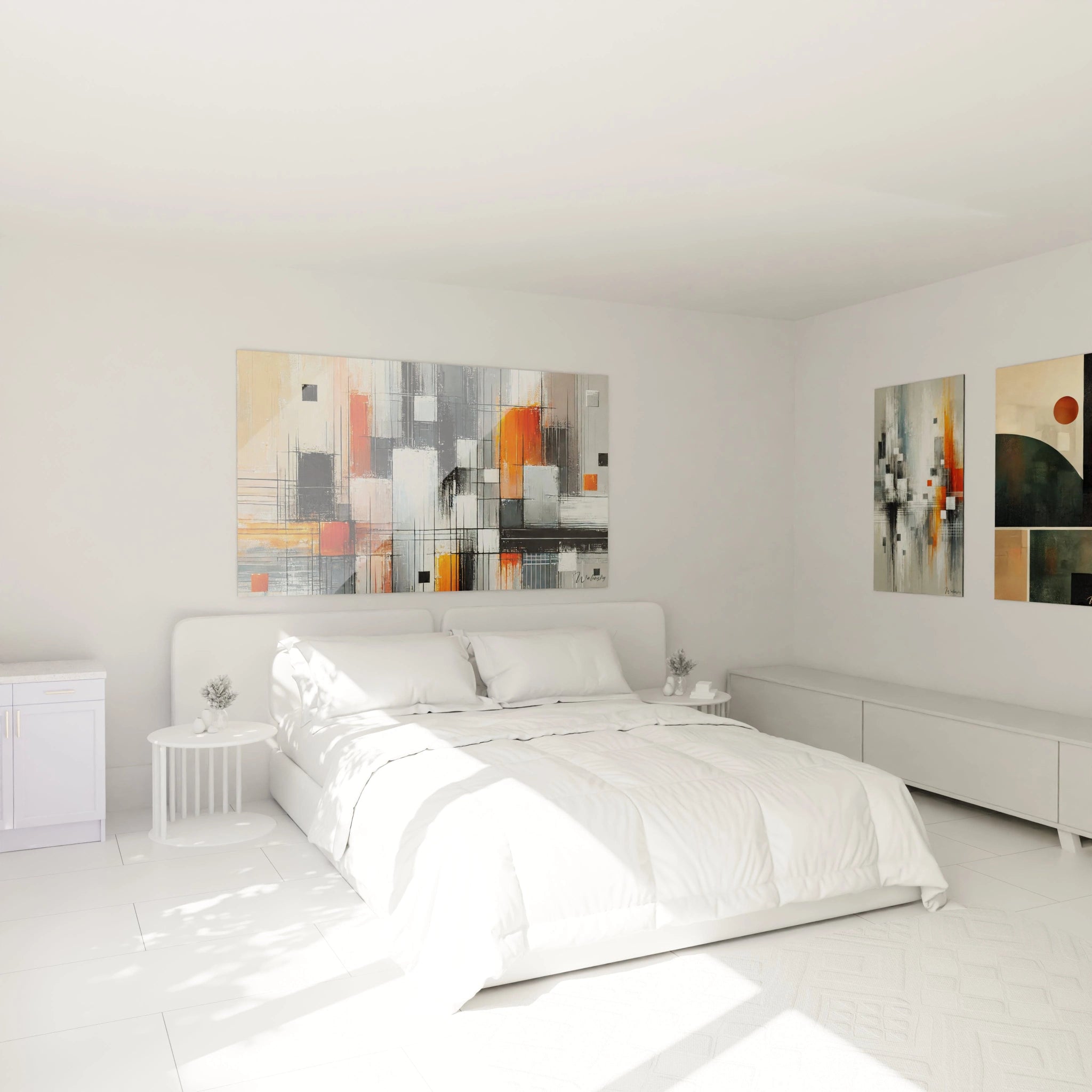
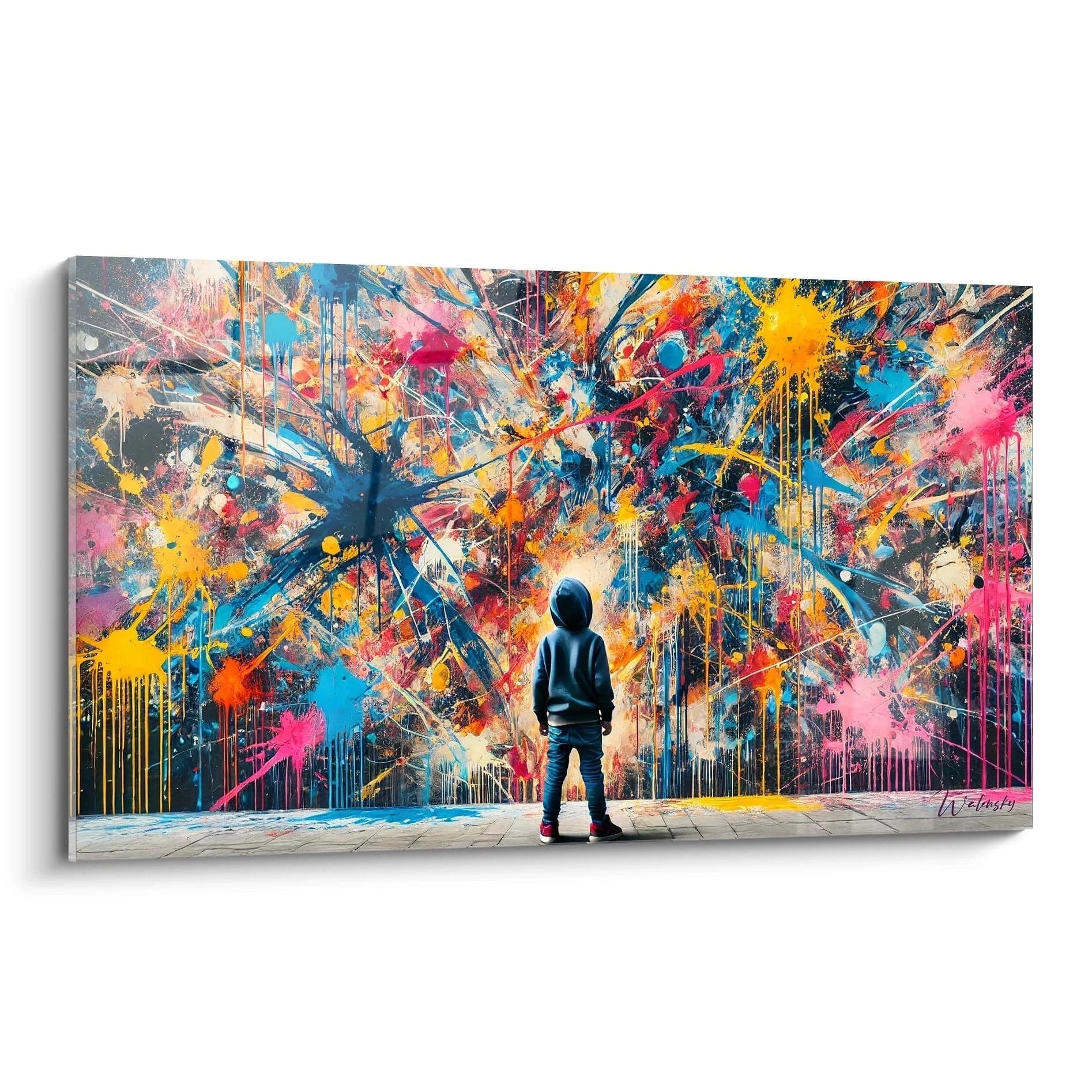
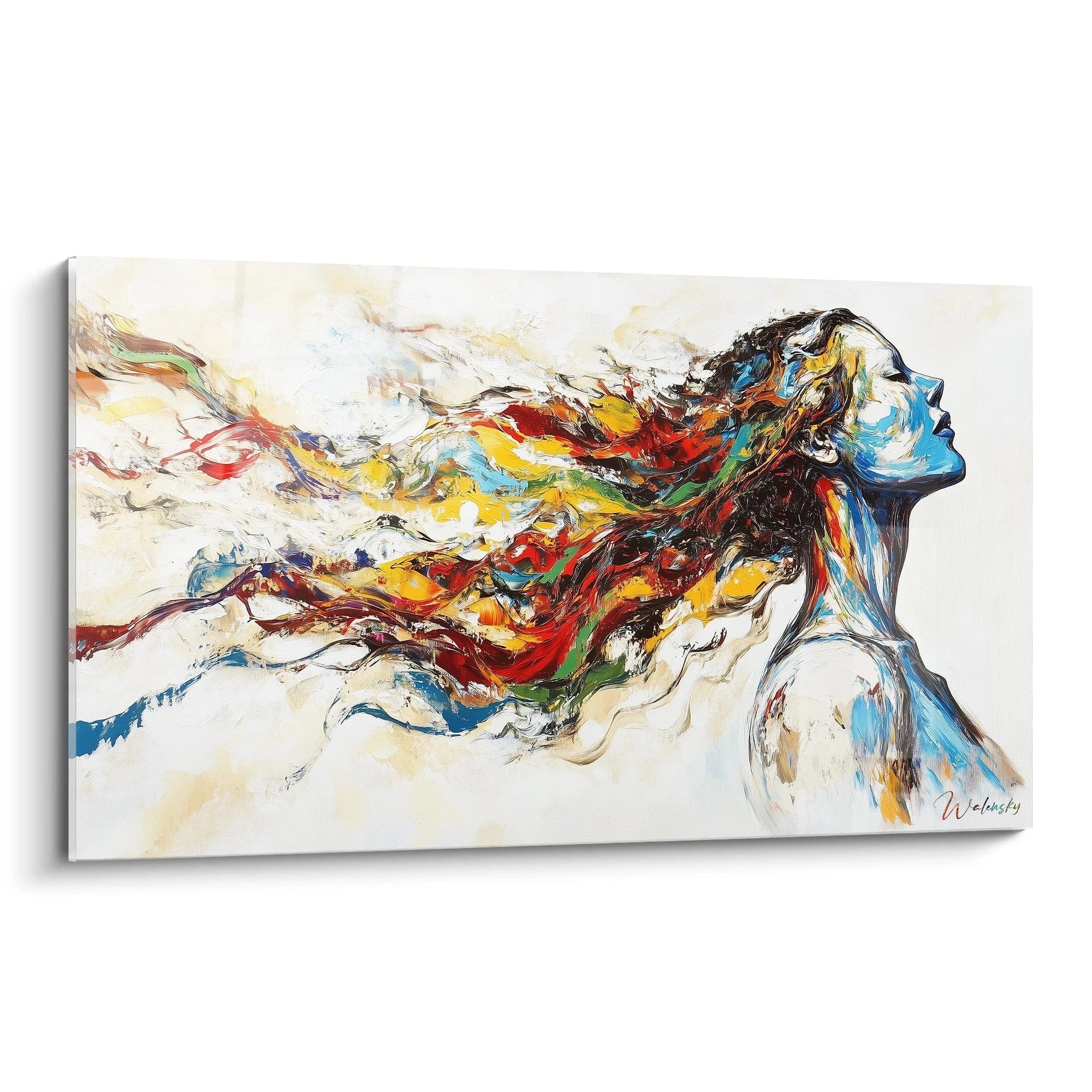
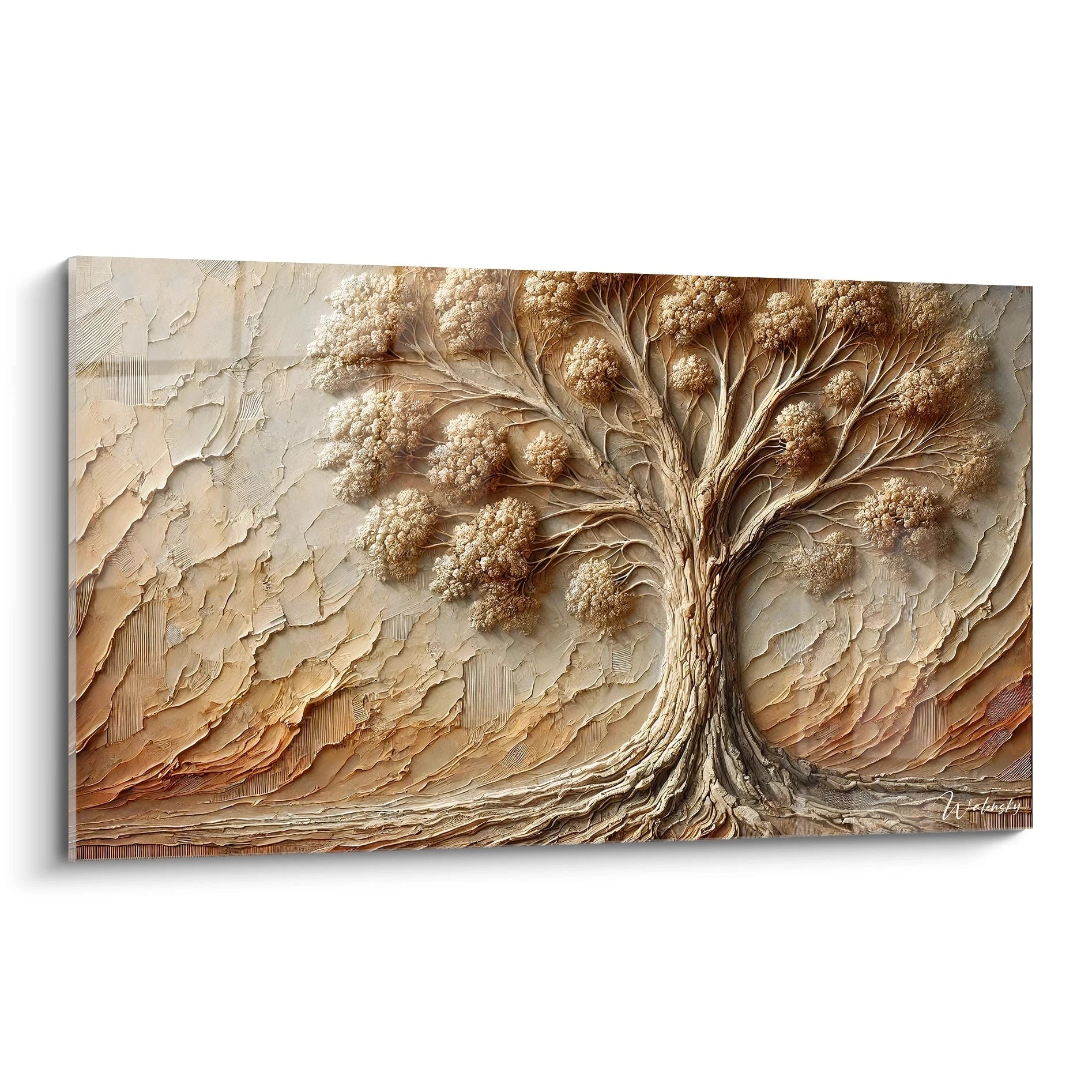
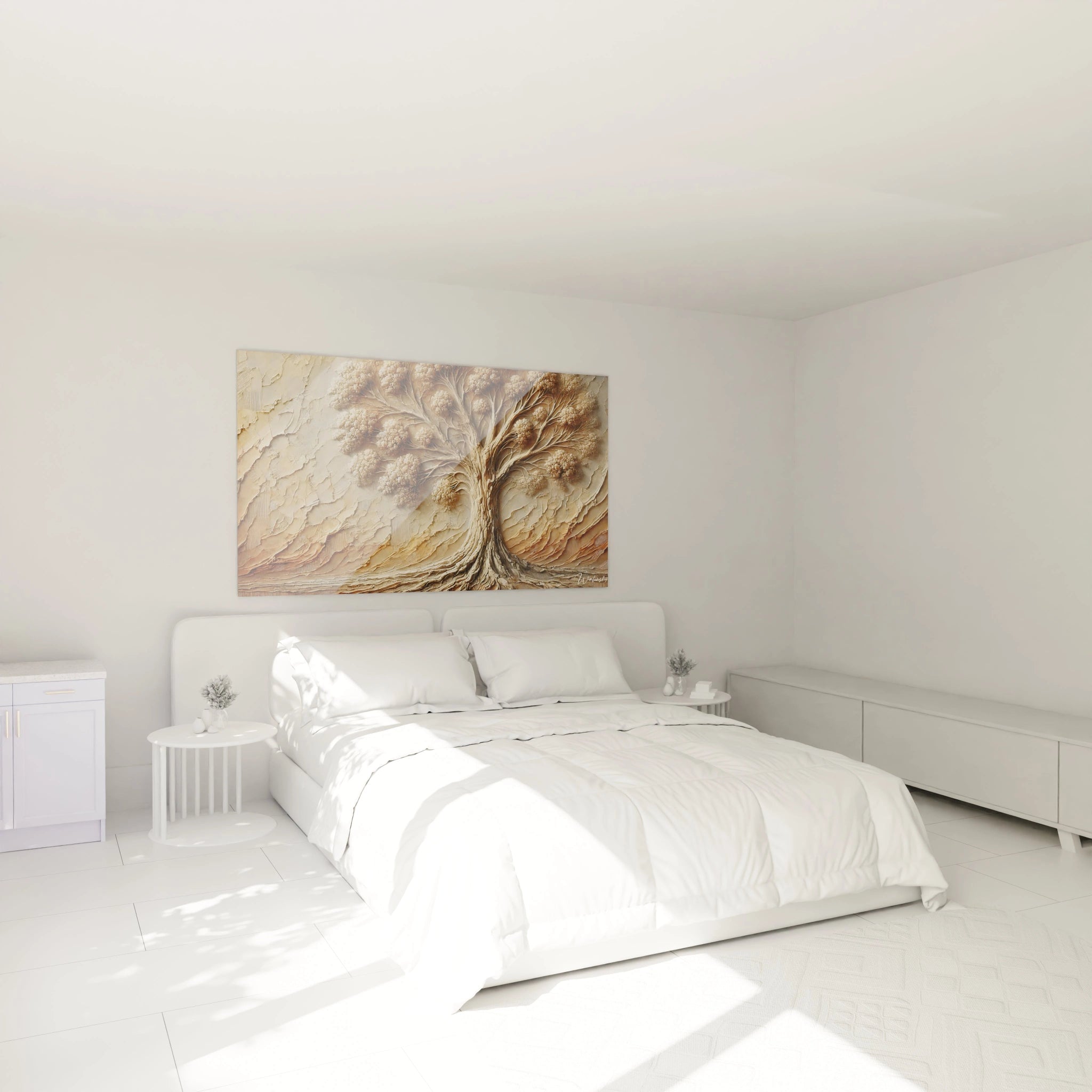
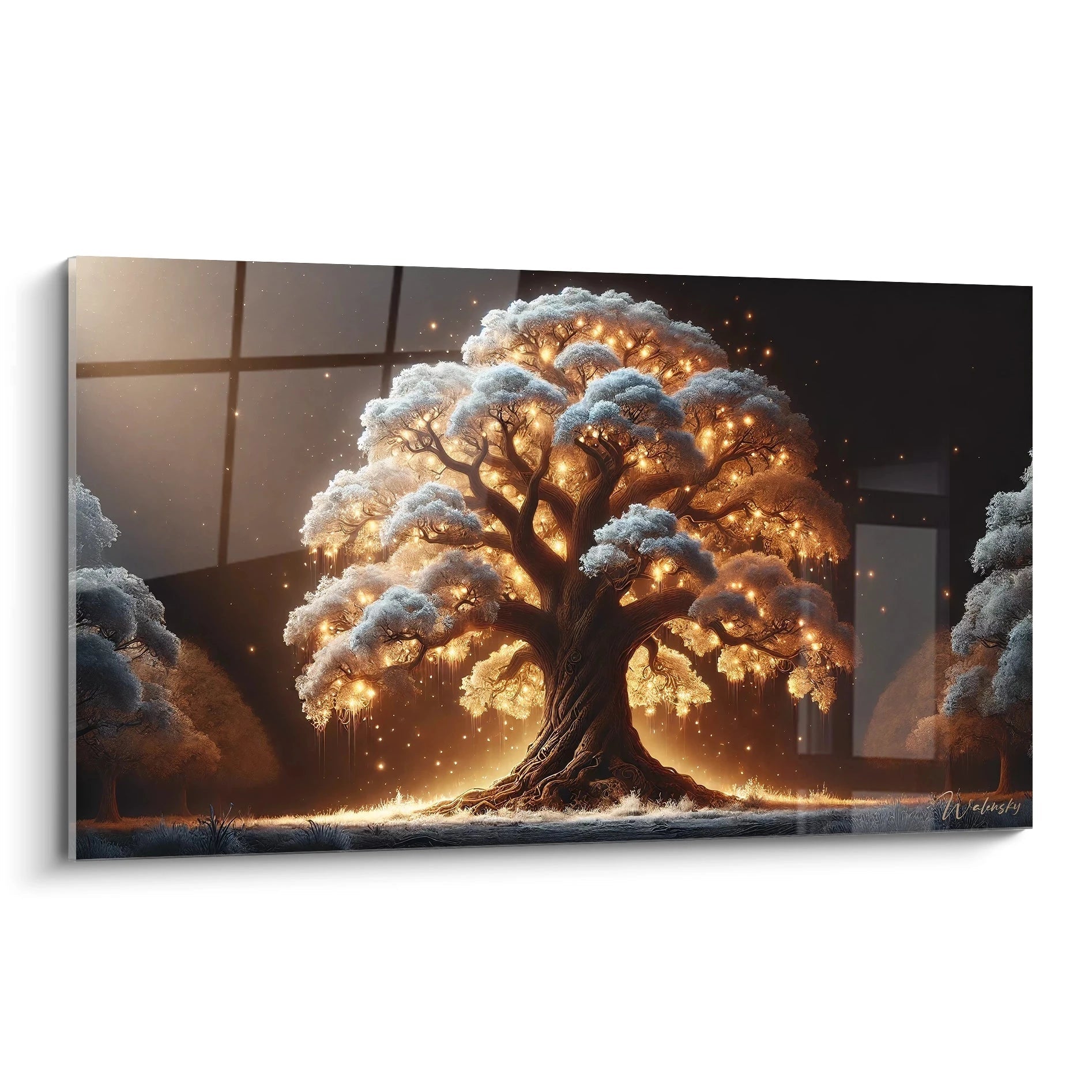
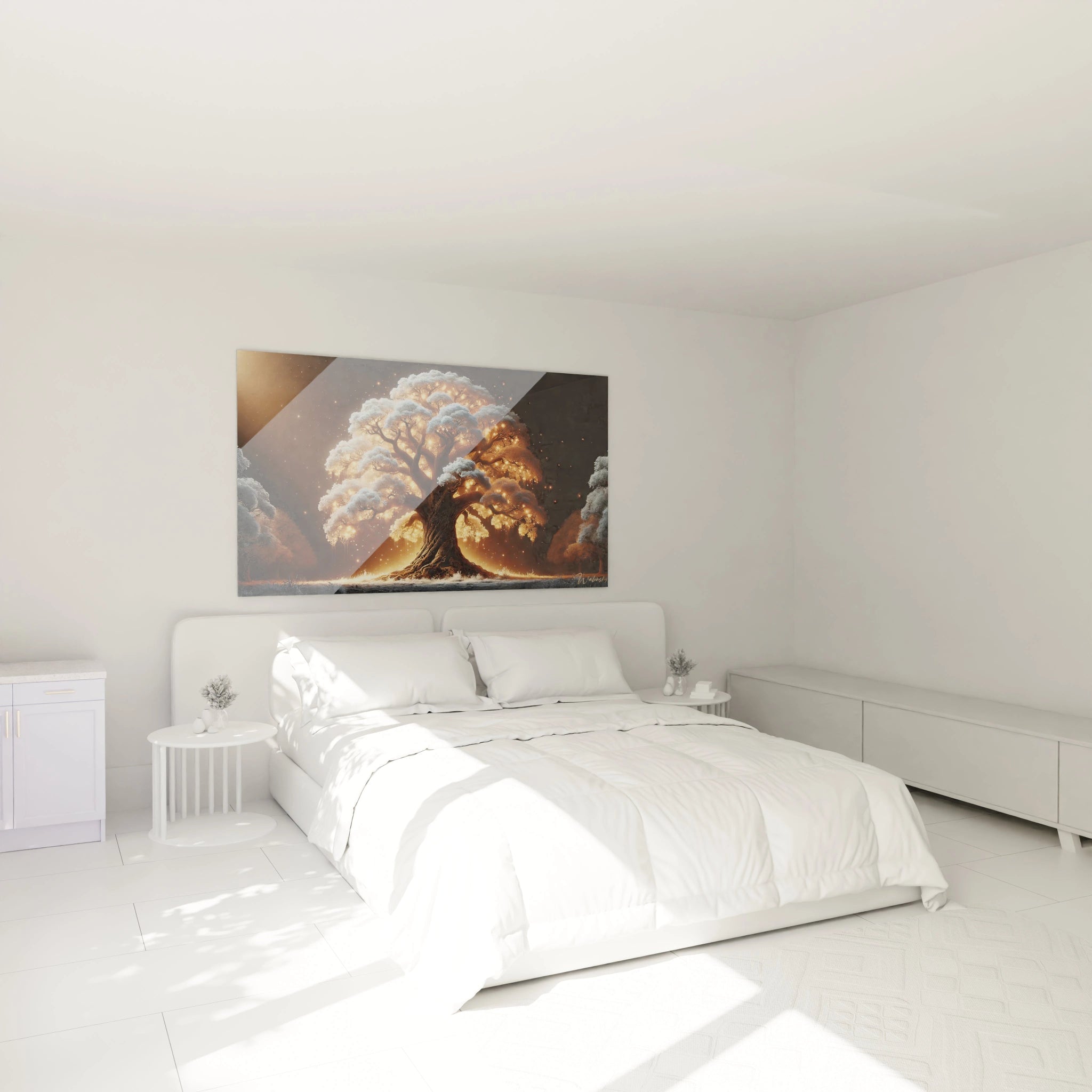
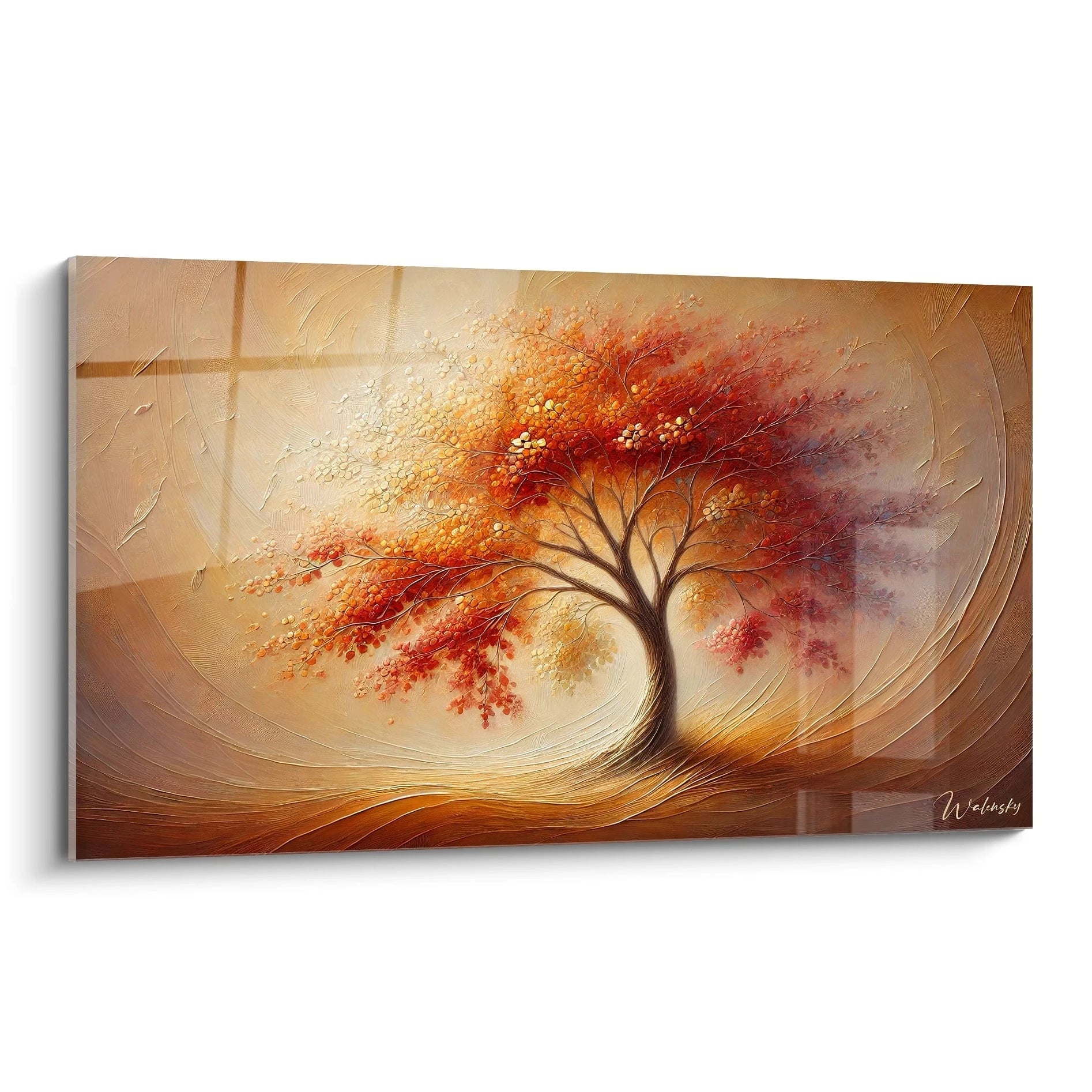
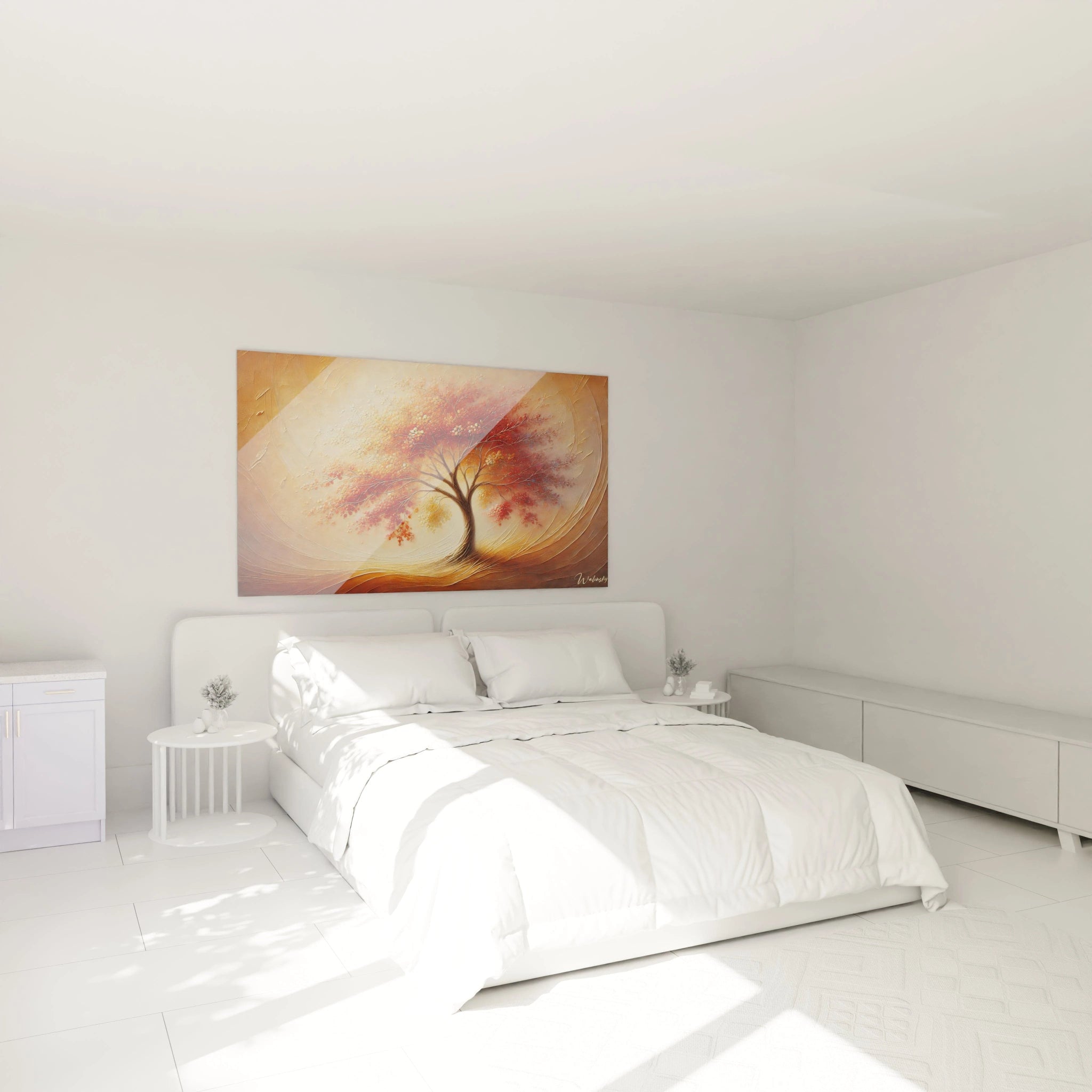
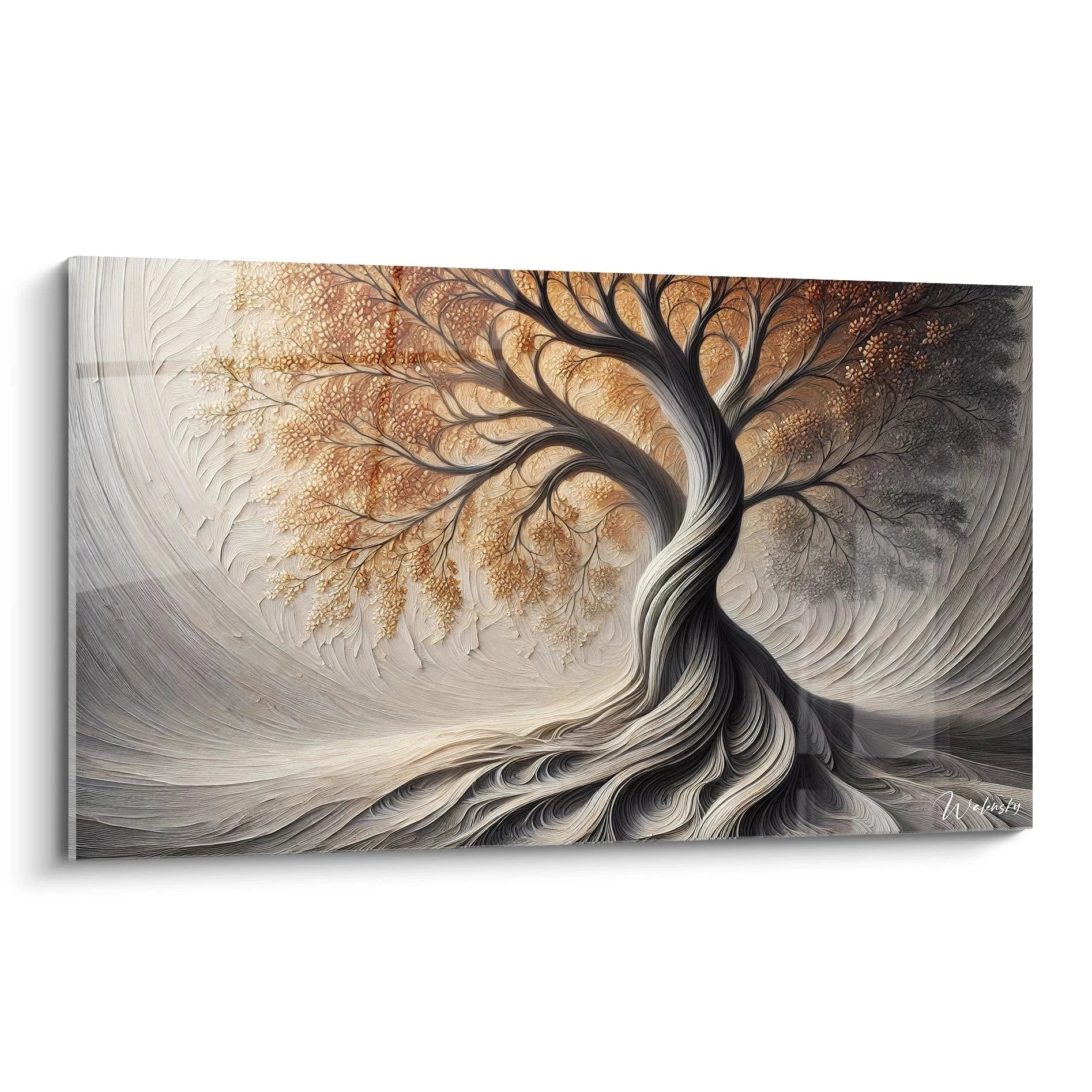
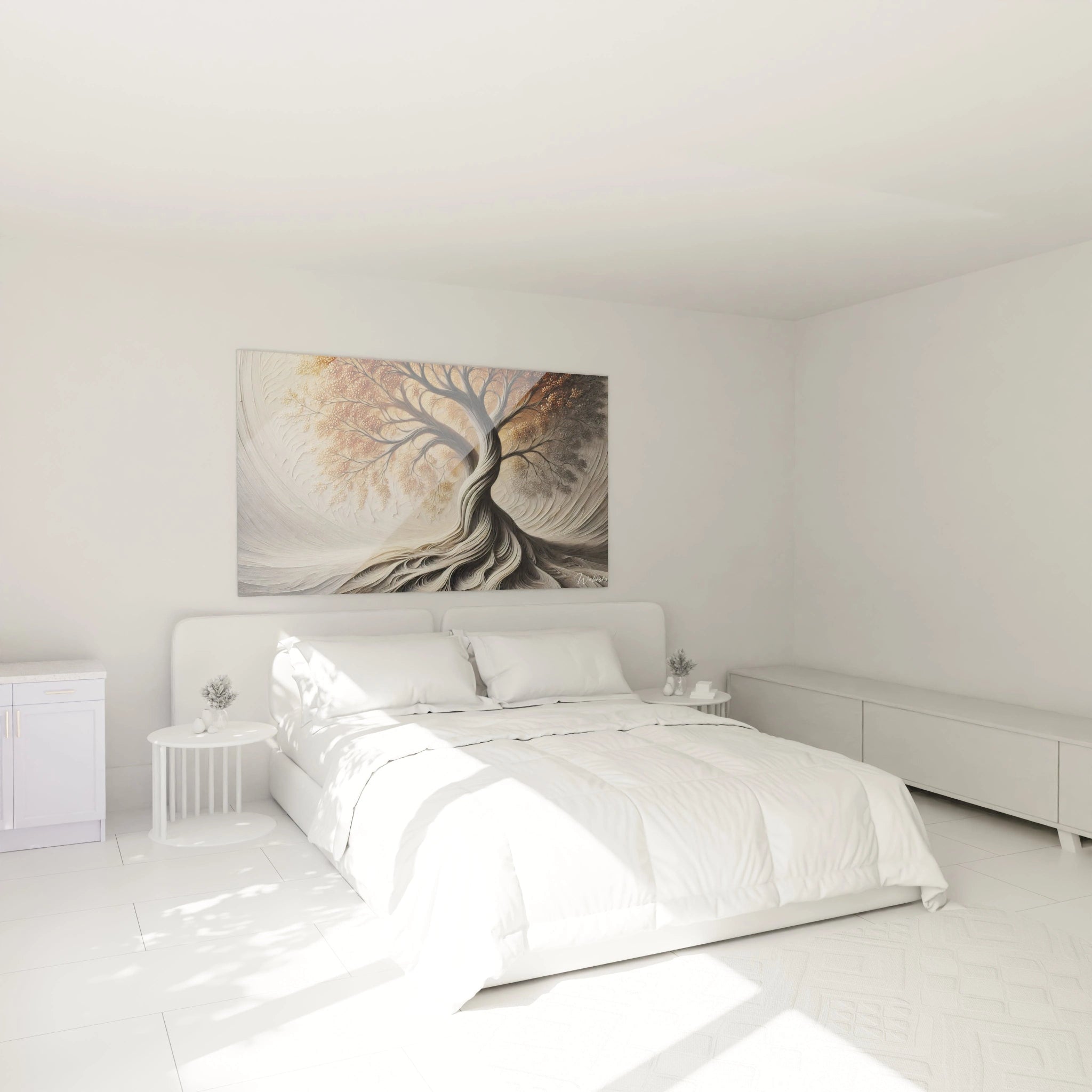
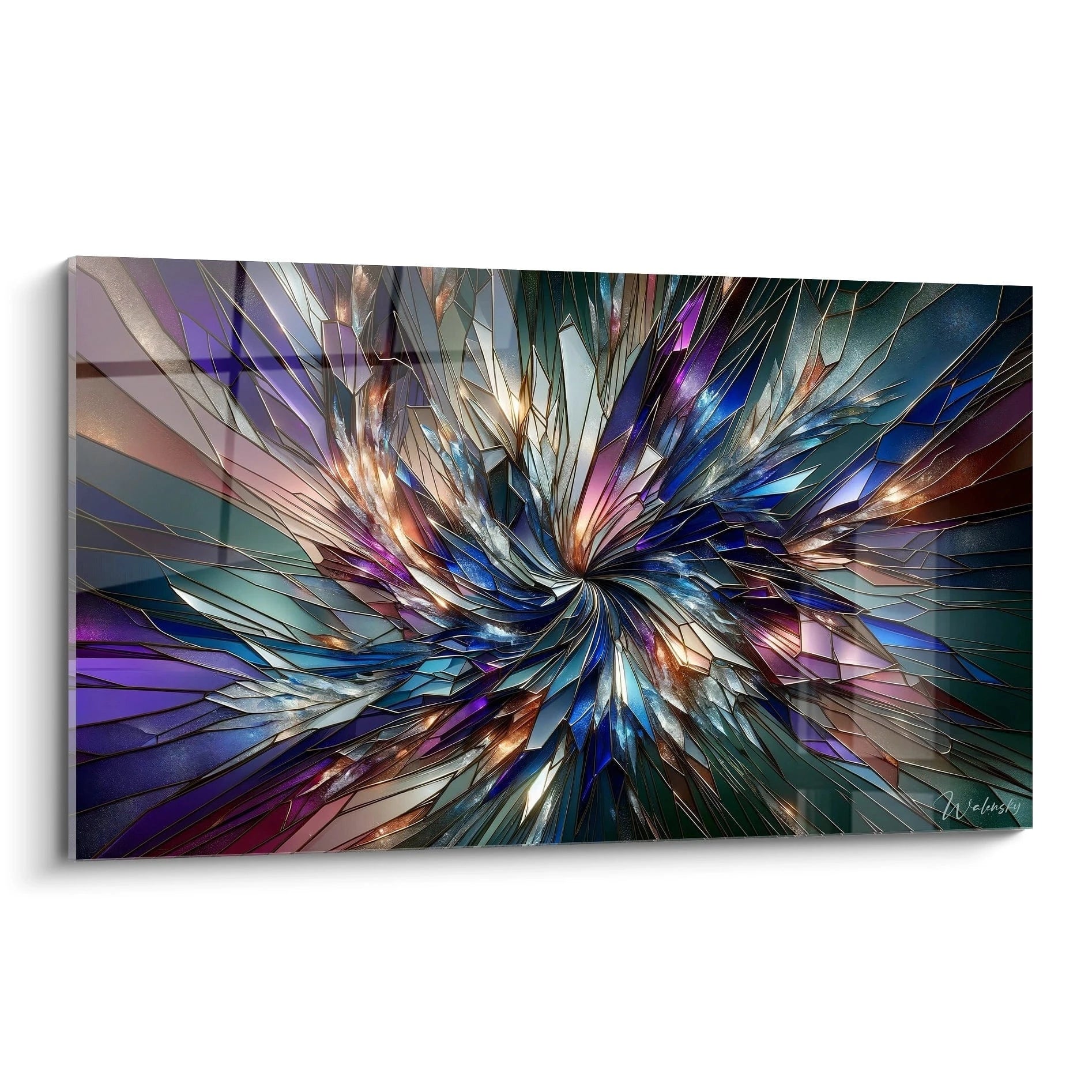
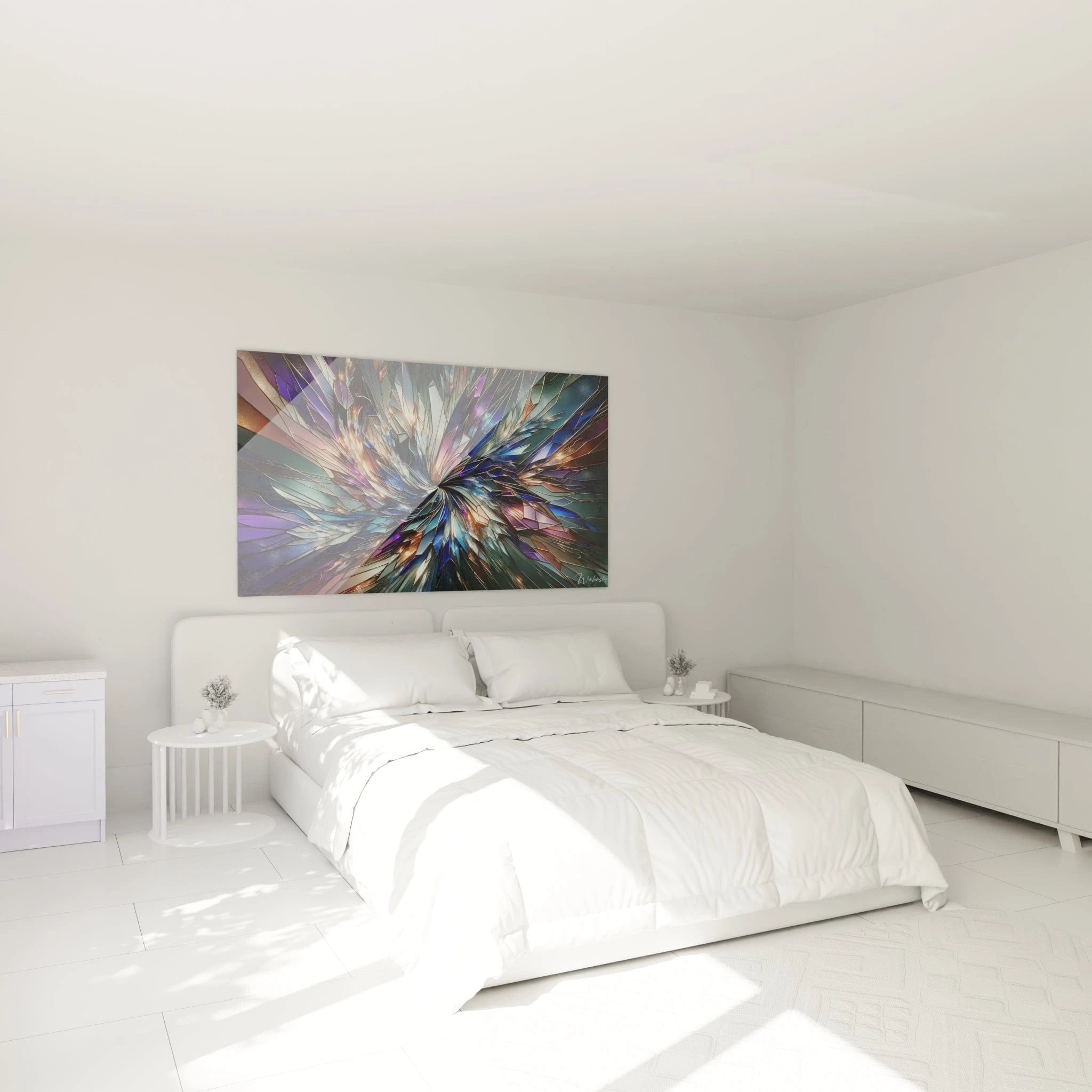
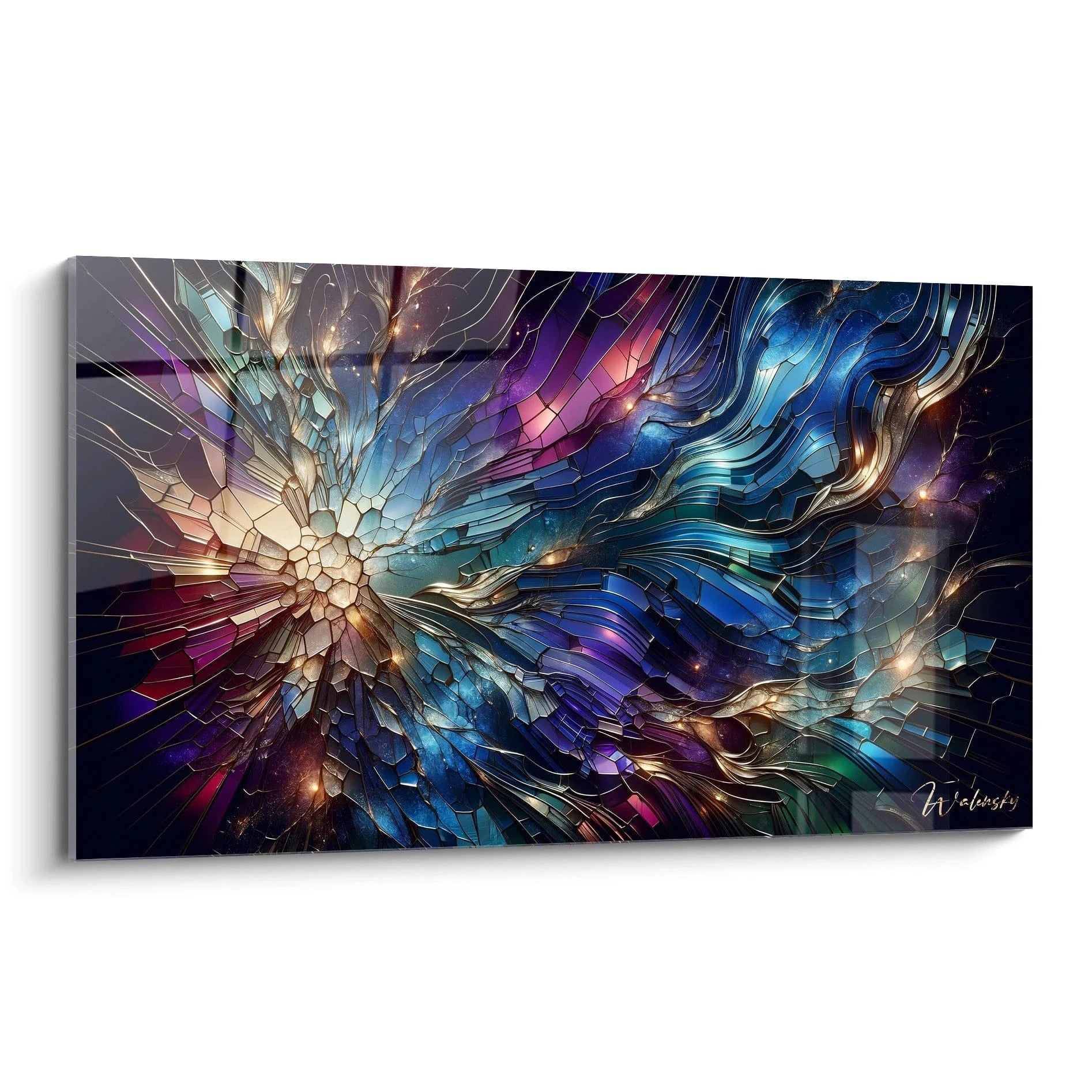
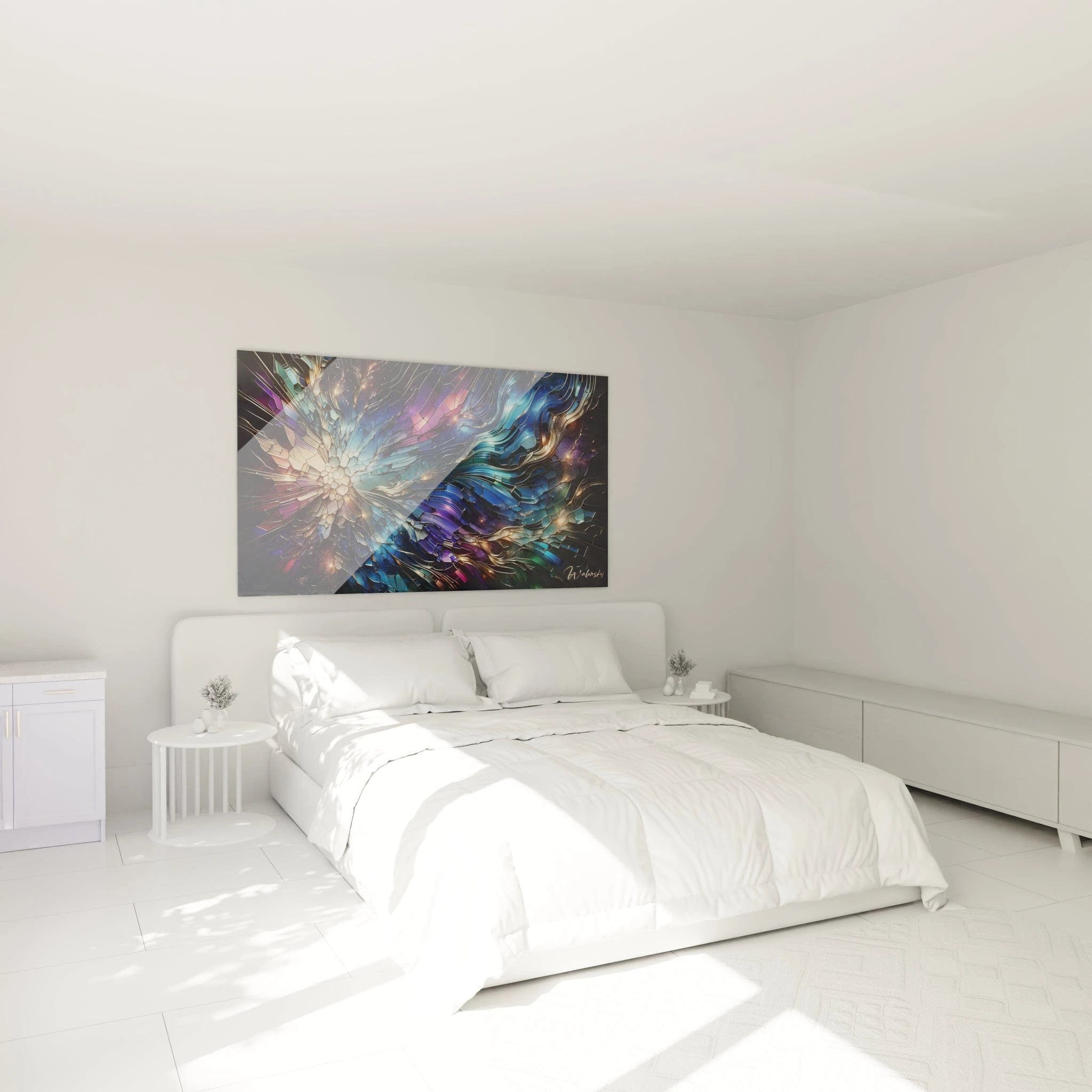
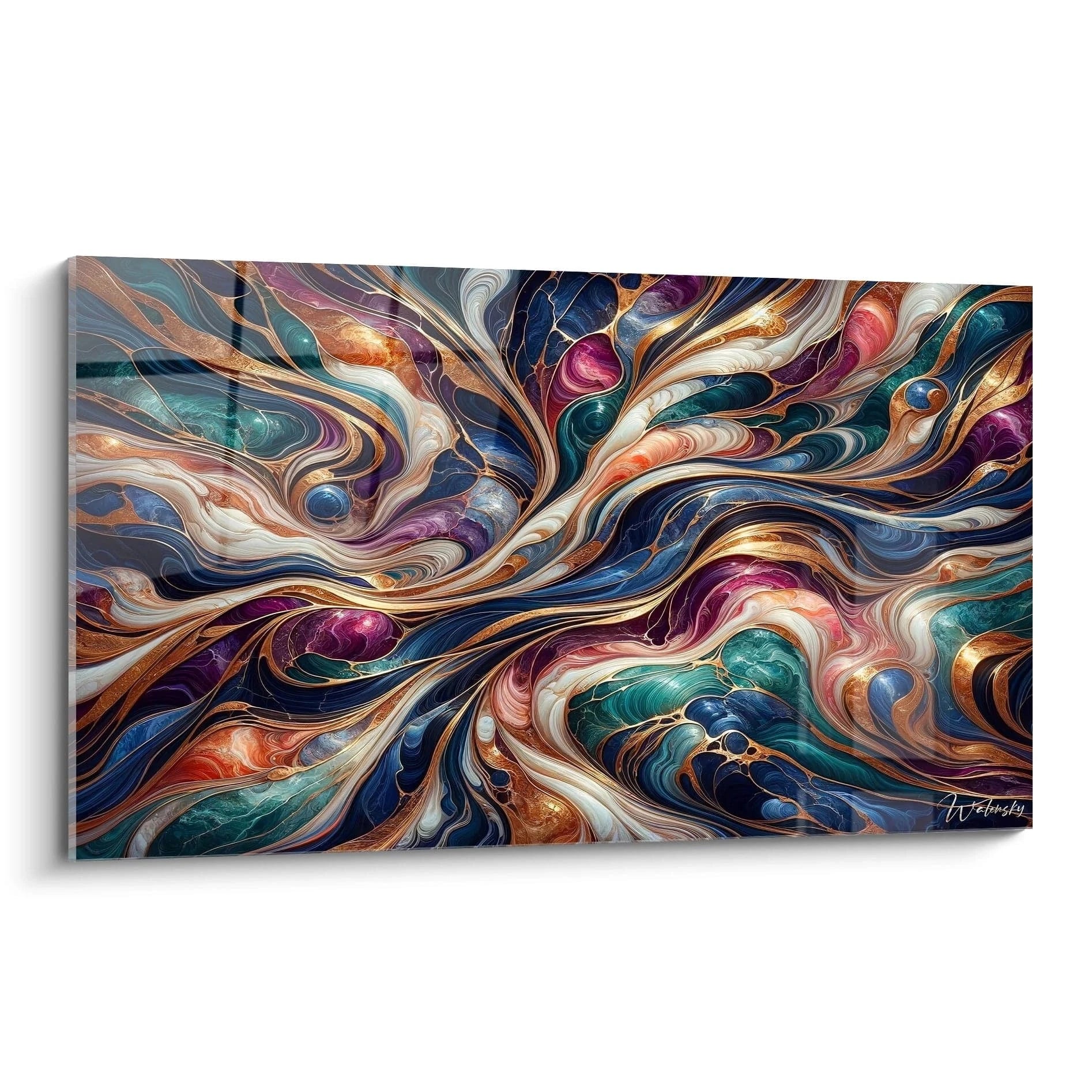
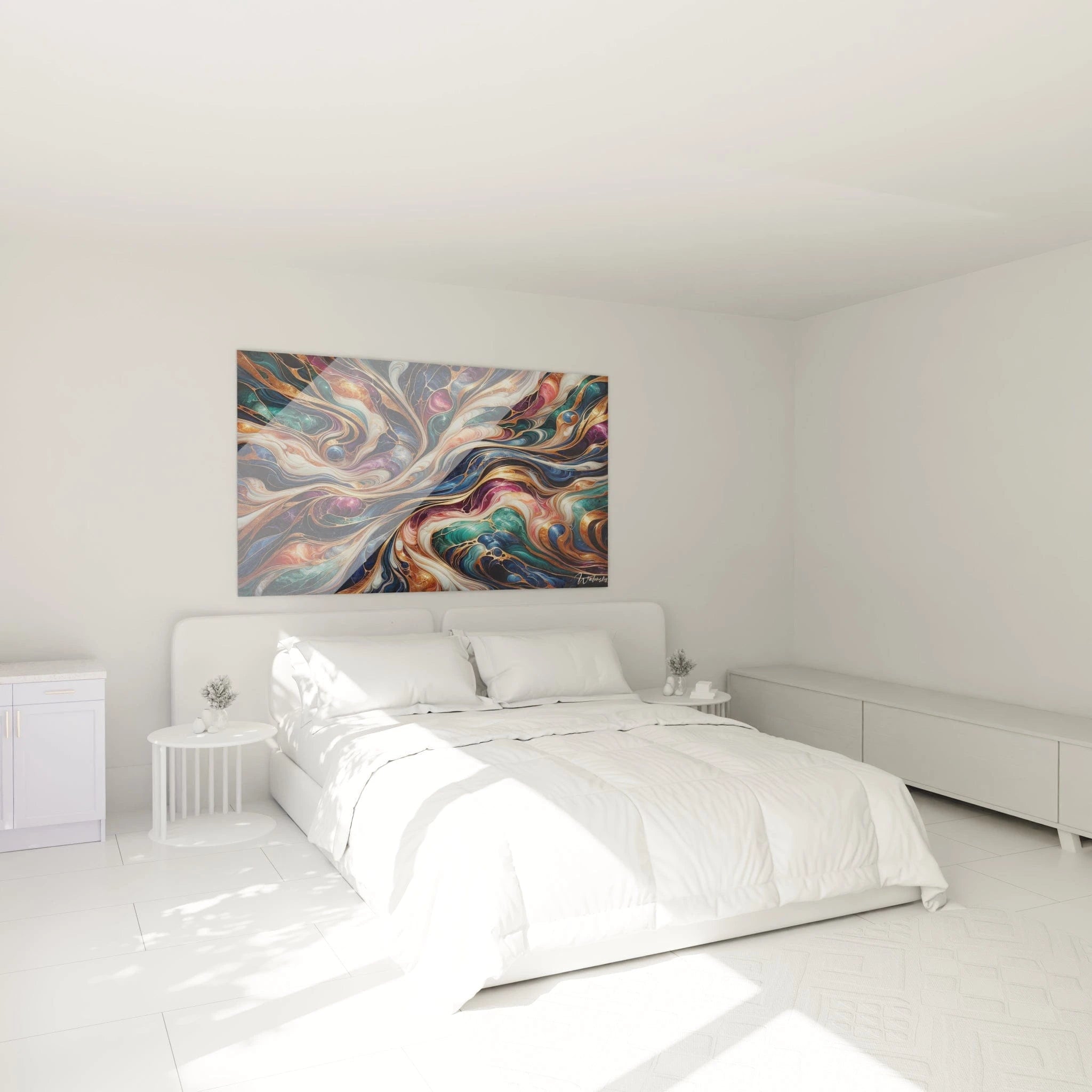
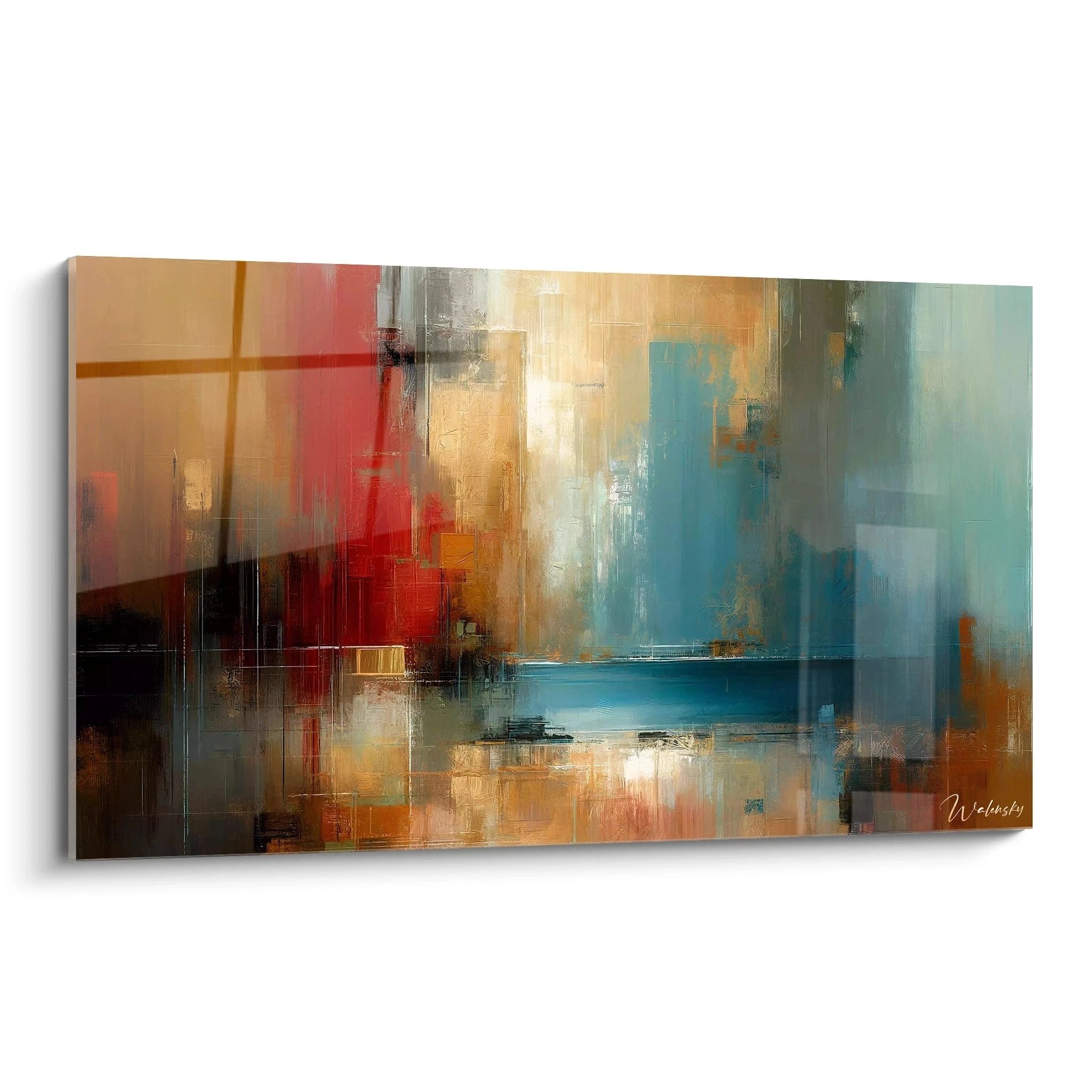
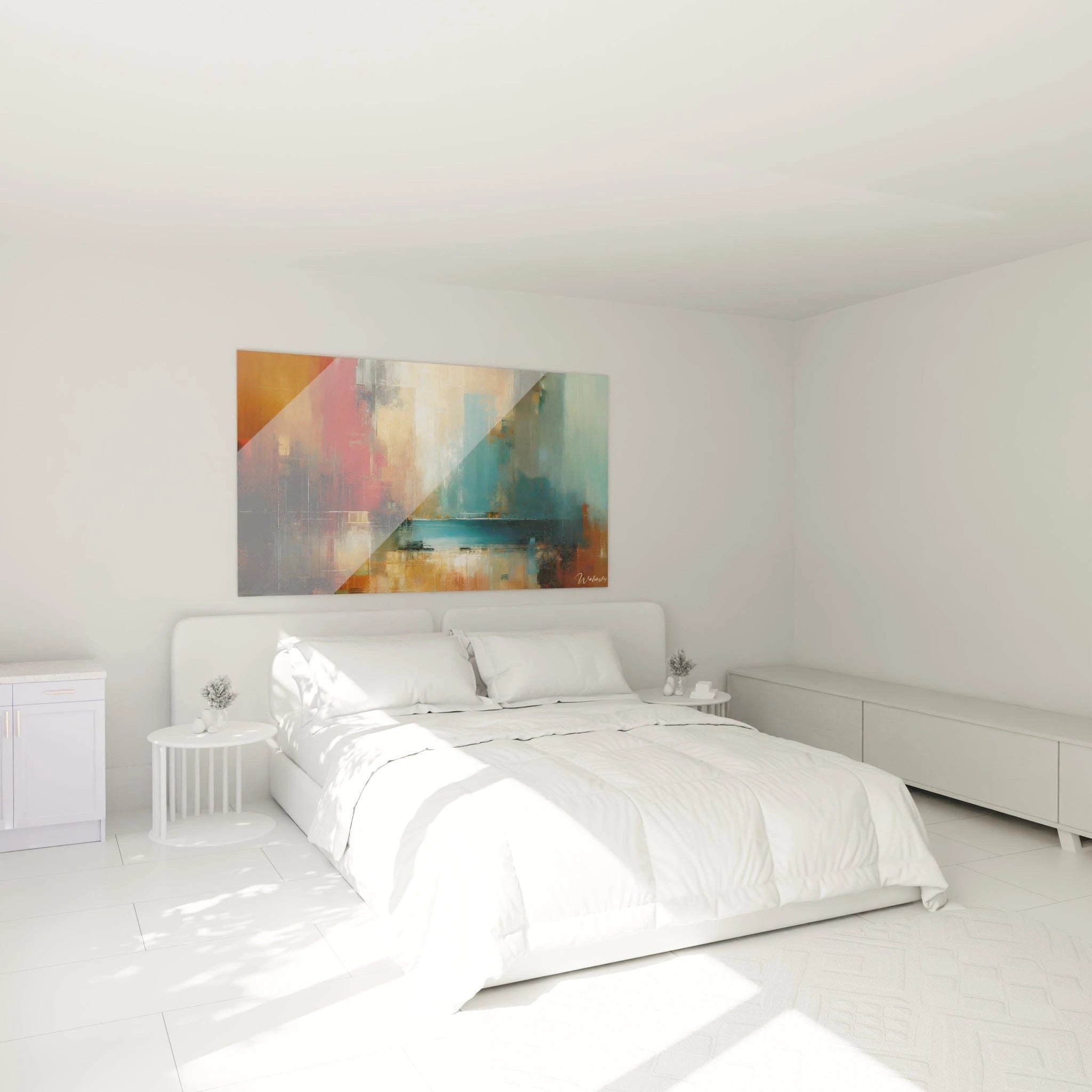
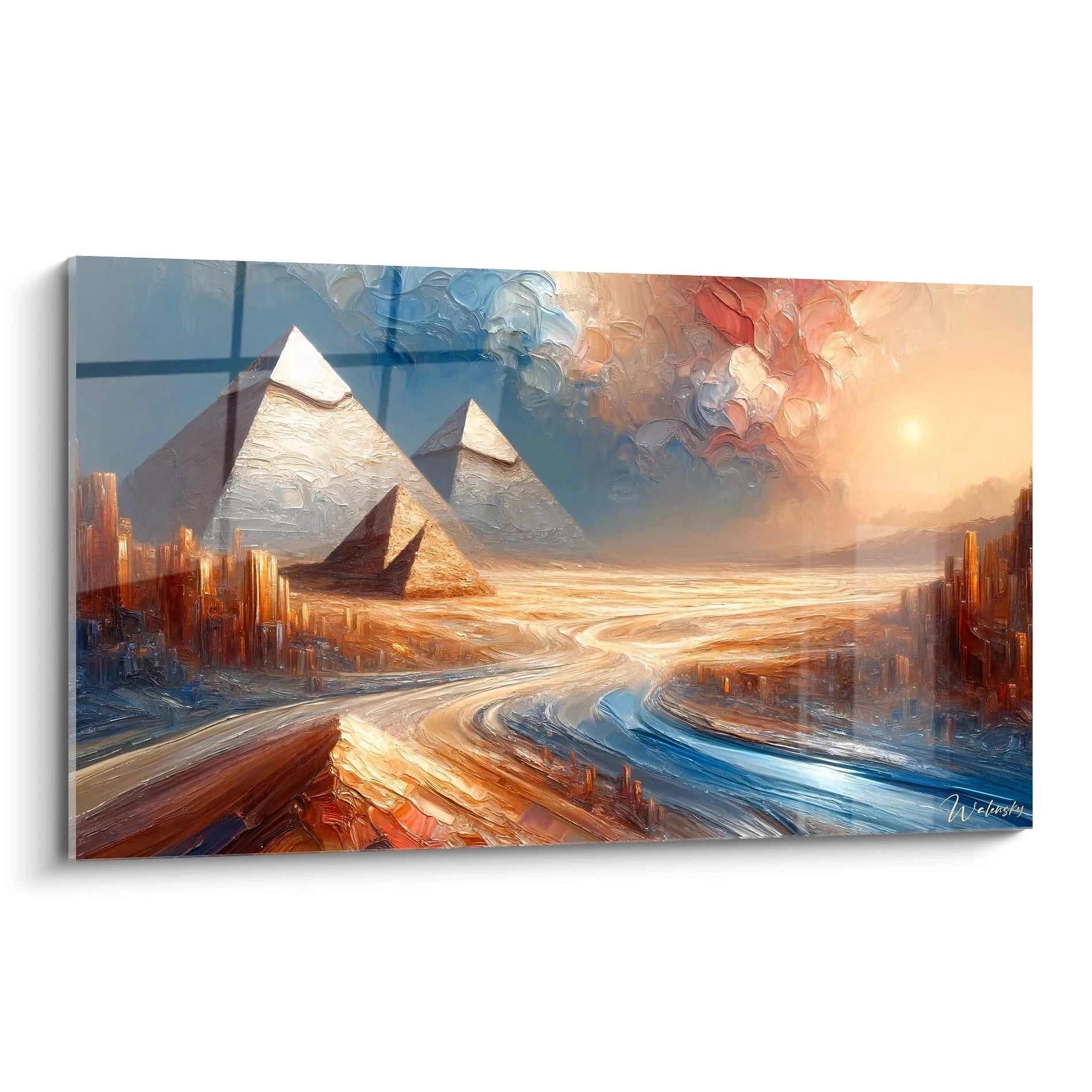
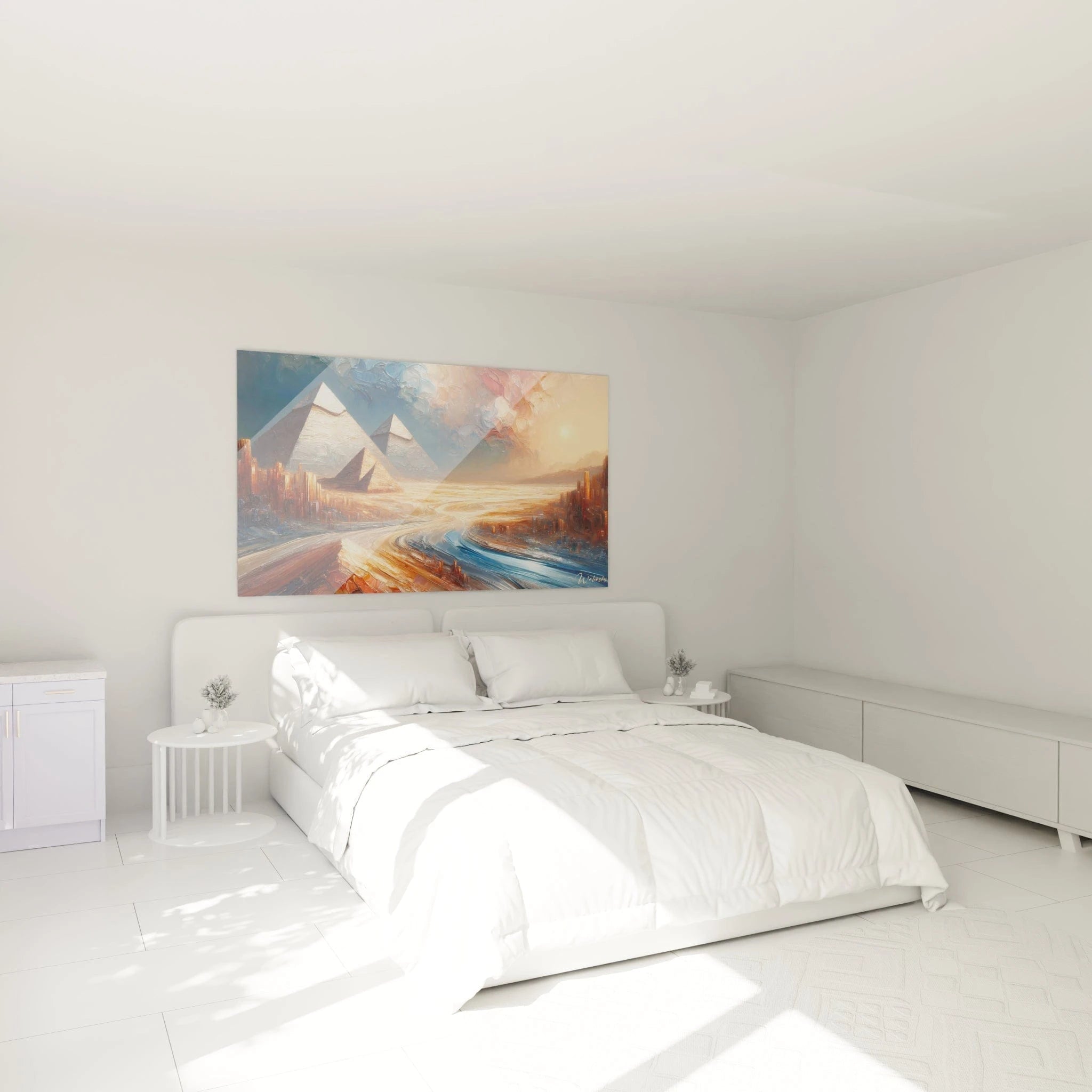
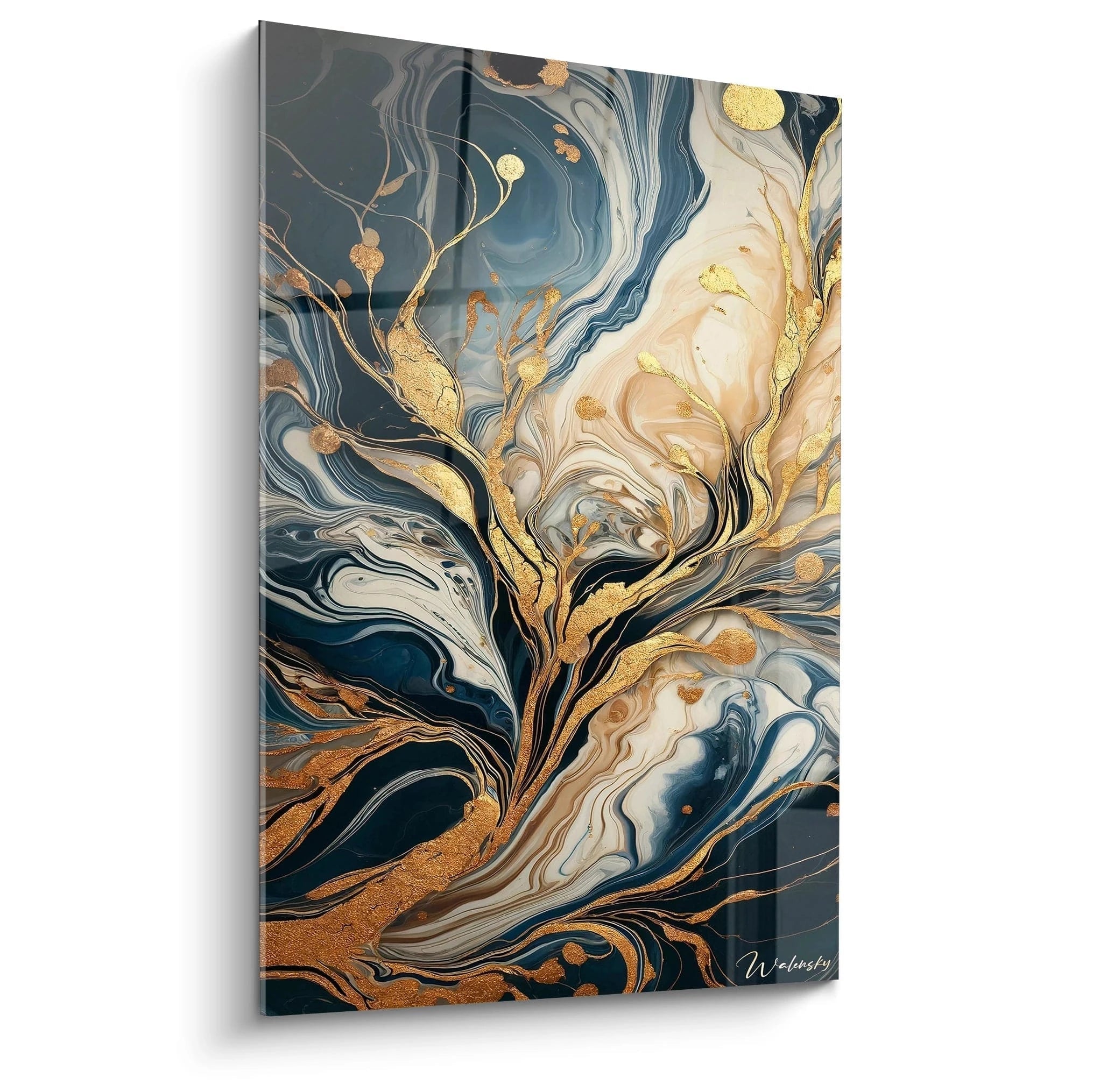
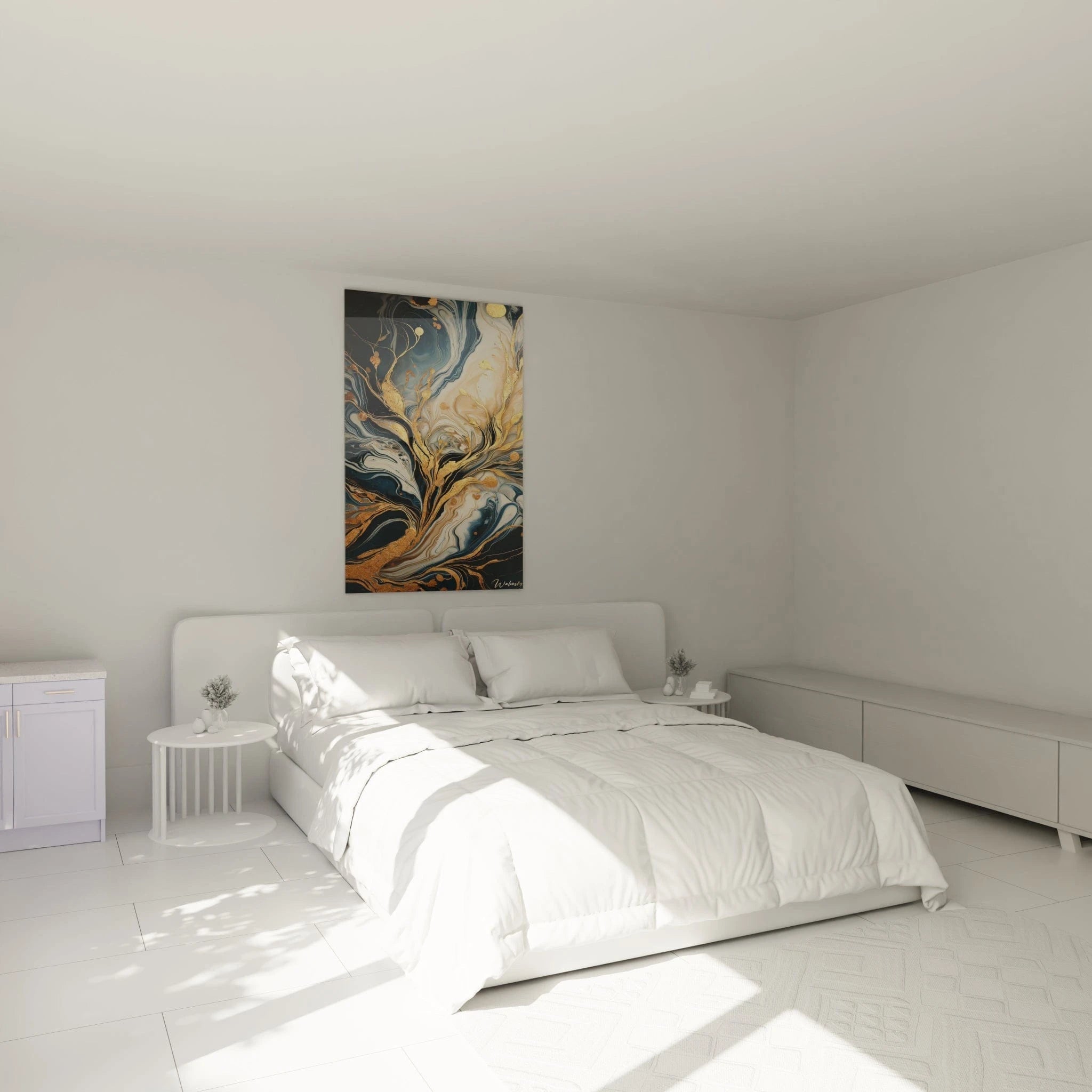
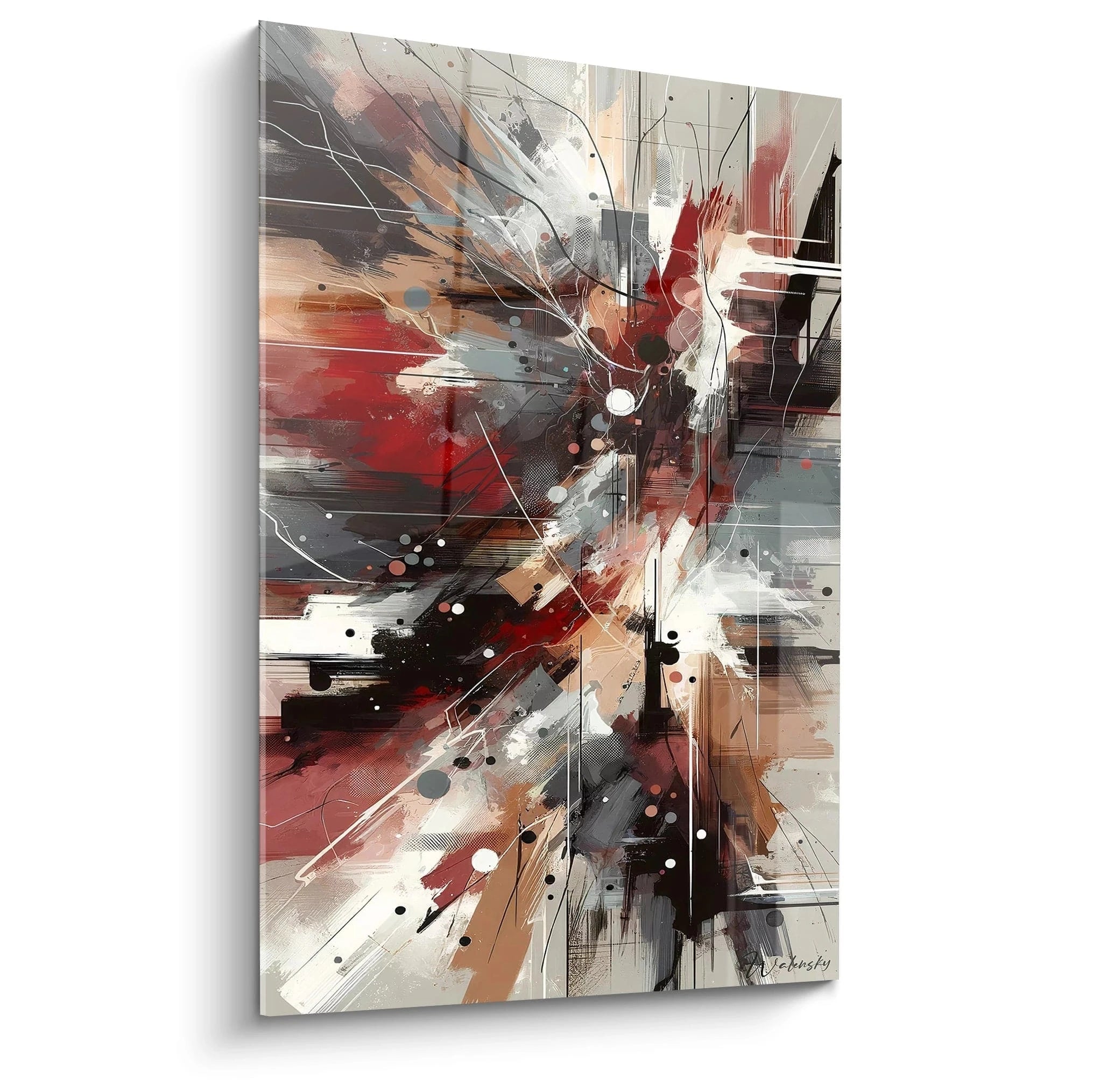
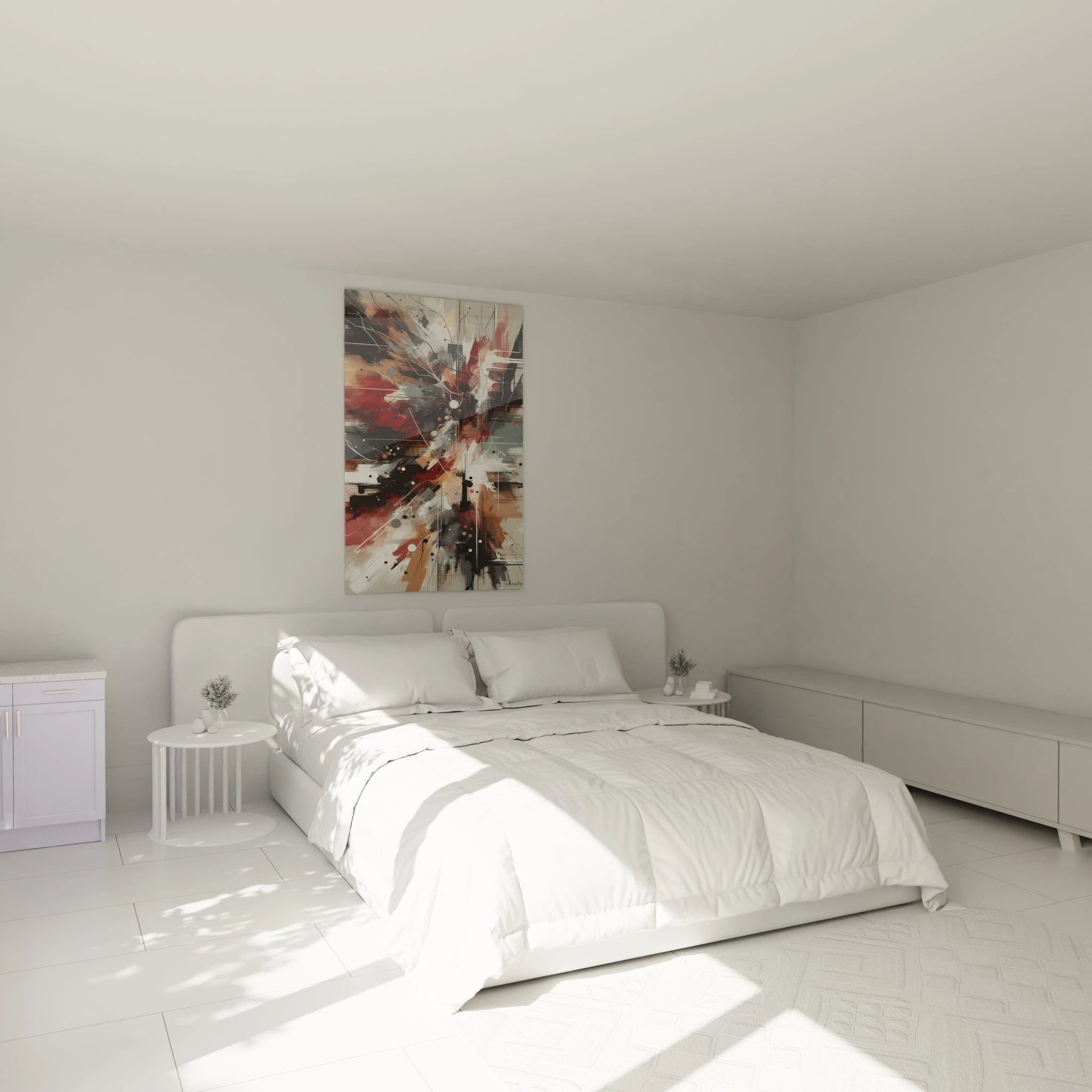
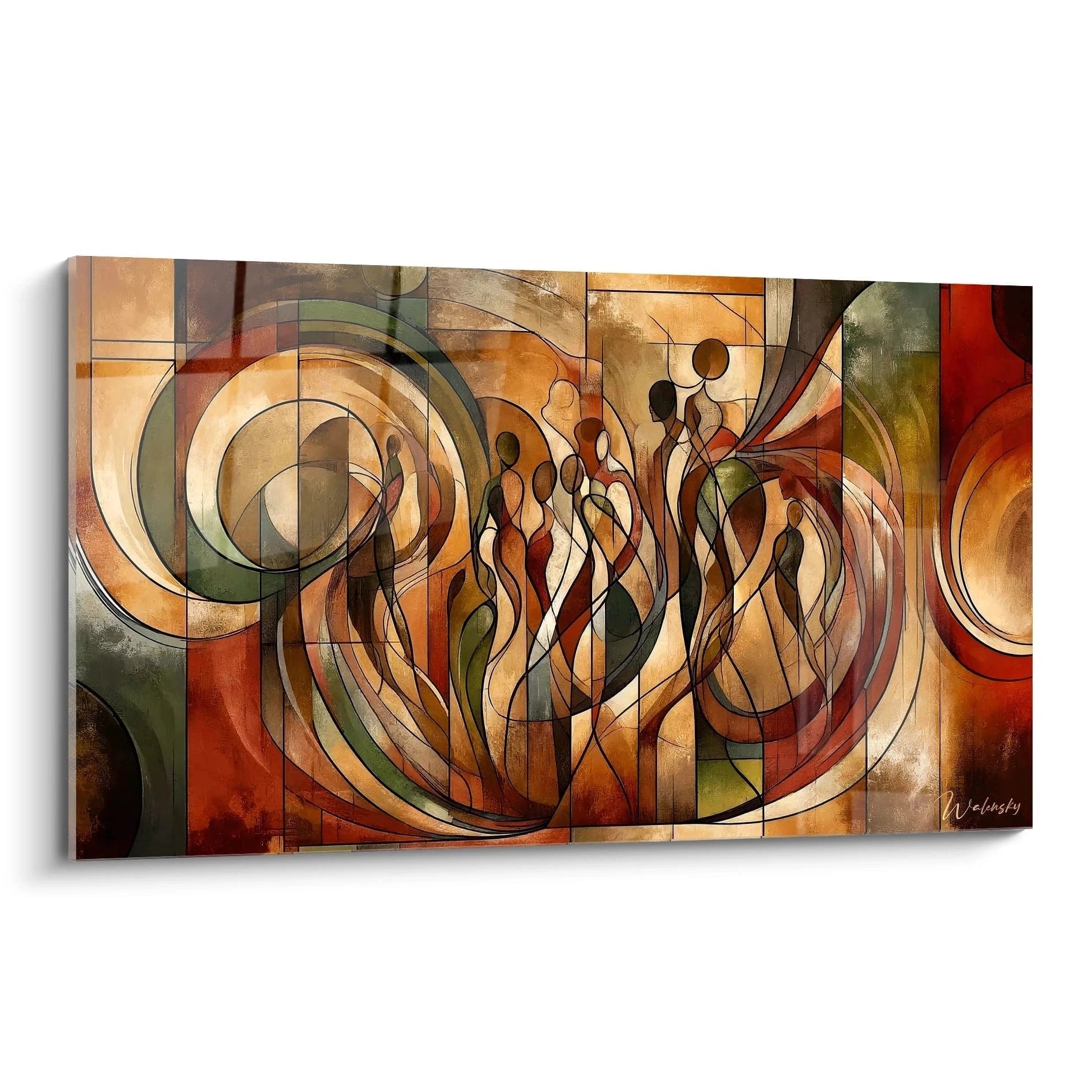
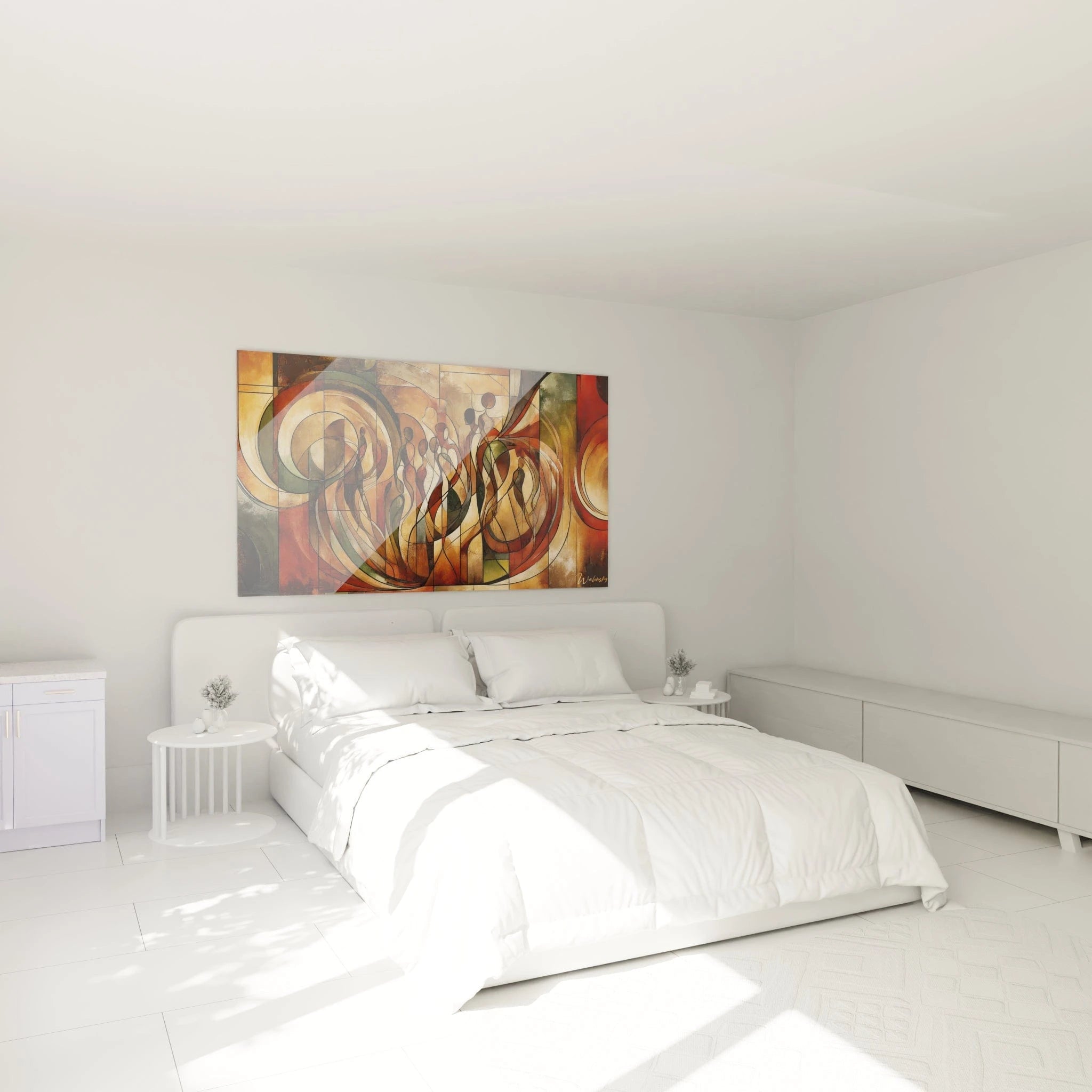
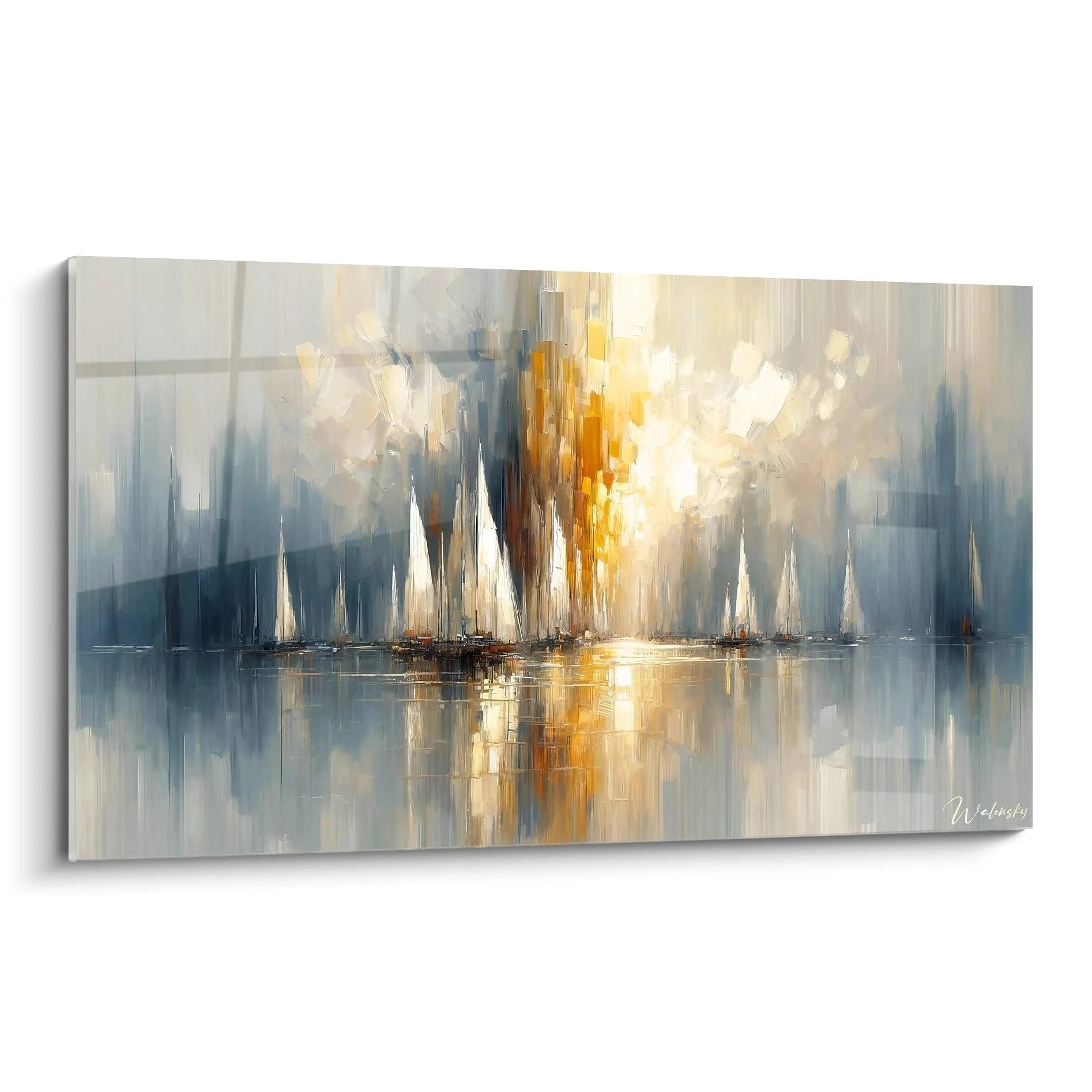
- Hallway Wall Art Presentation
- Transform Your Passage into a Gallery
- Correct Space Proportions
- Choose Based on Your Architecture
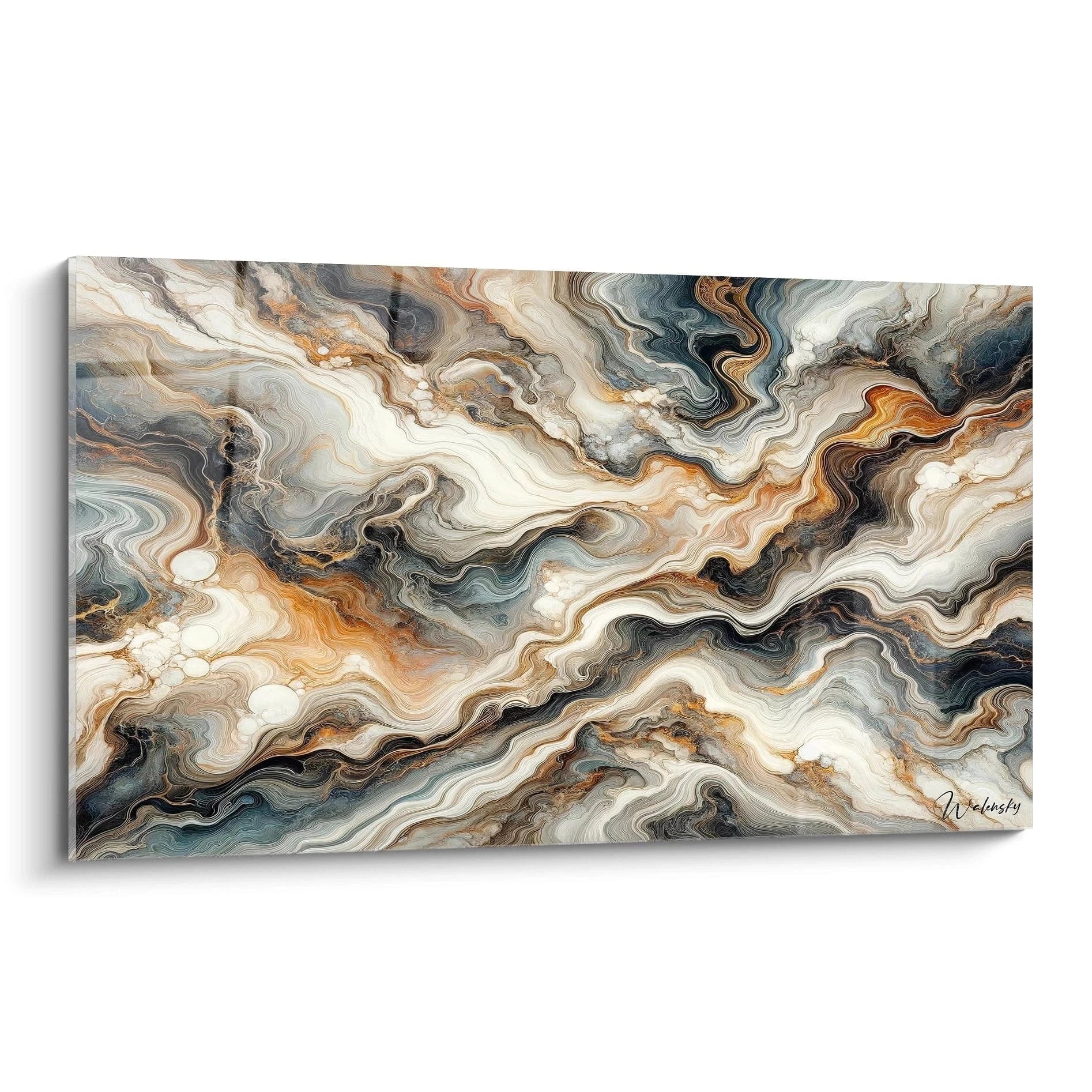
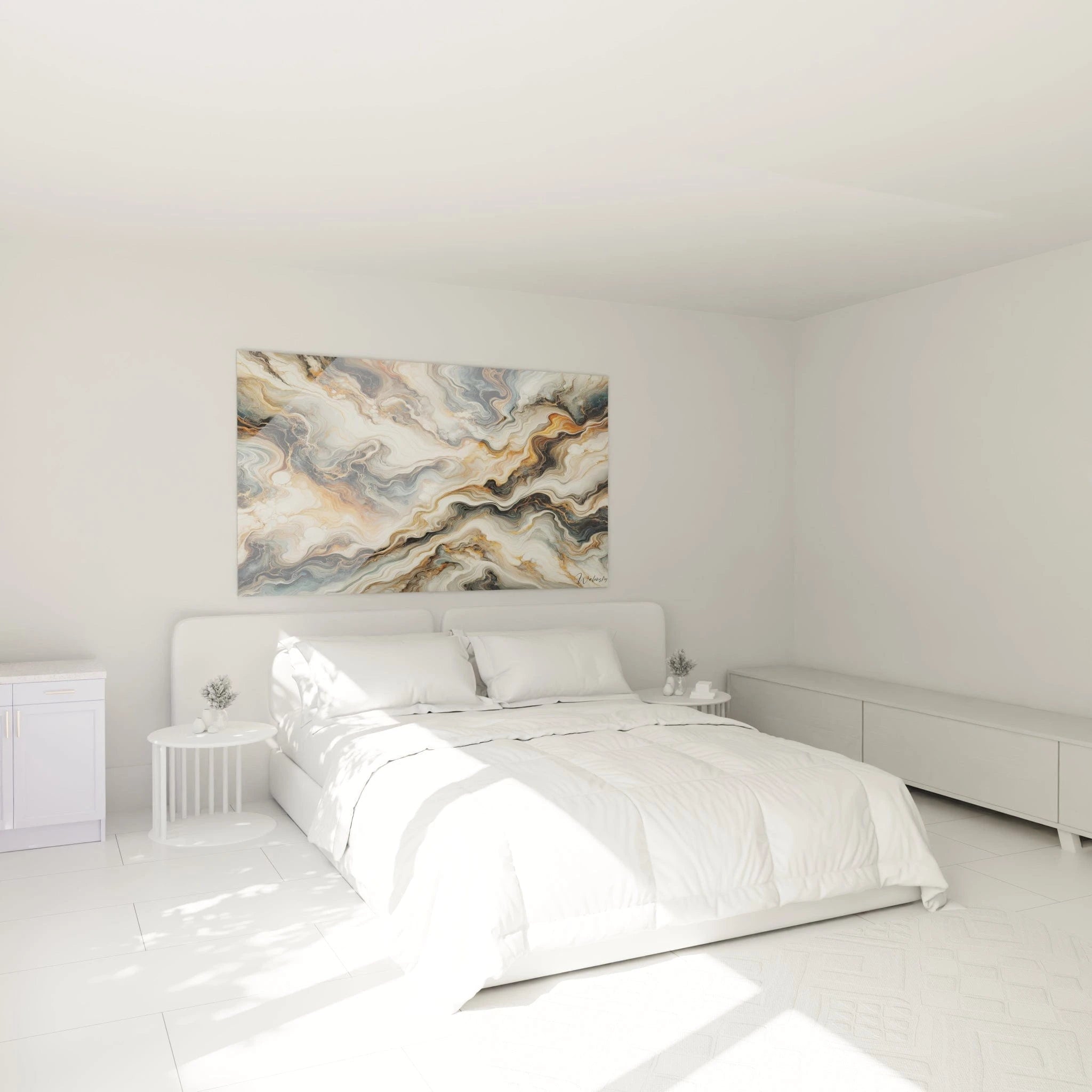
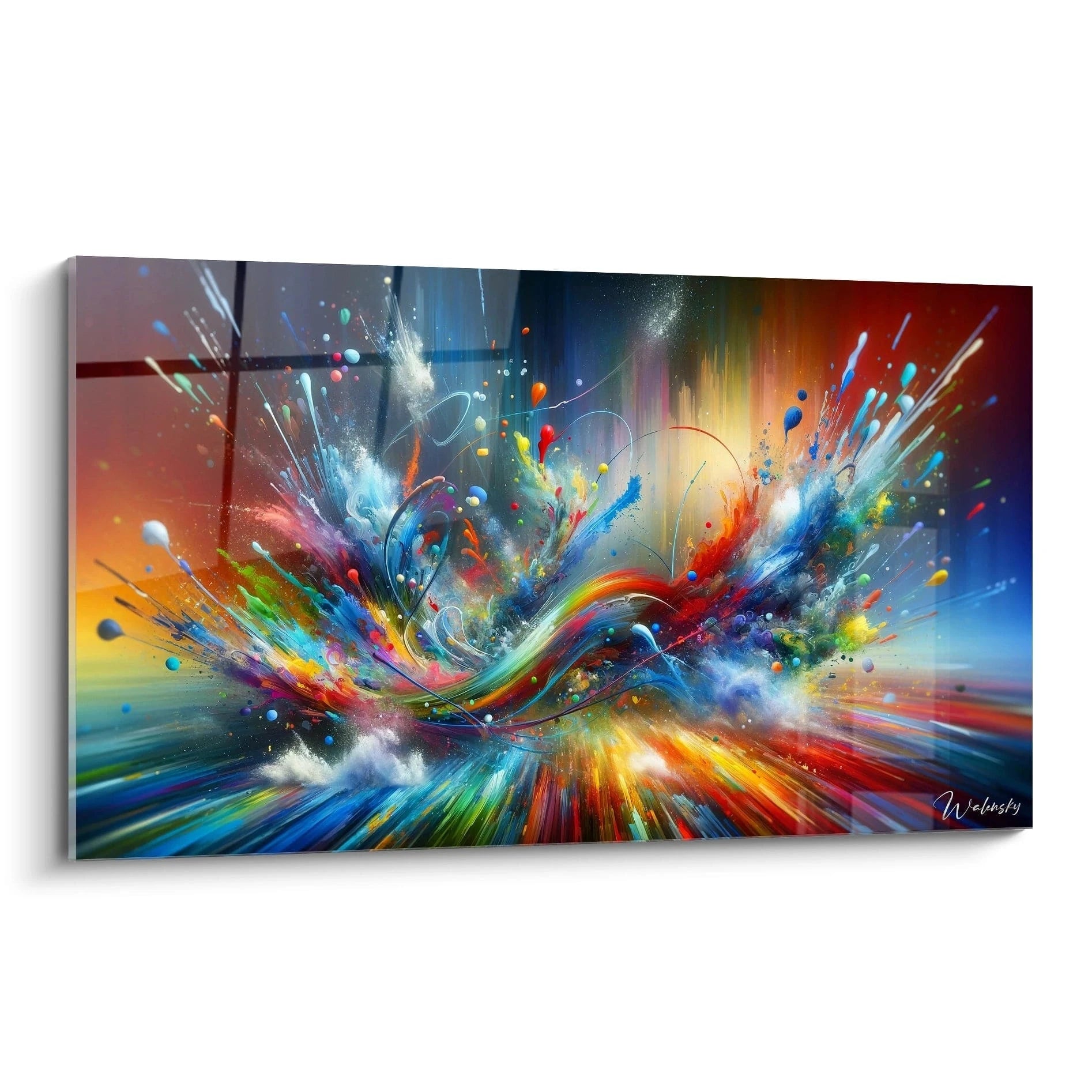
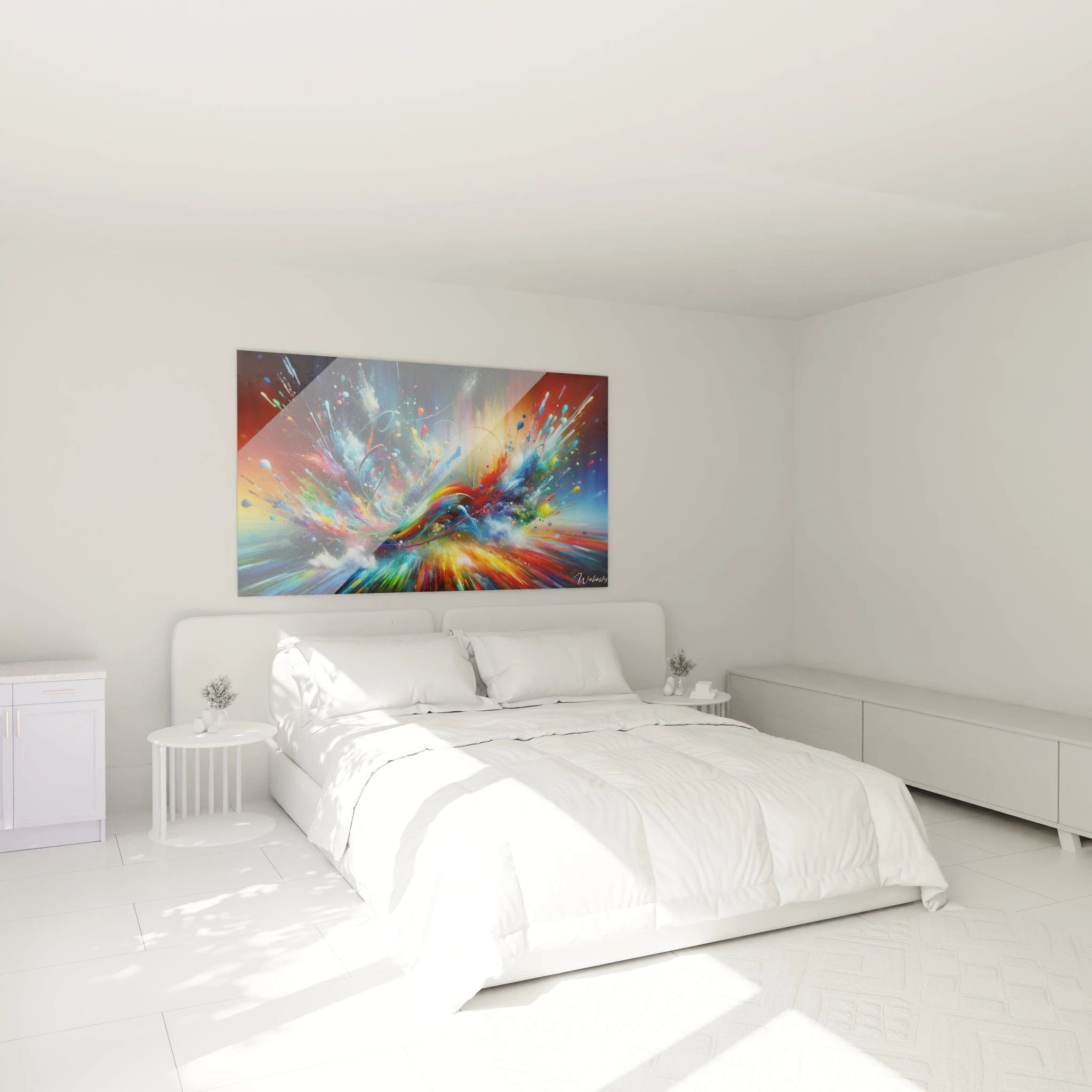
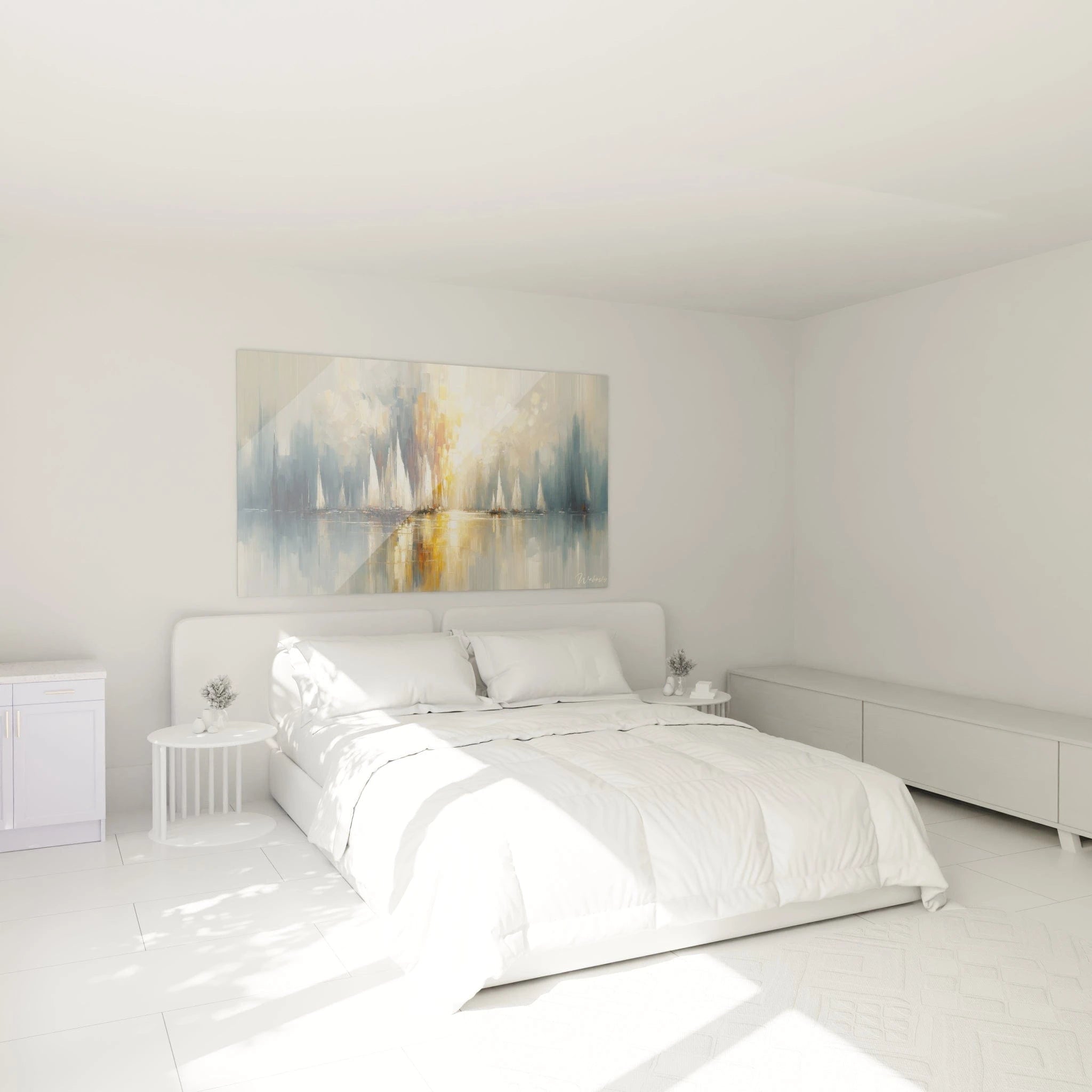
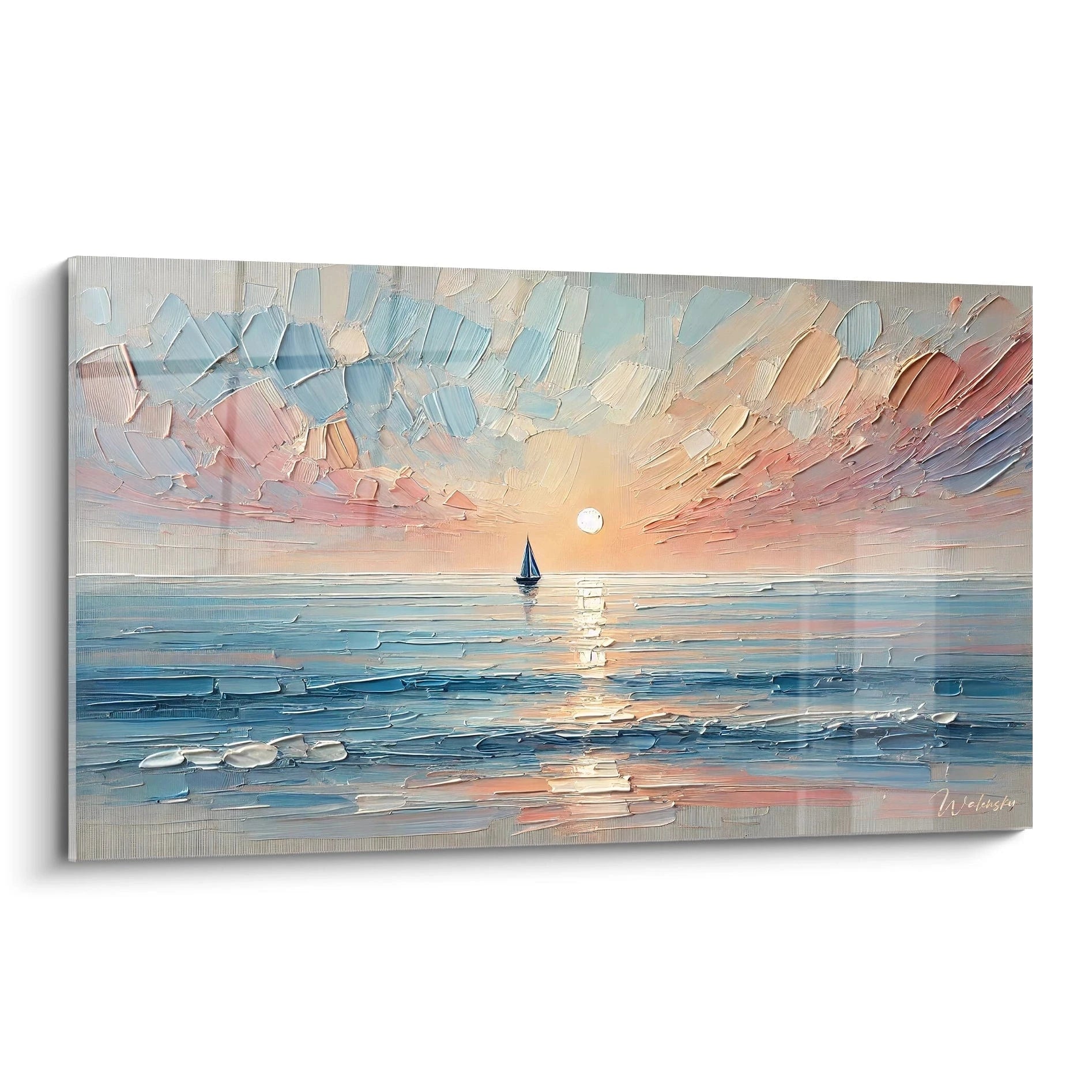
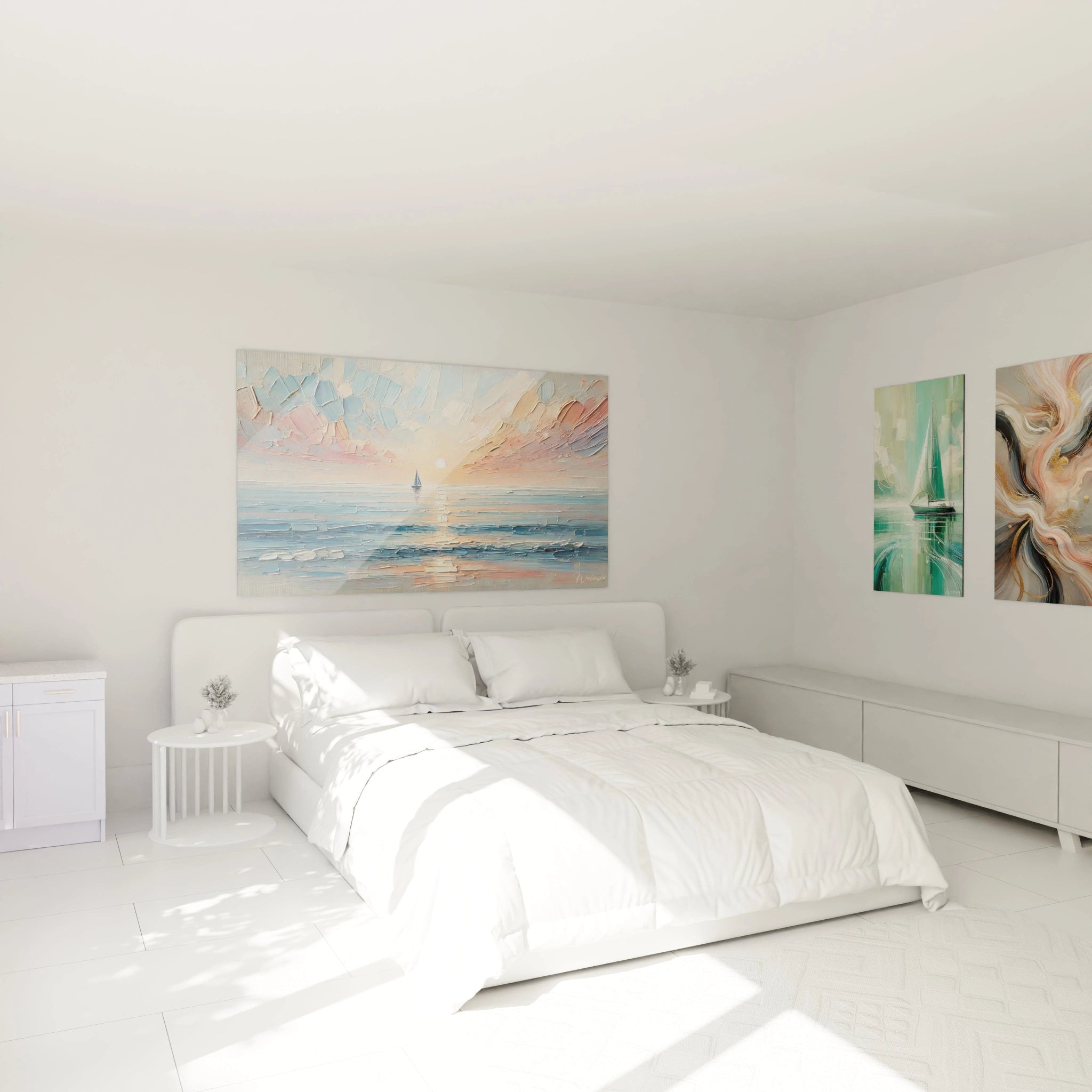
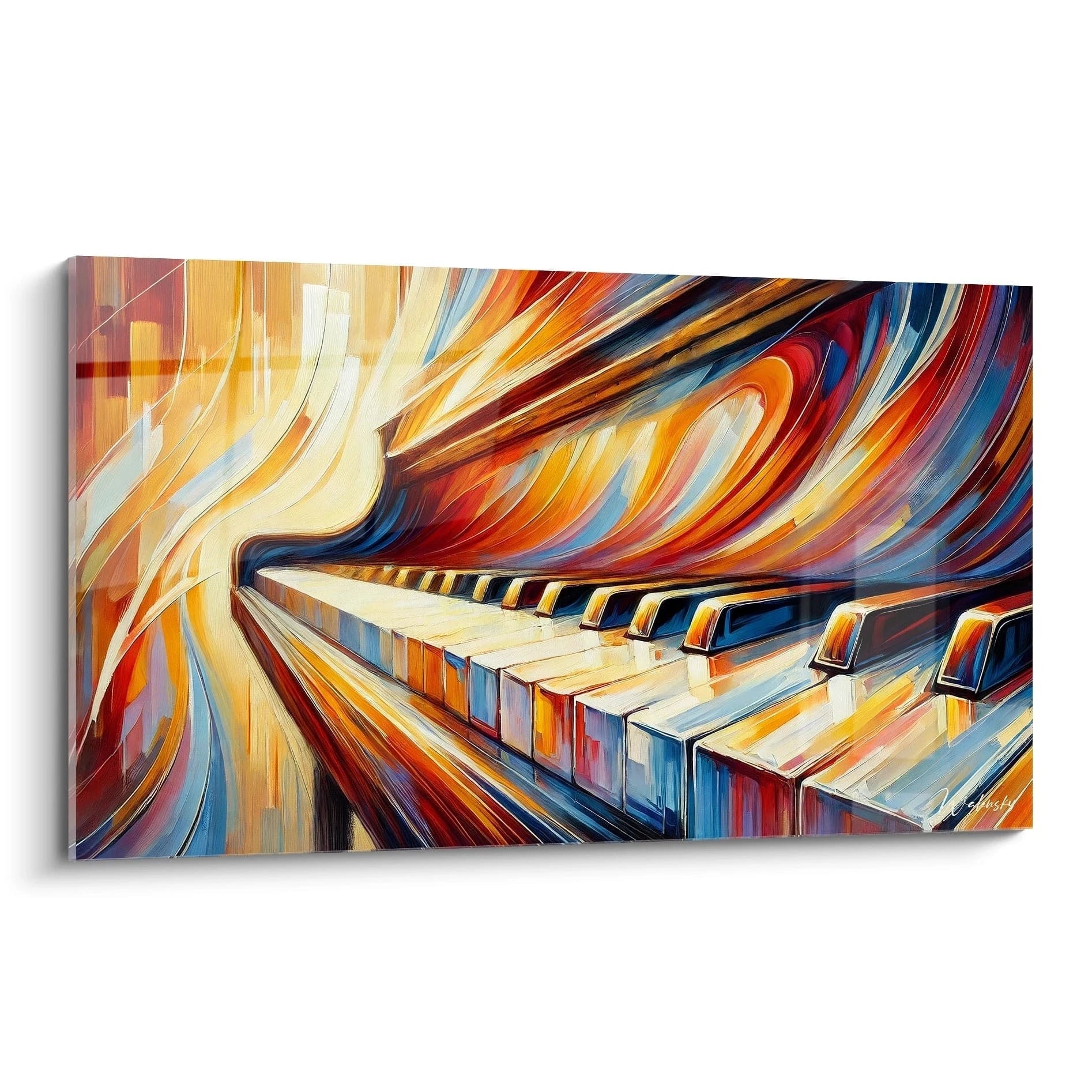
Discover how to enhance your hallway with wall decoration suited to passage spaces. Our large-format creations transform these circulation zones often neglected into genuine decorative assets of your interior.
Create a Personal Gallery in Your Passage Space
A large-format hallway wall art radically transforms the perception of a simple transit space. Unlike living areas where one lingers, the hallway imposes a particular visual dynamic: your visitors and yourself traverse this space in constant movement, creating an experience of progressive discovery. This architectural specificity requires a decorative approach completely different from other zones of your home.
Viewing distance in a hallway evolves constantly depending on your position. From the main entrance, you embrace the entire corridor in a single glance, while in progression, your viewing angle continuously shifts. This particularity makes the hallway the ideal place to install large-scale artworks that reveal different details based on your position. An imposing format captures attention immediately upon crossing the threshold and naturally guides movement.
How to structure a coherent visual journey?
The decorative arrangement of a corridor requires thinking in terms of narrative sequence. Your hallway wall art should not simply occupy a wall: it must create a visual rhythm that accompanies movement. Long passage spaces particularly lend themselves to installing a monumental work that becomes the focal point of the entire floor. This central composition structures the entire corridor and offers visual coherence between the different rooms it serves.
Transition zones between day and night areas benefit particularly from this approach. A corridor leading to bedrooms can accommodate a soothing representation with soft tonalities, gradually preparing for the intimacy of private spaces. Conversely, a passage connecting common areas benefits from dynamic and energetic compositions that maintain the vitality of these active zones.
Enhance neglected blank walls
Panels of wall without openings represent an exceptional opportunity in a hallway. These continuous surfaces, often considered problematic, actually constitute the perfect location for large-scale wall decoration. Without windows or doors to interrupt the composition, these blank walls allow you to install truly imposing formats that create maximum visual impact.
The absence of natural light sources on these panels requires, however, careful selection. Prioritize representations with marked contrasts and vibrant colors that compensate for the lack of ambient light. Clear tints and graphic compositions stand out particularly well in these conditions and energize the space spectacularly.
What size to prioritize for optimal impact?
The question of dimensions in a hallway follows counter-intuitive rules. Contrary to popular belief, a corridor does not require reduced formats: on the contrary, large sizes work remarkably well. The length of the passage offers the necessary distance to fully appreciate a monumental work, while limited width creates a striking immersive effect.
For a standard hallway 1.20 meters wide and 6 meters long, wall decoration of 120 to 180 centimeters in height produces a spectacular effect without overwhelming the space. Vertical proportion visually amplifies ceiling height and counterbalances the natural narrowness of the passage. Horizontal panoramic formats suit particularly long corridors better, where they accompany and reinforce perspective.
Create strategic visual stopping points
A well-designed circulation space includes moments of visual pause. Your hallway wall art fulfills this essential function by creating a point of interest that breaks the monotony of the passage. Positioned strategically at the end of perspective, it naturally attracts the eye and transforms the corridor into a destination rather than a simple transit zone.
This approach proves particularly effective in L-shaped or T-shaped configurations, where the change of direction benefits from a strong visual marker. Installing a major composition at the intersection intuitively guides circulation while creating a memorable spatial landmark. Visitors remember interiors that offer these distinctive visual milestones.
Harmonize with doors and frames
The presence of multiple openings along a hallway imposes specific placement constraints. Doors punctuating the passage create intervals that must be respected to maintain visual coherence. A large format positions ideally between two openings, fully occupying available space without encroaching on swing areas.
Coordination with door frames and casings deserves particular attention. Dark wood finishes call for compositions with matching frames or complementary tonalities that create aesthetic unity. White joinery offers greater freedom, allowing you to dare saturated colors and bold contrasts that energize the entire passage.
- Measure precisely the height available between baseboard and rail
- Identify mandatory passage zones to keep clear
- Locate existing light sources (wall sconces, spotlights)
- Evaluate visual impact from different corridor entry points
- Consider the view from adjacent rooms overlooking the hallway
Visual Solutions to Correct Proportions and Lighting
Corridors frequently present architectural challenges that affect visual comfort and spatial perception. A well-selected hallway wall art becomes a powerful optical correction tool, capable of radically transforming the atmosphere and apparent proportions of this often problematic space. The constraints of poor lighting and inadequate dimensions find effective solutions in the judicious choice of your wall decoration.
The tunnel effect constitutes the most common problem of narrow, long corridors. This feeling of confinement results from the disproportionate relationship between length and width, accentuated by the frequent absence of windows. The solution does not lie in multiplying small decorative elements that would further fragment the space, but in installing a major composition that captures attention and visually interrupts this oppressive linearity.
Compensate for lack of natural light
Interior passage spaces generally suffer from chronic light deficit. Without direct access to daylight, these areas remain dark even in full daylight, creating an unwelcoming atmosphere. The color choice of your wall decoration becomes then decisive: light tonalities and luminous compositions reflect available artificial light and visually illuminate the space.
Representations including white areas or saturated pastel colors produce a remarkable light reverberation effect. These tints capture rays emitted by wall sconces or recessed spotlights and diffuse them throughout the entire corridor. A large format with light dominants functions like a true light mirror without the cold, impersonal aspect of a reflective surface.
Visually widen a narrow passage
The reduced width of a hallway often generates an unpleasant feeling of confinement. Optical correction techniques allow counteracting this restrictive perception. Horizontal panoramic compositions create lateral visual expansion that psychologically amplifies the passage width. This format stretches the space horizontally and reduces the impression of close walls.
Representations presenting vanishing lines or open perspectives accentuate this widening effect further. An extended landscape, an urban scene with wide avenues, or an abstract composition with dominant horizontal lines suggest a space that extends beyond physical walls. This visual trick pleasantly deceives perception and makes the corridor more welcoming.
How to correct a ceiling that is too low?
Hallways with overwhelming ceilings benefit particularly from tall, relatively narrow vertical formats. Wall decoration that is high and relatively narrow naturally draws the eye upward, diverting attention from limited ceiling height. This accentuated verticality creates an illusion of elevation that transforms an oppressive space into a dynamic passage.
Compositions presenting ascending elements reinforce this optical correction. Vertical geometric patterns, representations of rising vegetation, or slender architectural structures amplify the sensation of height. Combined with lighting directed upward, this decorative approach completely transforms the spatial perception of the corridor.
Manage distorting perspectives
Excessive length of certain hallways creates overwhelming perspectives where the end seems unreachable. This visual distortion generates psychological discomfort that your hallway wall art can effectively correct. Positioned at the focal point of perspective, it breaks linear monotony and creates a visual objective that structures movement.
Large formats positioned at the end of the corridor function as anchor points that psychologically bring the passage's end closer. Instead of perceiving intimidating distance, the visitor focuses on the artwork that becomes their visual destination. This technique transforms crossing the hallway into a deliberate experience rather than simple functional obligation.
Mitigate the effect of close walls
Walls that are too close together create an unpleasant sensation of lateral compression. Representations including depth or virtual openings effectively counter this perception. A scene presenting a distant horizon, an extended maritime landscape, or an architectural composition with arcades suggests a space that extends beyond the wall plane.
This virtual opening offers essential psychological breathing in a physically constrained space. The brain interprets these depth cues as an actual extension of available space, significantly reducing the feeling of confinement. Hallways benefiting from this appear immediately more spacious and welcoming.
- Favor compositions with marked contrasts to compensate for poor lighting
- Select vertical formats for low ceilings and horizontal ones for widening
- Choose representations with perspective to create virtual depth
- Opt for light tonalities that reflect available artificial light
- Avoid dark tints that would accentuate the impression of narrowing
Selection Strategies Based on Architecture and Circulation
Each architectural corridor configuration imposes specific constraints and offers opportunities for integrating hallway wall art. Fine understanding of your passage type allows optimizing the visual and functional impact of your decorative investment. Preliminary analysis of structure, circulation flow, and architectural particularities guarantees a perfectly adapted choice that truly enhances your space.
Entry corridors deserve particular attention as they form the first impression of your interior. This strategic space welcomes your visitors and immediately defines the attention level you devote to your decoration. A monumental work installed in the direct field of vision from the entry door creates a memorable impact that sets the tone for the entire visit.
Adapt to main circulation direction
The orientation of movement flow directly influences the type of composition to prioritize. In a hallway primarily traversed in one direction, from the entrance toward living areas for example, wall decoration must create a point of attraction that naturally guides movement. A large format at the end of perspective perfectly fulfills this visual beacon role.
Passages regularly used in both directions require a different approach. The artwork must present equivalent visual interest regardless of approach direction. Symmetrical compositions or representations functioning in multiple orientations particularly suit these bidirectional configurations. Positioning height becomes equally crucial to ensure optimal visibility from both ends.
What solutions for L-shaped or T-shaped hallways?
Angular configurations present exceptional decorative opportunities. The angle or intersection constitutes natural locations for a strong focal element. Large-format hallway wall art positioned at the direction-change point transforms this architectural constraint into a major decorative asset. This installation intuitively guides circulation while creating a distinctive spatial landmark.
In these configurations, visibility from multiple directions simultaneously requires careful selection. The artwork must present sufficiently strong composition to captivate from every possible approach angle. Square or slightly vertical formats generally work better than narrow panoramas that lose impact depending on the viewing axis. The angle zone often benefits from convergent natural or artificial lighting that perfectly showcases a masterpiece.
Coordinate with existing architectural style
Building era and architectural style of your home naturally orient certain decorative choices. Haussmann-style dwellings with elaborate moldings and high ceilings call for classical compositions or sophisticated representations that dialogue with the elegance of volumes. Tall, imposing vertical formats magnificently exploit the generosity of ceiling heights in these older buildings.
Contemporary constructions with clean lines and more compact spaces benefit from modern and graphic decorative approaches. Minimalist compositions, geometric representations, or abstract creations with bold colors naturally harmonize with contemporary architecture. These interiors also accept bolder proposals that create assumed contrasts with structural sobriety.
Consider connection with adjacent rooms
A corridor never functions in isolation: it connects and organizes the different spaces of your home. Chosen wall decoration must consider this transition function and create visual coherence with served rooms. A corridor leading to bedrooms with soft ambiances benefits from presenting soothing tonalities that gradually prepare for intimacy.
Conversely, a passage connecting the living room to the kitchen can permit more dynamic and energetic choices that maintain common living space vitality. This thematic continuity does not mean identical reproduction: your hallway wall art must dialogue with other decorative elements without duplicating them, creating logical progression rather than monotonous repetition.
Optimize available artificial lighting
Quality and positioning of light sources in your hallway largely determines your wall decoration's final rendering. Wall sconces create zones of shadow and light that must be anticipated during selection. Downward-directed lighting casts shadows that can dramatize some compositions but fade others.
Adjustable recessed spotlights offer flexibility to precisely direct light onto your artwork. This option allows creating a genuine gallery effect that fully showcases your investment. Hallways equipped with light rails benefit from maximum versatility, allowing constant lighting adjustment based on your needs and future decorative changes. Installing a dimmer switch adds an additional dimension, creating different atmospheres depending on time of day.
Anticipate evolution and modularity
Your hallway will evolve with your desires and trends. Choosing wall decoration that supports future modifications avoids premature replacement. Compositions with neutral palettes enriched with a few color touches offer this flexibility: surrounding accessories and wall colors can change without the central artwork becoming unsuitable.
This strategic approach preserves your initial investment while allowing regular atmosphere refreshes. A large format with timeless tonalities transcends fashions without ever appearing dated, guaranteeing lasting relevance in your interior.
- Analyze main circulation direction to optimize composition orientation
- Identify multiple viewpoints in angular configurations
- Evaluate style compatibility with existing architecture
- Precisely measure shadow and light zones created by light sources
- Consider color coherence with adjacent rooms visible from the hallway
FAQ - Frequently Asked Questions About Hallway Wall Art
Won't large-format hallway wall art visually shrink the space?
Contrary to popular belief, an imposing format in a hallway generally creates an enlargement rather than shrinkage effect. The key lies in strategic positioning and color choice: large-format artwork positioned at the end of perspective attracts the eye and structures space, while light tonalities compensate for physical narrowness by reflecting available light.
How to determine the ideal height for hanging in a passage space?
In a hallway, the classical rule of center at eye level requires adjustment. Favor positioning slightly higher than in a living room, since visitors discover the artwork while moving and from different distances. For standard passage, placing the composition center between 155 and 165 centimeters from the floor offers optimal visibility from both ends while preserving visual balance with surrounding doors.
Can multiple artworks be installed in a hallway rather than one large format?
While technically possible, multiplying elements in a circulation space often generates an impression of visual disorder and fragments attention. A corridor generally benefits from featuring a single masterpiece that structures the entire passage and creates coherent focal point. This approach also simplifies maintenance and avoids the accumulation effect that visually reduces available space in an already constrained zone.
Do dark hallways require specific color choices?
Absolutely. Passage spaces deprived of natural light require compositions with luminous tonalities that actively compensate for lighting deficit. Palettes including white, saturated pastels, or vibrant colors effectively reflect available artificial light and energize atmosphere. Avoid representations with dark dominants that would accentuate the impression of confinement and absorb already limited light in these zones.