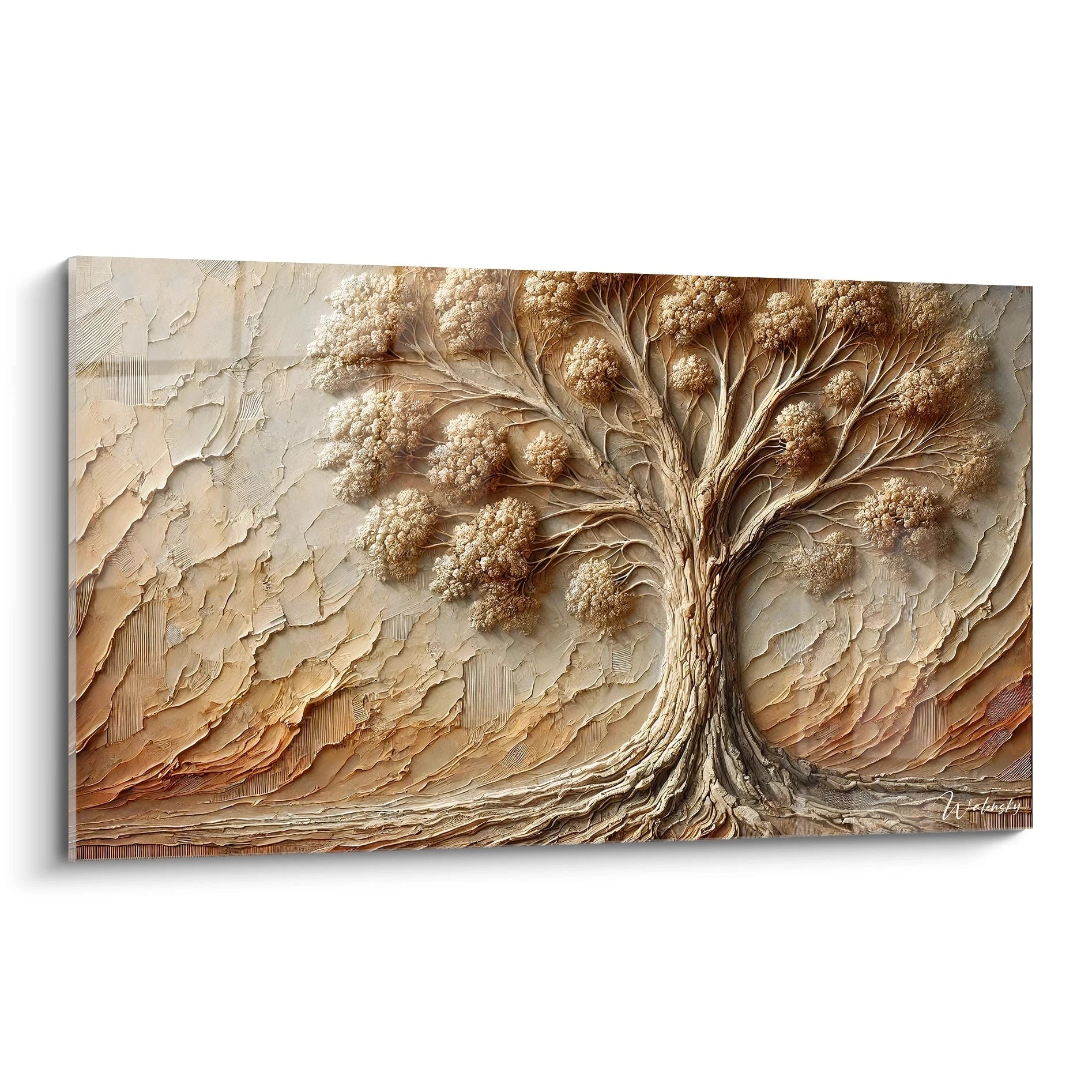
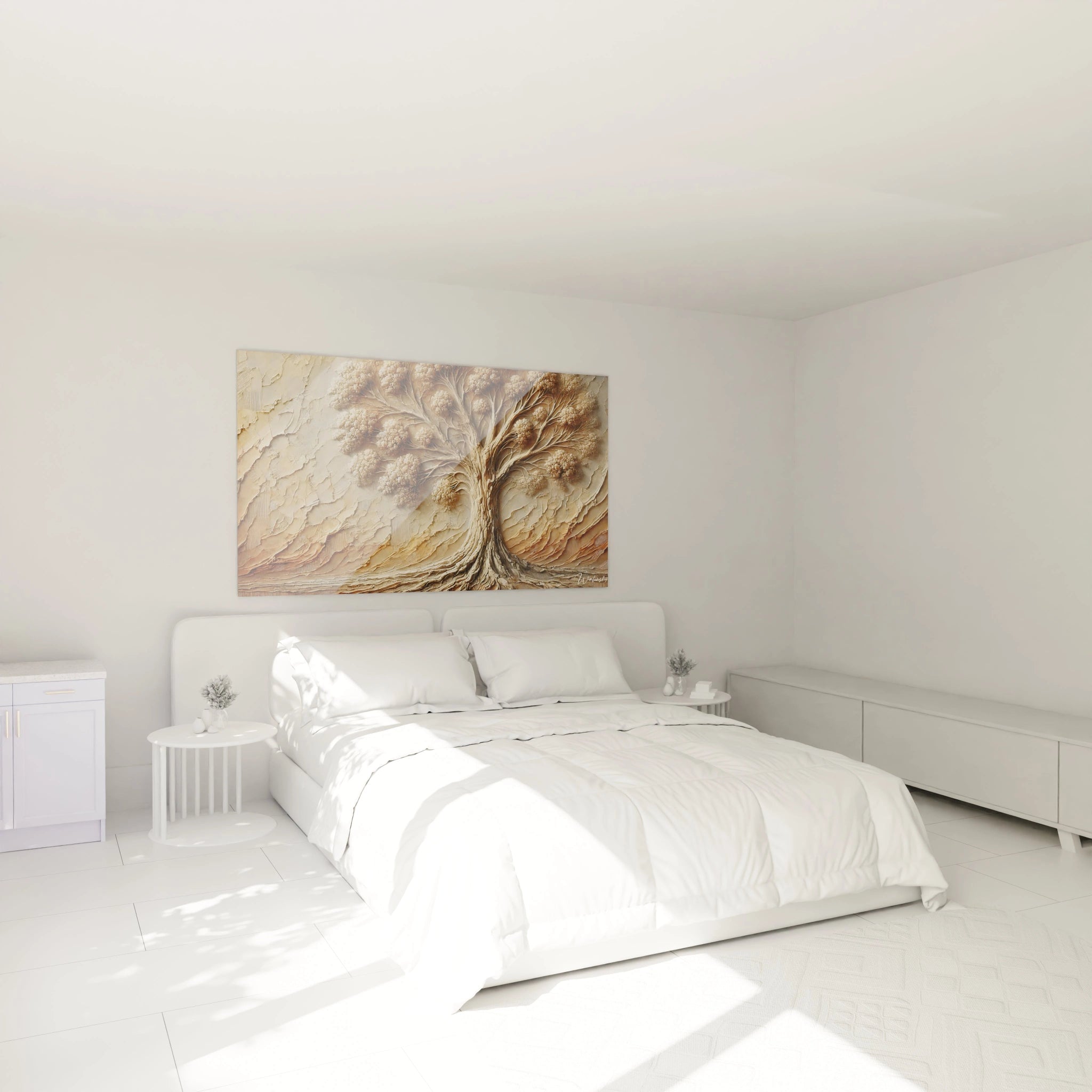
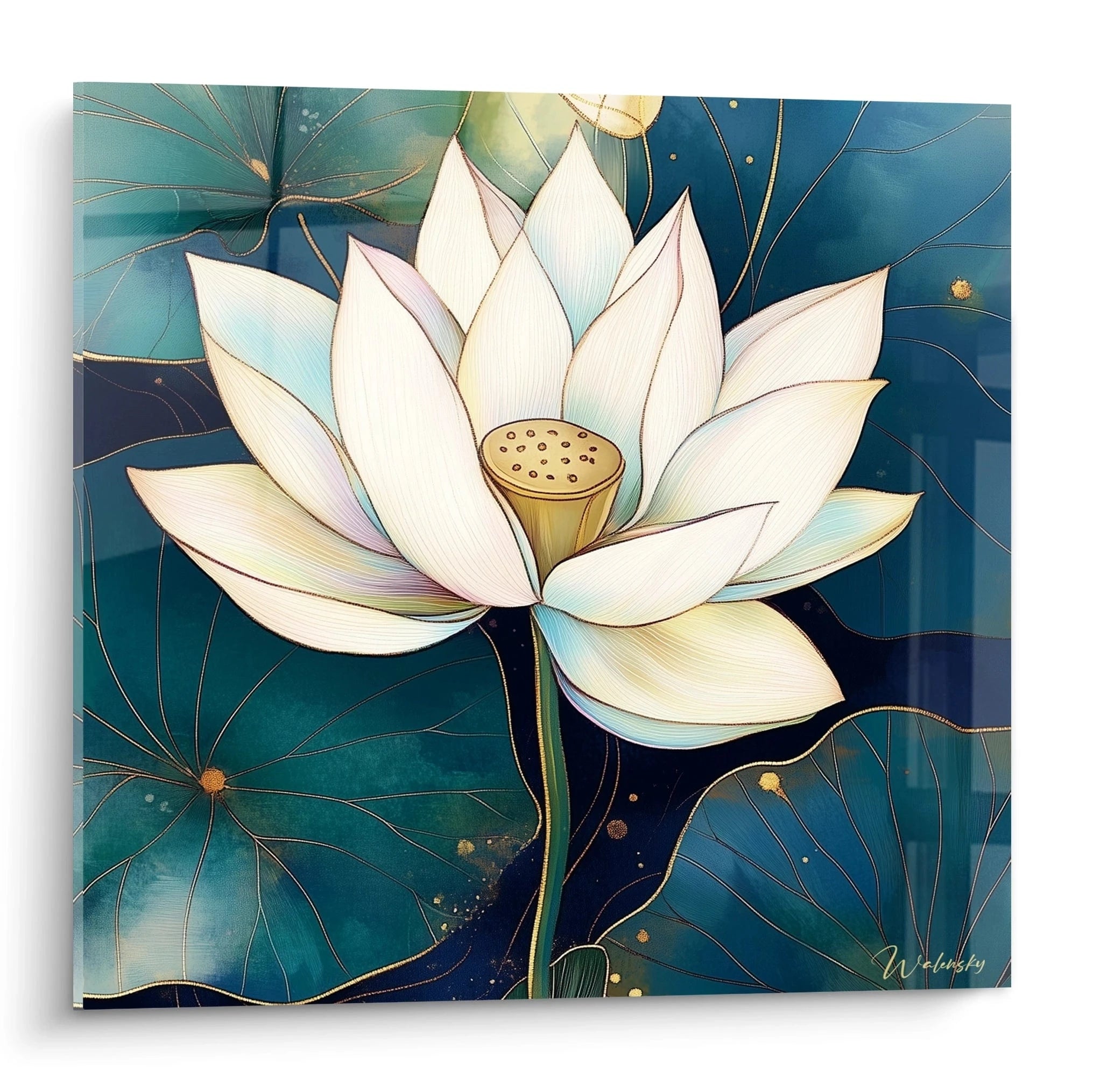
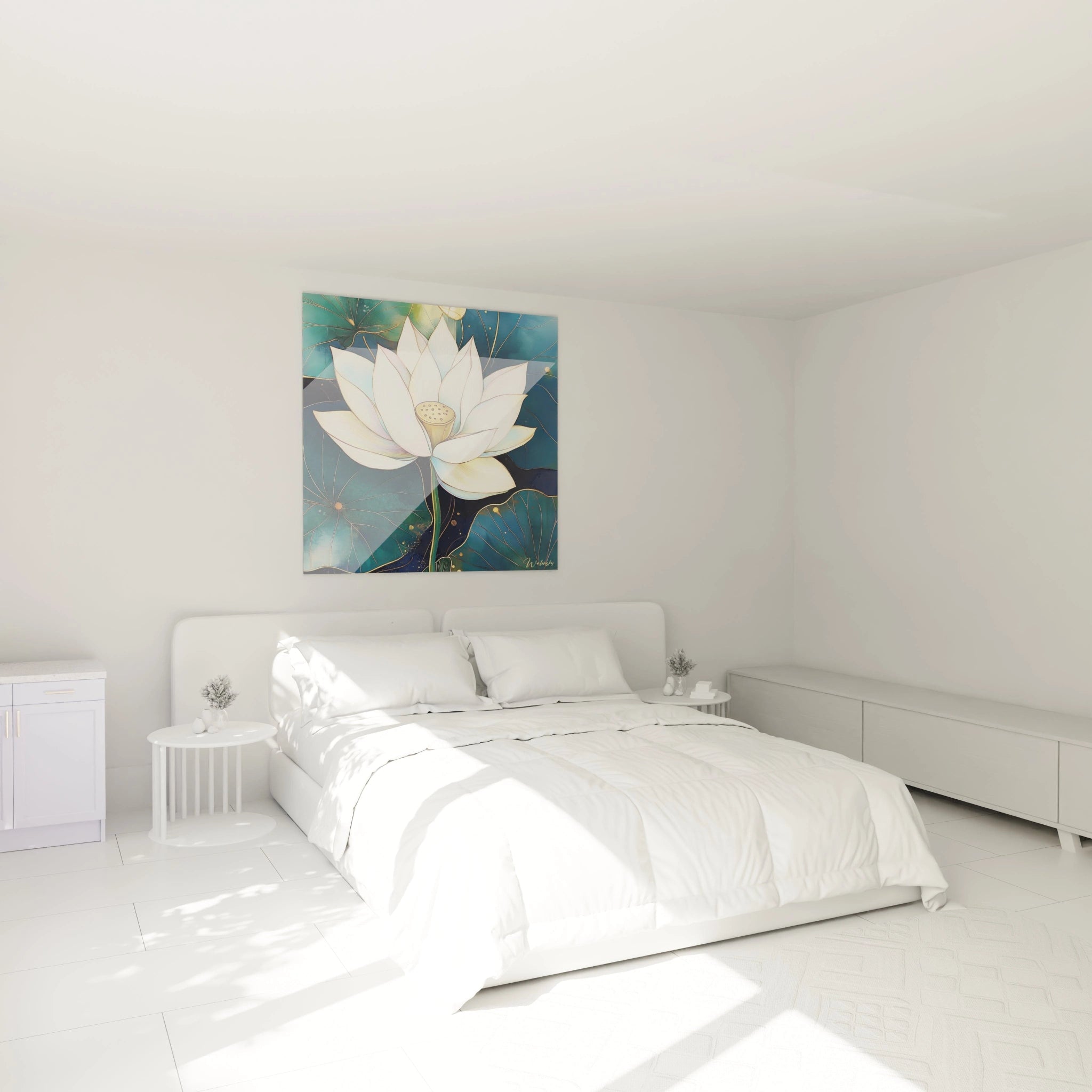
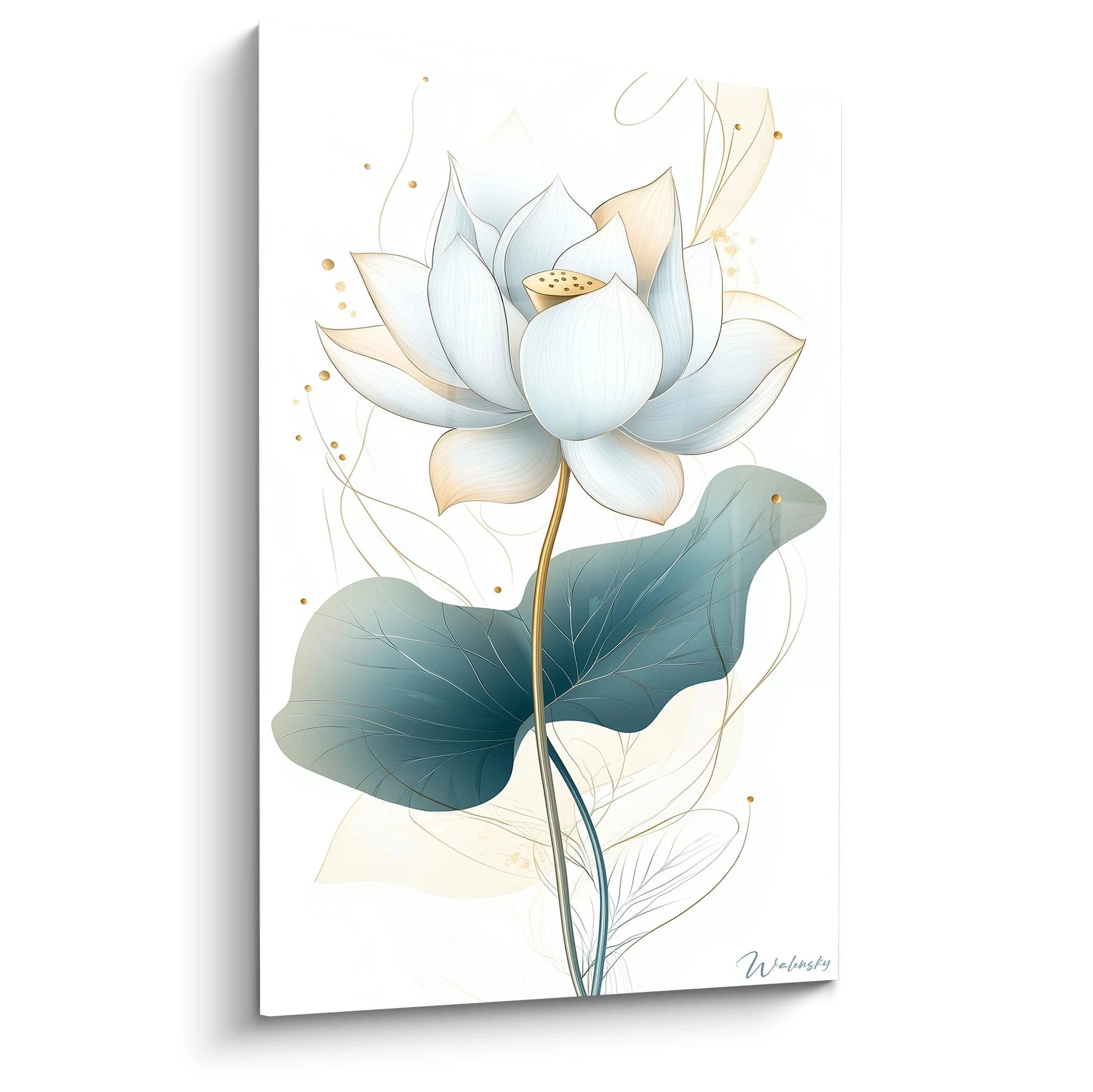
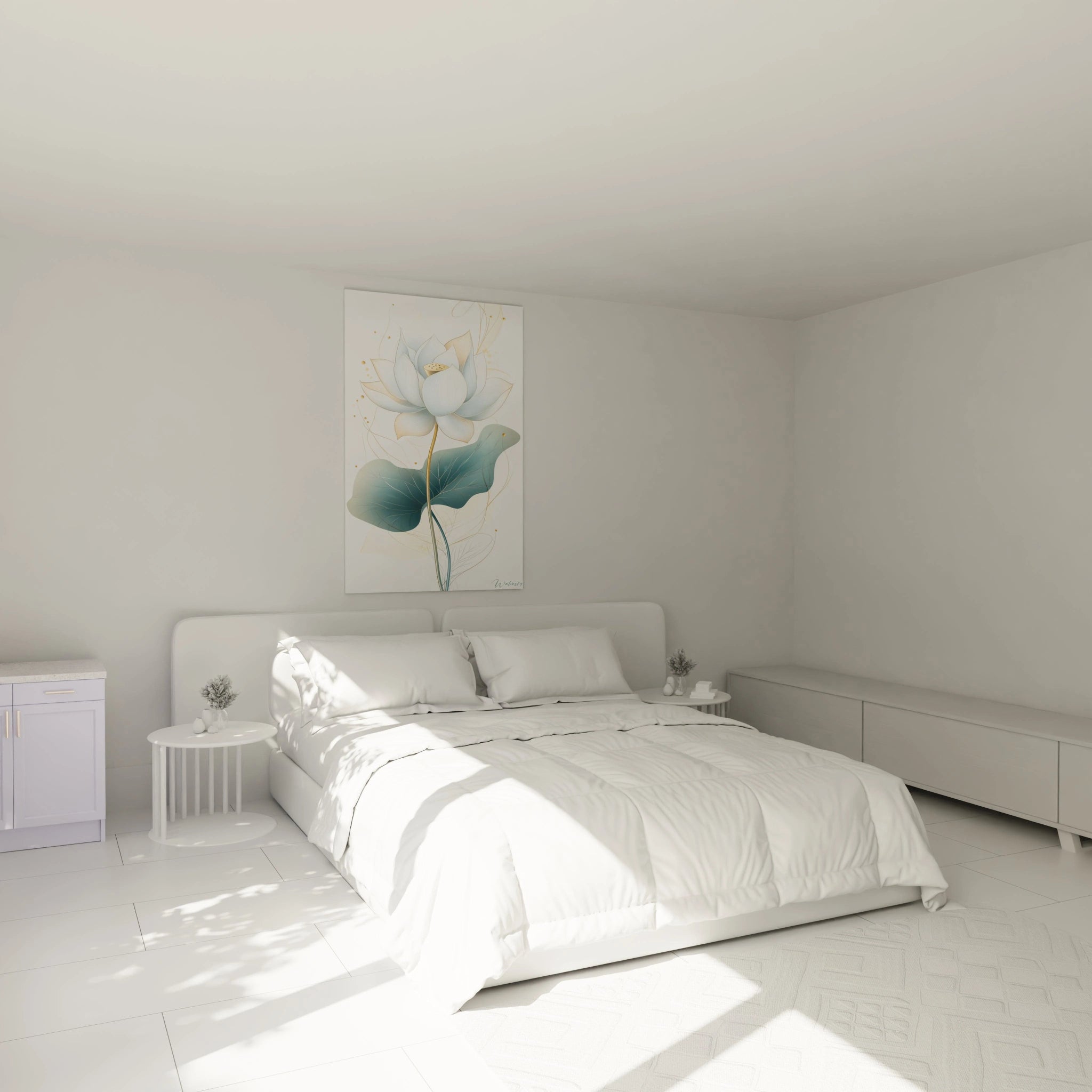
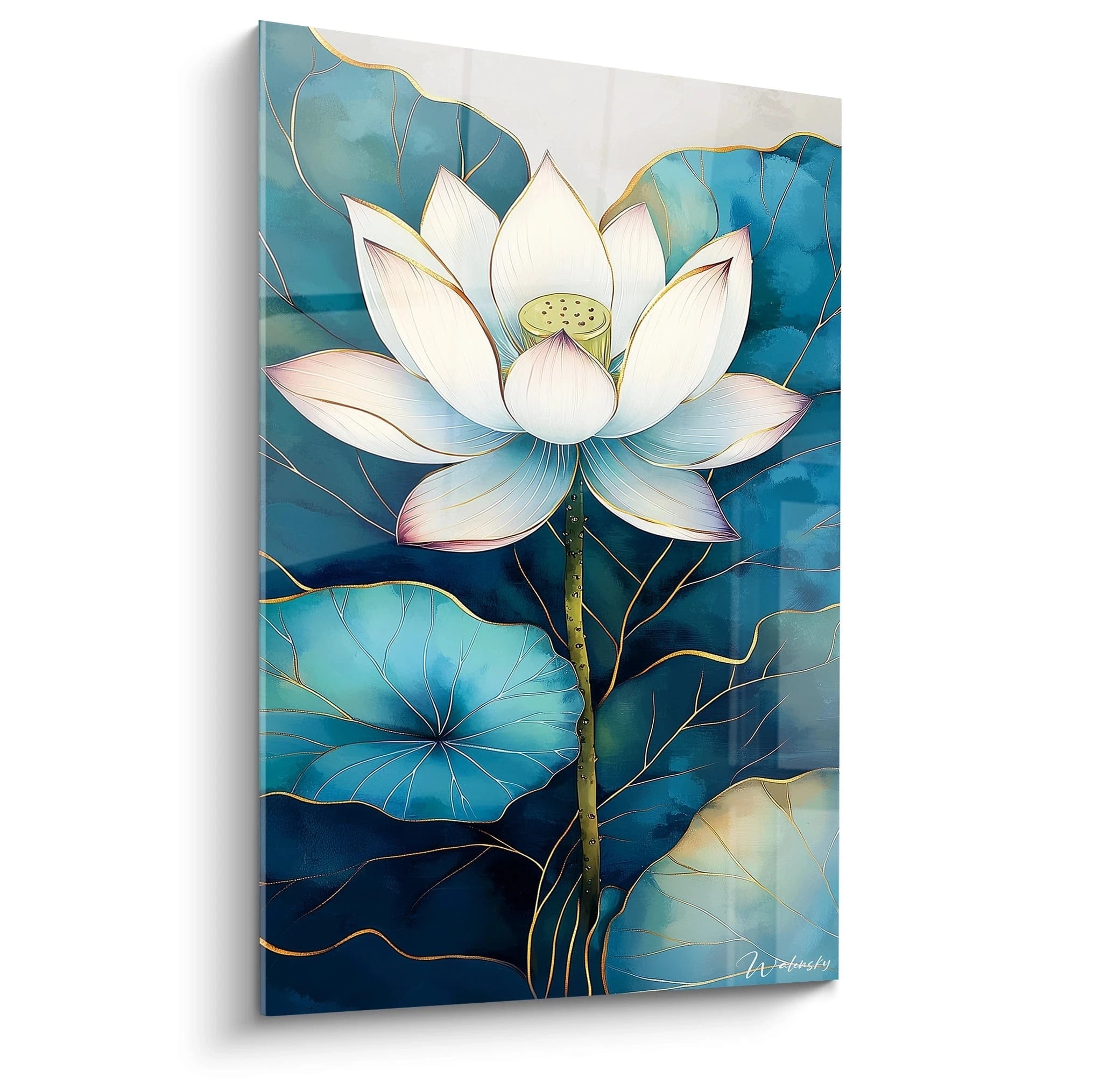
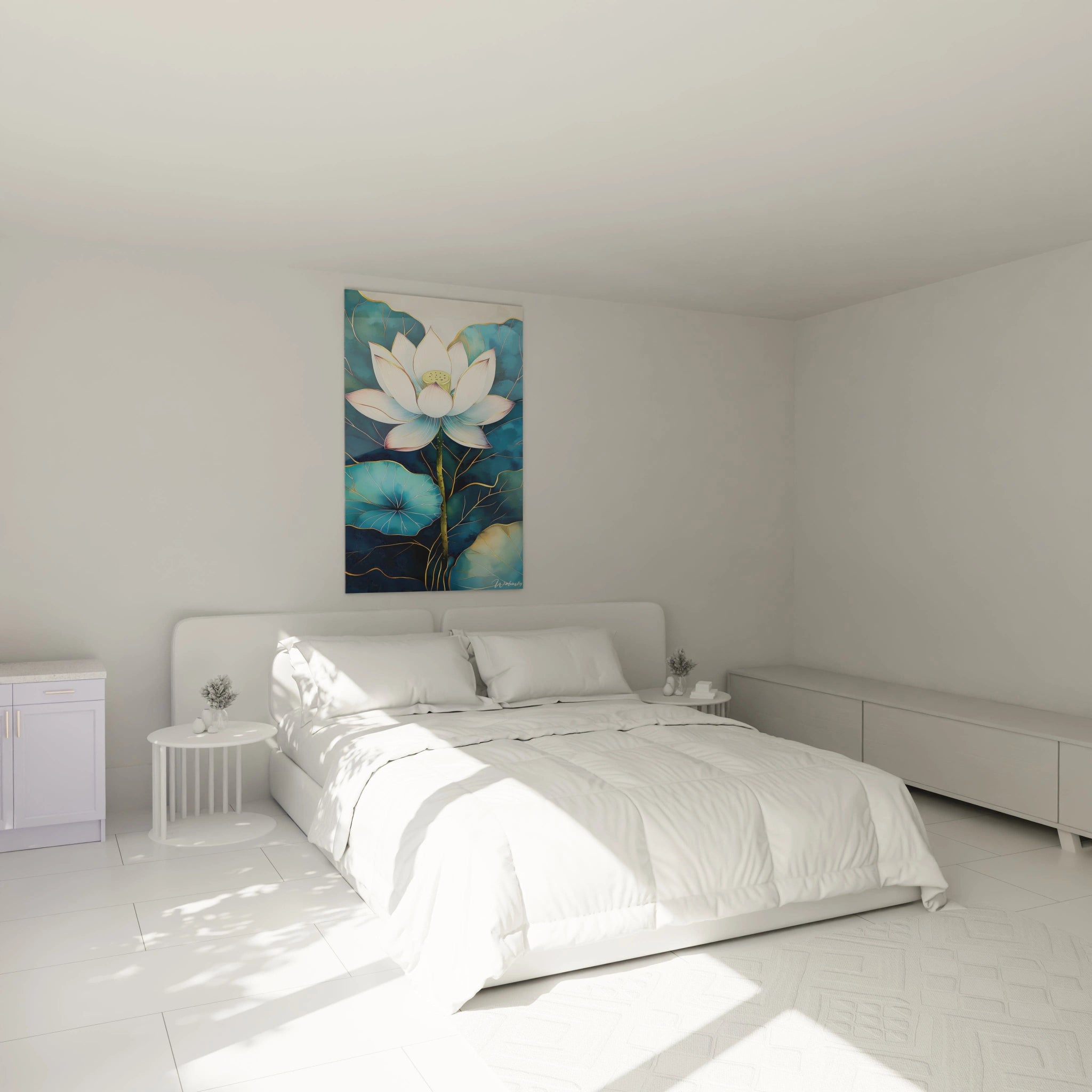
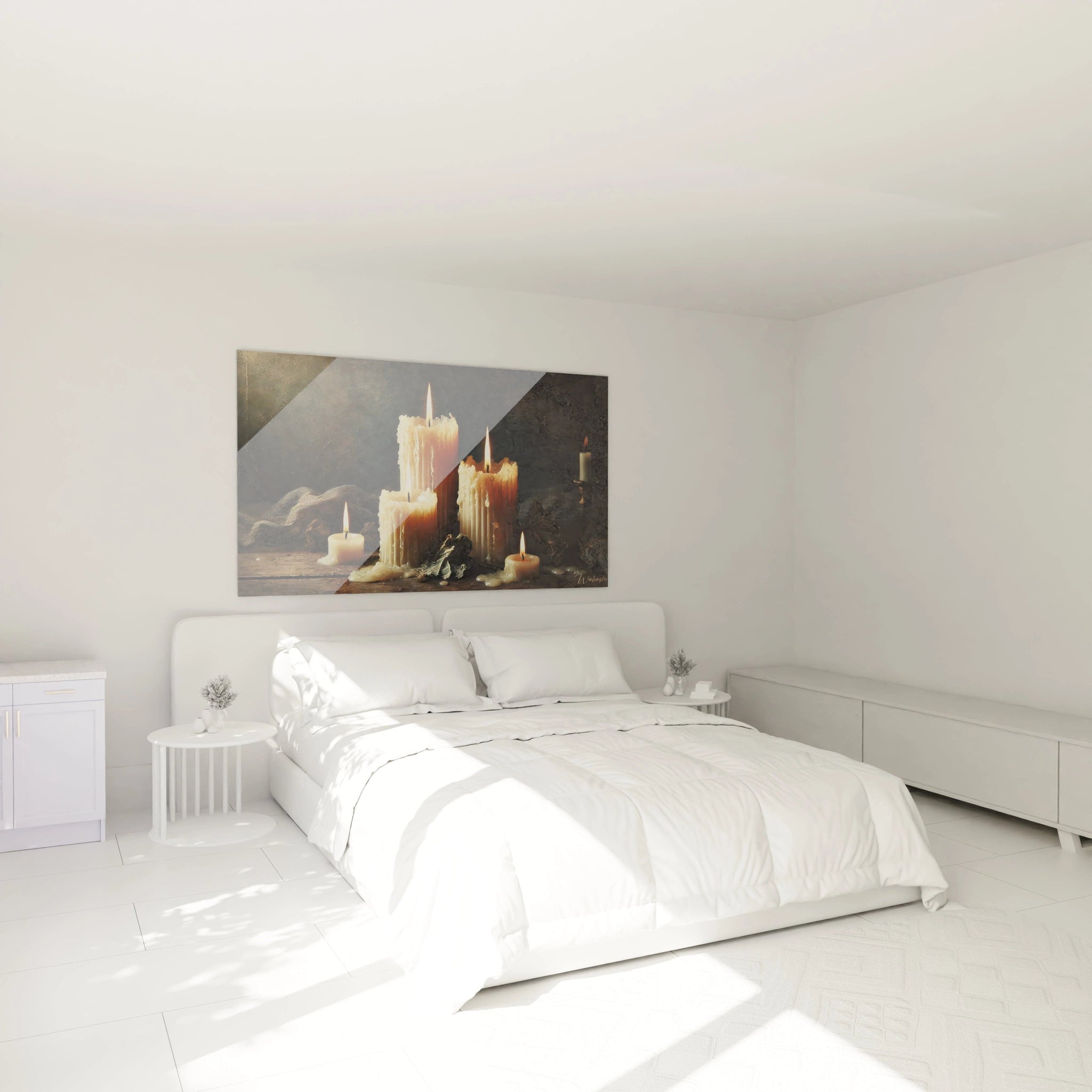
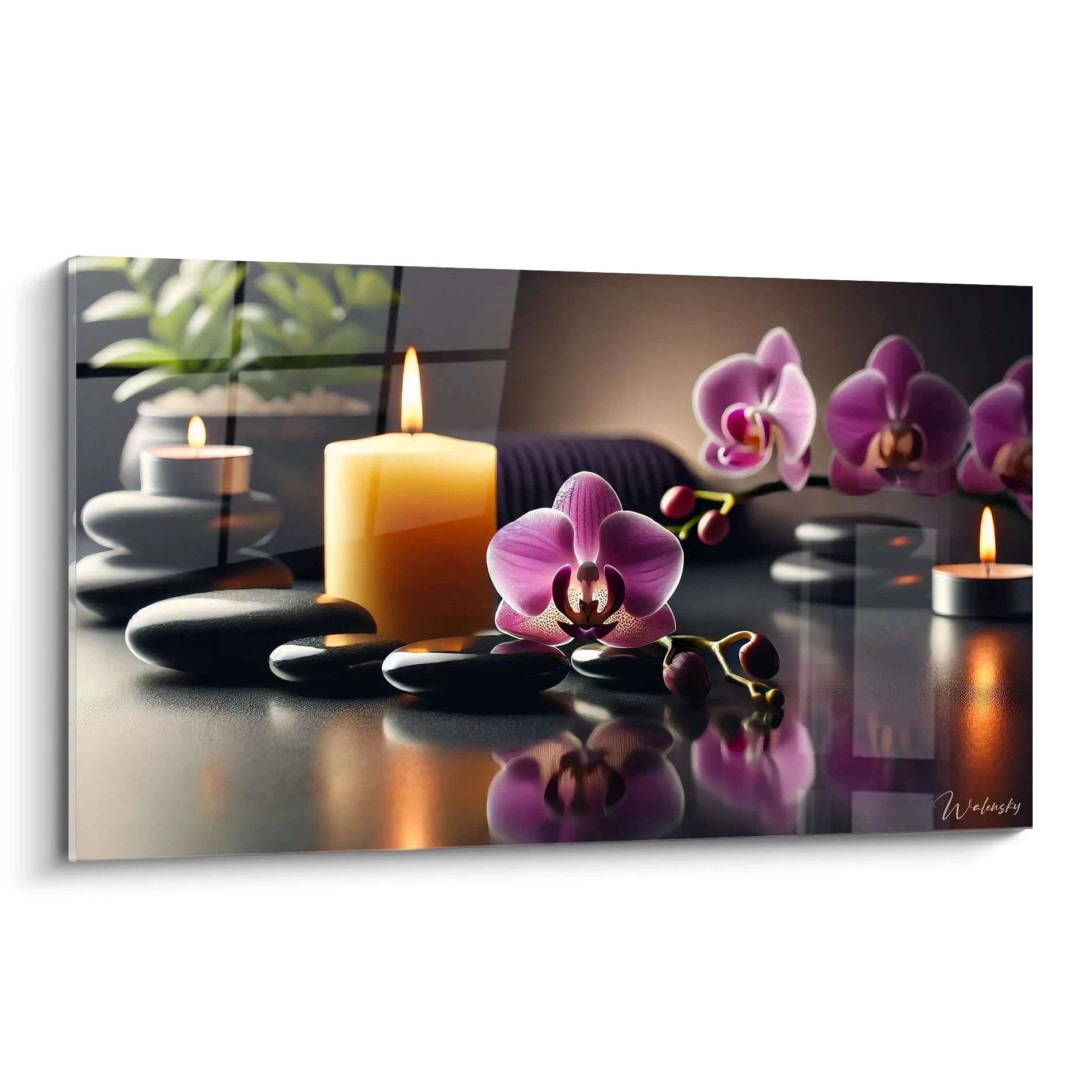
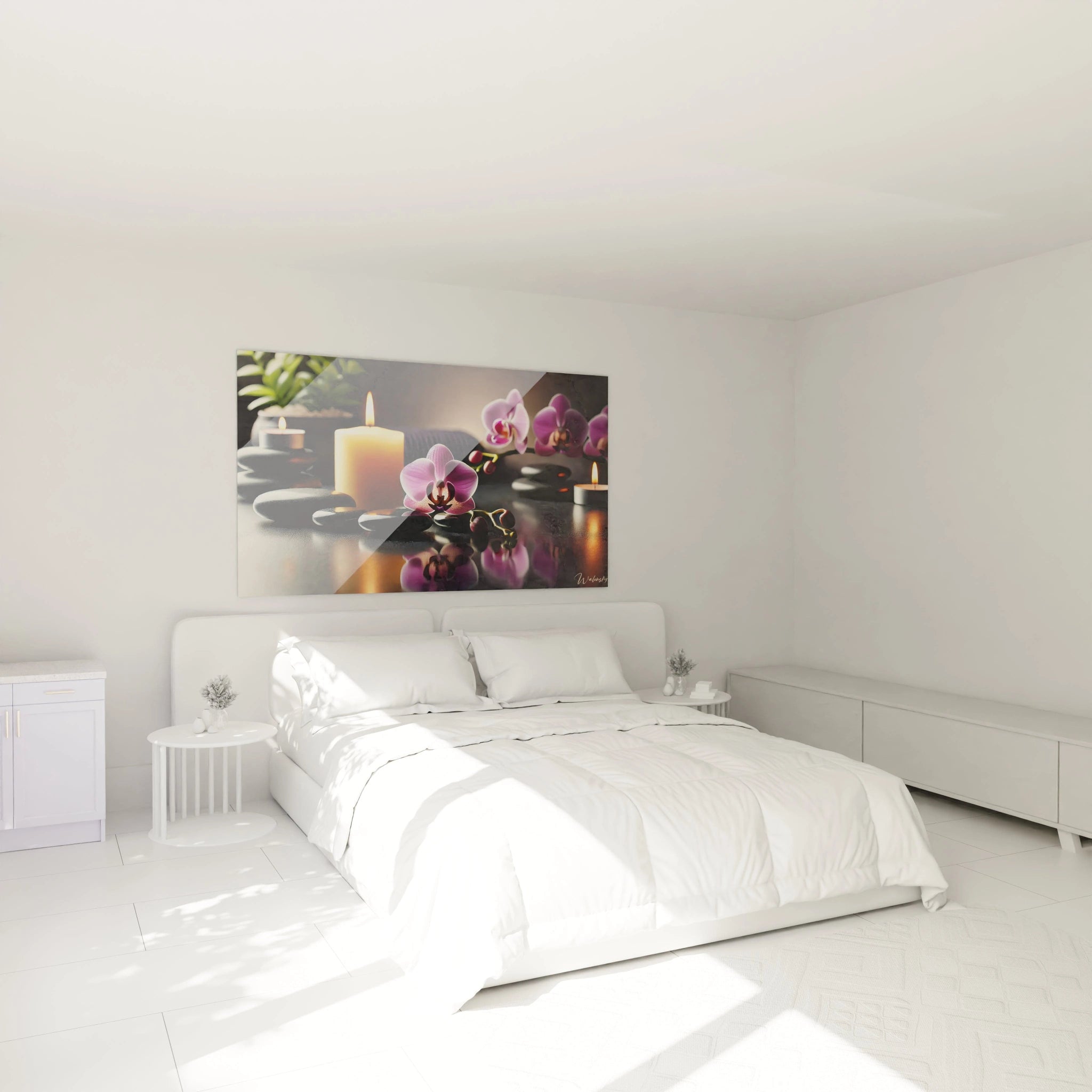
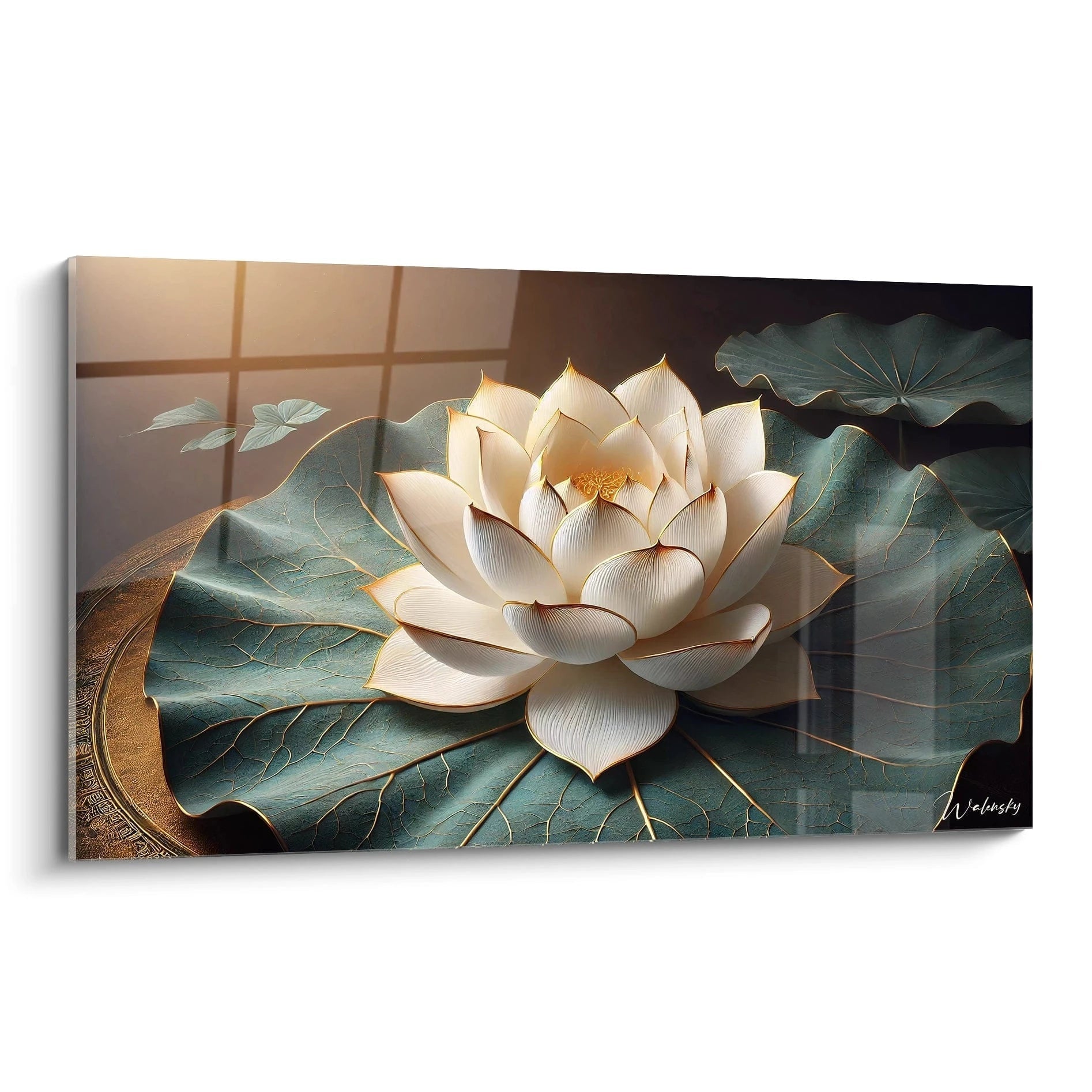
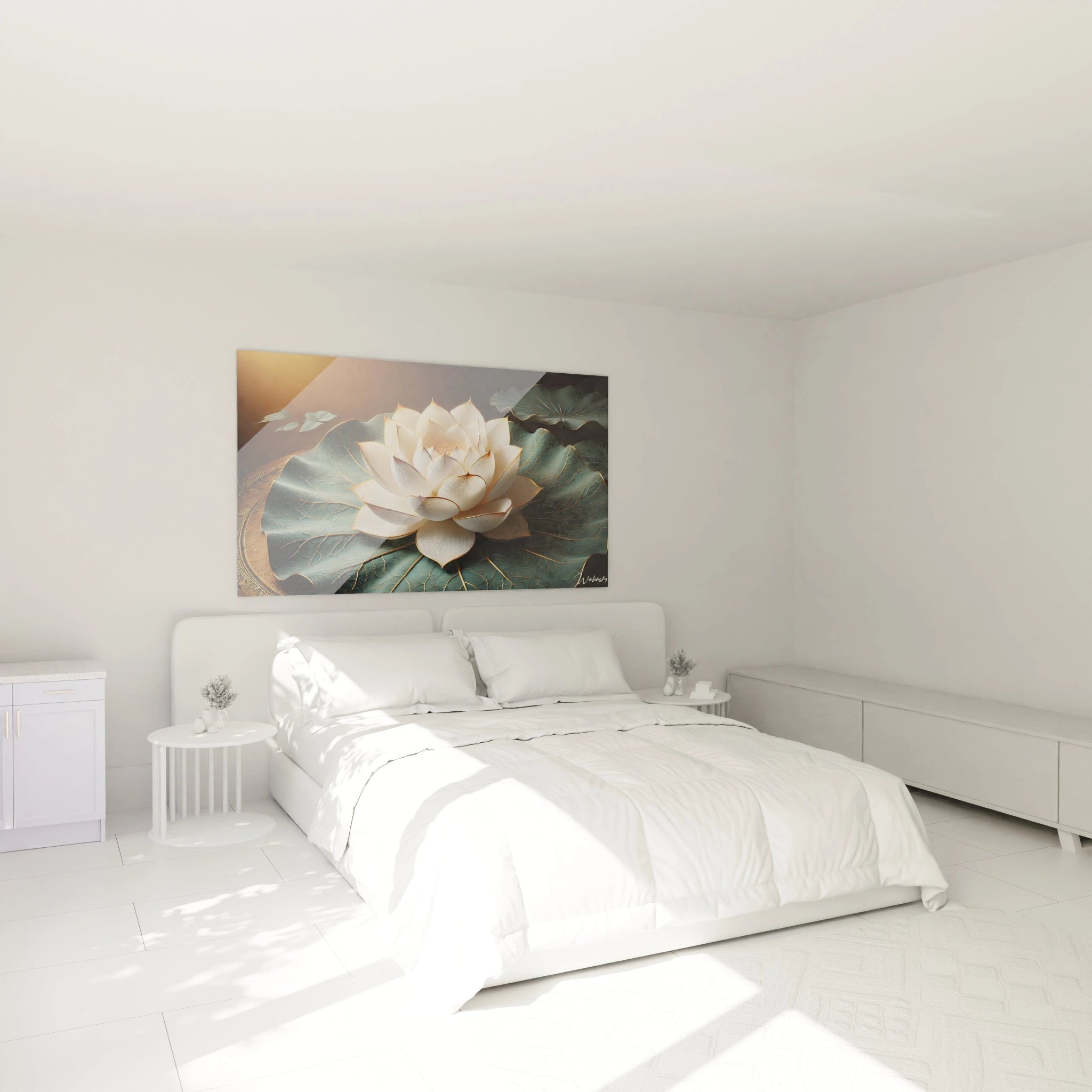
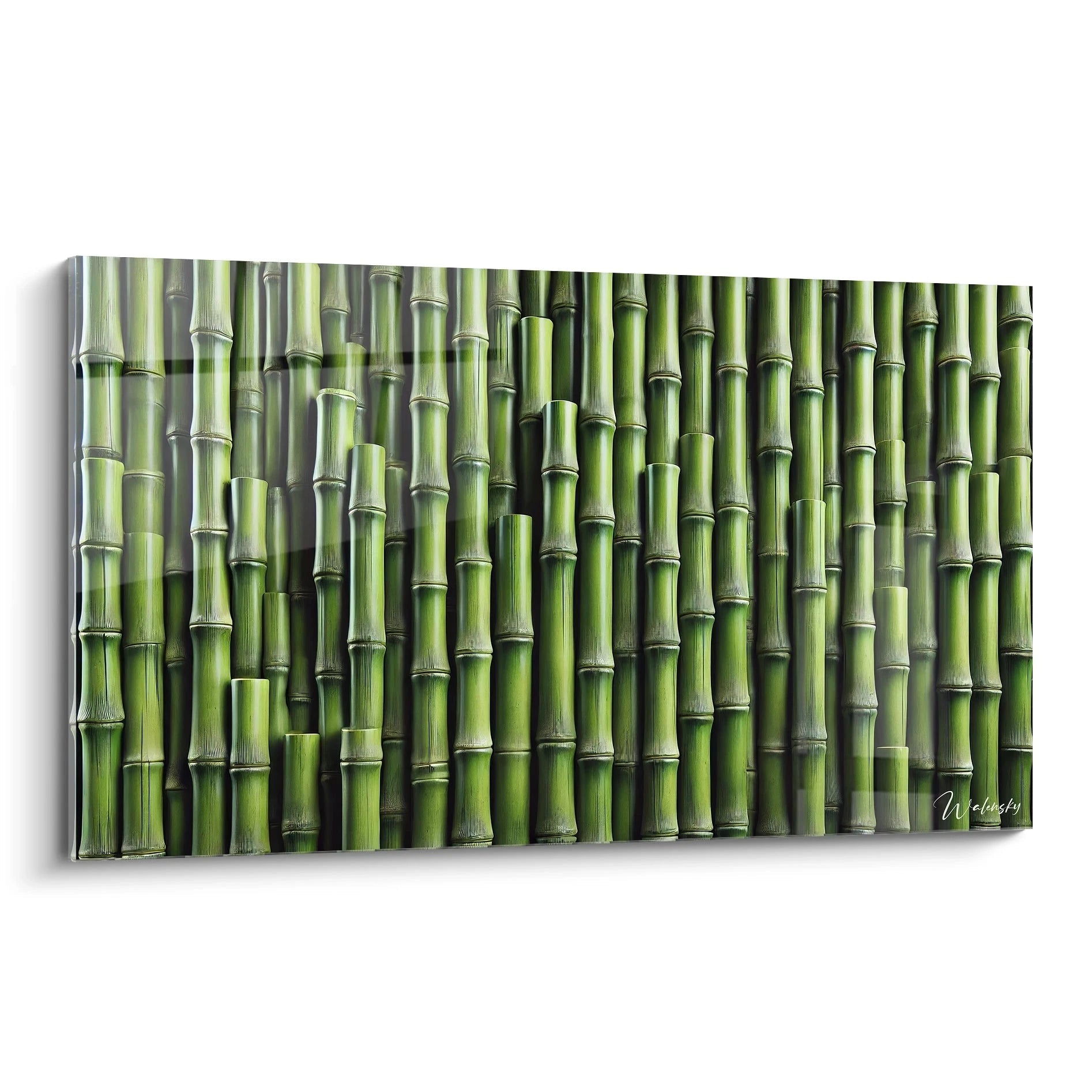
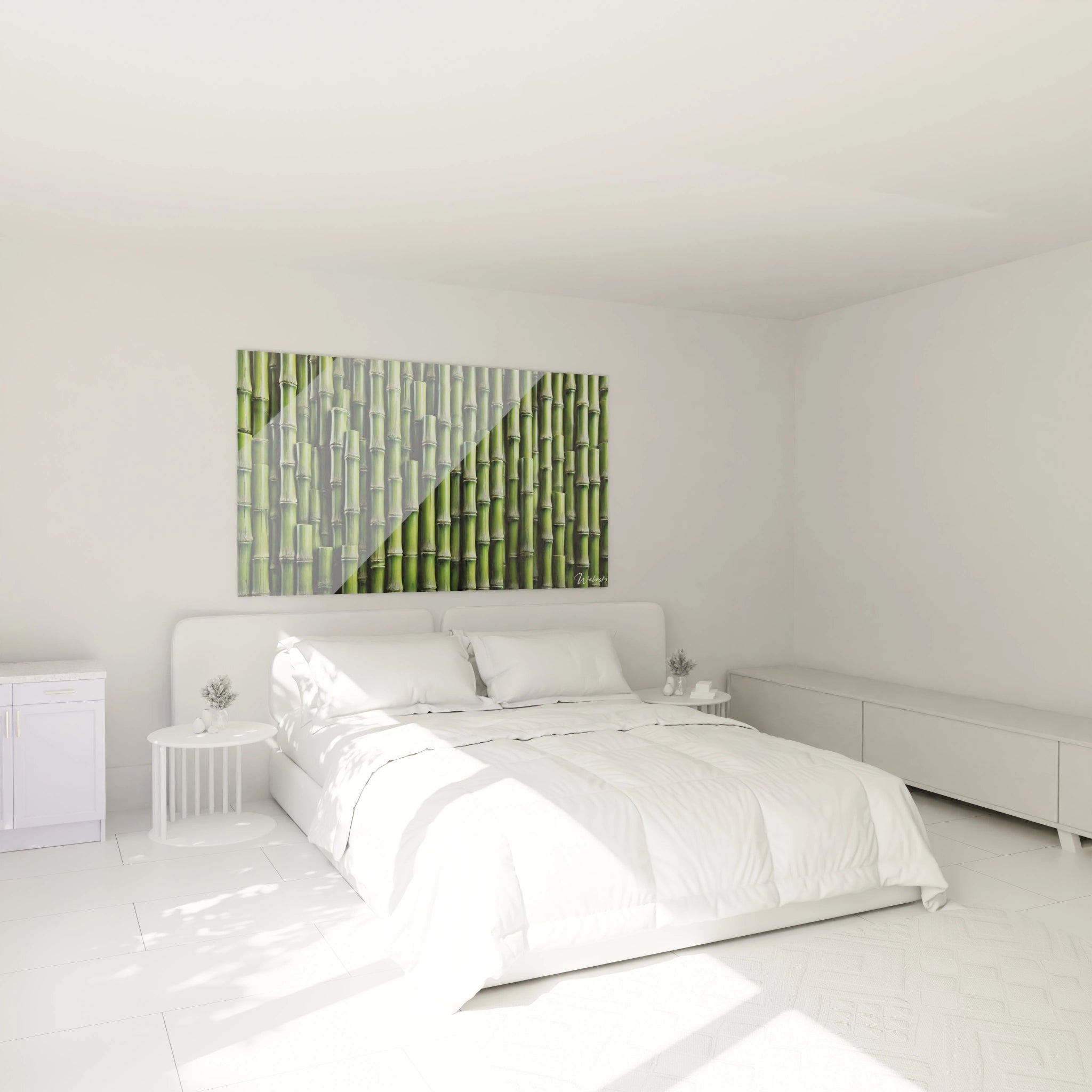
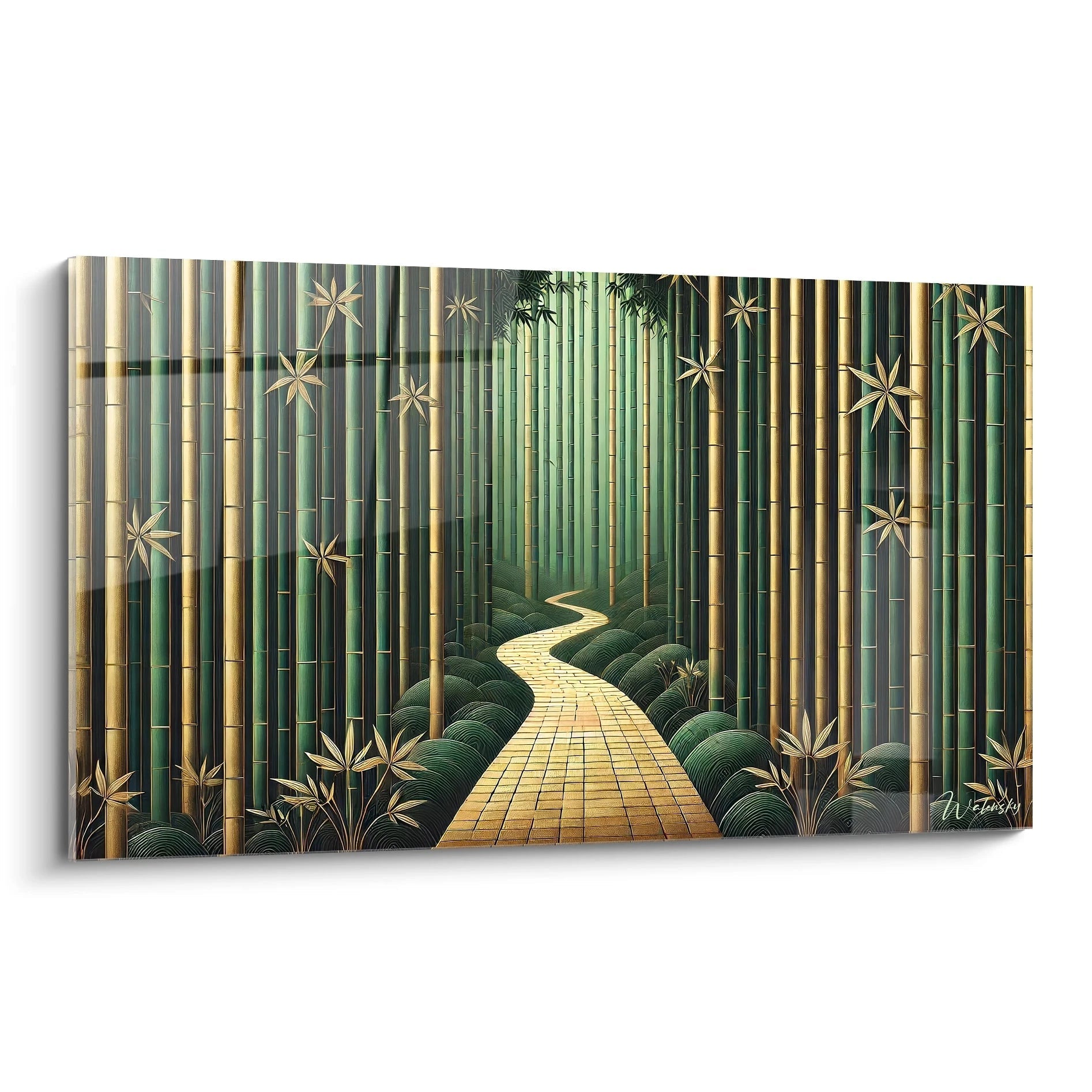
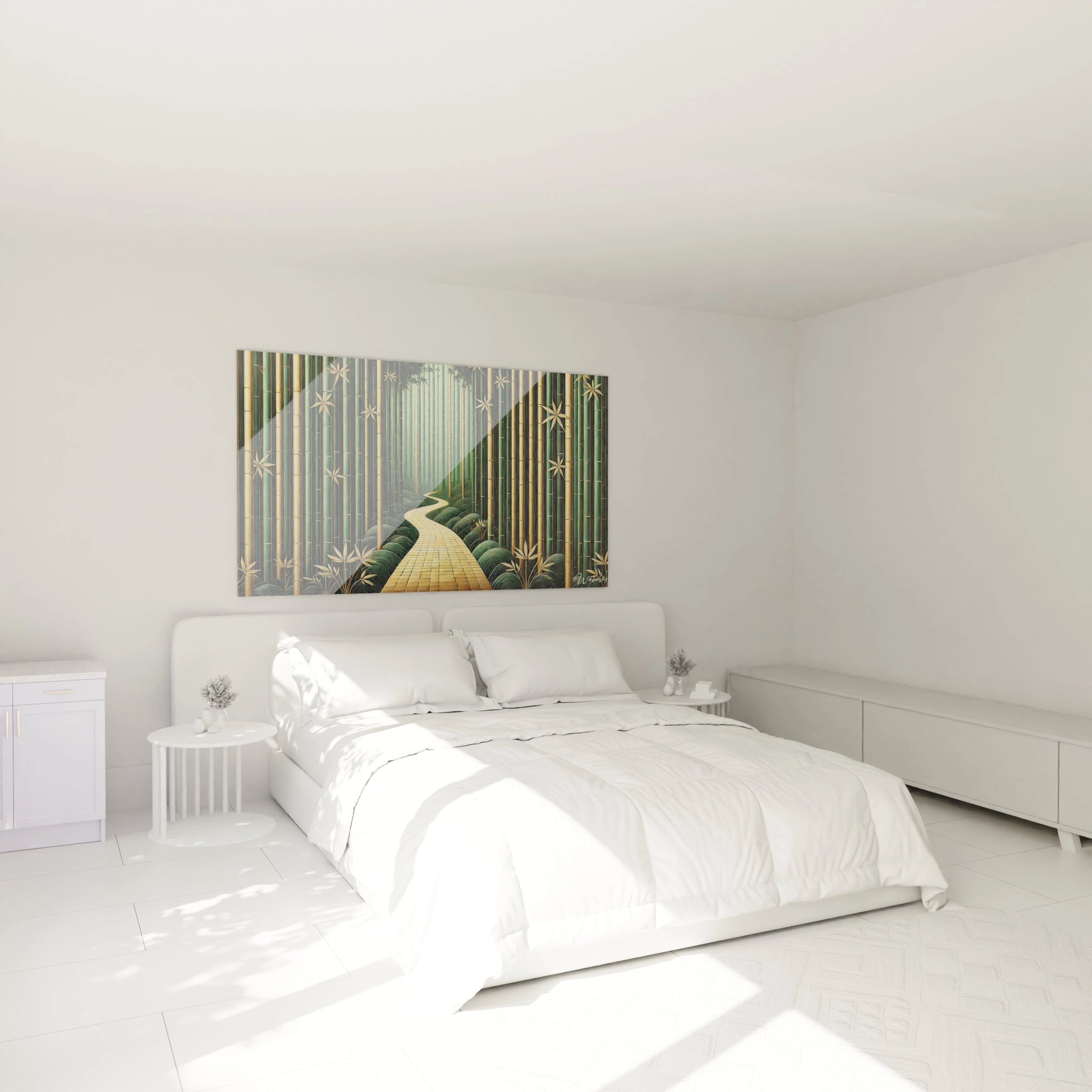
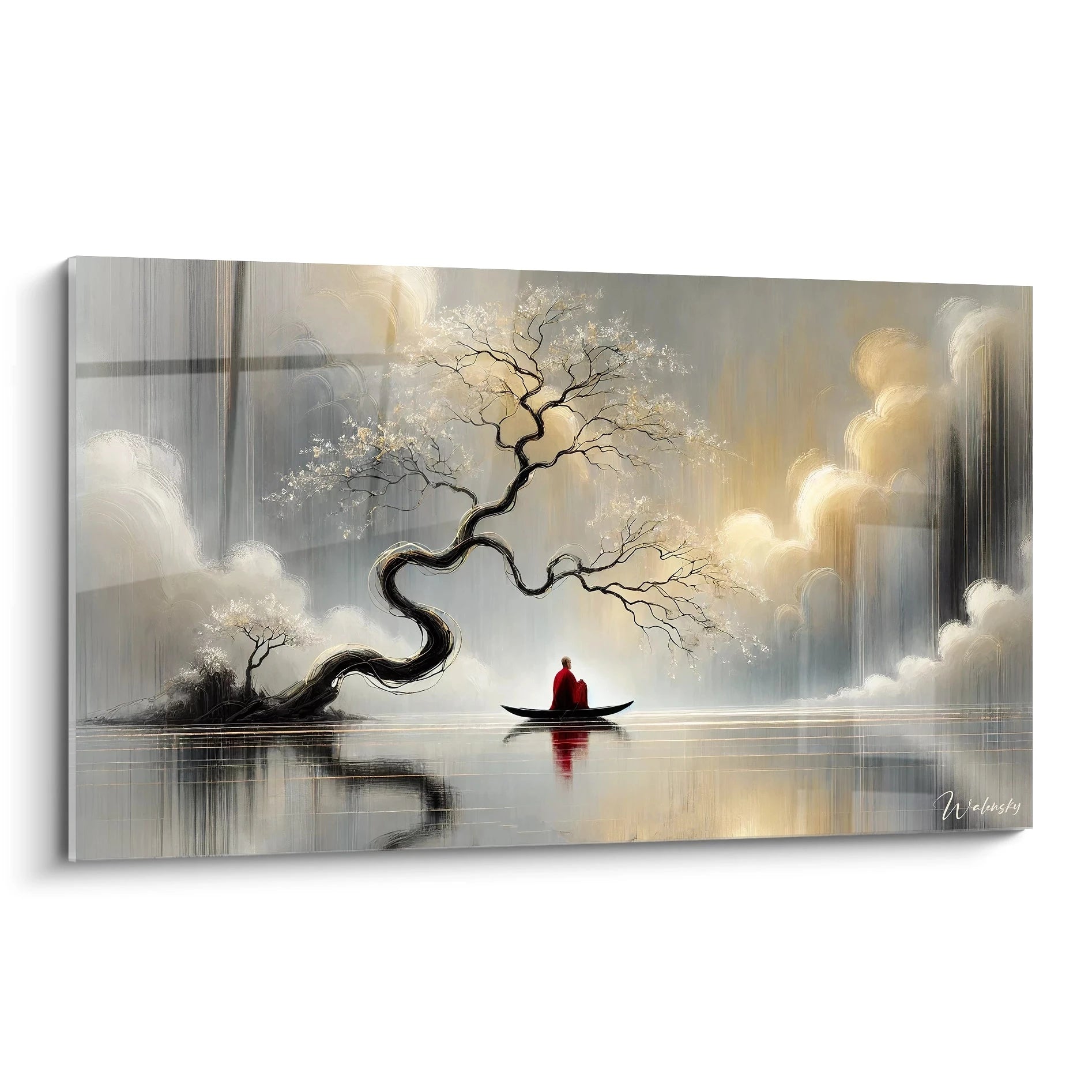
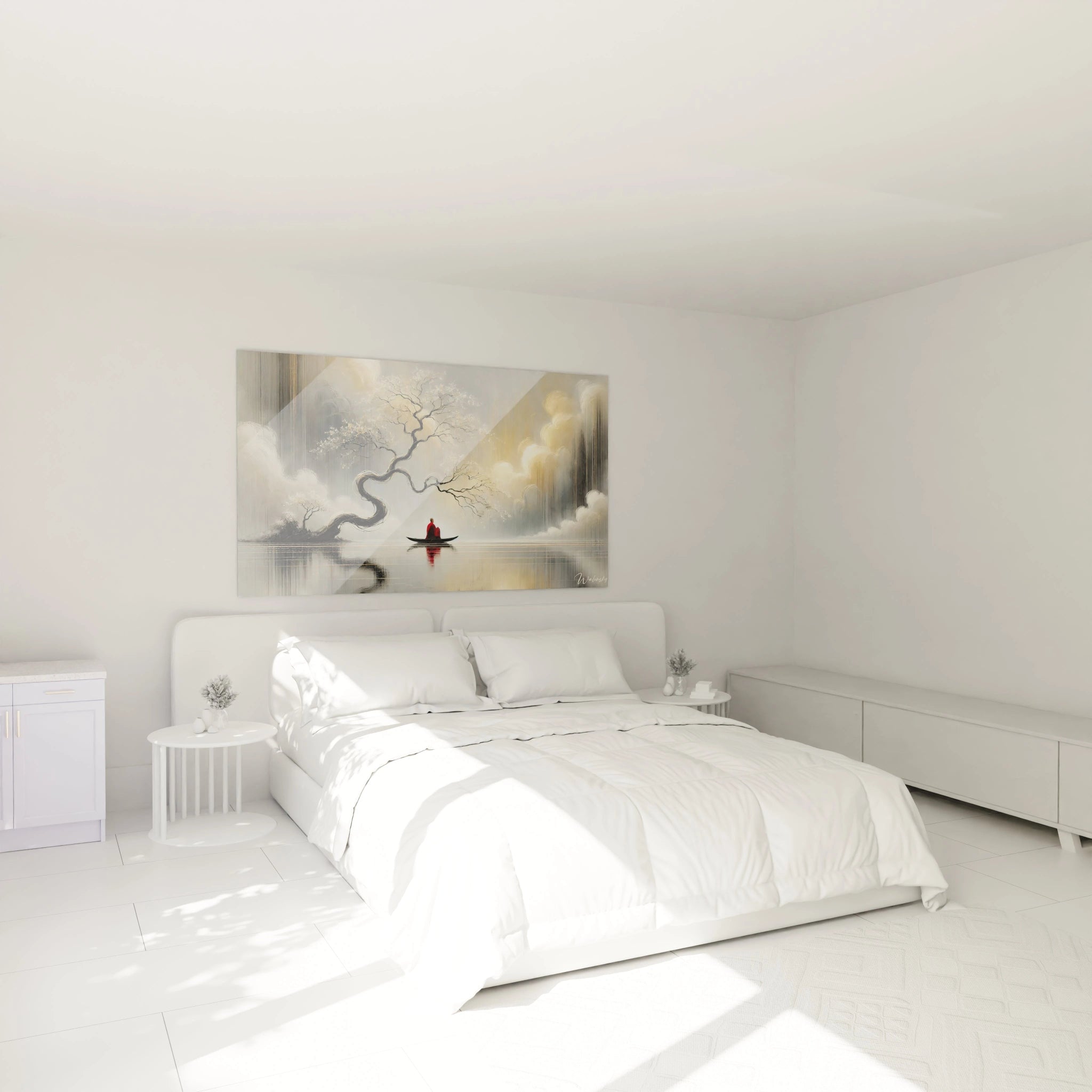
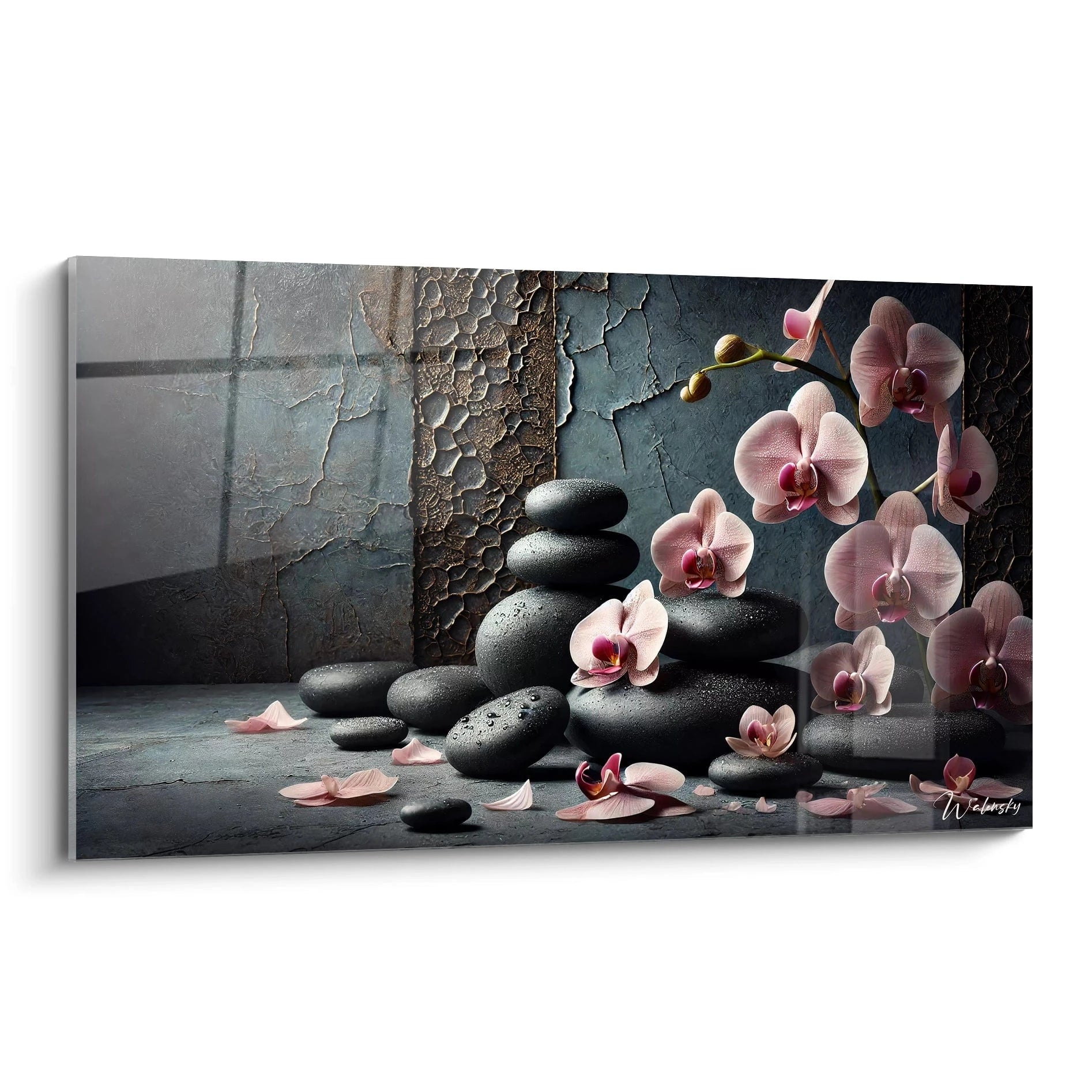
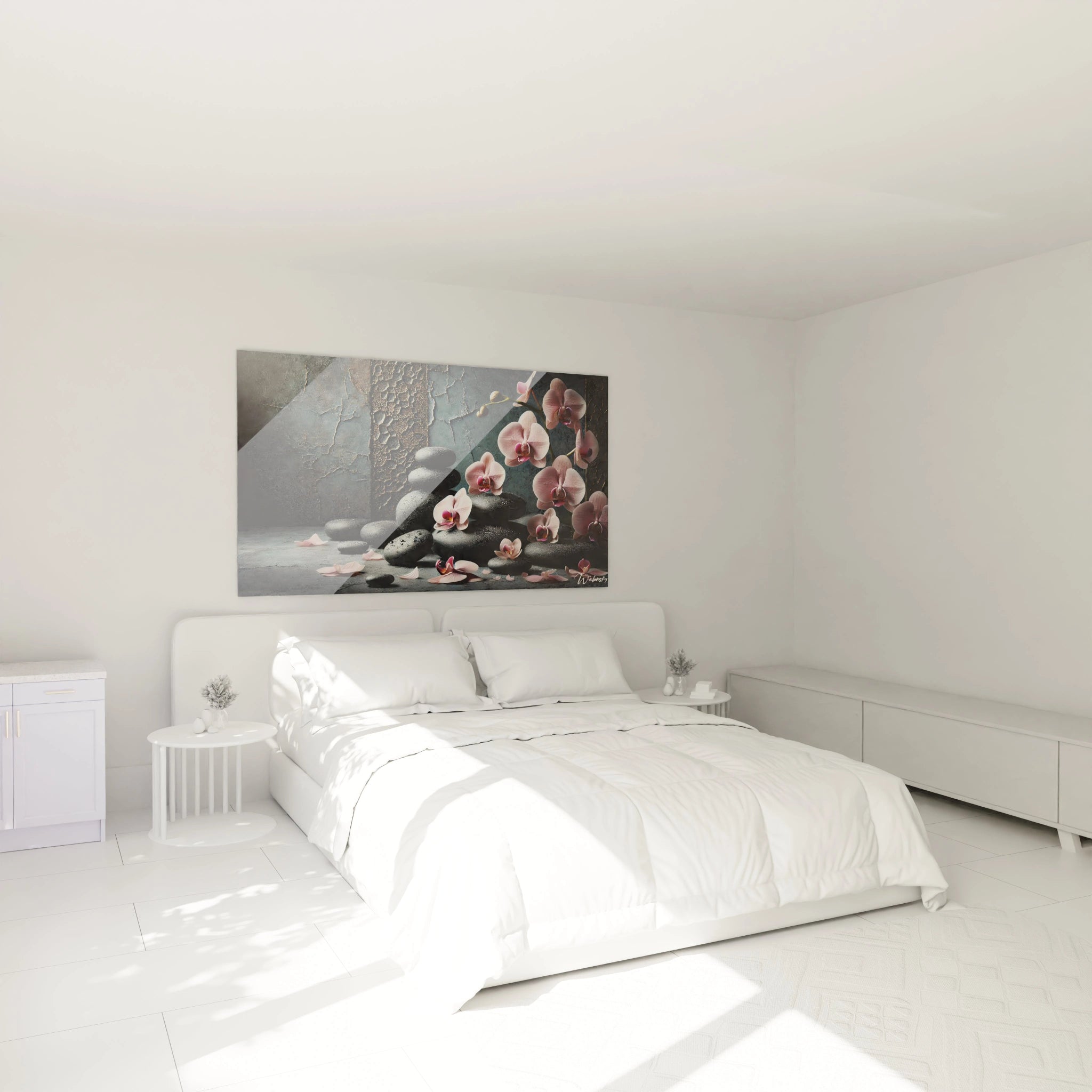
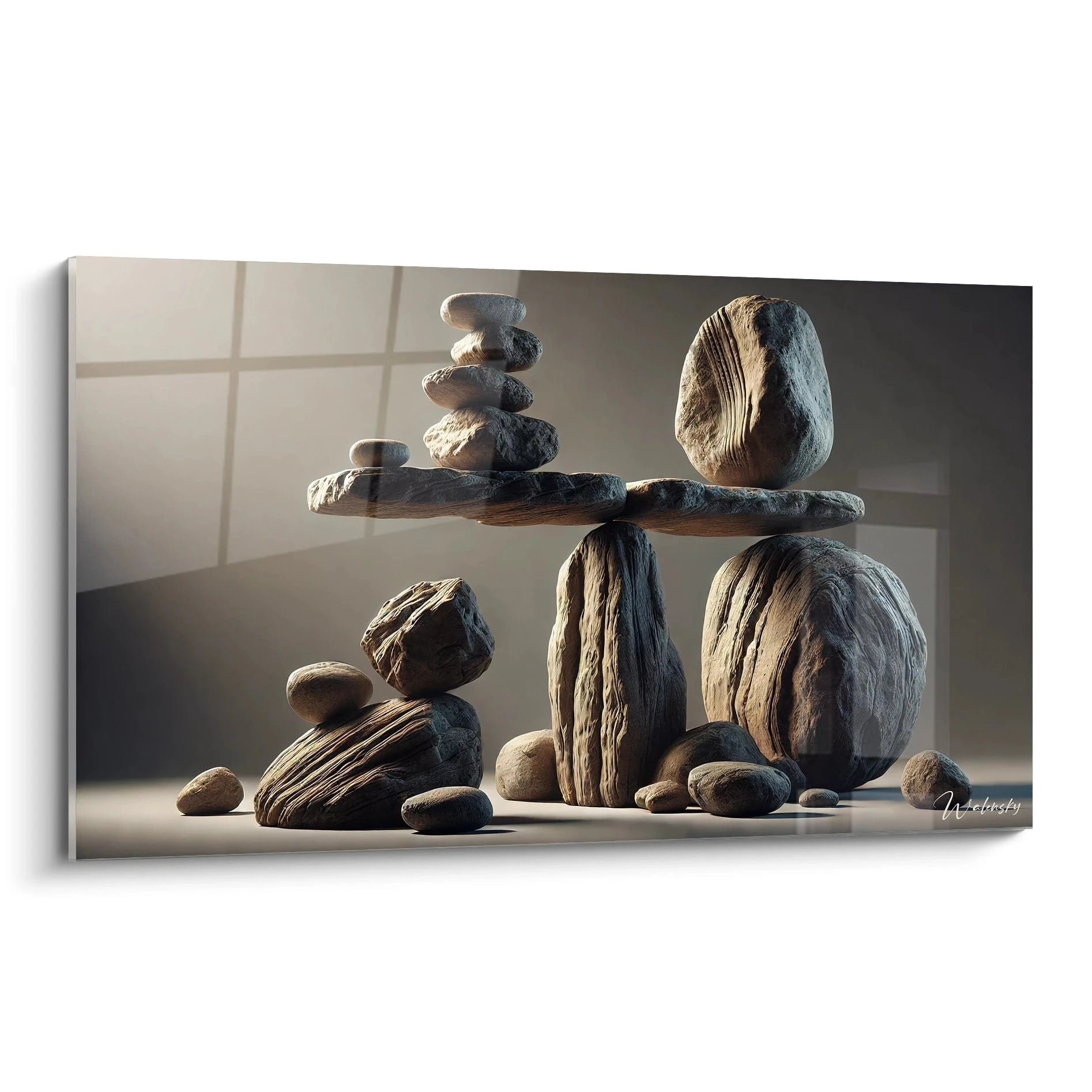
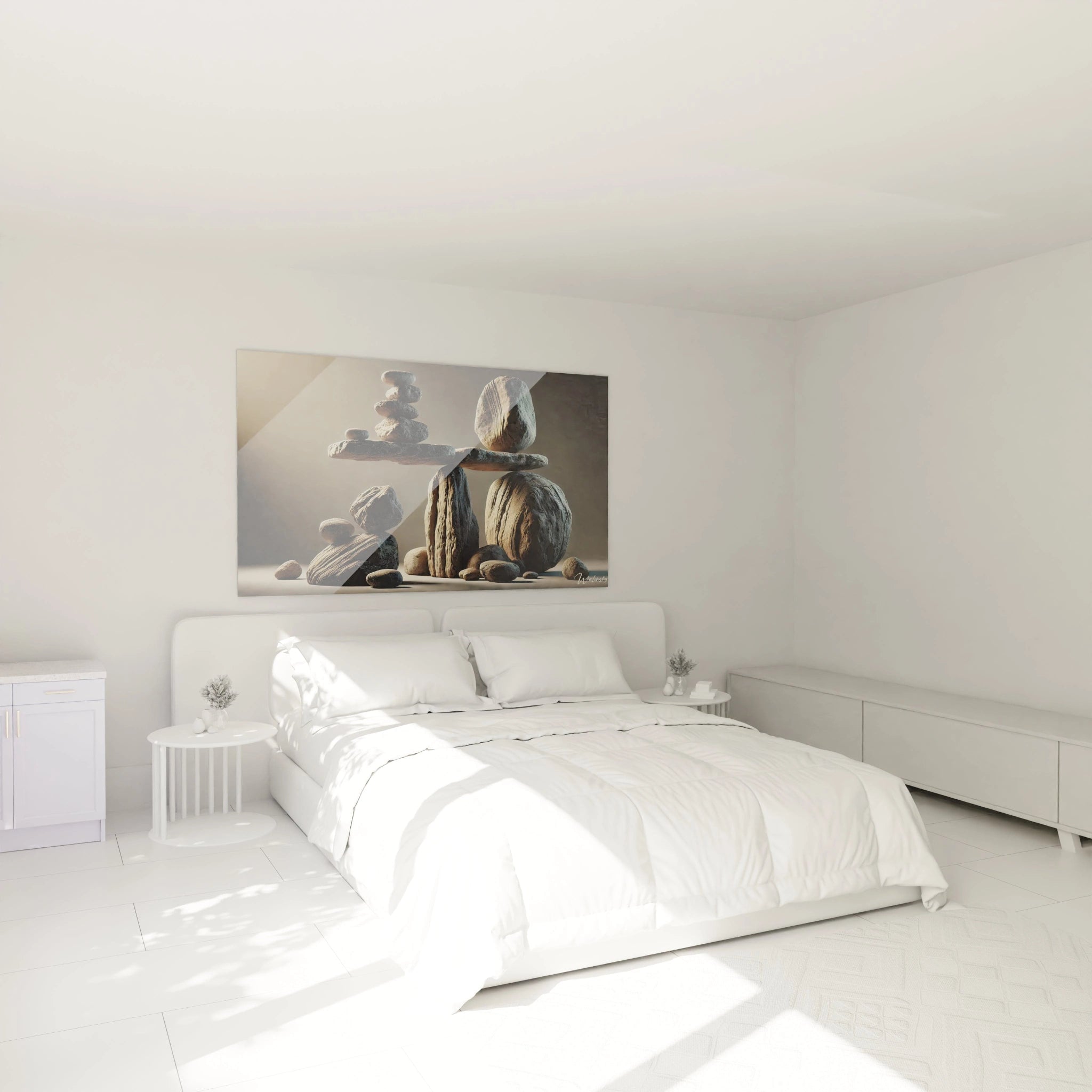
- Zen Paintings Overview
- Zen Meditation Paintings
- Zen Feng Shui Paintings
- Minimalist Zen Paintings
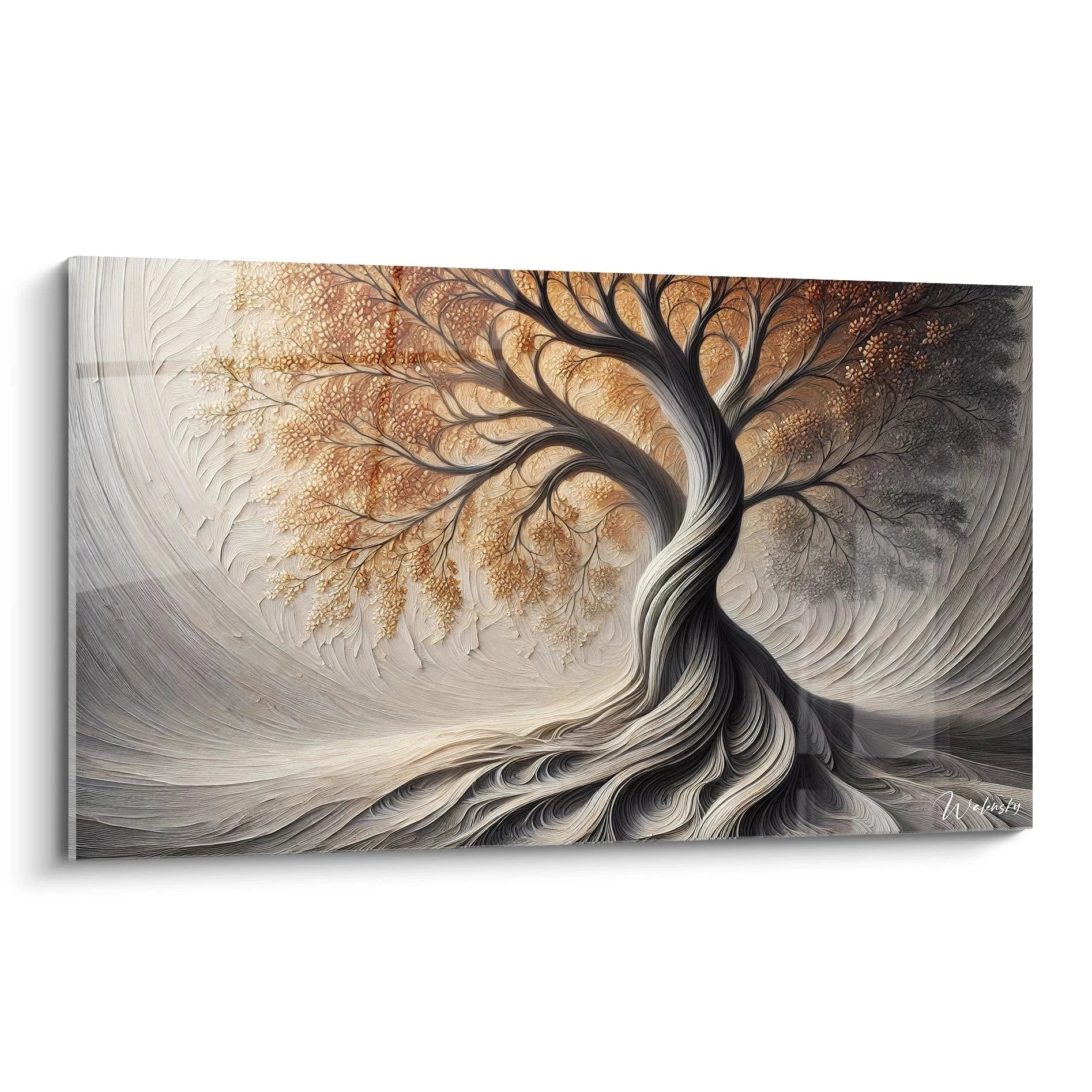
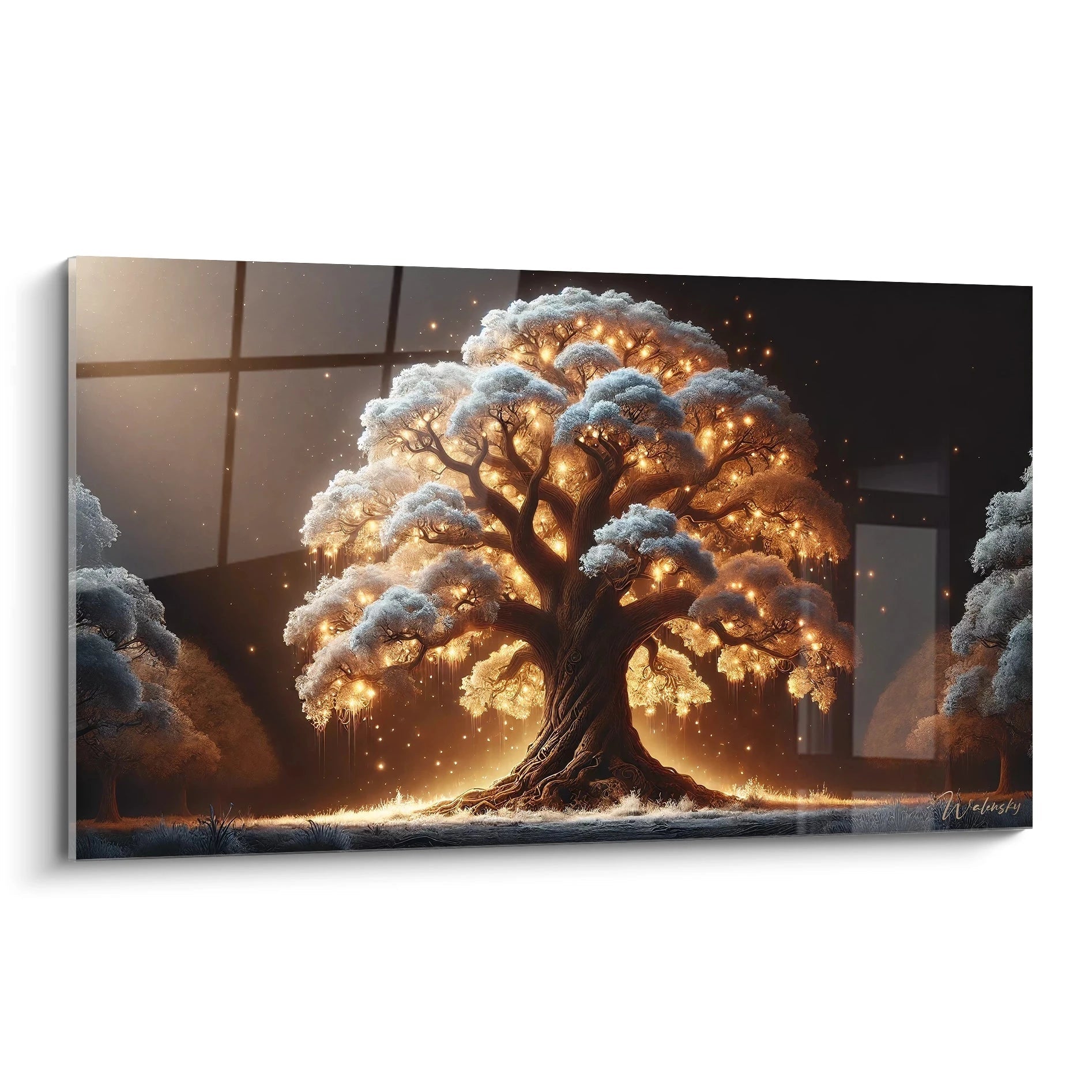
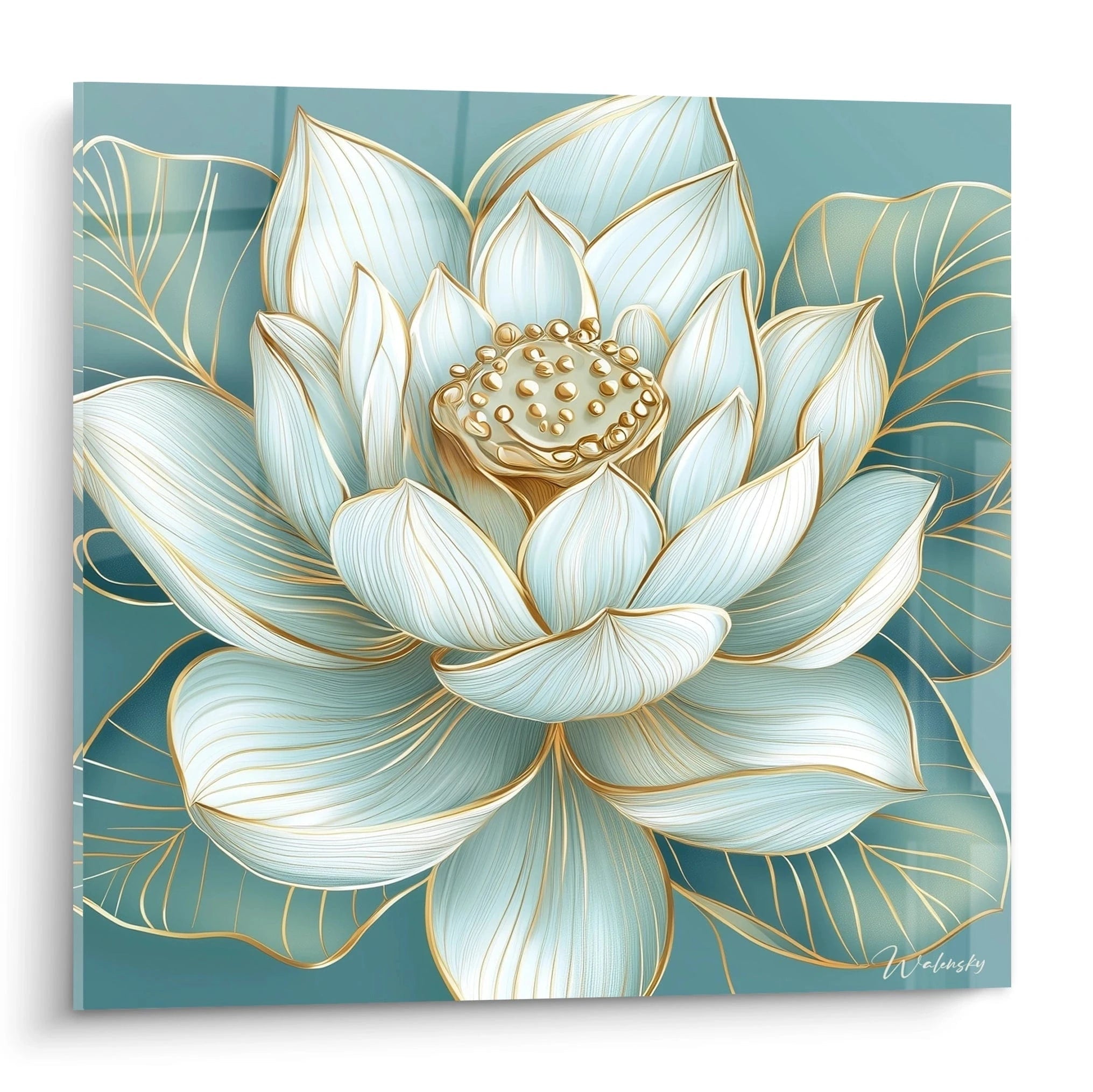
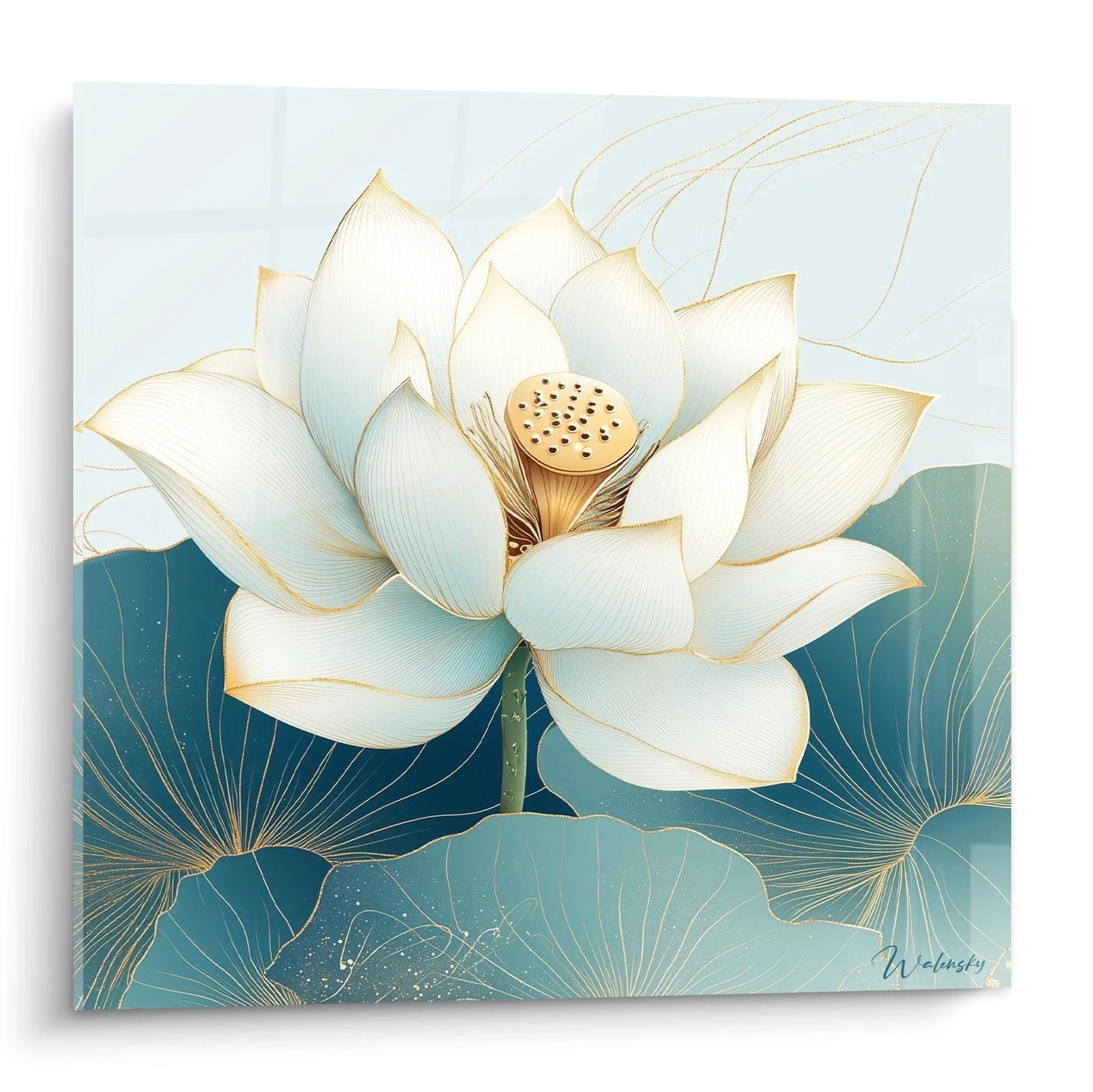
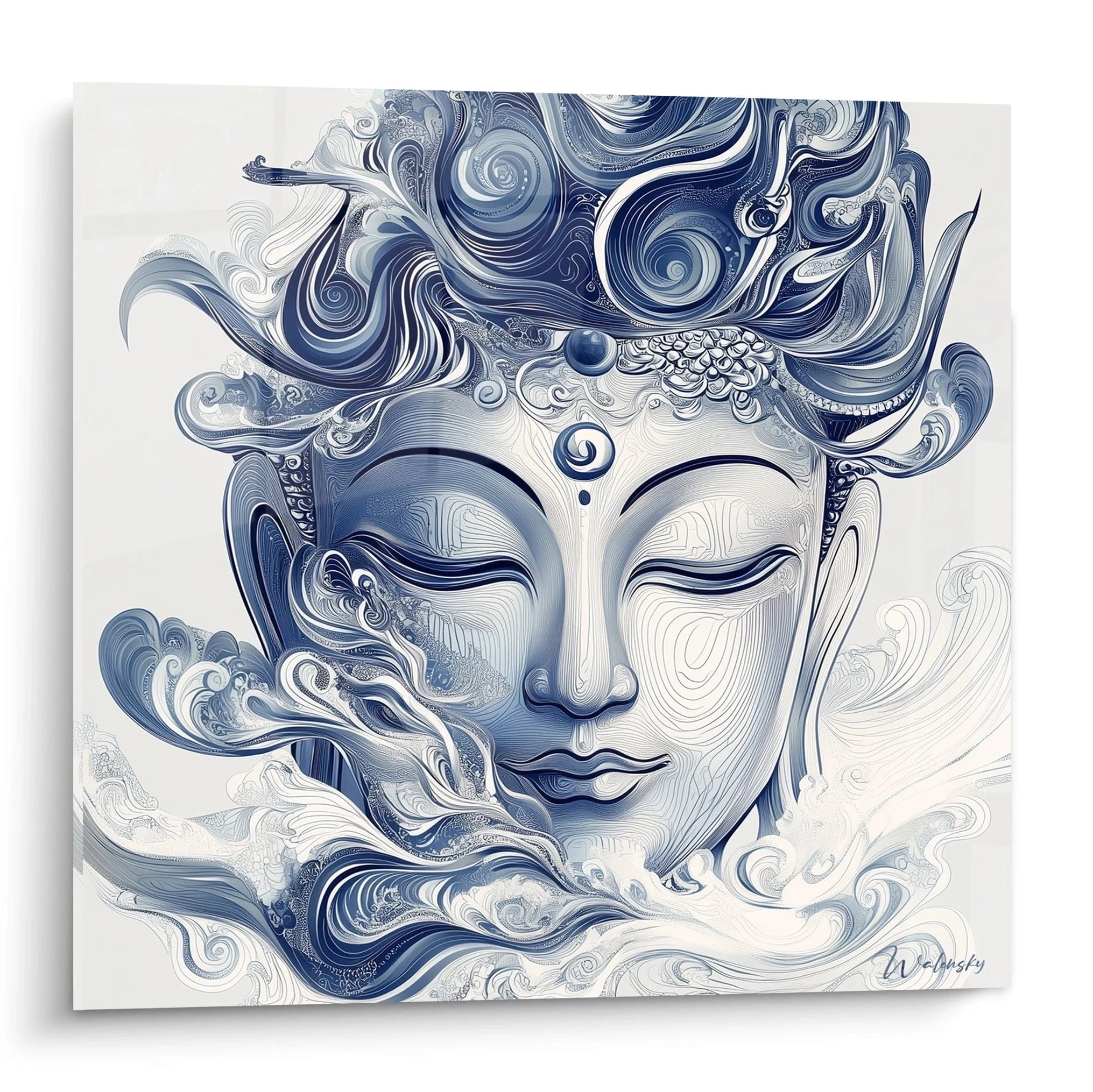
Zen paintings represent far more than simple wall decoration – they embody an ancient philosophy that transforms your living space into a haven of peace. These contemplative artworks draw their origins from Eastern tradition and offer a visual experience that transcends ordinary aesthetics.
Unlike conventional wall decorations, zen paintings are specifically designed to induce a state of profound calm and foster inner harmony. Their refined compositions, carefully selected colors, and symbolic patterns work together to create a meditative focal point in any room.
What truly distinguishes zen paintings from other decorative artworks is their capacity to transform the energetic atmosphere of a space. They do more than beautify a wall – they cultivate a presence that invites contemplation and mindfulness. Each glance at these creations becomes an invitation to slow down, breathe deeply, and reconnect with the present moment.
Whether you seek to create a meditation sanctuary, balance a room's energy according to feng shui principles, or simply introduce a touch of serenity to your modern interior, zen paintings offer an artistic solution deeply rooted in Eastern wisdom while integrating perfectly into contemporary spaces.
Explore our different sections to discover how these artworks can transform your space and mindset, and why they constitute far more than simple decoration – a true daily wellness tool.
Zen Paintings for In-Depth Meditative Practice
Zen
meditation paintings fundamentally distinguish themselves from other wall decorations through their transformative function and impact on meditative practice. Far more than simple decorative objects, these artworks constitute true portals to inner tranquility and mindfulness.
How do zen paintings enhance the quality of your meditation?
One of the exclusive characteristics of zen paintings dedicated to
meditation lies in their intentional design. Every visual element is meticulously crafted to guide attention and deepen meditative state. Concentric circular patterns, for example, create a natural focal point that facilitates attentional anchoring, allowing the practitioner to reach a state of profound concentration more rapidly.
The optimal spatial orientation of a
zen meditation painting differs significantly from other artworks. To maximize its meditative efficacy, position it at eye level when seated in meditation posture – typically 30 to 40 cm lower than standard hanging height. This unique configuration creates a natural sight line that stabilizes your gaze without cervical tension, thereby facilitating longer and deeper meditative sessions.
What are the most powerful zen symbols for guided meditation?
Zen mandalas present in many meditative paintings function as genuine technologies of consciousness. These complex geometric structures are not merely decorative – they act as energetic maps that guide the mind through different layers of awareness. By focusing your attention on a mandala during meditation, you activate specific neurological pathways that facilitate access to profound meditative states.
Zen
paintings depicting water in motion – waves, cascades, or streams – offer particularly effective meditative support for beginners. These aquatic representations serve as visual metaphors for the flow of thoughts, instinctively teaching the meditator to observe thoughts without attachment, much like contemplating the perpetual movement of water. This specific pedagogical quality differentiates these paintings from other decorative artworks.
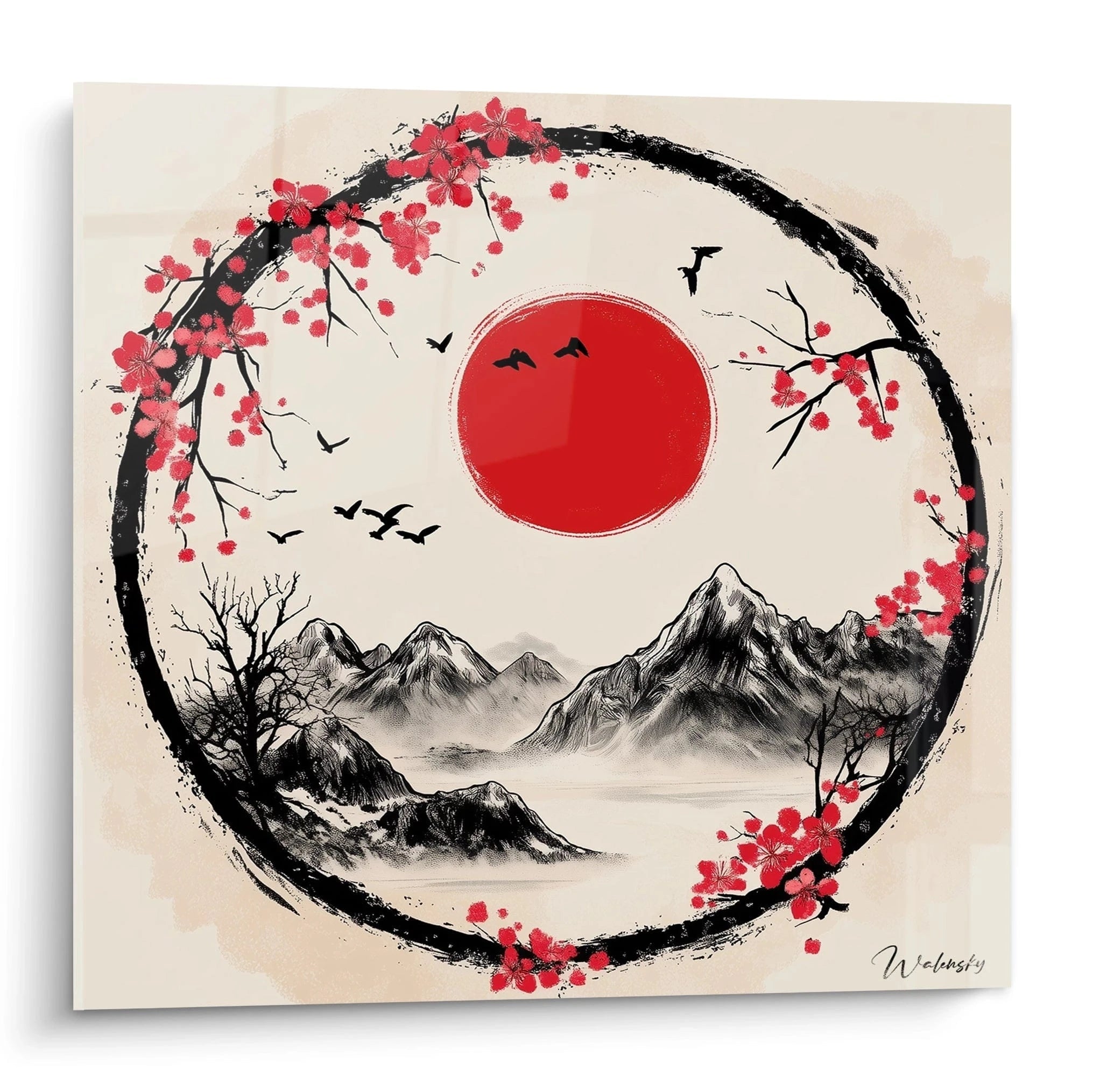
Zen calligraphies (ensō) possess a unique temporal dimension absent from other forms of wall art. These circles traced in a single gesture represent the instantaneity of illumination and perfection in imperfection. Contemplating an ensō during meditation conditions the mind to recognize and appreciate the beauty of the present moment – a fundamental mindfulness competency that few other visual supports can cultivate as effectively.
Zen paintings and meditative neuroplasticity
Daily exposure to
zen meditation paintings triggers a fascinating neurological phenomenon called "meditative priming". Your brain begins associating the specific visual patterns of the painting with the meditative calm state, progressively creating a neural shortcut. After a few weeks of regular use, a simple glance toward your zen painting can instantly lower your heart rate and induce a meditative receptivity state – a conditioned effect impossible to achieve with ordinary decorative artworks.
The large dimensions of meditative zen paintings (ideally exceeding 80 cm) serve a precise objective: creating an "immersive visual field" that occupies a significant portion of your visual perception. This visual immersion naturally deactivates peripheral brain regions, facilitating entry into a profound meditative state. This specific functional characteristic far transcends the aesthetic considerations of conventional paintings.
For advanced practitioners, zen paintings incorporating subtle visual paradoxes – such as certain mountain or tree representations that appear simultaneously solid and evanescent – serve as tools for transcending dualistic thinking. These visual paradoxes train the mind to embrace apparent contradictions in existence, thereby developing the unique cognitive capacity of "non-dual vision" essential to profound meditation.
Integrating a
zen painting into your personal meditative space creates what masters call a "sacred spatial anchor". Unlike ordinary decorative objects, your zen painting becomes the central point of a microenvironment dedicated to consciousness awakening. Its constant presence transforms even non-meditative moments into reminders and recentering opportunities, thereby extending the benefits of your formal practice throughout your entire daily life.
By investing in a superior quality zen painting, you are not simply procuring wall decoration – you are acquiring a genuine tool for personal transformation, a silent companion on your path toward inner serenity and consciousness awakening.
Zen Paintings and Feng Shui Harmonization
Zen paintings occupy a privileged place in the art of Feng Shui, this ancestral Chinese science of energy harmonization. Unlike conventional decorative artworks, these paintings act as genuine instruments of energetic balancing, capable of radically transforming a space's vibrational atmosphere.
How do zen paintings modify a room's energy flows?
In advanced Feng Shui practice,
zen paintings are considered particularly powerful "stagnant energy correctors". When positioned facing an entrance that receives excessively direct energy flow (what Feng Shui calls "poison arrows"), these paintings absorb and harmoniously redistribute this potentially disruptive energy. This energetic modulation function is exclusive to artworks imbued with zen philosophy.
Zen
paintings depicting water or fluid patterns possess a unique property: they activate "prosperity qi" when placed in a room's southeast sector, the zone associated with abundance according to Feng Shui mapping. This specific energetic activation far transcends simple aesthetic dimension and grants these paintings a functionality that other artworks cannot provide.
The visual texture of
zen paintings – particularly those depicting misty landscapes or ethereal mountains – creates what Feng Shui masters call a "visual decompression well". These intentionally vaporous zones allow the eye and mind to rest, forming energetic oases in otherwise stimulation-saturated spaces. This decompressive function is particularly valuable in high-intensity
professional environments.
Strategic placement of zen paintings according to Feng Shui principles
Optimal Feng Shui positioning for large-scale
zen paintings (beyond 100 cm) is situated on the "stability wall" – typically the wall opposite a room's main entrance. This specific location anchors a space's energy and creates harmonious counterbalance to the movement generated by door opening. Zen paintings, through their contemplative essence, amplify this stabilizing effect in ways no other artwork can match.
To balance a room presenting irregular geometry (missing or protruding angles according to Bagua mapping), zen
paintings depicting natural elements can correct these energetic imbalances. A zen painting evoking the Earth element, for example, will ideally compensate for a missing angle in a dwelling's northeast sector, thereby restoring spatial energetic integrity.
Zen paintings incorporating longevity symbols – such as century-old pines, cranes, or turtles – exert particularly beneficial influence when placed in a dwelling's east zone, the sector associated with family health. This specific energetic correspondence amplifies vitality vibrations and strengthens the energy field linked to residents' physical well-being.
Chromatic interactions and element balance
The chromatic palette of
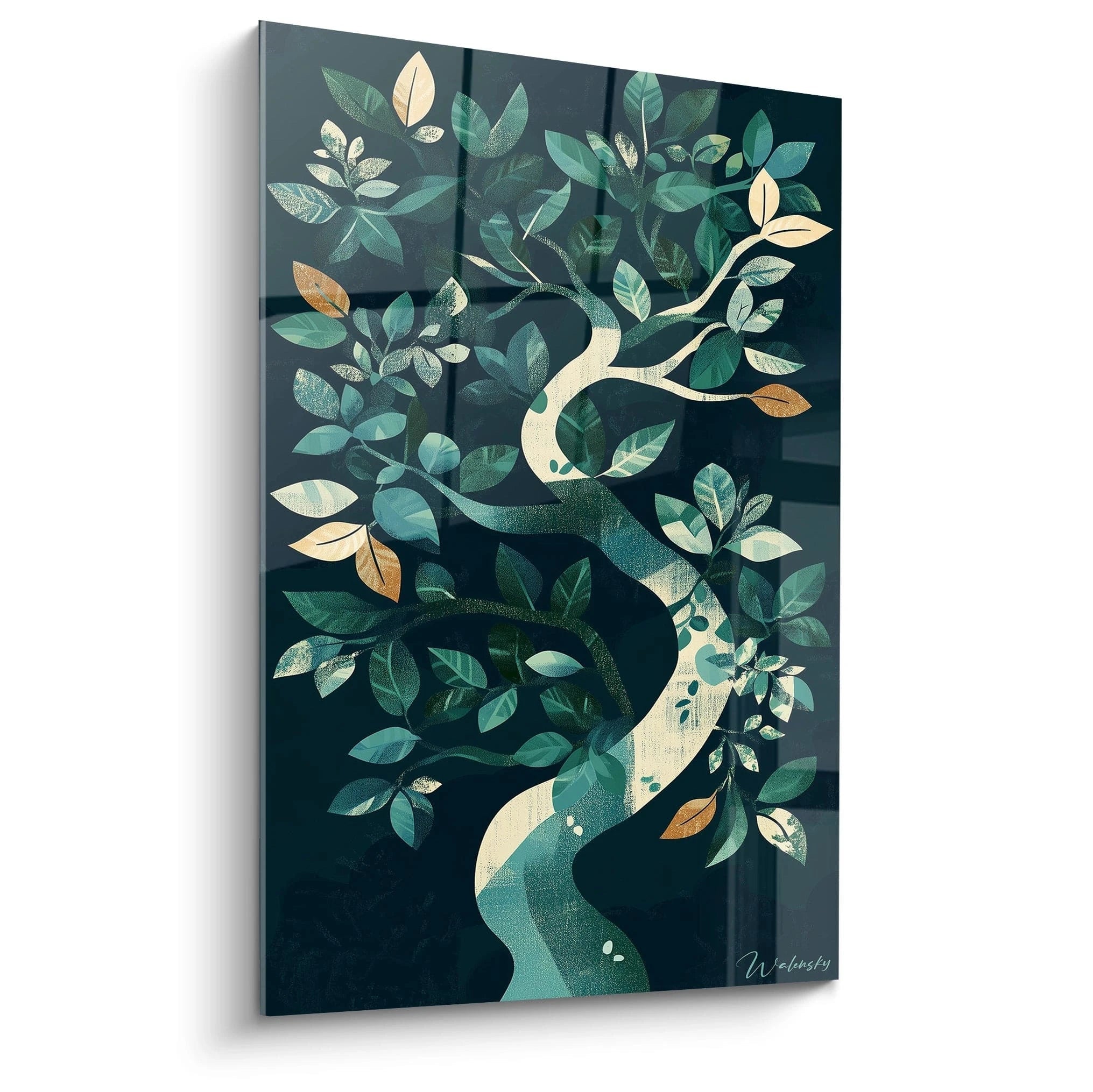
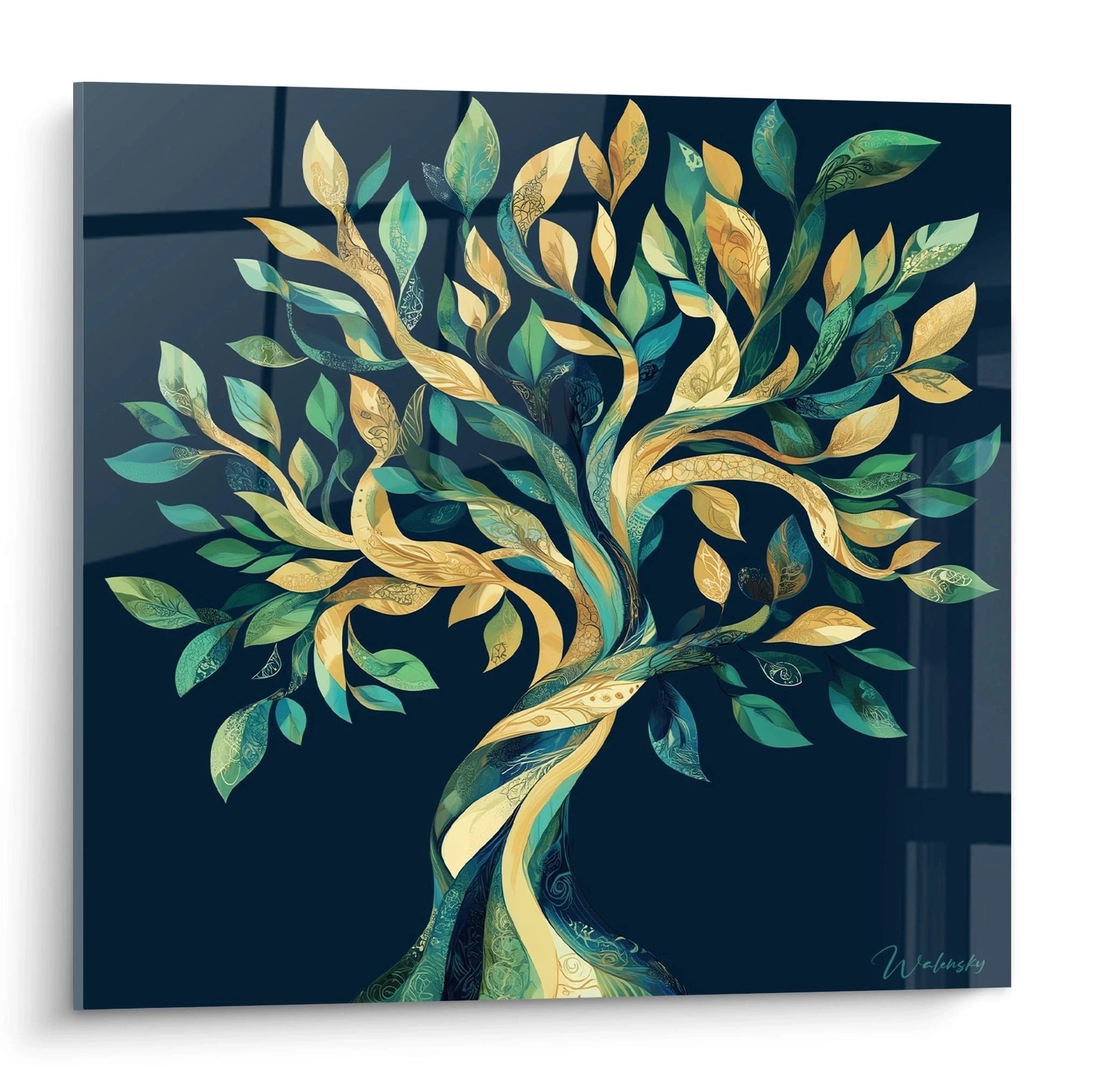
zen paintings plays a crucial role in balancing the five Feng Shui elements. Paintings utilizing blue-green tones activate the Wood element, while those dominated by ochres and browns stimulate the Earth element. This targeted elemental activation allows precise strengthening of energetically deficient aspects in a space or occupants' lives.
A fascinating phenomenon unique to
zen paintings concerns their contextual chromatic adaptation capacity. Their often subtle hues and refined compositions allow them to visually transform according to ambient lighting, appearing more dynamic in morning light and more soothing in evening illumination. This daily metamorphosis creates a natural energetic rhythm that harmoniously accompanies inhabitants' biological cycles.
In authentic Feng Shui tradition, zen paintings are considered particularly effective "Yin-Yang harmonizers". When judiciously positioned, they can moderate an overly Yang room (active, bright, stimulating) by introducing Yin quality (calm, receptive, introspective), or conversely. This polarity-balancing function is particularly valuable in contemporary interiors often energetically unbalanced.
The conscious integration of
zen paintings according to Feng Shui principles fundamentally transforms your relationship with your living space. Beyond simple decoration, these artworks become active instruments of energetic harmonization, subtly yet profoundly influencing your well-being, creativity, and even interpersonal relationships. By judiciously choosing your zen paintings' placement and theme, you are not simply decorating your interior – you are consciously orchestrating the vital energy flow that nourishes your daily existence.
Minimalist Zen Paintings and Psychological Impact
Minimalist
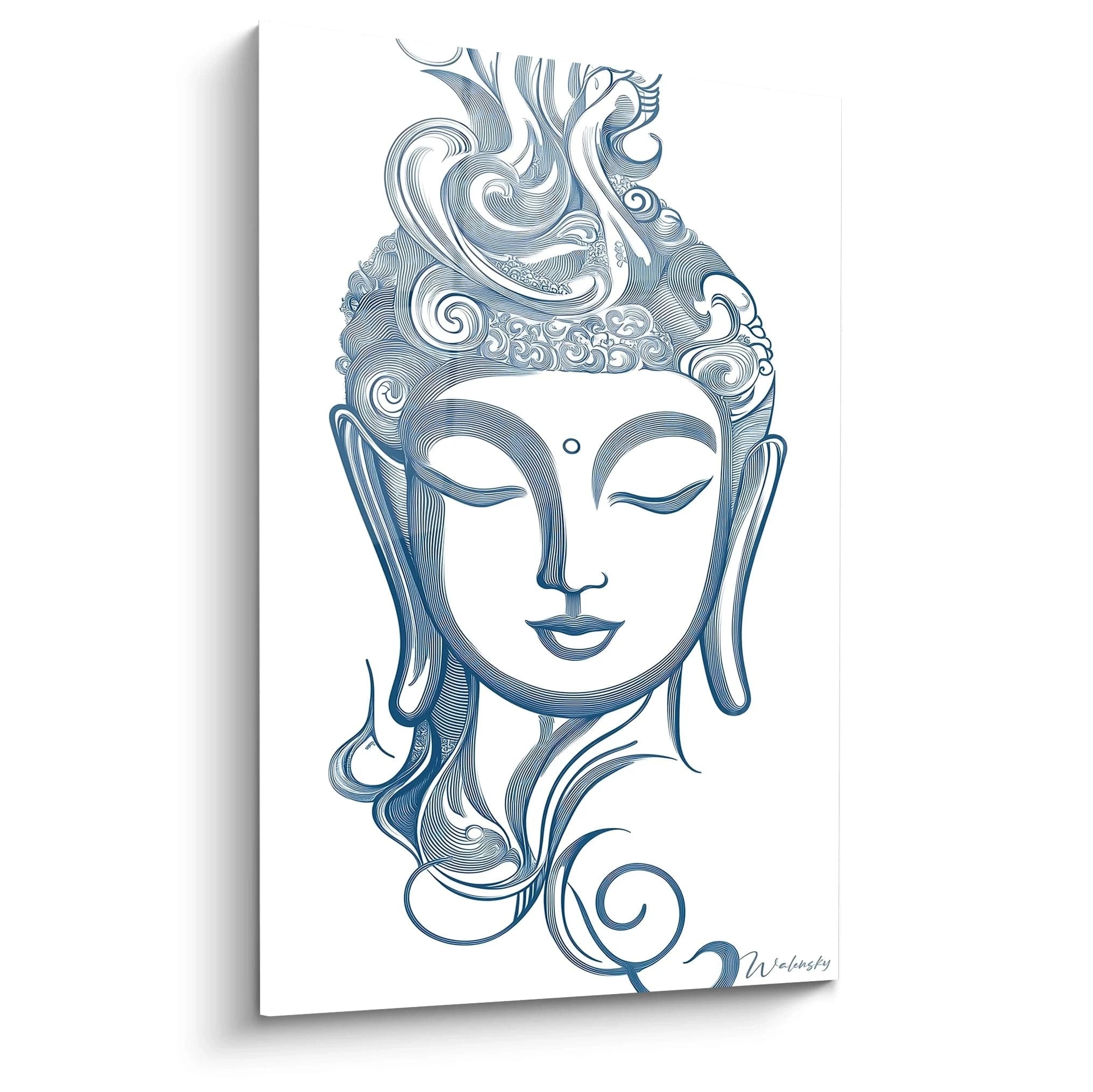
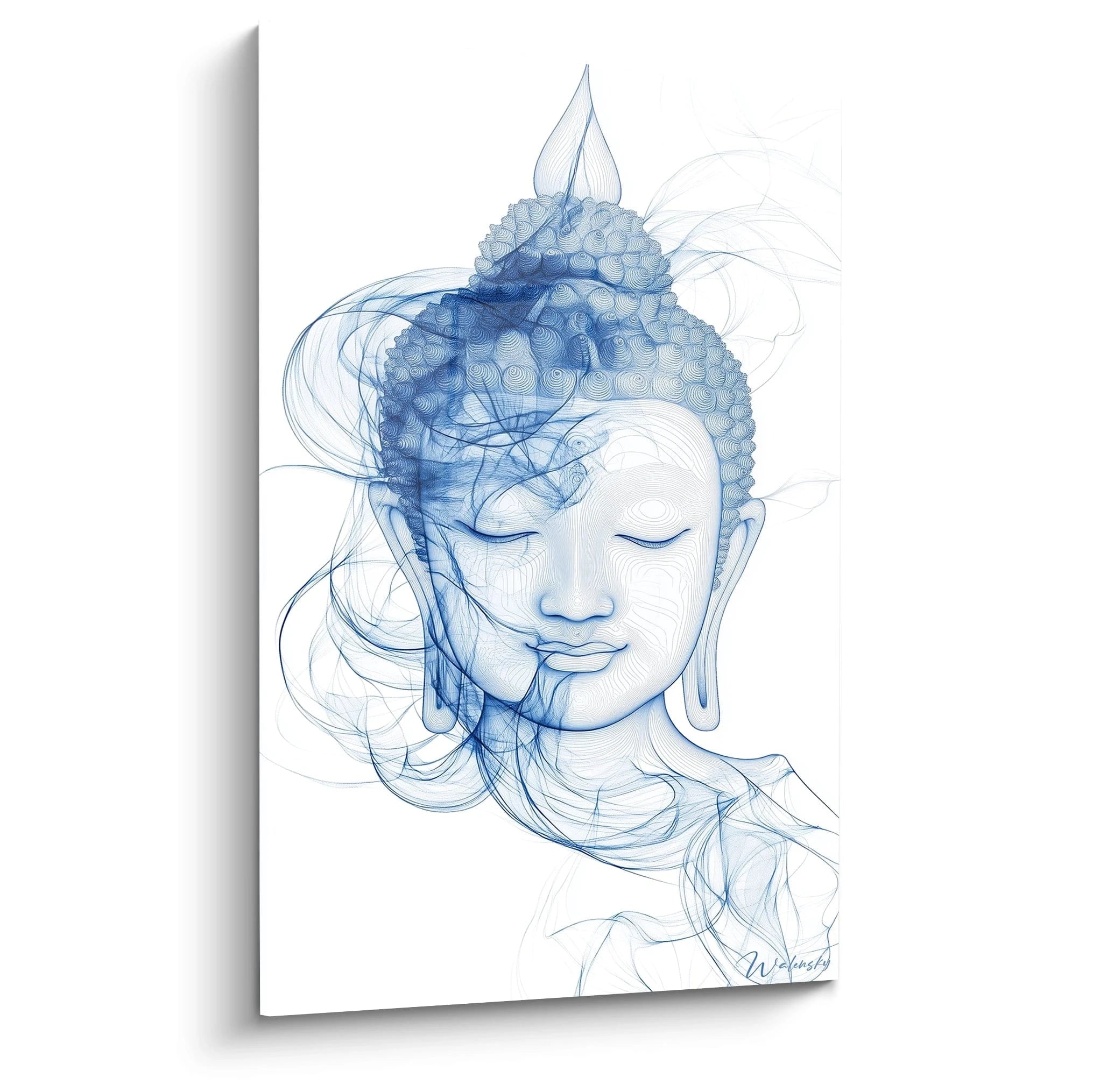
zen paintings radically distinguish themselves from other wall decorations through their intentional reductive approach and profound psychological impact. Beyond their apparent visual simplicity, these artworks act as genuine mental decompression tools in our contemporary environments saturated with stimulation.
How do minimalist zen paintings influence our mental state?
Neuroscientists have recently identified what they call the "cognitive reset effect" provoked by prolonged observation of minimalist
zen paintings. These artworks, characterized by vast negative spaces and refined compositions, trigger progressive deactivation of the default-mode network – the brain region responsible for mental wandering and rumination. This deactivation provides rare neural rest in our hyper-connected existence.
Large-format minimalist zen paintings (beyond 120 cm) create what environmental psychologists call a "visual decompression zone" – a space intentionally devoid of complexity that allows the visual system and prefrontal cortex to regenerate. This specific restorative function contrasts radically with most decorative artworks which, however aesthetically pleasing, add supplementary cognitive load to our spaces.
A fascinating characteristic of minimalist
zen paintings lies in their "perceptual oscillation" – this capacity to alternate between figure and ground based on the viewer's focal point. This unique interactive quality engages the brain in non-analytical perception mode that favors the right hemisphere, seat of intuition and holistic perception, often underutilized in our daily linear-thought-dominant existence.
What are the unique characteristics of minimalist zen paintings?
Unlike conventional decorative compositions, minimalist zen paintings strategically employ the Japanese concept of "ma" – this intentional empty space inviting viewers to complete the artwork through their own mental projection. This subtle co-creation transforms the contemplation experience into a profoundly personal and meditative process, impossible to reproduce with visually saturated artworks.
The "wabi-sabi" technique (beauty of imperfection) employed in minimalist
zen paintings creates an aesthetic of controlled asymmetry that resonates deeply with our unconscious. These deliberate imperfections – a slightly irregular line, subtly uneven texture – activate brain regions associated with acceptance and letting go, cultivating a more peaceful relationship with our own existence's imperfections.
The restricted chromatic palette of minimalist
zen paintings – often limited to three hues or fewer – represents not simply an aesthetic choice but a deliberate "visual decontamination" strategy. In a visually chaotic world, this chromatic economy enables a profound contemplative experience impossible with multi-chromatic works that disperse rather than focus attention.
Optimal integration of minimalist zen paintings in contemporary spaces
One of minimalist zen paintings' exclusive virtues lies in their unique capacity to create what interior architects call a "spatial counterpoint" in our often cluttered environments. Strategically positioned opposite visually complex zones (bookshelves, television wall), these paintings establish harmonious visual balance and significantly reduce subconscious environmental stress.
For intense intellectual work spaces, minimalist zen paintings play a crucial role as "cognitive circuit-breakers". Positioned in the worker's peripheral visual field, they offer an attentional anchor point that facilitates recovery during visual micro-breaks, thereby significantly increasing sustained concentration capacity and resistance to mental exhaustion.
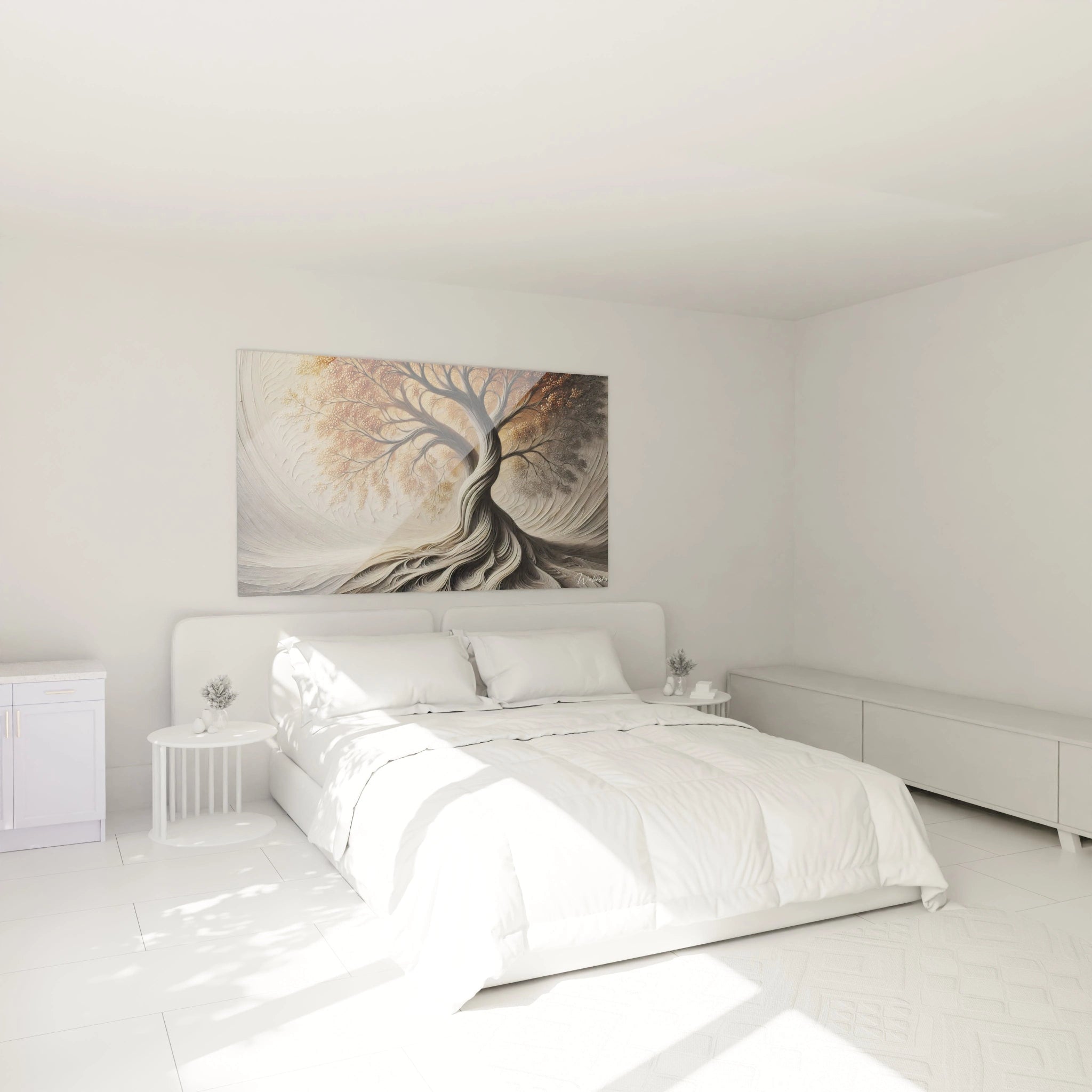
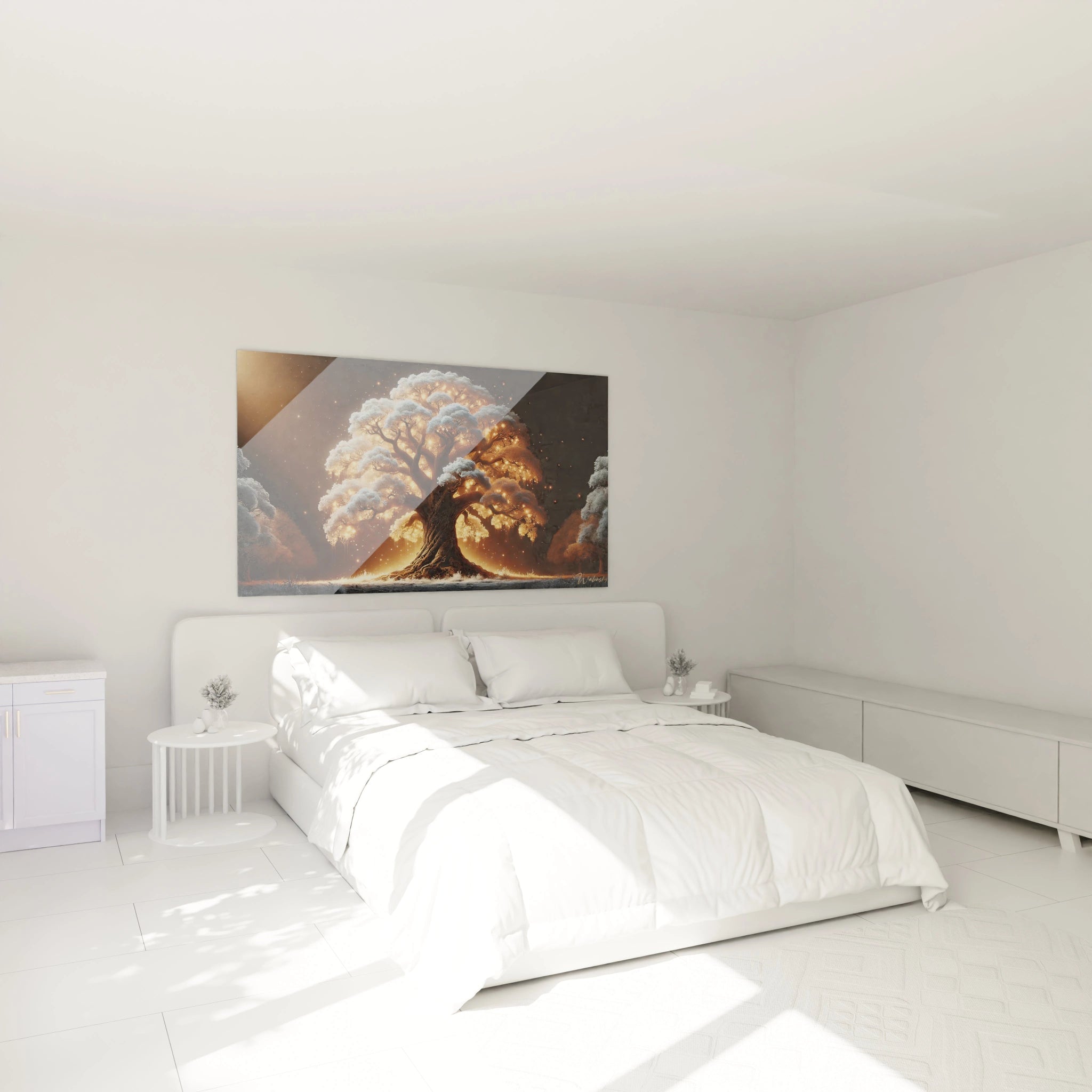
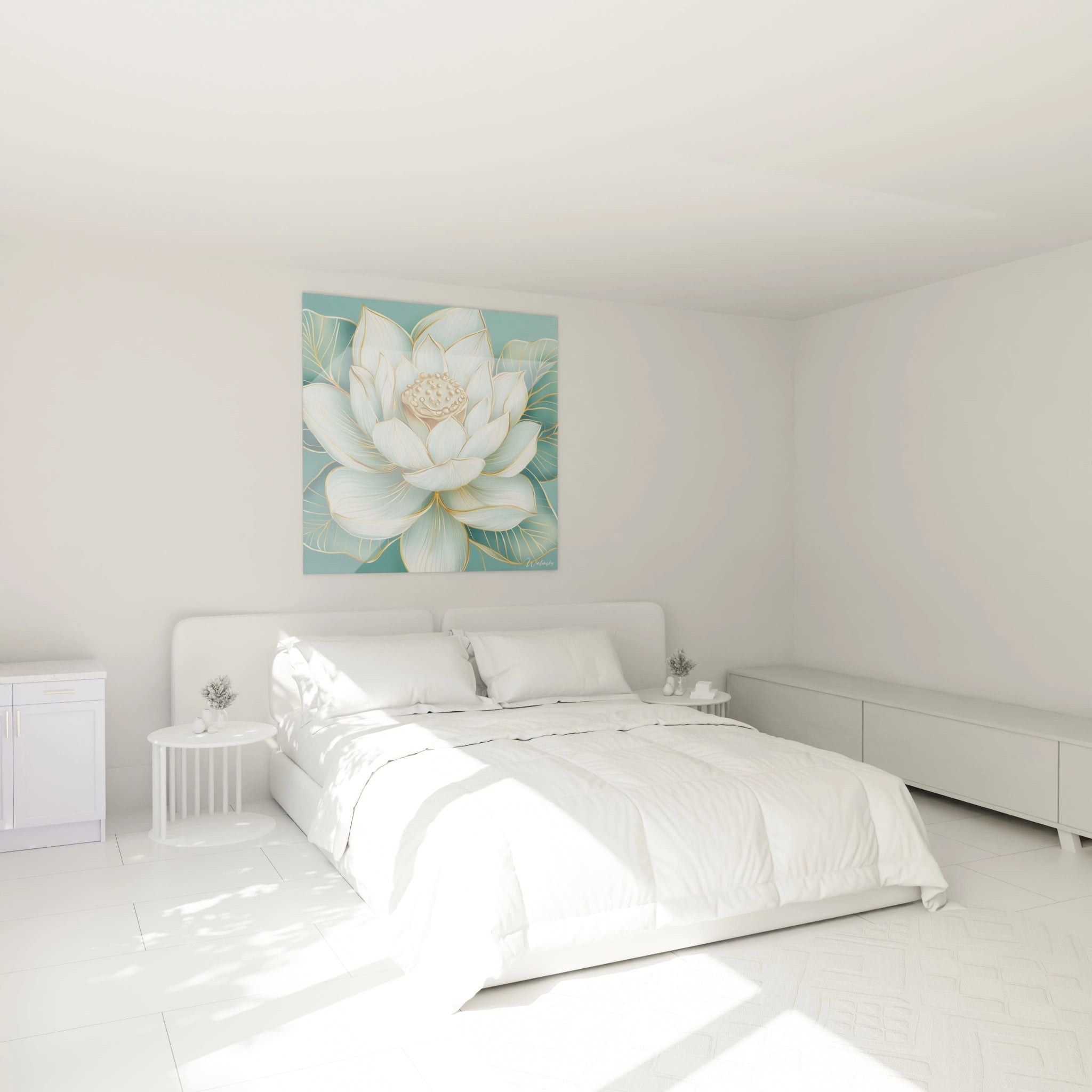
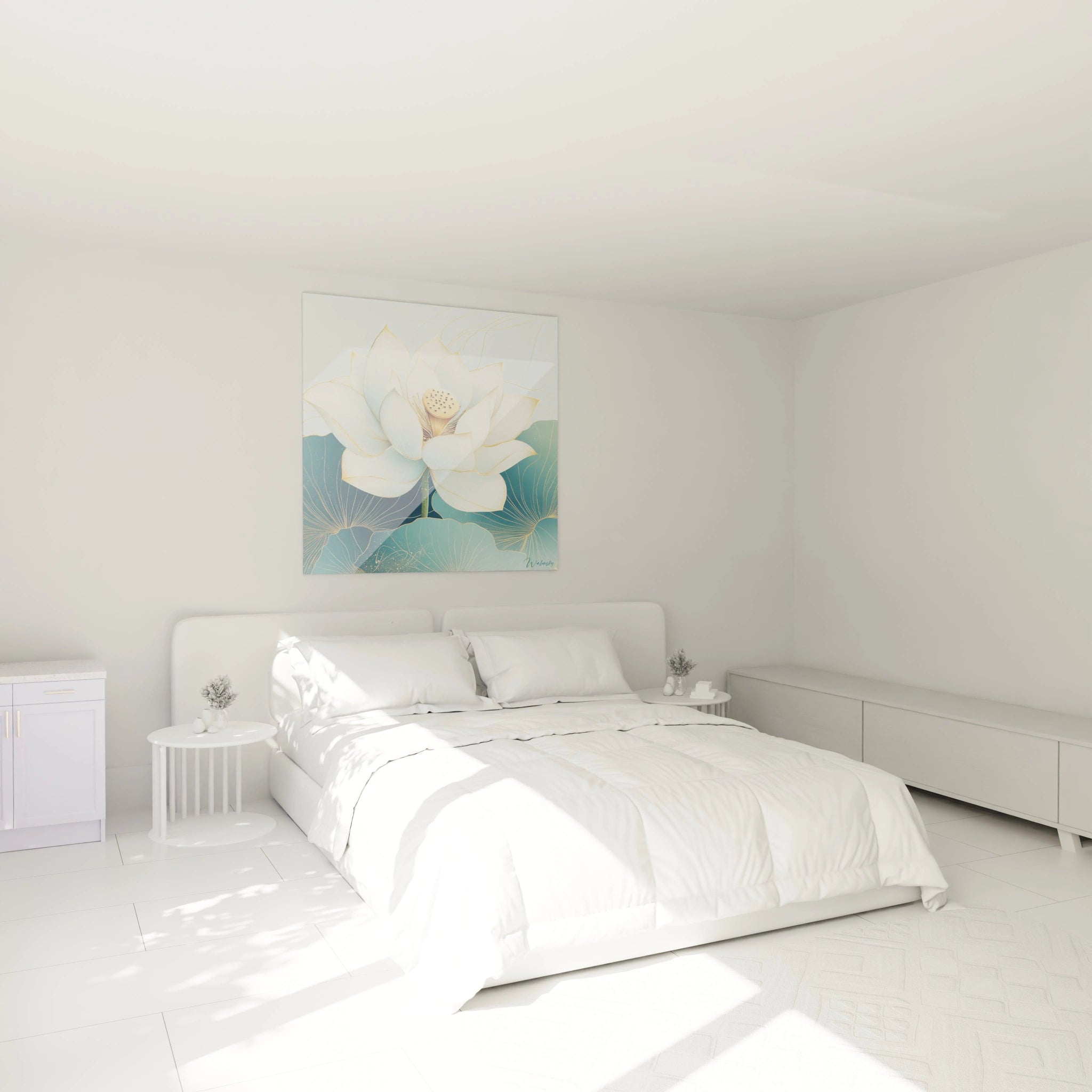
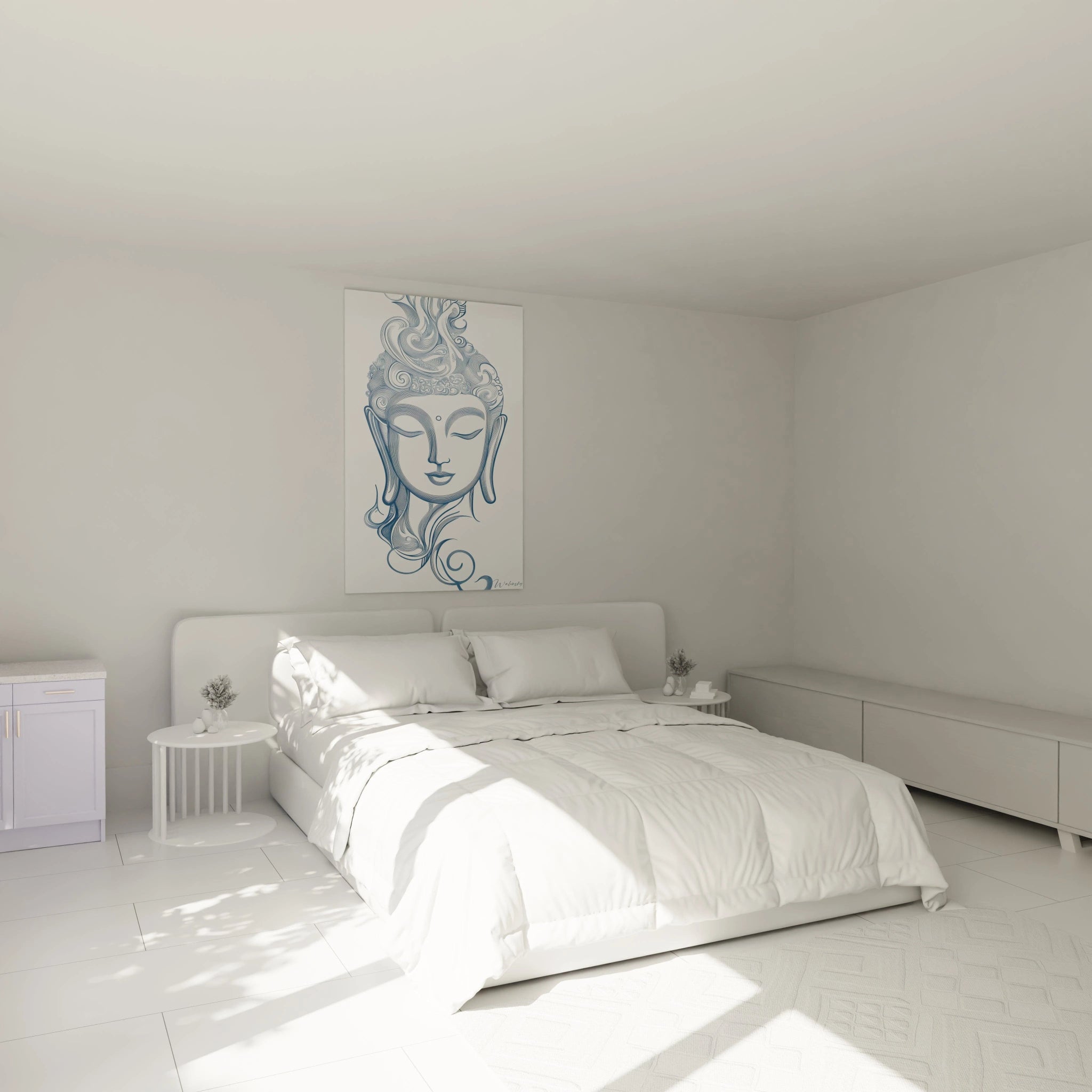
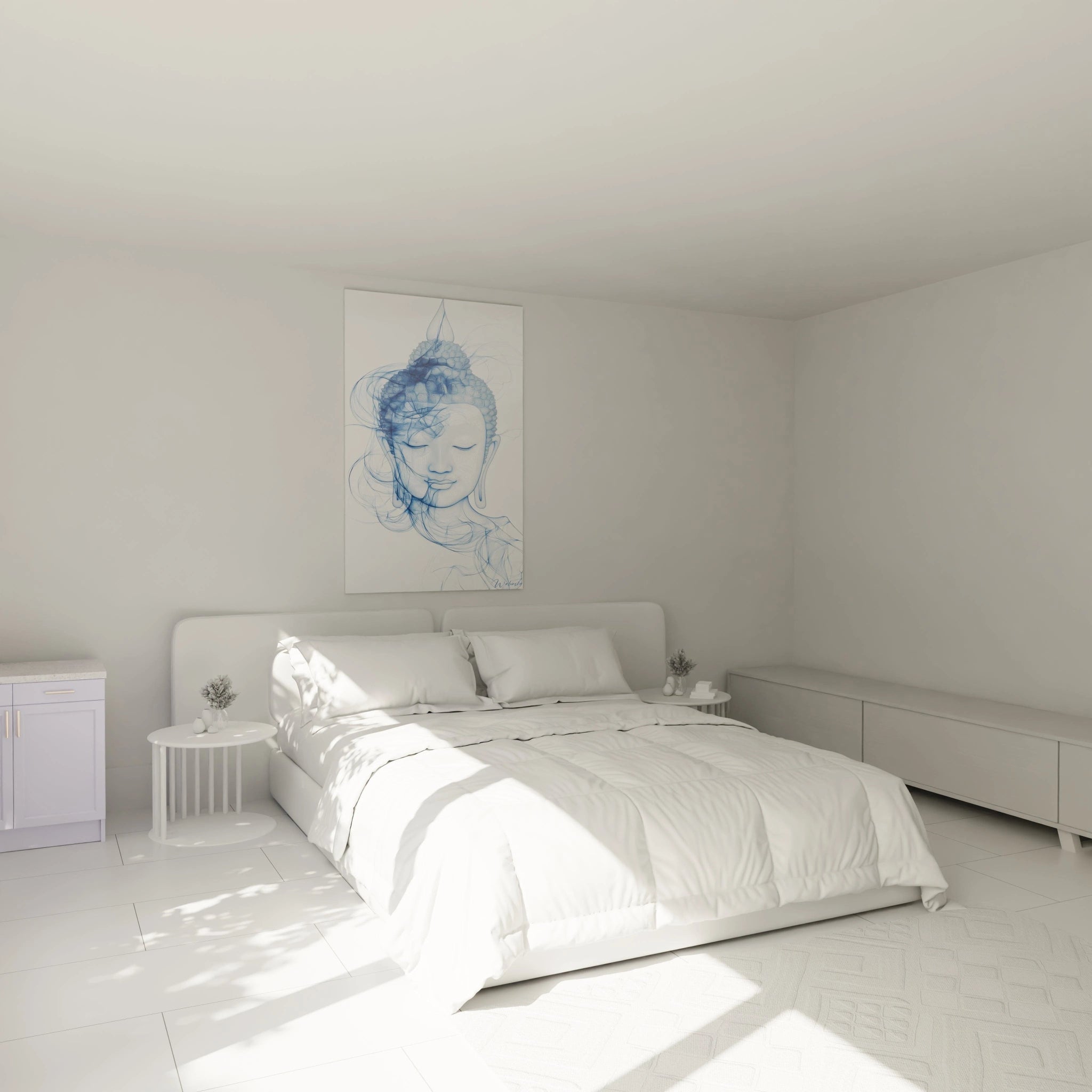
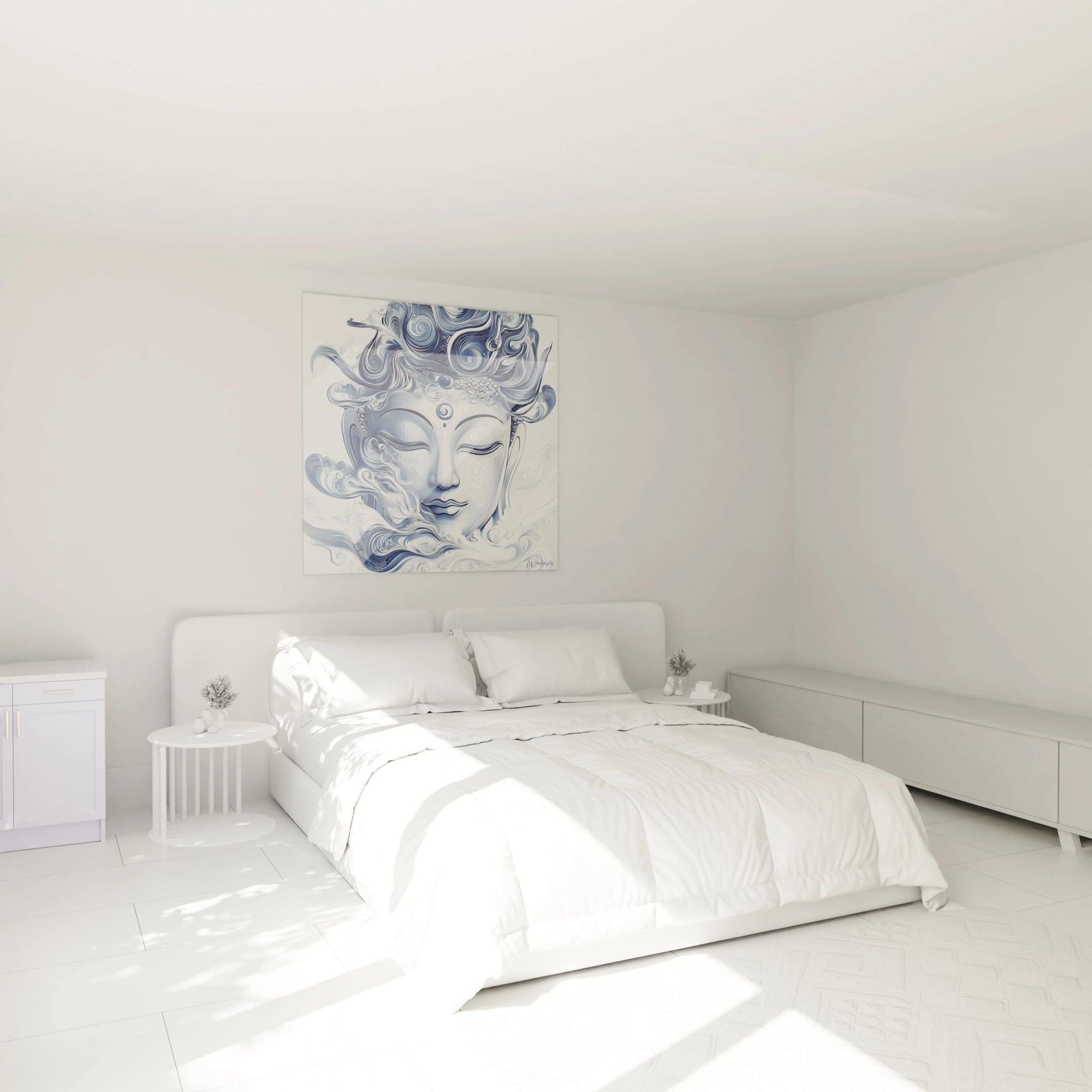
In sleep spaces, minimalist
zen paintings act as "hypnagogic inducers" – facilitating transition toward pre-sleep state. Specific horizontal compositions, particularly those evoking distant horizons or calm aquatic surfaces, naturally synchronize brain waves with theta frequencies associated with profound relaxation and sleep onset.
Zen Paintings FAQ
What is the difference between a zen painting and a classical decorative painting?
A zen painting fundamentally distinguishes itself through its contemplative function and meditative intention. Unlike classical decorative paintings that prioritize pure aesthetics, zen paintings are designed as meditation supports and energetic harmonization tools. Their refined compositions, strategic use of empty spaces, and profound symbolism make them transformation instruments rather than simple decorative elements.
How do I choose the ideal size zen painting for my space?
Optimal zen painting size depends on its primary function and available space. For meditative function, prioritize a sufficiently large format (minimum 80 cm) to create visual immersion. For Feng Shui room harmonization, size should ideally represent 1/3 of your installation wall's width. For a minimalist soothing effect, a large-format zen painting on a clear wall will create deeper psychological impact than multiple smaller format compositions.
Can zen paintings improve sleep quality?
Zen paintings, particularly those with blue tones or depicting peaceful aquatic scenes, can significantly improve sleep quality when placed in the bedroom. Their contemplation before bedtime activates the parasympathetic nervous system, reducing cortisol production and promoting melatonin release. Studies have demonstrated that a refined and meditative visual environment can reduce sleep onset time by 15 to 20 minutes and improve deep sleep quality.