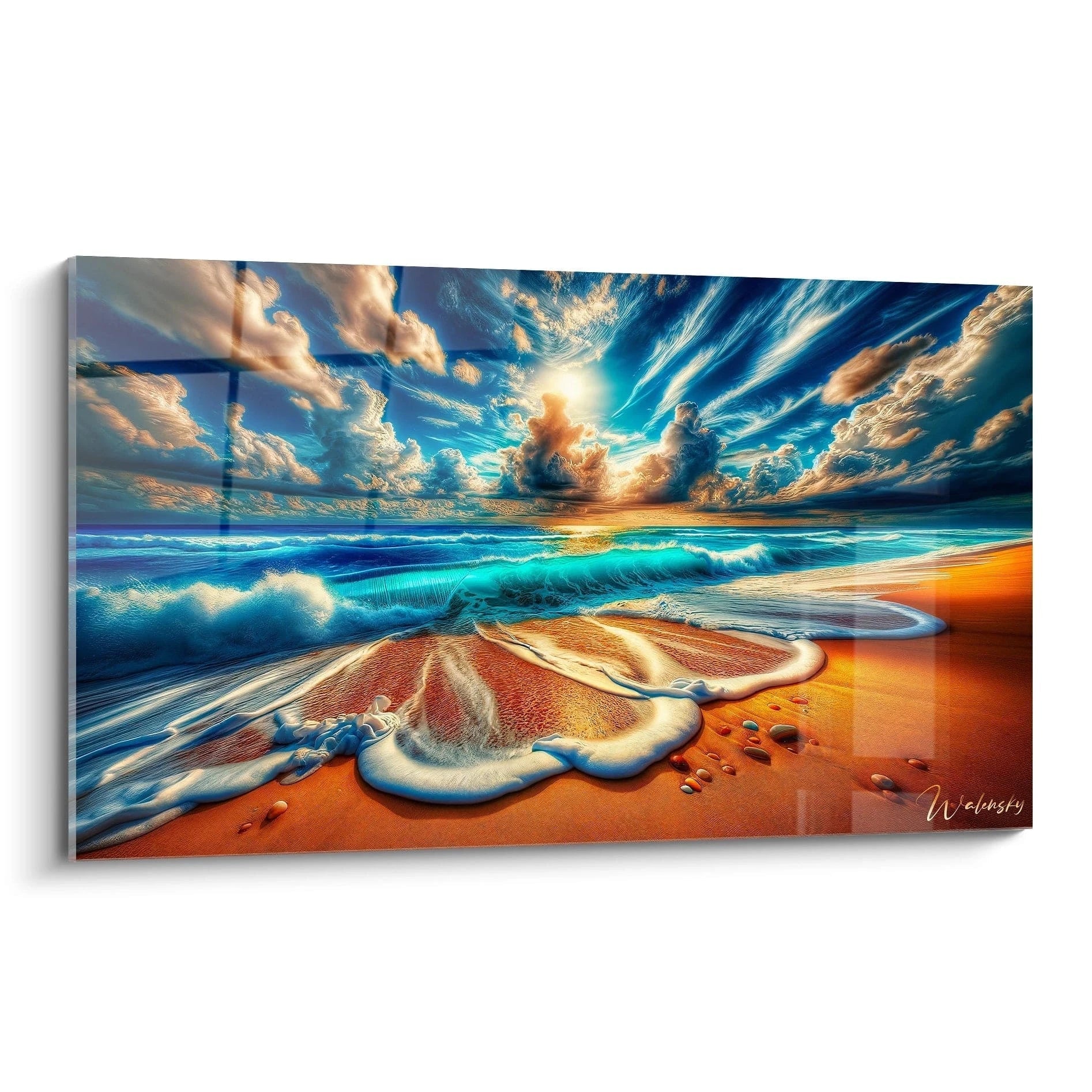
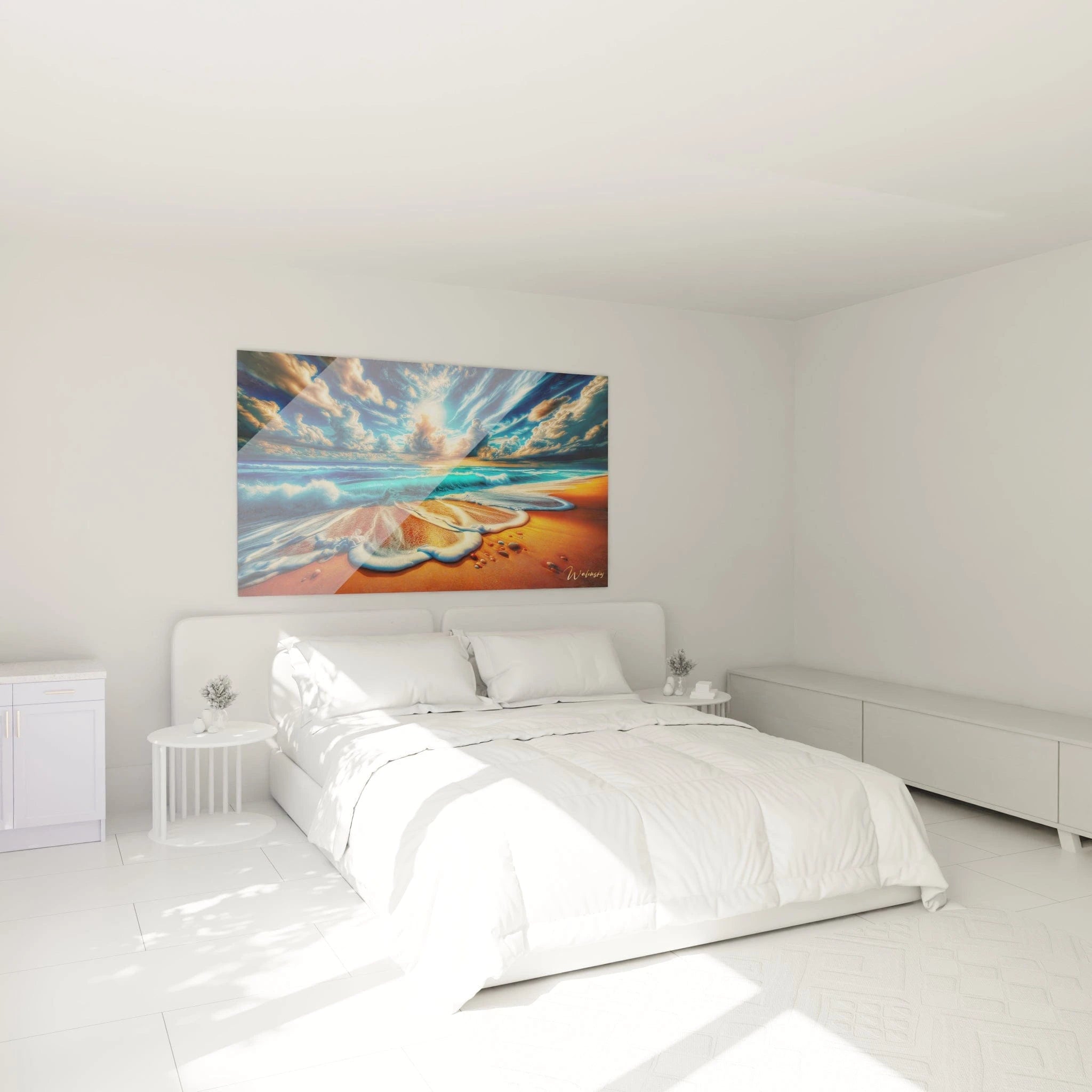
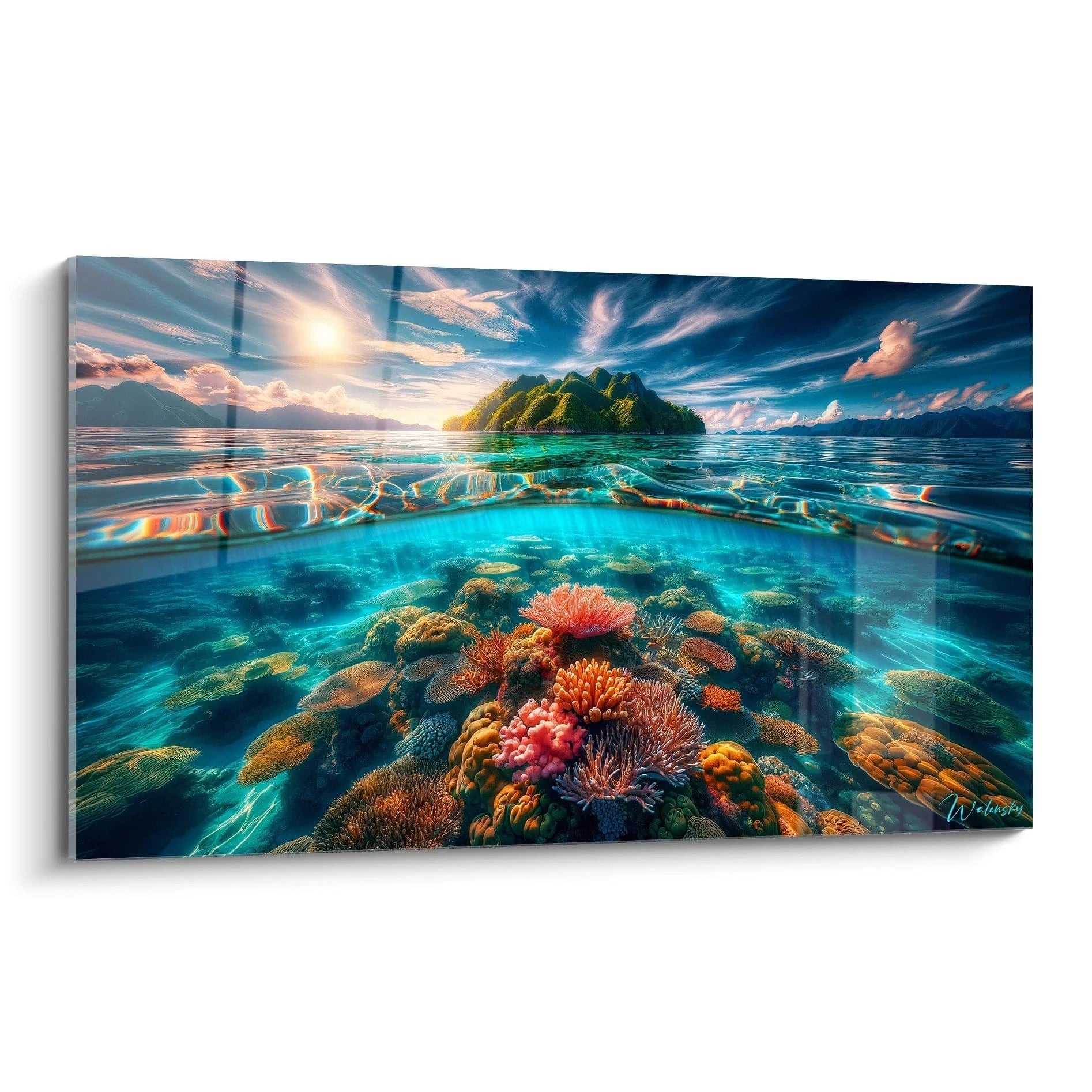
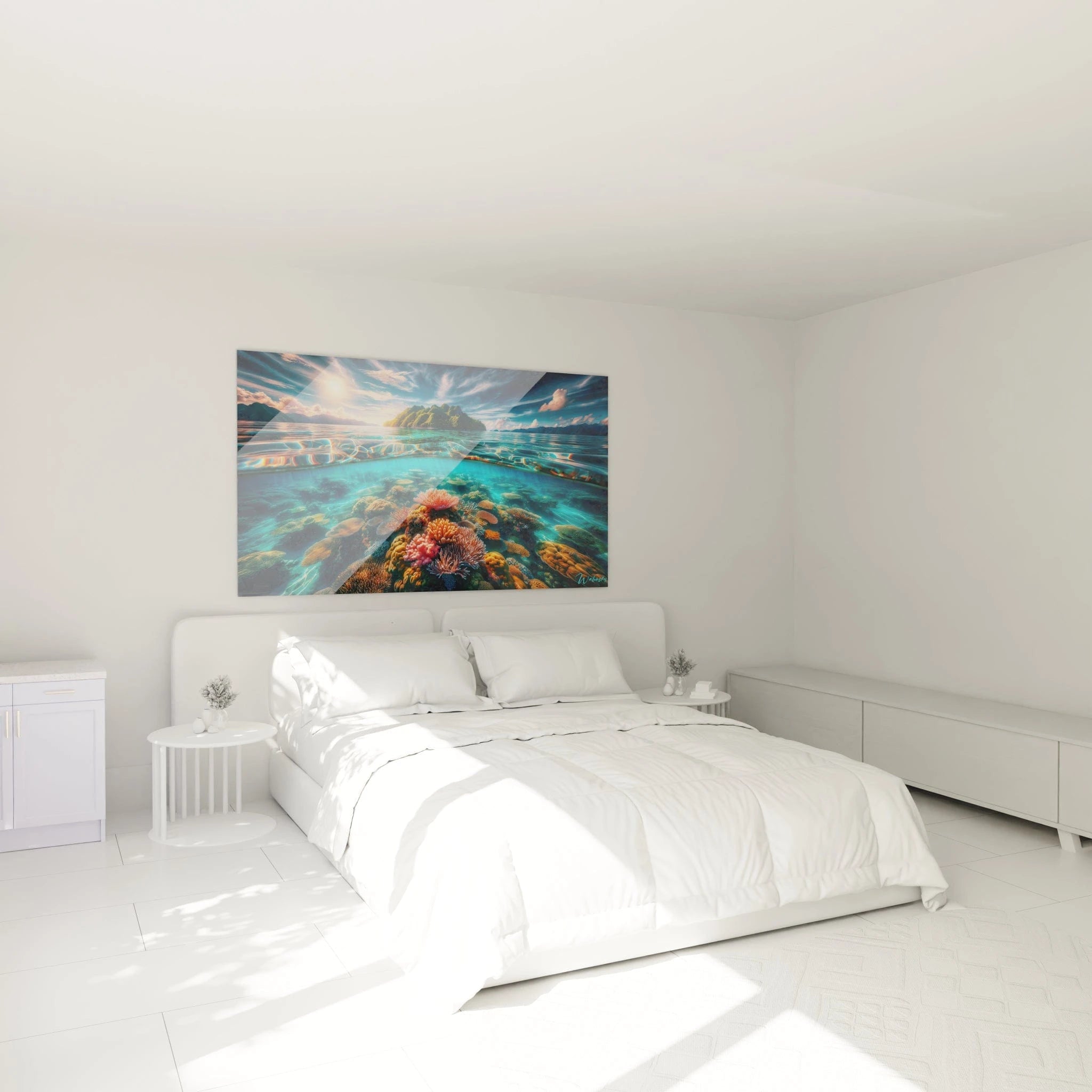
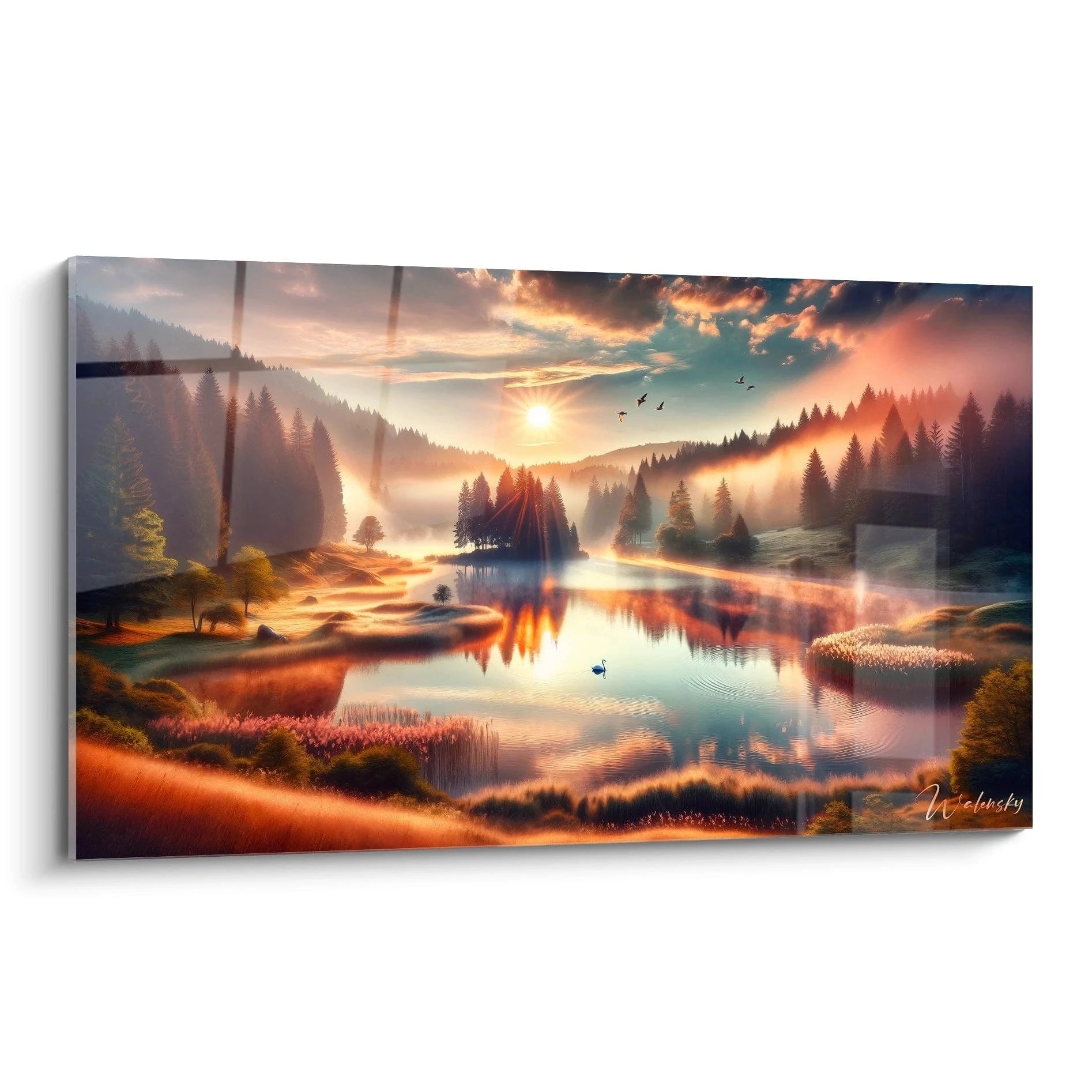
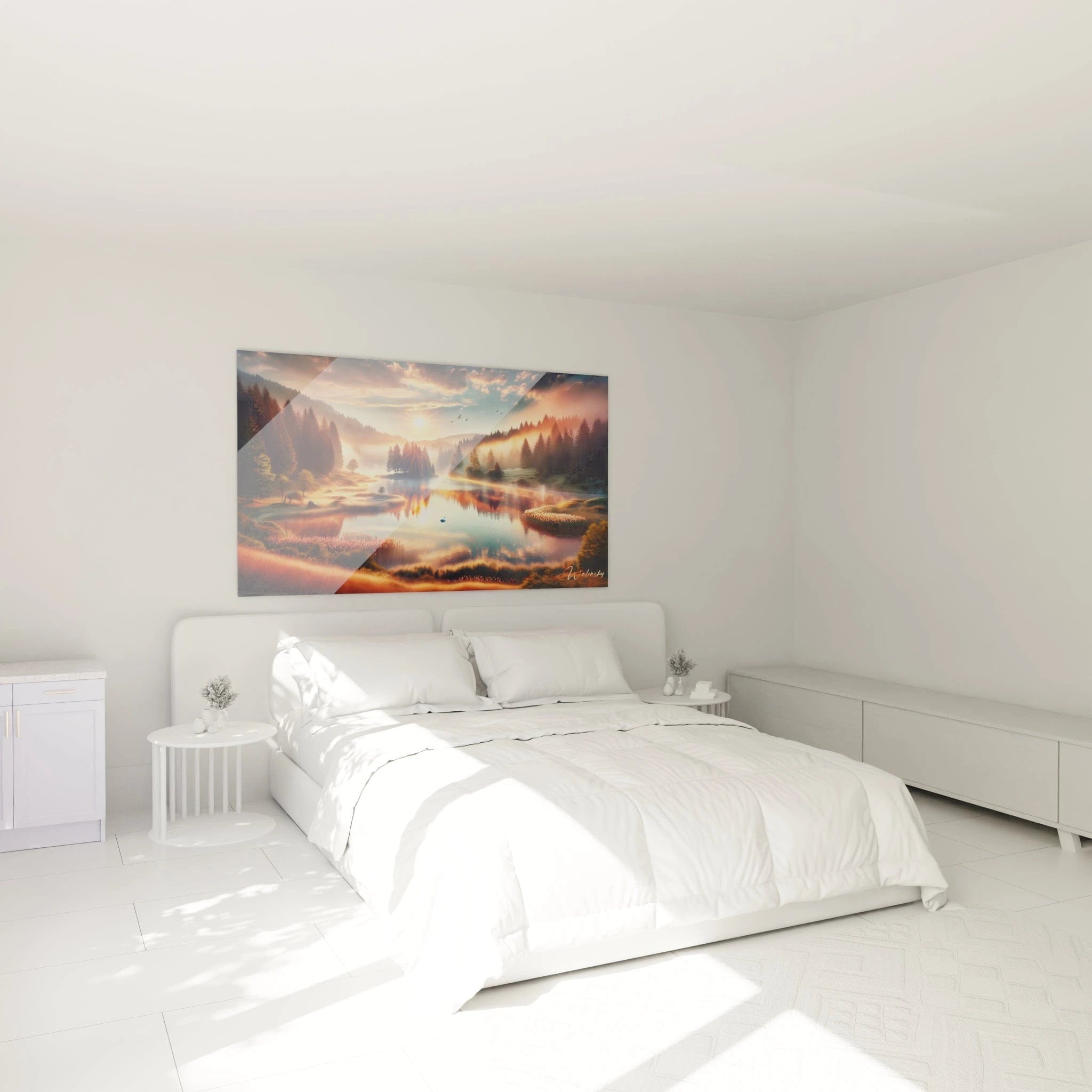
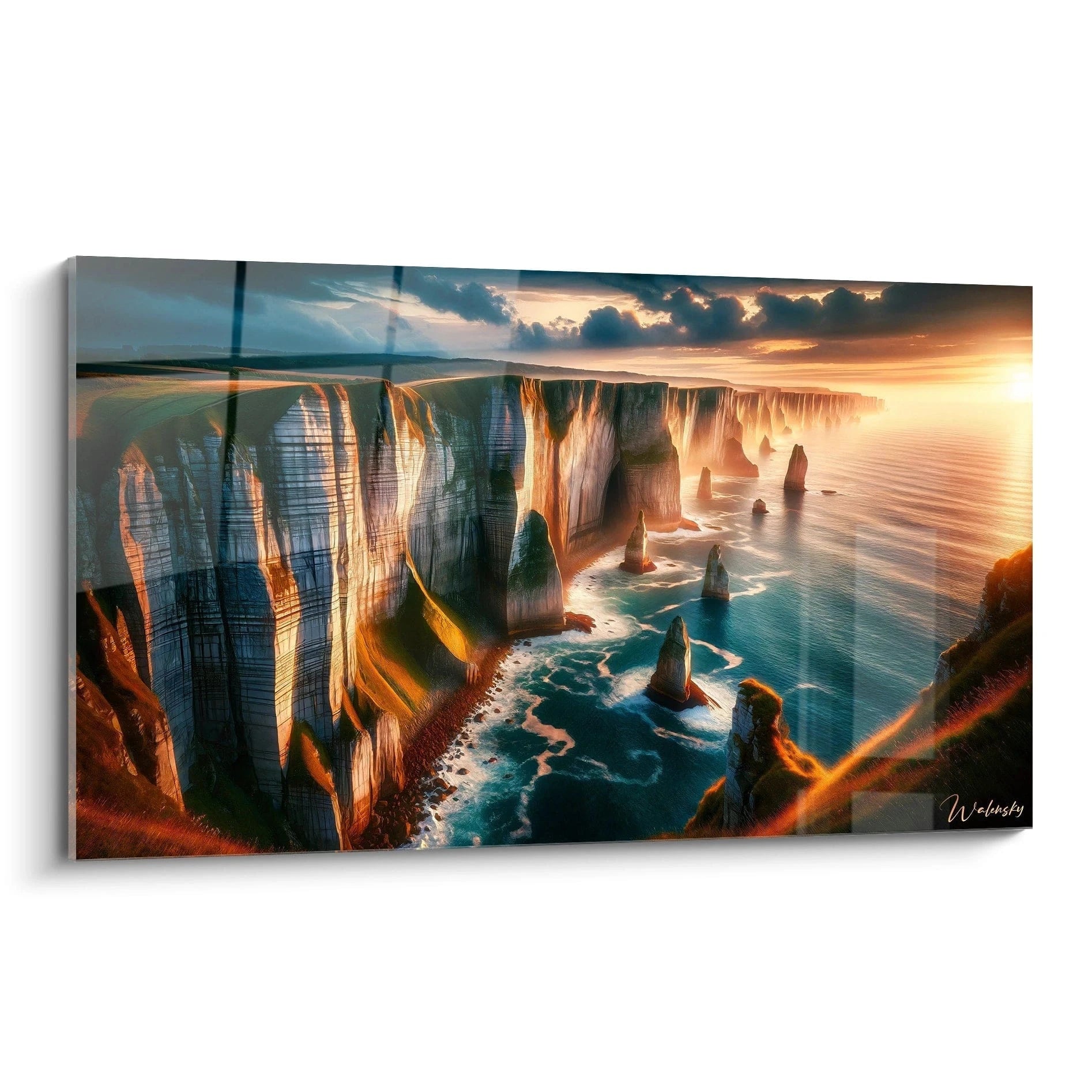
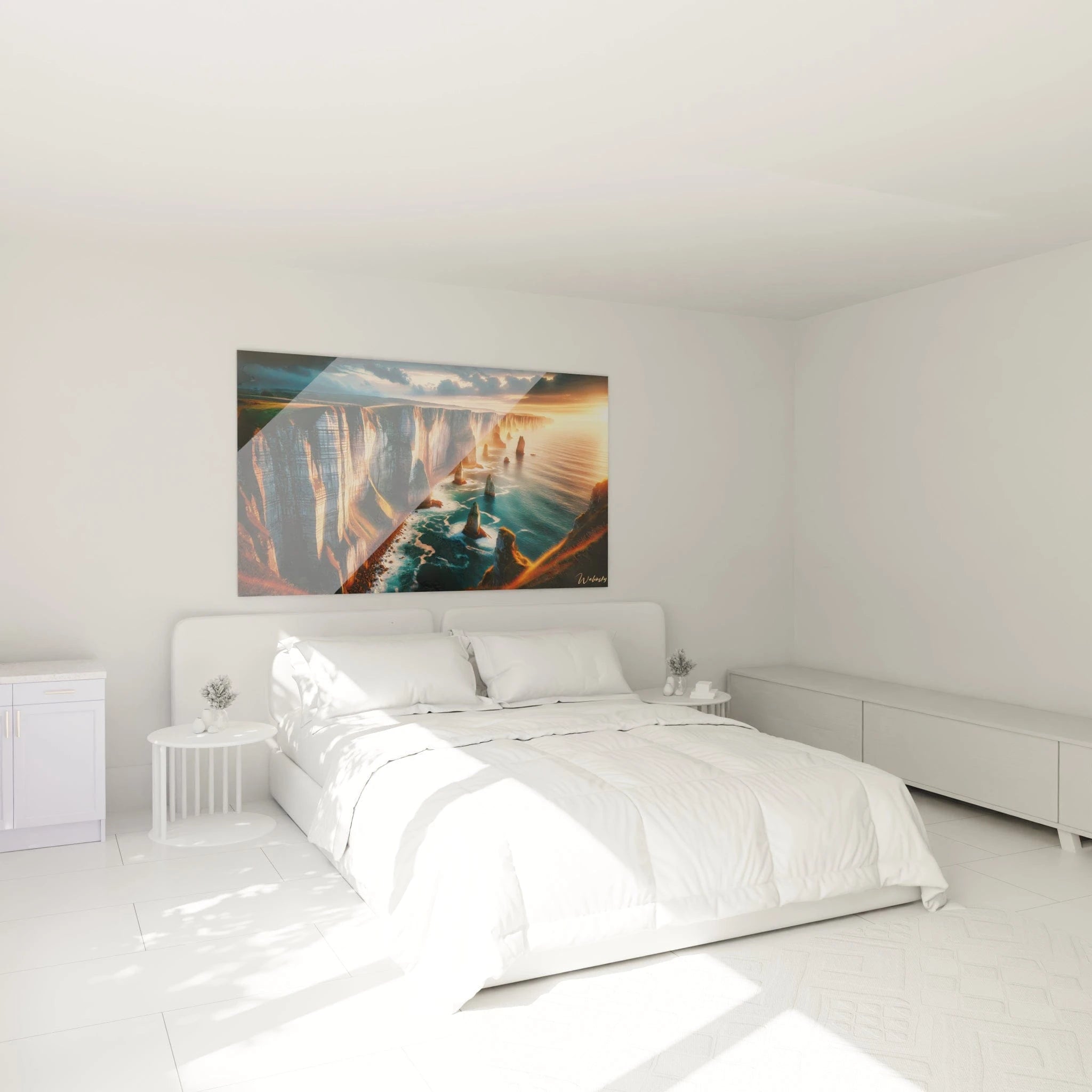
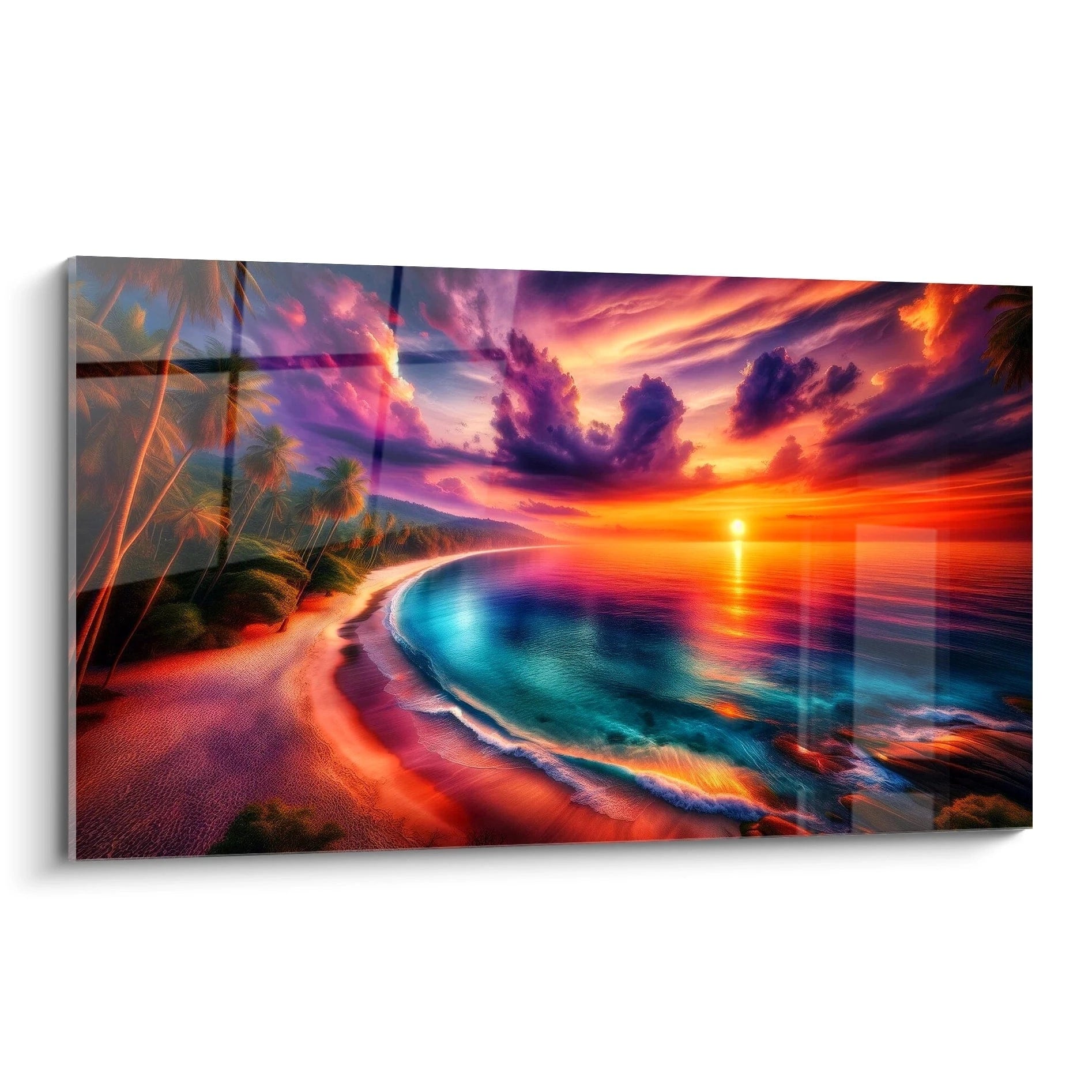
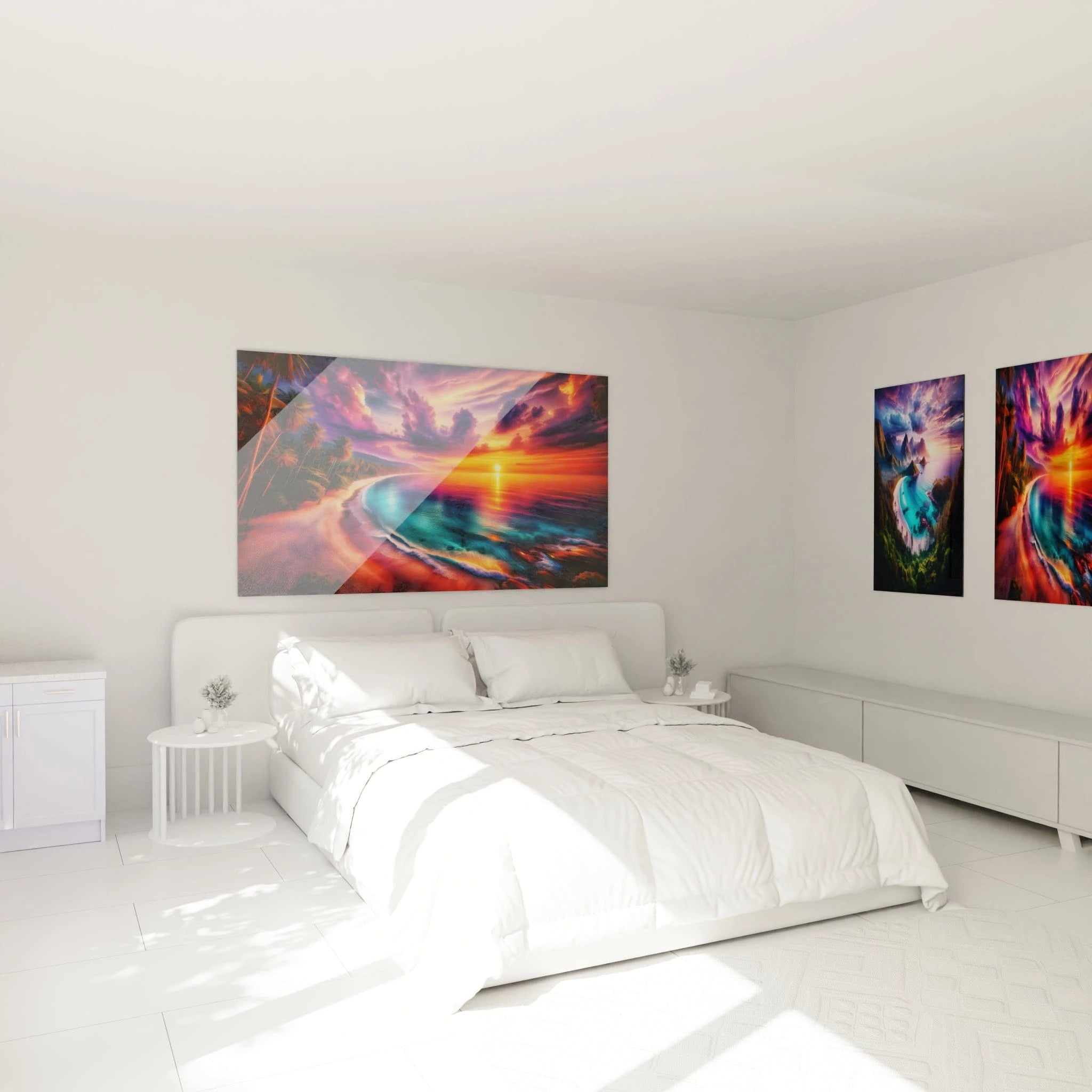
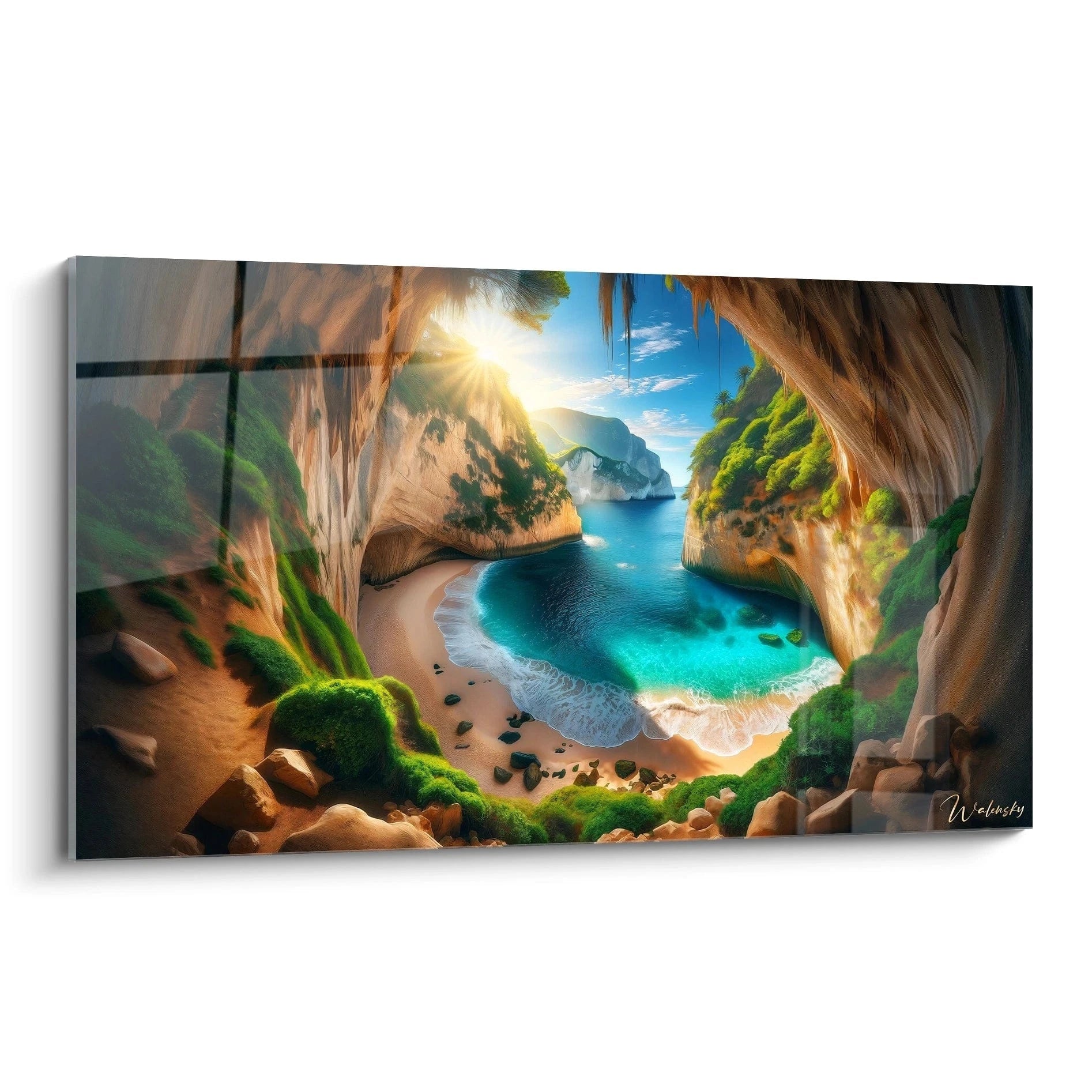
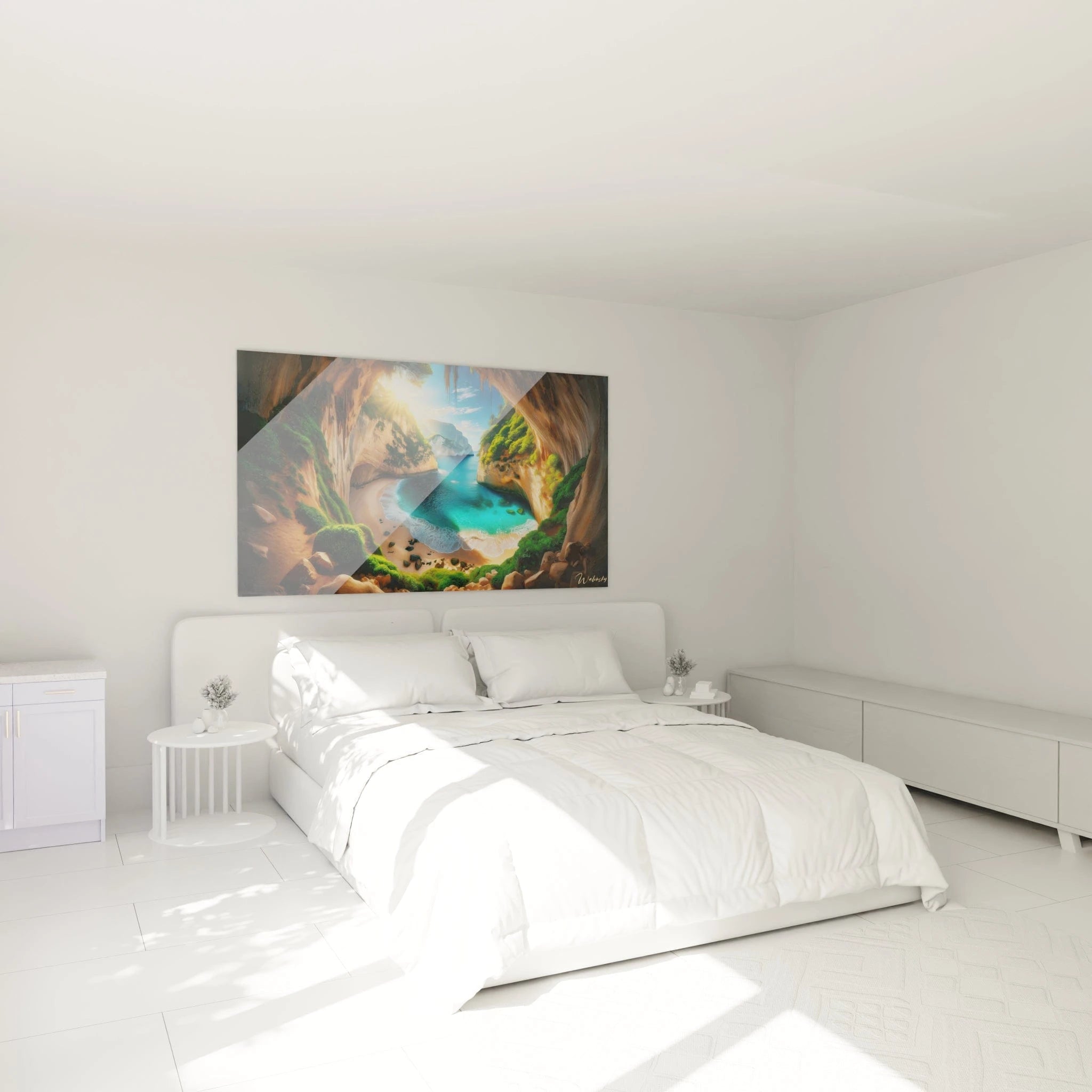
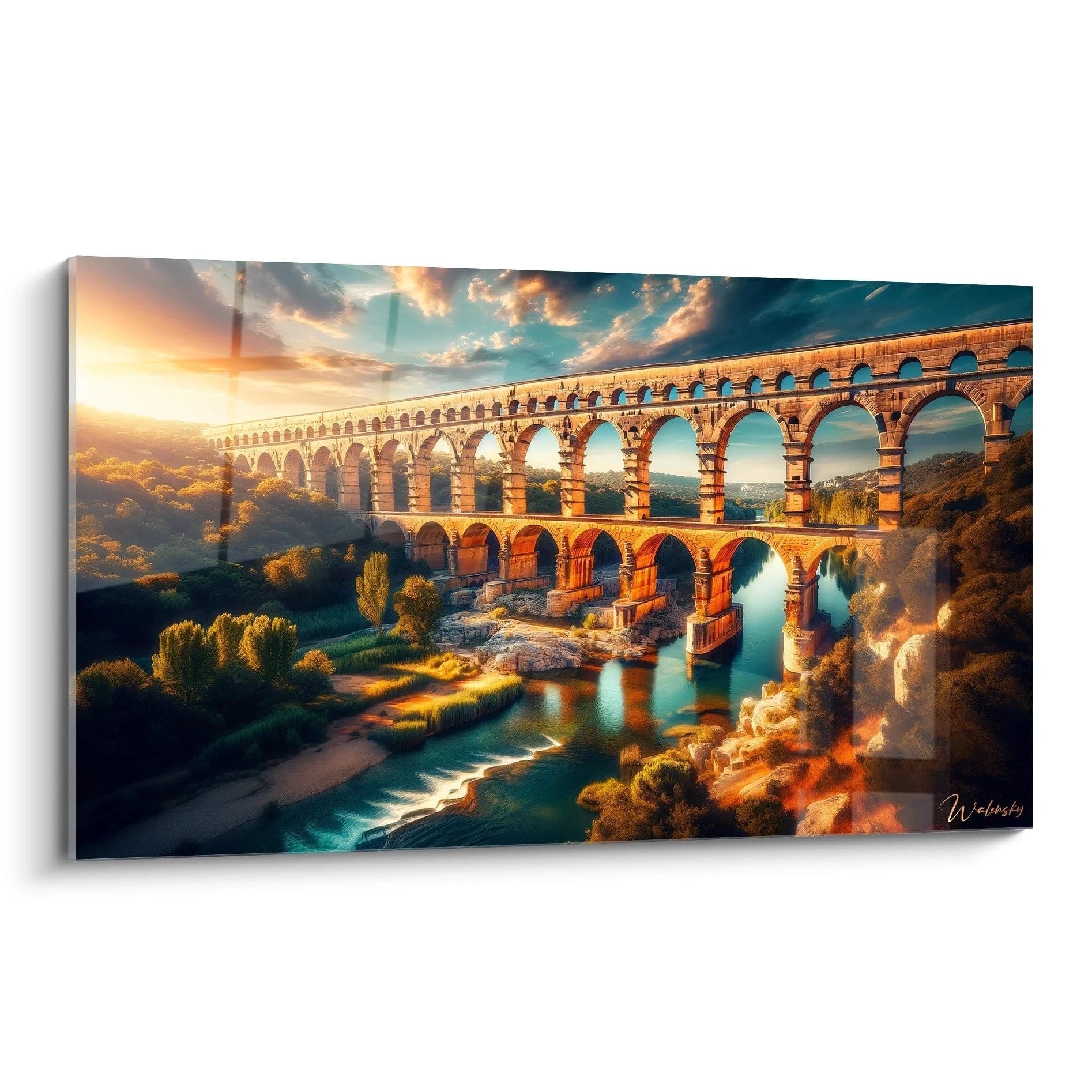
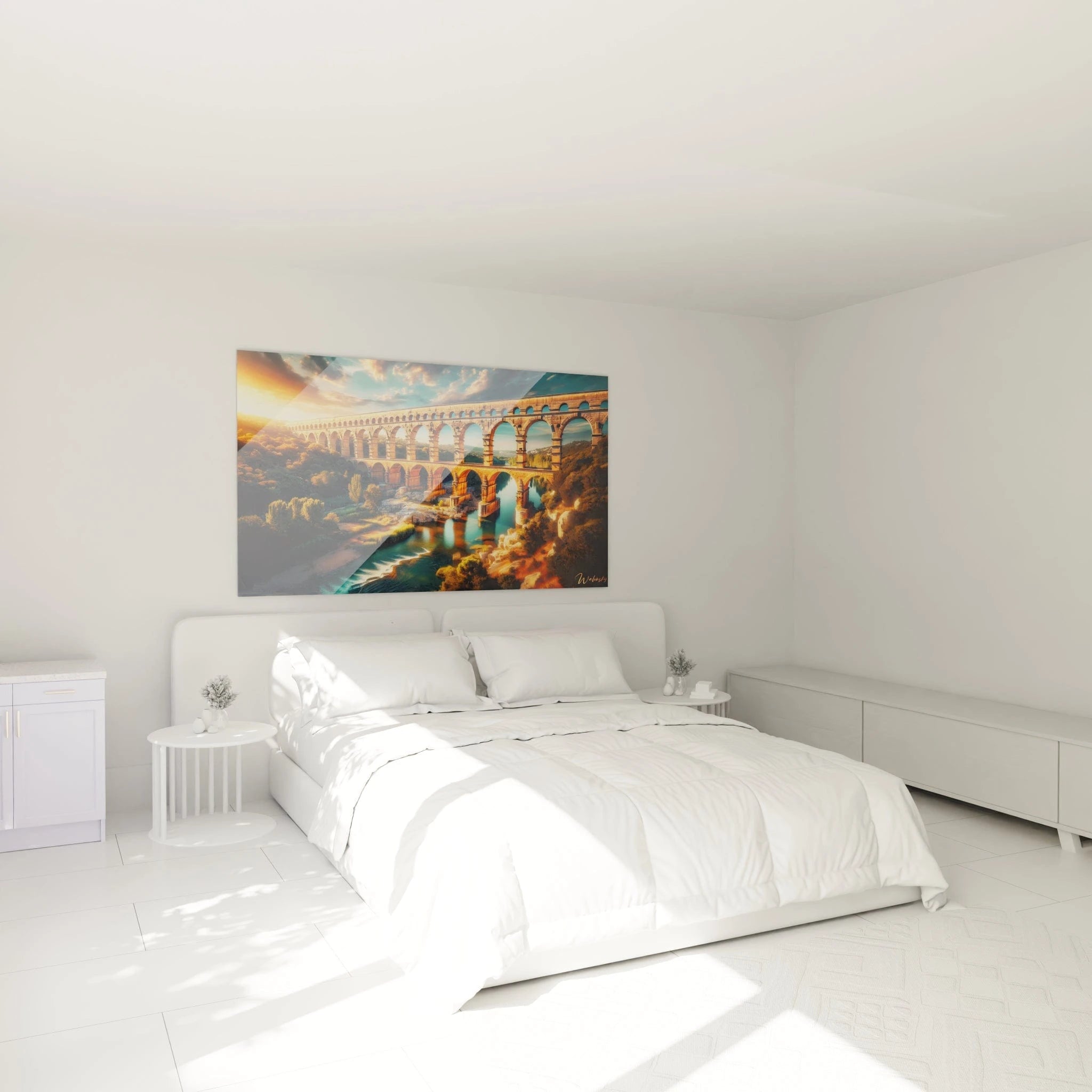
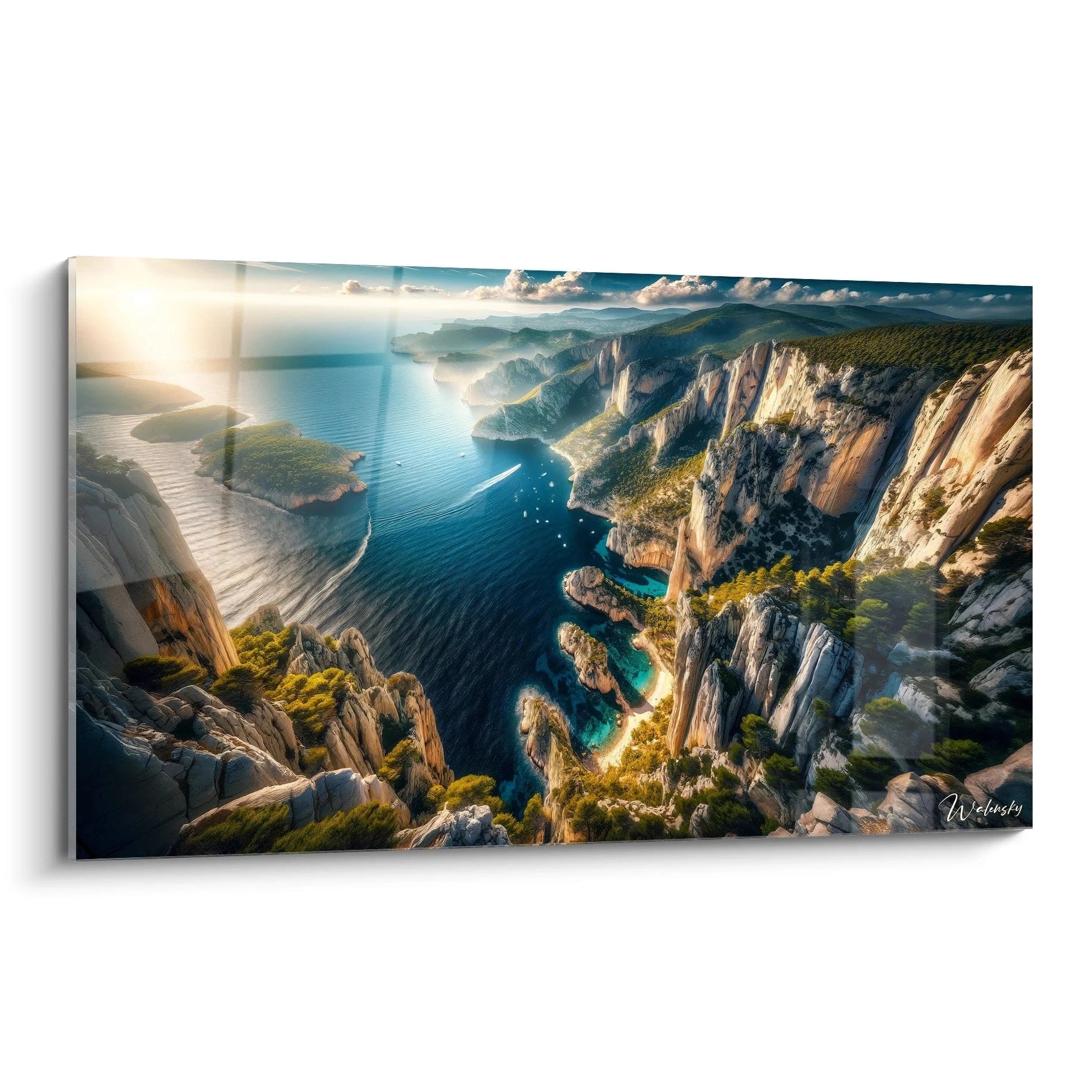
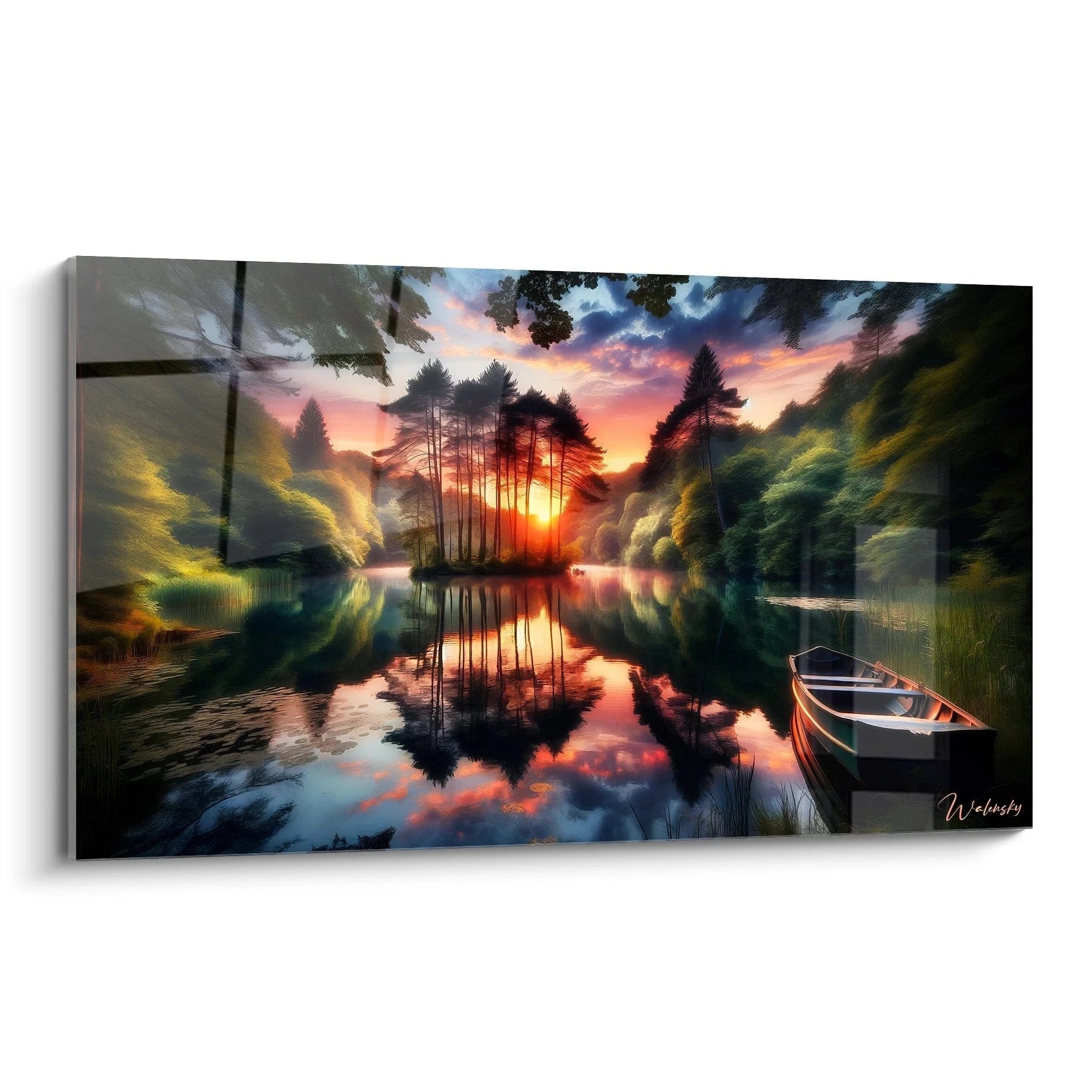
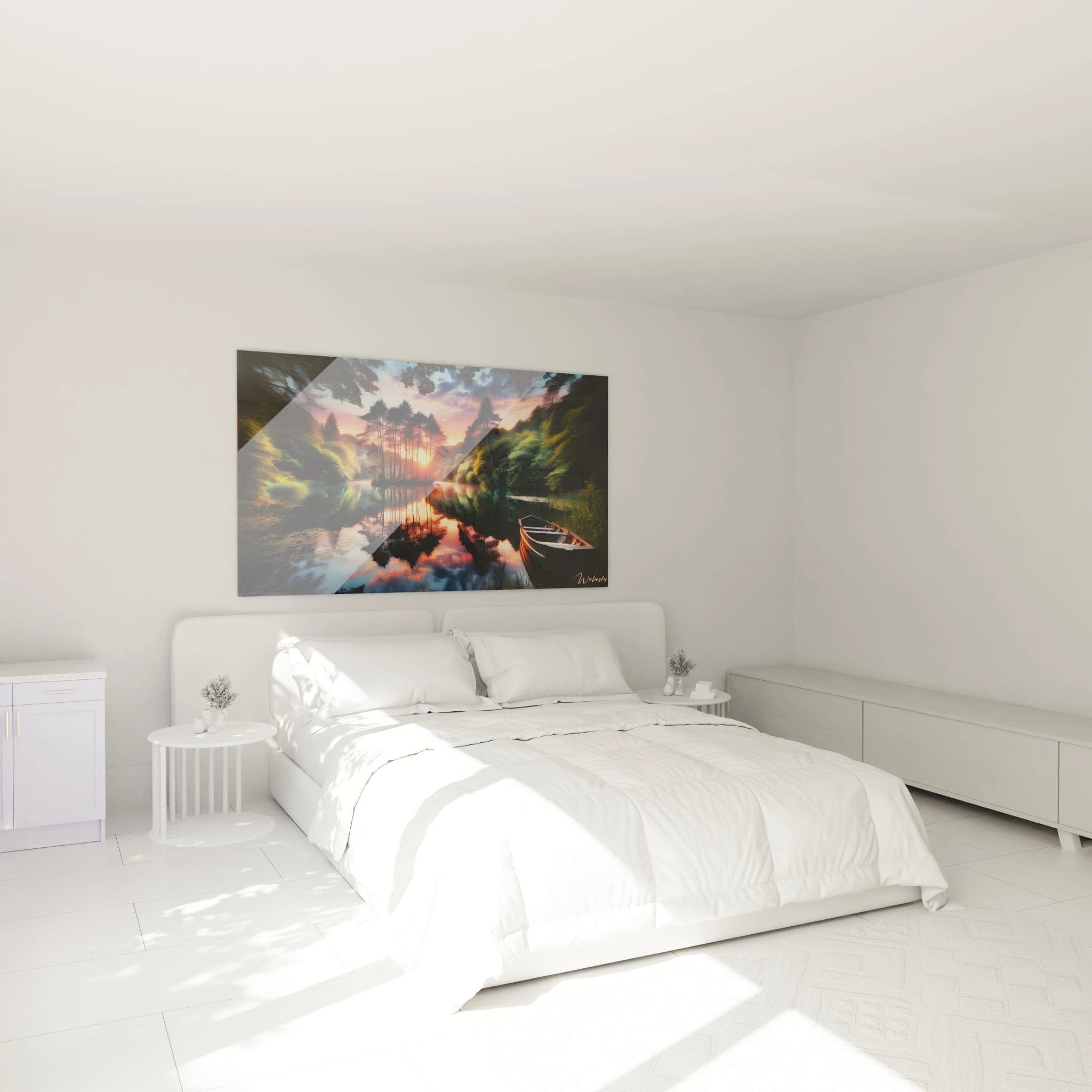
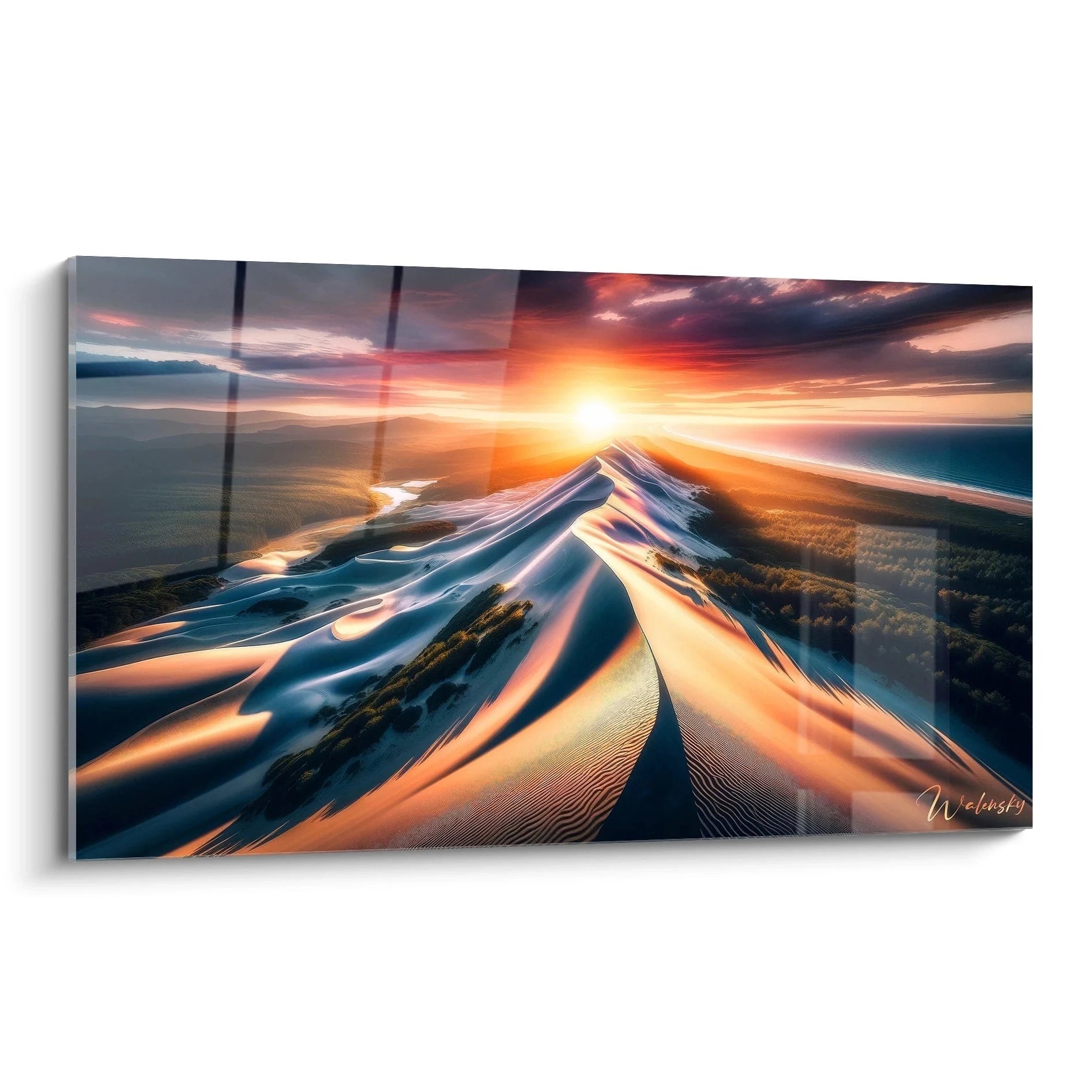
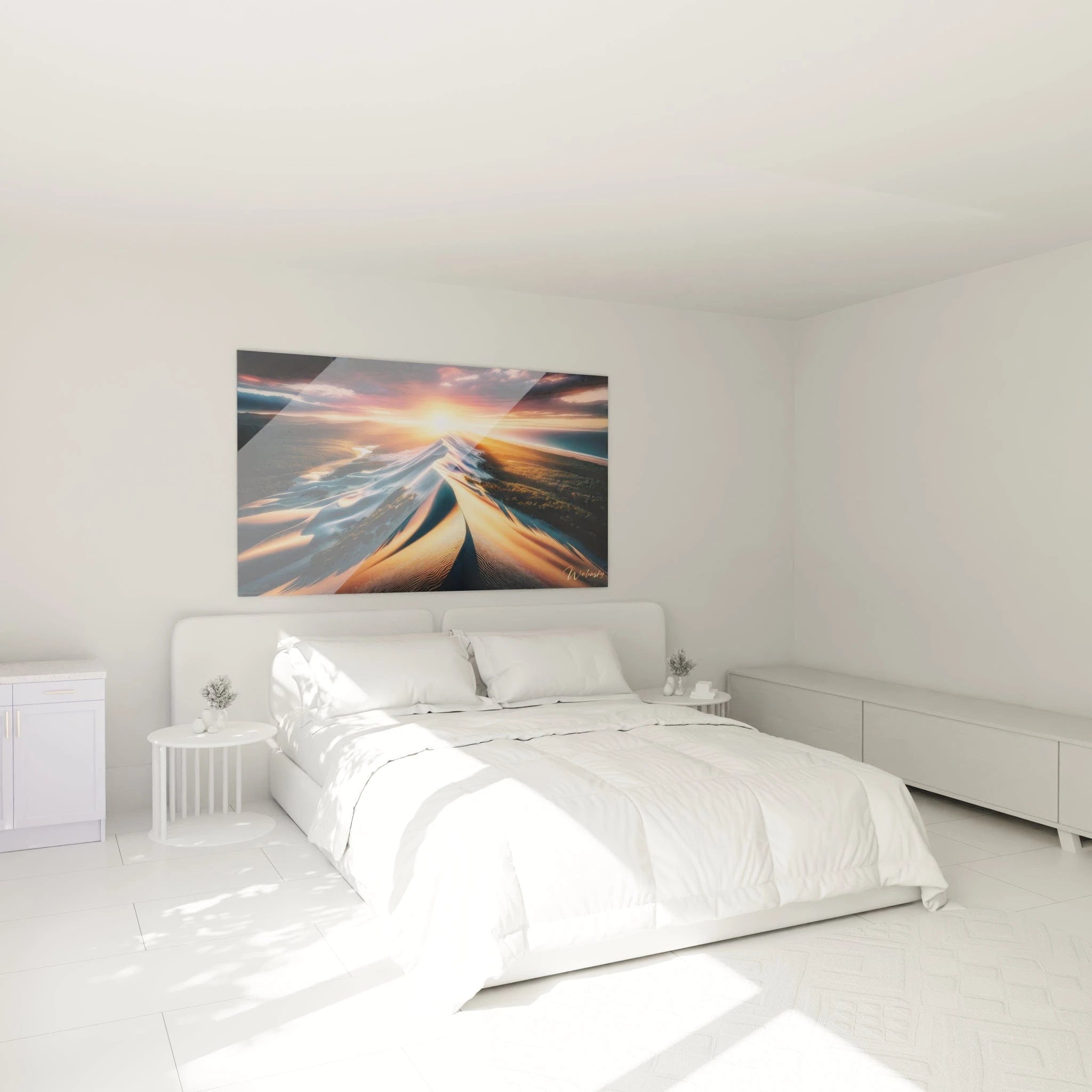
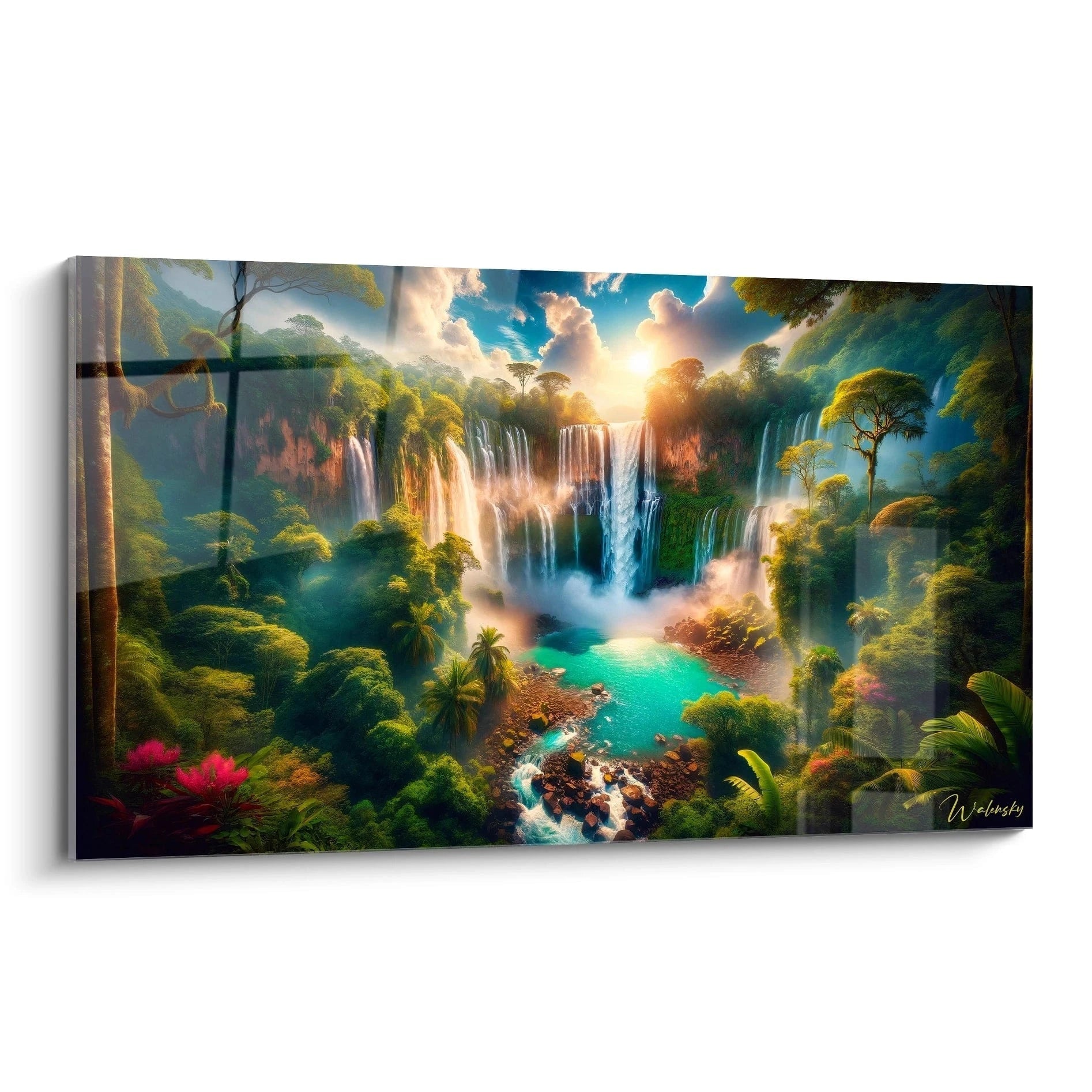
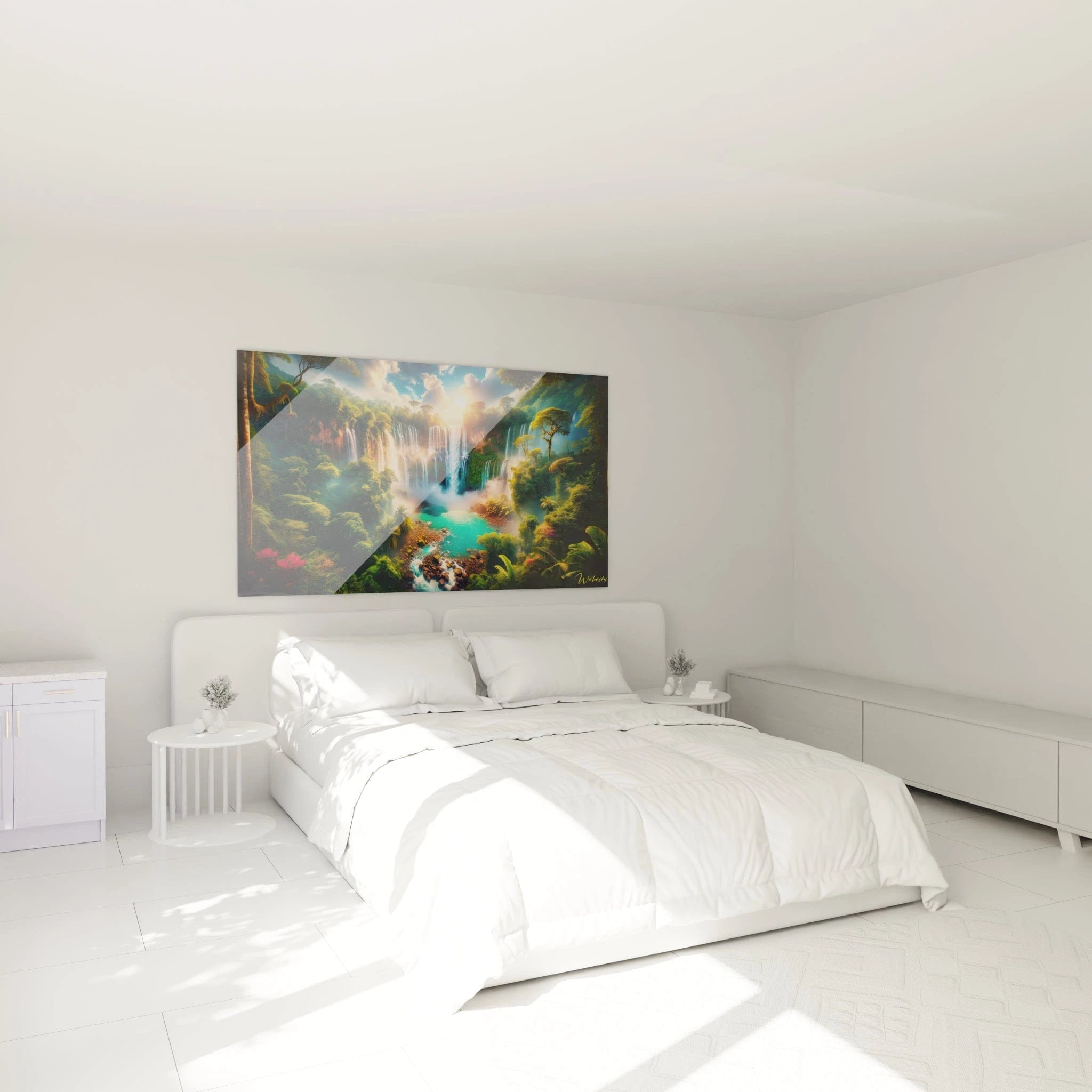
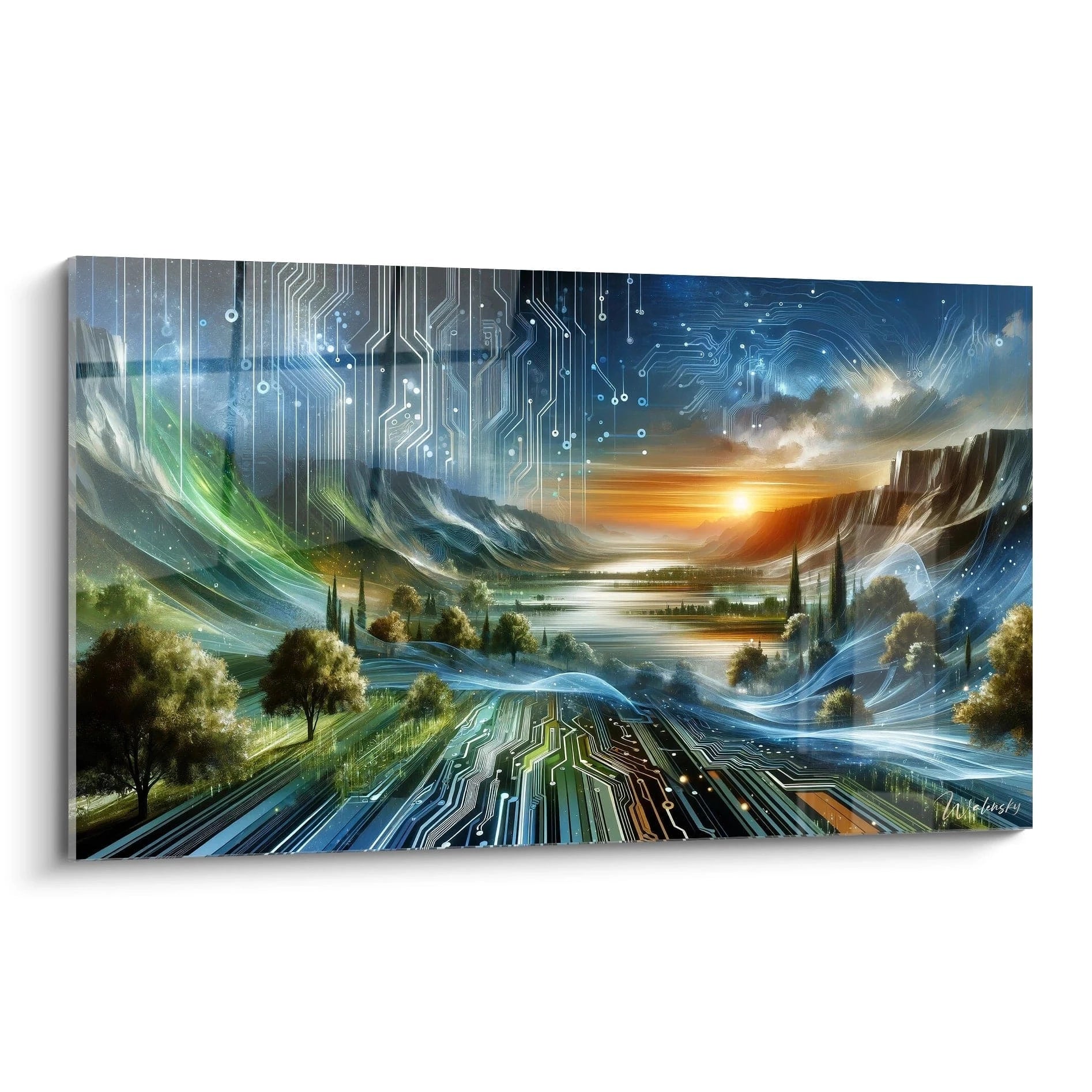
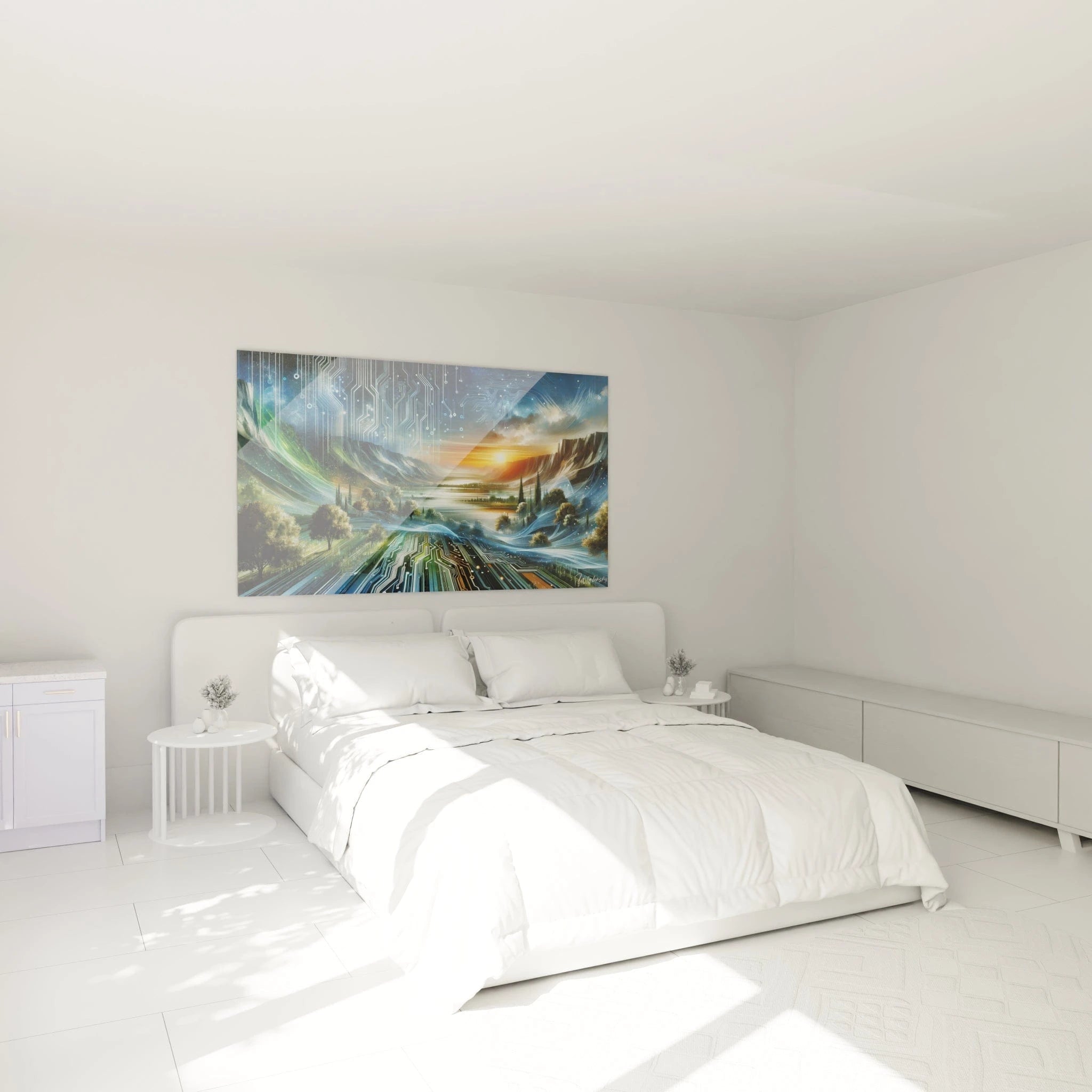
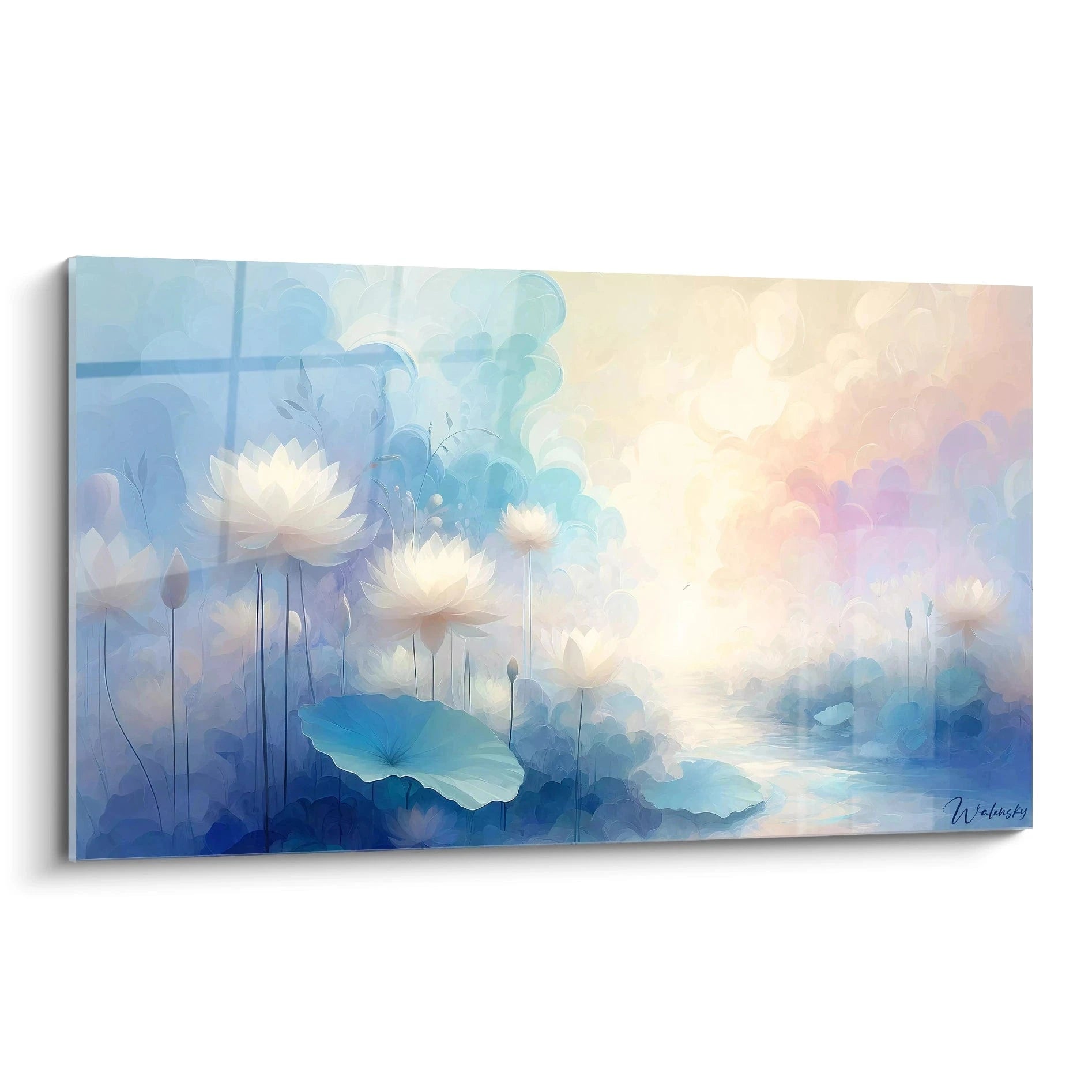
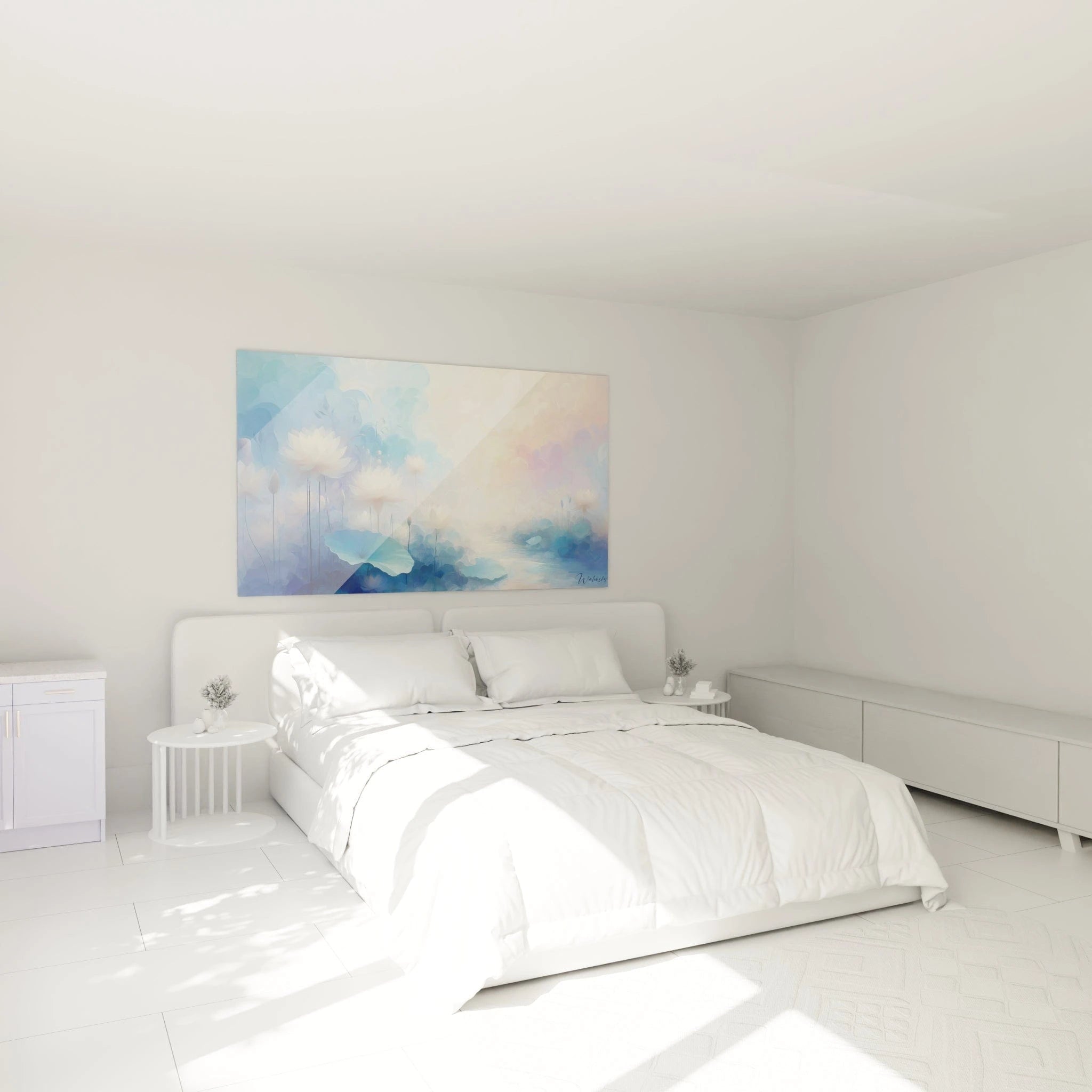
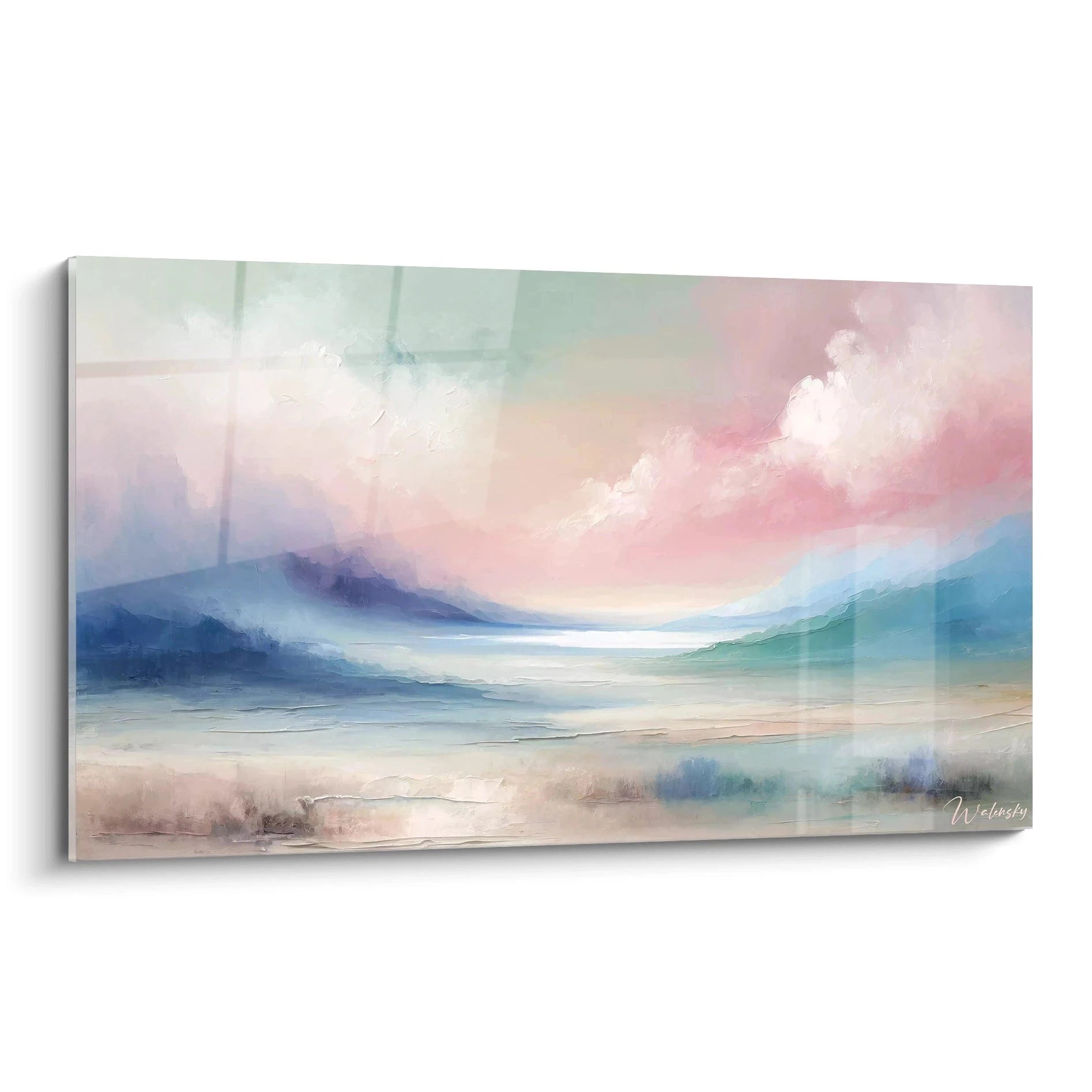
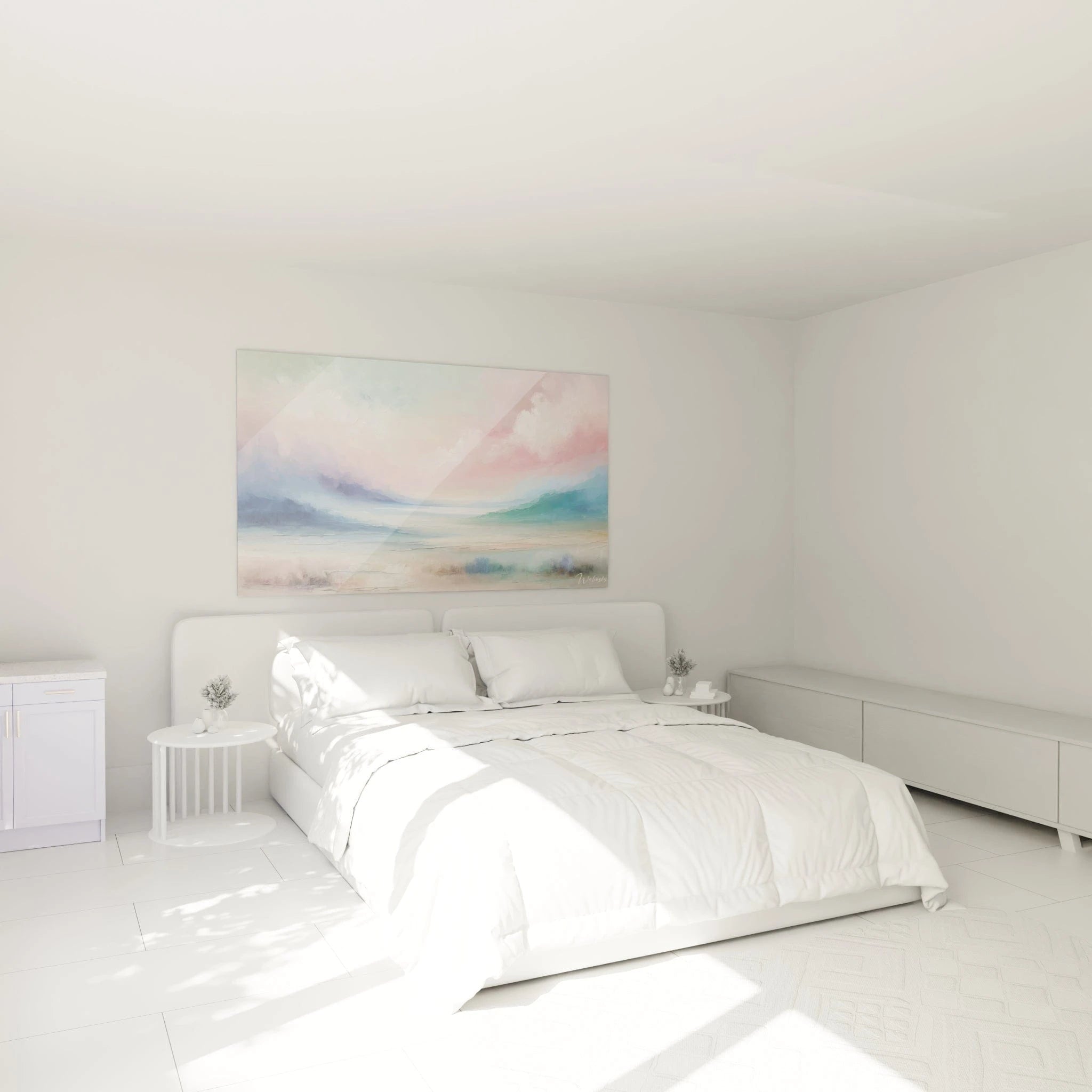
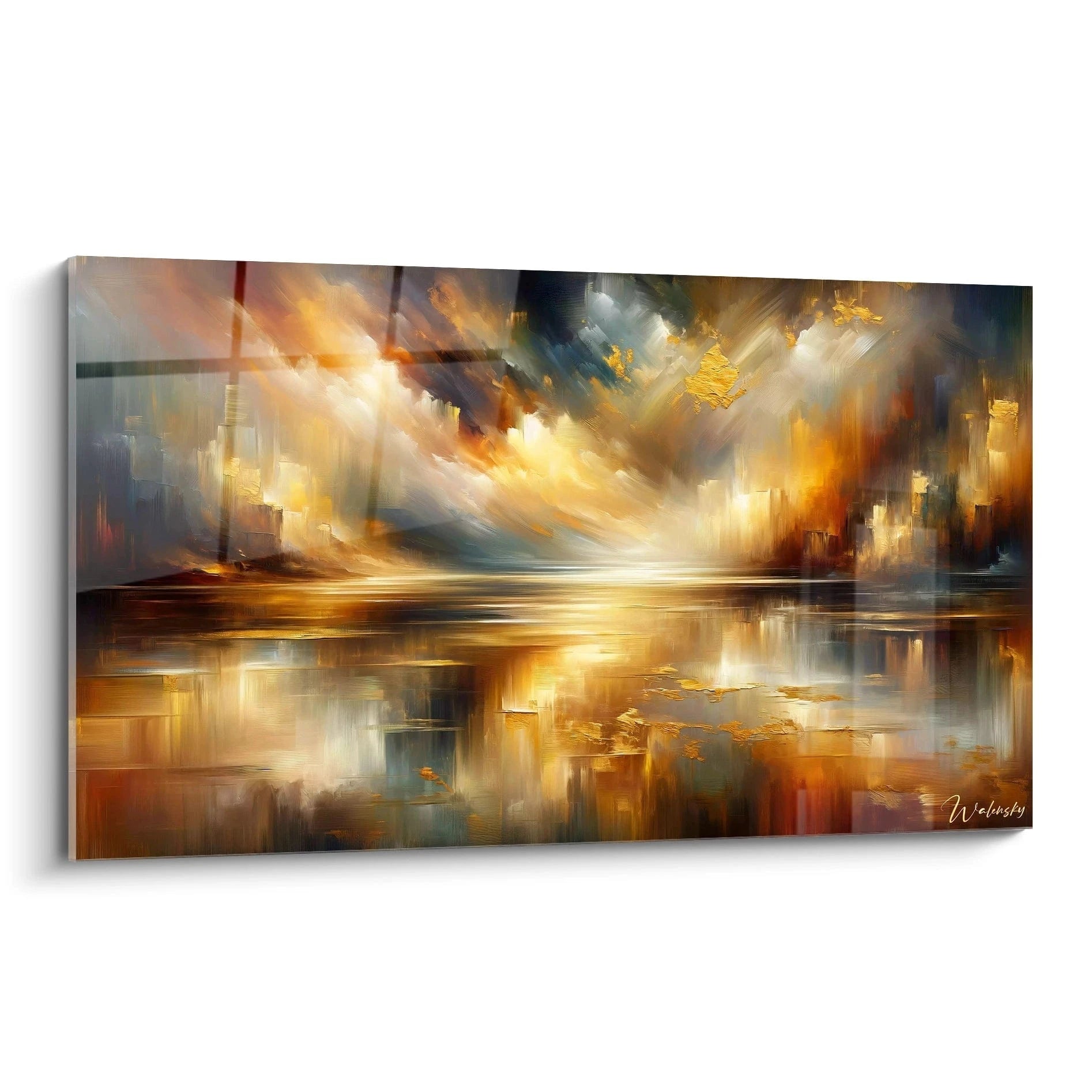
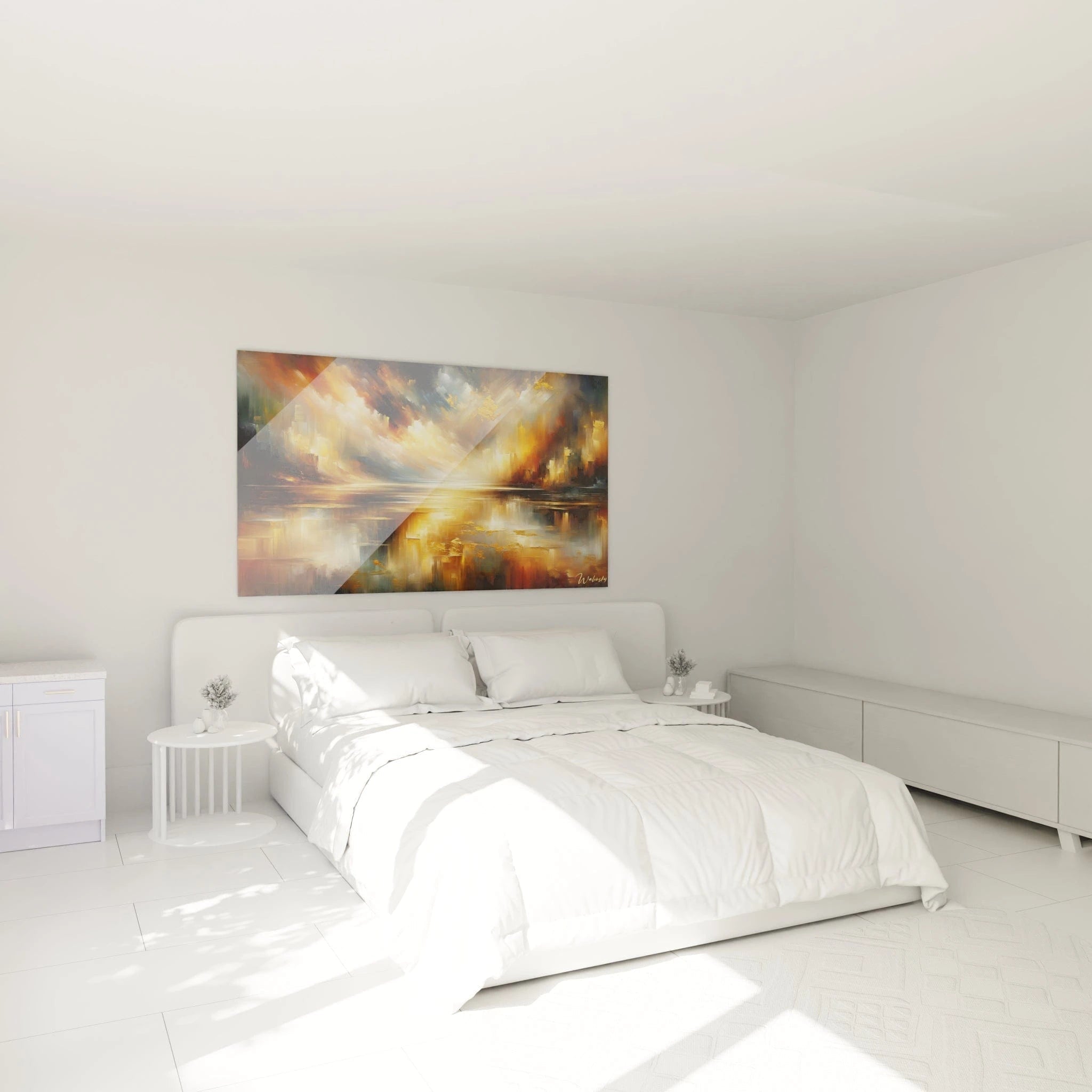
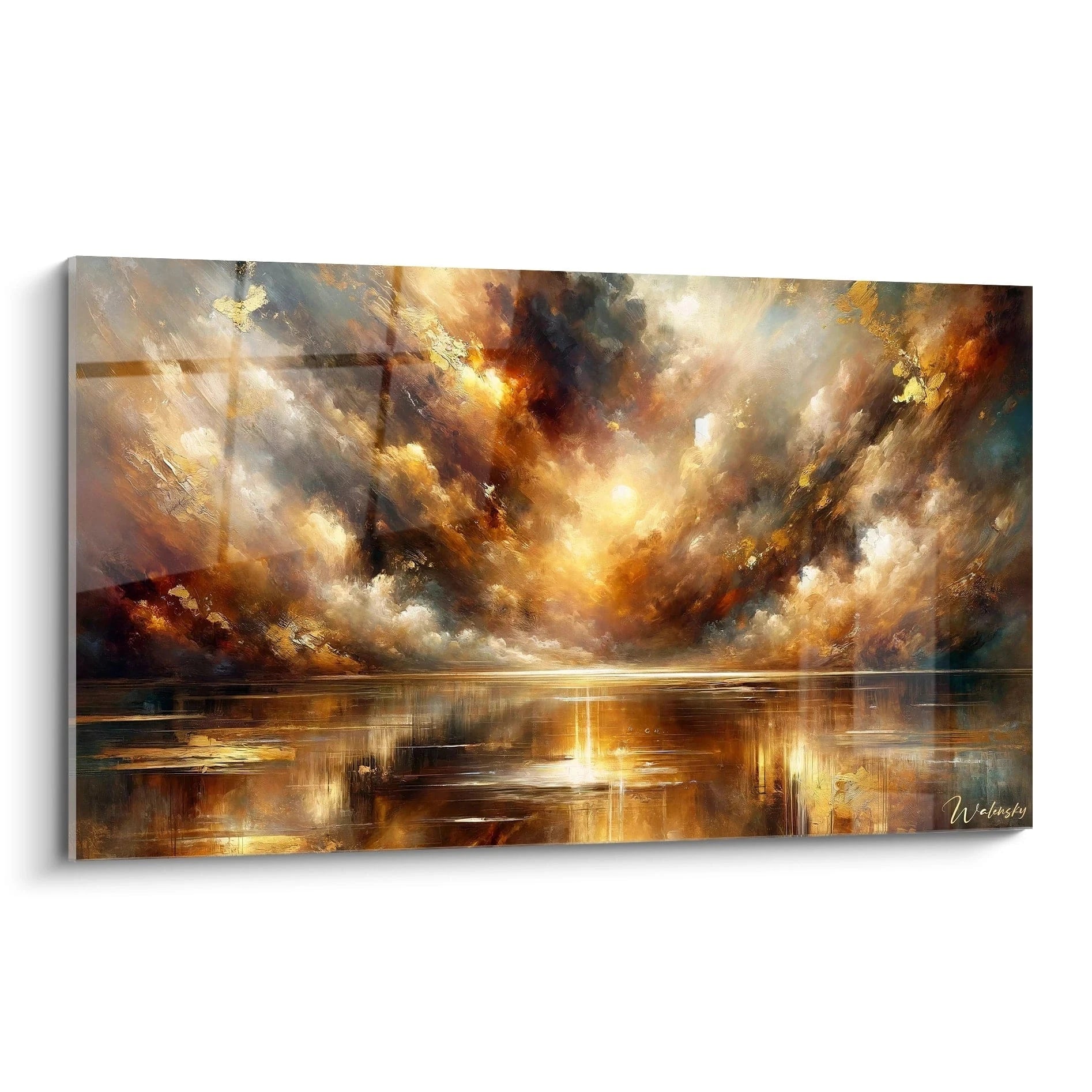
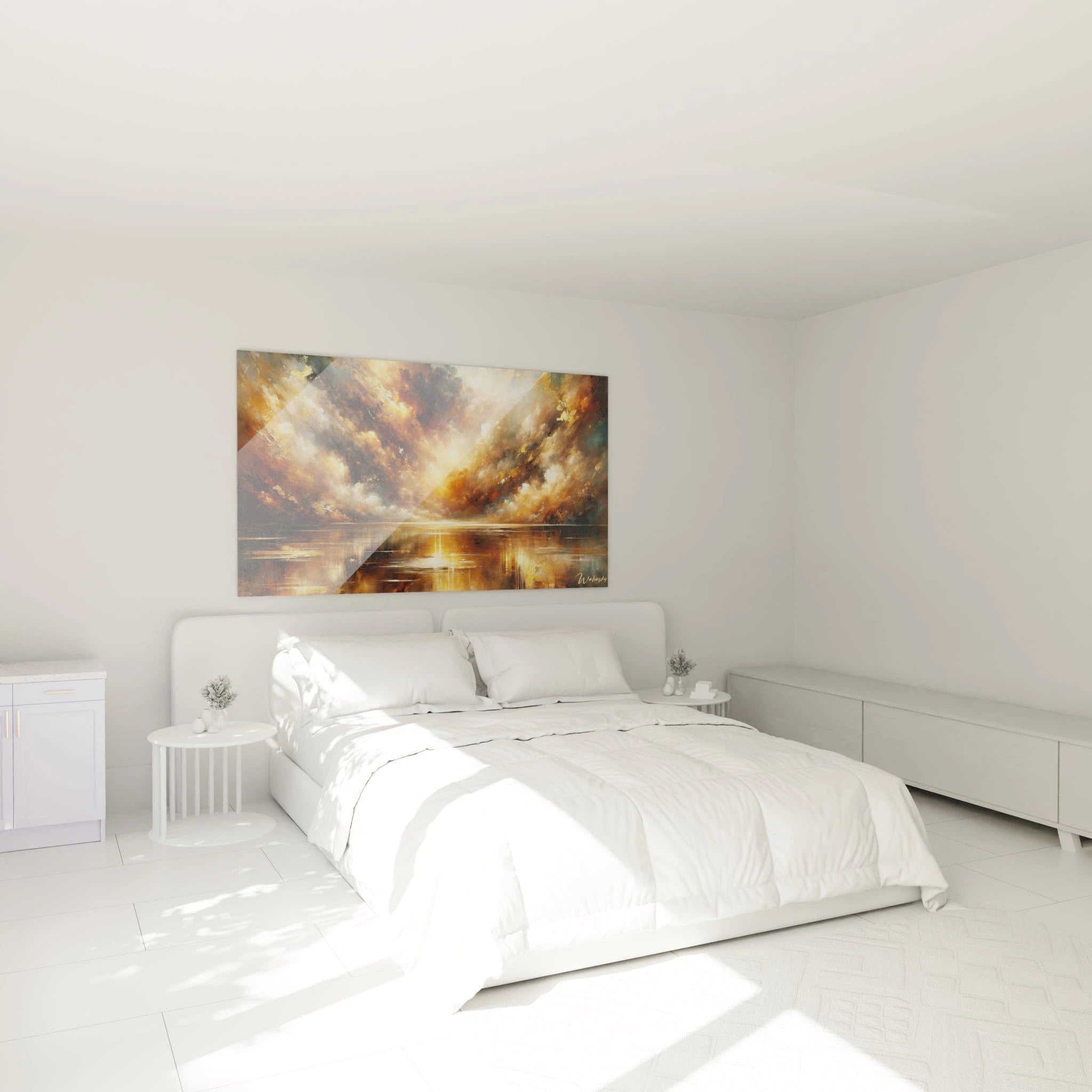
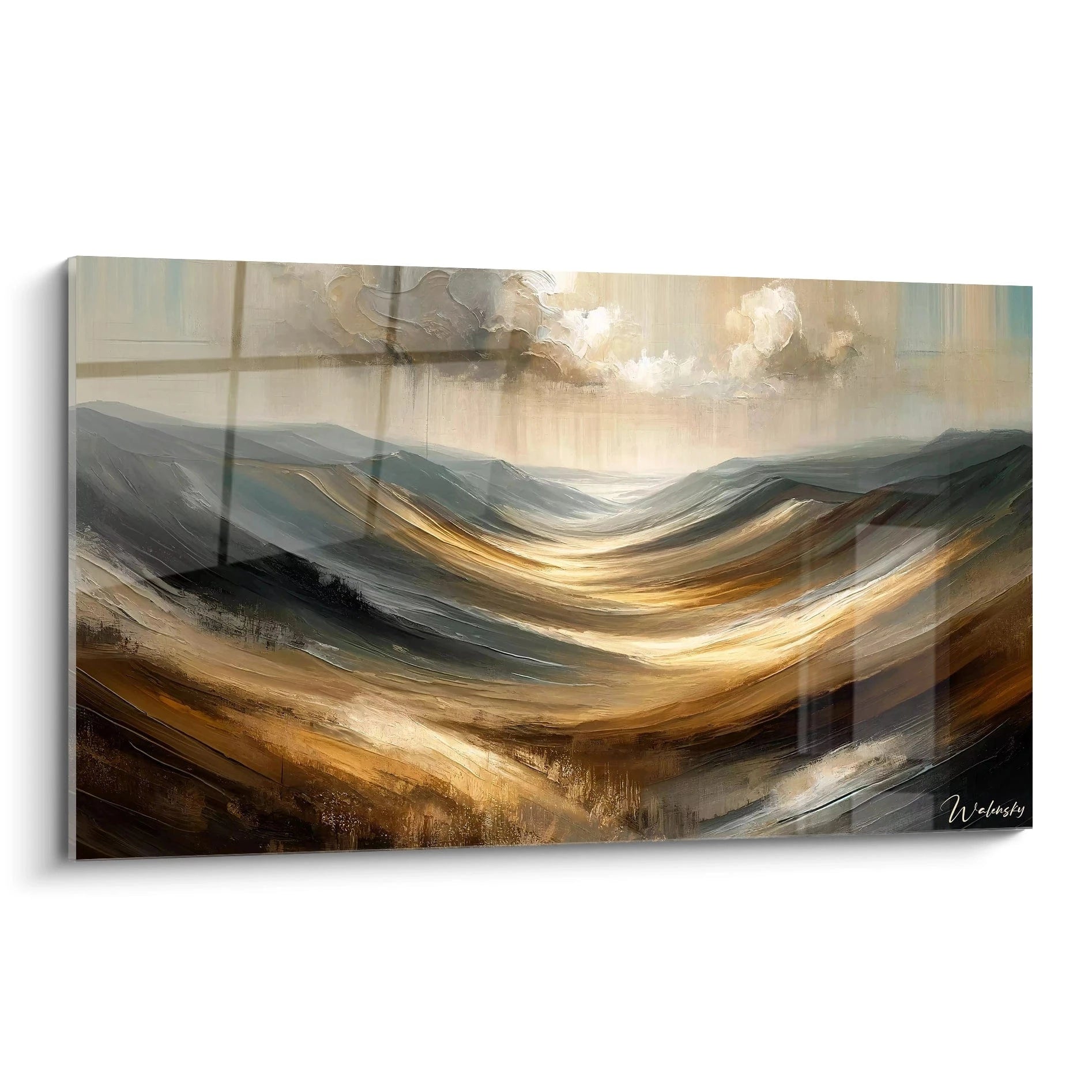
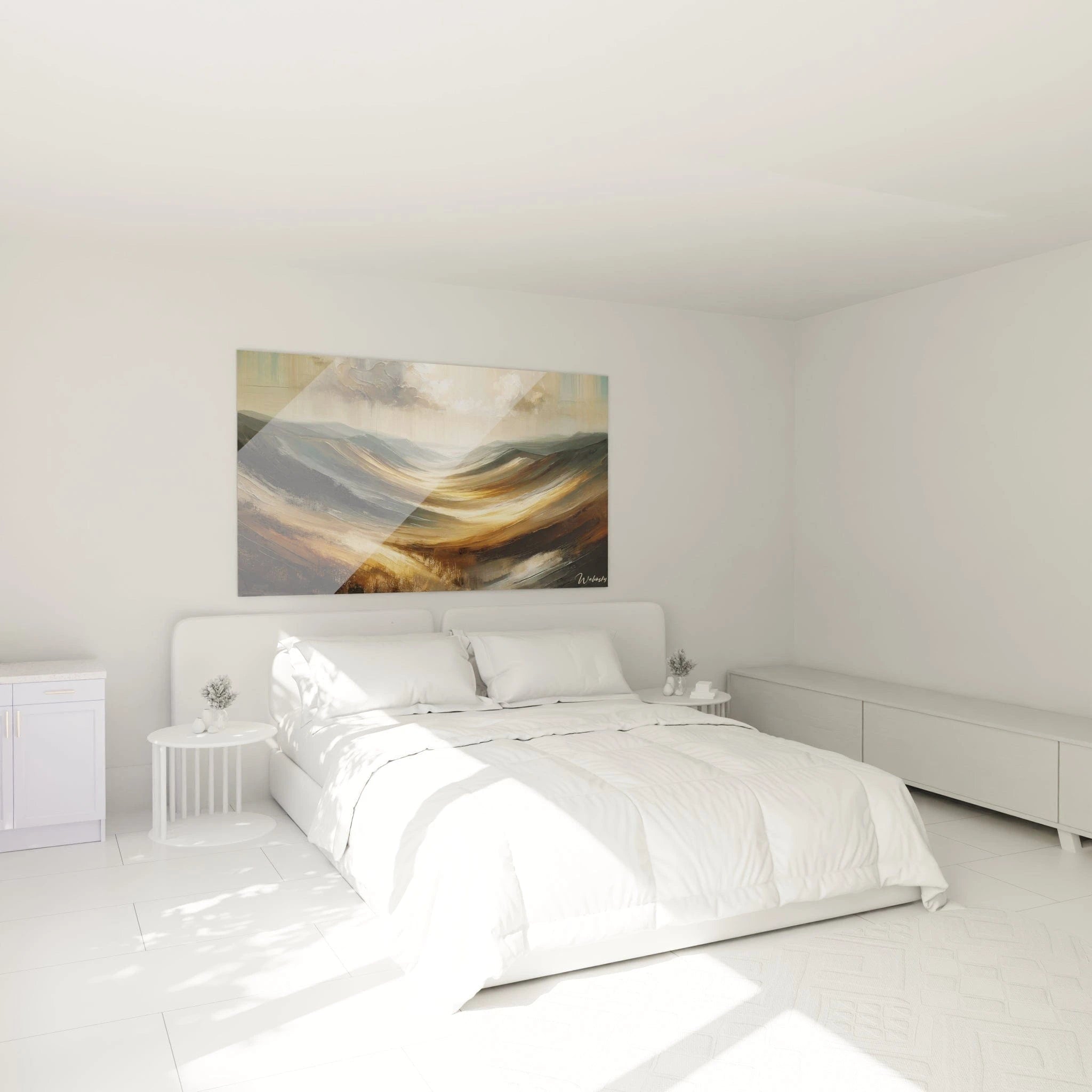
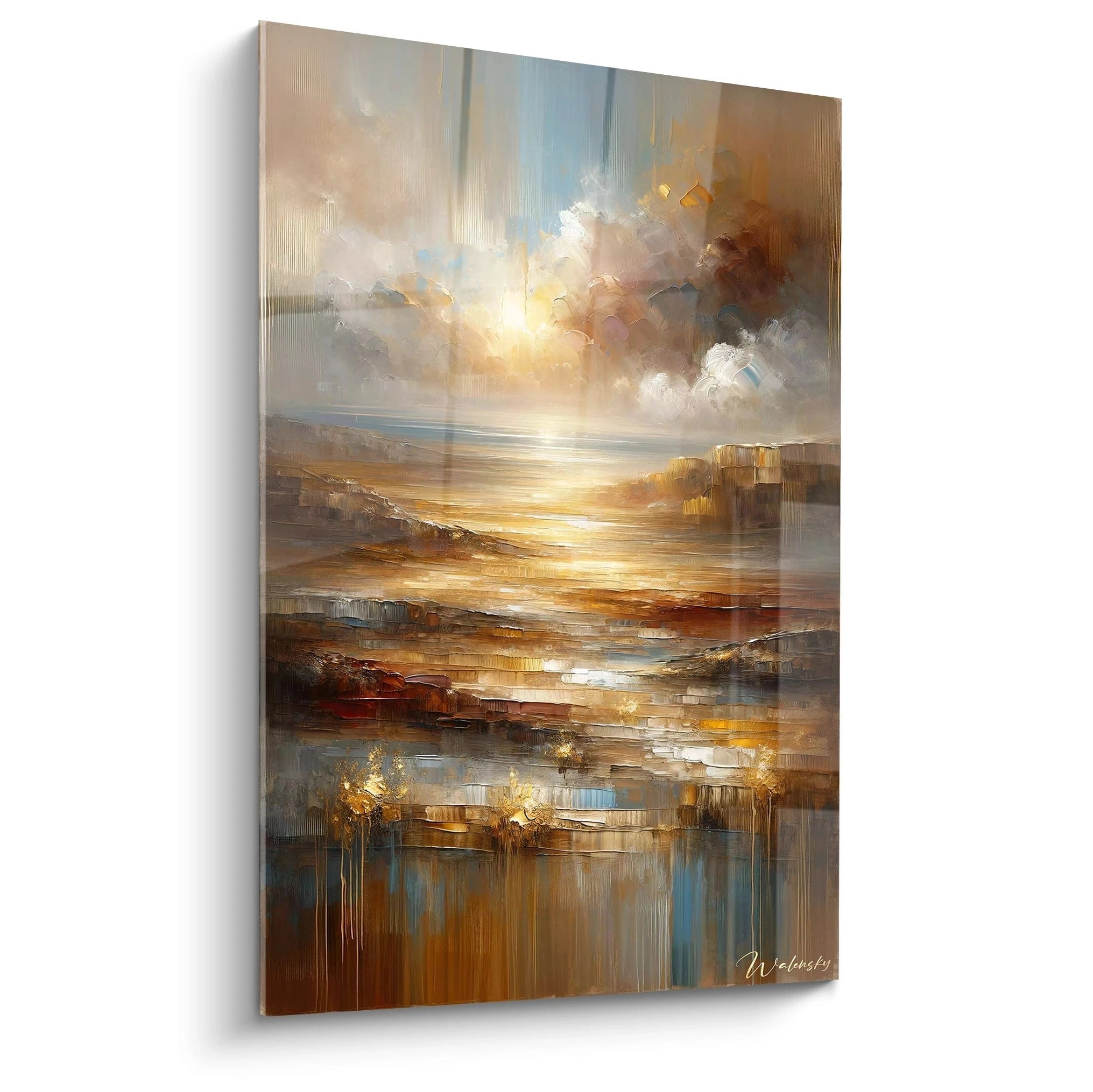
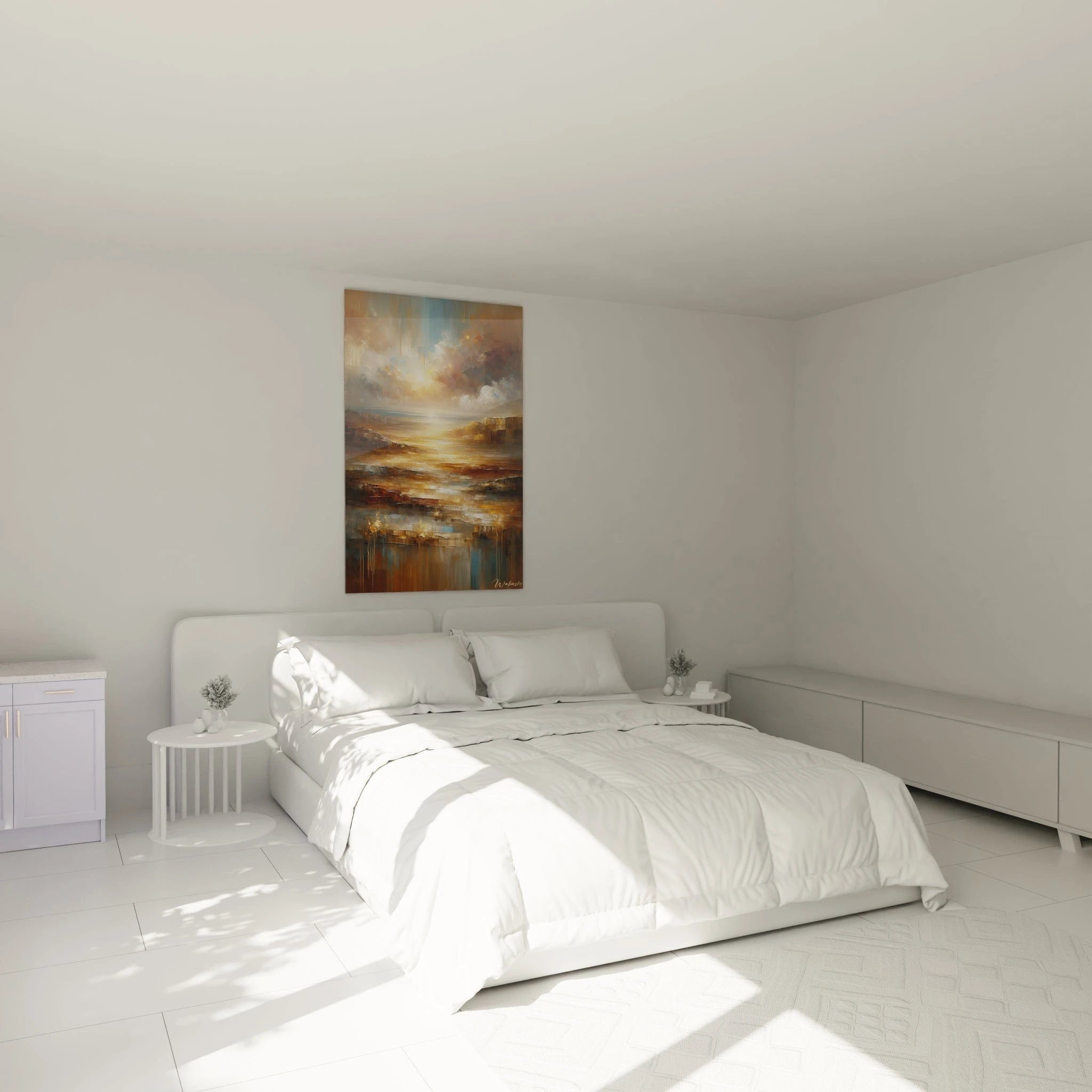
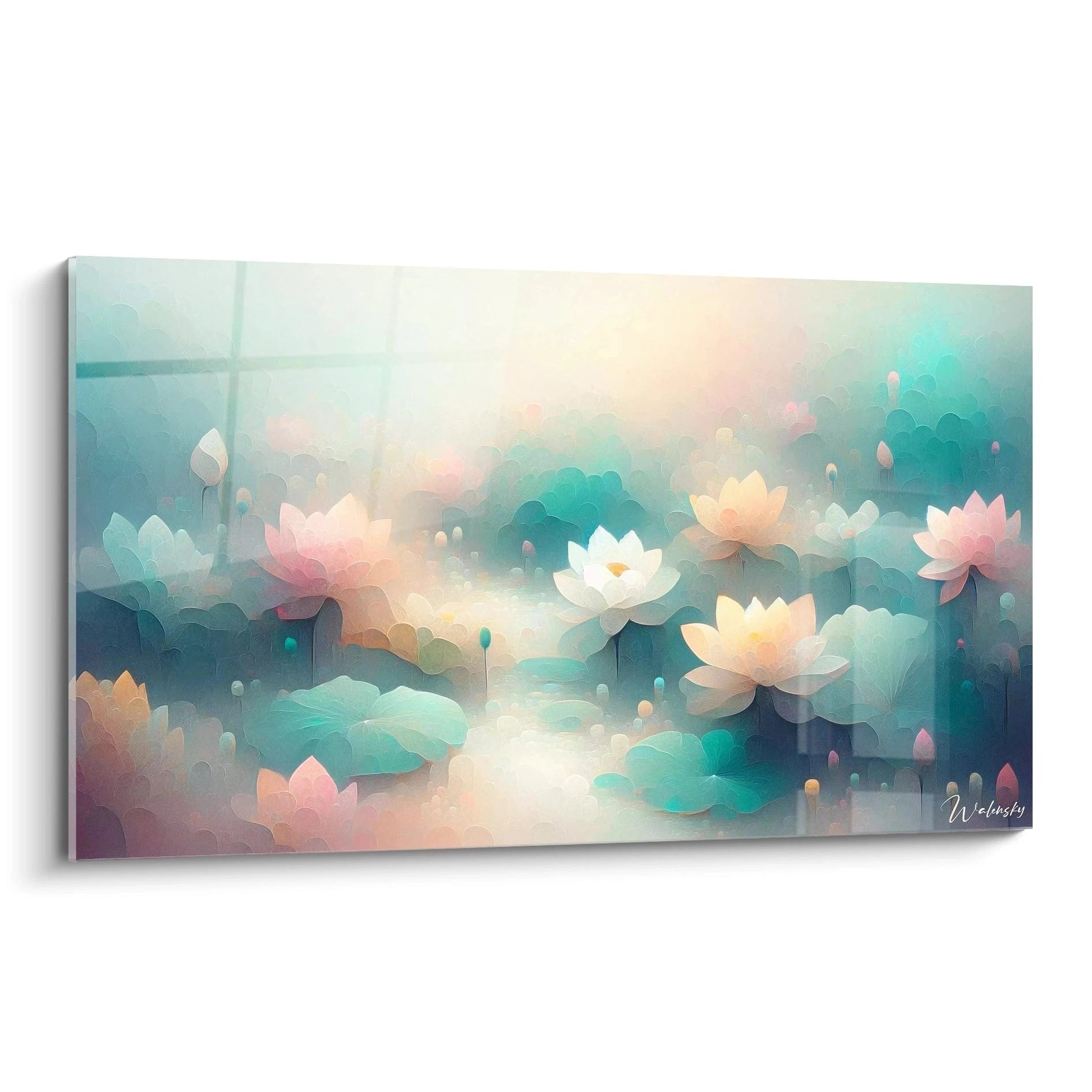
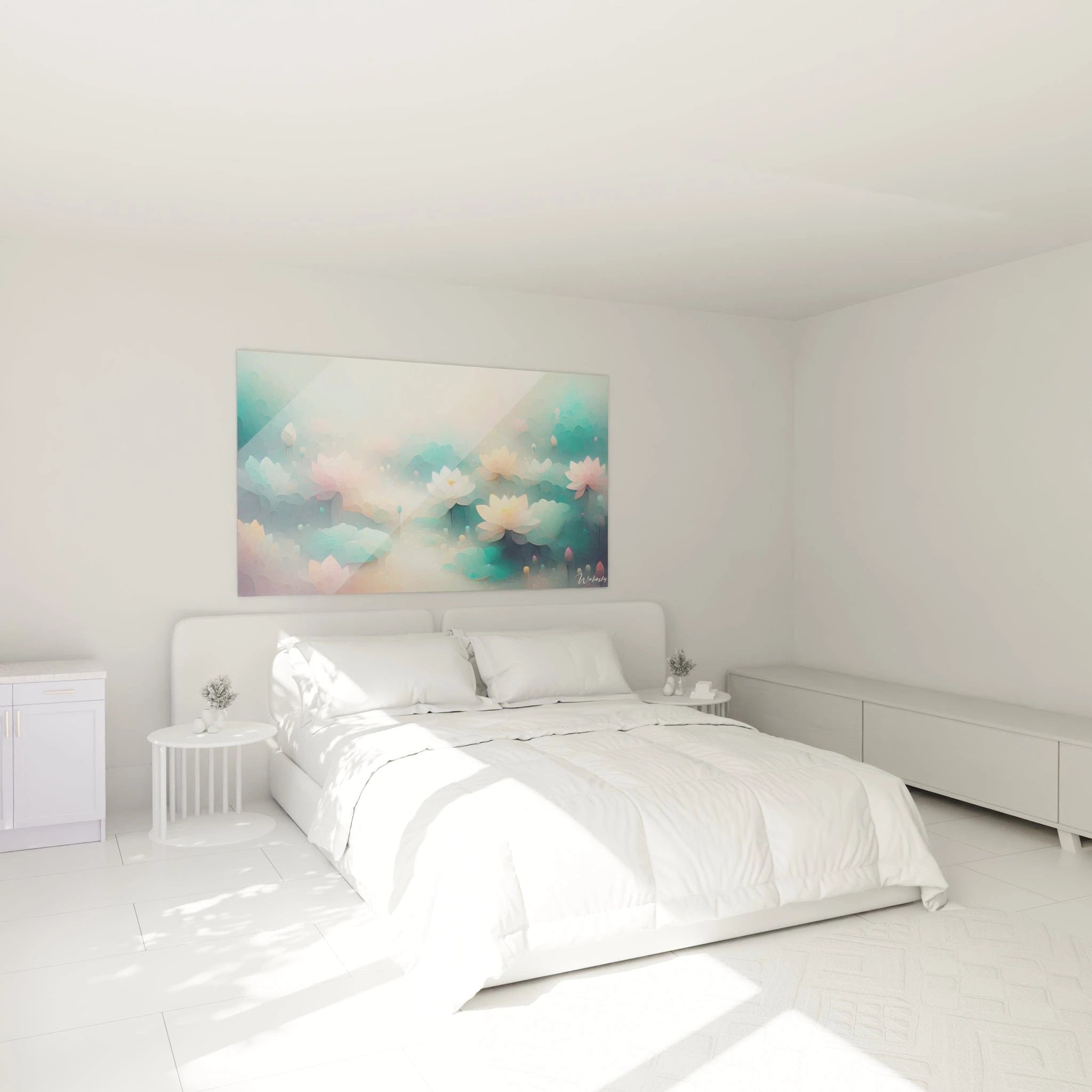
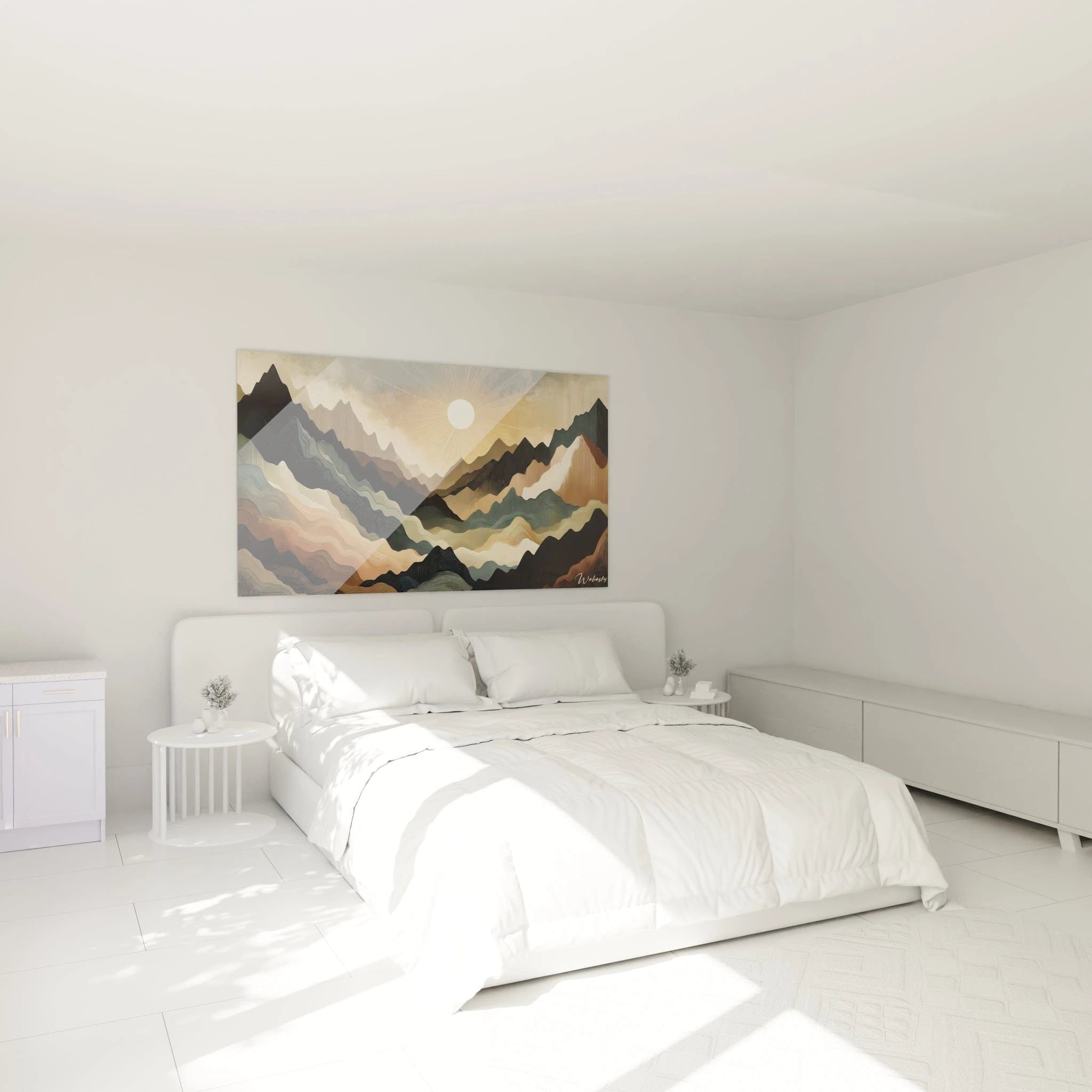
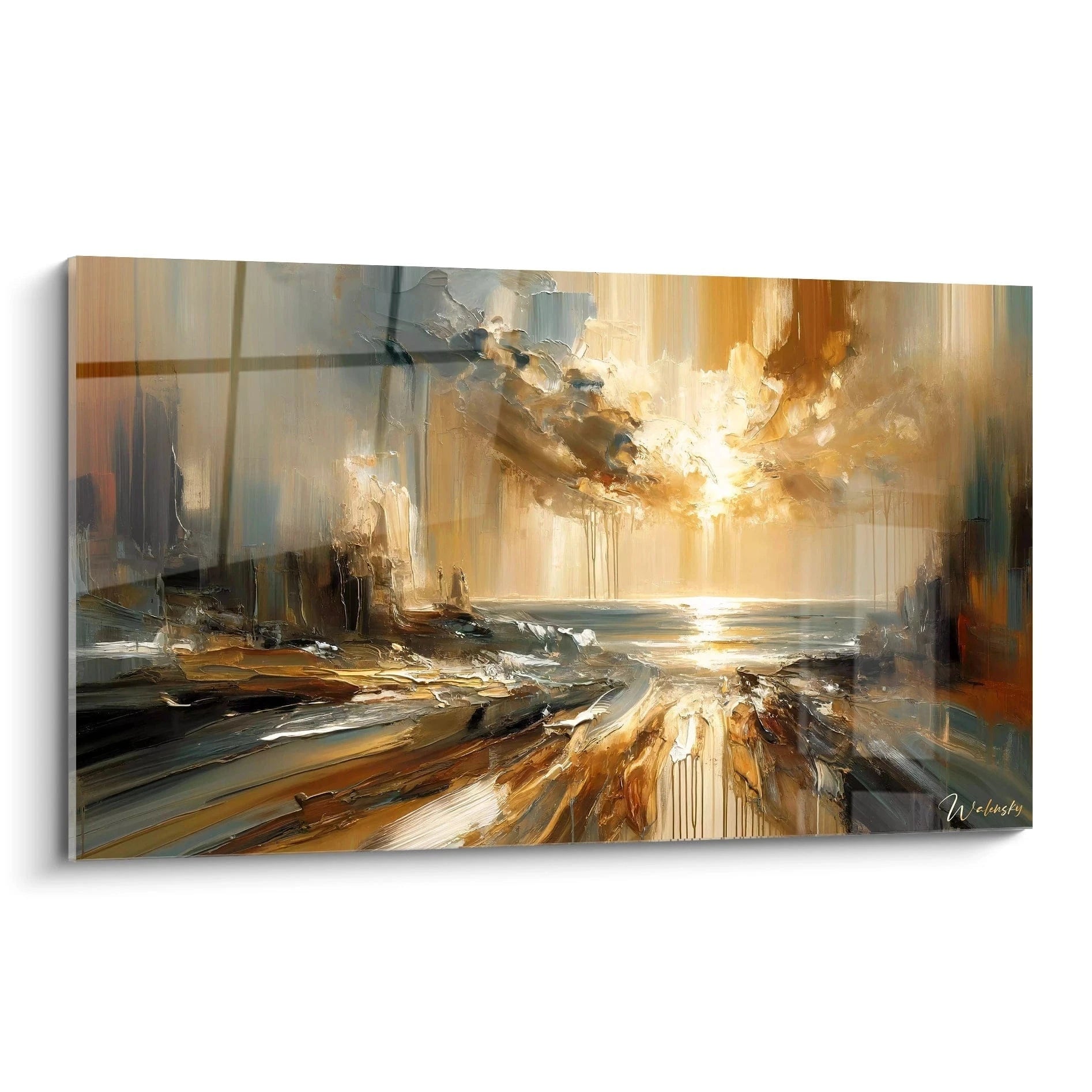
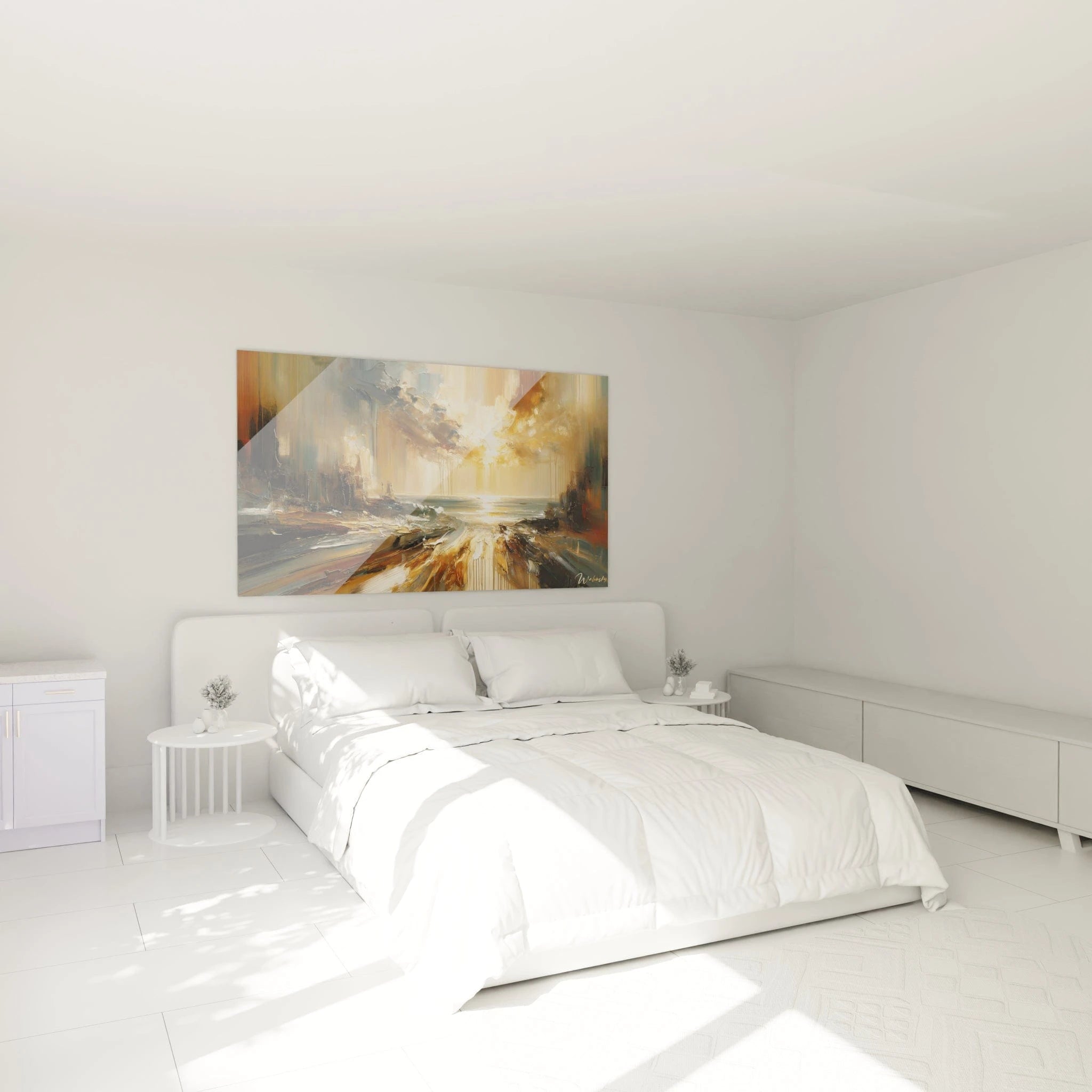
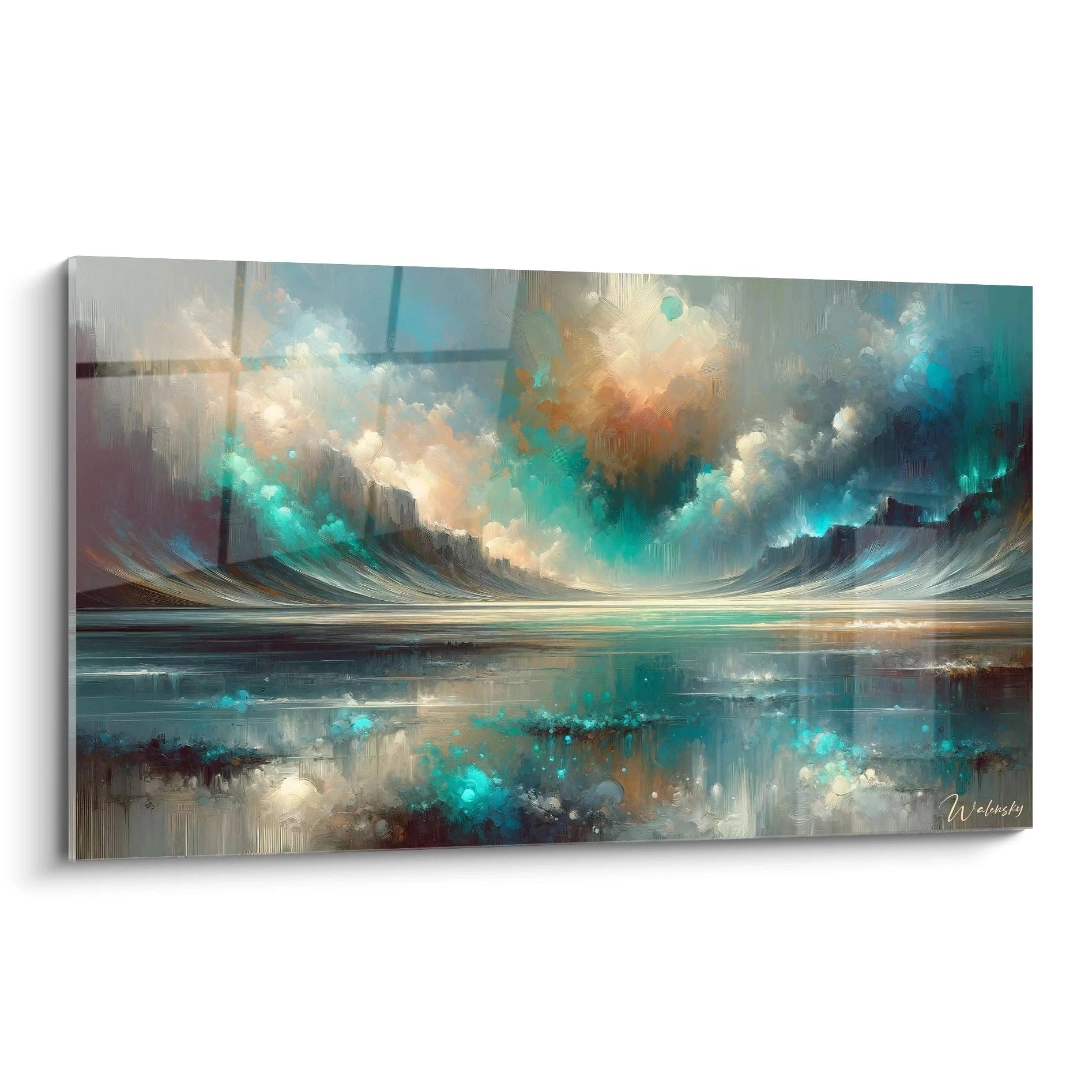
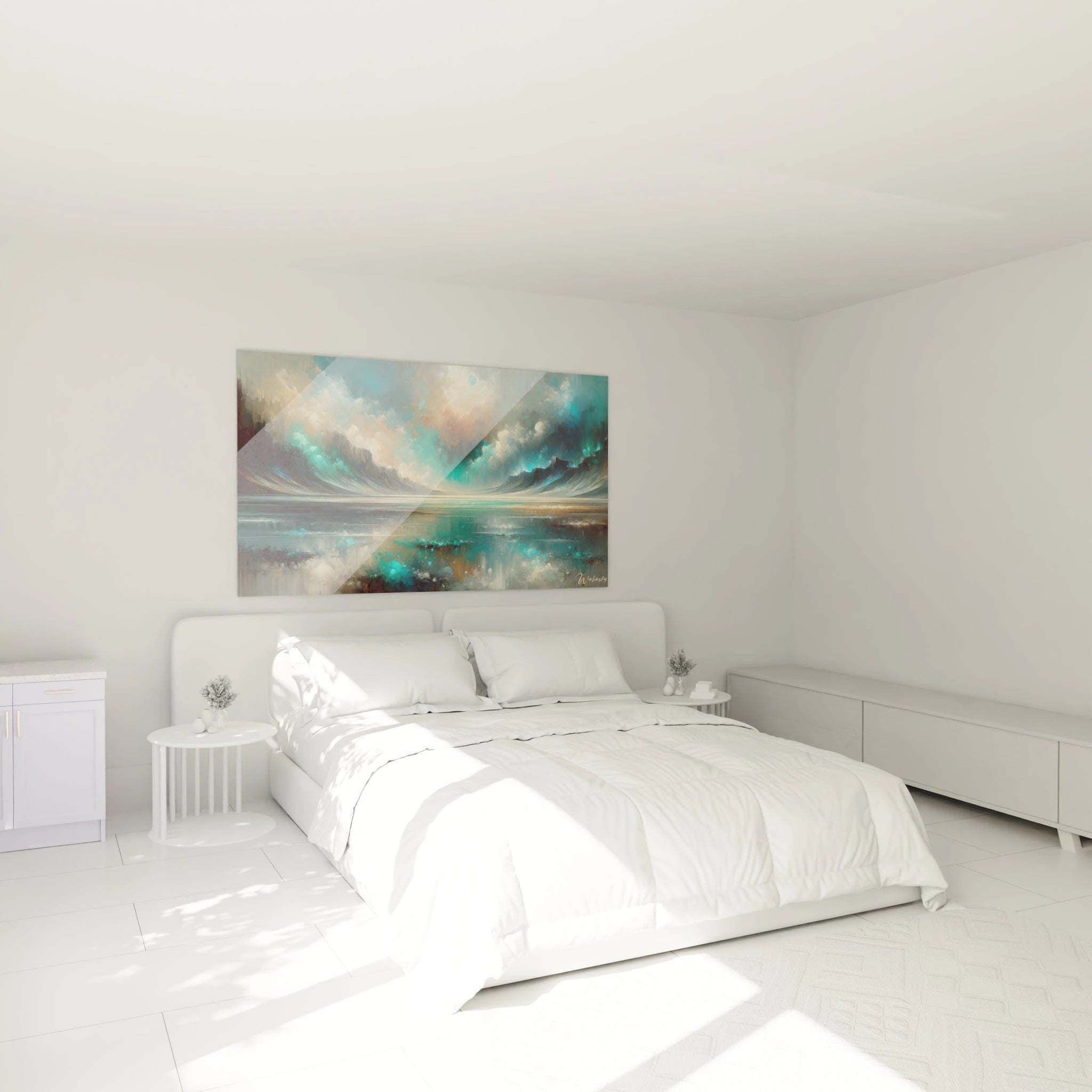
- Presentation Wall Art for Waiting Rooms
- Psychological Impact of Waiting Room Wall Art
- Choosing Wall Art for Professional Waiting Rooms
- Wall Art for Medical Waiting Rooms
Discover how wall art for waiting rooms can dramatically transform your visitors' experience. More than simple decoration, these visual works play a crucial role in how your professional space is perceived and the mindset of those waiting within it.
Waiting rooms often represent the first physical contact between your establishment and your clients or patients. In these spaces where time can seem to stretch, the visual environment becomes critically important. Wall art specially designed for these reception areas does far more than beautify walls - it communicates your values, eases anxieties, and creates a distinctive atmosphere that leaves a lasting impression.
Whether you manage a medical practice, corporate space, or administrative office, selecting wall art suited to your waiting room deserves thorough consideration. Our range of wall art for professionals specifically meets the unique requirements of these waiting environments.
Explore our thematic tabs to discover how to select works that reduce visitor anxiety, reinforce your professional image, and positively transform the waiting experience. You'll find expert advice on ideal dimensions for reception spaces, recommended themes according to your industry, and practical considerations for lasting value.
Psychological Impact of Wall Art for Waiting Rooms
Wall art for waiting rooms represents far more than simple decoration - it is a powerful therapeutic tool capable of significantly influencing the emotional state of people in waiting situations. In an environment where anxiety, impatience, and sometimes even apprehension predominate, visual art plays a fundamental role in modulating these negative emotions.
How does wall art reduce anxiety in waiting rooms?
Numerous studies in environmental psychology demonstrate that exposure to certain forms of visual art can decrease cortisol levels (stress hormone) in individuals. Wall art for waiting spaces specifically designed with calming patterns can reduce blood pressure and slow heart rate in people viewing them. This physiological reaction translates into a measurable decrease in perceived anxiety.
Medical, legal, or administrative waiting rooms often generate particular stress linked to the uncertainty of the upcoming encounter. Visual works selected for their ability to create positive cognitive distraction allow visitors' attention to be redirected, transforming waiting time into a contemplative experience rather than a moment of distress.
Wall art for waiting rooms: therapeutic color palette
Color therapy finds particularly relevant application in selecting wall art for waiting zones. The hues used directly influence temporal perception and emotional state:
- Blues and greens: particularly effective for inducing calm and reducing the subjective perception of waiting time
- Ochres and beiges: create a sense of grounding and stability for anxious individuals
- Light purples: associated with positive transformation, particularly suited to waiting rooms for services related to personal change
The luminosity of artworks also plays a crucial role in reception spaces often lit artificially. Works incorporating natural light effects can compensate for the sense of confinement sometimes felt in these enclosed environments.
The impact of visual themes on perception of waiting time
The theme represented in wall art for waiting rooms directly influences the subjective perception of duration. Cognitive psychology research has established that certain visual subjects modify our relationship to time:
- Open landscapes: create a sense of mental space that positively expands perceived time
- Dynamic natural scenes (such as moving water): induce a meditative state that decreases impatience
- Complex geometric abstractions: stimulate intellect and can transform waiting into engaging visual exploration
For establishments regularly welcoming the same visitors, strategic rotation of wall art maintains visual interest and prevents habituation that would render works "invisible" over time. This dynamic approach transforms each visit into a new visual discovery.
What dimensions maximize psychological impact?
Unlike residential spaces, waiting rooms require wall art dimensions specifically adapted to their psychological function:
- Oversized works (120x80cm minimum): create an immersive "visual portal" capable of fully capturing attention
- Cohesive series rather than isolated works: establish visual narrative that engages visitors in a mental journey
- Positioning at eye level from seated position: essential for facilitating effortless contemplation
The average distance between seated visitors and the display wall must also be considered when determining optimal format. In spacious waiting rooms, larger works (150x100cm and beyond) maximize psychological impact and attention-capturing ability.
Investment in wall art for waiting rooms in large dimensions represents far more than a decorative expense - it is an investment in the psychological wellbeing of people required to wait in your establishment, with measurable impacts on their overall satisfaction and loyalty.
Narrative and identity integration of waiting room art
Visual works in a reception area subtly communicate the establishment's identity and values. For specialized medical practices, artworks evoking the specialty indirectly (stylized respiratory system for a pulmonologist, for example) create narrative coherence while avoiding anxiety-inducing representations.
For non-medical professional spaces, wall art can convey the organization's core values through carefully chosen visual metaphors: solidity and reliability for a law office, innovation and dynamism for a technology company, etc.
This psycho-symbolic dimension transforms the artwork into a particularly effective non-verbal communication vector in a waiting context where visitors have the time necessary to decode and assimilate these subtle messages.
Choosing Wall Art for Professional Waiting Rooms
Selecting wall art for waiting rooms in a professional context requires a strategic approach that goes far beyond purely aesthetic considerations. These corporate reception spaces represent your brand and shape visitors' first impressions, making thoughtful selection critically important.
Wall art as extension of corporate visual identity
In the corporate environment, wall art for waiting zones must integrate harmoniously with the company's overall visual identity. This graphic coherence strengthens brand image and creates an immersive experience from the moment visitors enter your premises:
- Color palette aligned with corporate colors, without literal reproduction
- Visual styles reflecting the company's positioning (minimalism for tech, classicism for finance, etc.)
- Visual density adapted to the industry (refined for luxury services, dynamic for creative sectors)
Wall art in these professional spaces becomes a subtle yet powerful extension of your brand communication, reinforcing consistency in customer experience at every touchpoint.
What themes to prioritize according to your industry?
The thematic choice of wall art for professional waiting rooms must be carefully aligned with your area of expertise and the psychological expectations of your clientele:
For law firms and legal services:
- Imposing architectures subtly evoking strength and stability
- Structured landscapes reflecting order and balance
- Geometric abstractions suggesting intellectual rigor
For financial services and insurance:
- Open horizons symbolizing long-term vision
- Compositions with ascending lines evoking growth
- Contemporary classical works inspiring confidence and permanence
For communication agencies and creative spaces:
- Contemporary art demonstrating your innovation capacity
- Dynamic works with unconventional compositions
- Wall art incorporating narrative elements stimulating imagination
This thematic specialization transforms wall art into a strategic tool subtly reinforcing your sectoral positioning with waiting visitors.
Practical considerations for wall art in professional environments
Professional reception spaces present specific constraints that should guide artwork selection:
Resistance and durability:
- Anti-UV treatments for areas exposed to abundant natural light
- Surfaces allowing regular cleaning without degradation, essential for high-traffic environments
- Secure mounting adapted to professional walls (concrete, technical partitions)
Acoustics and sound environment:
- Wall art on sound-absorbing supports to improve often-problematic waiting room acoustics
- Extra-large formats creating localized acoustic comfort zones
These technical considerations, often overlooked, ensure the longevity of your investment and optimize the functionality of your wall art for waiting rooms beyond their aesthetic dimension.
Strategic positioning within the reception space
The placement of works in your waiting zone directly influences their impact and function:
Primary focal artworks:
- Positioned facing the main waiting area to immediately capture attention
- Imposing dimensions (150x100cm minimum) to create a dominant visual anchor point
- Themes directly reflecting the company's core values
Secondary works and narrative sequences:
- Arranged along pathways leading to meeting rooms/offices
- Intermediate formats creating coherent visual progression
- Thematic series narrating your company's story or evolution
This visual stratification transforms the waiting experience into a narrative journey through your organization's identity, maximizing the memorability of visitors' impressions.
Return on investment of premium professional wall art
Investment in premium quality wall art for professional waiting rooms generates measurable benefits:
- Improved perception of service quality (+18% according to customer perception studies)
- Reduced perceived impatience during waiting (-24% negative comments about wait times)
- Enhanced memory of the visit (brand recall improved 32% with distinctive art)
For professionals regularly receiving the same clients, implementing a seasonal artwork rotation program maintains visual interest and creates renewed discovery with each visit.
These tangible benefits transform wall art into strategic investment rather than decorative expense, with direct impact on brand perception and customer satisfaction.
Wall Art for Medical Waiting Rooms
In the medical field, wall art for waiting rooms assumes a specific therapeutic function that far transcends its decorative role. These environments, often associated with anxiety and apprehension, require a particularly thoughtful approach to visual artwork selection.
Art as therapeutic tool in medical settings
Research in medical psychology has demonstrated the significant impact of visual environment on physiological parameters of waiting patients. Clinical studies reveal that exposure to certain art categories can:
- Reduce measurable blood pressure in anxious patients
- Decrease the need for pre-consultation anxiolytic administration
- Improve overall satisfaction scores regarding care experience
These benefits transform wall art for medical waiting rooms into genuine non-invasive therapeutic adjuvants, justifying extremely rigorous selection.
What themes to absolutely avoid in medical context?
Beyond positive recommendations, certain themes must be categorically excluded from medical waiting environments:
- Works with angular forms or aggressive contrasts (demonstrated increase in anxiety)
- Deep aquatic representations (anxiety-inducing association for people with respiratory disorders)
- Complex scenes overloaded with details (excessive cognitive stimulation in already stressful context)
- Abstractions evoking ambiguous organic forms (risk of negative interpretation by anxious patients)
This exclusion approach ensures selected works respect the particular psychological vulnerability of people awaiting medical consultation.
Specialization by medical specialty
The therapeutic effectiveness of wall art for medical waiting rooms can be optimized according to the medical specialty involved:
For pediatric practices:
- Visually engaging but not overstimulating interactive artworks
- Works with multiple levels of visual reading enabling successive discoveries
- Universal themes avoiding potentially anxiety-inducing representations for different age groups
For oncology services:
- Representations subtly evoking renewal and regeneration
- Open landscapes creating a sense of horizon and perspective
- Works with rich color palettes stimulating positive emotional responses
For dental practices:
- Wall art strategically positioned at ceiling level above treatment chairs
- Particularly detailed works allowing prolonged visual exploration
- Themes implicitly evoking fluidity and muscle relaxation
This specialization by sector transforms artworks into targeted therapeutic tools, optimizing their impact on patient wellbeing during waiting.
Compliance with medical hygiene and safety standards
In the medical environment, wall art for waiting rooms must respect strict sanitary constraints:
- Fully cleanable surfaces with medical disinfectant solutions
- Structural compositions excluding reliefs or textures that can accumulate dust and pathogens
- Recessed mounting systems avoiding points of microbial accumulation
- Permanent antimicrobial treatments of exposed surfaces
These technical specifications, rarely considered in standard decorative environments, are essential to ensure compliance with the demanding sanitary protocols of the medical field.
How can wall art improve patient spatial orientation?
In complex medical facilities, wall art also assumes a spatial navigation function:
- Distinct thematic series by department or wing facilitating intuitive orientation
- Subtle color codes aligned with institutional signage
- Memorable visual landmarks at critical pathway intersections
This functional dimension transforms wall art for medical waiting rooms into active components of the orientation system, particularly valuable for elderly or anxious patients.
Seasonal rotation and psychological impact
For establishments receiving chronic patients requiring regular visits (dialysis, chemotherapy, etc.), implementing programmed artwork rotation presents significant psychological advantages:
- Maintenance of visual engagement and prevention of perceptual habituation
- Creation of a positive temporal marker in often monotonous care pathways
- Light cognitive stimulation beneficial for elderly or prolonged-treatment patients
This planned visual renewal transforms each visit into a new experience, counterbalancing the often-wearisome repetitiveness of chronic care.
FAQ: Wall Art for Medical Waiting Rooms
What wall art dimensions are ideal for medical waiting rooms?
For medical practices, prioritize large format wall art (minimum 100x70cm) positioned at eye level from seated position. This configuration optimizes visual immersion and maximizes the soothing effect. In narrow waiting corridors, choose medium format series (60x45cm) creating a coherent visual pathway.
Should pediatric waiting room wall art necessarily feature child-specific themes?
Contrary to common assumptions, pediatric environments benefit more from artworks with universal themes than explicitly childish representations. Prioritize works with multiple levels of reading, stimulating without being overstimulating, that engage imagination without infantilizing or creating counterproductive sensory overload for anxious children.
How to effectively clean medical waiting room wall art without damage?
Wall art specifically designed for medical environments should withstand cleaning with medical hydroalcoholic solutions without degradation. Prioritize works with specific sanitary surface treatment, allowing weekly disinfection without color alteration. Absolutely avoid artworks requiring specific maintenance products incompatible with medical sanitary standards.