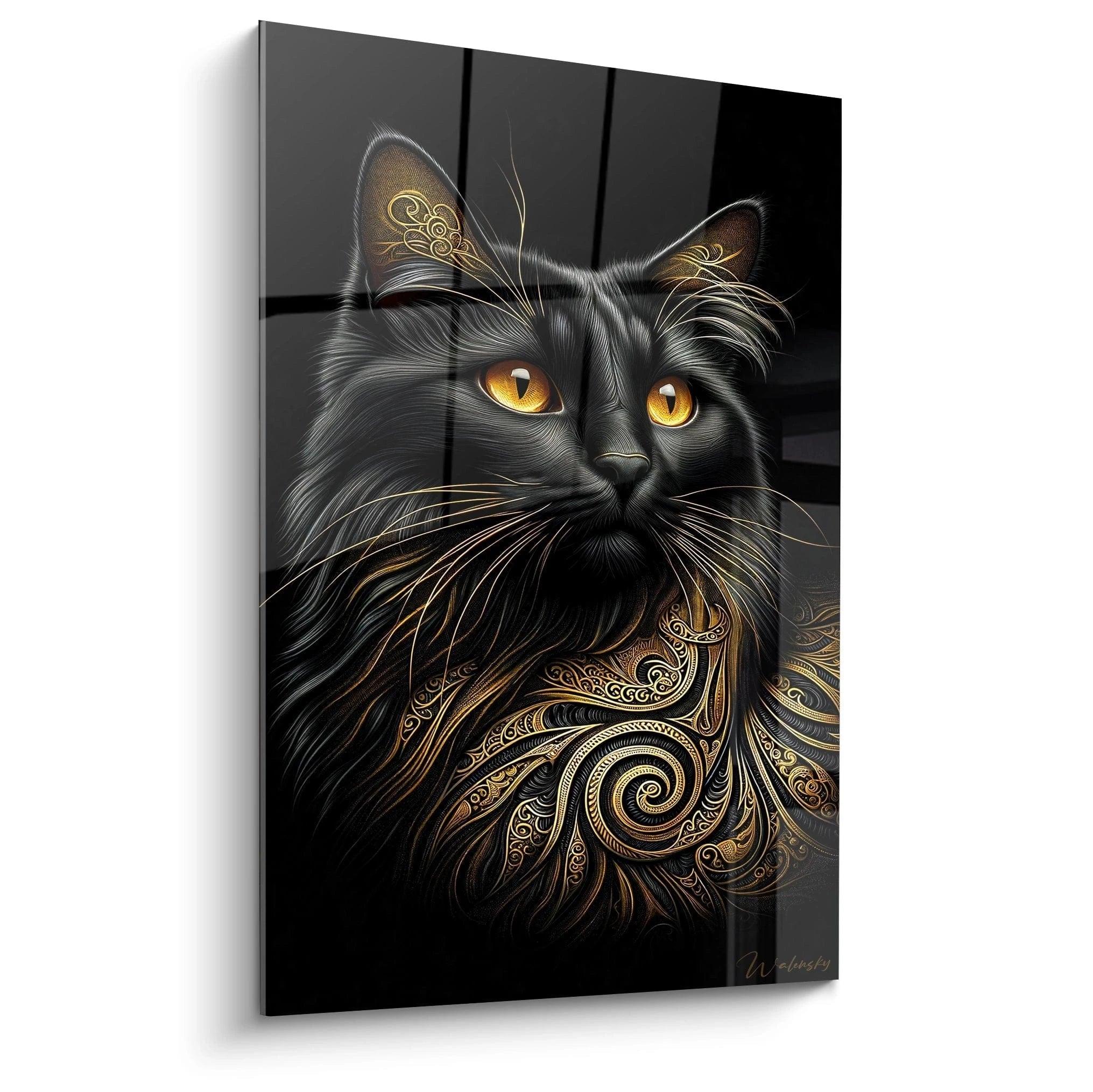
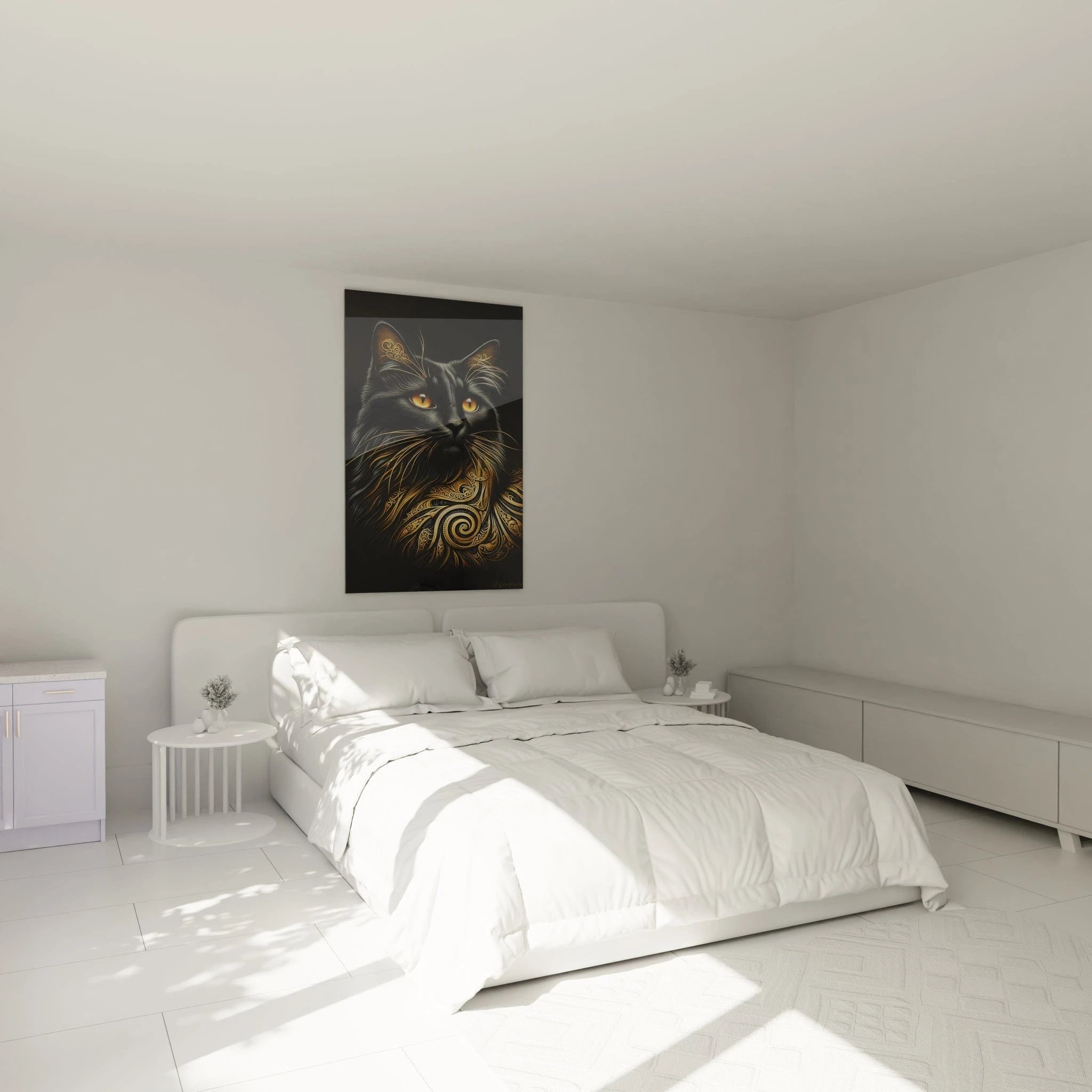
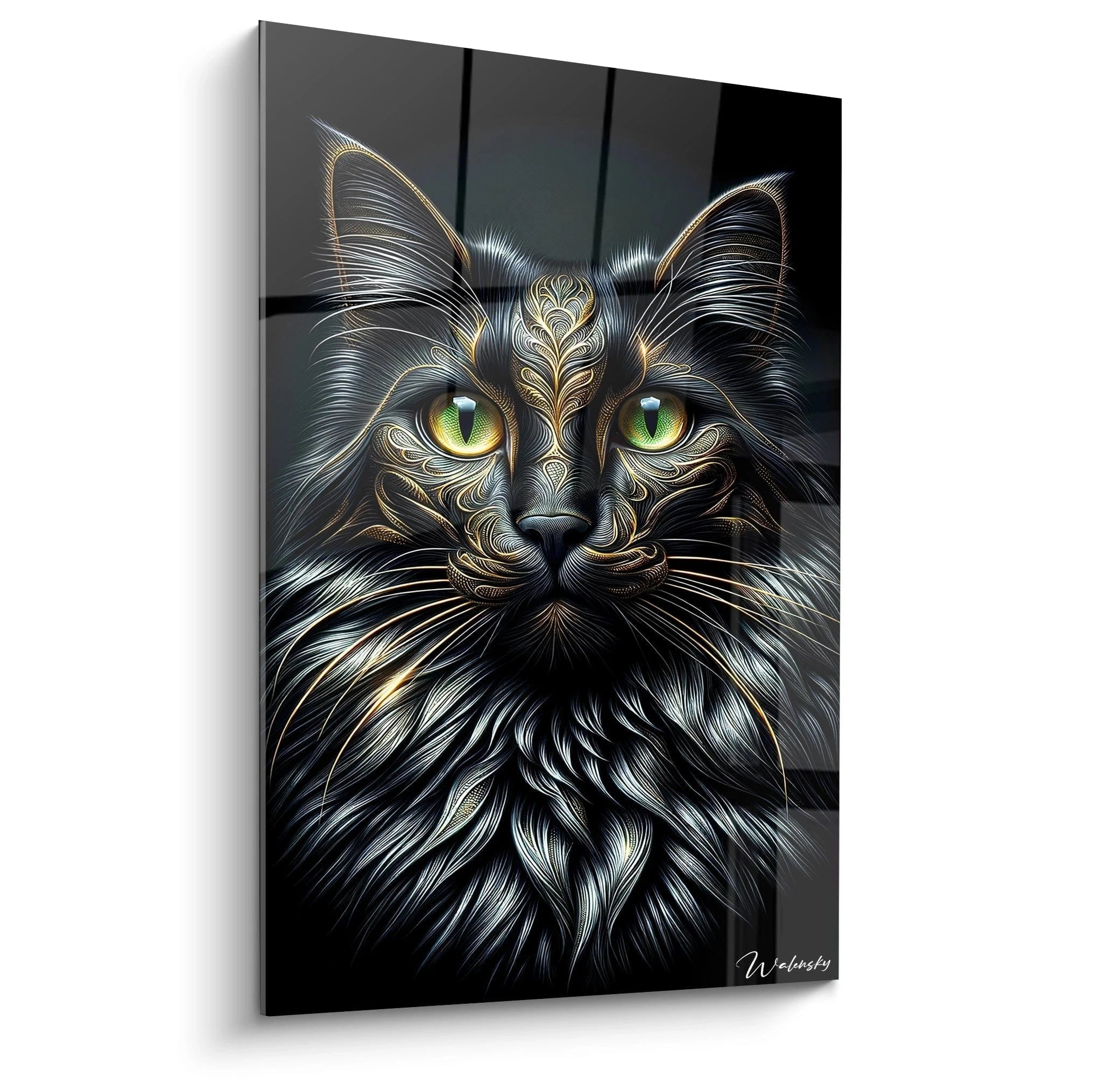
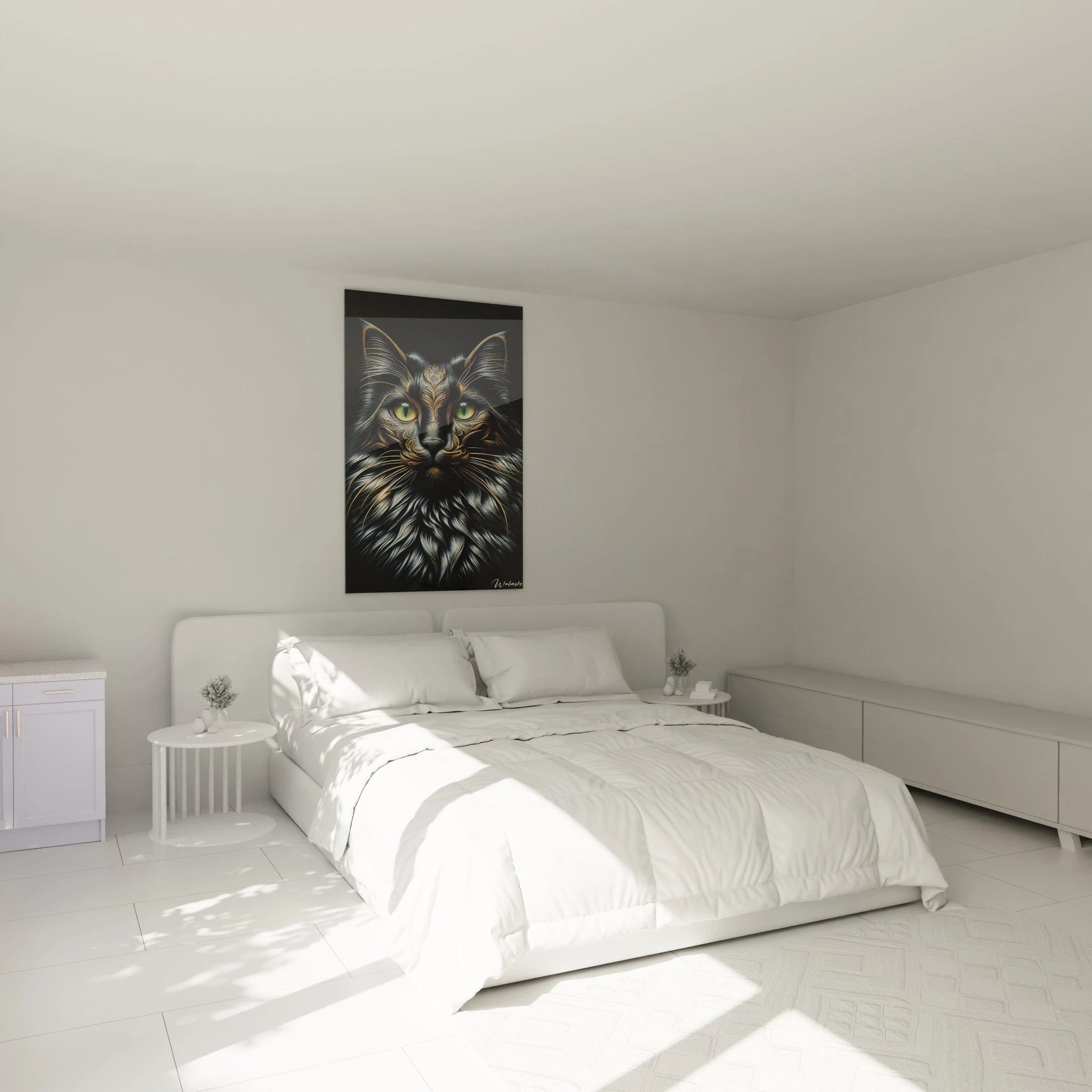
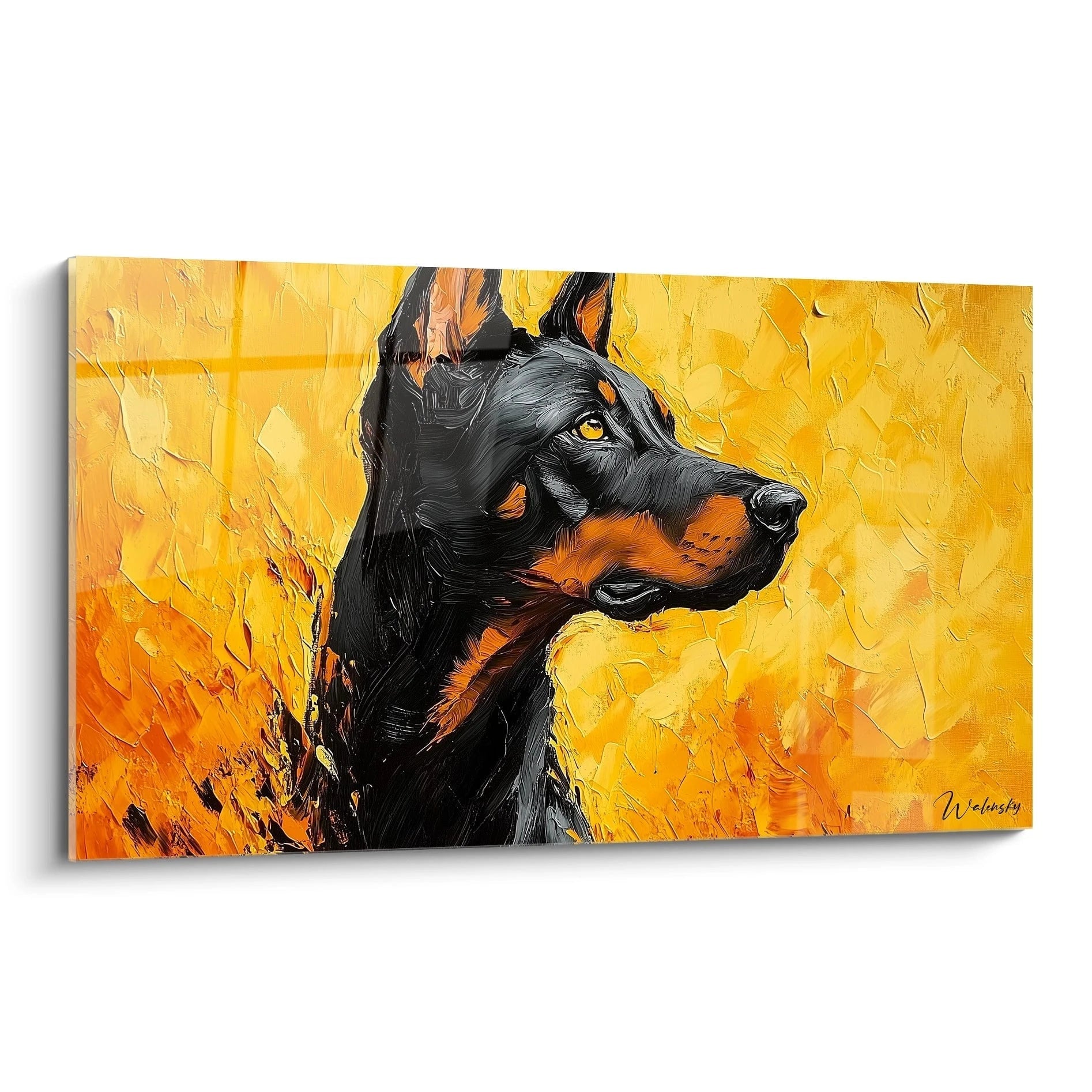
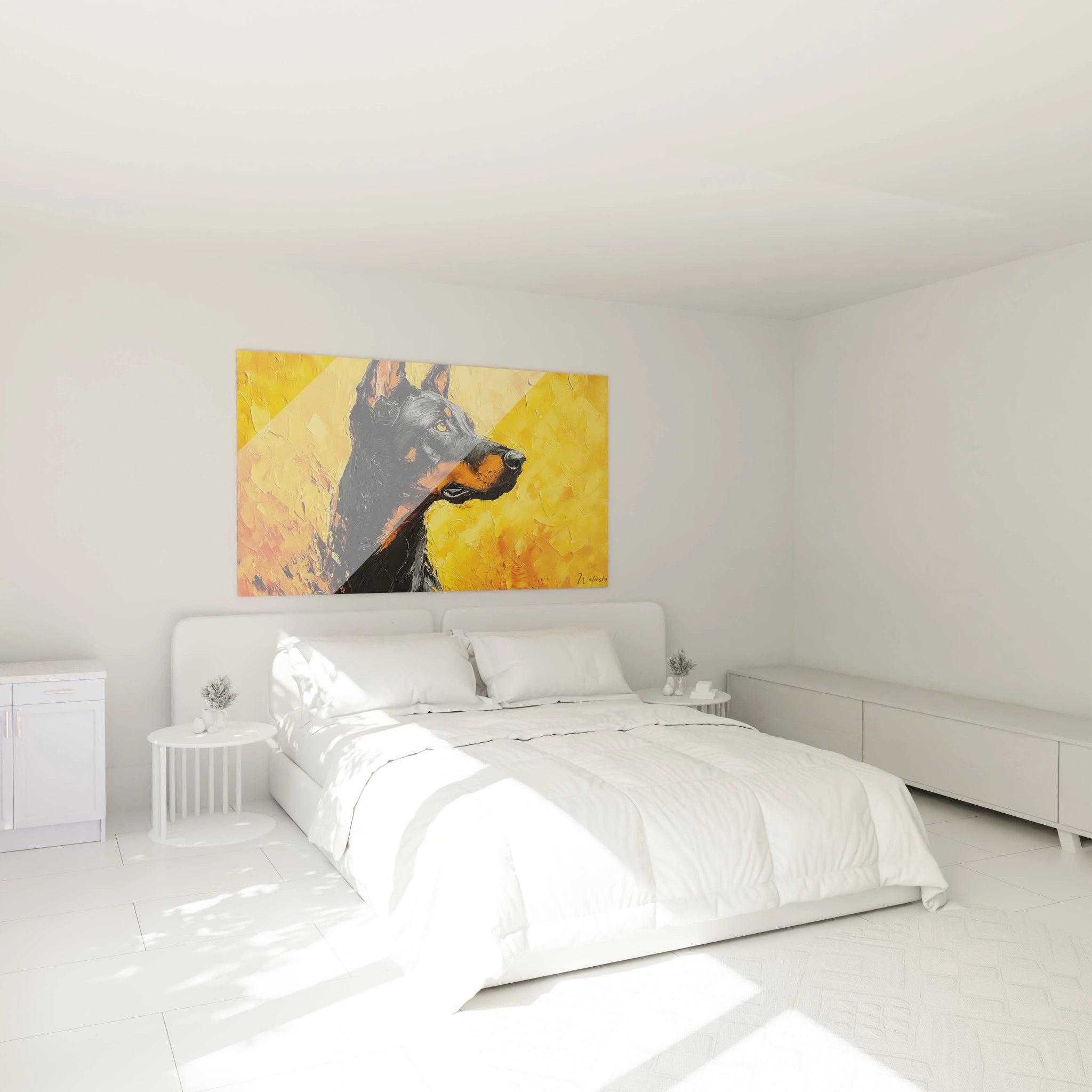
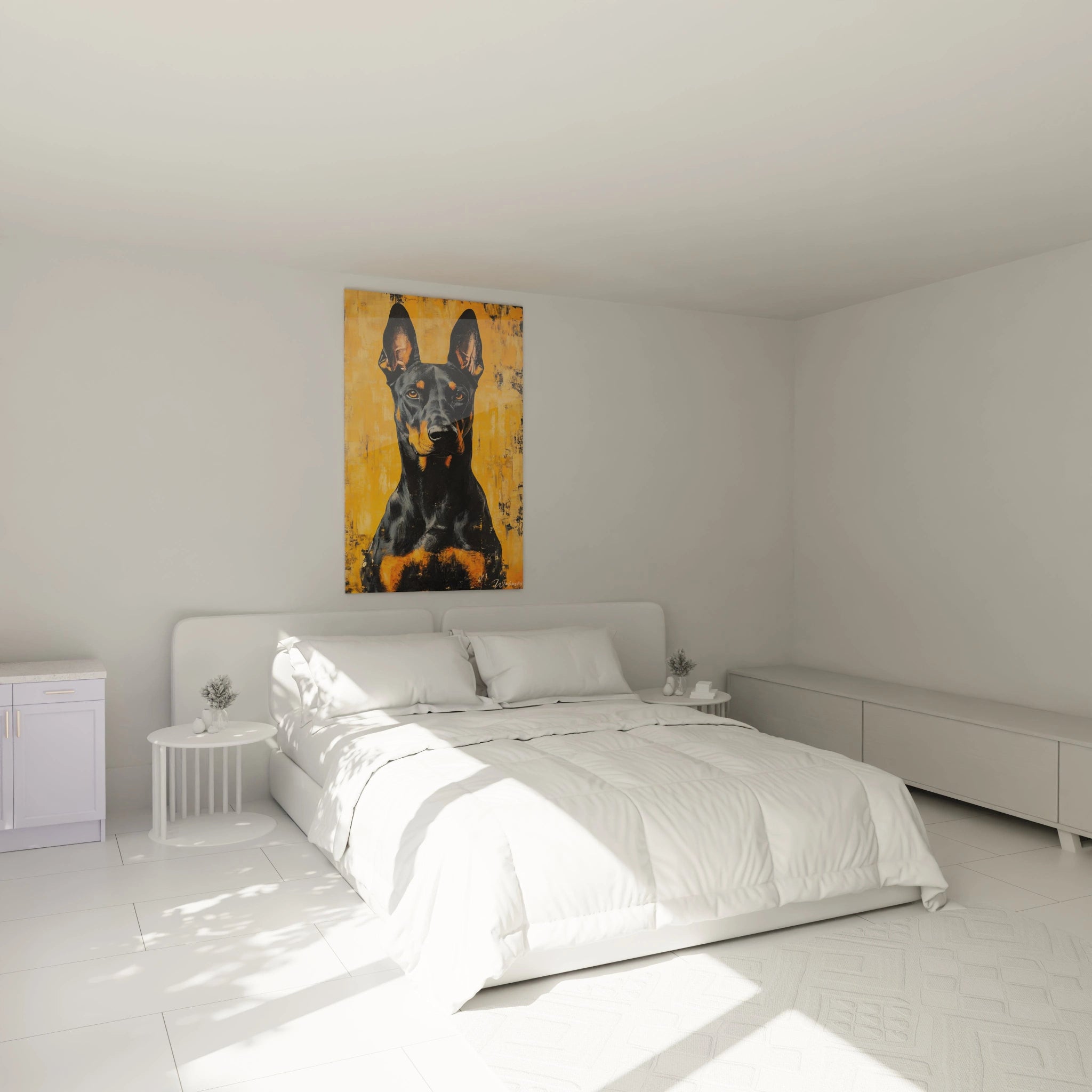
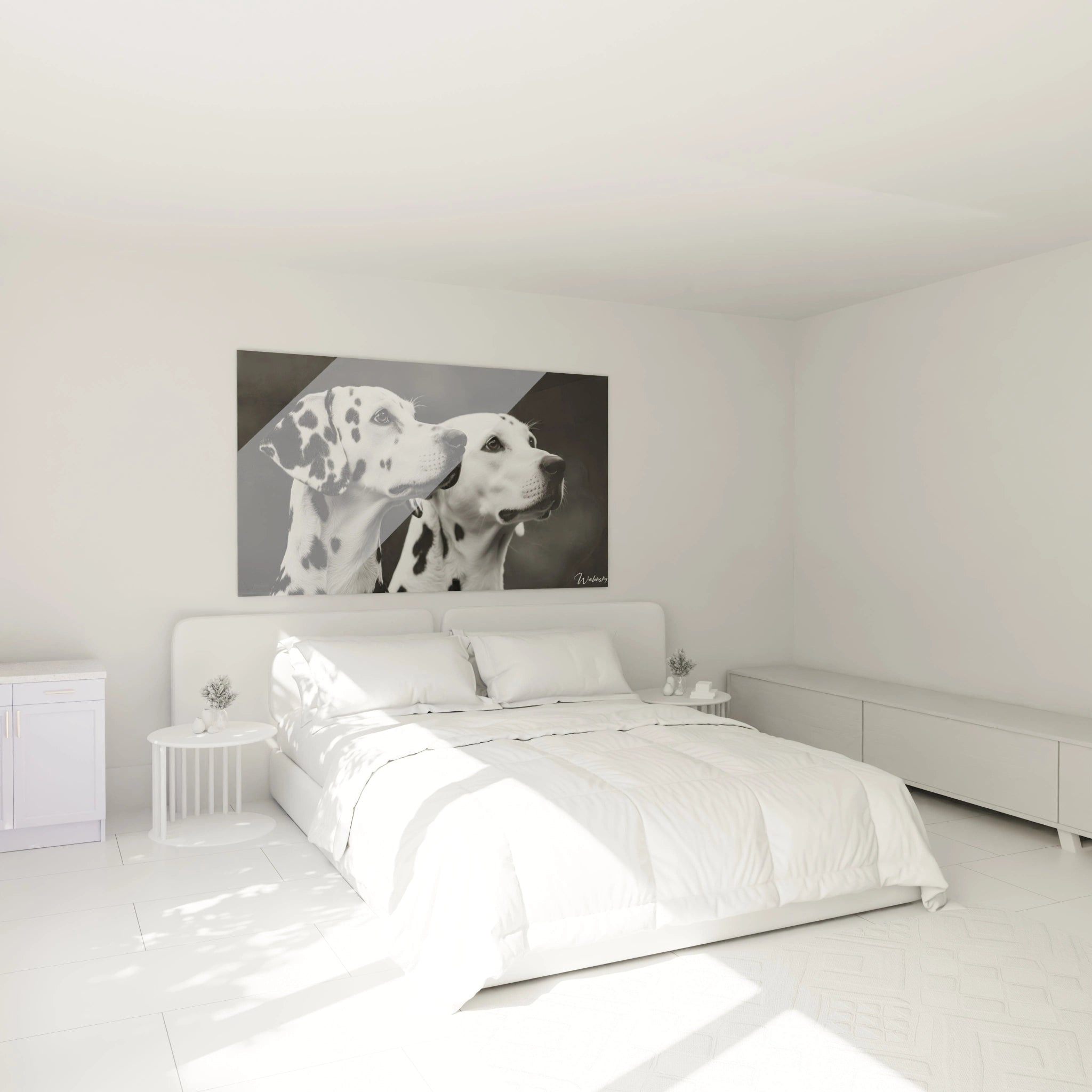
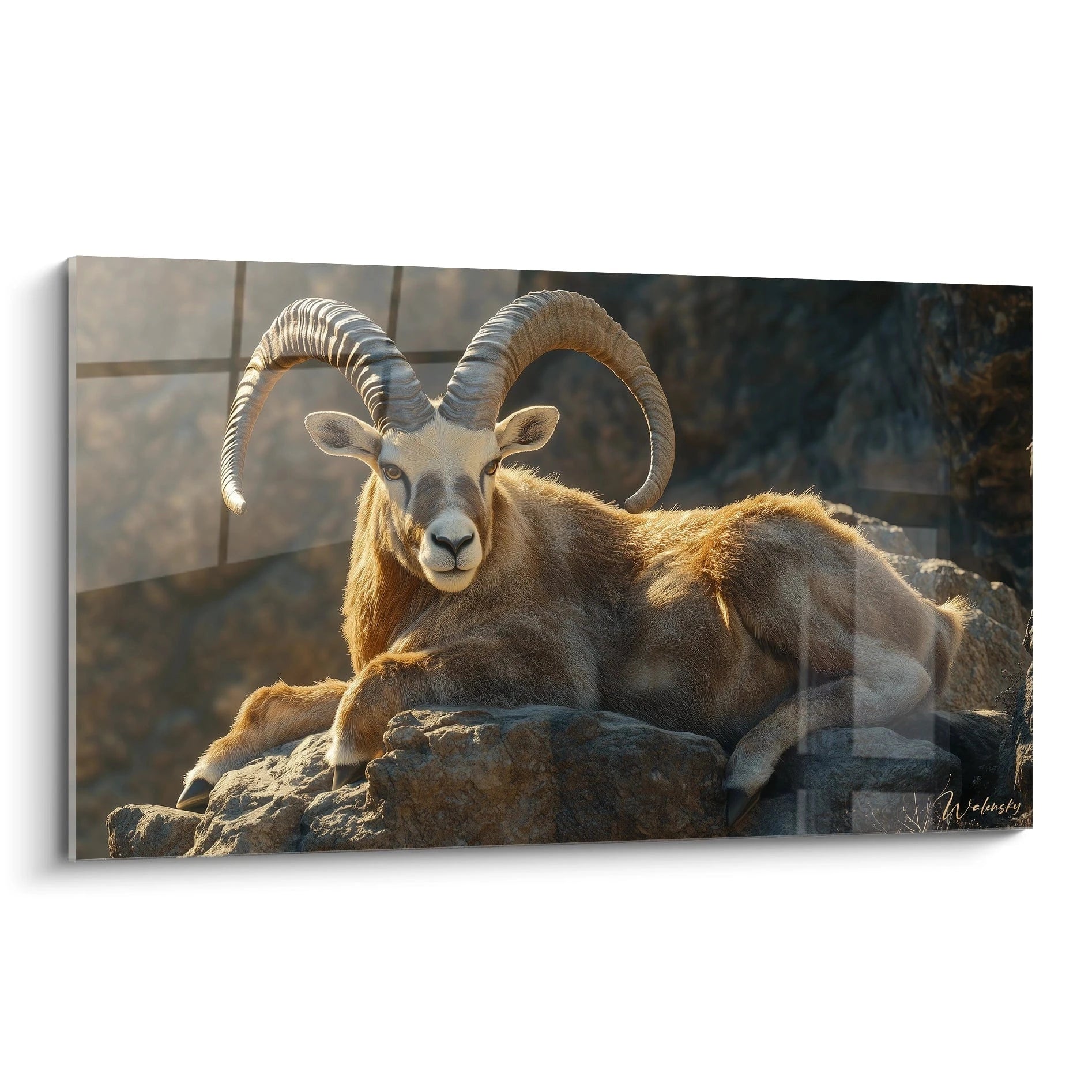
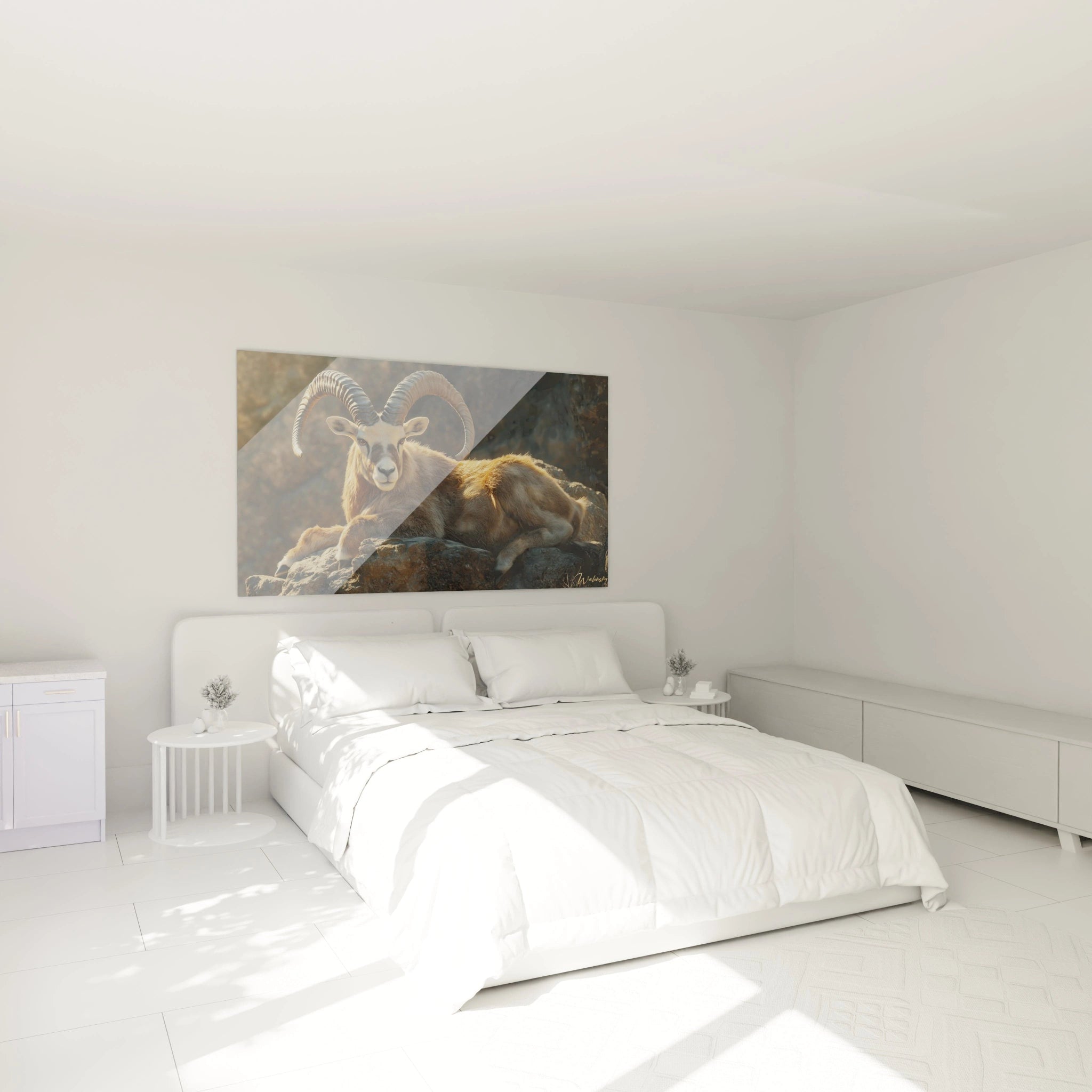
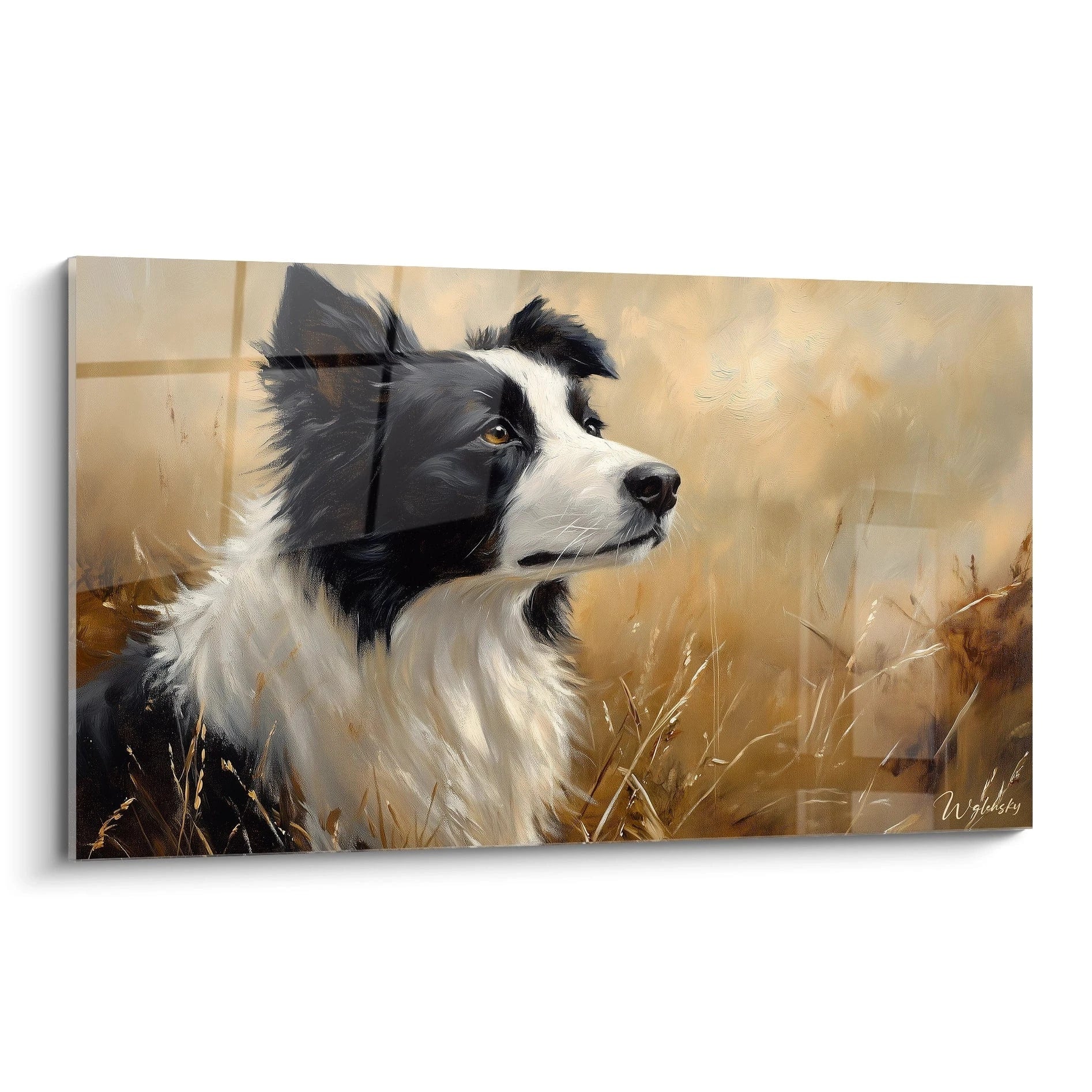
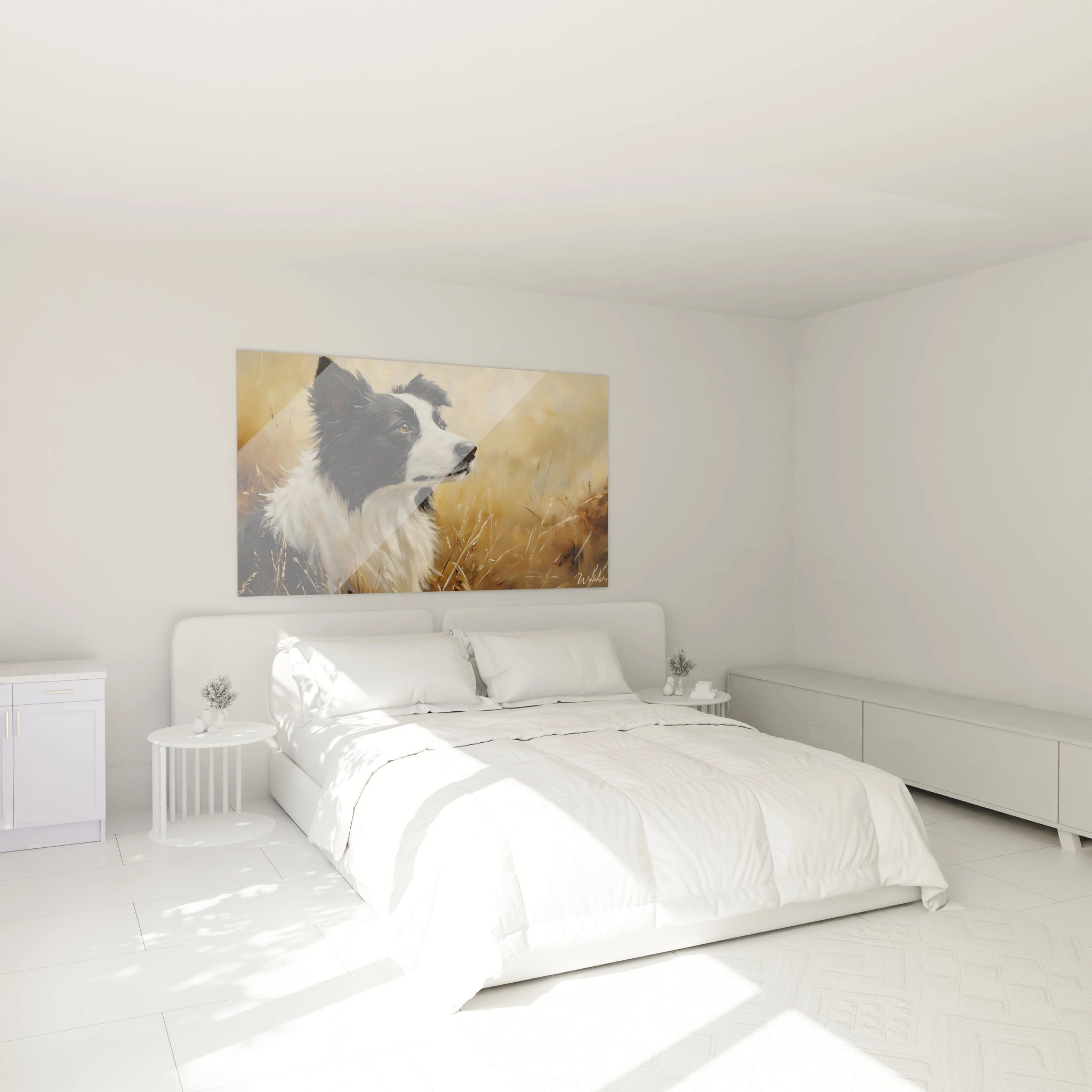
- Wall Art for Veterinary Clinic Overview
- Hygiene and Durability of Veterinary Wall Art
- Psychological Impact of Wall Art in Veterinary Clinics
- Professional Visual Design for Veterinary Spaces
Wall art for veterinary clinics is an essential design element that goes far beyond simple decoration. It addresses specific needs related to the animal medical environment, combining functionality, aesthetics, and practical considerations unique to this demanding field.
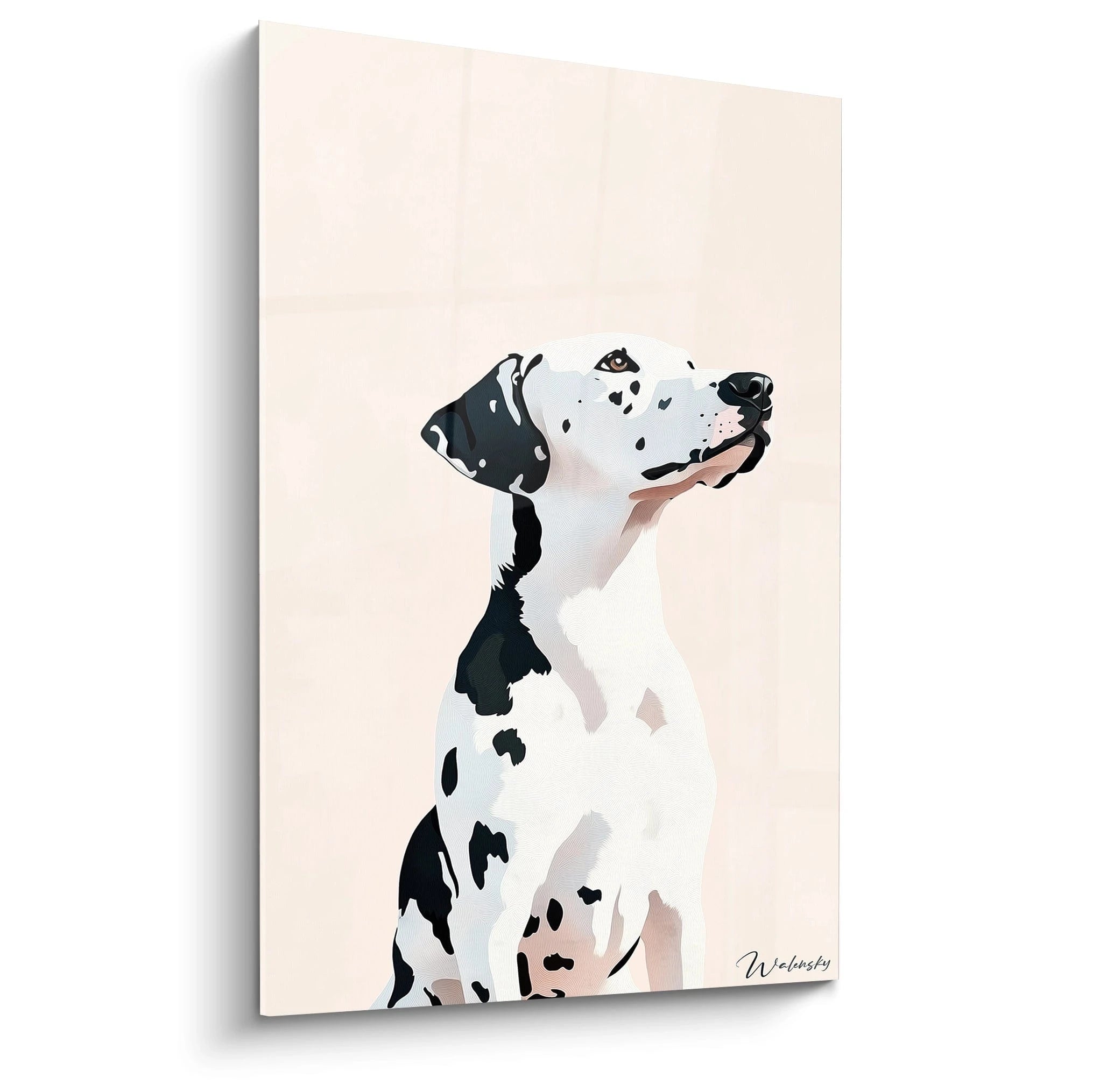
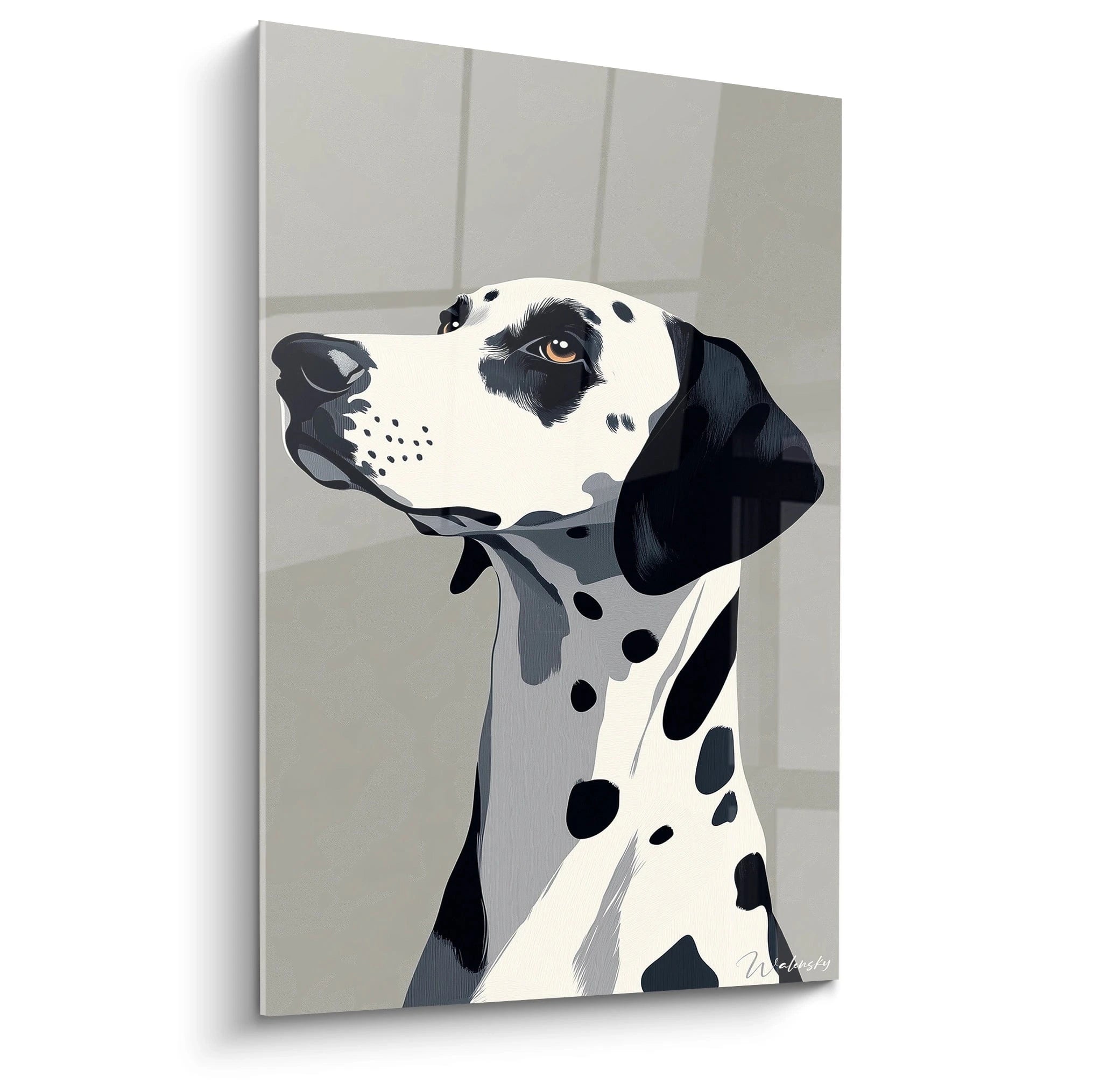
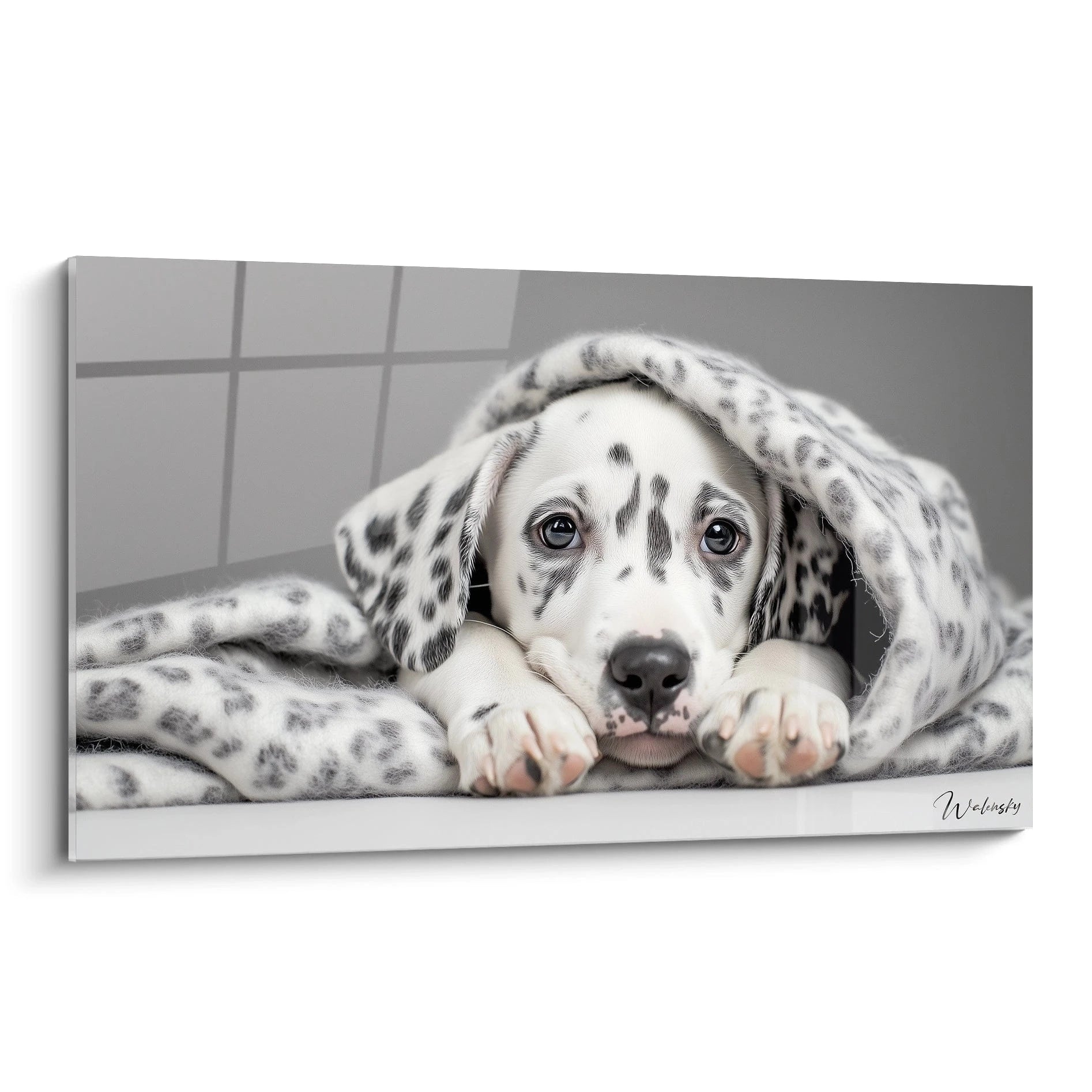
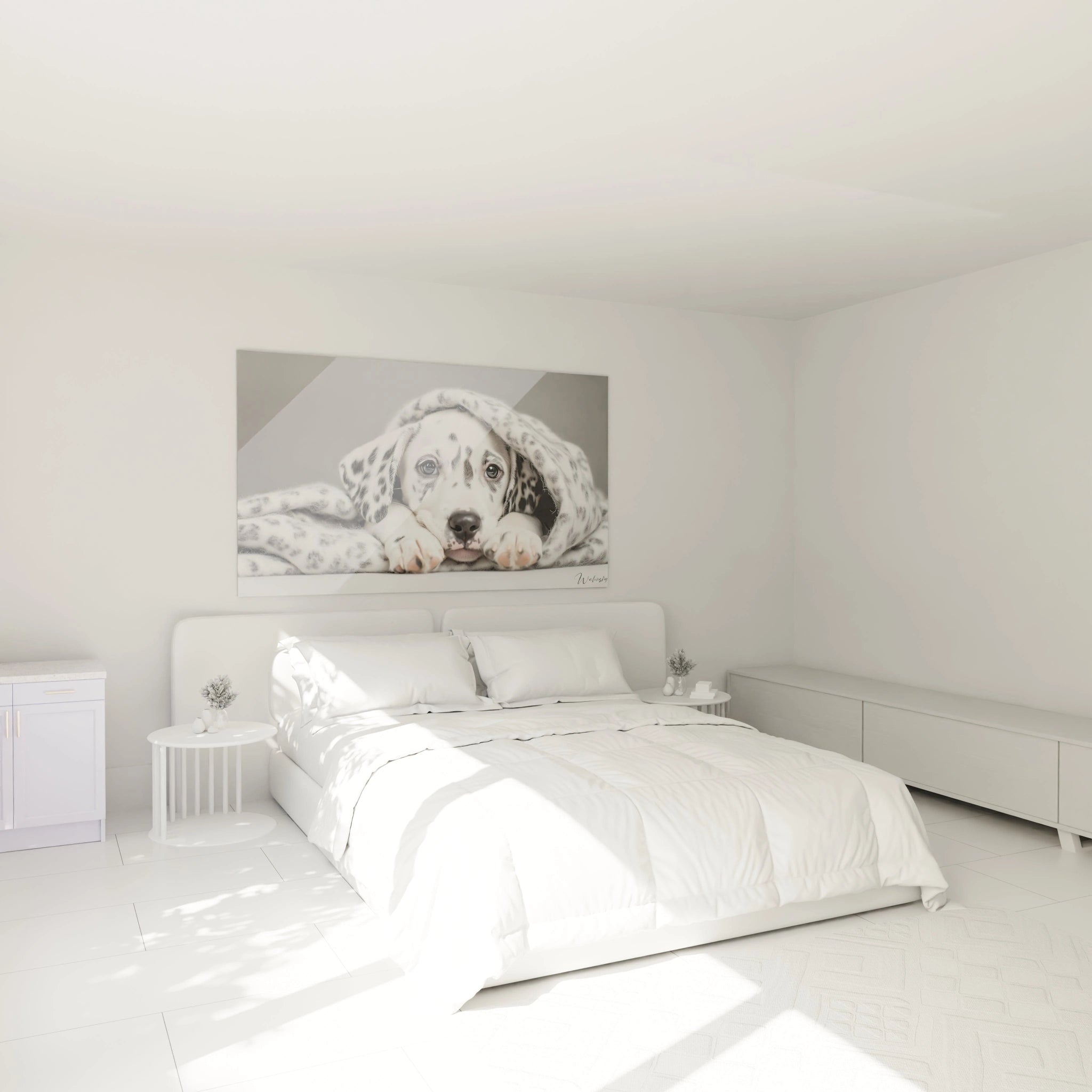
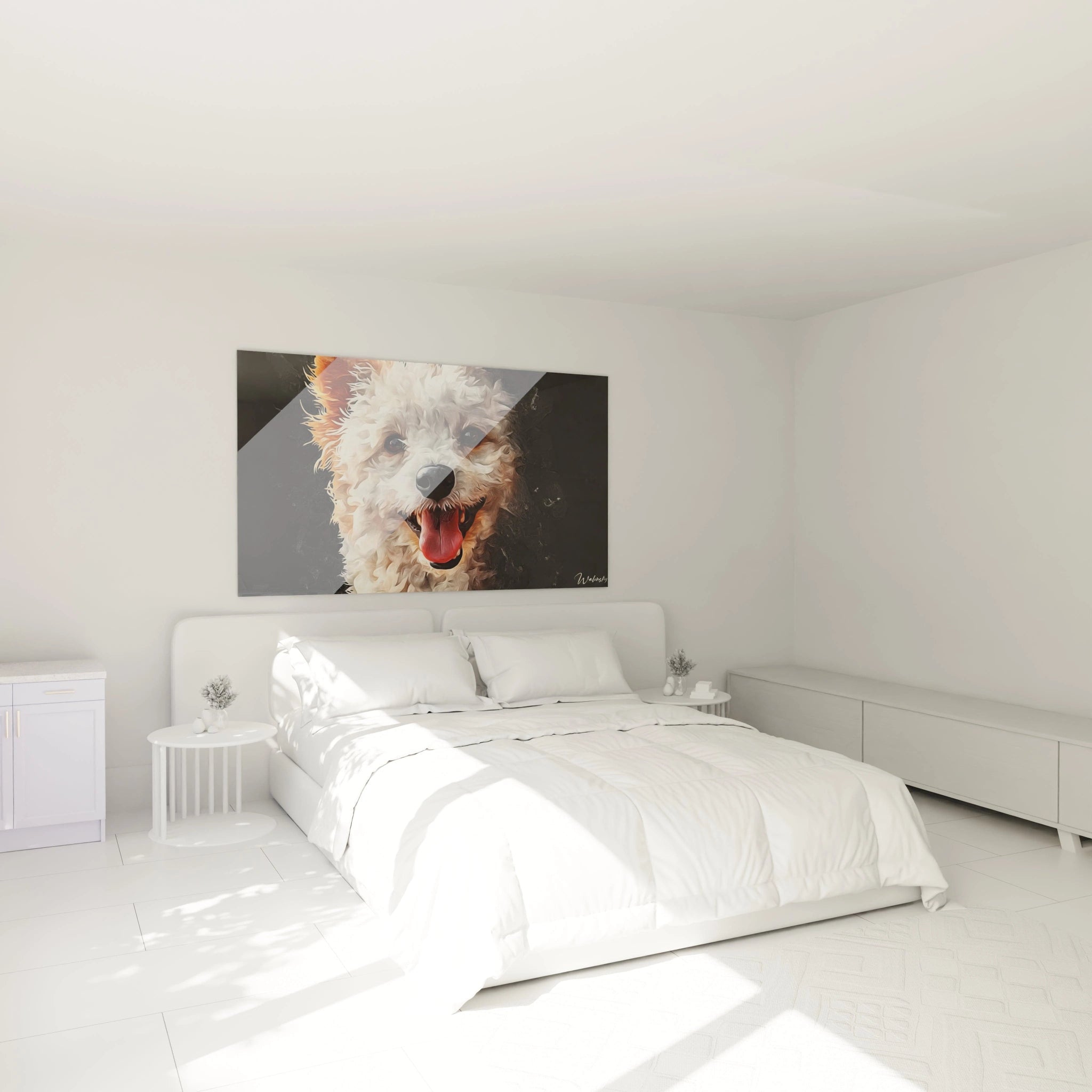
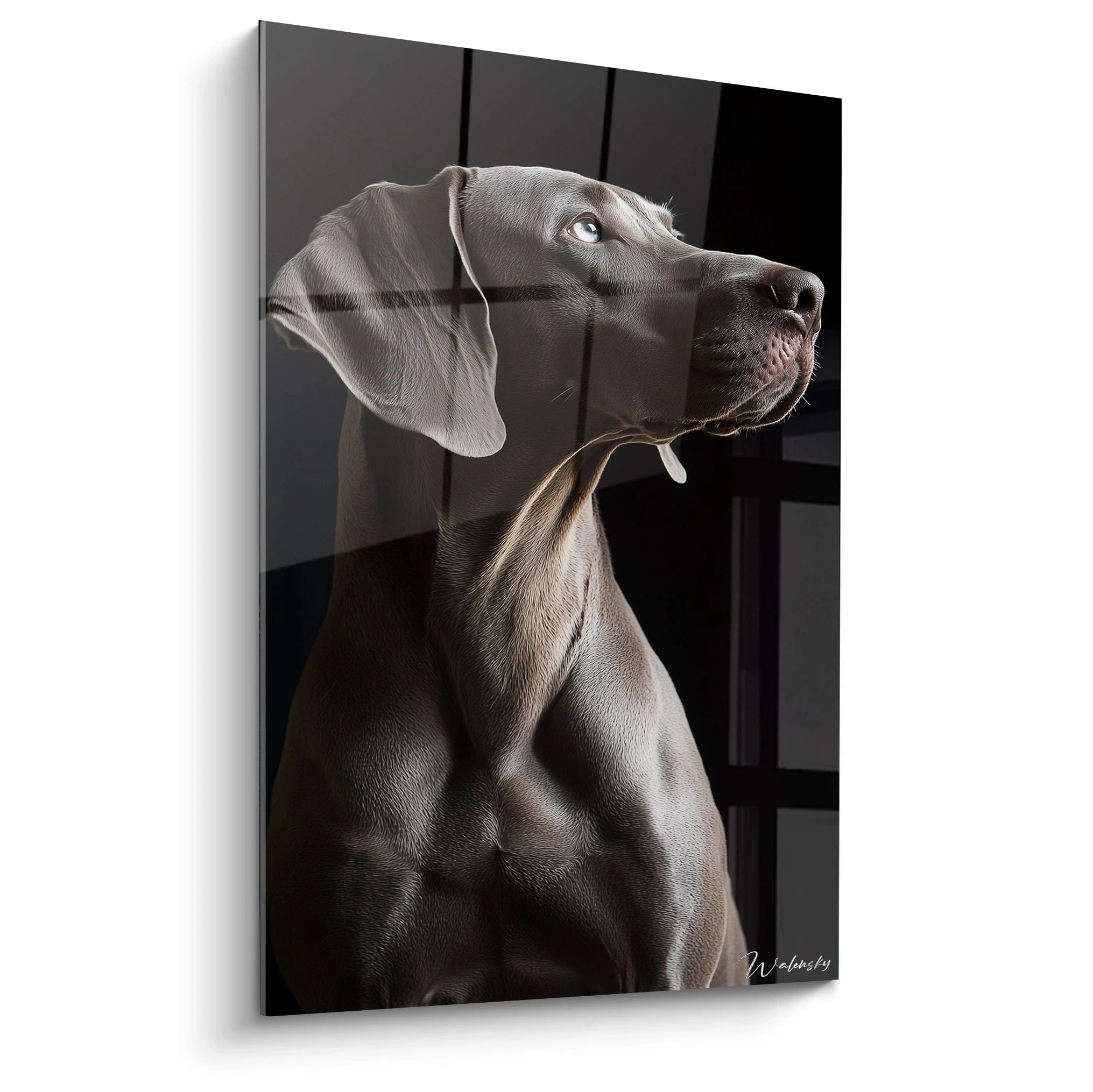
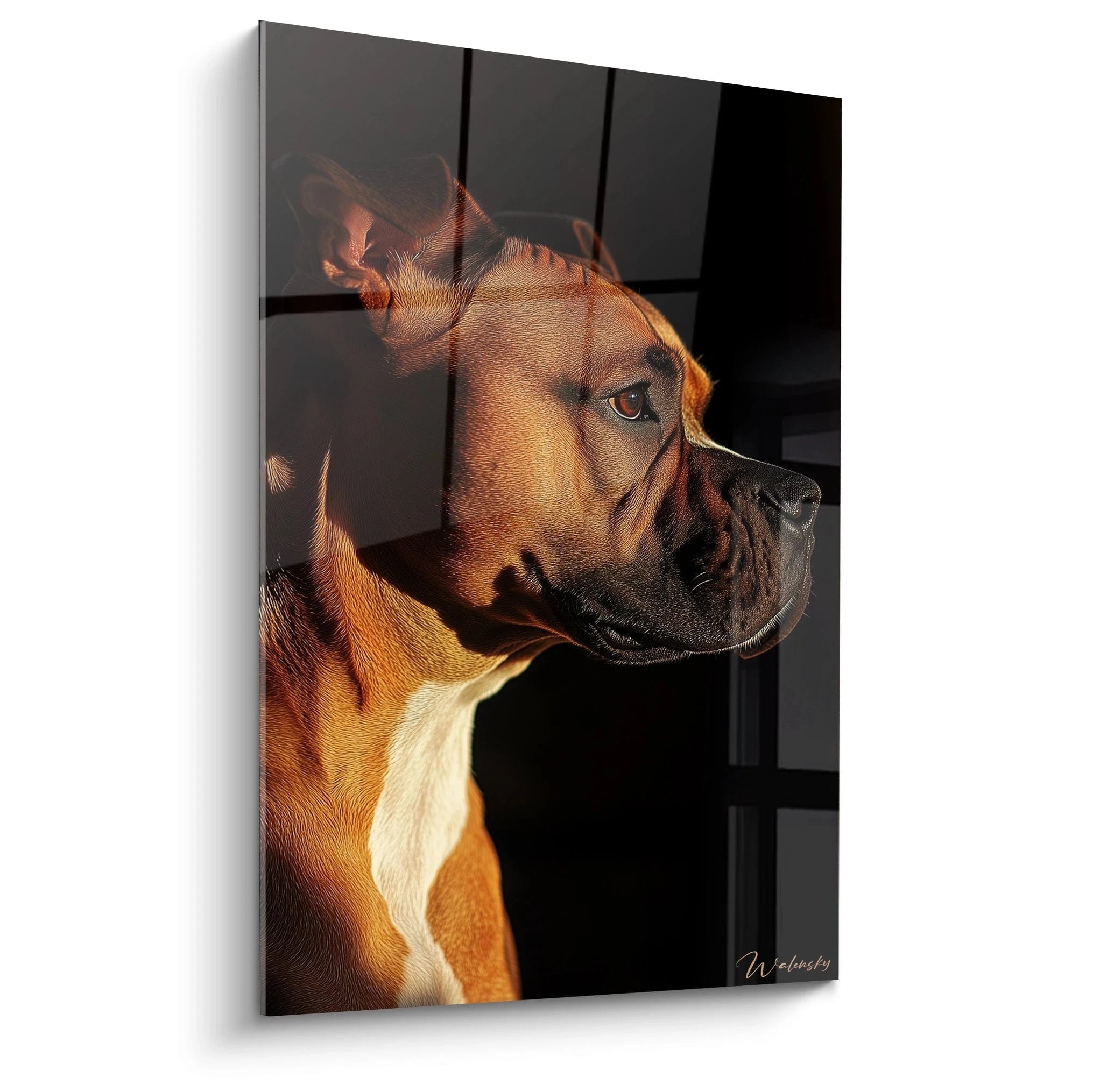
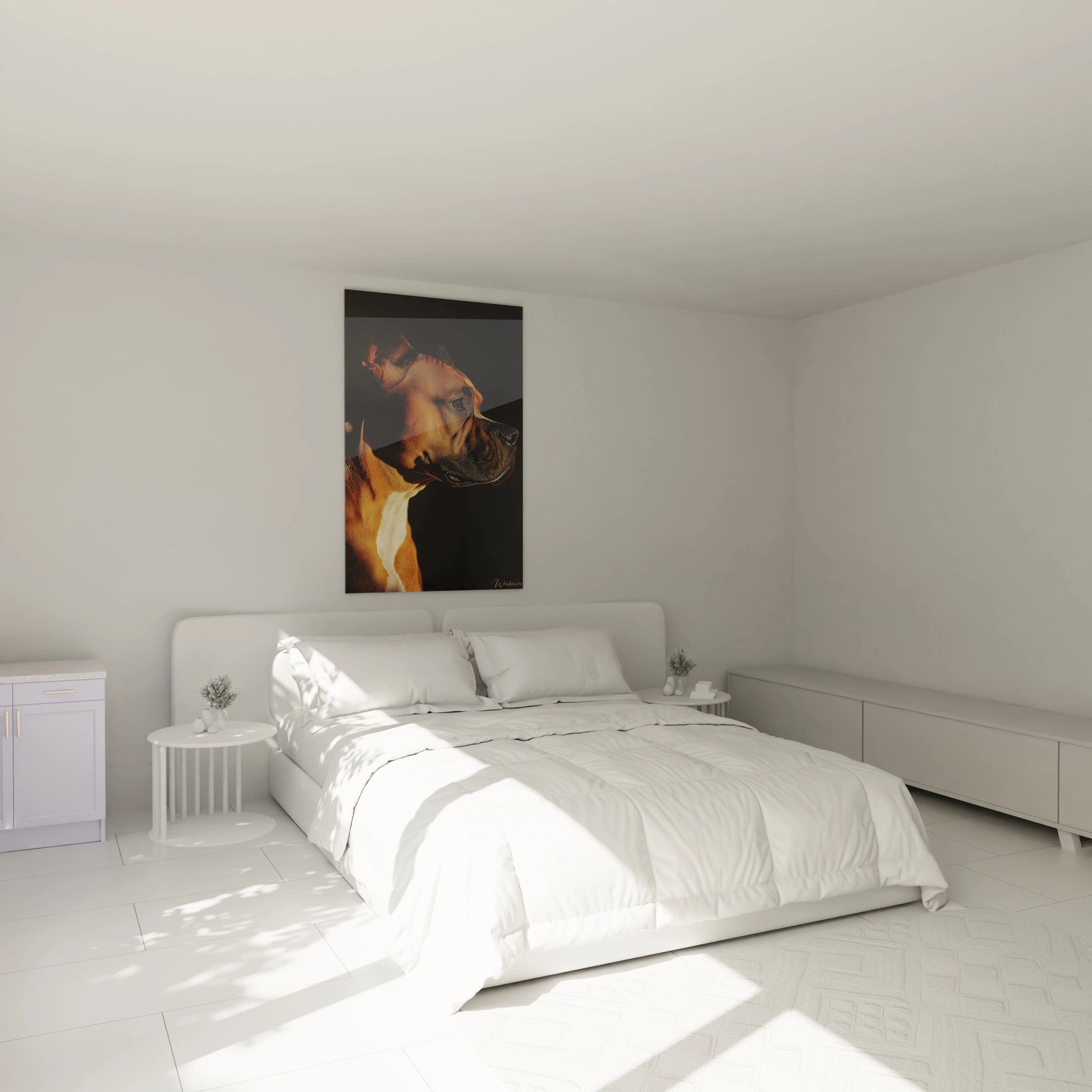
In a space dedicated to animal care, wall art is not merely a decorative element. It becomes a communication tool, a means to calm animal patients and their owners, as well as a marker of professional identity for the clinic. Wall art for professionals specifically designed for veterinary clinics takes into account the unique constraints of these medical environments.
Whether in the waiting room, examination rooms, or staff areas, each zone of the clinic benefits from a type of wall art adapted to its function and specific constraints. Materials must meet strict hygiene standards, resist frequent cleaning, while offering visuals that contribute to a positive experience for animals and their owners.
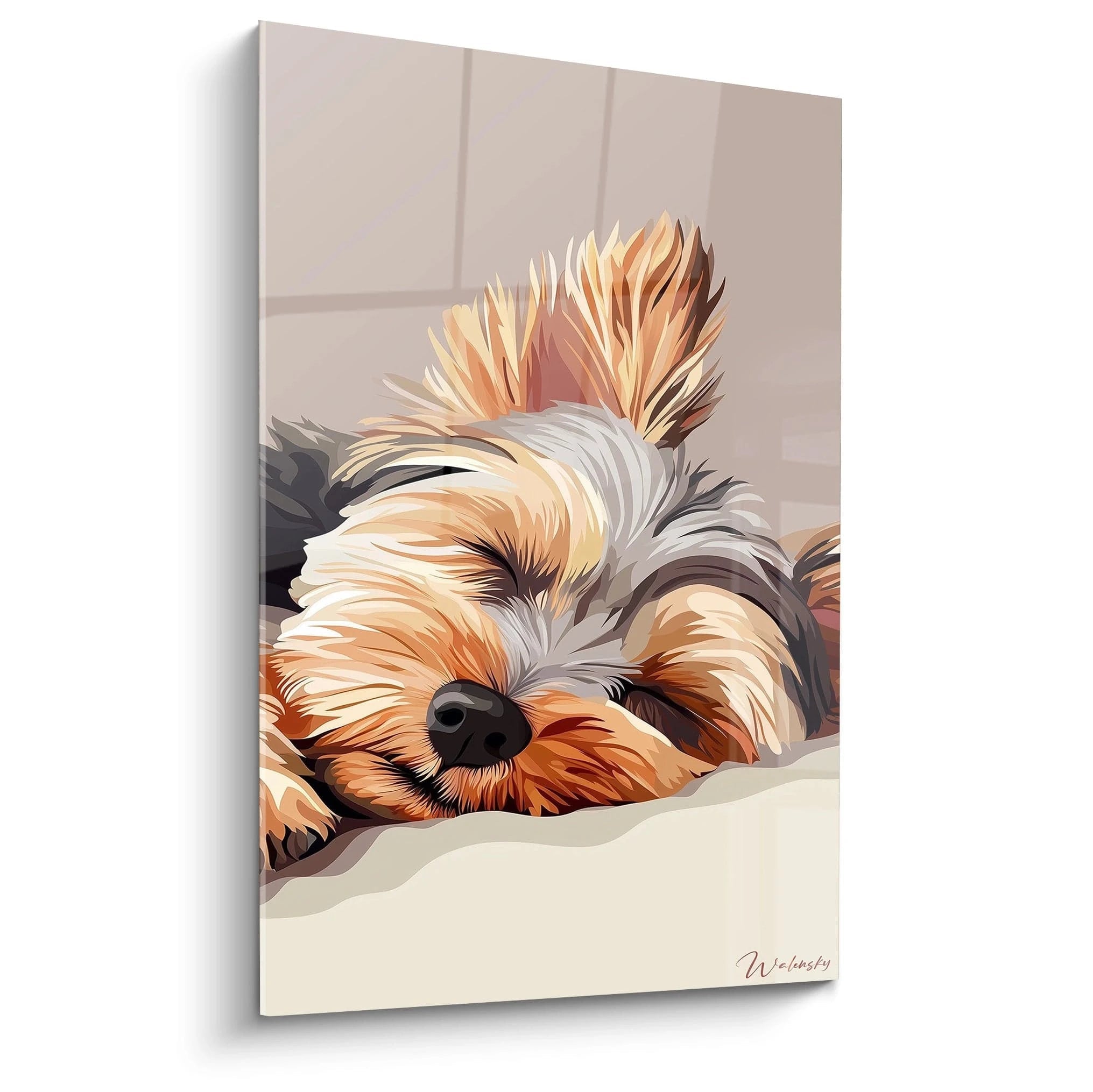
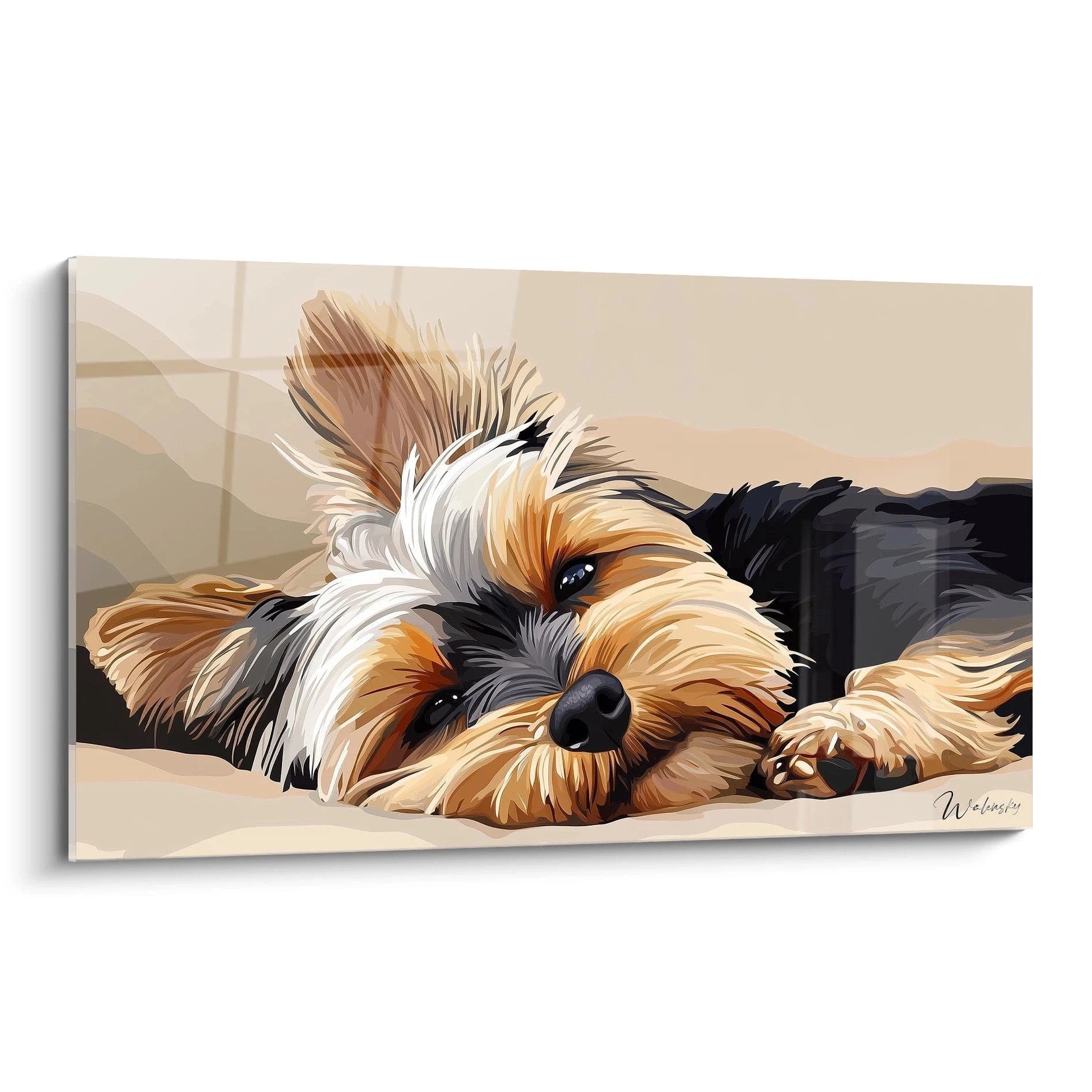
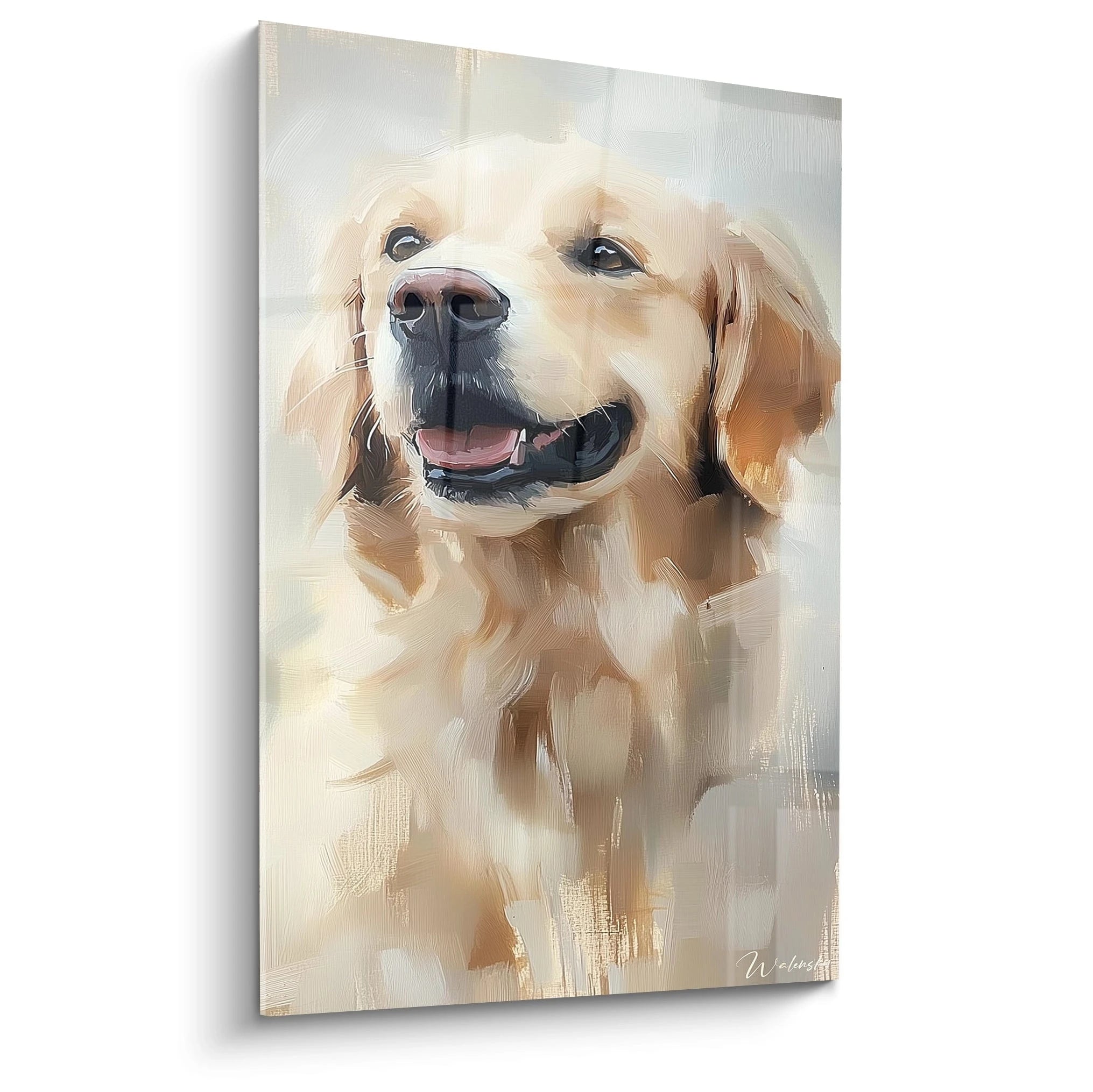
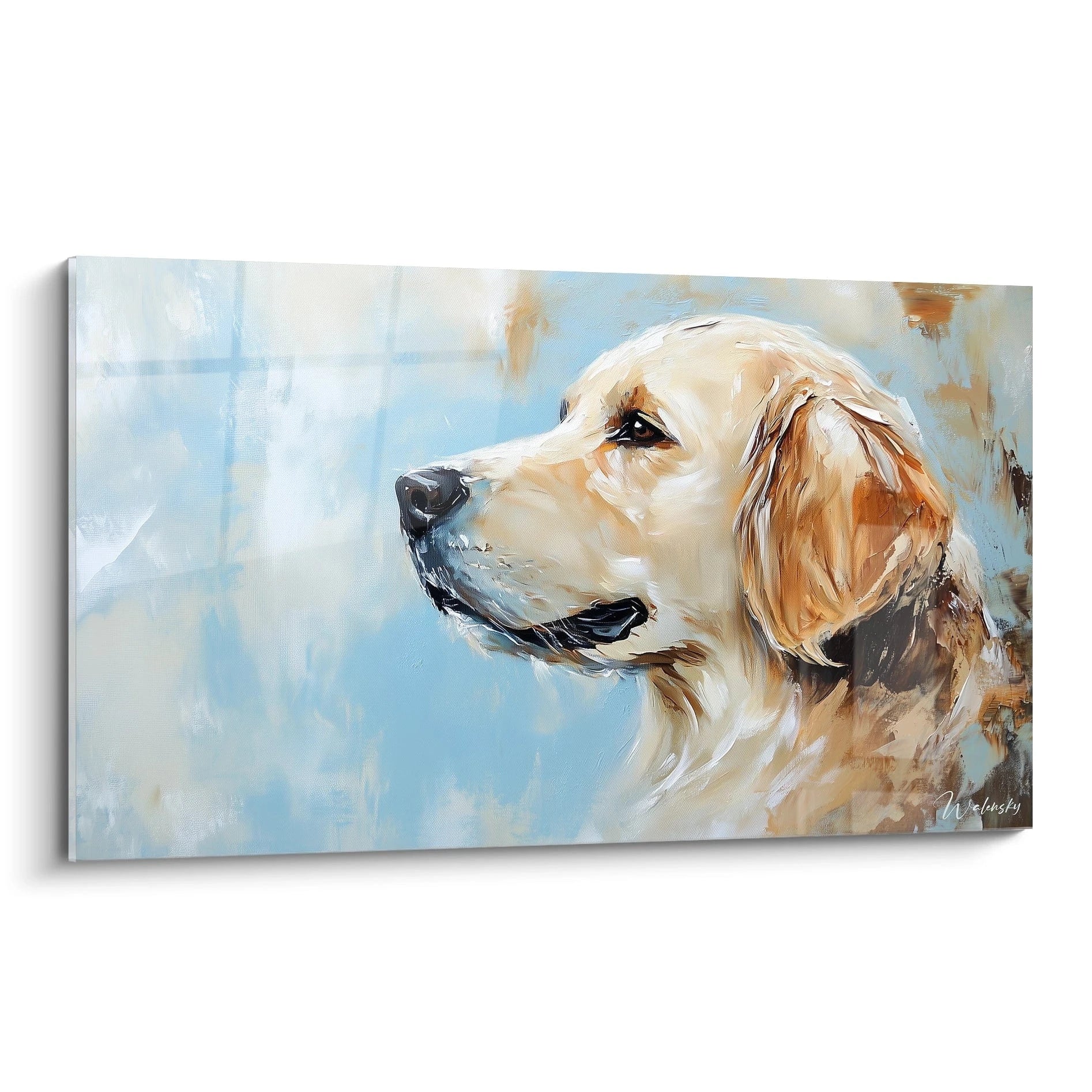
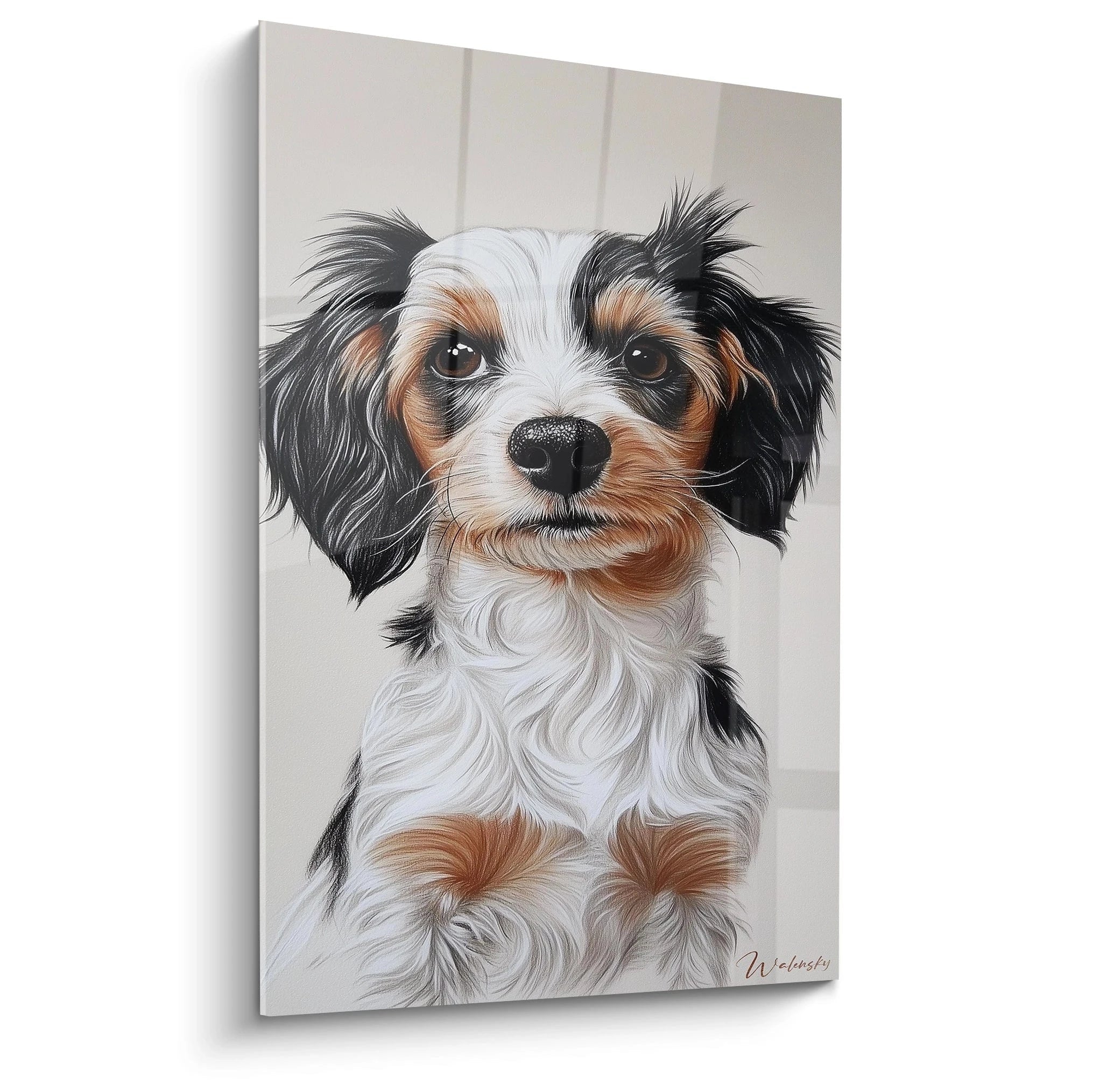
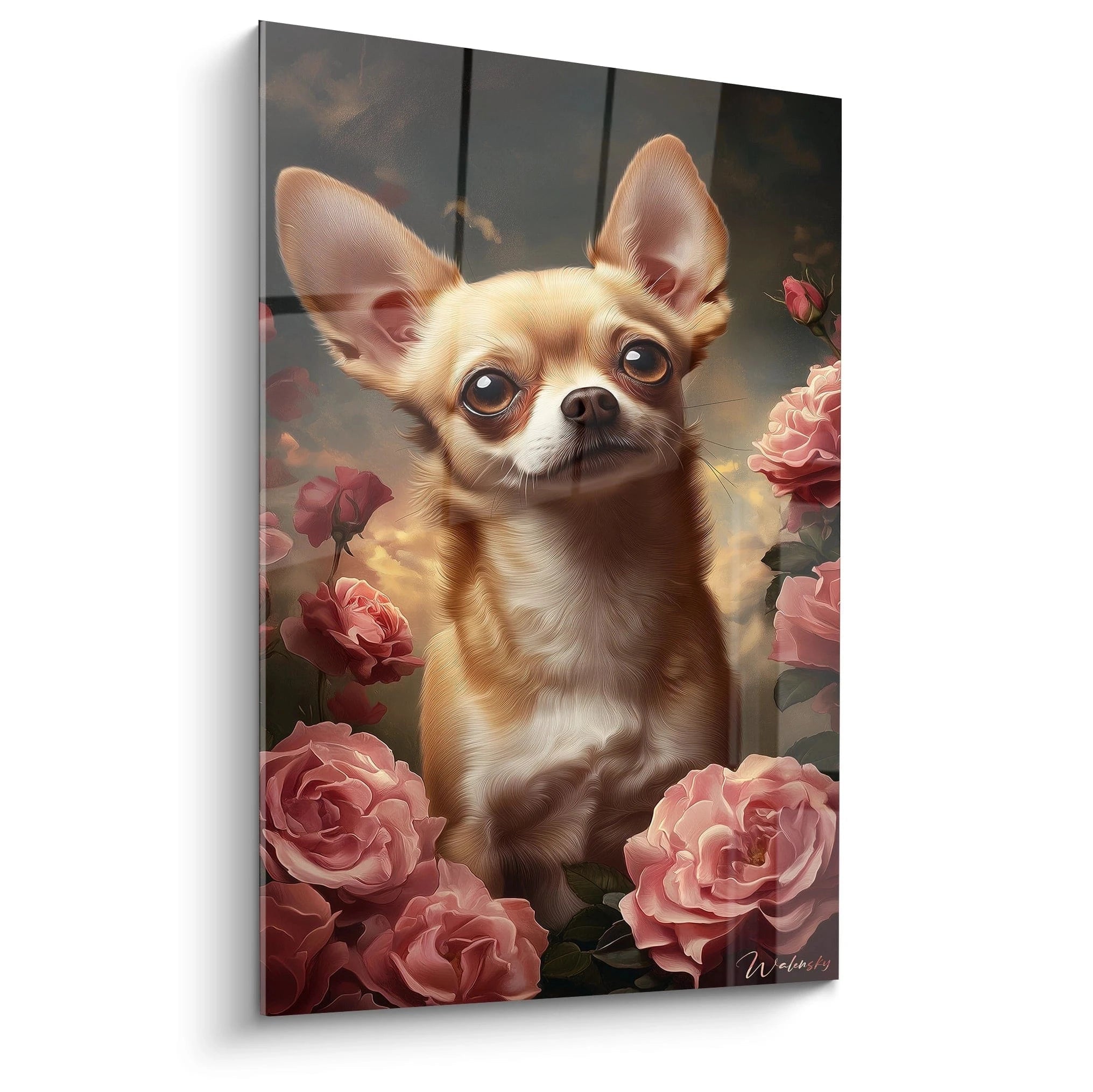
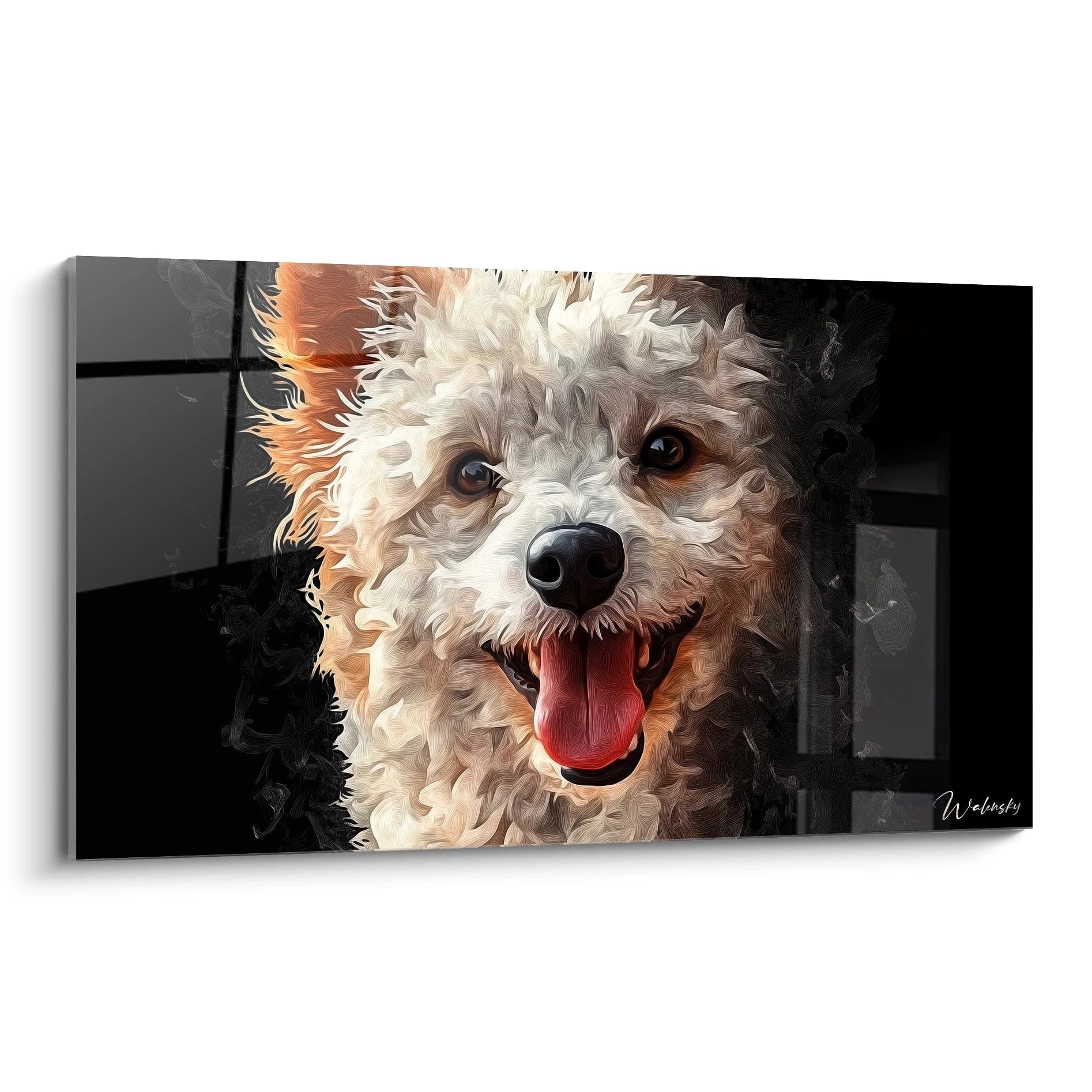
Wall art for veterinary clinics also stands out through specialized themes, whether anatomical illustrations for examination rooms, calming images to reduce animal stress, or informative visuals to educate pet owners. Their typically large format allows optimal visibility in spaces often constrained by medical equipment.
The following tabs present the essential aspects to consider when choosing the ideal wall art for your veterinary clinic, addressing hygiene, psychological impact, and professional design questions.
Hygiene Properties of Veterinary Clinic Wall Art
In an animal care environment, hygiene considerations take priority over all decorative aspects. Wall art for veterinary clinics must meet strict sanitary requirements specific to this particular medical field. Unlike domestic wall art or standard office decorations, these wall-mounted installations face unique challenges.
Which materials should be prioritized for wall art in a veterinary setting?
Wall art specially designed for veterinary clinics uses non-porous materials that prevent absorption and proliferation of bacteria, viruses, and other pathogens. Smooth, sealed surfaces are the standard, allowing effective cleaning without risk of deterioration. Tempered glass, anodized aluminum, and certain high-density polymers offer this essential resistance to rigorous disinfection protocols.
Veterinary laboratories and treatment rooms require wall art particularly resistant to biological fluid splatter and chemicals used during care procedures. In these zones, inert materials are preferred that do not react to powerful disinfectants based on quaternary ammonium or hydrogen peroxide commonly used in veterinary medicine.
Resistance to Frequent and Intensive Cleaning
Wall art for veterinary clinics typically undergoes between 2 and 5 weekly disinfections, depending on its location within the clinic. This high frequency demands durability characteristics superior to standard wall art. Antimicrobial coatings integrated directly into the artwork's structure represent an innovation particularly suited to the veterinary context.
Nanotechnology self-healing surfaces represent the most recent advancement in this field, offering exceptional resistance to abrasion caused by repeated cleaning. These artworks maintain their flawless appearance despite daily exposure to aggressive cleaning agents, guaranteeing a lasting investment for veterinary clinics concerned with maintaining impeccable professional aesthetics.
Protection Against Allergens and Animal Particles
In a veterinary clinic, accumulation of hair, dander, and other allergens is a daily challenge. Wall art specialized for these environments incorporates antistatic properties that limit the adhesion of suspended particles. This essential characteristic significantly reduces the risk of cross-contamination between animal patients.
Air circulation in veterinary waiting rooms can transport various allergens. Professional wall art deployed in these spaces often includes surface treatments that minimize the retention of these particles. For clinics specializing in animal allergy cases, this property becomes particularly crucial for maintaining a controlled clinical environment.
Resistance to Damage Caused by Animals
Unlike wall art intended for human medical clinics, pieces designed for veterinarians must withstand potential interactions with animal patients. Reinforced surfaces resistant to accidental scratches and robust materials capable of handling occasional impacts are a necessity, particularly in examination rooms for large animals.
Secure mounting systems also represent a crucial aspect of these artworks. Designed to withstand vibrations and sudden movements generated by agitated animals, they ensure the wall art remains firmly in place even in the most active environments. This safety feature protects both the clinic's investment and prevents potential accidents involving animal patients.
Compliance with Veterinary Sanitary Standards
Wall art for veterinary clinics must comply with sanitary regulations specific to animal care facilities. Unlike standard wall decorations, these elements are integral parts of professional equipment and subject to regular health inspections. Non-toxic materials without potentially harmful emissions for animals' sensitive respiratory systems are the standard in this sector.
For certified or accredited veterinary clinics, documentation relating to the hygiene properties of installed wall art is part of the compliance file. This requirement underscores the importance of choosing equipment specifically designed for the veterinary environment rather than generic decorative solutions that would not meet the profession's rigorous sanitary criteria.Psychological Impact of Wall Art in Veterinary Clinics
Wall art for veterinary clinics plays a crucial role that far exceeds simple decoration. It constitutes a strategic element in managing stress and anxiety for both animals and their owners. This psychological dimension, often underestimated, directly influences the care experience and can significantly contribute to the effectiveness of consultations.
How Does Wall Art Reduce Animal Anxiety in Clinics?
Animals perceive their environment differently than humans, with particular sensitivity to visual stimuli. Research in veterinary behavioral medicine has demonstrated that certain visual compositions can reduce physiological stress markers in animals. Wall art specially designed for veterinary clinics incorporates soothing color elements in ranges of blues and greens, colors scientifically proven for their calming effect on many species.
In examination areas, wall art positioned within animals' field of vision serves as focal points diverting their attention from potentially stressful procedures. This visual distraction technique, particularly effective with cats and certain dog breeds, draws inspiration from environmental enrichment principles used in modern zoological facilities.
Influence on Perceived Waiting Time
The waiting room represents a critical point in the veterinary clinic experience. Wall art strategically placed in this space directly influences owners' subjective perception of waiting time. Studies in environmental psychology applied to care facilities have established that an engaging visual environment can reduce perceived waiting time by 17 to 23%.
Wall art for veterinary clinics designed for these spaces often incorporates narrative or informative elements that capture attention and stimulate cognitive interest. This approach transforms passive waiting time into an opportunity for learning or contemplation, significantly decreasing impatience and anxiety transmissible to pets.
Creating a Reassuring Professional Environment
The perception of professionalism is a determining factor in the trust clients place in veterinary practitioners. High-quality wall art, specifically selected for its relevance in the animal care context, contributes to establishing a coherent visual identity that reinforces the credibility of the establishment.
Unlike generic posters or improvised decorations, professional wall art for veterinary clinics subtly communicates the clinic's commitment to quality care. This psychological dimension positively influences pet owners' attitudes, making them more receptive to medical recommendations and more inclined to follow prescribed treatment protocols.
Educational Wall Art and Communication with Pet Owners
Specialized wall art for veterinary clinics also serves as a visual communication tool with pet owners. In consultation rooms, anatomical representations or illustrations of pathological processes allow veterinarians to more effectively explain medical conditions and proposed treatments.
This educational dimension strengthens owners' understanding and significantly improves their adherence to preventive and therapeutic recommendations. Wall art designed specifically for this purpose incorporates visual information accessible to non-specialists, facilitating the transmission of complex medical concepts in an immediately assimilable format.
Adaptation to Different Zones of the Veterinary Clinic
Each space in a veterinary clinic has its own function and distinct psychological atmosphere. Hospitalization rooms require wall art with soothing effects that contribute to animal recovery, while administrative areas benefit from stimulating images that maintain the energy and motivation of care staff.
Modern veterinary clinics adopt a stratified approach in choosing wall art, recognizing the differentiated impact of visual stimuli according to spatial context. This zone-by-zone customization maximizes the psychological benefits of wall elements, transforming a simple decorative tool into an active component of the therapeutic environment.Professional Visual Design for Veterinary Clinics
Visual design of a veterinary clinic requires a fundamentally different approach from that adopted for other professional or medical environments. Wall art for veterinary clinics constitutes structuring elements that actively participate in the spatial and functional organization of these specialized care spaces, while meeting unique constraints.
How to Integrate Wall Art into a Coherent Client Journey?
Modern veterinary clinic design revolves around client experience, from entrance to exit. Large-format wall art, strategically positioned, serves as visual landmarks that intuitively guide visitors through different spaces. This implicit signage reduces disorientation and stress associated with unfamiliar medical environments.
In multi-practitioner veterinary clinics, wall art can also serve as a visual identification system differentiating specialized zones. Thematic coherence maintained across different spaces, while adapting visual content to each zone's specific function, contributes to a smooth and reassuring user experience for both animals and their owners.
Optimizing Constrained Spaces in Veterinary Clinics
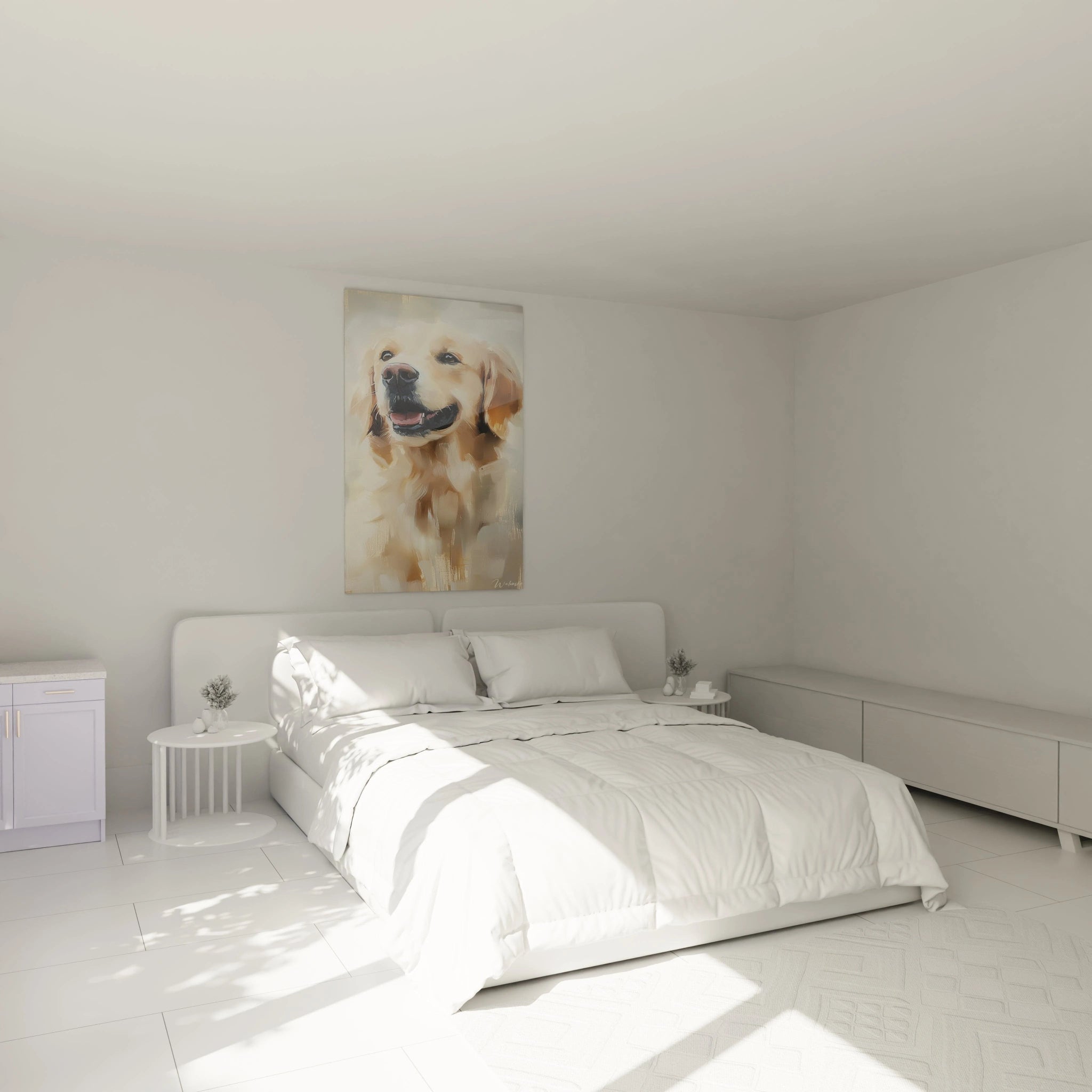
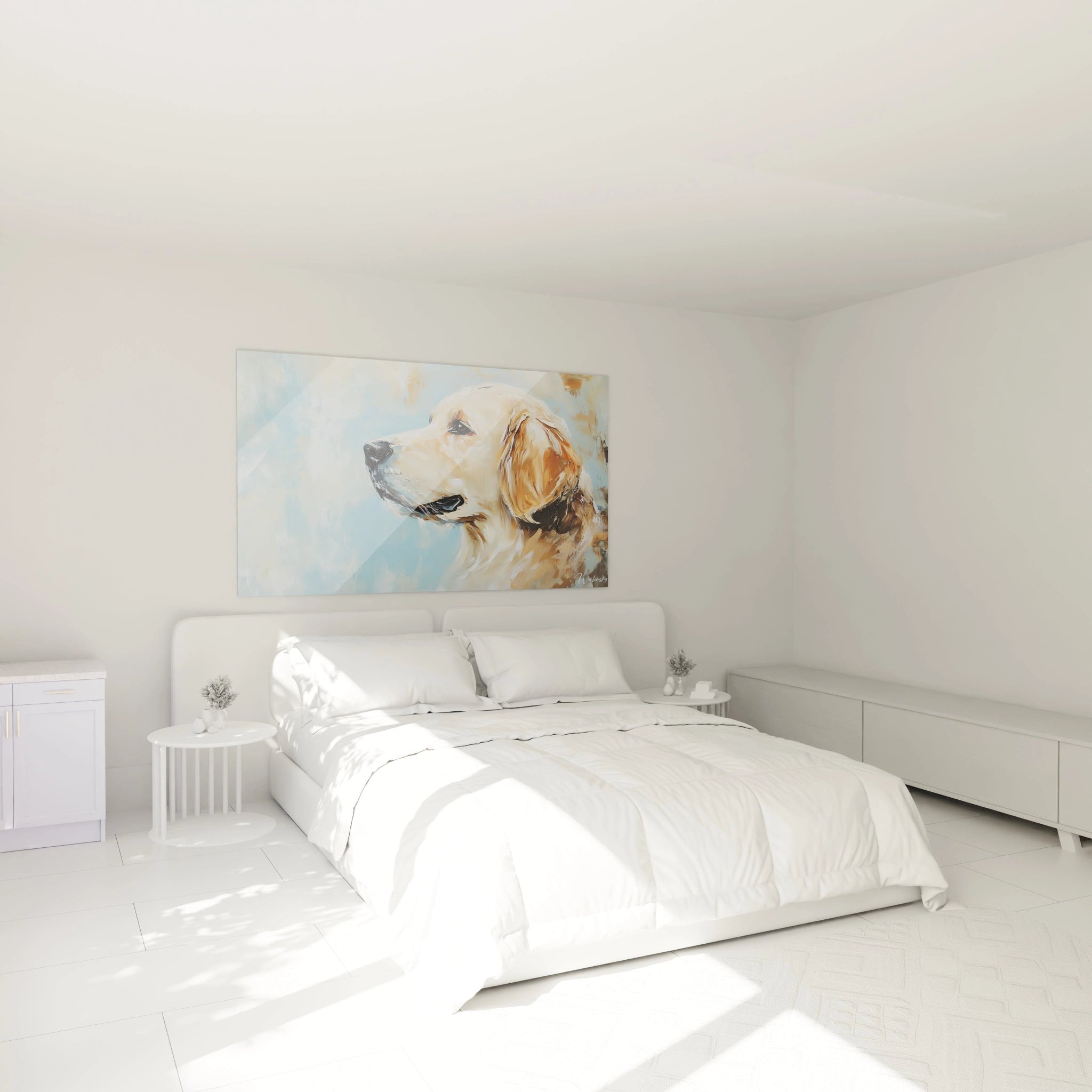
Veterinary clinics, particularly in urban areas, often face significant spatial constraints. Large-format wall art, when judiciously selected and positioned, can create an illusion of space and depth that mitigates feelings of confinement. This characteristic becomes particularly valuable in waiting rooms where multiple clients and their animals must coexist in limited space.
Panoramic visual compositions or triptychs adapted to narrow walls allow effective exploitation of vertical surfaces without cluttering floor space already occupied by medical equipment and circulation areas. This vertical design approach provides a practical solution to the spatial challenges specific to urban veterinary establishments.
Multifunctional Display Solutions for Veterinary Clinics
Evolution of wall art for veterinary clinics has led to the development of hybrid solutions combining decorative and utilitarian functions. Modular systems integrating informative display areas and permanent visual elements allow content updates without compromising the overall aesthetics of the space.
These multifunctional artworks, specifically designed for the veterinary environment, can incorporate magnetic sections for temporary display of seasonal information (vaccination campaigns, health alerts) while maintaining professional visual composition. This flexibility perfectly meets the dynamic communication needs of modern veterinary clinics.
Strategic Positioning According to Technical Constraints
The technical environment of a veterinary clinic imposes particular considerations for wall art placement. The presence of radiological equipment, specialized ventilation systems, and potential hazard zones requires precise planning for wall positioning. Large-format wall art must be installed to avoid interfering with clinical workflows while maximizing visual impact.
In examination rooms, wall art should be placed at a height allowing visualization by both the veterinarian and the client while remaining beyond reach of agitated animals. This dual constraint often requires custom mounting solutions that differ significantly from standard heights recommended for conventional residential or office spaces.
Integration with the Veterinary Clinic's Visual Identity
Wall art for veterinary clinics constitutes powerful vectors of the establishment's brand identity. Unlike generic practices, forward-thinking veterinary clinics develop coherent visual programs where large-format wall art reflects the values, specialization, and unique positioning of the structure.
This strategic approach transforms each wall element into a silent ambassador of the clinic's care philosophy. Wall art designed with this objective subtly integrates the chromatic, symbolic, or thematic elements of the clinic's graphic charter, thus strengthening memorable recognition among regular and new clients.
FAQ on Wall Art for Veterinary Clinics
What size of wall art for veterinary clinics is ideal for a waiting room?
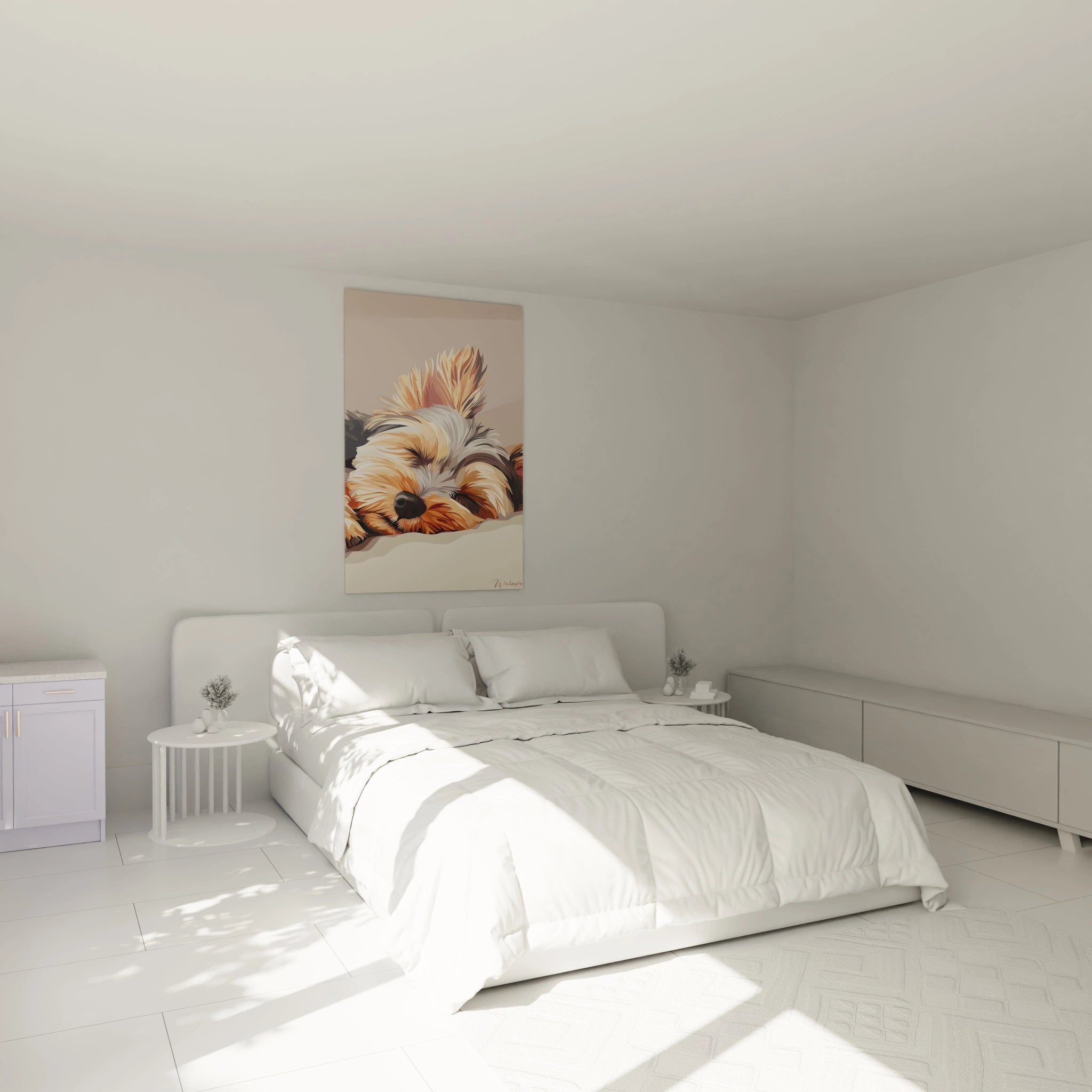
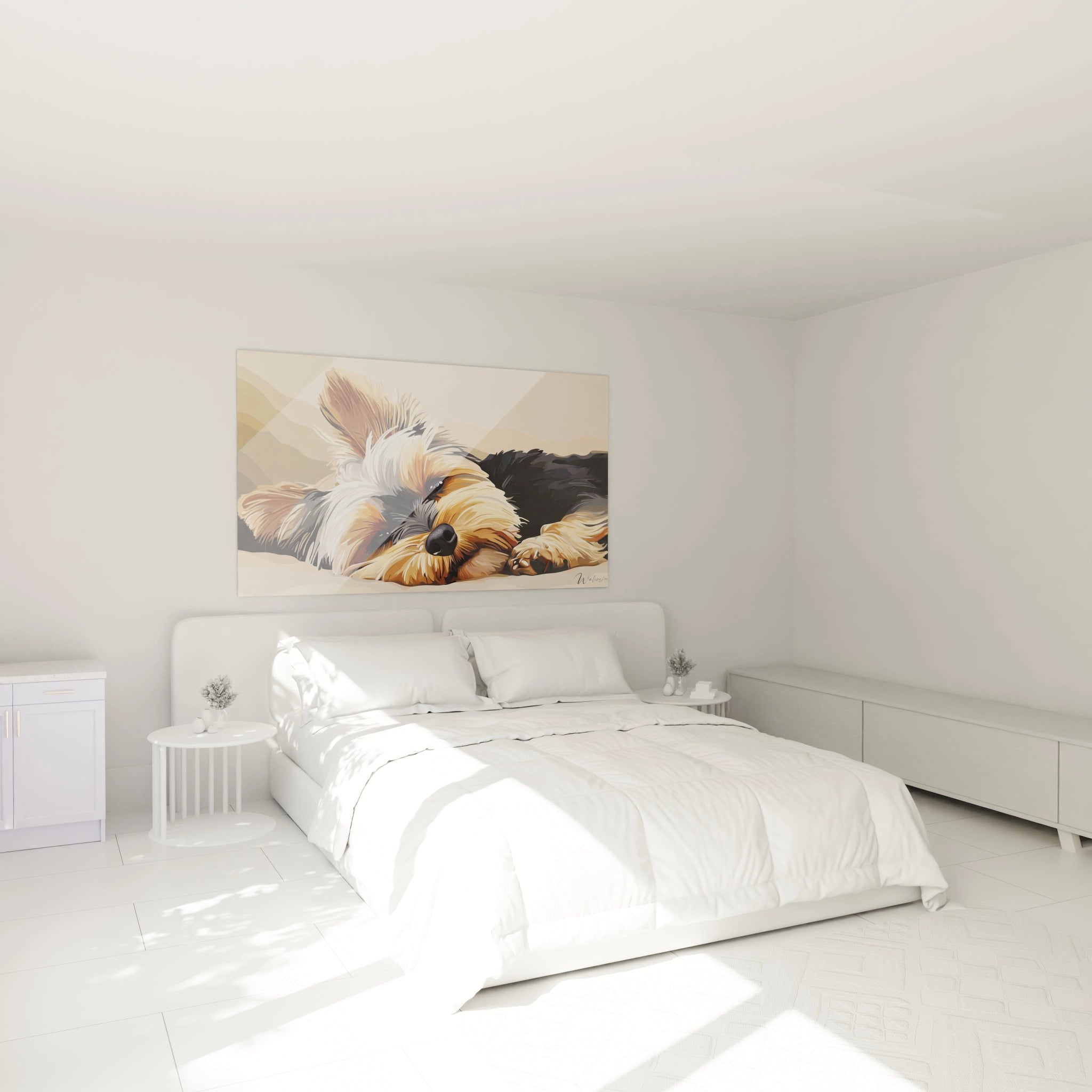
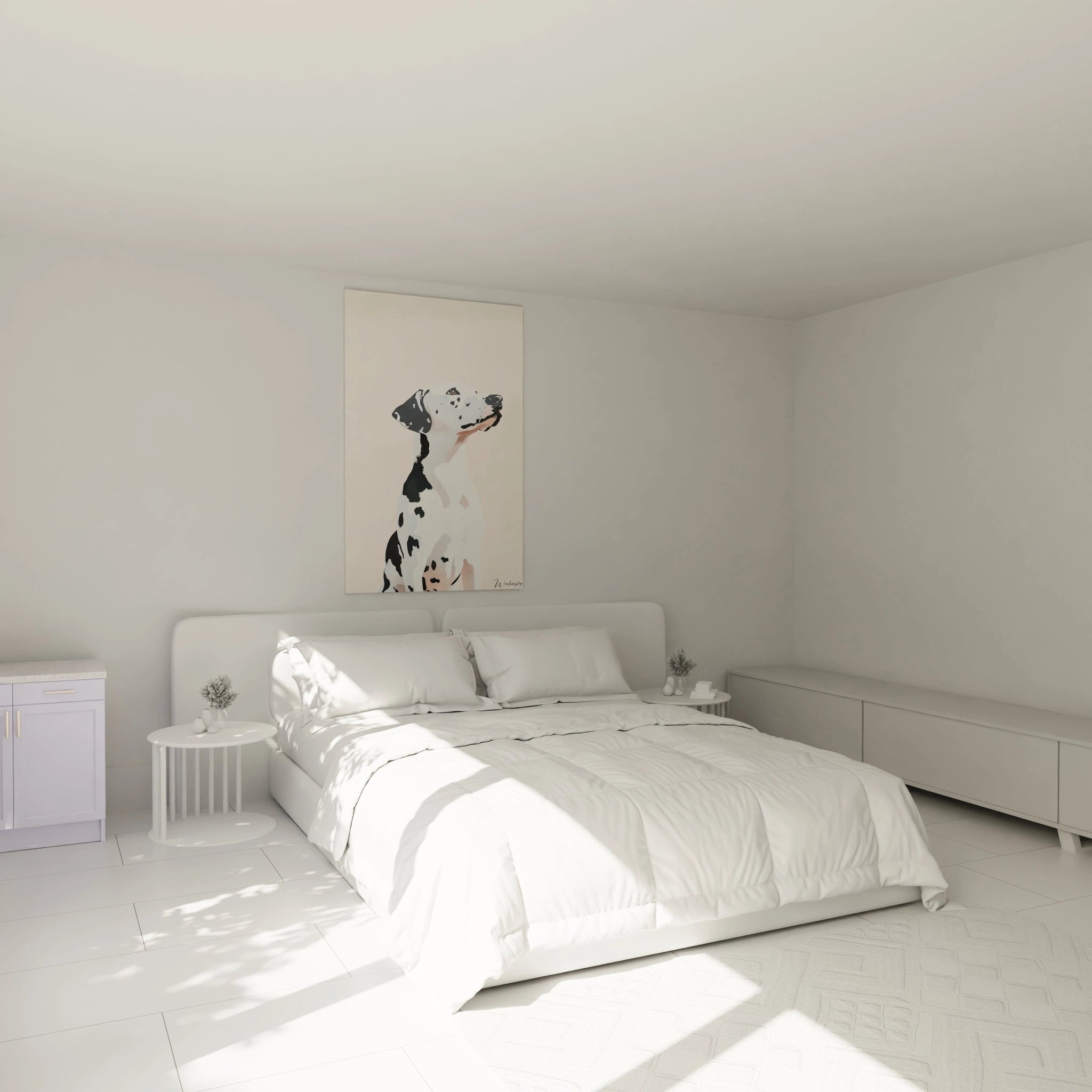
For a veterinary clinic waiting room, prioritize large-format wall art, ideally between 100x150 cm and 150x200 cm. These dimensions allow optimal visibility from all points in the room and create sufficient visual impact to capture the attention of animals and their owners. The calming effect sought requires significant visual surface that dominates the space without overwhelming it.
How to Effectively Maintain Wall Art in a Veterinary Environment?
Maintenance of wall art for veterinary clinics requires cleaning products compatible with their specific materials. Preferably use medical-grade solutions based on quaternary ammonium, avoiding products containing alcohol which could damage certain coatings. Systematic weekly cleaning, supplemented by thorough monthly disinfection, ensures longevity and compliance with veterinary sanitary standards.
Can Wall Art for Veterinary Clinics Improve Acoustic Properties of Clinical Spaces?
Certain models of wall art for veterinary clinics integrate acoustic absorption properties that significantly contribute to reducing ambient noise. These specialized artworks, equipped with sound-absorbing materials concealed behind their visual surface, can reduce sound reverberation by 30% to 45% depending on their composition. This characteristic proves particularly valuable in veterinary environments where animal vocalizations can create a stressful sound atmosphere.