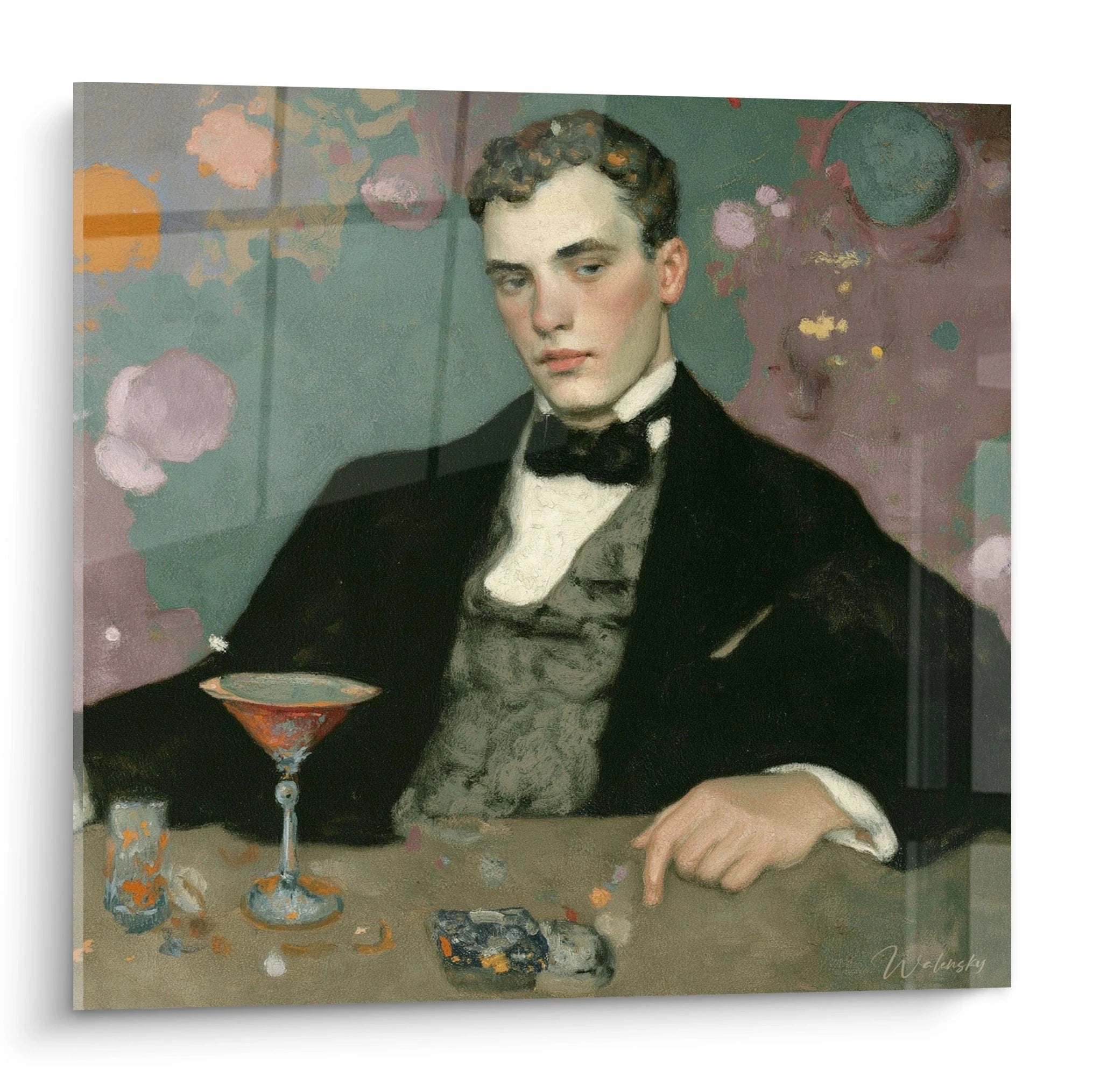
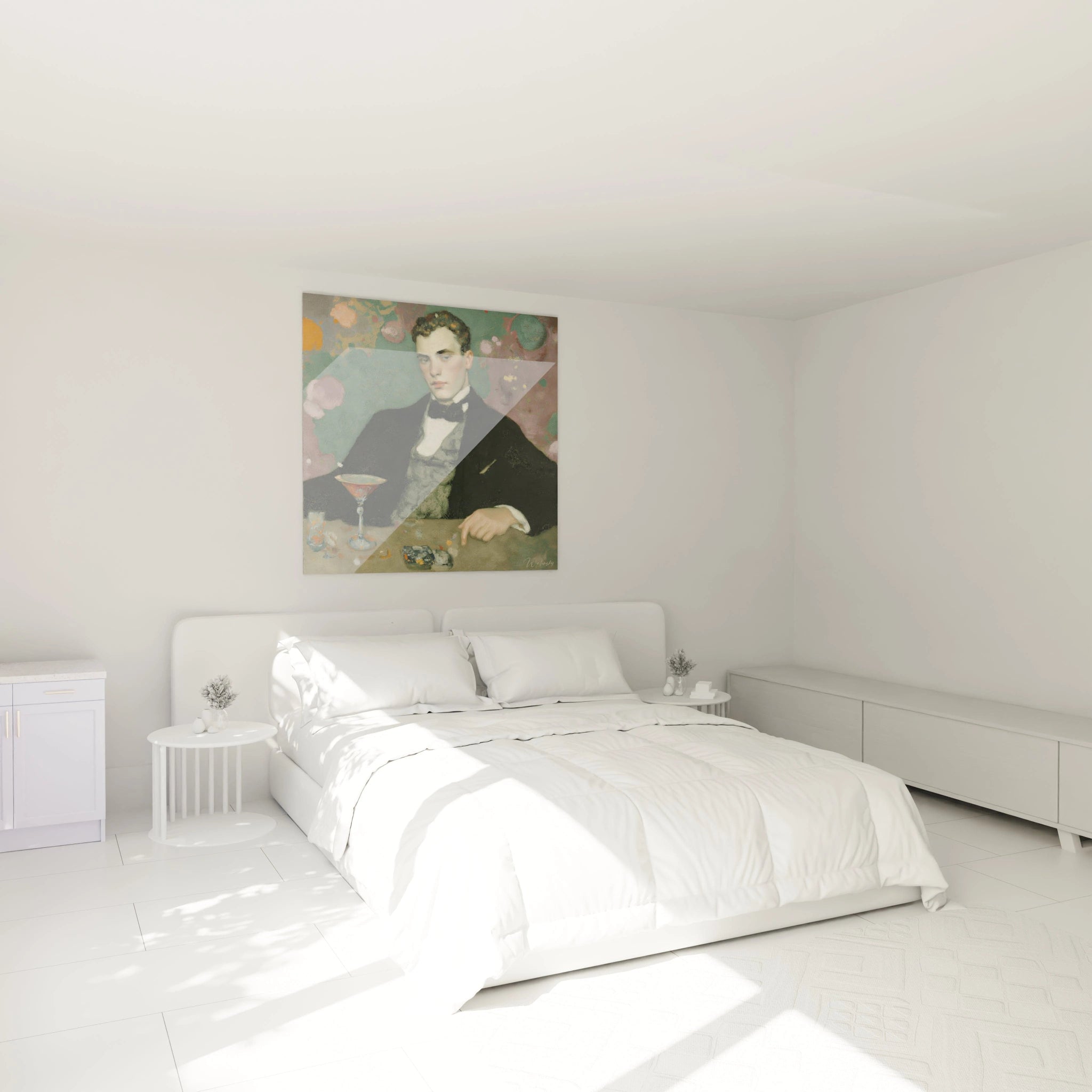
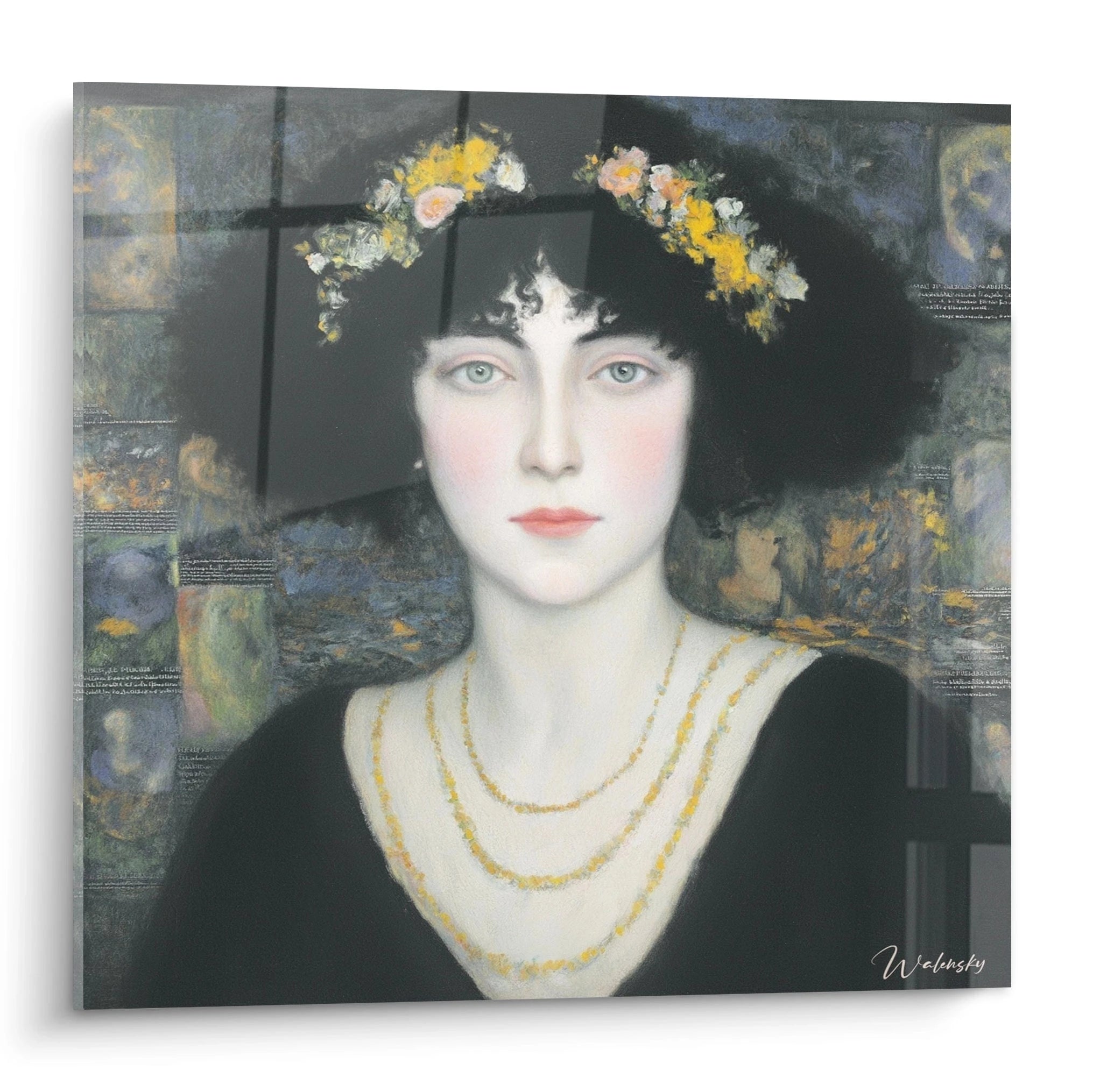
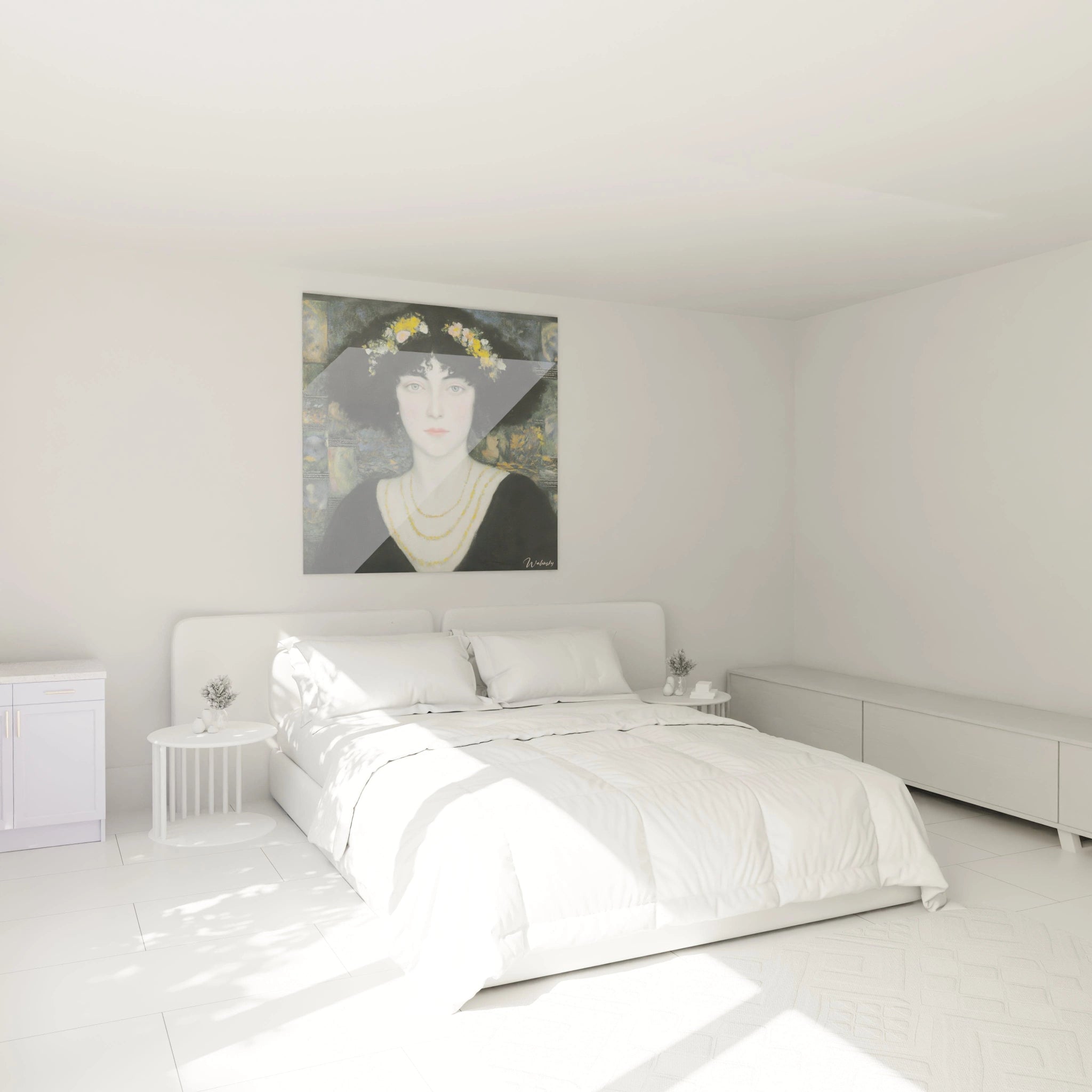
The symbolist painting represents one of the most fascinating artistic expressions of the late 19th century, offering a poetic and mystical alternative to dominant realism. These exceptional wall artworks transform your interior into a contemplative sanctuary, where each symbol reveals hidden truths and profound emotions. Unlike classical reproductions, an authentic symbolist painting creates a unique meditative atmosphere, inviting philosophical reflection and exploration of the collective unconscious. These large-scale wall creations captivate through their ability to transcend visible reality to reveal the spiritual essence of the world.
Symbolist Painting: A Mystical Portal to the Universal Soul
The symbolist painting of the mystical tradition is far more than simple wall decoration - it represents a window into the hidden dimensions of existence. These monumental artworks radically transform a space's energy by creating contemplative sanctuaries where the soul can elevate beyond material concerns. Symbolist spirituality expresses itself through universal archetypes that resonate with the collective unconscious, offering a unique transcendental experience.
How does a symbolist painting awaken spiritual consciousness?
Symbolist representations act as energetic catalysts within the domestic environment. Unlike conventional decorative works, these creations integrate ancient esoteric symbols: the cosmic eye, the sacred spiral, the tree of life, Western mandalas. Each pictorial element functions as a meditation point, enabling access to altered states of consciousness conducive to deep introspection.
- Activation of higher chakras through symbol contemplation
- Harmonization of telluric and cosmic energies
- Elevation of the home's vibratory level through symbolic resonance
- Stimulation of intuition and latent psychic abilities
The alchemy of mystical colors in symbolist art
The artistic movements of symbolism exploit a highly spiritual color palette where each hue possesses its own vibratory correspondence. Deep indigo evokes intuitive wisdom, mystical gold symbolizes divine illumination, while transcendental violet opens the doors of clairvoyance. This science of sacred colors transforms your living room into a modern initiatory temple.
Great masters such as Odilon Redon and Gustave Moreau codified their dreamlike visions according to precise hermetic principles. Their wall creations function as artistic talismans, imbuing the space with their evocative power. The psycho-energetic impact of an authentic symbolist painting endures for years, continuously nourishing the contemplative quest of those who experience it.
Contemplation rituals and meditative practices
Installing a mystical symbolist painting requires a ceremonial approach respectful of its sacred dimension. Cardinal orientation, subdued lighting, and absence of technological distractions create optimal conditions for meditative absorption. Advanced practitioners recommend daily contemplation sessions of at least fifteen minutes to fully activate the artwork's transformative potential.
- Energetic purification of the space before installation
- Ritual consecration of the painting according to esoteric traditions
- Establishment of a domestic sanctuary around the artwork
This holistic approach radically distinguishes the spiritual collector from the merely decorative enthusiast. The true symbolist painting becomes a companion in personal evolution, progressively revealing its deepest mysteries as the contemplator's sensitivity refines.
Psychological Decryption: When Symbolist Art Reveals the Unconscious
The symbolist painting of psychological significance functions as a mirror of the soul, revealing the secret mechanisms of the human psyche through sophisticated visual language. These exceptional wall artworks transcend simple representation to become tools of psychoanalytic exploration, unveiling the impulses, fears, and repressed desires inhabiting our collective unconscious.
What artistic therapy do symbols of the unconscious offer?
Symbolist creators such as Fernand Khnopff and Franz von Stuck developed their dreamlike representations according to an intuitive understanding of psychic mechanisms, anticipating Freudian discoveries by several decades. Their works function as windows into the unconscious, enabling emotional catharsis through visual recognition of our inner archetypes.
- Liberation of buried traumas through symbolic identification
- Reconciliation with the Jungian anima and animus
- Integration of the dark aspects of personality (the shadow)
- Activation of psychological individuation processes
Installing a symbolist painting in your personal space creates a permanent therapeutic environment. Regular contemplation sessions before these artworks allow access to normally inaccessible psychic layers, fostering deep understanding of one's behavioral and emotional mechanisms.
Universal archetypes and personal transformation
The symbolist visions draw from a universal iconographic repertoire: the femme fatale, the mystical androgyne, the divine child, the hermit sage. These archetypal figures resonate with the profound structures of the psyche, triggering processes of personal transformation through activation of the unconscious's autonomous complexes.
Unlike traditional verbal therapies, symbolist art operates through continuous visual immersion. The subconscious progressively assimilates the artwork's coded messages, initiating subtle yet lasting behavioral changes. This non-invasive approach proves particularly suitable for introverted personalities or those resistant to classical analytical methods.
The neuroplastic impact of symbolist artworks
Contemporary neuroscience confirms the influence of complex visual stimuli on brain restructuring. An authentic symbolist painting simultaneously stimulates the creative, emotional, and spiritual areas of the brain, promoting the establishment of beneficial new neural connections for overall psychological balance.
- Stimulation of neurogenesis through artistic contemplation
- Harmonization of brain wave frequencies (alpha and theta)
- Strengthening of neural circuits for empathy and intuition
This neurotherapeutic dimension distinguishes true symbolist creations from superficial commercial reproductions. Investment in an authentic artwork represents a commitment to long-term personal development, progressively transforming both self-perception and perception of the surrounding world.
Poetic Heritage: When Symbolist Painting Dialogues with Literature
The symbolist painting with literary dimensions establishes fascinating correspondences with the poetic masterpieces of its era, creating a unique intersensory dialogue between visual art and verbal expression. These exceptional wall artworks materialize the Baudelairean aesthetic of "correspondences", where perfumes, colors, and sounds answer one another in a revolutionary synesthetic harmony.
How did symbolist painters translate poetry into images?
Masters such as Gustave Moreau and Pierre Puvis de Chavannes maintained close relationships with Parnassian and Symbolist poets. Their pictorial creations visually transcribe the atmosphere of The Flowers of Evil or Saturnine Poems, transforming literary metaphors into visual allegories of extraordinary semantic richness.
- Visual transposition of poetic rhythms through composition
- Materialization of Baudelairean synesthesias
- Plastic incarnation of Verlonian allegorical figures
- Visualization of Mallarméan interior landscapes
This intermedial approach revolutionizes the traditional conception of wall painting. The symbolist painting becomes an autonomous visual poem, capable of generating its own metaphors and evoking emotions beyond words.
The aesthetic of the ineffable and the suggested
Following Verlaine's precepts of "nuance rather than color", symbolist art privileges evocation over direct description. These enigmatic works deliberately cultivate semantic ambiguity, inviting each viewer to mentally complete the image's meaning according to their personal sensitivity.
This aesthetic of the unfinished and the mysterious radically transforms the domestic decorative experience. Unlike literal reproductions that quickly exhaust their attractiveness, the true symbolist painting continuously reveals new interpretive facets, perpetually enriching the home's intellectual environment.
What influence do these works still exert on contemporary creation?
The symbolist legacy flows undergroundedly through all artistic modernity, from surrealism to pop art and conceptual art. Contemporary creators continuously draw from this iconographic repertoire to nourish their own aesthetic research, perpetuating the tradition of art as universal language.
- Influence on 20th-century avant-garde movements
- Resurgences in digital art and multimedia installations
- Permanence of symbolist themes in contemporary art
Acquiring an authentic symbolist painting means inscribing yourself in this prestigious artistic genealogy while participating in its transmission to future generations. These artworks constitute lasting cultural investments, continuously enriching their environment through their historical and aesthetic resonances.
The narrative dimension of symbolist compositions
Each symbolist creation tells a complex story, often inspired by mythology, classical literature, or popular legends revisited according to modern sensibility. These visual narratives function as graphic novels before their time, condensing entire stories into a single image of remarkable semantic density.
FAQ - Frequently Asked Questions About Symbolist Paintings
What is the difference between a symbolist painting and an Impressionist work?
Symbolist painting privileges spiritual and psychological content over direct nature observation, unlike Impressionism which captures momentary light effects.
How do you authenticate a genuine old symbolist painting?
Authentication requires the expertise of recognized specialists, analysis of painting techniques, historical provenance, and correspondence with the artists' annotated catalogs.
What budget should be planned to acquire a quality symbolist painting?
Prices vary considerably depending on the artist's renown, conservation condition, and dimensions, ranging from several thousand to several hundred thousand euros for recognized masters.
Is a symbolist painting suitable for all decorative styles?
These artworks integrate particularly well into refined interiors, personal libraries, intellectuals' offices, and spaces dedicated to meditation or reflection.