


Sunflower Wall Art
Bring a sunny touch to your interior with a sunflower wall art. Its bright yellow symbolizes joy and positive energy. Ideal for illuminating a living room or bedroom, it evokes the warmth of summer and the elegance of nature. Each piece reflects the radiant beauty of this majestic flower, perfect for energizing your wall decor with brilliance and vitality.
 Sunflower Wall Art No. 1 - Nature Edition273,90 €
 Woman in Yellow Dress with Sunflower Bouquet - Running in the Field - Sunflower Edition273,90 €
 Yellow and Green Bouquet on Chalky Wall - Relief Floral Impasto - Tournesol Edition273,90 €
 Sunflowers yellow and gray collage painting - Fragmented ivory background - Tournesol Edition273,90 €
 Golden Sunflowers with Dark Hearts - Summer Warmth - Sunflower Edition273,90 €
 Sunflowers Yellow and Grey Painting with Thick Knife - Duo with Brown Hearts - Sunflower Edition273,90 €
 Sunflowers Yellow and Gray Painting Trio, Knife-Applied Paste - Cracked Gold Background - Sunflower Edition273,90 €
 Sunflower Yellow and Green Painting on Ivory Background with Collaged Orange Abstract Rectangles - Sunflower Edition273,90 €
 Sunflower Yellow and Turquoise Paintings with Patchwork Background - Urban Bloom - Sunflower Edition273,90 €
 Golden Sunflower Painting with Rusty Textures - Autumn Radiance - Sunflower Edition273,90 €
 Golden Sunflower Painting with Swirling Petals - Solar Breath - Sunflower Edition273,90 €
 Yellow Sunflowers Painting with Textured Ivory Background - Golden Summer Glow - Sunflower Edition273,90 €
 Sunflower Yellow and Ivory Painting on Checkerboard Wall - Brown and Navy Blue Heart - Sunflower Edition273,90 €
 Sunflower Painting Yellow and Navy Blue on Engraved Foliage Background - Faded Bud on the Edge - Sunflower Edition273,90 €
 Sunflowers Painting Orange and Green on Ivory Background - Six Grouped Flowers - Sunflower Edition273,90 €
 Golden Profile Woman with Ocher Background and Sunflowers - Breath of Light - Sunflower Edition273,90 €
 Painting Woman with Golden Turban Among Sunflowers - Solar Serenity - Sunflower Edition273,90 €
 White and Turquoise Boat on Reflected Water - Aquatic Reflection of Flowers - Tournesol Edition273,90 €
 Sunflower Field Under Golden Sun - Golden Awakening of Fields - Sunflower Edition273,90 €
 Sunflower Yellow and Gray Painting in a Slate Vase - Fluffy Brown Heart - Sunflower Edition273,90 €
 Sunflower Painting Orange and Green with Dense Dotted Background - Bud in Bloom - Sunflower Edition273,90 €
 Orange and Green Sunflowers on Ivory Background with Multiple Heads - Vintage Engraved Illustration - Sunflower Edition273,90 €
 Sunflowers Painting Orange and Mint Green in a Tight Cluster - Fine Line Illustration - Sunflower Edition273,90 €
 Sunflower Print Olive and Ivory in Dense Engraving - Toothed Foliage Monochrome - Sunflower Edition273,90 €
Explore further
In Sunflower Wall Art
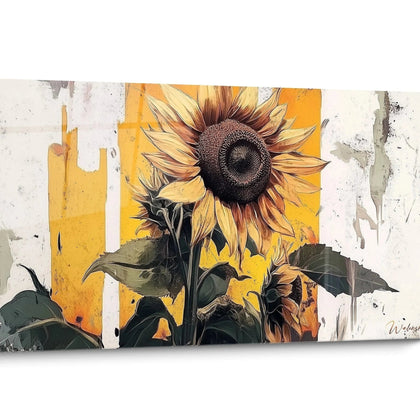

In the same family
Also explore the theme Nature
-
 View all5000
artworks
View all5000
artworks
-
 Aloe vera94
artworks
Aloe vera94
artworks
-
 Tree64
artworks
Tree64
artworks
-
 Tree of Life50
artworks
Tree of Life50
artworks
-
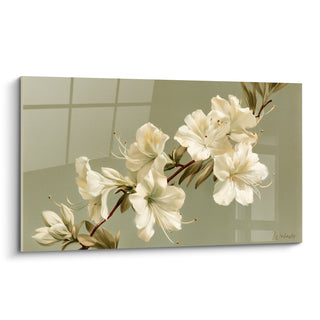 Azalea106
artworks
Azalea106
artworks
-
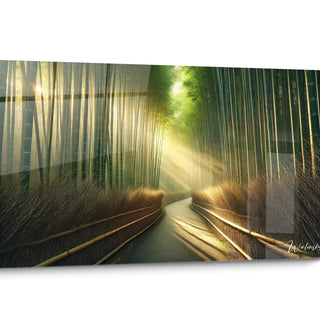 Bamboo241
artworks
Bamboo241
artworks
-
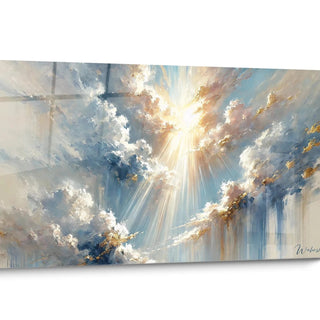 Nature's Beauties372
artworks
Nature's Beauties372
artworks
-
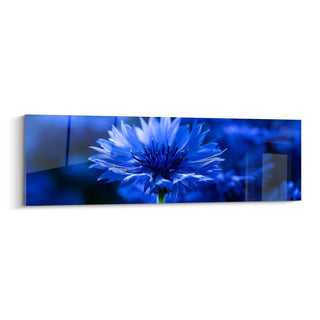 Cornflower133
artworks
Cornflower133
artworks
-
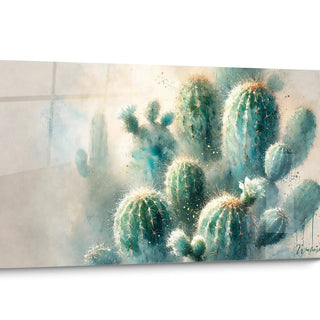 Cactus81
artworks
Cactus81
artworks
-
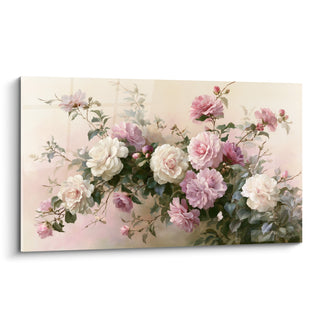 Camellia197
artworks
Camellia197
artworks
-
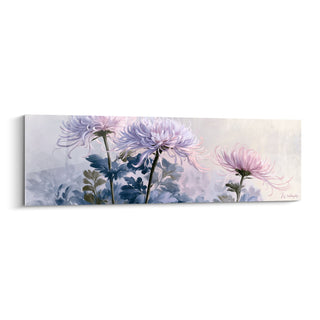 Chrysanthemum225
artworks
Chrysanthemum225
artworks
-
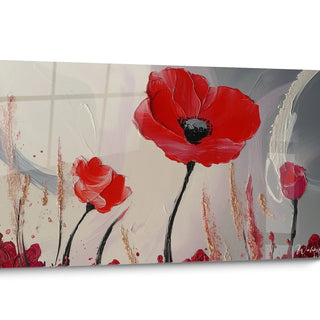 Poppy341
artworks
Poppy341
artworks
-
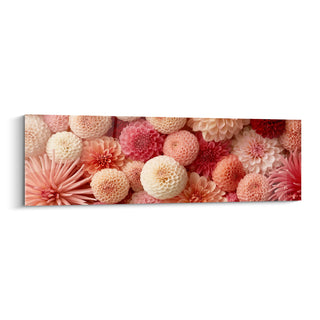 Dahlia161
artworks
Dahlia161
artworks
-
 Eucalyptus119
artworks
Eucalyptus119
artworks
-
 Banana Leaf72
artworks
Banana Leaf72
artworks
-
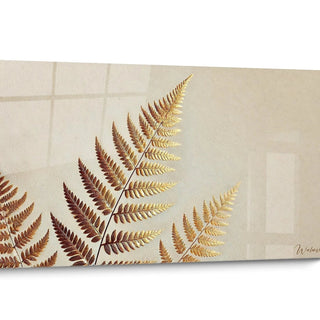 Golden Leaf2
artworks
Golden Leaf2
artworks
-
 Flower276
artworks
Flower276
artworks
-
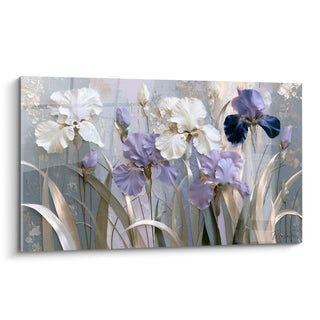 Iris Flower179
artworks
Iris Flower179
artworks
-
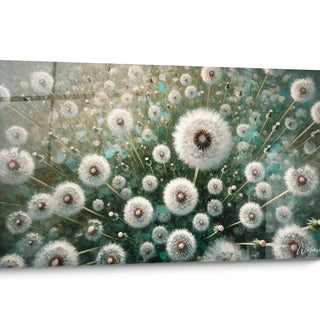 Wildflowers5
artworks
Wildflowers5
artworks
-
 Pebbles9
artworks
Pebbles9
artworks
-
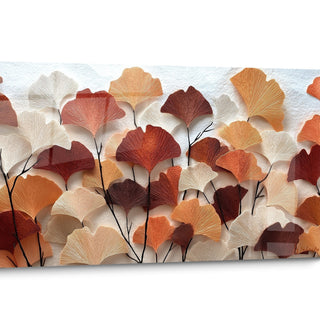 Ginkgo71
artworks
Ginkgo71
artworks
-
 Glycine217
artworks
Glycine217
artworks
-
 Hydrangea140
artworks
Hydrangea140
artworks
-
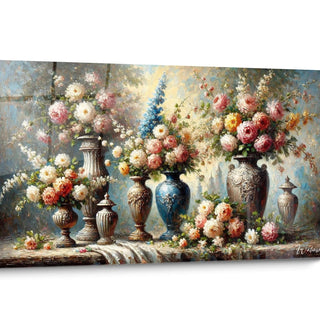 Garden18
artworks
Garden18
artworks
-
 Daffodil163
artworks
Daffodil163
artworks
-
 Lavender135
artworks
Lavender135
artworks
-
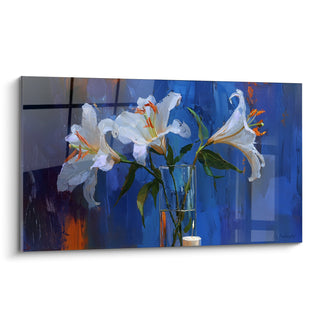 Lily135
artworks
Lily135
artworks
-
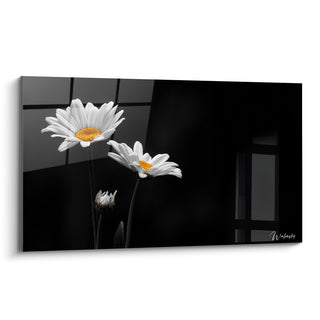 Daisy156
artworks
Daisy156
artworks
-
 Monstera8
artworks
Monstera8
artworks
-
 Other Nature80
artworks
Other Nature80
artworks
-
 Water Lily105
artworks
Water Lily105
artworks
-
 Olivier321
artworks
Olivier321
artworks
-
 Orchid87
artworks
Orchid87
artworks
-
 Palm Tree375
artworks
Palm Tree375
artworks
-
 Peony168
artworks
Peony168
artworks
-
 Roses14
artworks
Roses14
artworks
-
 Terracotta436
artworks
Terracotta436
artworks
-
 Tulip542
artworks
Tulip542
artworks


All about Sunflower Wall Art
- Sunflower Wall Art Presentation
- Sunflower Wall Art Luminous Atmosphere
- Sunflower Wall Art Artistic Symbolism
- Sunflower Wall Art Decorative Psychology
Sunflower wall art represents far more than simple wall decoration. These emblematic works capture the very essence of the ultimate solar flower, transforming any space into a haven of warmth and optimism. Unlike conventional floral representations, nature wall art featuring sunflowers brings a unique dynamism through its vibrant hues and profound symbolism.
These artistic creations distinguish themselves through their unique ability to illuminate a room even without natural light, creating a warm and welcoming atmosphere. Sunflowers, with their characteristic movement toward the sun, infuse positive energy and a sense of vitality into any space where they are displayed.
Contemporary sunflower wall art often draws inspiration from the artistic legacy of masters like Van Gogh, while proposing modern interpretations that harmoniously integrate into current interiors. These large-format works radically transform a room's ambiance, creating a striking focal point that immediately captures attention.
Whether drawn to their solar symbolism, energizing color palette, or capacity to evoke positive emotions, sunflower wall art offers a versatile decorative solution that transcends fleeting trends. Explore the different facets of these captivating works through our detailed analyses in the following tabs.
The Emotional Impact of Sunflower Wall Art in Interior Design
Sunflower wall art exerts a profound psychological influence on the ambiance of a living space. Unlike other floral representations, these works capture and diffuse a particular luminosity that literally transforms the perception of a room. This unique characteristic makes sunflower representations a preferred choice for spaces lacking natural light or facing north.
How do sunflower wall art pieces influence our daily mood?
Studies in environmental psychology demonstrate that regular exposure to the warm colors of sunflowers stimulates serotonin production, the happiness hormone. A large-format sunflower wall art piece placed in a common living space can become a genuine mood regulator, particularly effective during winter months when lack of light affects morale.
The solar symbolism of the sunflower, this flower that constantly follows the sun's path, reinforces this therapeutic dimension. People sensitive to seasonal affective disorder report a notable improvement in their well-being when they integrate sunflower wall art into their daily environment.
The light-amplifying effect characteristic of sunflower representations
The specific chromatographic palette of sunflowers—dominated by vibrant yellows contrasting with deep brown centers—creates a fascinating optical phenomenon. These works seem to absorb ambient light to redistribute it, creating the illusion of an autonomous light source. This phenomenon, particularly notable with large formats, explains why sunflower wall art is often described as "illuminating" a room.
Interior designers frequently recommend these works for transitional spaces like hallways or entryways, where they create an immediate sensation of warmth and welcome. The effect is particularly striking in Nordic or minimalist interiors, where the floral representation brings a touch of vitality without compromising the refined aesthetic.
- Perceived amplification of room luminosity by up to 30%
- Creation of a dynamic focal point that naturally attracts the gaze
- Sensation of warmth even in spaces with cool tones
- Positive impact on the mood of occupants, particularly in winter season
Strategic placement of sunflower wall art to optimize its luminous impact
The orientation of a sunflower wall art piece in relation to natural and artificial light sources greatly determines its effect on the space. Placed facing a window, the work will capture incoming light to redistribute it throughout the room. Positioned on a wall adjacent to a light source, it will create a particularly soothing golden halo effect in the evening.
Spaces with high ceilings particularly benefit from vertical-format sunflower representations, which accentuate the impression of elevation while bringing warmth and dynamism. For rooms with more modest dimensions, a panoramic sunflower wall art piece creates a virtual window overlooking a sunny field, visually enlarging the space.
The optimal viewing distance for a large-format sunflower wall art piece is generally between 2.5 and 3 meters, allowing appreciation of both the flower details and the overall effect. This characteristic makes it an ideal choice for spacious living rooms and dining areas, where the work can be contemplated under optimal conditions.
Which rooms benefit most from the energy of sunflower wall art?
Spaces facing north or northeast, naturally less sunny, experience a radical transformation with the introduction of a dominant sunflower wall art piece. The kitchen, a place of conviviality and sharing, particularly welcomes these representations which reinforce the warm atmosphere associated with this space.
Bedrooms can also benefit from the positive energy of sunflowers, provided you opt for representations with slightly softened hues to preserve an atmosphere conducive to rest. Some contemporary sunflower wall art pieces offer softer interpretations, specifically designed for relaxation spaces.
Home offices constitute another ideal environment for these energizing works. The presence of a sunflower wall art piece in a work space stimulates creativity and maintains a stable energy level throughout the day, as confirmed by several studies on productivity in chromatically optimized environments.
Symbolism and Meaning of Sunflower Wall Art in Contemporary Art
Sunflower wall art occupies a singular place in contemporary art, bearing a rich symbolism that transcends its simple aesthetic beauty. These floral representations, far from being mere decorative elements, convey profound messages that resonate with our times. The particular appeal of these works explains itself through their unique ability to symbolize simultaneously seemingly contradictory concepts: permanence and transition, joy and melancholy, simplicity and complexity.
The transformed legacy of Van Gogh in modern sunflower wall art
Van Gogh's influence on our perception of sunflower wall art remains undeniable, but contemporary artists have succeeded in reinterpreting this iconic symbol to infuse it with new meanings. While Van Gogh's sunflowers expressed a personal quest for light in darkness, current creations often explore collective resilience in the face of environmental and societal challenges.
Today's large-format sunflower wall art pieces distinguish themselves through their more conceptual approach, where the flower becomes a metaphor for our relationship with nature and regeneration cycles. Hyperrealism technique, particularly popular since 2020, allows capturing with striking precision the microscopic details of sunflowers, creating a fascinating tension between figurative representation and contemplative abstraction.
- Evolution of heliotropic movement as a symbol of adaptation to change
- Representations of sunflowers in their final cycle as a metaphor for beauty in impermanence
- Use of mixed techniques integrating recycled materials, reinforcing the ecological message
- Contrast between solar vitality and awareness of ecosystem fragility
Why does sunflower wall art resonate particularly with contemporary aesthetics?
The current appeal for sunflower wall art is part of a broader movement of "decorative biophilia"—this trend to reintroduce natural elements into our increasingly urbanized living spaces. The natural geometry of the sunflower, with its Fibonacci spiral arrangement, simultaneously satisfies our desire for order and our need for connection to the natural world.
The characteristic colors of the sunflower—dominated by striking yellows and earthy browns—create a chromatic balance that harmonizes remarkably well with contemporary palettes privileging raw materials and neutral hues. This compatibility explains why even minimalist interiors willingly welcome a sunflower wall art piece as an expressive focal element.
The appeal for these works transcends traditional stylistic boundaries. The same sunflower wall art piece can complement both an industrial interior and a bohemian or Scandinavian space, testifying to exceptional symbolic versatility. This contextual adaptability makes sunflower representations a particularly judicious artistic investment in our era of rapid aesthetic transitions.
The unique narrative dimension of sunflower wall art
Unlike other floral representations, sunflower wall art carries an intrinsic narrative dimension. The sunflower, in its constant movement toward light, tells a story of search, orientation and transformation. This narrative quality gives these works an emotional depth that explains their lasting impact on the observer.
Contemporary artists exploit this natural narrativity by creating evolutionary series showing different phases of the sunflower's life cycle. These sequences, particularly striking when presented in diptychs or triptychs, invite reflection on our own cycles of growth, apogee and transformation.
The temporal dimension is often accentuated by specific artistic techniques such as the use of photosensitive pigments that subtly evolve with light exposure, making the painting itself a living organism in constant evolution. This unique characteristic reinforces the viewer's emotional engagement with the work, which becomes a changing companion rather than a static element.
The cross-cultural symbolism of the sunflower in wall art
A fascinating aspect of sunflower wall art lies in its ability to transcend cultural boundaries. A symbol of devotion in some traditions, abundance in others, or longevity in Eastern cultures, the sunflower carries a universally positive significance that crosses epochs and geographies.
This symbolic universality explains why sunflower wall art harmoniously integrates into culturally eclectic environments, often becoming the convergence point that unifies decorative elements from diverse origins. In multicultural spaces such as international hotel lobbies or community centers, these works create a visually accessible language for all.
Contemporary creators actively explore this cross-cultural dimension by merging artistic traditions in their sunflower representations. We thus observe works combining Western chromatic vibrancy with the delicacy of Eastern ink techniques, or European botanical precision with American abstract expressionism, creating visual bridges between different aesthetic sensibilities.
Integrating Sunflower Wall Art into Current Decorative Trends
The integration of sunflower wall art into contemporary spaces reveals a profound trend: our growing need for reconnection with natural symbols bearing positive energy. These works are no longer considered mere decorative elements, but as ambiance catalysts capable of radically transforming a place's energetic dynamic. Their growing popularity is part of a broader movement of "intentional biophilia"—this trend to select specific natural elements for their documented psychological effects.
How do you harmonize sunflower wall art with different interior styles?
The extraordinary versatility of sunflower wall art allows its integration into practically all decorative styles, provided a thoughtful contextual approach is adopted. In minimalist interiors, a large-format sunflower wall art piece with refined composition brings warmth and vitality without compromising the "less is more" philosophy. The work then becomes the sole expressive element in a deliberately sober environment.
For industrial spaces characterized by raw materials and neutral tones, sunflower representations with saturated colors create a dynamic counterpoint that softens structural austerity. The juxtaposition of metallic or concrete textures with the organic softness of the floral motif generates a particularly contemporary visual tension.
Scandinavian-inspired interiors, with their typically light palette, ideally welcome sunflower wall art with slightly desaturated hues or luminous backgrounds. These works reinforce the characteristic luminosity of Nordic style while introducing welcomed warmth. The ideal positioning generally occurs facing the primary natural light source, maximizing the reflecting effect of solar yellows.
- For bohemian interiors: sunflower wall art with textured finishes and irregular frames
- For refined contemporary spaces: minimalist compositions with graphic lines
- For modern rustic settings: representations of entire fields with panoramic horizons
- For art deco décor: geometricized interpretations accentuating natural spiral patterns
Chromatic balance: integrating the vibrant colors of sunflowers
The distinctive palette of sunflower wall art—dominated by striking yellows contrasting with deep brown centers—presents a chromatic integration challenge that contemporary decorators transform into creative opportunity. Rather than adapting the work to the existing environment, current trends favor the reverse approach: building the space's chromatic palette around the painting.
This chromatic anchoring method consists of extracting subtle secondary hues from the sunflower wall art—delicate greens of stems, red touches in certain varieties, earthy nuances of the center—to discreetly replicate them in the space's textiles and accessories. This chromatic dialogue creates sophisticated visual coherence that transcends the "decorative" effect to achieve genuine environmental artistic composition.
Contemporary sunflower wall art often exploits unexpected chromatic variations—red sunflowers, monochromatic interpretations or twilight palettes—considerably broadening integration possibilities into diverse color schemes. These reinterpretations allow introducing the symbolic energy of sunflowers even into spaces with strictly controlled palettes.
Which dimensions should you choose to maximize the impact of sunflower wall art?
Current trends decidedly favor large formats for sunflower wall art, reflecting a fundamental evolution in our approach to wall art. Imposing formats—beyond 100 cm per side—transform the work into a genuine architectural presence capable of completely redefining a space's perception. This maximalist approach is part of a movement reacting to the omnipresence of screens in our daily lives.
The ideal dimensional ratio depends on the specific composition of the work and the desired effect. Hyperrealistic individual sunflower representations generally benefit from a square or slightly vertical format (4:5 ratio), allowing appreciation of the flower's structural complexity. For panoramic sunflower fields, a pronounced horizontal format (16:9 or even 21:9 ratio) creates a particularly striking immersive effect.
The hanging height of large-format sunflower wall art deserves particular attention. Unlike conventional rules positioning the work's center at eye level, sunflower representations often benefit from being placed slightly lower. This specific positioning—approximately 10 cm below standard height—accentuates their terrestrial quality and connection to the ground, subtly reinforcing their symbolism of simultaneous grounding and elevation.
The seasonal evolution of sunflower wall art in living spaces
A particularly innovative trend consists of integrating sunflower wall art into an evolutionary decorative strategy, where its positioning and immediate environment transform throughout the seasons. This dynamic approach strengthens the symbolic connection with the natural cycles that the sunflower intrinsically represents.
During winter, sunflower wall art pieces are ideally surrounded by reflective elements—strategically placed mirrors, polished metal surfaces or glass accessories—that amplify their intrinsic luminosity during months of weak sunlight. This configuration maximizes their therapeutic effect against seasonal affective disorder.
With spring and summer's arrival, the environment surrounding the work evolves toward more refined scenography, allowing the painting to "breathe" visually and establish more direct dialogue with abundant natural light. This contextual transformation, even if subtle, constantly renews the visual and emotional experience of the work.
FAQ about Sunflower Wall Art
What is the color durability of sunflower wall art exposed to direct light?
Quality sunflower wall art pieces use UV-resistant pigments guaranteeing chromatic stability for 15 to 20 years, even with direct light exposure. To maximize this durability, opt for works protected by anti-UV varnish and nonetheless avoid prolonged exposure to particularly intense direct sunlight.
How does sunflower wall art influence a room's acoustics?
Large-format sunflower wall art pieces, particularly those created on textured supports or with impasto techniques, positively contribute to a space's acoustics by diffracting sound waves. This characteristic makes it a judicious choice for rooms with hard surfaces (concrete, glass) susceptible to excessive reverberation.
Is sunflower wall art suitable for professional spaces?
Absolutely. Sunflower wall art is particularly well-suited to professional spaces focused on creativity, innovation or well-being. Their positive symbolism of growth and optimism aligns perfectly with contemporary corporate values, while creating a stimulating environment that promotes team productivity and well-being.
Further reading
Our articles on this topic
- Sunflower painting for a sunny kitchen: how to choose according to exposure
- Expressionist sunflower painting: the secret to a successful contrast with a blue wall
- How to choose a tulip painting based on your living room style
- Côte d'Azur Painting for a Bright Living Room: Creating a Harmonious Mediterranean Atmosphere
- Bright summer painting for a bohemian bedroom: where to hang it according to the room's light
- Azalea painting for your kitchen based on its exposure: which color to choose?
L'art qui suscite l'envie
Maison belge d'art mural grand format
14 jourspour changer d'avis*
Protection Walenskyincluse
Fabriquéen Italie
FormatXXL
Kit de fixationtoujours fourni
* Hors tableaux personnalisés et tailles personnalisées


