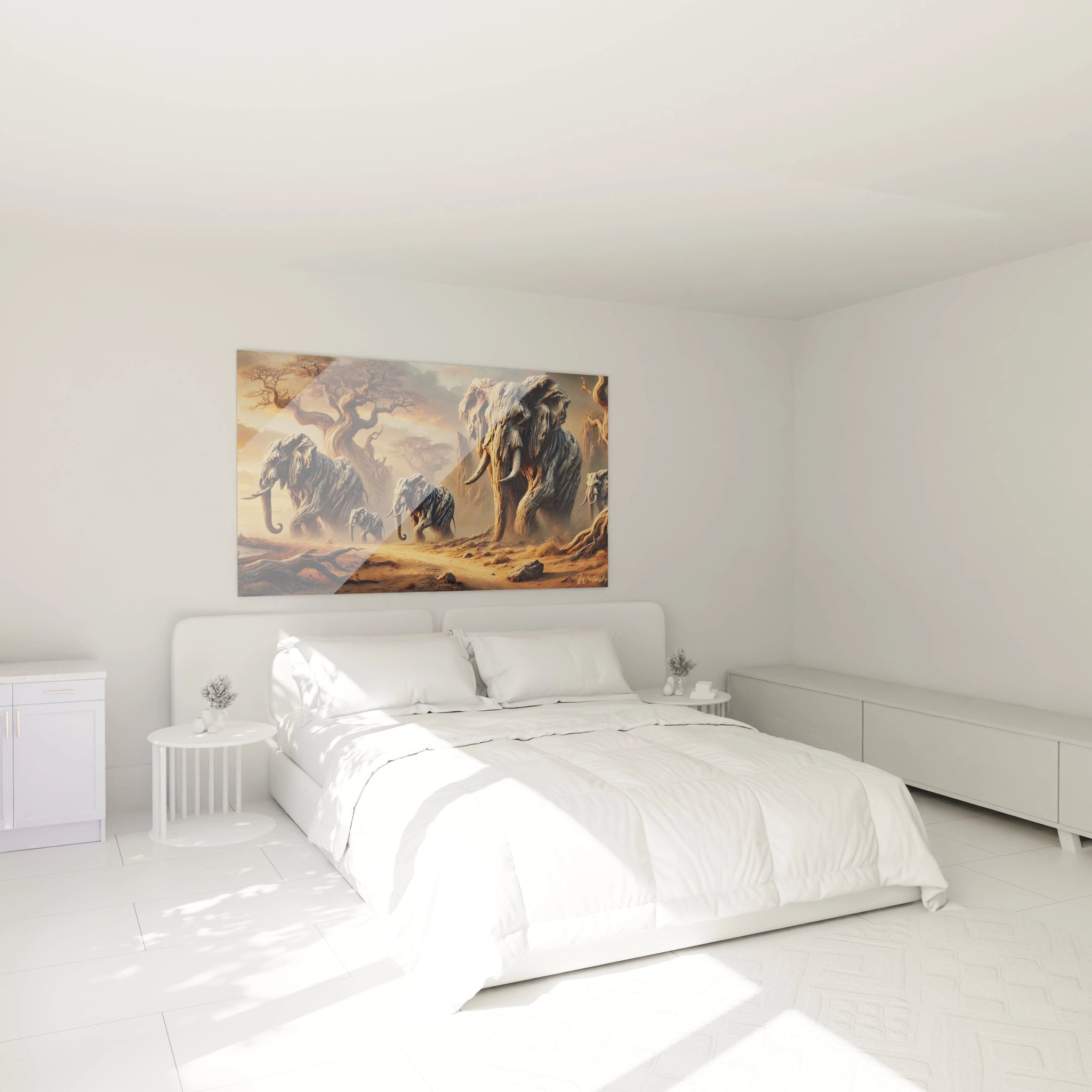
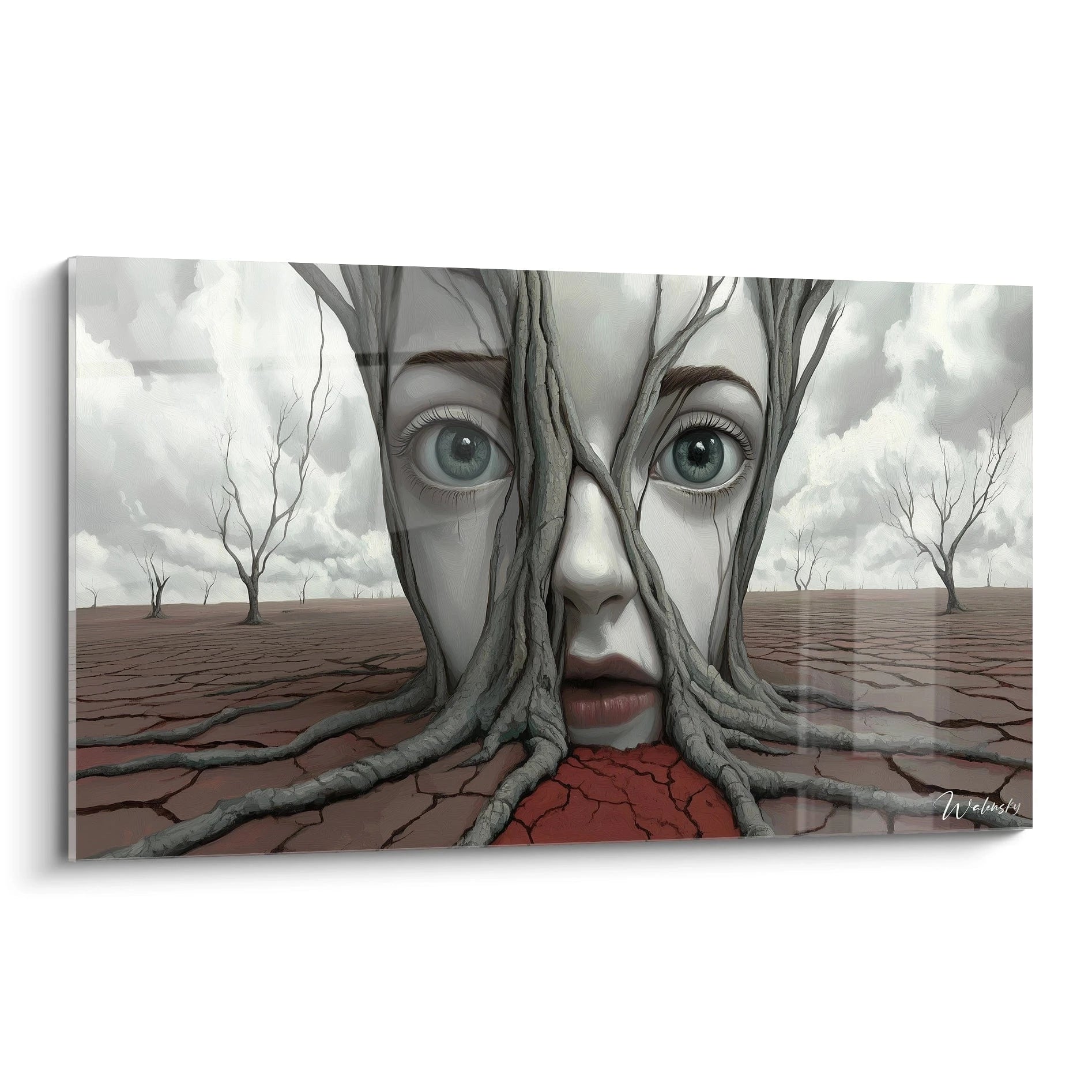
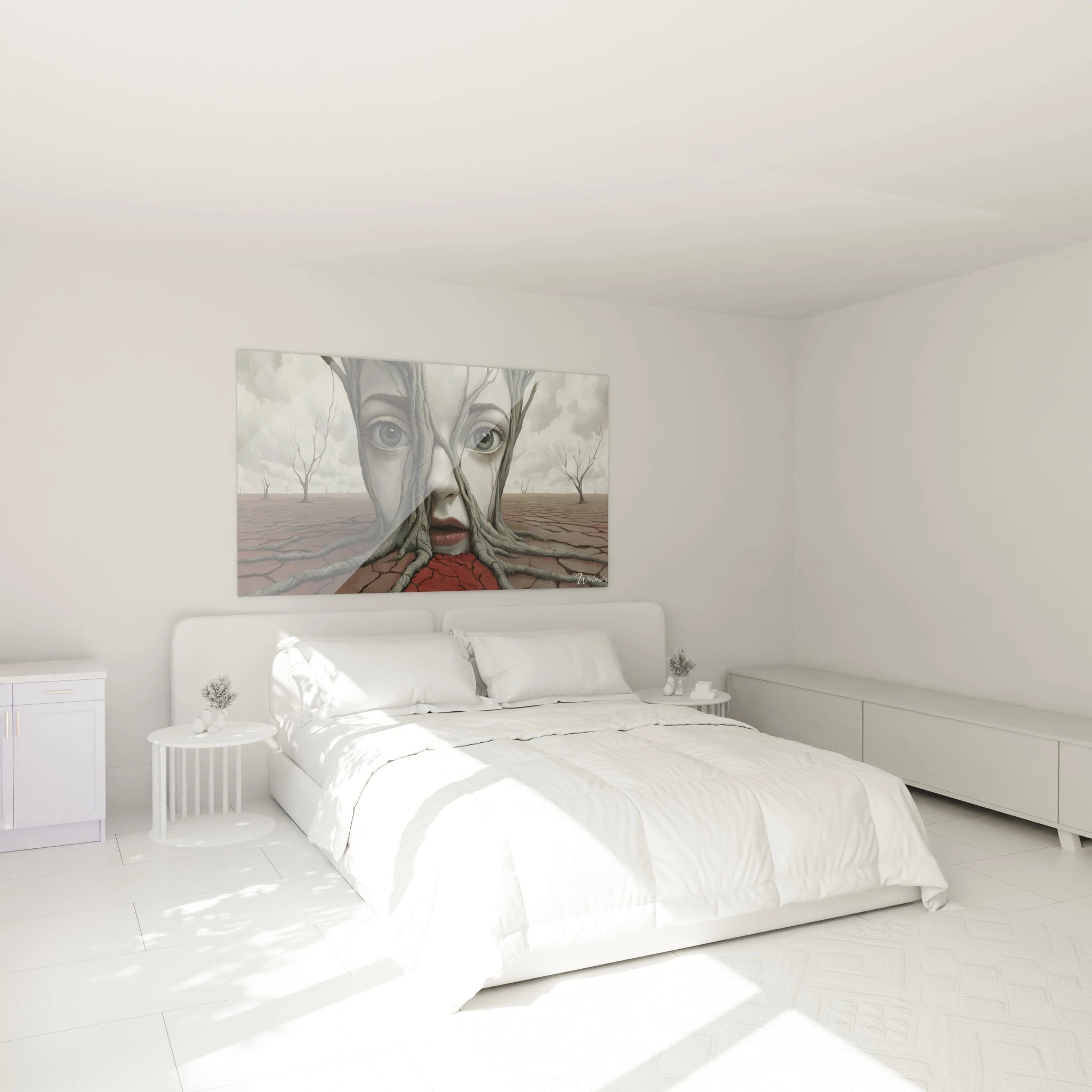
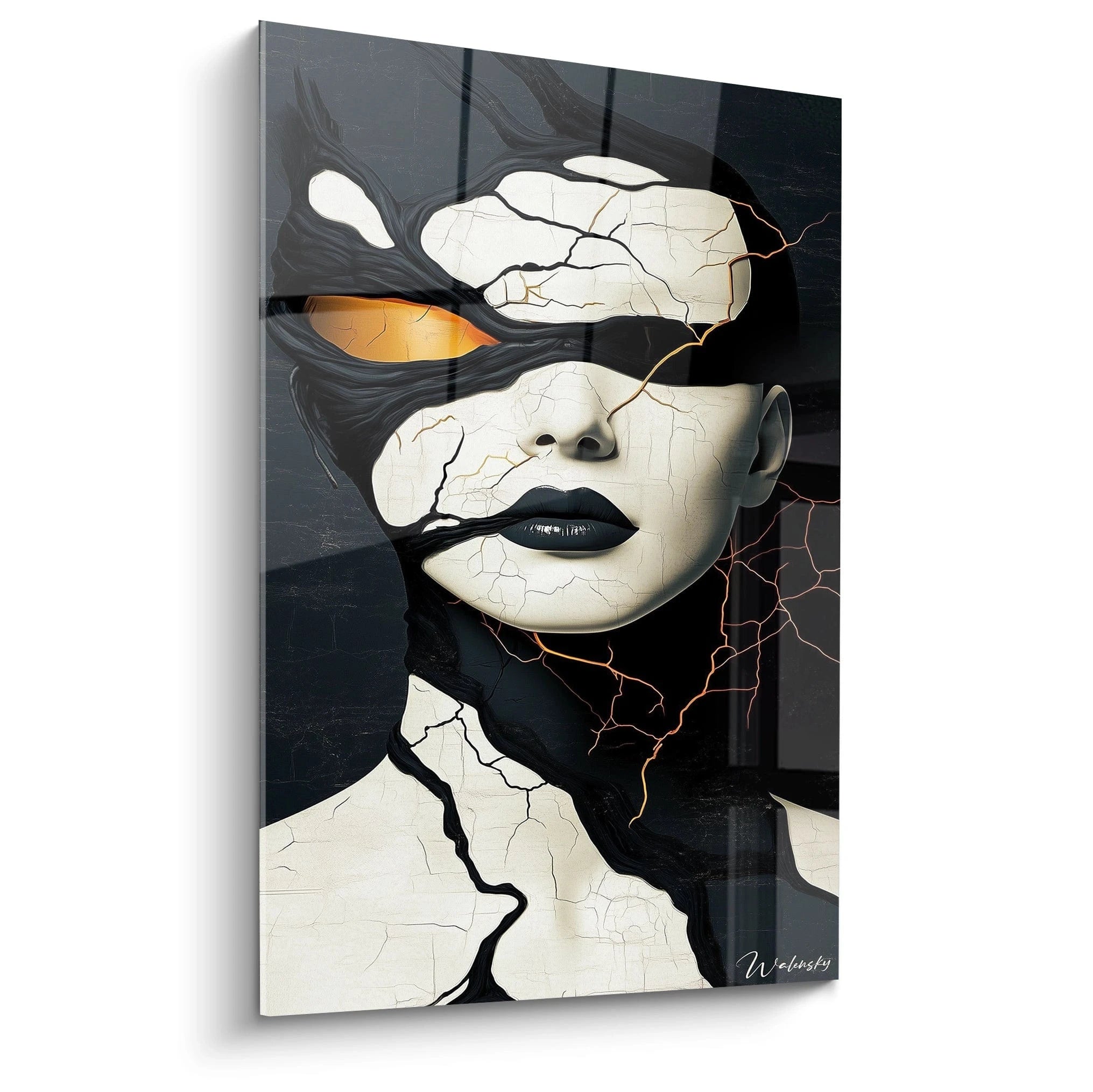
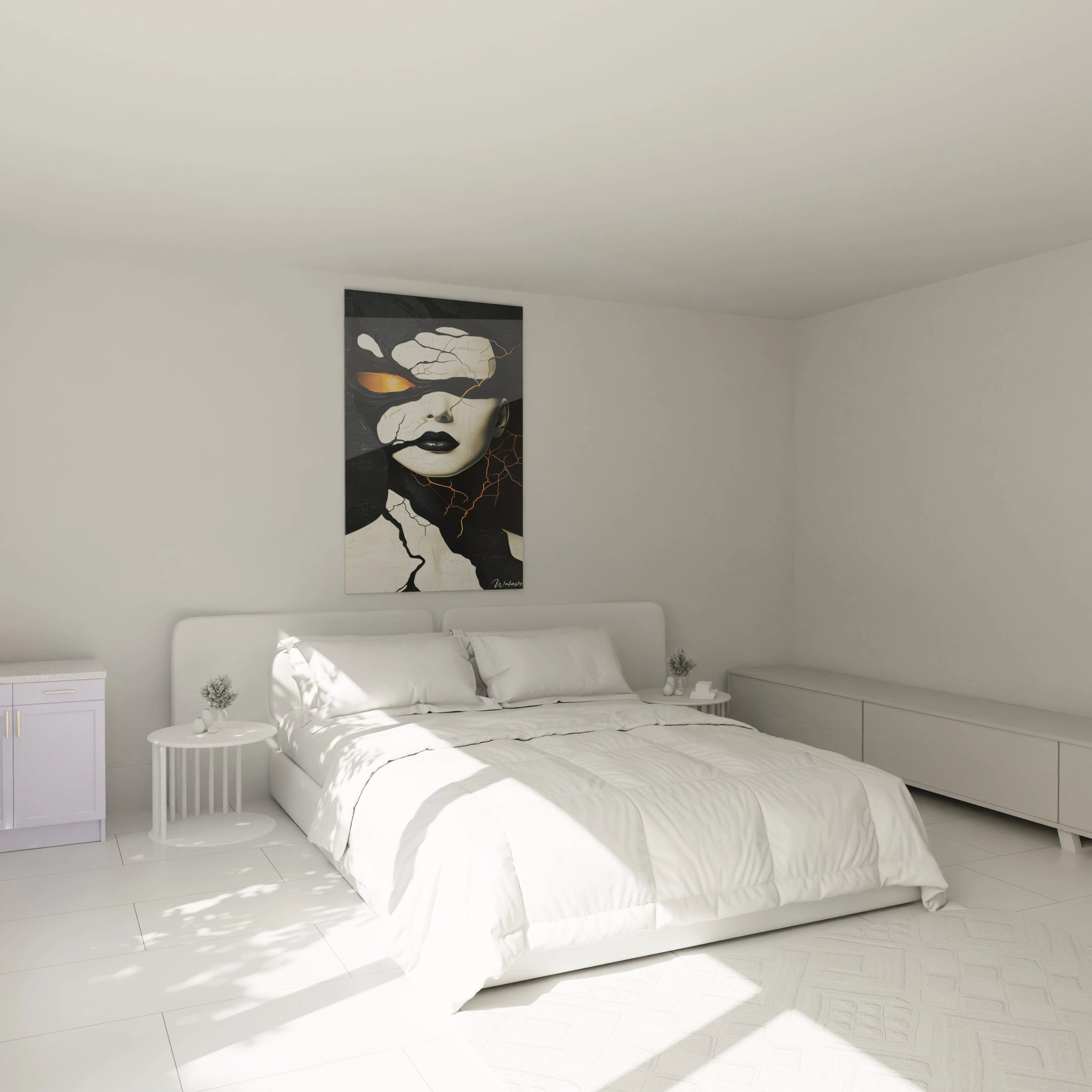
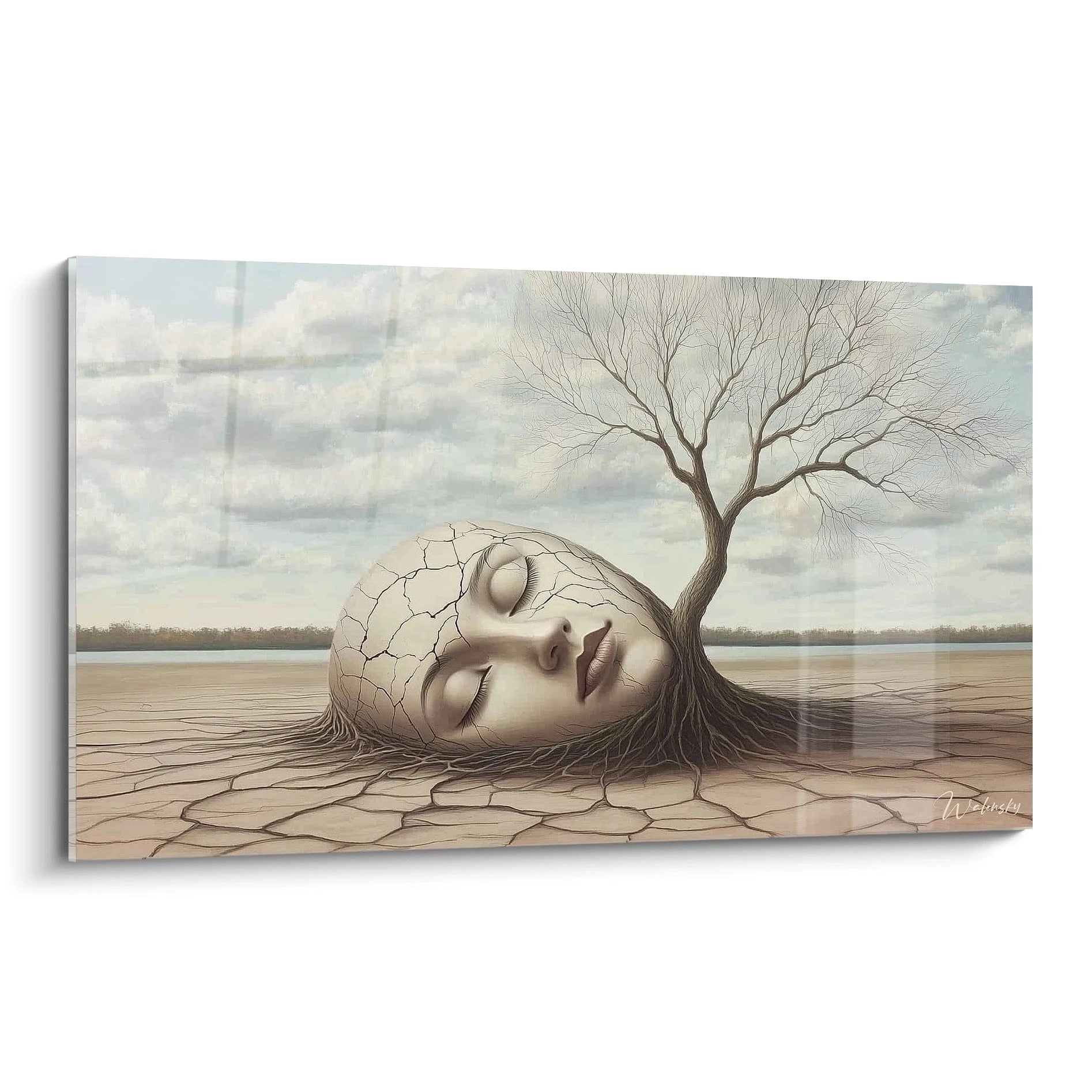
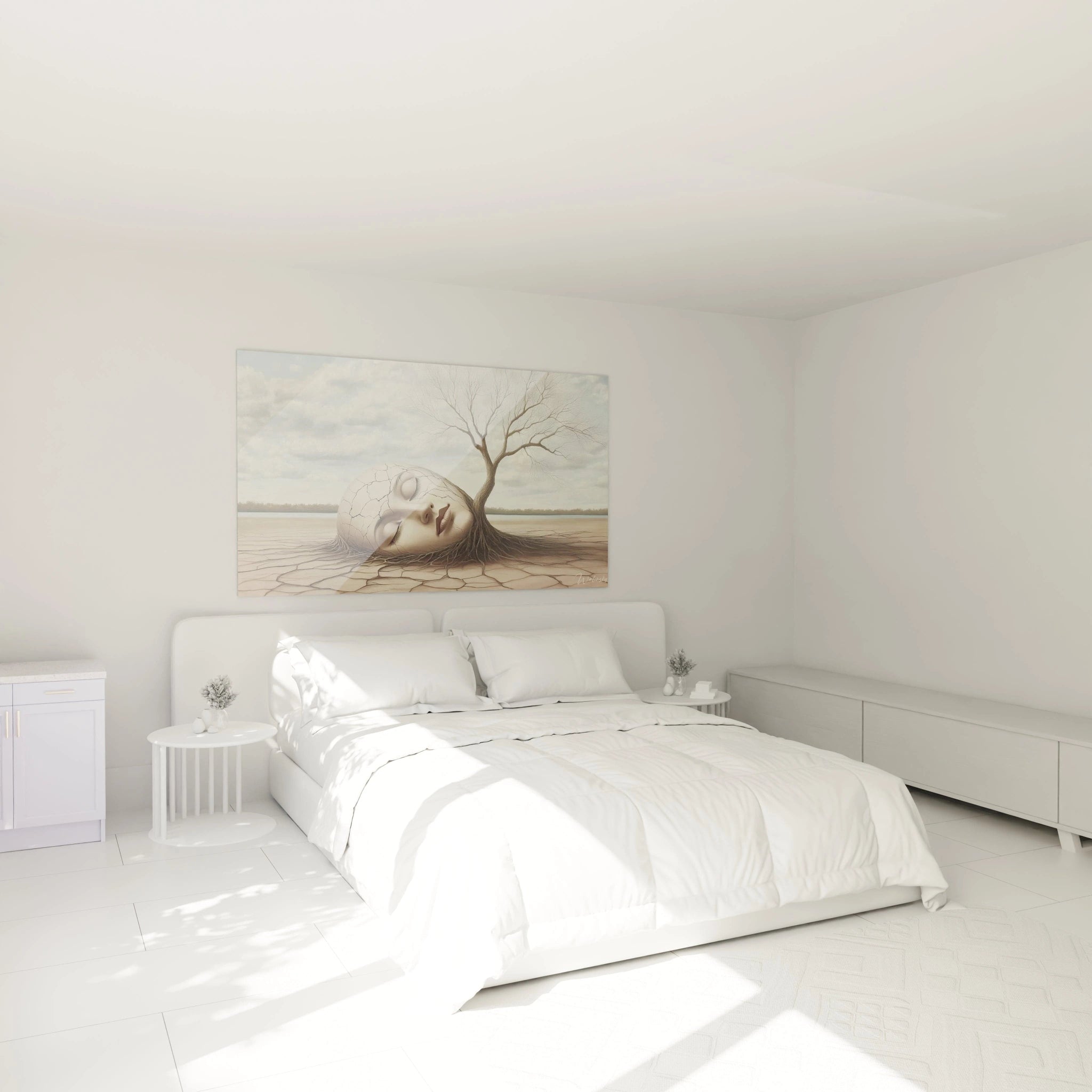
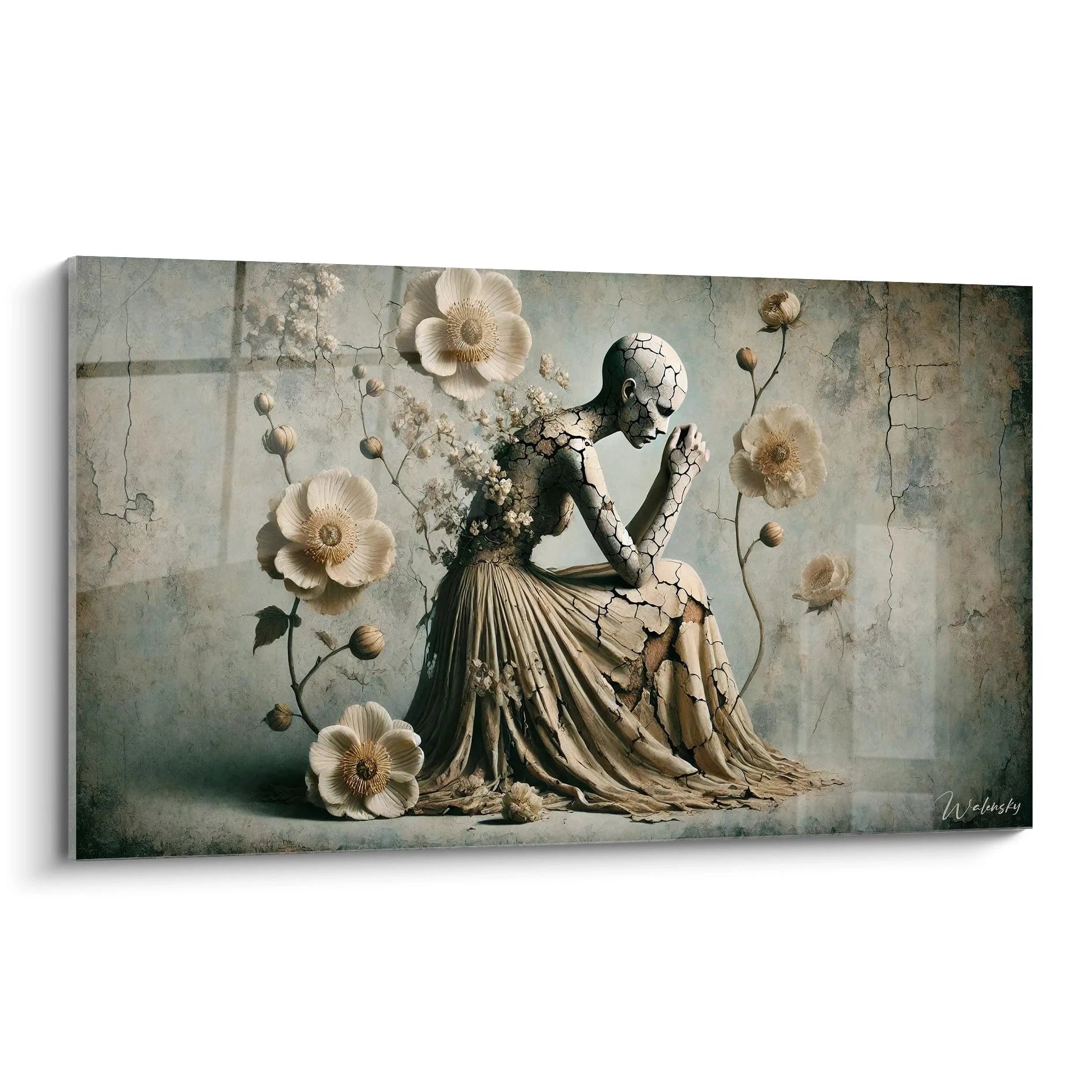
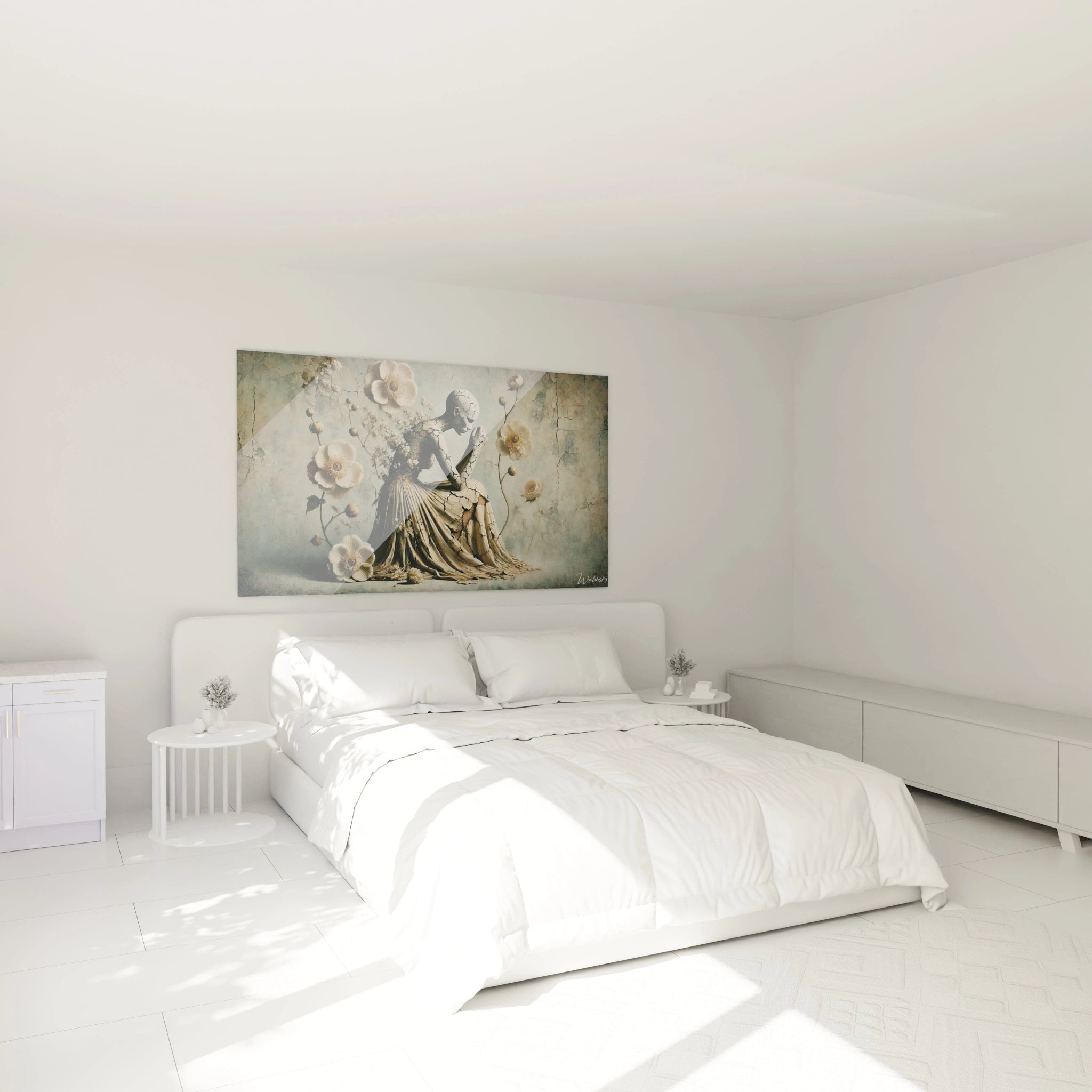
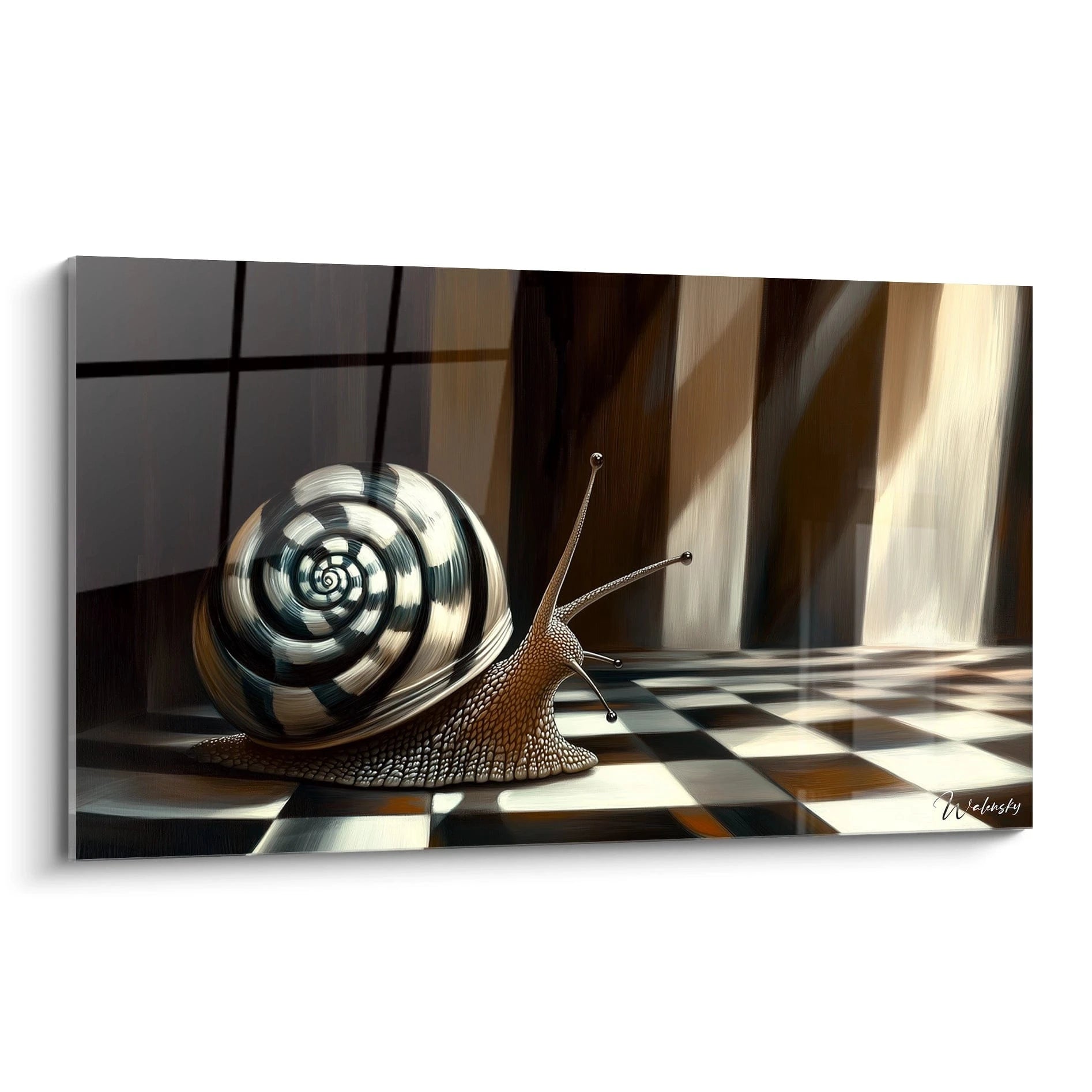
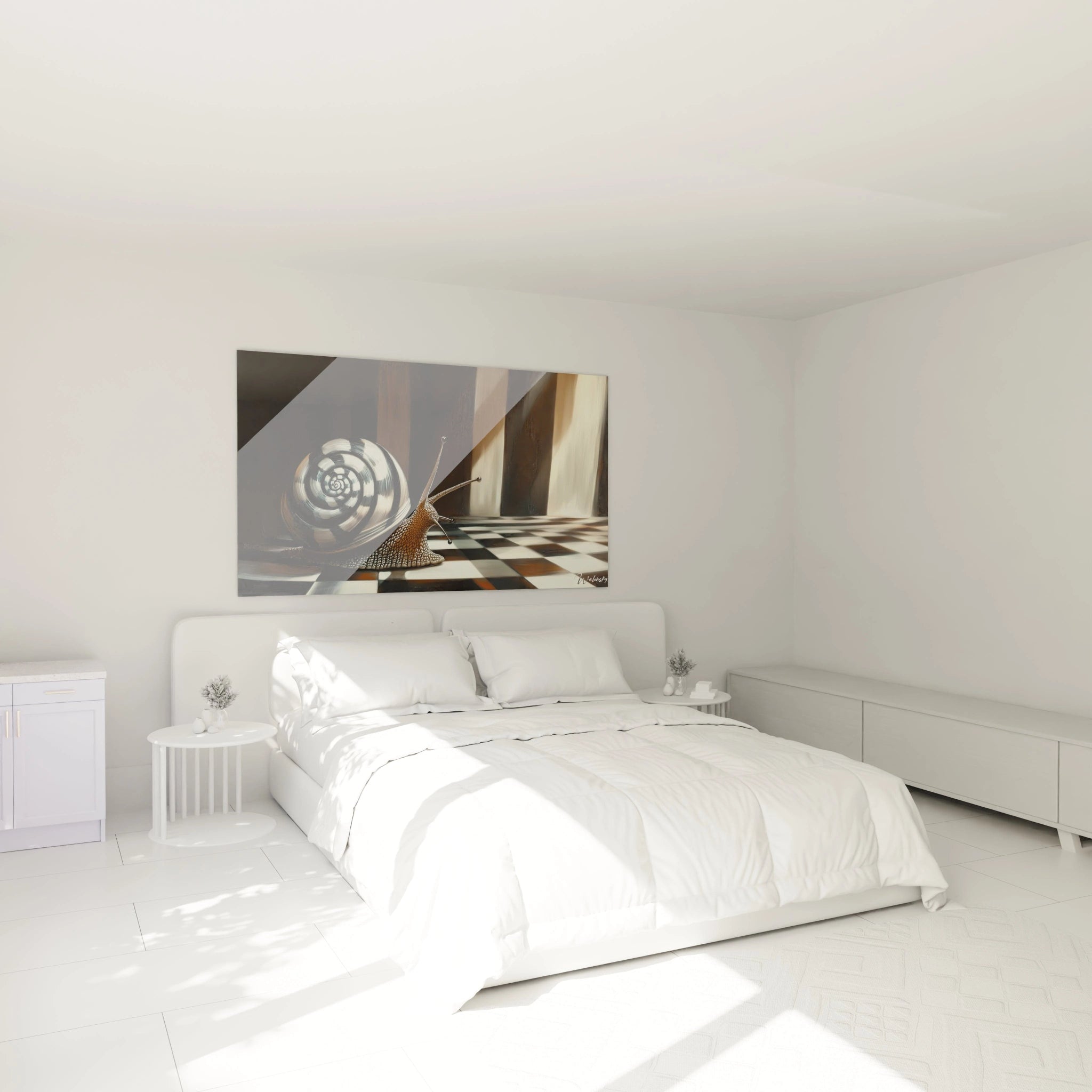
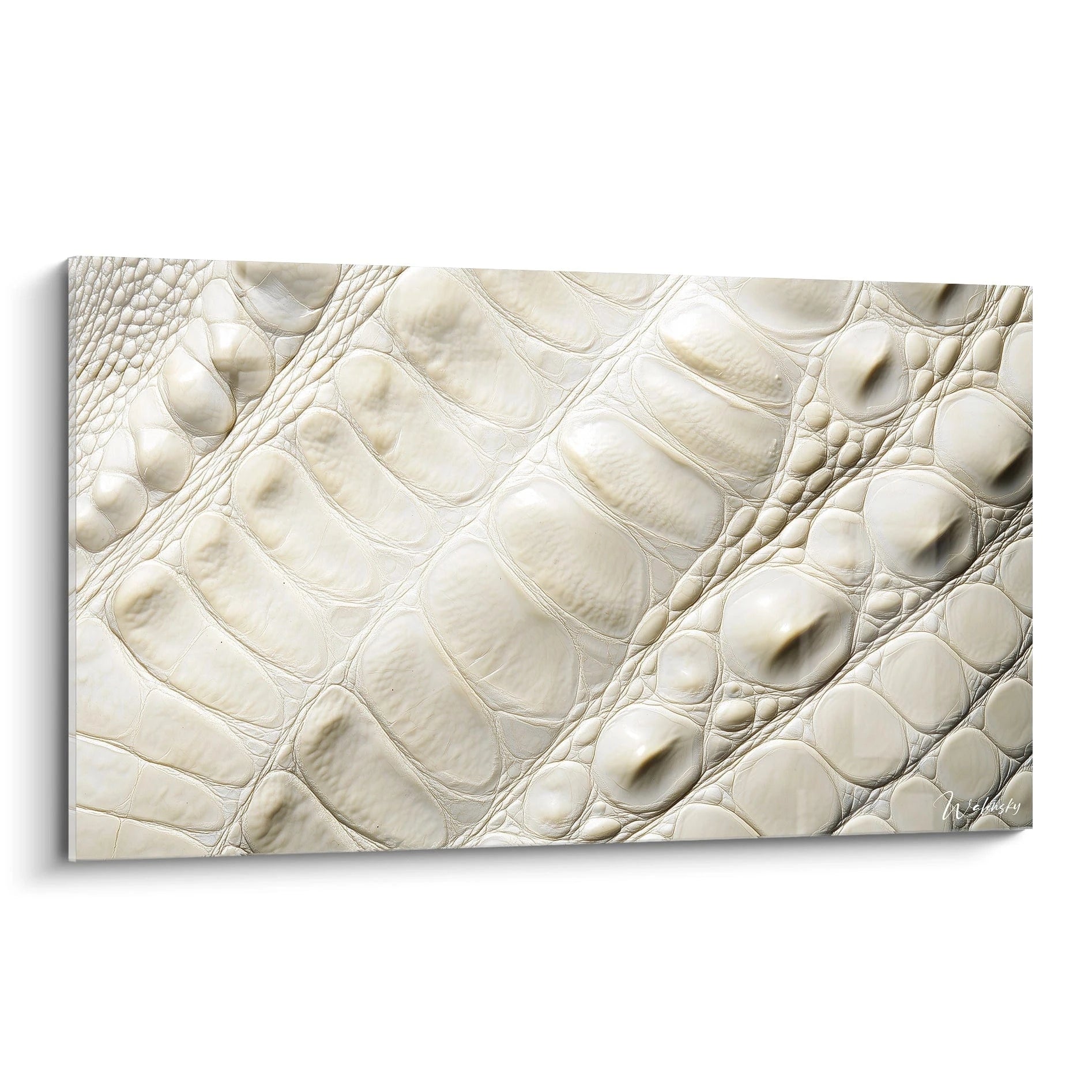
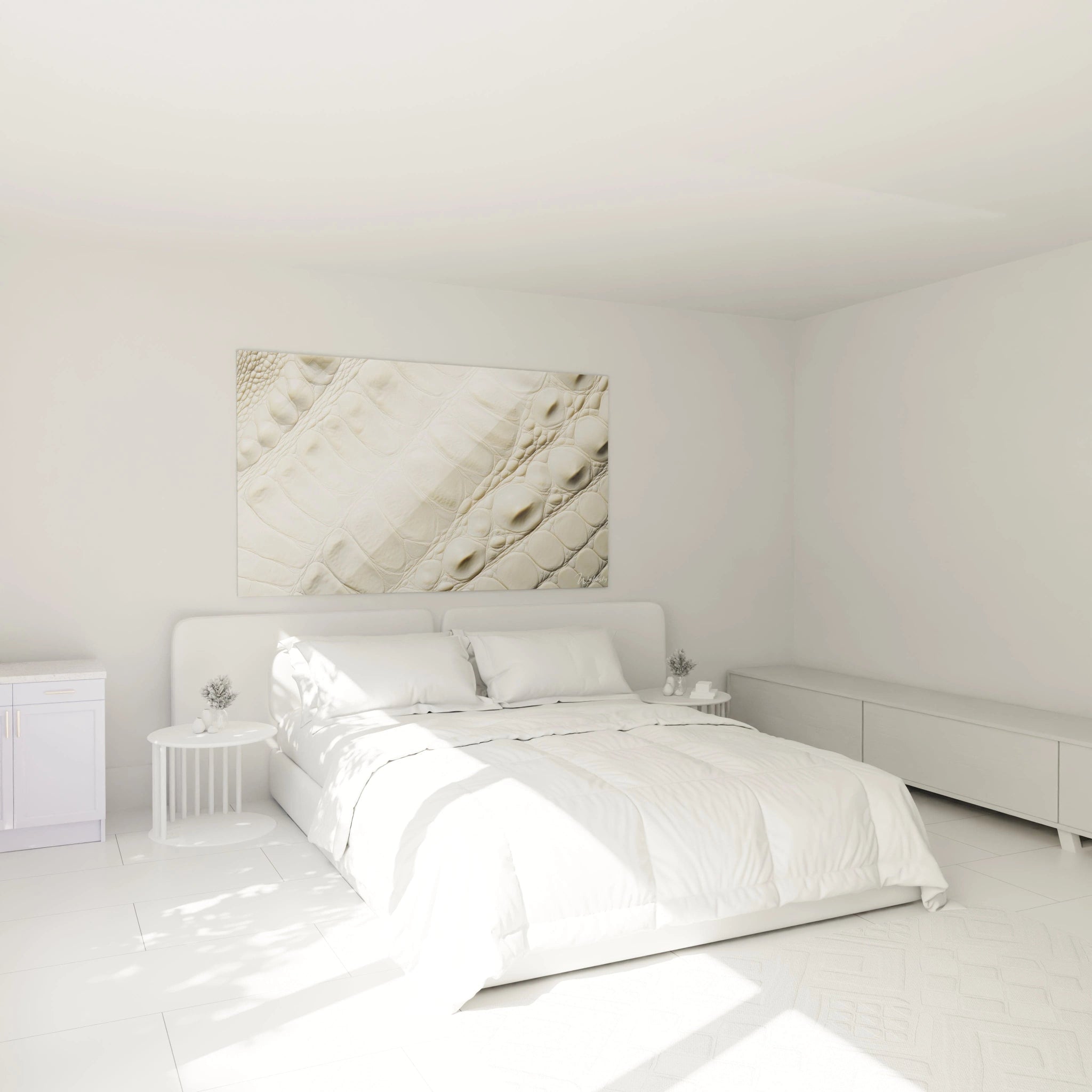
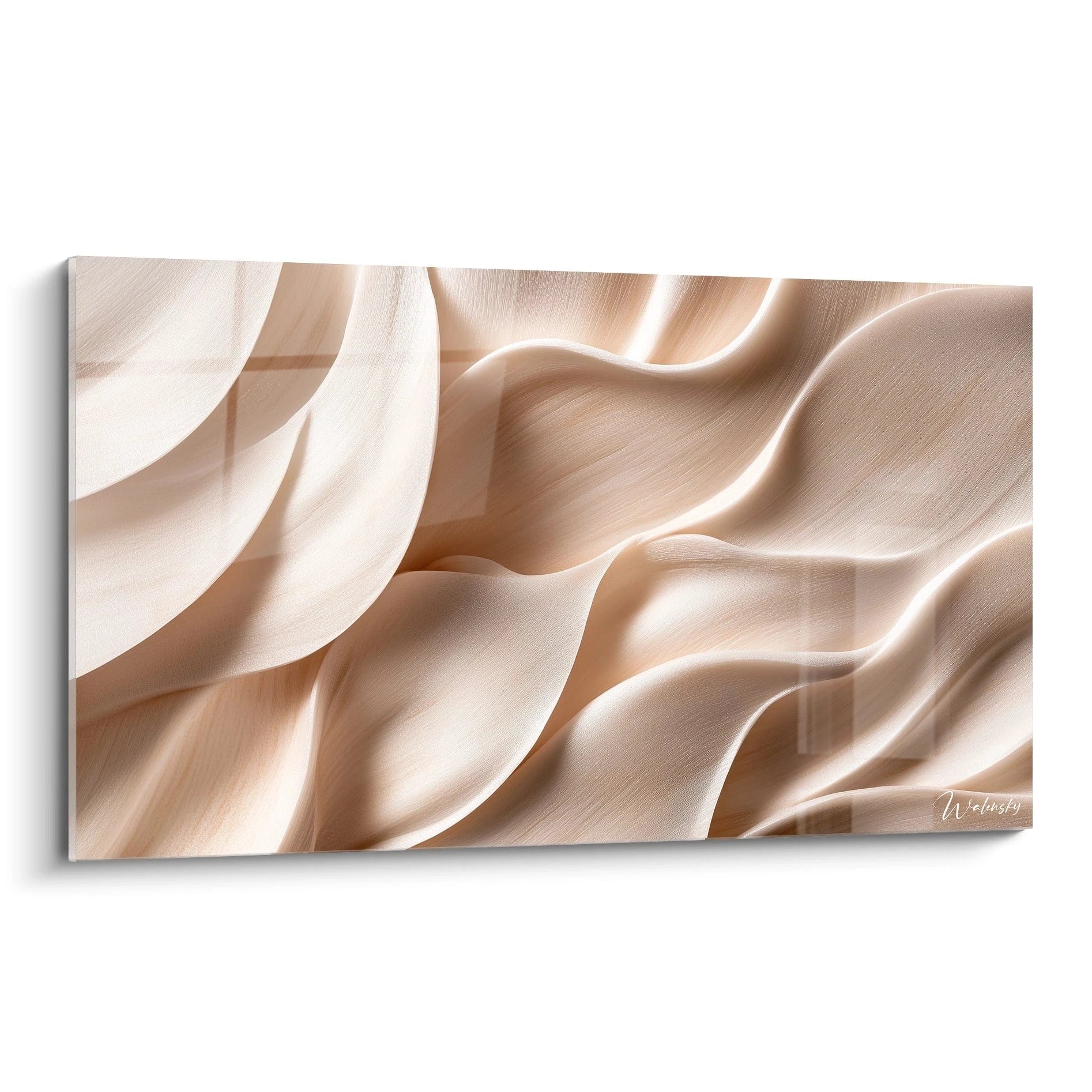
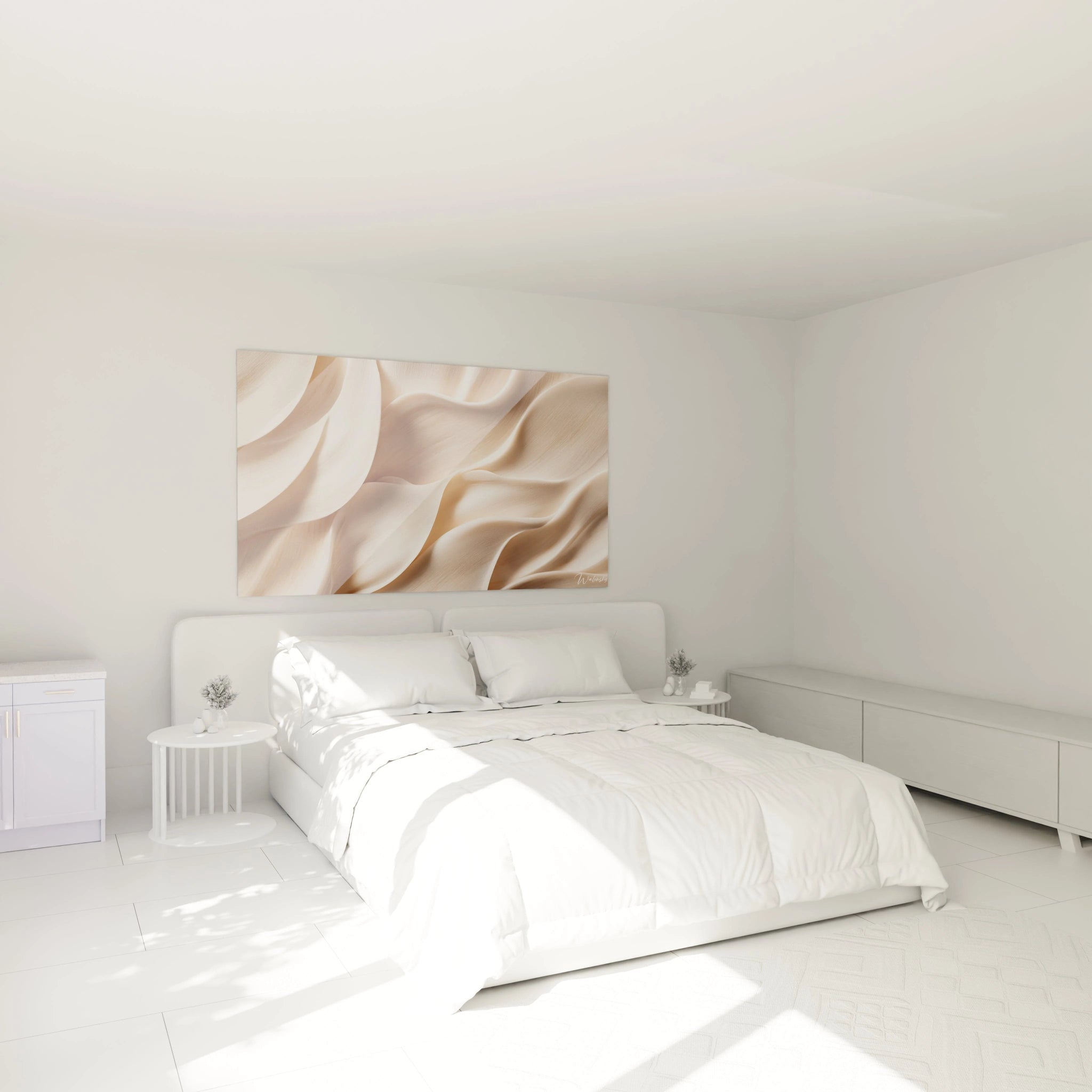
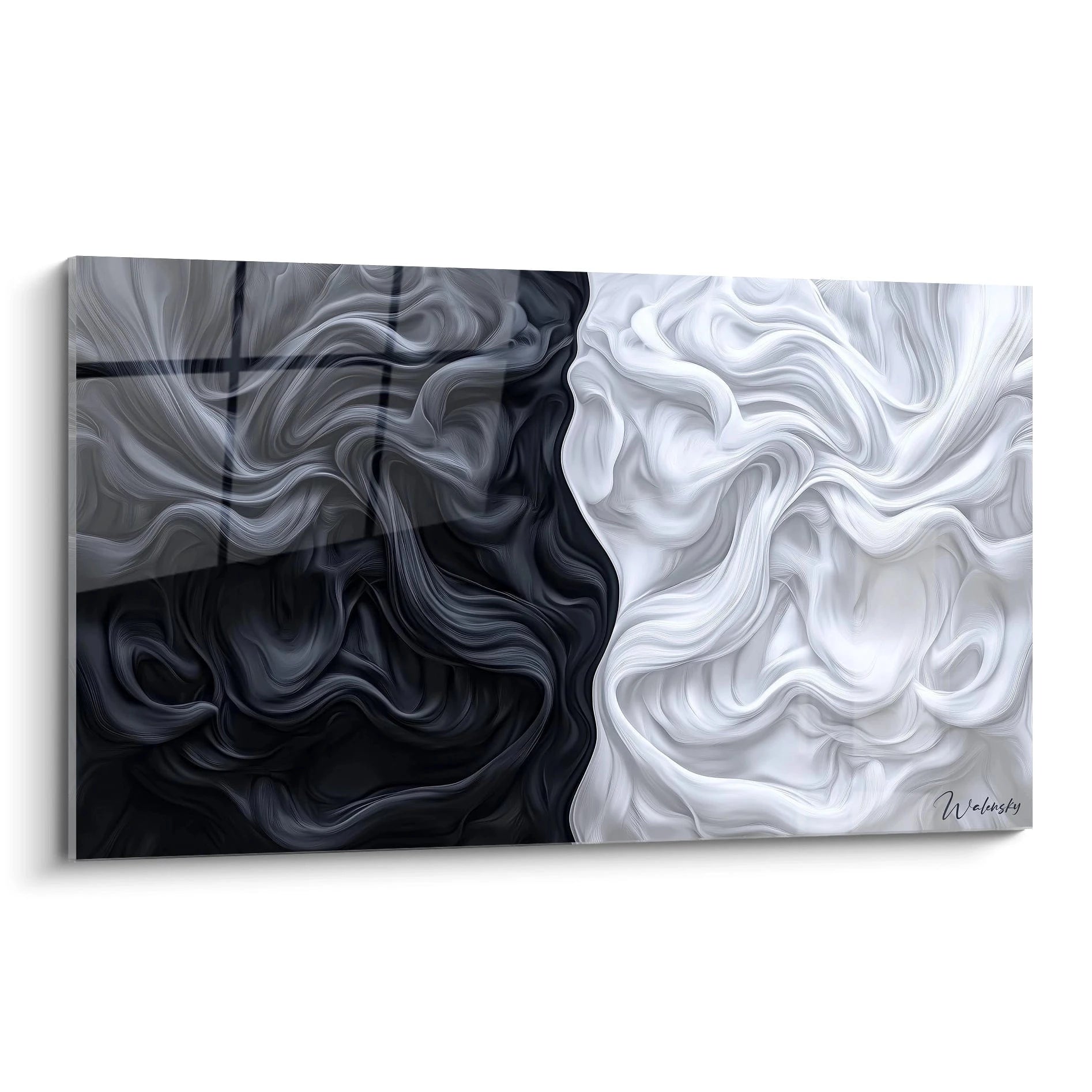
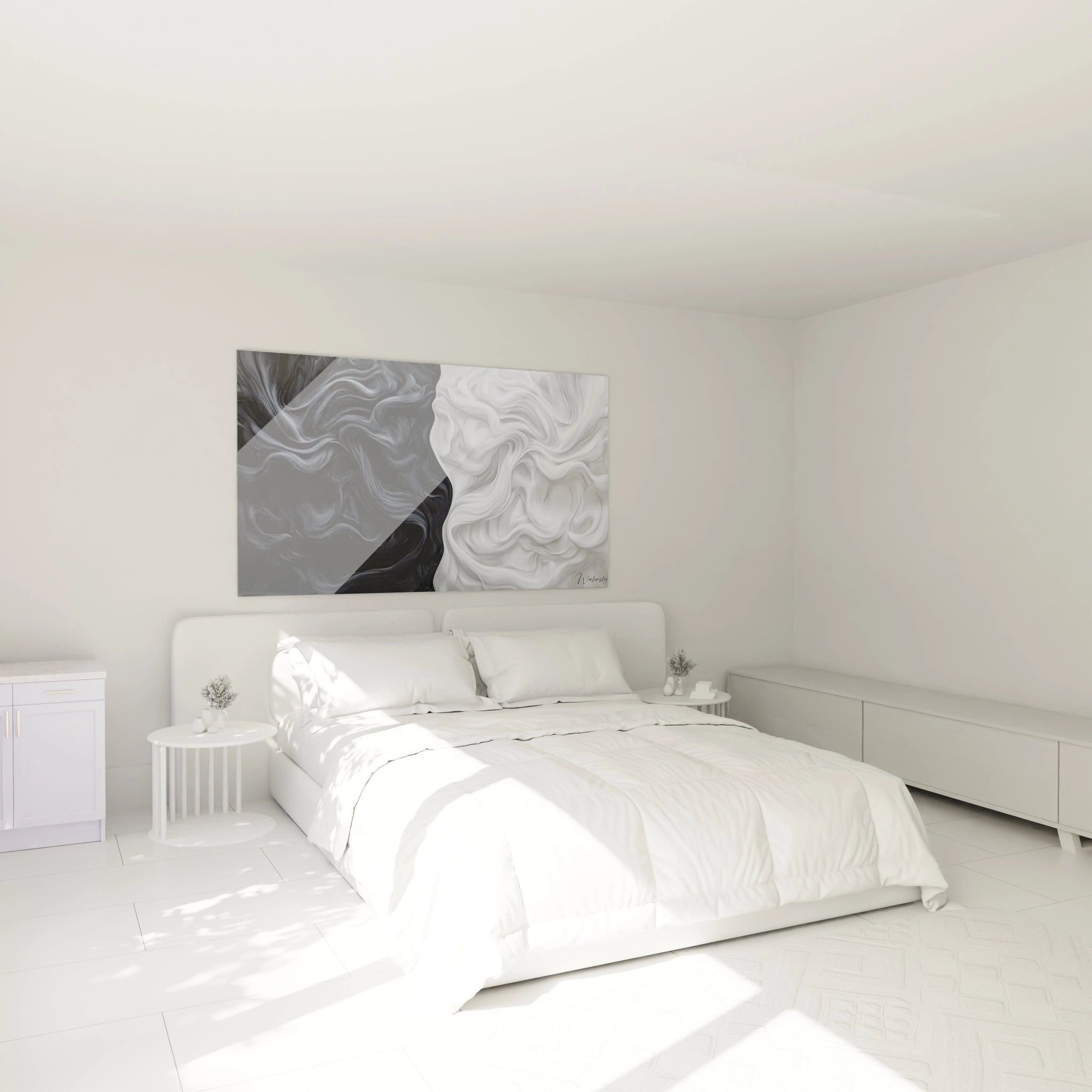
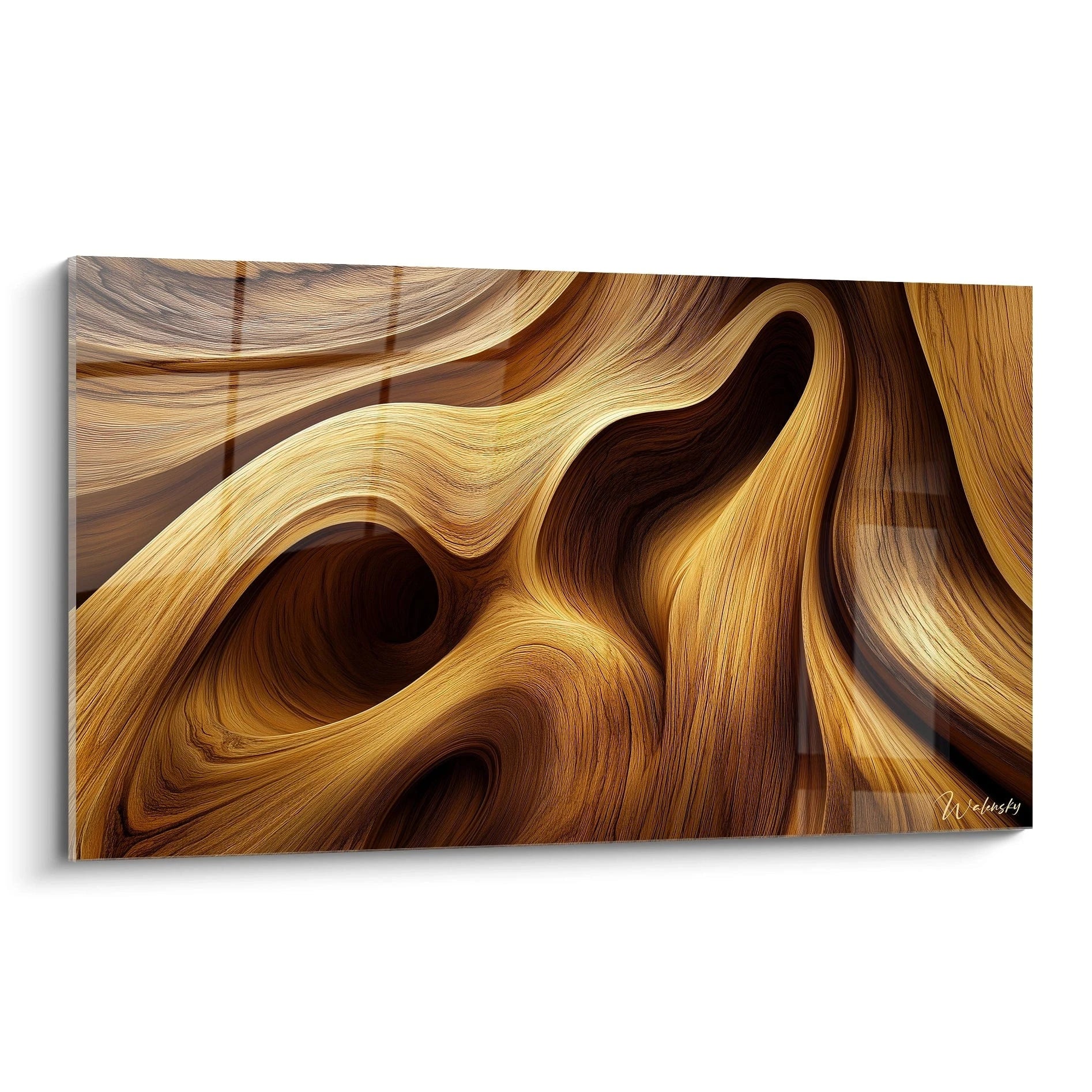
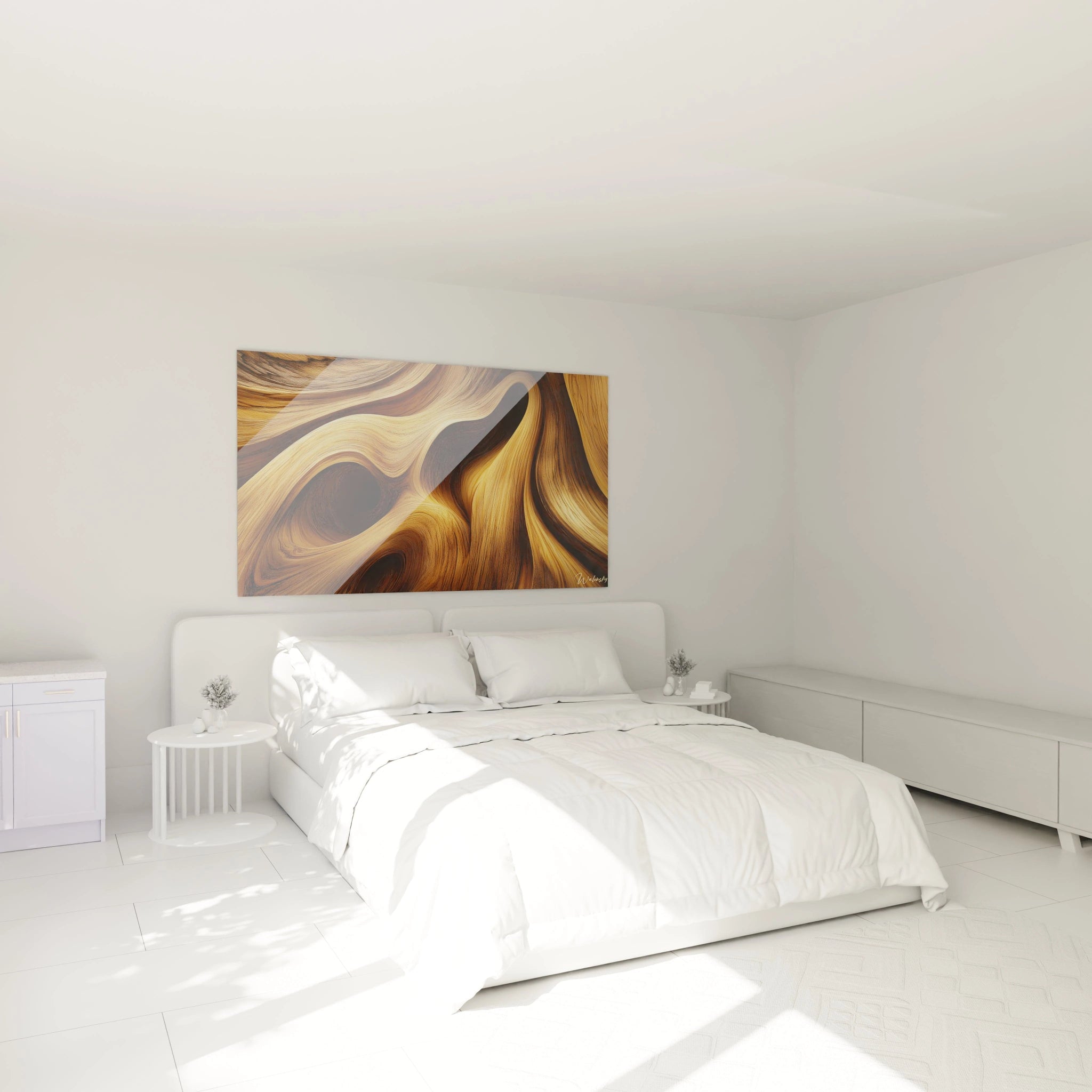
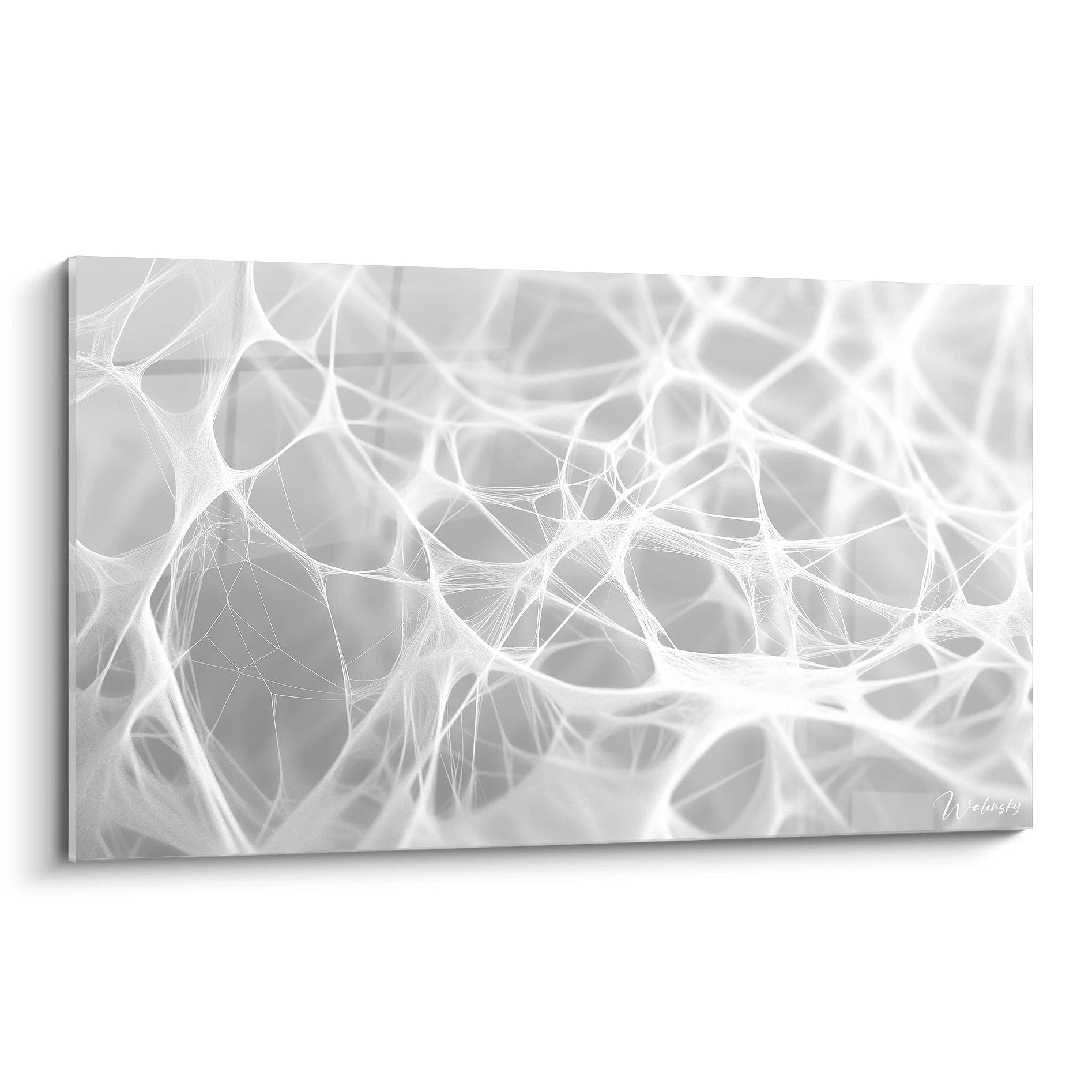
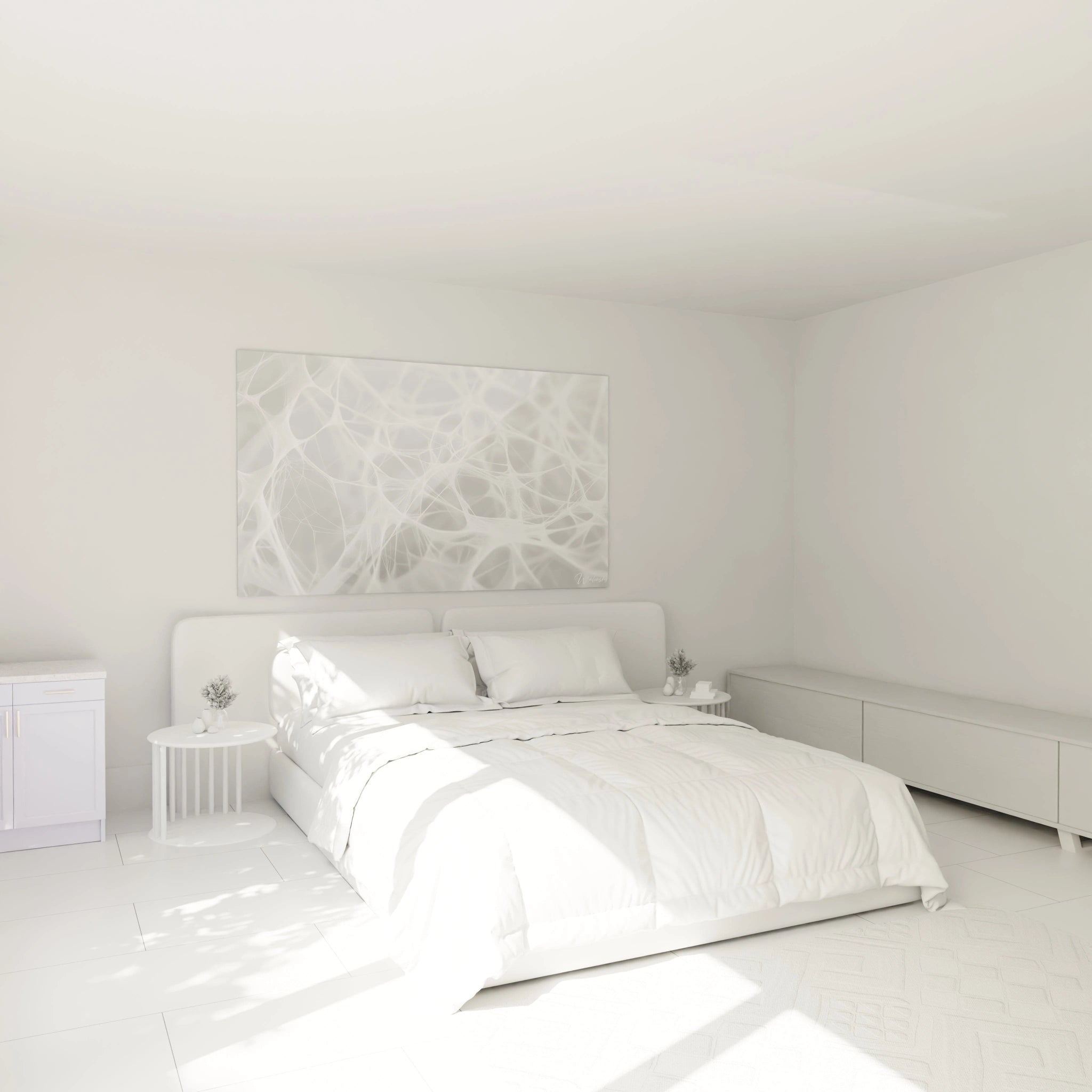
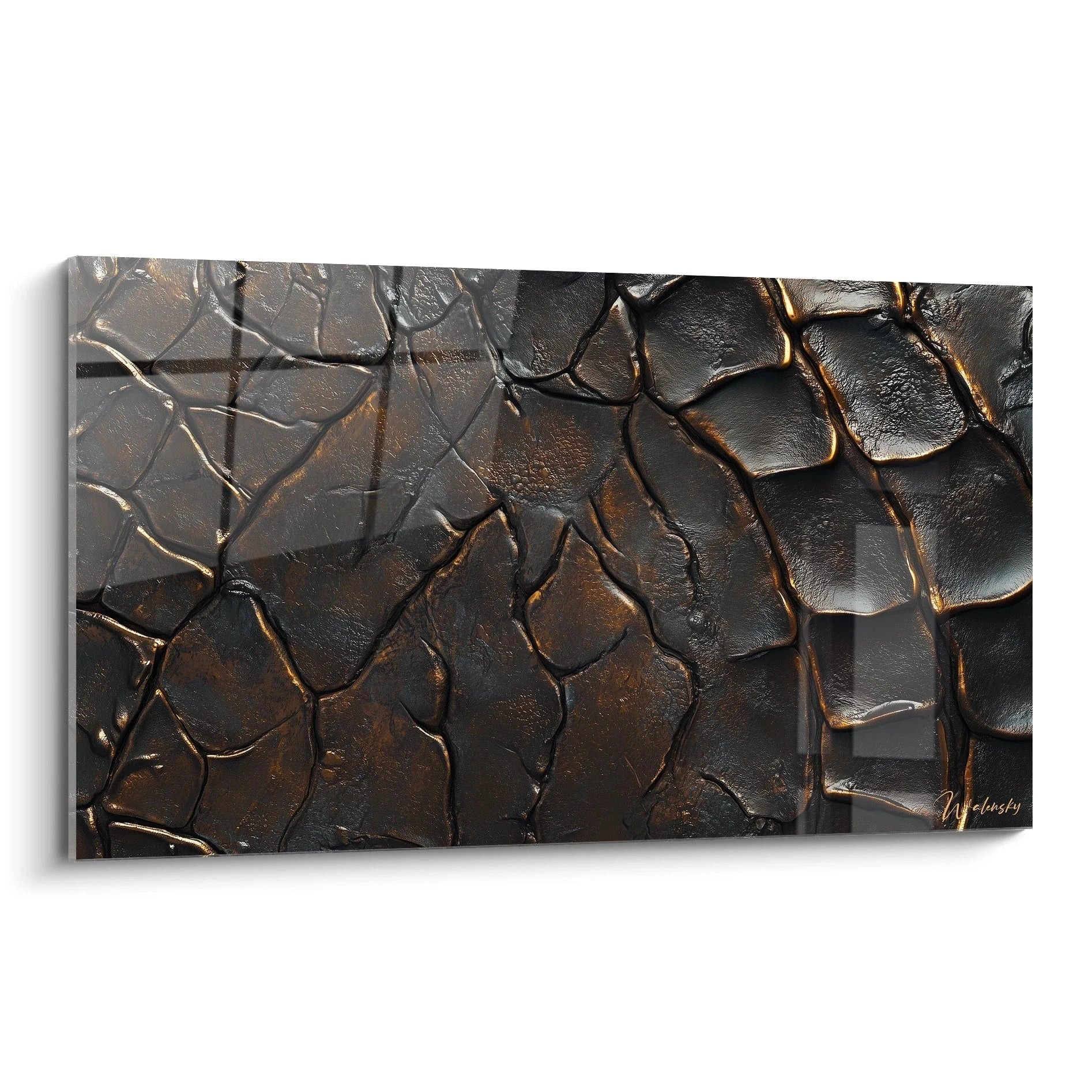
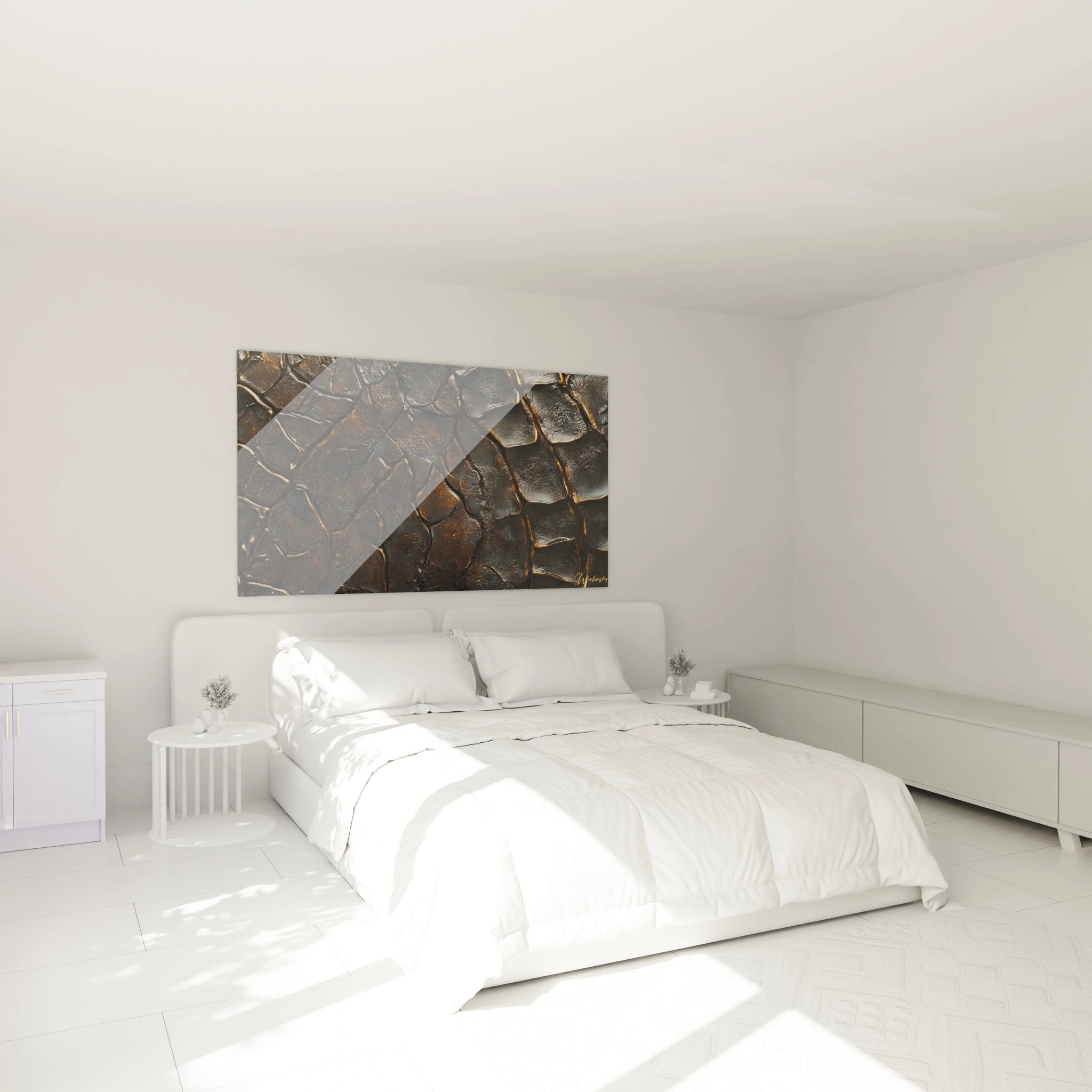
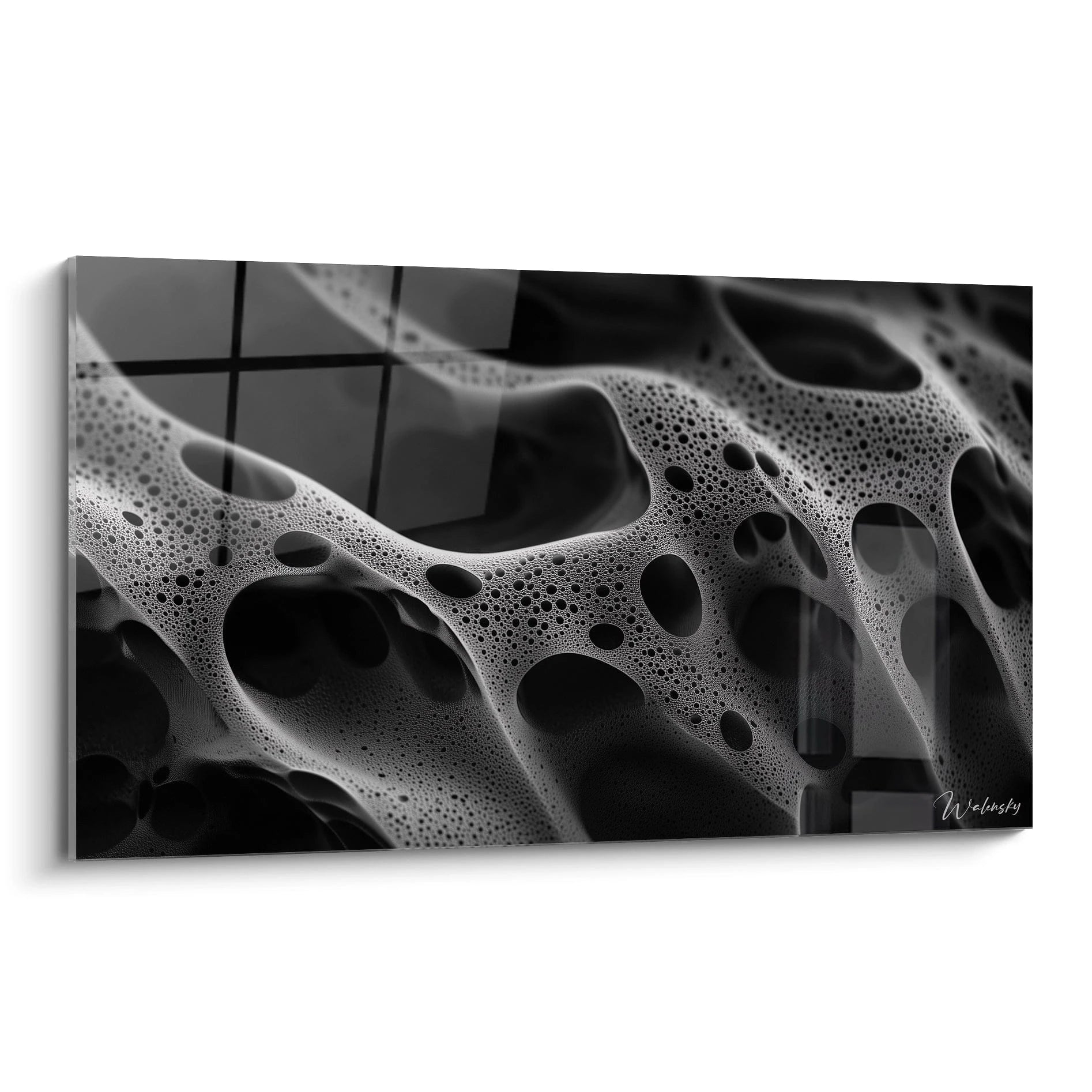
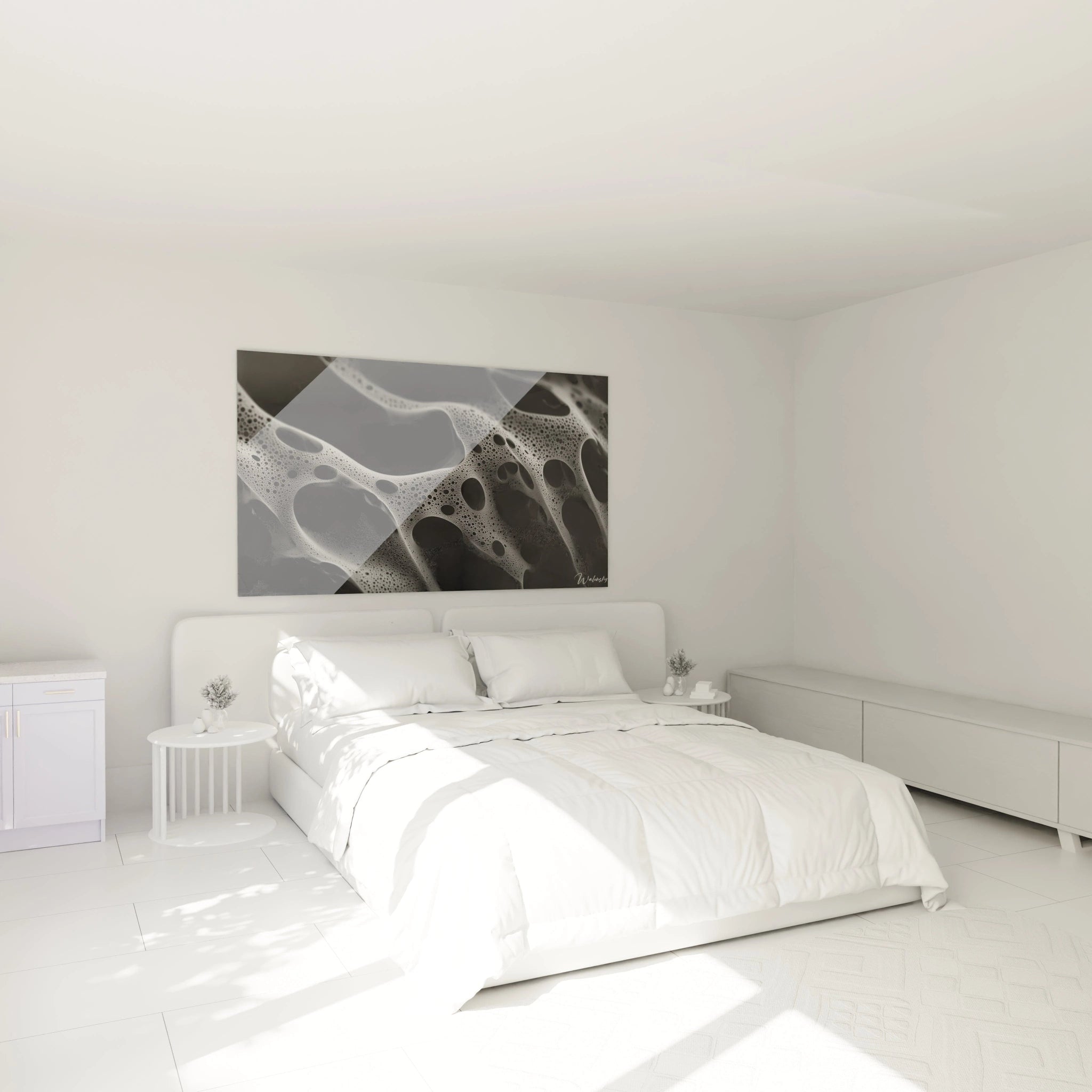
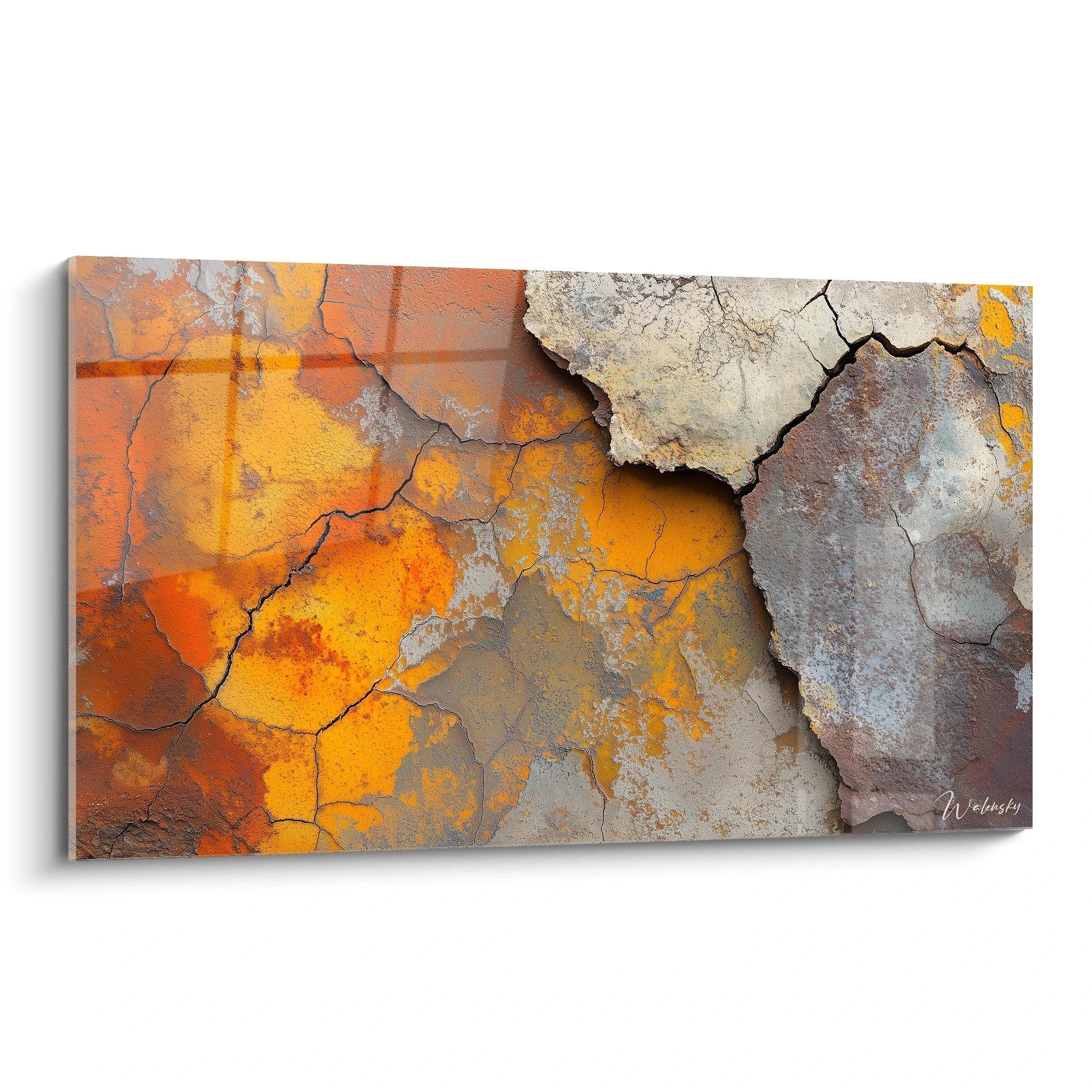
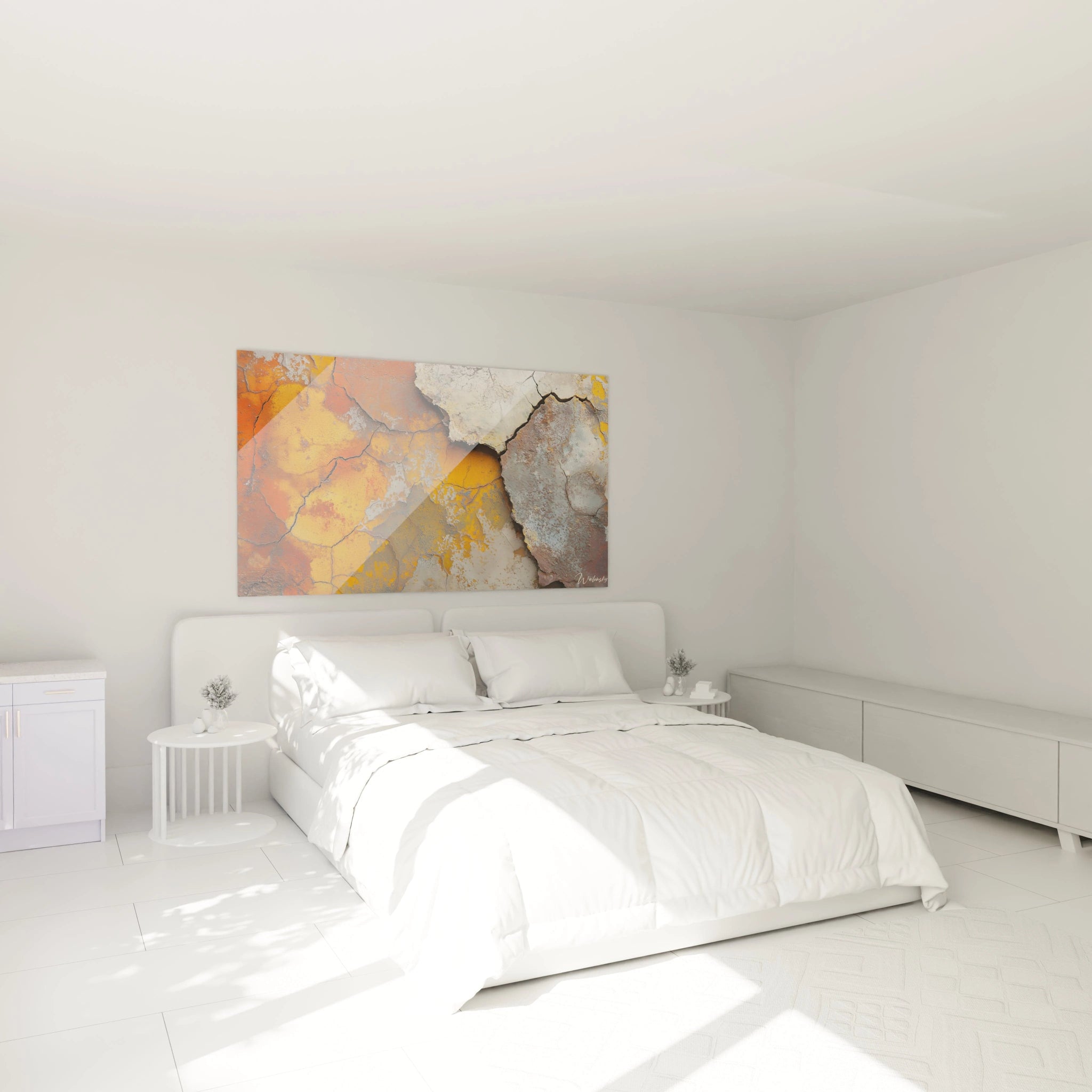
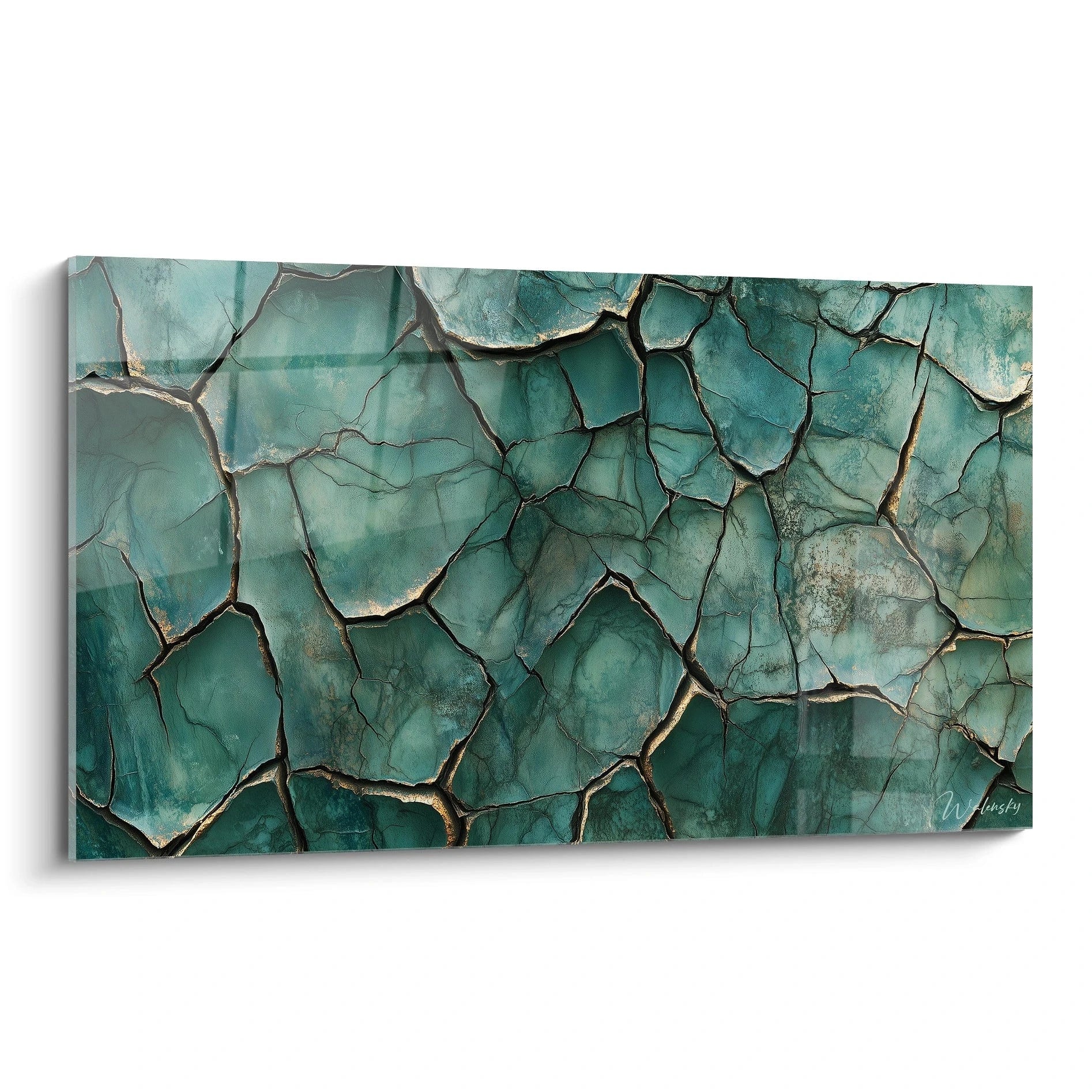
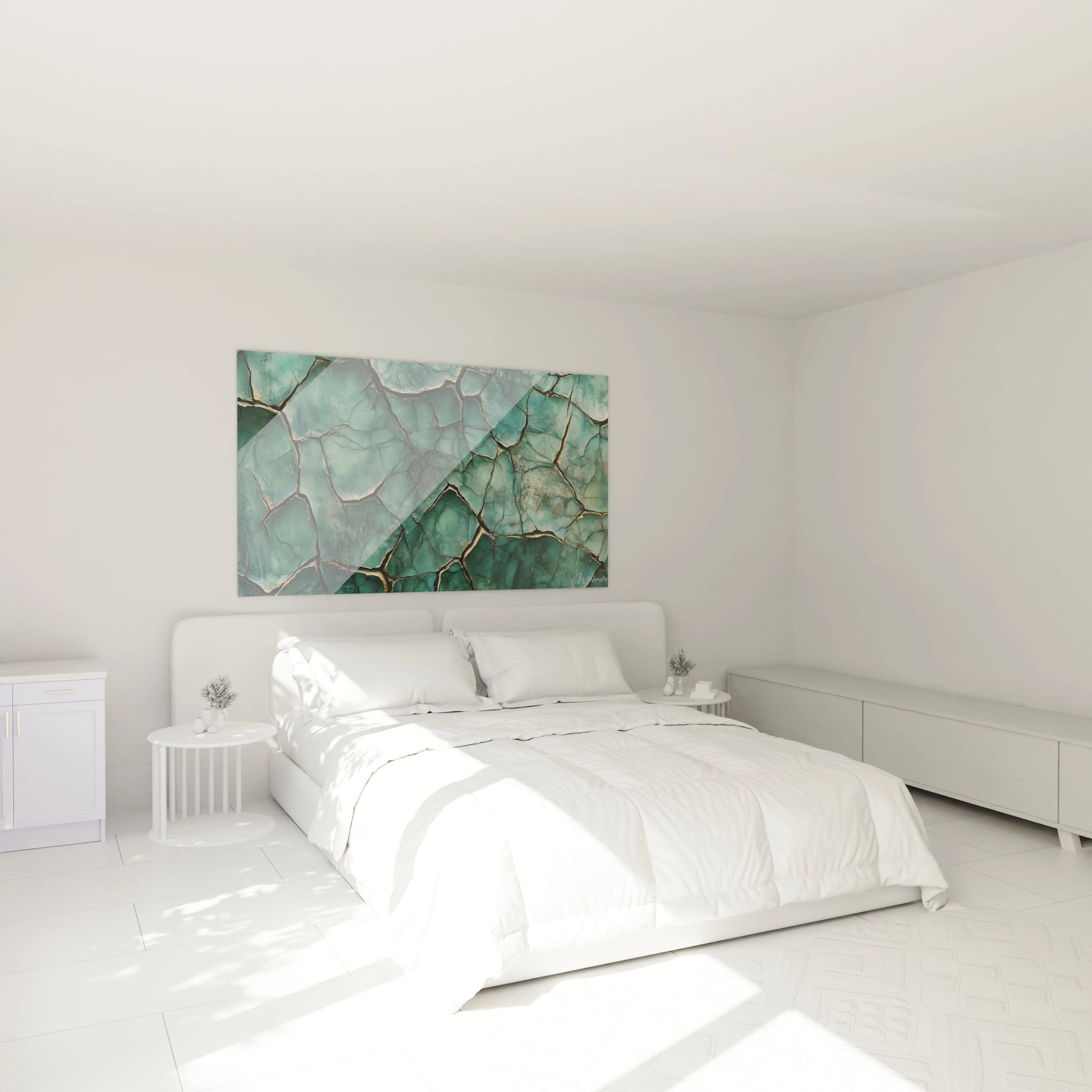
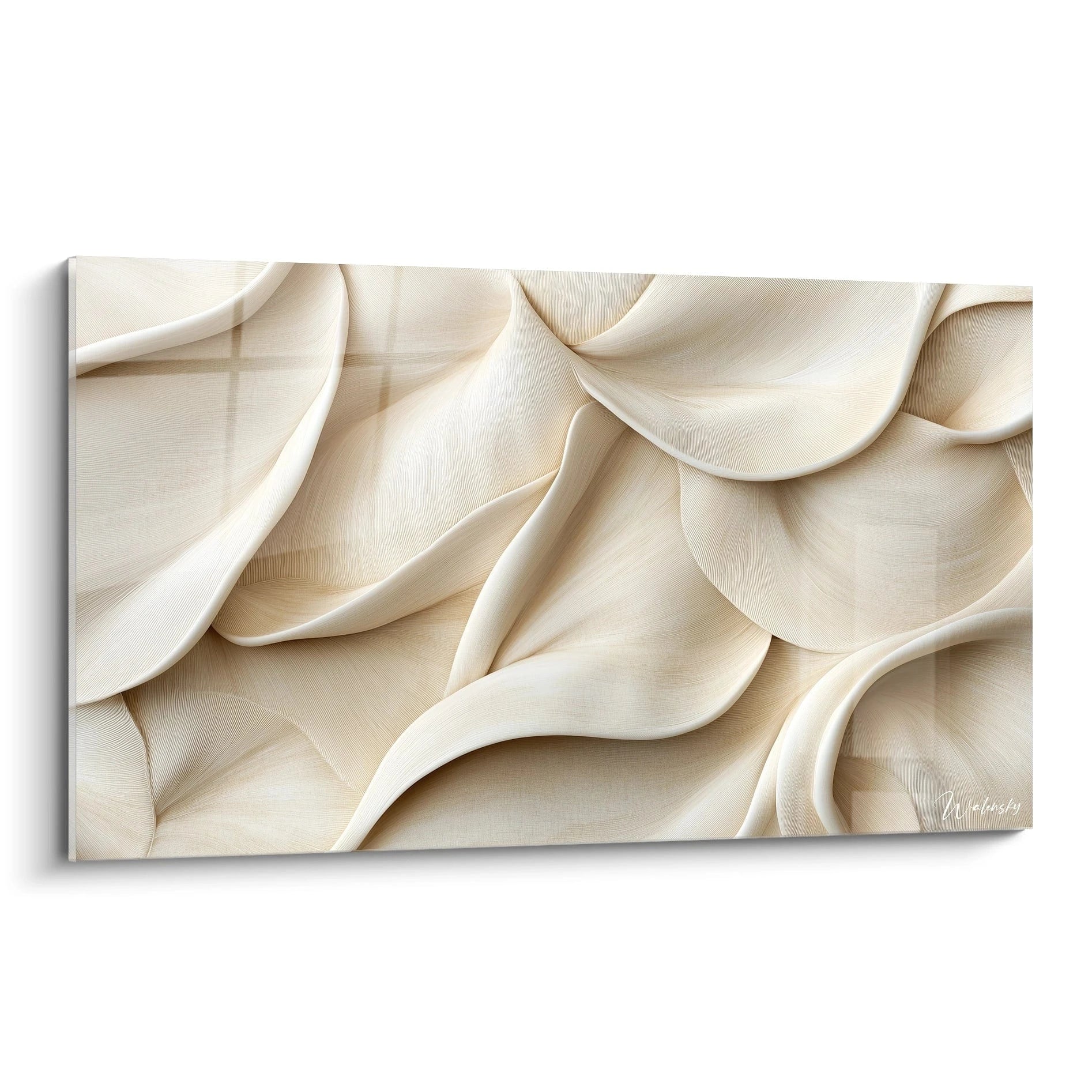
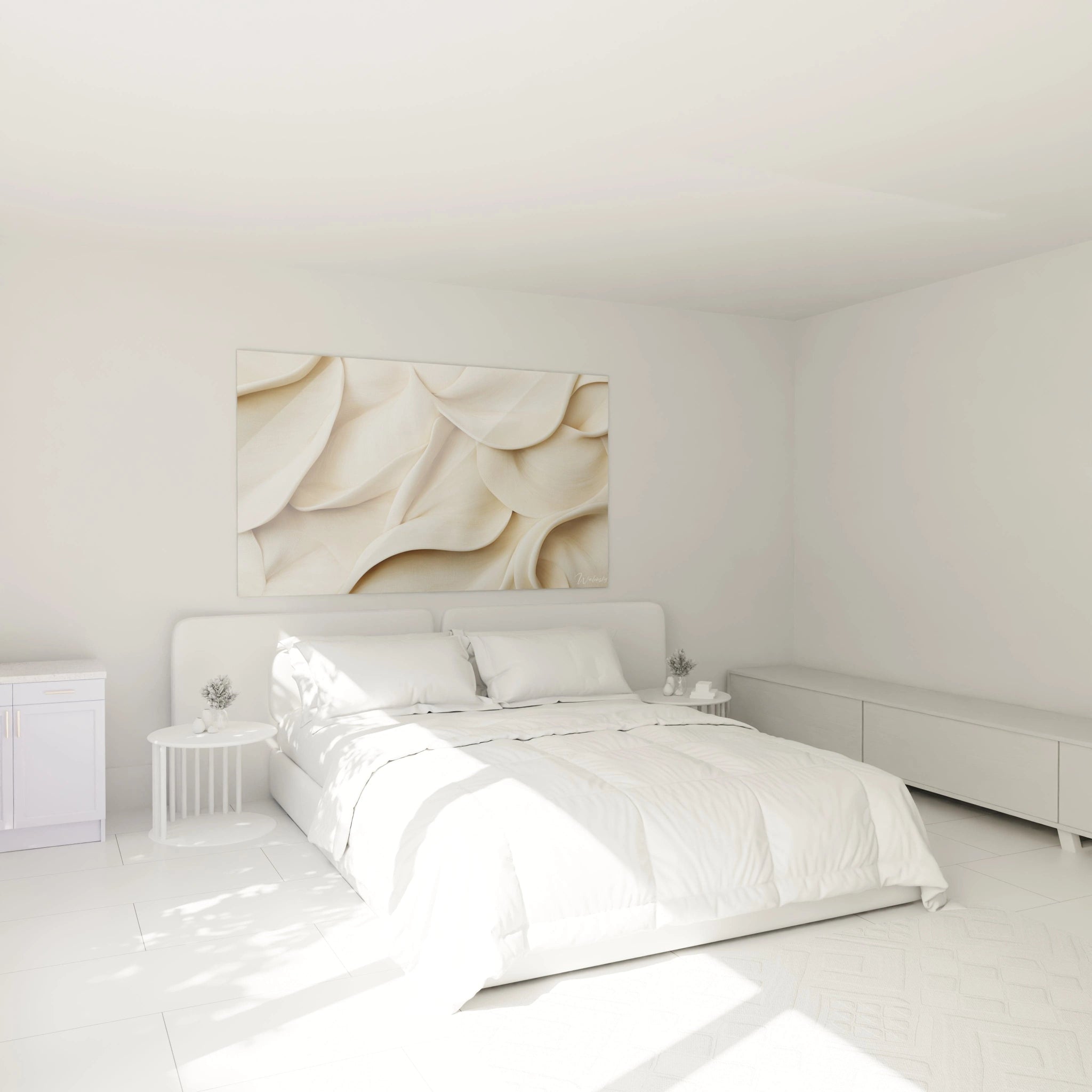
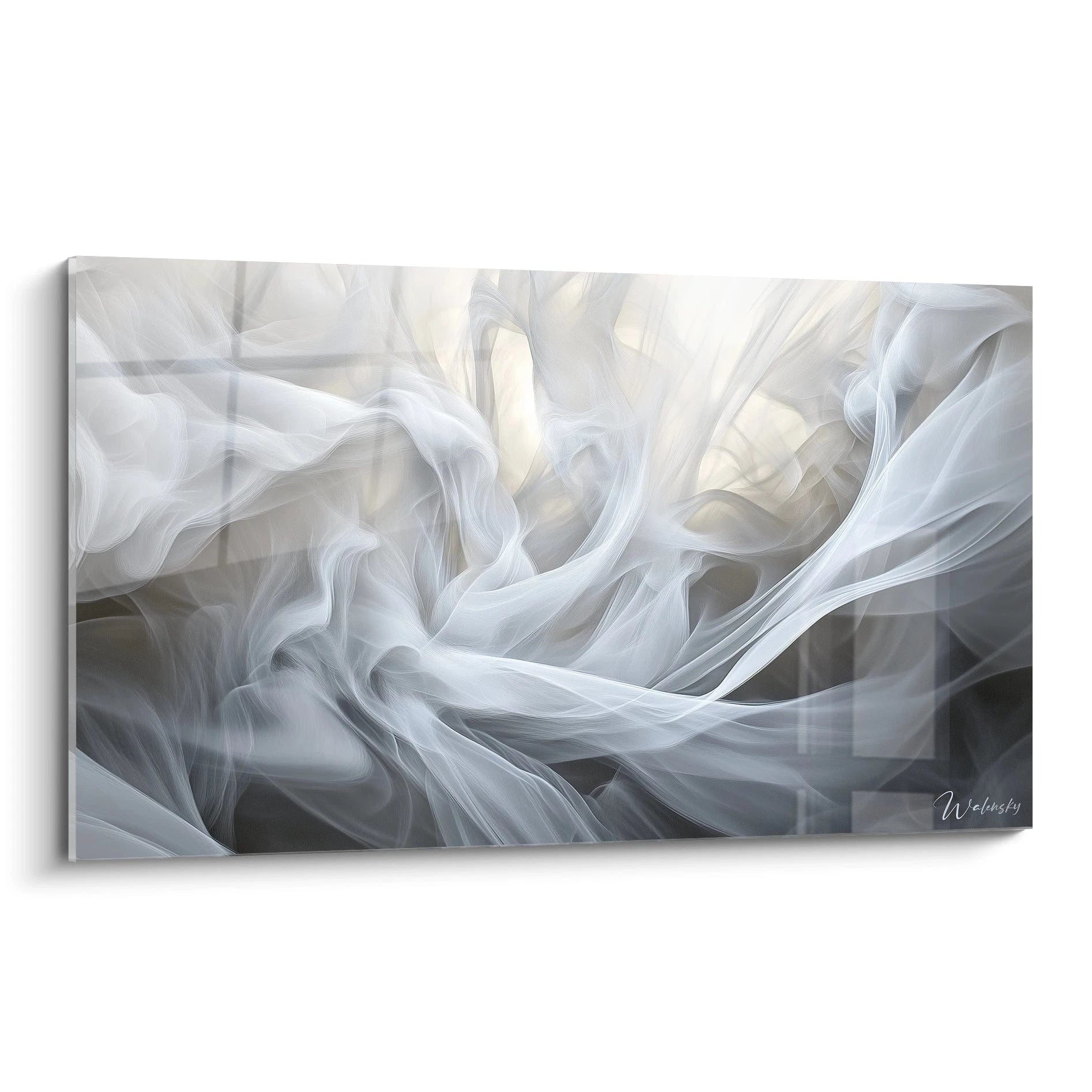
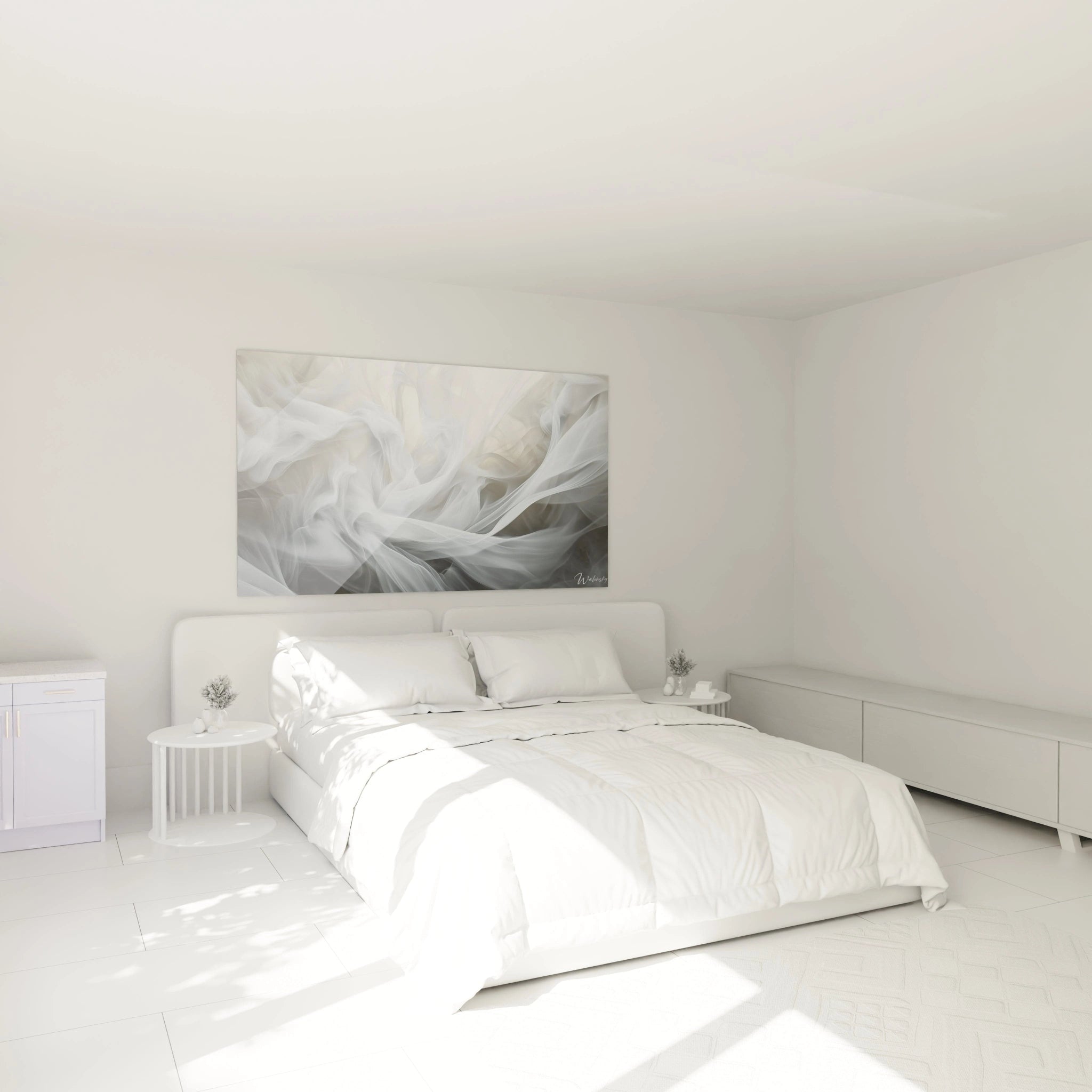
Professional space wall art represents far more than simple wall decoration. It is a strategic element that transforms the work environment, influences visitor perception, and directly impacts employee productivity. In contemporary offices, these artworks become vectors of corporate identity, creative stimuli, and markers of professional status. Discover how large-format visual elements can revolutionize your workspace through our specialized analyses.
How to Choose Wall Art for Professional Spaces Aligned with Your Corporate Culture
Selecting
abstract wall art for your professional space goes far beyond aesthetic considerations. It is a strategic investment that subtly yet powerfully communicates your company values and market positioning.
How does professional space wall art strengthen brand image?
In today's highly competitive corporate environment, every detail of your professional design becomes a subliminal message to your clients, partners, and employees. Professional space wall art acts as a silent brand ambassador, visually translating your company philosophy.
A tech startup will favor artworks with futuristic lines and dynamic colors, signaling innovation and disruption. Conversely, a law firm will lean toward more understated pieces with deep tones, evoking tradition and reliability. This visual consistency anchors your identity in visitors' minds well before any verbal exchange.
Reception areas equipped with large-scale professional artworks create a memorable first impression. These pieces become visual anchors that immediately distinguish your company from the competition and establish a level of professionalism from the moment of entry.
Wall Art for Meeting Zones: Catalysts for Corporate Creativity
Conference rooms and brainstorming spaces are strategic zones for installing stimulating professional artworks. These environments, dedicated to idea exchange and decision-making, particularly benefit from pieces that activate lateral thinking.
Large-format pieces with abstract or complex geometric compositions encourage unexpected neural connections during group reflection sessions. They create visual disruptions that allow the brain to escape habitual thought patterns.
Specialized neuroarchitecture studies demonstrate that visually stimulating environments increase innovative idea generation by 18% during professional meetings. The artwork thus becomes a cognitive facilitator in the professional ecosystem.
Large-Scale Wall Art: Markers of Professional Status
In the subtle hierarchy of workspaces, the presence of imposing professional artworks constitutes an indicator of organizational prestige. Executive offices and executive spaces traditionally integrate more ambitious pieces, both in size and artistic value.
This visual stratification participates in non-verbal communication of professional status. A monumental artwork in a director's office implicitly signals their decision-making position and influence.
Forward-thinking companies now use seasonal rotations of professional artworks, creating a dynamic environment that reflects their capacity for adaptation. This curatorial approach transforms the workspace into an evolving gallery, reinforcing the perception of a culturally connected organization.
Color Psychology Applied to Professional Space Wall Art
The color selection of professional wall art directly influences the work atmosphere and unconscious emotional reactions of occupants. Each sector benefits from an optimal palette aligned with its strategic objectives.
Artworks dominated by deep blues induce concentration and reliability, perfect for financial institutions and consulting firms. Pieces incorporating yellows and oranges stimulate creativity and enthusiasm, ideal for communication agencies and marketing departments.
Medical and wellness environments favor pieces with soothing greens, promoting recovery and well-being. This contextual color adaptation transforms professional artwork into a psychological modulation tool for the space.
Strategic Investment: Appreciative Value of Professional Wall Art
Unlike standard decorative elements, professional space wall art constitutes potentially appreciable assets. Visionary companies develop corporate collections whose value evolves with their growth.
Acquiring pieces from emerging artists represents a dual opportunity: immediate improvement of the professional environment and potential financial investment. This heritage approach to space design transforms a decorative cost into diversified investment.
High-quality professional artworks also benefit from favorable tax treatment in many jurisdictions, offering specific depreciation opportunities. This accounting dimension adds another layer to their strategic attractiveness for companies.
Professional space wall art far exceeds its primary decorative function to become vectors of identity, cognitive catalysts, and social markers in the corporate ecosystem. Their selection merits strategic reflection aligned with the organization's overall objectives.
Influence of Wall Art on Productivity in Professional Spaces
Strategic integration of wall art into the work environment represents much more than a simple aesthetic decision - it is a measurable investment in cognitive performance and employee well-being. Recent environmental psychology research reveals the significant impact of visual stimuli on attention mechanisms, creativity, and professional engagement.
How Do Professional Space Wall Art Pieces Influence Cognitive Functions?
Visually stimulating environments, enriched by strategically positioned wall art, activate distinct neural networks from those mobilized for daily analytical tasks. This parallel stimulation creates beneficial brain exercise that prevents cognitive fatigue.
Applied neuroscience studies demonstrate that professional spaces integrating complex artistic elements improve performance in tasks requiring divergent and innovative thinking by 17%. The artwork thus becomes a neurological catalyst in the professional ecosystem.
Pieces with open and non-figurative compositions particularly stimulate brain zones associated with creative problem-solving. This indirect activation enriches the repertoire of alternative approaches available during complex professional challenges.
Sector-Specific Wall Art: Adaptations to Specific Cognitive Requirements
The effectiveness of wall art in a professional environment varies considerably depending on dominant cognitive requirements of the business sector and organizational priorities.
Professional spaces dedicated to financial analysis and activities requiring sustained concentration benefit from wall art with ordered and harmonious compositions. These pieces create a stabilizing visual anchor that facilitates sustained attention maintenance during prolonged periods.
Conversely, R&D departments and creative environments gain advantage from wall art with more complex and dynamic structures. These visually rich compositions provoke minor cognitive disruptions that favor unexpected conceptual connections essential to innovation.
Professional zones dedicated to negotiation and client relations are enriched by wall art evoking serenity and openness. These pieces create a psychological background favorable to establishing trust relationships and constructive communication.
Visual Rotation Strategies to Maintain Cognitive Effectiveness
Prolonged exposure to the same visual stimulus, even artistic, inevitably leads to perceptual habituation that progressively diminishes its impact on employee cognitive environment.
Performing organizations implement quarterly rotation programs for wall art in strategic professional spaces. This regular renewal maintains active neurocognitive stimulation and prevents functional invisibility affecting permanent visual elements.
These rotations can strategically align with the company's natural cycles - new artworks to mark major project launches, strategic orientation shifts, or significant organizational changes.
This approach transforms the professional wall art collection into a dynamic system accompanying company evolution rather than static decorative elements. Each rotation becomes an opportunity to reactivate attention toward the shared physical environment.
Objective Measurement of Wall Art Impact on Professional Performance
Forward-thinking companies develop evaluation methodologies allowing quantification of wall art influence on key performance indicators of specific professional spaces.
Controlled comparisons reveal that meeting rooms equipped with stimulating wall art produce sessions 23% shorter to reach equivalent conclusions compared to visually neutral environments. This time efficiency represents substantial competitive advantage.
Work zones enriched with appropriate visual pieces demonstrate measurable reduction in physiological stress markers, including 15% decrease in salivary cortisol in regular occupants, compared to standard professional spaces.
Eye movement analysis indicates that regular visual pauses directed toward complex wall art significantly reduce visual fatigue associated with screen work, extending effective attention periods by 22% before complete break necessity.
Adaptive Personalization of Wall Art to Team Cognitive Profiles
The advanced approach to integrating wall art in professional spaces recognizes cognitive profile diversity and perceptual preferences within teams.
Innovative companies conduct visual preference assessments and attentional profiles of their employees, enabling targeted selection of wall art that maximizes resonance with specific teams' dominant cognitive characteristics.
This personalization transcends simple aesthetic preferences to identify visual styles that optimally activate targeted professional groups' attentional resources. It enables aligning visual environment with daily task functional requirements.
FAQ: Professional Space Wall Art
What Size Professional Space Wall Art to Choose for a Conference Room?
For a conference room, favor professional space wall art whose width ideally represents 50 to 70% of the main wall width. This proportion ensures significant visual presence without excessively dominating the space. For rooms with video projection systems, position the wall art on an adjacent wall to avoid visual attention conflicts during presentations.
How to Maintain Professional Space Wall Art in a High-Traffic Environment?
Wall art in high-traffic professional spaces requires regular preventive maintenance. Schedule bimonthly dusting with an electrostatic duster or soft brush. Avoid prolonged direct UV ray exposure that accelerates pigment degradation. In zones exposing the piece to significant hygrometric variations, consider installing anti-reflective glass with UV filtration for optimal protection without compromising visual experience.
Can Professional Space Wall Art Influence Employee Concentration?
Environmental psychology studies demonstrate that carefully selected professional space wall art improves concentration by creating beneficial visual micro-breaks. Pieces presenting natural patterns or harmonious compositions measurably reduce attentional fatigue. To maximize this effect, position the wall art in peripheral vision rather than directly facing workstations, allowing the brain to naturally alternate between intense focus and restorative visual relaxation.
What Types of space wall art Are Recommended for Creativity Zones?
Professional zones dedicated to innovation particularly benefit from wall art presenting non-linear compositions, unexpected juxtapositions, or multiple perspectives. These characteristics stimulate associative thinking and encourage unconventional conceptual connections. Favor artworks incorporating ambiguous visual elements allowing multiple interpretations, thus creating an environment valuing intellectual openness and diversity of creative approaches.