


Meeting Room Wall Art
Transform your meeting room with our exclusive collection of exceptional wall art. Each piece is designed to inspire and energize your important professional gatherings. Our artistic creations for professional meetings stimulate creativity and facilitate constructive dialogue. Carefully curated art creates an atmosphere conducive to productive discussions and strategic decision-making. Invest in a visual environment that will impress your colleagues and clients while reflecting your company's values.
 The Blooming Muses Painting - Abstract Figurative Edition233,90 €
 Chimera Cubist Painting - Sensual Abstract Edition233,90 €
 Feminine Essence Wall Art - Sensual Abstract Edition233,90 €
 Golden Rivers Wall Art - Textured Abstract Edition233,90 €
 Mountain Lake Splendor Canvas - Landscape Edition233,90 €
 Distant Islands Serenity Canvas - Landscape Edition233,90 €
 Serenity of Crystal Waters Landscape - Edition Art233,90 €
 Landscape Painting Serenade of Autumn Hues - Landscape Edition233,90 €
 Serenade of Palms by the Sea Landscape Painting - Landscape Edition233,90 €
 Awakening of Palms by the Sea Canvas - Landscape Edition233,90 €
 Tropical Refuge Wall Art at the Heart of Silence - Signature Edition233,90 €
 Ocean Gods Refuge Wall Art - Landscape Edition233,90 €
 Landscape painting Golden and Azure Reflections on the Dunes - Landscape Edition233,90 €
 Pearl Wonders Beach Wall Art - Landscape Edition233,90 €
 Odyssey of the Burning Sands Landscape - Limited Edition 🥇233,90 €
 Secret Oasis Under Canopy of Greenery - Landscape Edition233,90 €
 Hidden Oasis Landscape Painting - Landscape Edition233,90 €
 Mysteries of the Sunny Dunes Painting - Landscape Edition233,90 €
 Golden Mirage Under Cobalt Sky - Signature Edition233,90 €
 Tropical Underwater Wonder Canvas - Limited Edition🥇233,90 €
 Shimmering Lake Painting under Morning Rays - Signature Edition233,90 €
 Infinite Horizon Canvas on the Cliffs - Landscape Edition233,90 €
 Flaming Twilight Seaside Canvas - Landscape Edition233,90 €
 Beautiful Escape in Lost Paradise Painting - Landscape Edition233,90 €
Explore further
In Meeting Room Wall Art
-
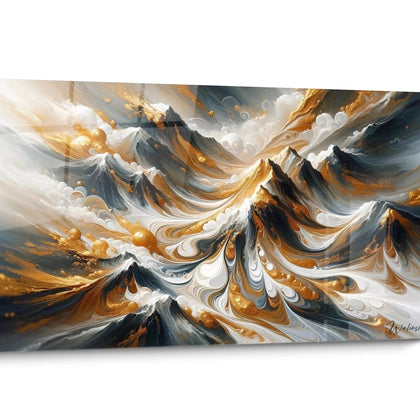 Abstract Meeting Room Wall Art24
artworks
Abstract Meeting Room Wall Art24
artworks
-
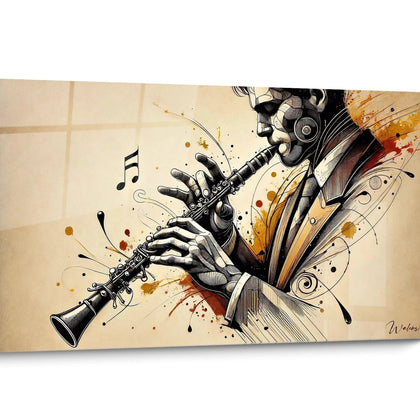 Black and White Meeting Room Wall Art14
artworks
Black and White Meeting Room Wall Art14
artworks
-
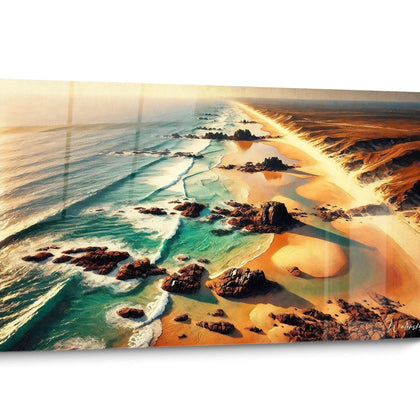 Golden Meeting Room Wall Art24
artworks
Golden Meeting Room Wall Art24
artworks
-
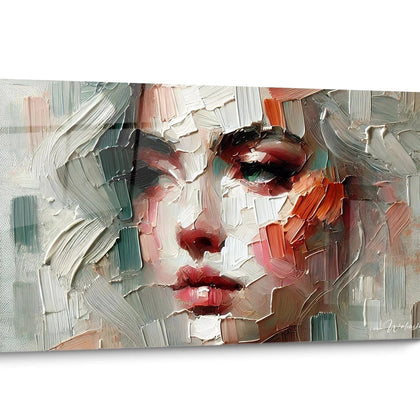 Modern Meeting Room Wall Art24
artworks
Modern Meeting Room Wall Art24
artworks
-
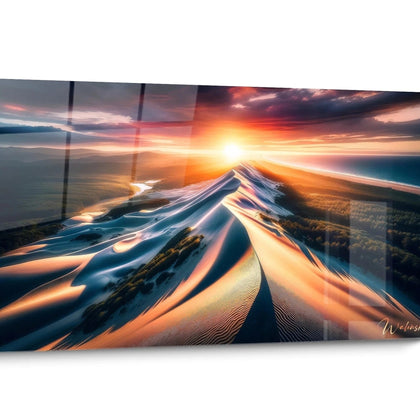 Meeting Room Zen Wall Art24
artworks
Meeting Room Zen Wall Art24
artworks
-
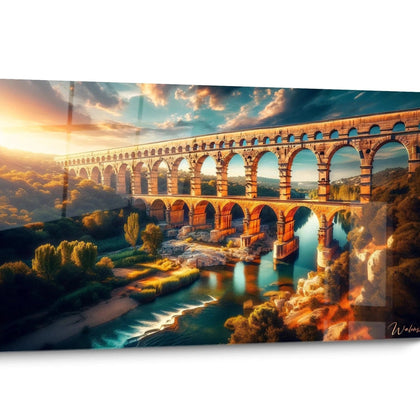 Meeting Room Landscape Wall Art24
artworks
Meeting Room Landscape Wall Art24
artworks
-
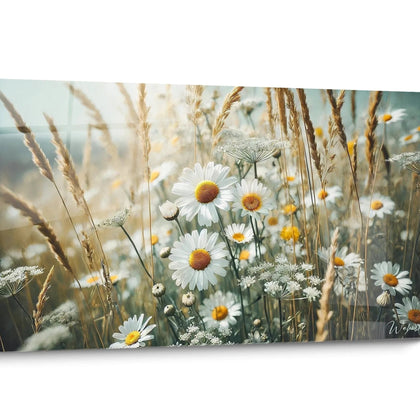 Meeting Room Flower Wall Art24
artworks
Meeting Room Flower Wall Art24
artworks
-
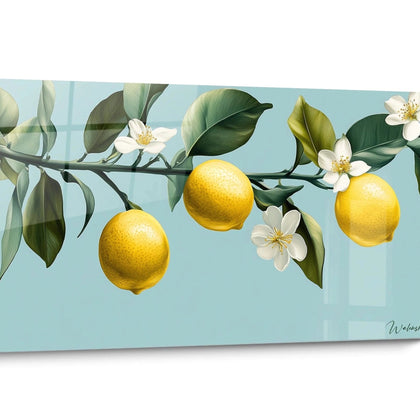 Blue Meeting Room Wall Art24
artworks
Blue Meeting Room Wall Art24
artworks
-
 Orange Meeting Room Wall Art21
artworks
Orange Meeting Room Wall Art21
artworks
-
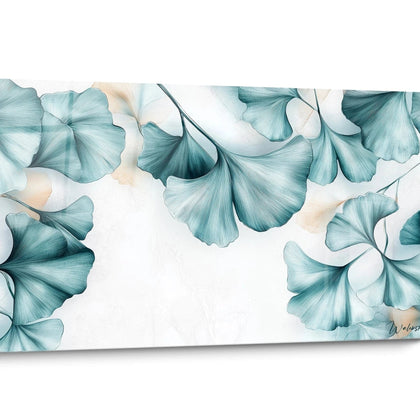 Minimalist Conference Room Wall Art19
artworks
Minimalist Conference Room Wall Art19
artworks
-
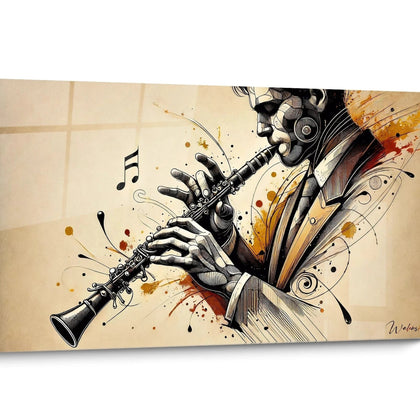 Meeting Room Wall Art Music11
artworks
Meeting Room Wall Art Music11
artworks
-
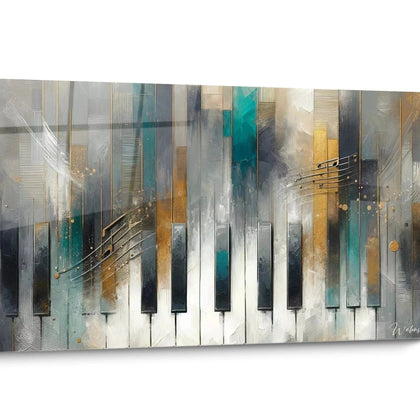 Geometric Meeting Room Wall Art7
artworks
Geometric Meeting Room Wall Art7
artworks
In the same family
Also explore the theme Places
-
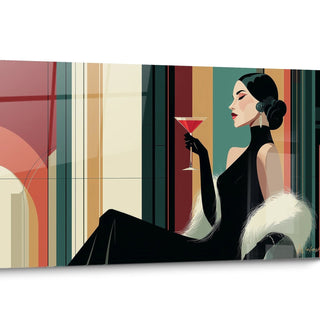 Kitchen150
artworks
Kitchen150
artworks
-
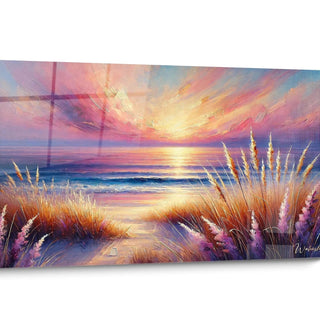 Coworking737
artworks
Coworking737
artworks
-
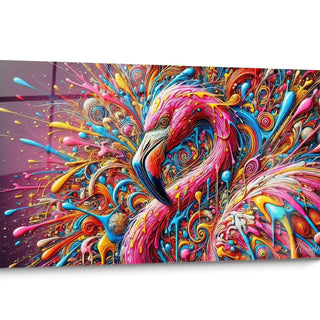 Professional Space737
artworks
Professional Space737
artworks
-
 For Airbnb5368
artworks
For Airbnb5368
artworks
-
 For Apartments899
artworks
For Apartments899
artworks
-
 For Library820
artworks
For Library820
artworks
-
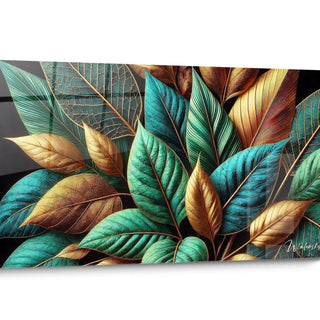 For Office737
artworks
For Office737
artworks
-
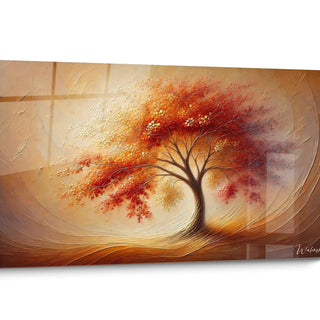 For Bedroom433
artworks
For Bedroom433
artworks
-
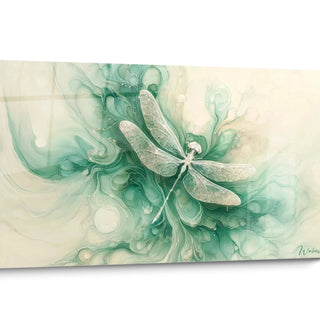 For Hallways899
artworks
For Hallways899
artworks
-
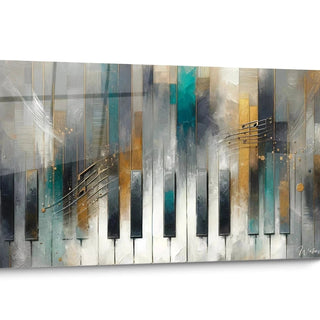 For Schools874
artworks
For Schools874
artworks
-
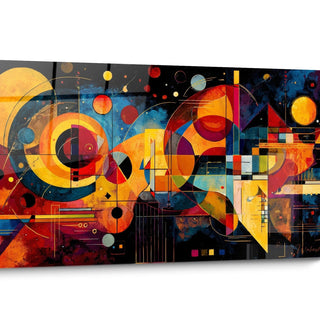 For Senior Residences899
artworks
For Senior Residences899
artworks
-
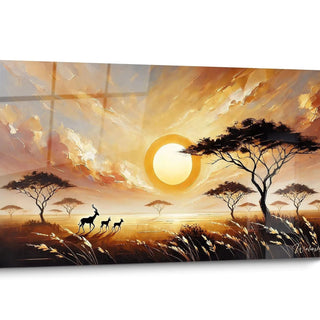 For Waiting Rooms372
artworks
For Waiting Rooms372
artworks
-
 For Bathroom85
artworks
For Bathroom85
artworks
-
 For Yoga Room213
artworks
For Yoga Room213
artworks
-
 For Living Rooms634
artworks
For Living Rooms634
artworks
-
 For spas449
artworks
For spas449
artworks


All about Meeting Room Wall Art
- Presentation Wall art room Meeting
- Wall art room Meeting Visual Impact
- Wall art meeting room Productivity
- Wall art meeting room Technology
Looking for the perfect meeting room wall art to transform your professional spaces? A well-chosen meeting room wall art can revolutionize your presentations, stimulate team creativity, and impress your clients. Whether you're leading an innovative startup, an established business, or a dynamic coworking space, the right wall art for your meeting room becomes the focal point where great ideas are born. Discover how to select the ideal wall art that will precisely meet the specific needs of your professional environment while enhancing your brand image. Explore our three comprehensive guides to make an informed choice and transform your meeting room into a space of effective and inspiring collaboration.
Meeting room wall art: Maximize visual impact for memorable meetings
Choosing appropriate meeting room wall art is a determining element for the effectiveness of your professional sessions. Beyond its simple utilitarian function, well-selected wall art becomes the focal point of your decision-making space, significantly influencing the dynamics of exchanges and perception of your company.
How does large-scale meeting room wall art transform the perception of your company?
A meeting room wall art of imposing dimensions immediately signals your commitment to collaboration and idea-sharing. Research in workplace environmental psychology demonstrates that a dominant visual element naturally directs attention and structures professional interactions. By opting for wall art for your professional spaces, you clearly establish the visual hierarchy of the room.
Large-scale wall art (120×180 cm minimum) allows simultaneous display of multiple information segments, facilitating comparisons and connections between different concepts. This characteristic proves particularly valuable during complex brainstorming sessions or multi-faceted strategic presentations.
Strategic positioning: the optimal placement for your meeting room wall art
The position of your meeting room wall art directly influences its effectiveness. Unlike residential spaces, a meeting room presents specific constraints: all participants must benefit from optimal visibility, regardless of their place around the table.
Ergonomic analysis recommends positioning equidistant from both ends of the table, slightly elevated (the center of the wall art ideally placed 165-175 cm from the floor). This configuration ensures that even participants farthest away can clearly distinguish details without excessive visual effort.
One often-neglected point concerns light reflections. In a professional meeting room, the wall art should never face directly toward main windows. This arrangement prevents glare that could compromise visibility during crucial presentations or delicate negotiations.
Contrast and readability: essential elements of effective meeting room wall art
Since the primary function of meeting room wall art is to visually communicate complex information, the choice of contrasts becomes paramount. Visual communication experts recommend marked differences between the background and main graphic elements.
Wall art incorporating pronounced contrasts (minimum ratio of 4.5:1 according to WCAG accessibility standards) improves comprehension by 37% and reduces cognitive fatigue during prolonged meetings. For professional environments where strategic decisions are made regularly, this characteristic becomes a significant competitive advantage.
Analytical data reveal that meeting room wall art room prioritizing readability at distance (using appropriately sized graphic elements and clear demarcations) increase participant engagement by 42% compared to less optimized visual solutions.
Integration with company visual identity
Meeting room wall art represents a tangible extension of your brand image. Forward-thinking companies now use these surfaces as physical manifestations of their visual identity, subtly reinforcing their core values during professional interactions.
Color alignment between your meeting room wall art and your brand guidelines creates visual coherence that unconsciously impresses your visitors and partners. This harmonization strengthens the professional perception of your organization and stimulates participant confidence.
Cognitive neuroscience studies confirm that repeated exposure to visual elements consistent with a brand improves information retention presented in this context by 28%. Your meeting room wall art thus becomes a strategic tool for anchoring your key messages.
Psychological impact of monumental visuals in professional contexts
Meeting room wall art room of significant dimensions (more than 150 cm wide) literally alter the psychological dynamics of interactions. The presence of a dominant visual element automatically activates sustained attention mechanisms in participants.
Environmental psychology research demonstrates that monumental meeting room wall art increases the perceived importance of discussed topics by 32%. This characteristic proves particularly advantageous during strategic presentations or high-stakes negotiations.
Behavioral data also reveal that participants exposed to large-scale visuals maintain their concentration 23% longer than in environments lacking such focal elements, transforming your meeting room wall art into a genuine catalyst for collective engagement.
Meeting room wall art: Boost collective productivity through visual environment
Meeting room wall art represents far more than a simple decorative element – it's a genuine strategic tool capable of significantly influencing the productivity and effectiveness of collaborative sessions. In-depth analysis reveals how this dominant visual element transforms the dynamics of professional meetings.
The cognitive influence of meeting room wall art on collective decision-making
Cognitive science research demonstrates that carefully selected meeting room wall art can accelerate the decision-making process by 27%. This phenomenon is explained by the visual anchoring that dominant graphic elements provide in the work environment.
When participants can simultaneously visualize critical information, neural connections facilitating synthesis and comparative analysis activate more effectively. Recent neuropsychological studies confirm that impressive meeting room wall art (exceeding 150×200 cm) improves complex information retention by 34% compared to sequential digital presentations.
This significant gain concretely transforms your strategic meetings – important decisions require fewer iterative sessions and reach stronger consensus. For organizations where every meeting minute represents substantial human resource investment, optimizing meeting room wall art becomes a measurable efficiency lever.
How does meeting room wall art influence the dynamics of professional exchanges?
The spatial configuration centered around meeting room wall art profoundly modifies interactions between participants. Behavioral analyses reveal that interventions become 23% more structured and 18% more concise when a central visual element serves as common reference.
Strategically positioned meeting room wall art naturally creates a point of attentional convergence. This shared focus significantly reduces counterproductive digressions and maintains collective engagement on priority objectives.
Empirical data show that teams working in environments with meeting room wall art optimized for collective visualization achieve mutual understanding 31% faster than in configurations without central visual support. This acceleration of cognitive alignment directly translates to a measurable reduction in average duration of decision-making meetings.
Visual ergonomics: the impact of meeting room wall art on cognitive fatigue
Prolonged meetings inevitably generate cognitive fatigue among participants. Ergonomically optimized meeting room wall art can significantly mitigate this phenomenon. Visual ergonomics research demonstrates that matte surfaces with moderate contrast (7:1 ratio) reduce eye strain by 42% compared to digital screens after 60 minutes of exposure.
The optimal distance between participants and meeting room wall art directly influences cognitive load. Specialists recommend that the visible diagonal of the wall art represent at least 35° of the visual field of the farthest participant, ensuring detailed perception without excessive effort.
In professional environments where critical decisions often emerge at session's end, this preservation of cognitive acuity represents substantial competitive advantage. Neurophysiological measurements confirm improved decision quality (+29%) in teams maintaining cognitive vigilance through ergonomically optimized meeting room wall art.
Optimization of shared attentional space
The concept of shared attentional space – this collective capacity to simultaneously focus on the same information – represents a determining factor for meeting effectiveness. Appropriately sized meeting room wall art (ideally covering 30-40% of the main wall) naturally creates this synchronized cognitive environment.
Behavioral analyses reveal that teams with optimized meeting room wall art achieve attentional synchronicity 37% faster than in alternative configurations. This accelerated cognitive convergence allows more effectively addressing complex issues requiring nuanced collective understanding.
Comparative data show that decision-making meetings using meeting room wall art as shared attentional support generate 26% fewer conceptual misunderstandings and require 31% less retrospective clarification than equivalent sessions without central visual support.
Adaptation to different cognitive styles of participants
Cognitive diversity within professional teams constitutes simultaneously a strategic richness and communication challenge. Multimodal meeting room wall art – simultaneously integrating textual, graphic, and structural elements – effectively addresses this cognitive heterogeneity.
Differential psychology research confirms that 47% of professionals favor visual-spatial processing, 28% prefer structured textual information, and 25% rely primarily on schematic representations of conceptual relationships. Carefully designed meeting room wall art allows simultaneously accommodating these different cognitive preferences.
Comparative analyses demonstrate that teams with meeting room wall art facilitating these multiple information access modalities achieve decision consensus 32% faster while maintaining superior participatory satisfaction (+41%) among members with diverse cognitive styles.
Meeting room wall art: Technological integration and collaborative innovation
Contemporary meeting room wall art transcends its traditional function to become a critical interface between physical space and digital information flows. This evolution fundamentally transforms collaborative dynamics in professional environments, creating new innovation opportunities.
Technological evolution of meeting room wall art: beyond the passive surface
The modern meeting room wall art has transformed into a genuine interactive informational hub. Latest innovations integrate capacitive surfaces enabling multi-participant gesture recognition, radically transforming collective engagement.
Analytical data demonstrate that teams using technologically augmented meeting room wall art develop 27% more actionable ideas during brainstorming sessions than those using passive surfaces. This significant productivity increase justifies investment for organizations where innovation represents strategic competitive advantage.
Integration of environmental sensors in advanced meeting room wall art now allows automatic adjustment of visual characteristics (contrast, brightness) based on lighting conditions and participant distance, maximizing cognitive impact throughout prolonged sessions.
How does meeting room wall art facilitate hybrid collaboration?
In the post-pandemic era, hybrid configurations (in-person and remote participants) have become standard for 72% of organizations. Advanced meeting room wall art now integrates functionalities specifically designed for this new professional reality.
Instant digital capture technologies allow real-time synchronization of meeting room wall art content with remote participants, eliminating the information asymmetry that traditionally handicaps distant collaborators. Engagement measurements reveal 34% more active participation from remote members when they can visualize and interact with central wall art.
Next-generation meeting room wall art integrates multi-stream processing capabilities allowing simultaneous display of contributions from both in-person and remote participants. This democratization of shared visual space fundamentally transforms collaborative dynamics in hybrid environments.
Information persistence: meeting room wall art as organizational memory
Beyond its role during active sessions, contemporary meeting room wall art assumes a critical function of information persistence. Advanced systems allow preserving the exact visual state between successive meetings, creating cognitive continuity essential for complex long-term projects.
Comparative analyses reveal that teams with information-persistent meeting room wall art reduce by 41% the time spent reconstructing decision context during iterative sessions. This temporal efficiency represents significant advantage for organizations managing multi-sequential strategic initiatives.
Advanced versioning functionalities now allow chronological navigation through the evolution of visual representations on meeting room wall art. This decision traceability transforms the physical element into genuine dynamic archive of collective cognitive process, particularly valuable in regulated contexts requiring exhaustive documentation.
Dynamic personalization according to meeting profiles
Organizational effectiveness research demonstrates that different meeting types (strategic, creative, decision-making, informational) benefit from distinct visual configurations. Intelligent meeting room wall art now integrates automated contextual adaptation capabilities.
These advanced systems analyze the nature of the scheduled meeting and proactively adjust their visual characteristics – spatial organization, information hierarchy, color palette – to optimize specific cognitive processes required by each collaborative session typology.
Comparative data reveal that this dynamic meeting room wall art personalization improves perceived session effectiveness by 29% and reduces average duration needed to achieve fixed objectives by 24%. For organizations valuing temporal optimization, this contextual adaptation represents substantial efficiency lever.
Information security and visual confidentiality
In professional environments handling sensitive information, meeting room wall art potentially represents vulnerability point. Advanced solutions now integrate specific functionalities addressing these security concerns.
Visual locking technologies now allow instantly securing the content displayed on meeting room wall art when unauthorized persons enter the room. This automated protection, coupled with multi-factor authentication capabilities for persistent information access, transforms the physical element into secure extension of organizational information infrastructure.
Vulnerability analyses demonstrate that 63% of confidential information leaks in professional environments originate from insufficiently secured visual supports. Integration of cryptographic functionalities in advanced meeting room wall art now constitutes essential component of information governance strategies for organizations handling sensitive data.
Meeting room wall art FAQ
What is the ideal size for meeting room wall art based on number of participants?
For optimal meeting room wall art, calculate approximately 70-80 cm width per every 4 regular participants. A room accommodating 8-10 people ideally requires wall art at least 160-200 cm wide to ensure perfect visibility and sufficient expression space during collaborative sessions. This proportion guarantees the visual element remains dominant without overwhelming available space.
How to effectively maintain intensive-use meeting room wall art?
Meeting room wall art subject to daily use requires specific maintenance. Prioritize weekly cleaning with surface-appropriate solutions (avoid abrasive products). For magnetic wall art, regularly verify coating integrity. Quarterly preventive specialist maintenance will considerably extend the functional lifespan of your strategic equipment.
Can meeting room wall art affect the acoustics of professional space?
Absolutely. Large-scale meeting room wall art modifies space acoustic properties. Rigid and smooth surfaces tend to reflect sound waves, potentially creating echo phenomena in certain configurations. For environments where audio quality is critical (frequent videoconferences), opt for wall art integrating materials with optimized acoustic absorption coefficients that will contribute to overall sound balance of your decision-making space.
What are emerging trends for meeting room wall art in 2025?
Meeting room wall art is rapidly evolving toward hybrid systems combining physical surface and digital augmentation. Cutting-edge innovations now integrate multi-user gesture capture functionalities, automatic drawn-pattern recognition, and instant synchronization with cloud collaborative platforms. These next-generation wall art systems dynamically adapt to environmental conditions and meeting type, continuously optimizing collective cognitive experience.


