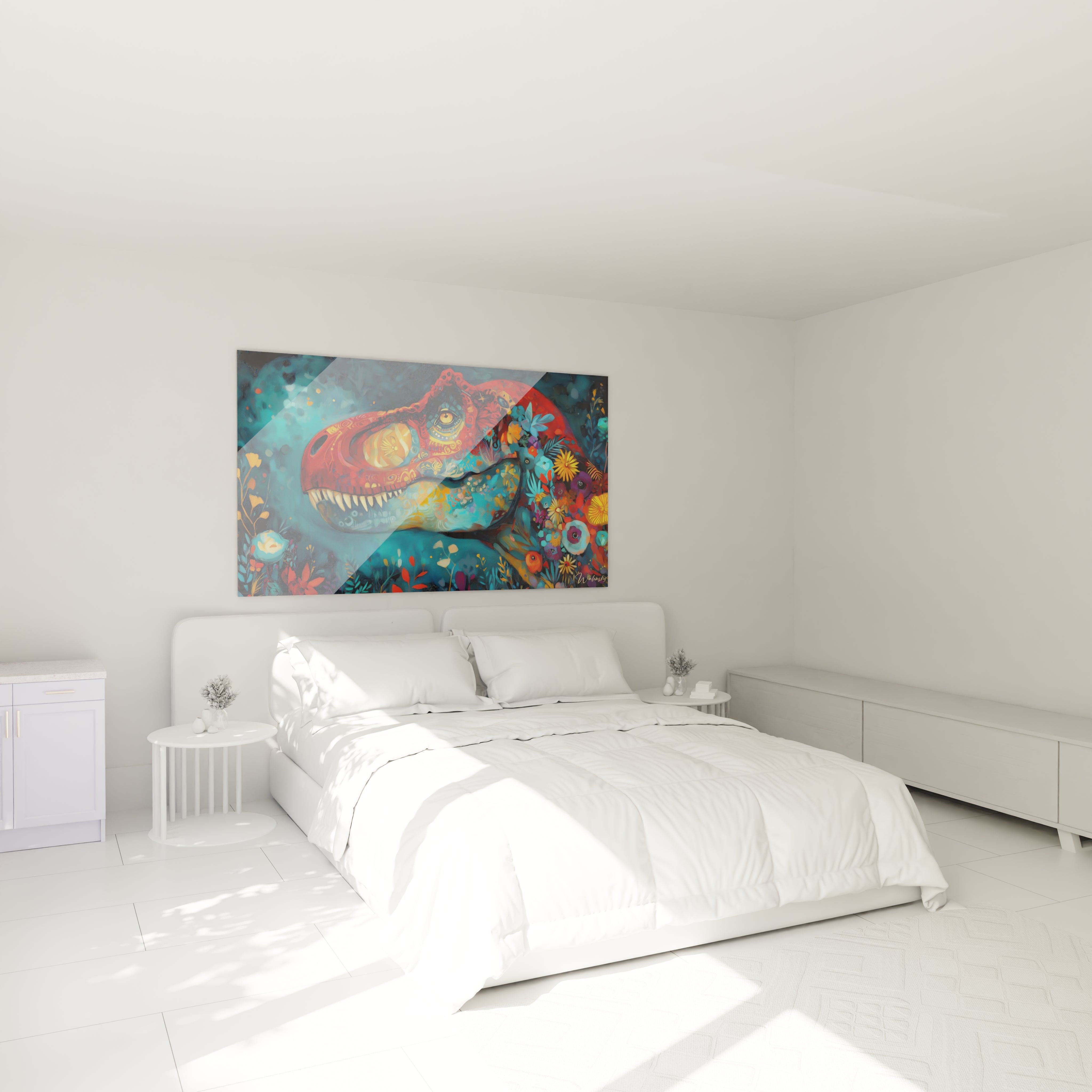
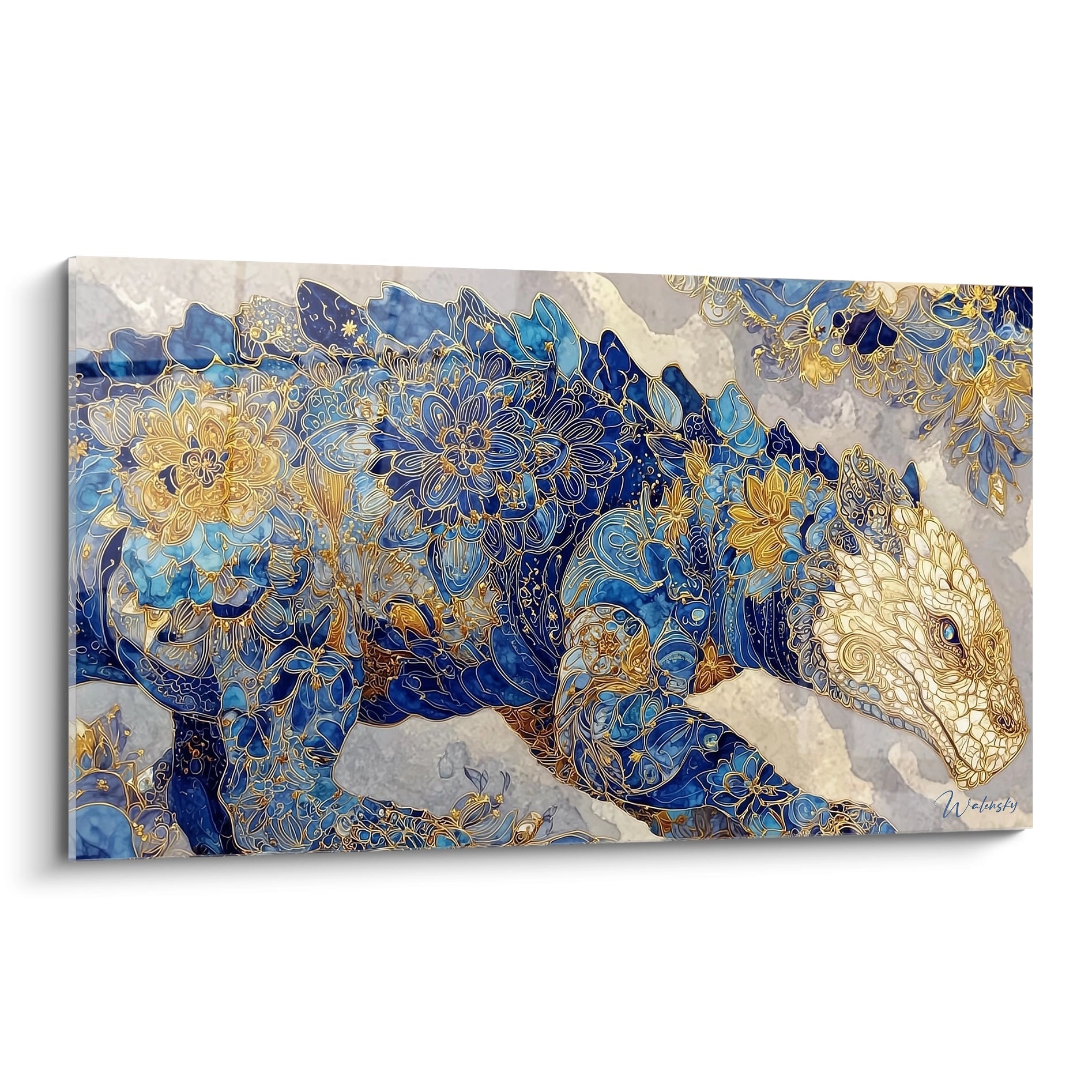
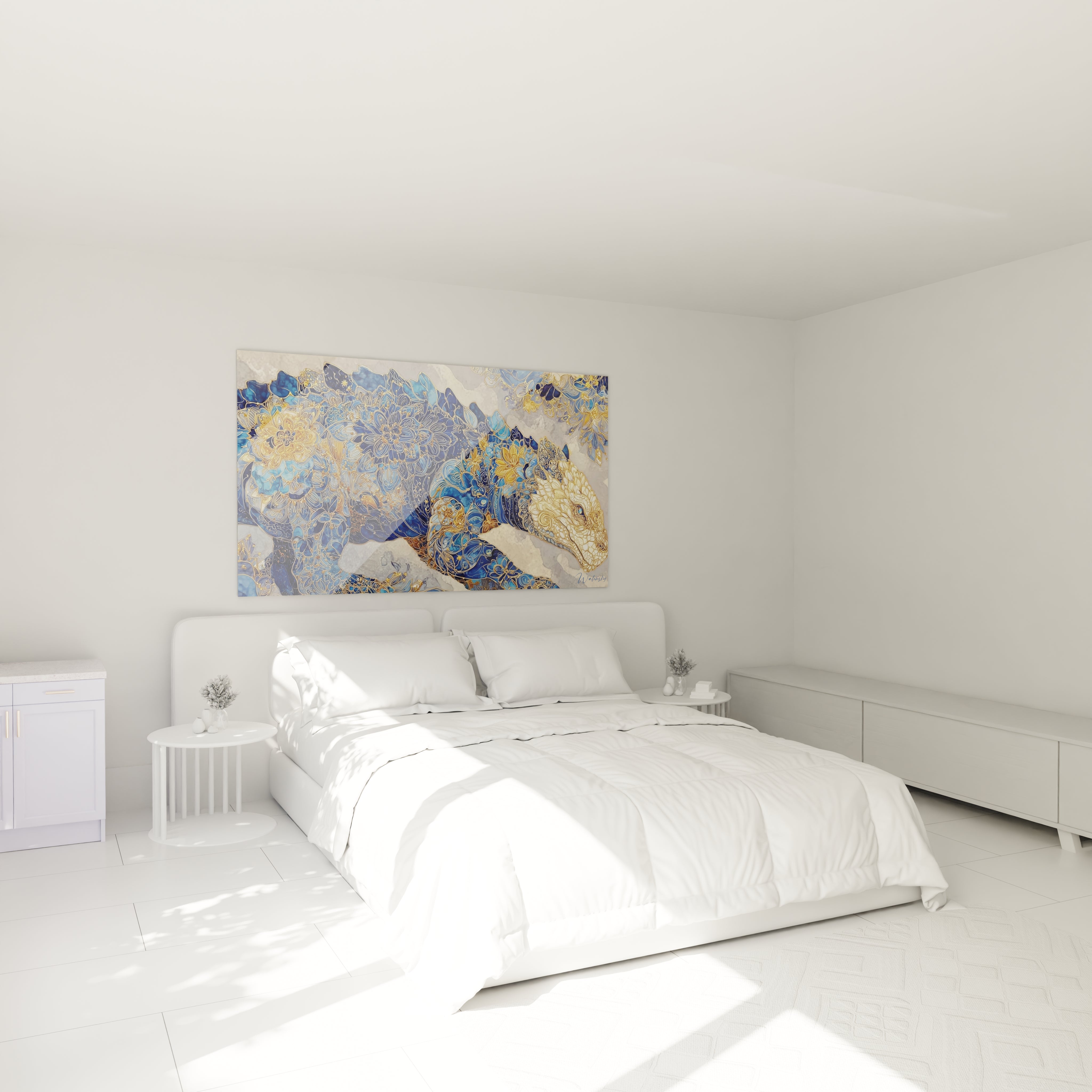
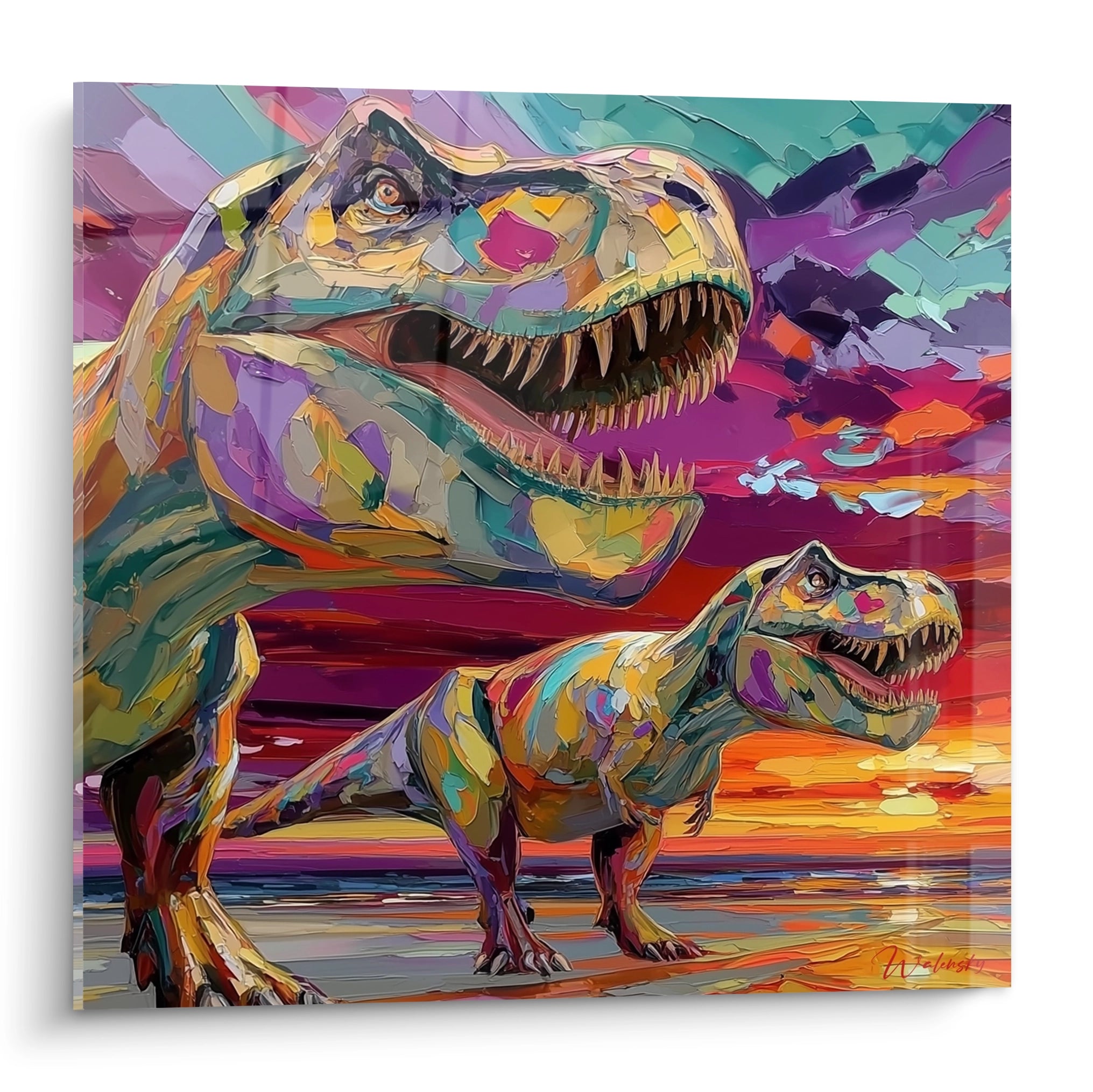
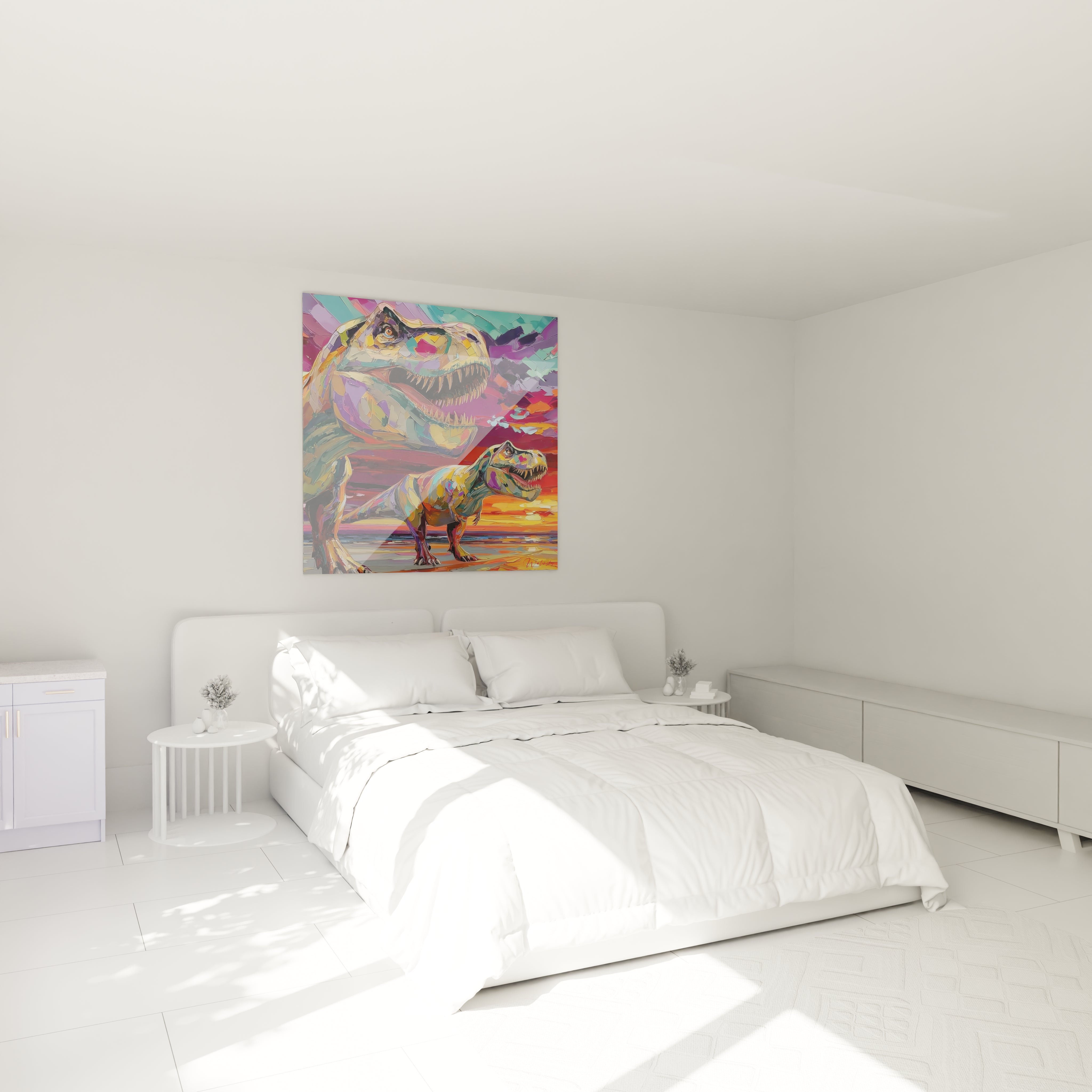
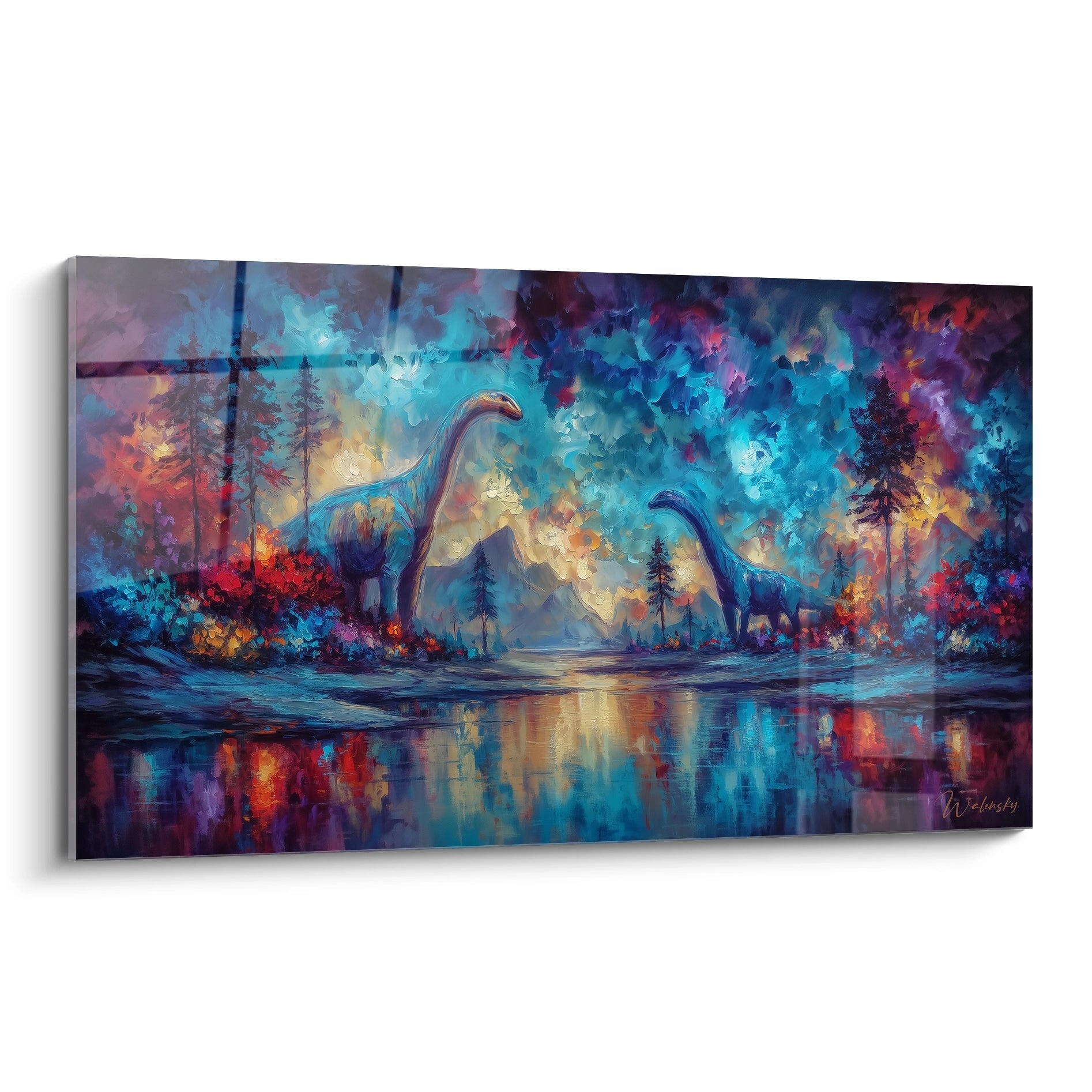
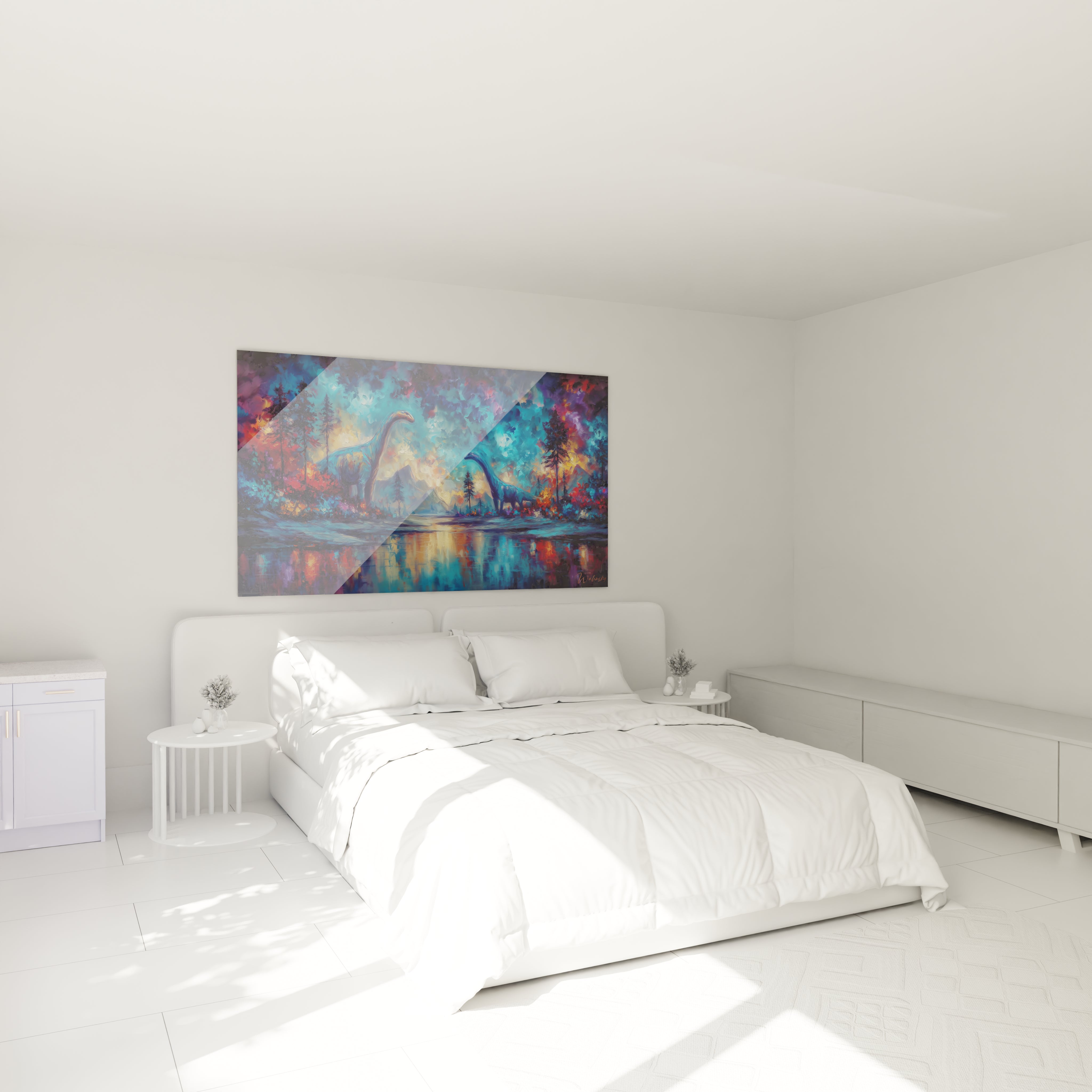
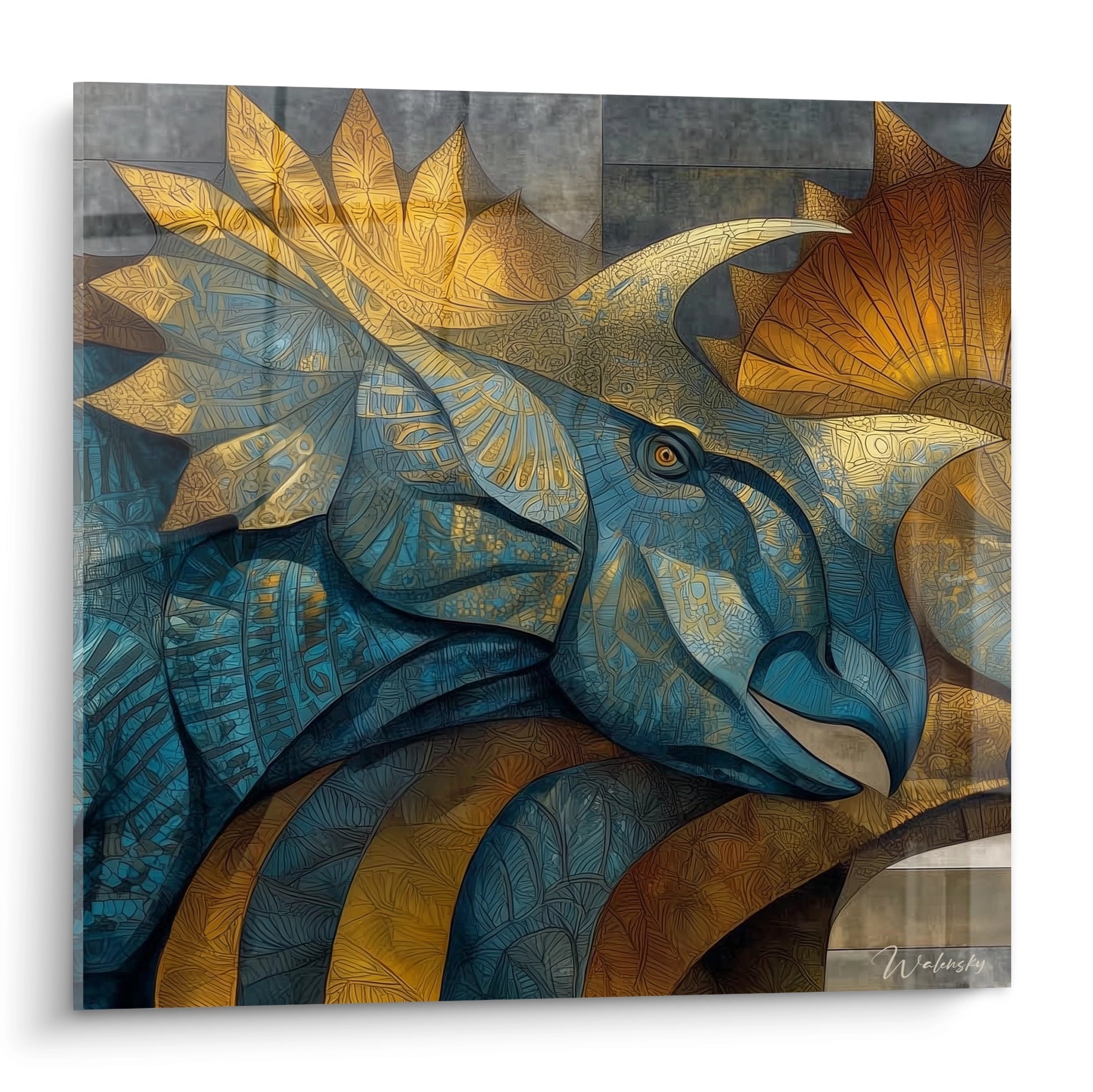
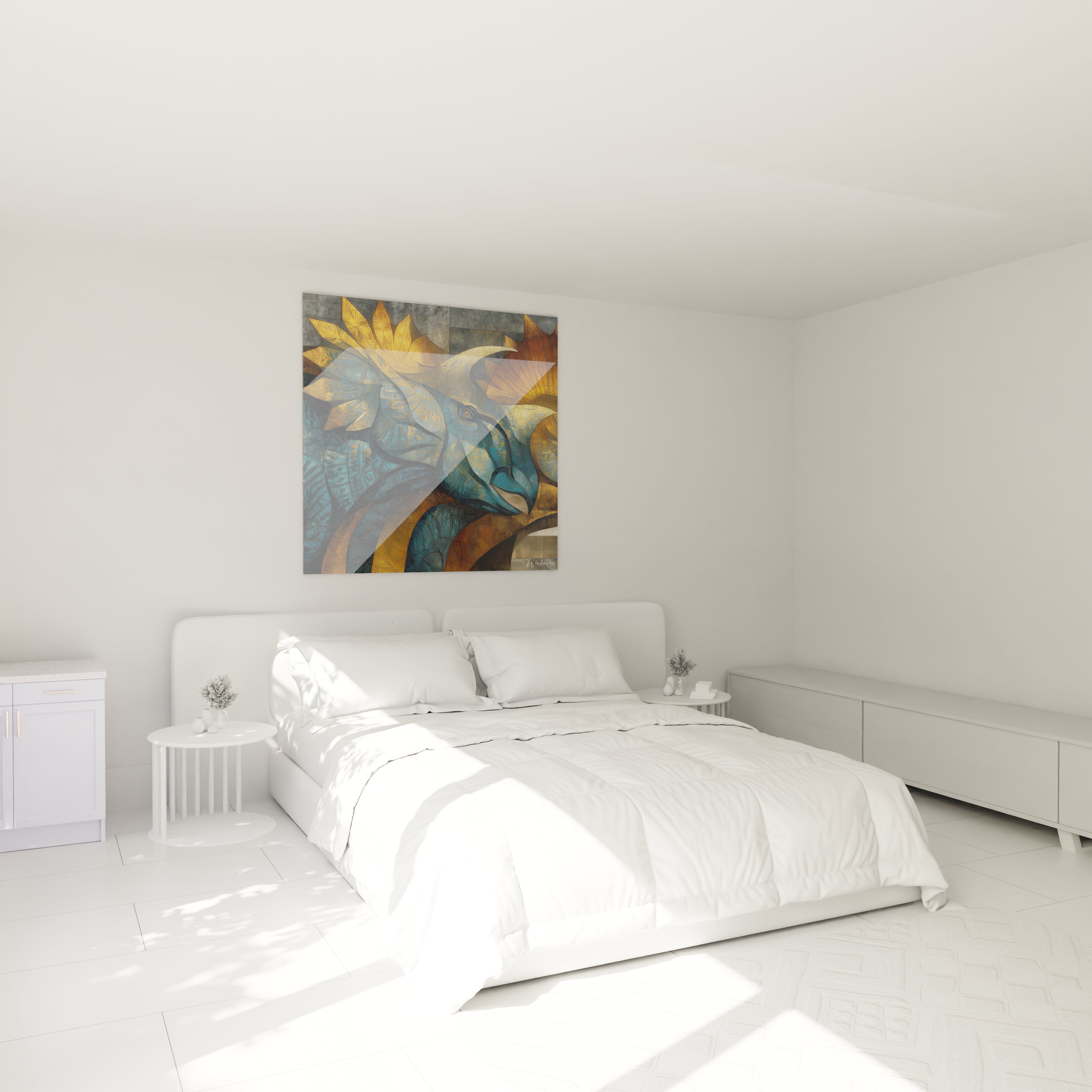
- Lands of Before Painting Presentation
- Lands of Before Painting - Prehistoric Ambiance
- Lands of Before Painting - Paleontological Discovery
- Lands of Before Painting - Mesozoic Era Decoration
A lands of before painting represents far more than simple wall decoration. It is a genuine temporal window opening onto the age of dinosaurs, those fascinating periods of the Cretaceous and Jurassic when Earth displayed spectacular volcanic landscapes. These large-scale wall representations capture the very essence of primordial lands, with their lush vegetation of giant ferns, active volcanoes and horizons bathed in the characteristic crepuscular light. Prized by families seeking to create an authentic prehistoric atmosphere, these wall creations instantly transform any space into a portal to the Mesozoic. Demand for these nostalgic representations continues to grow, particularly among thirty and forty-something parents wishing to share their cinematic passion with their children while awakening their scientific curiosity.
Creating an Immersive Prehistoric Atmosphere with a Lands of Before Painting
Acquiring a lands of before painting instantly shifts the emotional dynamic of a family space. These monumental representations of Jurassic landscapes generate unique nostalgic ambiance, reminding adults of childhood memories linked to the adventures of Littlefoot and companions, while captivating the imagination of new generations. The evocative power of these prehistoric scenes lies in their ability to merge paleontological authenticity with memorable cinematic dimension.
How do Mesozoic landscapes transform your living space?
Paintings depicting the lands of before distinguish themselves through their specific color palette characteristic of ancient geological periods. Ochre, orange and purple hues evoking sunsets over Cretaceous plains create incomparable warm luminosity. These volcanic tones, combined with deep greens of primitive tree ferns, generate a soothing atmosphere while stimulating natural curiosity. In a family living room or playroom, these imposing dimensional representations become conversational focal points, initiating intergenerational discussions about evolution, extinction and deep time.
The psychological impact of prehistoric horizons in shared spaces
A large-scale lands of before painting possesses the remarkable ability to visually expand space while creating contemplative intimacy. Distant perspectives over primordial mountain chains and misty Upper Triassic valleys induce a sense of temporal escape. This psychological characteristic proves valuable in contemporary homes where living space diminishes. Urban families particularly seek these visual openings toward epochs when Earth remained untouched by human presence.
What are the distinctive visual elements of Mesozoic representations?
Recognizable characteristics of an authentic lands of before painting include several signature elements. Stratified rock formations testifying to millions of years of sedimentation, silhouettes of brachiosaurus or diplodocus on the horizon creating grand scale, and dramatic skies charged with volcanic clouds form the visual foundation. Quality representations also incorporate:
- Distinctive Late Carboniferous vegetation with giant horsetails and primitive cycads
- Morning mist effects typical of prehistoric swampy environments
- Crepuscular light play accentuating geological depth
- Subtle details such as pterosaurs in flight or giant dragonflies
Decorative evolution: from cinematic memory to architectural element
What often begins as nostalgic purchase linked to 90s animated films rapidly evolves toward structuring decorative choice. A painting depicting the lands of before acquires patrimonial dimension in the family home. It becomes the silent witness to years when children grow while developing their paleontology passion, serving as backdrop for dinosaur-themed birthdays, family movie nights and prehistoric documentary reading sessions. Its constant presence anchors family collective memory in a shared universe.
Adapting dramatic intensity of prehistoric scenes according to spaces
The lands of before paintings decline in various dramatic intensities. Certain representations favor soothing crepuscular scenes with herbivores peacefully grazing, ideal for children's bedrooms promoting sleep. Others capture the instant preceding major volcanic eruption or approaching prehistoric storm, suiting more dynamic living spaces like playrooms or home offices. This variety allows adjusting emotional energy according to each room's function, creating coherent narrative throughout the dwelling.
Complementarity with personal paleontological collections
Paleontology enthusiasts often accumulate fossils, miniature skeleton replicas and minerals dating from ancient geological eras. A monumental painting depicting the lands of before offers the environmental context to these fragmentary collections. It visually reconstructs the complete ecosystem where these creatures evolved, transforming simple object accumulation into coherent private museography. Fossil display cases positioned beneath these wall representations benefit from powerful narrative staging, each ammonite or megalodon tooth recovering its visualized original context.
Geological authenticity: distinguishing faithful representations from anachronistic fantasies
An essential acquisition criterion concerns the paleontological rigor of represented scenes. Quality paintings respect geological chronology, avoiding anachronisms like Tyrannosaurus (Late Cretaceous) coexistence with Stegosaurus (Late Jurassic), separated by 80 million years. Represented vegetation corresponds to evoked periods: absence of flowering plants before Early Cretaceous, predominance of primitive conifers and cycads. This scientific authenticity strengthens the educational dimension while satisfying history-minded adults, creating balance between aesthetic wonder and documentary accuracy.
The Educational Dimension of Paintings Representing the Dinosaur Era
Beyond their decorative function, lands of before paintings constitute exceptional pedagogical tools for early scientific awakening. These permanent visual representations of Mesozoic ecosystems daily stimulate natural childhood curiosity, transforming spontaneous questioning into organic learning. Unlike ephemeral digital supports, these large-scale wall creations offer lasting contemplative presence, allowing young minds to observe, analyze and gradually construct their understanding of deep time and biological evolution.
Why do prehistoric representations favor scientific learning?
Cognitive neuroscience demonstrates that permanent spatial learning surpasses occasional exposure. A monumental painting depicting the lands of before visible daily creates powerful memory anchors. Children develop familiarity with silhouettes of different sauropod species, learn distinguishing geological periods through landscape characteristics, and intuitively construct understanding of vertiginous time scales. This constant exposure generates natural scientific vocabulary: Triassic, Jurassic, Cretaceous, Mesozoic, extinction, evolution become integrated concepts without forced pedagogical effort.
Spontaneous conversations generated by prehistoric scenes
Parents regularly testify to scientific dialogues initiated by simple presence of a lands of before painting. Questions flow naturally: "Why is the sky orange?", opening discussions about volcanic activity and different atmospheric composition. "How did dinosaurs sleep?" triggers exploration of supposed species behaviors. These spontaneous interrogations create shared learning moments where parents and children together seek answers, consulting documentaries and encyclopedias, thereby strengthening family bonds around collective scientific discovery.
Building tangible geological chronology in the home
Discerning collectors select multiple paintings depicting different geological periods, creating wall timeline through their dwelling. A hallway can thus narrate life's history: Permian and its mammal-like reptiles in the entrance, Triassic with emerging first dinosaurs in passage, lush Jurassic in main living room, and terminal Cretaceous in library. This spatial scenography materializes 180 million years of reptilian domination, making comprehensible the otherwise abstract vastness for young minds.
How to choose a lands of before painting according to child's age?
Adapting visual content to cognitive maturity proves crucial. For very young children (3-6 years), favor peaceful scenes depicting herbivore herds with vibrant and contrasting colors facilitating identification and preventing nightmares. Primary-school-age children (7-11 years) appreciate dynamic representations including predators and prey, stimulating their understanding of food chains and natural selection. Adolescents benefit from more sophisticated representations integrating precise geological details, complex atmospheric perspectives and reconstructions based on recent paleontological discoveries, nourishing their scientific critical thinking.
Integration into family educational routines
Creative families develop pedagogical rituals around their lands of before painting. "Dinosaur of the week" consists of selecting a creature visible on the painting and deepening knowledge over seven days: anatomy, diet, habitat, contemporaries, fossil discovery. This practice transforms wall decoration into evolving curriculum. Other families organize "temporal voyages" where each member imagines being a scientist transported into the depicted scene, describing sensations, dangers and potential discoveries. These exercises simultaneously stimulate narrative creativity and scientific rigor.
Preparation for museum visits and paleontological sites
Children familiar with visual representations of the lands of before approach natural history museums with valuable contextual understanding. Facing mounted dinosaur skeletons, they instantly visualize original environment, disappeared muscle masses and probable behaviors. This permanent visual preparation significantly enriches museum experience, transforming simple fossil observation into complete mental ecosystem reconstruction. Visits to fossil sites become equally meaningful, the child mentally overlaying eroded current landscape with Mesozoic splendor visualized daily.
Developing critical thinking toward artistic representations of science
A subtle yet crucial educational benefit lies in learning distinction between established facts and artistic interpretations. Family discussions can explore how we know certain elements (fossilized bone structures) while speculating on others (skin coloration, social behaviors). A painting depicting the lands of before becomes support for teaching scientific methodology: observation, hypothesis, interpretation, revision according to new discoveries. This critical competency proves fundamental in our information-saturated epoch, forming young minds capable of distinguishing verifiable facts from speculative reconstructions.
Integrating Primordial Landscapes into Contemporary Large Spaces
Installing a lands of before painting in generous architectural volumes demands specific strategic reflection. These monumental representations of ancient geological epochs require sufficient viewing distances to appreciate their panoramic composition and atmospheric depth. Loft owners, homes with double height or thematic commercial spaces seek precisely these creations capable of visually occupying imposing wall surfaces without creating visual overload, instead exploiting their spatial expansion power.
What are architectural considerations for monumental formats?
Paintings depicting the lands of before in exceptional dimensions (exceeding 150cm width) require minimum ceilings of 2m80 to avoid visual crushing effect. The characteristic field depth of these prehistoric landscapes, with distant horizons and successive vegetation planes, necessitates minimum 3 to 4 meter viewing distance for optimal appreciation. This distance allows spectators to simultaneously perceive foreground details (tree ferns, rocky outcroppings) and background elements (smoking volcanoes, distant sauropod silhouettes), creating temporal and spatial depth illusion.
Exploiting natural light according to wall orientation
The unique luminous characteristics of prehistoric scenes influence their optimal positioning. A lands of before painting depicting Cretaceous sunset gains dramatic intensity on wall perpendicular to western windows, actual evening solar rays creating emotional correspondence with depicted scene. Conversely, representations of misty Jurassic mornings flourish facing eastern openings, soft morning lights reinforcing mysterious atmosphere of primordial lands emerging from night. This synchronization between natural lighting and represented ambiance creates subtle daily variations, the painting visually evolving according to hours.
How do these representations structure open spaces?
In open-space configurations, monumental painting depicting the lands of before functions as defining visual anchor delineating functional zones. Positioned behind primary sofa, it implicitly defines living area while offering focal point to people in kitchen-dining zone. This ability to structure without partitioning proves particularly valuable in contemporary architectures favoring spatial fluidity. Imposing dimensions create presence sufficiently strong to organize space visually without requiring physical separations, gazes naturally converging toward these spectacular temporal windows.
Association with natural furnishings and materials
The lands of before paintings develop remarkable synergy with raw materials recalling geological elements. Solid wood furniture with pronounced veining evokes Carboniferous fossilized trunks. Natural stones like slate or granite echo stratified rock formations visible in representations. Textiles in earthy hues (ochre, burnt sienna, deep olive green) extend prehistoric color palette. This material coherence creates complete sensory immersion where tableau visuals are reinforced by tactile tangibility of immediate environment.
What is the influence on acoustics of large volumes?
A rarely considered aspect concerns acoustic impact of these large-scale wall creations. In spaces with high cubic volume subject to reverberation, monumental painting occupying significant wall surface contributes to sound absorption, particularly when surface presents subtle textural variations. This characteristic proves valuable in lofts or open-plan living spaces where acoustic management remains problematic. A lands of before painting presence thus brings dual benefit: visual enrichment and ambient sound comfort improvement.
Creating contemplative pathways in the home
Vast dwelling owners develop narrative visual sequences by strategically arranging multiple paintings of varying dimensions. The journey begins with moderate-sized representations in transitional spaces, creating anticipation, to culminate with monumental artwork depicting the lands of before in main living room. This progression creates emotional and spatial crescendo, spectator progressively immersed in prehistoric universe. Circulations become thus architectured temporal journeys, each threshold crossing marking chronological or thematic progression in Mesozoic exploration.
Considerations for thematic commercial and professional spaces
Educational establishments, scientific leisure centers and prehistoric-themed restaurants massively invest in these monumental wall representations. A lands of before painting in exceptional format (200cm and beyond) instantly transforms generic commercial space into memorable experiential destination. Pediatric clinic waiting rooms use these visuals to soothe young patients while stimulating curiosity. Municipal libraries position them in youth sections creating immersive reading corners. This professional applicational versatility testifies to evocative power transcending simple residential use.
Where to position a lands of before painting to maximize visual impact?
Optimal positioning sits on wall offering longest viewing distance, generally perpendicular to main room entrance, creating progressive revelation upon space entry. Hanging height should consider majority viewpoint: seated for living rooms, standing for entry halls.
Are lands of before paintings suitable for sloped ceilings?
Absolutely, attics and mezzanines particularly benefit from these representations. Oblique lines of prehistoric mountain slopes harmoniously dialogue with architectural inclination, creating reinforced visual dynamic. Favor diagonal compositions ascending in pent roof direction.
How does a lands of before painting evolve in variable lighting environment?
These representations reveal different subtleties according to ambient light intensity. In full daylight, geological and botanical details emerge precisely. At dusk, dark areas deepen while luminous elements (crepuscular skies, volcanic eruptions) gain dramatic intensity, creating daily transformation of the painting.
Can one associate multiple lands of before paintings of different dimensions?
This gallery wall approach functions remarkably creating fragmented visual narrative. Large central format depicting complete panorama can be flanked by smaller formats presenting close-up details: individual creature portraits, close-ups on primitive vegetation or mineral formations. This composition multiplies visual entry points while maintaining overall thematic coherence.