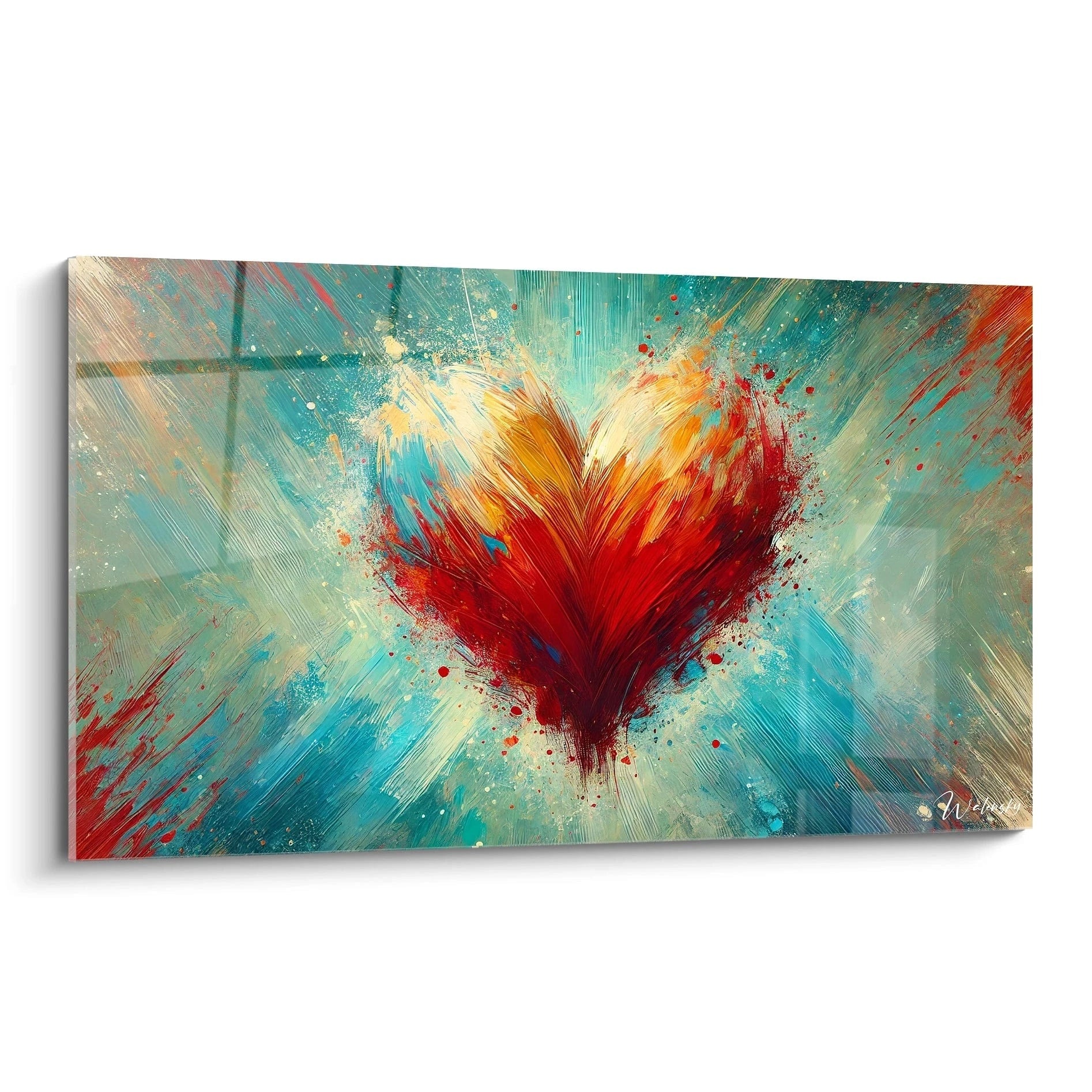
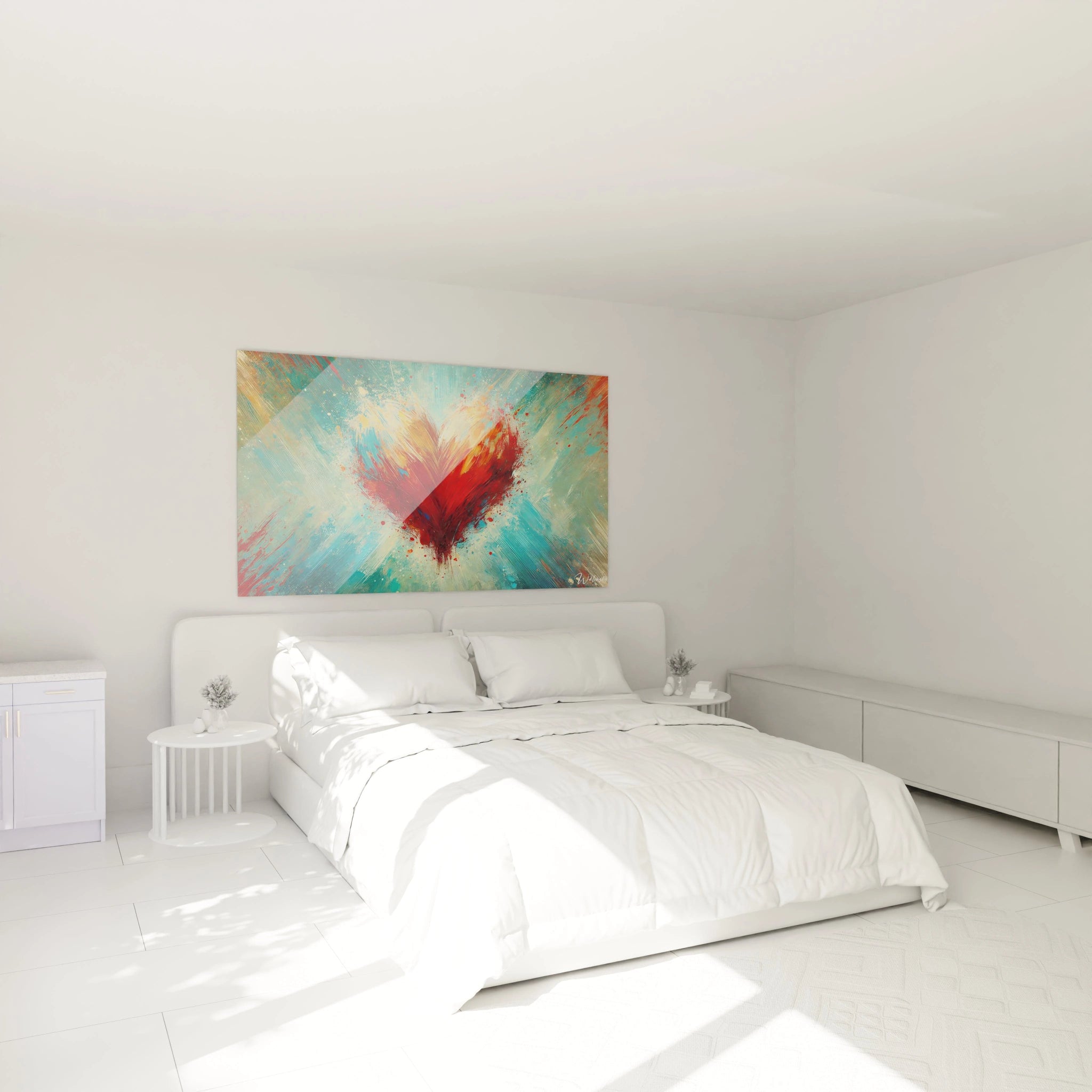
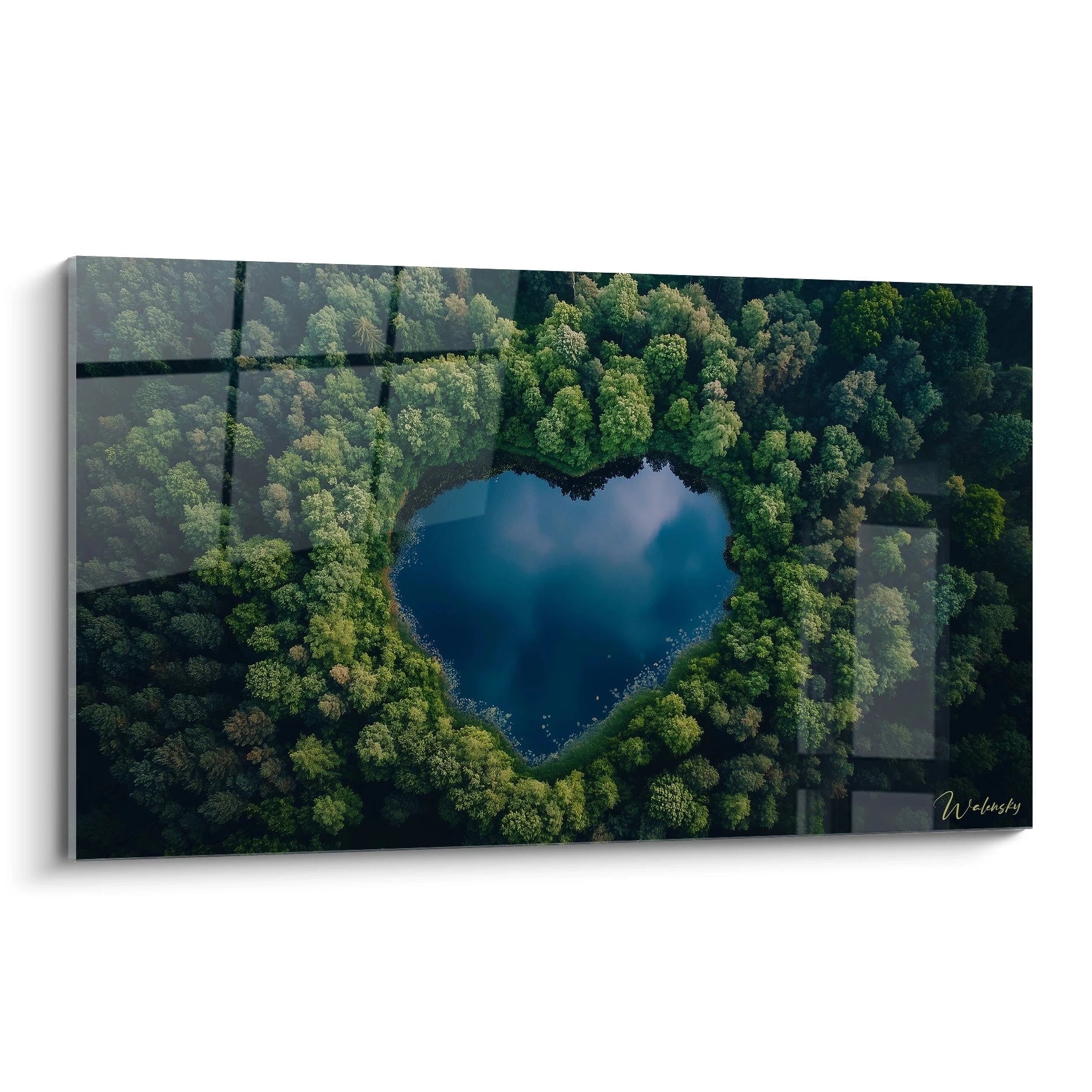
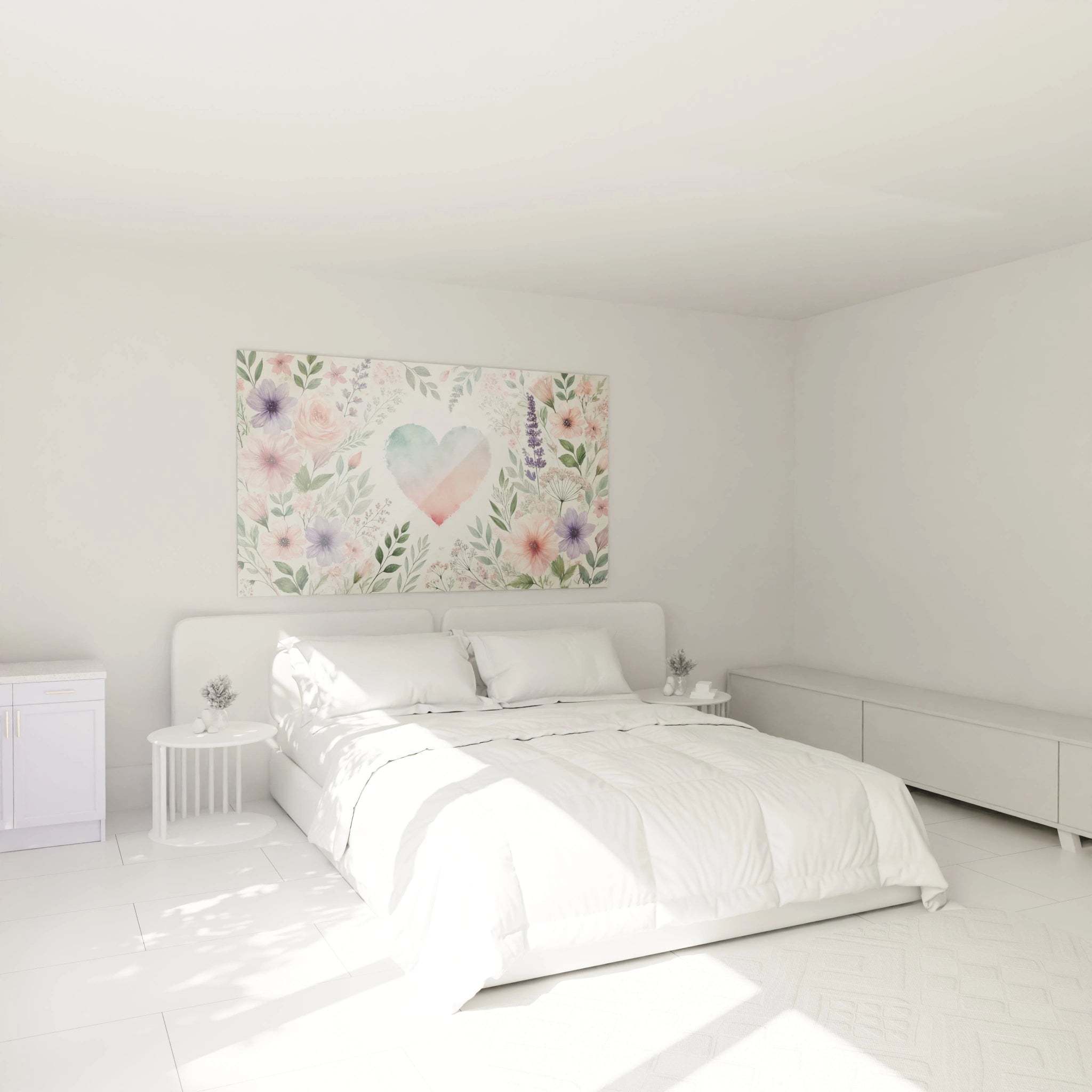
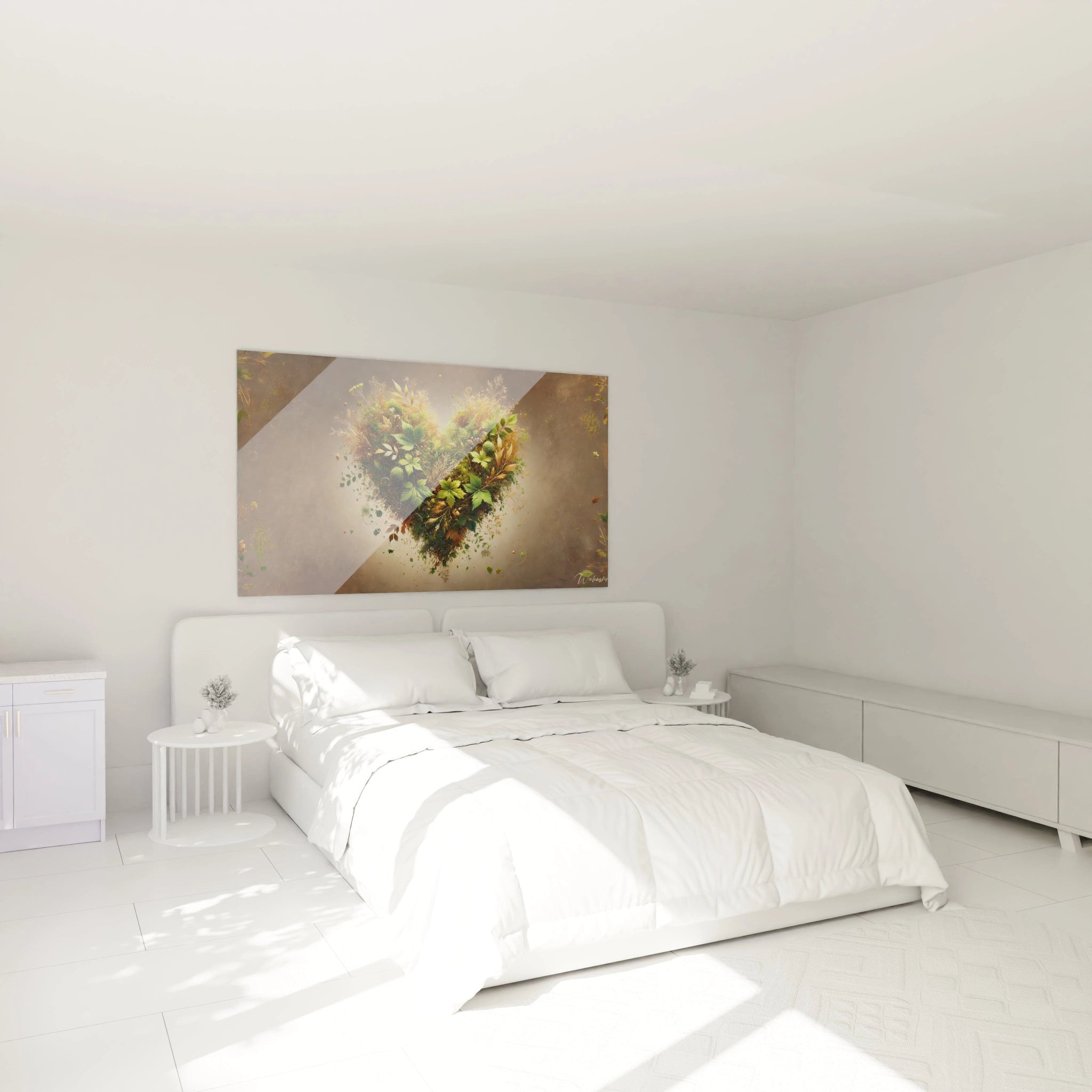
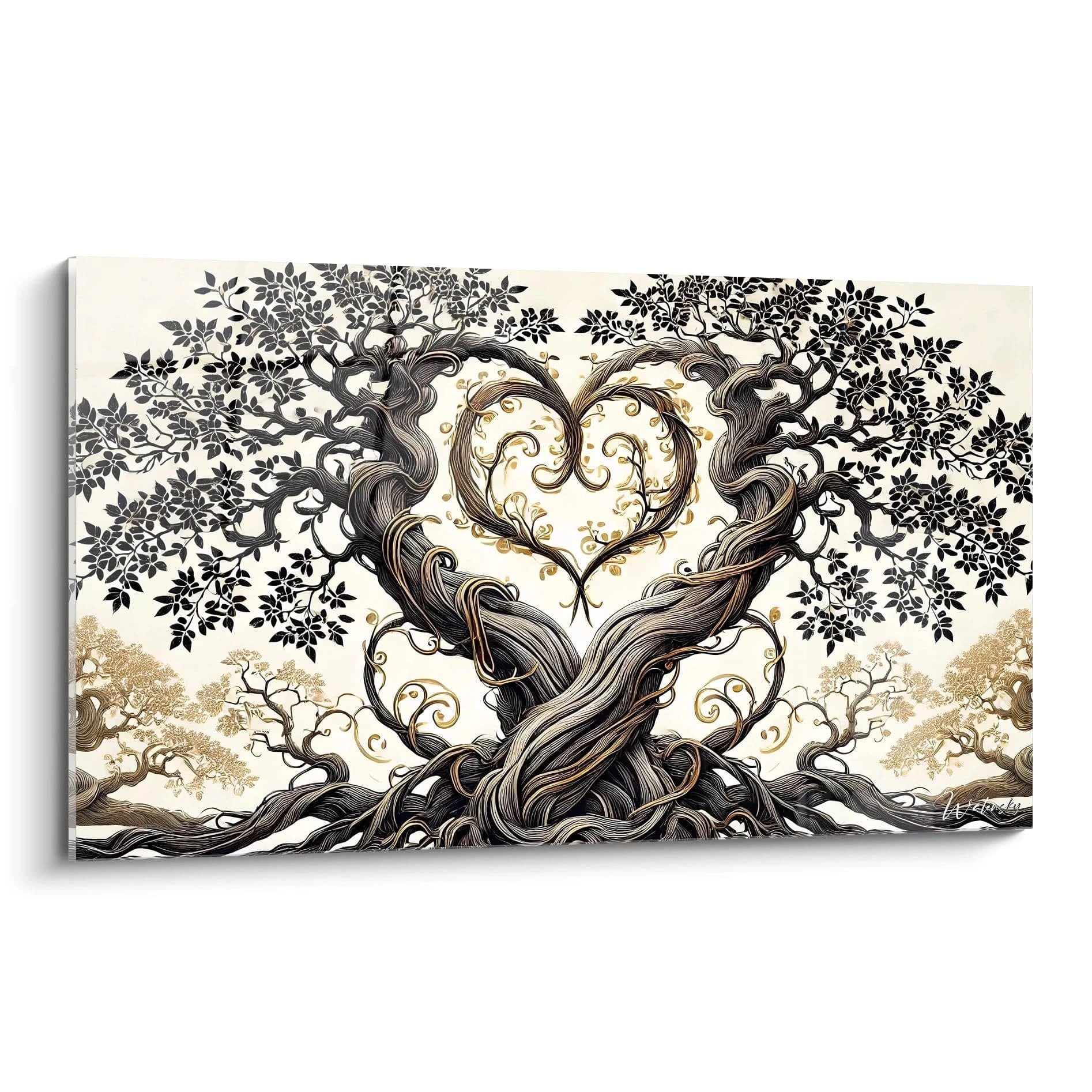
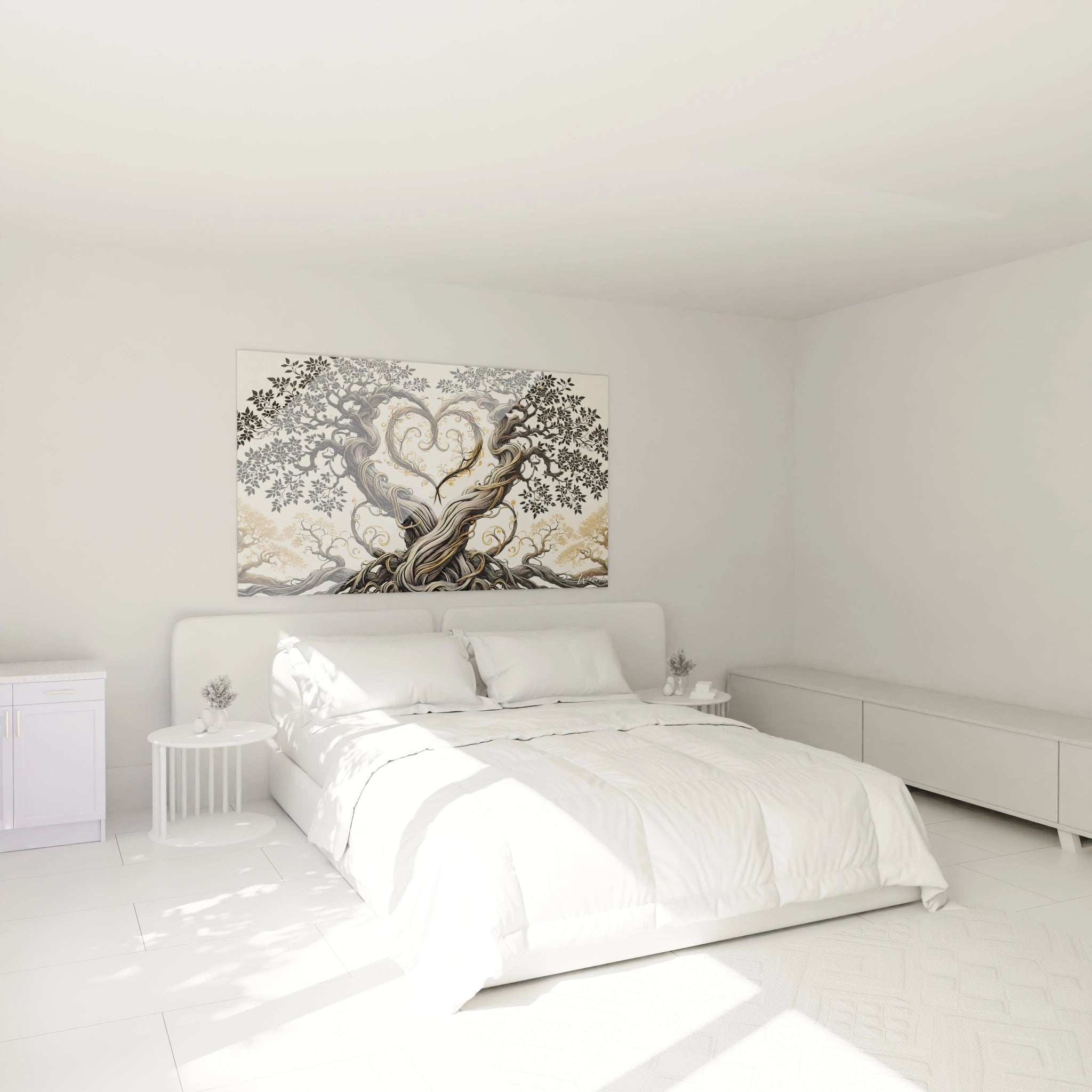
- Heart Paintings Presentation
- Heart paintings emotional symbolism
- Heart paintings interior decoration
- Heart paintings meaningful gifts
Heart paintings represent far more than simple wall decoration – they embody the visual expression of the deepest emotions. These distinctive works of art transform any space by infusing it with a warm and romantic atmosphere. Whether you seek to express your love, create an emotional focal point in your interior, or offer a memorable gift, heart paintings constitute an artistic choice that speaks directly to feelings.
In this in-depth exploration, we will address three essential dimensions of heart paintings: their symbolic and emotional power, their impact on interior decoration, and their exceptional value as meaningful gifts. Each aspect reveals how these unique works of art can enrich your visual environment while establishing lasting emotional connections.
Heart Paintings: Symbolism and Emotional Resonance in Wall Art
Heart paintings distinguish themselves through their unique ability to transform an abstract emotion – love – into a tangible visual representation that resonates deeply with the observer. This form of wall art transcends simple decoration to become a true emotional language in our living spaces.
How do heart paintings influence our daily emotional balance?
The psychology of colors plays a preponderant role in heart paintings. The red and pink hues generally dominant activate brain areas linked to positive emotions and attachment. Studies in neuroaesthetics demonstrate that simple daily exposure to symbols of love like the heart can stimulate the production of oxytocin, the hormone of well-being and attachment. Thus, installing a heart painting in a frequently used space can subtly improve the general emotional atmosphere of your home.
Neuroscience confirms that our brain processes emotional symbols like the heart in a privileged manner, creating instantaneous positive associations. This phenomenon explains why heart paintings can modify a room's ambiance well beyond their simple physical presence – they become true emotional anchors in our environment.
Multicultural symbolism of the heart in contemporary wall art
While the heart symbol possesses universal significance, modern heart paintings often incorporate symbolic elements from diverse traditions. Scandinavian interpretations bring minimalist aesthetics where the heart becomes a refined geometric element. Mediterranean influences infuse warmth and passion through vibrant palettes. Contemporary heart paintings become intercultural works that transcend traditional boundaries of decorative art.
This symbolic richness explains why a heart painting can resonate differently with different people who contemplate it, while maintaining its fundamental emotional power. Unlike generic representations, heart paintings engage in personal dialogue with the observer.
Which artistic techniques amplify the emotional impact of heart paintings?
Relief and texture techniques confer heart paintings with a tactile dimension that intensifies the sensory experience. The use of materials like brushed metal, textured acrylic, or crystal inlays creates dynamic light effects that transform the work according to the viewing angle and ambient lighting. This luminous interaction adds a subtle kinetic dimension to heart paintings, making them literally "alive" throughout the day.
Layering and stratification techniques create visual depth that invites prolonged contemplation. Unlike flat images, these multilayered heart paintings progressively reveal their details, encouraging repeated engagement that strengthens the emotional bond with the work.
Visual narrative and personal history
The most powerful heart paintings often tell an implicit story. Interlaced patterns can symbolize shared journeys, while chromatic variations evoke the evolution of a relationship. This narrative capacity fundamentally distinguishes heart paintings from other decorative works – they are not simply viewed but emotionally "read".
This narrative dimension explains why these pieces often acquire increasing sentimental value over time. A heart painting chosen to celebrate a particular moment becomes the visual witness of an ongoing story, enriching itself with new layers of meaning through the years spent in its presence.
Heart paintings as meditative anchor points
Art therapists frequently recommend the introduction of positive visual elements like heart paintings in personal spaces. These works can serve as meditative anchor points, offering a soothing visual focus during moments of stress or anxiety. The contemplation of a heart painting can initiate a beneficial emotional recentering process.
This subtle therapeutic function distinguishes heart paintings from other decorative elements. Beyond aesthetics, they offer passive yet constant emotional support in the home environment, creating spaces of visual comfort particularly appreciated in our era of hyperconnectivity and constant stimulation.
The artistic evolution of the heart symbol in wall art
The iconography of the heart has considerably evolved in contemporary art. Modern heart paintings explore abstract, geometric, or even deconstructed interpretations of the traditional symbol. This perpetual reinvention allows heart paintings to remain relevant across varied interior styles, from the most traditional to the most avant-garde.
Renowned creators explore representations where the heart becomes unrecognizable at first glance, revealing its form only from certain angles or under specific lighting conditions. This conceptual sophistication elevates heart paintings to the rank of contemporary art, far exceeding the scope of simple thematic decoration.Heart Paintings: Spatial Transformation and Decorative Harmony
Heart paintings possess this rare capacity to radically transform a space's ambiance while harmoniously integrating into varied decorative styles. More than simple decorative elements, they function as true emotional catalysts that redefine the perception and experience of a room.
How do heart paintings modify the spatial dynamics of a room?
Large-format heart paintings create a fascinating architectural phenomenon: they establish an "emotional zone" in their immediate environment. Unlike abstract works that may remain in the background, heart paintings subtly impose their emotional presence, modifying the interactions that take place nearby. Interior designers frequently observe that conversations held in spaces adorned with heart paintings naturally tend toward more personal and meaningful subjects.
This spatial influence extends to circulation dynamics in the room. A strategically placed heart painting naturally creates a focal point that restructures movements and furniture configurations. Daily paths adjust unconsciously to allow visual contact moments with the work, transforming the habitual experience of the space.
Integration of heart paintings into different chromatic palettes
The chromatic adaptability of heart paintings transcends the usual limitations of thematic works. Contrary to common assumptions, these paintings are not limited to traditional red and pink tones. Contemporary creations explore sophisticated monochromatic ranges, neutral palettes where the symbol reveals itself through texture rather than color, or bold interpretations using unexpected contrasts.
This versatility allows heart paintings to integrate into complex chromatic environments. In an interior with earthy tones, a heart painting with deep burgundy nuances brings emotional warmth without visual disruption. In a minimalist monochrome space, a geometric black and white interpretation of the symbol offers conceptual depth while respecting aesthetic coherence.
Heart paintings as stylistic transition elements
A rarely mentioned but precious function of heart paintings concerns their ability to serve as transition elements between different decorative styles. In homes where contemporary spaces and more traditional zones coexist, a judiciously chosen heart painting can create a visual and emotional bridge between these divergent aesthetics.
This harmonization capacity stems from the fundamentally universal nature of the symbol, which transcends eras and styles. A heart painting with refined lines but evoking traditional techniques can thus facilitate transition between a modernist living room and a classical dining room, visually unifying otherwise disparate spaces.
Which strategic placements maximize the impact of heart paintings?
Master bedrooms represent an obvious but often poorly exploited location. Rather than the traditional placement above the bed, designers now recommend positioning a large heart painting facing the room's entrance, creating an immediate emotional transition between public and intimate couple space.
Transitional spaces like staircases or hallways offer particularly powerful contexts for heart paintings. In these passage zones, the work is experienced in movement rather than static contemplation, creating a kinetic experience where the perception of the painting evolves with displacement. This dynamic interaction fundamentally distinguishes the experience of a heart painting from other types of wall art.
Interaction with specific residential lighting
The reflective properties of many heart paintings create complex interactions with ambient lighting. Metallic finishes, textured surfaces, and selective varnish applications allow these works to transform natural and artificial light into plays of shadow and light that animate the surrounding space.
This luminous kinetic dimension allows heart paintings to create variable ambiances depending on the time of day and seasons. The same painting can thus offer an energizing presence under direct morning light and a more intimate and meditative atmosphere in the evening under indirect lighting, multiplying its contribution to the general ambiance.
Complementarity with domestic contemplation spaces
An emerging trend consists of integrating heart paintings into spaces dedicated to well-being and meditation. These domestic "relaxation corners" particularly benefit from the presence of a heart painting that serves as a meditative focal point, facilitating the mental transition toward a state of relaxation and introspection.
In these contexts, heart paintings with soothing tones and fluid forms perfectly complement other sensory elements like essential oil diffusers or soothing sound sources, creating a coherent multisensory experience that reinforces the effectiveness of these spaces dedicated to personal rejuvenation.Heart Paintings: The Art of Offering Framed Emotions
Heart paintings occupy a privileged place in the universe of meaningful gifts, distinguishing themselves fundamentally from conventional presents through their lasting emotional dimension and capacity to evolve with the relationship they celebrate.
Why do heart paintings transcend the simple notion of decorative gift?
Unlike standard decorative objects that may be appreciated then forgotten, heart paintings establish persistent emotional presence in the recipient's daily environment. This continuous visual presence transforms the gift into a permanent statement, a daily reminder of the feeling that motivated this choice.
Psychologists specializing in interpersonal relationships moreover emphasize this unique dimension: offering a heart painting represents one of the rare gestures where one literally offers a materialized emotion. This concretization of loving sentiment creates a physical anchor to the emotion, particularly precious in our era of increasingly dematerialized interactions.
Specific occasions when heart paintings reveal their full significance
Major wedding anniversaries constitute privileged moments to offer a heart painting, particularly symbolic anniversaries like silver or golden weddings. A heart painting specifically chosen to reflect the relationship's evolution – for example with mixed techniques incorporating significant elements of the shared journey – becomes far more than a gift: an artistic testimony to the shared history.
Residential transition periods also represent particularly significant context. Offering a heart painting during a move to a new home allows one to symbolically transfer the emotional essence of the previous home to the new space, ensuring affective continuity amid physical change.
Heart paintings as transmissible emotional legacies
A rarely mentioned but profoundly significant dimension concerns the generational transmissibility of heart paintings. Unlike technological gifts or utilitarian objects, a heart painting can traverse generations, carrying with it an emotional charge that enriches itself with time and the family stories that attach to it.
Family sociologists have documented how certain heart paintings become true "witness objects" of family histories, acquiring their own biography that intertwines with that of the family. This capacity to embody and transmit emotional memory fundamentally distinguishes heart paintings from other gift forms, even precious ones.
What characteristics to seek in a heart painting intended as a gift?
Consideration of the reception space constitutes an essential criterion often neglected. A truly successful heart painting as a gift must harmonize with the recipient's specific environment while preserving its intrinsic emotional force. This dual requirement demands in-depth knowledge of the recipient's aesthetic preferences and living space.
Subtle personalization – through chromatic or stylistic choices rather than explicit inscriptions – allows the heart painting to evolve naturally with the relationship, without confining it to a specific moment or formulation. This temporal adaptability ensures the artwork's lasting relevance, unlike gifts too explicitly tied to a particular circumstance.
Long-term emotional impact of gifted heart paintings
Studies in environmental psychology demonstrate that emotionally charged objects subtly modify our perception of spaces containing them. A heart painting received as a gift transforms the space where it is displayed into a place imbued with the feeling that motivated this donation, literally creating an "emotional space" within the home.
This phenomenon explains why people who have received a significant heart painting often report increasing attachment to the work over time, unlike the declining appreciation curve observed with most gifts. The work literally becomes more precious with time, enriched by the moments experienced in its presence.
Choice of presentation timing to maximize emotional impact
The temporality of the offering considerably influences the initial perception and emotional integration of the heart painting. Specialists in gift psychology recommend privileging moments of shared intimacy rather than public celebrations to offer a heart painting, thereby allowing more authentic and personal reception of the work.
Ideally, the presentation should be accompanied by an explanatory narrative about the specific choice of the work, immediately creating a narrative universe around the painting that will enrich its future appreciation. This initial contextualization establishes the emotional foundation upon which the long-term relationship with the work will be built.
FAQ on Heart Paintings
How do I choose the ideal size of a heart painting for my room?
For a standard living space, favor a heart painting whose width represents approximately one-third of the reception wall. This proportion ensures significant visual presence without excessively dominating the space. In bedrooms, more intimate formats (40-60cm) create a more personal atmosphere, while large spaces like living rooms can accommodate monumental heart paintings (100cm+) that become true artistic statements.
Are heart paintings suitable for minimalist interiors?
Absolutely. In a minimalist environment, favor heart paintings with refined lines, monochromatic or using very restricted palettes. Emotional expression then comes from texture and form rather than bright colors. Geometric or abstract interpretations of the heart symbol integrate particularly well into these spaces, bringing emotional warmth without compromising aesthetic sobriety.
How do I maintain a heart painting to preserve its visual quality?
Avoid direct exposure to UV rays that can alter pigments. Regular dusting with a soft brush generally suffices. For textured paintings, occasionally use a vacuum with low power and soft brush attachment. Absolutely avoid cleaning products that could damage finishes. For particularly precious paintings, consider installing anti-UV glass that will preserve color intensity without altering visual impact.