Egyptian sphinx painting: its unique characteristics
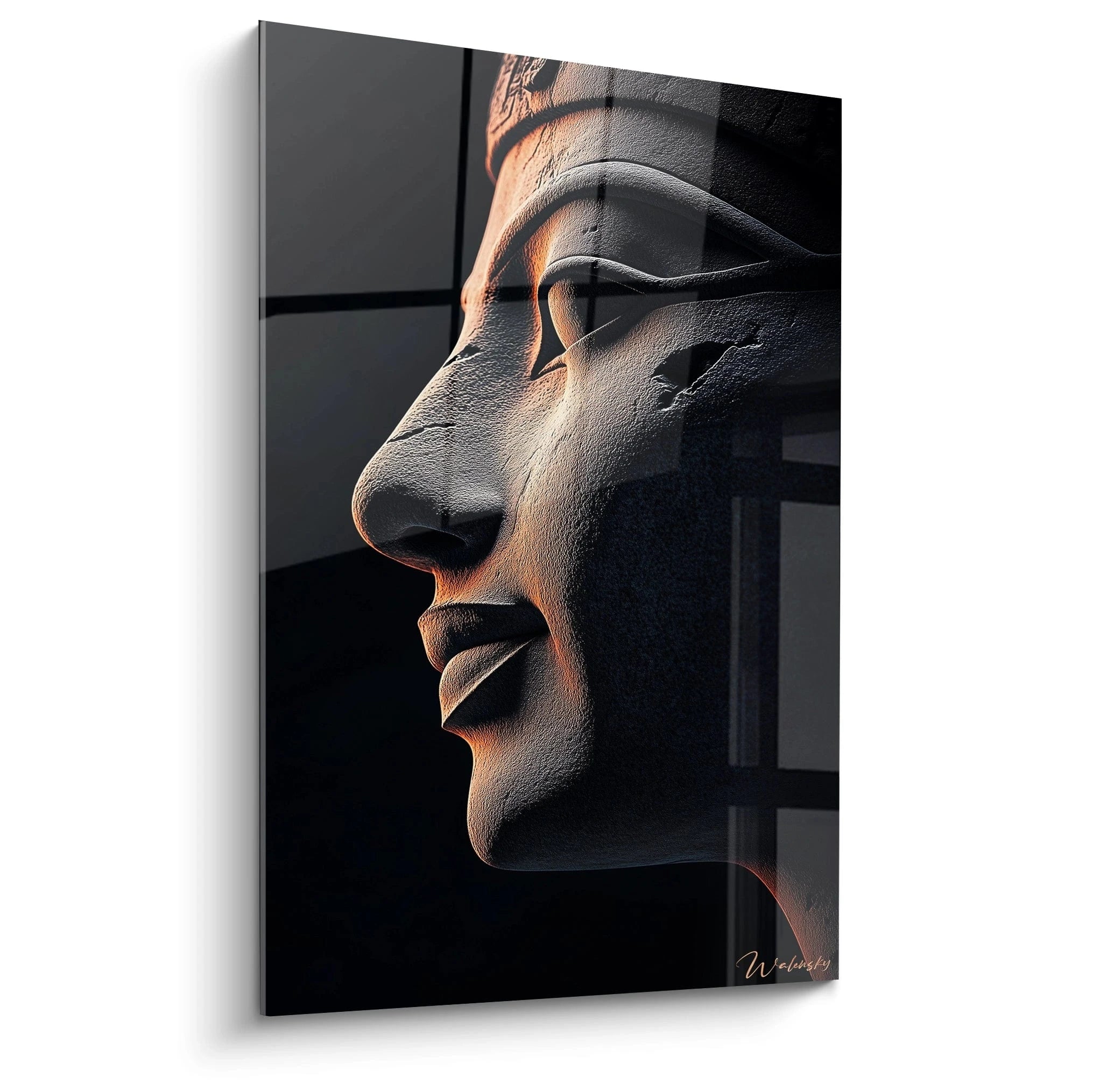
This Egyptian sphinx painting captures with striking precision the majestic and enigmatic profile of this legendary creature. The work presents a sculpted face with pure lines and serene expression, characteristic of monumental representations of ancient Egypt. The dramatic chiaroscuro composition highlights the granular texture of stone and the perfect contours of this silent guardian.
The distinctive element of this Egyptian sphinx painting lies in the striking treatment of light that seems to caress the stone, creating spectacular contrast with ink-black background. This lateral lighting technique reveals the slightest details of the sculpture while conferring an almost mystical dimension on this iconic mythological figure of the ancient Nile civilization.
How this dramatic style sphinx painting is structured
The composition of this dramatic style sphinx painting articulates around tight framing that focuses exclusively on the creature's profile. The face occupies the central space of the work harmoniously, offering the gaze a perfect lateral vision that respects the artistic conventions of Egyptian art while bringing contemporary visual intensity.
The directional lines follow with elegance the contours of the hieratic profile, from the noble forehead to the determined chin, passing through the sketched eye and finely drawn lips. The balance of this dramatic style sphinx painting is reinforced by immersion of the face in darkness, allowing only what grazing light chooses to reveal, creating a presence both powerful and mysterious.
The colors of the Egyptian sphinx painting and their harmony
The chromatic palette of this Egyptian sphinx painting distinguishes itself through its restraint and evocative power :
- Absolute black that dominates the background and partially envelops the subject
- Beige and ochre tones that evoke the limestone of Giza monuments
- Orange and amber touches that suggest natural light at sunrise or sunset
- Subtle grayish nuances that model shadow areas and accentuate relief
This chromatic harmony of the Egyptian sphinx painting draws directly from the natural lighting conditions of the Giza plateau, where the imposing original statue is bathed in the golden light of the Egyptian desert, creating interplay of shadow and light that transforms its appearance throughout the hours.
Textures and technical details of the sphinx painting with dramatic lighting
This sphinx painting with dramatic lighting reveals exceptional texture richness that testifies to meticulous technical work. The surface presents subtle irregularities that faithfully reproduce the eroded aspect of millennial stone, with its microfissures and light asperities testifying to the relentless passage of time.
The effect of grazing light on the sphinx painting with dramatic lighting highlights every detail of texture: sharp edges defining characteristic features contrast with softer and patinated areas. This lateral lighting technique creates subtle play of cast shadows that accentuates the sculptural dimension of the work, giving the impression that the sphinx literally emerges from obscurity.
What makes this hieratic style sphinx painting unique
The uniqueness of this hieratic style sphinx painting lies in its ability to capture the mysterious and timeless essence of this mythological figure. The enigmatic and distant expression, characteristic of Egyptian hieratic style, is magnified by contemporary photographic treatment that isolates the subject in a space outside time.
The sphinx wall decoration proposed here distinguishes itself through striking sobriety and evocative power. Unlike classical tourist representations, this hieratic style sphinx painting bets on the spareness and expressive force of the profile alone, stripped of any superficial geographical or historical context. This minimalist approach reveals the very essence of the sphinx: its monumental presence and eternal mystery.
Depth and details of the Egyptian sphinx painting
The visual experience of this Egyptian sphinx painting varies considerably according to observation distance. From afar, it is the iconic silhouette and force of composition that impose themselves, creating an almost hypnotic presence in the space. The striking contrast between dominant darkness and illuminated profile immediately captures attention.
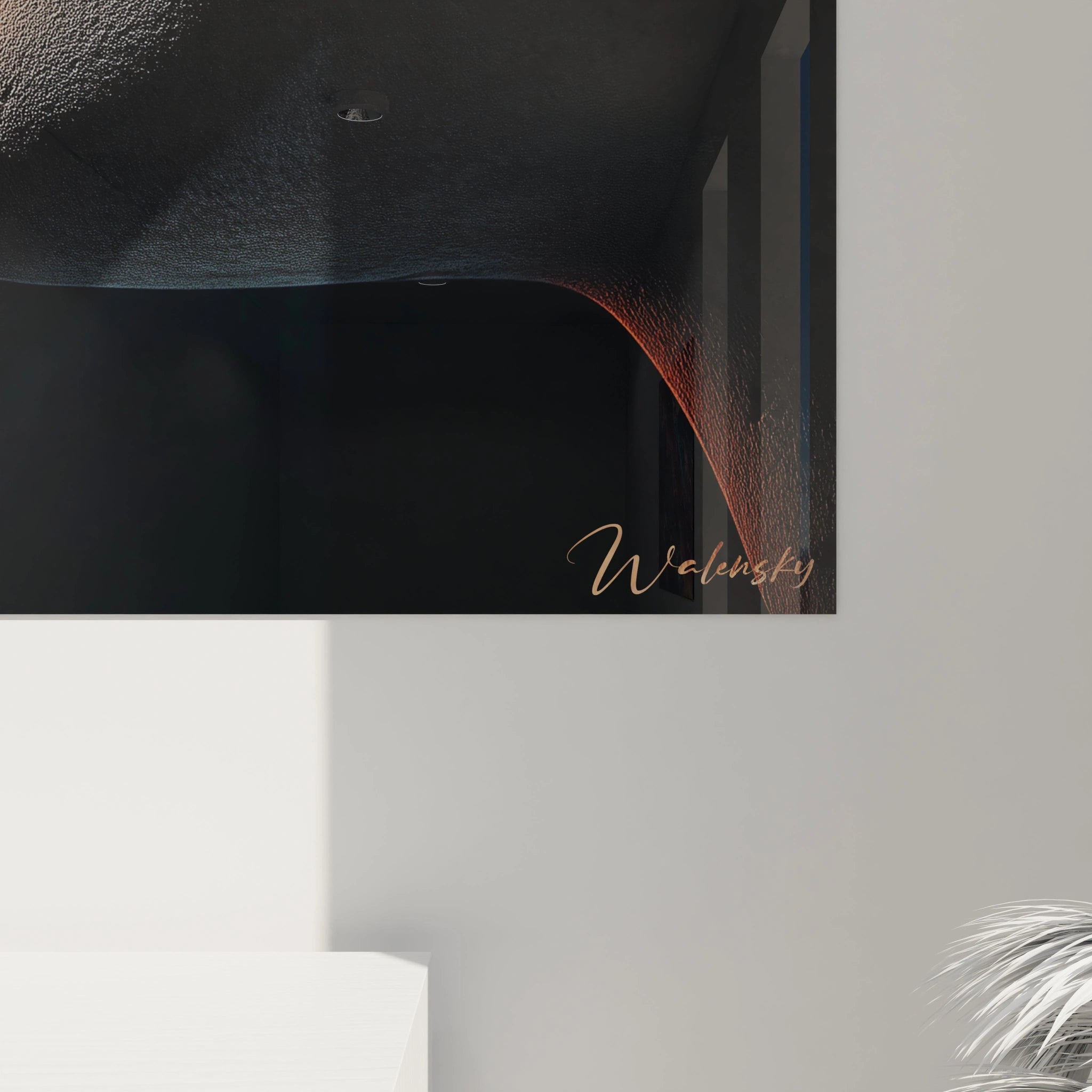
Drawing closer, the antique sphinx painting reveals unexpected richness of detail: subtle texture variations evoking eroded stone, delicate transitions between shadow and light areas, and minute carved details defining the unique identity of this legendary figure. This multiplicity of reading levels transforms observation into true archeological visual exploration.
Where and how to showcase your black and gold sphinx painting
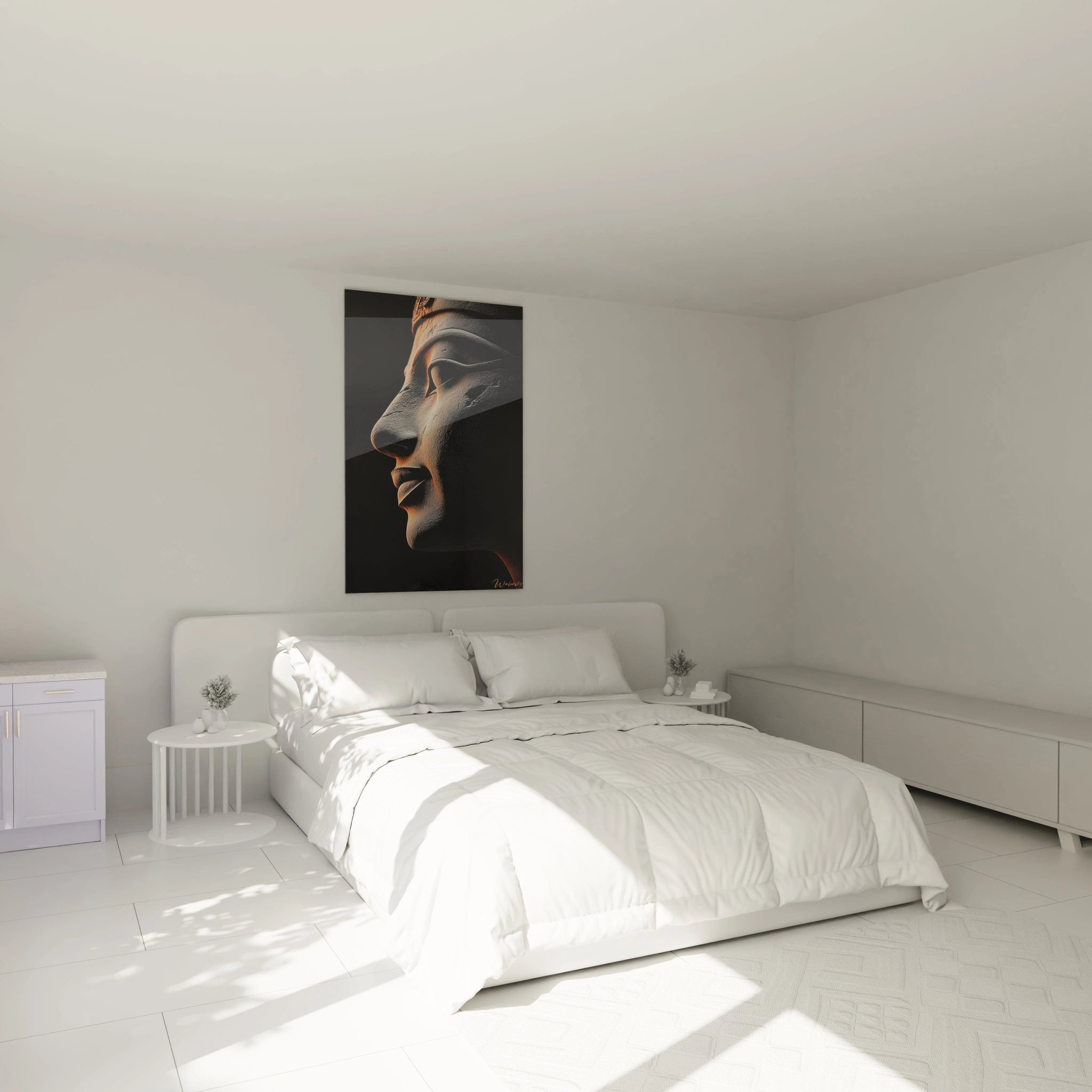
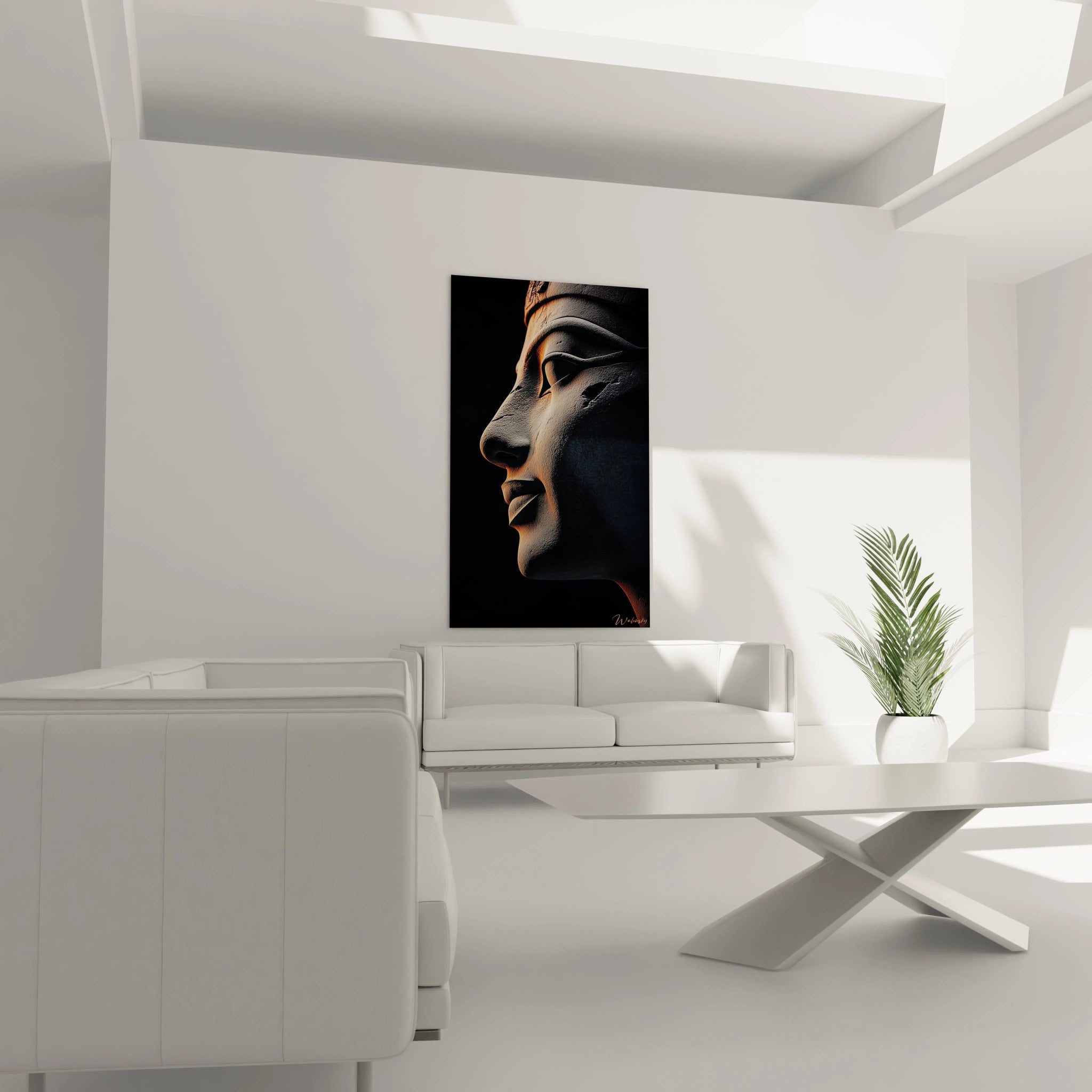
This black and gold sphinx painting expresses all its power in an environment where lighting is carefully controlled. A discreet directional spot, oriented at an angle similar to that used in the creation of the work, will amplify the dramatic effect of shadows and showcase the golden nuances that illuminate the profile.
The contemporary sphinx wall art integrates ideally in spaces with refined design, where its sober tones and majestic presence can dialogue harmoniously with simple-line furniture. Dark-colored walls will particularly exalt the luminous tones of the profile, while a decorative environment incorporating bronze or brass metal elements will create sophisticated visual resonance with the warm tones that illuminate this black and gold sphinx painting.