


Cascade Paintings
Explore our collection of Cascade Paintings, a series of captivating artworks inspired by the power and serenity of waterfalls. Each Cascade Painting evokes the fluidity and majesty of a waterfall, adding a touch of freshness and serenity to your interior. Perfect for creating a soothing atmosphere, this collection magnifies the essence of nature while elevating modern wall art. Whether you're seeking a calming focal point or a striking statement piece, let yourself be captivated by the movement and depth of our Cascade Paintings, ideal for any contemporary or classic space.
 Scottish Soul Wall Art - Waterfall Edition273,90 €
 Canyon waterfall painting - Majestic gorges - cascade edition273,90 €
 Canyon Multiple Waterfalls Painting - Aquatic Symphony - Waterfall Edition273,90 €
 Majestic Canyon Wall Art with Waterfalls - Wild Gorges - cascade edition273,90 €
 Abstract Waterfall Painting - Stylized Turquoise Waterfall - Waterfall Edition273,90 €
 Abstract Waterfall Wall Art - Aquatic Symphony - Waterfall Edition273,90 €
 Abstract waterfall painting - Fluid symphony - cascade edition273,90 €
 Abstract Waterfall Painting - Liquid Symphony - Cascade Edition273,90 €
 Abstract Blue Waterfall Artwork - Impressionist Water Cascade - Cascade Edition273,90 €
 Colorful Abstract Waterfall Painting - Liquid Symphony - Cascade Edition273,90 €
 Geometric Abstract Waterfall Painting - Modern Cascade - cascade edition273,90 €
 Rainbow Cascade Painting - Psychedelic Vision - Cascade Edition273,90 €
 Autumn Waterfall Painting with Boats - Autumn Symphony - Waterfall Edition273,90 €
 Autumn Waterfall Painting - Golden Oasis - Cascade Edition273,90 €
 Psychedelic Waterfall Painting - Fantastic Waterfalls - Waterfall Edition273,90 €
 Cascade Painting with Colored Boats - Autumn Reflections - Cascade Edition273,90 €
 Celestial Waterfall Painting - Cosmic Symphony - Cascade Edition273,90 €
 Waterfall Pointillism Painting - Natural Pointillism - Cascade Edition273,90 €
 Colorful Waterfall Painting - Abstract Water Fall - Cascade Edition220,90 €
 Colorful Waterfall Painting - Abstract Cascade - cascade edition273,90 €
 Colorful Waterfall Wall Art - Tropical Waterfall at Sunset - cascade edition273,90 €
 Colorful Waterfall Painting - Color Explosion - Waterfall Edition273,90 €
 Colorful waterfall painting - Abstract aquatic symphony - cascade edition273,90 €
 Colorful Waterfall Painting with Water Lilies - Enchanted Oasis - Waterfall Edition273,90 €
Explore further
In Cascade Paintings

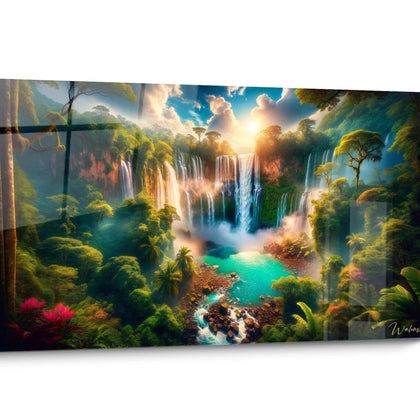
In the same family
Also explore the theme Landscapes
-
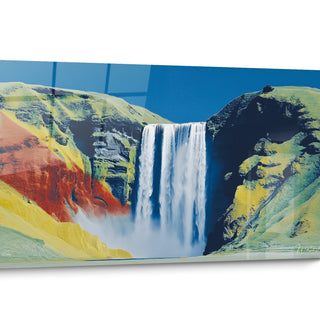 View all1336
artworks
View all1336
artworks
-
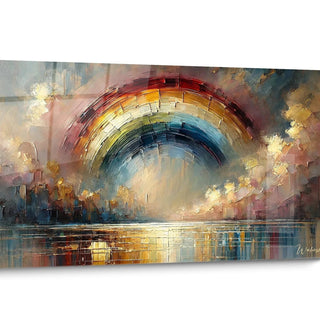 Rainbow2
artworks
Rainbow2
artworks
-
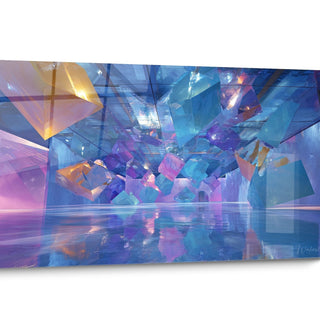 Architecture30
artworks
Architecture30
artworks
-
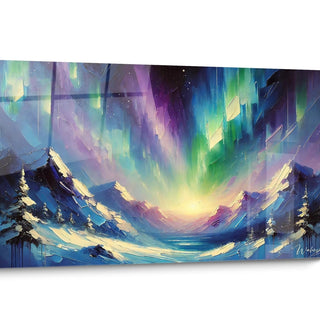 Northern Lights32
artworks
Northern Lights32
artworks
-
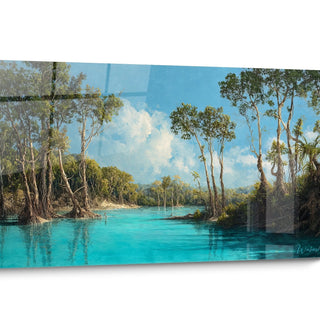 Other Landscapes117
artworks
Other Landscapes117
artworks
-
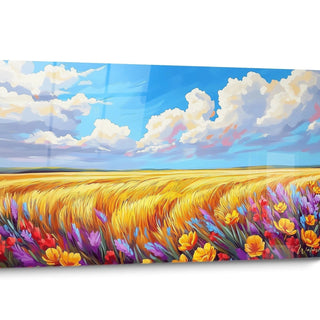 Campaign51
artworks
Campaign51
artworks
-
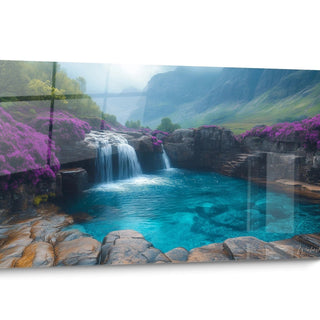 Waterfalls12
artworks
Waterfalls12
artworks
-
 Lavender Fields7
artworks
Lavender Fields7
artworks
-
 Sky14
artworks
Sky14
artworks
-
 Starry Sky8
artworks
Starry Sky8
artworks
-
 Sunset37
artworks
Sunset37
artworks
-
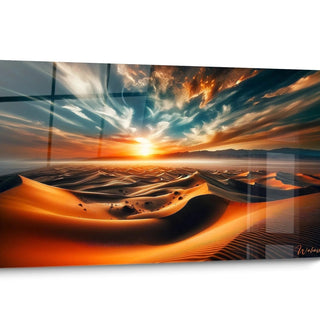 Desert82
artworks
Desert82
artworks
-
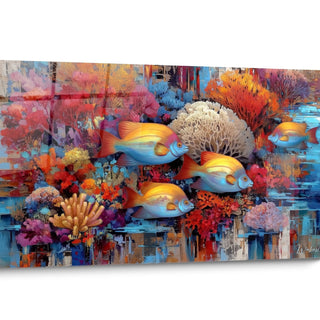 Underwater Depths38
artworks
Underwater Depths38
artworks
-
 Forest129
artworks
Forest129
artworks
-
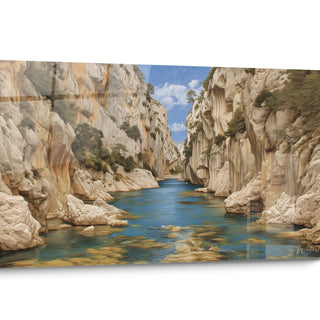 Gorges and Canyons41
artworks
Gorges and Canyons41
artworks
-
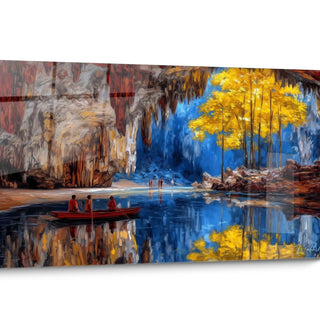 Natural Caves565
artworks
Natural Caves565
artworks
-
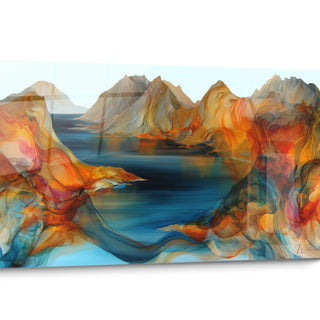 Islands and Archipelagos55
artworks
Islands and Archipelagos55
artworks
-
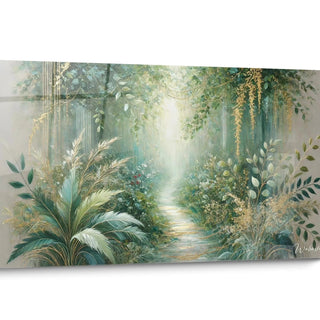 Jungle9
artworks
Jungle9
artworks
-
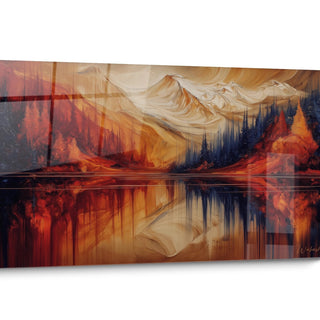 Lakes77
artworks
Lakes77
artworks
-
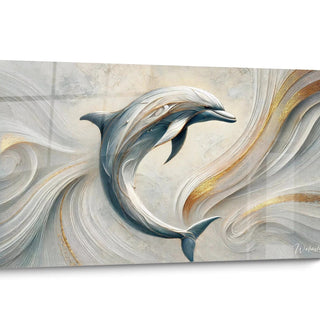 The World of the Sea189
artworks
The World of the Sea189
artworks
-
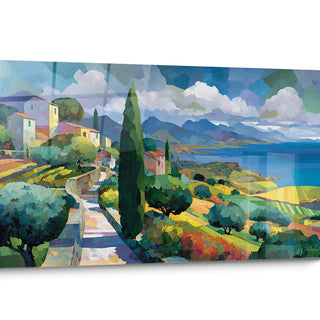 Marine71
artworks
Marine71
artworks
-
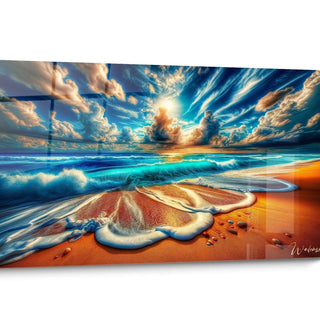 Sea77
artworks
Sea77
artworks
-
 Mountain218
artworks
Mountain218
artworks
-
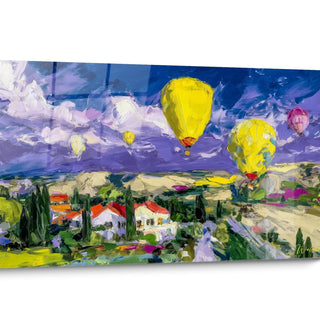 Hot Air Balloon5
artworks
Hot Air Balloon5
artworks
-
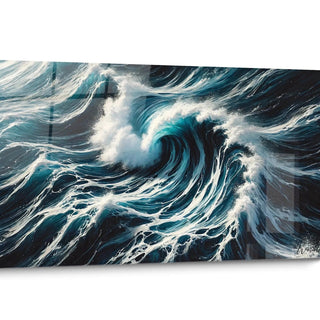 Ocean16
artworks
Ocean16
artworks
-
 Abstract Landscape25
artworks
Abstract Landscape25
artworks
-
 Lighthouses20
artworks
Lighthouses20
artworks
-
 Beach105
artworks
Beach105
artworks
-
 Ports19
artworks
Ports19
artworks
-
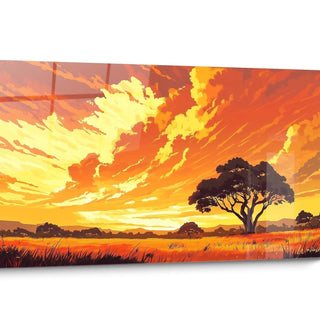 Savanna5
artworks
Savanna5
artworks
-
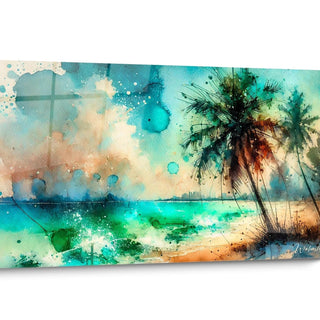 Tropics9
artworks
Tropics9
artworks
-
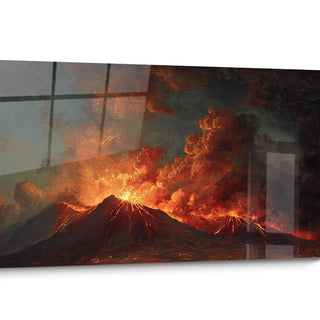 Volcanoes57
artworks
Volcanoes57
artworks
-
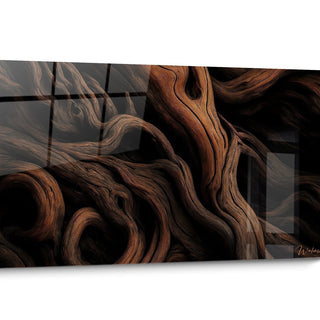 Aerial View17
artworks
Aerial View17
artworks


All about Cascade Paintings
- Overview Waterfall Wall Art
- Wall Art Serene Waterfall Ambiance
- Waterfall Wall Art Decor
- Waterfall Wall Art Zen Atmosphere
The waterfall wall art represents a unique decorative element that captures the power and serenity of waterfalls within your interior. Unlike classical artistic representations, waterfall wall art brings a dynamic dimension to your living space, creating a refreshing and soothing atmosphere. Discover how these artworks can radically transform the ambiance of your rooms and bring a visual connection with wild nature right into your living room.
Waterfall wall artworks stand out for their ability to evoke the perpetual movement of water, creating an impression of fluidity and life on your wall. The imaginary sound effect they provide instantly transports you to the heart of preserved natural environments, far from daily turmoil.
In the following tabs, discover how to select the perfect waterfall wall art for your space, understand its unique psychological impact, and maximize its decorative potential to create a true haven of peace in your home.
Waterfall Wall Art: Creating a Soothing Aquatic Ambiance
The sensory immersion provided by waterfall wall art far exceeds that of other wall decorations. Unlike static representations, these artworks evoke perpetual movement that radically transforms the atmosphere of your interior.
How does waterfall wall art influence our sound perception of space?
The sound suggestion phenomenon is particularly powerful with waterfall wall art. When our brain perceives the image of a moving waterfall, it instinctively activates the areas associated with auditory perception. This stimulation creates the impression of hearing the soft murmur of flowing water, even in a perfectly silent environment.
This sensory illusion creates a cognitive masking effect, unconsciously diminishing our perception of surrounding background noise. In particularly noisy urban spaces, this unique characteristic of waterfall wall art becomes a major advantage, transforming your wall into a window to a peaceful natural refuge.
The refreshing chromatic effect of waterfalls
The dominant palette of waterfall wall art, composed mainly of blues, greens, and foamy whites, produces a scientifically documented refreshing effect. These cool tones activate visual receptors linked to our perception of coolness, creating the impression of a 2 to 3 degree temperature decrease in the room where they are displayed.
This perceived thermal regulation proves particularly beneficial in south-facing spaces or warm regions. The strategic placement of waterfall wall art in these areas allows subtly influencing the thermal comfort felt by occupants, potentially reducing excessive reliance on air conditioning.
Waterfalls and influence on breathing rhythm
Studies in environmental psychology demonstrate that regular contemplation of waterfall images results in an unconscious modification of breathing rhythm. Observers naturally adopt deeper and more regular breathing, similar to guided meditation techniques.
This physiological phenomenon explains why waterfall wall art is particularly recommended in spaces dedicated to relaxation and wellness. Their presence in a bedroom can promote sleep, while in a work space, they contribute to maintaining a relaxed concentration state conducive to creativity.
What are the effects of waterfall wall art on time perception?
Contemplation of a flowing waterfall subtly alters our temporal perception. The perpetually flowing water creates an "extended present" that momentarily detaches us from time constraints. This positive time distortion explains the "suspended time" sensation often reported by waterfall wall art owners.
In waiting areas or transitional spaces, this unique characteristic can transform negatively perceived waiting time into pleasant contemplation. The strategic placement of waterfall wall art in these areas significantly improves visitor experience and reduces impatience.
Waterfalls and perceived space: visual extension
A fascinating property of waterfall wall art lies in its ability to create an illusion of spatial extension. The natural perspective of a waterfall, combined with the suggestion of movement, subtly deceives our spatial perception, making the room appear larger than it actually is.
This characteristic makes waterfall wall art a preferred choice for urban apartments with limited dimensions. Judiciously placed on a focal wall, it creates a "virtual window" to an exterior landscape that visually enlarges your living space without costly structural modifications.
Waterfall Wall Art: Wall Decoration with Guaranteed Emotional Impact
Among the various wall representations available, waterfall wall art stands out for its unique ability to evoke profound emotions and radically transform a room's ambiance. Unlike static decorations, it brings a dynamic and living dimension to your interior.
Emotional synchronization with waterfalls
The representation of perpetually moving water in waterfall wall art generates a fascinating psychological phenomenon called "fluid emotional resonance". Our brain, programmed to detect movement, unconsciously perceives the water's dynamics and progressively synchronizes our emotional states with it.
This progressive harmonization explains why the presence of waterfall wall art in a stressful environment such as a corporate office or meeting room can significantly reduce interpersonal tensions. The visual fluidity of water unconsciously fosters smoother and more harmonious social interactions.
Why do waterfalls generate universal fascination?
The universal appeal of waterfall wall art is explained by a profound anthropological phenomenon: our innate attraction to "predictable chaotic patterns". Waterfalls perfectly represent this visual paradox - each water droplet follows a unique and unpredictable path, yet the whole maintains constant form and movement.
This combination of ordered chaos captivates our attention without overloading it, creating what neuroscientists call a "relaxed attention state". This particular cognitive balance promotes mental recovery and explains why waterfall wall art often becomes the natural focal point of a room, naturally attracting visitors' gaze.
The impact of seasonal variations in waterfall wall art
Representations of waterfalls in different seasonal contexts generate distinct emotional responses. A wall art featuring a spring waterfall surrounded by emerging greenery evokes optimism and renewal, while an autumn waterfall with amber tones inspires reflection and introspection.
This emotional versatility makes waterfall wall art a particularly adaptable decorative element. For professional spaces such as therapy offices or meditation rooms, the strategic selection of a seasonal representation can significantly strengthen the emotional objective of the environment.
Waterfalls and symbolism in spatial arrangement
In advanced interior design principles, waterfall wall art holds a powerful symbolic place. Representing perpetual transition and transformation, it becomes particularly significant in transitional spaces or areas marking a functional separation in a home.
Strategically positioned between a work space and a relaxation zone, waterfall wall art creates what professional decorators call a "psychological threshold" - a visual transition that unconsciously prepares the mind for the change in activity and associated mental state.
The perceived acoustic effect of waterfall wall art
A particularly remarkable phenomenon associated with waterfall wall art concerns its influence on our acoustic perception of space. Even without producing any actual sound, these visual representations subtly modify how we perceive the sound environment of a room.
Empirical tests demonstrate that people perceive rooms decorated with waterfall wall art as acoustically more pleasant, with a subjective reduction in irritating high-pitched noises. This involuntary perceptual manipulation makes waterfall wall art a judicious choice for urban environments subject to noise pollution or professional open-space offices.
Waterfall Wall Art: Creating an Immersive Zen Atmosphere
Waterfall wall art stands out fundamentally from other wall representations by its ability to create true sensory immersion. Unlike static wall art, it induces a multi-dimensional experience that transforms the complete atmosphere of a space.
Therapy through visual immersion of waterfalls
Mental health professionals increasingly recognize the therapeutic value of waterfall wall art in what they call "guided contemplative immersion". The vertical structure of waterfalls, combined with the perpetual downward movement, creates an ideal focal point for mental decompression exercises.
This characteristic makes waterfall wall art a valuable element in spaces for psychological recovery. Its installation in waiting areas of therapeutic offices or in decompression zones of intensive professional environments offers powerful visual support for guided short-term relaxation sessions.
How does natural light interact with waterfall wall art?
An often overlooked but fascinating aspect of waterfall wall art concerns its dynamic interaction with natural light. Representations of moving water, particularly those incorporating white foam elements, react uniquely to daily light variations, creating a "living" wall art that subtly evolves throughout the hours.
This variable reflective quality transforms a simple decorative element into a dynamic installation that constantly renews the visual experience. In spaces benefiting from good natural lighting, such as conservatories or east-west facing rooms, this property significantly amplifies the visual and emotional impact of waterfall wall art.
The influence of waterfalls on perceived air quality
A remarkable psycho-environmental phenomenon associated with waterfall wall art concerns its influence on our perception of ambient air quality. The visual representation of moving water, particularly when it includes aerial foam elements, unconsciously stimulates our associations with freshness and atmospheric purity.
Studies in environmental psychology demonstrate that spaces decorated with waterfall wall art are systematically evaluated as "better ventilated" and "fresher", even when actual atmospheric parameters are identical to those of control spaces. This perceptual modification makes waterfall wall art a particularly relevant decorative complement in confined urban environments or professional spaces with high occupancy density.
Waterfalls and rest-activity cycles
Regular exposure to waterfall representations subtly influences our internal biological rhythms. The perpetual downward movement characteristic of these wall artworks induces a paradoxical effect: it stimulates our immediate attention while progressively promoting a state of deep relaxation.
This duality makes waterfall wall art a strategic decorative element for multipurpose spaces such as home offices or family living rooms. Its presence naturally supports the transition between phases of intense activity and recovery moments, harmoniously accompanying the daily rhythm of occupants without requiring specific environmental adjustments.
The waterfall effect and perception of time flow
Regular observation of waterfall wall art subtly alters our relationship with time. The continuous flow represented creates what environmental psychologists call a "fluid temporal anchoring" - a visual connection with perpetual movement that paradoxically detaches us from chronological pressure.
This perceptual alteration proves particularly beneficial in environments characterized by strict time constraints or high cognitive loads. The integration of waterfall wall art in an intensive work space can significantly reduce deadline-related stress and improve the perceived quality of available time.
FAQ Waterfall Wall Art
What is the ideal size for waterfall wall art in a modern living room?
For optimal visual impact in a modern living room, choose a large waterfall wall art (100x150 cm minimum). This size allows creating a true immersive window onto the aquatic landscape and maximizes the soothing effect characteristic of these representations.
Can waterfall wall art influence perceived humidity in a room?
Absolutely. While the wall art does not affect actual humidity, the visual representation of moving water creates an impression of atmospheric freshness. This modified perception is particularly appreciated in heated environments during winter season when air tends to become dry.
How to effectively maintain waterfall wall art without damaging it?
Maintenance of waterfall wall art requires specific precautions to preserve its visual qualities. Use only a soft duster or dry microfiber cloth for regular dusting. Avoid any liquid or damp products that could alter the characteristic blue tones and diminish the aquatic depth effect.
Further reading


