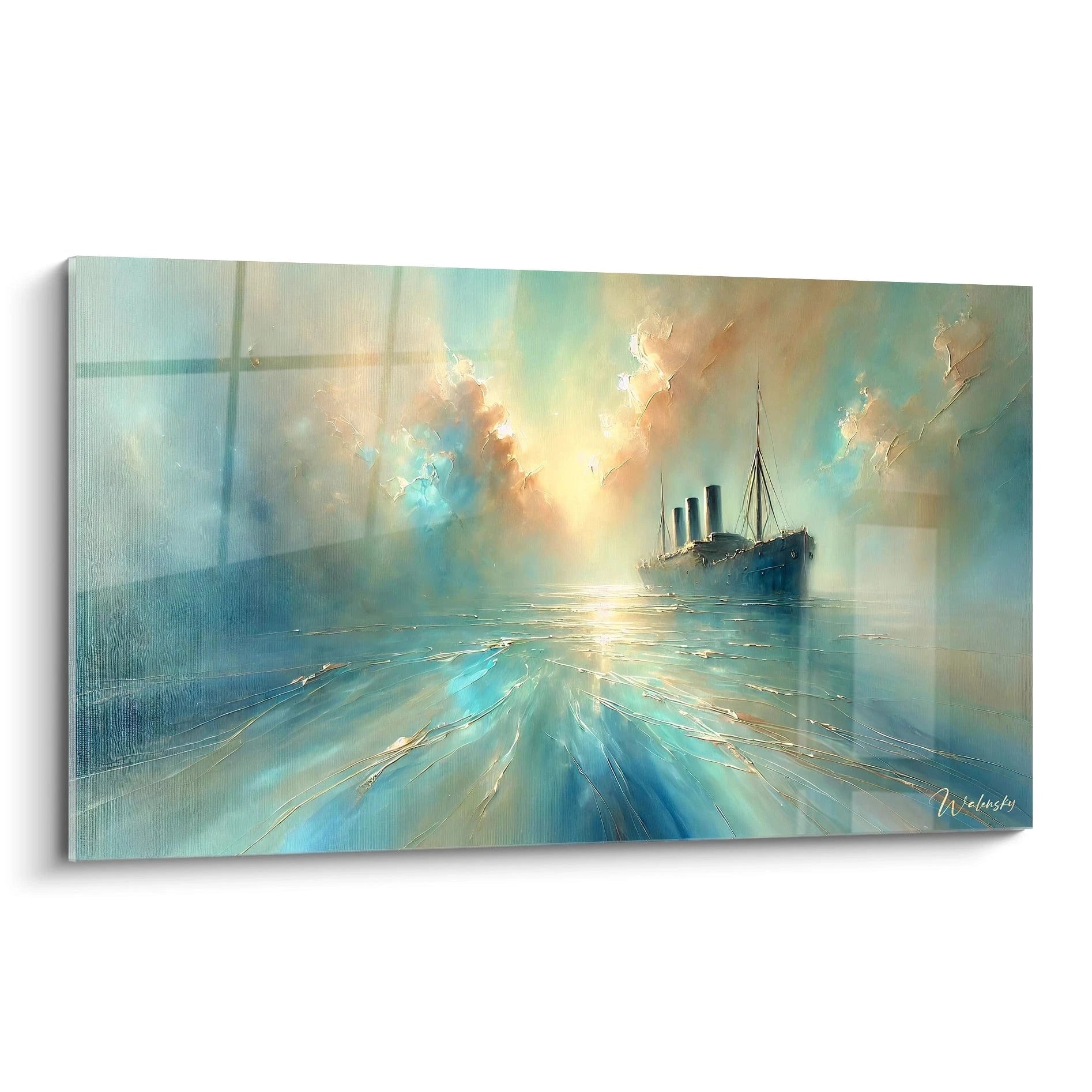
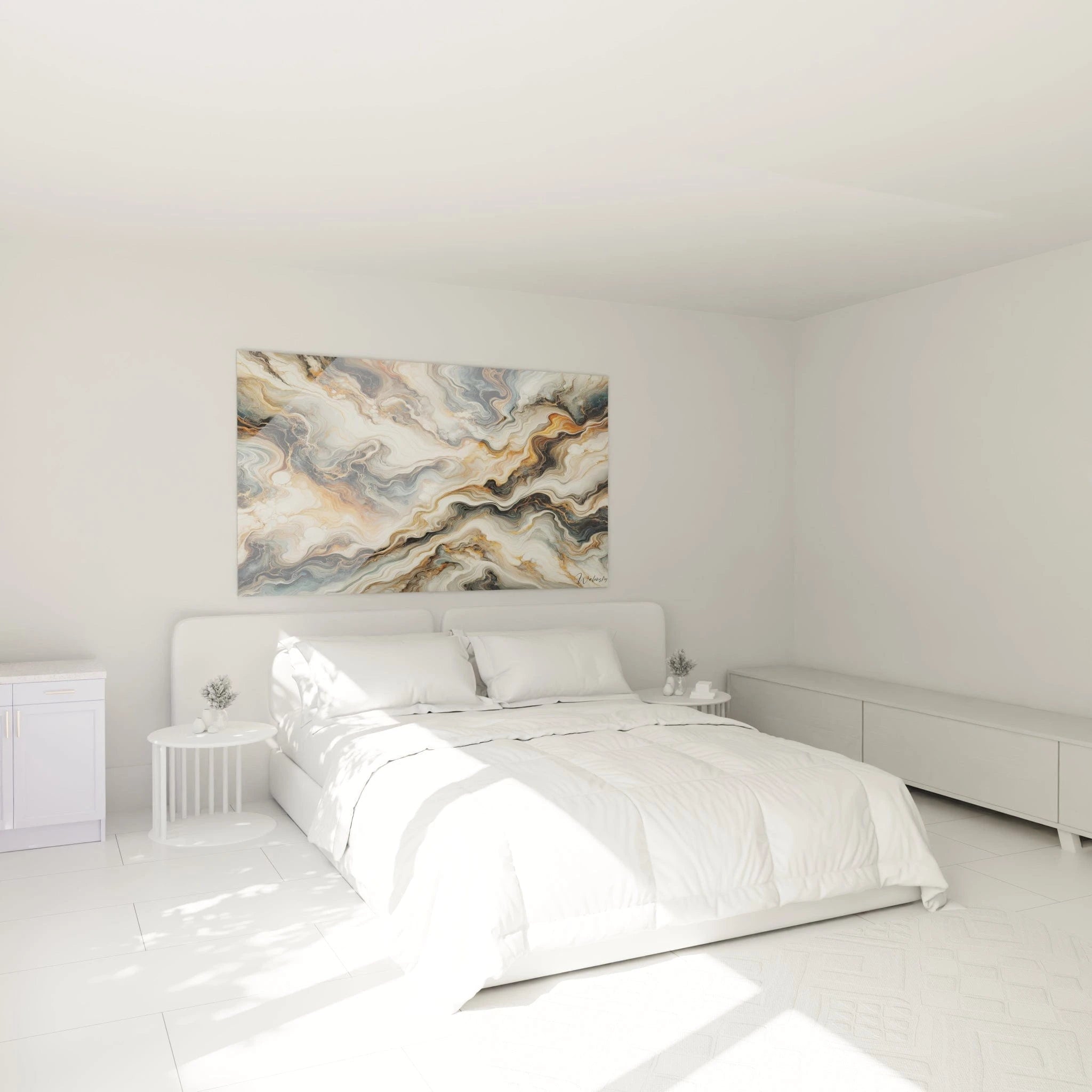
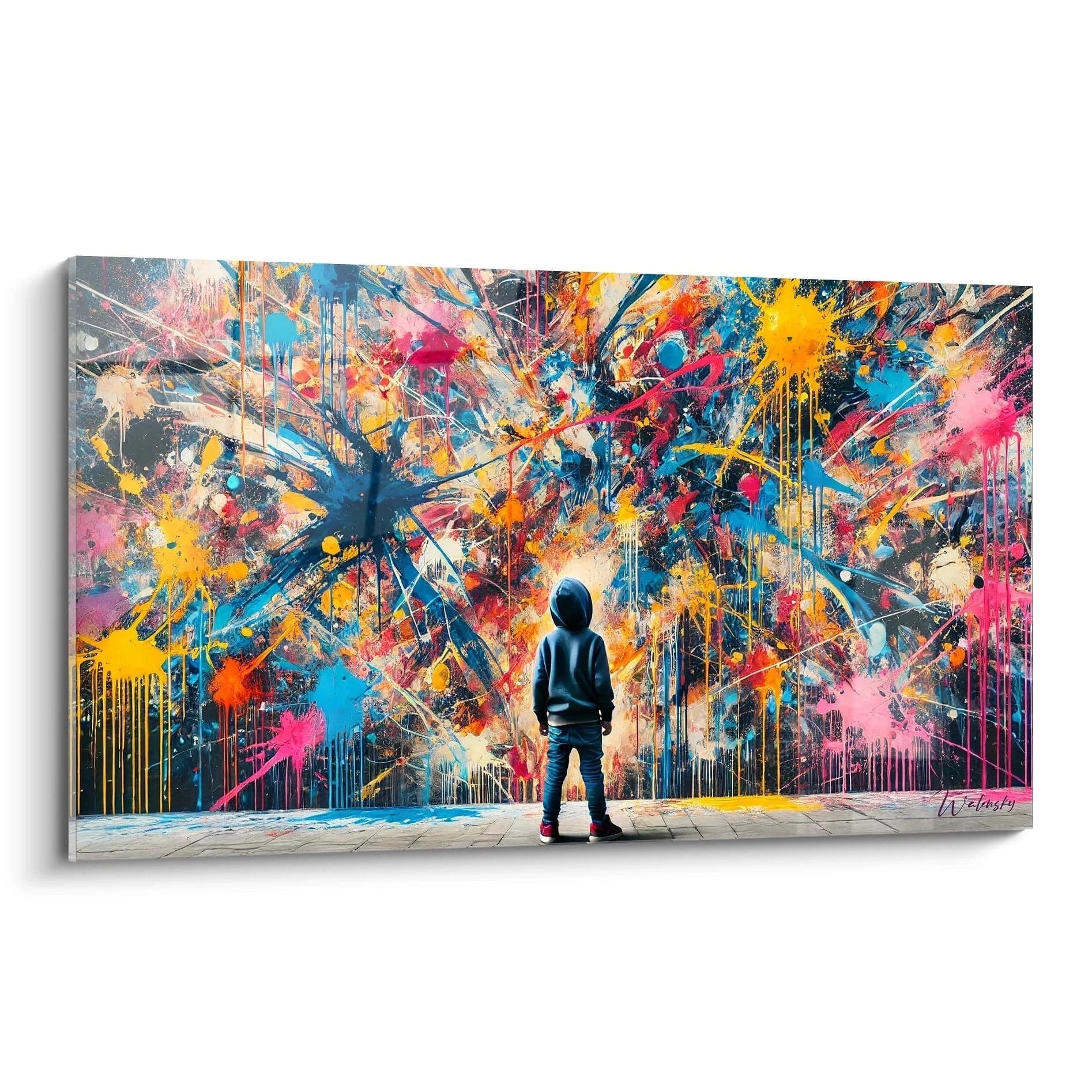
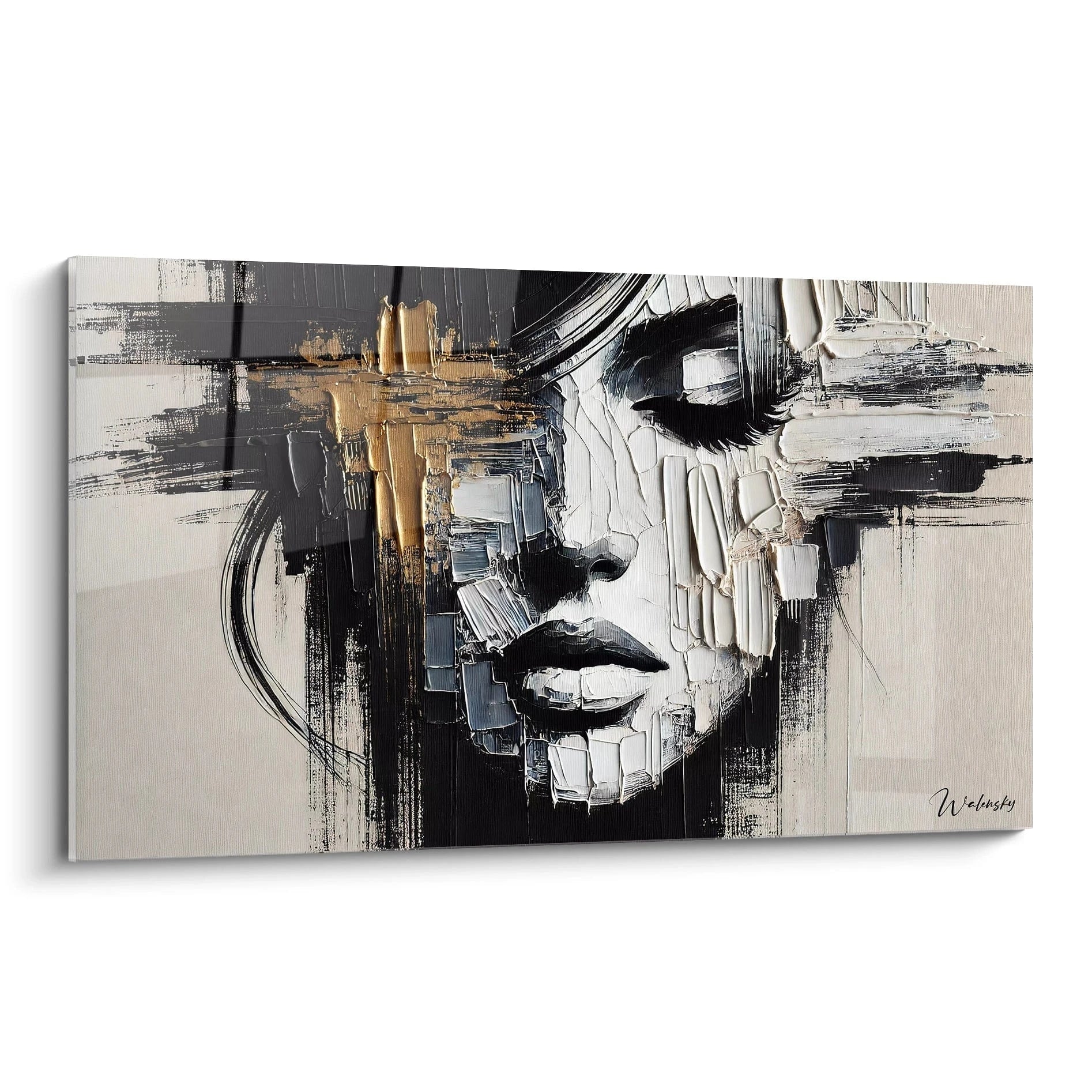
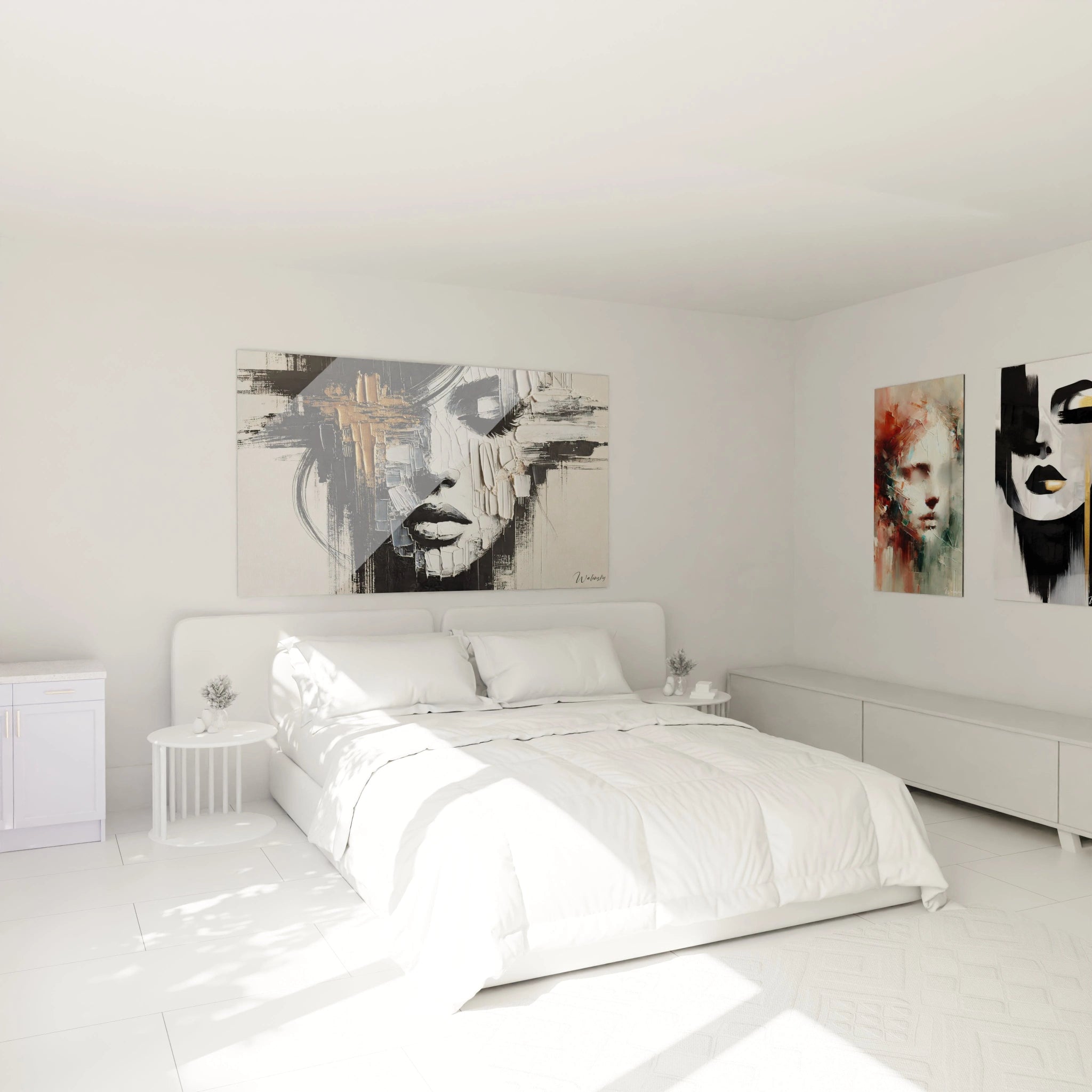
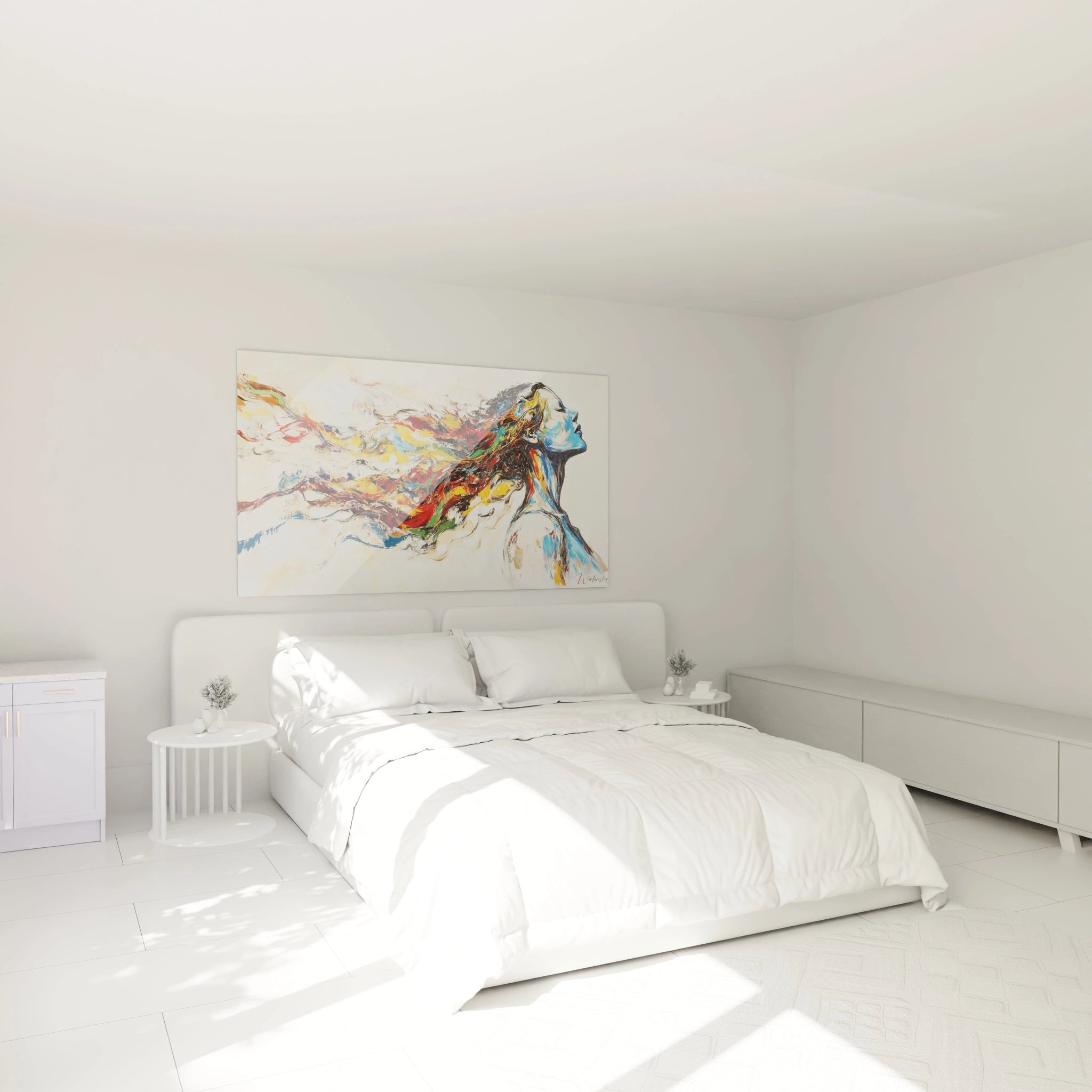
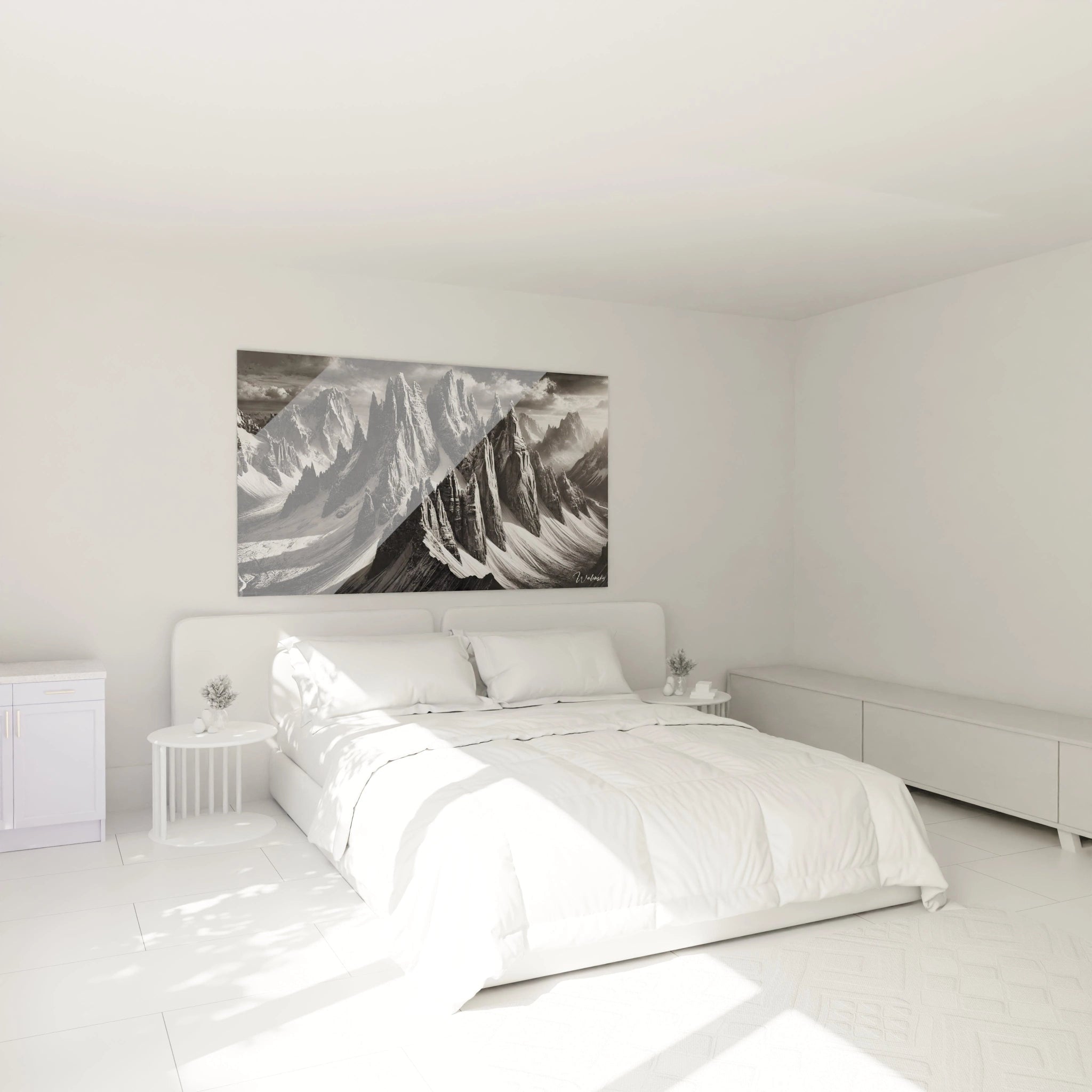
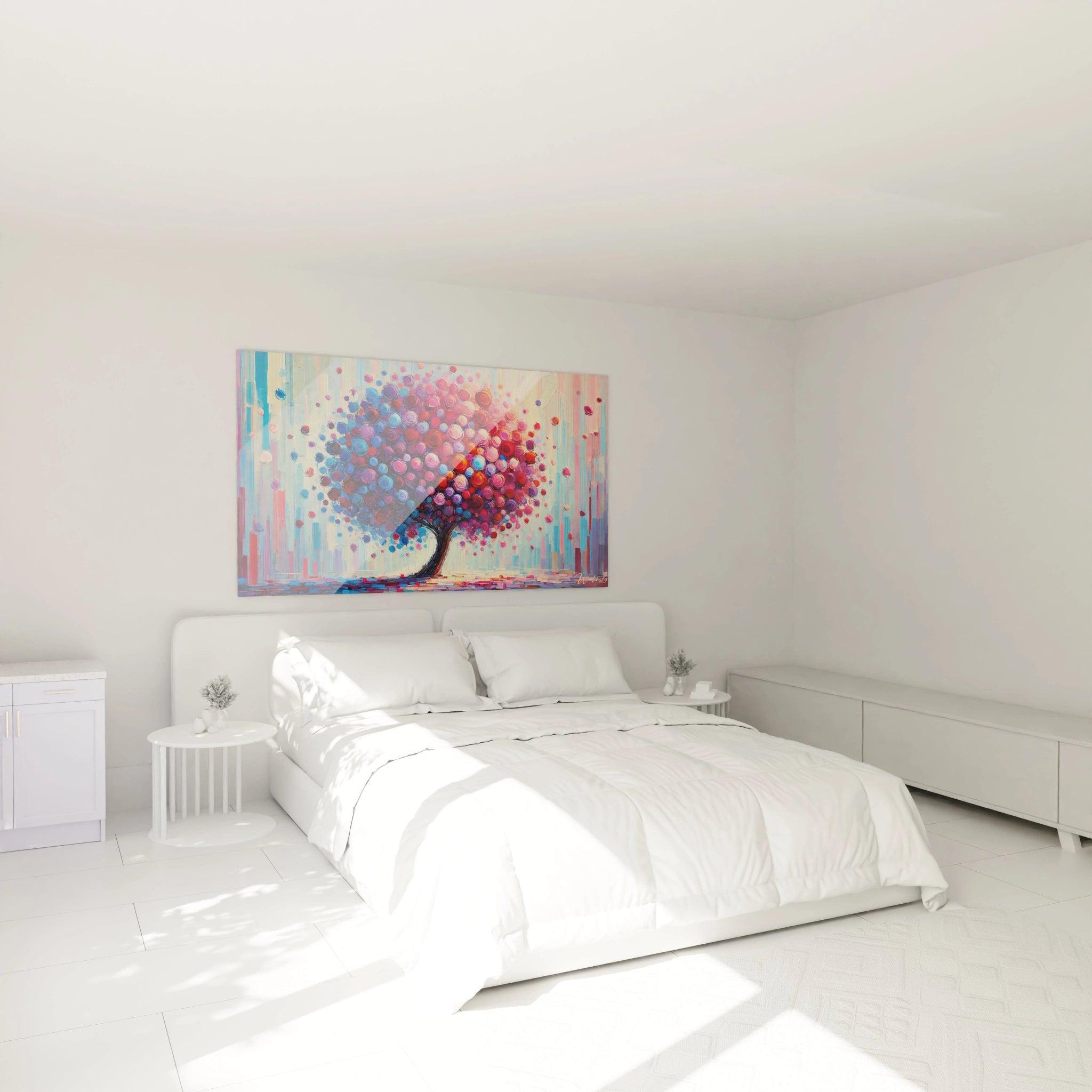
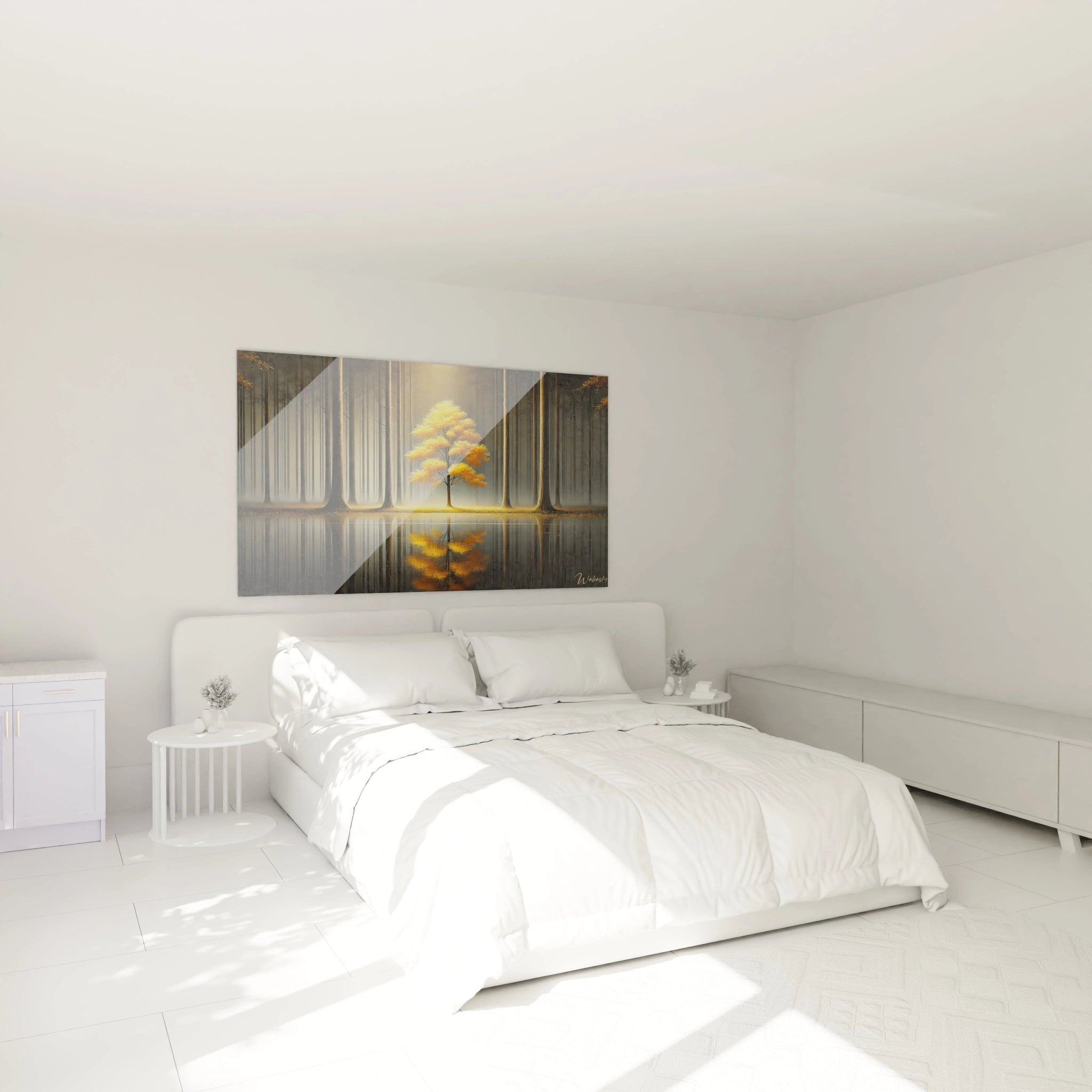
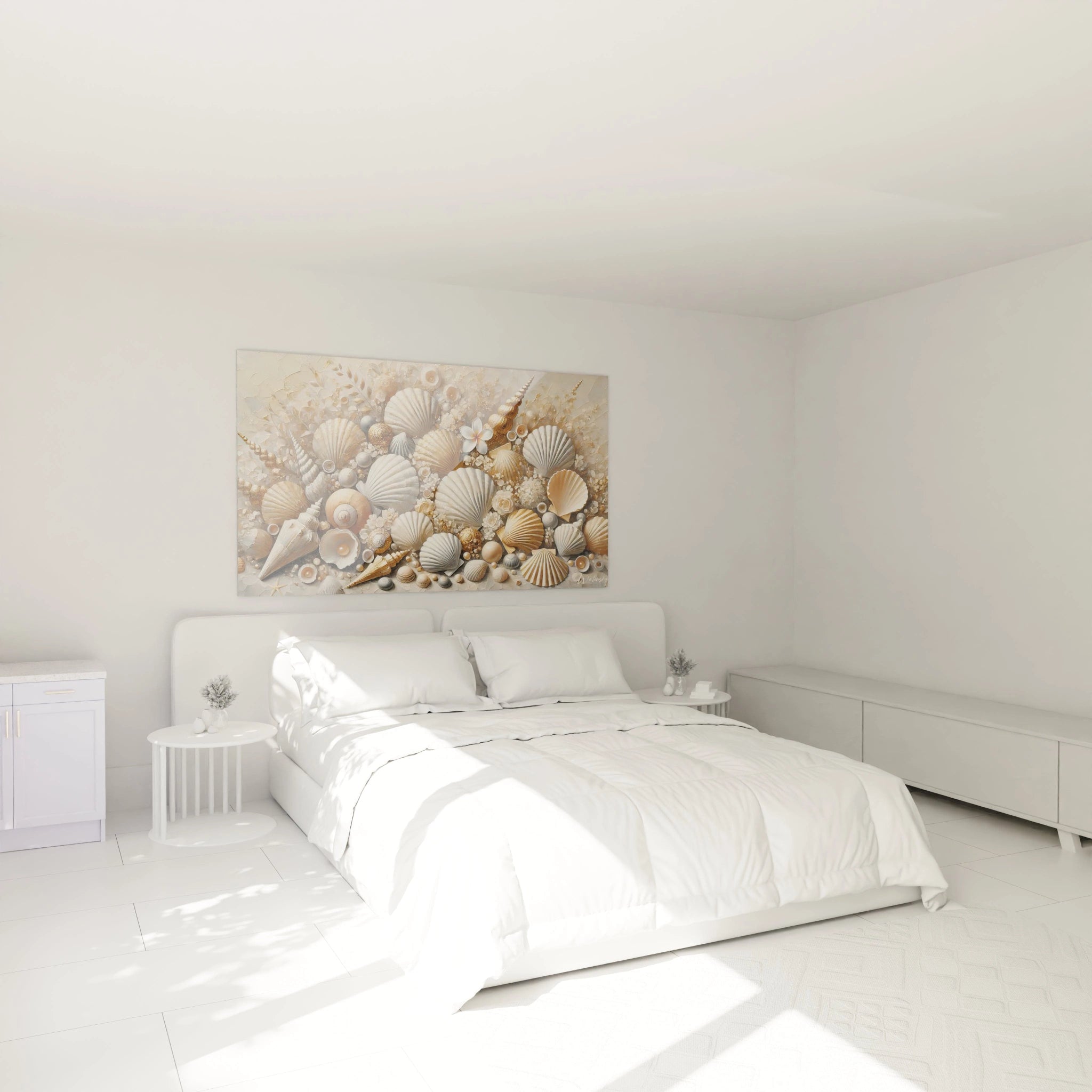
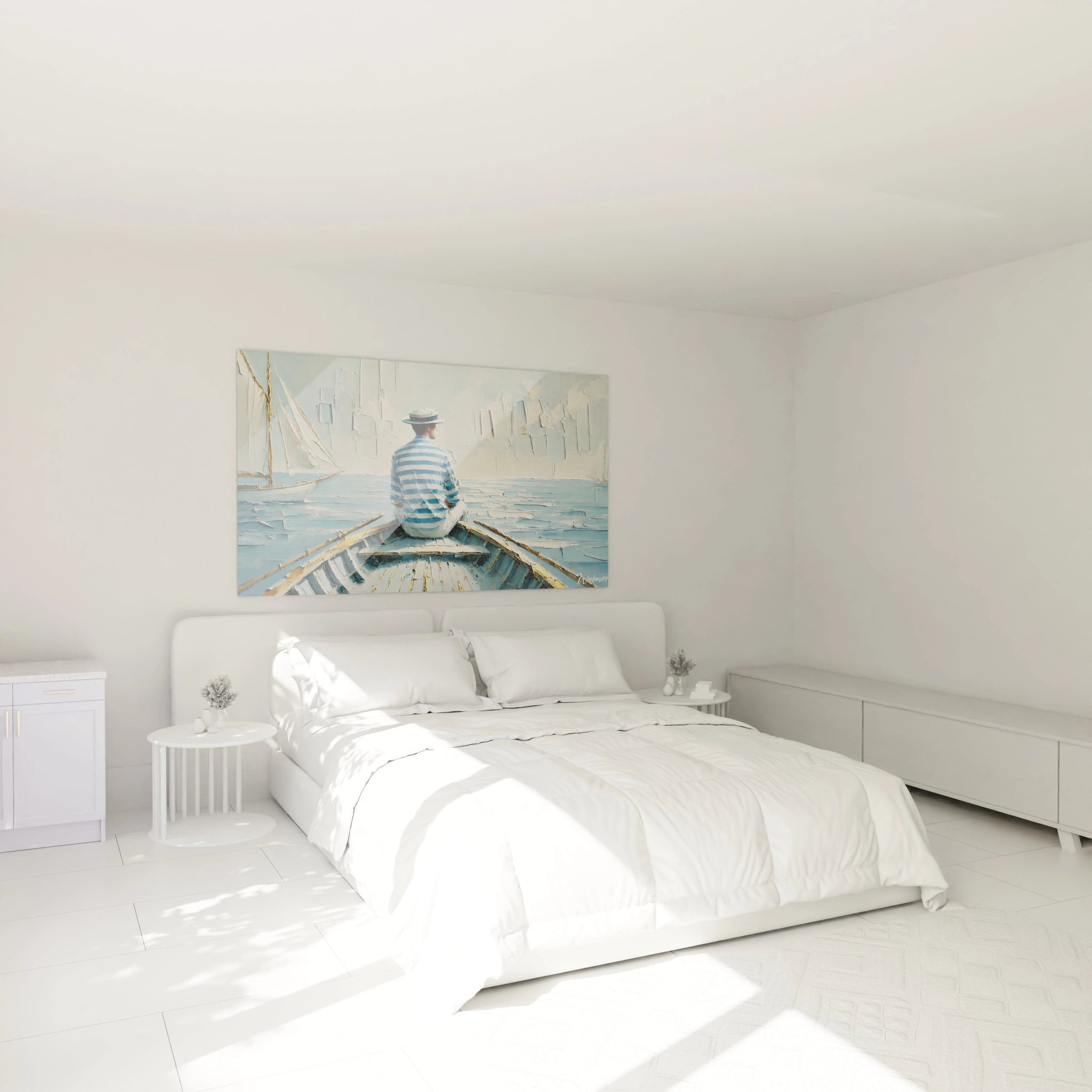
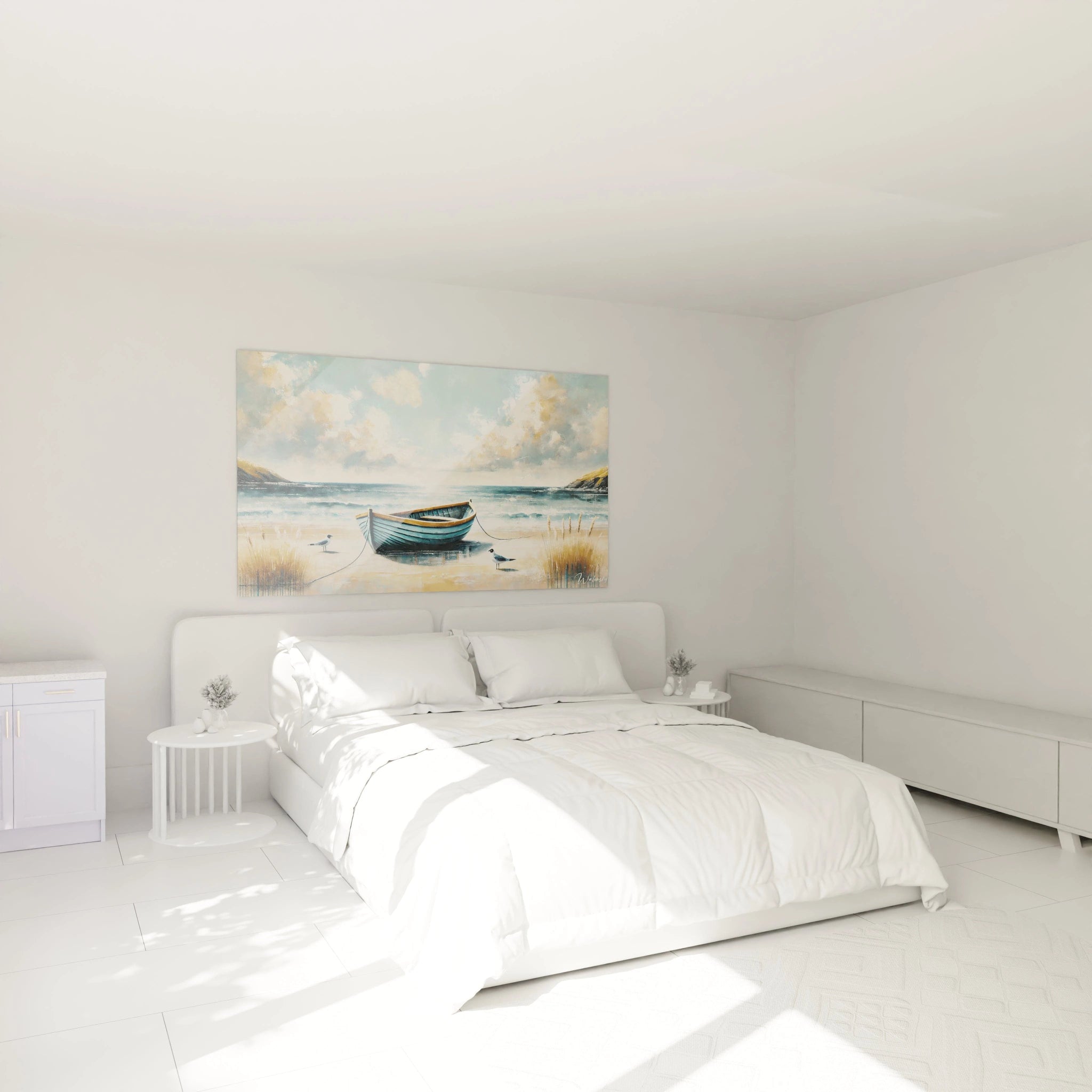
- Coworking Board Presentation
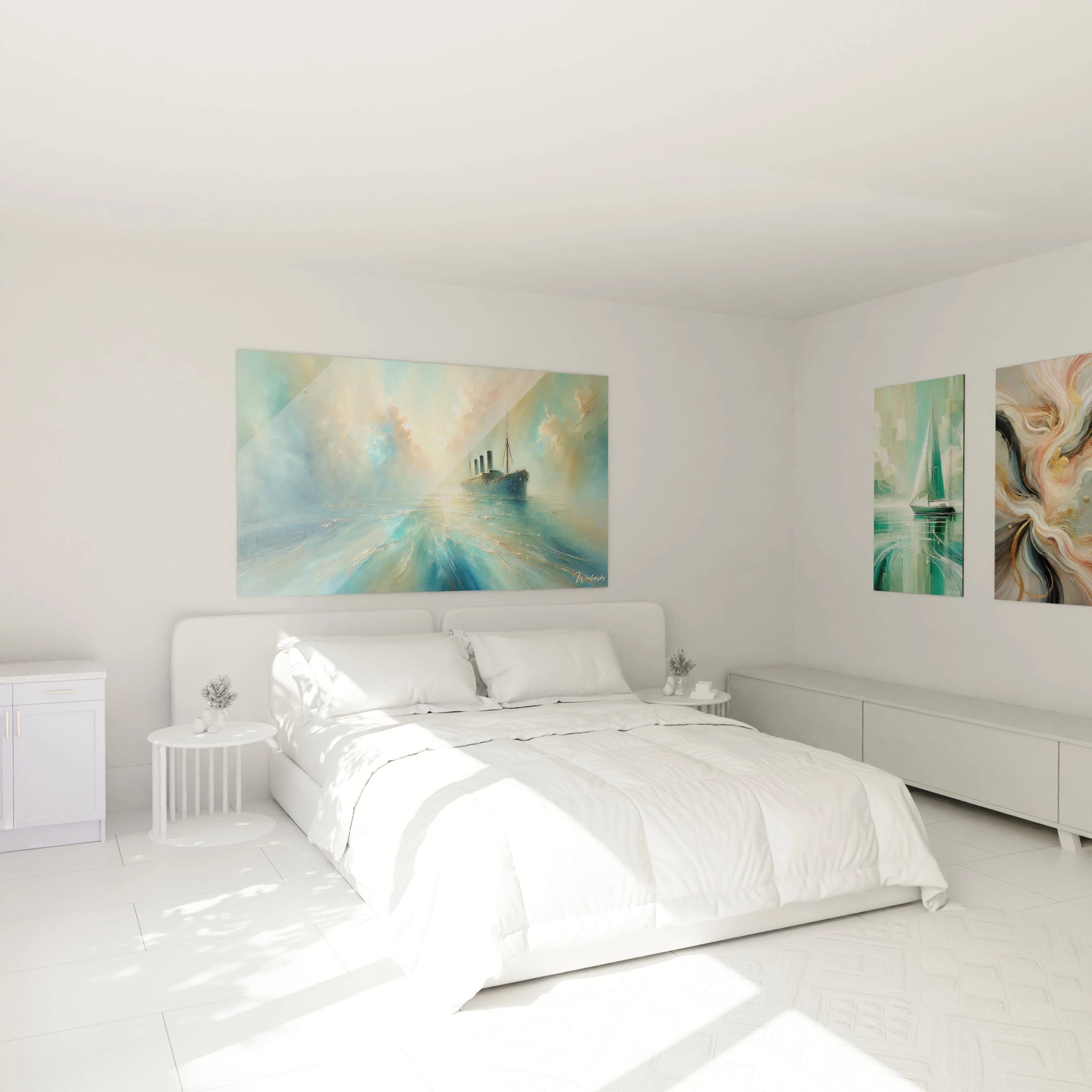
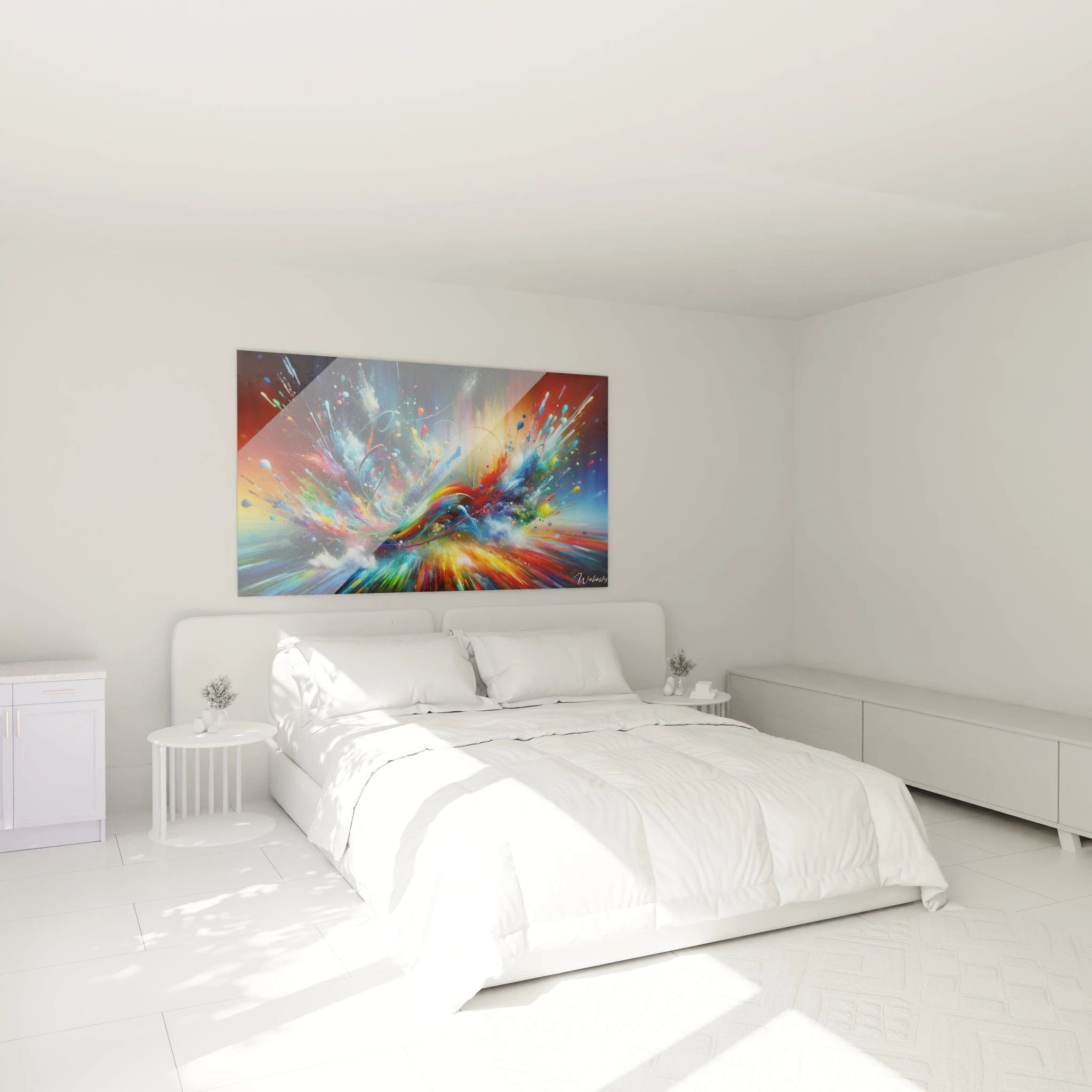
- Coworking Board Visual Collaboration
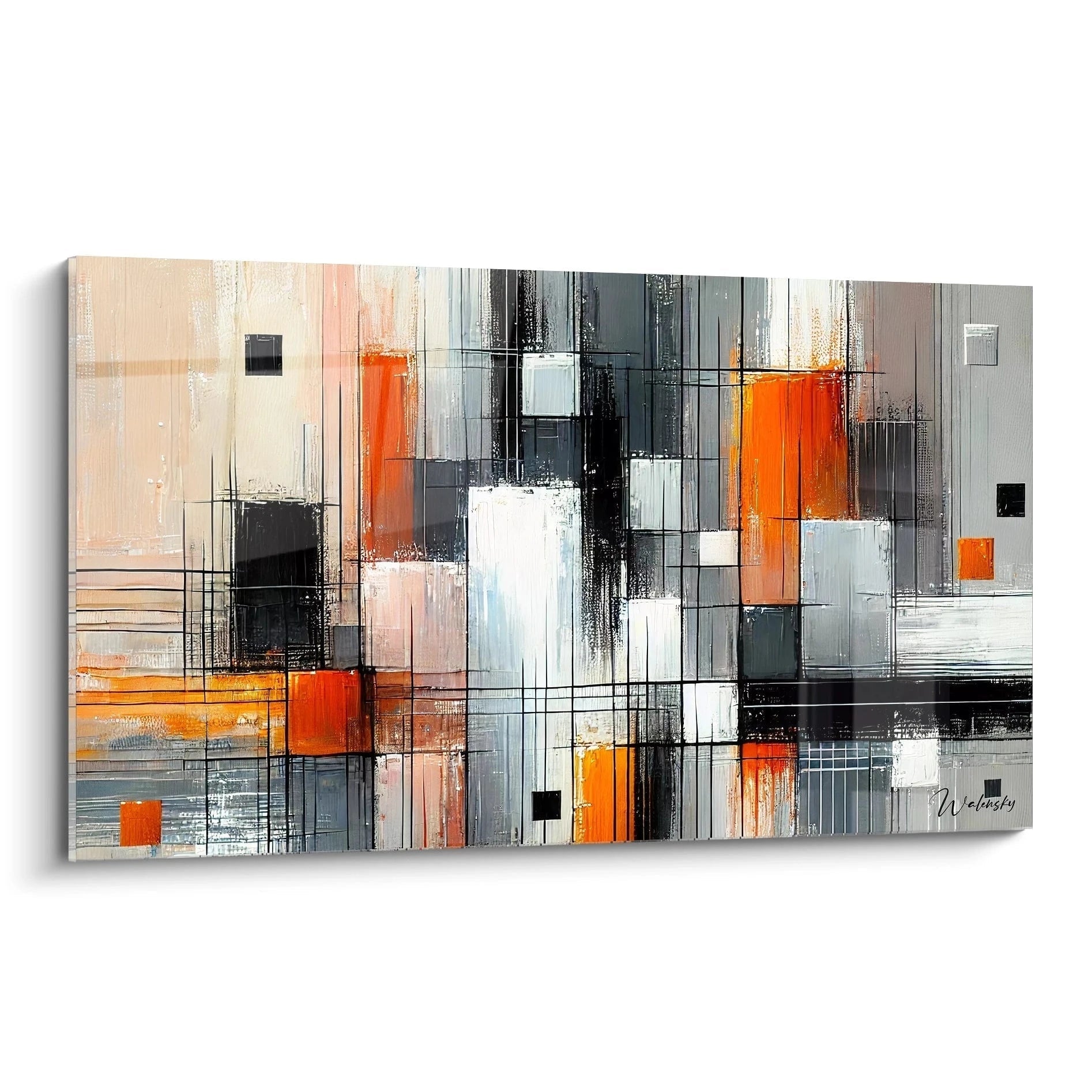
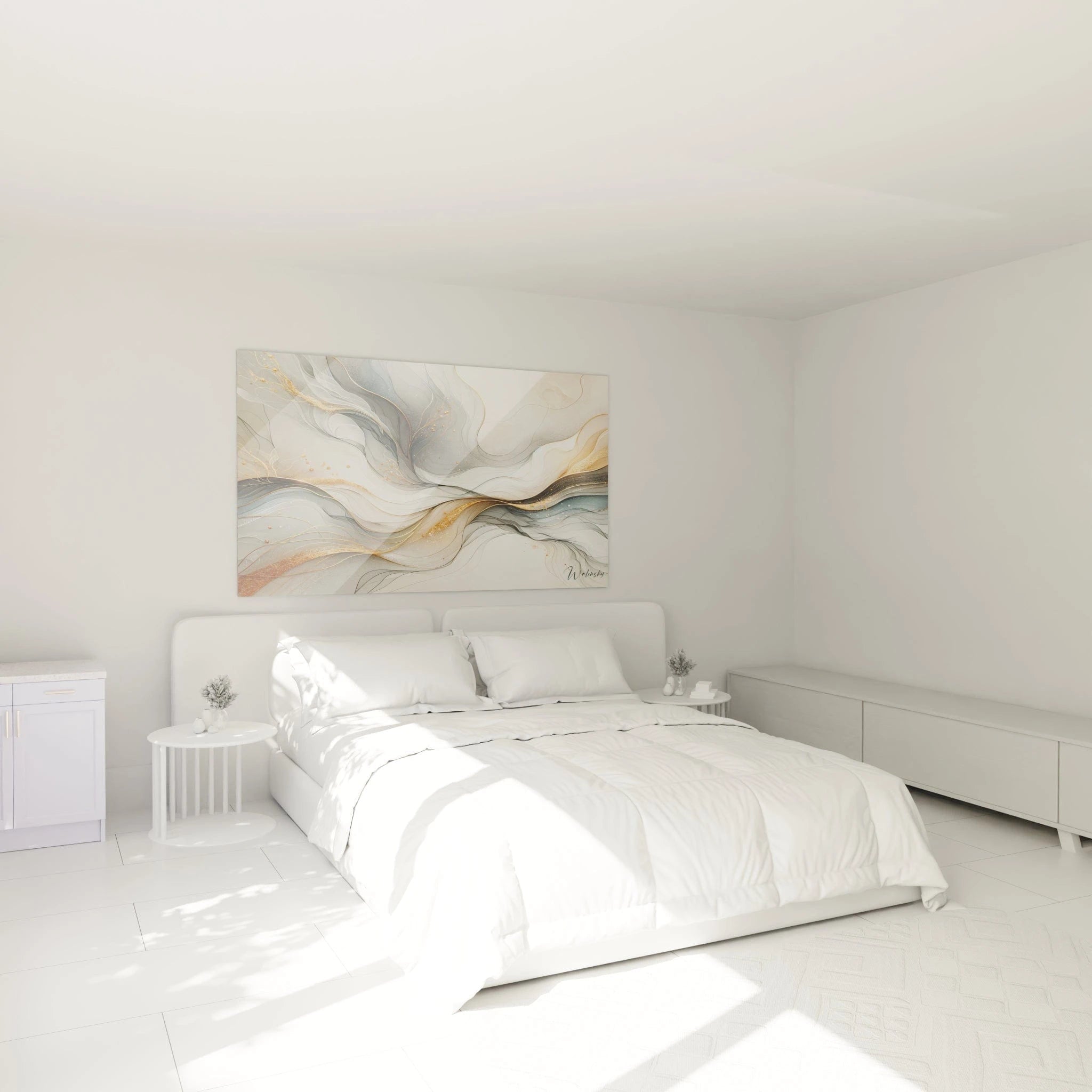
- Coworking Board Space Planning
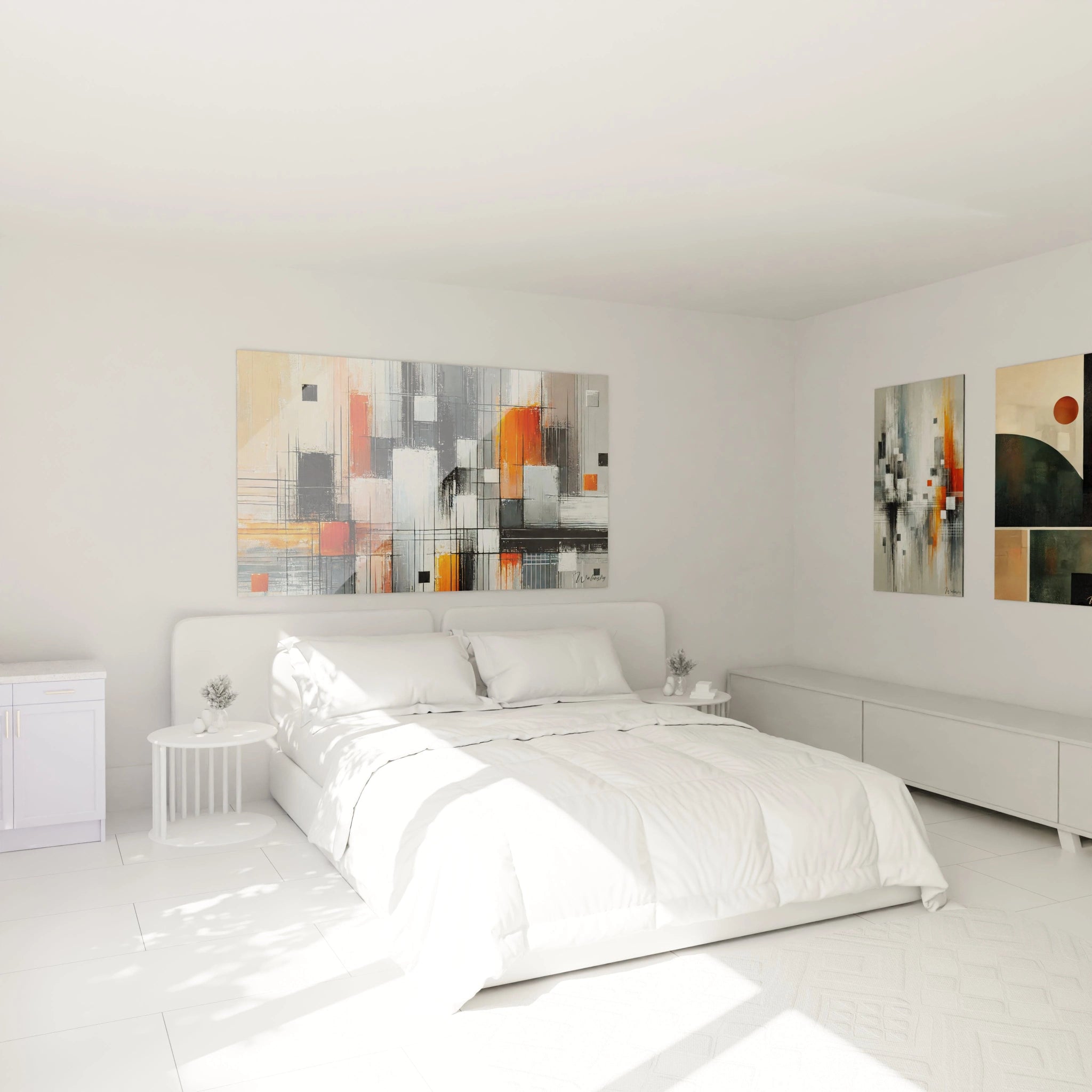
- Coworking Board Creative Productivity
Coworking boards have become indispensable elements in modern shared workspaces. These large-format visual solutions facilitate collaboration, idea organization, and communication between multidisciplinary teams. Unlike conventional boards, a coworking board is specifically designed to withstand intensive simultaneous use by multiple users. Its durable surface and design adapted to dynamic professional environments make it an ideal tool for collective brainstorming, project planning, and visual structuring of information in a shared work context. Discover through our different tabs how these boards transform the collaborative experience in coworking spaces while adding aesthetic appeal to your professional environment.
Coworking Board: The Ideal Tool for Dynamic Visual Collaboration
The coworking board represents far more than a simple decorative element in a shared workspace. It is a genuine idea catalyst designed to stimulate visual collaboration between professionals temporarily sharing the same location. In an environment where different companies and freelancers interact daily, the coworking board becomes the focal point for creative exchanges and multiparty brainstorming sessions.
Why Choose a Coworking Board for Intensive Collaborative Sessions?
Unlike decorative boards for living rooms that prioritize aesthetics, the coworking board is specifically designed to support intensive use by multiple users. Its surface resistant to repeated friction and frequent cleaning guarantees exceptional durability, even in high-traffic spaces where multiple teams succeed each other daily. This particular resistance makes the coworking board a profitable investment for shared space managers seeking to equip their meeting rooms and brainstorming zones.
The coworking board is also distinguished by its imposing size, generally exceeding 120 x 90 cm, allowing multiple people to work simultaneously on the same surface. This generous dimension facilitates collective visualization of ideas and encourages engagement of all participants during collaborative work sessions.
The Unique Characteristics of the Coworking Board for Shared Professional Spaces
The coworking board presents several technical specificities that differentiate it from conventional boards:
- Multi-layer anti-glare surface to prevent visual fatigue during long work sessions
- Reinforced frame allowing frequent movements without risk of deterioration
- Secure mounting system adapted to modular partitions often present in coworking spaces
- Compatibility with various types of markers and professional writing accessories
The versatility of the coworking board is particularly appreciated in flexible work environments where space configurations change regularly. Its modular design allows it to be easily integrated into different collaborative work areas, from formal meeting rooms to more informal relaxation spaces where the most creative ideas often emerge.
How Does a Coworking Board Transform Multi-Team Meeting Dynamics?
The impact of the coworking board on collaborative session productivity is significant. By offering a shared visual work surface, it allows transforming abstract conversations into concrete and manipulable representations. This materialization of ideas facilitates mutual understanding between professionals from different backgrounds and accelerates collective decision-making.
In the specific context of coworking, where freelancers and small teams from different sectors interact, the coworking board also plays a mediation role. It creates a common visual language that transcends terminological barriers that may exist between specialists from varied domains working occasionally together on cross-functional projects.
Coworking space managers regularly testify to the particular attraction exerted by zones equipped with large-format coworking boards. These spaces naturally become focal points of intense activity and spontaneous networking, significantly contributing to community animation and value creation within the shared space.
The Evolution of Coworking Boards Toward Hybrid Analog-Digital Solutions
The current trend in the coworking board world is moving toward hybrid solutions combining the advantages of physical support with possibilities offered by digital technology. These new-generation coworking boards integrate features such as instant content digitization or augmented projection, allowing preservation of the spontaneity of manual work while facilitating sharing and archiving of collective productions.
This evolution perfectly meets the needs of modern coworking spaces that host an increasingly digitally-savvy professional population while valuing the direct and tactile interactions that traditional coworking boards enable. The balance between these two dimensions now constitutes one of the main selection criteria for buyers of coworking boards intended for shared professional spaces.
Coworking Board: Optimize Strategic Layout of Your Shared Space
The coworking board is a determining architectural and functional element in the design of high-performing shared workspaces. Beyond its primary function as a visual support, it significantly influences people circulation, functional zone delimitation, and overall space acoustics. Strategic positioning of a coworking board can radically transform the utilization dynamics of an open space or collaborative zone.
How to Strategically Position a Coworking Board in a Variable-Configuration Space?
In the specific coworking environment, where spaces are often reconfigured to adapt to fluctuating user needs, the coworking board can serve as a visual anchor point. Its imposing presence allows instant creation of a zone dedicated to collective work without requiring permanent structural modifications. Shared space managers generally favor installing large-format coworking boards on mobile supports or modular rails allowing easy repositioning.
The coworking board proves particularly effective when used as a semi-permeable space divider. Positioned perpendicular to main circulation zones, it creates visually connected but functionally distinct sub-spaces. This approach maintains the open-space feeling characteristic of coworking while offering dedicated zones for specific activities such as brainstorming sessions or project presentations.
- Central positioning for spaces dedicated to intense team collaboration
- Peripheral installation for zones requiring greater concentration with occasional consultations
- L-shaped or U-shaped configuration to create semi-enclosed spaces conducive to workshops
- Series arrangement for progressive training or ideation sessions
The Acoustic Impact of the Coworking Board in Shared Open Spaces
A frequently overlooked characteristic of the coworking board concerns its acoustic properties. Unlike hard surfaces that reflect sound waves and increase ambient noise levels, high-quality coworking boards incorporate sound-absorbing materials that help improve acoustic comfort in shared spaces. This feature is particularly valuable in coworking environments where noise pollution represents one of the main sources of user dissatisfaction.
Latest-generation coworking boards offer multi-layer surfaces incorporating an intermediate composite material layer that absorbs up to 45% of incident sound waves. This technical characteristic makes the coworking board a multifunctional design element that actively contributes to user well-being while facilitating concentration and verbal exchanges in a controlled sound environment.
The Coworking Board as a Structuring Element of Workflow and Collaboration
Thoughtful integration of coworking boards in a shared space significantly influences interaction modes between users. Their strategic positioning allows creation of intuitive work paths that naturally guide teams through different collaboration phases, from initial ideation to project finalization.
The most effective coworking spaces generally use multiple coworking boards of varying dimensions to structure these flows. Large formats (exceeding 200 cm width) are preferred for collective brainstorming zones, while intermediate formats are positioned in concept development and refinement spaces. This visual hierarchy created by board size establishes an intuitive spatial progression that naturally accompanies the evolution of collaborative projects.
Aesthetic Integration of the Coworking Board in the Shared Space's Visual Identity
Beyond its functional aspects, the coworking board plays a significant role in the overall aesthetics and visual identity of a coworking space. Its imposing presence makes it a major architectural element that can either integrate harmoniously into the overall design or deliberately create marked contrast to visually signal zones dedicated to intensive collaboration.
Forward-thinking shared space managers now use the coworking board as an aesthetic differentiation element. Customized frames, exclusive finishes, and even color-saturated surfaces allow integration of these functional tools within a global interior design approach coherent with the space's positioning and its user community's expectations.
In premium coworking spaces targeting creative sector professionals, we observe a trend toward installing spectacularly-sized coworking boards (sometimes exceeding 3 meters in length) that become genuine interior architecture masterpieces. These impressive installations create a spatial abundance feeling particularly valued by nomadic workers accustomed to confined work environments.
Coworking Board: Maximize Collective Creative Productivity in Shared Spaces
The coworking board is a collective cognitive performance lever often underestimated in shared workspaces. Unlike digital tools that frequently fragment attention, the coworking board creates a physical focal point that anchors interactions and promotes idea convergence. This specific cognitive dimension explains why even the most technologically advanced coworking spaces continue investing in large-format coworking boards as fundamental collaboration infrastructure.
How Does the Coworking Board Amplify Distributed Cognition Between Multidisciplinary Teams?
The concept of distributed cognition—a group's ability to think collectively more effectively than the sum of individual reflections—finds its most tangible expression in the coworking board. By offering a surface simultaneously visible to all participants, the coworking board enables externalization of thinking processes and their collective manipulation, transforming abstract ideas into visual elements that everyone can comment on, modify, or develop.
This dimension is particularly valuable in the specific coworking context, where professionals with varied expertise occasionally meet to collaborate on complex projects. The coworking board then plays the role of cognitive interface between different disciplines, enabling visual translation of specialized concepts and facilitating cross-pollination of ideas between experts from distinct fields.
Large-dimension coworking boards (exceeding 180 cm height) offer the additional advantage of engaging participants physically in the creative process. The standing position and movement implied by using these formats stimulate blood circulation and cerebral oxygenation—factors scientifically recognized for improving cognitive performance and creativity—a benefit particularly valuable during long intensive collaborative work sessions.
Optimal Use Protocols for the Coworking Board in Multi-Team Sessions
A coworking board's effectiveness depends greatly on implementation methodologies established. In the most high-performing coworking spaces, structured protocols emerge that maximize this tool's added value. These codified approaches transform the simple writing surface into a genuine collective intelligence amplification system.
- Preliminary visual segmentation of the surface into dedicated zones (problem definition, ideation, evaluation, planning)
- Use of standardized color codes to distinguish different types of contributions or priority levels
- Programmed alternation between individual expression phases and collective synthesis moments
- Sequential photographic documentation techniques to preserve reflection evolution
These coworking board use protocols are particularly important in contexts where multiple independent teams collaborate occasionally. They create a common visual language transcending work habits specific to each organization and facilitate rapid emergence of productive collaborative dynamics, even between professionals who have never worked together before.
Integration of the Coworking Board Into a Hybrid Collaborative Tools Ecosystem
The contemporary coworking board no longer functions in isolation but inscribes itself within a continuum of collaborative tools combining physical and digital dimensions. The most innovative coworking spaces develop use methodologies that exploit this complementarity to create fluid and multimodal collaboration experiences.
Association of the coworking board with instant digitization solutions allows, for example, capturing collective productions and immediately integrating them into shared digital workflows. This hybrid approach preserves the cognitive and social benefits of physical interaction around the board while facilitating documentation, sharing, and subsequent idea development in the digital environment.
Within this integration context, the coworking board's imposing dimension (generally exceeding 150 cm width) takes on full meaning. It allows obtaining digitized images of high resolution where the finest details remain perfectly legible, ensuring complete preservation of visual exchange richness in their transition to the digital environment.
FAQ: Coworking Board and Collaborative Productivity
What Is the Ideal Dimension for a Coworking Board in a Space Accommodating Up to 15 People Simultaneously?
For a coworking space accommodating up to 15 collaborators in simultaneous session, a coworking board of at least 240 x 120 cm is recommended. This dimension allows 3-4 people to work side by side on the surface while maintaining optimal visibility for all participants from a distance of 5-6 meters.
How to Effectively Maintain a Coworking Board Subject to Intensive Daily Use?
A coworking board in intensive-use environment requires regular maintenance with products specifically formulated for professional surfaces. Weekly thorough cleaning completed by semi-annual application of a regenerating treatment will ensure optimal durability and consistent performance even after several years of intensive daily use.
Can Coworking Boards Contribute to Acoustic Improvement in a Shared Open Space?
Absolutely. High-end coworking boards now incorporate composite materials that can absorb up to 45% of incident sound waves. Strategically positioned in an open space, multiple large-dimension coworking boards can significantly reduce ambient noise levels and improve overall acoustic quality, creating an environment more conducive to concentration and verbal exchanges.