


Rhodesian Ridgeback Dog Wall Art
The Rhodesian Ridgeback Wall Art captures the nobility of this legendary dog from Southern Africa. This artistic collection highlights the unique character and natural presence of the Rhodesian Ridgeback dog. Each artwork reveals the soul of this faithful companion, blending athletic strength with family warmth. Perfect for enthusiasts of this exceptional breed, our wall art Rhodesian Ridgeback transforms your interior into a living tribute to this courageous guardian.
 Fawn Dog Artwork in Noble Posture on Mossy Trunk - Majestic Portrait - Rhodesian Ridgeback Edition233,90 €
 Dog Portrait Painting in Golden Tones Gazing Upward - Contemplative Look - Rhodesian Ridgeback Edition233,90 €
 Dog Painting Raising Eyes with Tenderness - Hopeful Gaze - Rhodesian Ridgeback Edition233,90 €
 Rhodesian Ridgeback Dog Wall Art with Amber Eyes Lying Down Intense Gaze - Rhodesian Ridgeback Edition233,90 €
 Elegant Fawn Dog Painting on Black Surface - Majestic Portrait - Rhodesian Ridgeback Edition233,90 €
 Red Dog Painting with Piercing Gaze - Expressive Portrait - Rhodesian Ridgeback Edition233,90 €
 Vibrant Dog Painting with Striking Colors - Modern Artistic Portrait - Rhodesian Ridgeback Edition233,90 €
 Golden Dog Wall Art with Expressive Gaze - Contemporary Portrait - Rhodesian Ridgeback Edition233,90 €
 Dog Portrait Painting with Amber Eyes - Intense Gaze - Rhodesian Ridgeback Edition233,90 €
 Fawn Dog Wall Art with Upturned Gaze - Expressive Watercolor - Rhodesian Ridgeback Edition233,90 €
 Black and White Dog Portrait Painting Expressive Gaze - Canine Emotion - Rhodesian Ridgeback Edition233,90 €
 Dog Portrait Painting in Orange and Gold Tones - Intense Gaze - Rhodesian Ridgeback Edition233,90 €
 Beige Dog Painting Noble Gaze Portrait - Canine Majesty - Rhodesian Ridgeback Edition233,90 €
 Dog Portrait Painting with Noble Gaze - Contemplative Profile - Rhodesian Ridgeback Edition233,90 €
 Red Dog with Collar on Bright Yellow Background - Expressive Canine Portrait - Rhodesian Ridgeback Edition233,90 €
 Fawn Dog Canvas with Melancholic Gaze in Golden Foliage - Autumn Portrait - Rhodesian Ridgeback Edition233,90 €
 Elegant Black and White Slender Dog Portrait Painting - Canine Elegance - Rhodesian Ridgeback Edition233,90 €
 Geometric Orange and Red Dog Painting - Cubist Portrait - Rhodesian Ridgeback Edition233,90 €
 Lying Dog Painting with Golden Eyes on Tiles - Melancholic Gaze - Rhodesian Ridgeback Edition213,90 €
 Dog Portrait Painting with Ochre and Gray Tones - Expressive Gaze - Rhodesian Ridgeback Edition213,90 €
 Fawn Dog Painting with Black Nose Looking Upward - Geometric Portrait - Rhodesian Ridgeback Edition213,90 €
 Rhodesian Dog Painting with Amber Eyes in Autumn Foliage - Deep Gaze - Rhodesian Ridgeback Edition213,90 €
 Golden Dog Portrait Painting with Raised Gaze - Noble Expression - Rhodesian Ridgeback Edition213,90 €
Explore further
In Rhodesian Ridgeback Dog Wall Art
-
 Golden Rhodesian Ridgeback Dog Canvas Art5
artworks
Golden Rhodesian Ridgeback Dog Canvas Art5
artworks
-
 Rhodesian Ridgeback Dog Painting Portrait20
artworks
Rhodesian Ridgeback Dog Painting Portrait20
artworks
-
 Modern Rhodesian Ridgeback Dog Wall Art14
artworks
Modern Rhodesian Ridgeback Dog Wall Art14
artworks
-
 Australian Shepherd Wall Art35
artworks
Australian Shepherd Wall Art35
artworks
-
 English Cocker Spaniel Dog Canvas32
artworks
English Cocker Spaniel Dog Canvas32
artworks
-
 Poodle Canvas53
artworks
Poodle Canvas53
artworks
-
 Pomeranian Spitz Dog Canvas Art33
artworks
Pomeranian Spitz Dog Canvas Art33
artworks
-
 Siberian Husky Dog Wall Art36
artworks
Siberian Husky Dog Wall Art36
artworks
-
 Staffordshire Bull Terrier Dog Wall Art33
artworks
Staffordshire Bull Terrier Dog Wall Art33
artworks
-
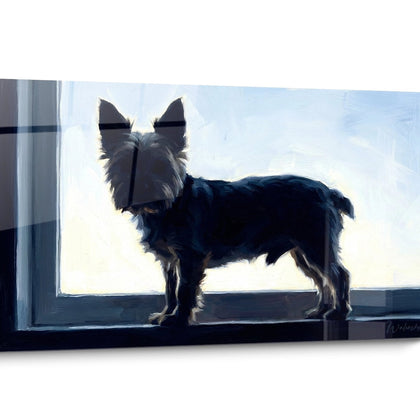 Yorkshire Terrier Dog Wall Art31
artworks
Yorkshire Terrier Dog Wall Art31
artworks
-
 Dachshund Wall Art24
artworks
Dachshund Wall Art24
artworks
-
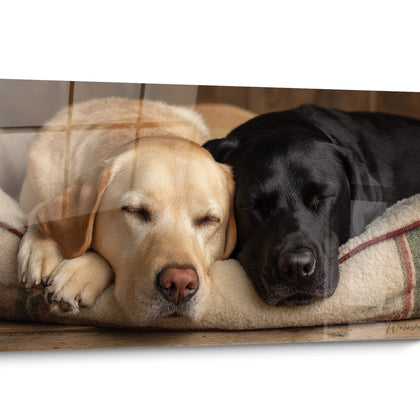 Labrador Retriever Wall Art25
artworks
Labrador Retriever Wall Art25
artworks
-
 Chow Chow Dog Wall Art25
artworks
Chow Chow Dog Wall Art25
artworks
-
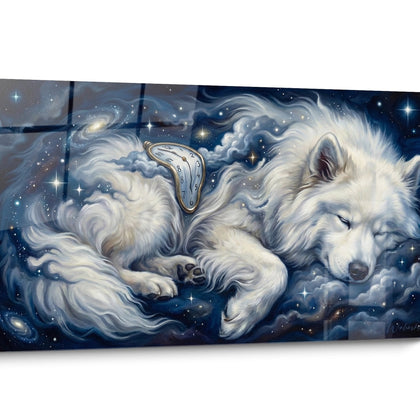 Samoyed Dog Wall Art37
artworks
Samoyed Dog Wall Art37
artworks
-
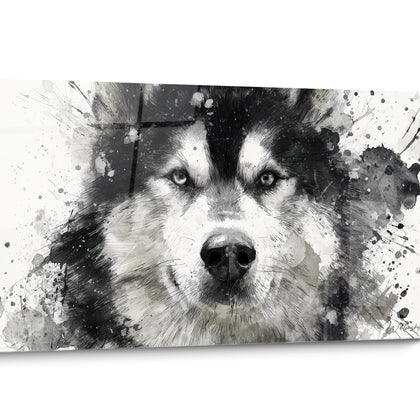 Alaskan Malamute Dog Wall Art30
artworks
Alaskan Malamute Dog Wall Art30
artworks
-
 Newfoundland Dog Canvas31
artworks
Newfoundland Dog Canvas31
artworks
-
 Saint Bernard Dog Painting25
artworks
Saint Bernard Dog Painting25
artworks
-
 Great Dane Wall Art17
artworks
Great Dane Wall Art17
artworks
-
 English Mastiff Dog Wall Art17
artworks
English Mastiff Dog Wall Art17
artworks
-
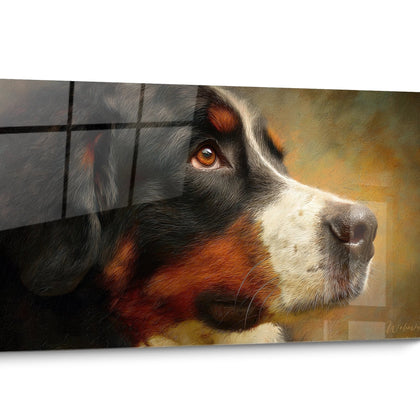 Bernese Mountain Dog Wall Art26
artworks
Bernese Mountain Dog Wall Art26
artworks
-
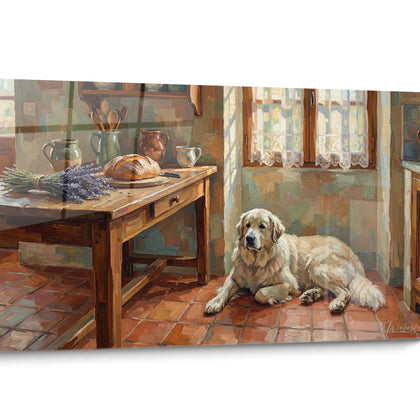 Pyrenean Mountain Dog Wall Art36
artworks
Pyrenean Mountain Dog Wall Art36
artworks
-
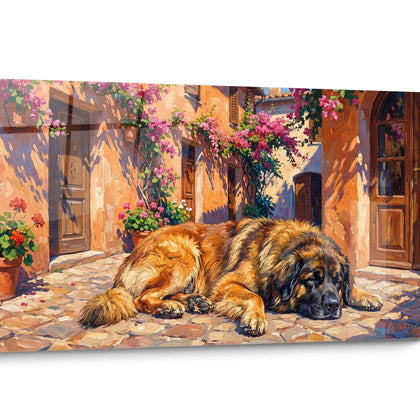 Leonberg Dog Canvas31
artworks
Leonberg Dog Canvas31
artworks
-
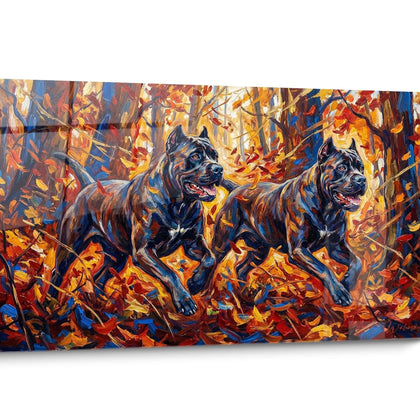 Cane Corso Dog Wall Art21
artworks
Cane Corso Dog Wall Art21
artworks
-
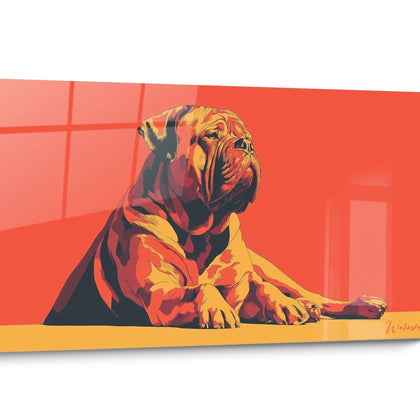 Bordeaux Mastiff Wall Art27
artworks
Bordeaux Mastiff Wall Art27
artworks
-
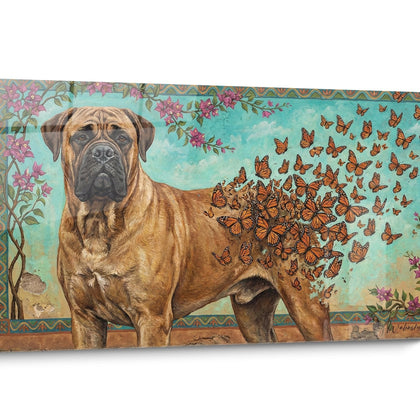 Bullmastiff Dog Canvas41
artworks
Bullmastiff Dog Canvas41
artworks
-
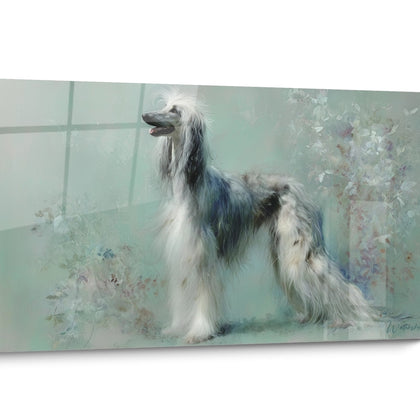 Afghan Hound Dog Canvas38
artworks
Afghan Hound Dog Canvas38
artworks
-
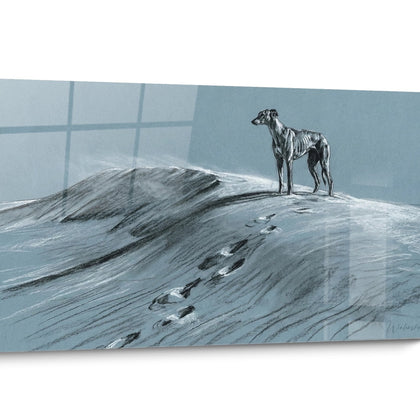 Greyhound Dog Wall Art37
artworks
Greyhound Dog Wall Art37
artworks
-
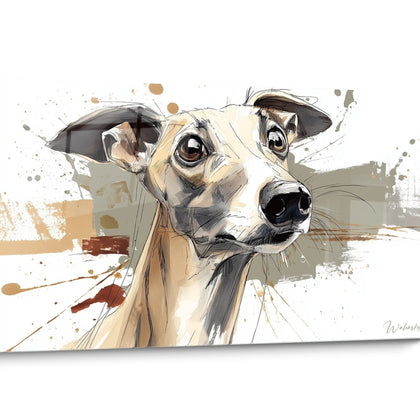 Whippet Greyhound Wall Art31
artworks
Whippet Greyhound Wall Art31
artworks
-
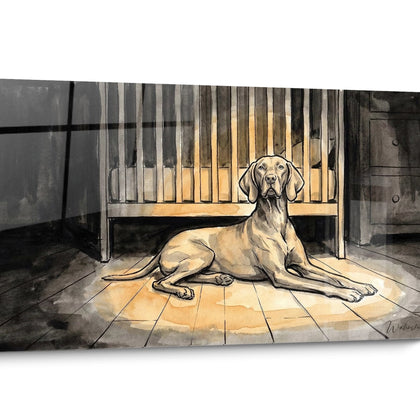 Vizsla Dog Canvas Art36
artworks
Vizsla Dog Canvas Art36
artworks
-
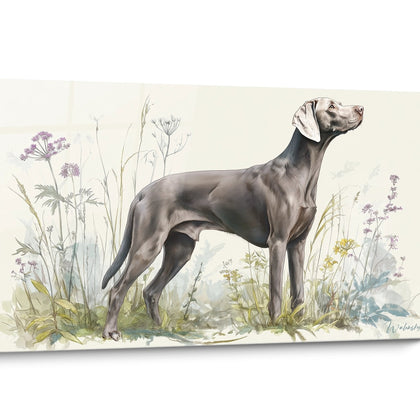 Weimaraner Dog Canvas27
artworks
Weimaraner Dog Canvas27
artworks
-
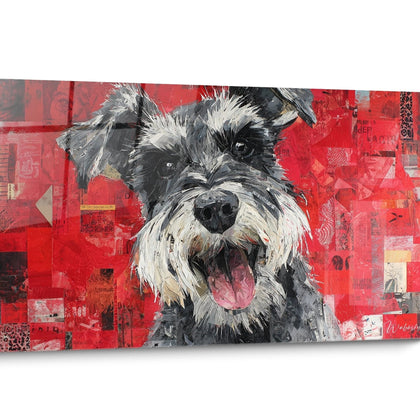 Schnauzer Dog Canvas Art35
artworks
Schnauzer Dog Canvas Art35
artworks
-
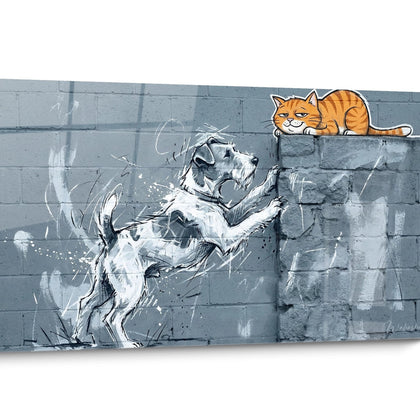 Fox Terrier Dog Wall Art36
artworks
Fox Terrier Dog Wall Art36
artworks
-
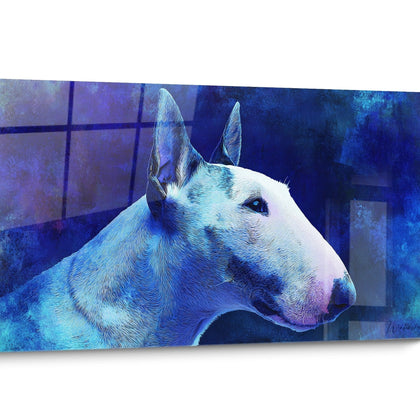 Bull Terrier Dog Wall Art22
artworks
Bull Terrier Dog Wall Art22
artworks
-
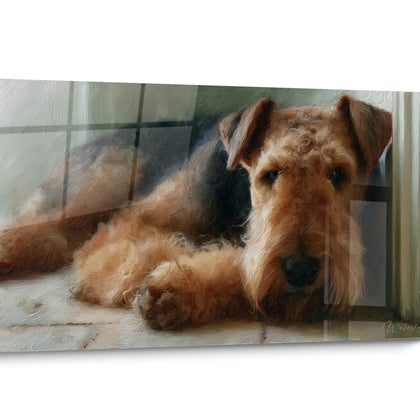 Airedale Terrier Dog Wall Art22
artworks
Airedale Terrier Dog Wall Art22
artworks
-
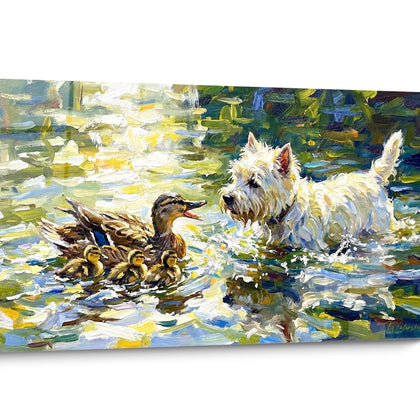 West Highland White Terrier Dog Canvas29
artworks
West Highland White Terrier Dog Canvas29
artworks
-
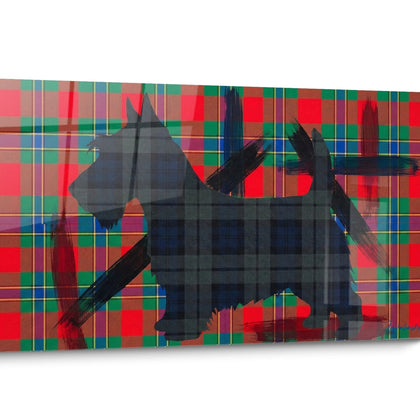 Scottish Terrier Dog Wall Art30
artworks
Scottish Terrier Dog Wall Art30
artworks
-
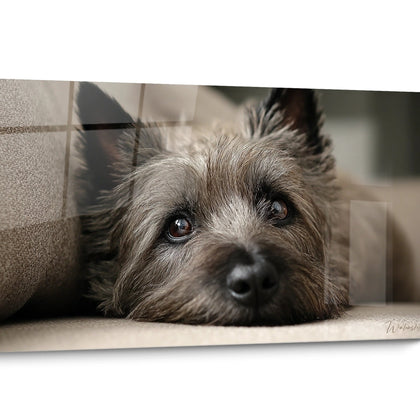 Cairn Terrier Dog Wall Art36
artworks
Cairn Terrier Dog Wall Art36
artworks
-
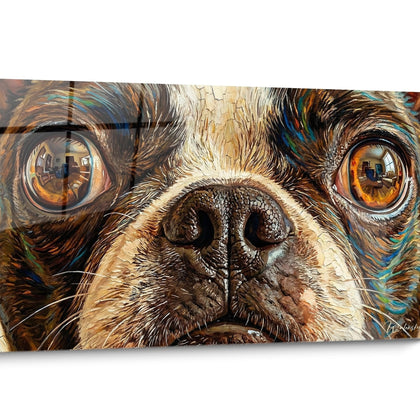 Boston Terrier Dog Wall Art30
artworks
Boston Terrier Dog Wall Art30
artworks
-
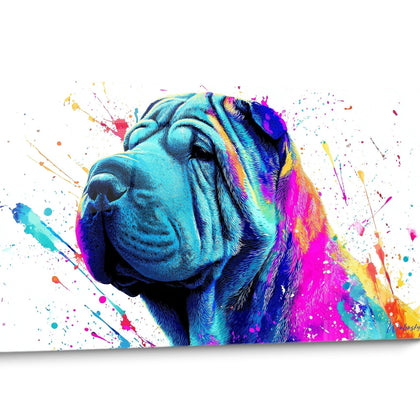 Shar Pei Dog Wall Art34
artworks
Shar Pei Dog Wall Art34
artworks
-
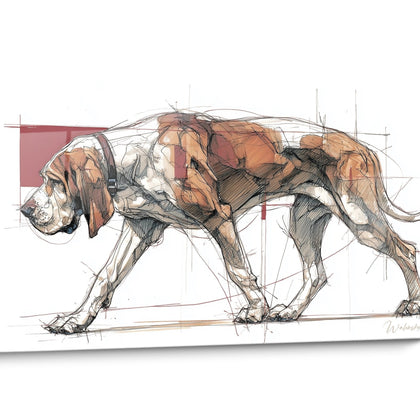 Bloodhound Dog Canvas28
artworks
Bloodhound Dog Canvas28
artworks
-
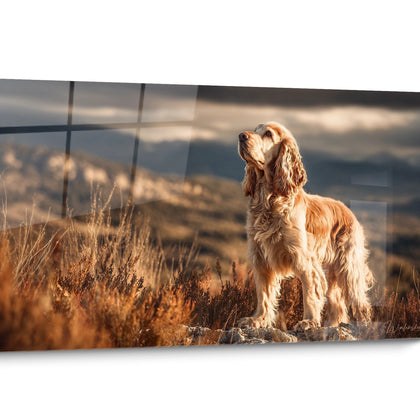 American Cocker Spaniel Wall Art36
artworks
American Cocker Spaniel Wall Art36
artworks
-
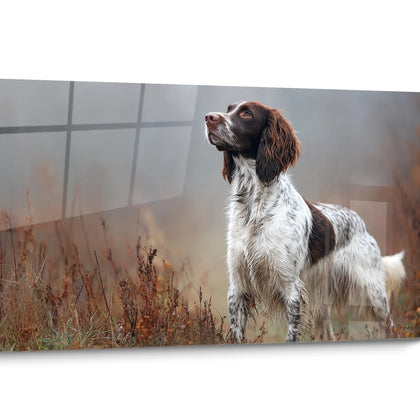 English Springer Spaniel Dog Painting32
artworks
English Springer Spaniel Dog Painting32
artworks
-
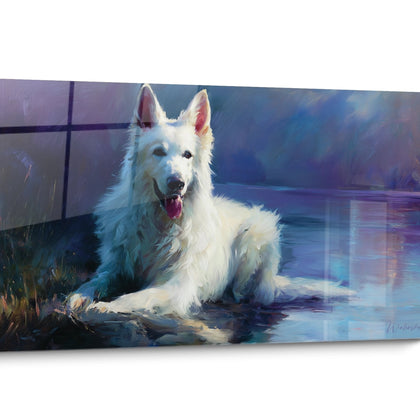 White Swiss Shepherd Dog Wall Art29
artworks
White Swiss Shepherd Dog Wall Art29
artworks
-
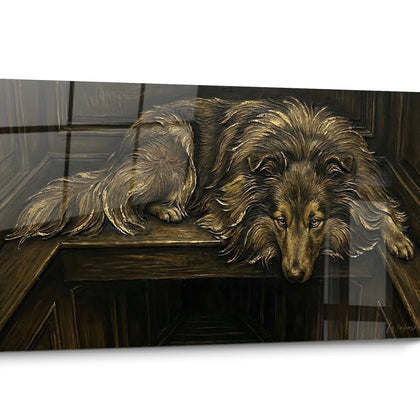 Shetland Sheepdog Wall Art32
artworks
Shetland Sheepdog Wall Art32
artworks
-
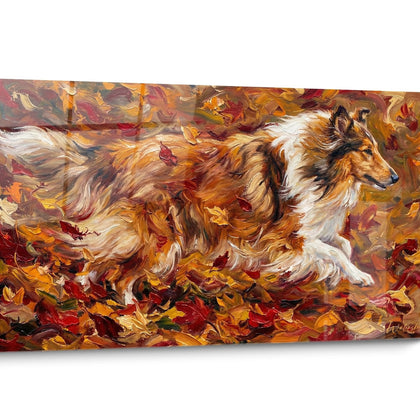 Collie Wall Art33
artworks
Collie Wall Art33
artworks
-
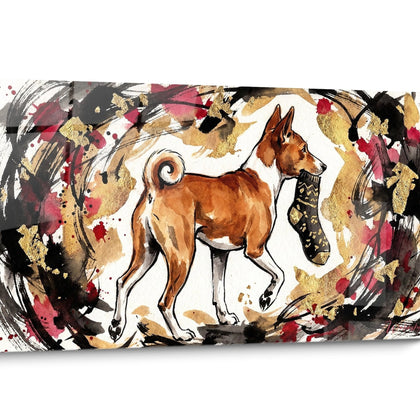 Basenji Dog Wall Art50
artworks
Basenji Dog Wall Art50
artworks
-
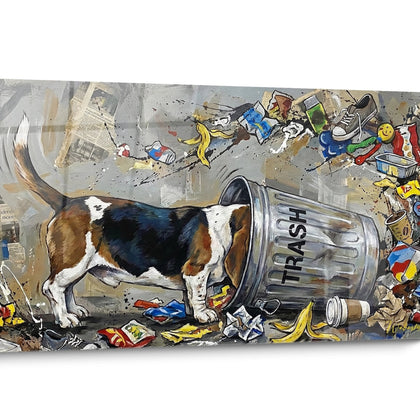 Basset Hound Dog Canvas Art35
artworks
Basset Hound Dog Canvas Art35
artworks
-
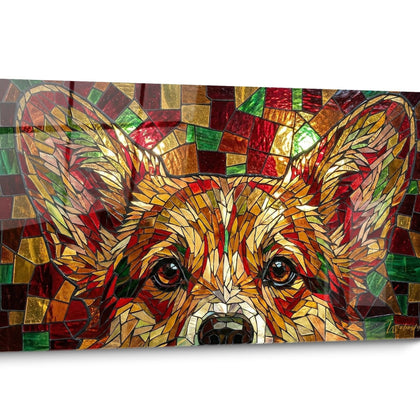 Corgi Pembroke Dog Canvas51
artworks
Corgi Pembroke Dog Canvas51
artworks
-
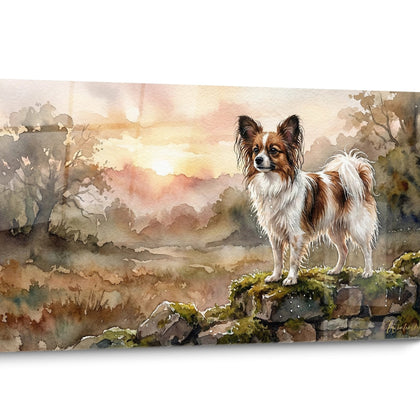 Papillon Dog Wall Art47
artworks
Papillon Dog Wall Art47
artworks
-
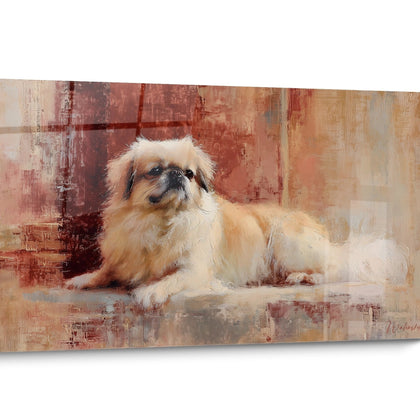 Pekingese Dog Painting29
artworks
Pekingese Dog Painting29
artworks


All about Rhodesian Ridgeback Dog Wall Art
- Painting Presentation Rhodesian Ridgeback
- Breed Characteristics
- Decorative Enhancement
- Buying Guide and FAQ
The Rhodesian Ridgeback painting celebrates one of Africa's most majestic and athletic dog breeds. Originating from Zimbabwe, this hunting dog is recognized by its distinctive reversed spine ridge and embodies power, elegance, and courage. Rhodesian Ridgeback owners seek large-format artistic representations that capture the intensity of the amber gaze, prominent musculature, and that famous line of reversed hair on the back that defines the breed. These large-scale wall compositions allow you to immortalize the natural prestige of this lion hunter turned devoted family companion. Beyond a simple decorative element, a large-size Rhodesian Ridgeback painting affirms deep attachment to this rare South African breed in Europe, while creating a striking focal point in spacious interiors.
The distinctive anatomy of the Rhodesian Ridgeback in artistic representation
Representing a Rhodesian Ridgeback Painting requires particular attention to the unique anatomy of this African breed. The spine ridge, a true genetic signature, consists of a band of hair growing in reverse direction along the spine, forming a symmetrical line from the shoulders to the hips. Monumental formats allow for precise detailing of this anatomical feature, an element that breed enthusiasts systematically seek in their decorative acquisitions.
The athletic musculature of the African hunter
The Rhodesian Ridgeback possesses a developed muscular structure resulting from centuries of selection for hunting large game in difficult terrain. Large-scale representations highlight the deep chest, powerful shoulders, and muscular hindquarters that allowed these dogs to cover 50 kilometers daily in the African bush. Shaded nuances in artistic compositions emphasize the relief of this musculature without excess, respecting the balance between strength and agility characteristic of the breed standard.
The characteristic amber gaze of the breed
The facial expression of the Ridgeback is distinguished by its almond-shaped eyes with amber to hazel coloring, reflecting intelligence and determination. In a quality Rhodesian Ridgeback painting, the rendering of this penetrating gaze becomes the central element of the composition. The warm tones of the iris contrast beautifully with the single-colored fawn coat varying from light wheat to deep red. This natural color palette integrates harmoniously into interiors with neutral or earthy tones, creating the visual coherence sought by admirers of organic decoration.
How to identify a representation faithful to the standard?
Breed connoisseurs verify several anatomical criteria in artistic representations. The ears should be attached high, carried close to the head, and of medium size. The muzzle presents a moderate stop with a black nose or brown depending on coat color. The thick tail tapering progressively at the base is carried in a slight curve but never curled. For owners seeking a dog painting representing their Ridgeback companion faithfully, these morphological details constitute decisive elements of visual authenticity in large-scale decorative wall formats.
Integration of a Rhodesian Ridgeback Painting in canine living spaces
Installing a large-format Rhodesian Ridgeback Painting radically transforms the atmosphere of dog-dedicated zones in homes. Owners of this African breed often arrange spacious areas suited to the needs of a dog weighing between 32 and 36 kg requiring daily exercise. Placing a monumental representation in the entryway or the dog's rest area creates thematic continuity enhancing the animal's presence in the family home.
Decorative associations with Ridgeback accessories
Wall compositions depicting Rhodesian Ridgebacks harmonize naturally with equipment specific to this athletic breed. Large-size orthopedic baskets, reinforced leashes for powerful dogs, and elevated food bowls adapted to deep chests compose a cohesive environment when associated with a majestic Rhodesian Ridgeback painting. This decorative synergy affirms the importance given to your companion's well-being while creating an aesthetically unified space.
Which spaces should be privileged to maximize visual impact?
Monumental formats achieve their full expression in rooms with generous volume such as cathedral-style living rooms, spacious sun rooms, or home offices. Important ceiling height enhances the elongated proportions of the Ridgeback depicted in standing position or in motion. Walls in taupe, sand beige, or stone gray constitute ideal backdrops that make the characteristic fawn coat stand out without creating excessive contrast that disrupts the overall visual balance of the room.
Creating a gallery dedicated to African dog breeds
Enthusiasts of breeds originating from the African continent sometimes compose thematic wall ensembles combining Rhodesian Ridgeback, Basenji, and Azawakh. This curatorial approach transforms a corridor or large wall into a permanent exhibition celebrating African canine heritage. The alternation of formats and artistic styles—photographic realism, contemporary interpretations, minimalist graphic compositions—energizes the whole while maintaining thematic coherence around these ancestral breeds.
Selecting a Rhodesian Ridgeback Painting suited to your needs
Acquiring a Rhodesian Ridgeback Painting constitutes a significant decorative investment for owners of this rare breed. Selection criteria extend beyond general aesthetic considerations to include elements specific to the morphology and temperament of these South African dogs. Imposing formats exceeding 100 centimeters allow faithful rendering of the elongated proportions and contained power of these natural athletes, elements impossible to capture in reduced dimensions.
Artistic styles favored for representing the breed
Ultra-realistic photographic compositions appeal to purists attached to morphological standards, capturing every detail of the spine ridge and texture of the short coat. Contemporary artistic interpretations favoring interplay of shadow and light enhance prominent musculature and the proud posture characteristic of the breed. Motion-based representations—running, jumping, hunting stance—illustrate the functional heritage of these dogs selected for generations to track African game over long distances.
Differences between male and female representations
The marked sexual dimorphism in Rhodesian Ridgebacks influences acquisition preferences. Males, weighing up to 36 kg with a shoulder height of 69 cm, present more massive bone structure and a more imposing head than females. Male owners seek compositions emphasizing power and prestige, while those with females prefer representations highlighting athletic elegance and softer eye expression. This morphological distinction guides choices toward visual compositions specifically adapted to their companion's sex.
Why invest in a large-scale format?
Imposing dimensions correspond to the natural proportions of this large breed requiring generous living spaces. A monumental format restores the real scale of the dog, creating visual presence proportional to the physical impact of a Ridgeback in an interior. Essential anatomical details—ridge symmetry, eye expression, muscular definition—can only be fully appreciated in compositions exceeding one meter in length, justifying investment in large-scale works.
Which Rhodesian Ridgeback painting to choose for a professional breeder?
Breeders favor representations conforming to FCI standards illustrating morphological qualities sought in selection. Compositions showing the perfectly horizontal topline, correct angulation of limbs, and symmetrical spine ridge serve as educational visual references for visitors and prospective puppy buyers.
Is a Rhodesian Ridgeback painting suitable for professional veterinary spaces?
Veterinary clinics specializing in molosser or exotic breeds use these representations to personalize their waiting rooms and consultation offices. The presence of illustrations of less common breeds than Shepherds or Retrievers demonstrates in-depth canine expertise reassuring owners of rare-breed dogs seeking knowledgeable practitioners.
How does a Rhodesian Ridgeback painting enhance an existing canine collection?
Adding a representation of this distinctive African breed brings unique geographic and historical dimensions to collections focused on hunting dogs or heritage breeds. The contrast with European or Asian breeds enriches the visual and cultural diversity of the ensemble, testifying to extended canine knowledge beyond contemporary popular breeds.


