


Beaver Wall Art
Our Beaver Wall Art collection celebrates the beauty of nature's architect. Each artwork captures the essence of this iconic animal through refined artistic compositions. Perfect for lovers of nature and wildlife décor, these creations bring authenticity and character to your interior. Explore captivating representations that honor the ingenuity and charm of the beaver. Ideal for creating a contemporary animal art atmosphere in your living room, office or living space.
 Beaver at Sunset on its Golden Branch Lodge - Nature's Architect - Beaver Edition273,90 €
 Reddish Beaver in Autumn Birch Forest Watercolor Painting - Forest Charm - Beaver Edition273,90 €
 Beaver Painting with Autumn Tones in Stylized Lakeside Landscape - Natural Stained Glass - Beaver Edition273,90 €
 Beaver Swimming Among Pink Water Lilies at Sunset - Aquatic Serenity - Beaver Edition273,90 €
 Beaver Silhouette Wavy Lines Pink Blue Wall Art - Aquatic Serenity - Beaver Edition273,90 €
 Majestic Beaver Golden River Blue Ochre Fluid Marbling Wall Art - Sovereign of the Waters - Beaver Edition273,90 €
 Reddish Beaver in Swirling Waters - Aquatic Survival - Beaver Edition273,90 €
 Multicolor Expressionist Beaver with Purple, Green and Orange Tones - Radiant Rodent - Beaver Edition273,90 €
 Kingfisher and Beaver in Blue and Orange Aquatic Decor - Wild Harmony - Beaver Edition273,90 €
In the same family
Also explore the theme Animals
-
 View all10974
artworks
View all10974
artworks
-
 Bee54
artworks
Bee54
artworks
-
 Eagle18
artworks
Eagle18
artworks
-
 Alpaca111
artworks
Alpaca111
artworks
-
 Donkey15
artworks
Donkey15
artworks
-
 Savannah Wildlife94
artworks
Savannah Wildlife94
artworks
-
 Antelope5
artworks
Antelope5
artworks
-
 Spider8
artworks
Spider8
artworks
-
 Other Animals24
artworks
Other Animals24
artworks
-
 Ostrich75
artworks
Ostrich75
artworks
-
 Axolotl47
artworks
Axolotl47
artworks
-
 Whale89
artworks
Whale89
artworks
-
 Barracuda61
artworks
Barracuda61
artworks
-
 Snipe32
artworks
Snipe32
artworks
-
 Ram315
artworks
Ram315
artworks
-
 Beluga169
artworks
Beluga169
artworks
-
 Hermit-Crab12
artworks
Hermit-Crab12
artworks
-
 Doe10
artworks
Doe10
artworks
-
 Bison8
artworks
Bison8
artworks
-
 Badger59
artworks
Badger59
artworks
-
 Chamois32
artworks
Chamois32
artworks
-
 Buffalo91
artworks
Buffalo91
artworks
-
 Sperm Whale8
artworks
Sperm Whale8
artworks
-
 Giant Squid6
artworks
Giant Squid6
artworks
-
 Chameleon20
artworks
Chameleon20
artworks
-
 Duck352
artworks
Duck352
artworks
-
 Capybara3
artworks
Capybara3
artworks
-
 Caracal15
artworks
Caracal15
artworks
-
 Caribou4
artworks
Caribou4
artworks
-
 Koi Carp130
artworks
Koi Carp130
artworks
-
 Deer26
artworks
Deer26
artworks
-
 Camel3
artworks
Camel3
artworks
-
 Cat1218
artworks
Cat1218
artworks
-
 Bat10
artworks
Bat10
artworks
-
 Horse73
artworks
Horse73
artworks
-
 Mountain Goat3
artworks
Mountain Goat3
artworks
-
 Dog3055
artworks
Dog3055
artworks
-
 Chimpanzee12
artworks
Chimpanzee12
artworks
-
 Owl19
artworks
Owl19
artworks
-
 Stork16
artworks
Stork16
artworks
-
 Ladybug7
artworks
Ladybug7
artworks
-
 Pig8
artworks
Pig8
artworks
-
 Guinea Pig13
artworks
Guinea Pig13
artworks
-
 Hummingbird23
artworks
Hummingbird23
artworks
-
 Dove90
artworks
Dove90
artworks
-
 Rooster9
artworks
Rooster9
artworks
-
 Seashell6
artworks
Seashell6
artworks
-
 Raven9
artworks
Raven9
artworks
-
 Crab5
artworks
Crab5
artworks
-
 Toad8
artworks
Toad8
artworks
-
 Shrimp5
artworks
Shrimp5
artworks
-
 Crocodile4
artworks
Crocodile4
artworks
-
 Swan189
artworks
Swan189
artworks
-
 Dolphin11
artworks
Dolphin11
artworks
-
 Dromedary4
artworks
Dromedary4
artworks
-
 Squirrel15
artworks
Squirrel15
artworks
-
 Elan13
artworks
Elan13
artworks
-
 Elephant80
artworks
Elephant80
artworks
-
 Snail11
artworks
Snail11
artworks
-
 Swordfish4
artworks
Swordfish4
artworks
-
 Wild Essence25
artworks
Wild Essence25
artworks
-
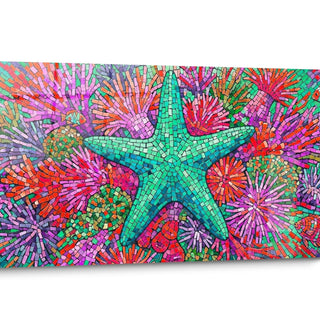 Starfish19
artworks
Starfish19
artworks
-
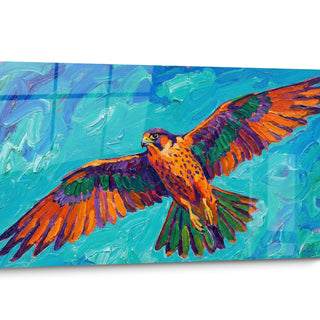 Falcon16
artworks
Falcon16
artworks
-
 Fennec256
artworks
Fennec256
artworks
-
 Pink Flamingo30
artworks
Pink Flamingo30
artworks
-
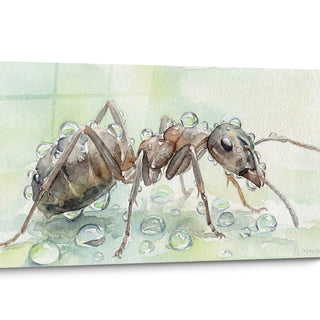 Ant19
artworks
Ant19
artworks
-
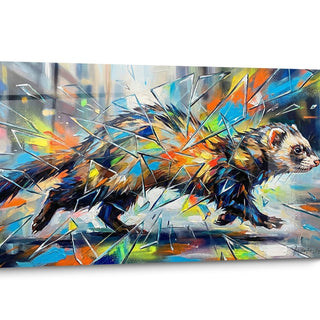 Ferret17
artworks
Ferret17
artworks
-
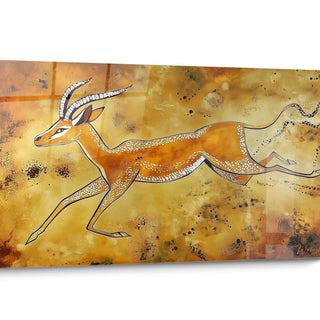 Gazelle4
artworks
Gazelle4
artworks
-
 Giraffe183
artworks
Giraffe183
artworks
-
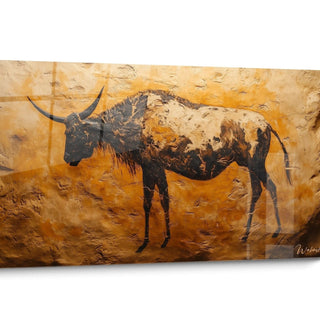 Wildebeest3
artworks
Wildebeest3
artworks
-
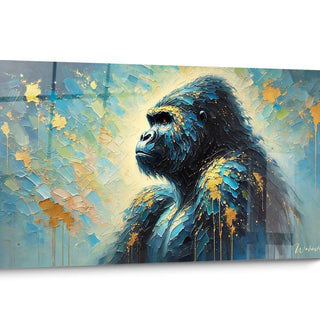 Gorilla15
artworks
Gorilla15
artworks
-
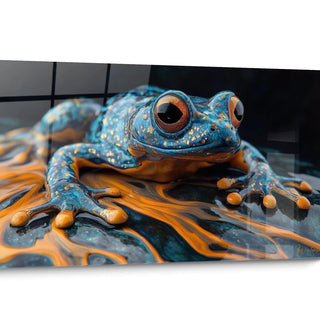 Frog65
artworks
Frog65
artworks
-
 Grizzly3
artworks
Grizzly3
artworks
-
 Crane10
artworks
Crane10
artworks
-
 Cheetah147
artworks
Cheetah147
artworks
-
 Hamster17
artworks
Hamster17
artworks
-
 Hedgehog64
artworks
Hedgehog64
artworks
-
 Heron37
artworks
Heron37
artworks
-
 Owl42
artworks
Owl42
artworks
-
 Seahorse34
artworks
Seahorse34
artworks
-
 Hippopotamus4
artworks
Hippopotamus4
artworks
-
 Lobster8
artworks
Lobster8
artworks
-
 Hyena14
artworks
Hyena14
artworks
-
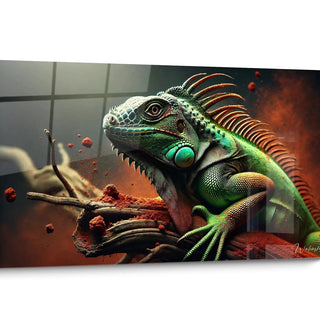 Iguana6
artworks
Iguana6
artworks
-
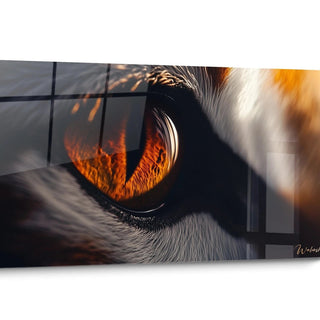 Animal Eye6
artworks
Animal Eye6
artworks
-
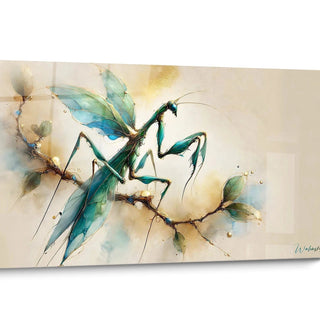 Insect5
artworks
Insect5
artworks
-
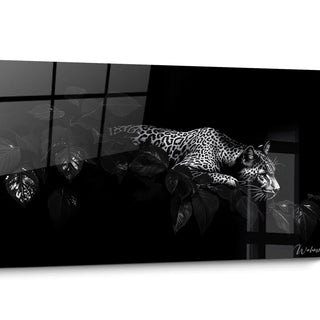 Jaguar6
artworks
Jaguar6
artworks
-
 Kangaroo100
artworks
Kangaroo100
artworks
-
 Koala18
artworks
Koala18
artworks
-
 Llama107
artworks
Llama107
artworks
-
 Rabbit15
artworks
Rabbit15
artworks
-
 Lemur3
artworks
Lemur3
artworks
-
 Dragonfly4
artworks
Dragonfly4
artworks
-
 Unicorn62
artworks
Unicorn62
artworks
-
 Lion193
artworks
Lion193
artworks
-
 Lion Cub4
artworks
Lion Cub4
artworks
-
 Lioness6
artworks
Lioness6
artworks
-
 Wolf13
artworks
Wolf13
artworks
-
 Otter6
artworks
Otter6
artworks
-
 Lynx7
artworks
Lynx7
artworks
-
 Puffin2
artworks
Puffin2
artworks
-
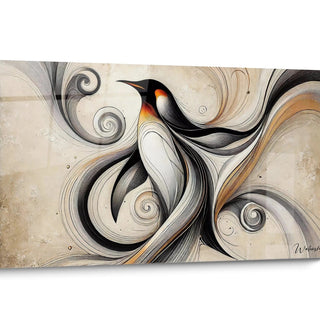 Penguin10
artworks
Penguin10
artworks
-
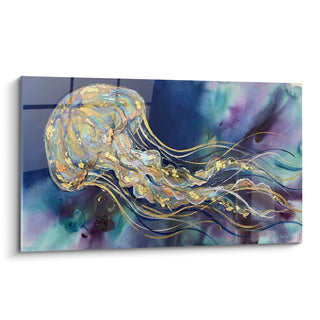 Jellyfish17
artworks
Jellyfish17
artworks
-
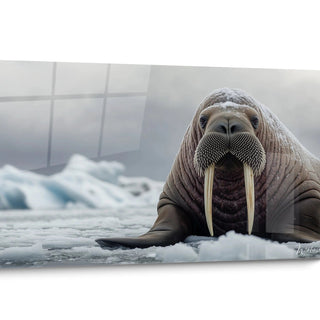 Morse3
artworks
Morse3
artworks
-
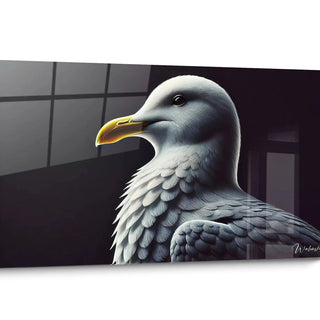 Seagull4
artworks
Seagull4
artworks
-
 Mold14
artworks
Mold14
artworks
-
 Sheep6
artworks
Sheep6
artworks
-
 Narwhal66
artworks
Narwhal66
artworks
-
 Ocelot3
artworks
Ocelot3
artworks
-
 Birds15
artworks
Birds15
artworks
-
 Orangutan10
artworks
Orangutan10
artworks
-
 Orca28
artworks
Orca28
artworks
-
 Brown Bear334
artworks
Brown Bear334
artworks
-
 Polar Bear289
artworks
Polar Bear289
artworks
-
 Sea Urchin9
artworks
Sea Urchin9
artworks
-
 Giant Panda69
artworks
Giant Panda69
artworks
-
 Red Panda11
artworks
Red Panda11
artworks
-
 Panther19
artworks
Panther19
artworks
-
 Snow Leopard8
artworks
Snow Leopard8
artworks
-
 Black Panther10
artworks
Black Panther10
artworks
-
 Peacock128
artworks
Peacock128
artworks
-
 Butterfly14
artworks
Butterfly14
artworks
-
 Lazy Sloth3
artworks
Lazy Sloth3
artworks
-
 Pelican3
artworks
Pelican3
artworks
-
 Parrot211
artworks
Parrot211
artworks
-
 Parakeet5
artworks
Parakeet5
artworks
-
 Seal5
artworks
Seal5
artworks
-
 Pigeon10
artworks
Pigeon10
artworks
-
 Penguin274
artworks
Penguin274
artworks
-
 Feather60
artworks
Feather60
artworks
-
 Fish18
artworks
Fish18
artworks
-
 Betta Fish12
artworks
Betta Fish12
artworks
-
 Octopus59
artworks
Octopus59
artworks
-
 Puma3
artworks
Puma3
artworks
-
 Manta Ray67
artworks
Manta Ray67
artworks
-
 Raccoon2
artworks
Raccoon2
artworks
-
 Fox141
artworks
Fox141
artworks
-
 Shark126
artworks
Shark126
artworks
-
 Rhinoceros21
artworks
Rhinoceros21
artworks
-
 Salamander14
artworks
Salamander14
artworks
-
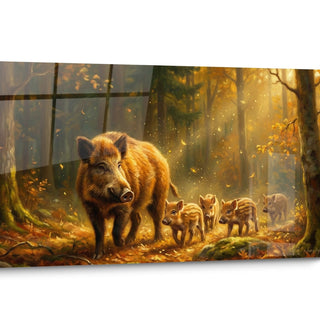 Wild Boar15
artworks
Wild Boar15
artworks
-
 Scarab73
artworks
Scarab73
artworks
-
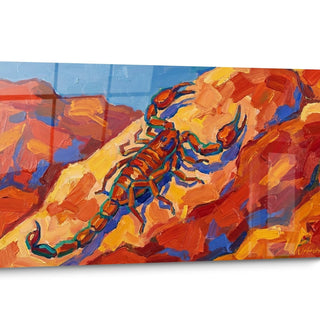 Scorpion9
artworks
Scorpion9
artworks
-
 Serpent102
artworks
Serpent102
artworks
-
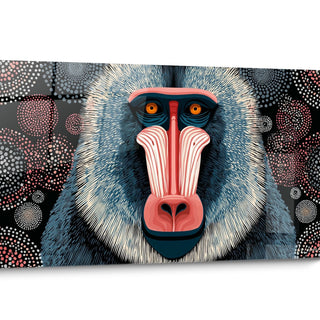 Monkey14
artworks
Monkey14
artworks
-
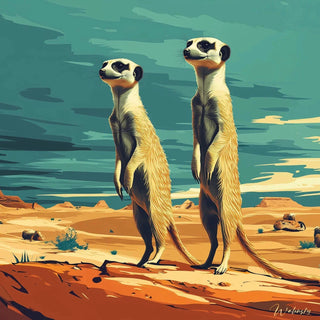 Meerkat1
artwork
Meerkat1
artwork
-
 Tapir52
artworks
Tapir52
artworks
-
 Armadillo3
artworks
Armadillo3
artworks
-
 Bull281
artworks
Bull281
artworks
-
 Tiger316
artworks
Tiger316
artworks
-
 Sea Turtle18
artworks
Sea Turtle18
artworks
-
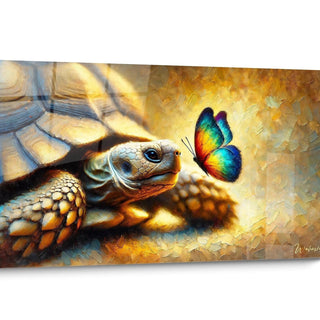 Terrestrial Turtle14
artworks
Terrestrial Turtle14
artworks
-
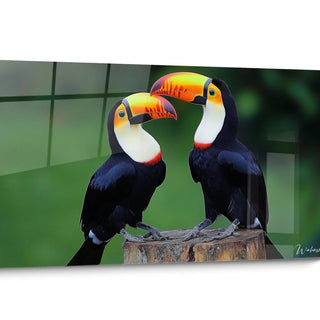 Toucan7
artworks
Toucan7
artworks
-
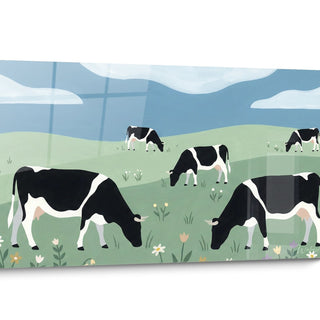 Cow9
artworks
Cow9
artworks
-
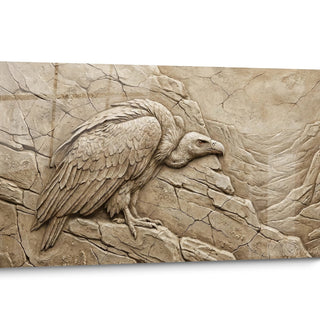 Vulture5
artworks
Vulture5
artworks
-
 Zebra49
artworks
Zebra49
artworks


All about Beaver Wall Art
- Presentation Painting Beaver
- Symbolism and Meanings
- Ambiances and Rooms
- Visual Composition
The beaver painting stands as a captivating artistic representation of nature's engineer par excellence. This iconic mammal, recognized for its ability to transform its environment, brings a powerful narrative dimension to your interior decoration. Beyond the simple reproduction of an animal, this large-format wall creation captures the very essence of determination and meticulous work, echoing the values of authenticity sought in contemporary living spaces. Acquiring a wall representation of a beaver is a deliberate decorative choice for those who wish to infuse constructive energy and a deep connection with Nordic fauna into their interior.
The Symbolic Power of the Beaver in Wall Decoration
The beaver painting conveys exceptional symbolic richness that transcends the simple representation of an animal. In Native American cultures, this aquatic rodent embodies perseverance, architectural ingenuity, and harmonious environmental transformation. Displaying such a work in a professional or residential space subtly communicates entrepreneurial values and a philosophy of patient construction.
Why does the beaver inspire so many modern interior designers?
The natural architectural dimension of the beaver particularly resonates in contemporary offices and spaces dedicated to creativity. Its complex dams perfectly illustrate the balance between function and aesthetics, a fundamental principle of current design. Large-format representations of this animal at work generate an atmosphere conducive to concentration and strategic thinking, particularly appreciated in startups and architecture firms.
The iconography of the beaver in contemporary art
Contemporary artists exploit the recognizable silhouette of the beaver to create dynamic visual compositions. The characteristic flat tail, the prominent incisors, and the dense fur offer rich visual textures that masterfully capture natural light. These distinctive anatomical elements allow for particularly effective light and shadow games on large-scale supports, creating striking focal points in spaces with high ceilings.
Association with Canadian and Nordic territories
A painting depicting this tireless builder instantly evokes the vast forest expanses of Canada and Scandinavia. This geographical connection brings a Nordic freshness sought in overheated urban interiors. For lovers of animal paintings authentic, the beaver offers this touch of sophisticated wilderness without falling into the clichés of conventional predators. The imagery of crystalline rivers and aspen forests associated with this animal generates a soothing atmosphere conducive to disconnection.
Values conveyed for family spaces
In residential environments, particularly playrooms or educational spaces for children, the image of the beaver transmits valuable lessons about family collaboration and collective construction. Unlike representations of solitary felines, this social mammal illustrates the importance of teamwork and long-term planning, subtle but impactful educational messages for young minds.
Integrating a Painting Beaver into Different Environments
Optimization for offices and coworking spaces
Installing a large-scale painting of a beaver in a professional space generates a measurable psychological impact on productivity. Environmental psychology studies demonstrate that representations of builder animals stimulate intrinsic motivation and creative problem-solving. In strategic meeting rooms, this iconography subtly reinforces discussions focused on the construction of complex projects and structured planning.
How to enhance this representation in a rustic-chic living room?
Interiors combining raw natural elements and urban sophistication find in the representation of a beaver a perfect balance. Paired with materials such as reclaimed wood, natural stone, or aged leather, this animal imagery amplifies the sought-after authenticity without veering into kitschy forest decor. The imposing format generally requires a wall free of openings between two openings or above a modular sofa, creating a dominant visual anchor that structures the entire space.
Nature-themed and learning children's rooms
For spaces dedicated to young explorers, a painting featuring this aquatic constructor offers an exceptional narrative starting point. Unlike standard, infantilizing motifs, this representation grows with the child, maintaining its relevance from early childhood to adolescence. The educational potential extends beyond simple animal recognition, opening discussions about aquatic ecosystems, biomimicry engineering, and sustainable resource management.
Libraries and immersive reading nooks
Spaces dedicated to contemplative reading exceptionally benefit from the peaceful atmosphere generated by beaver scenes in their habitat. The mental association with calm waterways and tranquil forests promotes prolonged concentration and literary escapism. The monumental format of these wall creations transforms a simple reading nook into a true personal sanctuary, visually isolated from the rest of the home.
Cabins and second homes in natural settings
In chalets, forest houses, or lakeside residences, integrating a representation of a beaver creates a thematic continuity between the exterior and interior. This environmental coherence reinforces the immersive experience sought in these refuges. Owners of homes near wetlands particularly appreciate this artistic celebration of a potentially real neighbor, creating a poetic bridge between natural observation and artistic expression.
Visual Composition and Aesthetic Elements of the Beaver Painting
Aquatic perspectives and their visual impact
The most captivating compositions of the painting of a beaver exploit the land-water duality characteristic of this animal's habitat. Semi-submerged perspective representations, where the animal swims with its load of branches, create exceptional visual dynamics thanks to aquatic reflections and surface undulations. These effects of transparency and liquid movement bring a kinetic dimension to static works, particularly effective in spaces receiving changing light throughout the day.
What color palettes dominate these representations?
The color palette associated with the beaver naturally favors deep earthy tones: warm ochres, chocolate browns, golden ambers, and silvery grays of the water. These sophisticated neutral shades harmoniously integrate into practically all contemporary decorative schemes, from sleek Scandinavian interiors to urban industrial atmospheres. Seasonal variations also offer distinct chromatic opportunities, from lush summer greens to the pristine whites of winter scenes, allowing for personalization according to environmental preferences.
The treatment of fur and texture
The dense fur of the beaver presents an artistic challenge that quality creators meet through sophisticated texturing techniques. On imposing formats, these details become contemplative elements that reward close observation. Variations in hair density, wet reflections after immersion, and contrasts between guard hair and undercoat create a visually tactile richness that adds perceptual depth, transforming the wall into an almost three-dimensional surface.
Narrative compositions versus isolated portraits
Contextualized representations showing the beaver in the midst of construction generate a superior narrative engagement than static portraits. Scenes illustrating the transport of materials, the shaping of dams, or family interactions tell silent stories that stimulate the imagination and prolong visual interest. These dynamic compositions work particularly well in panoramic formats that complement the long, clear walls of contemporary open spaces.
Integration of characteristic environmental elements
The best beaver paintings do not isolate the animal but place it within its identifiable ecosystem: gnawed trunks with distinctive tooth marks, complex architectural dams, emerging conical lodges, and typical riparian vegetation such as willows and aspens. These contextual elements enrich the composition while subtly educating about the habits and environmental impact of this fascinating mammal, adding layers of meaning that transcend simple decoration.
Where is the ideal place to put a large-scale beaver painting in a living room?
Prioritize a main wall visible from the entrance of the room, ideally one facing or perpendicular to the windows to benefit from indirect natural lighting. Placement above a low piece of furniture or a sofa creates a balanced composition, with the visual center of the painting approximately at eye level for a seated person.
Is a beaver painting suitable for contemporary minimalist interiors?
Absolutely, provided you select a streamlined composition that favors sharp contrasts and a restricted palette. Stylized or semi-abstract representations of the beaver integrate perfectly into minimalist aesthetics, bringing the necessary organic focal point without compromising the overall sobriety. The monumental format even reinforces the "less is more" minimalist principle by concentrating the visual impact on a single masterpiece.
Which decorative styles are particularly enhanced by a beaver painting?
Modern lodge, sophisticated cabin, rustic-chic, Scandinavian nature, and even industrial organic decorative universes find a natural thematic coherence in this representation. The imagery of the beaver also works remarkably well in biophilic interiors that seek to maximize visual connection with the natural world, a dominant trend in current residential architecture.


