


Pheasant Painting
The Pheasant Painting collection brings together visions of the same discreet wading bird, captured between shoreline and lagoon, between dawn light and sculpted materials. Each Pheasant Painting composes its long, slender beak, its graceful legs, and its speckled plumage in palettes ranging from soothing cream to turquoise and coral bursts. Here, the bird becomes a pretext for color, silence, and contemplation of a suspended coastline—an elegant presence for those who love shorelines as much as forms.
 Tableau Bécasse au long bec et plumage doré - Souffle sauvage - Edition Bécasse273,90 €
 Tableau Bécasse dorée aux reflets bleu pastel - Écume dorée - Edition Bécasse273,90 €
 Tableau Bécasse brune et rose sur estran marin - Éveil sur l'estran - Edition Bécasse273,90 €
 Tableau Bécasse échassier bec rouge patchwork coloré - Marche graphique - Edition Bécasse273,90 €
 Tableau Bécasse rose et bleu turquoise au bord de l'eau - Éveil sur le rivage - Edition Bécasse273,90 €
 Tableau Bécasse orange et turquoise devant le soleil couchant - Roseaux magenta et brindilles - Edition Bécasse273,90 €
 Tableau Bécasse au long bec parmi les fleurs - Éveil du marais - Edition Bécasse273,90 €
 Tableau Bécasse violette aux volutes dorées - Envol suspendu - Edition Bécasse273,90 €
 Tableau Bécasse bleue et rousse parmi les roseaux secs - Ondulations concentriques dans l'étang - Edition Bécasse273,90 €
 Tableau Bécasse verte aux vagues dorées - Rivage en éveil - Edition Bécasse273,90 €
 Tableau Bécasse fond vert sauge et nuages dorés - Envol serein - Edition Bécasse273,90 €
 Tableau Bécasse blanche et verte à huppe flamboyante - Panache tourbillonnant - Edition Bécasse273,90 €
 Tableau Bécasse au long bec devant soleil corail - Aube sur le rivage - Edition Bécasse273,90 €
 Tableau Bécasse échassier beige et crème sur l'estran - Attente sur l'estran - Edition Bécasse273,90 €
 Tableau Bécasse turquoise et orange dans l'eau miroitante - Empâtements en tourbillon - Edition Bécasse273,90 €
 Tableau Bécasse au long bec fond rouge damier - Guet immobile - Edition Bécasse273,90 €
 Tableau Bécasse rose et bleu néon parmi les roseaux - Reflets scintillants dans l'eau - Edition Bécasse273,90 €
 Tableau Bécasse orangée aux rayures gris ardoise - Halte au rivage - Edition Bécasse273,90 €
 Tableau Bécasse blanche et crème aux vagues d'écume - Yeux clos paisibles - Edition Bécasse273,90 €
 Tableau Bécasse turquoise et violette au long bec - Éclaboussure féerique - Edition Bécasse273,90 €
 Tableau Bécasse ailes déployées au-dessus de l'eau - Envol du soir - Edition Bécasse273,90 €
 Tableau Bécasse au long bec strié multicolore - Envol arc-en-ciel - Edition Bécasse273,90 €
 Tableau Bécasse irisée aux plumes multicolores dorées - Éveil printanier - Edition Bécasse273,90 €
 Tableau Bécasse au long bec rouge et bleu - Éclaboussure vive - Edition Bécasse273,90 €
In the same family
Also explore the theme Animals
-
 View all10974
artworks
View all10974
artworks
-
 Bee54
artworks
Bee54
artworks
-
 Eagle18
artworks
Eagle18
artworks
-
 Alpaca111
artworks
Alpaca111
artworks
-
 Donkey15
artworks
Donkey15
artworks
-
 Savannah Wildlife94
artworks
Savannah Wildlife94
artworks
-
 Antelope5
artworks
Antelope5
artworks
-
 Spider8
artworks
Spider8
artworks
-
 Other Animals24
artworks
Other Animals24
artworks
-
 Ostrich75
artworks
Ostrich75
artworks
-
 Axolotl47
artworks
Axolotl47
artworks
-
 Whale89
artworks
Whale89
artworks
-
 Barracuda61
artworks
Barracuda61
artworks
-
 Ram315
artworks
Ram315
artworks
-
 Beluga169
artworks
Beluga169
artworks
-
 Hermit-Crab12
artworks
Hermit-Crab12
artworks
-
 Doe10
artworks
Doe10
artworks
-
 Bison8
artworks
Bison8
artworks
-
 Badger59
artworks
Badger59
artworks
-
 Chamois32
artworks
Chamois32
artworks
-
 Buffalo91
artworks
Buffalo91
artworks
-
 Sperm Whale8
artworks
Sperm Whale8
artworks
-
 Giant Squid6
artworks
Giant Squid6
artworks
-
 Chameleon20
artworks
Chameleon20
artworks
-
 Duck352
artworks
Duck352
artworks
-
 Capybara3
artworks
Capybara3
artworks
-
 Caracal15
artworks
Caracal15
artworks
-
 Caribou4
artworks
Caribou4
artworks
-
 Koi Carp130
artworks
Koi Carp130
artworks
-
 Beaver9
artworks
Beaver9
artworks
-
 Deer26
artworks
Deer26
artworks
-
 Camel3
artworks
Camel3
artworks
-
 Cat1218
artworks
Cat1218
artworks
-
 Bat10
artworks
Bat10
artworks
-
 Horse73
artworks
Horse73
artworks
-
 Mountain Goat3
artworks
Mountain Goat3
artworks
-
 Dog3055
artworks
Dog3055
artworks
-
 Chimpanzee12
artworks
Chimpanzee12
artworks
-
 Owl19
artworks
Owl19
artworks
-
 Stork16
artworks
Stork16
artworks
-
 Ladybug7
artworks
Ladybug7
artworks
-
 Pig8
artworks
Pig8
artworks
-
 Guinea Pig13
artworks
Guinea Pig13
artworks
-
 Hummingbird23
artworks
Hummingbird23
artworks
-
 Dove90
artworks
Dove90
artworks
-
 Rooster9
artworks
Rooster9
artworks
-
 Seashell6
artworks
Seashell6
artworks
-
 Raven9
artworks
Raven9
artworks
-
 Crab5
artworks
Crab5
artworks
-
 Toad8
artworks
Toad8
artworks
-
 Shrimp5
artworks
Shrimp5
artworks
-
 Crocodile4
artworks
Crocodile4
artworks
-
 Swan189
artworks
Swan189
artworks
-
 Dolphin11
artworks
Dolphin11
artworks
-
 Dromedary4
artworks
Dromedary4
artworks
-
 Squirrel15
artworks
Squirrel15
artworks
-
 Elan13
artworks
Elan13
artworks
-
 Elephant80
artworks
Elephant80
artworks
-
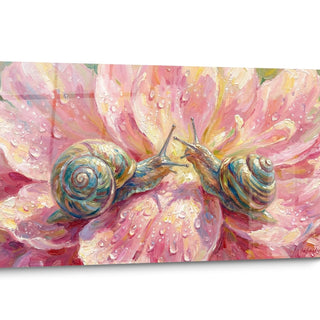 Snail11
artworks
Snail11
artworks
-
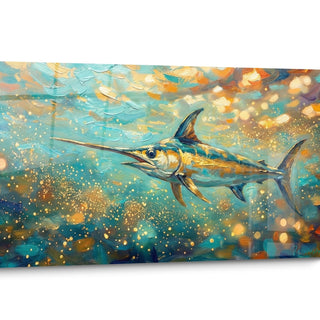 Swordfish4
artworks
Swordfish4
artworks
-
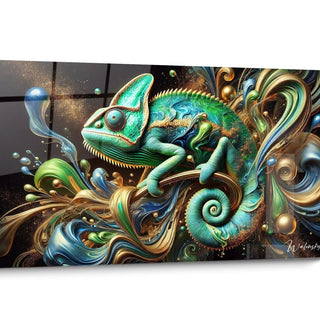 Wild Essence25
artworks
Wild Essence25
artworks
-
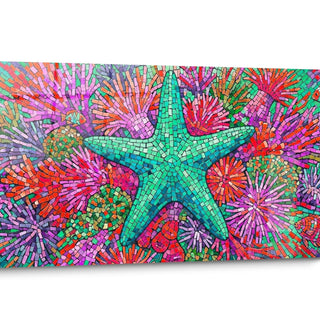 Starfish19
artworks
Starfish19
artworks
-
 Falcon16
artworks
Falcon16
artworks
-
 Fennec256
artworks
Fennec256
artworks
-
 Pink Flamingo30
artworks
Pink Flamingo30
artworks
-
 Ant19
artworks
Ant19
artworks
-
 Ferret17
artworks
Ferret17
artworks
-
 Gazelle4
artworks
Gazelle4
artworks
-
 Giraffe183
artworks
Giraffe183
artworks
-
 Wildebeest3
artworks
Wildebeest3
artworks
-
 Gorilla15
artworks
Gorilla15
artworks
-
 Frog65
artworks
Frog65
artworks
-
 Grizzly3
artworks
Grizzly3
artworks
-
 Crane10
artworks
Crane10
artworks
-
 Cheetah147
artworks
Cheetah147
artworks
-
 Hamster17
artworks
Hamster17
artworks
-
 Hedgehog64
artworks
Hedgehog64
artworks
-
 Heron37
artworks
Heron37
artworks
-
 Owl42
artworks
Owl42
artworks
-
 Seahorse34
artworks
Seahorse34
artworks
-
 Hippopotamus4
artworks
Hippopotamus4
artworks
-
 Lobster8
artworks
Lobster8
artworks
-
 Hyena14
artworks
Hyena14
artworks
-
 Iguana6
artworks
Iguana6
artworks
-
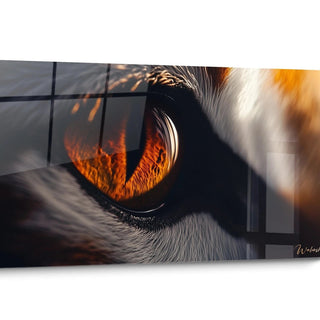 Animal Eye6
artworks
Animal Eye6
artworks
-
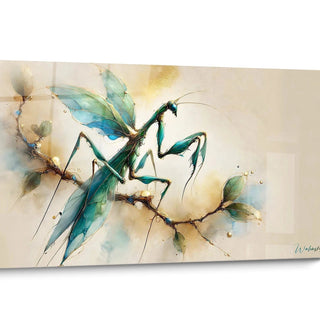 Insect5
artworks
Insect5
artworks
-
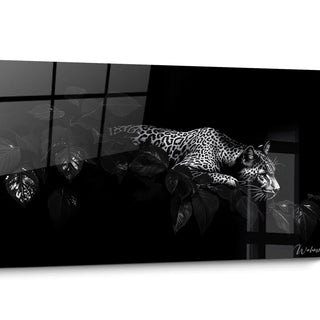 Jaguar6
artworks
Jaguar6
artworks
-
 Kangaroo100
artworks
Kangaroo100
artworks
-
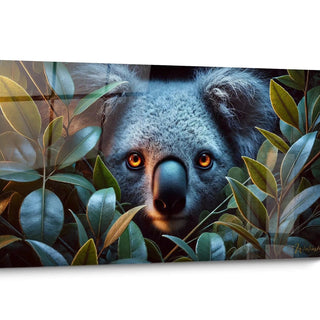 Koala18
artworks
Koala18
artworks
-
 Llama107
artworks
Llama107
artworks
-
 Rabbit15
artworks
Rabbit15
artworks
-
 Lemur3
artworks
Lemur3
artworks
-
 Dragonfly4
artworks
Dragonfly4
artworks
-
 Unicorn62
artworks
Unicorn62
artworks
-
 Lion193
artworks
Lion193
artworks
-
 Lion Cub4
artworks
Lion Cub4
artworks
-
 Lioness6
artworks
Lioness6
artworks
-
 Wolf13
artworks
Wolf13
artworks
-
 Otter6
artworks
Otter6
artworks
-
 Lynx7
artworks
Lynx7
artworks
-
 Puffin2
artworks
Puffin2
artworks
-
 Penguin10
artworks
Penguin10
artworks
-
 Jellyfish17
artworks
Jellyfish17
artworks
-
 Morse3
artworks
Morse3
artworks
-
 Seagull4
artworks
Seagull4
artworks
-
 Mold14
artworks
Mold14
artworks
-
 Sheep6
artworks
Sheep6
artworks
-
 Narwhal66
artworks
Narwhal66
artworks
-
 Ocelot3
artworks
Ocelot3
artworks
-
 Birds15
artworks
Birds15
artworks
-
 Orangutan10
artworks
Orangutan10
artworks
-
 Orca28
artworks
Orca28
artworks
-
 Brown Bear334
artworks
Brown Bear334
artworks
-
 Polar Bear289
artworks
Polar Bear289
artworks
-
 Sea Urchin9
artworks
Sea Urchin9
artworks
-
 Giant Panda69
artworks
Giant Panda69
artworks
-
 Red Panda11
artworks
Red Panda11
artworks
-
 Panther19
artworks
Panther19
artworks
-
 Snow Leopard8
artworks
Snow Leopard8
artworks
-
 Black Panther10
artworks
Black Panther10
artworks
-
 Peacock128
artworks
Peacock128
artworks
-
 Butterfly14
artworks
Butterfly14
artworks
-
 Lazy Sloth3
artworks
Lazy Sloth3
artworks
-
 Pelican3
artworks
Pelican3
artworks
-
 Parrot211
artworks
Parrot211
artworks
-
 Parakeet5
artworks
Parakeet5
artworks
-
 Seal5
artworks
Seal5
artworks
-
 Pigeon10
artworks
Pigeon10
artworks
-
 Penguin274
artworks
Penguin274
artworks
-
 Feather60
artworks
Feather60
artworks
-
 Fish18
artworks
Fish18
artworks
-
 Betta Fish12
artworks
Betta Fish12
artworks
-
 Octopus59
artworks
Octopus59
artworks
-
 Puma3
artworks
Puma3
artworks
-
 Manta Ray67
artworks
Manta Ray67
artworks
-
 Raccoon2
artworks
Raccoon2
artworks
-
 Fox141
artworks
Fox141
artworks
-
 Shark126
artworks
Shark126
artworks
-
 Rhinoceros21
artworks
Rhinoceros21
artworks
-
 Salamander14
artworks
Salamander14
artworks
-
 Wild Boar15
artworks
Wild Boar15
artworks
-
 Scarab73
artworks
Scarab73
artworks
-
 Scorpion9
artworks
Scorpion9
artworks
-
 Serpent102
artworks
Serpent102
artworks
-
 Monkey14
artworks
Monkey14
artworks
-
 Meerkat1
artwork
Meerkat1
artwork
-
 Tapir52
artworks
Tapir52
artworks
-
 Armadillo3
artworks
Armadillo3
artworks
-
 Bull281
artworks
Bull281
artworks
-
 Tiger316
artworks
Tiger316
artworks
-
 Sea Turtle18
artworks
Sea Turtle18
artworks
-
 Terrestrial Turtle14
artworks
Terrestrial Turtle14
artworks
-
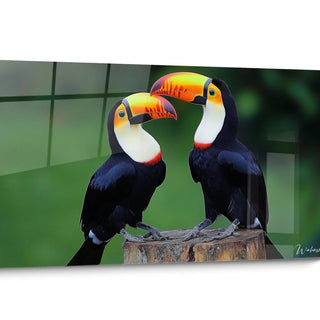 Toucan7
artworks
Toucan7
artworks
-
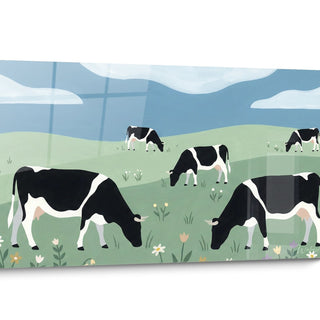 Cow9
artworks
Cow9
artworks
-
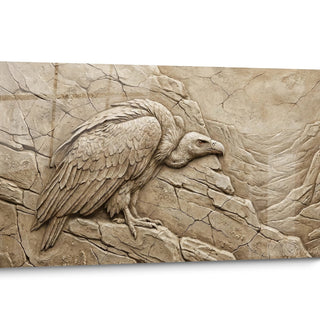 Vulture5
artworks
Vulture5
artworks
-
 Zebra49
artworks
Zebra49
artworks


All about Pheasant Painting
- Presentation of the Heron Painting
- Silhouette and long beak
- Lights of the foreshore
- Crossed materials and techniques
The Heron Painting collection brings together works that share a common subject but never the same perspective: a long-beaked wading bird, always depicted in a waterside environment, sometimes refined to geometric abstraction, sometimes brimming with material and color. What strikes you first is this diversity of treatments around a recognizable silhouette — the fineness of the beak, the upright posture, the patient gait of wading birds.
These Heron paintings are for those seeking an animal presence without exuberance, a motif that installs calm rather than movement. The bird is always alone, never agitated, as if frozen in a wait that sets the tempo for the entire room where it is hung. It is this quality of suspension, common to each interpretation, that gives the collection its profound unity.
The palettes vary intentionally: sand and sage green for the most subdued compositions, ochre and coral for dawn scenes, turquoise and violet for the most vibrant versions. This amplitude allows the collection to adapt to very different interiors, from a mineral living room to a more expressive room, without ever abandoning what defines its coherence: a coastal bird, a light that tells a specific time of day, a silence that is read in each feather.
Choosing a Heron painting means opting for a decoration that doesn't shout but lasts in the gaze. It is a collection for lovers of discreet nature, those who prefer the elegance of a long beak tilted towards the water to the demonstration of a spectacular animal.
How the shape of the heron imposes itself on the composition of the paintings
Why does this long beak always dominate the scene?
On each Heron painting, the eye is immediately drawn to this tapered beak that inclines, like a needle, towards the water or a distant horizon. This proportion is not an arbitrary aesthetic choice: in wading birds, the disproportionate beak serves to probe the mud in search of worms and mollusks, an adaptation that has shaped the entire silhouette of the bird. By placing it at the center of the composition, these works transform a survival tool into pure graphic line, a stroke that structures the space and gives each canvas its silent diagonal.
The immobile posture, a recurring compositional choice
None of these canvases shows the bird in full flight or in full agitation: the heron is always standing, frozen, almost sculptural. This choice reflects the real behavior of these wading birds, capable of remaining motionless for long minutes in order not to betray their presence to prey and predators. Reproduced in these paintings, this immobility becomes a compositional principle: it allows the gaze to settle durably, without distraction, and confers on each piece hung a rare quality of silence in wall decoration.
Slender legs that redraw the visual balance
The slender legs, often tinted red or ochre, occupy little surface area but bear the entire visual weight of the composition: they anchor the bird to the ground while accentuating its slender verticality. This anatomical finesse, characteristic of wading birds accustomed to the muddy soils of the foreshore, allows a Heron painting to play on a contrast of masses — a dense body at the top, an almost filamentous base — that dynamizes any wall without overloading the space around it.
How the light of the Heron paintings restores a precise hour on the foreshore
Where does this golden light that runs through so many compositions come from?
The amber hue found in many Heron paintings is not a chromatic fantasy: it corresponds to the grazing light of early morning, that which sweeps the foreshore at the precise moment when these birds feed, just after the tide recedes. This liminal hour, neither night nor full day, produces long shadows and coppery reflections on the stagnant water. By reproducing it, these works capture a moment that few walkers actually observe, reserved for early risers on the seashore.
Why is pastel blue returning in the background?
The faded blue that structures so many backgrounds is not simply a decorative choice: it translates the characteristic morning mist of estuaries and lagoons, those areas where humid air dilutes the contours of the horizon. This cottony atmosphere, typical of temperate wetlands where snipes and woodcocks live, gives each wall art a depth that is almost unreal. Hung in a room, this diffused light brings a feeling of open space, like a discreet window onto a misty shore.
The role of the suspended sun in the scene
Several compositions place a coral or golden solar disc in the background, almost like a second presence facing the bird. This disc recalls the low position of the sun on open coasts, where nothing comes to interrupt the horizon line. This visual choice, far from being anecdotal, anchors each Snipe wall art in a specific place and a suggested season, transforming a simple animal portrait into a complete landscape, inhabited by the passage of time.
Why do Snipe wall arts blend so many different techniques?
What does the mix of sculpted materials and vibrant colors tell?
Some works in the collection treat the reed bed and sand as an almost mineral material, cracked, sculpted in reliefs, while others explode in saturated colors and thick impasto. This great technical gap is explained by the very nature of the subject: the snipe evolves in double landscapes, both arid on the surface and gorged with water in depth. A Snipe wall art can thus choose to reproduce the cracked texture of a dried-up soil or, conversely, the fluid movement of water and surrounding flowers.
Why do some versions seem almost photographic?
The spotted plumage of the snipe, with its shades of brown, white and terracotta, is particularly well suited to a very detailed, almost documentary rendering, which highlights each individual feather. This precision is not accidental: it responds to the actual structure of the bird's cryptic plumage, designed by nature to blend in with the mud and grasses of the shore. Reproduced with meticulousness, this texture gives some canvases a present almost tactile, where one can guess the grain of each feather.
Water painted in swirls, a motif that changes everything
When water is no longer just a background but a motif in its own right, painted in concentric spirals and pink or orange reflections, the composition changes in nature: the bird becomes an element among others in a wider swirl. This expressive treatment, with a palette knife or in wide runs, recalls that the snipe constantly lives at the edge of an unstable liquid mirror. A Snipe wall art built on this principle brings to a wall a much more moving energy than the most refined compositions in the collection.
FAQ about Snipe wall arts
Why is the snipe so little represented in wall decor compared to other birds?
Unlike herons or flamingos, the snipe lives hidden in the reeds and grasslands, rarely visible in full daylight. This natural discretion explains its scarcity in decoration: it requires a more attentive, less spectacular look, which seduces mainly lovers of silent nature rather than lovers of emblematic animals.
Is a Snipe wall art suitable for a very bright room facing outwards?
Yes, particularly well: the sand, pastel blue and raking light palettes naturally dialogue with a room bathed in natural light, extending the feeling of a shore rather than contradicting it. The effect is enhanced if the room already overlooks a garden, a terrace or a clear horizon.
Why are some woodcocks painted in unreal colors like turquoise or violet?
This chromatic choice deliberately moves away from the natural, brown and spotted plumage, to transform the bird into a decorative motif in its own right. These versions are for those who want a more graphic and vibrant animal presence, without seeking the naturalist accuracy of the more faithful representations in the collection.


