


Wolf Art Prints
Discover our Wild Wolf Art Prints collection, a series of captivating wall art pieces that highlight the majesty of the wolf in all its splendor. Each artwork captures the power and freedom of this emblematic animal, offering a presence that is both mysterious and intense. This collection is perfect for those who wish to infuse an untamed spirit into their interior, adding a touch of wild and natural elegance to any space. Let yourself be seduced by the aura of the wolf through these unique creations.
 Alpha Twilight Canvas - Wolf Animals Edition273,90 €
 White Wisdom Canvas - Wolf Animals Edition273,90 €
 Echo of the Forest Wall Art - Wolf Animals Edition273,90 €
 Guardian of the Dawn Wall Art - Wolf Animals Edition273,90 €
 Shadow Guardian Wall Art - Wolf Animals Edition273,90 €
 The Spirit of the Wind Artwork - Wolf Animals Edition273,90 €
 The Howler's Eye Artwork - Wolf Animals Edition273,90 €
 Wolf Echo of the Mountains - Wolf Edition Painting228,90 €
 Wolf Painting Breath of Midnight - Wolf Edition228,90 €
 Whispers of the North - Wolf Animals Edition273,90 €
 King of the Wild Lands Wall Art - Wolf Animals Edition273,90 €
 Wolf Wisdom Immortal Wall Art - Animals Edition273,90 €
 Chromatic Breath of Fauna Canvas - Limited Edition🥇273,90 €
In the same family
Also explore the theme Animals
-
 View all10974
artworks
View all10974
artworks
-
 Bee54
artworks
Bee54
artworks
-
 Eagle18
artworks
Eagle18
artworks
-
 Alpaca111
artworks
Alpaca111
artworks
-
 Donkey15
artworks
Donkey15
artworks
-
 Savannah Wildlife94
artworks
Savannah Wildlife94
artworks
-
 Antelope5
artworks
Antelope5
artworks
-
 Spider8
artworks
Spider8
artworks
-
 Other Animals24
artworks
Other Animals24
artworks
-
 Ostrich75
artworks
Ostrich75
artworks
-
 Axolotl47
artworks
Axolotl47
artworks
-
 Whale89
artworks
Whale89
artworks
-
 Barracuda61
artworks
Barracuda61
artworks
-
 Snipe32
artworks
Snipe32
artworks
-
 Ram315
artworks
Ram315
artworks
-
 Beluga169
artworks
Beluga169
artworks
-
 Hermit-Crab12
artworks
Hermit-Crab12
artworks
-
 Doe10
artworks
Doe10
artworks
-
 Bison8
artworks
Bison8
artworks
-
 Badger59
artworks
Badger59
artworks
-
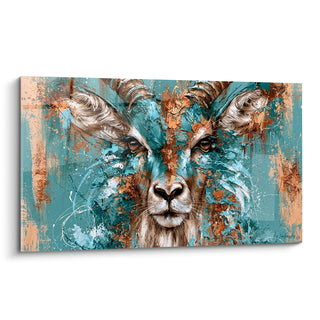 Chamois32
artworks
Chamois32
artworks
-
 Buffalo91
artworks
Buffalo91
artworks
-
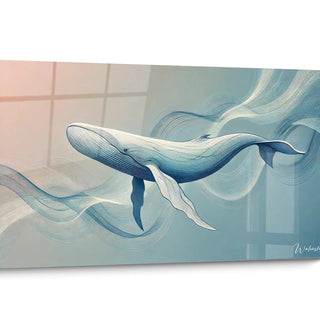 Sperm Whale8
artworks
Sperm Whale8
artworks
-
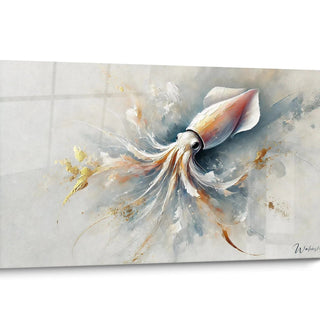 Giant Squid6
artworks
Giant Squid6
artworks
-
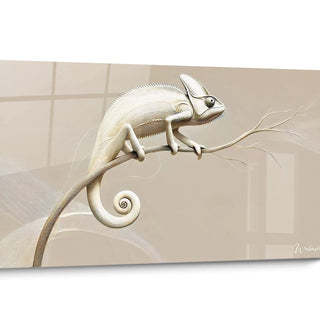 Chameleon20
artworks
Chameleon20
artworks
-
 Duck352
artworks
Duck352
artworks
-
 Capybara3
artworks
Capybara3
artworks
-
 Caracal15
artworks
Caracal15
artworks
-
 Caribou4
artworks
Caribou4
artworks
-
 Koi Carp130
artworks
Koi Carp130
artworks
-
 Beaver9
artworks
Beaver9
artworks
-
 Deer26
artworks
Deer26
artworks
-
 Camel3
artworks
Camel3
artworks
-
 Cat1218
artworks
Cat1218
artworks
-
 Bat10
artworks
Bat10
artworks
-
 Horse73
artworks
Horse73
artworks
-
 Mountain Goat3
artworks
Mountain Goat3
artworks
-
 Dog3055
artworks
Dog3055
artworks
-
 Chimpanzee12
artworks
Chimpanzee12
artworks
-
 Owl19
artworks
Owl19
artworks
-
 Stork16
artworks
Stork16
artworks
-
 Ladybug7
artworks
Ladybug7
artworks
-
 Pig8
artworks
Pig8
artworks
-
 Guinea Pig13
artworks
Guinea Pig13
artworks
-
 Hummingbird23
artworks
Hummingbird23
artworks
-
 Dove90
artworks
Dove90
artworks
-
 Rooster9
artworks
Rooster9
artworks
-
 Seashell6
artworks
Seashell6
artworks
-
 Raven9
artworks
Raven9
artworks
-
 Crab5
artworks
Crab5
artworks
-
 Toad8
artworks
Toad8
artworks
-
 Shrimp5
artworks
Shrimp5
artworks
-
 Crocodile4
artworks
Crocodile4
artworks
-
 Swan189
artworks
Swan189
artworks
-
 Dolphin11
artworks
Dolphin11
artworks
-
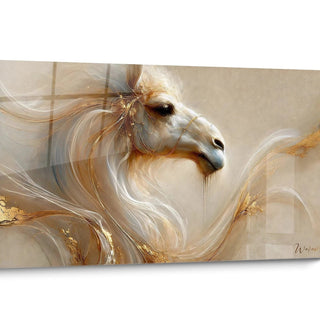 Dromedary4
artworks
Dromedary4
artworks
-
 Squirrel15
artworks
Squirrel15
artworks
-
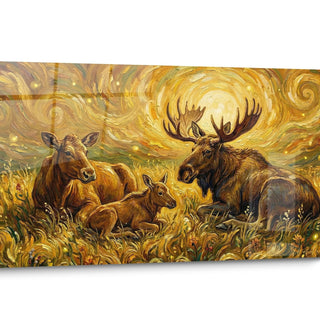 Elan13
artworks
Elan13
artworks
-
 Elephant80
artworks
Elephant80
artworks
-
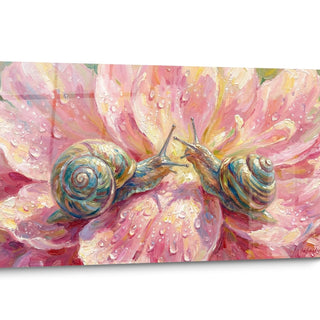 Snail11
artworks
Snail11
artworks
-
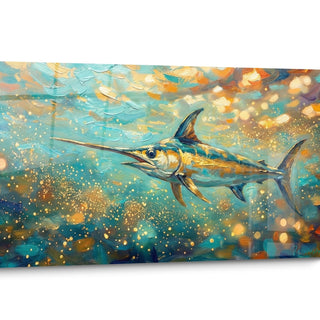 Swordfish4
artworks
Swordfish4
artworks
-
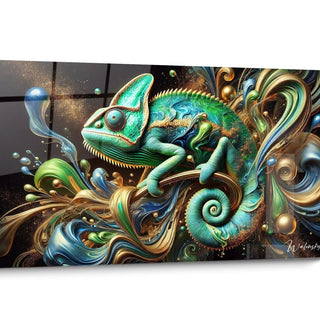 Wild Essence25
artworks
Wild Essence25
artworks
-
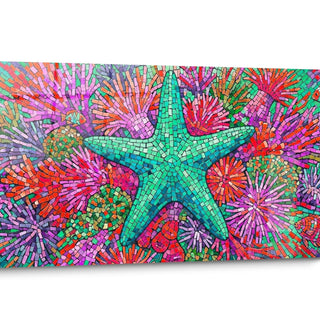 Starfish19
artworks
Starfish19
artworks
-
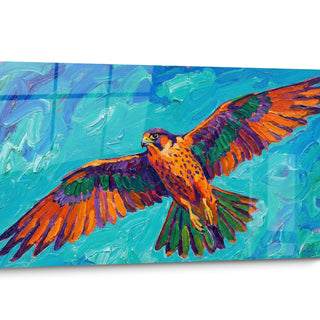 Falcon16
artworks
Falcon16
artworks
-
 Fennec256
artworks
Fennec256
artworks
-
 Pink Flamingo30
artworks
Pink Flamingo30
artworks
-
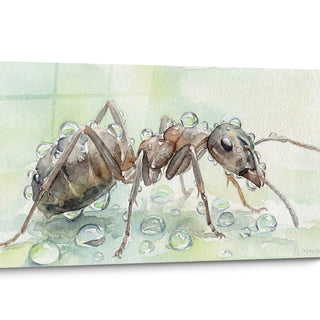 Ant19
artworks
Ant19
artworks
-
 Ferret17
artworks
Ferret17
artworks
-
 Gazelle4
artworks
Gazelle4
artworks
-
 Giraffe183
artworks
Giraffe183
artworks
-
 Wildebeest3
artworks
Wildebeest3
artworks
-
 Gorilla15
artworks
Gorilla15
artworks
-
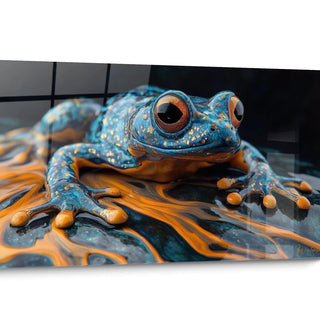 Frog65
artworks
Frog65
artworks
-
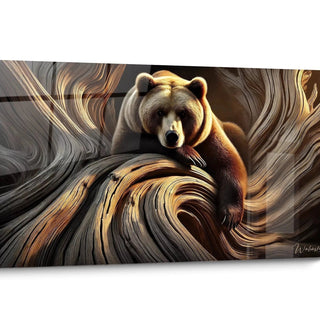 Grizzly3
artworks
Grizzly3
artworks
-
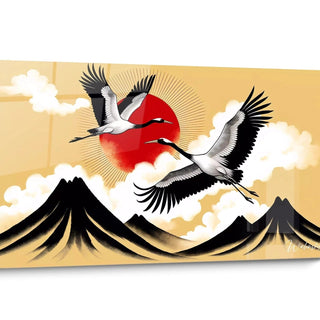 Crane10
artworks
Crane10
artworks
-
 Cheetah147
artworks
Cheetah147
artworks
-
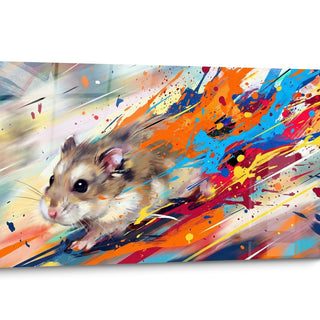 Hamster17
artworks
Hamster17
artworks
-
 Hedgehog64
artworks
Hedgehog64
artworks
-
 Heron37
artworks
Heron37
artworks
-
 Owl42
artworks
Owl42
artworks
-
 Seahorse34
artworks
Seahorse34
artworks
-
 Hippopotamus4
artworks
Hippopotamus4
artworks
-
 Lobster8
artworks
Lobster8
artworks
-
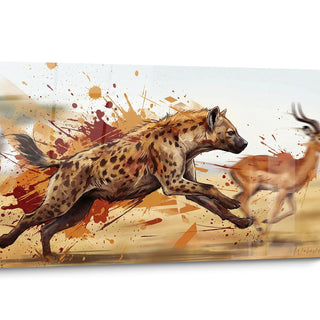 Hyena14
artworks
Hyena14
artworks
-
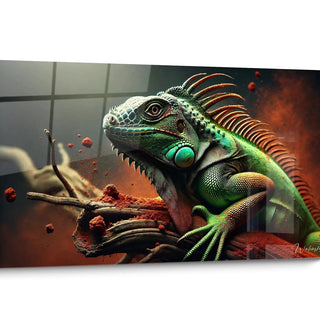 Iguana6
artworks
Iguana6
artworks
-
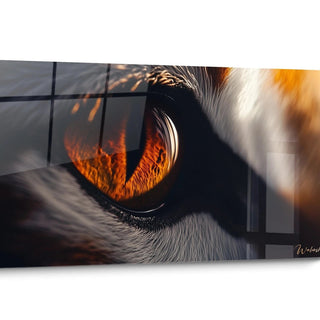 Animal Eye6
artworks
Animal Eye6
artworks
-
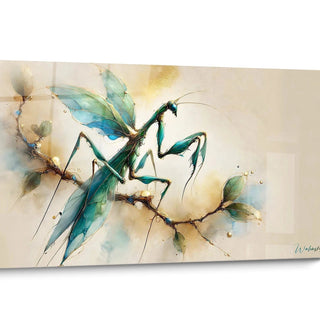 Insect5
artworks
Insect5
artworks
-
 Jaguar6
artworks
Jaguar6
artworks
-
 Kangaroo100
artworks
Kangaroo100
artworks
-
 Koala18
artworks
Koala18
artworks
-
 Llama107
artworks
Llama107
artworks
-
 Rabbit15
artworks
Rabbit15
artworks
-
 Lemur3
artworks
Lemur3
artworks
-
 Dragonfly4
artworks
Dragonfly4
artworks
-
 Unicorn62
artworks
Unicorn62
artworks
-
 Lion193
artworks
Lion193
artworks
-
 Lion Cub4
artworks
Lion Cub4
artworks
-
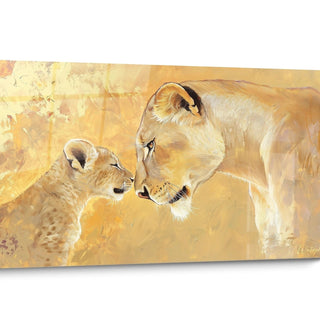 Lioness6
artworks
Lioness6
artworks
-
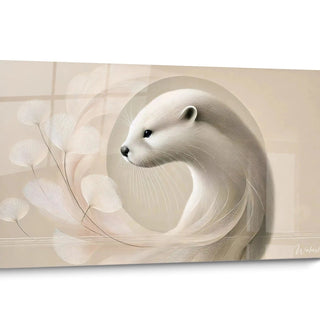 Otter6
artworks
Otter6
artworks
-
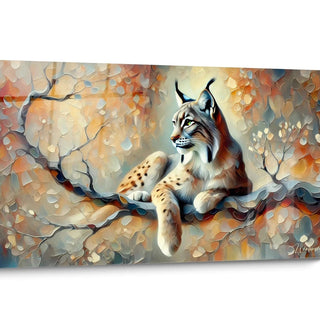 Lynx7
artworks
Lynx7
artworks
-
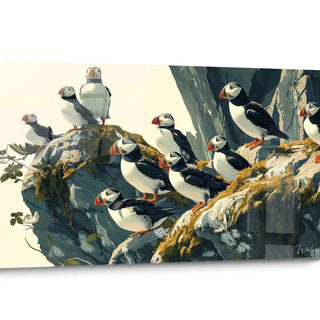 Puffin2
artworks
Puffin2
artworks
-
 Penguin10
artworks
Penguin10
artworks
-
 Jellyfish17
artworks
Jellyfish17
artworks
-
 Morse3
artworks
Morse3
artworks
-
 Seagull4
artworks
Seagull4
artworks
-
 Mold14
artworks
Mold14
artworks
-
 Sheep6
artworks
Sheep6
artworks
-
 Narwhal66
artworks
Narwhal66
artworks
-
 Ocelot3
artworks
Ocelot3
artworks
-
 Birds15
artworks
Birds15
artworks
-
 Orangutan10
artworks
Orangutan10
artworks
-
 Orca28
artworks
Orca28
artworks
-
 Brown Bear334
artworks
Brown Bear334
artworks
-
 Polar Bear289
artworks
Polar Bear289
artworks
-
 Sea Urchin9
artworks
Sea Urchin9
artworks
-
 Giant Panda69
artworks
Giant Panda69
artworks
-
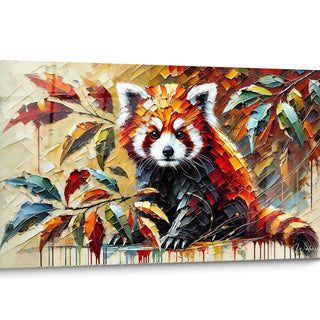 Red Panda11
artworks
Red Panda11
artworks
-
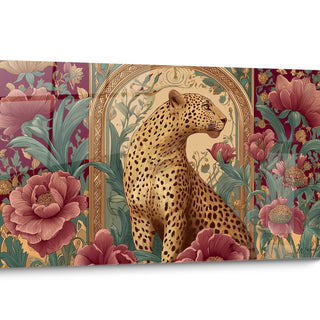 Panther19
artworks
Panther19
artworks
-
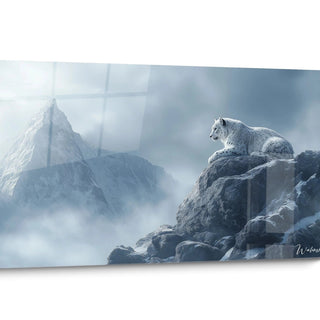 Snow Leopard8
artworks
Snow Leopard8
artworks
-
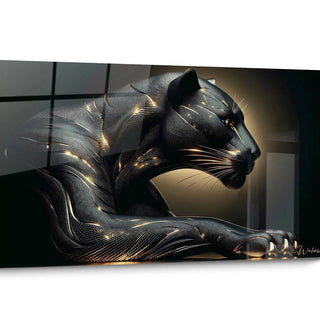 Black Panther10
artworks
Black Panther10
artworks
-
 Peacock128
artworks
Peacock128
artworks
-
 Butterfly14
artworks
Butterfly14
artworks
-
 Lazy Sloth3
artworks
Lazy Sloth3
artworks
-
 Pelican3
artworks
Pelican3
artworks
-
 Parrot211
artworks
Parrot211
artworks
-
 Parakeet5
artworks
Parakeet5
artworks
-
 Seal5
artworks
Seal5
artworks
-
 Pigeon10
artworks
Pigeon10
artworks
-
 Penguin274
artworks
Penguin274
artworks
-
 Feather60
artworks
Feather60
artworks
-
 Fish18
artworks
Fish18
artworks
-
 Betta Fish12
artworks
Betta Fish12
artworks
-
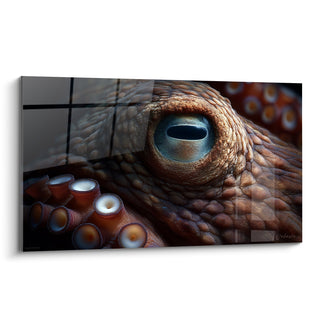 Octopus59
artworks
Octopus59
artworks
-
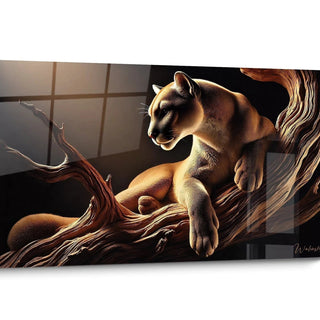 Puma3
artworks
Puma3
artworks
-
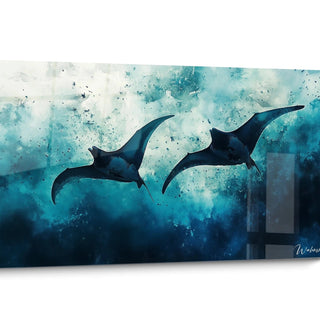 Manta Ray67
artworks
Manta Ray67
artworks
-
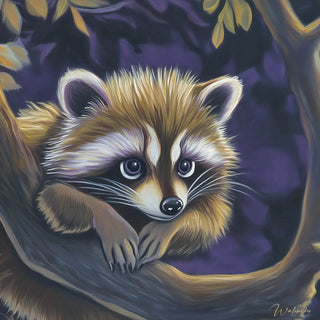 Raccoon2
artworks
Raccoon2
artworks
-
 Fox141
artworks
Fox141
artworks
-
 Shark126
artworks
Shark126
artworks
-
 Rhinoceros21
artworks
Rhinoceros21
artworks
-
 Salamander14
artworks
Salamander14
artworks
-
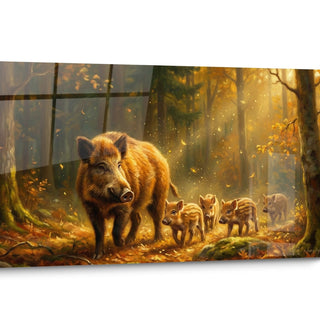 Wild Boar15
artworks
Wild Boar15
artworks
-
 Scarab73
artworks
Scarab73
artworks
-
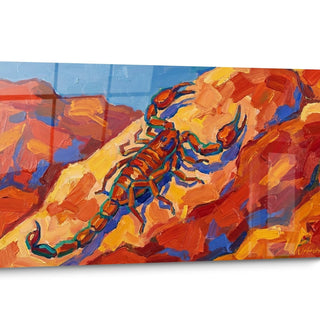 Scorpion9
artworks
Scorpion9
artworks
-
 Serpent102
artworks
Serpent102
artworks
-
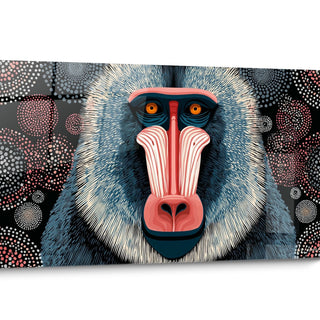 Monkey14
artworks
Monkey14
artworks
-
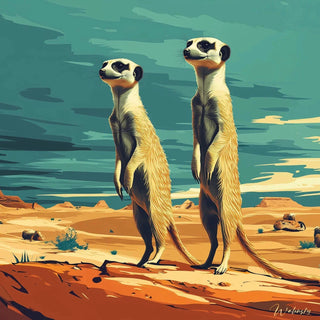 Meerkat1
artwork
Meerkat1
artwork
-
 Tapir52
artworks
Tapir52
artworks
-
 Armadillo3
artworks
Armadillo3
artworks
-
 Bull281
artworks
Bull281
artworks
-
 Tiger316
artworks
Tiger316
artworks
-
 Sea Turtle18
artworks
Sea Turtle18
artworks
-
 Terrestrial Turtle14
artworks
Terrestrial Turtle14
artworks
-
 Toucan7
artworks
Toucan7
artworks
-
 Cow9
artworks
Cow9
artworks
-
 Vulture5
artworks
Vulture5
artworks
-
 Zebra49
artworks
Zebra49
artworks


All about Wolf Art Prints
- Wolf Wall Art Presentation
- Wolf Wall Art Wild Decoration
- Wolf Wall Art Nordic Ambiance
- Wolf Wall Art Powerful Symbolism
Wolf wall art represents far more than simple wall decoration; it embodies the wild spirit and majesty of this emblematic predator in your interior space. These captivating artworks instantly transform a room's atmosphere, bringing a presence that is both mysterious and fascinating.
Artistic representations of wolves come in various styles, ranging from realistic portraits that highlight every detail of their fur to more abstract compositions that capture the essence of their untameable nature. These animal wall art pieces are particularly prized for their ability to create a powerful focal point in interior decoration.
Choosing a wolf wall art piece means introducing into your living space a powerful symbol of freedom, instinct, and connection with wild nature. Whether you're drawn to imagery of a pack howling at the moon or the striking representation of a solitary wolf's penetrating gaze, these mural artworks offer immersion into the fascinating universe of this legendary predator.
In the following sections, discover how these artworks can transform your interior, create authentic Nordic ambiance, and bring profound symbolic dimension to your decoration. Explore the multiple facets of these art pieces that celebrate the raw beauty and imposing presence of the wolf.
Wolf Wall Art: An Invitation to Wilderness in Your Home
Wolf wall art represents far more than simple wall decoration—it is a genuine window opening onto wilderness, bringing the essence of raw nature directly into your living space. These artistic representations of the legendary predator instantly transform a room's atmosphere, creating an environment that is both mysterious and majestic.
How do wolf wall art pieces transform a room's energy?
Introducing large-format wolf wall art into an interior profoundly modifies the energetic dynamic of the space. Unlike more domesticated representations of the animal kingdom, the wolf's image brings an almost tangible presence, infused with natural force and primitive instinct. These mural artworks act as a wild anchor point in our often over-sanitized environments, reminding us of our ancestral connection with the natural world.
In a modern living room with clean lines and neutral tones, a painting depicting a wolf in its natural habitat immediately creates striking contrast. The intensity of the predator's gaze, its alert posture, or the mystical aura often surrounding it in such artistic representations introduces a dimension of emotional depth that few other subjects can match.
The impact of snowy landscapes in wolf wall art
A particularly captivating feature of wolf wall art lies in its frequent association with winter landscapes. This pairing is far from coincidental—it considerably amplifies the dramatic effect of these works. The contrast between the wolf's dark or gray fur and the vast white expanse of a snowy landscape creates immediate visual tension that captivates the eye.
Large formats of these artworks allow you to transform an entire wall into a window toward the wild territories of the Far North. The visual immersion is then complete, instantly transporting the observer to these remote regions where the wolf reigns supreme. This sensation of instant escape constitutes one of the primary attractions of these imposing artistic representations.
• Large-format wolf wall art creates an unparalleled immersive effect
• Snow scenes amplify the predator's majestic presence
• The impression of depth visually transforms room dimensions
Which room is best suited for an imposing wolf wall art piece?
The evocative power of large-format wolf wall art requires strategic placement within the home. The dining room proves to be a particularly conducive location for these imposing works. Indeed, the symbolic presence of the predator, evoking the hunt and wild character, creates a primitive atmosphere that strikingly contrasts with the civilized act of shared meals.
The office or workspace also constitutes an ideal location. The depiction of the wolf, an animal known for its intelligence, endurance, and adaptability, unconsciously inspires these qualities in those who contemplate the artwork daily. The image of the solitary predator or organized pack reminds us of the importance of balance between autonomy and collaboration—a powerful visual reminder in a professional environment.
Bedrooms, contrary to common assumptions, can also welcome these artworks, particularly for those seeking deeper connection with their instinctive nature. The representation of a wolf in a resting or silent observation posture can foster a sense of protection and benevolent vigilance, creating an atmosphere conducive to the letting go necessary for restorative sleep.
Wolf wall art and its interaction with lighting
The wild dimension of wolf wall art takes on an entirely different magnitude depending on lighting conditions. Directional lighting, such as an adjustable LED spotlight, brings out the striking details of the fur and intensifies the hypnotic gleam of the predator's gaze. This targeted illumination transforms the two-dimensional artwork into an almost tangible presence in the space.
Variations in light intensity throughout the day constantly modify perception of these artworks. In the dimness of twilight, wolf silhouettes seem to come alive, their outlines blending into the gathering darkness as they would in their natural habitat. This changing character of the work, which evolves with light, brings dynamic dimension to interior decoration.
To maximize the visual impact of large-format wolf wall art, installing a variable-intensity lighting system allows you to adapt the ambiance according to the time of day and occasions. During social gatherings, more pronounced luminosity will highlight the artwork's magnificence, while dimmed evening light will accentuate its mysterious and intimate aspect.
The psychological effect of wolf wall art in daily space
Beyond their aesthetic qualities, wolf wall artworks exert a subtle yet profound influence on our mental state and daily behaviors. The constant visual presence of these predators in our domestic environment reconnects us with more instinctive aspects of our nature, often suppressed by modern social conventions.
Psychologists specializing in environmental impact on human behavior note that surrounding yourself with images of wild animals, particularly predators like wolves, can unconsciously stimulate qualities such as vigilance, determination, and adaptability. In a world where we are constantly solicited and distracted, this visual presence acts as a primitive anchor, reminding us of the importance of staying connected to our fundamental instincts.
For those regularly facing professional or social stress, daily contemplation of wolf wall art can constitute a silent yet powerful reminder of the importance of preserving one's mental and emotional territory. The wolf, an inherently territorial animal, inspires us to establish healthy boundaries in our own lives.
Wolf Wall Art: Immersion in the Nordic Universe
Wolf wall art constitutes the quintessence of Nordic aesthetics in mural art, bringing emotional depth and visceral connection to northern regions that few other subjects can equal. These artistic representations capture the very essence of Scandinavian and boreal landscapes, instantly transporting your interior into the mysterious atmospheres of snow-covered forests of the Far North.
The unique symbiosis between wolf wall art and Nordic decoration
In the world of interior decoration, wolf wall art occupies a privileged position when it comes to creating authentic Nordic ambiance. Unlike geometric patterns or more generic representations associated with Scandinavian style, the wolf's image immediately establishes deep connection with the cultural and mythological roots of Nordic peoples.
An interior inspired by contemporary Scandinavian design, characterized by clean lines and light tones, acquires a fascinating narrative dimension when completed by an imposing wolf wall art piece. The animal, often depicted in wild majesty, introduces powerful contrast—a primitive and untamed presence in an otherwise ordered and minimalist environment.
The characteristic colors of wolf wall art harmonize perfectly with the traditional Nordic palette. The shades of gray, white, and icy blue that often dominate these artworks echo the natural colors of Scandinavian winter landscapes. This chromatic coherence reinforces immersion in the Nordic universe and creates smooth visual transition between the artwork and its environment.
• The silvery grays of wolf fur complement the neutral tones of Scandinavian furniture
• Blue-white backgrounds evoke the particular luminosity of Arctic skies
• Shadow and light contrasts reflect long nights and Northern Lights
How do wolf wall artworks reflect the soul of boreal forests?
Boreal forests, these vast expanses of conifers encircling the Arctic polar circle, constitute the natural habitat of wolves in Nordic regions. Artworks depicting these predators in their forest environment capture the very essence of these unique ecosystems, marked by austere beauty and extraordinary resilience in the face of extreme climatic conditions.
Mural art featuring wolves at the heart of the taiga transposes into your interior the particular atmosphere of these centuries-old forests. The verticality of pine and spruce trunks, often present in the background, creates visual rhythm that structures pictorial space and, by extension, architectural space where the artwork is displayed. This natural architecture echoes fundamental principles of Nordic design, where harmonious relationship with nature constitutes a central value.
The representation of wolves moving between trees also evokes the notion of passage, of silent and fluid movement through a hostile yet familiar world. This visual dynamic brings narrative dimension to the artwork that transcends its purely decorative function. The observer is invited to mentally follow the predator's path, to imagine its furtive movements through white immensity, thereby creating an immersive experience that transforms perception of domestic space.
Wolf wall art and Nordic light: a visual symphony
Nordic light, characterized by its oblique quality and extreme seasonal variations, plays a dominant role in the visual impact of wolf wall art. Artists specializing in these representations master the art of capturing light effects specific to northern latitudes—from blue glows of Arctic winter to golden flares of brief Nordic summers.
In contemporary interiors, these artworks act as virtual windows onto these particularly unique luminous phenomena. A large format depicting a wolf beneath Northern Lights, for example, introduces into domestic space not only the predator's image but also the chromatic magic of this celestial spectacle. The phosphorescent greens and deep purples characteristic of auroras then create chromatic accent points that enliven the entire decoration.
Artworks depicting wolves in twilight light—that transitional moment so prolonged under northern latitudes—capture this particular atmosphere between dusk and darkness where outlines blur and silhouettes acquire an almost phantasmagoric presence. This atmospheric quality transforms daily visual experience, introducing moments of contemplation and mystery into domestic routine.
Integration of wolf wall art in Nordic-inspired interiors
Incorporating wolf wall art into a Nordic-inspired space responds to both aesthetic and symbolic considerations. In Scandinavian interior design tradition, each element must find its place within overall harmony while maintaining its own function—whether utilitarian or spiritual.
Horizontal panoramic formats, particularly suited to representations of wolves in snowy landscapes, create a horizon effect that visually widens space. Installed in modest-sized rooms, these artworks produce an impression of openness and depth that counterbalances physical constraints. This ability to transcend architectural limitations makes wolf wall art valuable allies in contemporary interior design.
For optimal integration, wolf wall artworks ideally accompany complementary natural elements—raw wood, stone, textiles in natural fibers—that reinforce connection with the wild environment they represent. An imposing artwork depicting a solitary wolf in snow realizes its full dimension when accompanied by light-wood accessories left untreated, blankets in raw wool, or polished stones shaped by elements.
The mythological dimension of wolf wall art in Nordic culture
Wolf wall art draws deeply from the rich mythological heritage of Nordic cultures, where this animal holds prominent place. From Fenrir, the gigantic wolf of Norse mythology, to wolves Sköll and Hati eternally pursuing the sun and moon, these lupine figures permeate Scandinavian collective imagination and subtly transpire in contemporary artistic representations.
Integrating wolf wall art into an interior also means incorporating a fragment of this mythological narrative. Works depicting wolves howling at the moon unconsciously reference these cosmological myths, while individual portraits evoking predator power and cunning allude to qualities attributed to Norse gods and heroes of the sagas.
This narrative dimension considerably enriches daily experience of inhabited space. Beyond their evident aesthetic qualities, wolf wall artworks become symbolic anchor points, silent reminders of foundational narratives that shaped Norse peoples' worldview. Their presence in contemporary interiors thus establishes a bridge between present and mythic past, between domestic space and vast wild territories of the Far North.
Wolf Wall Art: Exploration of Deep Symbolism
Wolf wall art transcends its purely decorative dimension to establish itself as a true symbolic vector in inhabited space. These mural representations of the legendary predator constitute portals toward a universe of ancestral meanings, reactivating in our daily lives archetypes deeply rooted in collective unconscious.
The unique evocative power of wolf wall art in personal space
Introducing wolf wall art into an intimate space such as a bedroom or personal office subtly transforms the psychological dynamic of that environment. Unlike representations of other domestic or wild animals, the wolf's image immediately establishes connection with nearly archetypal aspects of human psyche—the duality between nature and culture, between instinct and reason.
Artworks depicting the piercing gaze of a wolf in close-up exert particular fascination. This face-to-face with the predator, even in artistic form, activates profound and instinctive emotional responses. The intensity of this animal gaze, often icy blue or deep amber, creates a troubling sensation of non-human intelligence observing and assessing us.
In spaces dedicated to meditation or personal development, these mural artworks can serve as powerful contemplative supports. The visual presence of the wolf, an animal associated in many spiritual traditions with intuition and instinctive knowledge, invites a form of silent communication with more primitive and authentic aspects of our being.
• Monochromatic wolf wall art favors introspection and concentration
• Representations of entire packs evoke notions of community and belonging
• Portraits of solitary wolves resonate with themes of independence and autonomy
How do wolf wall artworks influence creative energy in a space?
Creators, artists, and entrepreneurs who integrate wolf wall art into their workspaces frequently report significant impact on their creative process. The constant visual presence of the predator, symbol of adaptability and strategic intelligence, seems to catalyze qualities particularly precious in innovative approaches.
Large formats depicting wolves in action—whether represented in full stride or in ambush position—introduce into space a dynamic of movement and intention that contrasts with the habitual immobility of surrounding objects. This visual tension unconsciously stimulates kinesthetic energy and can foster more intuitive and fluid approach to creative challenges.
The wolf, as a territorial animal that demarcates and defends its space, also reminds us of the importance of preserving integrity of creative territory. In a professional world marked by constant solicitation and attention dilution, this visual reminder can help maintain concentration necessary for authentic innovation processes.
The initiatory dimension of wolf wall art in transitional spaces
Corridors, vestibules, and passage areas constitute particularly significant locations for wolf wall art installation. These transitional zones of the home echo the wolf's very nature, an animal associated in many traditions with passages between different states or worlds.
An artwork depicting a wolf crossing a natural frontier—a frozen river, forest edge, or mountain ridge—placed in domestic transitional space creates powerful symbolic parallel. The predator's image crossing these natural thresholds visually accompanies daily passage of inhabitants between different spheres of their life—from public to private, from social to intimate, from activity to rest.
In homes with adolescents, a period of transition par excellence, wolf wall art can play particularly pertinent symbolic role. The image of this animal which, in nature, must leave its birth pack to sometimes establish its own territory, deeply resonates with issues of this crucial human development stage.
Wolf wall art as identity markers in shared space
In shared spaces such as living rooms or dining areas, imposing wolf wall art often functions as powerful identity markers. The choice to depict this particular animal, rather than other more consensual or decorative subjects, constitutes a subtle yet clear affirmation of certain values—independence of spirit, connection with wild nature, valorization of freedom.
Large formats depicting entire packs evoke family and social dynamics, visually illustrating the complex balance between individuality and collective belonging. In a space dedicated to shared living, these representations can serve as metaphorical supports for interpersonal relationships unfolding there daily.
For those attached to environmental values, integrating wolf wall art can also constitute an ecological statement. The wolf, an emblematic species often threatened and controversial, symbolizes preserved wild ecosystems and biodiversity. Its daily visual presence reminds of the importance of maintaining connection with these natural spaces, even at the heart of most urbanized environments.
The resonance of wolf wall art with natural cycles
Artworks depicting wolves in different seasons establish visual connection with natural cycles, often obscured in contemporary lifestyles. These mural art pieces become tangible reminders of fundamental rhythms governing the natural world and, by extension, our own biological existence.
Winter scenes, particularly frequent in lupine iconography, evoke periods of withdrawal, energy conservation, and limited resources. In an interior, these representations can inspire more contemplative and minimalist approach to daily existence. Conversely, rare artworks showing wolves in summer landscapes symbolize abundance, vitality, and expansion.
Some specialized artists even propose complete series illustrating the same wolf territory through different seasons. Progressive acquisition of these works allows you to create within domestic space a visual calendar accompanying actual seasonal transitions, thereby reinforcing connection with fundamental natural cycles.
FAQ on wolf wall art
What is the ideal size for wolf wall art in a modern living room?
For a modern living room, choose large-format wolf wall art, ideally starting from 100x70 cm minimum. These dimensions allow you to capture the striking details of the animal and create genuine visual impact. In spaces with unobstructed walls, a panoramic format of 150x80 cm or larger will truly transform your interior, creating an immersive window into the wolf's wild universe.
Is wolf wall art suitable for minimalist interiors?
Wolf wall art integrates remarkably well into minimalist interiors, particularly when presenting sober colors and refined compositions. Opt for black and white representations or blue-gray tonalities that will harmonize perfectly with minimalist aesthetics. The emotional intensity of the subject brings welcome depth that contrasts with the simple lines and surfaces characteristic of this decorative style.
How to maintain wolf wall art to preserve its visual impact?
To preserve your wolf wall art's visual impact, avoid direct exposure to sunlight which could alter colors over time. Regular dusting with a soft feather duster or dry microfiber cloth generally suffices to maintain its brilliance. For large-format wolf wall art, plan more thorough cleaning every six months, always dry, paying particular attention to areas depicting fur where dust can accumulate in textured details of the artwork.
L'art qui suscite l'envie
Maison belge d'art mural grand format
14 jourspour changer d'avis*
Protection Walenskyincluse
Fabriquéen Italie
FormatXXL
Kit de fixationtoujours fourni
* Hors tableaux personnalisés et tailles personnalisées


