


Spider Wall Art
Our Spider Wall Art captures the enigmatic beauty of these fascinating creatures. This artistic collection explores the mysterious world of arachnids through striking visual compositions. Perfect for lovers of contemporary animal art and bold wall decoration, each artwork reveals the architectural delicacy of webs and the graphic elegance of these misunderstood animals. Transform your interior with these creations that blend modern aesthetics and natural symbolism for unique visual impact.
 Green Spider Painting with Hypnotic Luminous Dots - Fascinating Gaze - Spider Edition273,90 €
 Spider with Multiple Golden Eyes and Green Reflections - Mystical Gaze - Spider Edition273,90 €
 Multicolor Spider Wall Art with Psychedelic Colors and Emerald Eyes - Chromatic Explosion - Spider Edition273,90 €
 Black and Red Spider on Gray Branch Canvas - Predator of Shadows - Spider Edition273,90 €
 Golden Spider on Cosmic Web Purple and Emerald Canvas - Stellar Majesty - Spider Edition273,90 €
 Black Spider in Its Web Illuminated by Stalactites - Mystery of the Caves - Spider Edition273,90 €
 Jumping Spider with Golden Eyes on Spider Web - Piercing Gaze - Spider Edition273,90 €
 Golden Spider on Cosmic Purple and Blue Canvas - Stellar Jewel - Spider Edition273,90 €
In the same family
Also explore the theme Animals
-
 View all10974
artworks
View all10974
artworks
-
 Bee54
artworks
Bee54
artworks
-
 Eagle18
artworks
Eagle18
artworks
-
 Alpaga111
artworks
Alpaga111
artworks
-
 Donkey15
artworks
Donkey15
artworks
-
 Savannah Wildlife94
artworks
Savannah Wildlife94
artworks
-
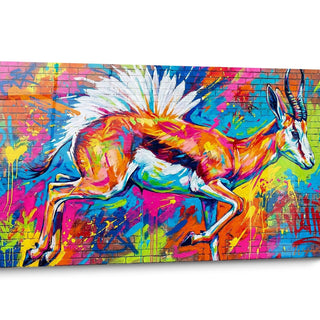 Antelope5
artworks
Antelope5
artworks
-
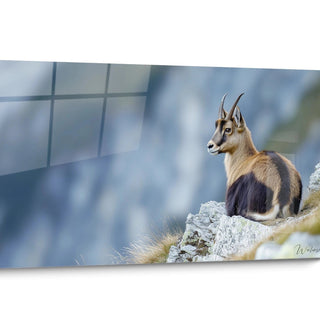 Other Animals24
artworks
Other Animals24
artworks
-
 Ostrich75
artworks
Ostrich75
artworks
-
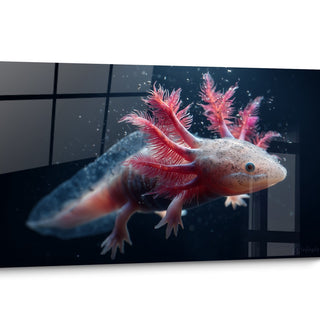 Axolotl47
artworks
Axolotl47
artworks
-
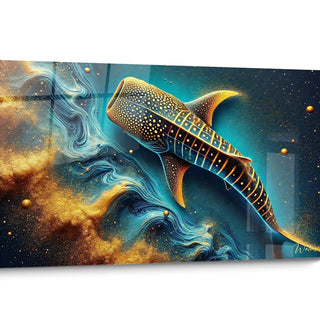 Whale89
artworks
Whale89
artworks
-
 Barracuda61
artworks
Barracuda61
artworks
-
 Bécasse32
artworks
Bécasse32
artworks
-
 Ram315
artworks
Ram315
artworks
-
 Beluga169
artworks
Beluga169
artworks
-
 Hermit-Crab12
artworks
Hermit-Crab12
artworks
-
 Doe10
artworks
Doe10
artworks
-
 Bison8
artworks
Bison8
artworks
-
 Blaireau59
artworks
Blaireau59
artworks
-
 Bouquetin32
artworks
Bouquetin32
artworks
-
 Buffalo91
artworks
Buffalo91
artworks
-
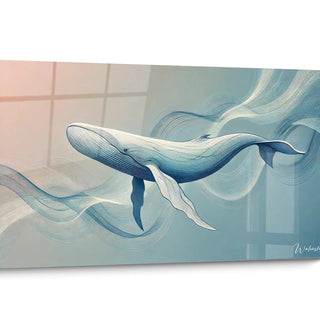 Sperm Whale8
artworks
Sperm Whale8
artworks
-
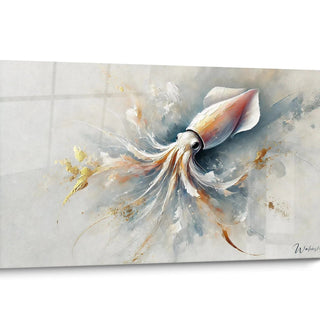 Giant Squid6
artworks
Giant Squid6
artworks
-
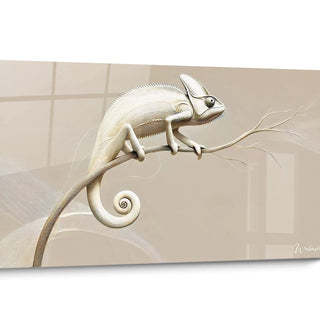 Chameleon20
artworks
Chameleon20
artworks
-
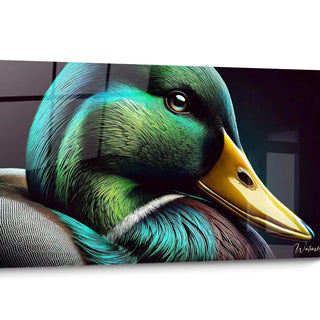 Duck352
artworks
Duck352
artworks
-
 Capybara3
artworks
Capybara3
artworks
-
 Caracal15
artworks
Caracal15
artworks
-
 Caribou4
artworks
Caribou4
artworks
-
 Koi Carp130
artworks
Koi Carp130
artworks
-
 Beaver9
artworks
Beaver9
artworks
-
 Deer26
artworks
Deer26
artworks
-
 Camel3
artworks
Camel3
artworks
-
 Cat1218
artworks
Cat1218
artworks
-
 Bat10
artworks
Bat10
artworks
-
 Horse73
artworks
Horse73
artworks
-
 Mountain Goat3
artworks
Mountain Goat3
artworks
-
 Dog3055
artworks
Dog3055
artworks
-
 Chimpanzee12
artworks
Chimpanzee12
artworks
-
 Owl19
artworks
Owl19
artworks
-
 Stork16
artworks
Stork16
artworks
-
 Ladybug7
artworks
Ladybug7
artworks
-
 Pig8
artworks
Pig8
artworks
-
 Guinea Pig13
artworks
Guinea Pig13
artworks
-
 Hummingbird23
artworks
Hummingbird23
artworks
-
 Colombe90
artworks
Colombe90
artworks
-
 Rooster9
artworks
Rooster9
artworks
-
 Seashell6
artworks
Seashell6
artworks
-
 Raven9
artworks
Raven9
artworks
-
 Crab5
artworks
Crab5
artworks
-
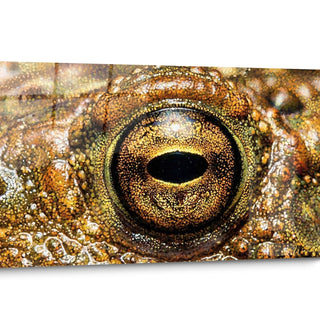 Toad8
artworks
Toad8
artworks
-
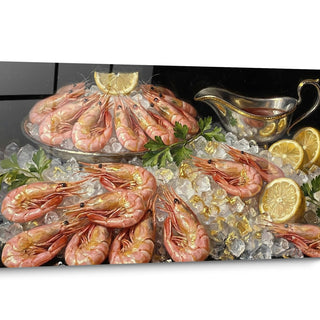 Shrimp5
artworks
Shrimp5
artworks
-
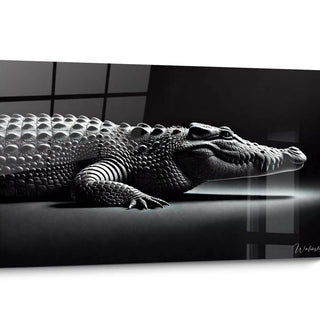 Crocodile4
artworks
Crocodile4
artworks
-
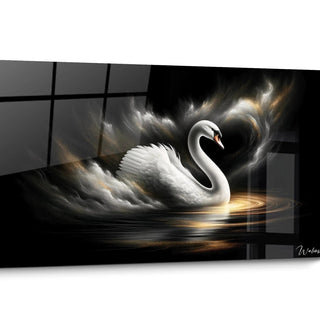 Swan189
artworks
Swan189
artworks
-
 Dolphin11
artworks
Dolphin11
artworks
-
 Dromedary4
artworks
Dromedary4
artworks
-
 Squirrel15
artworks
Squirrel15
artworks
-
 Elan13
artworks
Elan13
artworks
-
 Elephant80
artworks
Elephant80
artworks
-
 Snail11
artworks
Snail11
artworks
-
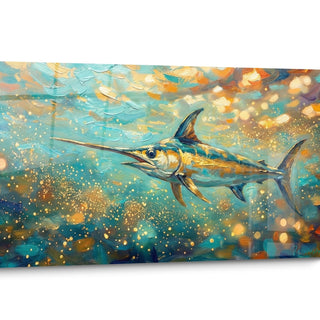 Swordfish4
artworks
Swordfish4
artworks
-
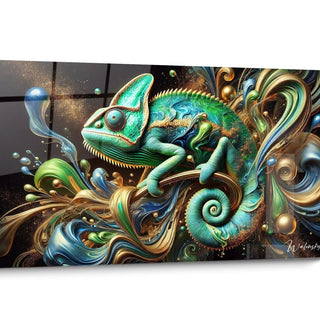 Wild Essence25
artworks
Wild Essence25
artworks
-
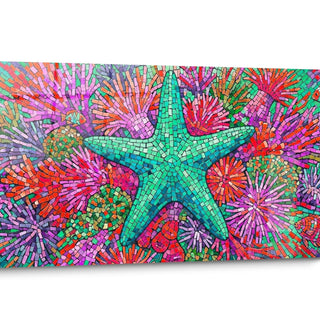 Starfish19
artworks
Starfish19
artworks
-
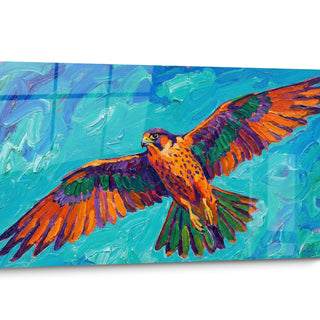 Falcon16
artworks
Falcon16
artworks
-
 Fennec256
artworks
Fennec256
artworks
-
 Pink Flamingo30
artworks
Pink Flamingo30
artworks
-
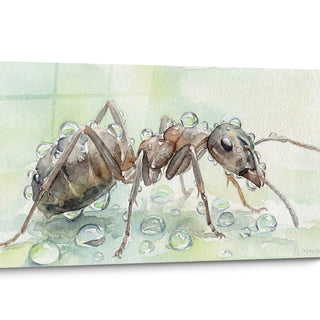 Ant19
artworks
Ant19
artworks
-
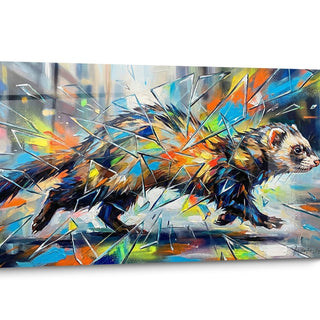 Ferret17
artworks
Ferret17
artworks
-
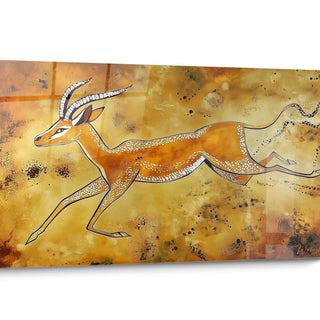 Gazelle4
artworks
Gazelle4
artworks
-
 Giraffe183
artworks
Giraffe183
artworks
-
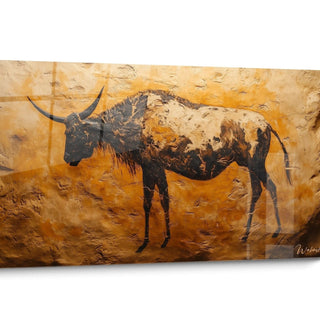 Wildebeest3
artworks
Wildebeest3
artworks
-
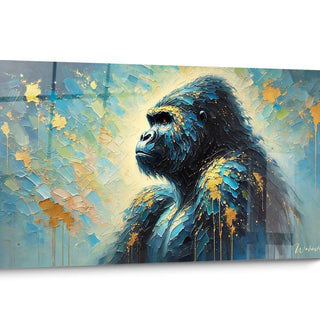 Gorilla15
artworks
Gorilla15
artworks
-
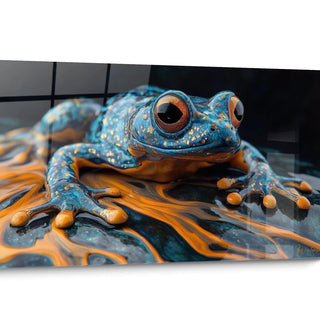 Frog65
artworks
Frog65
artworks
-
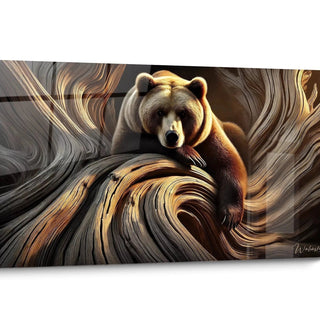 Grizzly3
artworks
Grizzly3
artworks
-
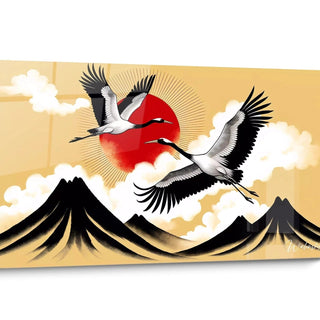 Crane10
artworks
Crane10
artworks
-
 Cheetah147
artworks
Cheetah147
artworks
-
 Hamster17
artworks
Hamster17
artworks
-
 Hedgehog64
artworks
Hedgehog64
artworks
-
 Heron37
artworks
Heron37
artworks
-
 Owl42
artworks
Owl42
artworks
-
 Seahorse34
artworks
Seahorse34
artworks
-
 Hippopotamus4
artworks
Hippopotamus4
artworks
-
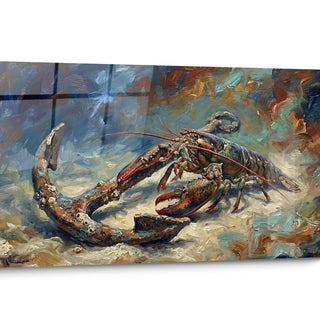 Lobster8
artworks
Lobster8
artworks
-
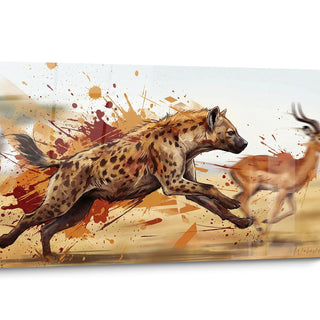 Hyena14
artworks
Hyena14
artworks
-
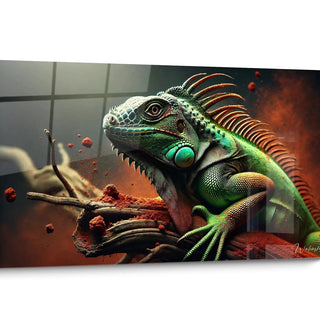 Iguana6
artworks
Iguana6
artworks
-
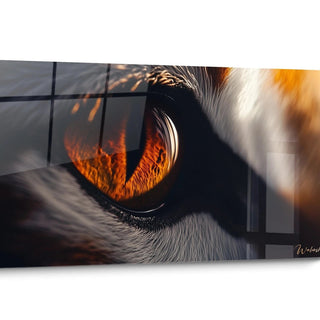 Animal Eye6
artworks
Animal Eye6
artworks
-
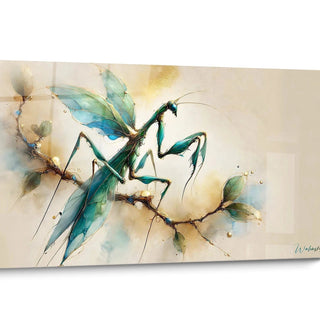 Insect5
artworks
Insect5
artworks
-
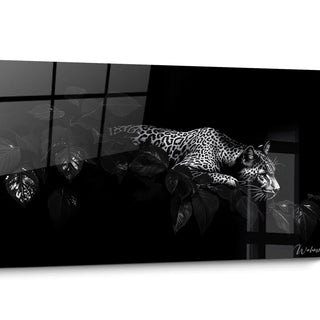 Jaguar6
artworks
Jaguar6
artworks
-
 Kangaroo100
artworks
Kangaroo100
artworks
-
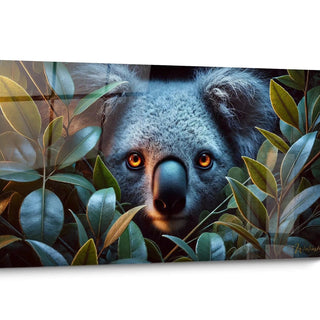 Koala18
artworks
Koala18
artworks
-
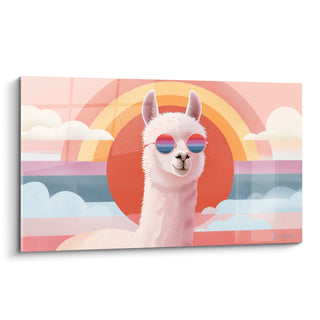 Llama107
artworks
Llama107
artworks
-
 Rabbit15
artworks
Rabbit15
artworks
-
 Lemur3
artworks
Lemur3
artworks
-
 Dragonfly4
artworks
Dragonfly4
artworks
-
 Unicorn62
artworks
Unicorn62
artworks
-
 Lion193
artworks
Lion193
artworks
-
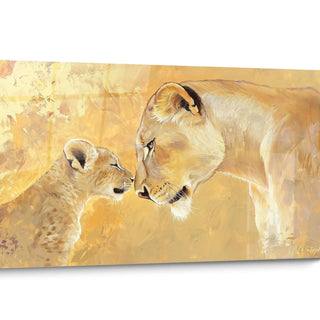 Lion Cub4
artworks
Lion Cub4
artworks
-
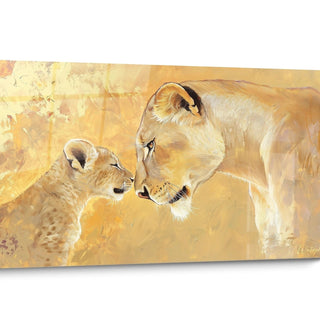 Lioness6
artworks
Lioness6
artworks
-
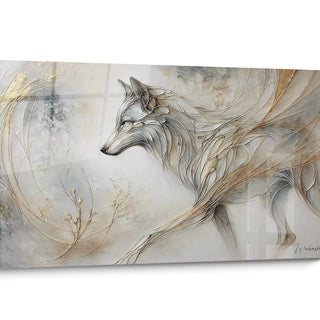 Wolf13
artworks
Wolf13
artworks
-
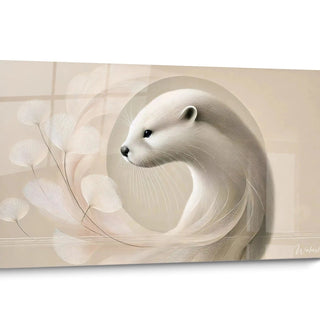 Otter6
artworks
Otter6
artworks
-
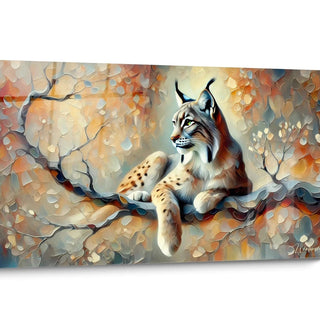 Lynx7
artworks
Lynx7
artworks
-
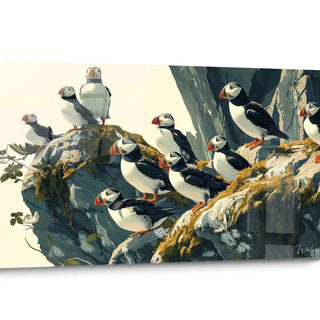 Puffin2
artworks
Puffin2
artworks
-
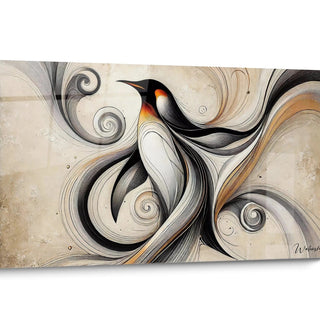 Penguin10
artworks
Penguin10
artworks
-
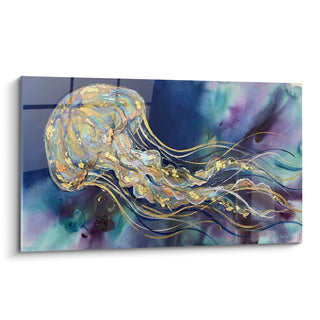 Jellyfish17
artworks
Jellyfish17
artworks
-
 Morse3
artworks
Morse3
artworks
-
 Seagull4
artworks
Seagull4
artworks
-
 Mold14
artworks
Mold14
artworks
-
 Sheep6
artworks
Sheep6
artworks
-
 Narwhal66
artworks
Narwhal66
artworks
-
 Ocelot3
artworks
Ocelot3
artworks
-
 Birds15
artworks
Birds15
artworks
-
 Orangutan10
artworks
Orangutan10
artworks
-
 Orca28
artworks
Orca28
artworks
-
 Brown Bear334
artworks
Brown Bear334
artworks
-
 Polar Bear289
artworks
Polar Bear289
artworks
-
 Sea Urchin9
artworks
Sea Urchin9
artworks
-
 Giant Panda69
artworks
Giant Panda69
artworks
-
 Red Panda11
artworks
Red Panda11
artworks
-
 Panther19
artworks
Panther19
artworks
-
 Snow Leopard8
artworks
Snow Leopard8
artworks
-
 Black Panther10
artworks
Black Panther10
artworks
-
 Peacock128
artworks
Peacock128
artworks
-
 Butterfly14
artworks
Butterfly14
artworks
-
 Lazy Sloth3
artworks
Lazy Sloth3
artworks
-
 Pelican3
artworks
Pelican3
artworks
-
 Parrot211
artworks
Parrot211
artworks
-
 Parakeet5
artworks
Parakeet5
artworks
-
 Seal5
artworks
Seal5
artworks
-
 Pigeon10
artworks
Pigeon10
artworks
-
 Penguin274
artworks
Penguin274
artworks
-
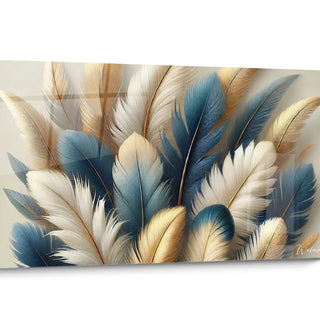 Feather60
artworks
Feather60
artworks
-
 Fish18
artworks
Fish18
artworks
-
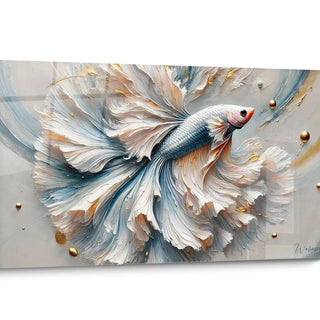 Betta Fish12
artworks
Betta Fish12
artworks
-
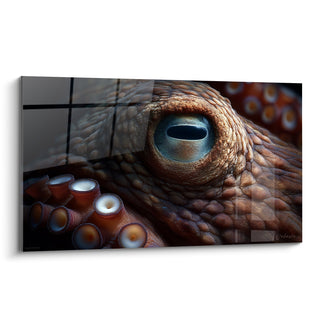 Octopus59
artworks
Octopus59
artworks
-
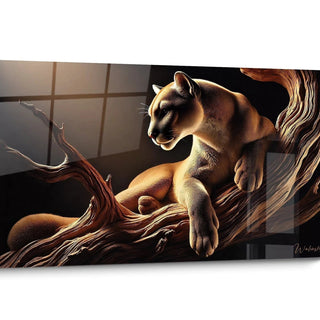 Puma3
artworks
Puma3
artworks
-
 Manta Ray67
artworks
Manta Ray67
artworks
-
 Raccoon2
artworks
Raccoon2
artworks
-
 Fox141
artworks
Fox141
artworks
-
 Shark126
artworks
Shark126
artworks
-
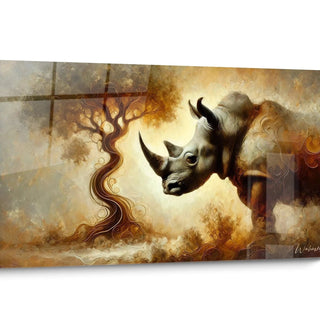 Rhinoceros21
artworks
Rhinoceros21
artworks
-
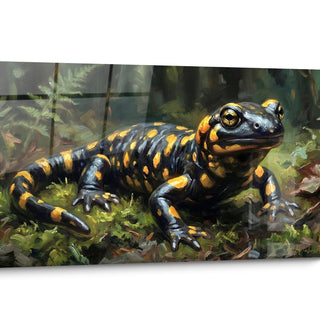 Salamander14
artworks
Salamander14
artworks
-
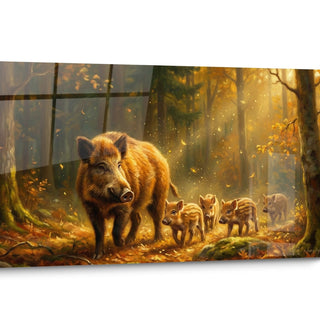 Wild Boar15
artworks
Wild Boar15
artworks
-
 Scarab73
artworks
Scarab73
artworks
-
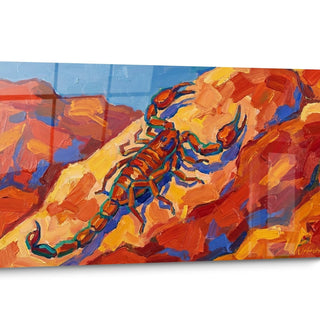 Scorpion9
artworks
Scorpion9
artworks
-
 Serpent102
artworks
Serpent102
artworks
-
 Monkey14
artworks
Monkey14
artworks
-
 Meerkat1
artwork
Meerkat1
artwork
-
 Tapir52
artworks
Tapir52
artworks
-
 Armadillo3
artworks
Armadillo3
artworks
-
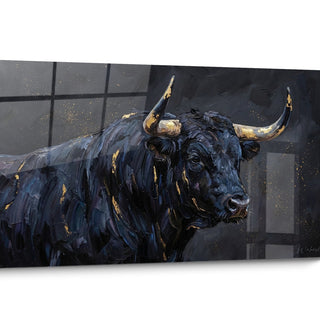 Bull281
artworks
Bull281
artworks
-
 Tiger316
artworks
Tiger316
artworks
-
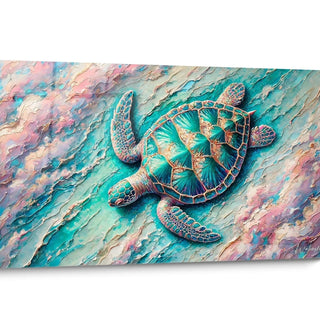 Sea Turtle18
artworks
Sea Turtle18
artworks
-
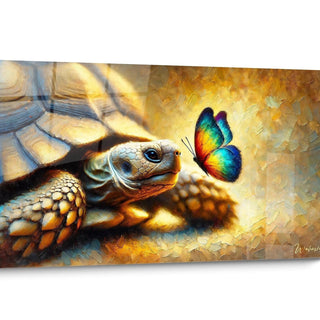 Terrestrial Turtle14
artworks
Terrestrial Turtle14
artworks
-
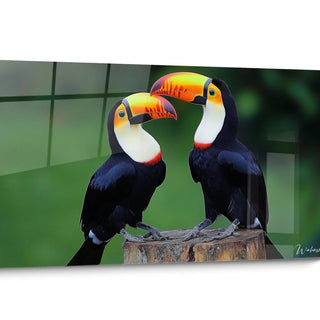 Toucan7
artworks
Toucan7
artworks
-
 Cow9
artworks
Cow9
artworks
-
 Vulture5
artworks
Vulture5
artworks
-
 Zebra49
artworks
Zebra49
artworks


All about Spider Wall Art
- Spider Wall Art Presentation
- Arachnid Wall Decoration
- Symbolism and Aesthetics
- Decorative Integration
The spider wall art establishes itself as a bold decorative piece that transcends traditional aesthetic conventions. This artistic representation of the arachnid captivates through its fascinating duality, oscillating between the architectural beauty of its structure and the emotional intensity it evokes. Designed for contemporary art enthusiasts seeking distinctive wall decoration, this type of visual creation radically transforms the atmosphere of a space by infusing it with a mysterious and sophisticated dimension. The XXL formats available today allow for full exploitation of the spider's morphological complexity, revealing every detail of its exceptional anatomy in a spectacular dimension that leaves a lasting impression.
The Monumental Spider: Visual Impact and Architectural Presence
Large-format mural creations depicting spiders generate an incomparable architectural presence that entirely redefines the spatial perception of a room. Unlike conventional animal representations, the spider wall art plays on perceptual ambiguity by simultaneously exploiting the fascination and apprehension this arthropod evokes. The imposing dimensions reveal the perfect geometry of articulated legs, the velvety texture of the body, and the hypnotic brilliance of multiple eyes with near-photographic precision.
Why choose an arachnid representation for a modern space?
The spider embodies rich symbolism particularly suited to sophisticated contemporary interiors. Its radial structure evokes patience, creativity woven with method, and the delicate balance between fragility and resilience. In an industrial loft or executive office, this arachnid imagery creates an intriguing atmosphere that stimulates reflection and leaves lasting impressions on visitors. The animal wall art collection offers various interpretations, but the spider distinguishes itself through its unique narrative potential.
Chromatic variations in arachnid mural art
Visual declinations of the spider wall art explore bold palettes that amplify its decorative impact. Deep black monochrome versions on contrasting backgrounds accentuate the graphic silhouette and the quasi-architectural dimension of the animal. Metallic interpretations with silver or golden reflections confer a luxurious and futuristic dimension, particularly suited to high-end minimalist spaces. Some creations incorporate iridescent nuances reminiscent of natural hues of tropical tarantulas, adding exceptional chromatic depth that evolves depending on the viewing angle.
The psychological effect of monumental arachnid imagery
The installation of a large-scale spider representation generates a particular emotional dynamic within domestic or professional space. This presence simultaneously stimulates aesthetic admiration and slight psychological tension, creating a memorable decorative experience. In reception areas or conceptual showrooms, this emotional ambivalence becomes a major conversational asset. The monumental format amplifies this effect by creating total visual immersion that transforms the wall into a window opening onto a fascinating and slightly unsettling universe.
Cultural Symbolism and Artistic Dimension of Decorative Spider Art
The spider wall art draws from a millennia-old symbolic repertoire that transcends cultures and considerably enriches its decorative scope. In Greek mythology, Arachné embodies artistic excellence pushed to its apex, while in Native American traditions, the spider represents the cosmic creator weaving the fabric of existence. This symbolic density transforms wall decoration into a genuine philosophical statement for discerning collectors seeking pieces laden with meaning.
How does the spider revolutionize contemporary aesthetics?
Arachnid aesthetics disrupt traditional decorative codes by introducing a form of transgressive beauty into refined interiors. Where floral representations and calming landscapes dominate the wall decoration market, the spider offers a radical alternative for affirmed personalities. Its complex anatomy provides contemporary artists with exceptional formal exploration terrain, between striking hyperrealism and geometric abstraction inspired by its natural structure. Contemporary art galleries now regularly integrate this theme into their permanent collections.
Scientific fascination translated into wall art
Artistic representations of spiders frequently draw inspiration from naturalist plates and scientific macroscopic photography to create works of stunning precision. This quasi-documentary approach particularly appeals to natural history enthusiasts and collectors of biological curiosities reinterpreted artistically. The detailed rendering of anatomical structures – chelicerae, pedipalps, spinnerets – transforms the artwork into a genuine celebration of biological engineering. This subtle educational dimension enriches the decorative experience by inviting scientific contemplation and wonder at the complexity of life.
The spider as a visual metaphor for networks
In contemporary professional environments, particularly digital agencies or technology startups, the spider wall art metaphorically embodies connectivity and the reticular architecture of information systems. The web visually represents complex networks, strategic interconnections, and the methodical patience necessary for building enduring structures. This conceptual interpretation transforms the decorative element into a visual manifesto aligned with organizational identity, creating narrative coherence between physical space and entrepreneurial values.
Integration Strategies and Spatial Valorization of Spider Wall Art
Successful installation of a large-format spider wall art requires a strategic approach to maximize visual impact while preserving overall aesthetic balance of the space. Unlike conventional decorative themes, this powerful imagery demands a carefully orchestrated environment that amplifies its presence without creating visual dissonance. Interior architects generally favor clear walls benefiting from optimal frontal visibility, allowing complete apprehension of the composition.
Which spaces particularly valorize arachnid decoration?
Environments with affirmed character constitute the ideal setting for welcoming this audacious theme. Contemporary libraries, with their studious atmosphere and intellectual aesthetic, create perfect resonance with the symbolism of patience and methodical creativity. Industrial-style living spaces, with their visible structures and generous volumes, offer the ideal architectural context for monumental formats. Modern curiosity cabinets, private galleries, and conceptual coworking spaces also constitute particularly receptive environments for this distinctive imagery that stimulates creativity and leaves lasting impressions on visual memory.
Complementary decorative associations
The decorative environment accompanying the spider wall art considerably influences its perception and harmonious integration. Raw materials such as oxidized metal, polished concrete, or aged wood create enriching textural dialogue with the arachnid representation. Introduction of architectural plant elements – tree ferns, tropical plants with graphic foliage – generates lively contrast that naturally contextualizes the presence of the arthropod. Directional lighting such as adjustable spotlights allow dramatic sculpting of volumes and creation of shadow plays that amplify the three-dimensional dimension of the composition.
Perceptual evolution and decorative renewal
The distinctive quality of spider wall art lies in its ability to maintain lasting visual interest without generating aesthetic fatigue. The structural complexity of the image constantly offers new details to discover according to lighting conditions and observation angles. This perceptual richness guarantees exceptional decorative longevity, unlike ephemeral trends that quickly saturate. Collectors frequently report that this theme gains depth over time, with each viewing revealing new compositional or chromatic subtleties previously unnoticed.
Is spider wall art suitable for family residential spaces?
Absolutely, provided the representation style is adapted to the family context. Stylized or geometric versions offer a less realistic approach suited to shared spaces, while maintaining the characteristic visual power of this theme.
What size should be prioritized for spider wall art in a contemporary living room?
Formats exceeding 120 cm in width fully exploit the dramatic potential of this imagery, creating an architectural presence that truly transforms the space and justifies the choice of such distinctive theme.
How does spider wall art influence the atmosphere of a professional space?
In a professional context, this representation subtly communicates strategic patience, methodical creativity, and technical excellence – values particularly relevant for innovative companies and demanding creative professions.


