


Wildebeest Wall Art
Dive into the fascinating world of our wildebeest wall art collection, celebrating these legendary migrants of the African savanna. Each artwork immortalizes the raw power and gregarious instinct of these majestic herbivores during their epic crossings. These artistic creations reveal the full drama of the great migration, a symbol of survival and determination in wild African nature.
 Wildebeest Wild Cavalcade Wall Art - Wildebeests Edition273,90 €
 Wildebeest Wall Art Solitary Watcher - wildebeest edition242,90 €
 Wildebeest Wall Art Ancient Power - Wildebeest Edition273,90 €
In the same family
Also explore the theme Animals
-
 View all10974
artworks
View all10974
artworks
-
 Bee54
artworks
Bee54
artworks
-
 Eagle18
artworks
Eagle18
artworks
-
 Alpaga111
artworks
Alpaga111
artworks
-
 Donkey15
artworks
Donkey15
artworks
-
 Savannah Wildlife94
artworks
Savannah Wildlife94
artworks
-
 Antelope5
artworks
Antelope5
artworks
-
 Spider8
artworks
Spider8
artworks
-
 Other Animals24
artworks
Other Animals24
artworks
-
 Ostrich75
artworks
Ostrich75
artworks
-
 Axolotl47
artworks
Axolotl47
artworks
-
 Whale89
artworks
Whale89
artworks
-
 Barracuda61
artworks
Barracuda61
artworks
-
 Bécasse32
artworks
Bécasse32
artworks
-
 Ram315
artworks
Ram315
artworks
-
 Beluga169
artworks
Beluga169
artworks
-
 Hermit-Crab12
artworks
Hermit-Crab12
artworks
-
 Doe10
artworks
Doe10
artworks
-
 Bison8
artworks
Bison8
artworks
-
 Blaireau59
artworks
Blaireau59
artworks
-
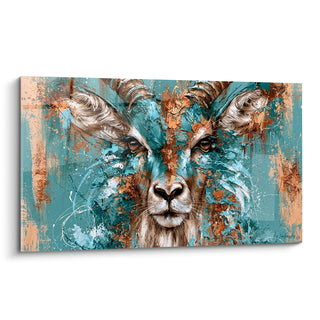 Bouquetin32
artworks
Bouquetin32
artworks
-
 Buffalo91
artworks
Buffalo91
artworks
-
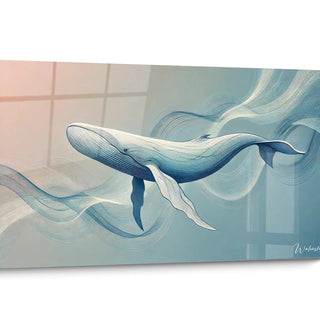 Sperm Whale8
artworks
Sperm Whale8
artworks
-
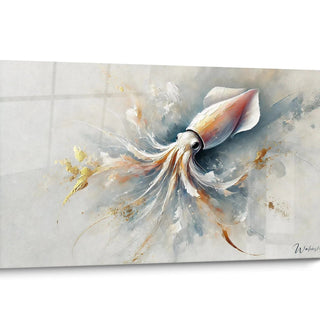 Giant Squid6
artworks
Giant Squid6
artworks
-
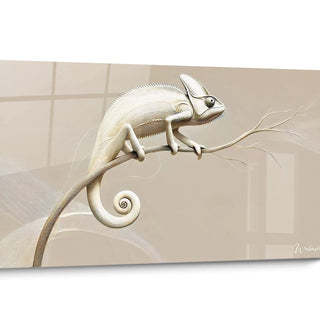 Chameleon20
artworks
Chameleon20
artworks
-
 Duck352
artworks
Duck352
artworks
-
 Capybara3
artworks
Capybara3
artworks
-
 Caracal15
artworks
Caracal15
artworks
-
 Caribou4
artworks
Caribou4
artworks
-
 Koi Carp130
artworks
Koi Carp130
artworks
-
 Beaver9
artworks
Beaver9
artworks
-
 Deer26
artworks
Deer26
artworks
-
 Camel3
artworks
Camel3
artworks
-
 Cat1218
artworks
Cat1218
artworks
-
 Bat10
artworks
Bat10
artworks
-
 Horse73
artworks
Horse73
artworks
-
 Mountain Goat3
artworks
Mountain Goat3
artworks
-
 Dog3055
artworks
Dog3055
artworks
-
 Chimpanzee12
artworks
Chimpanzee12
artworks
-
 Owl19
artworks
Owl19
artworks
-
 Stork16
artworks
Stork16
artworks
-
 Ladybug7
artworks
Ladybug7
artworks
-
 Pig8
artworks
Pig8
artworks
-
 Guinea Pig13
artworks
Guinea Pig13
artworks
-
 Hummingbird23
artworks
Hummingbird23
artworks
-
 Colombe90
artworks
Colombe90
artworks
-
 Rooster9
artworks
Rooster9
artworks
-
 Seashell6
artworks
Seashell6
artworks
-
 Raven9
artworks
Raven9
artworks
-
 Crab5
artworks
Crab5
artworks
-
 Toad8
artworks
Toad8
artworks
-
 Shrimp5
artworks
Shrimp5
artworks
-
 Crocodile4
artworks
Crocodile4
artworks
-
 Swan189
artworks
Swan189
artworks
-
 Dolphin11
artworks
Dolphin11
artworks
-
 Dromedary4
artworks
Dromedary4
artworks
-
 Squirrel15
artworks
Squirrel15
artworks
-
 Elan13
artworks
Elan13
artworks
-
 Elephant80
artworks
Elephant80
artworks
-
 Snail11
artworks
Snail11
artworks
-
 Swordfish4
artworks
Swordfish4
artworks
-
 Wild Essence25
artworks
Wild Essence25
artworks
-
 Starfish19
artworks
Starfish19
artworks
-
 Falcon16
artworks
Falcon16
artworks
-
 Fennec256
artworks
Fennec256
artworks
-
 Pink Flamingo30
artworks
Pink Flamingo30
artworks
-
 Ant19
artworks
Ant19
artworks
-
 Ferret17
artworks
Ferret17
artworks
-
 Gazelle4
artworks
Gazelle4
artworks
-
 Giraffe183
artworks
Giraffe183
artworks
-
 Gorilla15
artworks
Gorilla15
artworks
-
 Frog65
artworks
Frog65
artworks
-
 Grizzly3
artworks
Grizzly3
artworks
-
 Crane10
artworks
Crane10
artworks
-
 Cheetah147
artworks
Cheetah147
artworks
-
 Hamster17
artworks
Hamster17
artworks
-
 Hedgehog64
artworks
Hedgehog64
artworks
-
 Heron37
artworks
Heron37
artworks
-
 Owl42
artworks
Owl42
artworks
-
 Seahorse34
artworks
Seahorse34
artworks
-
 Hippopotamus4
artworks
Hippopotamus4
artworks
-
 Lobster8
artworks
Lobster8
artworks
-
 Hyena14
artworks
Hyena14
artworks
-
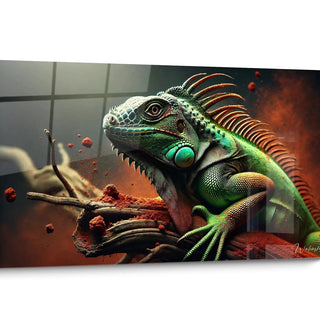 Iguana6
artworks
Iguana6
artworks
-
 Animal Eye6
artworks
Animal Eye6
artworks
-
 Insect5
artworks
Insect5
artworks
-
 Jaguar6
artworks
Jaguar6
artworks
-
 Kangaroo100
artworks
Kangaroo100
artworks
-
 Koala18
artworks
Koala18
artworks
-
 Llama107
artworks
Llama107
artworks
-
 Rabbit15
artworks
Rabbit15
artworks
-
 Lemur3
artworks
Lemur3
artworks
-
 Dragonfly4
artworks
Dragonfly4
artworks
-
 Unicorn62
artworks
Unicorn62
artworks
-
 Lion193
artworks
Lion193
artworks
-
 Lion Cub4
artworks
Lion Cub4
artworks
-
 Lioness6
artworks
Lioness6
artworks
-
 Wolf13
artworks
Wolf13
artworks
-
 Otter6
artworks
Otter6
artworks
-
 Lynx7
artworks
Lynx7
artworks
-
 Puffin2
artworks
Puffin2
artworks
-
 Penguin10
artworks
Penguin10
artworks
-
 Jellyfish17
artworks
Jellyfish17
artworks
-
 Morse3
artworks
Morse3
artworks
-
 Seagull4
artworks
Seagull4
artworks
-
 Mold14
artworks
Mold14
artworks
-
 Sheep6
artworks
Sheep6
artworks
-
 Narwhal66
artworks
Narwhal66
artworks
-
 Ocelot3
artworks
Ocelot3
artworks
-
 Birds15
artworks
Birds15
artworks
-
 Orangutan10
artworks
Orangutan10
artworks
-
 Orca28
artworks
Orca28
artworks
-
 Brown Bear334
artworks
Brown Bear334
artworks
-
 Polar Bear289
artworks
Polar Bear289
artworks
-
 Sea Urchin9
artworks
Sea Urchin9
artworks
-
 Giant Panda69
artworks
Giant Panda69
artworks
-
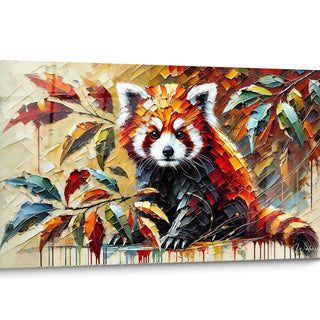 Red Panda11
artworks
Red Panda11
artworks
-
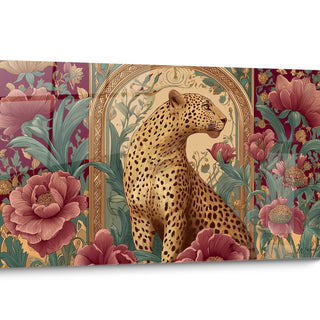 Panther19
artworks
Panther19
artworks
-
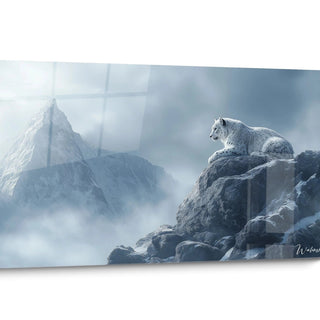 Snow Leopard8
artworks
Snow Leopard8
artworks
-
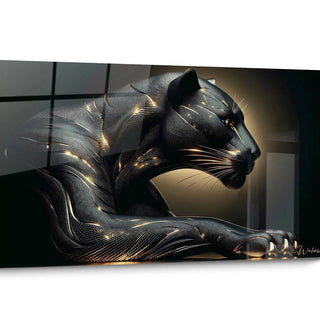 Black Panther10
artworks
Black Panther10
artworks
-
 Peacock128
artworks
Peacock128
artworks
-
 Butterfly14
artworks
Butterfly14
artworks
-
 Lazy Sloth3
artworks
Lazy Sloth3
artworks
-
 Pelican3
artworks
Pelican3
artworks
-
 Parrot211
artworks
Parrot211
artworks
-
 Parakeet5
artworks
Parakeet5
artworks
-
 Seal5
artworks
Seal5
artworks
-
 Pigeon10
artworks
Pigeon10
artworks
-
 Penguin274
artworks
Penguin274
artworks
-
 Feather60
artworks
Feather60
artworks
-
 Fish18
artworks
Fish18
artworks
-
 Betta Fish12
artworks
Betta Fish12
artworks
-
 Octopus59
artworks
Octopus59
artworks
-
 Puma3
artworks
Puma3
artworks
-
 Manta Ray67
artworks
Manta Ray67
artworks
-
 Raccoon2
artworks
Raccoon2
artworks
-
 Fox141
artworks
Fox141
artworks
-
 Shark126
artworks
Shark126
artworks
-
 Rhinoceros21
artworks
Rhinoceros21
artworks
-
 Salamander14
artworks
Salamander14
artworks
-
 Wild Boar15
artworks
Wild Boar15
artworks
-
 Scarab73
artworks
Scarab73
artworks
-
 Scorpion9
artworks
Scorpion9
artworks
-
 Serpent102
artworks
Serpent102
artworks
-
 Monkey14
artworks
Monkey14
artworks
-
 Meerkat1
artwork
Meerkat1
artwork
-
 Tapir52
artworks
Tapir52
artworks
-
 Armadillo3
artworks
Armadillo3
artworks
-
 Bull281
artworks
Bull281
artworks
-
 Tiger316
artworks
Tiger316
artworks
-
 Sea Turtle18
artworks
Sea Turtle18
artworks
-
 Terrestrial Turtle14
artworks
Terrestrial Turtle14
artworks
-
 Toucan7
artworks
Toucan7
artworks
-
 Cow9
artworks
Cow9
artworks
-
 Vulture5
artworks
Vulture5
artworks
-
 Zebra49
artworks
Zebra49
artworks


All about Wildebeest Wall Art
- Wildebeest Wall Art Presentation
- Wildebeest African Migration Art
- Wildebeest Herd Power Wall Art
- Wildebeest Safari Decor
The wildebeest wall art represents one of the most captivating artistic expressions of African wildlife, immortalizing these emblematic antelopes in their natural environment. These large-scale mural artworks capture the very essence of the African savanna and the majesty of the planet's most spectacular migrations. A wildebeest wall art instantly transforms your space by evoking the raw power of African nature and the authenticity of vast untamed landscapes.
Wildebeest Migration Wall Art: The Serengeti Epic on Your Walls
The wildebeest migration constitutes one of the most extraordinary natural phenomena in the world, and its artistic representation in large format offers a striking visual experience. A wildebeest migration wall art captures this annual epic where over one million antelopes traverse thousands of kilometers between the Serengeti and the Masai Mara.
Why choose a representation of the great migration?
Mural artworks illustrating wildebeest migration distinguish themselves through their ability to convey perpetual movement and the collective energy of these massive herds. These artistic compositions exploit dramatic contrasts between clouds of dust raised by hooves and African skies with changing hues according to seasons.
The most remarkable aspect of these representations lies in their capacity to evoke perilous river crossings, moments when survival instinct reaches its peak. Artists specializing in this theme perfectly master the play of shadow and light that characterizes these dramatic scenes.
How does migration influence artistic composition?
Artistic representation of wildebeest migration requires a specific compositional approach that emphasizes collective dynamics. Panoramic formats are preferred to restore the immensity of the Serengeti plains and the sensation of infinity that the sight of these herds stretching to the horizon provides.
Color variations play a crucial role in these artworks, alternating between ochre tones of the dry season and vibrant greens of the rainy season. This seasonal alternation offers collectors the possibility of choosing the ambiance that best matches their living space.
Aerial perspective techniques are frequently employed to suggest the impressive mass of herds, creating a depth effect that gives the impression the wildebeest will literally break out of the frame. This artistic approach transforms the wall into an open window onto vast African expanses.
The emotional impact of river crossing scenes
Representations of river crossings constitute moments of dramatic intensity particularly sought by collectors. These scenes crystallize all the tension between gregarious instinct and natural dangers, offering a powerful metaphor for perseverance in the face of adversity.
Artists masterfully exploit contrasts between tumultuous water and animal determination, creating compositions where each element contributes to expressing this struggle for survival. Splashes, expressions of effort, and group cohesion form a particularly evocative narrative ensemble.
- Representation of dangerous currents and their crossing
- Highlighting of collective survival instinct
- Contrast between individual vulnerability and group strength
- Evocation of opportunistic predators during crossings
This specific crossing theme transforms wildebeest wall art into a true visual chronicle of one of the last great terrestrial migrations, conferring on the artwork both a documentary and artistic dimension.
Wildebeest Herd Wall Art: Collective Strength Embodied
The representation of wildebeest herds in contemporary mural art reveals an underappreciated facet of these African antelopes: their complex social organization and collective power. A wildebeest herd wall art highlights this unique gregarious dynamic that has fascinated wildlife observers for generations.
What is the social particularity of wildebeest in groups?
Unlike other African antelopes that evolve in relatively restricted herds, wildebeest form spectacular aggregations that can gather several hundred thousand individuals. This behavioral characteristic offers artists an exceptional visual material to create compositions of incomparable density and richness.
Hierarchy within wildebeest herds follows precise codes that the most accomplished artistic works manage to suggest. Dominant males, recognizable by their imposing build and strategic positioning, are often represented in the foreground, while females and young occupy the more protected central zones.
This natural spatial organization inspires artistic compositions of great sophistication, where each area of the artwork tells part of the species' social story. Specialized artists exploit these behavioral codes to structure their works and create authentic visual narratives.
The expression of collective vigilance
A particularly striking aspect of wildebeest herd representations lies in the expression of shared vigilance. This behavioral characteristic, where certain individuals maintain constant surveillance while others feed, offers remarkable compositional possibilities.
Artists exploit this natural vigilance to create games of gazes and attitudes that confer dramatic tension to their works. Some wildebeest, heads raised and ears erect, scan the horizon searching for potential predators, while others continue their activity with complete confidence.
- Alternation between alerted and peacefully active individuals
- Strategic positioning of sentinels within the herd
- Silent communication through body postures
- Chain reaction upon danger detection
The dynamics of group movement
Representing the collective movement of wildebeest constitutes one of the most stimulating artistic challenges. These antelopes move according to specific behavioral patterns that create visual flows of great aesthetic beauty when captured by an informed artistic eye.
Changes in herd direction follow precise logics related to climatic conditions, resource availability, and predatory pressures. These behavioral variations translate artistically into moving compositions where the eye naturally follows the directional flows suggested by moving bodies.
The mass effect created by these herd representations transforms the mural space into a window onto African immensity, where the repetition of individual forms creates hypnotic visual rhythms. This artistic approach values collective dimension while preserving the individuality of each represented animal.
Variations in movement within the herd, from tranquil pace to urgent gallop, offer artists a rich gestural palette to express different emotional states and reactions to environmental stimuli. This behavioral diversity considerably enriches the visual narration of the artwork.
Wildebeest Safari Wall Art: African Authenticity in Your Interior
Integrating a wildebeest wall art into safari-inspired décor transcends simple mural ornamentation to create a true immersion into the universe of African reserves. This decorative approach exploits the aesthetic codes of great national parks to transform contemporary living spaces into luxury lodges with authentic accents.
How to create an authentic safari ambiance?
Arranging a safari-themed space relies on the ability to evoke the experience of great African parks without resorting to pastiche. A large-scale wildebeest wall art constitutes the central element of this approach, visually anchoring the space in the savanna ecosystem.
Chromatic associations play a determining role in this ambiance. The earth tones of raw sienna, red ochre, and sand beige that dominate in wildebeest representations harmonize naturally with raw materials like aged leather, ebony wood, and natural fibers.
Lighting the artwork requires particular attention to reproduce the characteristic ambiances of the African savanna. Light variations, from golden sunrise to the contrasted shadows of midday, considerably influence the perception of the artwork and its decorative impact.
- Harmony with natural materials and authentic textures
- Directional lighting evoking African sunrises
- Association with decorative elements inspired by local craftsmanship
- Integration into spaces with generous volumes
The psychological impact of wildlife in décor
The presence of a wildebeest representation in an interior generates specific psychological effects linked to our ancestral fascination with wildlife. These artworks unconsciously evoke the freedom of vast spaces and connection with preserved nature, creating a soothing counterpoint to contemporary urban environment.
Environmental psychology research demonstrates that representations of wild animals in their natural habitat significantly reduce stress levels and promote relaxation. A wildebeest wall art exploits these mechanisms by mentally transporting the observer toward African vastitudes.
This therapeutic dimension of animal art partially explains the growing enthusiasm for artworks representing African wildlife in relaxation and reception spaces. The escape effect provided by these artistic creations transforms the living space into a psychological refuge.
The aesthetic codes of modern safari
The evolution of contemporary safari toward a more respectful and contemplative approach directly influences current decorative trends. Wildebeest representations fit into this approach by privileging respectful observation rather than the traditional predatory approach.
This philosophy translates artistically into compositions emphasizing the intrinsic beauty of animals in their natural environment, without excessive dramatization. The resulting aesthetic perfectly aligns with contemporary aspirations for ethical and responsible décor.
The panoramic formats favored for wildebeest wall art ideally accord with contemporary architecture and its open spaces. This alignment between the artwork and its architectural environment strengthens the decorative impact and creates harmonious visual continuity.
Frequently Asked Questions
What size should I choose for wildebeest wall art in a living room?
For a standard living room, favor a format of at least 120x80 cm which will capture the immensity characteristic of wildebeest herds while maintaining harmonious proportion with your furniture.
How to maintain wildebeest wall art to preserve its colors?
Avoid direct sun exposure which could alter the characteristic raw sienna hues, and dust regularly with a microfiber cloth to maintain the sharpness of details.
Does wildebeest wall art suit all decorative styles?
While particularly suited to safari and ethnic ambiances, quality wildebeest wall art can integrate into contemporary décor thanks to its clean lines and timeless natural colors.
Where should I ideally place wildebeest wall art in the home?
The living room or dining room constitute privileged locations, these convivial spaces allowing you to fully appreciate the visual impact and escape effect provided by the representation of African herds.


