


Abstract scraped style paintings
Explore the expressive universe of abstract paintings scraped style, where texture becomes artistic language. Each creation reveals dynamic reliefs and layered surfaces, born from spontaneous and powerful gestures. These contemporary works captivate through their living materiality and bold compositions. Perfect for bringing character and depth to your spaces, they embody the raw energy of modern gestural art, transforming every wall into a vibrant and authentic artistic statement.
 Abstract colored waterfalls painting - Chromatic Torrent - scraped abstract style edition233,90 €
 Abstract colored painting - Chromatic Fusion - scraped abstract style edition233,90 €
 Maritime landscape painting - Blazing Sunset - scraped abstract style edition233,90 €
 Abstract colored movement painting - Fluid Energy - scraped abstract style edition233,90 €
 Abstract landscape painting - Vibrant Horizon - scraped abstract style edition232,90 €
 Digital glitch effect painting - Digital Horizon - scraped abstract style edition213,90 €
 Abstract colored reflections painting - Aquatic symphony - scraped abstract style edition233,90 €
 Abstract colored reflections painting - Aquatic symphony - scraped abstract style edition232,90 €
 Colorful abstract painting - Vibrant horizon - scraped abstract style edition213,90 €
Explore further
In Abstract scraped style paintings



In the same family
Also explore the theme Abstract
-
 View all4086
artworks
View all4086
artworks
-
 Abstract123
artworks
Abstract123
artworks
-
 Colorful Abstract153
artworks
Colorful Abstract153
artworks
-
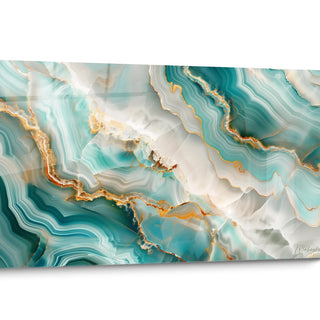 Blue marble abstract7
artworks
Blue marble abstract7
artworks
-
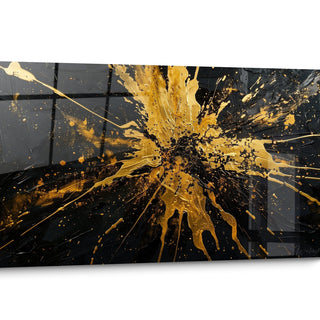 Black and Gold Abstract10
artworks
Black and Gold Abstract10
artworks
-
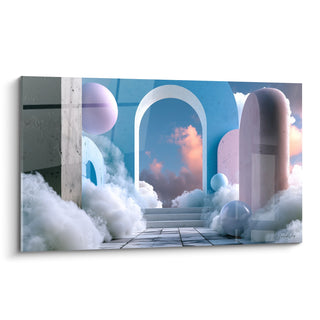 Abstract Architecture517
artworks
Abstract Architecture517
artworks
-
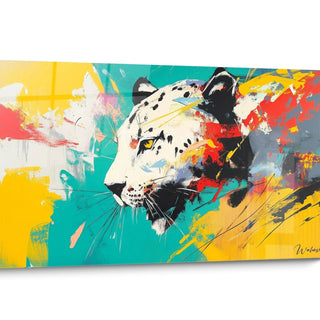 Abstract Artistic319
artworks
Abstract Artistic319
artworks
-
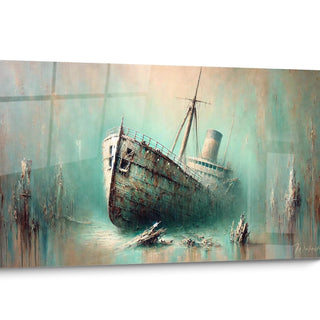 Abstract Boat228
artworks
Abstract Boat228
artworks
-
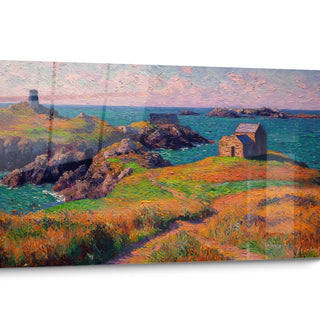 Abstract Seaside39
artworks
Abstract Seaside39
artworks
-
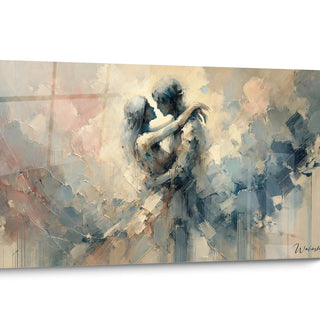 Abstract Body68
artworks
Abstract Body68
artworks
-
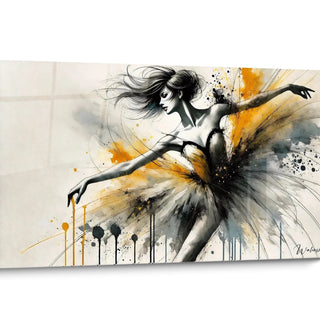 Abstract Dancer281
artworks
Abstract Dancer281
artworks
-
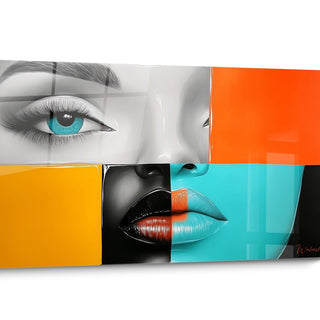 Abstract Figurative23
artworks
Abstract Figurative23
artworks
-
 Abstract Flower90
artworks
Abstract Flower90
artworks
-
 Geometric392
artworks
Geometric392
artworks
-
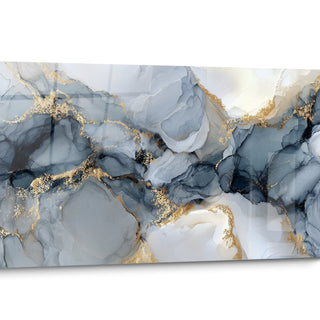 Abstract Marble169
artworks
Abstract Marble169
artworks
-
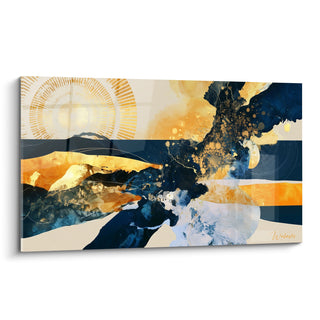 Modern Abstract106
artworks
Modern Abstract106
artworks
-
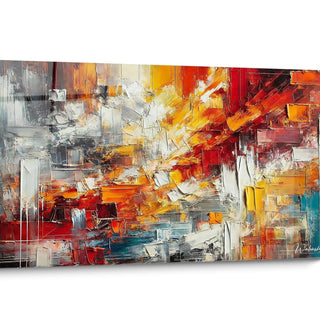 Contemporary Multicolour36
artworks
Contemporary Multicolour36
artworks
-
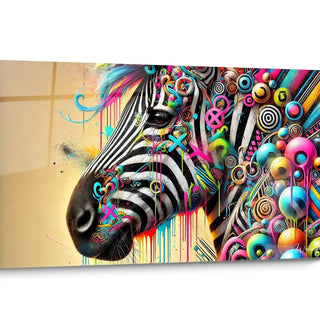 Multicolor Abstract217
artworks
Multicolor Abstract217
artworks
-
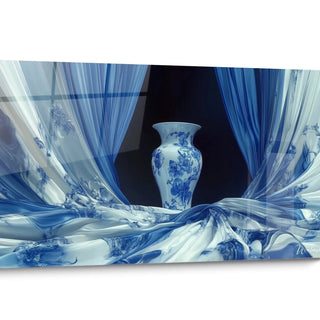 Abstract Still Life9
artworks
Abstract Still Life9
artworks
-
 Painting (style)638
artworks
Painting (style)638
artworks
-
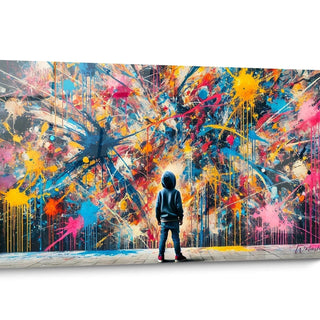 Abstract Pop Art5
artworks
Abstract Pop Art5
artworks
-
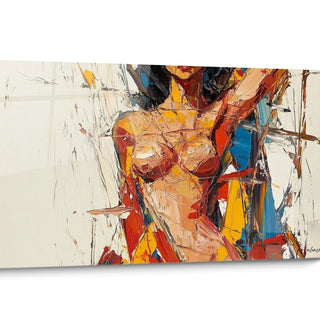 Sensual Abstract16
artworks
Sensual Abstract16
artworks
-
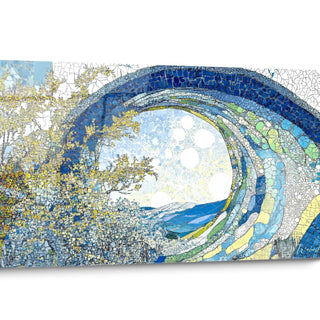 Abstract Spirals141
artworks
Abstract Spirals141
artworks
-
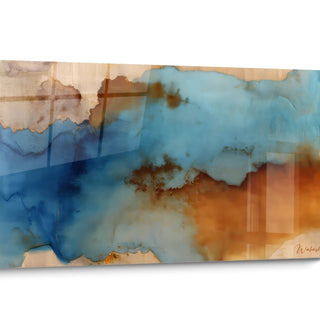 Textured Abstract39
artworks
Textured Abstract39
artworks
-
 Abstract Face448
artworks
Abstract Face448
artworks


All about Abstract scraped style paintings
- Presentation Scraped Abstract Abstract Style Paintings
- Architectural Impact of Textured Reliefs
- Luminous Transformation and Visual Variations
- Sculptural Presence in Large Volumes
The abstract paintings scraped style represent a contemporary approach to wall art where matter becomes protagonist. This painting technique privileges accumulation, scraping and layering to create relief surfaces marked by expressive gestures. In large-scale residential and professional spaces, these wall creations offer far more than simple color presence: they introduce a genuine architectural dimension through their substantial textures and natural shadow play.
The Tactile Architecture of Scraped Surfaces in Contemporary Spaces
Acquiring a scraped abstract painting radically transforms the volumetric perception of a space. Unlike flat wall representations, these relief creations physically modify interior architecture by creating protrusions and recesses that capture light in a sculptural manner. In industrial lofts, modern duplexes or executive offices, this pronounced materiality establishes direct dialogue with existing architectural volumes.
How do material thicknesses redefine spatial depth?
The gestural accumulations inherent to scraping generate thickness variations reaching several centimeters on monumental formats. These substantial reliefs project cast shadows that evolve according to viewing angle, creating three-dimensional perception absent from traditional surfaces. In a cathedral-style living room or generous entrance hall, this physical depth amplifies the sensation of space rather than constraining it.
Uneven geometry serving visual balance
Directional striations, spontaneous scratches and irregular accumulation zones form a textured cartography that naturally guides the eye. This surface geography creates multiple visual anchor points, avoiding monotony of uniform walls in large open rooms. XXL formats particularly exploit this textural richness to visually structure open-plan spaces where traditional architectural landmarks are lacking.
What relationship develops between scraped matter and minimalist architecture?
In refined interiors with rigorous lines, a scraped abstract painting introduces welcome organic complexity. Surface asperities and accidents counterbalance the geometric perfection of contemporary layouts without creating dissonance. This controlled tension between architectural order and gestural chaos enriches minimalist spaces by bringing them tactile humanity.
Zones of dense impasto alternate with airier passages where the gesture became lighter, creating visual respiration. This rhythmic alternation harmonizes naturally with spatial sequences of open plans: reception area, circulation space, intimate corner. Reading these textural variations unconsciously accompanies movement through space.
Impact on ceiling height perception
In generous vertical volumes, vertically-oriented scraped compositions accentuate architectural slenderness. Ascending trails of matter guiding the eye upward amplify height sensation. Conversely, horizontally-dominant compositions can moderate overly-stretched proportions by creating force lines parallel to the ground. This capacity to modulate architectural proportion perception constitutes a major asset for large-format textured wall decorations.
- Creation of evolving cast shadows based on natural lighting
- Visual structuring of open spaces through directional reliefs
- Balance between architectural rigor and gestural spontaneity
- Perceptual modulation of spatial proportions through texture orientation
The haptic dimension in spatial experience
Even without physical contact, pronounced reliefs of a scraped work elicit haptic response in observers. This tactile sense stimulation through sight alone considerably enriches the experience of inhabited space. In high-end professional environments, this subtle sensorial dimension contributes to creating a distinctive atmosphere that marks visitors far beyond simple visual impression.
Large formats allow full appreciation of surface accident diversity: zones of intense friction where the tool tore at matter, controlled flows forming regular furrows, superpositions creating visible layers. This phenomenological richness transforms a wall into an architectural event, justifying investment in imposing dimensions for generous spaces.
Luminous Metamorphoses: When Scraped Matter Captures Time
A scraped abstract painting never presents the same face according to time or light source. This permanent mutability constitutes one of its most fascinating characteristics for contemporary wall art collectors. Substantial reliefs act as three-dimensional light sensors, revealing details invisible under frontal lighting and masking other visual information according to ray incidence.
The effect of raking sunlight on textured surfaces
During golden morning or evening hours, when natural light grazes relief surfaces, each asperity projects an exaggerated shadow. Scraping striations become miniature canyons, matter accumulations transform into mountains, creating spectacular topography. In an east or west-facing living area, this daily dramatization offers renewed spectacle that flat surfaces cannot equal.
How does artificial lighting reveal hidden dimensions?
Installing adjustable spotlights or lighting rails allows daily rediscovery of your textured wall art. A beam directed from below inverts all perceptions, transforming recesses into protrusions in our visual reading. This scenographic versatility particularly interests owners of large reception spaces who can adapt ambiance according to occasions: dramatic lighting for evenings, soft diffuse light for daily use.
Thick impasto zones capture and retain light differently according to density. Translucent passages where matter became thinner sometimes allow glimpsing lower layers, creating fascinating temporal depth. This visible stratigraphy evokes geological processes and confers quasi-archaeological dimension to large-format scraped compositions.
Chromatic reverberation in deep reliefs
Pigments applied then scraped create variable color concentrations. In protected recesses, hues retain maximum intensity, while on exposed crests, tool passage has diluted or blended nuances. This unequal distribution generates micro-chromatic variations that animate under mobile lighting. A scraped abstract painting with warm dominants can thus project orange reflections on adjacent walls in late afternoon, warming the room's general atmosphere.
What positioning maximizes daily luminous transformations?
The optimal location for a large-format scraped painting lies perpendicular to primary natural light sources. This transverse configuration allows the sun to progressively sweep the surface throughout its course, successively revealing different texture facets. In a professional space, this strategic placement maintains visual interest throughout the working day.
- Spectacular metamorphoses under raking morning or evening light
- Permanent rediscovery via variable directional lighting
- Differential chromatic concentration between recesses and reliefs
- Positioning perpendicular to windows for progressive solar animation
Interaction with seasonal light ambiances
With sun height varying seasonally, the same scraped work will offer radically different faces in winter and summer. Low winter sun accentuates reliefs dramatically, while summer zenith light softens contrasts. This natural cyclicity creates living relationship between work and environment, particularly appreciated in secondary residences where space is rediscovered with each visit.
Owners of textured abstract wall paintings frequently report unexpected visual discoveries: a relief never noticed suddenly emerging under particular angle, a chromatic nuance revealed by unusual lighting. This evolutionary dimension justifies investment in generous formats that multiply surprise opportunities and maintain aesthetic interest long-term.
Spatial Anchoring and Visual Gravity of Large-Format Scraped Artworks
Within consequential architectural volumes, a scraped abstract painting of large dimension functions as gravitational anchor structuring perceived space. Its substantial physical presence, accentuated by protruding reliefs, creates visual weight capable of balancing generous proportions where conventional decorative elements would disappear in immensity.
The visual mass necessary for double-height spaces
Cathedral entrance halls, open mezzanines and open-plan living spaces demand wall interventions proportionate to their amplitude. A format of 200x150 cm or larger becomes not ostentatious but necessary to establish coherent presence. Scraped textures amplify this presence through three-dimensional materiality, creating perceptual density that equivalent-dimension flat surfaces cannot offer.
How does a monumental scraped work organize circulation?
In an industrial loft or open professional space, implanting large abstract wall relief art instinctively creates visual attraction pole. Displacements organize naturally according to this strong landmark, defining functional zones without physical partitions. Gaze periodically returns to this stable presence, offering visual pauses in spaces that might otherwise seem disorienting through their amplitude.
Horizontally-developed scraped compositions naturally accompany long perspectives of enfilade spaces. Their directional striations visually prolong architectural depth, while textural variations create rhythmic sequences punctuating gaze path. This longitudinal dynamic suits prestige corridors, private galleries or corporate exhibition spaces particularly well.
Mass balance in minimalist arrangements
Refined interiors with low, discreet furniture may suffer gravitational imbalance, with all visual mass concentrating at ground level. An imposing scraped abstract painting restores vertical balance by creating counterweight in the upper space half. Its complex texture and substantial reliefs confer sufficient perceptual density to dialogue as equals with design furniture, even spectacular.
What scale for walls exceeding 4 meters height?
Facing exceptionally high walls, temptation runs toward extreme vertical format. Yet large-format scraped abstract paintings often function better maintaining balanced proportions, playing instead with diptychs or triptychs. This modular approach allows covering consequential wall surface while maintaining reading coherence, with textural reliefs creating visual continuities and ruptures between panels.
- Visual mass proportionate to generous architectural volumes
- Creation of attraction poles organizing spatial circulation
- Vertical rebalancing of arrangements with low furniture
- Modular approach for very high-wall situations
Immersive presence in contemplation spaces
Some large estate acquirers arrange libraries, music rooms or meditation spaces where monumental scraped painting becomes exclusive focal point. In these contexts, imposing dimensions seek not to impress but create contemplative immersion. Textural reliefs offer sufficient complexity supporting extended observation periods without visual exhaustion, each session revealing new details in surface topography.
Substantial thickness of matter accumulations confers reassuring permanence to these works in contemporary environments often marked by ephemeral and immaterial. This physical solidity, perceptible even at distance, answers growing need for tactile authenticity in our living spaces. Large-format scraped paintings become thus stable witnesses, durable presences anchoring inhabitants in tangible material reality.
FAQ: Frequently Asked Questions about Scraped Abstract Paintings
Do reliefs on scraped abstract paintings require special maintenance in large spaces?
Relief textures naturally accumulate less dust than flat surfaces as recesses remain protected. Gentle dusting with soft feather duster once or twice yearly suffices for residential spaces. In high-traffic professional environments, favor positioning outside direct circulation flows to preserve long-term integrity of most fragile reliefs.
What relief depth can be expected on formats exceeding 150 cm?
Large formats allow more substantial matter accumulation, with thickness variations reaching 2 to 4 centimeters on maximum impasto zones. This substantial depth creates spectacular shadow play and justifies investment in generous dimensions for architectural volumes accommodating these sculptural presences.
How do scraped textures influence large-volume acoustics?
Uneven surfaces of large-format scraped paintings diffuse sound waves less uniformly than smooth walls, modestly contributing to reverberation attenuation in difficult-acoustics spaces. Without replacing professional acoustic treatment, this irregular diffusion participates in creating warmer sound ambiance in lofts or open spaces with hard surfaces. To enrich your interior decoration, also consider abstract art offering complementary style works.
Does a monumental scraped abstract painting suit cathedral ceilings with exposed beams?
Absolutely, textural complexity of scraped surfaces naturally dialogues with strong presence of exposed wood or metal structures. Horizontal reliefs of the work can echo beam lines while introducing organic dimension softening architectural rigor. This combination works particularly well in industrial building renovations or rehabilitated barn conversions.


