


Fish Paintings
Discover our Fish Paintings collection, aunique artistic selection inspired by the beauty and fluidity of the aquatic world. Each painting in this Fish Paintings collection captures the essence of marine creatures with vibrant colors and captivating details. Perfect for bringing a touch of serenity and elegance to your interior, this fish wall decoration fits just as well in a modern living room as in a zen space. Dive into a soothing marine universe with this series of fish wall art.
 Painting Silver Fish School in Whirlpool - Marine Whirlpool - Fish Edition228,90 €
 Fighting Fish Wall Art - Aquatic Dance - Black and White Animals Edition228,90 €
 Betta Fish Artwork - Aquatic Dance - Black and White Animals Edition273,90 €
 Betta Fish Painting - Aquatic Dance - Black and White Animals Edition273,90 €
 Betta Fish Painting - Elegant Aquatic Dance - Black and White Animals Edition273,90 €
 Fish Painting Oasis Underwater - Fish Edition242,90 €
 Fish Festival Underwater Wall Art - Fish Edition242,90 €
 Koi in Symbiosis Wall Art - Japanese Asia Edition273,90 €
 Waves of Silence Wall Art - Fish Animals Edition273,90 €
 Triptych in Harmony - Fish Animals Edition273,90 €
 Swimmers of Dreams Wall Art - Fish Animals Edition273,90 €
 Whispers of the Oceans Wall Art - Fish Animals Edition273,90 €
 Anemone Messenger Wall Art - Fish Animals Edition273,90 €
 Aquatic Harmony Painting - Fish Animals Edition273,90 €
 Gravity and Lightness Artwork - Fish Animals Edition273,90 €
 Celestial Fluidity Wall Art - Animal Fish Edition273,90 €
 Balance of Currents Canvas - Fish Animals Edition273,90 €
 Elegance of Flows Canvas - Fish Animals Edition273,90 €
In the same family
Also explore the theme Animals
-
 View all10974
artworks
View all10974
artworks
-
 Bee54
artworks
Bee54
artworks
-
 Eagle18
artworks
Eagle18
artworks
-
 Alpaca111
artworks
Alpaca111
artworks
-
 Donkey15
artworks
Donkey15
artworks
-
 Savannah Wildlife94
artworks
Savannah Wildlife94
artworks
-
 Antelope5
artworks
Antelope5
artworks
-
 Spider8
artworks
Spider8
artworks
-
 Other Animals24
artworks
Other Animals24
artworks
-
 Ostrich75
artworks
Ostrich75
artworks
-
 Axolotl47
artworks
Axolotl47
artworks
-
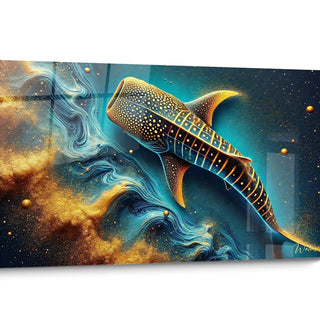 Whale89
artworks
Whale89
artworks
-
 Barracuda61
artworks
Barracuda61
artworks
-
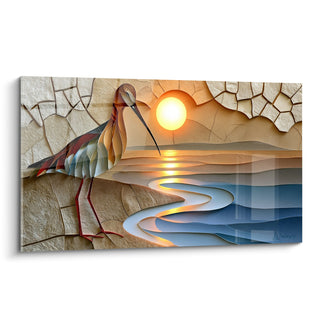 Snipe32
artworks
Snipe32
artworks
-
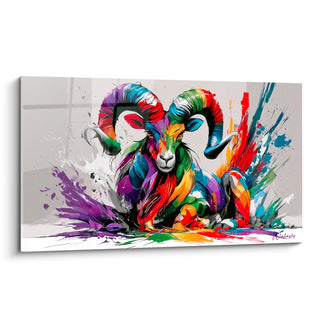 Ram315
artworks
Ram315
artworks
-
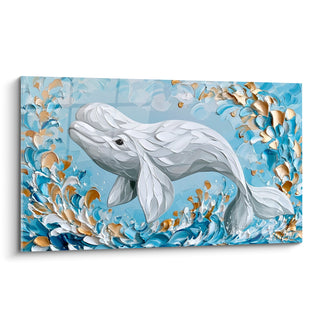 Beluga169
artworks
Beluga169
artworks
-
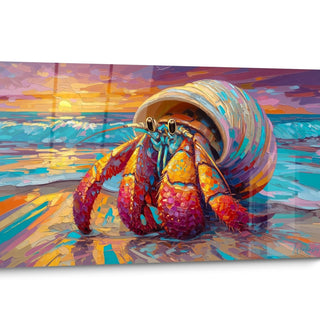 Hermit-Crab12
artworks
Hermit-Crab12
artworks
-
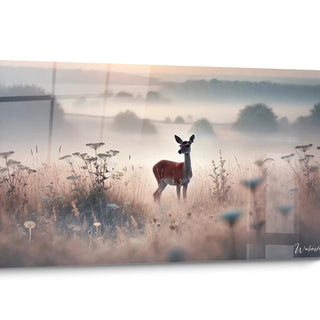 Doe10
artworks
Doe10
artworks
-
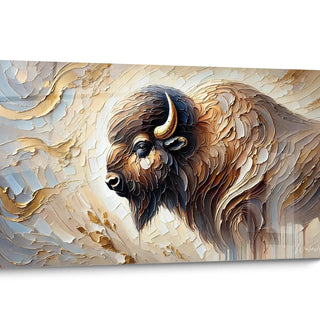 Bison8
artworks
Bison8
artworks
-
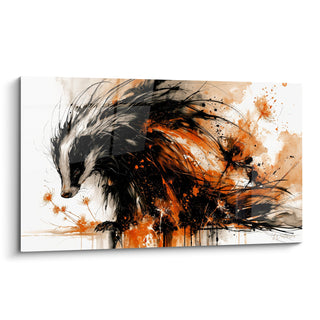 Badger59
artworks
Badger59
artworks
-
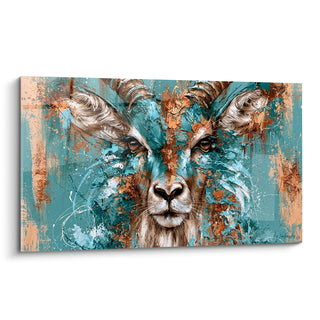 Chamois32
artworks
Chamois32
artworks
-
 Buffalo91
artworks
Buffalo91
artworks
-
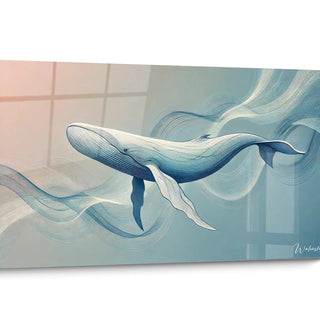 Sperm Whale8
artworks
Sperm Whale8
artworks
-
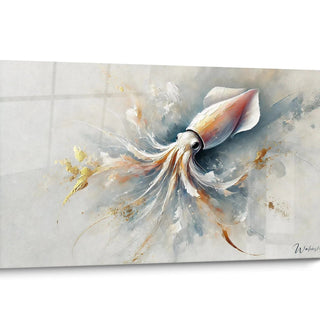 Giant Squid6
artworks
Giant Squid6
artworks
-
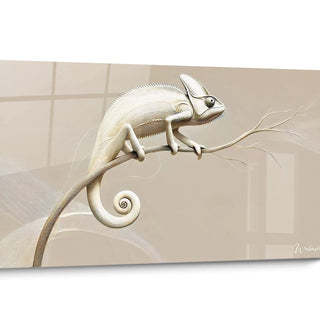 Chameleon20
artworks
Chameleon20
artworks
-
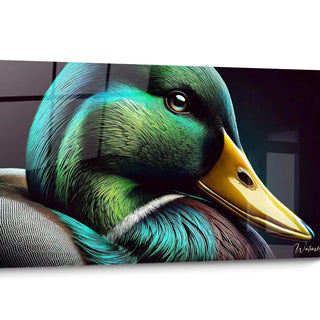 Duck352
artworks
Duck352
artworks
-
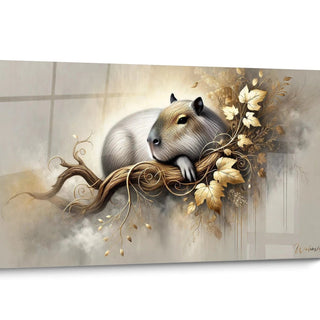 Capybara3
artworks
Capybara3
artworks
-
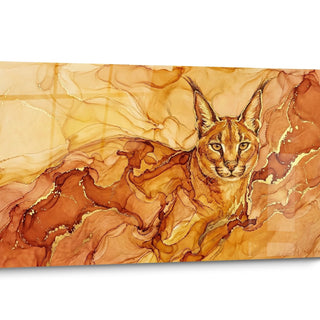 Caracal15
artworks
Caracal15
artworks
-
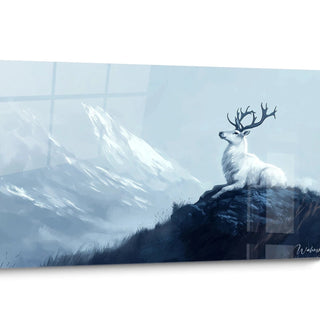 Caribou4
artworks
Caribou4
artworks
-
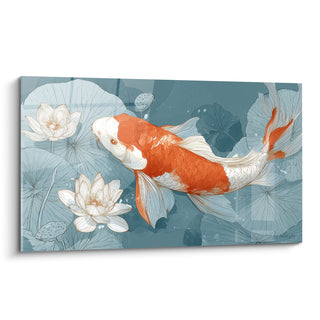 Koi Carp130
artworks
Koi Carp130
artworks
-
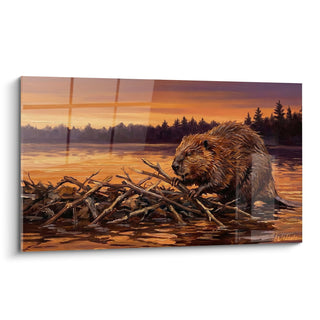 Beaver9
artworks
Beaver9
artworks
-
 Deer26
artworks
Deer26
artworks
-
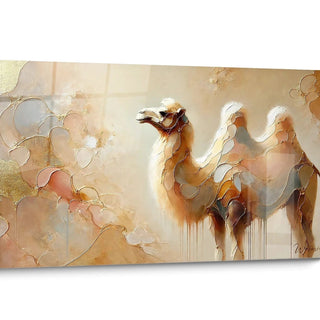 Camel3
artworks
Camel3
artworks
-
 Cat1218
artworks
Cat1218
artworks
-
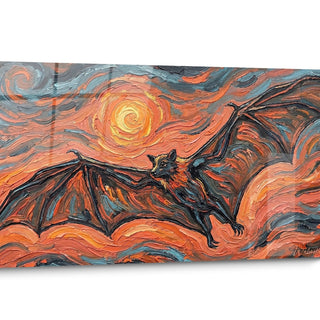 Bat10
artworks
Bat10
artworks
-
 Horse73
artworks
Horse73
artworks
-
 Mountain Goat3
artworks
Mountain Goat3
artworks
-
 Dog3055
artworks
Dog3055
artworks
-
 Chimpanzee12
artworks
Chimpanzee12
artworks
-
 Owl19
artworks
Owl19
artworks
-
 Stork16
artworks
Stork16
artworks
-
 Ladybug7
artworks
Ladybug7
artworks
-
 Pig8
artworks
Pig8
artworks
-
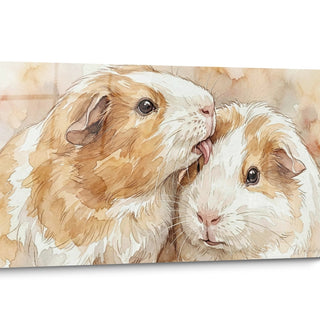 Guinea Pig13
artworks
Guinea Pig13
artworks
-
 Hummingbird23
artworks
Hummingbird23
artworks
-
 Dove90
artworks
Dove90
artworks
-
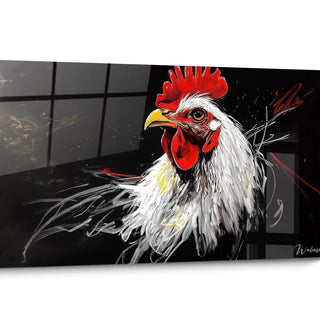 Rooster9
artworks
Rooster9
artworks
-
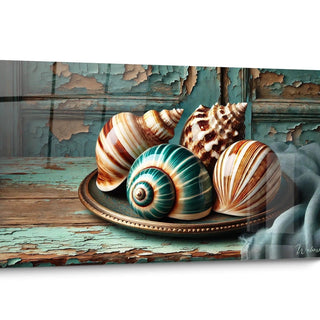 Seashell6
artworks
Seashell6
artworks
-
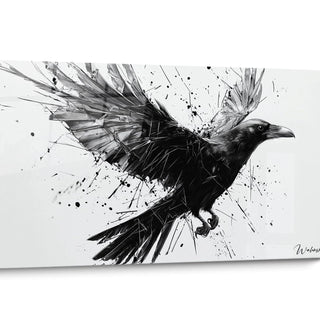 Raven9
artworks
Raven9
artworks
-
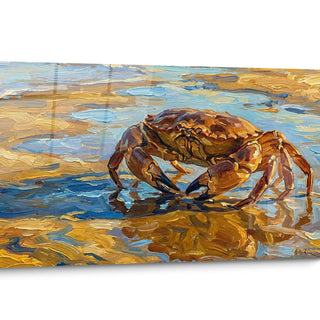 Crab5
artworks
Crab5
artworks
-
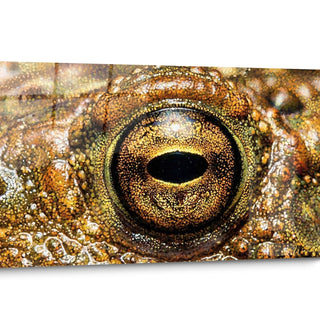 Toad8
artworks
Toad8
artworks
-
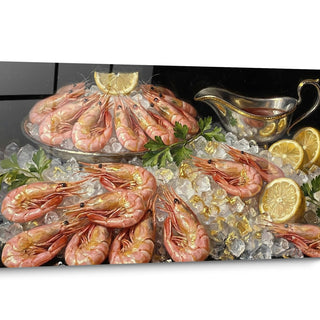 Shrimp5
artworks
Shrimp5
artworks
-
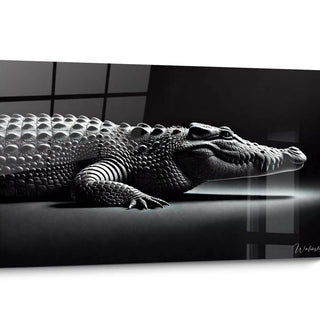 Crocodile4
artworks
Crocodile4
artworks
-
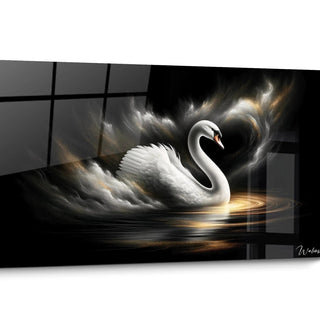 Swan189
artworks
Swan189
artworks
-
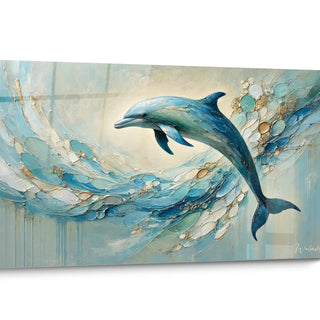 Dolphin11
artworks
Dolphin11
artworks
-
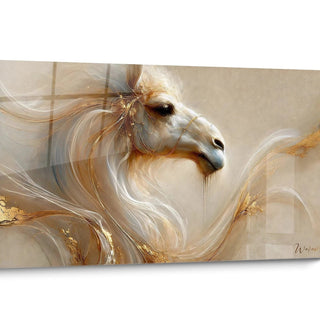 Dromedary4
artworks
Dromedary4
artworks
-
 Squirrel15
artworks
Squirrel15
artworks
-
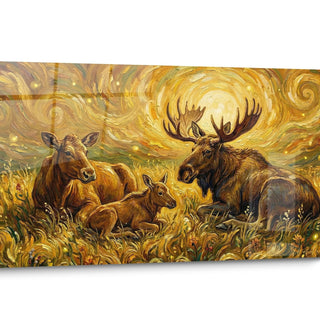 Elan13
artworks
Elan13
artworks
-
 Elephant80
artworks
Elephant80
artworks
-
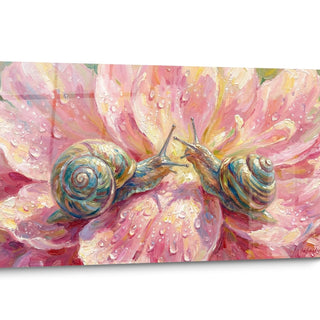 Snail11
artworks
Snail11
artworks
-
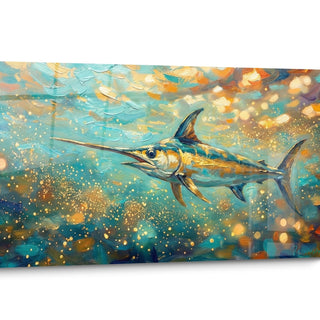 Swordfish4
artworks
Swordfish4
artworks
-
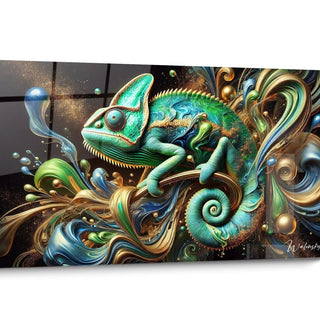 Wild Essence25
artworks
Wild Essence25
artworks
-
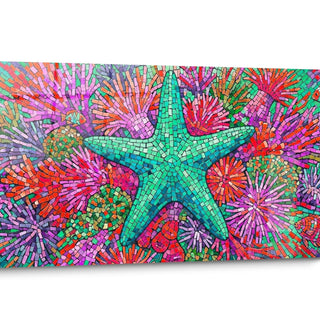 Starfish19
artworks
Starfish19
artworks
-
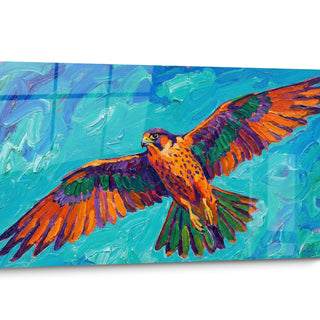 Falcon16
artworks
Falcon16
artworks
-
 Fennec256
artworks
Fennec256
artworks
-
 Pink Flamingo30
artworks
Pink Flamingo30
artworks
-
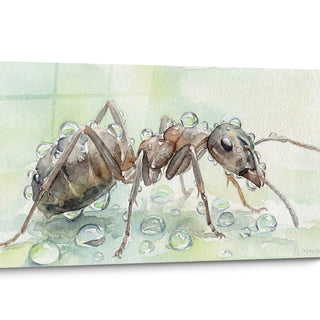 Ant19
artworks
Ant19
artworks
-
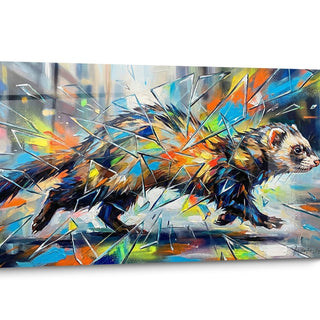 Ferret17
artworks
Ferret17
artworks
-
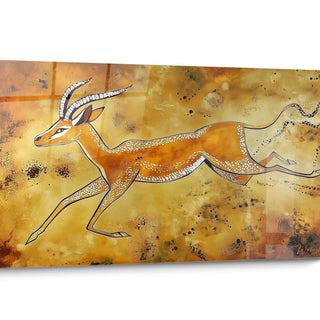 Gazelle4
artworks
Gazelle4
artworks
-
 Giraffe183
artworks
Giraffe183
artworks
-
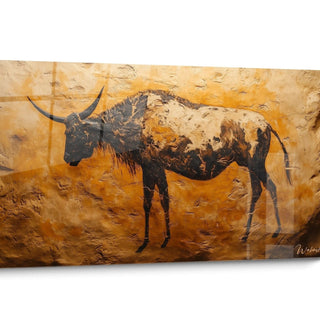 Wildebeest3
artworks
Wildebeest3
artworks
-
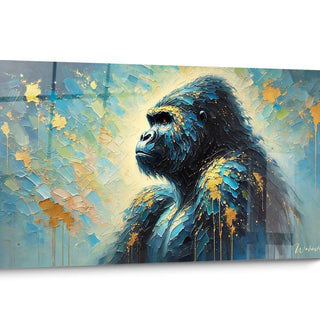 Gorilla15
artworks
Gorilla15
artworks
-
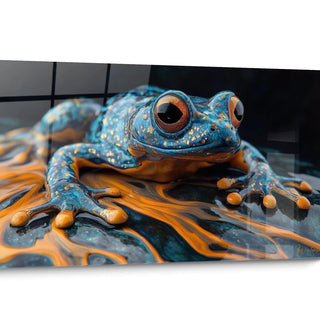 Frog65
artworks
Frog65
artworks
-
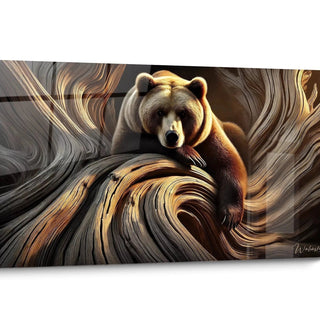 Grizzly3
artworks
Grizzly3
artworks
-
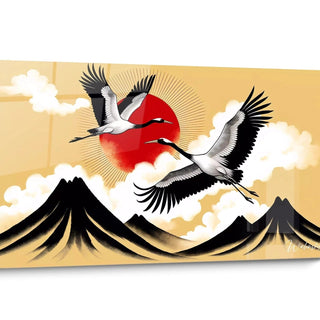 Crane10
artworks
Crane10
artworks
-
 Cheetah147
artworks
Cheetah147
artworks
-
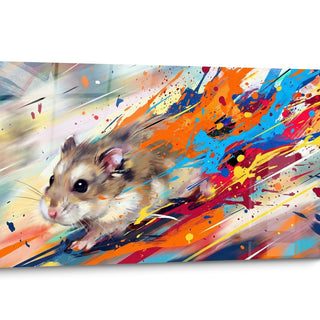 Hamster17
artworks
Hamster17
artworks
-
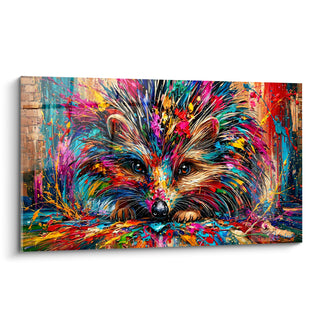 Hedgehog64
artworks
Hedgehog64
artworks
-
 Heron37
artworks
Heron37
artworks
-
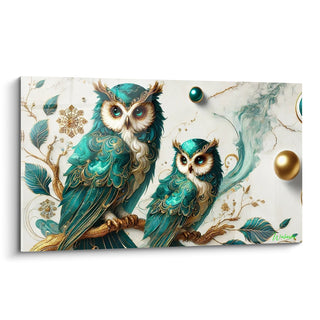 Owl42
artworks
Owl42
artworks
-
 Seahorse34
artworks
Seahorse34
artworks
-
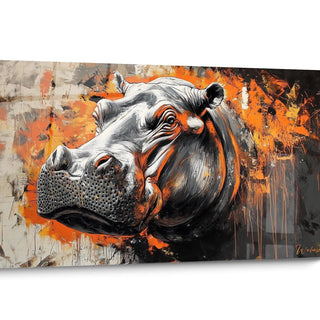 Hippopotamus4
artworks
Hippopotamus4
artworks
-
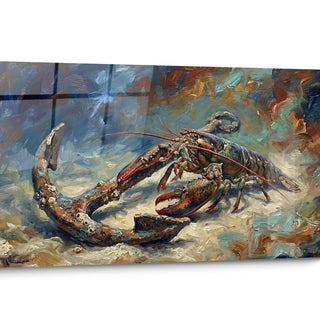 Lobster8
artworks
Lobster8
artworks
-
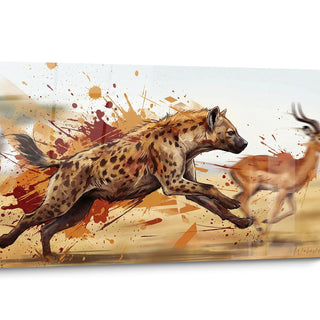 Hyena14
artworks
Hyena14
artworks
-
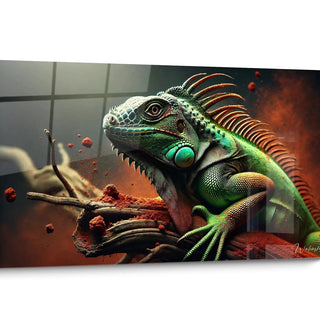 Iguana6
artworks
Iguana6
artworks
-
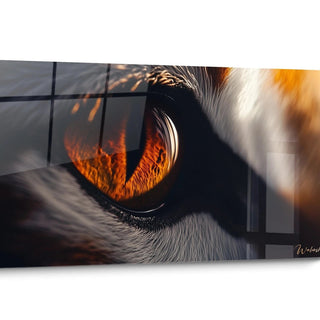 Animal Eye6
artworks
Animal Eye6
artworks
-
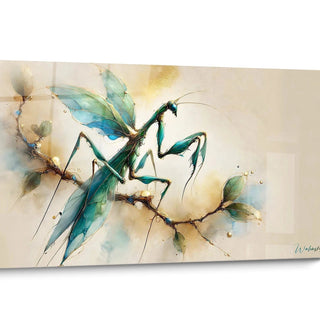 Insect5
artworks
Insect5
artworks
-
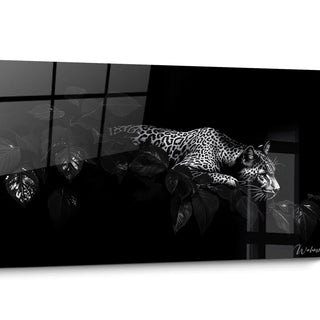 Jaguar6
artworks
Jaguar6
artworks
-
 Kangaroo100
artworks
Kangaroo100
artworks
-
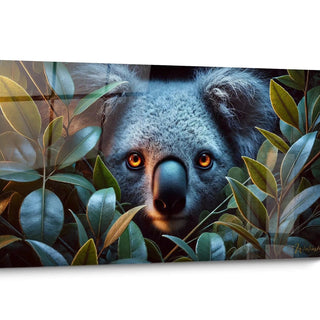 Koala18
artworks
Koala18
artworks
-
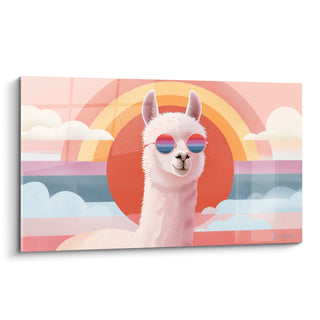 Llama107
artworks
Llama107
artworks
-
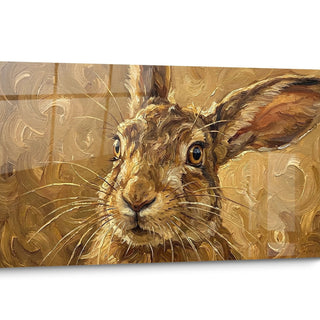 Rabbit15
artworks
Rabbit15
artworks
-
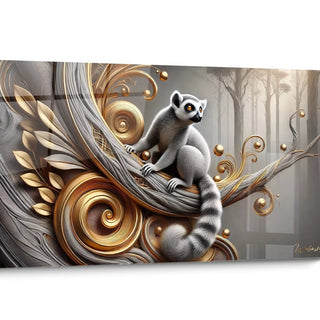 Lemur3
artworks
Lemur3
artworks
-
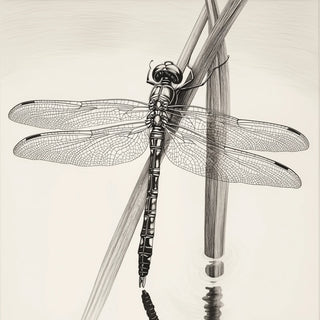 Dragonfly4
artworks
Dragonfly4
artworks
-
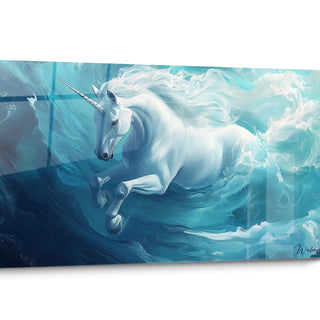 Unicorn62
artworks
Unicorn62
artworks
-
 Lion193
artworks
Lion193
artworks
-
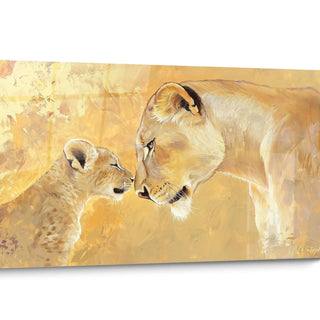 Lion Cub4
artworks
Lion Cub4
artworks
-
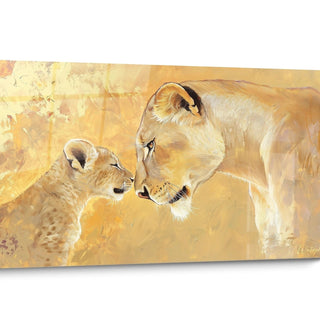 Lioness6
artworks
Lioness6
artworks
-
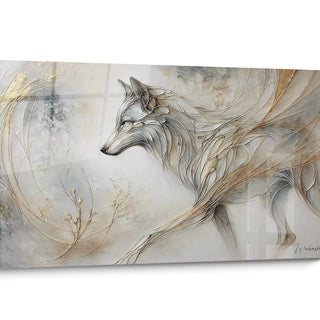 Wolf13
artworks
Wolf13
artworks
-
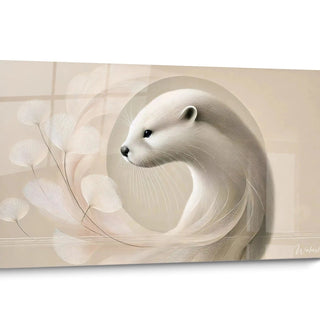 Otter6
artworks
Otter6
artworks
-
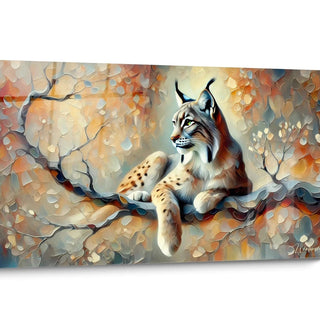 Lynx7
artworks
Lynx7
artworks
-
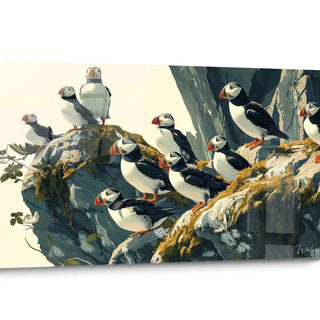 Puffin2
artworks
Puffin2
artworks
-
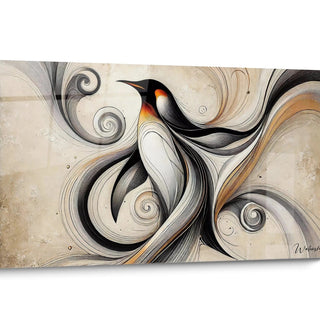 Penguin10
artworks
Penguin10
artworks
-
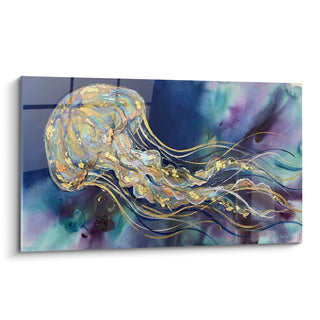 Jellyfish17
artworks
Jellyfish17
artworks
-
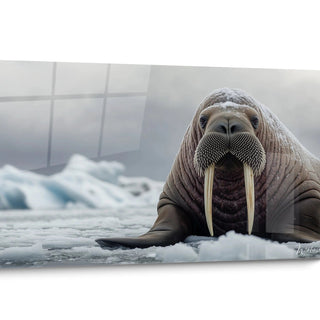 Morse3
artworks
Morse3
artworks
-
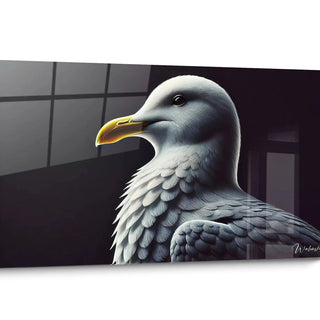 Seagull4
artworks
Seagull4
artworks
-
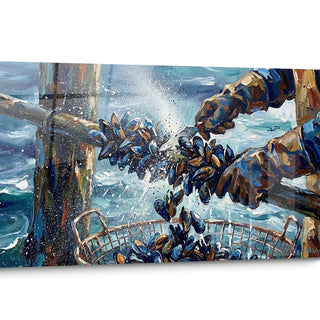 Mold14
artworks
Mold14
artworks
-
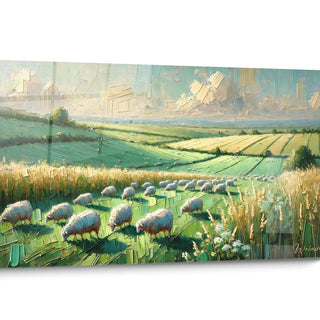 Sheep6
artworks
Sheep6
artworks
-
 Narwhal66
artworks
Narwhal66
artworks
-
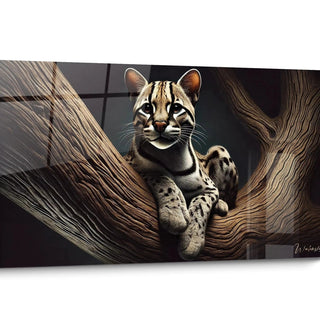 Ocelot3
artworks
Ocelot3
artworks
-
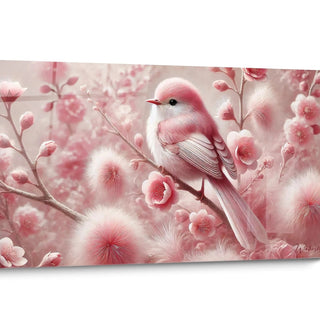 Birds15
artworks
Birds15
artworks
-
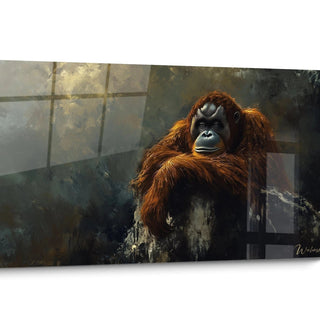 Orangutan10
artworks
Orangutan10
artworks
-
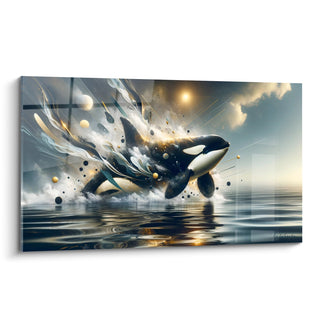 Orca28
artworks
Orca28
artworks
-
 Brown Bear334
artworks
Brown Bear334
artworks
-
 Polar Bear289
artworks
Polar Bear289
artworks
-
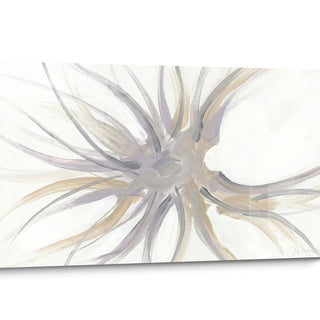 Sea Urchin9
artworks
Sea Urchin9
artworks
-
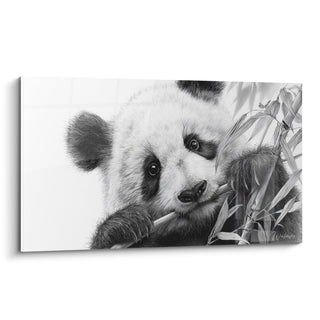 Giant Panda69
artworks
Giant Panda69
artworks
-
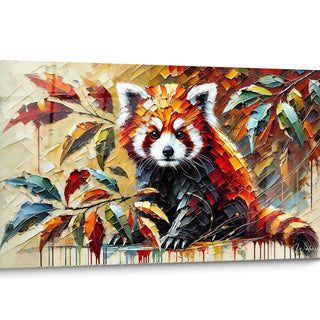 Red Panda11
artworks
Red Panda11
artworks
-
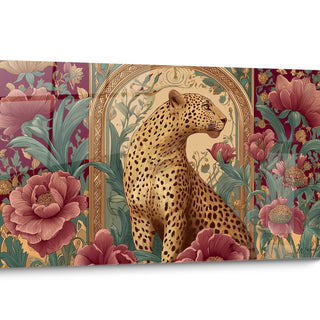 Panther19
artworks
Panther19
artworks
-
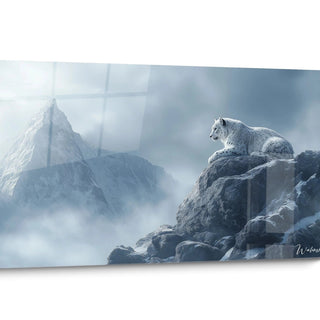 Snow Leopard8
artworks
Snow Leopard8
artworks
-
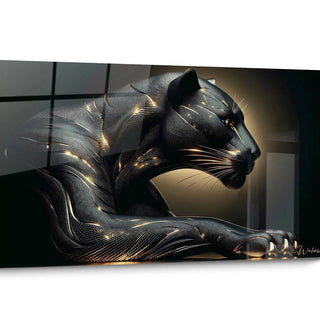 Black Panther10
artworks
Black Panther10
artworks
-
 Peacock128
artworks
Peacock128
artworks
-
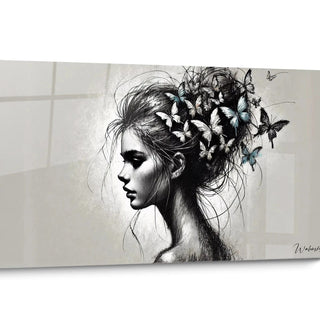 Butterfly14
artworks
Butterfly14
artworks
-
 Lazy Sloth3
artworks
Lazy Sloth3
artworks
-
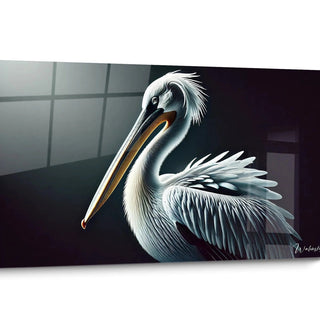 Pelican3
artworks
Pelican3
artworks
-
 Parrot211
artworks
Parrot211
artworks
-
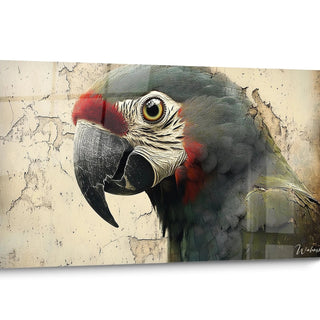 Parakeet5
artworks
Parakeet5
artworks
-
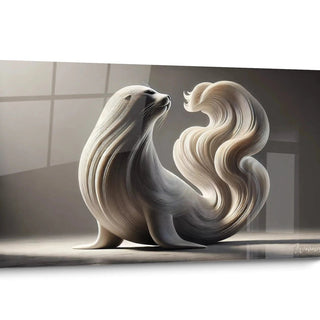 Seal5
artworks
Seal5
artworks
-
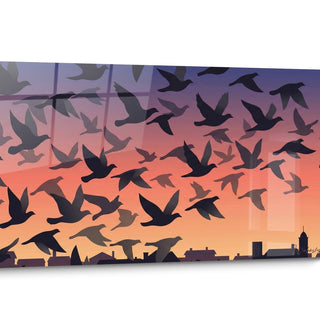 Pigeon10
artworks
Pigeon10
artworks
-
 Penguin274
artworks
Penguin274
artworks
-
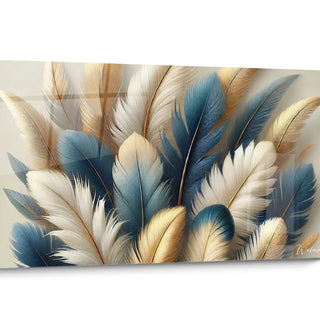 Feather60
artworks
Feather60
artworks
-
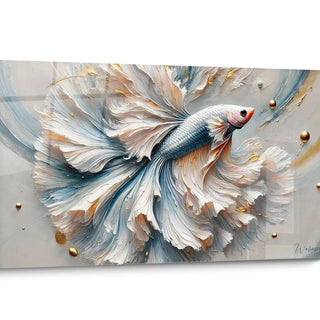 Betta Fish12
artworks
Betta Fish12
artworks
-
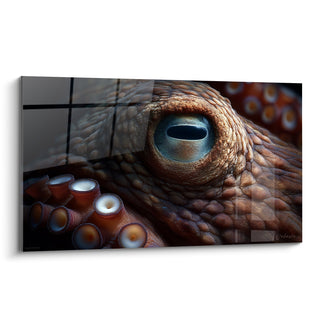 Octopus59
artworks
Octopus59
artworks
-
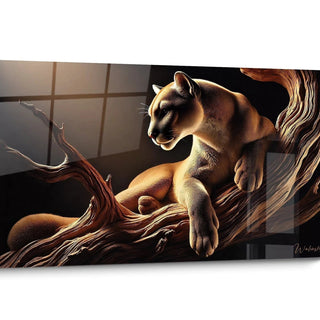 Puma3
artworks
Puma3
artworks
-
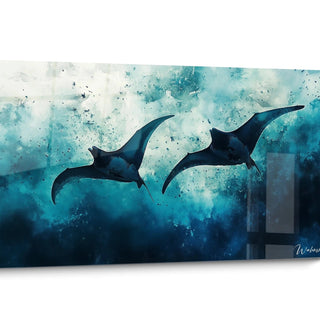 Manta Ray67
artworks
Manta Ray67
artworks
-
 Raccoon2
artworks
Raccoon2
artworks
-
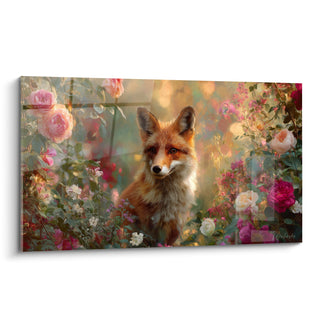 Fox141
artworks
Fox141
artworks
-
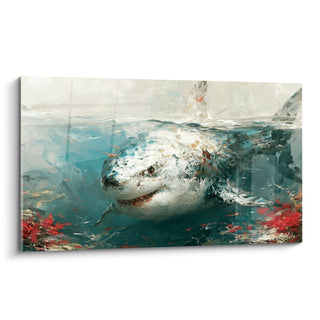 Shark126
artworks
Shark126
artworks
-
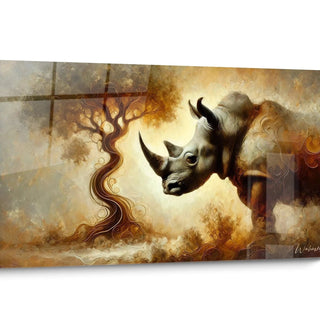 Rhinoceros21
artworks
Rhinoceros21
artworks
-
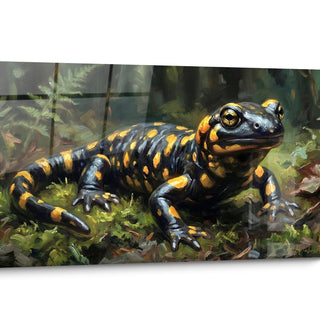 Salamander14
artworks
Salamander14
artworks
-
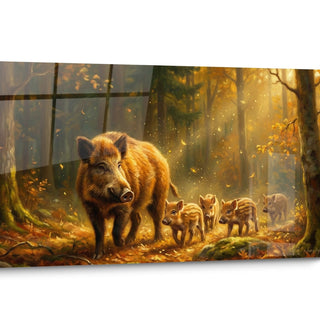 Wild Boar15
artworks
Wild Boar15
artworks
-
 Scarab73
artworks
Scarab73
artworks
-
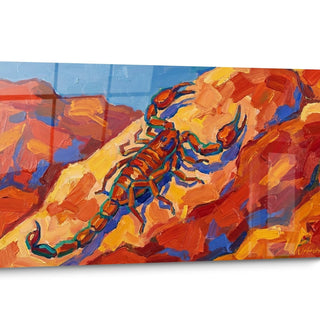 Scorpion9
artworks
Scorpion9
artworks
-
 Serpent102
artworks
Serpent102
artworks
-
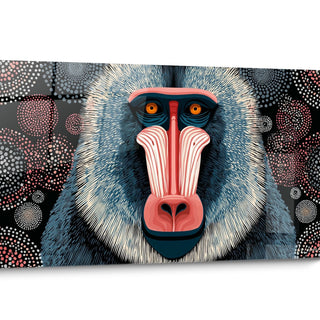 Monkey14
artworks
Monkey14
artworks
-
 Meerkat1
artwork
Meerkat1
artwork
-
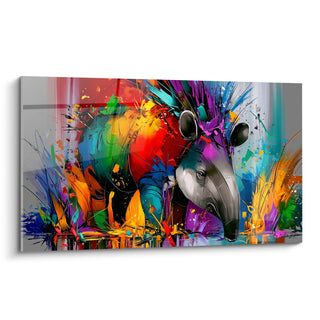 Tapir52
artworks
Tapir52
artworks
-
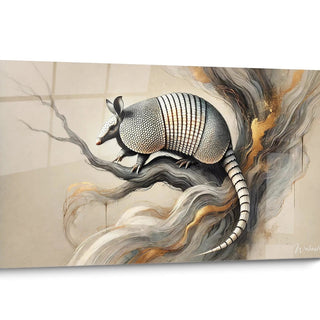 Armadillo3
artworks
Armadillo3
artworks
-
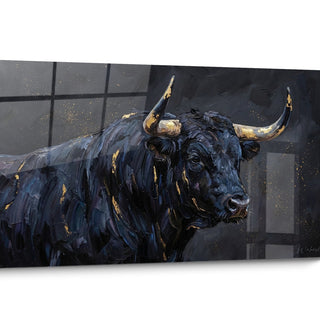 Bull281
artworks
Bull281
artworks
-
 Tiger316
artworks
Tiger316
artworks
-
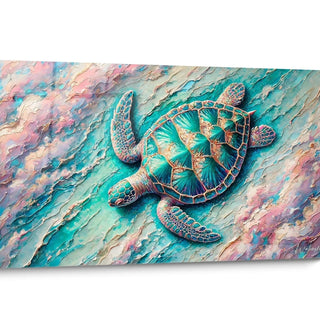 Sea Turtle18
artworks
Sea Turtle18
artworks
-
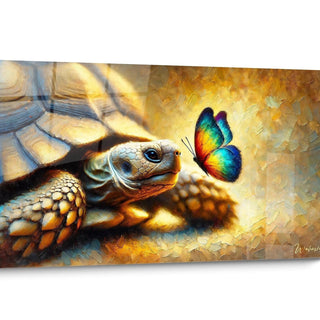 Terrestrial Turtle14
artworks
Terrestrial Turtle14
artworks
-
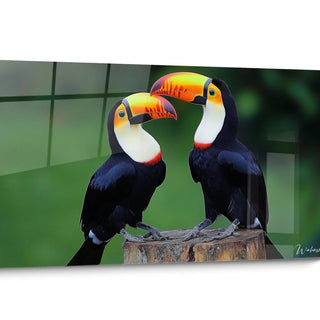 Toucan7
artworks
Toucan7
artworks
-
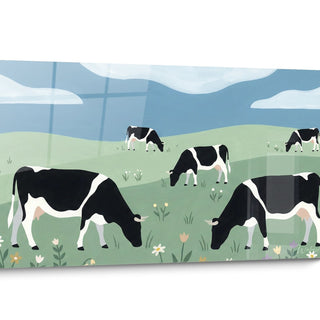 Cow9
artworks
Cow9
artworks
-
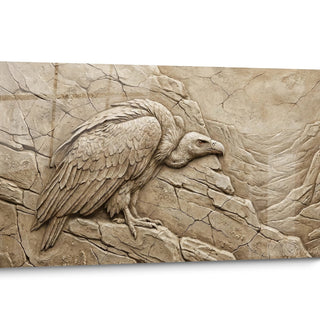 Vulture5
artworks
Vulture5
artworks
-
 Zebra49
artworks
Zebra49
artworks


All about Fish Paintings
- Fish Wall Art Presentation
- Fish Wall Art Maritime Atmosphere
- Fish Wall Art Mural Decoration
- Fish Wall Art Contemporary Art
Fish wall art represents a fascinating artistic category that transcends simple decoration to become a true immersion in the aquatic world. These mural artworks capture the very essence of marine life, transforming any space into a portal to the ocean's depths.
These ichthyological representations distinguish themselves through their unique ability to infuse movement and fluidity into walls. Unlike other artistic themes, marine animal wall art offers incomparable visual dynamics, where each creature seems to swim freely within its frame.
Fish wall art comes in multiple artistic styles, from realistic representations to abstract interpretations, including contemporary graphic works. This diversity allows you to satisfy all tastes and adapt to any interior, whether modern, traditional, or eclectic.
The appeal of fish wall art transcends fleeting trends. Its popularity is explained by this unique ability to create a soothing and contemplative atmosphere. The bluish tones, silvery reflections, and undulating movements characteristic of these works contribute to the creation of a serene and relaxing ambiance.
Discover in the following sections the multiple facets of fish wall art, their decorative specificities, and how these works can radically transform your living space into a captivating marine sanctuary.
Fish Wall Art: Creating an Authentic Maritime Atmosphere
Fish wall art is the central element of successful maritime decoration. Unlike generic marine representations, these artworks focused on aquatic creatures bring an unparalleled living and dynamic dimension to your interior.
How do fish wall artworks transform a room's acoustics?
A little-known aspect of large-scale fish wall art lies in its ability to subtly modify a room's acoustics. Surfaces illustrated with marine creatures create particular sound absorption that attenuates unpleasant reverberations. This unique characteristic transforms the sound environment by evoking the soothing impression of being underwater, where sounds become more muffled and harmonious.
Fish wall art owners often testify to a noticeable improvement in sound ambiance, particularly in spaces with bare walls and hard surfaces. This subtle acoustic modulation contributes significantly to the relaxing effect generally associated with aquatic decorations.
Psychological influence of aquatic colors
Fish wall art distinguishes itself through its specific chromatic palette that exerts profound psychological influence. The shades of blue, turquoise, and silver characteristic of scales present scientifically demonstrated soothing properties. These tones reduce cortisol production, the stress hormone, promoting immediate relaxation.
A recent study on environmental chromaticity reveals that daily exposure to fish wall art contributes to lowering blood pressure and improving sleep quality. Regular contemplation of these illustrated marine creatures also stimulates endorphin production, creating a sensation of well-being comparable to that experienced during a seaside walk.
Which specific home areas particularly benefit from fish wall art?
The bathroom represents the privileged location for fish wall art, creating a natural dialogue with the water element already present. These artworks resist humidity variations remarkably well, unlike other mural decorations. Their presence amplifies the immersive bathing experience, transforming a simple moment of hygiene into a relaxing ritual.
Transition spaces like hallways also benefit from these ichthyological representations. The movement suggested by fish creates visual fluidity that naturally accompanies movement. This unique characteristic generates an impression of continuity and harmony in these often-neglected areas of the home.
Home offices constitute another ideal environment for fish wall art. Research in cognitive psychology demonstrates that intermittent contemplation of aquatic scenes fosters concentration and stimulates creativity. These artworks become productive tools disguised as decorative elements.
Fish wall art alignment with Feng Shui principles
In Feng Shui tradition, fish representations are considered amplifiers of positive energy and abundance. Fish wall art placed in the southeast sector of a room, an area associated with prosperity, activate the flow of financial and professional opportunities according to this ancestral philosophy.
Feng Shui practitioners particularly recommend artworks depicting multiple fish swimming upward, symbolizing social ascension and success. This specific configuration creates an "ascending energy current" that energizes the entire inhabited space.
To maximize energetic benefits, avoid representations of solitary fish or swimming downward. These compositions could, according to Feng Shui principles, lead to stagnation or diminishment of positive flows in your environment.
Seasonal synchronization and fish wall art
Fish wall art offers exceptional decorative flexibility that naturally adapts to seasonal variations. During winter months, its azure tones effectively counterbalance the grayish monotony outside, creating an invigorating visual refuge.
In summer, these artworks amplify the sensation of freshness, establishing perfect resonance with the summer atmosphere. This unique ability to dialogue with seasons transforms these artworks into versatile decorative investments that evolve with your environment.
Experienced collectors recommend slightly repositioning fish wall art according to seasons: higher in summer to evoke the bright surface, lower in winter to suggest mysterious and comforting depths.
Fish Wall Art: Decorative Innovation and Lighting Effects
Fish wall art transcends its purely decorative function to become true transformative installations in your living space. Their unique interaction with natural and artificial light makes them dynamic elements that constantly evolve throughout the day.
Exclusive photosensitive properties of fish wall art
The little-known particularity of fish wall art lies in its distinctive reaction to light. The pigments used to depict scales possess reflective properties that capture and redistribute light similarly to natural scales. This phenomenon creates variable iridescence depending on viewing angle and ambient light intensity.
At certain times of day, notably at sunrise and sunset, fish wall art experiences its "activation moment." During these periods, oblique rays strike painted surfaces at an optimal angle, triggering a visual spectacle where marine creatures seem to truly animate on your wall.
This unique characteristic transforms these artworks into quasi-kinetic installations that evolve with your daily lighting environment, offering renewed visual experience with each luminosity change.
How do fish wall artworks modify spatial perception in a room?
Large-scale fish wall art exerts a singular space-enlarging effect, particularly effective in small urban spaces. Underwater scenes create an "immersive window" that visually pushes back the architectural boundaries of your interior.
This illusion of openness functions through the principle of underwater atmospheric perspective, where distant elements appear more diffuse and bluish. Our brain instinctively interprets this gradation as a depth indicator, thus creating the sensation of extended space beyond the wall.
Traditional mural decorations tend to affirm surface flatness, while fish wall art transcends them, transforming your wall into a portal to a vibrant three-dimensional ecosystem.
Interaction with smart lighting systems
The emergence of smart lighting systems offers new possibilities to magnify fish wall art impact. The use of programmable directional lighting allows highlighting different artwork zones according to predefined cycles.
Variable-temperature luminaires reveal unsuspected aspects of these marine representations. In warm light (2700K), the red and orange tones of tropical fish intensify, while in cool light (5000K), the bluish and silvery hues of northern species deepen.
Enlightened enthusiasts program lighting sequences that simulate underwater light evolution throughout the day, transforming their fish wall art into a true evolving luminous ecosystem.
Fish wall art and architectural biophilia
Fish wall art perfectly fits contemporary architectural biophilic movement aimed at reintegrating natural elements into our urban environments. These artworks satisfy our innate need for connection with the living world, particularly with the aquatic world that exerts ancestral fascination on humans.
Interior architects now integrate these artworks as essential components of biophilic spaces, alongside plants and natural materials. Their presence significantly contributes to reducing the "sick building syndrome" affecting many city dwellers.
Studies in environmental design demonstrate that artistic representations of ecosystems, like those offered by fish wall art, trigger physiological responses comparable to those caused by real natural environments: reduced heart rate, deepened breathing, and parasympathetic activation.
Chromatic evolution and noble patina
Unlike ordinary artistic reproductions, fish wall art undergoes beneficial aesthetic evolution over time. The pigments used develop a subtle patina that enriches the nuances and visual depth of the work.
This process, called "chromatic maturation," gives ichthyological representations a visual quality impossible to obtain with new artworks. Experienced collectors actively seek this characteristic that increases not only the aesthetic value but also the market value of these pieces.
Properly displayed fish wall art develops, after approximately five years, a particular internal luminosity that transforms the initial visual experience into something deeper and more evocative, comparable to the positive aging of fine wines.
Fish Wall Art: Aquatic Symbolism and Emotional Impact
Fish wall art transcends its purely decorative dimension to access a deep symbolic and emotional register. These artworks establish a silent yet powerful dialogue with the observer, activating often unconscious psychological resonances.
Why do fish wall artworks trigger unique neurological responses?
Neuroscientists have recently identified a specific brain reaction to ichthyological representations. Prolonged observation of fish wall art simultaneously activates the limbic system, the seat of emotions, and the prefrontal cortex, responsible for aesthetic contemplation. This dual stimulation, called the "aquarium effect," explains the soothing and fascinating power of these artworks.
Brain imaging reveals that contemplation of painted underwater scenes triggers alpha waves similar to those produced during deep meditation. This unique neurological response transforms fish wall art into genuine therapeutic tools disguised as decorative elements.
Therapists now integrate these representations into post-stress recovery protocols and anxiety-reduction programs, confirming their measurable physiological impact on our nervous balance.
Transcultural symbolism of fish in mural art
Fish wall art draws from a universal symbolic reservoir that crosses cultures and epochs. In many traditions, the fish embodies abundance, transformation, and freedom, conferring on these artworks a significance dimension that far exceeds their aesthetic value.
In Asia, particularly in Chinese culture, fish representations symbolize prosperity and harmony. Integrating fish wall art into a professional or commercial space activates these positive associations for visitors familiar with these cultural references.
In Mediterranean traditions, fish evokes sustenance and abundance, while in Christian symbolism, it represents spirituality and inner transformation. This symbolic versatility makes fish wall art universally significant works, capable of resonating with diverse cultural sensibilities.
Fish wall art as environmental emotional regulators
Environmental psychologists describe fish wall art as "visual emotional anchors" that stabilize the psychological atmosphere of a space. Their presence establishes a soothing focal point that effectively counterbalances stressful elements of the modern environment.
In high-pressure professional spaces, these artworks create "visual decompression zones" where the eye can momentarily escape, allowing essential micro-cognitive recovery for sustained performance.
Family therapists recommend installing fish wall art in common spaces for its harmonizing effect on relational dynamics. These representations help diffuse interpersonal tensions by redirecting collective attention toward a visually engaging yet emotionally neutral element.
How do fish wall artworks influence sleep quality?
Installing fish wall art in bedrooms significantly improves sleep quality, according to sleep medicine specialists. Aquatic representations visualized before falling asleep program the brain for deeper and more restorative sleep cycles.
This influence is explained by the activation of evolutionary memory linked to water, an element associated with safety and rest in our collective unconscious. The undulating patterns characteristic of fish wall art also induce a hypnagogic state favorable to natural sleep onset.
To maximize these benefits, specialists recommend positioning these artworks in direct line of sight from the resting position, thus creating a "soothing visual portal" that facilitates the transition to sleep.
Fish wall art and autobiographical memory
Fish wall art possesses the remarkable ability to activate autobiographical memory linked to aquatic experiences. These artworks frequently trigger reminiscences of seaside vacations, underwater explorations, or moments of relaxation near water, creating an emotional bridge with our positive memories.
This memory activation transforms these artworks into "personalized temporal portals" that allow a form of comforting mental travel. The visual experience thus exceeds simple aesthetic appreciation to become a deeply personal autobiographical experience.
Gerontologists exploit this property by integrating fish wall art into therapeutic environments for elderly people, observing significant stimulation of long-term memory and improved mood in patients regularly exposed to these artworks.
Fish Wall Art FAQ
What size fish wall art should you choose for a living room?
For a living room, prioritize fish wall art whose dimensions ideally represent 1/3 of the wall's length. This proportion guarantees optimal visual impact without excessively dominating the space. For a standard living room, a minimum format of 100x70 cm is recommended to allow appreciation of ichthyological details at comfortable distance.
Do fish wall artworks require special maintenance?
Fish wall art benefits from monthly dusting with a soft feather duster or paint brush. Absolutely avoid chemical products that could alter the specific pigments used to reproduce scale iridescence. In case of stain, consult an art restoration professional rather than attempting amateur cleaning that risks damaging the artwork.
How to integrate fish wall art into minimalist decoration?
In a minimalist interior, opt for monochrome or neutral-toned fish wall art that emphasizes shapes and movements rather than vibrant colors. Prioritize streamlined representations of solitary fish or those in simple geometric formations. The artwork becomes a subtle focal point that adds life and movement without compromising the stripped-down aesthetic characteristic of minimalism.
L'art qui suscite l'envie
Maison belge d'art mural grand format
14 jourspour changer d'avis*
Protection Walenskyincluse
Fabriquéen Italie
FormatXXL
Kit de fixationtoujours fourni
* Hors tableaux personnalisés et tailles personnalisées


