


Monstera Artwork
The Monstera Artwork collection brings together works where split leaves and deep veins become the central motif of a decor. Golden dew drops, rare variegation, tropical hues or end-of-day light: each Monstera artwork captures a particular vegetal atmosphere. Designed for lovers of stylized nature, this selection transforms a wall into a window open onto an intimate jungle, between precise botany and graphic interpretation.
 Purple and Gold Veined Leaves Artwork - Nocturnal Tropical Radiance - Monstera Edition273,90 €
 Stylized Tropical Leaf Artwork Green and Terracotta - Tropical Sweetness - Monstera Edition273,90 €
 Purple and Gold Striped Leaves Artwork - Tropical Twilight - Monstera Edition242,90 €
 Mixed Green and White Leaf Artwork - Tropical Awakening - Monstera Edition273,90 €
 Purple and Gold Leaves with Fine Veins Artwork - Tropical Whisper - Monstera Edition273,90 €
 Green and Gold Leaf with Water Droplets Painting - Morning Dew - Monstera Edition273,90 €
 Leaf Collage White and Green on Ochre Background - Botanical Treasure - Monstera Edition220,90 €
 Green and Gold Leaf with Dewdrops Painting - Morning Awakening - Monstera Edition220,90 €
In the same family
Also explore the theme Nature
-
 View all4980
artworks
View all4980
artworks
-
 Aloe vera94
artworks
Aloe vera94
artworks
-
 Tree64
artworks
Tree64
artworks
-
 Tree of Life50
artworks
Tree of Life50
artworks
-
 Azalea106
artworks
Azalea106
artworks
-
 Bamboo241
artworks
Bamboo241
artworks
-
 Nature's Beauties372
artworks
Nature's Beauties372
artworks
-
 Cornflower133
artworks
Cornflower133
artworks
-
 Cactus81
artworks
Cactus81
artworks
-
 Camellia197
artworks
Camellia197
artworks
-
 Chrysanthemum225
artworks
Chrysanthemum225
artworks
-
 Poppy341
artworks
Poppy341
artworks
-
 Dahlia161
artworks
Dahlia161
artworks
-
 Eucalyptus119
artworks
Eucalyptus119
artworks
-
 Banana Leaf72
artworks
Banana Leaf72
artworks
-
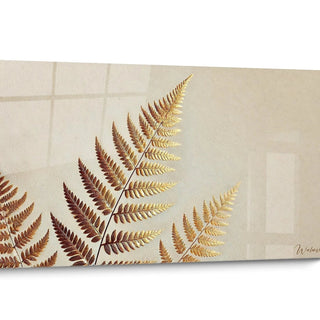 Golden Leaf2
artworks
Golden Leaf2
artworks
-
 Flower275
artworks
Flower275
artworks
-
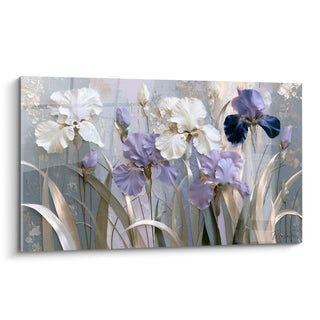 Iris Flower179
artworks
Iris Flower179
artworks
-
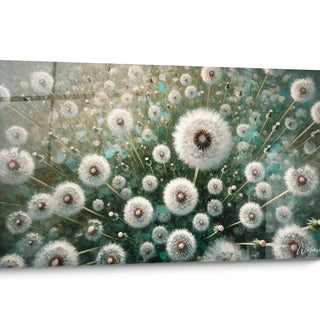 Wildflowers5
artworks
Wildflowers5
artworks
-
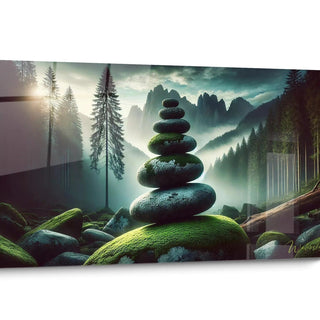 Pebbles7
artworks
Pebbles7
artworks
-
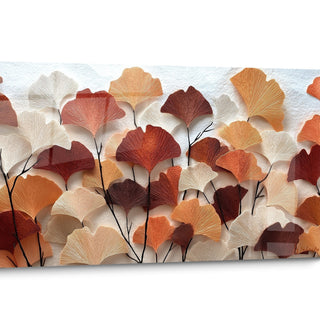 Ginkgo71
artworks
Ginkgo71
artworks
-
 Glycine217
artworks
Glycine217
artworks
-
 Hydrangea140
artworks
Hydrangea140
artworks
-
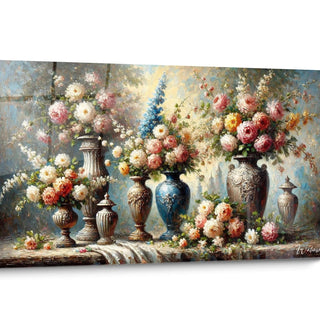 Garden18
artworks
Garden18
artworks
-
 Daffodil163
artworks
Daffodil163
artworks
-
 Lavender135
artworks
Lavender135
artworks
-
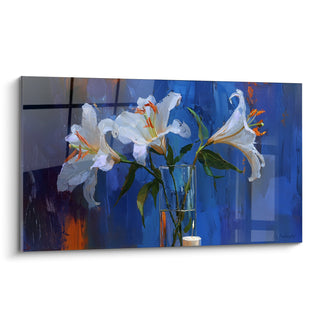 Lily135
artworks
Lily135
artworks
-
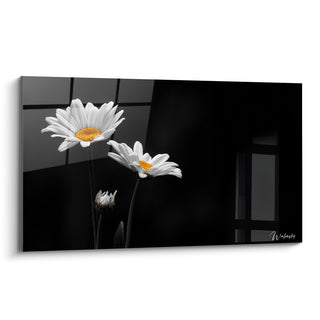 Daisy156
artworks
Daisy156
artworks
-
 Other Nature80
artworks
Other Nature80
artworks
-
 Water Lily105
artworks
Water Lily105
artworks
-
 Olivier321
artworks
Olivier321
artworks
-
 Orchid87
artworks
Orchid87
artworks
-
 Palm Tree375
artworks
Palm Tree375
artworks
-
 Peony168
artworks
Peony168
artworks
-
 Roses14
artworks
Roses14
artworks
-
 Terracotta436
artworks
Terracotta436
artworks
-
 Sunflower152
artworks
Sunflower152
artworks
-
 Tulip542
artworks
Tulip542
artworks


All about Monstera Artwork
- Artwork Description Monstera
- The Anatomy of a Leaf
- Suspended Lights and Climates
- Rarity and Natural Variation
The Monstera Artwork Collection brings together works built around a single plant motif, declined in very different lights and palettes. What unites them is not a single color but a recognizable plant: its large, fenestrated leaves occupy each composition with an almost sculptural presence.
Some artworks play on botanical realism, with dewdrops and a morning light that seems to have just fallen on the foliage. Others venture towards a more graphic interpretation, where green gives way to violet, terracotta, or golden ochre, without ever losing the characteristic silhouette of the leaf. This variation in treatment allows the collection to suit both a minimalist interior and a more assertive space.
Hanging a Monstera artwork invites a tropical presence into your home without falling into the cliché of decorative exoticism. The leaf, with its cut shapes and pearled or matte texture, acts as a visual anchor that structures a wall while maintaining a great softness.
This collection is for those who like to observe a plant before naming it, who appreciate the detail of a vein or the play of light filtering through dense foliage. It is suitable for both a bright living room and a more subdued office, everywhere you want to bring a touch of greenery without multiplying objects.
What the slits and veins of Monstera artworks reveal
Why do these leaves always seem unfinished, as if riddled with holes?
On each Monstera artwork, the eye is first drawn to these deep slits that cut the leaf blade into irregular lobes, sometimes creating real windows in the green material. This natural perforation, called fenestration, is not an accident but an adaptation of the plant to the low light of tropical undergrowth: it allows rays to pass to the lower leaves and resists wind better. Reproduced in large format, this structure becomes an almost architectural motif, where the void counts as much as the material, and each canvas tells a logic of survival transformed into a drawing.
Do the golden or white veins have a role beyond decoration?
In several compositions of the collection, fine veins traced in gold or cream white run through the foliage like a network of hidden lines. They correspond to the actual sap circulation channels in the real plant, but their artistic highlighting transforms them into a true graphic drawing, almost cartographic. This visual choice gives these artworks a double reading: you first see a leaf, then an autonomous linear motif, which explains why they fit as well into a sober decor as into a more loaded ensemble.
Why does the texture seem so present, almost palpable?
The droplets that pearl on some leaves, or the matte grain of other more stylized compositions, play on an apparent texture characteristic of this collection. Water catches the light and creates bright spots that recall the freshness of a humid undergrowth, while more graphic versions emphasize smooth planes evoking the velvety feel of the leaf blade. This play of materials gives each Monstera artwork a depth that is almost tactile, which invites you to approach the wall rather than look at it from afar.
The luminous atmospheres that compose the Monstera artworks
Where does this golden light come from that runs through almost every composition?
Many Monstera artworks in the collection share a common luminous signature: a golden halo, often placed in the background, that runs through the foliage and creates a warm backlight. This grazing light evokes the hours of late afternoon in the tropics, when the low sun filters between the dense foliage and sculpts each leaf into shadows and reflections. Reproduced on canvas, it gives a sense of a suspended moment, as if the scene had been captured just before nightfall, which gives these works a particular warmth even hung in a room without a southern window.
" [HTML FRAGMENT - traduit ce fragment HTML, garde la structure]Why do some canvases shift to nocturnal or unreal hues?
Unlike the golden and morning versions, some of the collection explores darker palettes, purples or anthracite, where the Monstera leaf seems to emerge from a nocturnal jungle. This chromatic choice moves away from botanical realism to approach a graphic aesthetic close to illustration, where the plant becomes a pretext for a play of contrasts rather than a faithful reproduction. This type of Monstera canvas is suitable for interiors that seek a more mysterious, almost nocturnal, plant presence, far from the expected tropical postcard.
Do these variations in light tell several moments of the same day?
When observing the entire collection, one can distinguish an implicit progression: from the humid freshness of a morning garden to the pastel gradients of a late afternoon, through scenes that are almost nocturnal. This diversity allows you to choose a canvas according to the desired atmosphere in a specific room rather than according to a simple color preference. A north-facing living room will gain warmth with a canvas in golden tones, while a very bright space can accommodate a darker version without losing visual balance.
What the variegation of Monstera canvases reveals
Why do some leaves display this irregular cream white?
Several pieces in the collection feature a spectacular variegation, this blend of ivory white and deep green that obeys no repetitive pattern. This phenomenon, rare in nature, is the result of a genetic mutation that prevents some cells from producing chlorophyll, revealing the light color of the underlying plant tissue. Since no variegated leaf looks exactly like another, each Monstera canvas that incorporates this motif becomes a composition that is inherently impossible to duplicate exactly, which explains the particular appeal of these works for those seeking a unique wall piece.
Does this white and green contrast change the way the composition is read?
On these variegated canvases, the eye no longer follows a single shade of green but navigates between light and dark areas that respond without symmetry. This natural graphic play creates an unusual visual rhythm, closer to an abstract composition than a simple plant portrait, while remaining faithful to a precise botanical observation. A Monstera canvas with variegation attracts the eye differently depending on the angle and distance, making it an interesting piece to place in a hallway or a passageway where the work is viewed from several perspectives.
Does this rarity have symbolic value in an interior?
Owning a variegated plant has long been a sign of refinement among plant collectors, due to the difficulty of obtaining and stabilizing this variation. Transposed onto a wall, this same rarity gives the work a dimension of botanical treasure rather than a simple repeated decorative motif. Choosing this type of canvas is to display a sensitivity to what nature produces that is exceptional and irregular, as opposed to a uniform aesthetic, which distinguishes this composition from a more common or stylized tropical leaf.
FAQ on Monstera canvases
Why does the Monstera leaf appear so often in this collection rather than another tropical plant?
Its split silhouette and wide lobes offer an immediate graphic reading, impossible to confuse with a palm or a fern. This natural cut creates a strong motif that lends itself to very varied treatments, from humid realism to colorful interpretation, while remaining recognizable, which is why it alone carries an entire collection of canvases.
Are purple-toned Monstera canvases suitable for a room that is already very colorful?
These graphic versions in purple or gold tones work better as isolated focal points rather than being associated with other bright colors. In a room that is already busy, prefer compositions with deep greens and a neutral background from the collection, which bring vegetation without adding extra chromatic tension to the wall.
Will the white and green variegated motifs appeal to someone who prefers sobriety?
Yes, because despite their visual rarity, these canvases rest on a tight palette of two or three colors and a often solid background. This economy of colors makes them compatible with minimalist interiors, the complexity coming from the drawing of the leaf itself rather than from an accumulation of tones or superimposed motifs.


