


Hortensia Artwork
Here, the round and generous globules are available in sky blue, mauve, dusty rose and sage green, as if frozen at the top of their flowering. The Tableau Hortensia collection brings together canvases where each cluster of tightly closed petals becomes a material in its own right, sometimes in flat areas, sometimes in knife impasto. On sunny or cloudy yellow background , these hydrangea paintings bring the freshness of a summer garden to any room, without ever falling into floral sentimentality.
 White Hydrangeas Under Blue Sky Painting - Summer Sweetness - Hortensia Edition233,90 €
 White Hydrangeas in Vase Striped Blue - Summer Freshness - Hydrangea Edition233,90 €
 Blue and Yellow Flower Bouquet in a Patterned Vase - Summer Radiance - Hortensia Edition233,90 €
 Transparent Vase Painting with Visible Immersed Stems - Fallen Flower on the Ground - Hortensia Edition233,90 €
 Painting Blue and White Vase with Dense Bouquet on Beige Background - Polished Rounded Body - Hortensia Edition233,90 €
 Painting of Rose and Lavender Bouquet with Flowing Stems - Blurred Translucent Vase - Hortensia Edition233,90 €
 Blue-Gray Vase Painting with Fallen Branches - Cracked Belly - Hortensia Edition233,90 €
 Painting Porcelain Vase with White Hydrangeas - Sweetness of a Flowered Morning - Hortensia Edition233,90 €
 Blue and Pink Hydrangeas in Turquoise Vases Painting - Soothing Floral Arrangement - Hortensia Edition233,90 €
 Blue and White Pitcher with Lush Bouquet - Reflections on Enameled Porcelain - Hortensia Edition233,90 €
 Painting Blue and White Vase with Round Lattice - Midnight Blue Background - Hortensia Edition233,90 €
 Pale Blue and White Umbellas with Slender Beige Leaves - Vaporous Floral Cloud - Hortensia Edition233,90 €
 Purple Umbellas and Sage Green on Textured Plaster - Embossed Floral Pattern - Hortensia Edition233,90 €
 Pink and Purple Hydrangeas with Gold Outlines - Stained Glass Bloom - Hortensia Edition233,90 €
 Tableau Hortensias Mauve and Green Stained Glass - Leaves Rimmed with Gold - Hortensia Edition233,90 €
 Blue and Gold Hydrangeas in Bloom - Starry Night Garden - Hortensia Edition233,90 €
 Hortensia Blue and Purple Stained Glass Style Painting - Dew Radiance - Hortensia Edition233,90 €
 Umbel Painting Peach and Lavender with Translucent Petals - Rainbow Hue - Hortensia Edition233,90 €
 Painting Purple Hydrangeas and Pale Yellow in a Dense Group - Golden Stems Intertwined - Hortensia Edition233,90 €
 Hortensias Cream and Lavender Painting with Turquoise Leaves - Gilded Branch - Hortensia Edition233,90 €
 Pink Hydrangeas and Moss Green Painting - Floral Nostalgia - Hortensia Edition233,90 €
 Purple and White Umbrellas on Cracked Plaster - Trio of Flowering Umbrellas - Hortensia Edition233,90 €
 Hortensia Painting Cream and Green with Dense Foliage - Golden Veins of Leaves - Hortensia Edition233,90 €
 Blue and Green Umbellifers in Dense Bush Pointillist Painting - Thick Paint Touches - Hortensia Edition233,90 €
In the same family
Also explore the theme Nature
-
 View all4980
artworks
View all4980
artworks
-
 Aloe vera94
artworks
Aloe vera94
artworks
-
 Tree64
artworks
Tree64
artworks
-
 Tree of Life50
artworks
Tree of Life50
artworks
-
 Azalea106
artworks
Azalea106
artworks
-
 Bamboo241
artworks
Bamboo241
artworks
-
 Nature's Beauties372
artworks
Nature's Beauties372
artworks
-
 Cornflower133
artworks
Cornflower133
artworks
-
 Cactus81
artworks
Cactus81
artworks
-
 Camellia197
artworks
Camellia197
artworks
-
 Chrysanthemum225
artworks
Chrysanthemum225
artworks
-
 Poppy341
artworks
Poppy341
artworks
-
 Dahlia161
artworks
Dahlia161
artworks
-
 Eucalyptus119
artworks
Eucalyptus119
artworks
-
 Banana Leaf72
artworks
Banana Leaf72
artworks
-
 Golden Leaf2
artworks
Golden Leaf2
artworks
-
 Flower275
artworks
Flower275
artworks
-
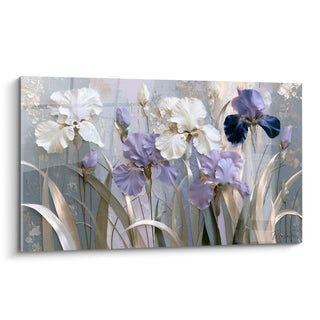 Iris Flower179
artworks
Iris Flower179
artworks
-
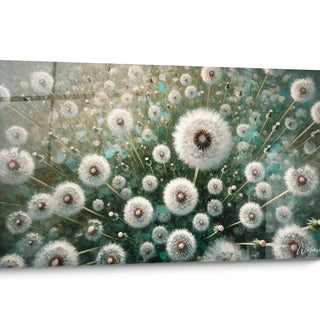 Wildflowers5
artworks
Wildflowers5
artworks
-
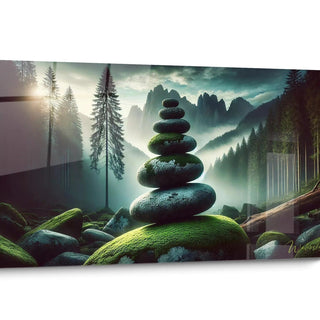 Pebbles7
artworks
Pebbles7
artworks
-
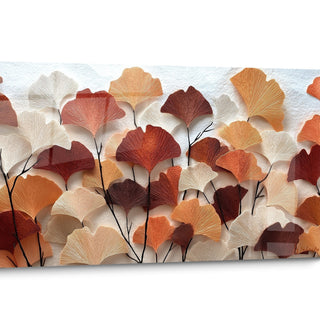 Ginkgo71
artworks
Ginkgo71
artworks
-
 Glycine217
artworks
Glycine217
artworks
-
 Garden18
artworks
Garden18
artworks
-
 Daffodil163
artworks
Daffodil163
artworks
-
 Lavender135
artworks
Lavender135
artworks
-
 Lily135
artworks
Lily135
artworks
-
 Daisy156
artworks
Daisy156
artworks
-
 Monstera8
artworks
Monstera8
artworks
-
 Other Nature80
artworks
Other Nature80
artworks
-
 Water Lily105
artworks
Water Lily105
artworks
-
 Olivier321
artworks
Olivier321
artworks
-
 Orchid87
artworks
Orchid87
artworks
-
 Palm Tree375
artworks
Palm Tree375
artworks
-
 Peony168
artworks
Peony168
artworks
-
 Roses14
artworks
Roses14
artworks
-
 Terracotta436
artworks
Terracotta436
artworks
-
 Sunflower152
artworks
Sunflower152
artworks
-
 Tulip542
artworks
Tulip542
artworks


All about Hortensia Artwork
- Presentation of Hydrangea Painting
- The blue that changes name
- Balls and clusters tightly packed
- Material and summer light
The Hydrangea Painting collection brings together canvases built around a common obsession: the dense corolla, this mass of small, tightly packed flowers that form clouds of balls on a stem. From one work to the next, the structure changes—flat graphic, thick impasto, almost photographic subdued light—but the umbel remains the central motif around which everything is organized.
What unites these hydrangea paintings is also a palette that refuses a single color: lavender blue, powdery pink, mauve, turquoise, and sage green often blend within the same flower, giving each canvas a rare chromatic richness for a botanical subject. This constant variation avoids the monotony of a classic floral collection and allows these works to be matched to very different interiors, from the brightest to the most subdued.
This collection is for those who seek a plant presence that is not discreet but remains soothing—a hydrangea painting occupies space without ever attacking it, thanks to the softness inherent in its rounded volumes. It will appeal as much to those who like dense and abundant compositions as to those who prefer a more refined, almost botanical, reading of the same subject.
In short, these paintings speak less of a flower than of a suspended moment in a garden, captured under various lights and techniques but always faithful to the round generosity that defines the hydrangea.
Why does blue dominate so many hydrangea paintings
Where does this color instability come from within a single flower?
On a hydrangea painting, it is not uncommon for a single umbel to mix sky blue, mauve, and pink on petals that are otherwise identical. This variation is not an artistic license: it reproduces a real phenomenon, specific to this plant, the shade of which depends on the acidity of the soil in which it grows. Painters and illustrators composing these works exploit this natural gradient to build umbels that are never monochromatic, creating a depth impossible to achieve with a flower of a fixed color like a rose or a sunflower.
Does this elusive blue have a particular history?
The lavender blue that runs through so many hydrangea paintings owes much to Japanese gardens, where the plant was cultivated and selected for centuries before gaining a foothold in European borders. This origin explains the frequent presence, on these canvases, of dense and structured foliage that more closely resembles an organized garden than a wild meadow. The color itself, never quite stable, still carries the memory of a flower patiently domesticated rather than picked in its natural state.
What does this changing blue change on a wall?
Hanging a hydrangea painting dominated by this shifting blue introduces a color that never quite settles according to the light of the day. In the morning, lavender shades may seem colder; in the evening, they often turn towards a warmer mauve. This gentle instability, inherited directly from the plant itself, gives the work a living presence rare for a botanical subject frozen on canvas.
The particular visual rhythm of hydrangea paintings
Why do these flowers seem to form masses rather than isolated stems?
Unlike a peony or a lily painted in isolation, a hydrangea painting almost always features an accumulation: dozens of small flowers assembled into a single dense sphere. This particular architecture, called a corymb, creates a visual rhythm of repetition and variation within the same rounded form. The eye does not settle on a single flower but scans a mosaic of petals, which gives these compositions a density that few other floral subjects can claim.
Does this abundance tell something about the original garden?
" [HTML FRAGMENT - traduit ce fragment HTML, garde la structure]This abundance of small, tightly clustered flowers comes directly from the way the plant actually grows, in generous bushes rather than solitary stems like some cut flowers. Hydrangea paintings that frame several umbels side by side, sometimes surrounded by wide, veined foliage, restore this natural generosity of the mass rather than the rarity of a single cut flower.
What effect does this density produce once hung?
A wall that welcomes this type of composition gains a particularly charged, almost textured focal point that attracts the eye without ever tiring it thanks to the softness of the shades used. This floral density is suitable for spaces that lack visual relief and seek a pattern rich enough to be looked at for a long time, without introducing excessive chromatic agitation.
The techniques that give hydrangea paintings relief
Why do some petals seem sculpted rather than painted?
Several works in this collection use impasto, a technique that deposits paint in thickness rather than in thin, smoothed layers. Applied to a hydrangea painting, this thick material accentuates the volume of each petal and literally brings the flower out of the canvas, a relief particularly suited to a plant that is already naturally rounded and generous in shape.
Why do other canvases adopt a completely opposite treatment?
In contrast to thick material, some hydrangea paintings choose flat areas and a frontal light with almost no shadow, borrowing from the vocabulary of antique botanical illustration. This graphic style, more contemporary in its execution, emphasizes the outline and pure color rather than relief, offering a more immediate and decorative reading of the same flower.
How do these two approaches dialogue in the same room?
The coexistence of these techniques makes it possible to combine, on the same wall or in the same room, a textured and sculptural canvas with a more refined and graphic work, without a break in consistency since the floral motif remains identical. This technical diversity is what distinguishes a collection built around a specific subject from a simple assortment of decorative flowers chosen at random.
FAQ on hydrangea paintings
Why can the color of a hydrangea painting vary so much from one flower to another on the canvas?
This variation reproduces a phenomenon specific to the real plant, the shade of which changes according to the acidity of the soil that nourishes it. Artists reproduce this natural gradient to avoid uniform areas and give each umbel a chromatic richness that few flowers can offer on a single stem.
Is a hydrangea painting suitable for someone who doesn't like overly busy floral compositions?
Yes, provided you choose a work with a graphic and refined style rather than a dense impasto version. Treatments in flat areas, on a solid background, offer a more subdued and decorative floral reading, while retaining the characteristic round shape of the flower.
Does this floral subject tell a particular geographical origin visible on the canvases?
Some compositions, with their structured foliage and umbels organized in dense masses, recall the heritage of gardens where this plant was long selected before reaching Western masses, a lineage that explains the almost ornamental rigor of some framing.


